
The Narboroughs
The Narboroughs
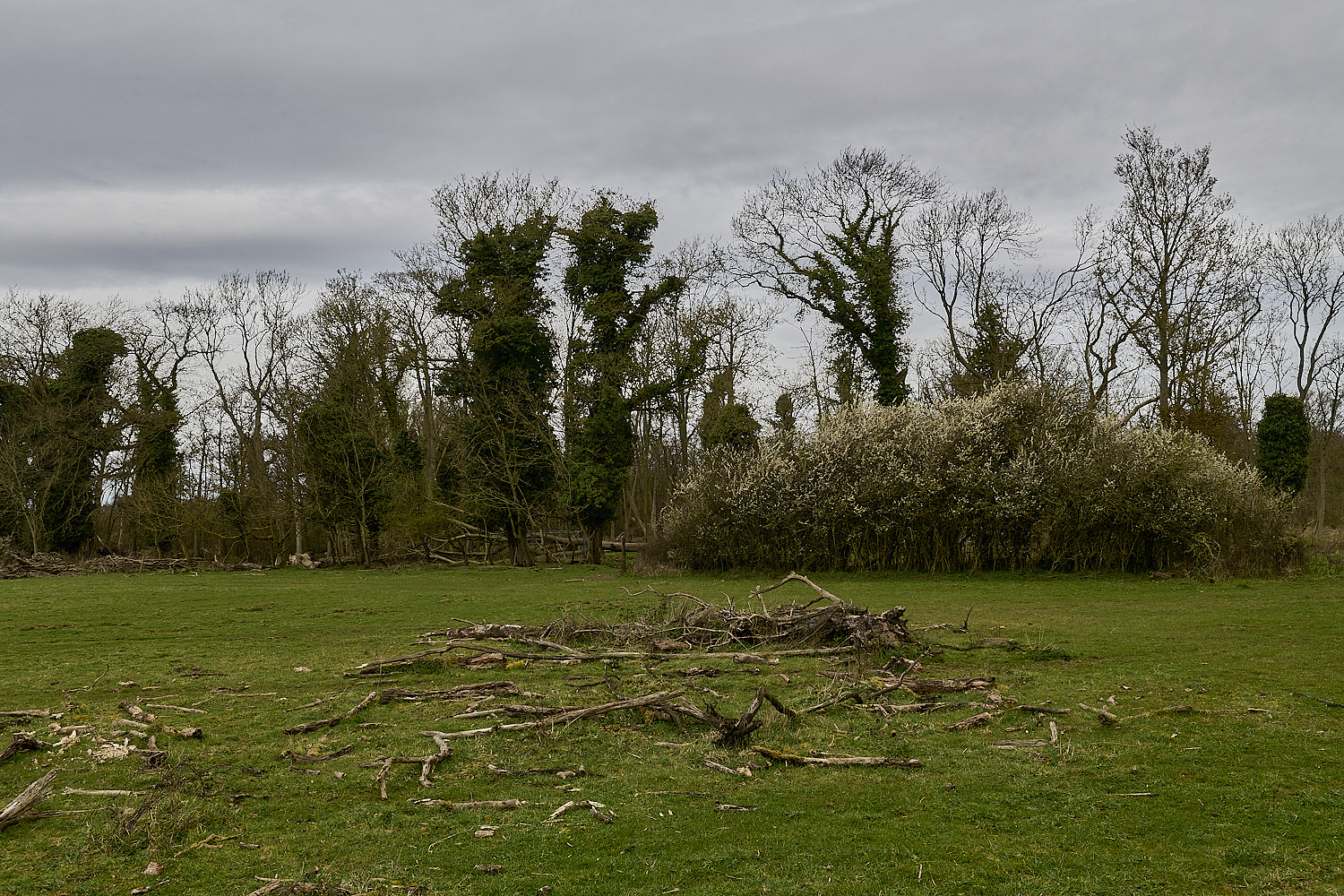
just as it was
over a hundred & more years ago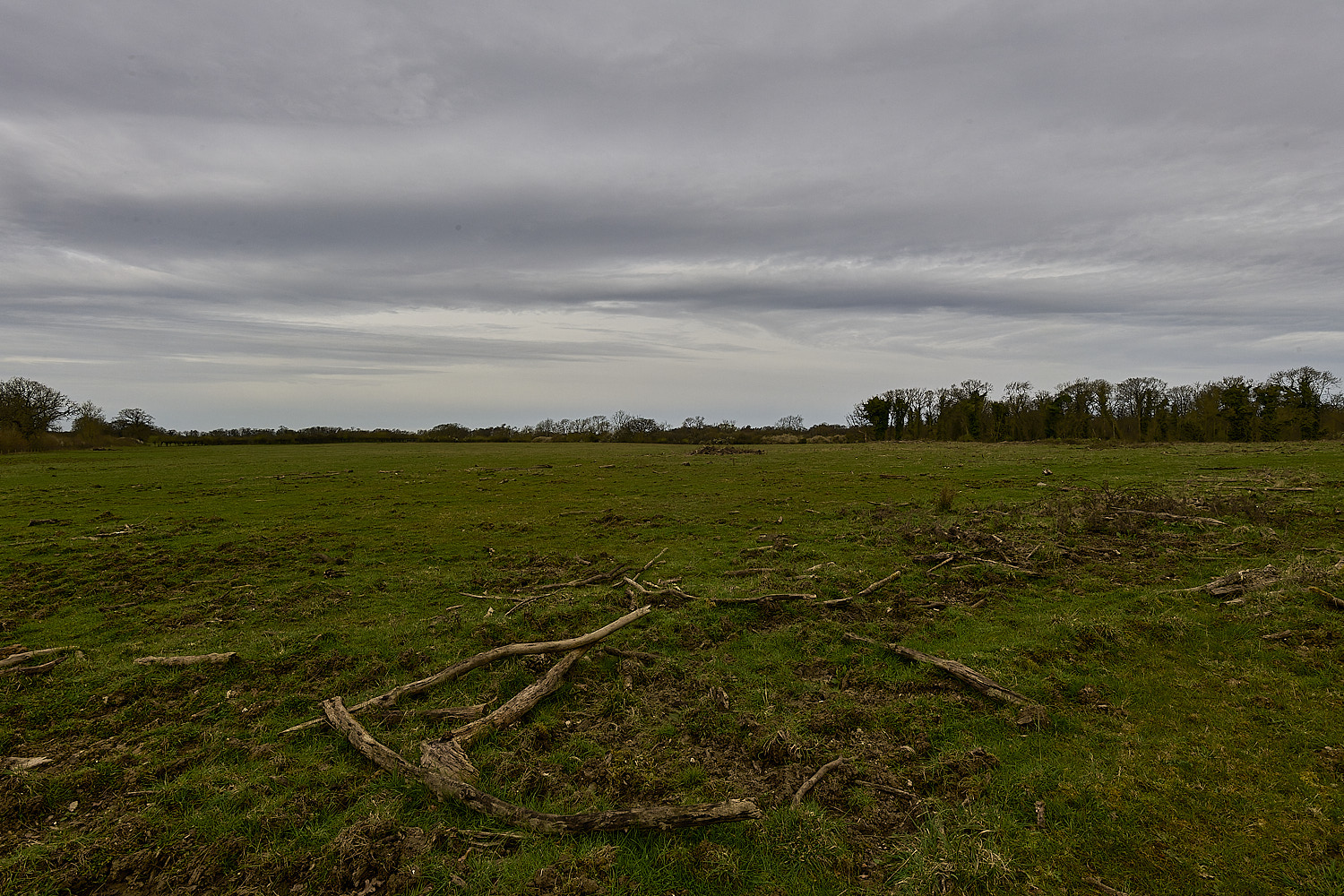
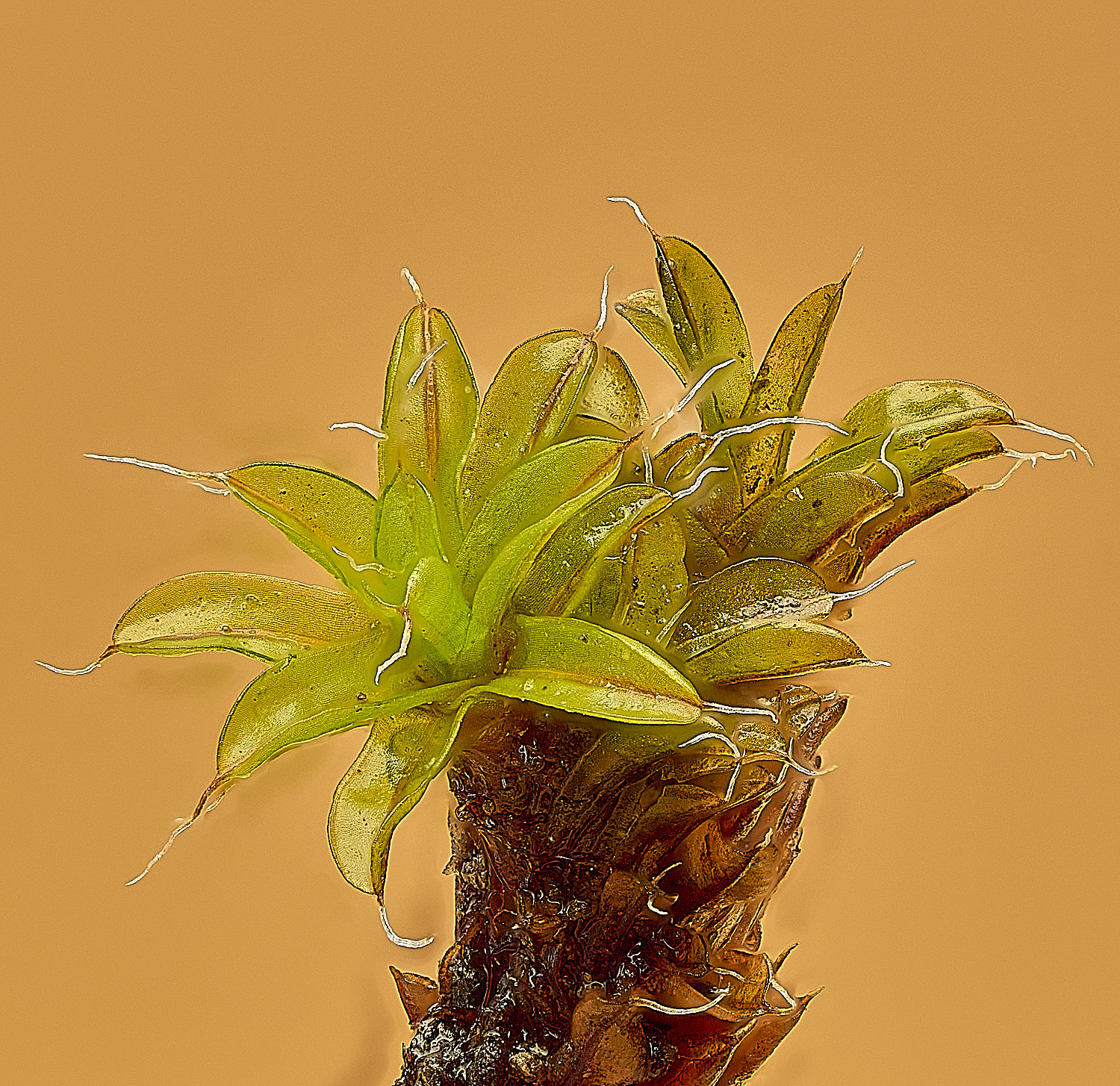
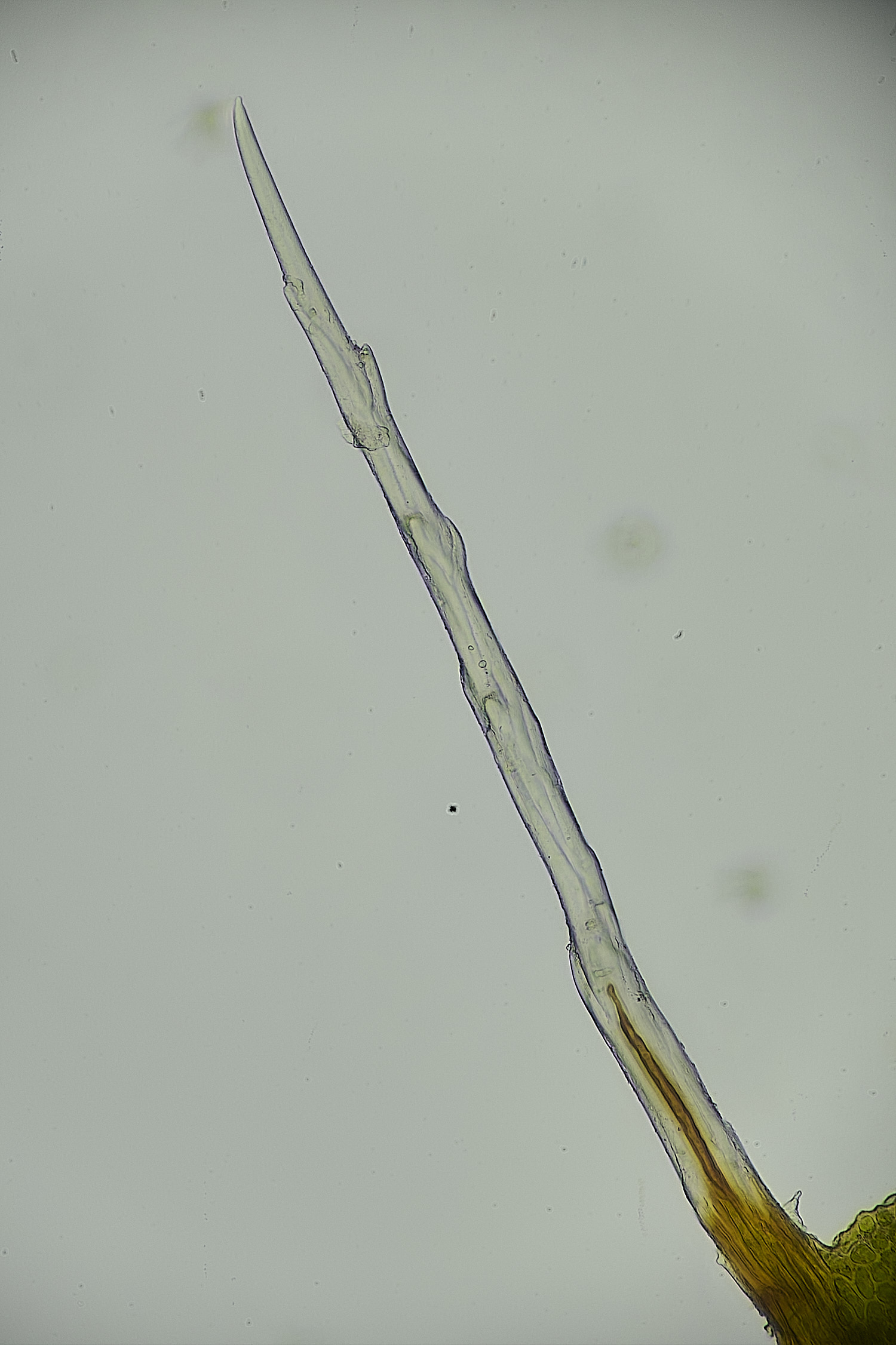
Hair Point x 200 showing teeth
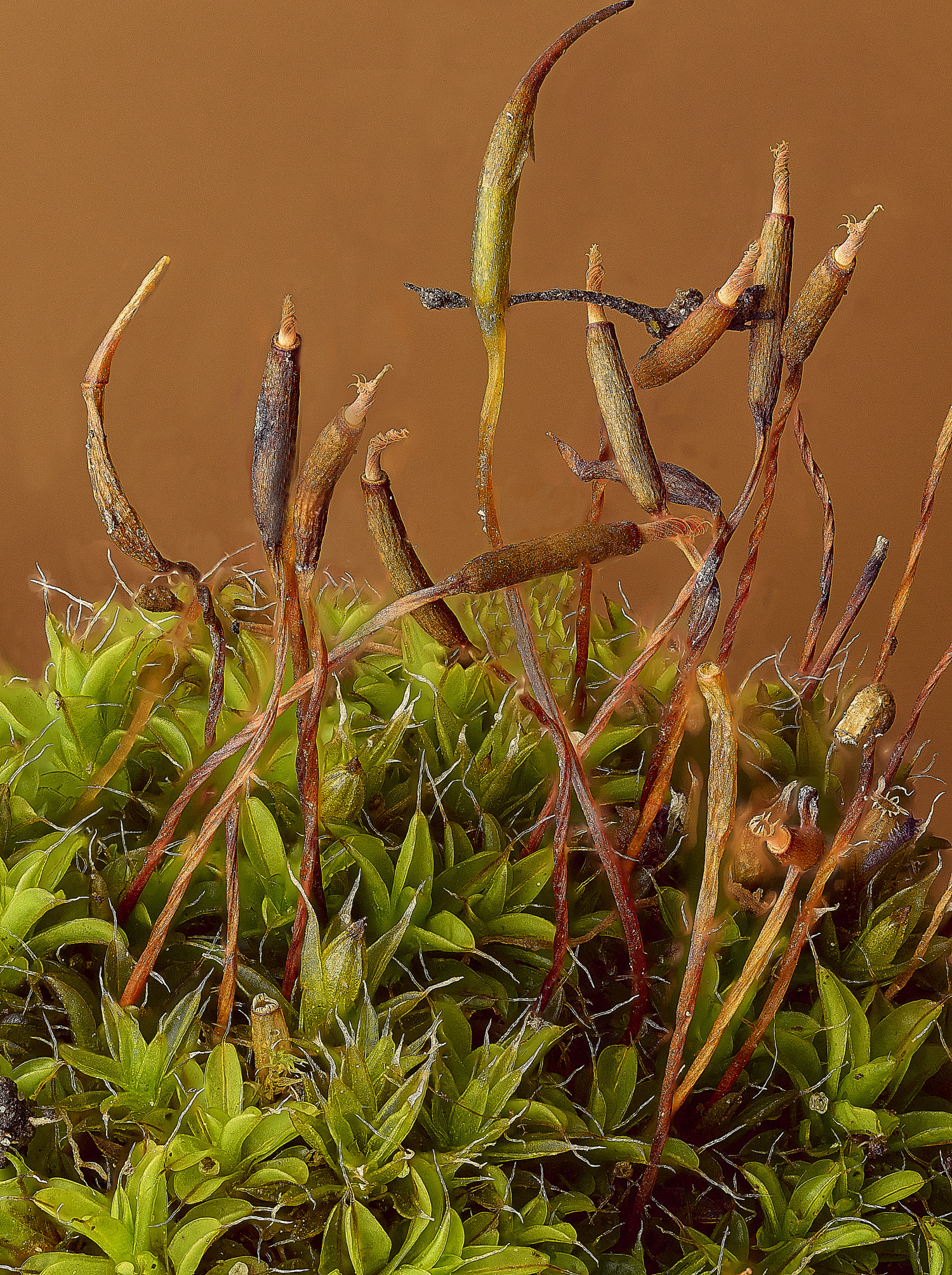
Intermediate Screw-moss (Syntricha intermedia) with White-tipped Bristle-moss (Orthotrichum diaphanum)
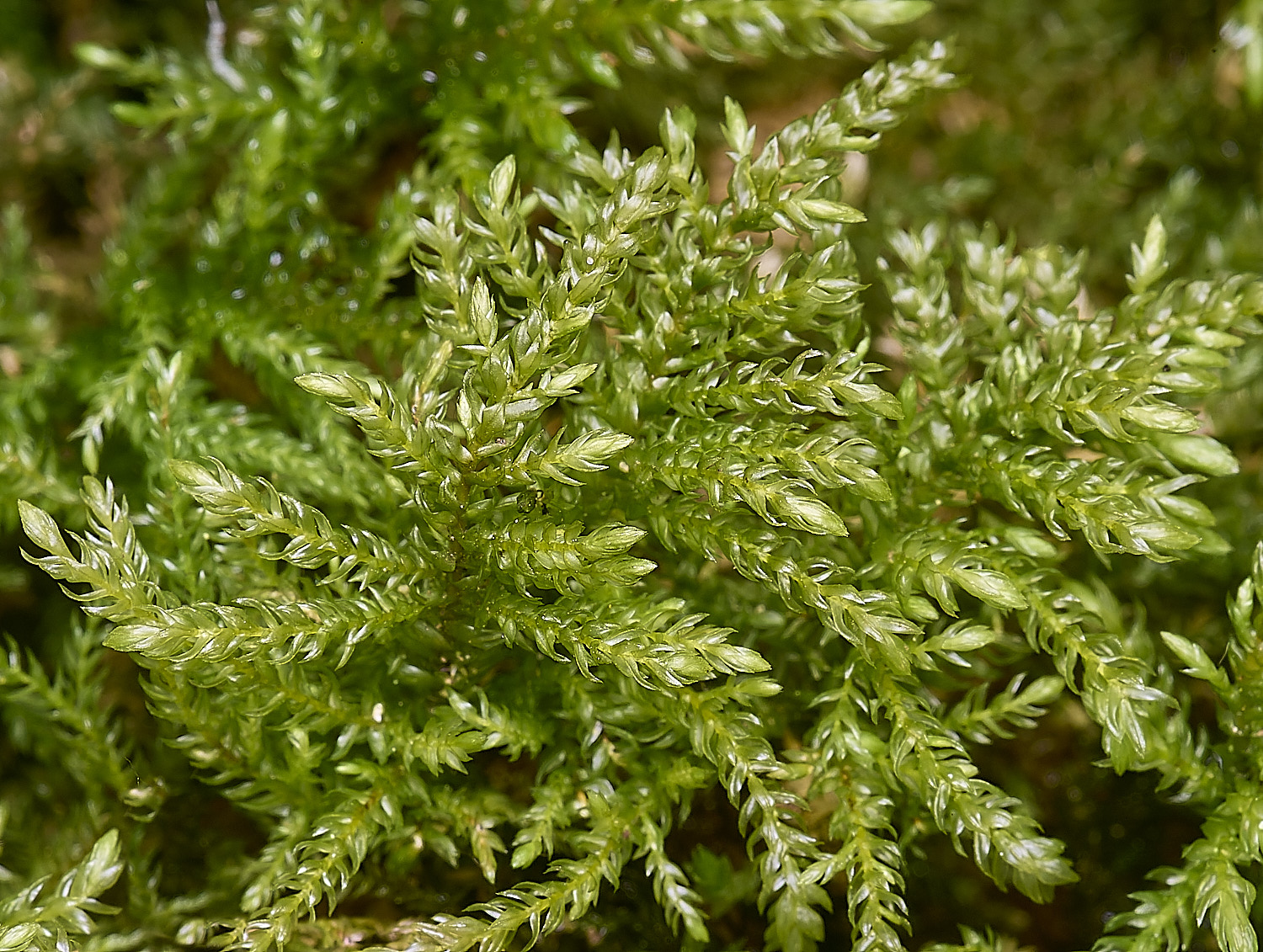
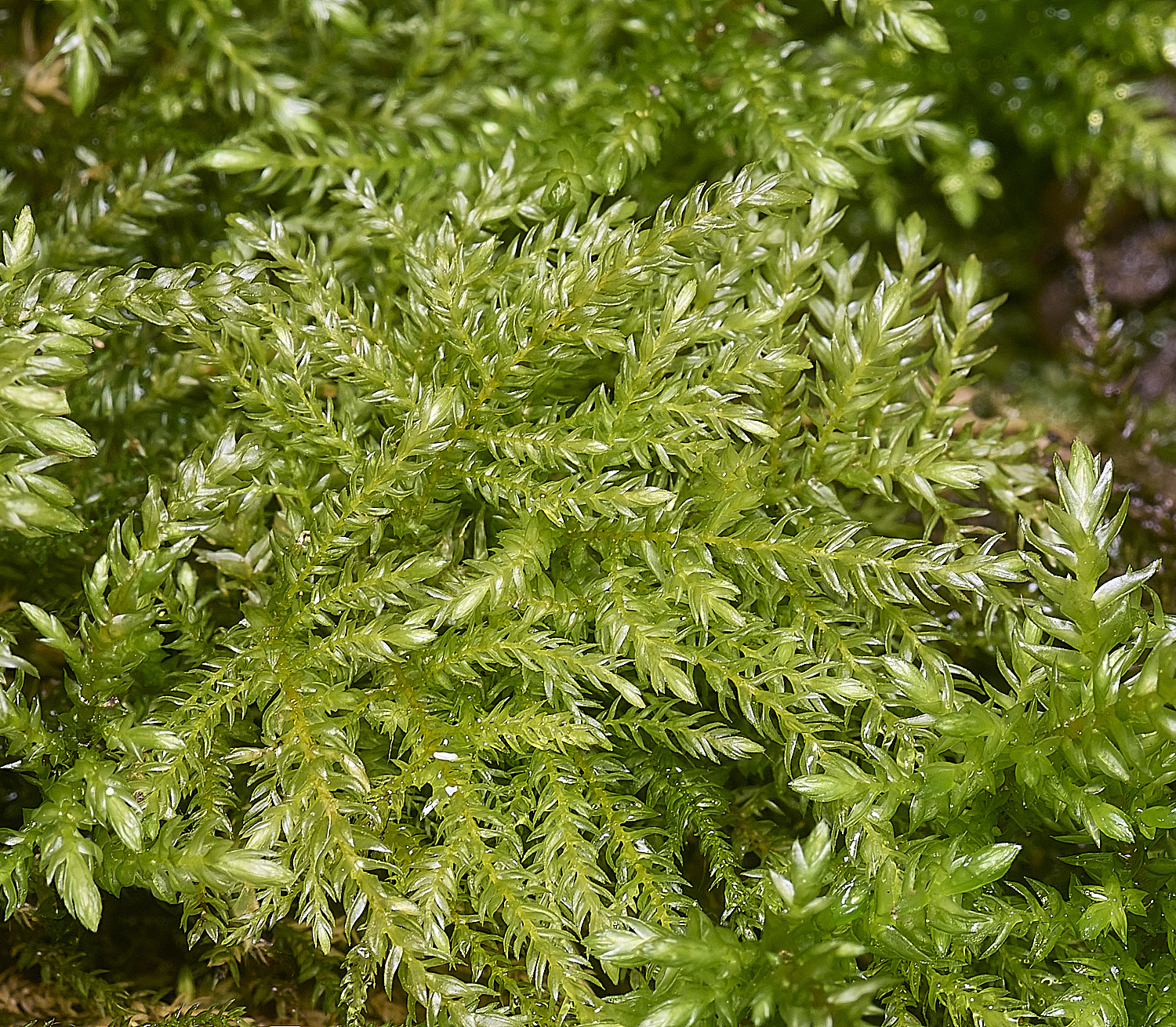
x 100
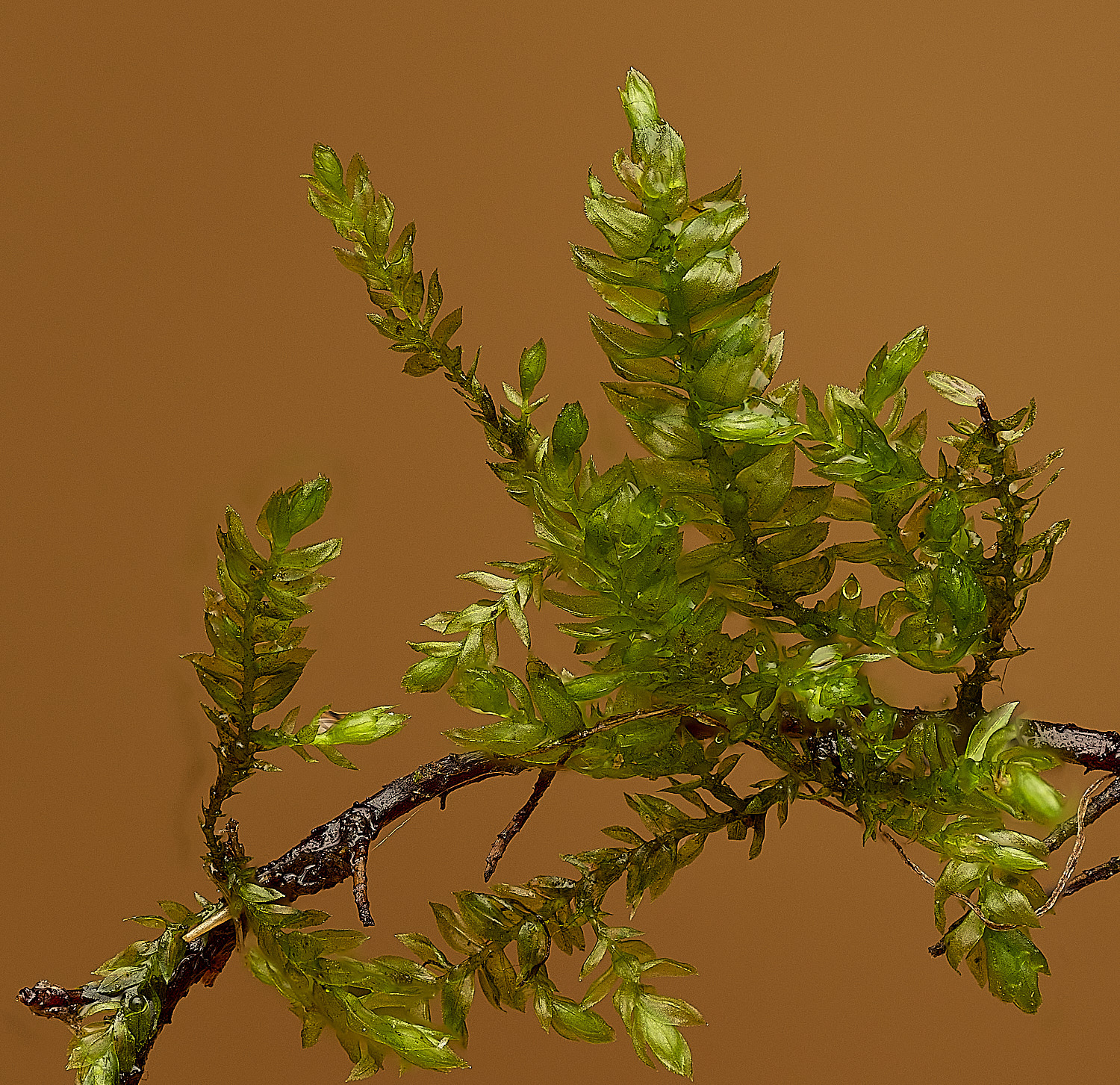
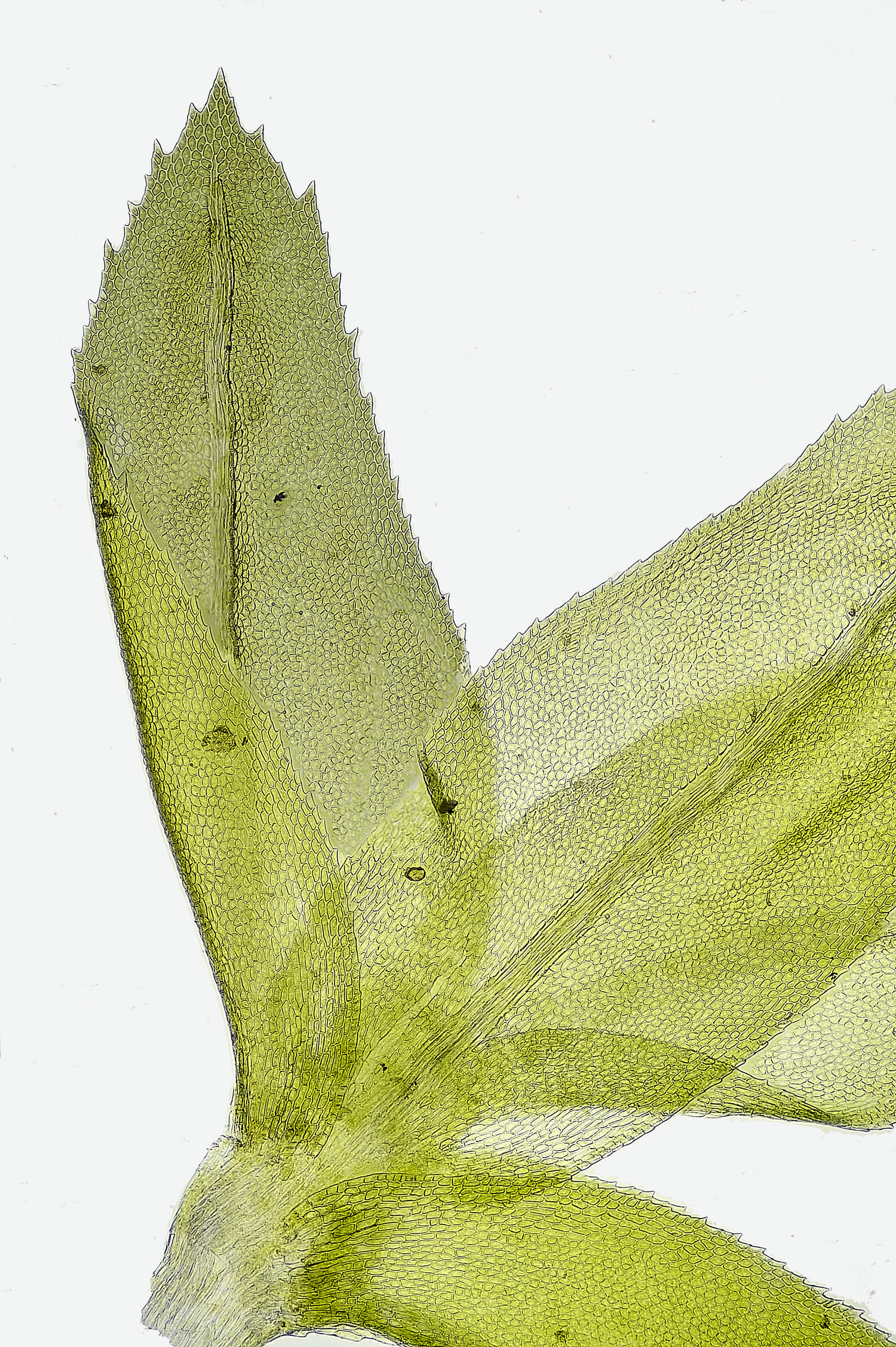
Fox-tail Feather-moss (Thamnobryum alopecurum)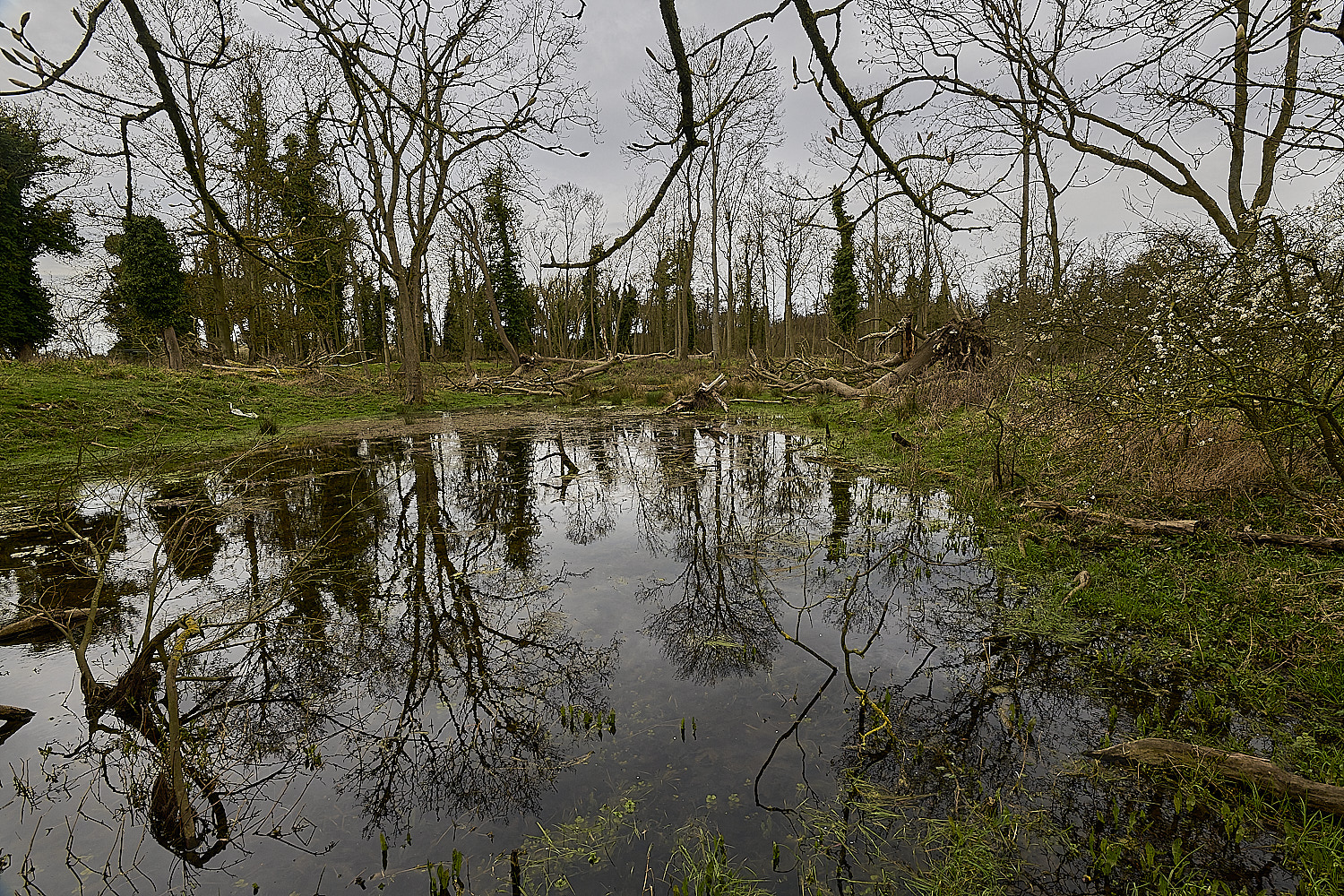
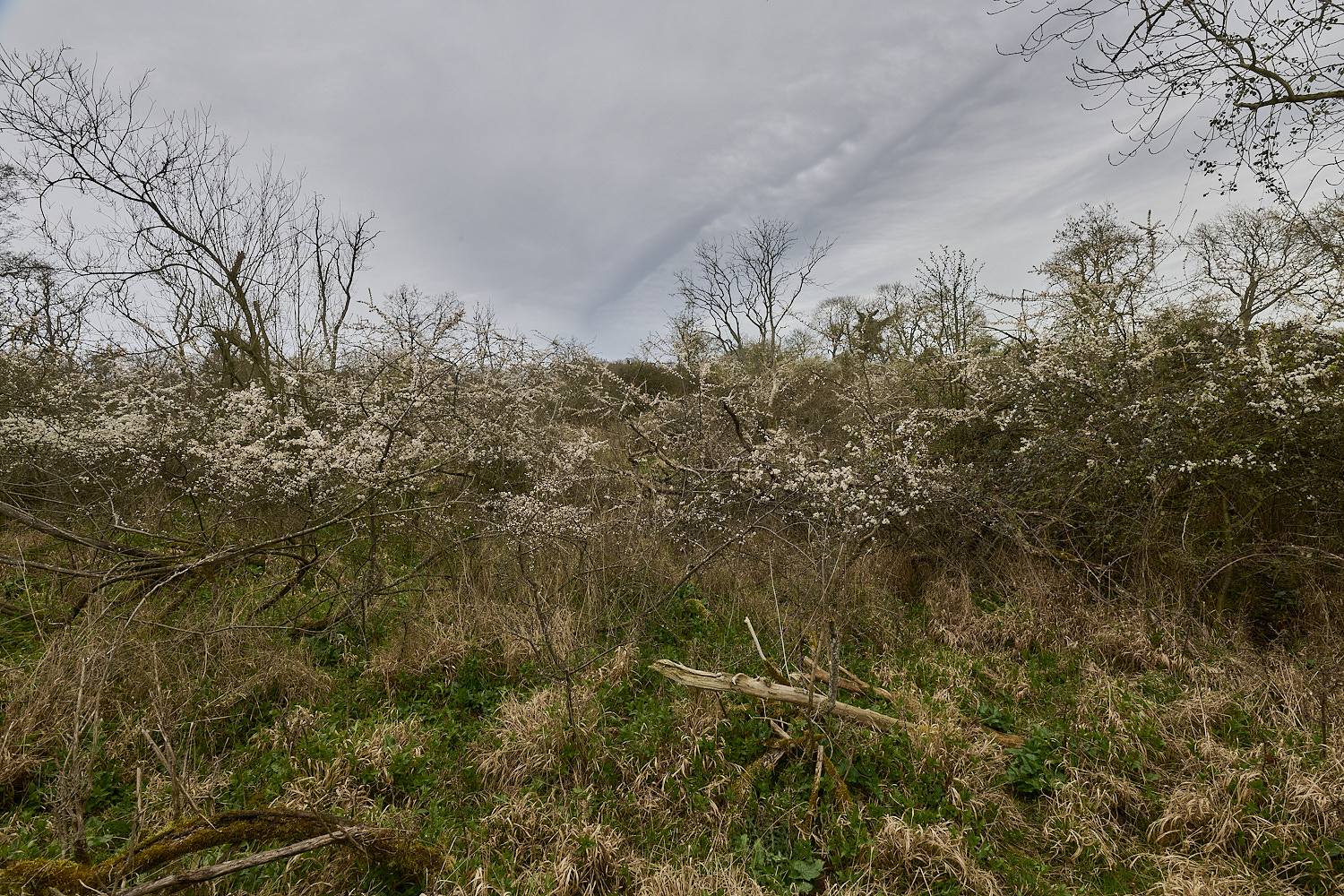
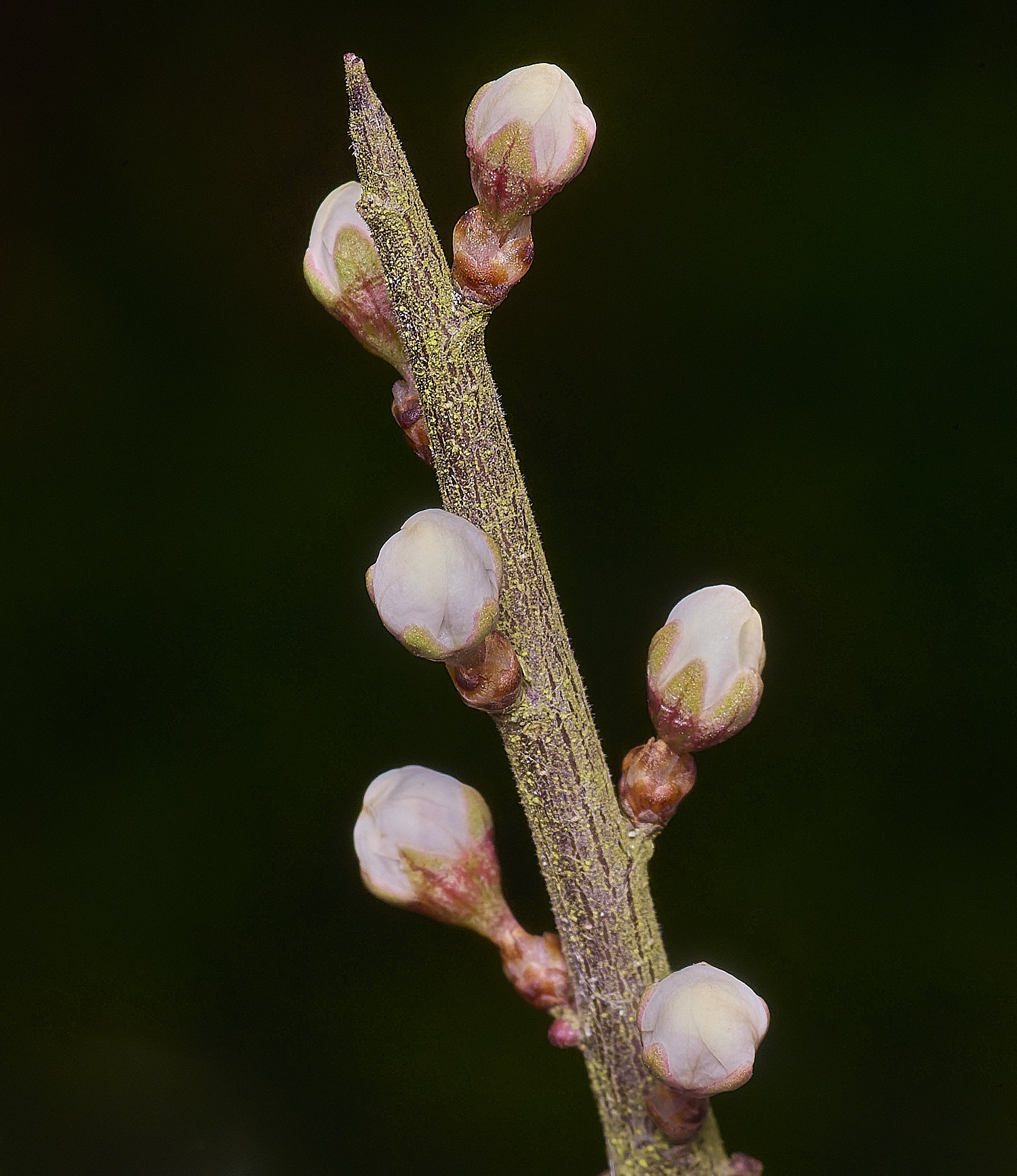
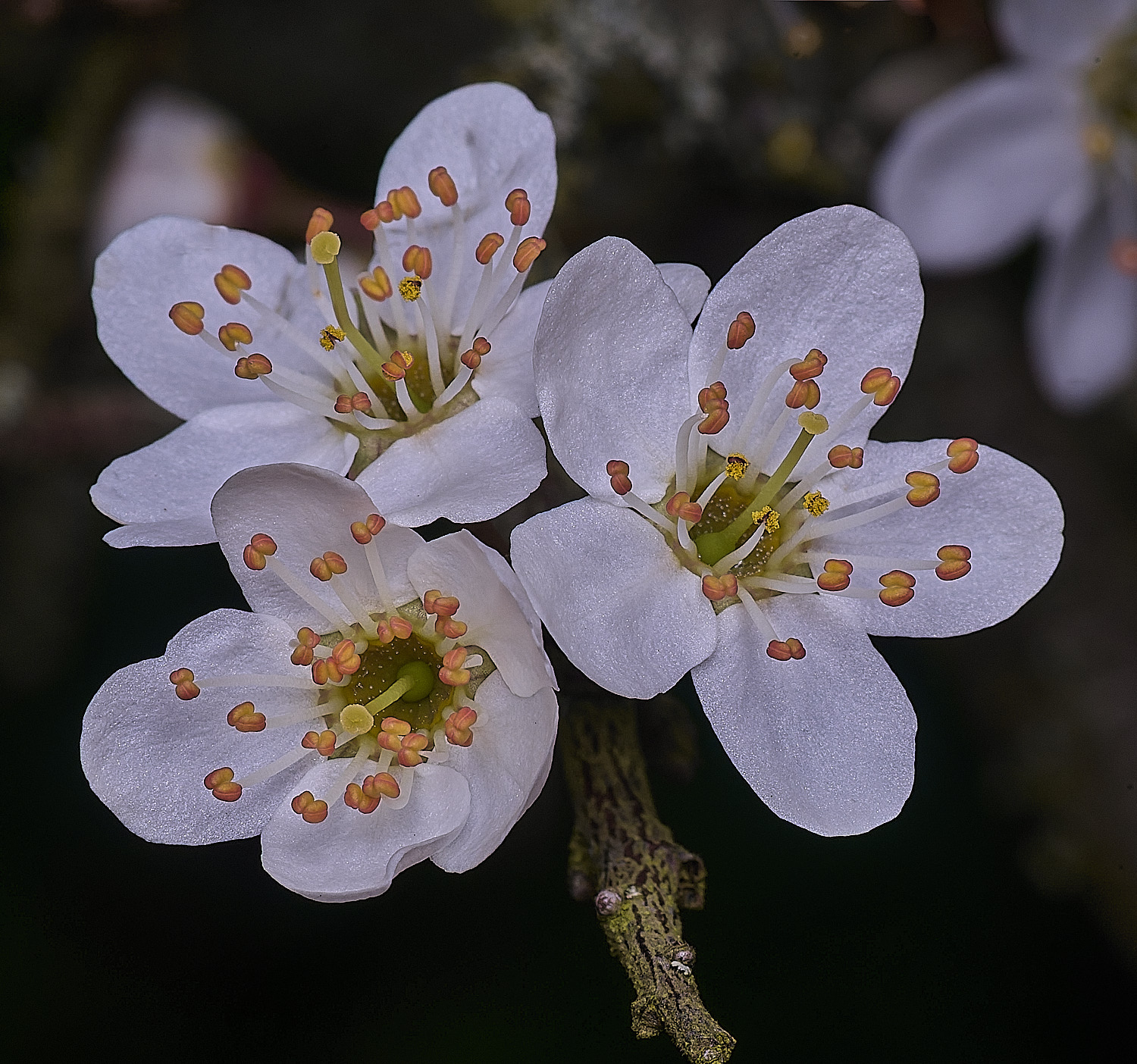
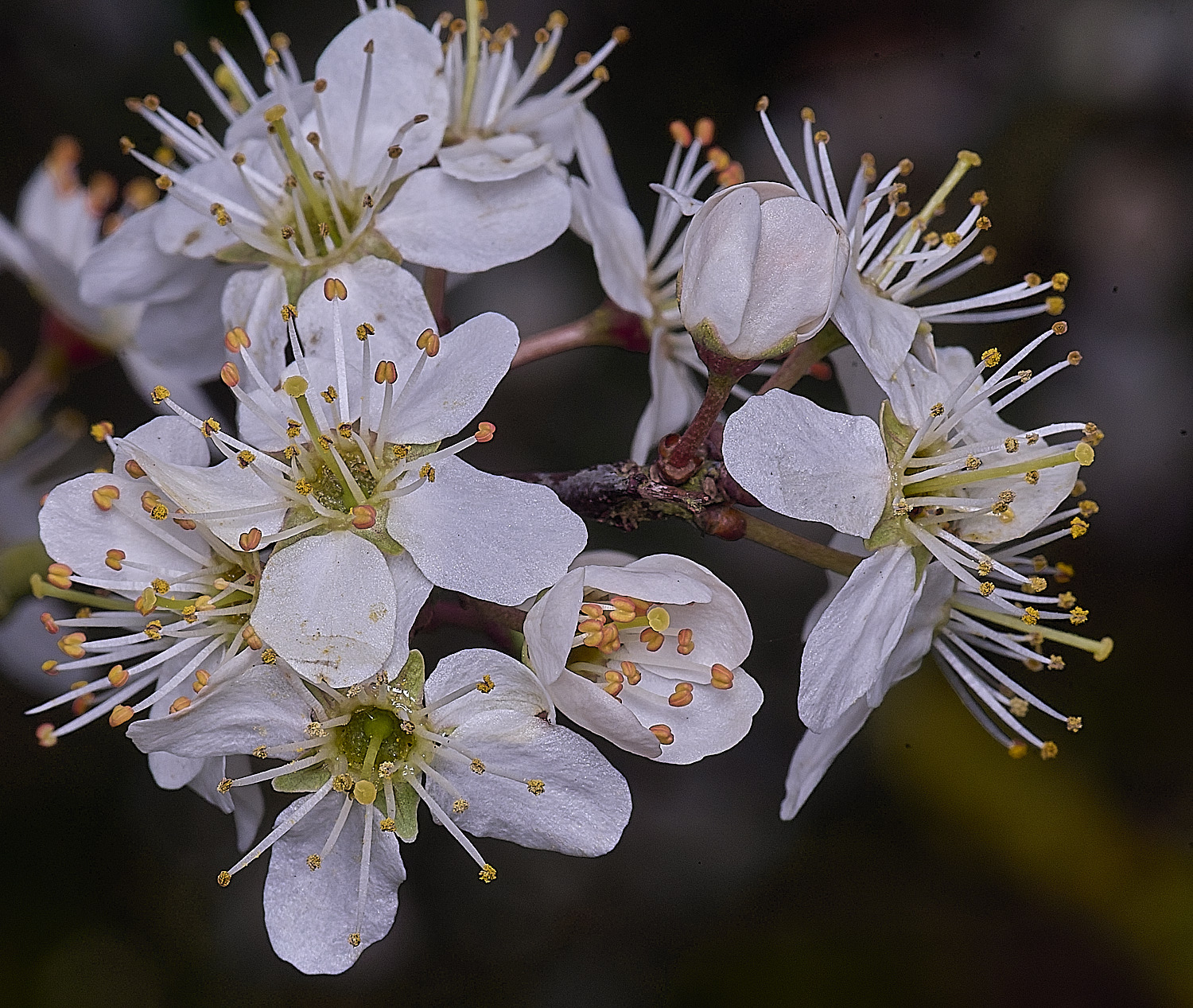
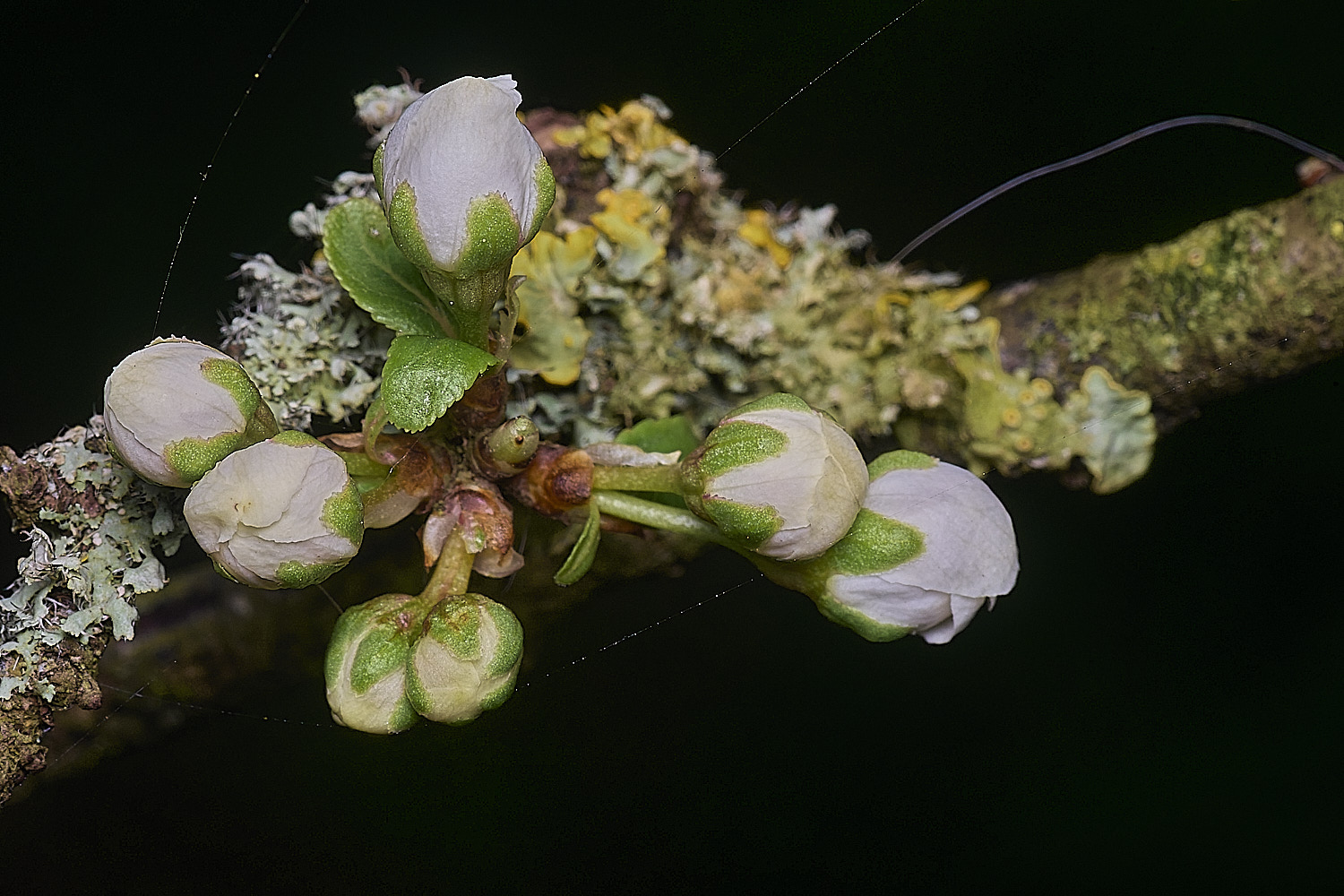
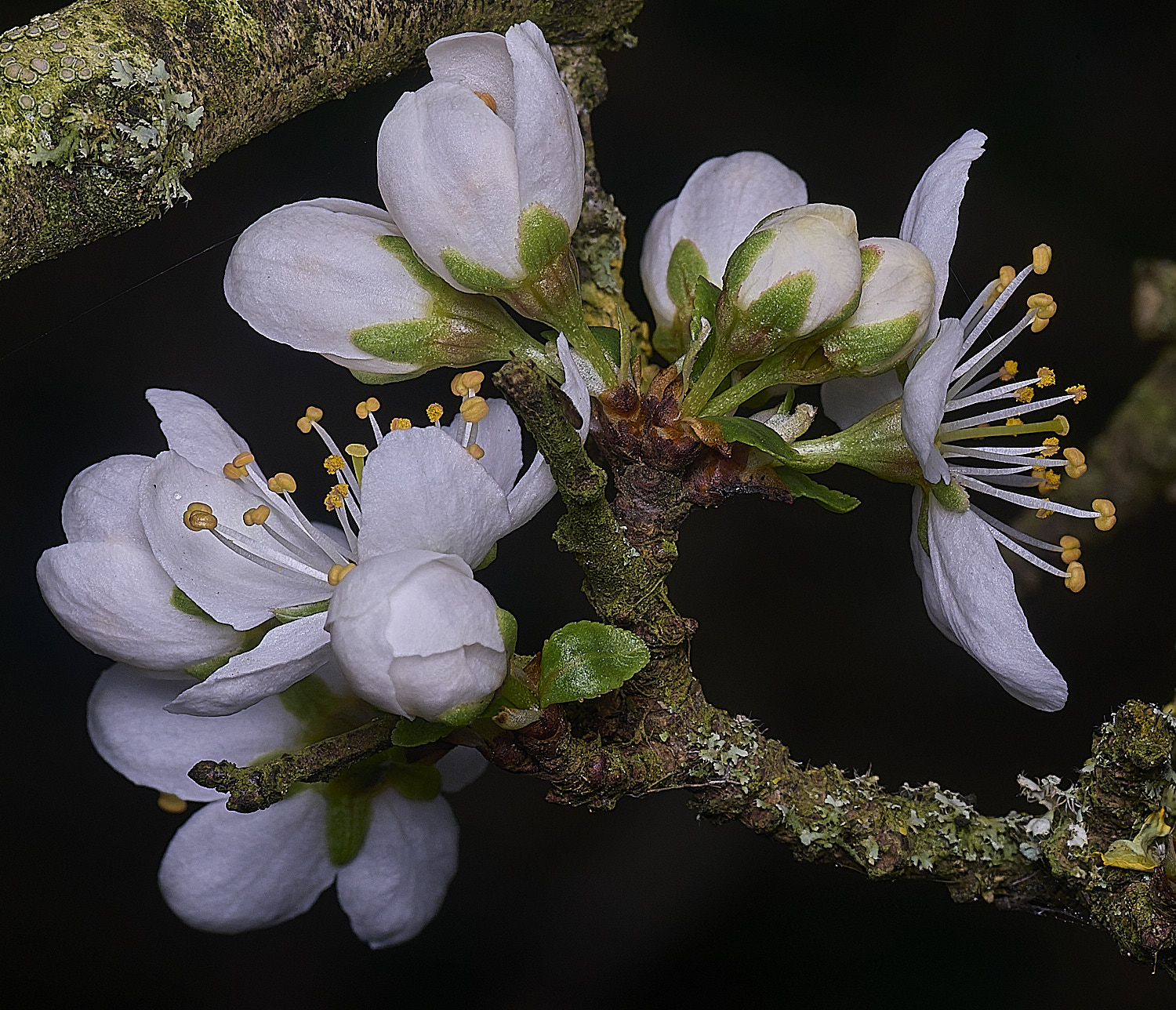
Blackthorn (Prunus spinosa)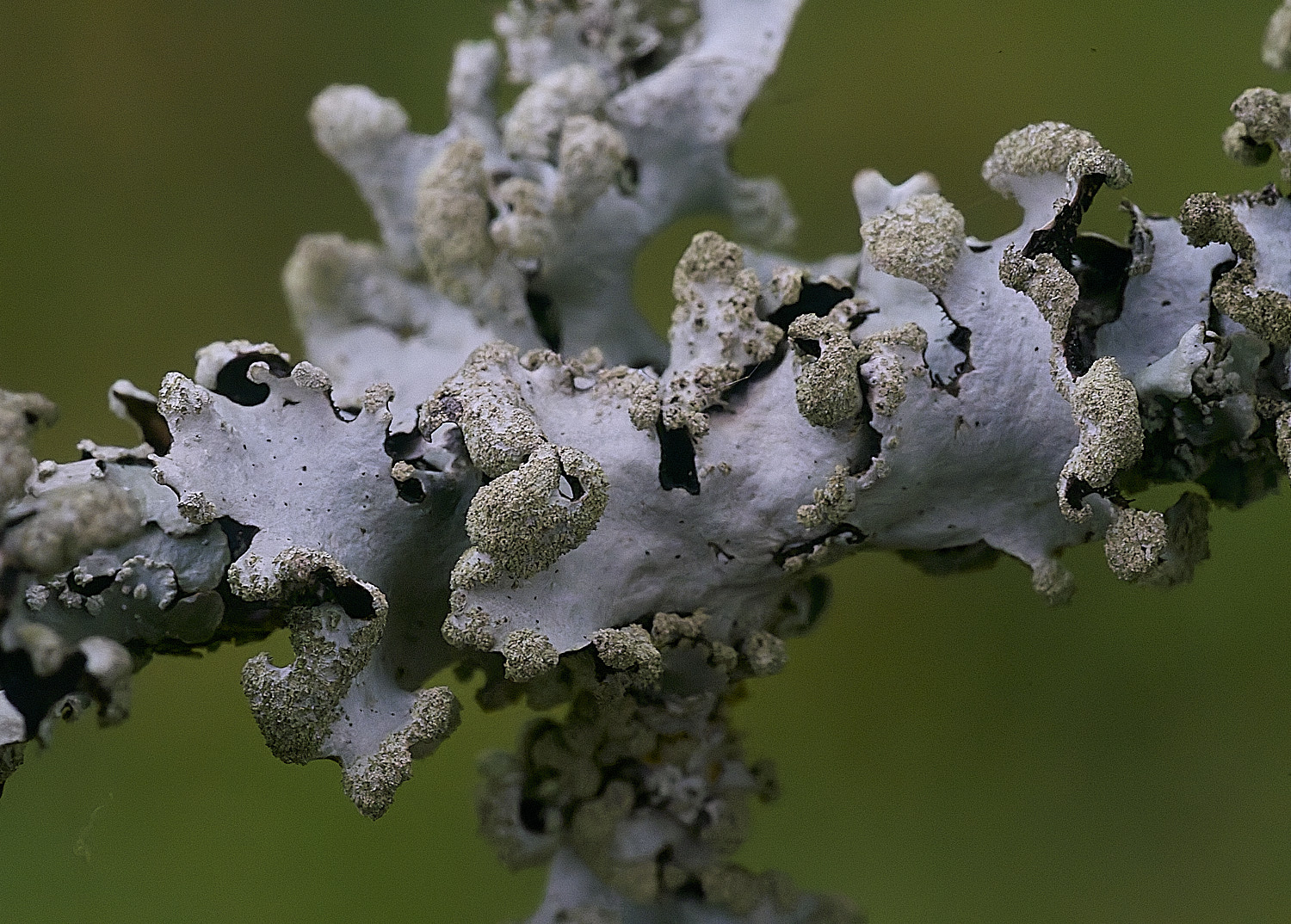
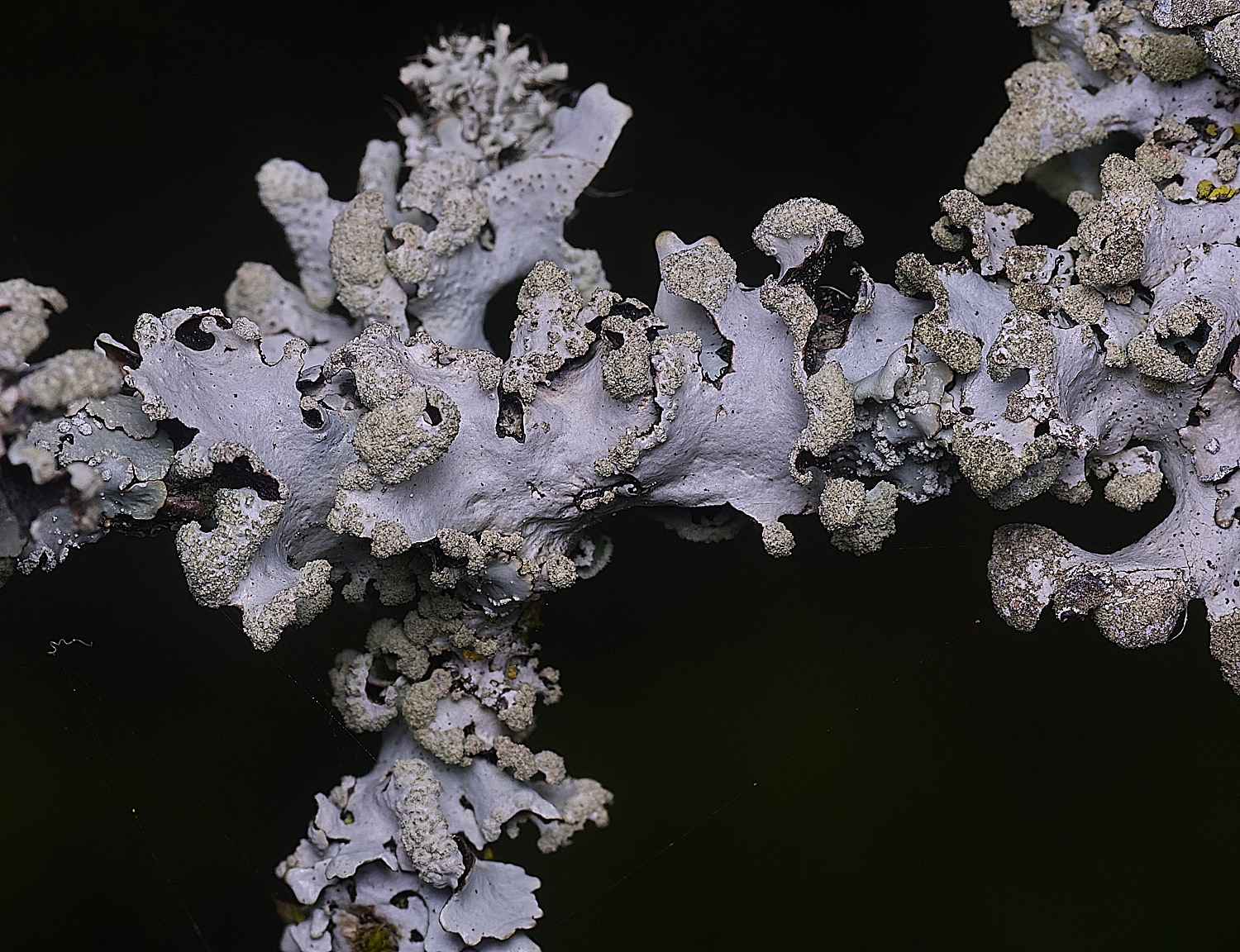
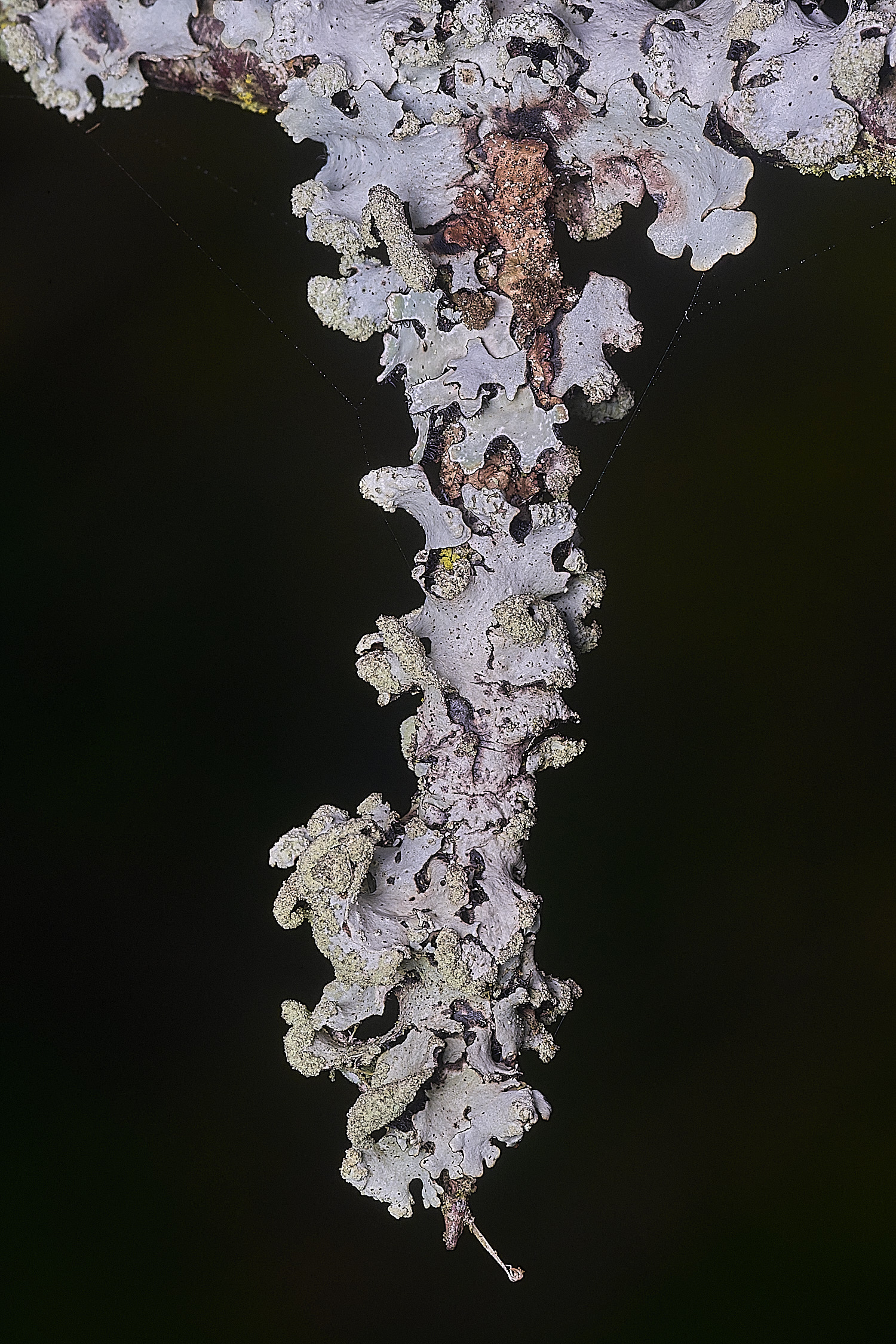
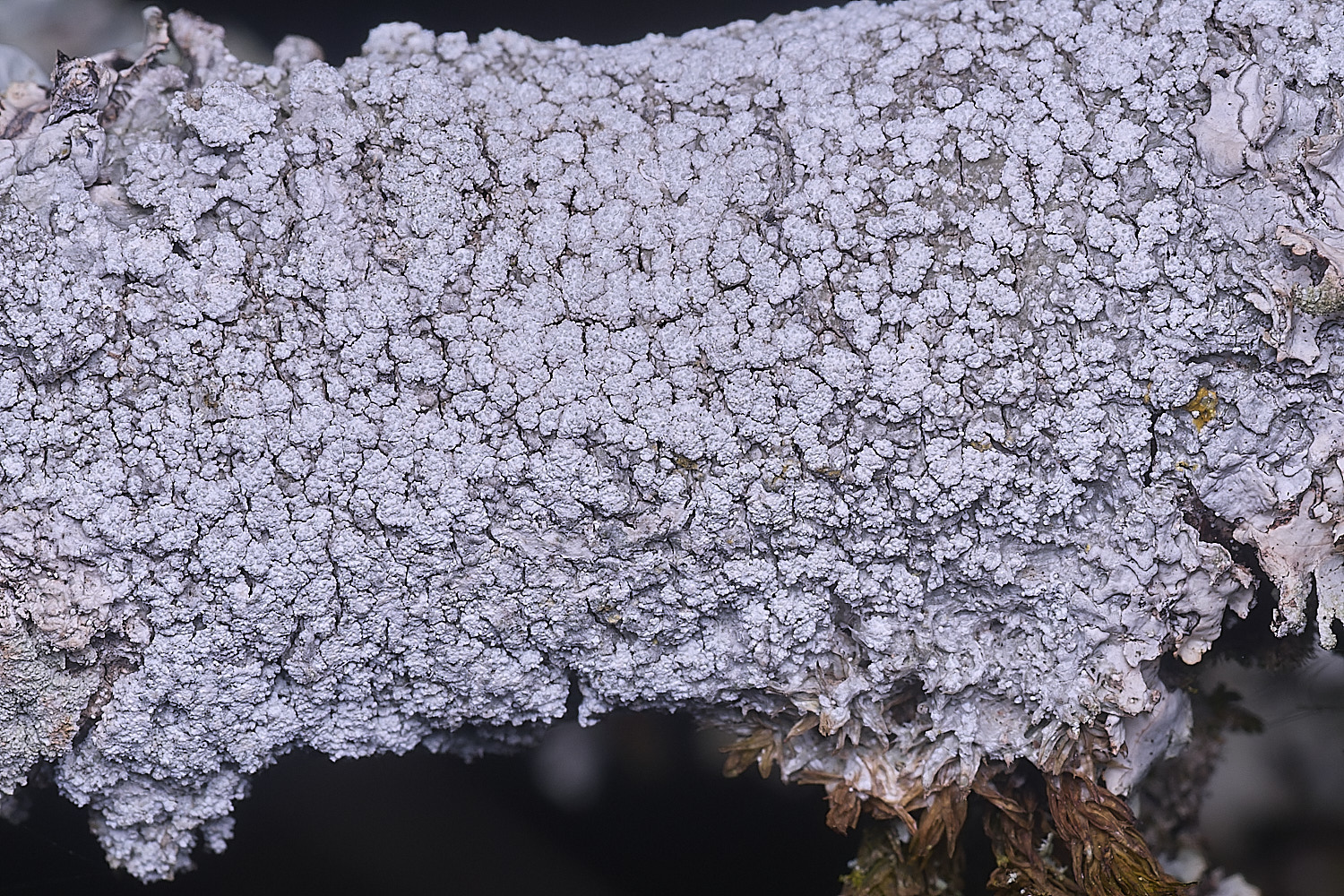
LichenSp on the Blackthorn Twigs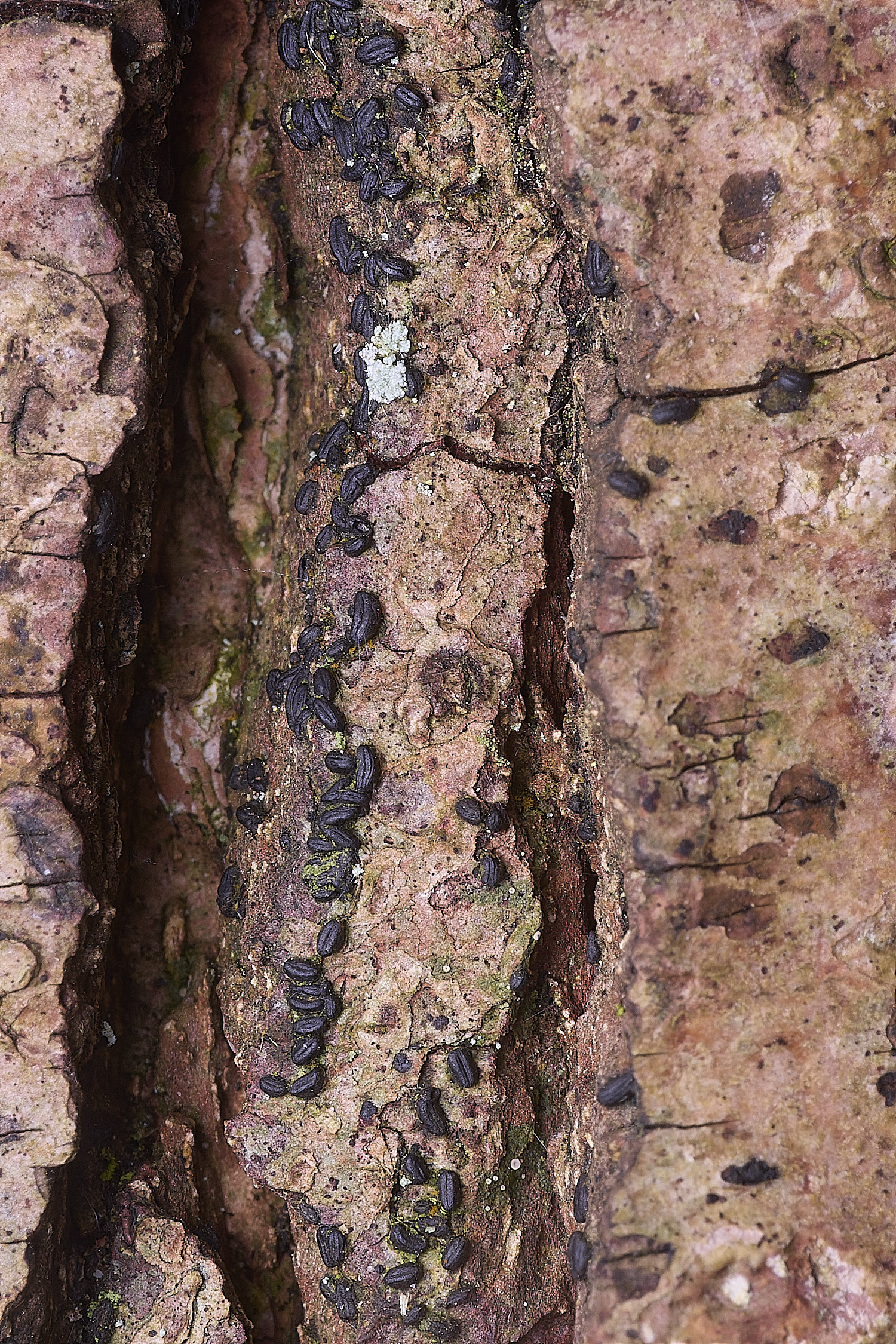
LichenSp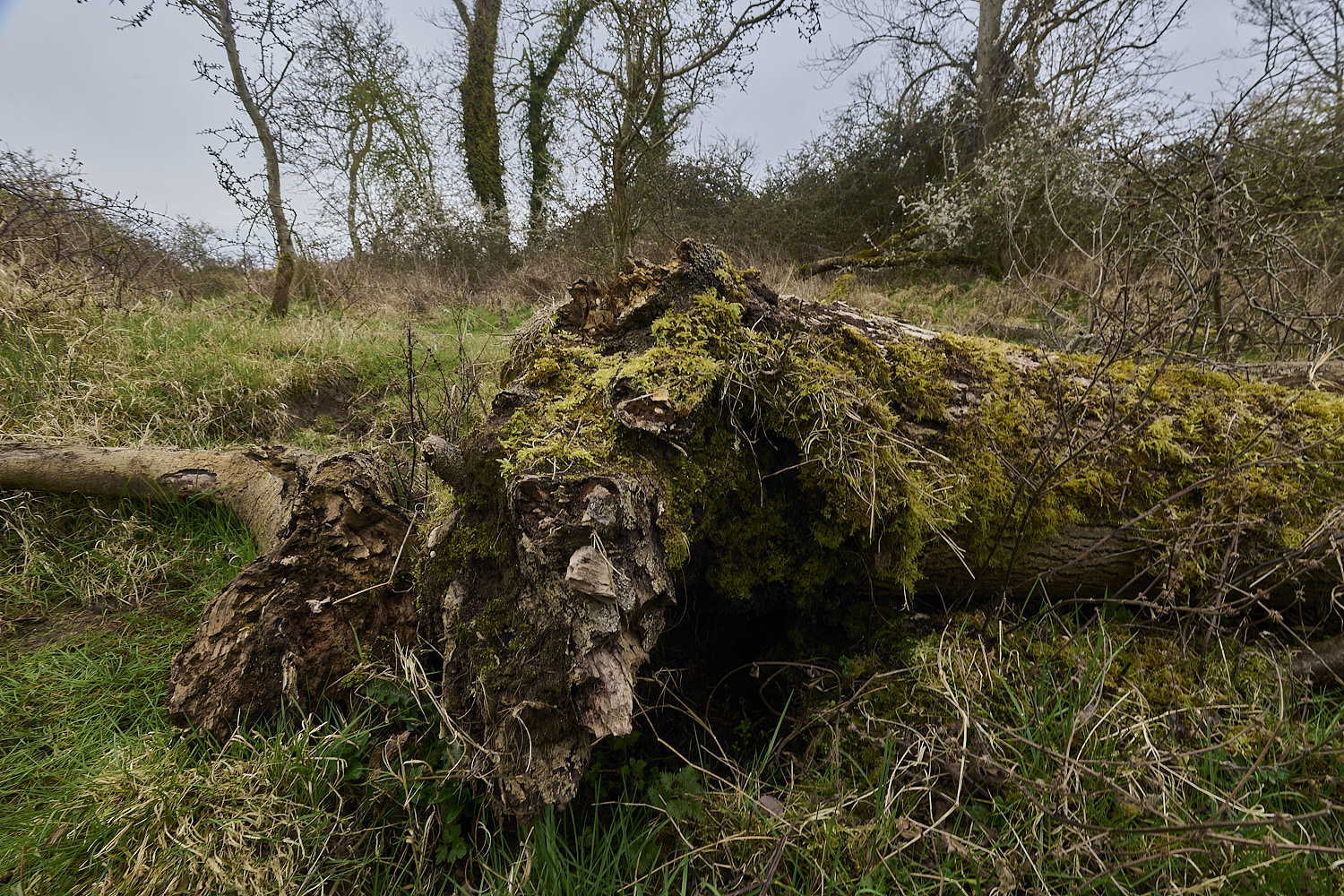
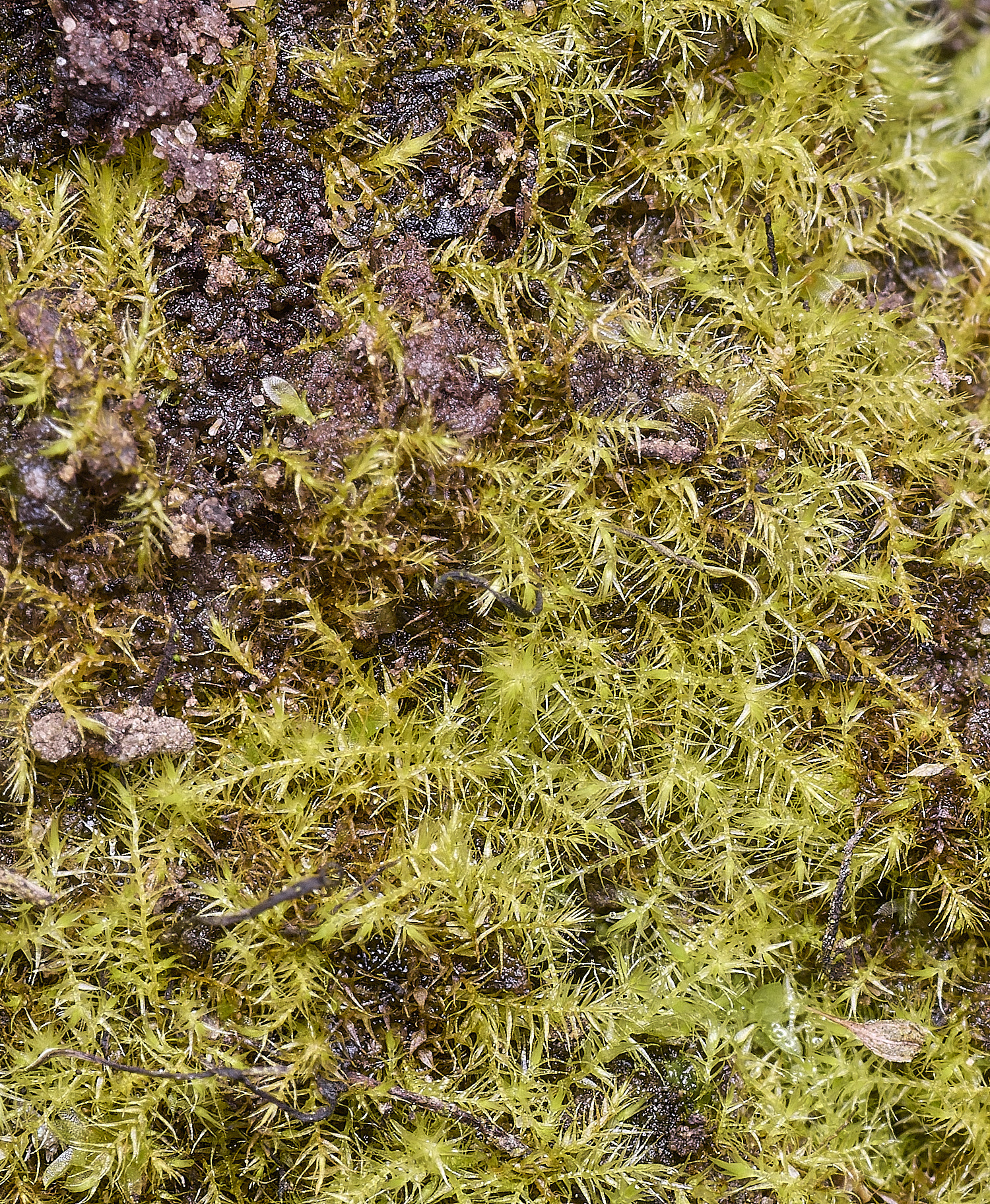
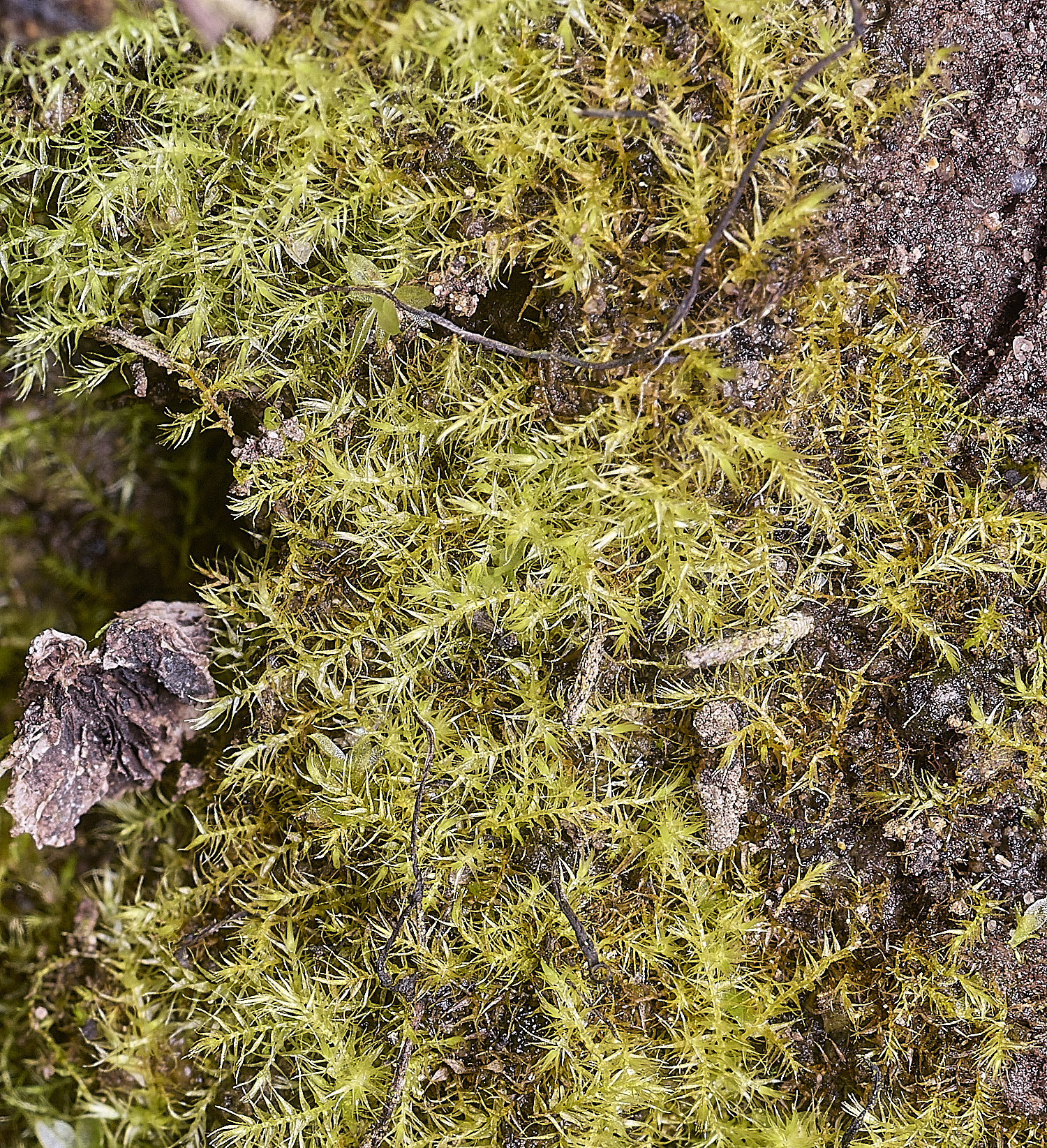
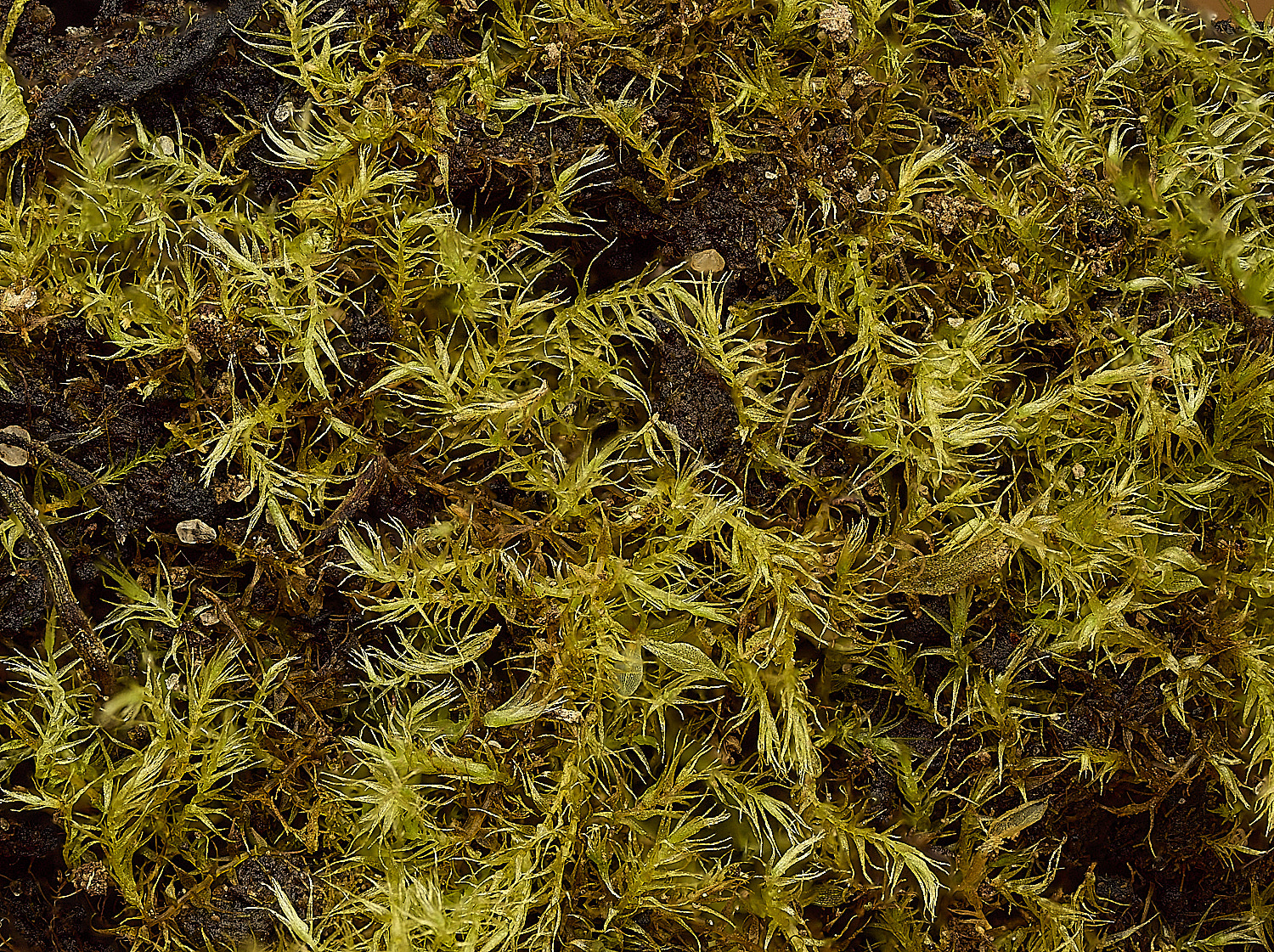
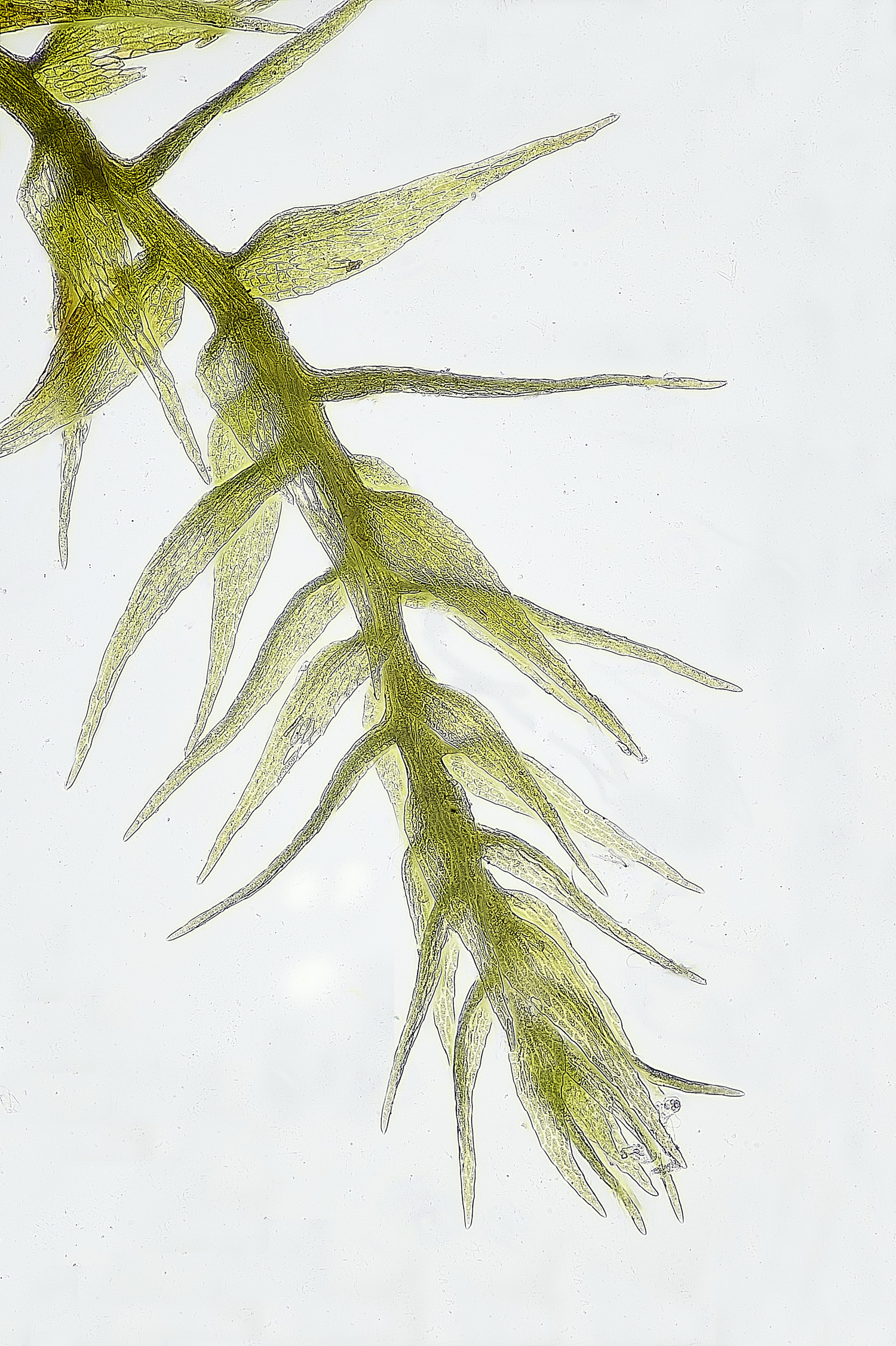
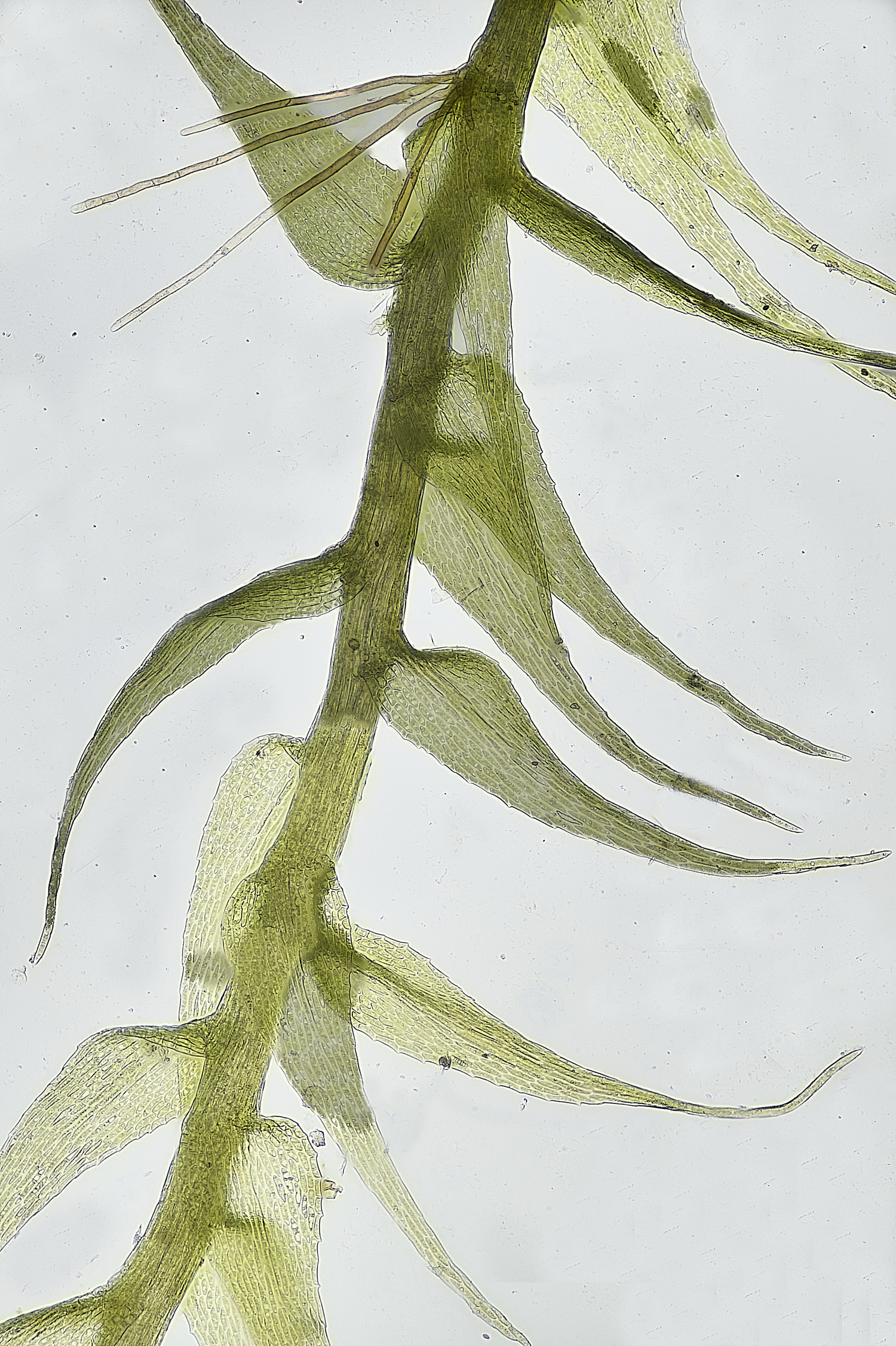
x 100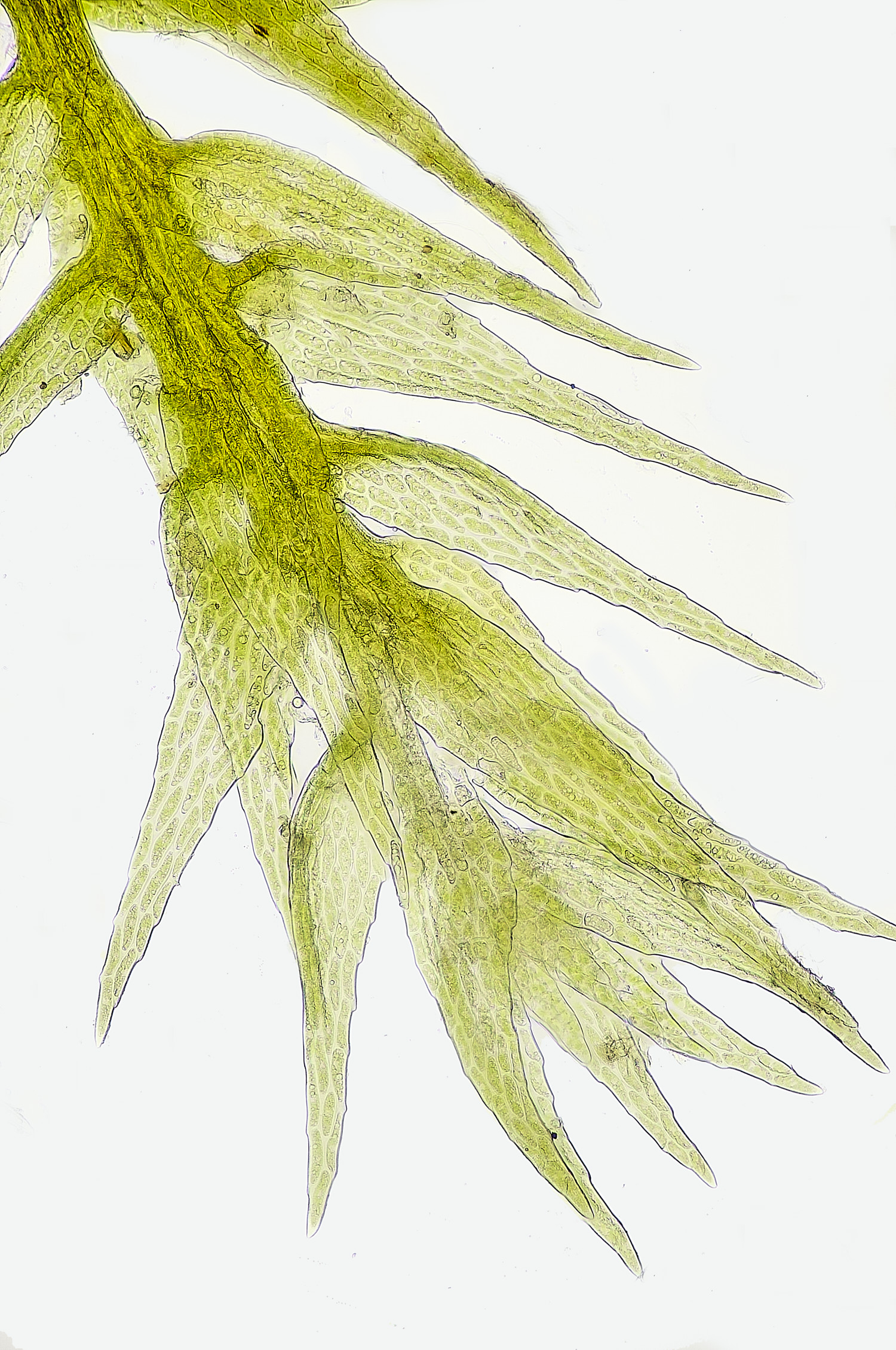
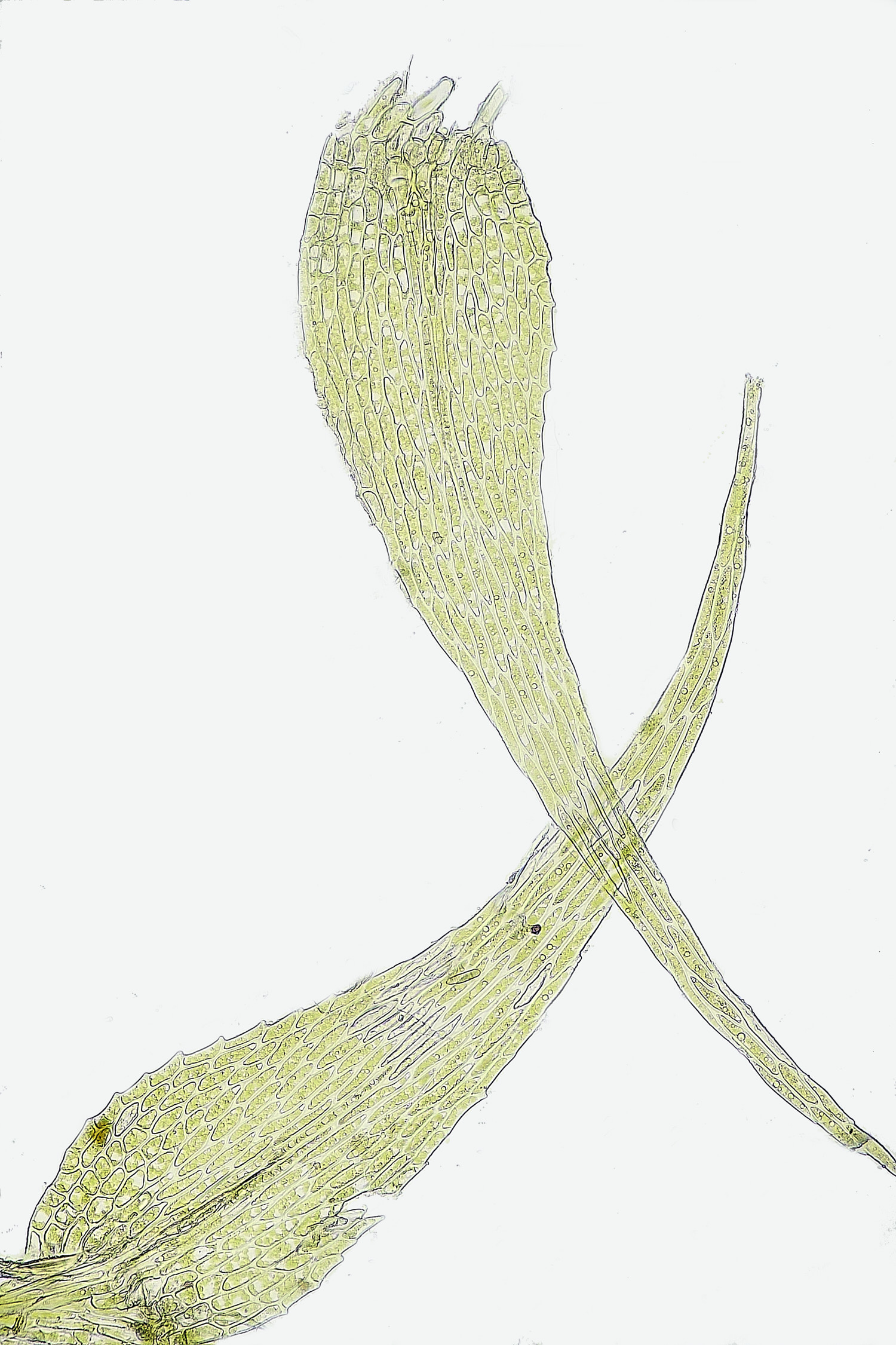
x 200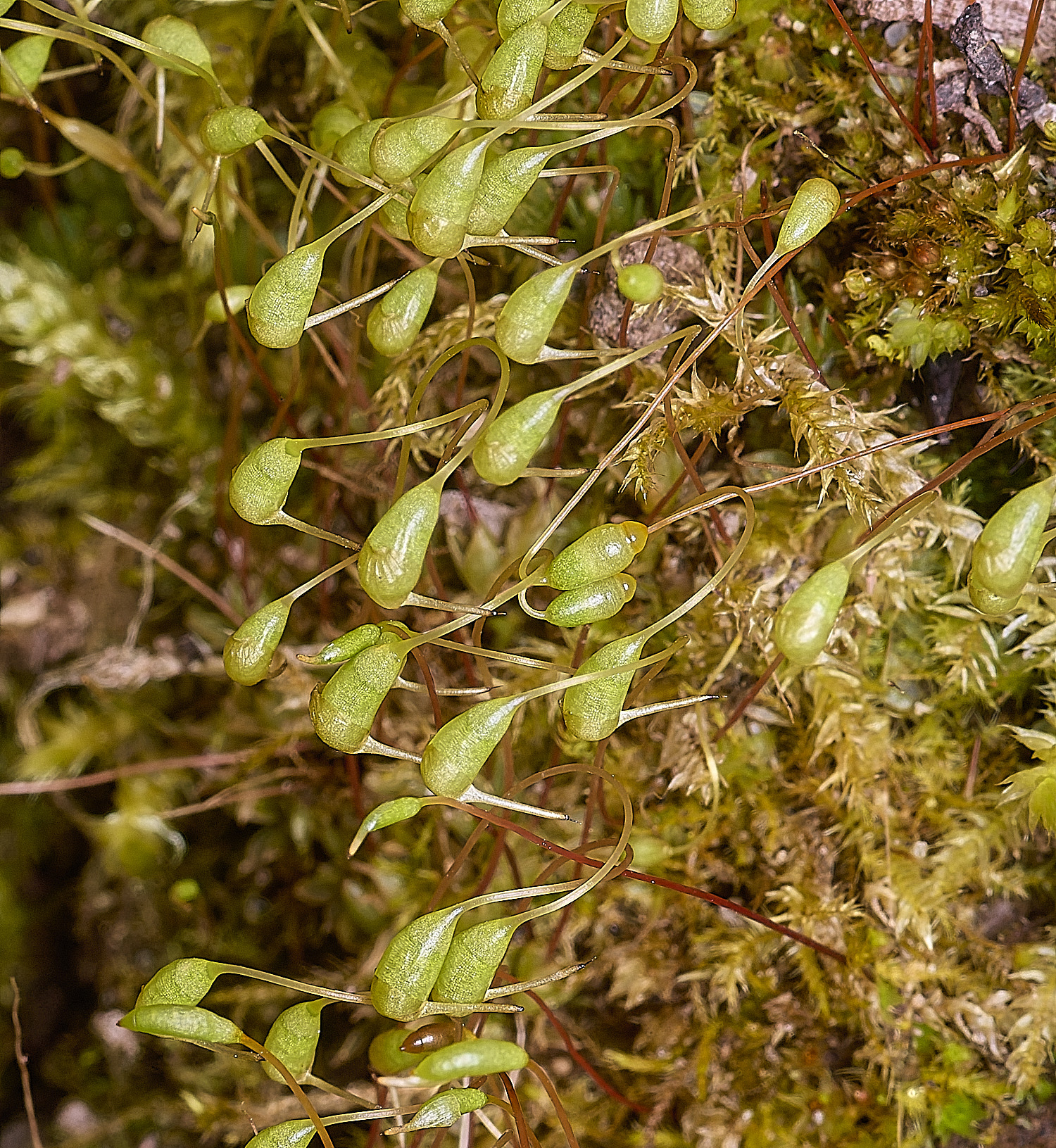
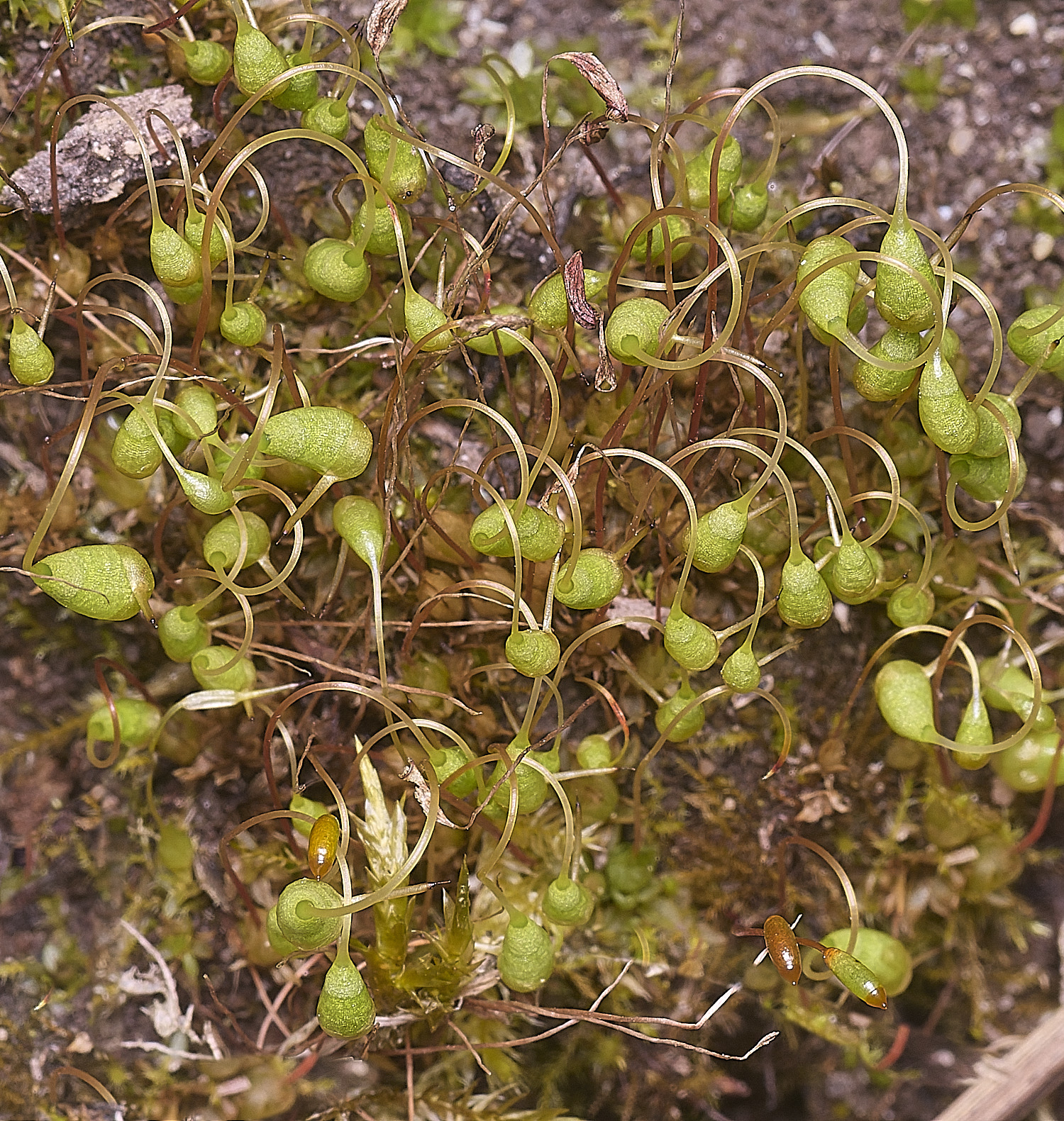
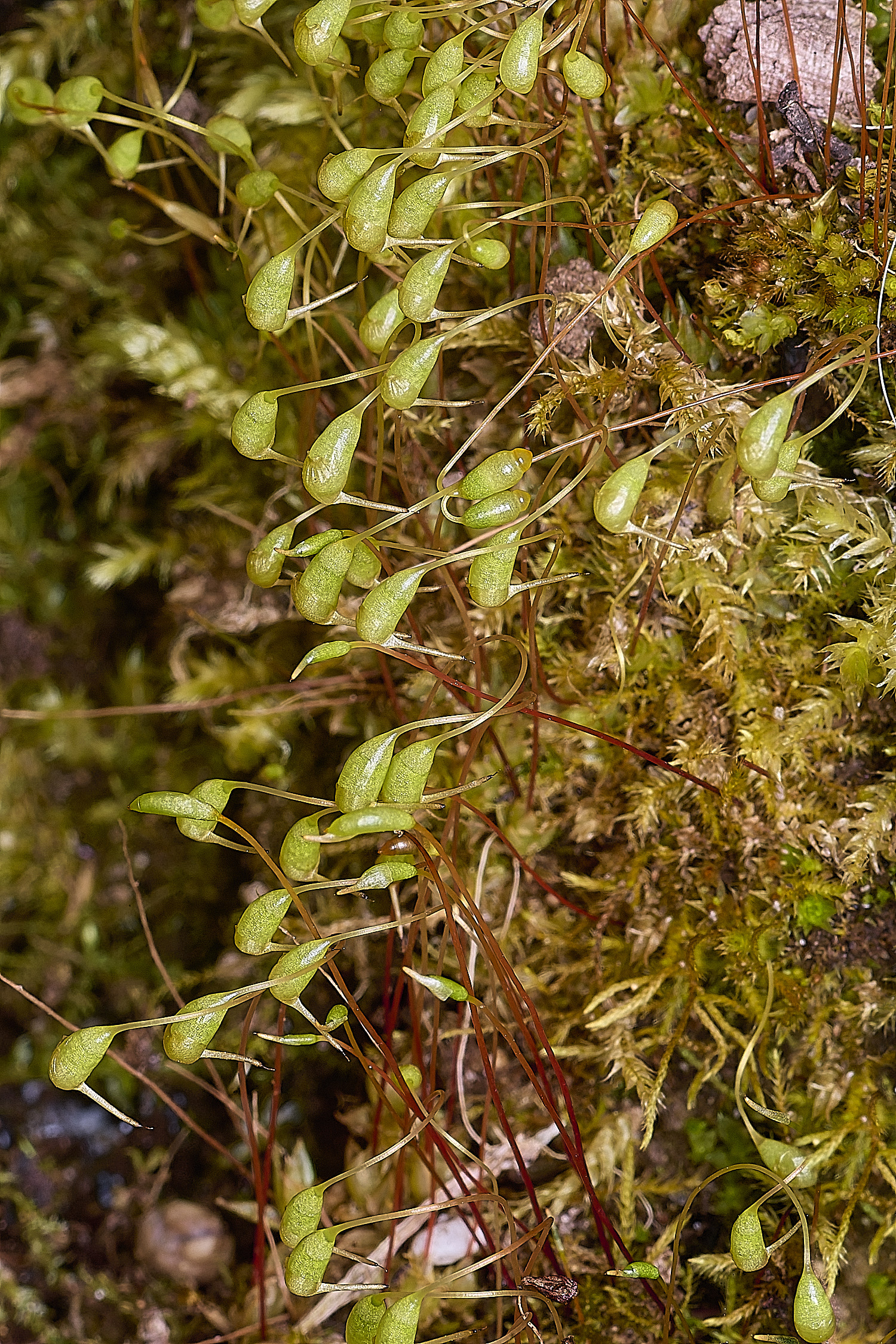
Bonfire-moss (Funaria hygrometrica)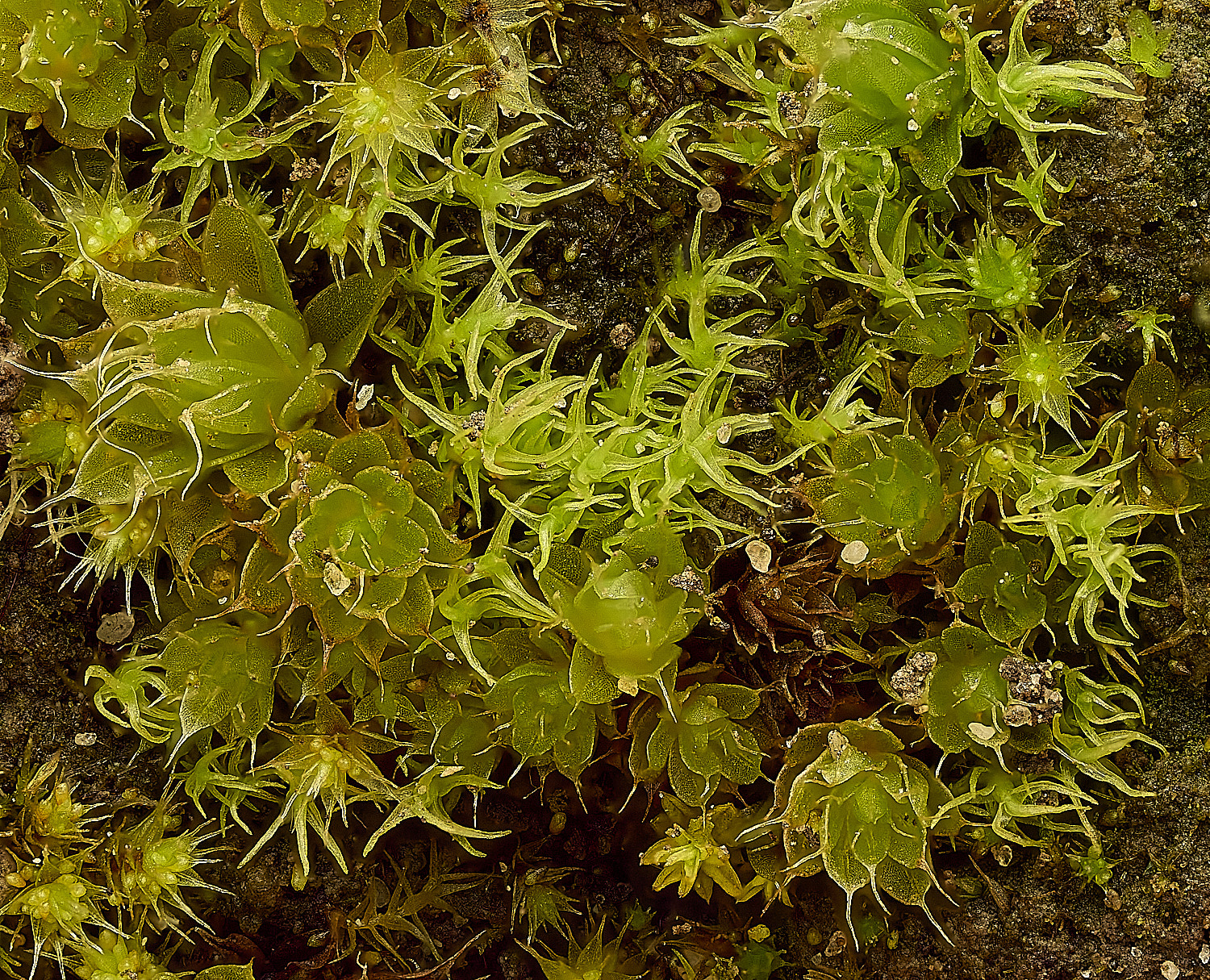
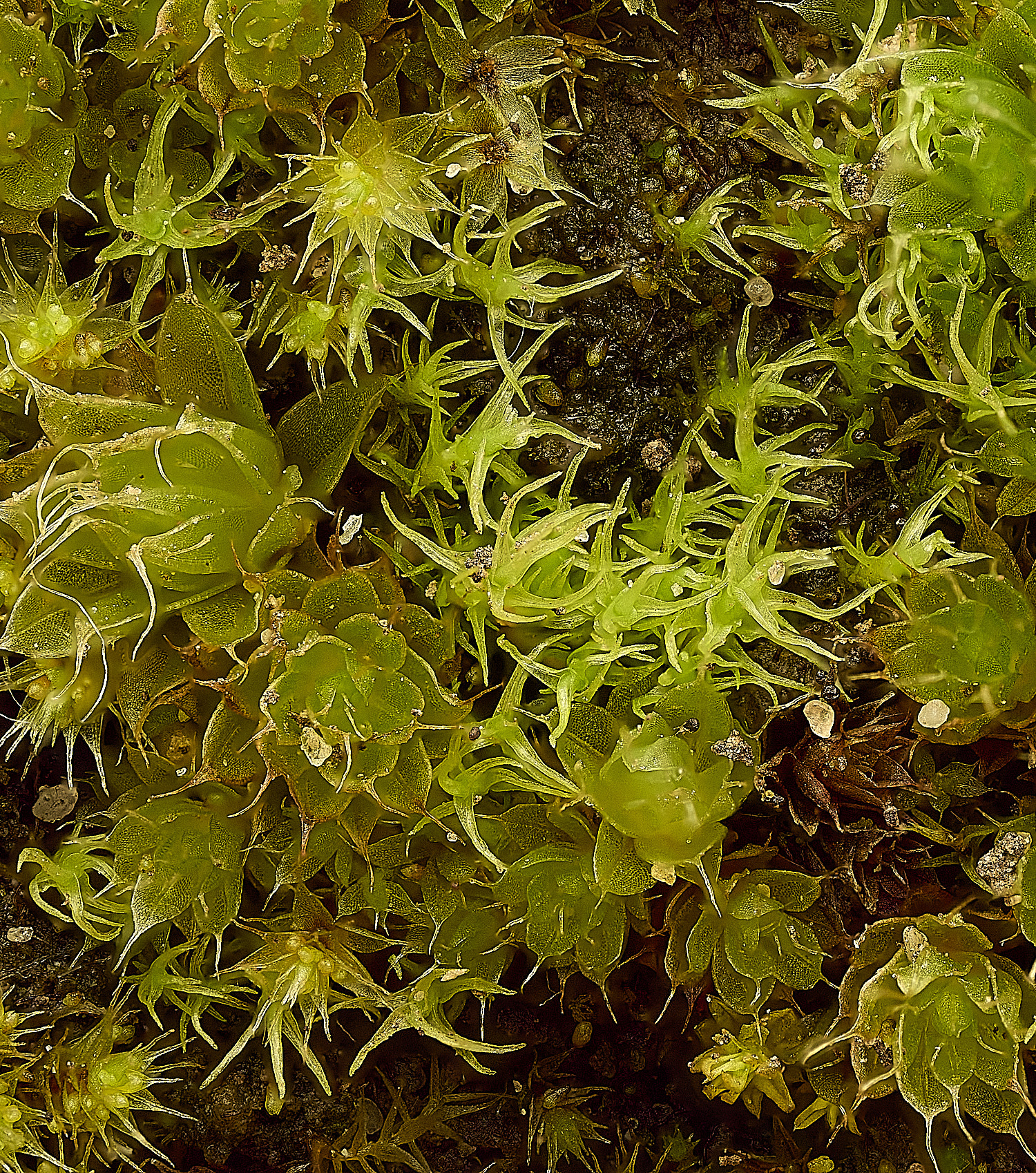
Schreber's Forklet-moss (Dicranella schreberiana) with Bryum capillare & Bryum gemmiferum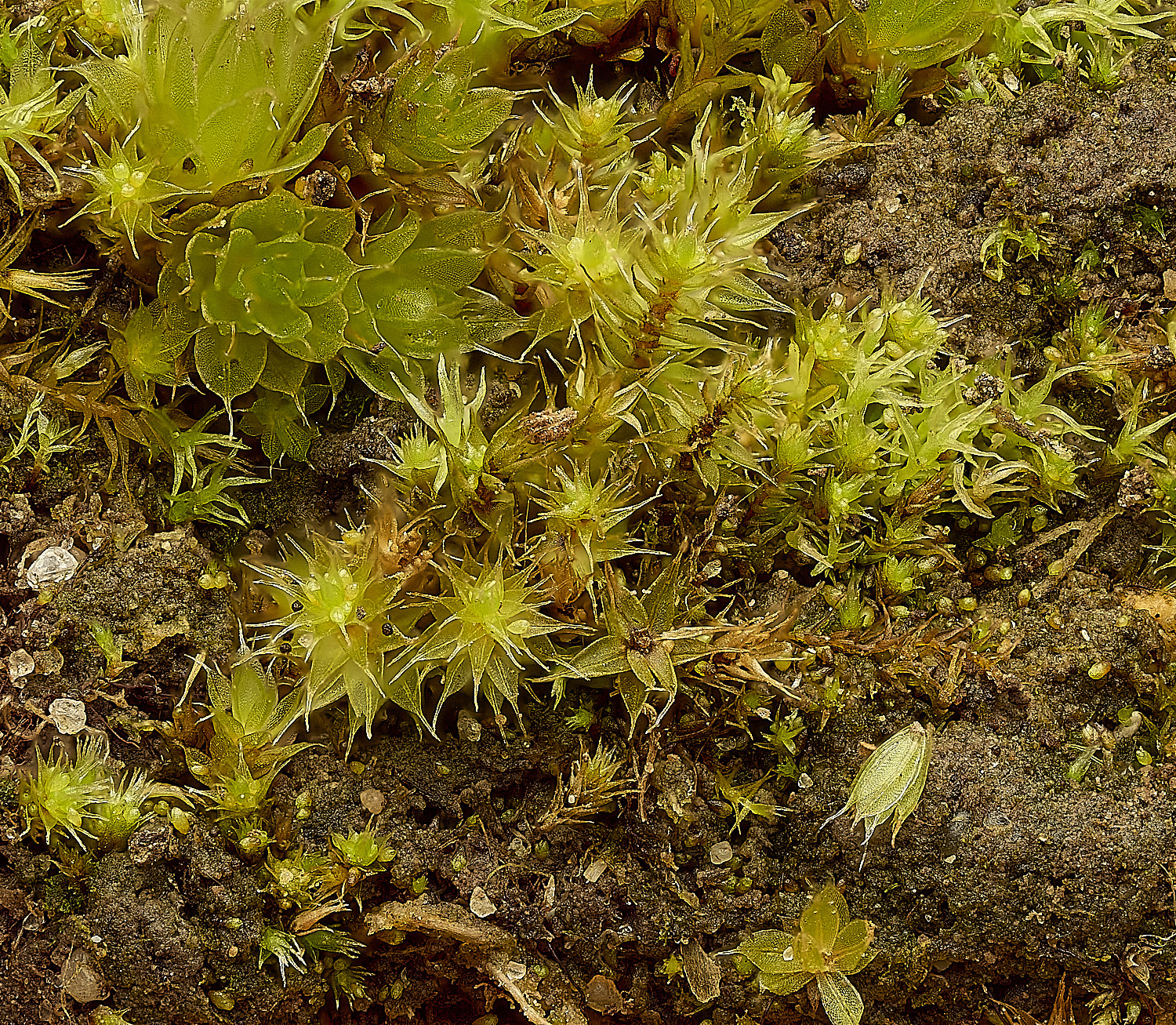
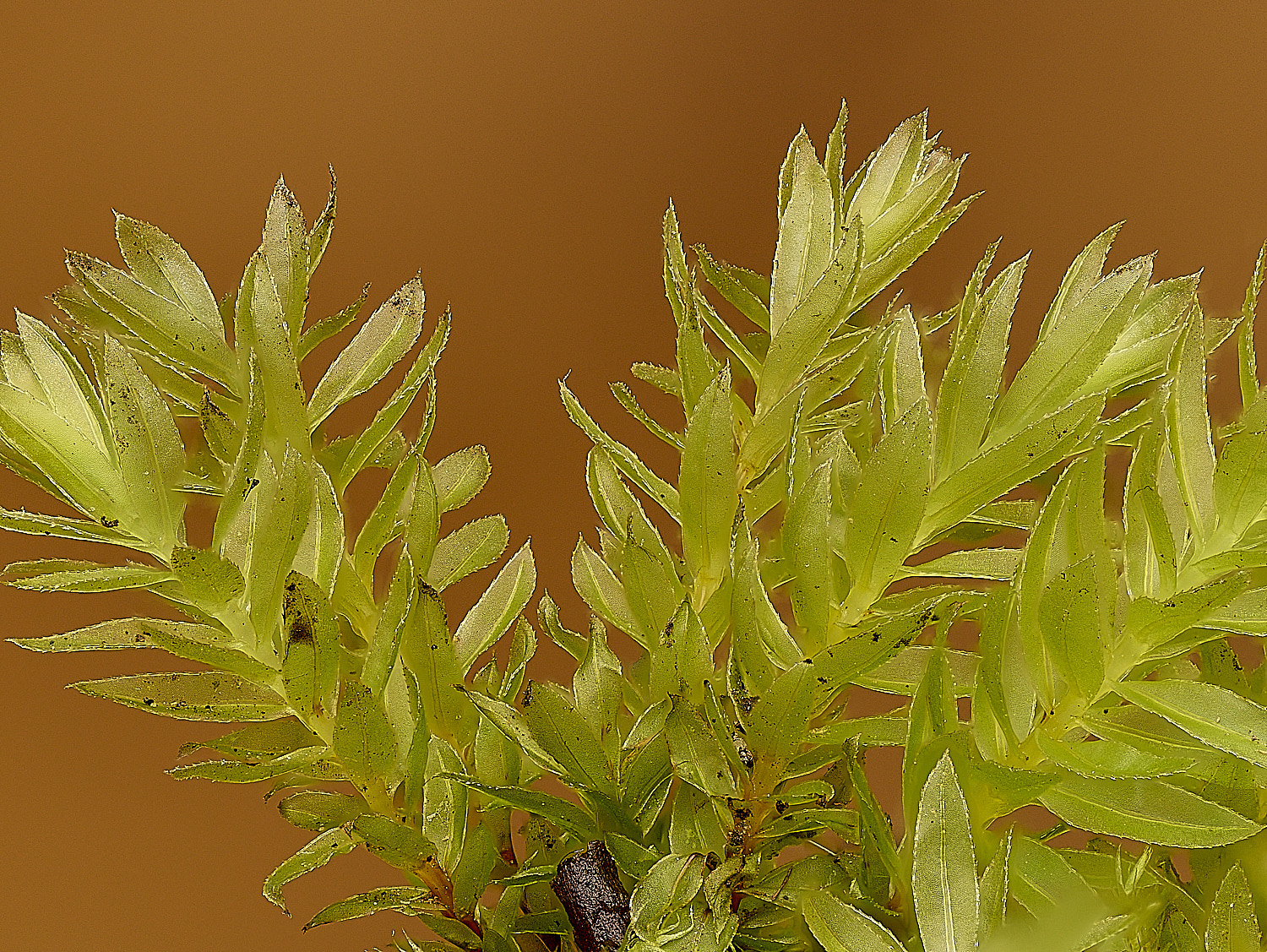
Small-bud Bryum ( Bryum gemmiferum)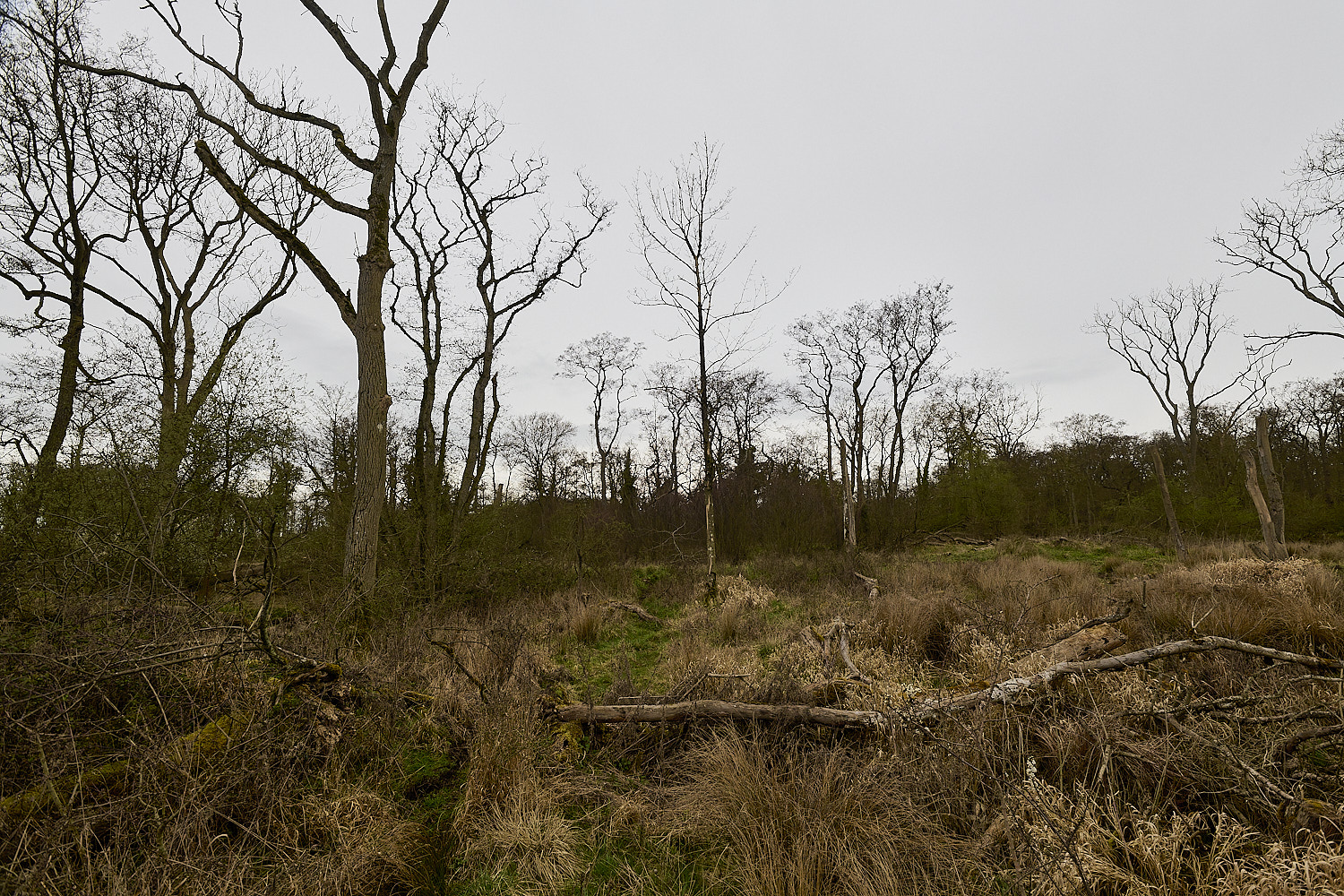
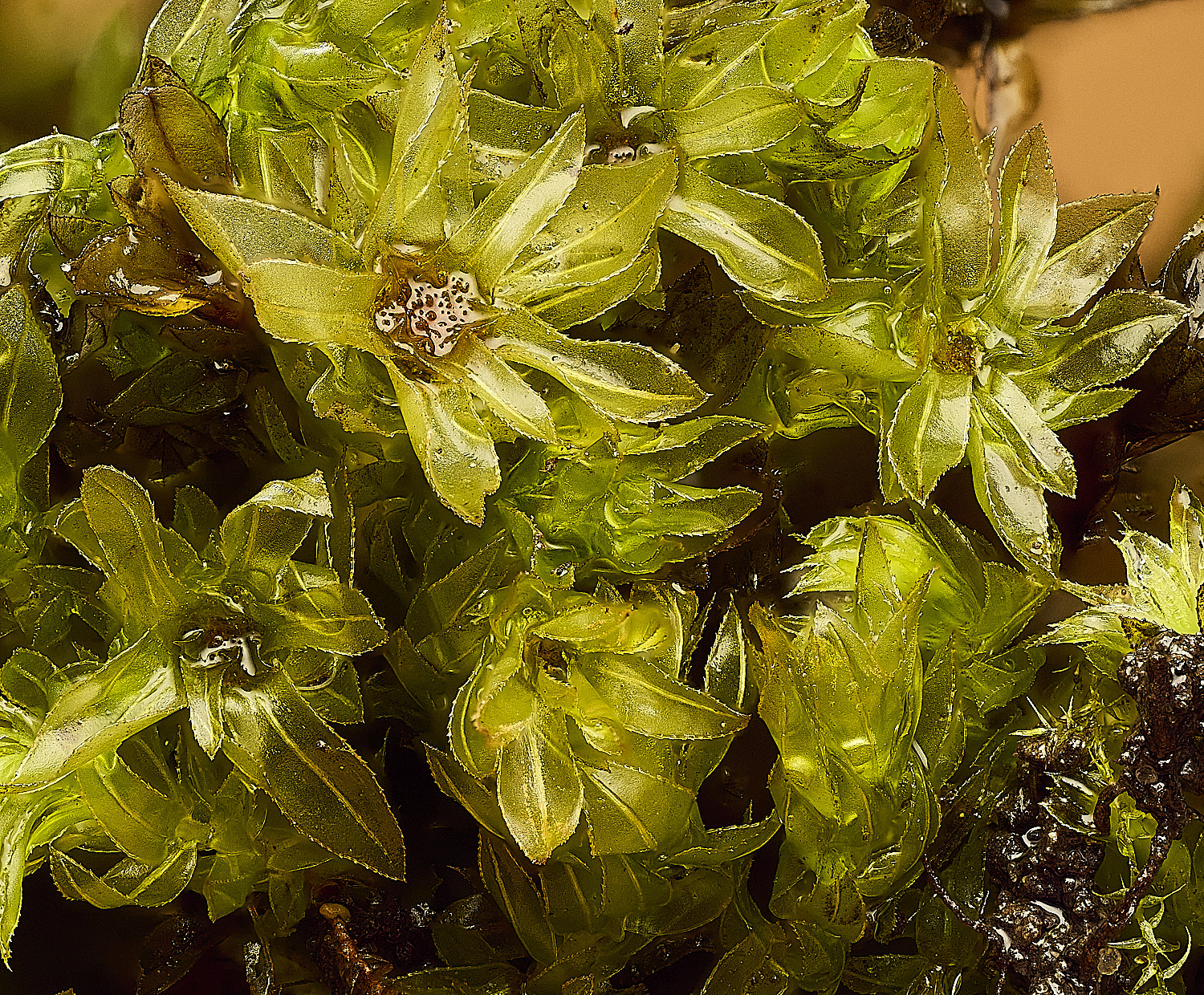
Swan's neck Thyme Moss (Mnium hornum)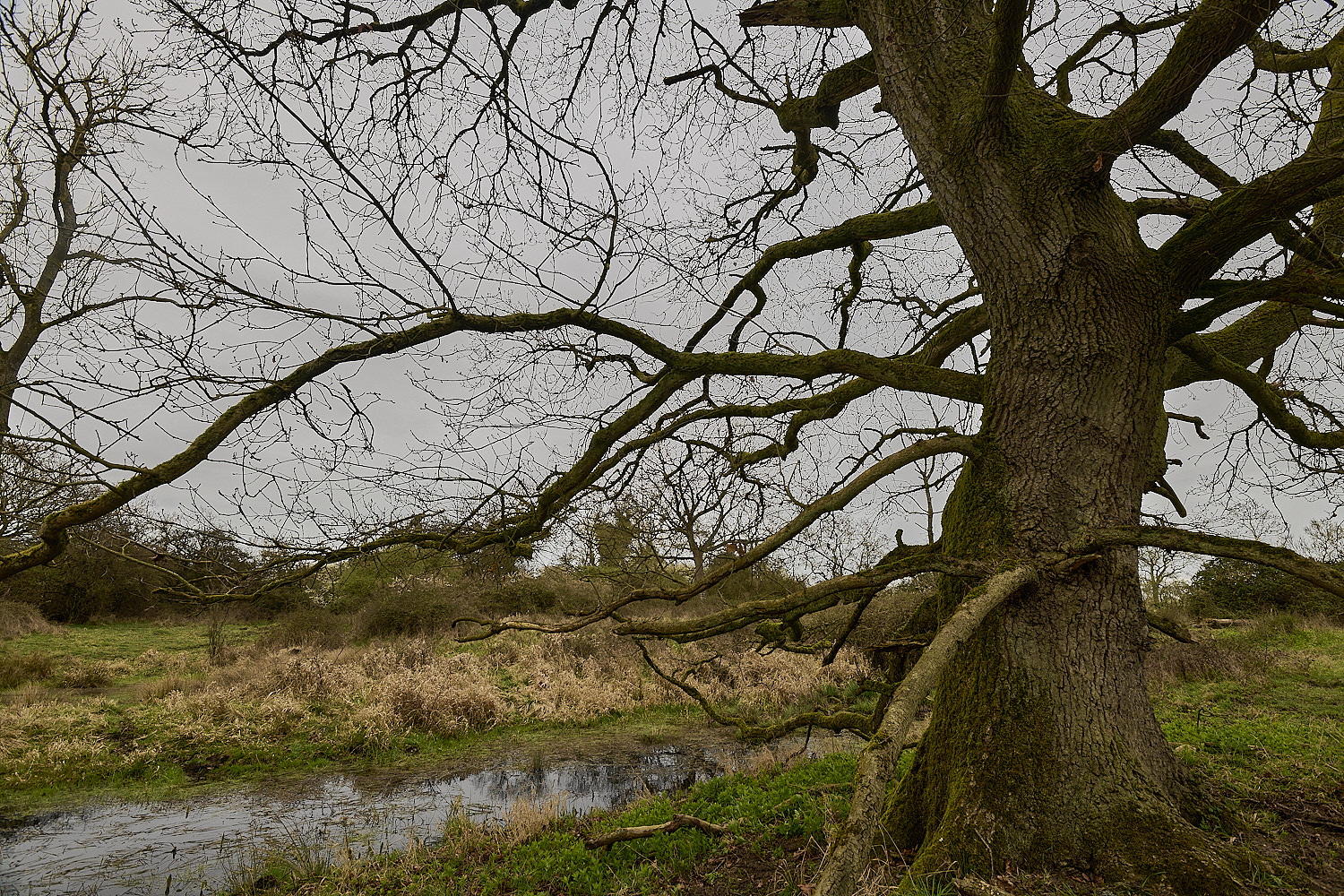
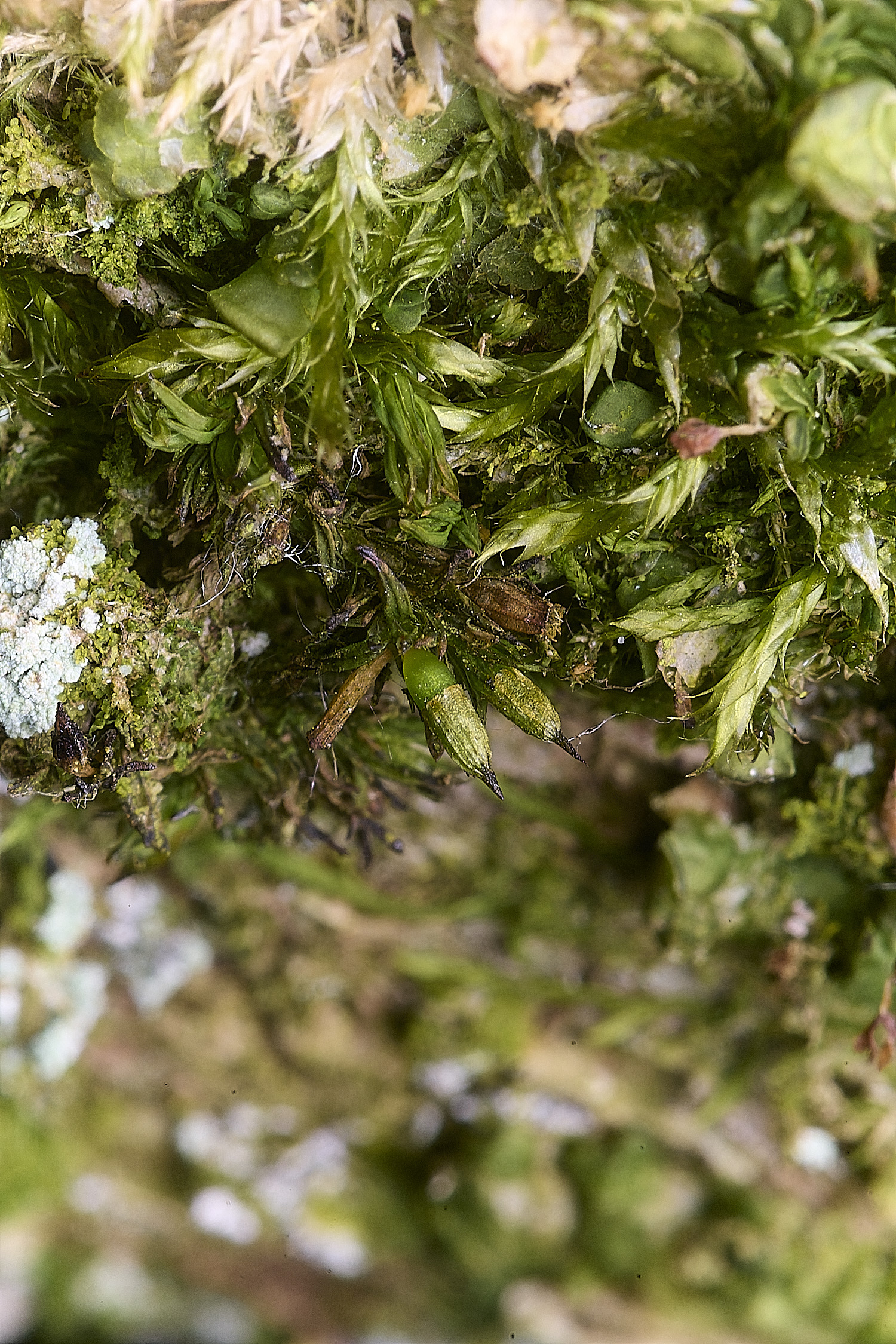
Slender Bristle-moss (Orthotrichum tenellum)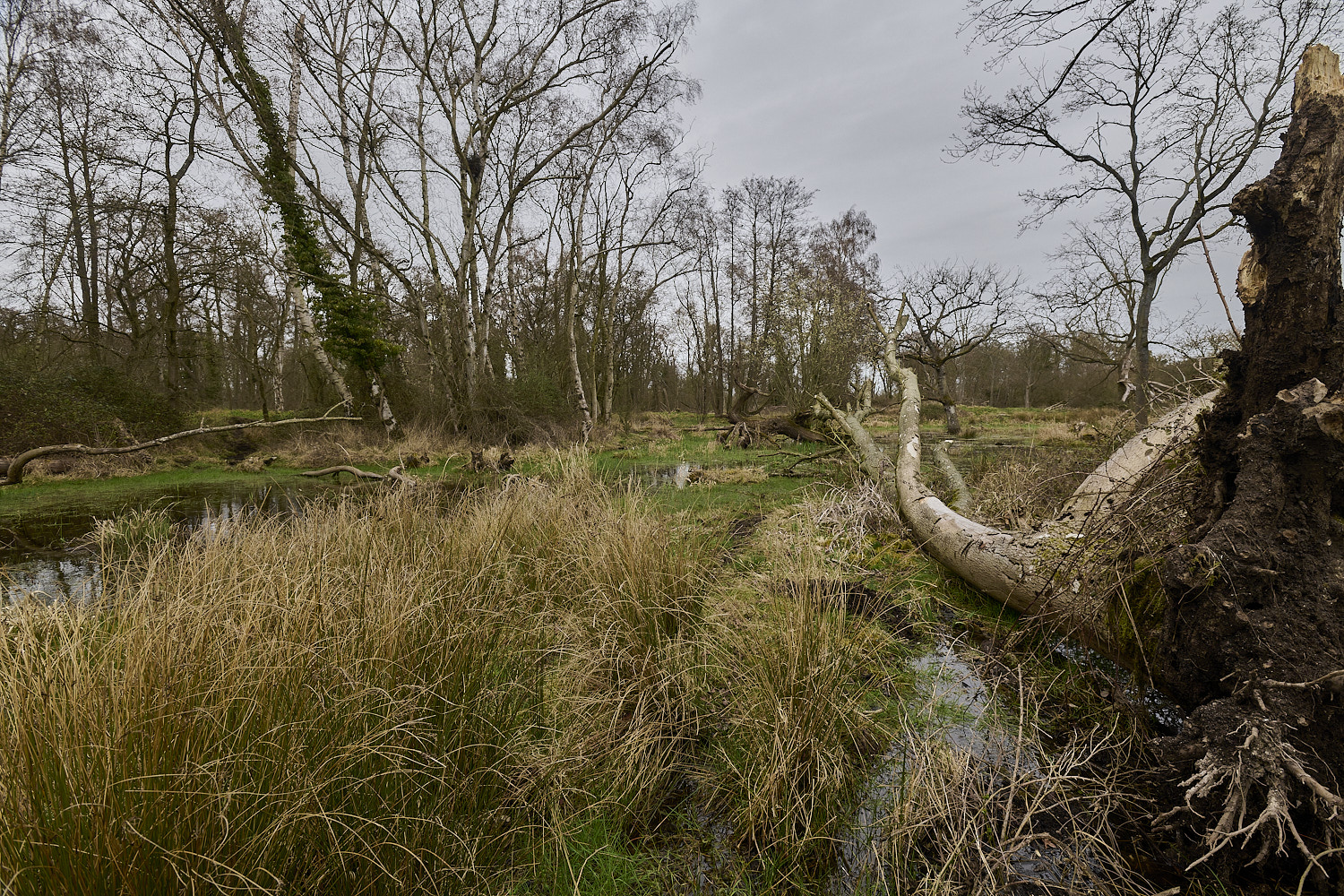
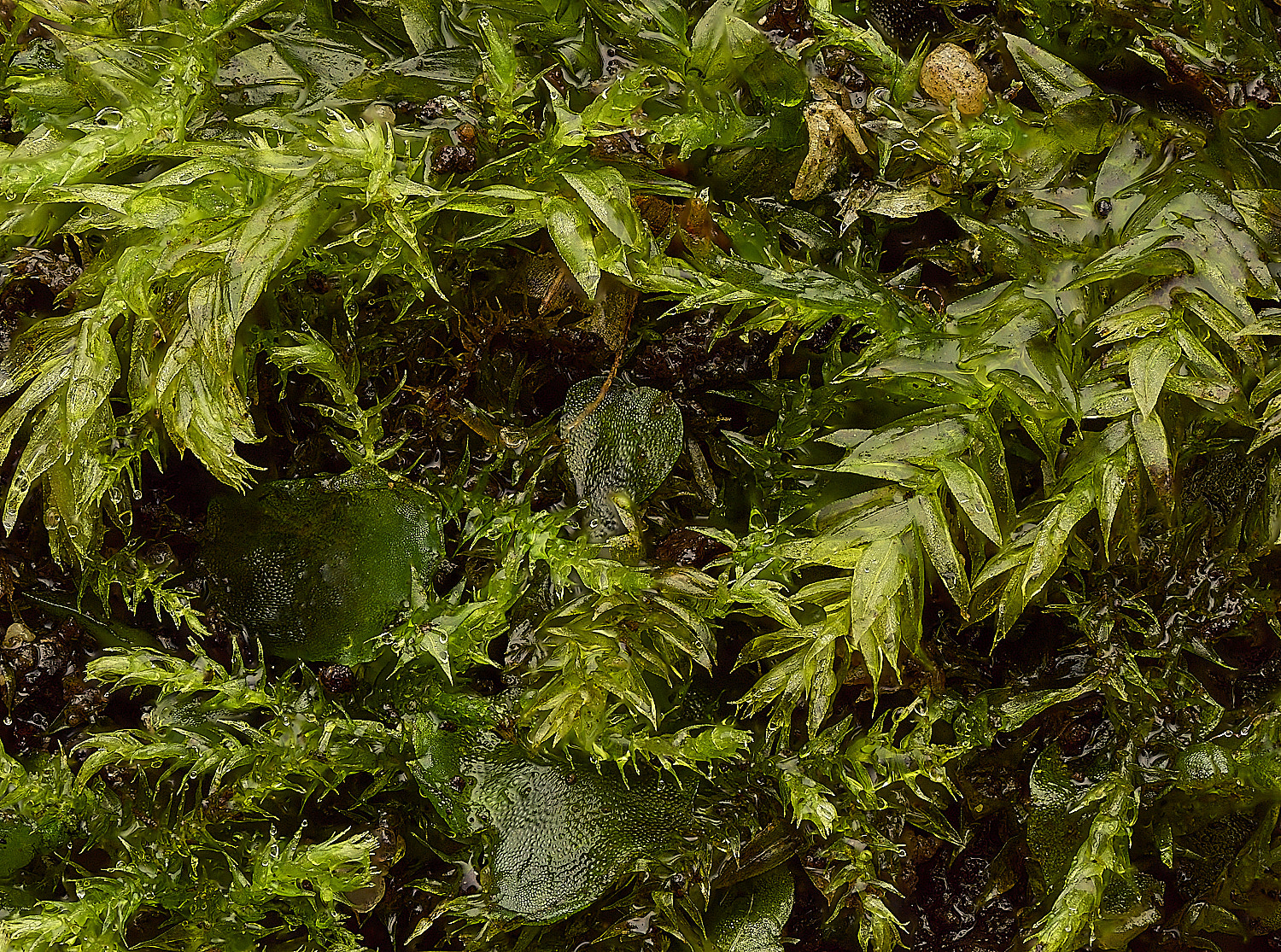
Plagiothecium Sp with Pellia Sp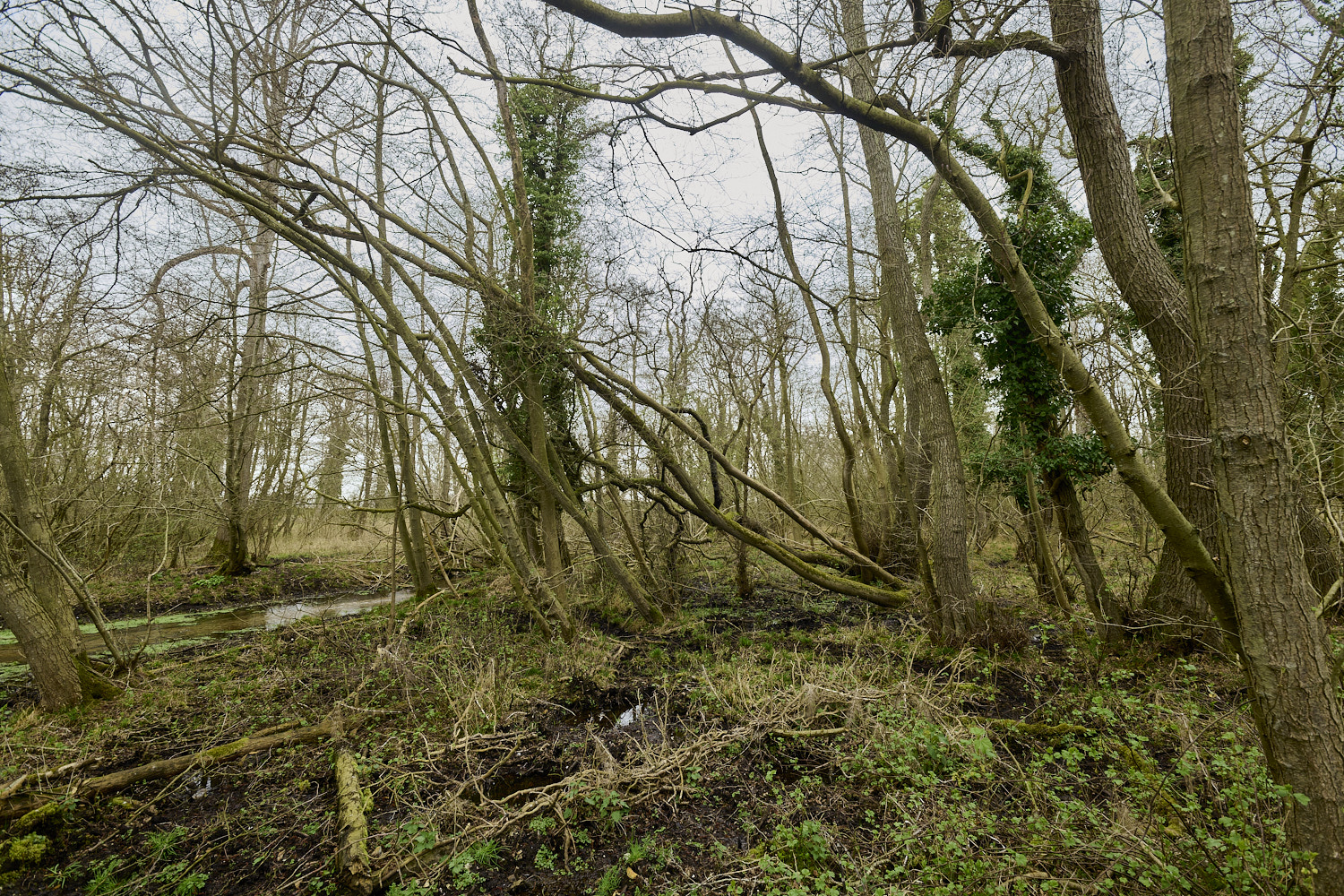
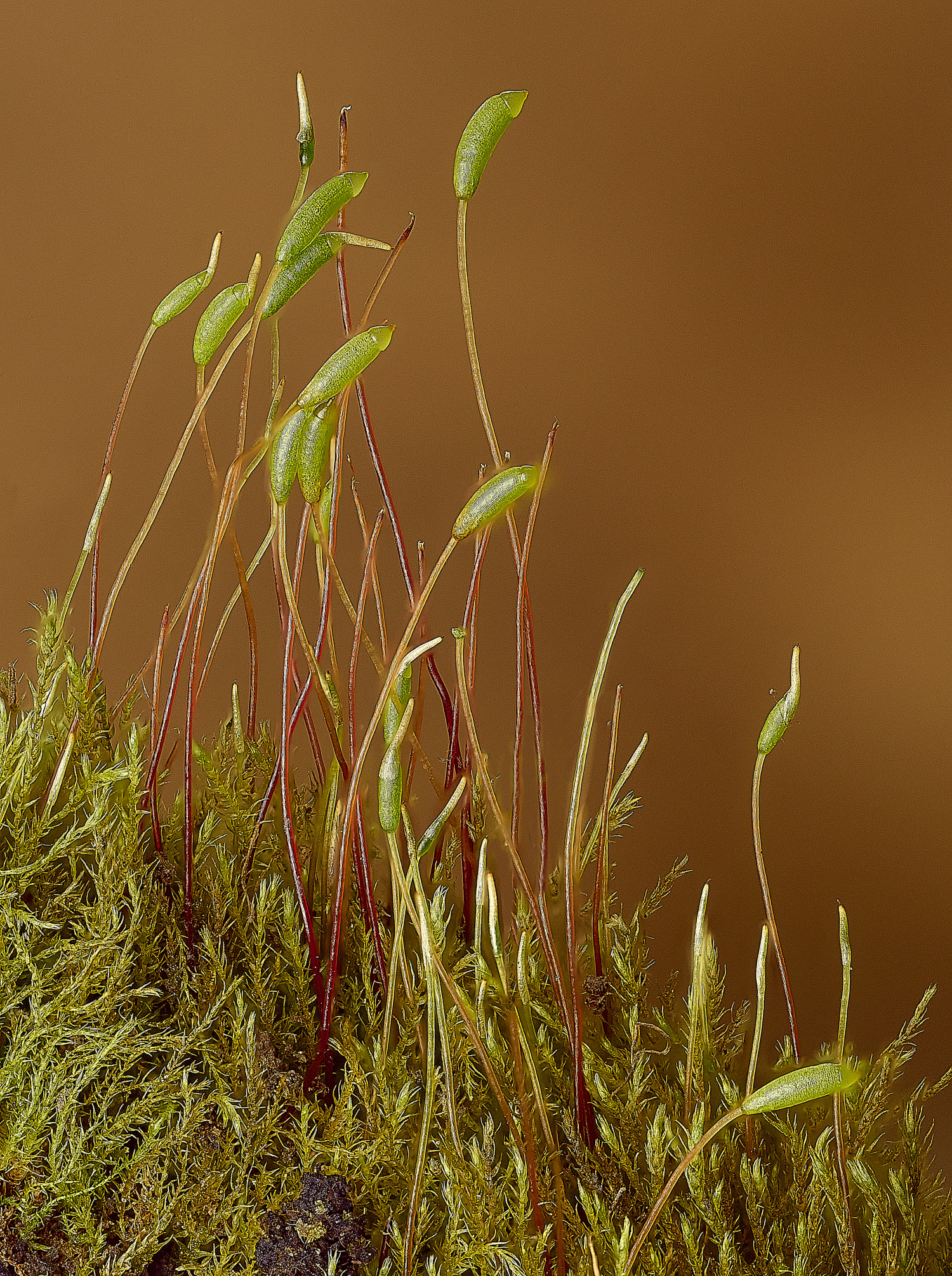
Creeping Feather-moss (Amblystegium serpens)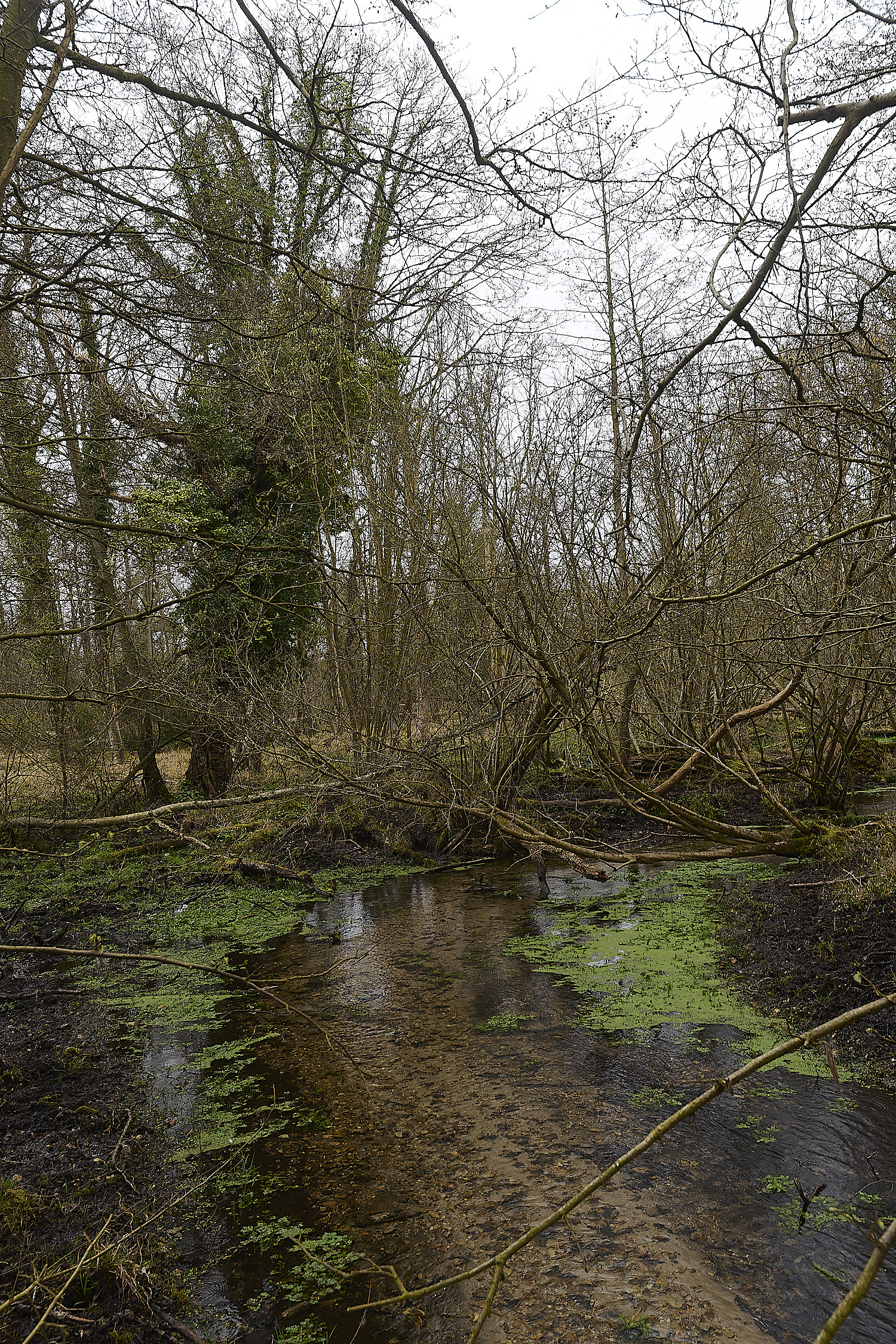
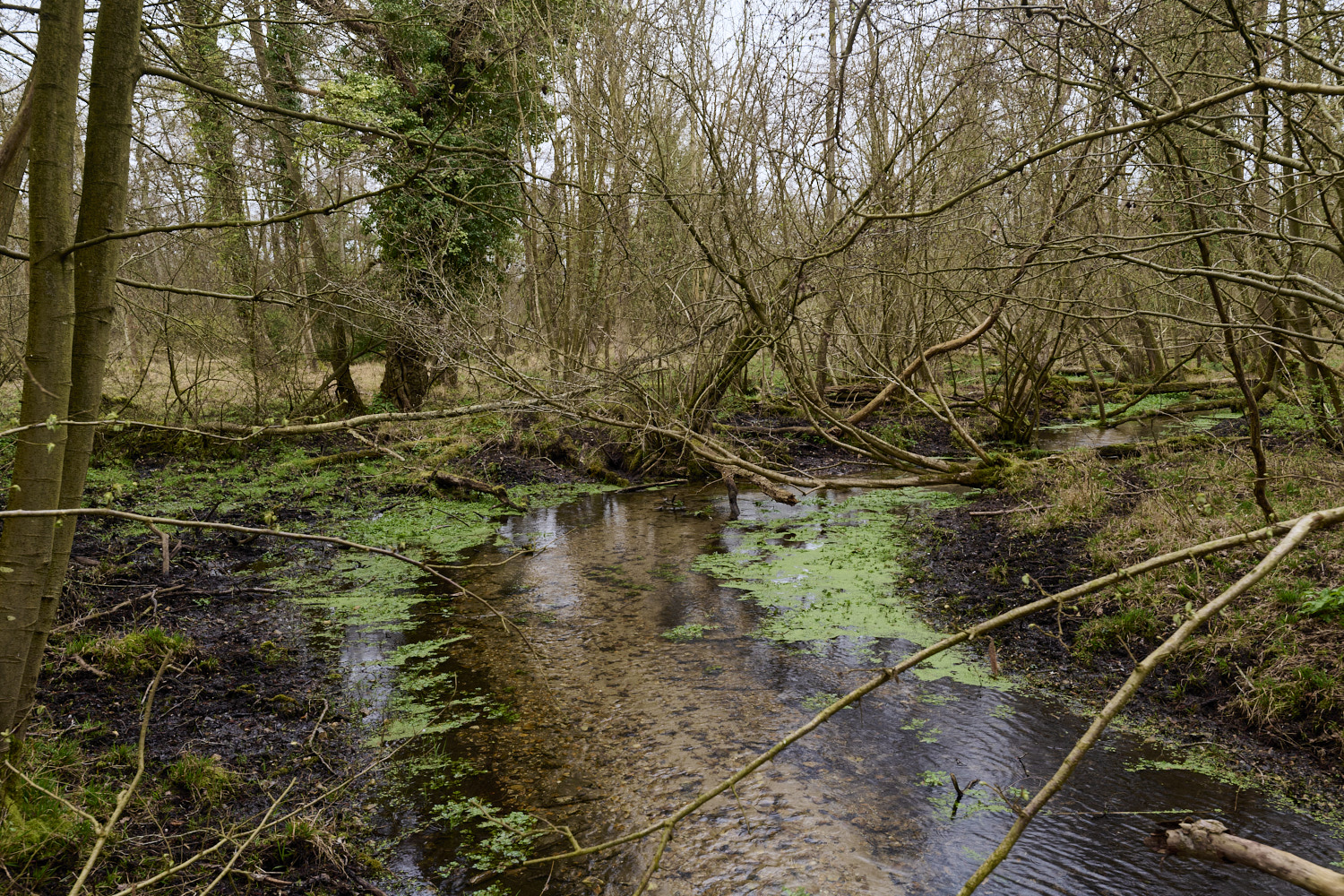
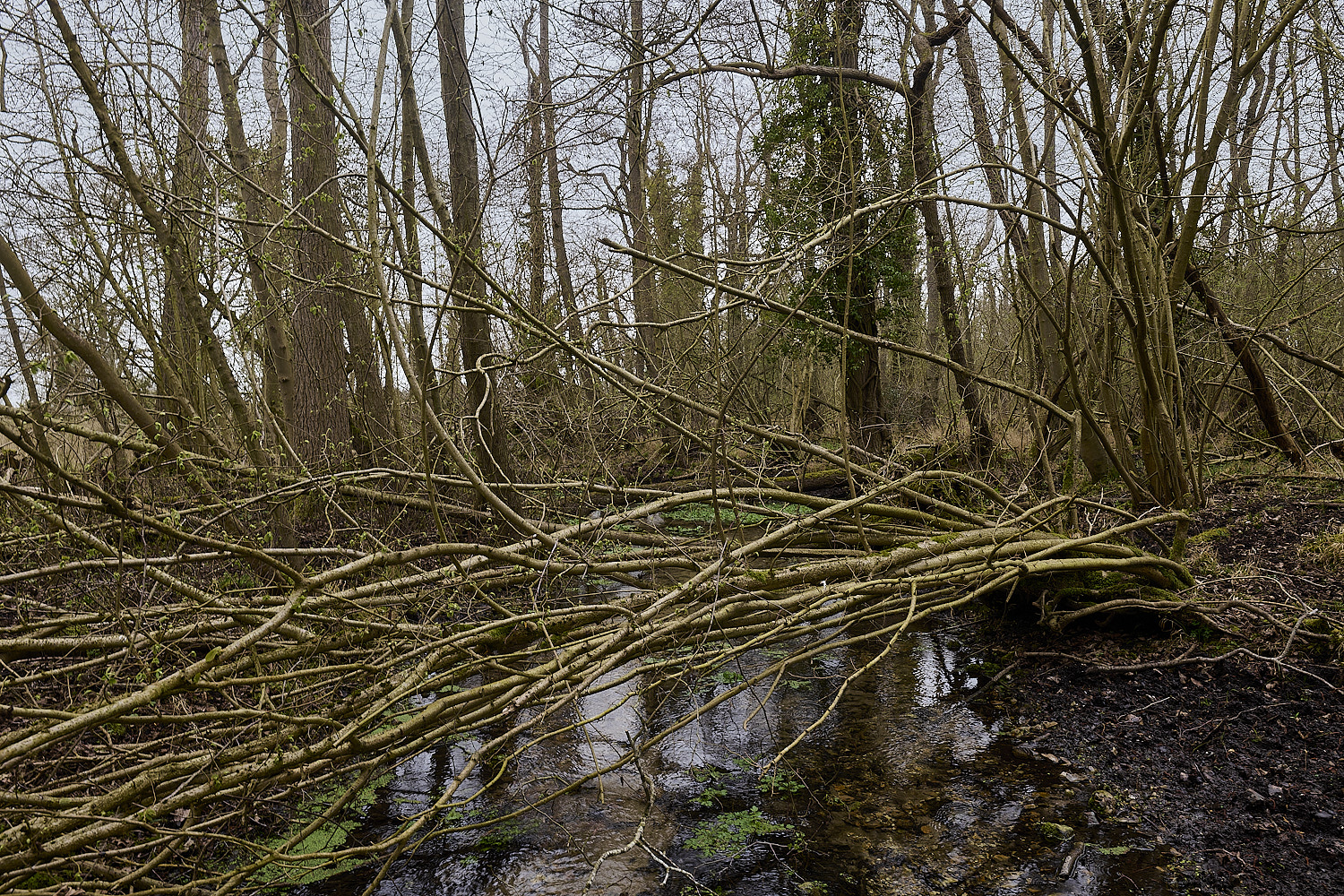
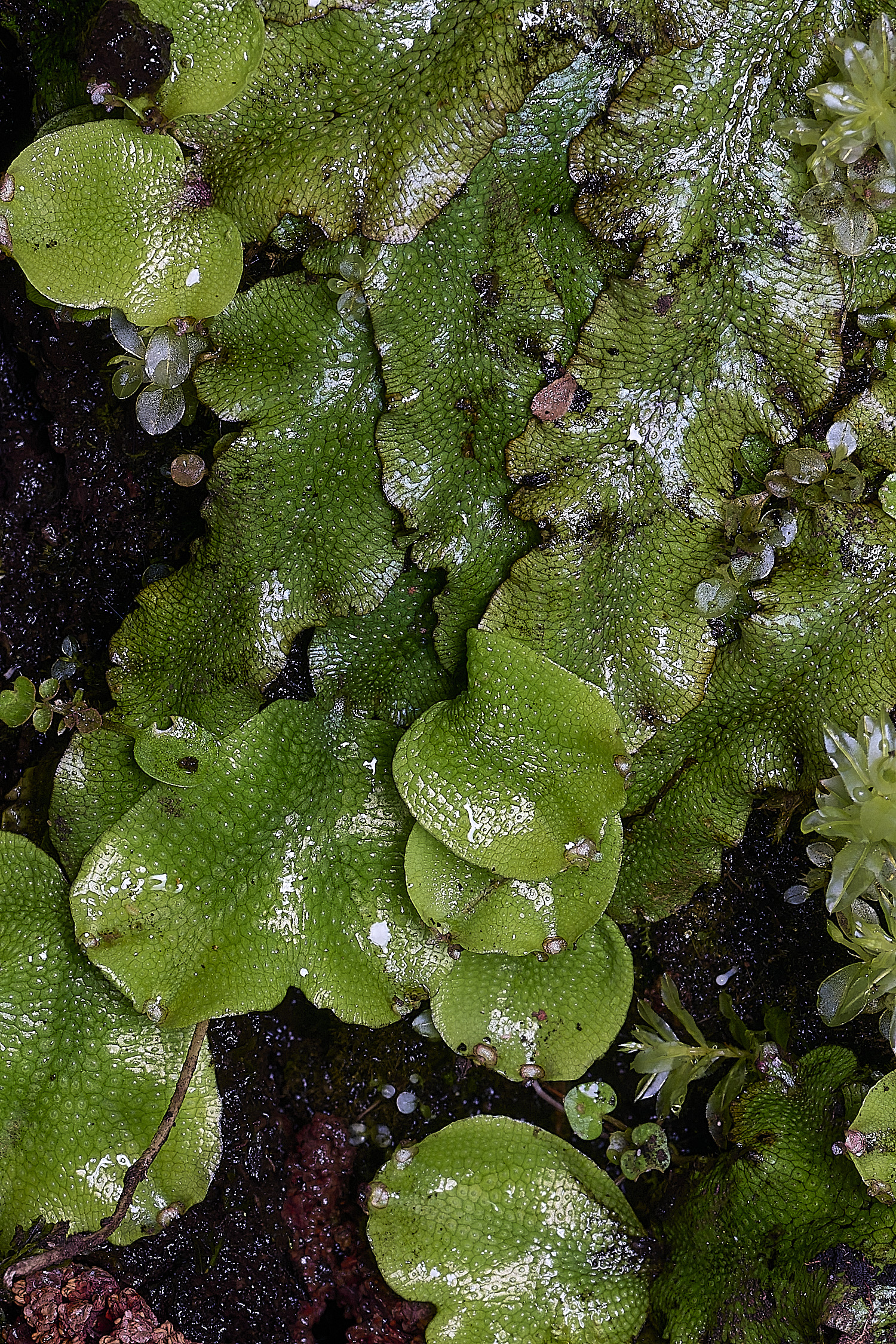
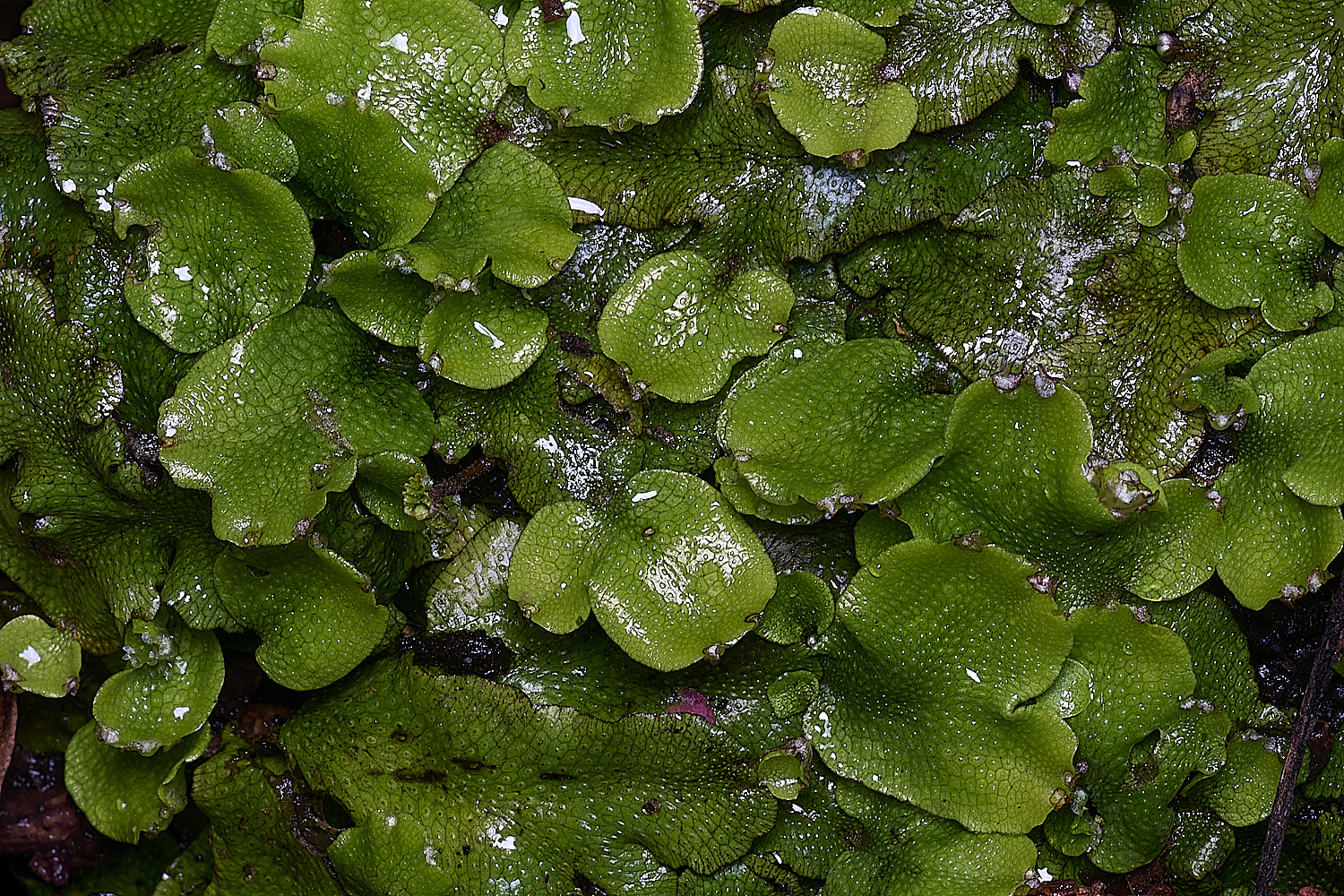
Great Scented Liverwort (Concephalum conicum)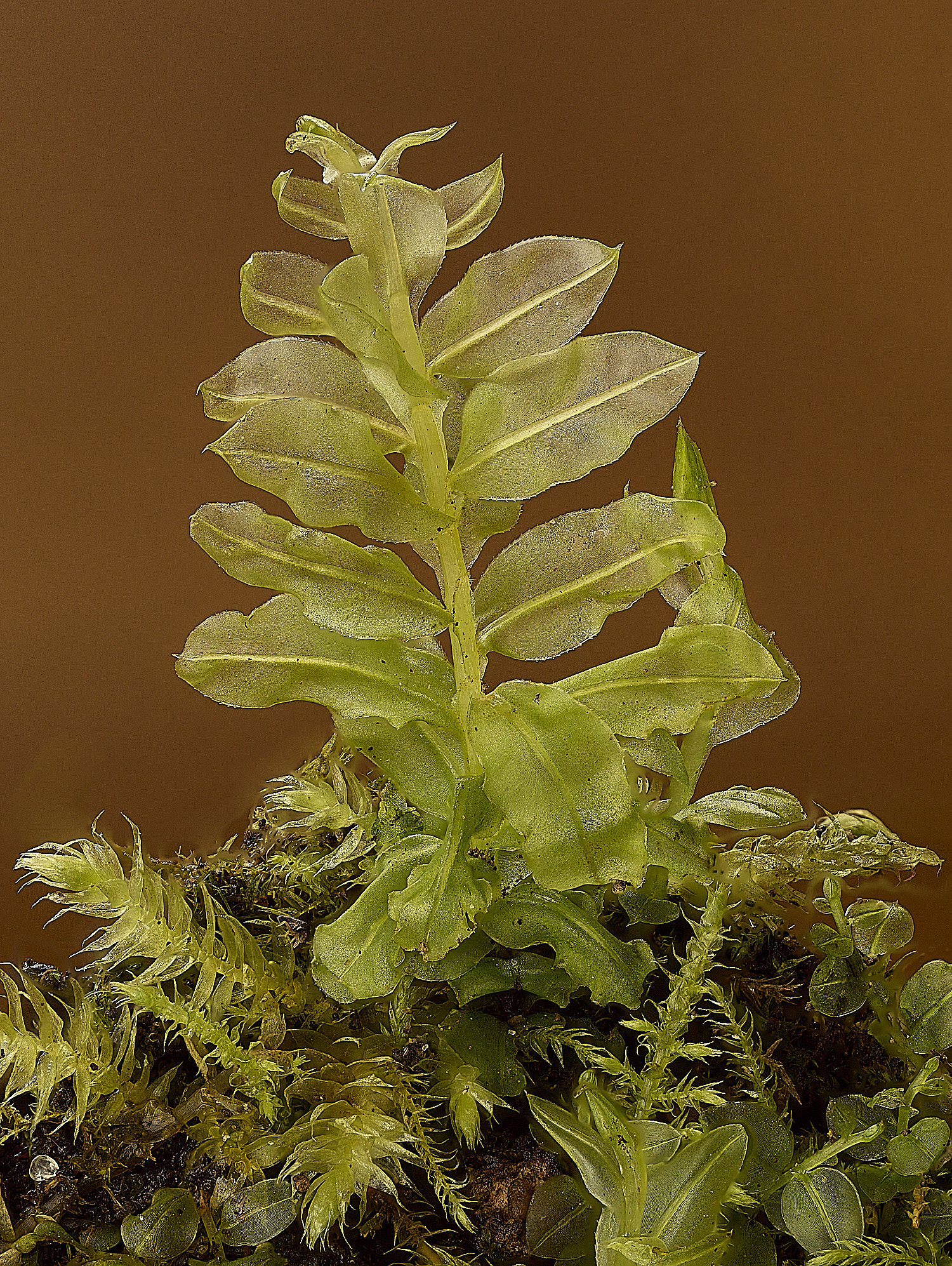
Tall Thyme-moss (Plagiomnium elatum)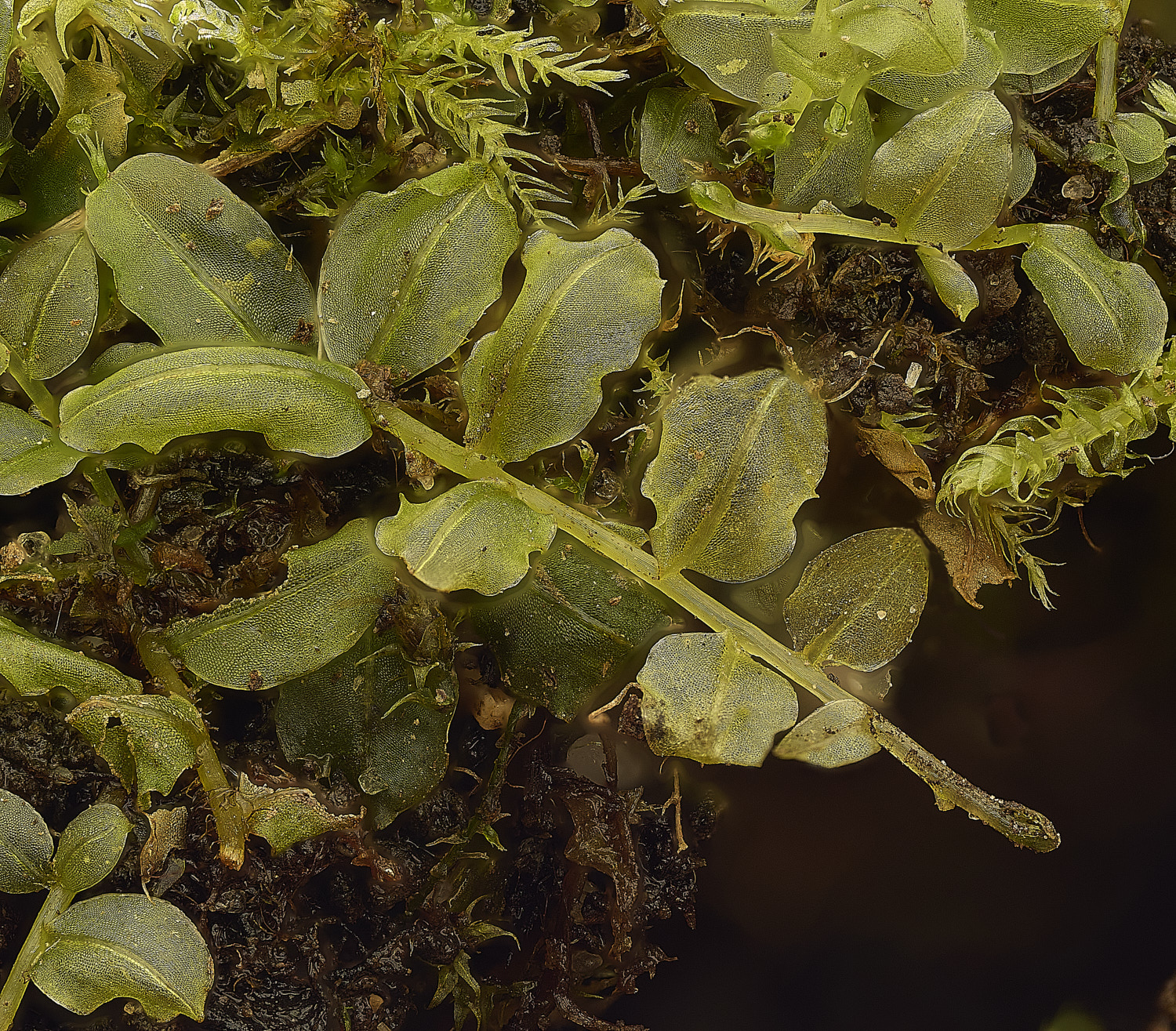
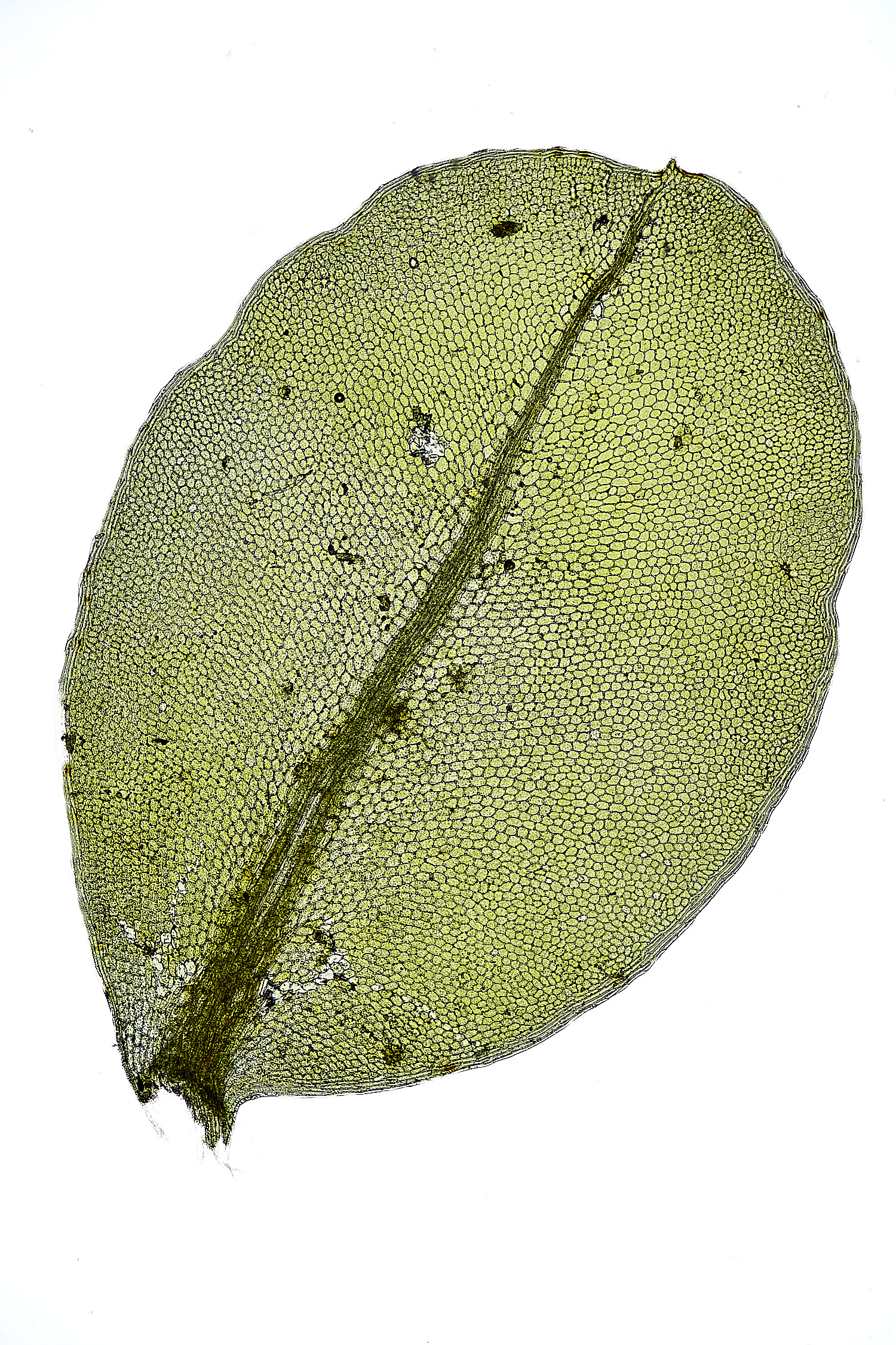
Marsh Thyme-moss (Plagiomnium ellipticum)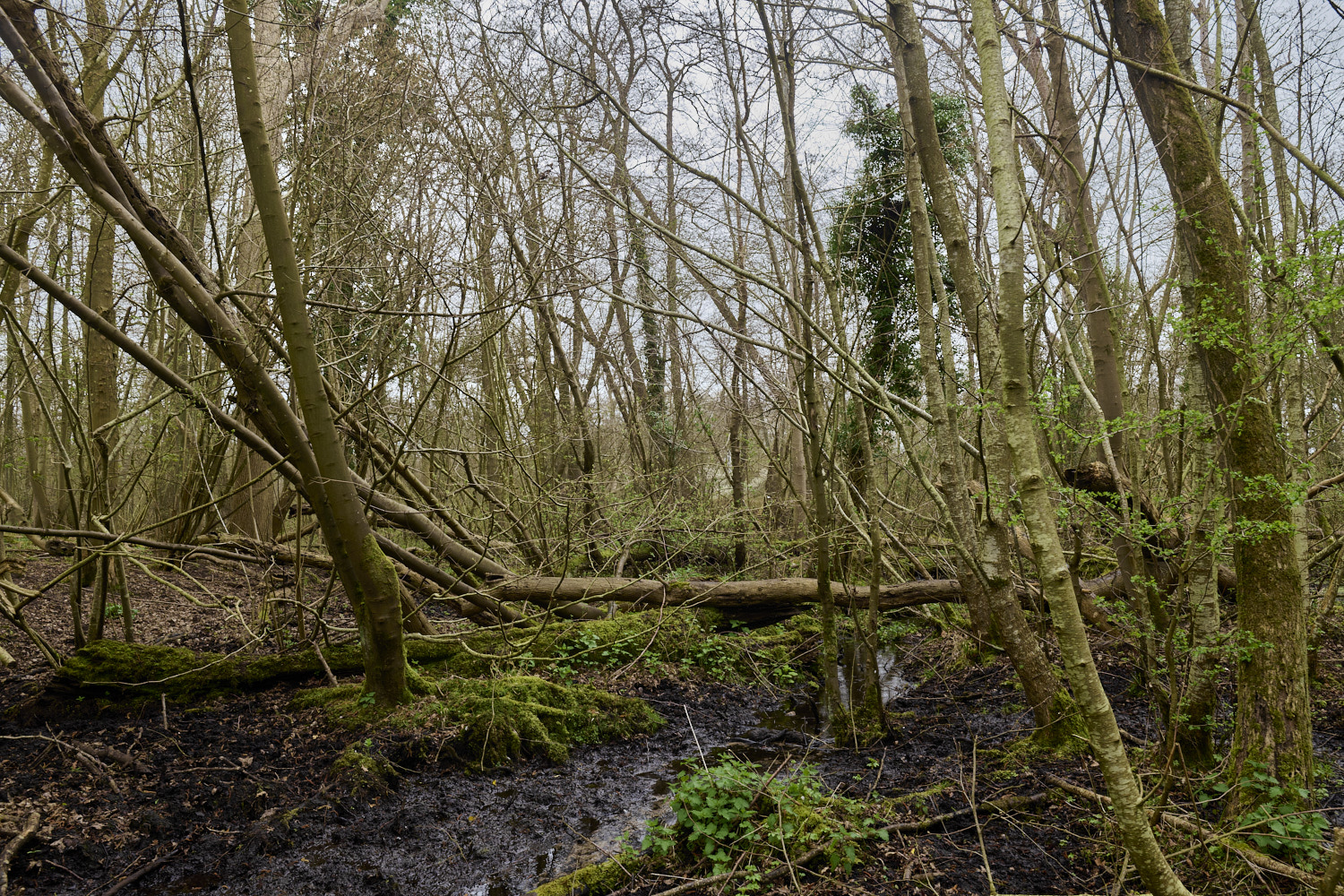
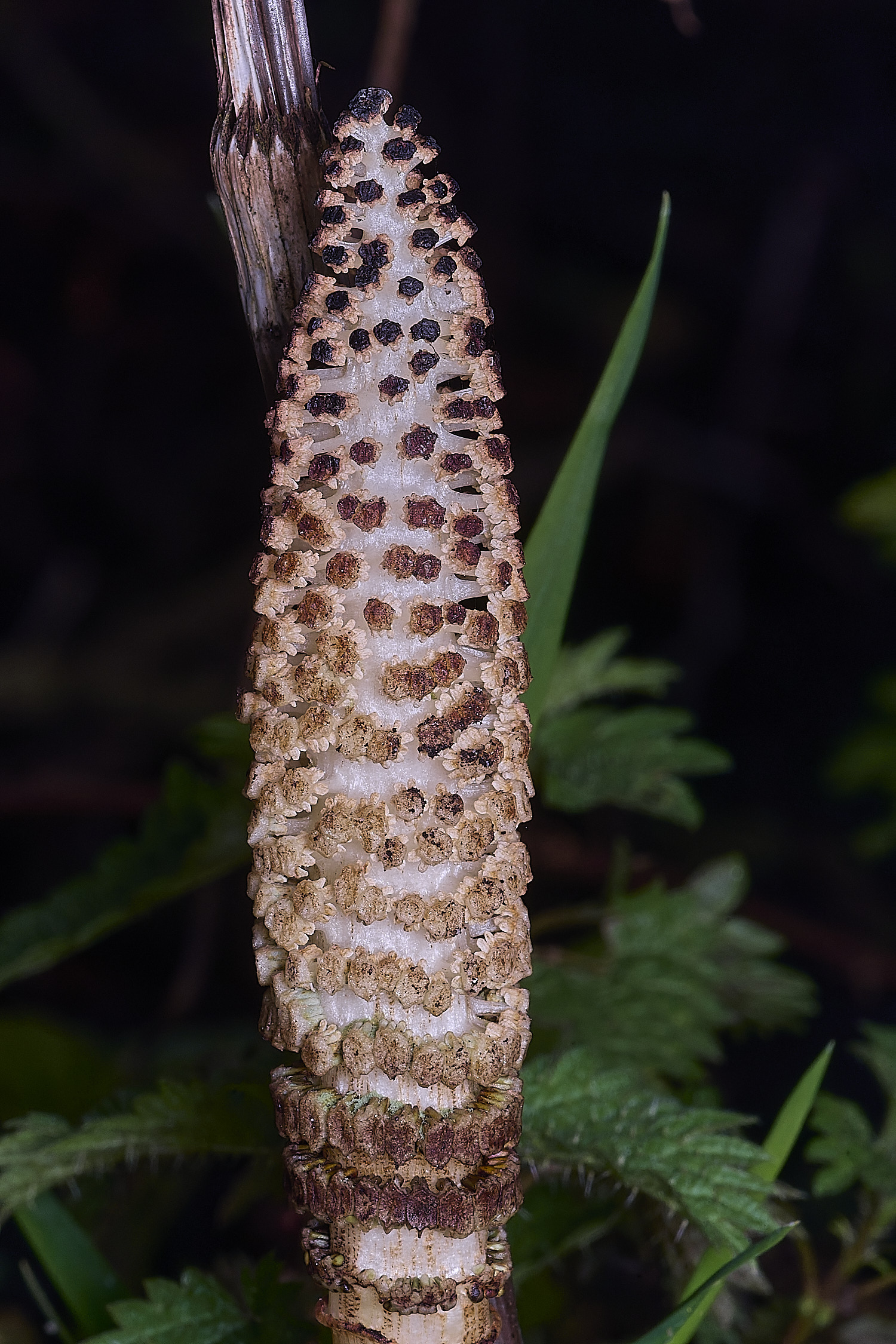
Great Horsetail (Equisetum telmateia)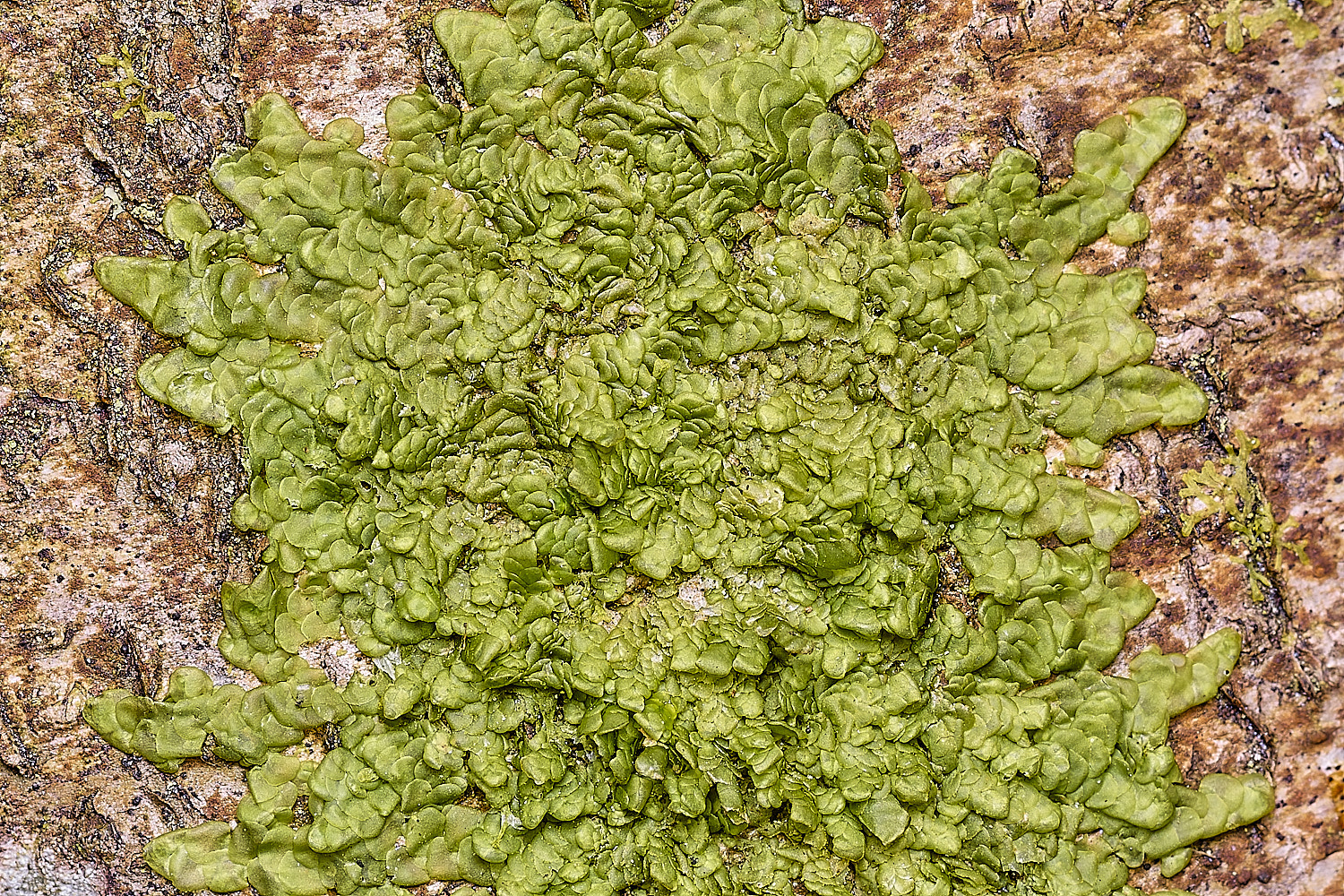
Even Scalewort (Radula complanata)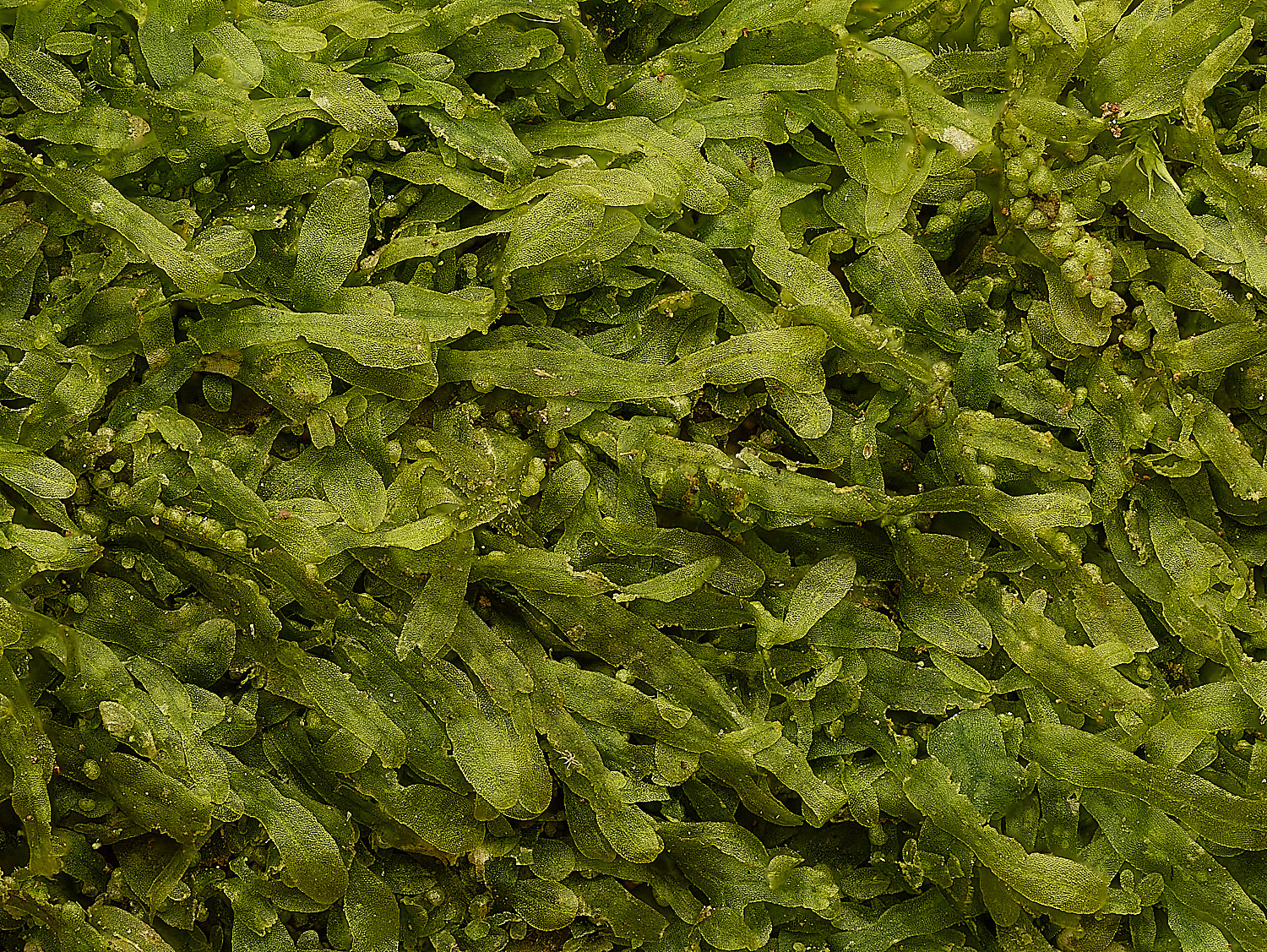
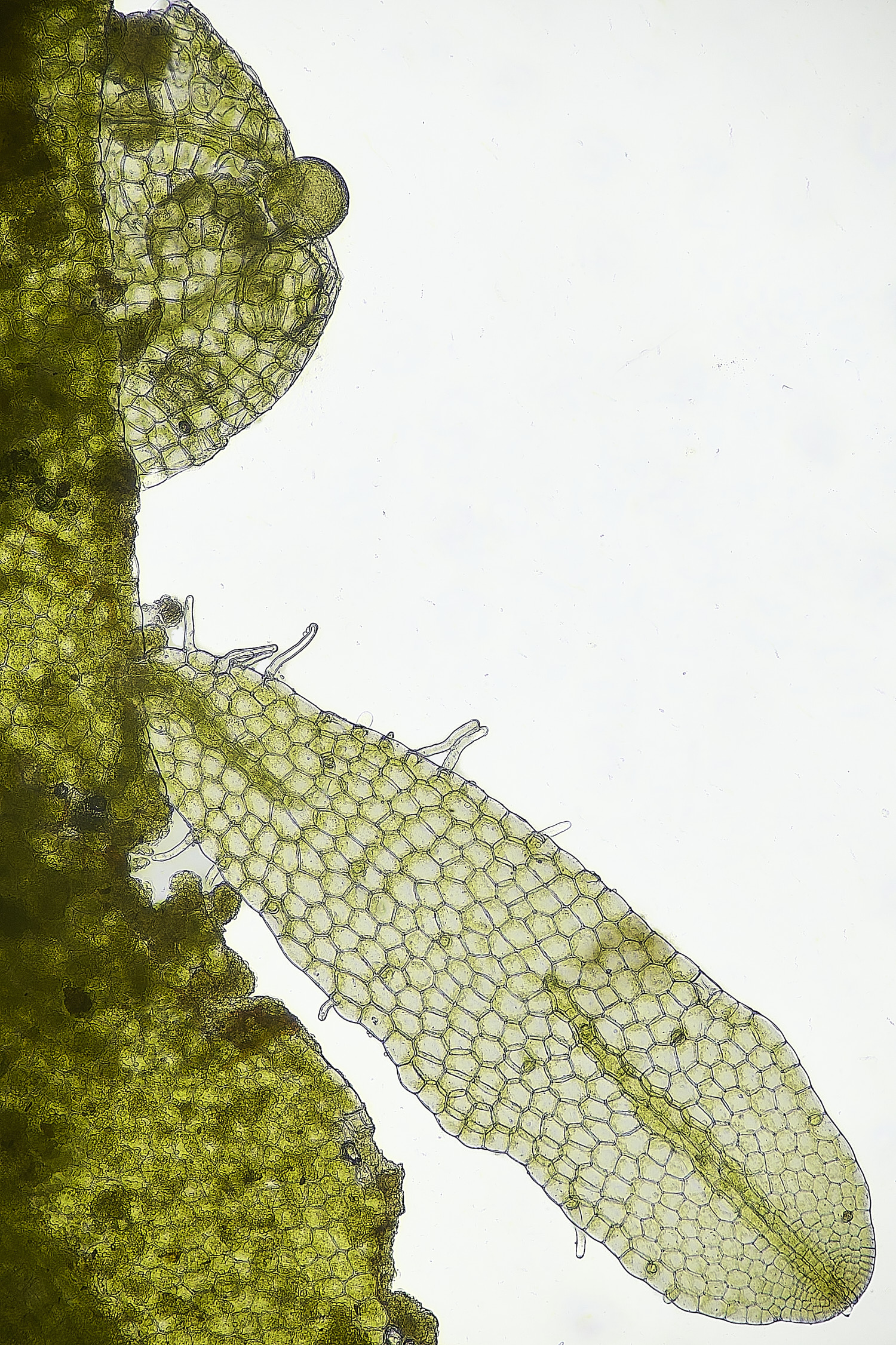
x 100
Forked Veilwort (Metzgeria furcata)
Below an image of very small leaved, tighly packed example of the same species.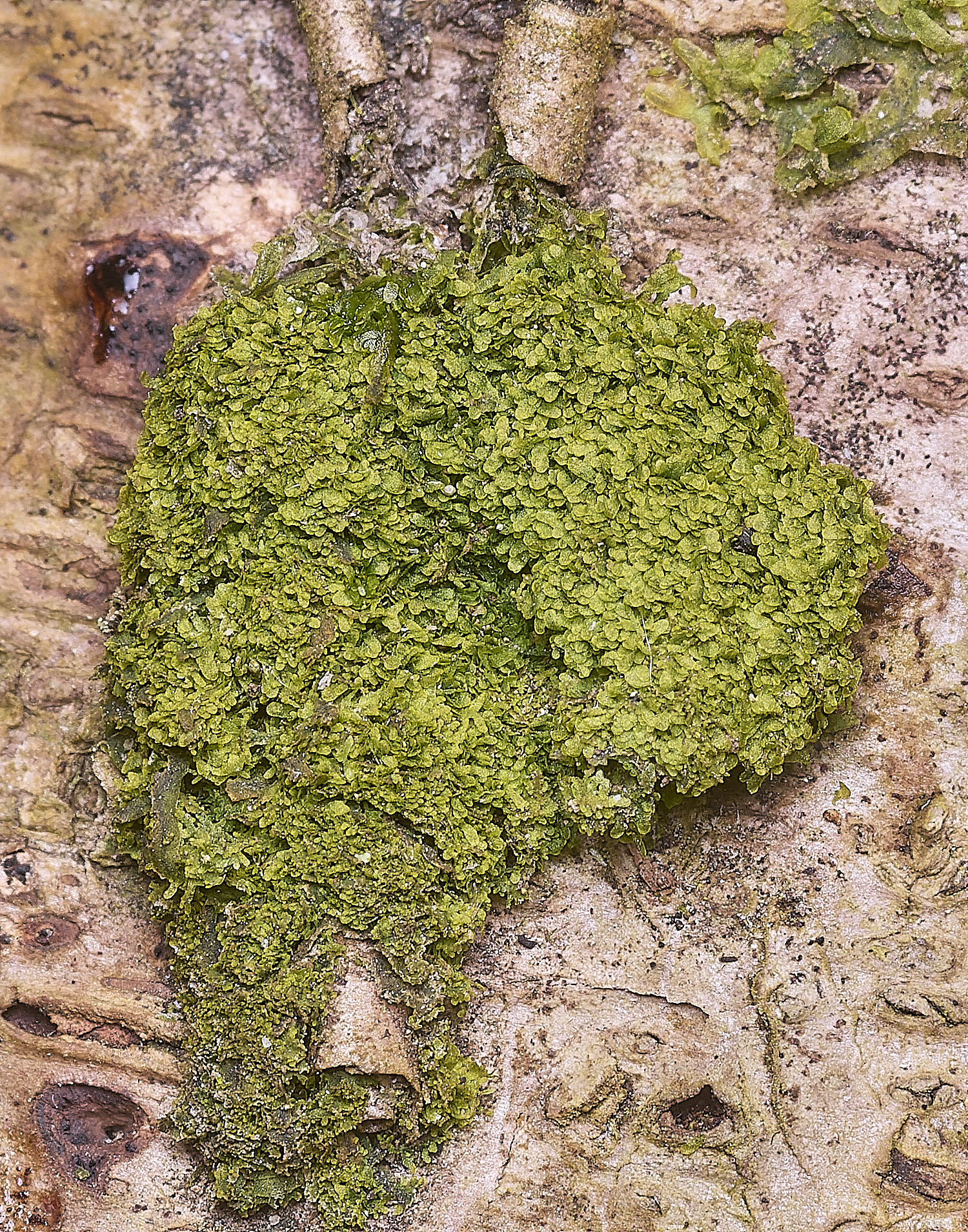
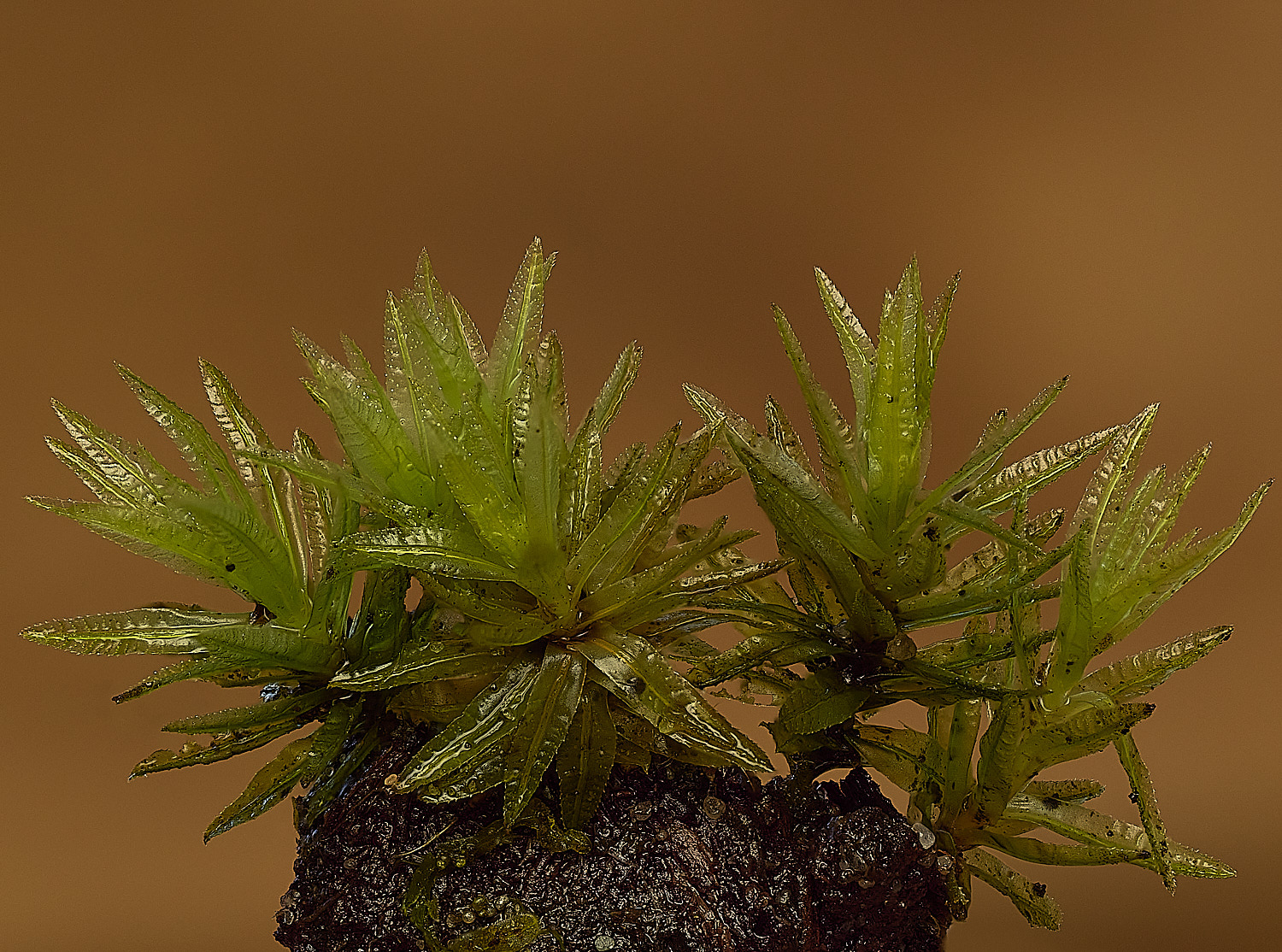
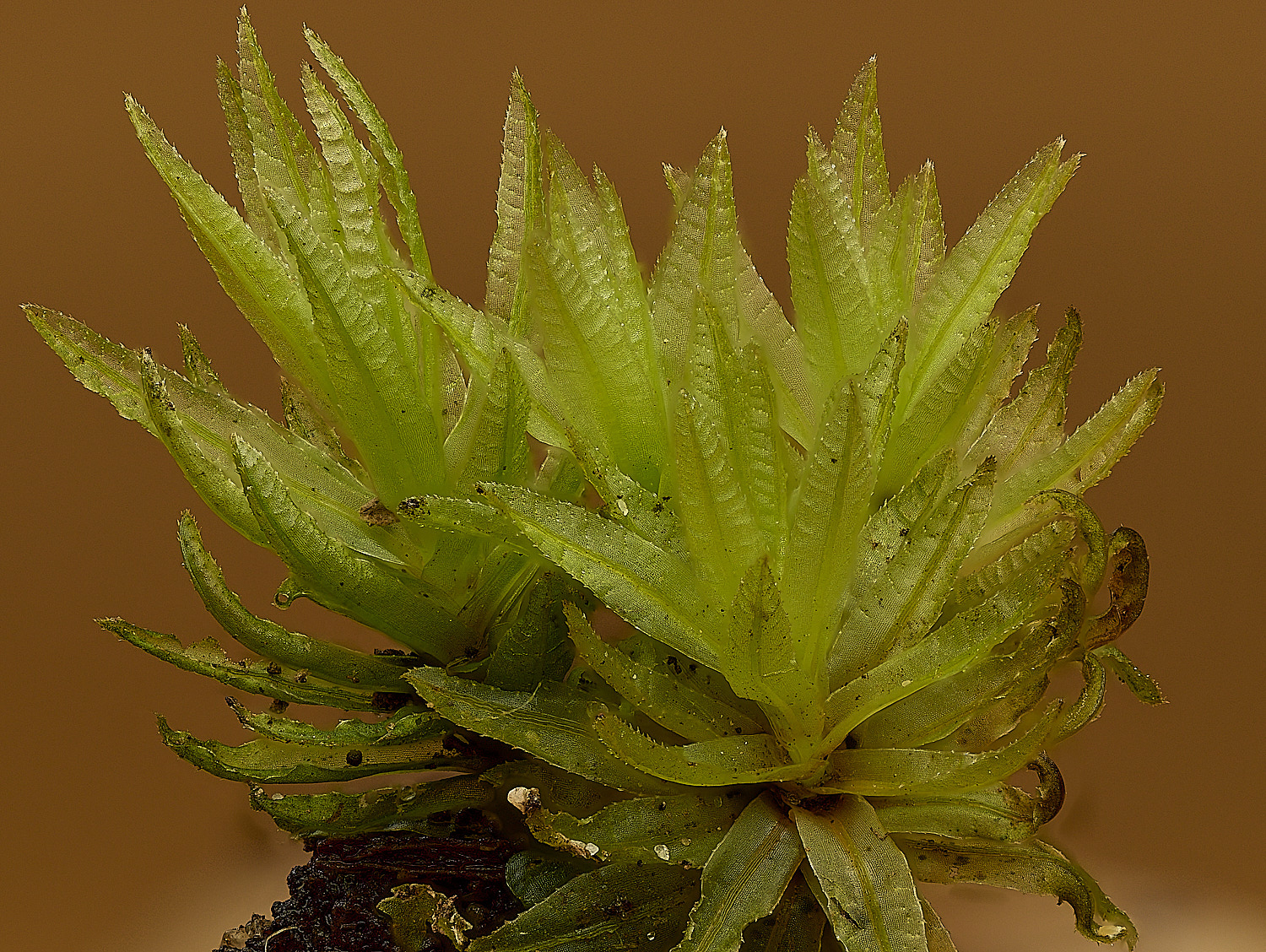
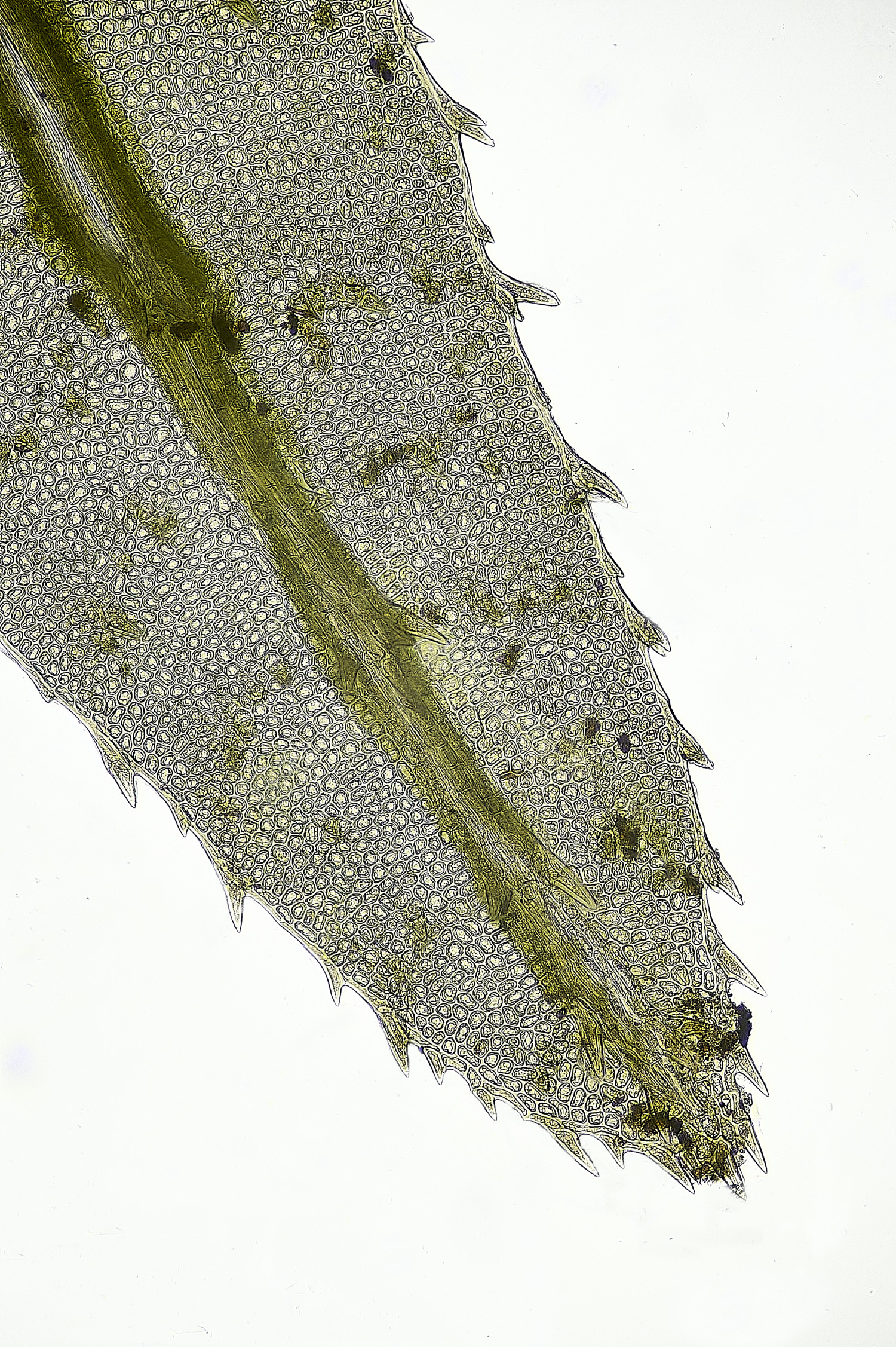
x 100
Common Smoothcap (Atrichum undulatum)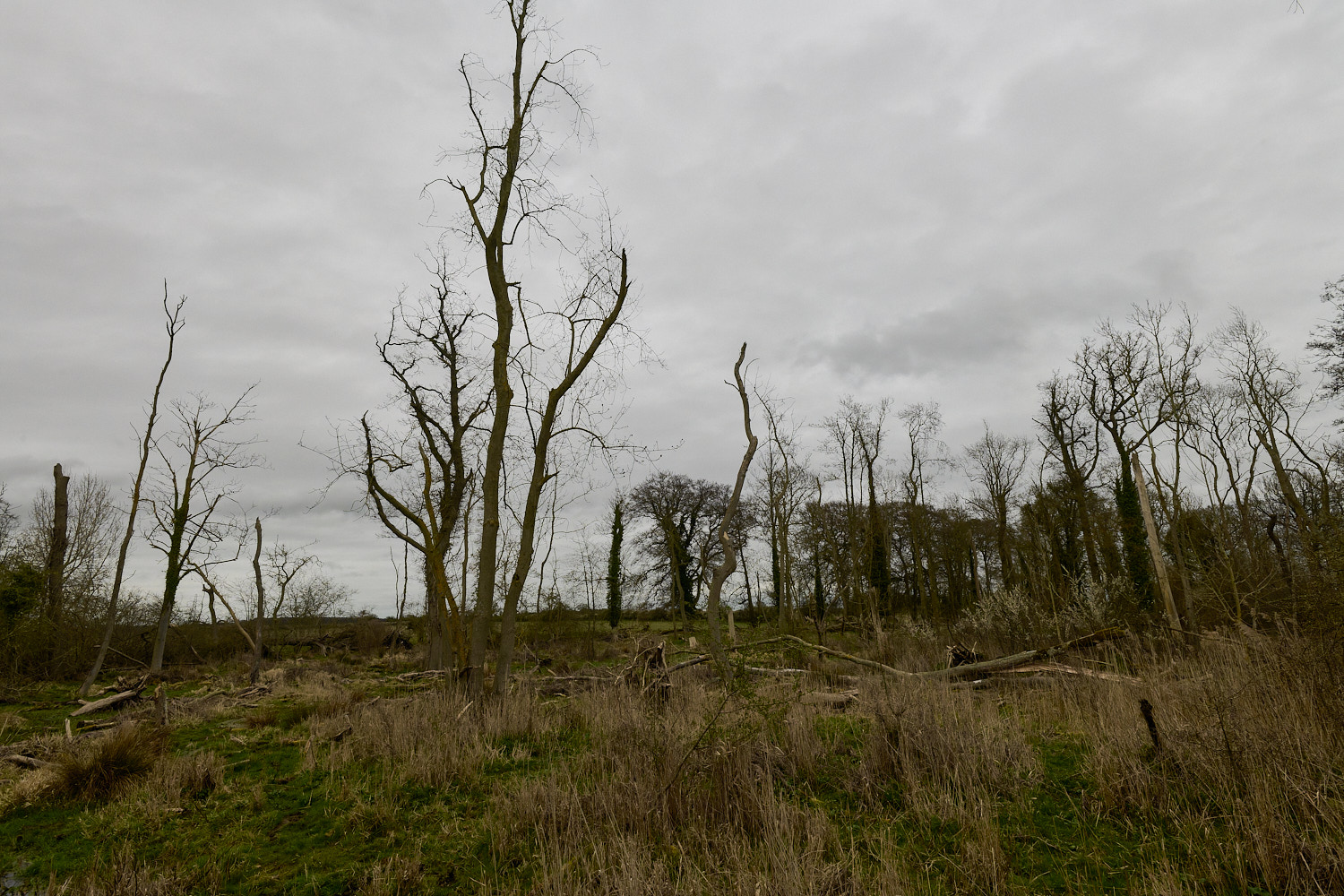
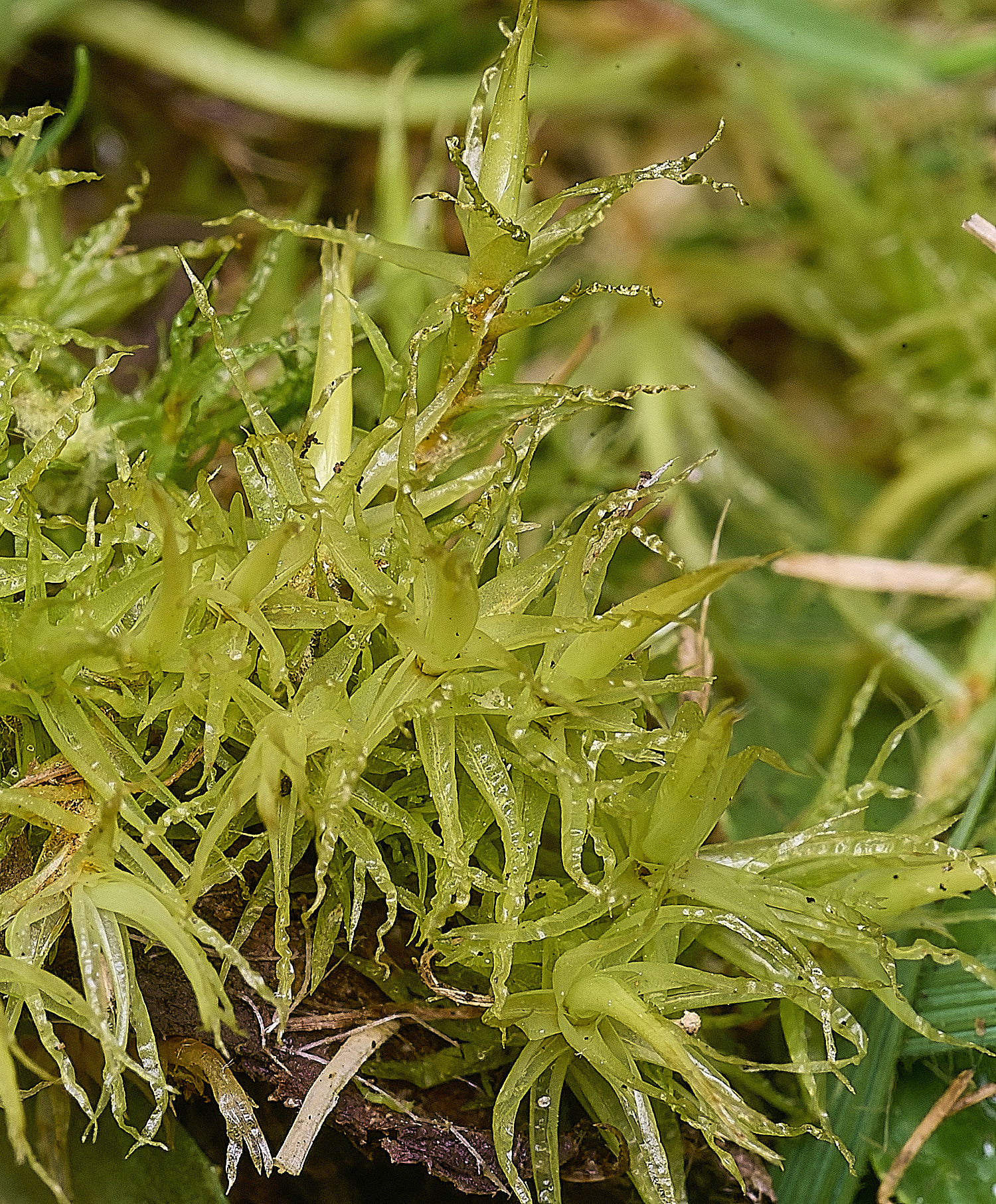
Crisped Fork-moss (Dicranum bonjeanii)?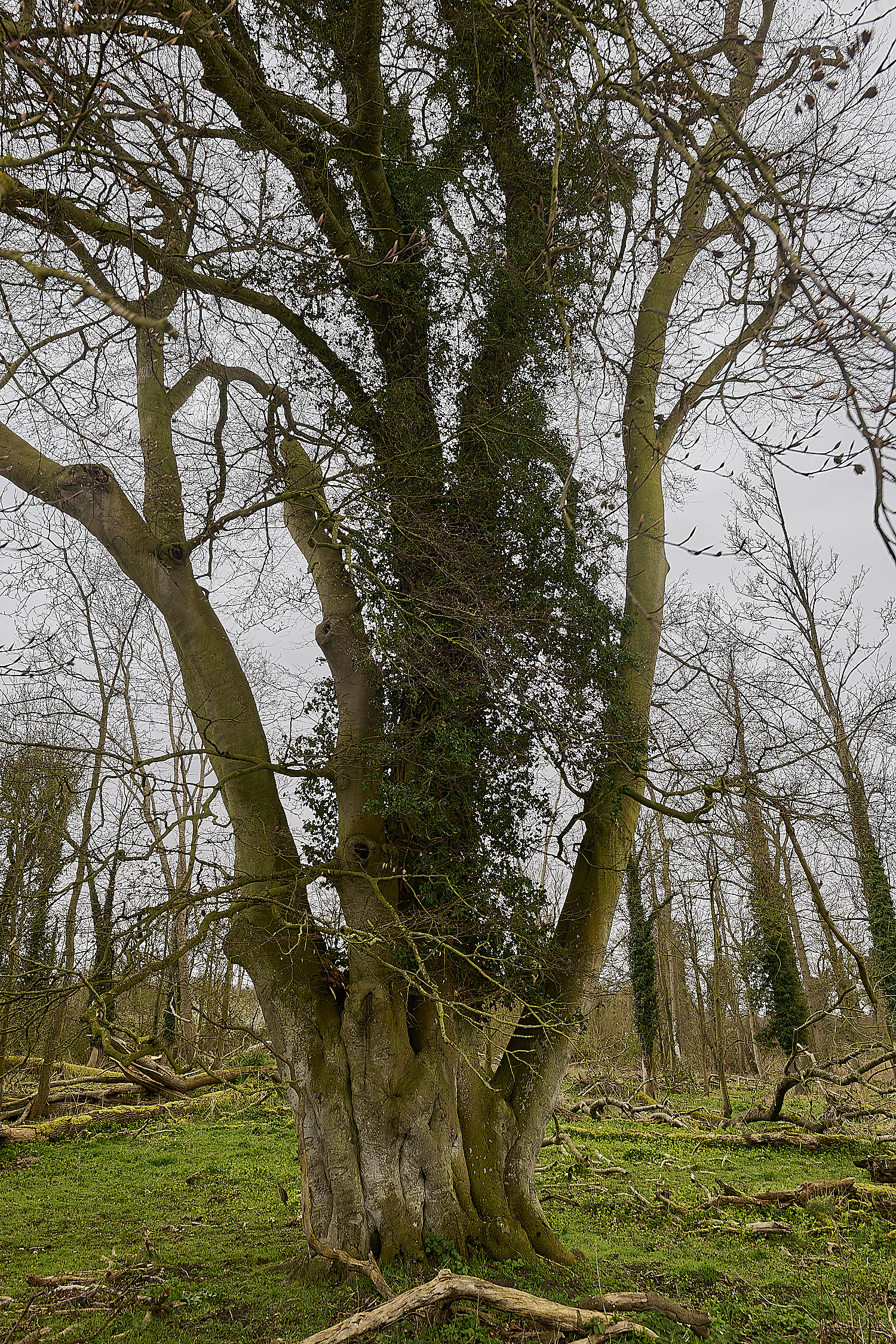
Three or four trees planted so close together they form a a multistemmed boundary marker
Beech (Fagus sylvatica)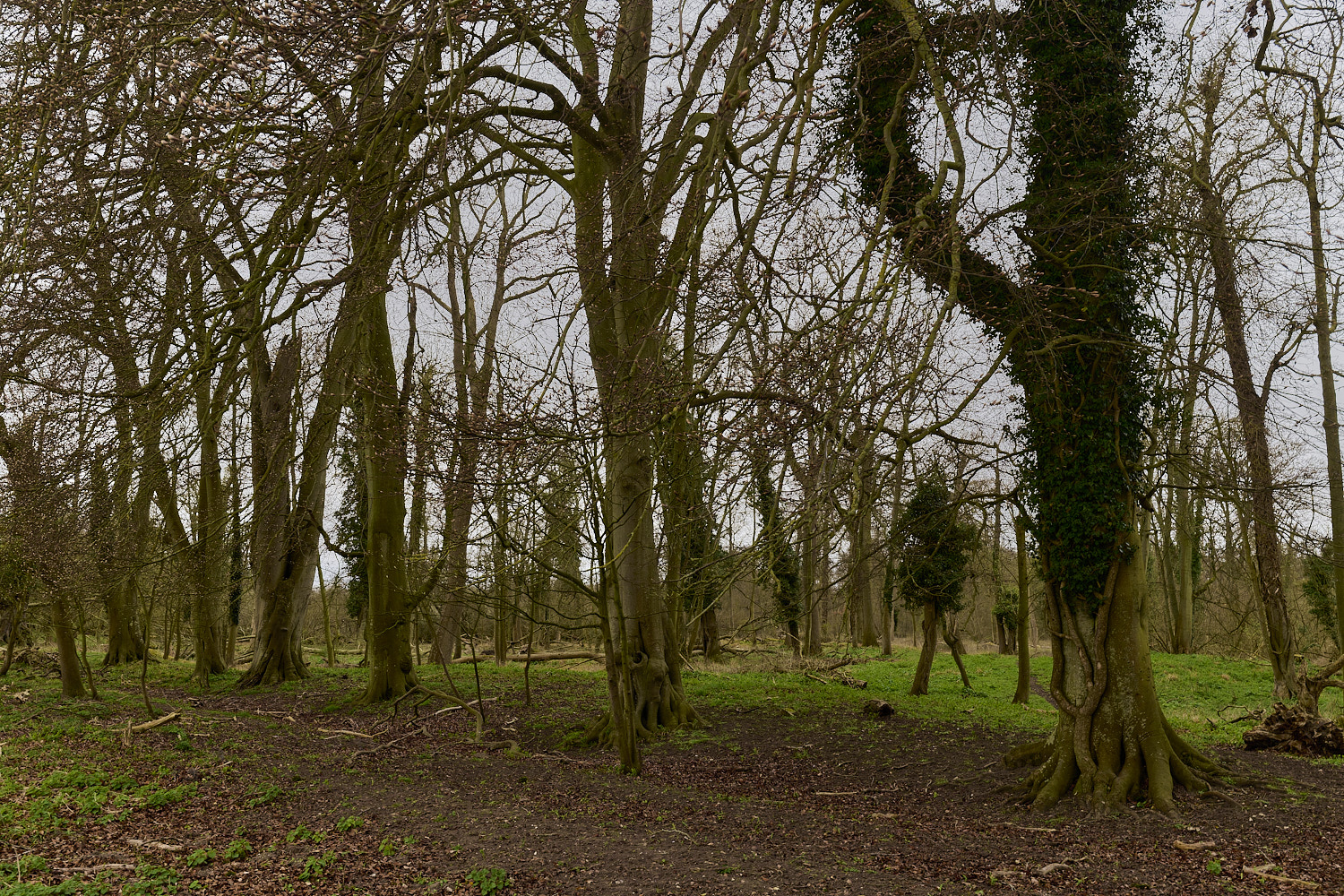
A line of Beech (Fagus sylvatica) forming a marker boundary between parishes we think.
Waveney Forest
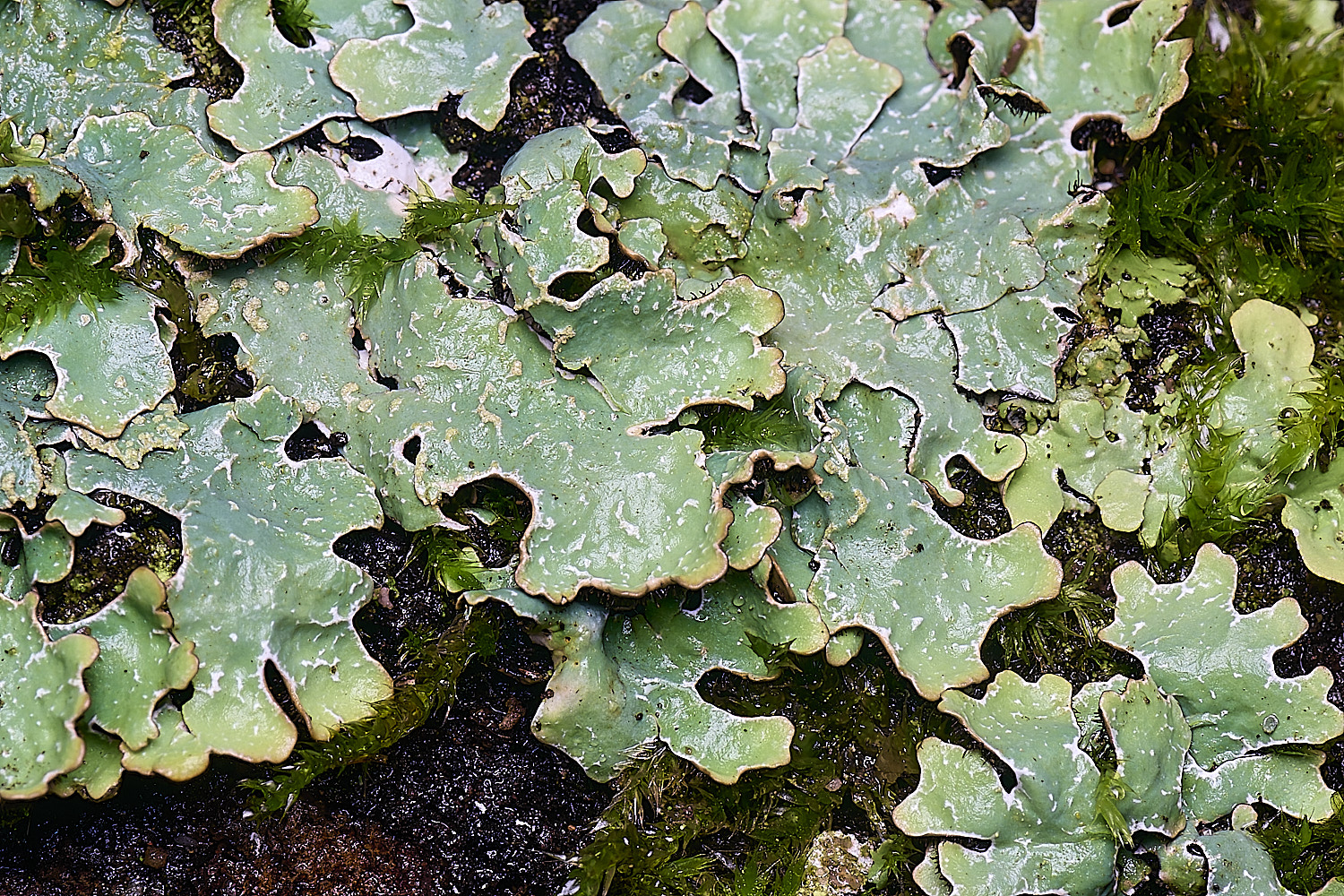
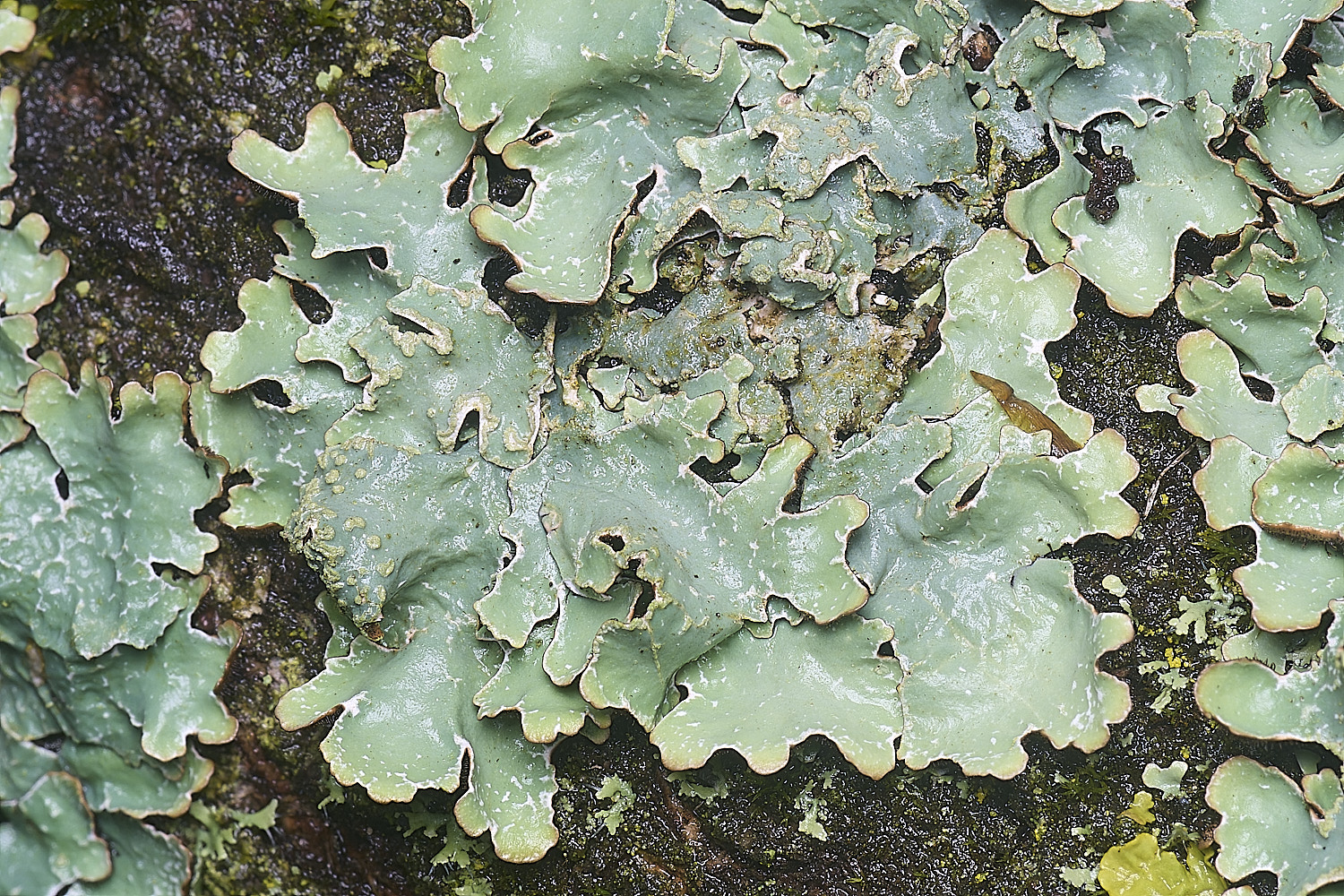
Parmelia sulcata?
Black rizines. Black underside.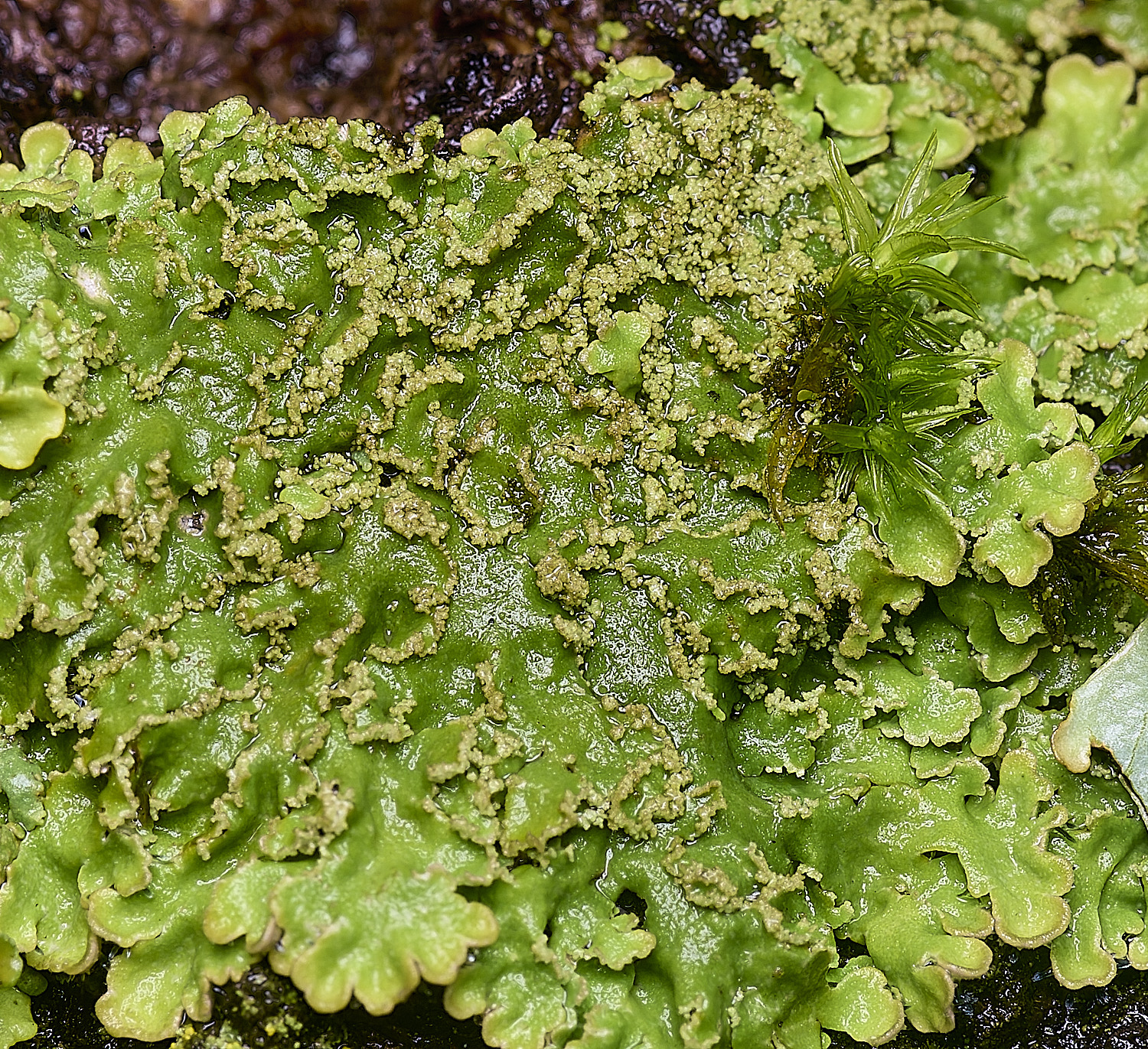
A very wet Physconia grisea
Granular soredia on the edges of the lobes.
White rizines seen
Goes grey- brown when dry.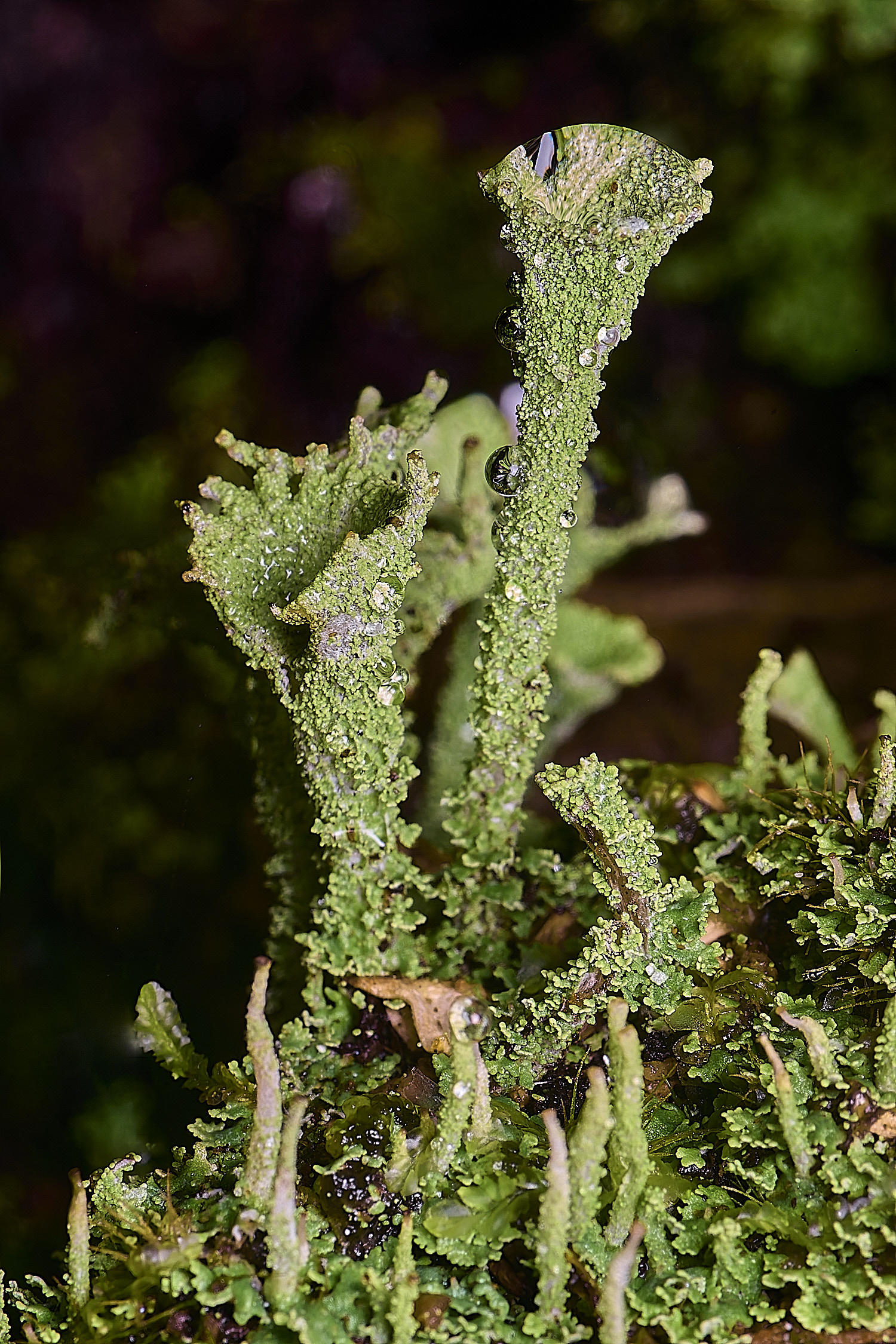
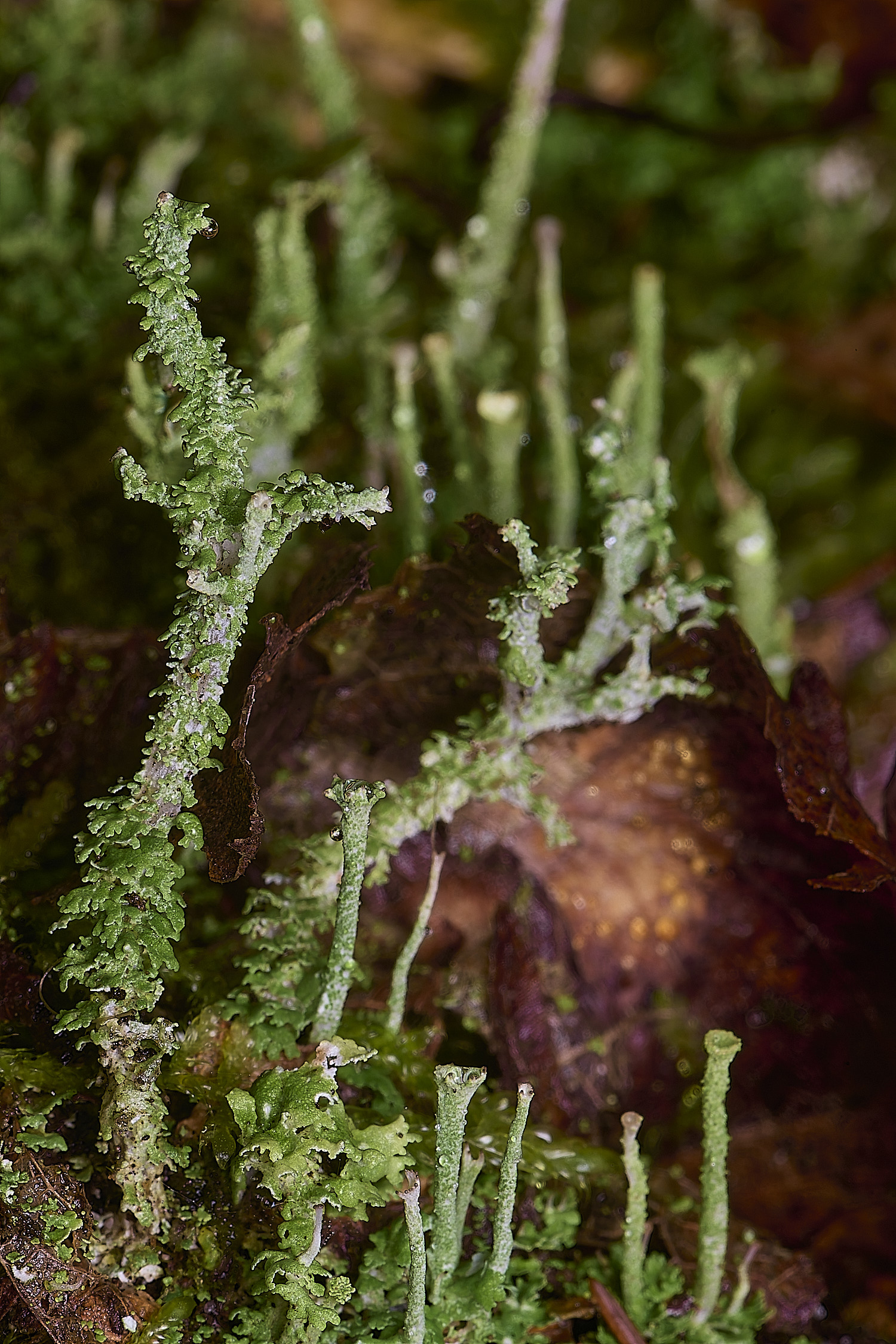
Cladonia Sp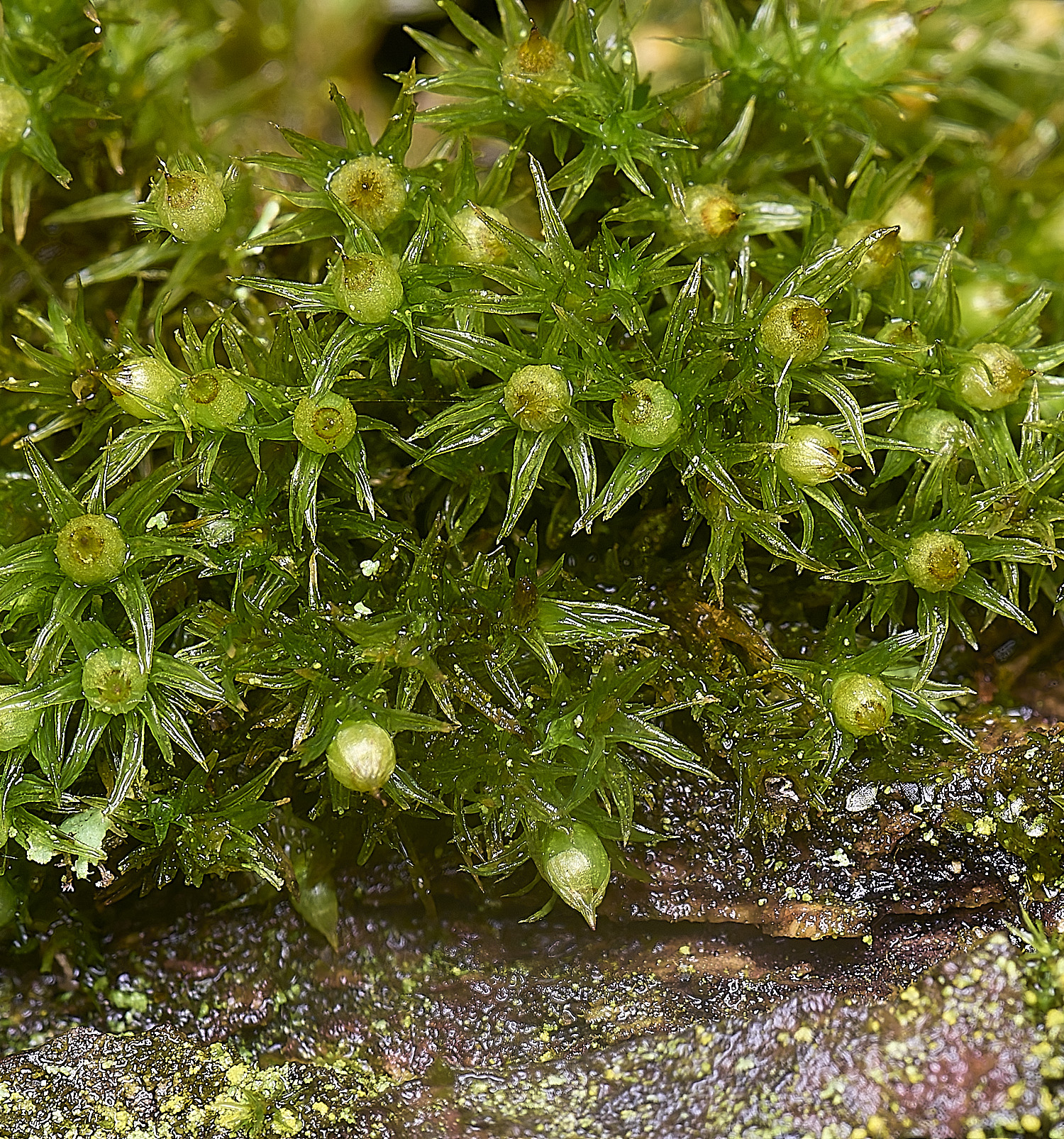
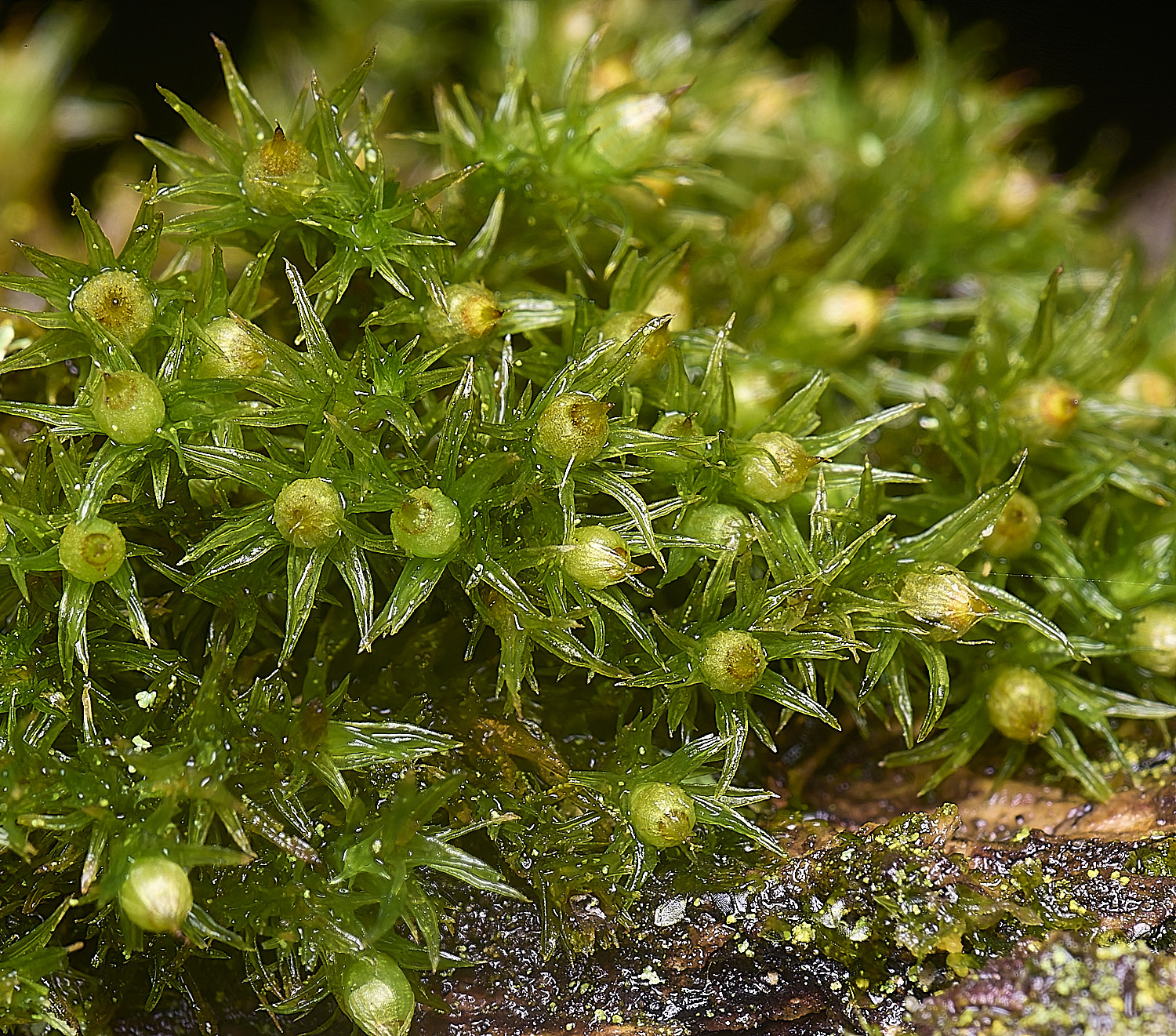
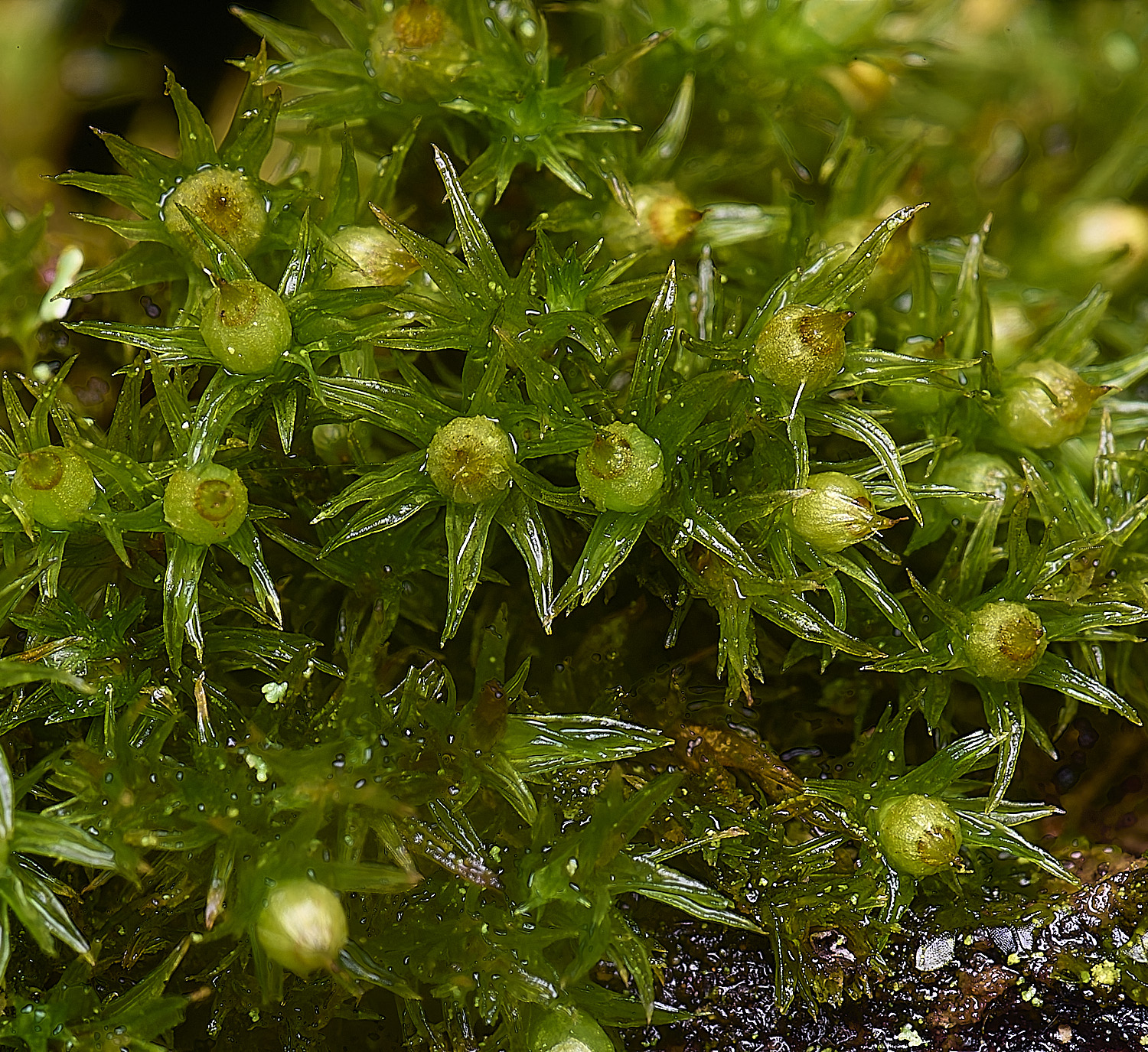
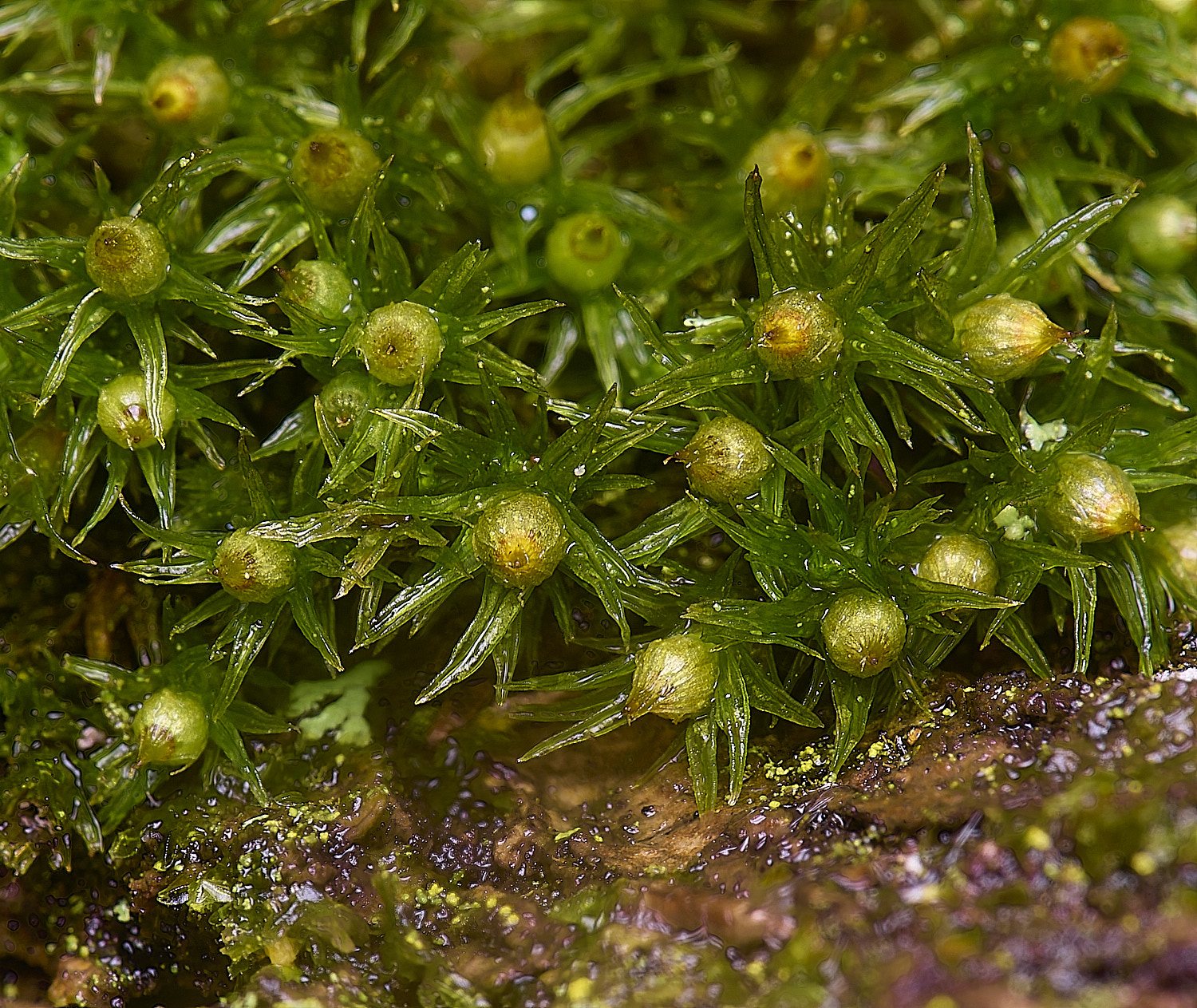
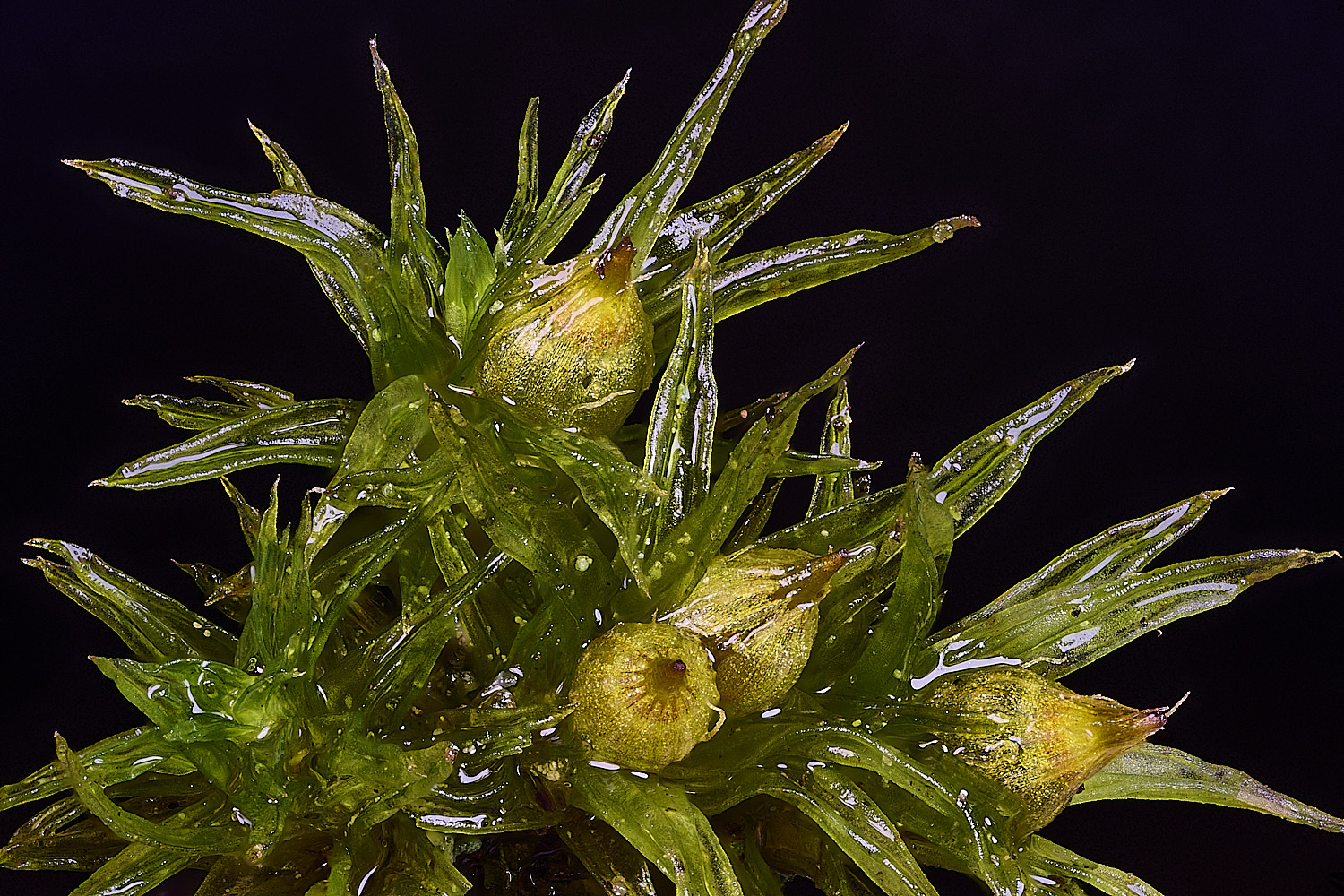
Smooth Bristle-moss (Orthotrichum striatum)
16 peristome teeth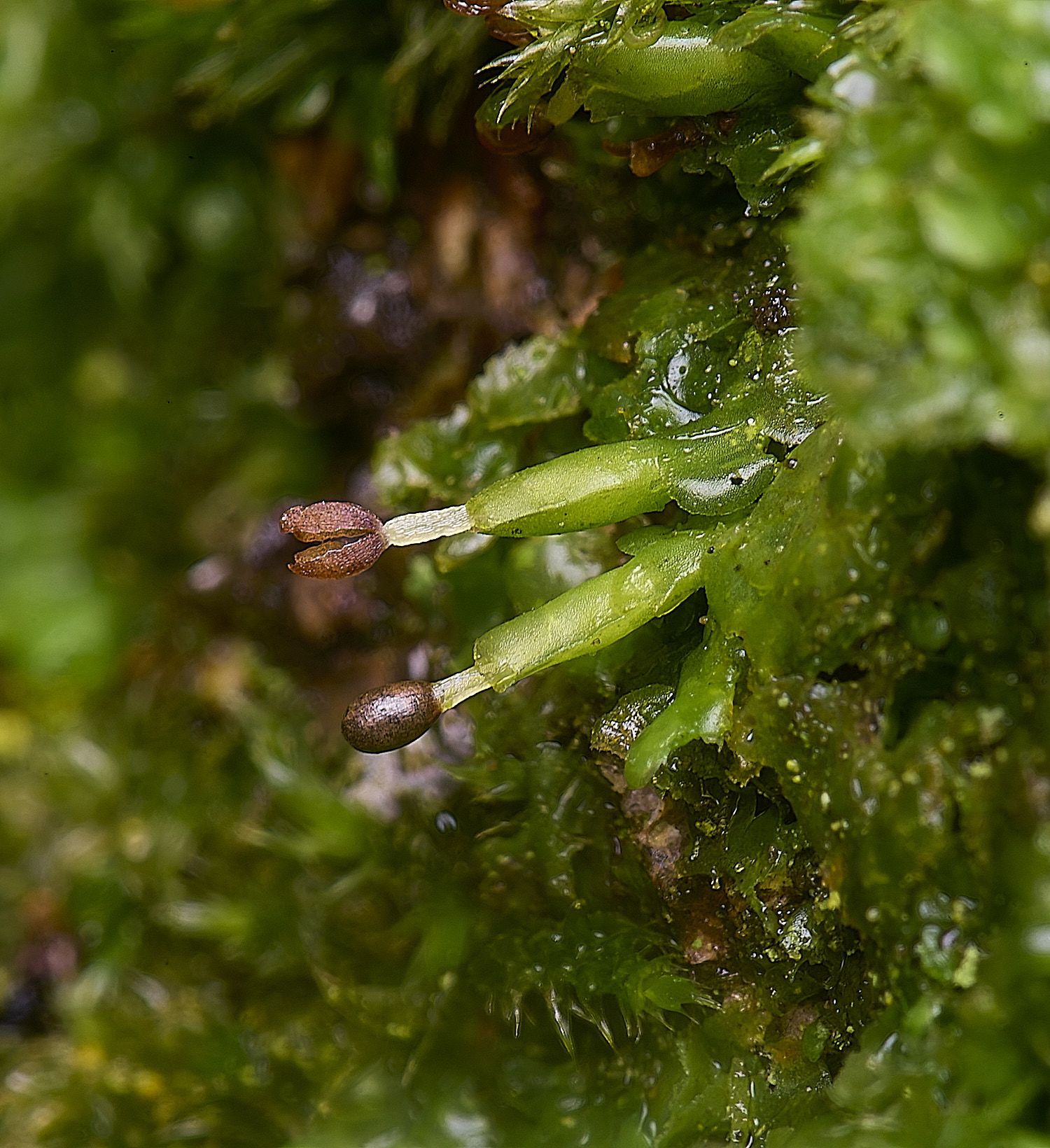
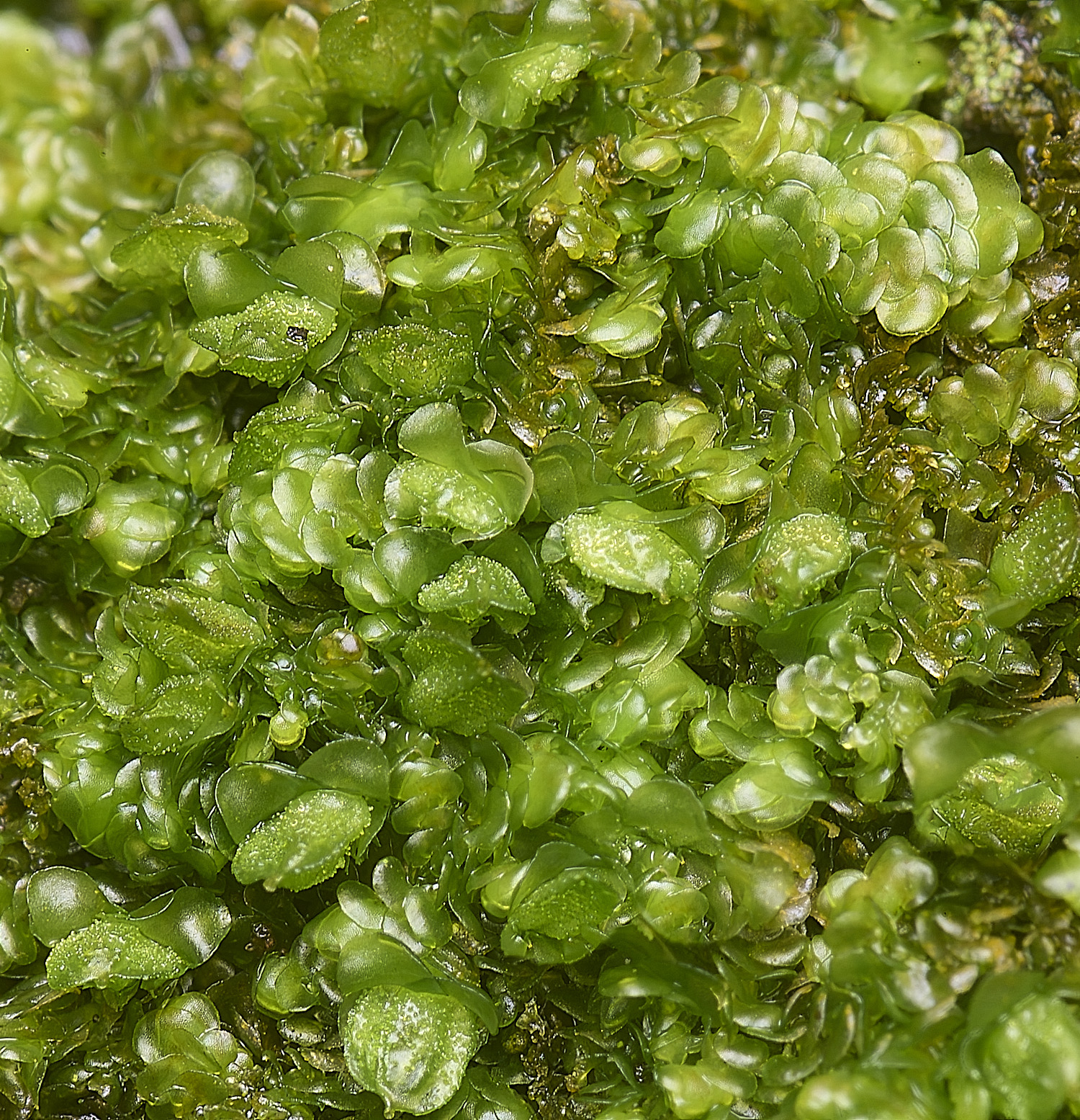
Flat-leaved Scalewort (Radula complanata)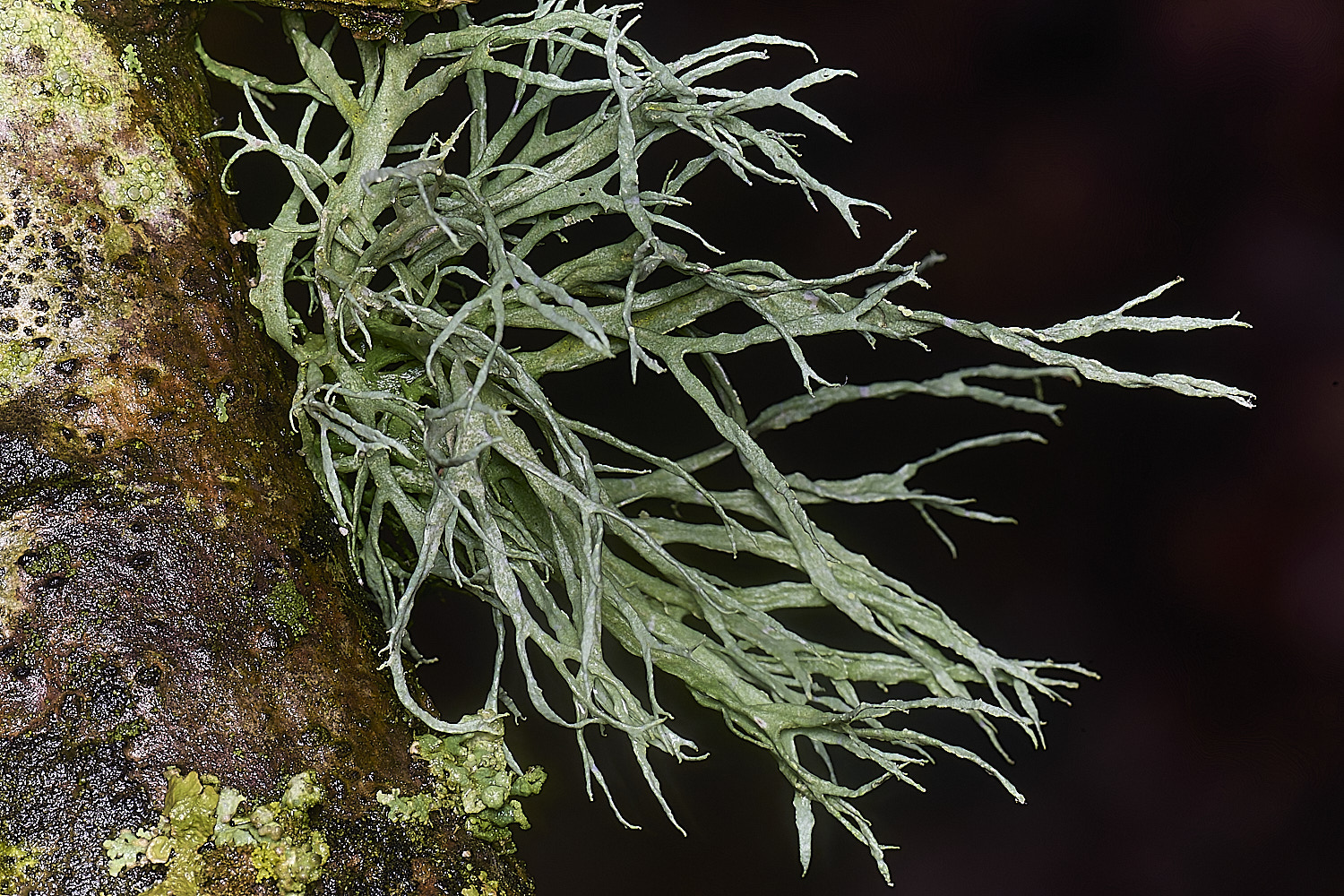
Ramalina farinacea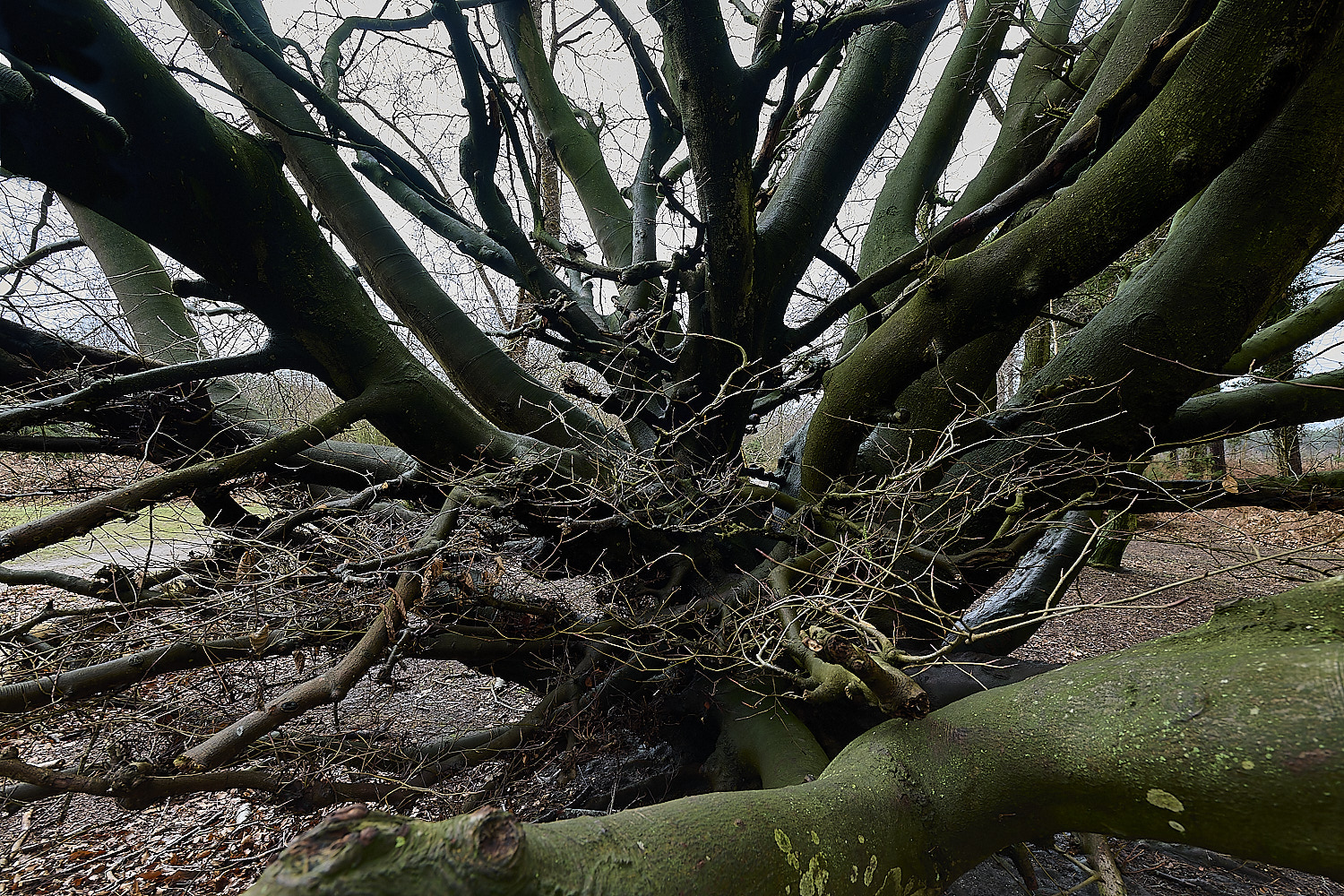
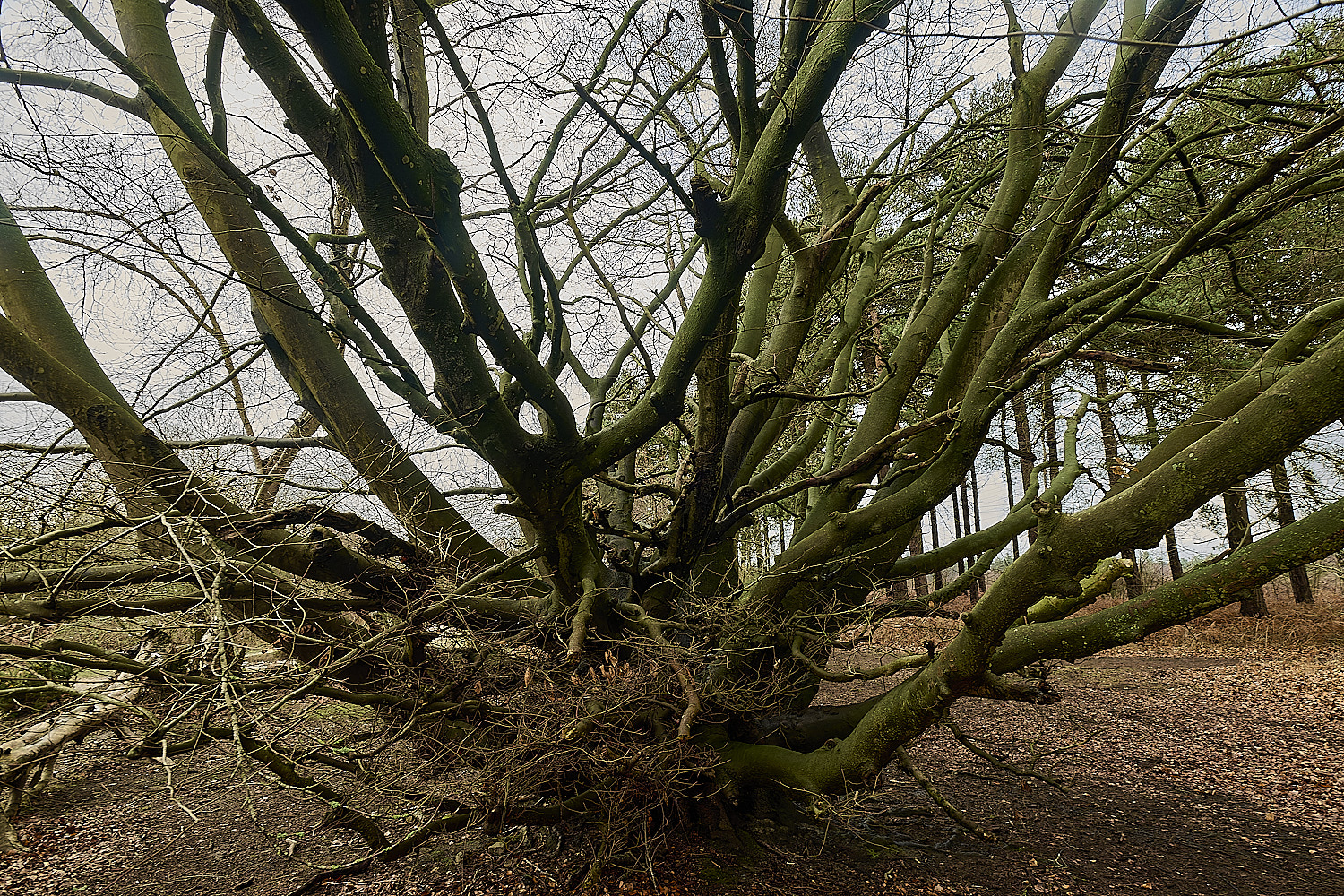
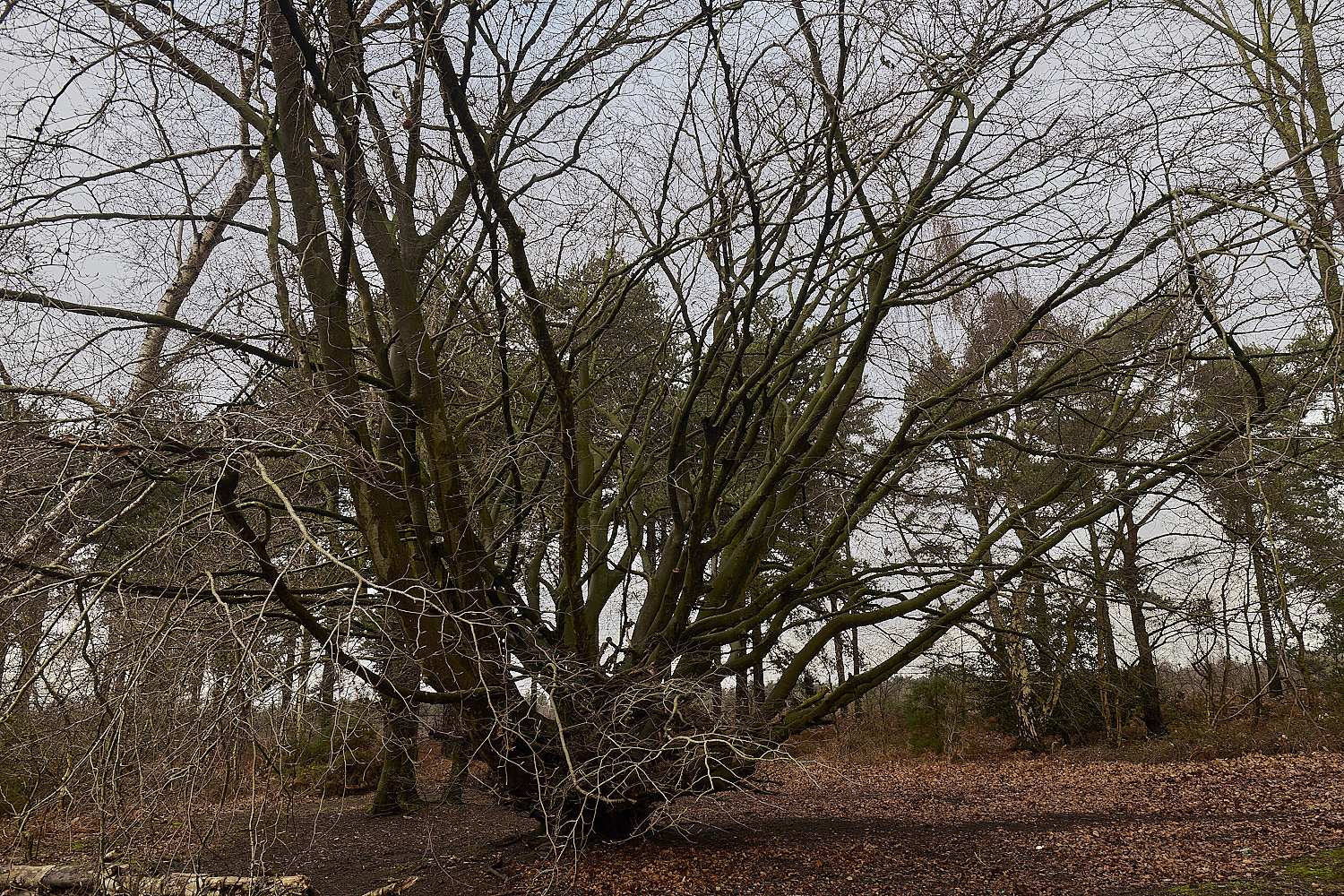
Beech (Fagus sylvatica)
Probably a boundary group made up of a number of trees
Decidedly muscular as Beech often are.
Inosculation or natural grafting. Multiple trees planted very close together can grow into a single, large thick trunked tree.
As they grow together the bark scrapes away and the cambium layers fuse together.
Known as bundle planting
also sometimes called
Planting a 'gemel' (Pair)
17th Century landscape design practice recommend by John Evelyn
Evidence of Bundle Planting from the Dendrochronicle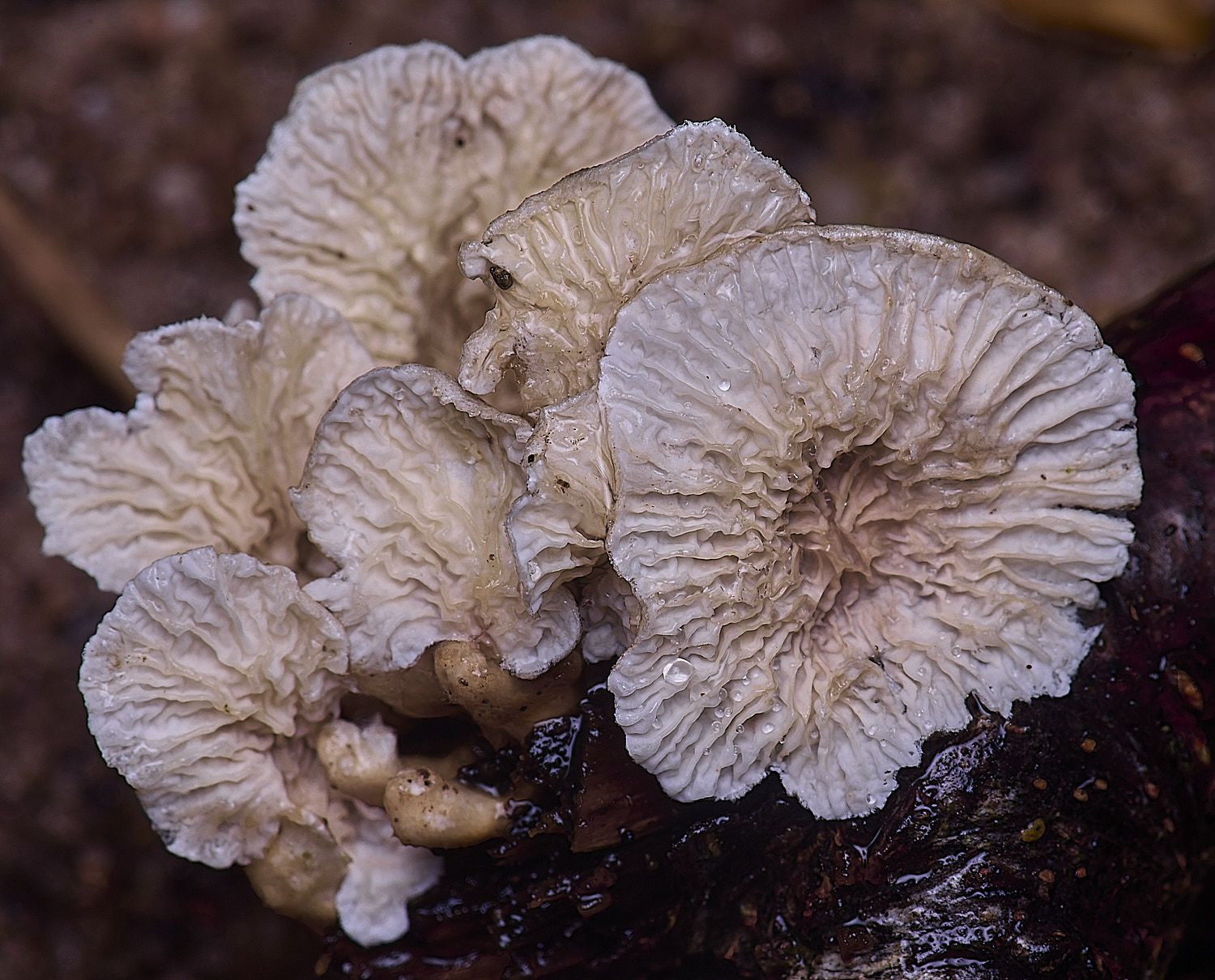
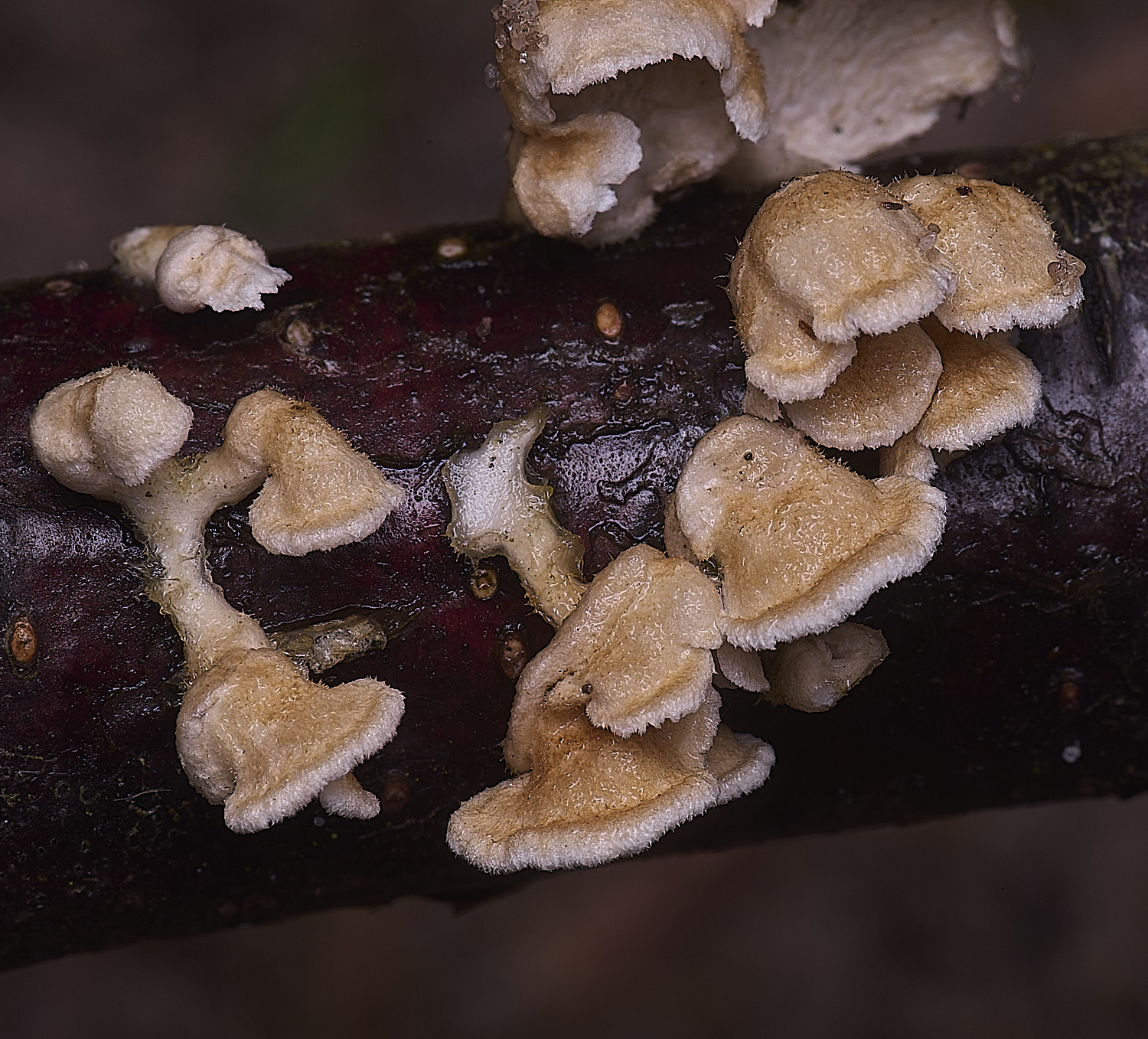
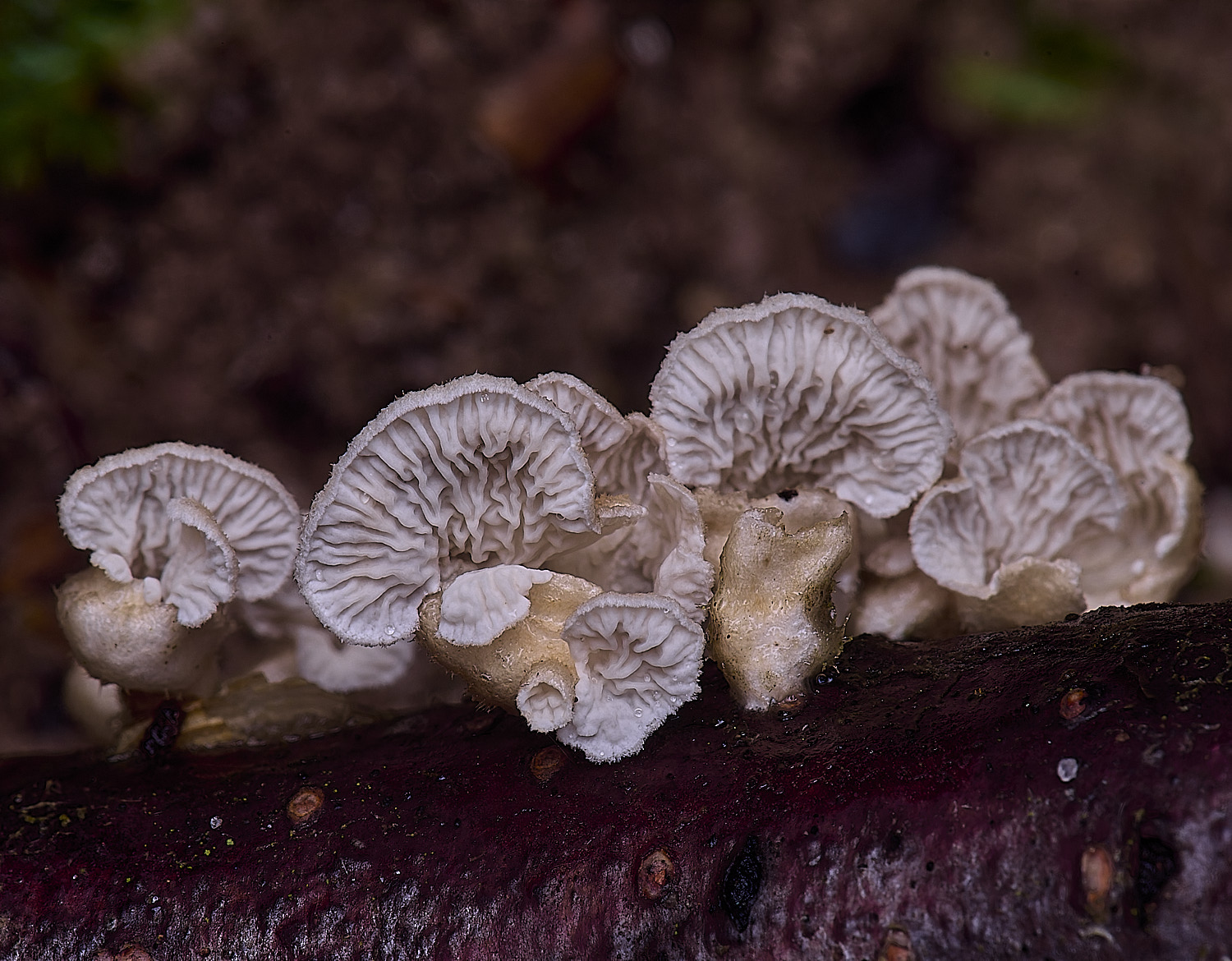
Crimp Gill (Plicatura crispa)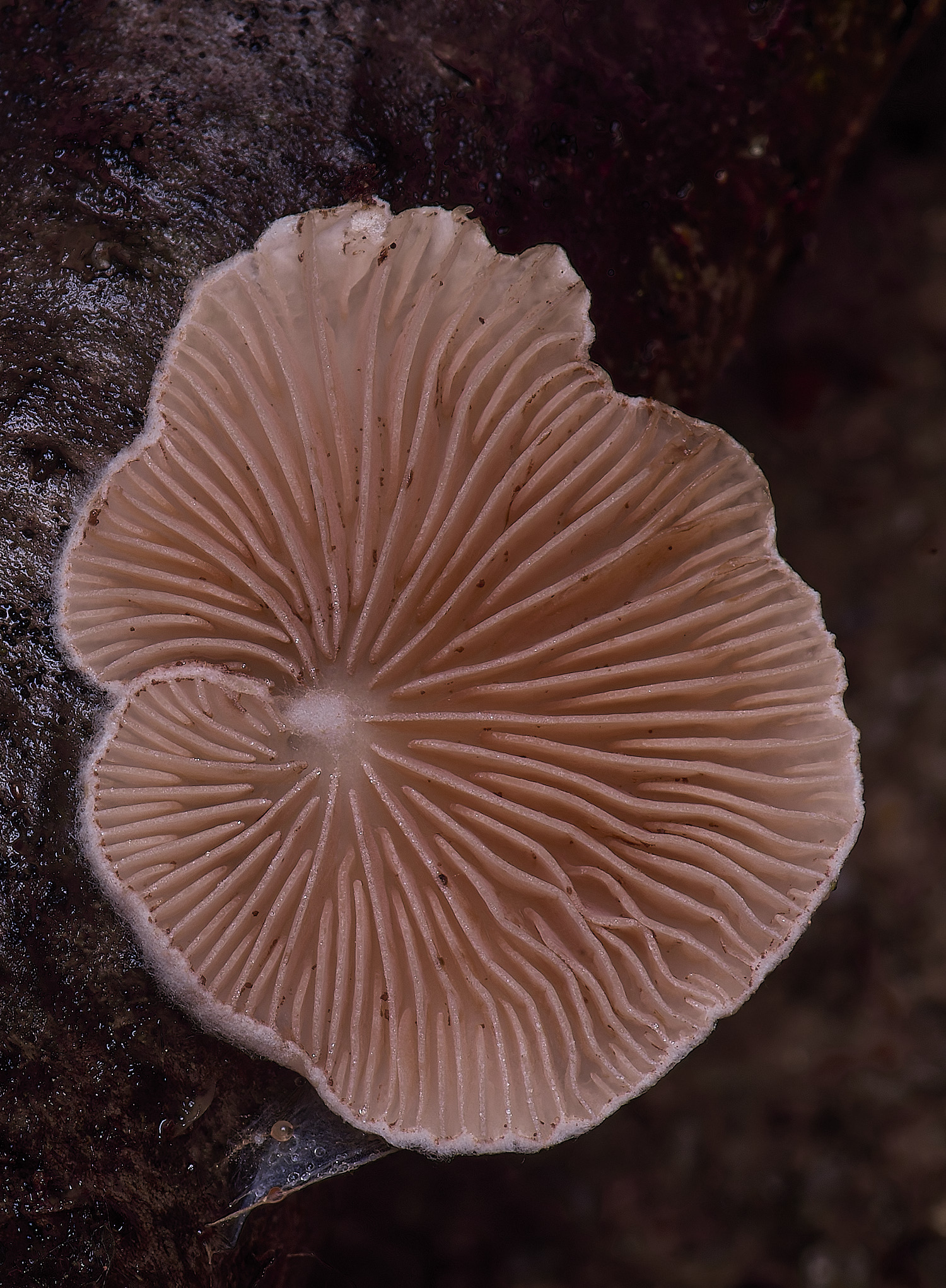
Crepidotus Sp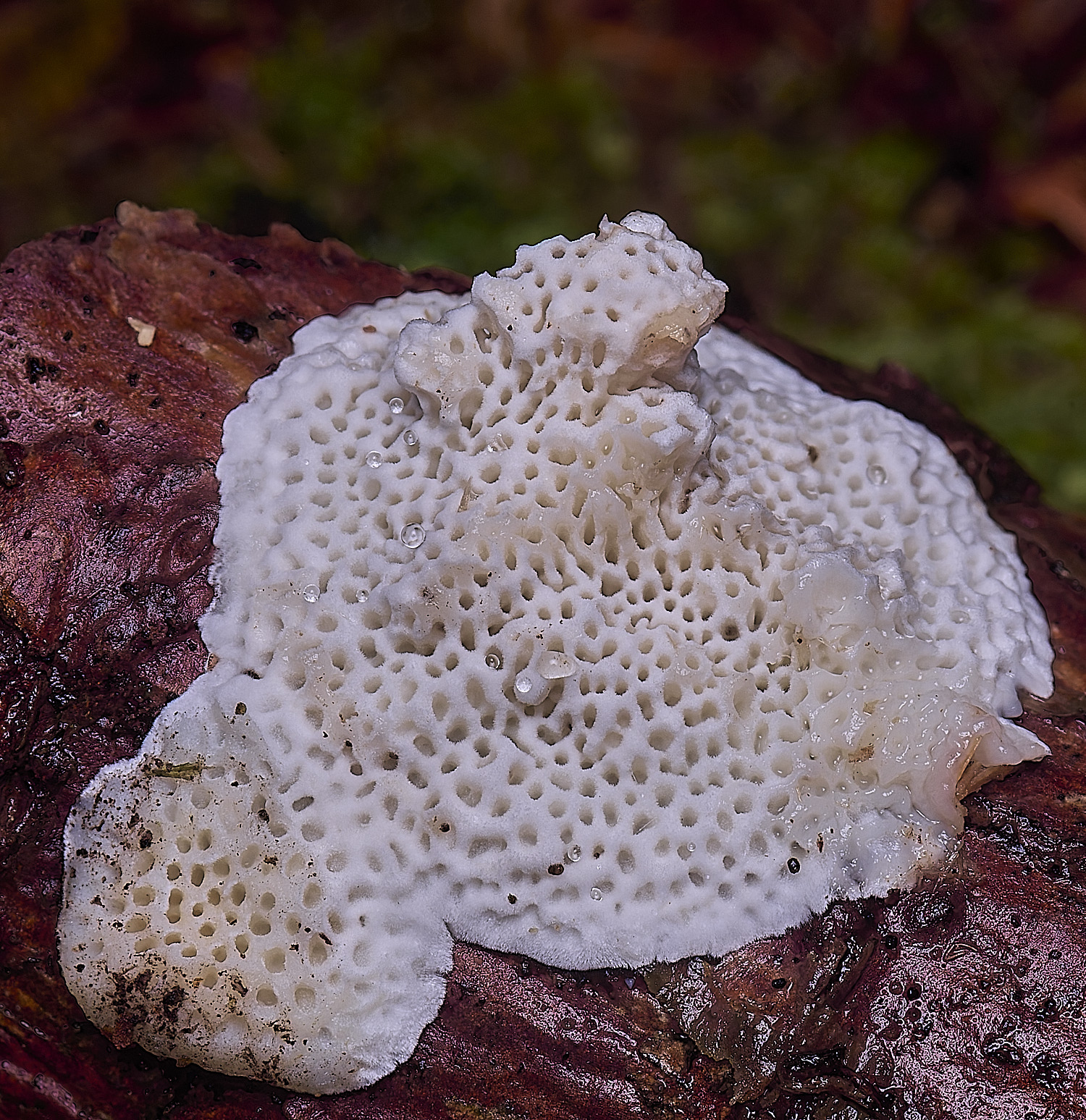
Postia Sp?
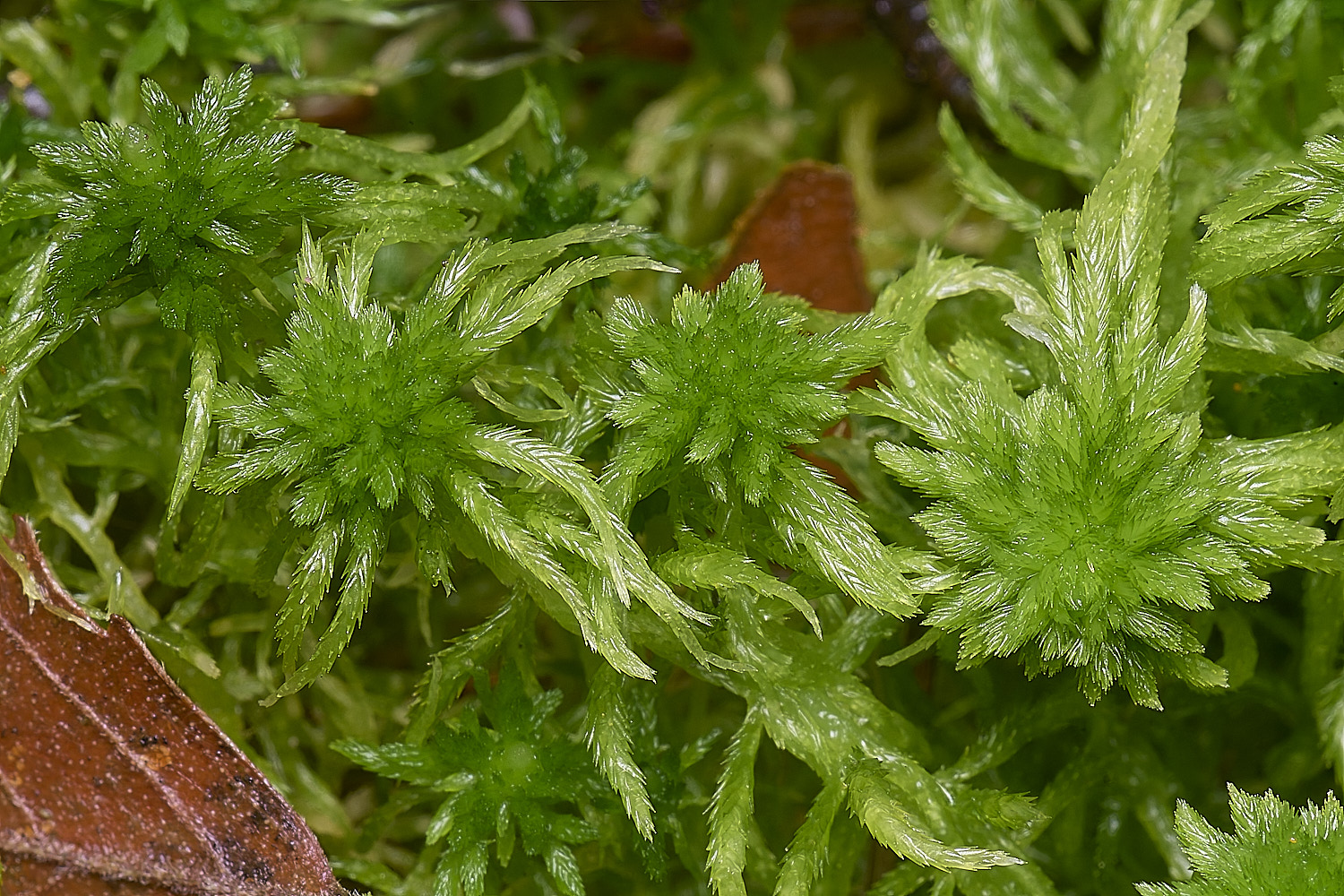
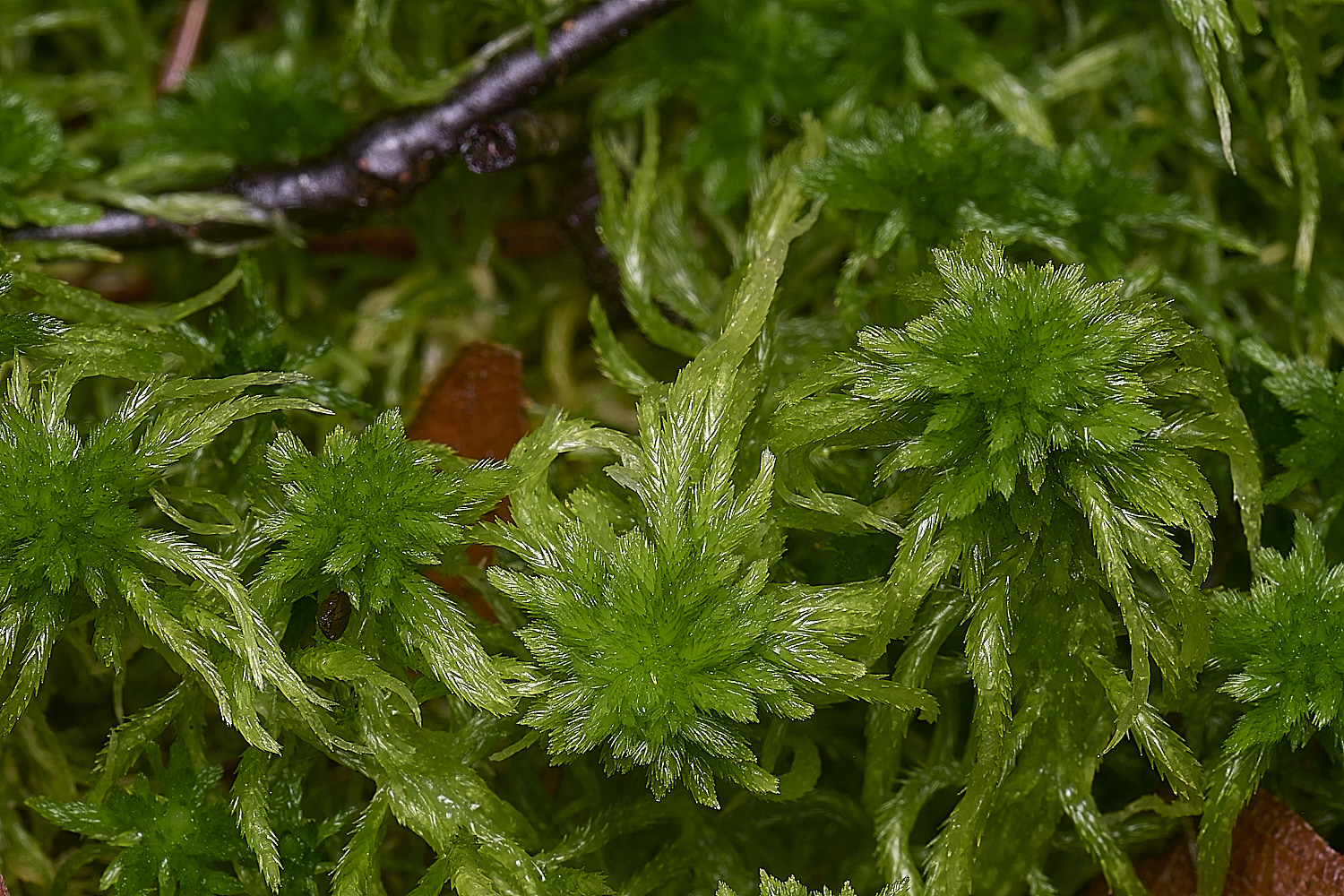
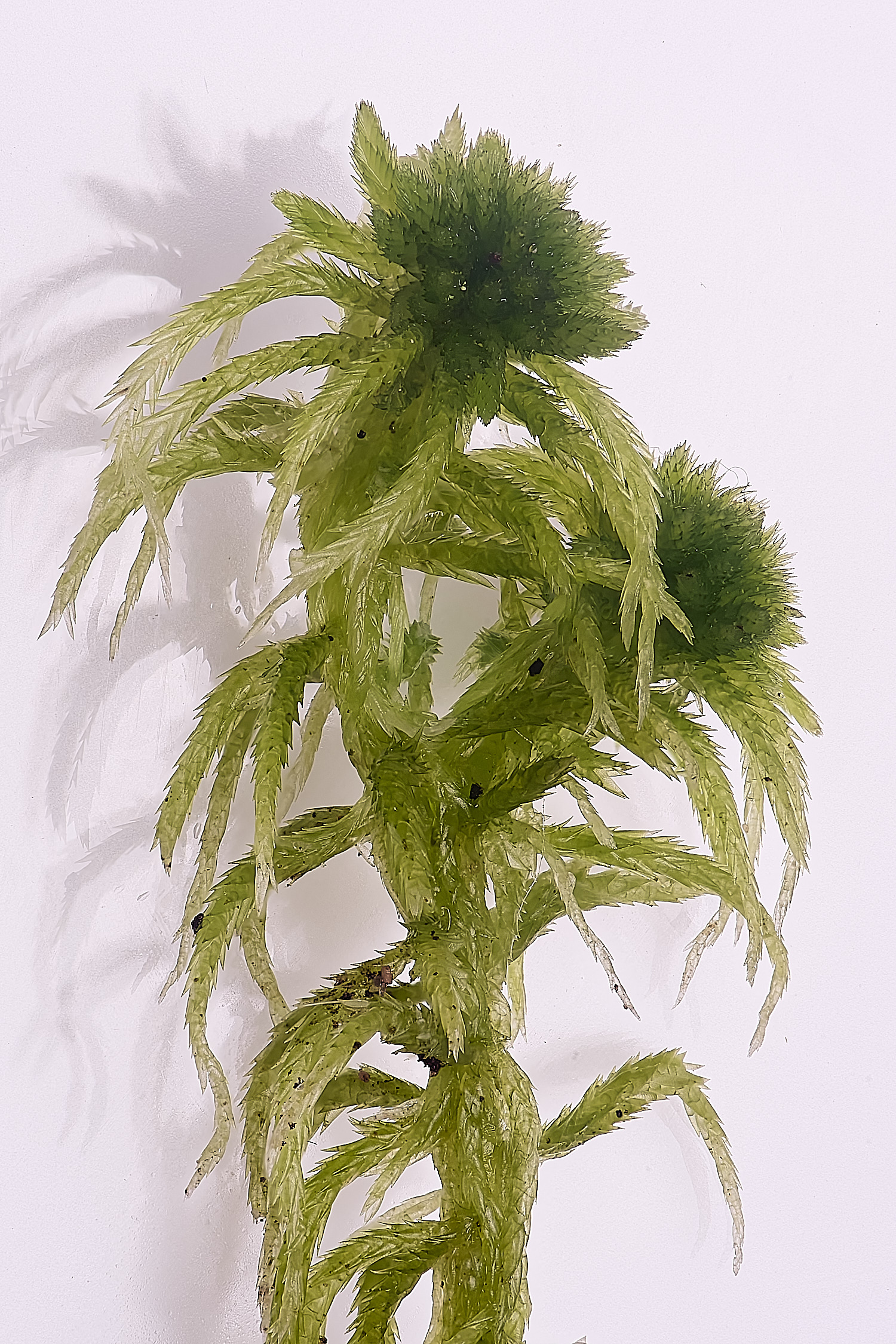
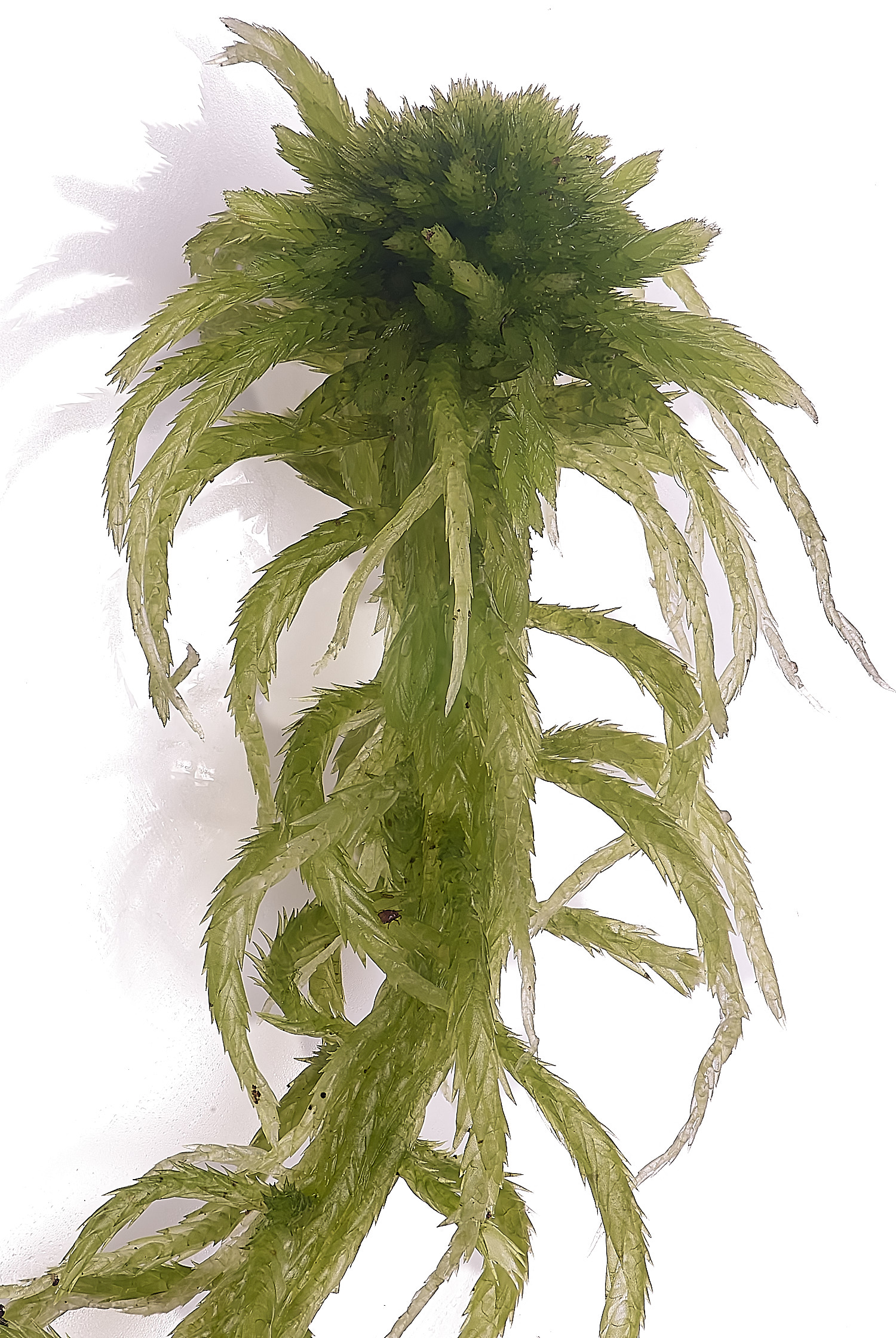
Flat-top Bogmoss(Sphagnum fallax)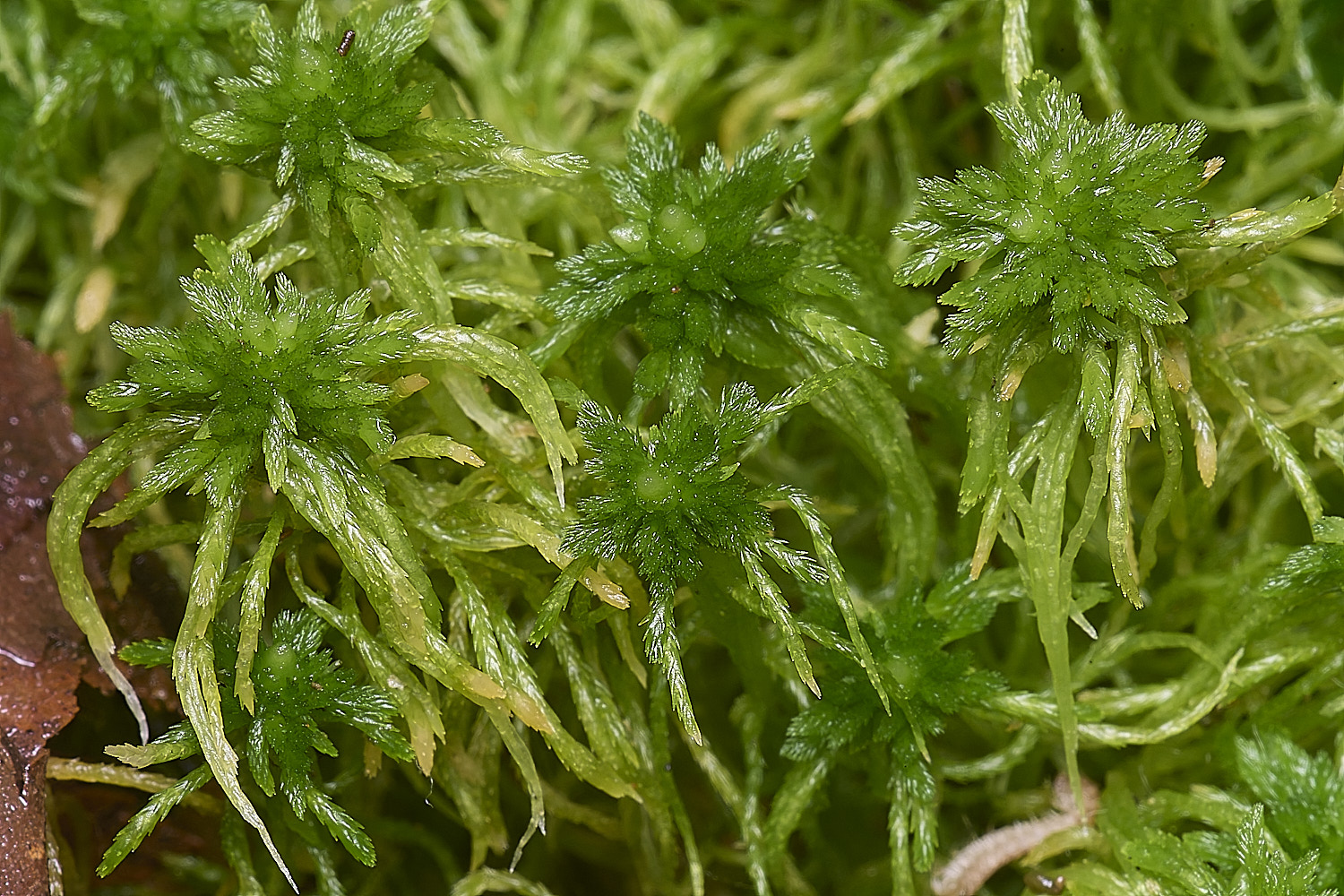
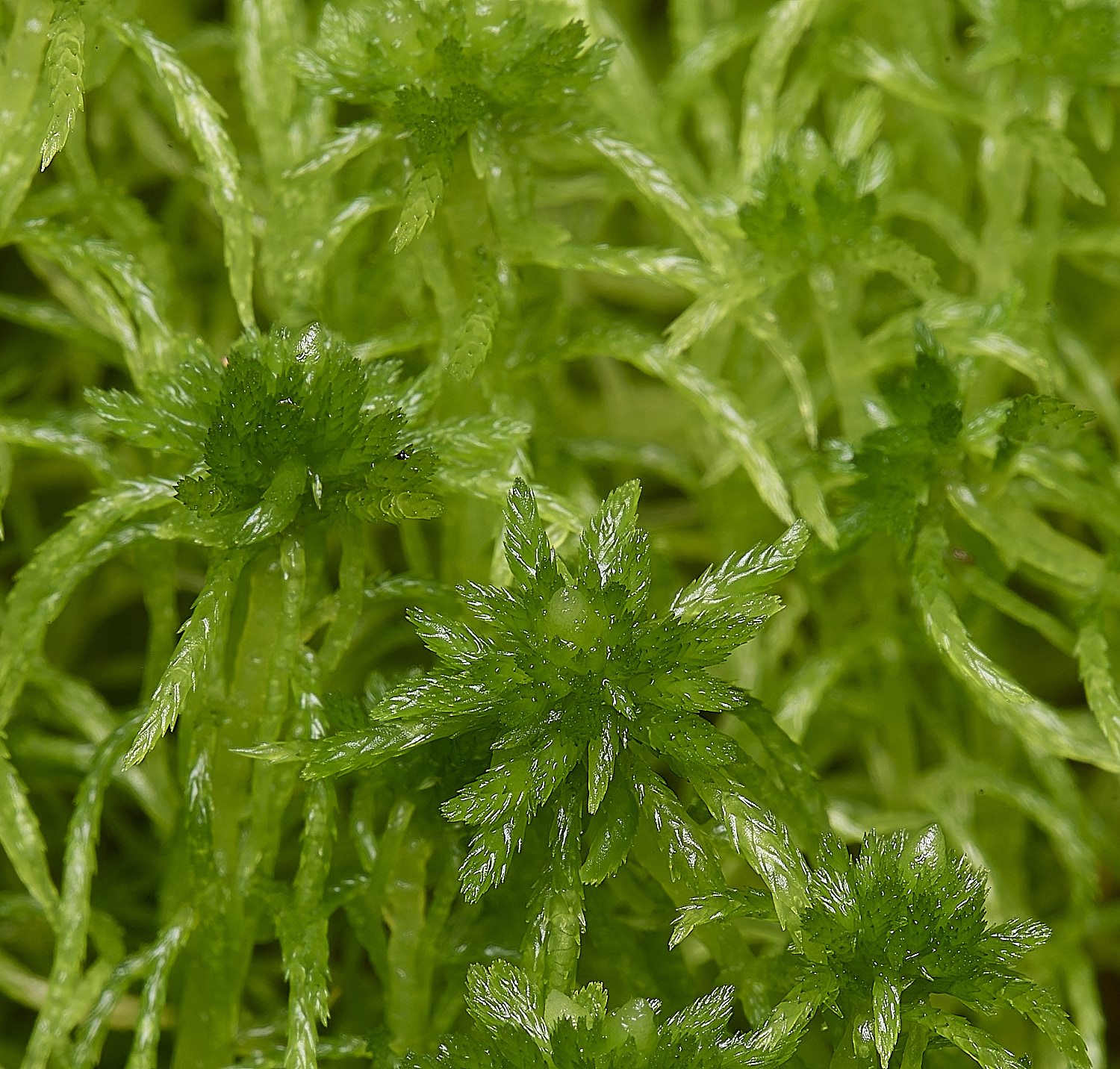
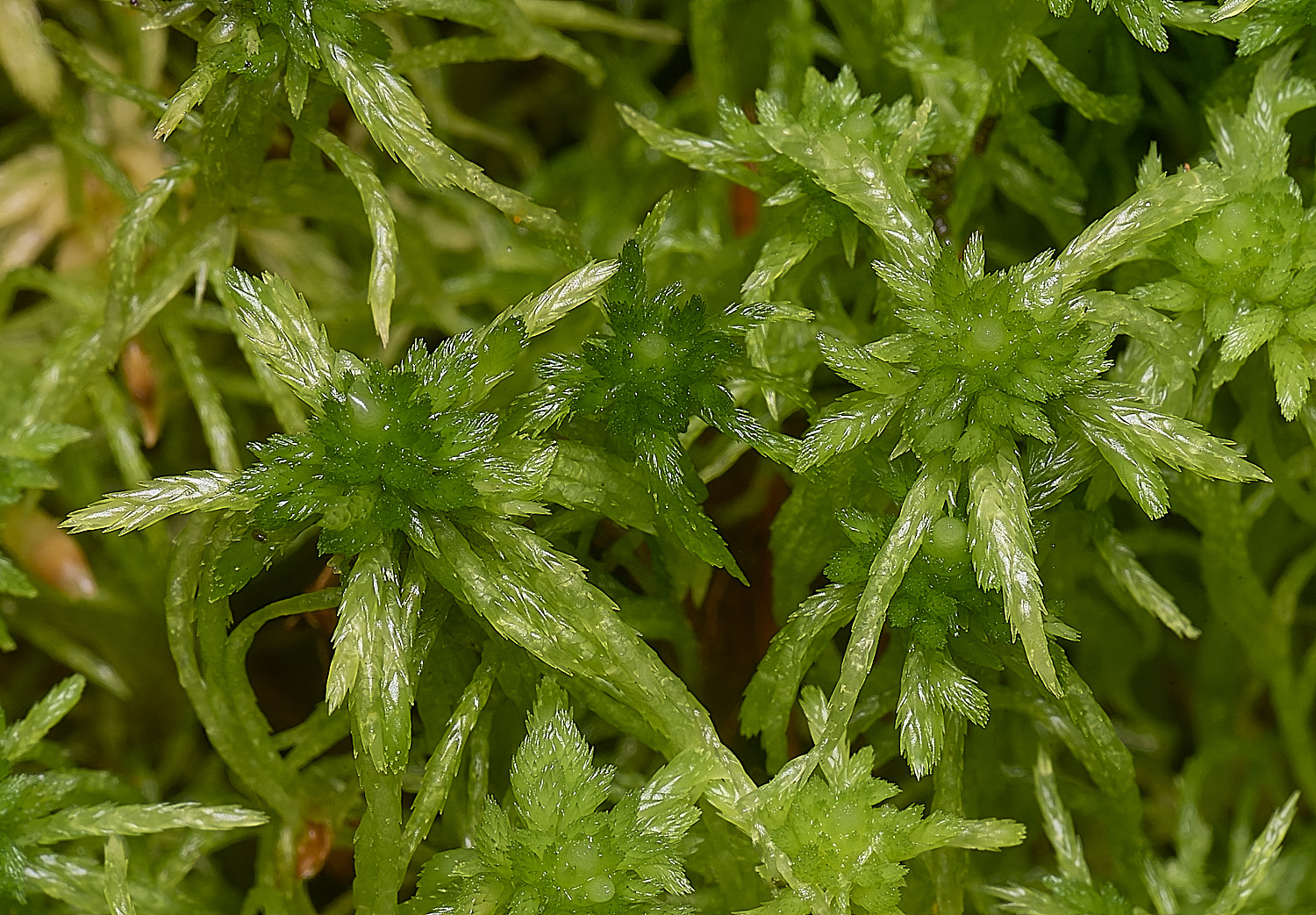
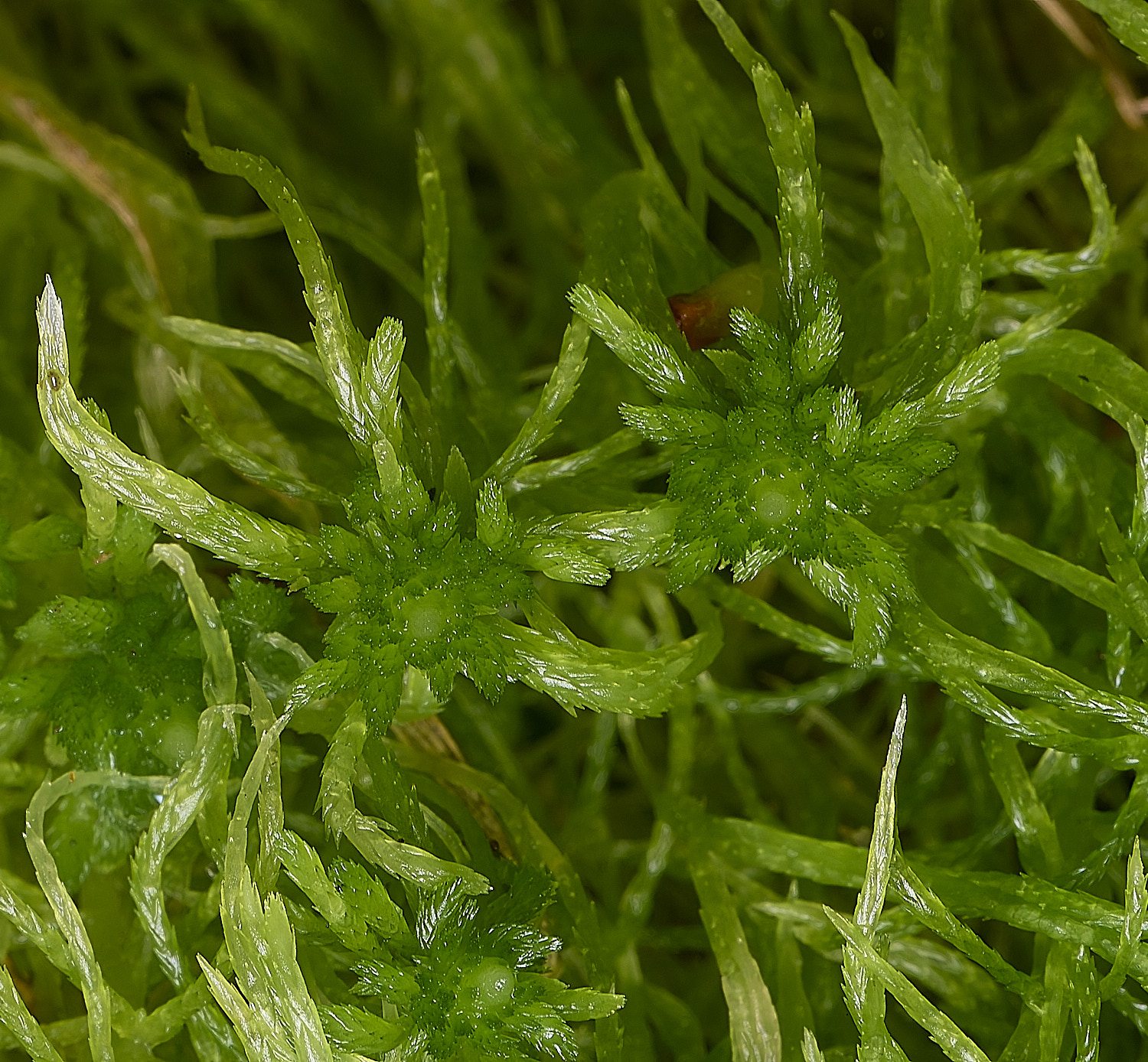
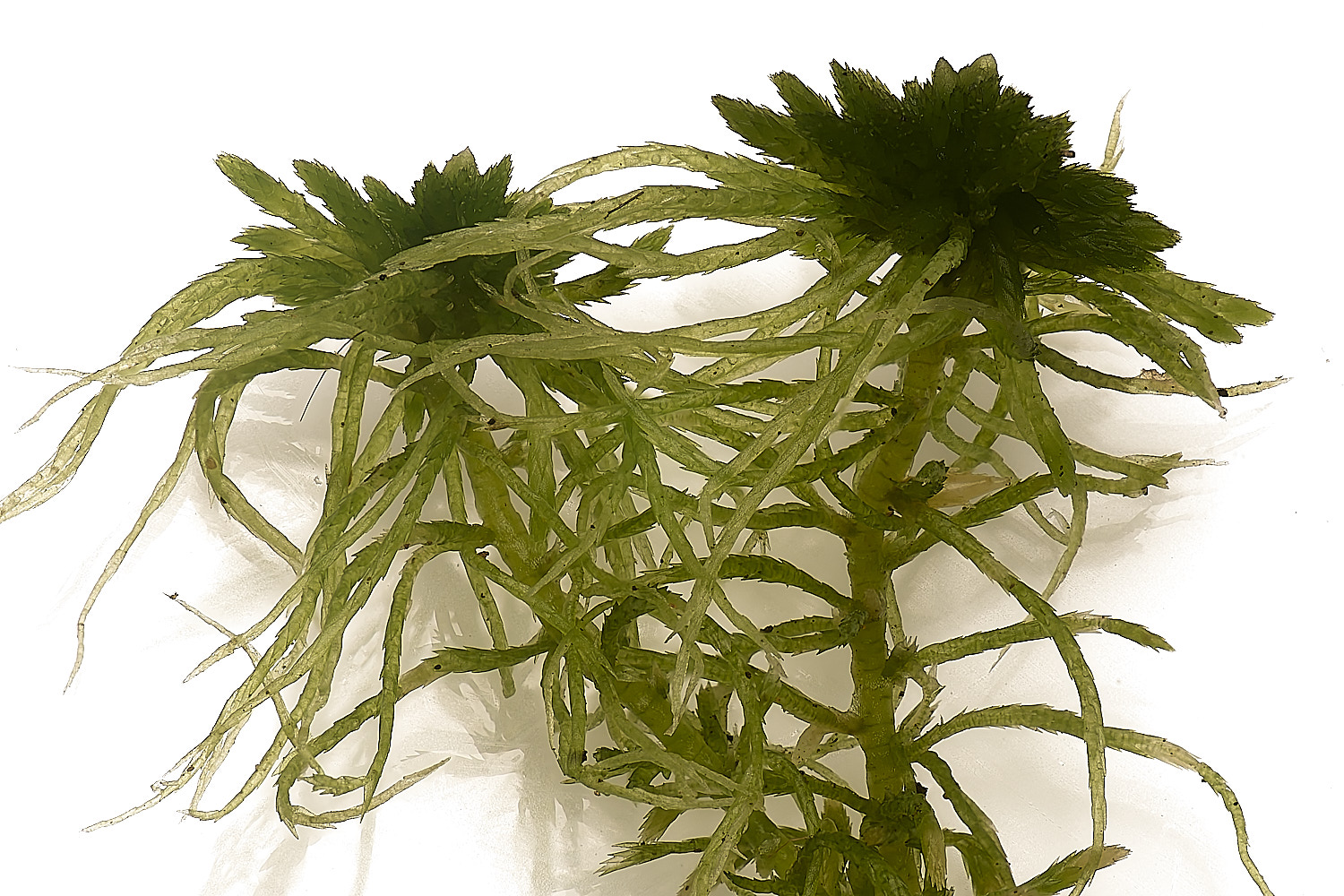
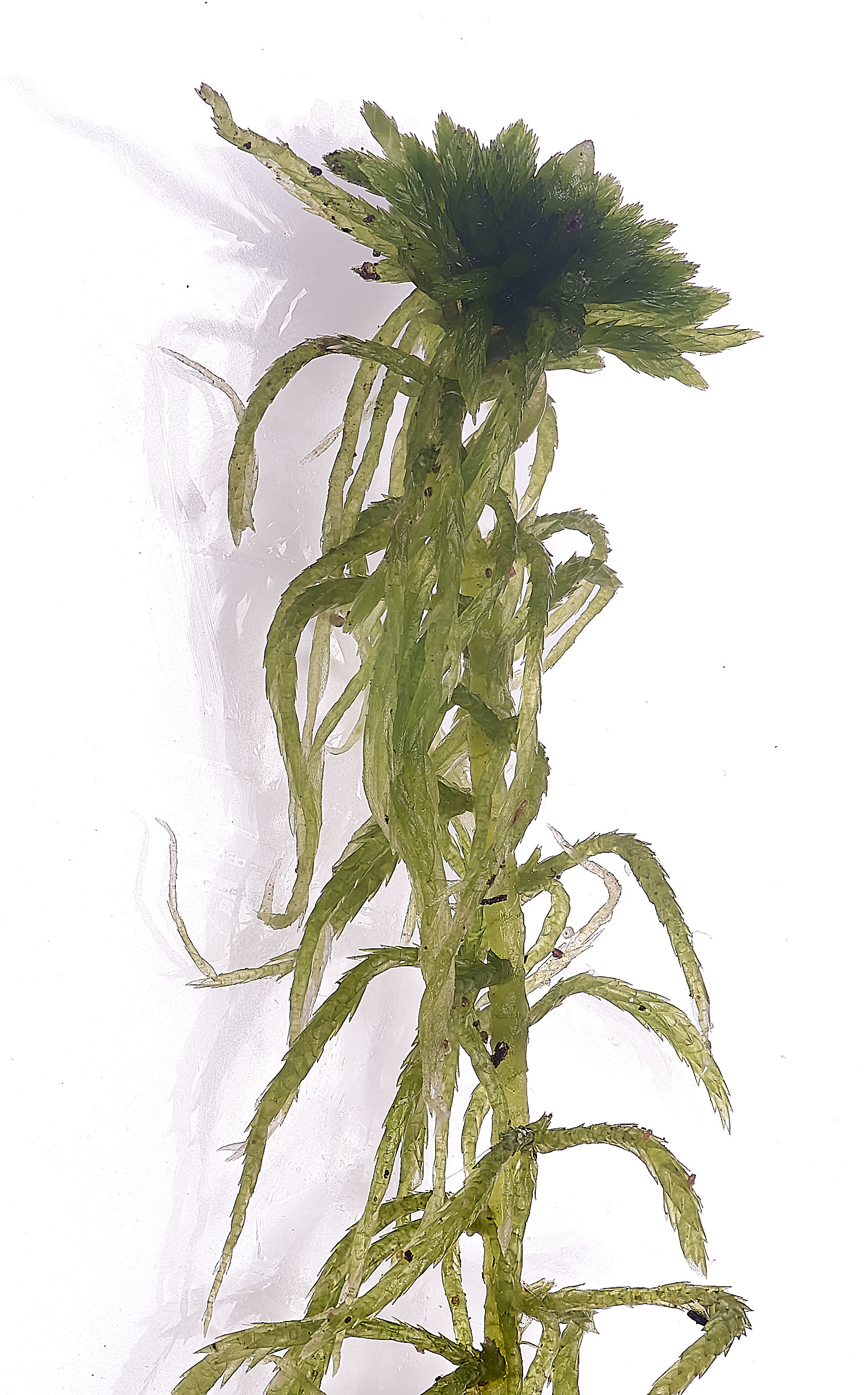
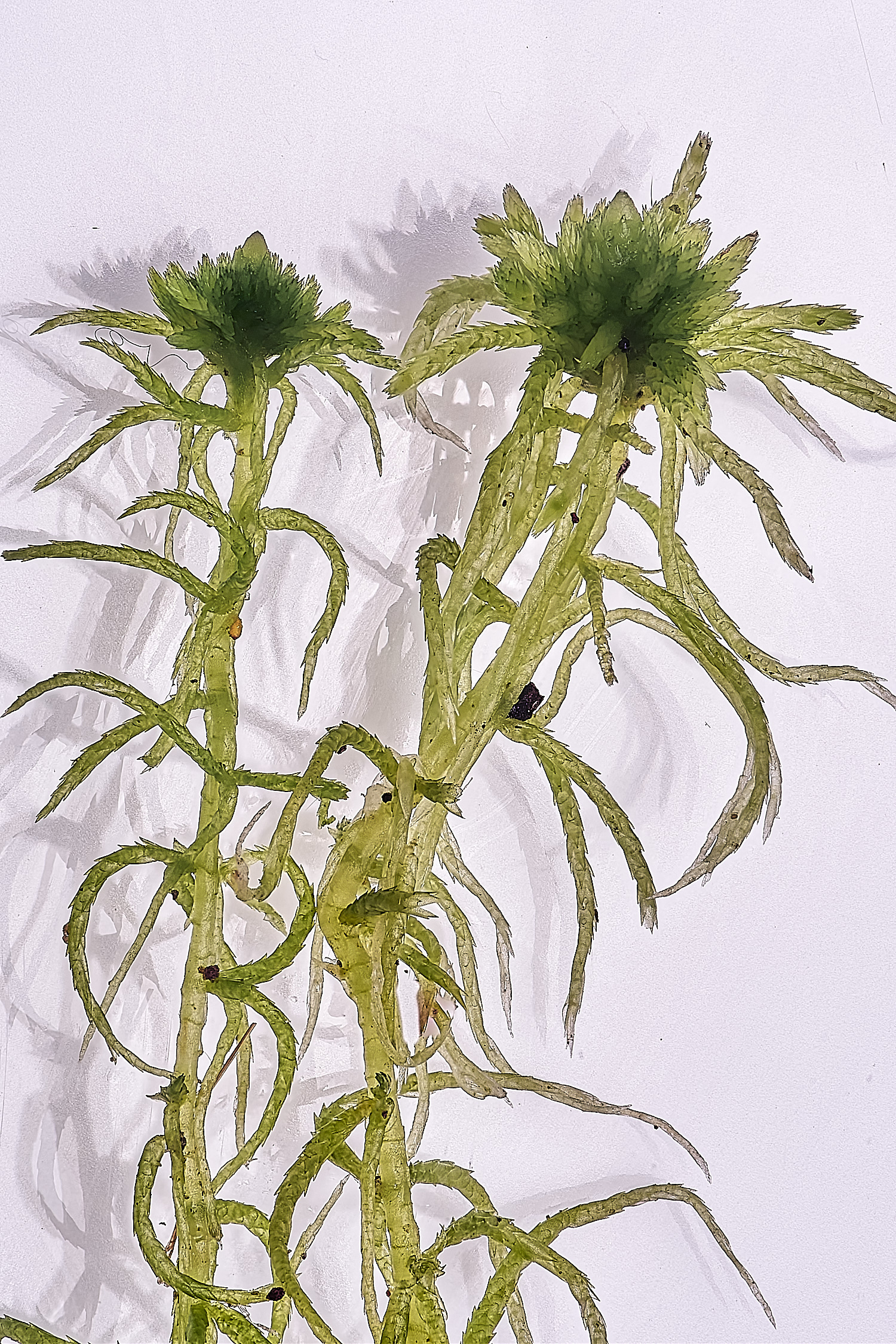
Fringed Bogmoss (Sphagnum fimbriatum)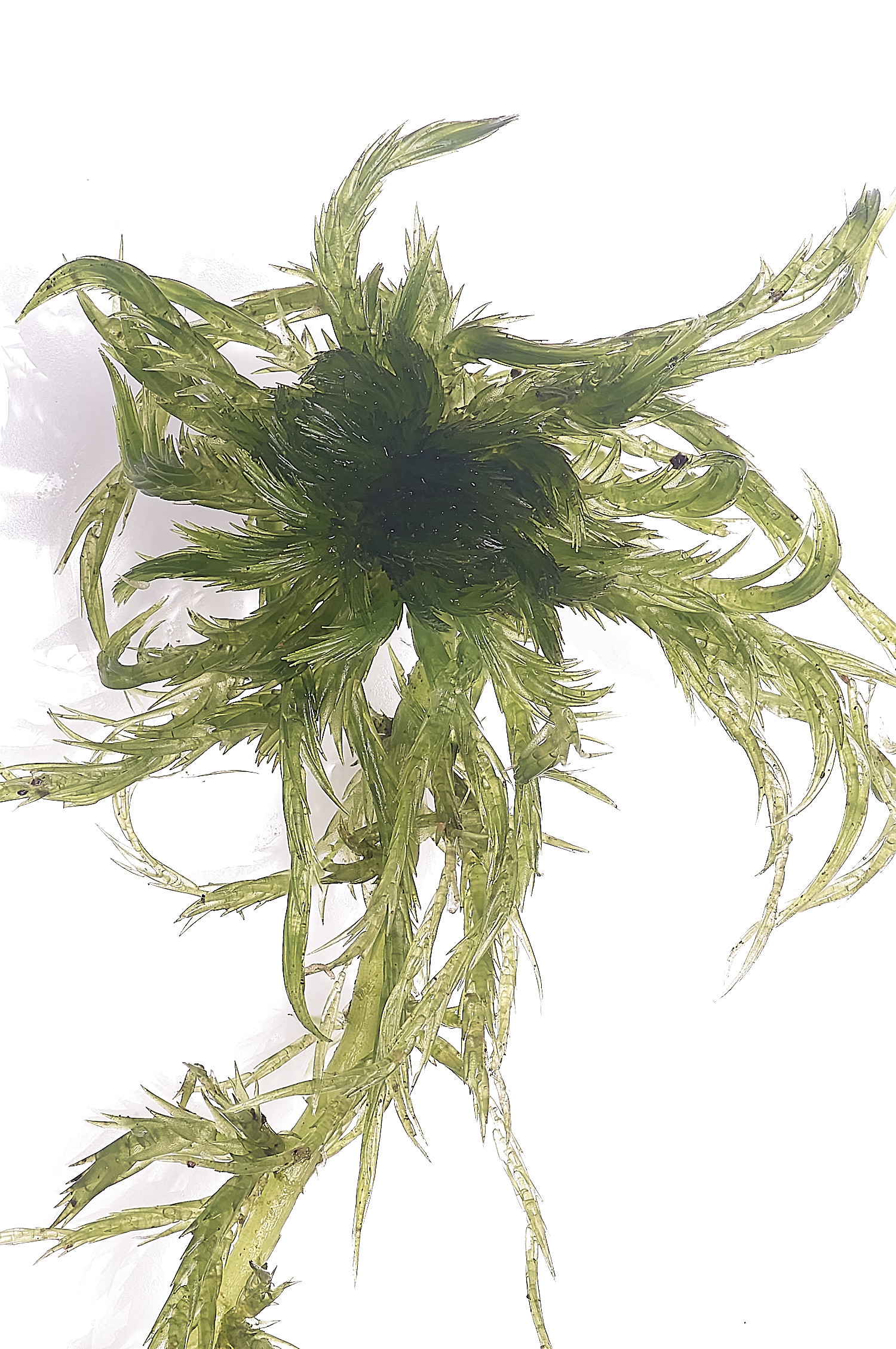
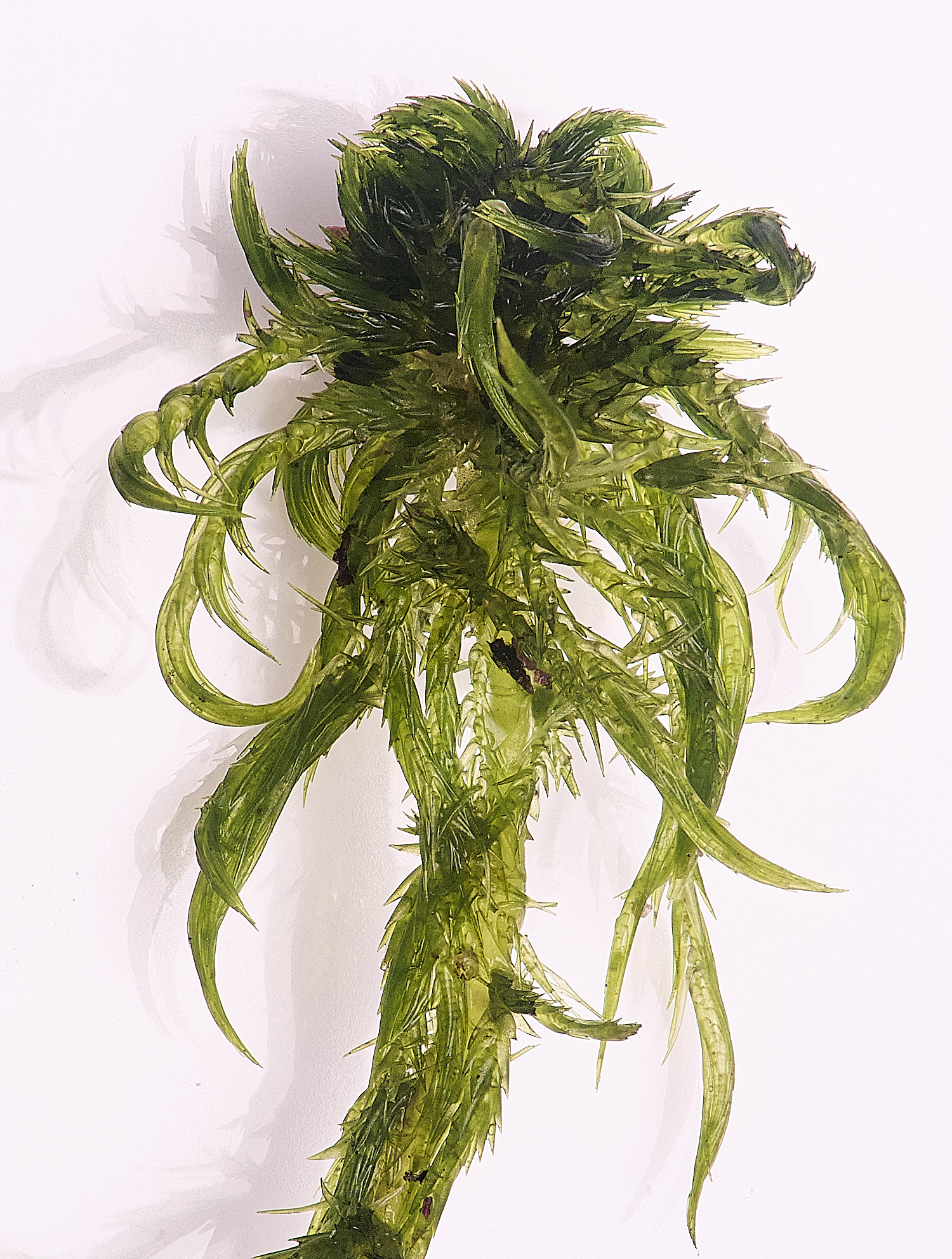
Cow-horn Bogmoss (Sphagnum cuspidatum)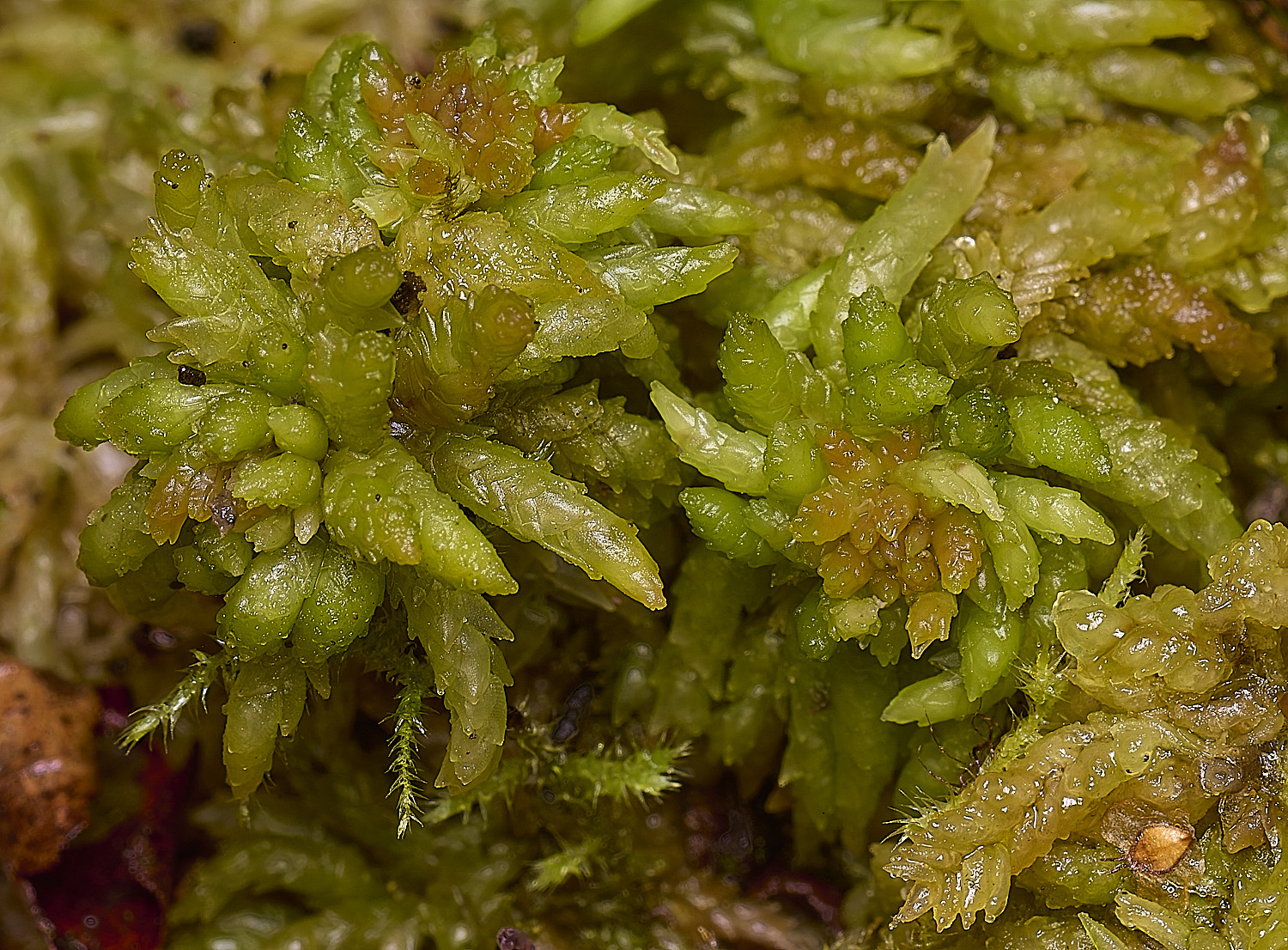
Blunt-leaved Bogmoss (Sphagnum palustre)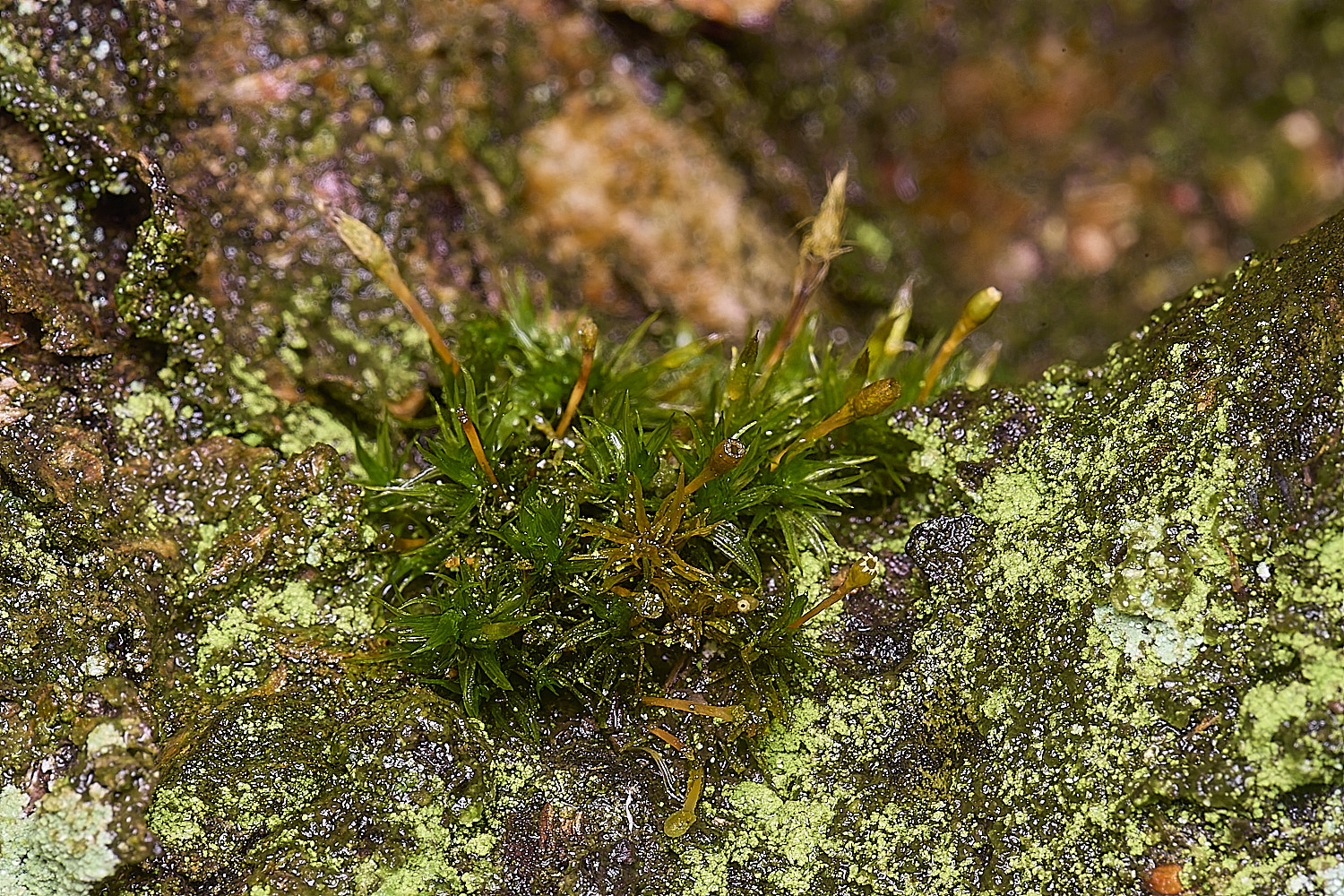
Ulotta Sp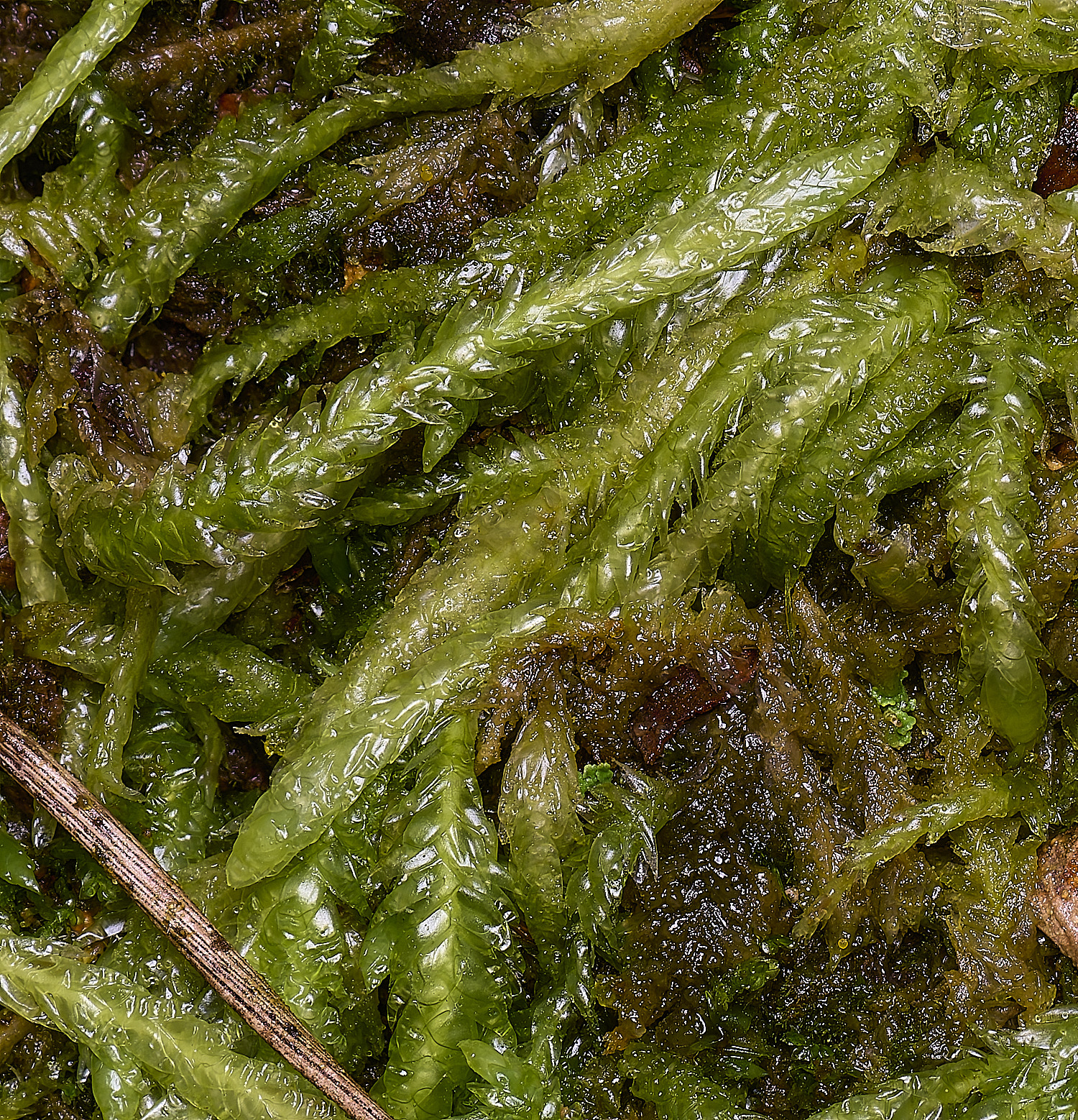
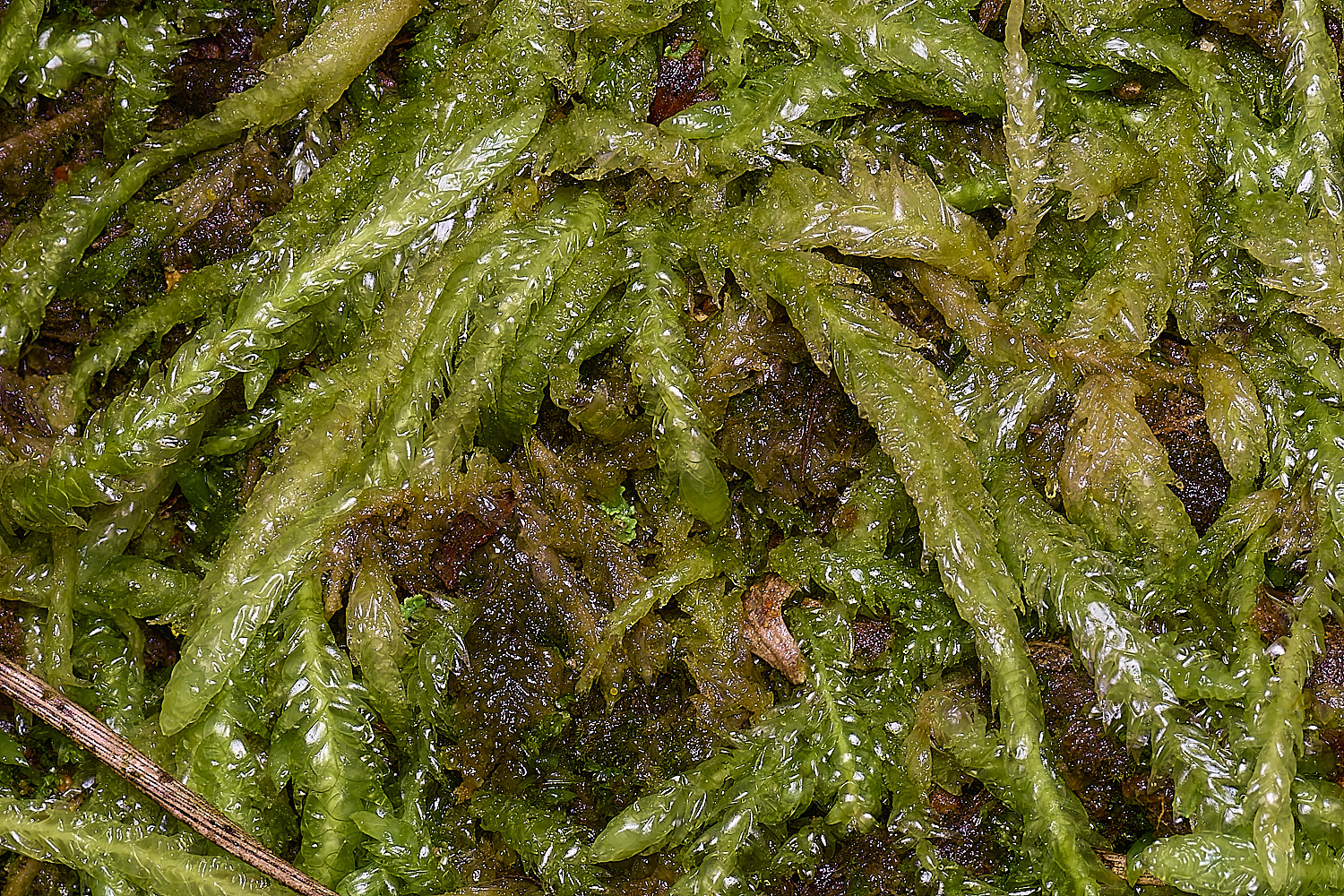
Waved Silk-moss (Plagiothecium undulatum)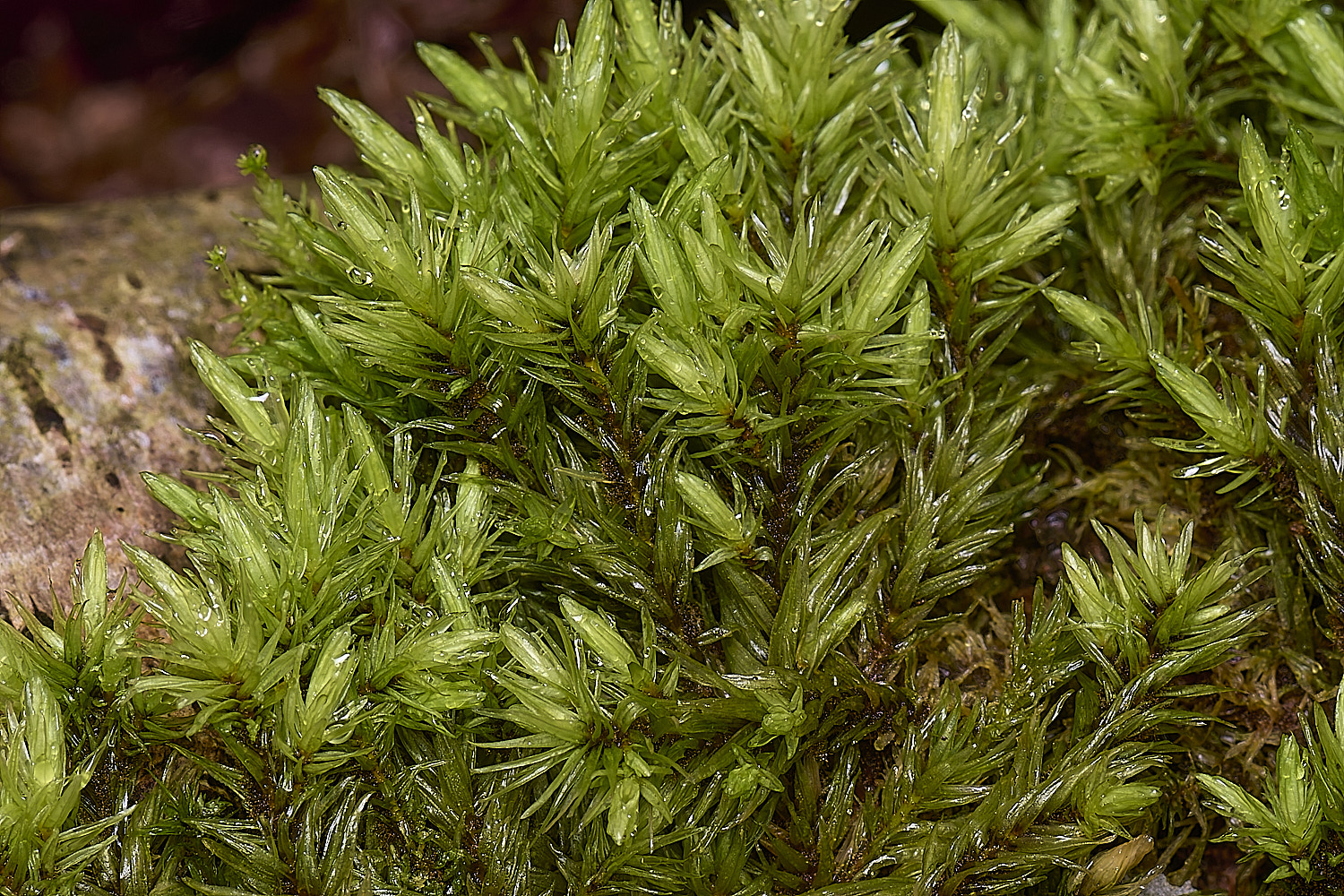
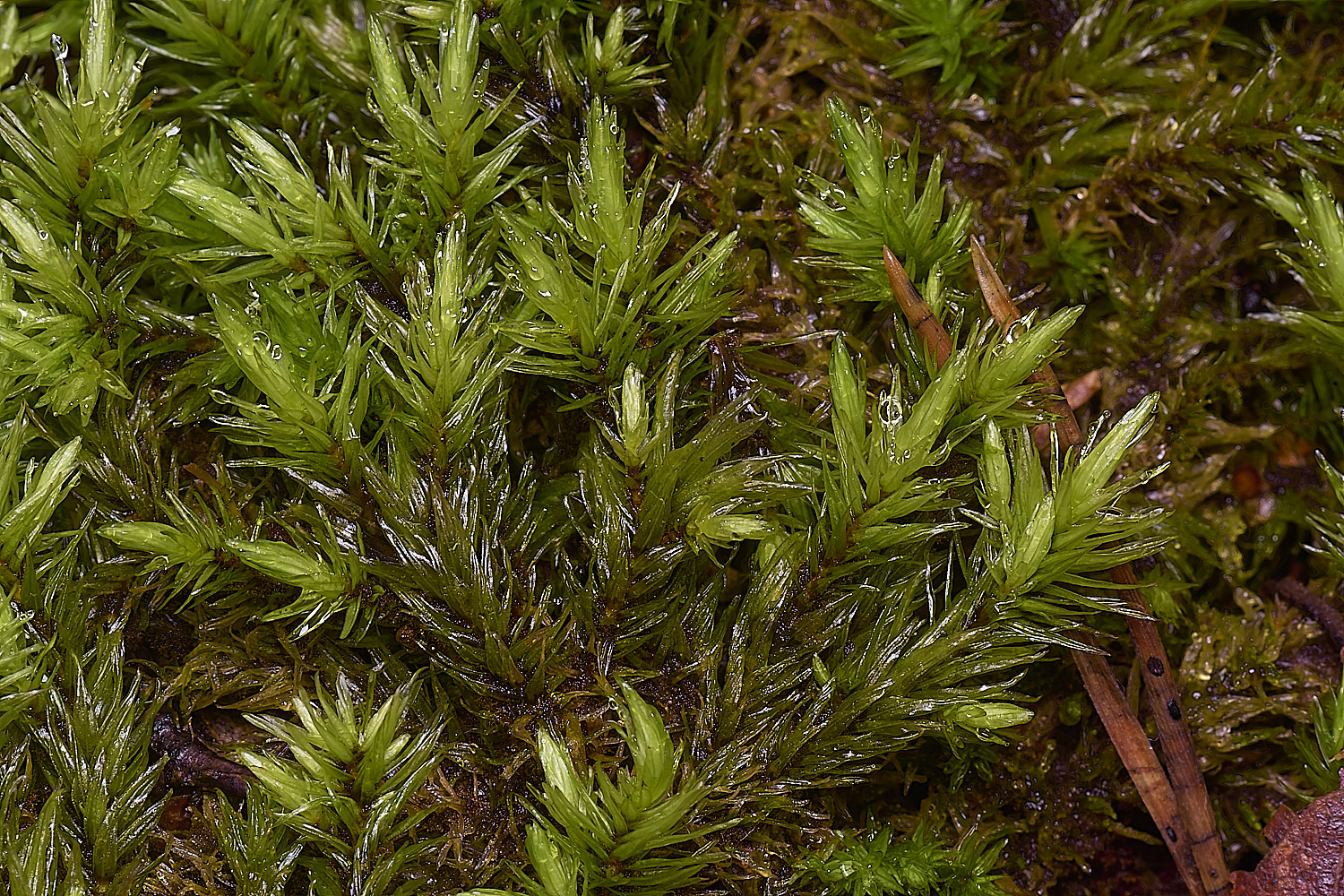
Bog Groove-moss (Aulacomnium palistre)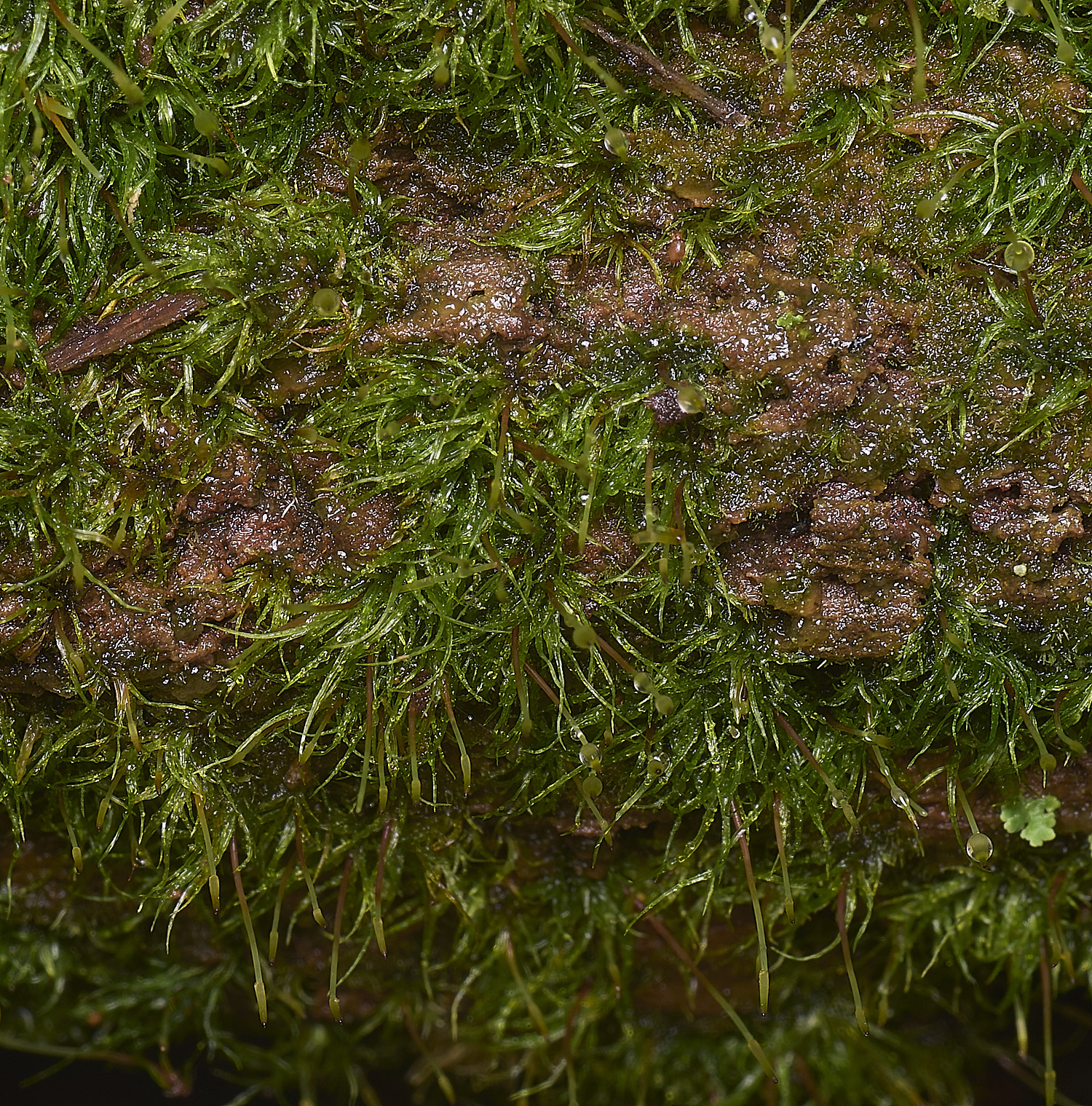
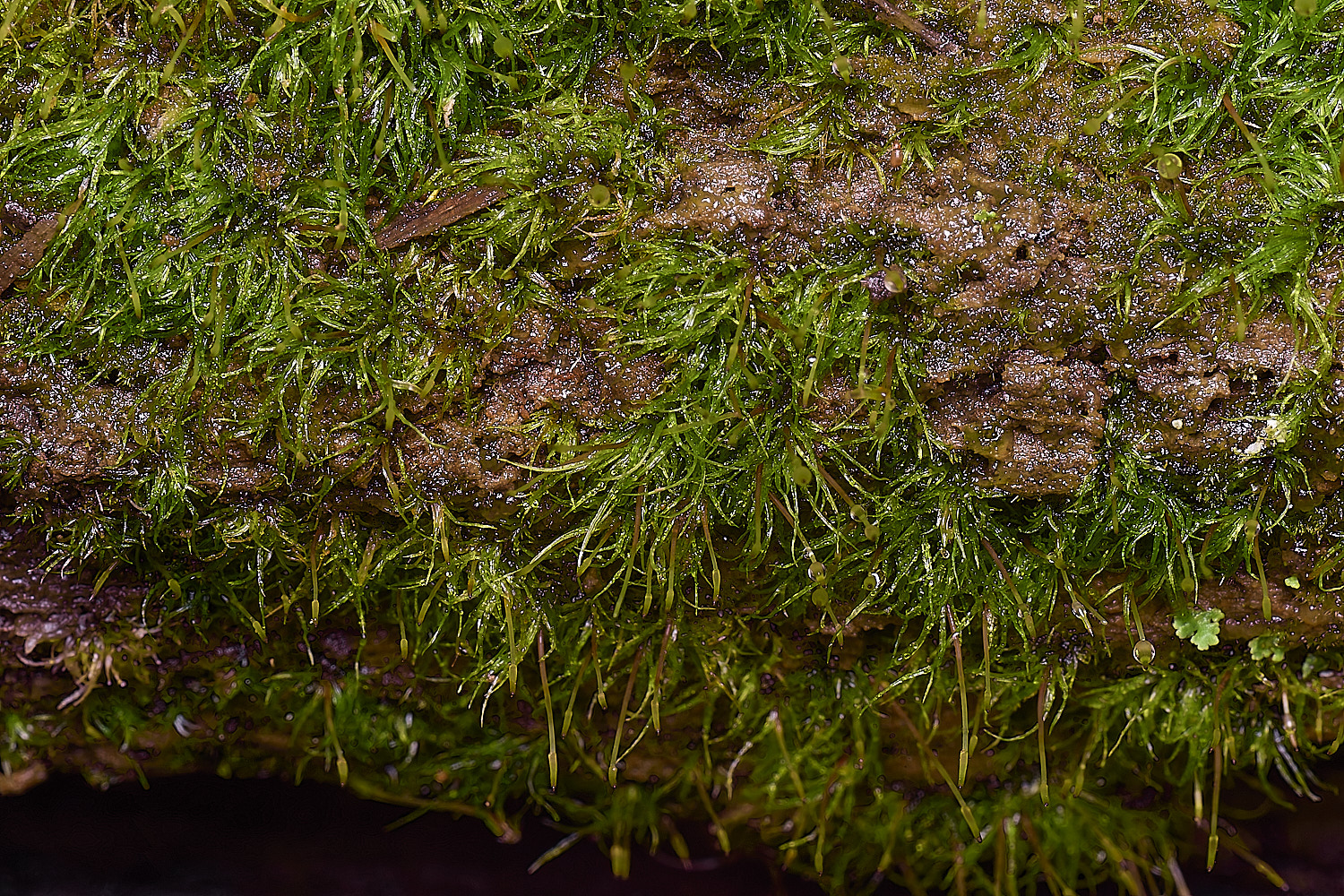
Cape thread-moss (Orthodontium lineare)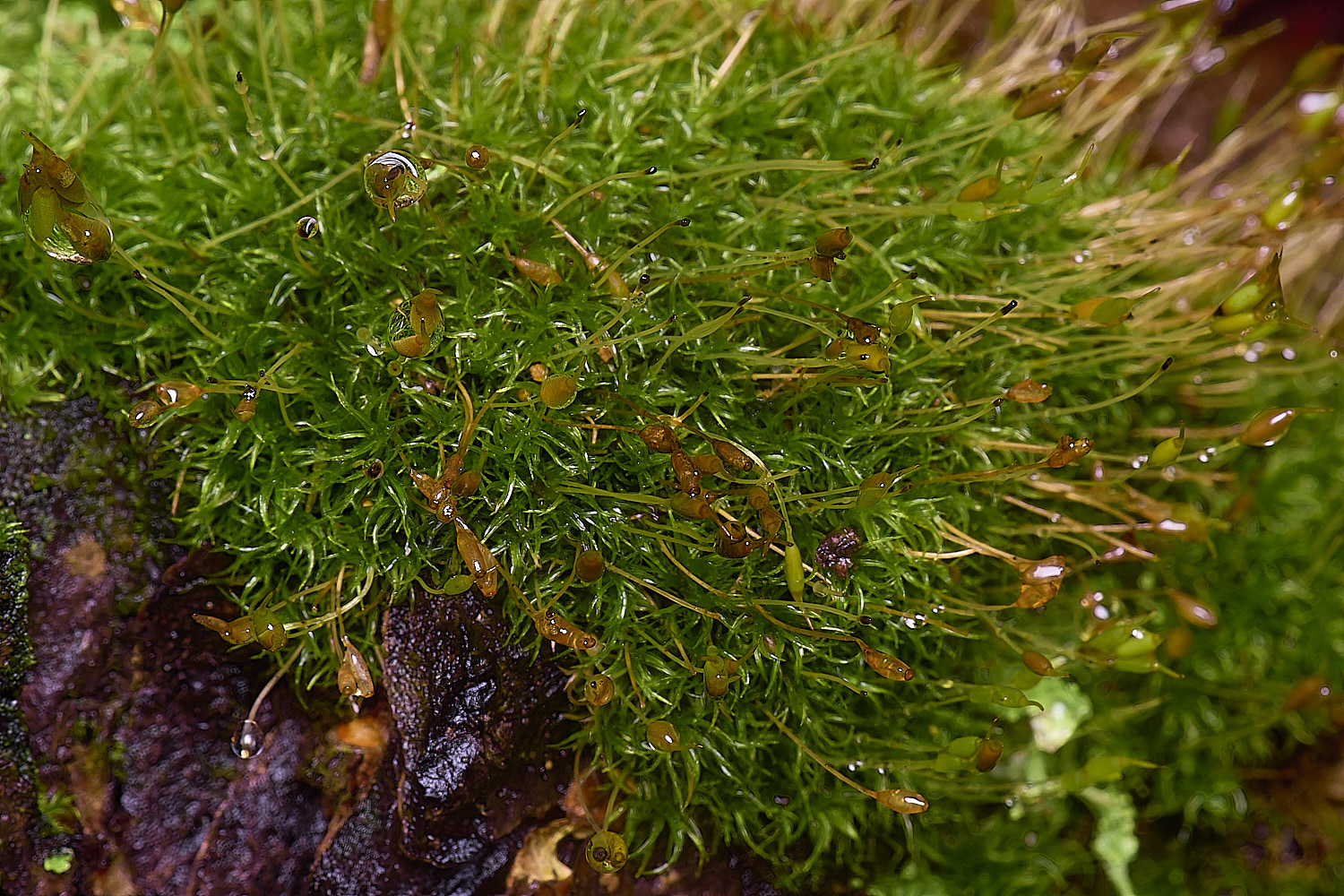
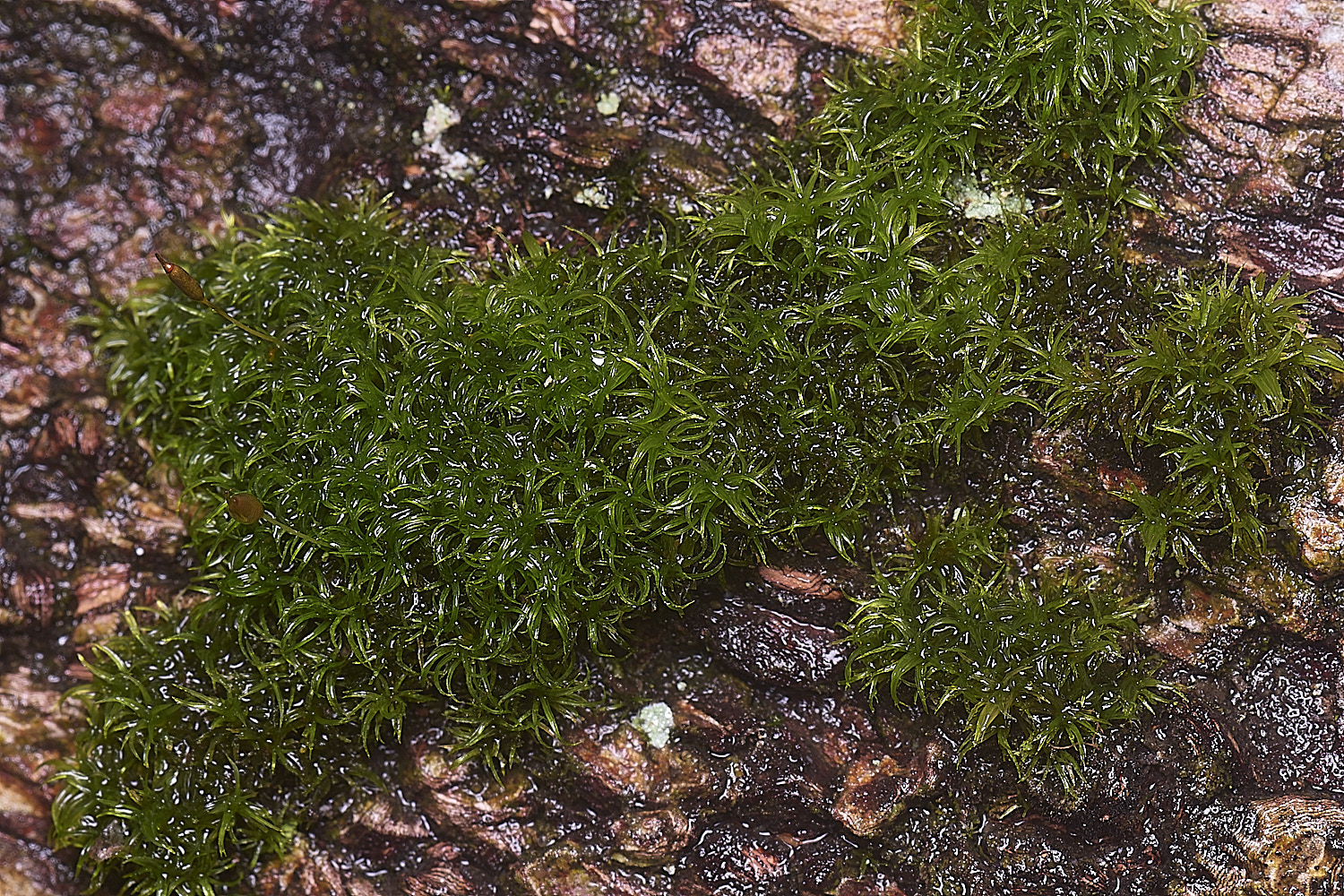
Common Pincushion (Dicranoweisia cirrata)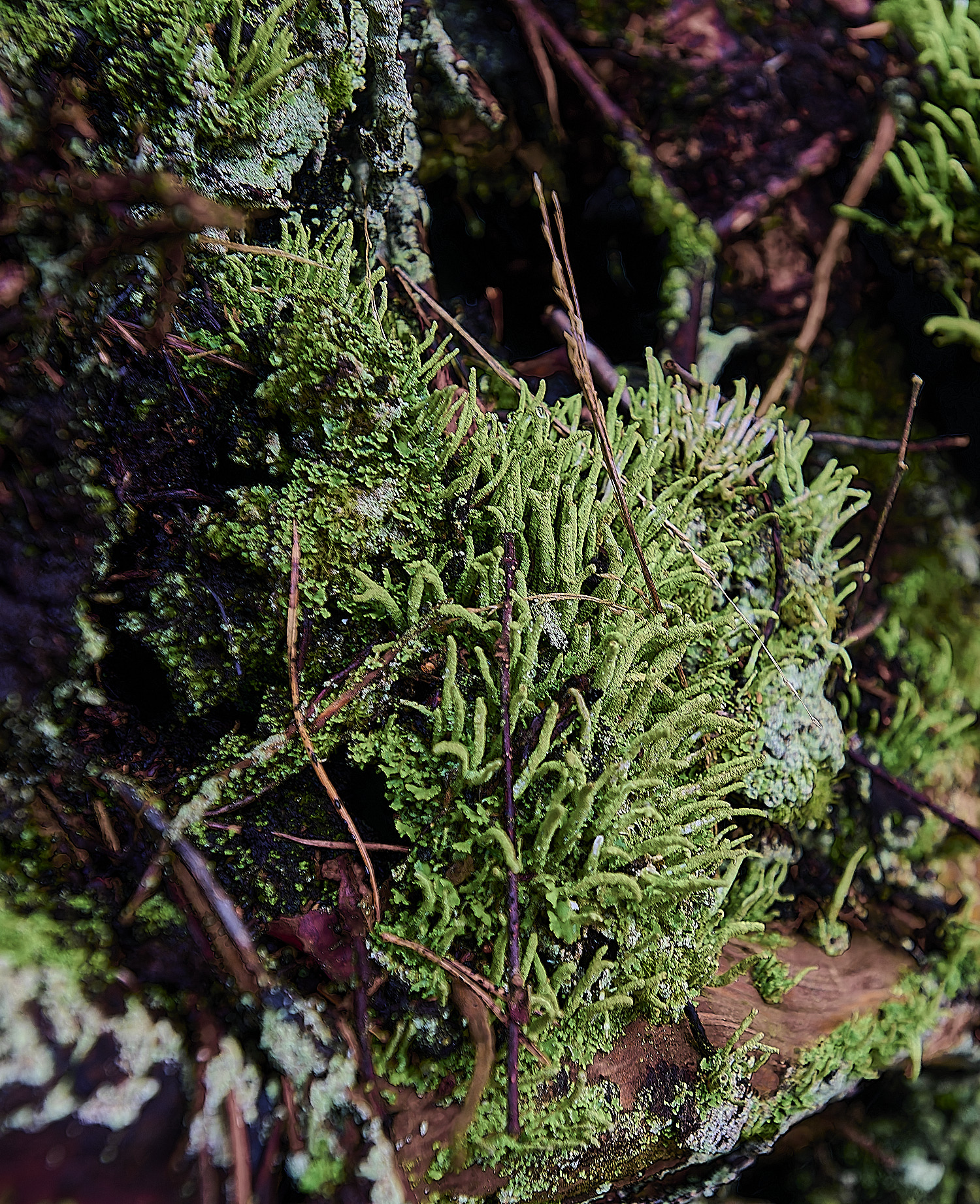
Cladonia coniocrea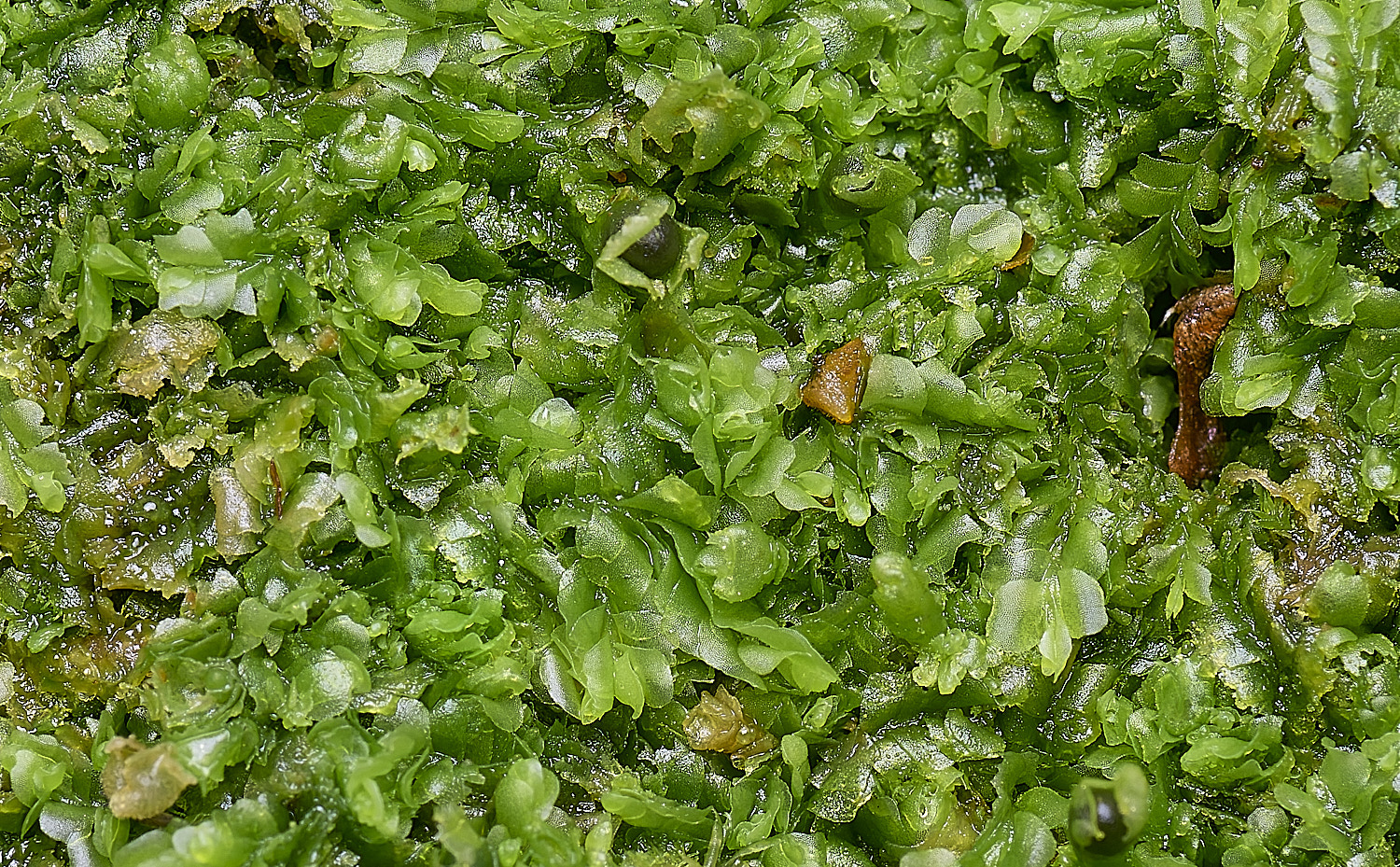
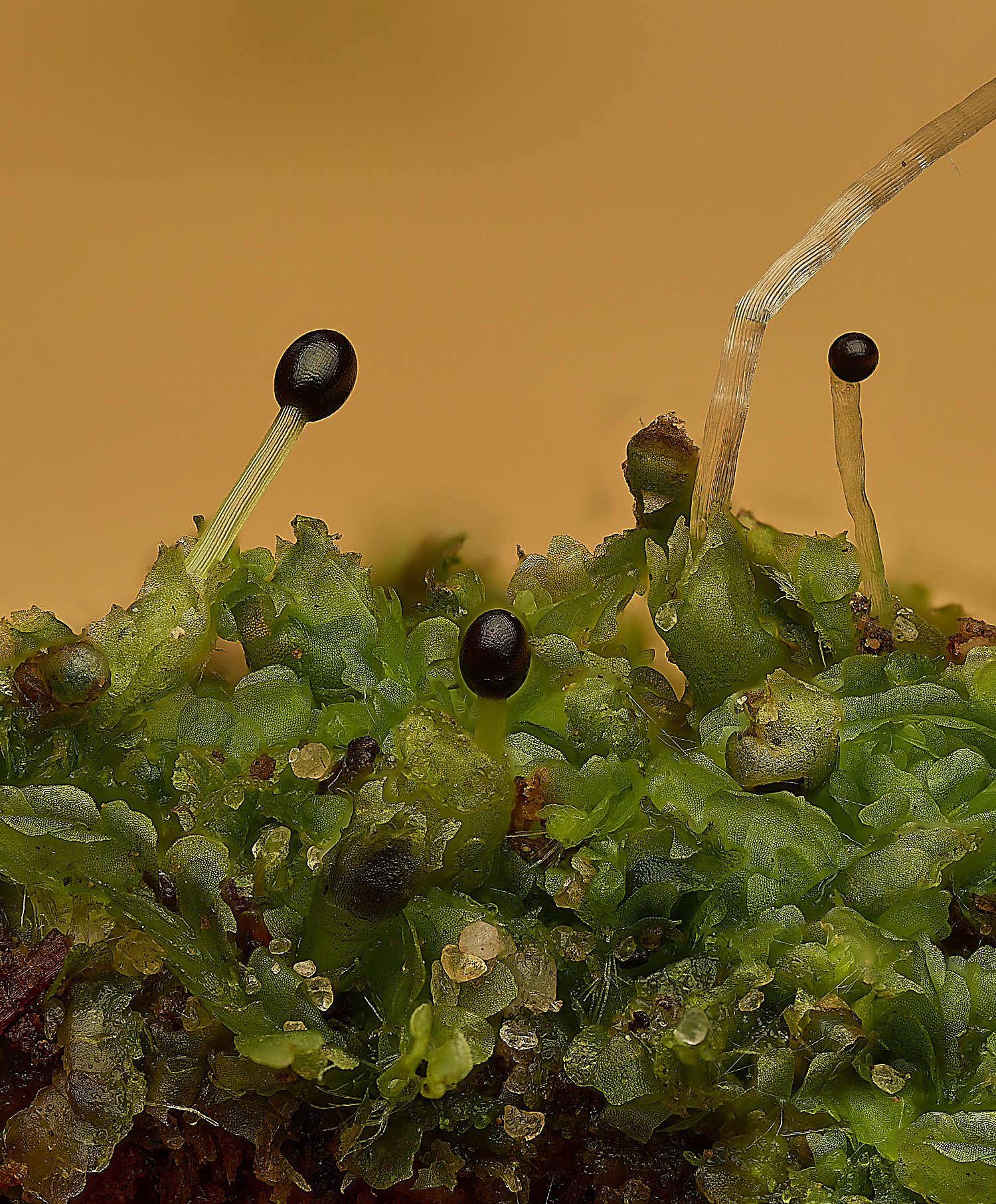
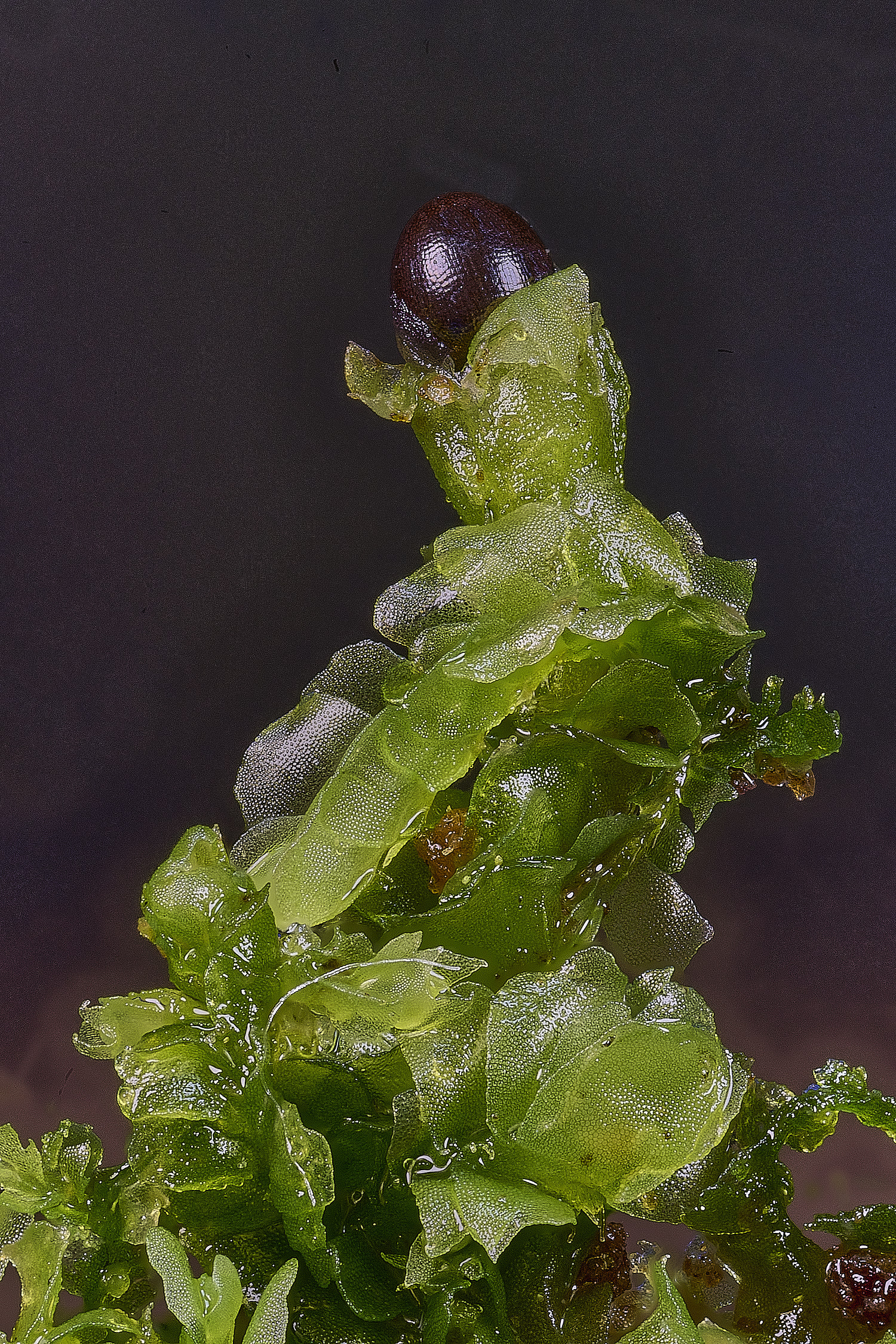
Variable-leaved Crestwort (Lophocolea heterophylla)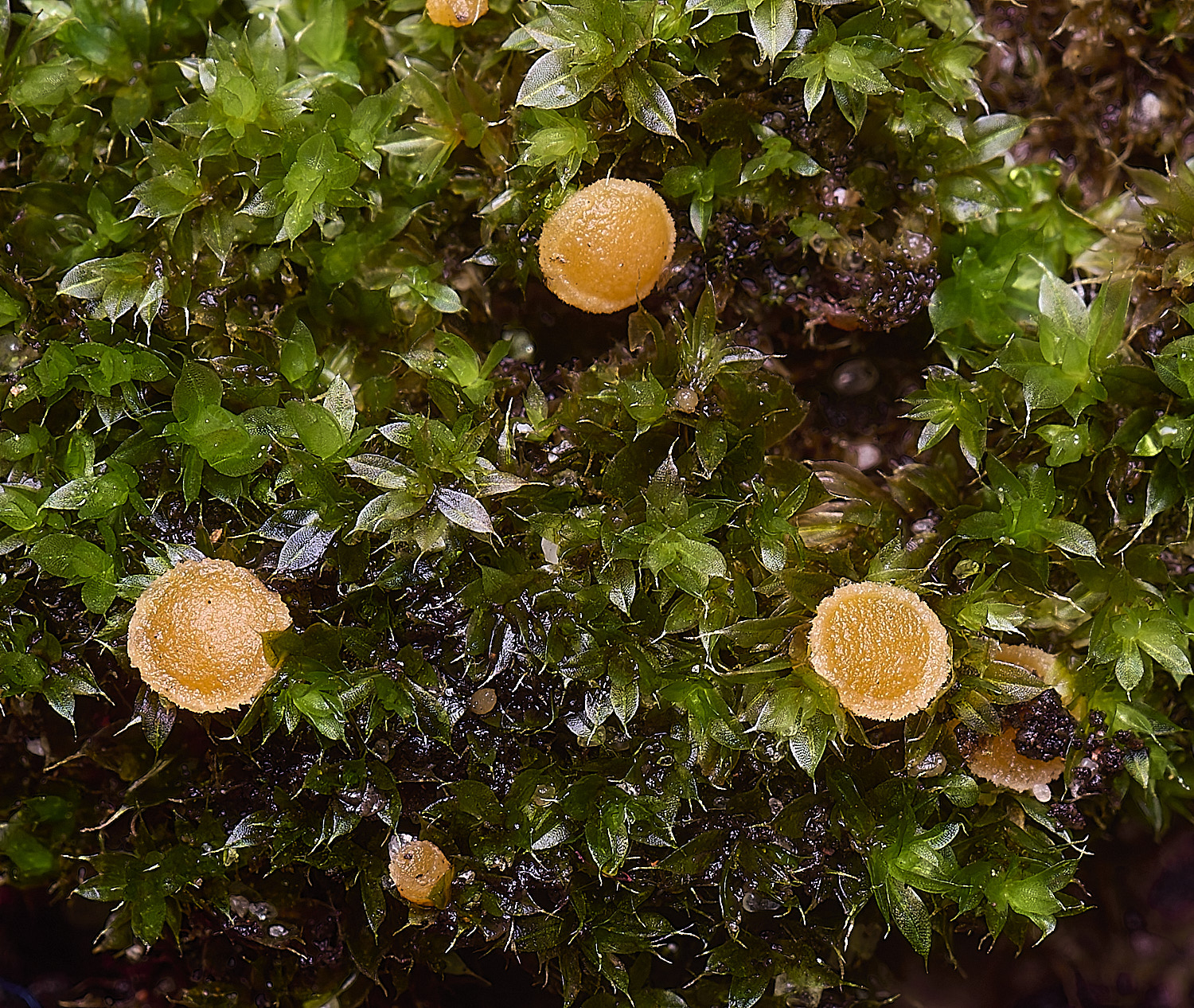
Capillary Thread-moss (Bryum capillare)
&
from
Bryophilus fungi
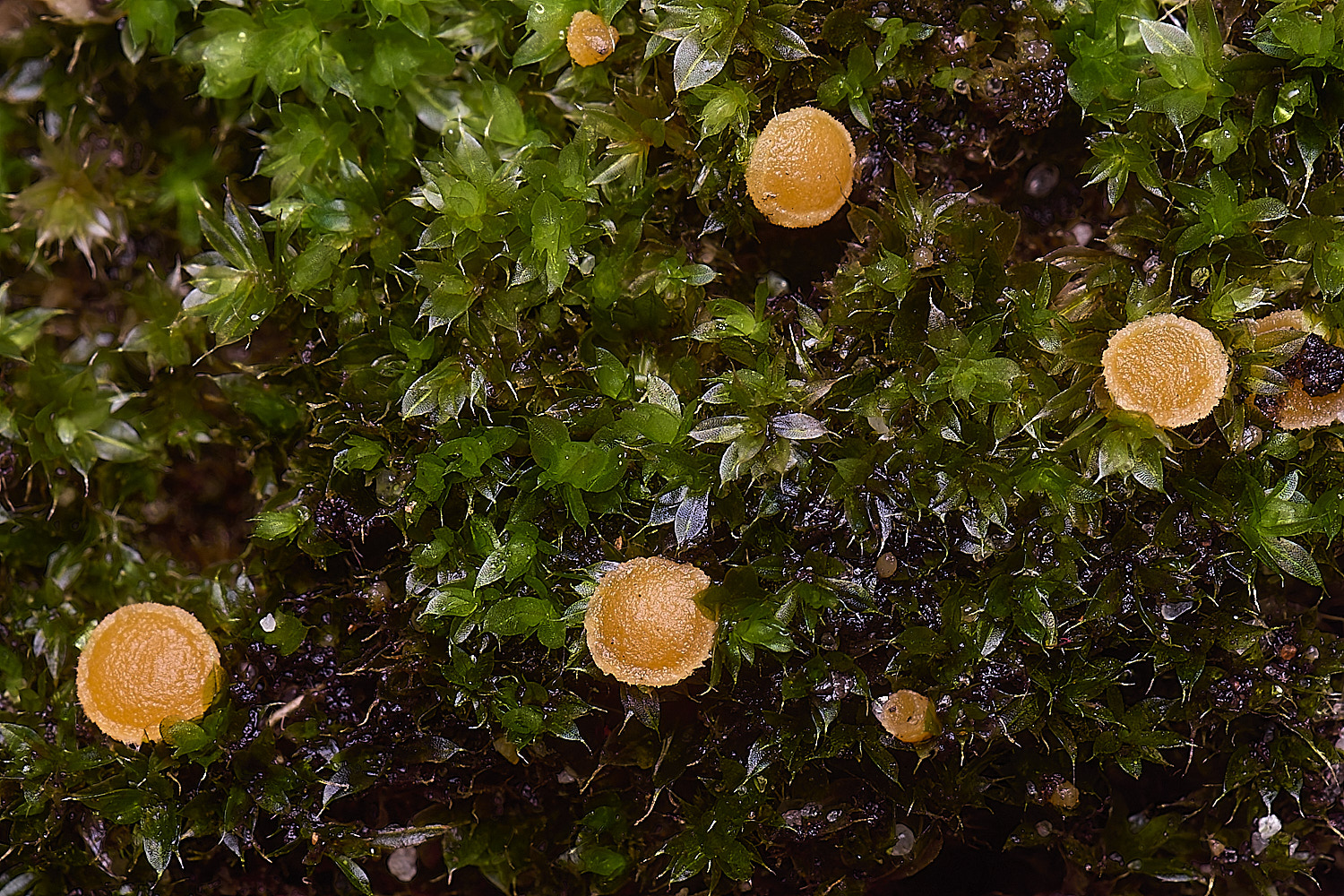
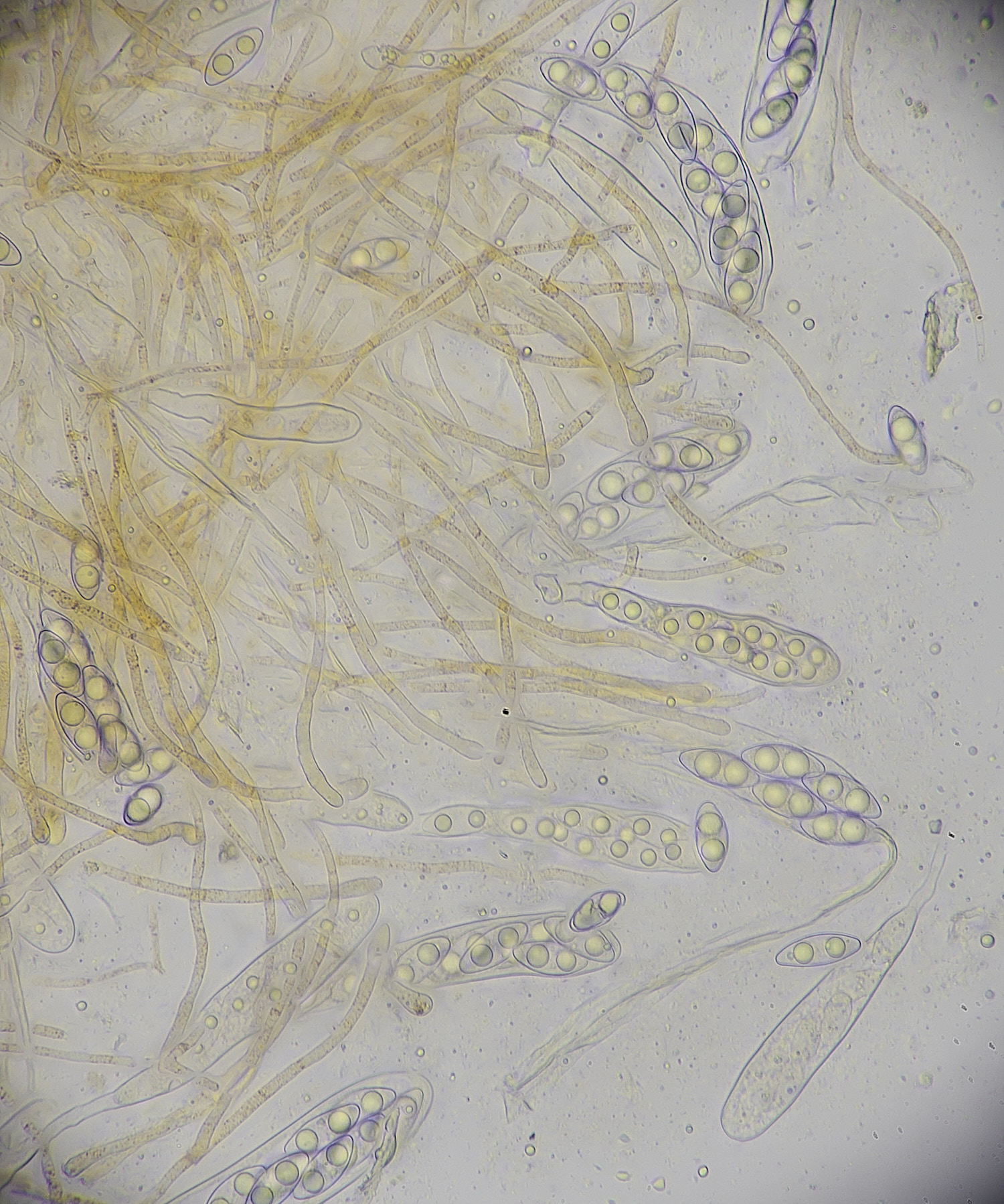
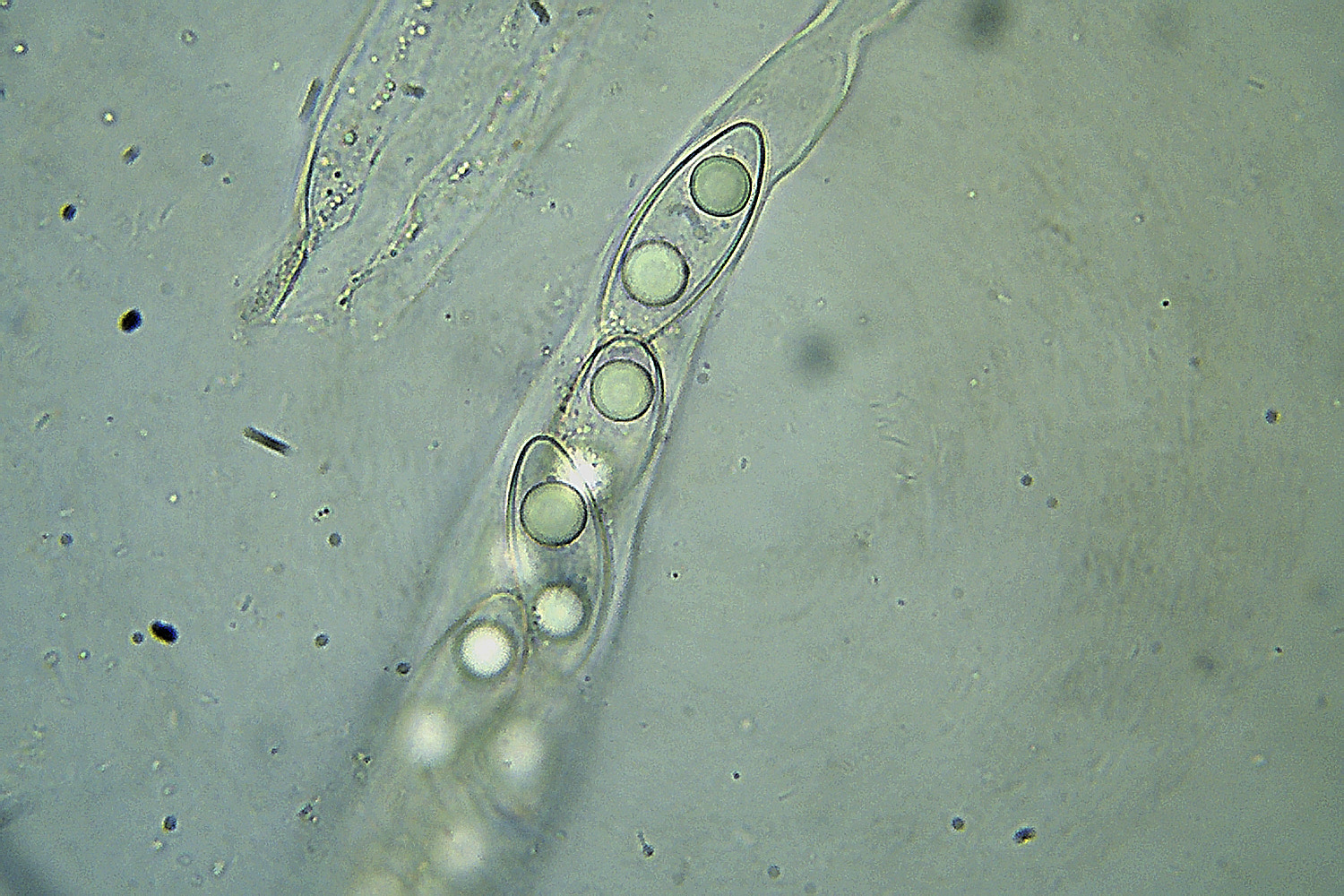
Octospora Sp that grows with Ptychostomum (Bryum) capillare.
Not formerly named beyond
Octospora coccinea/axilaris agg
If in Norfolk it would be the third Norfolk record.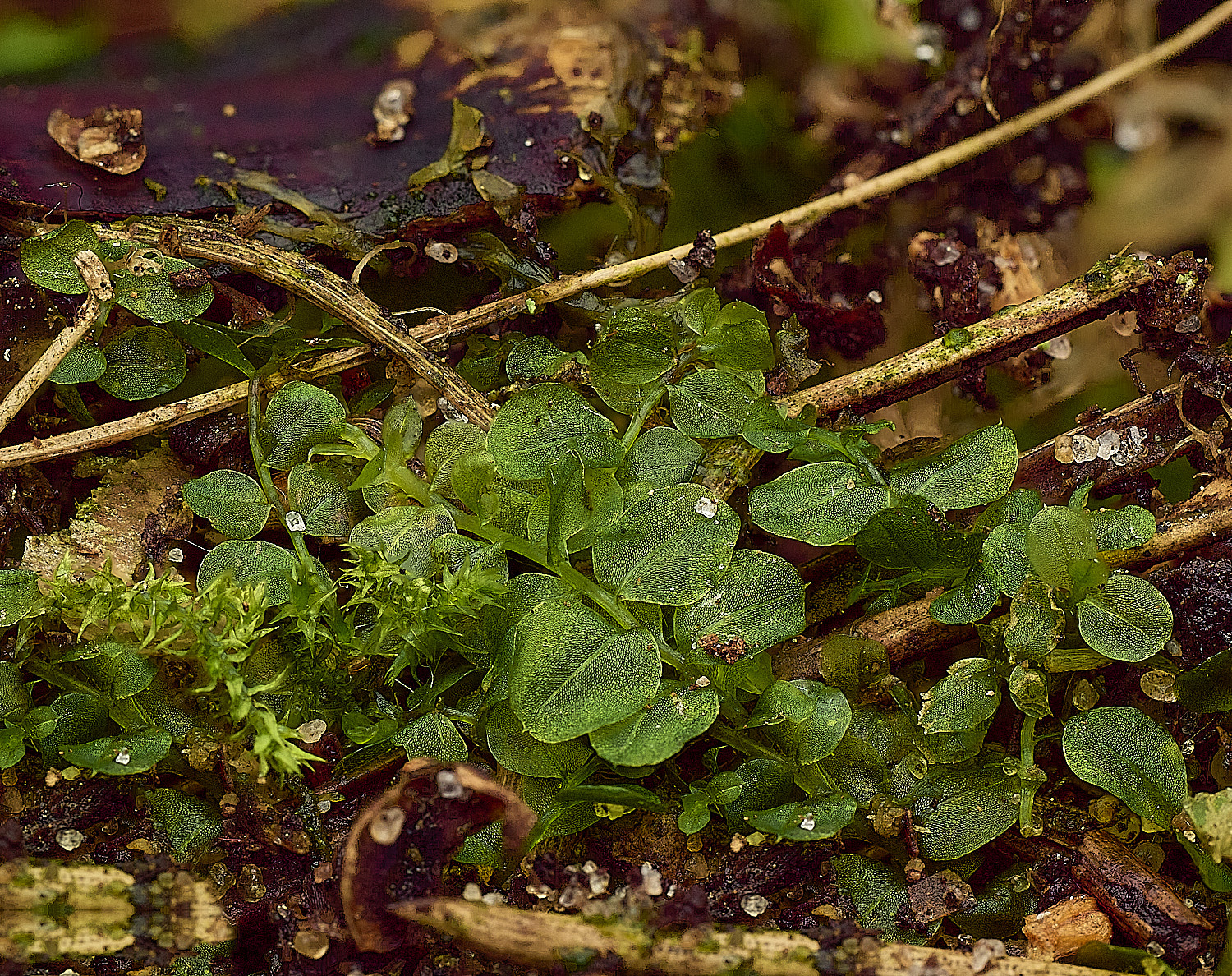
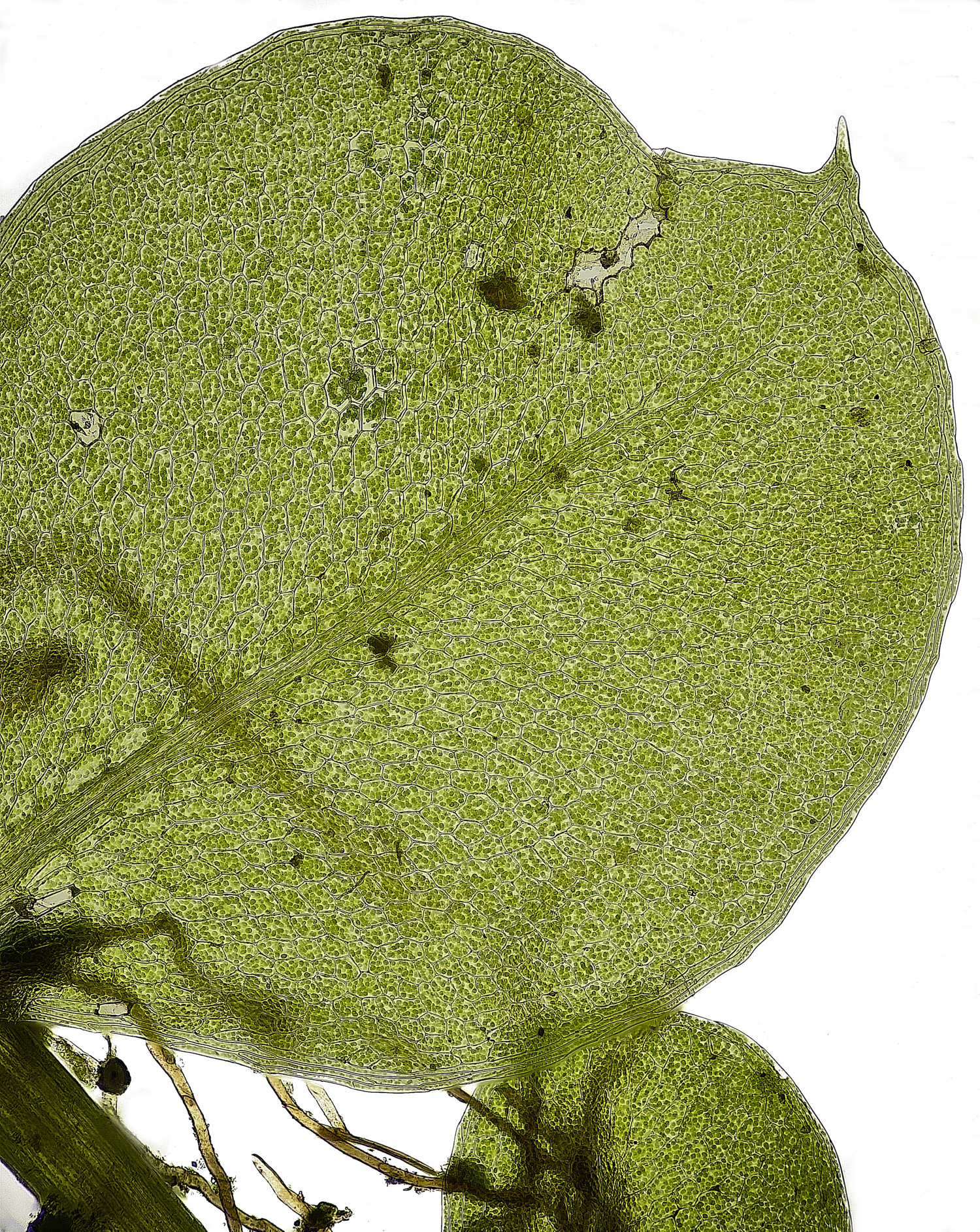
x100
1.5mm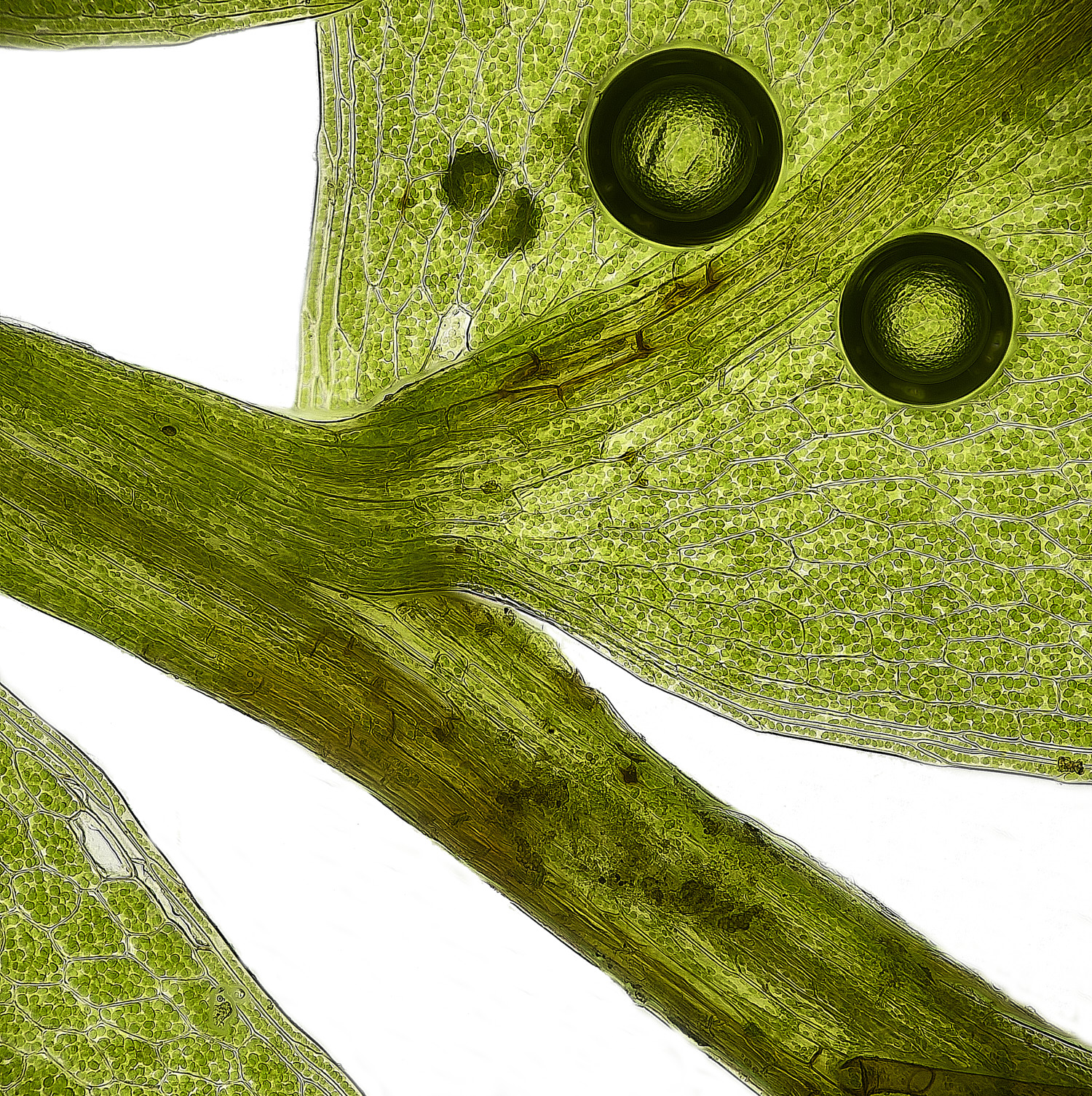
x100
A bit confusing this as the leaf above shows no teeth.
But as Julia pointed out (Thank you)
Lf bases are very narrowly decurrent (had to look long and hard on this)
No teeth on the fresh new leaves of the specimen (but found toothed leaves amongst older parts). Smith says: 'margins sometimes entire in plants in dry habitats.', although teeth maybe 'obsolete' in P. rostratum.
Laminal cells porose (not or hardly so in P.rostratum).
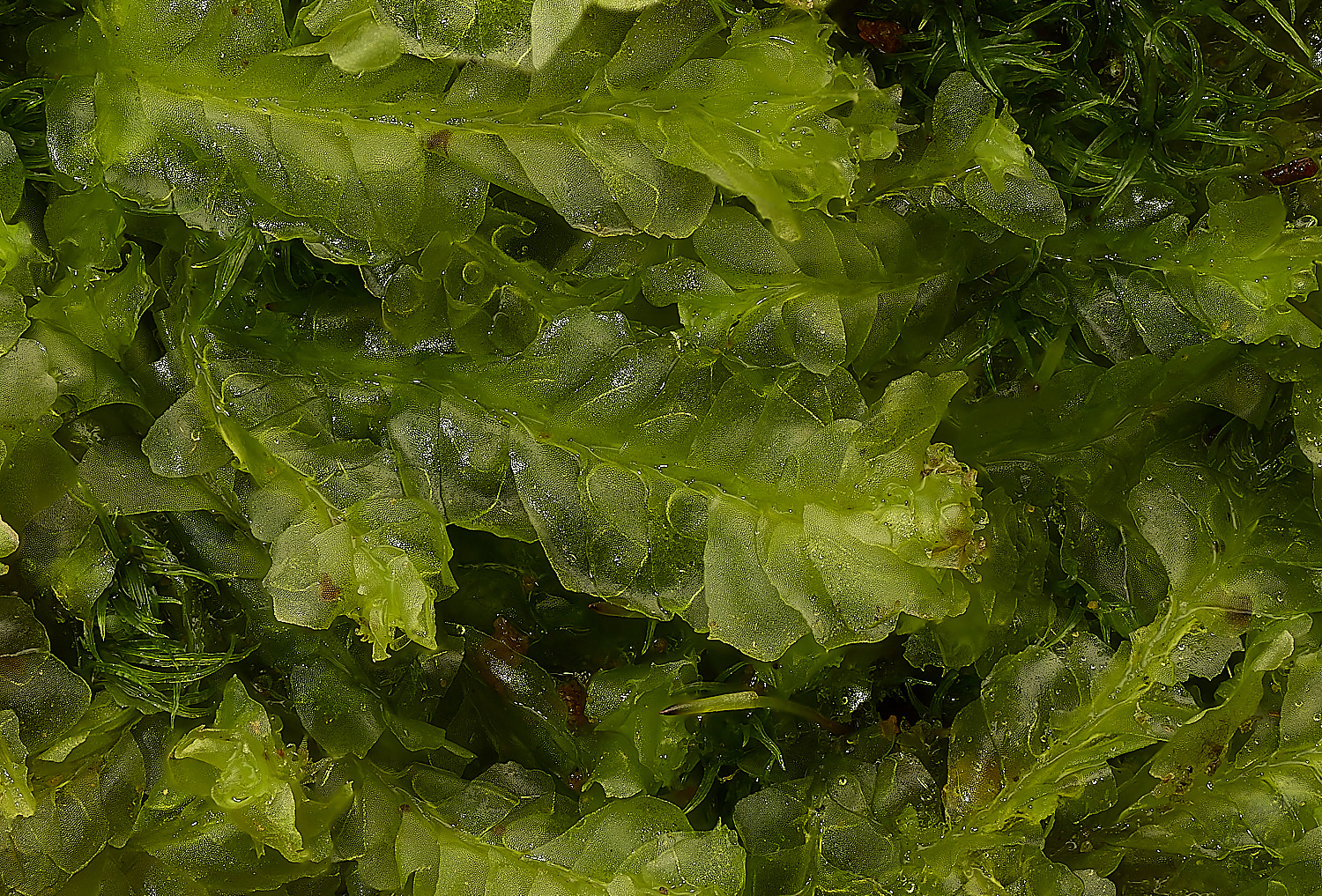
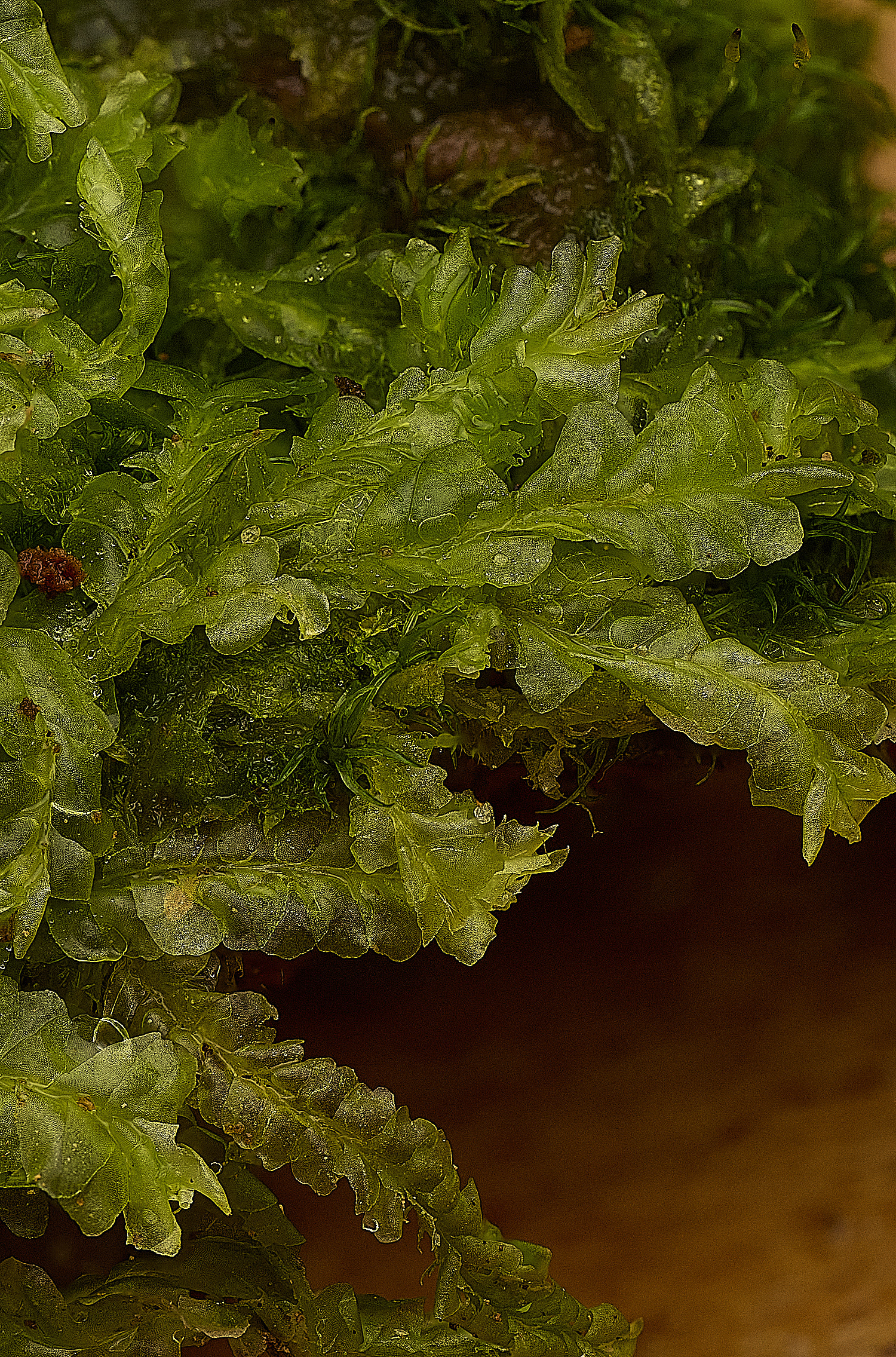
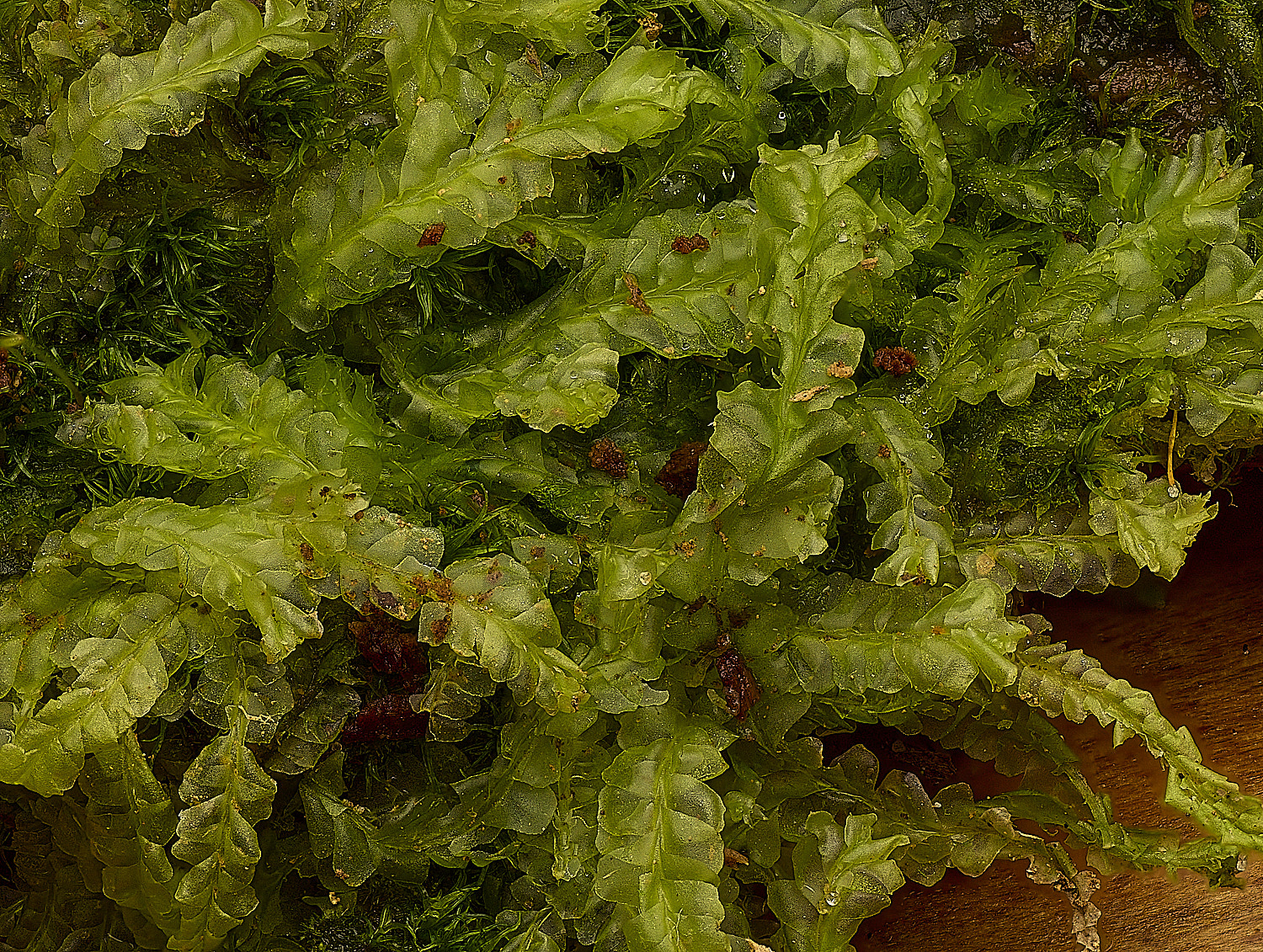
Southern Crestwort (Lophocolea semeteres)
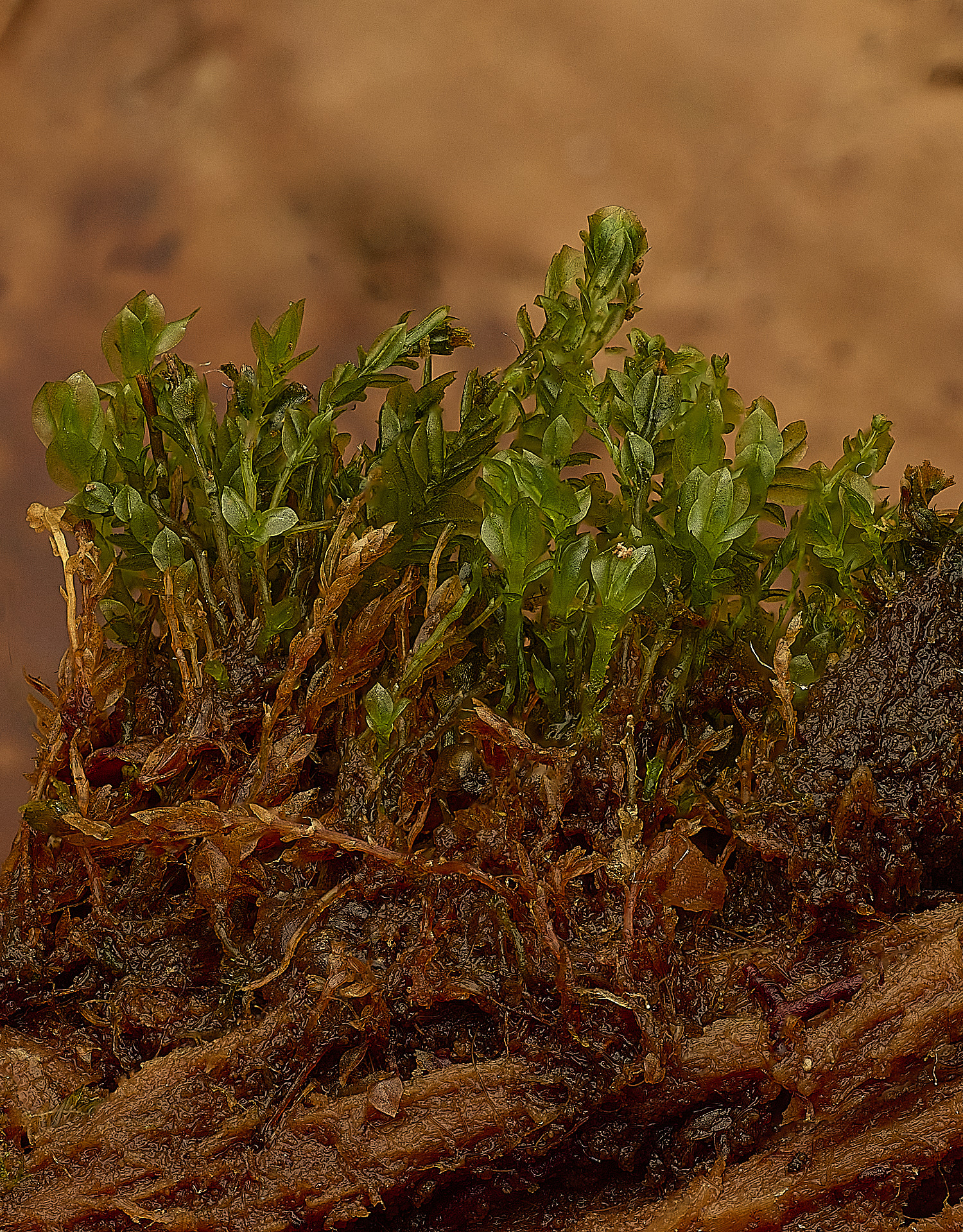
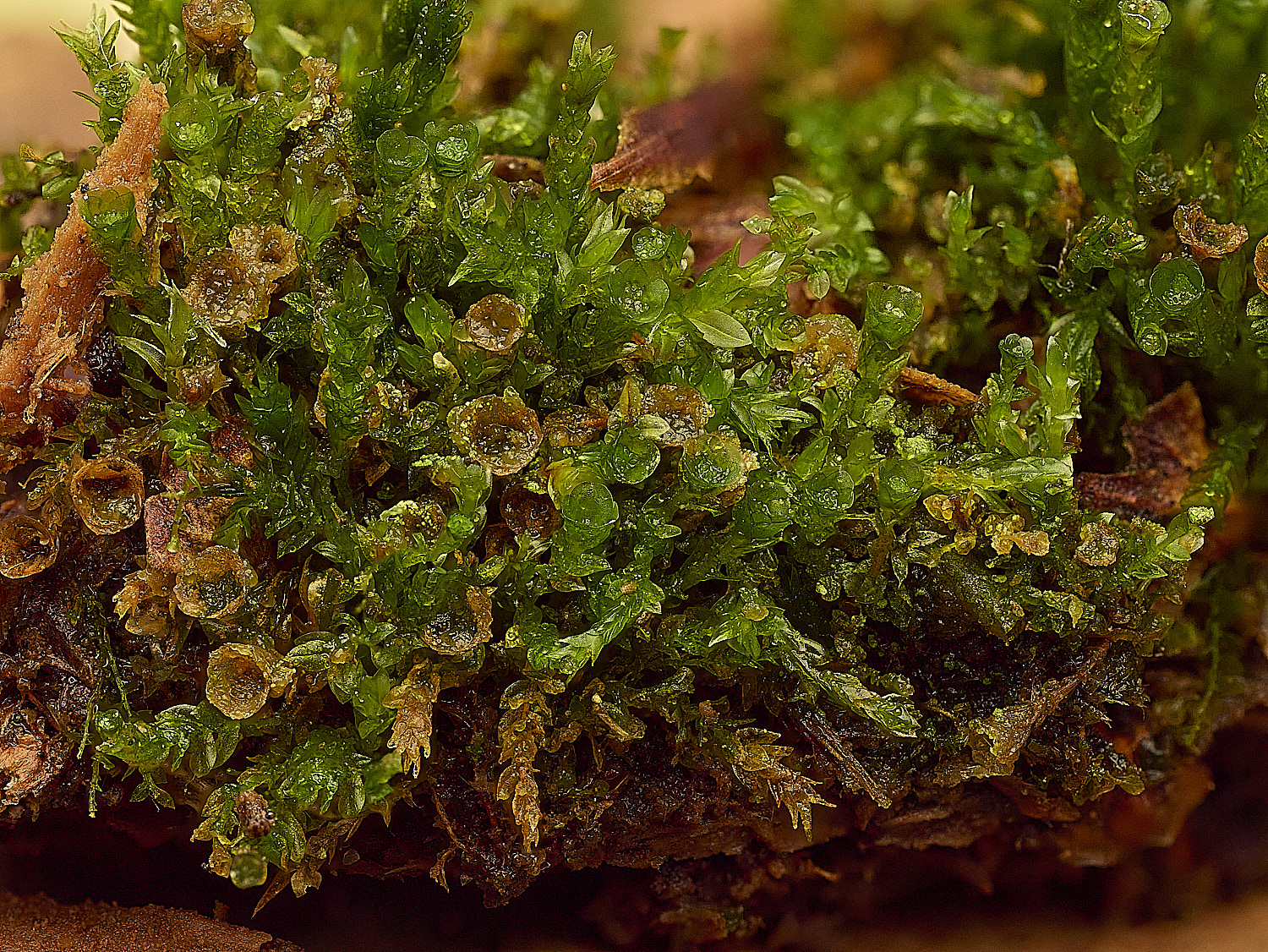
Tetraphis Moss (Tetraphis pellucida)
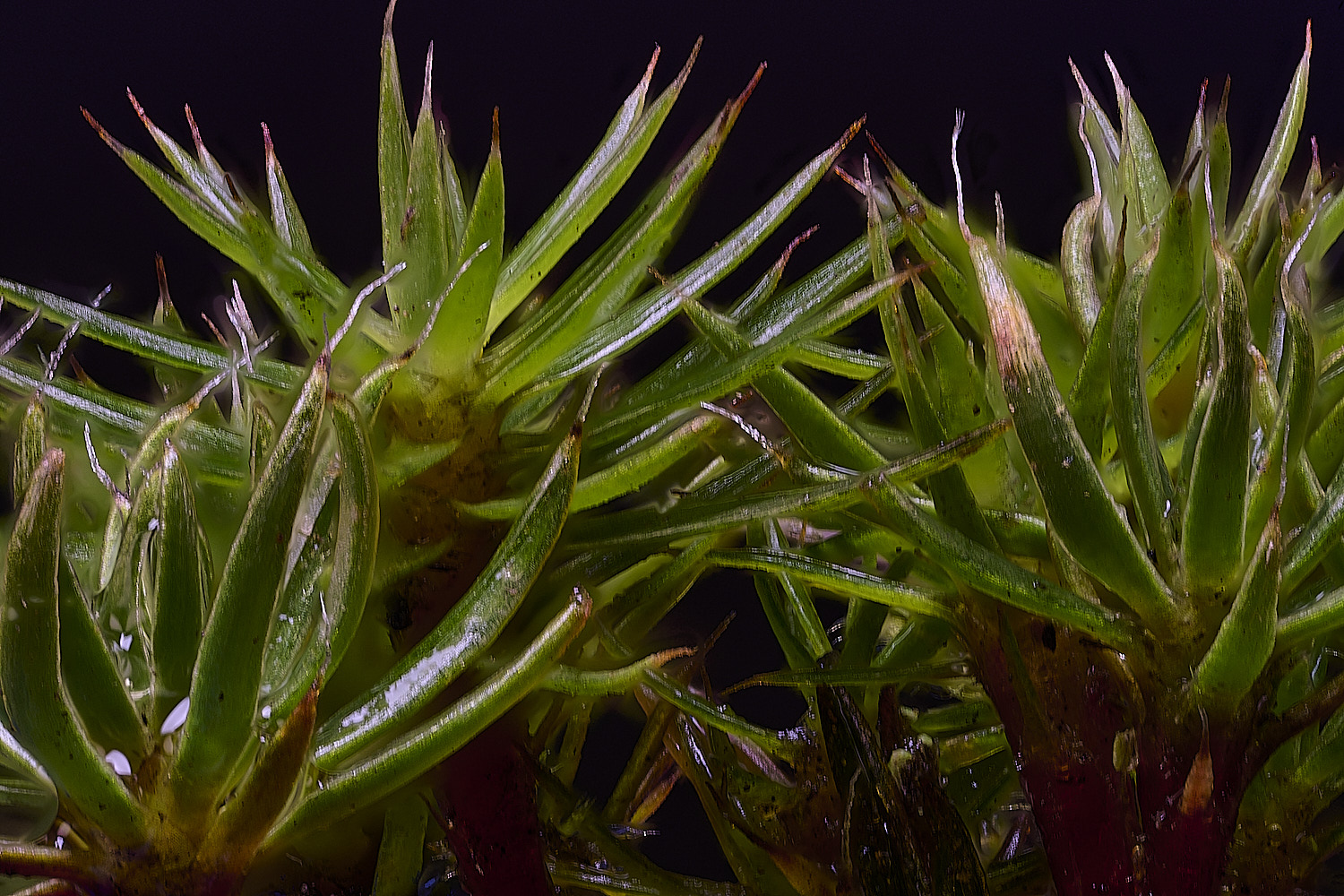
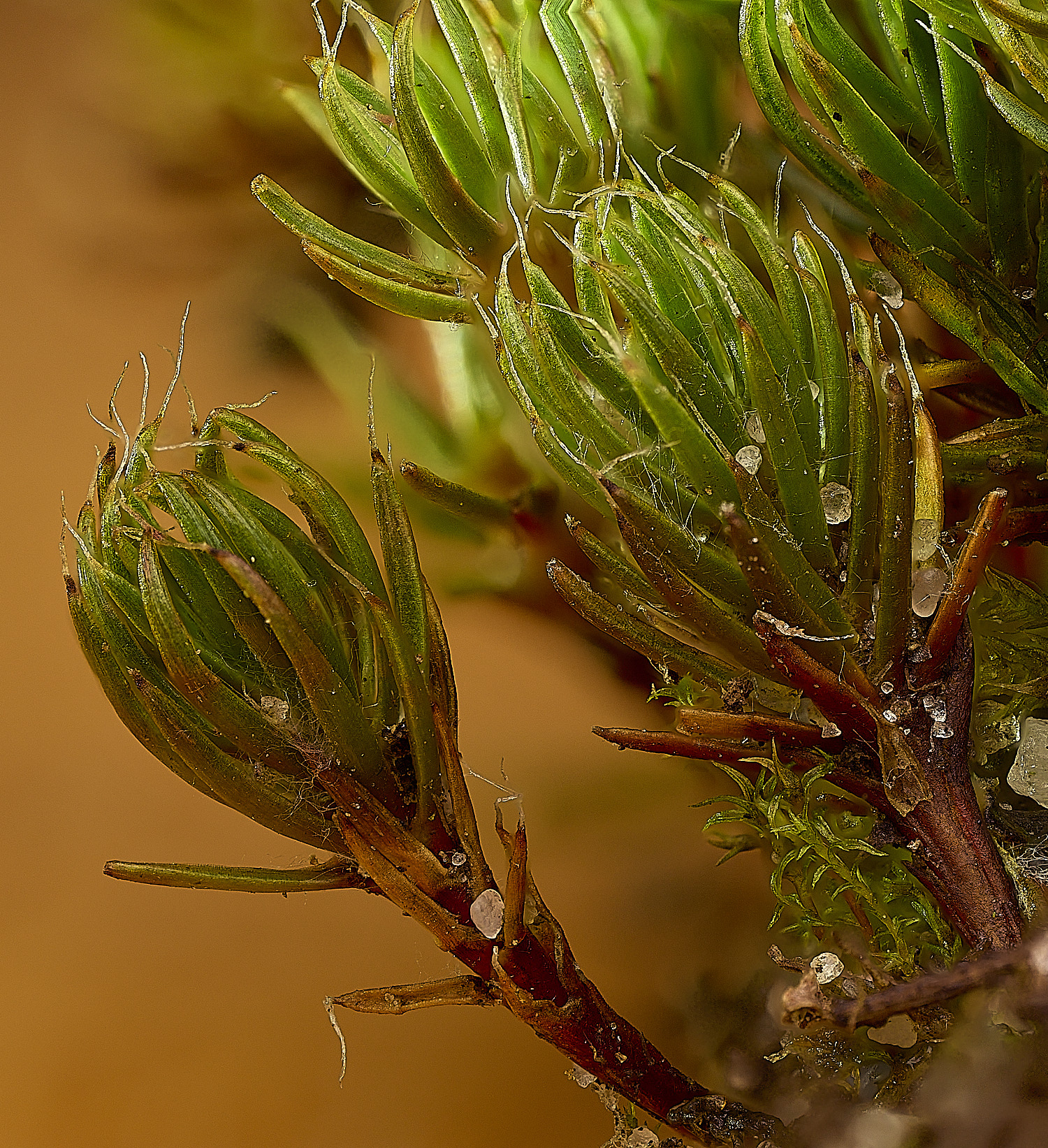
Bristly Haircap (Polytrichum piliferum) - [excurrent nerve] with Juniper Haircap (Polytrichum juniperimum) in the background in the upper of the two images.
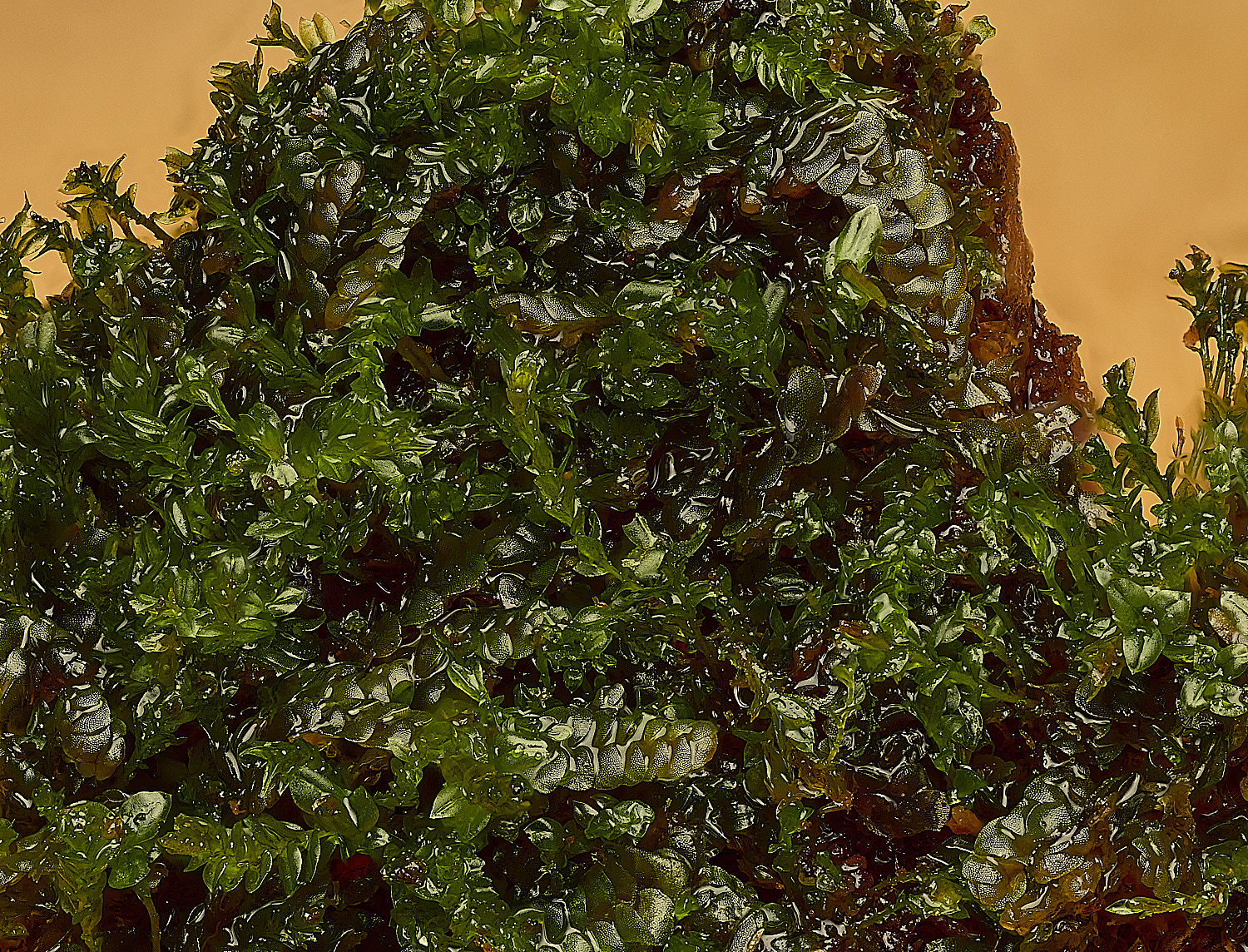
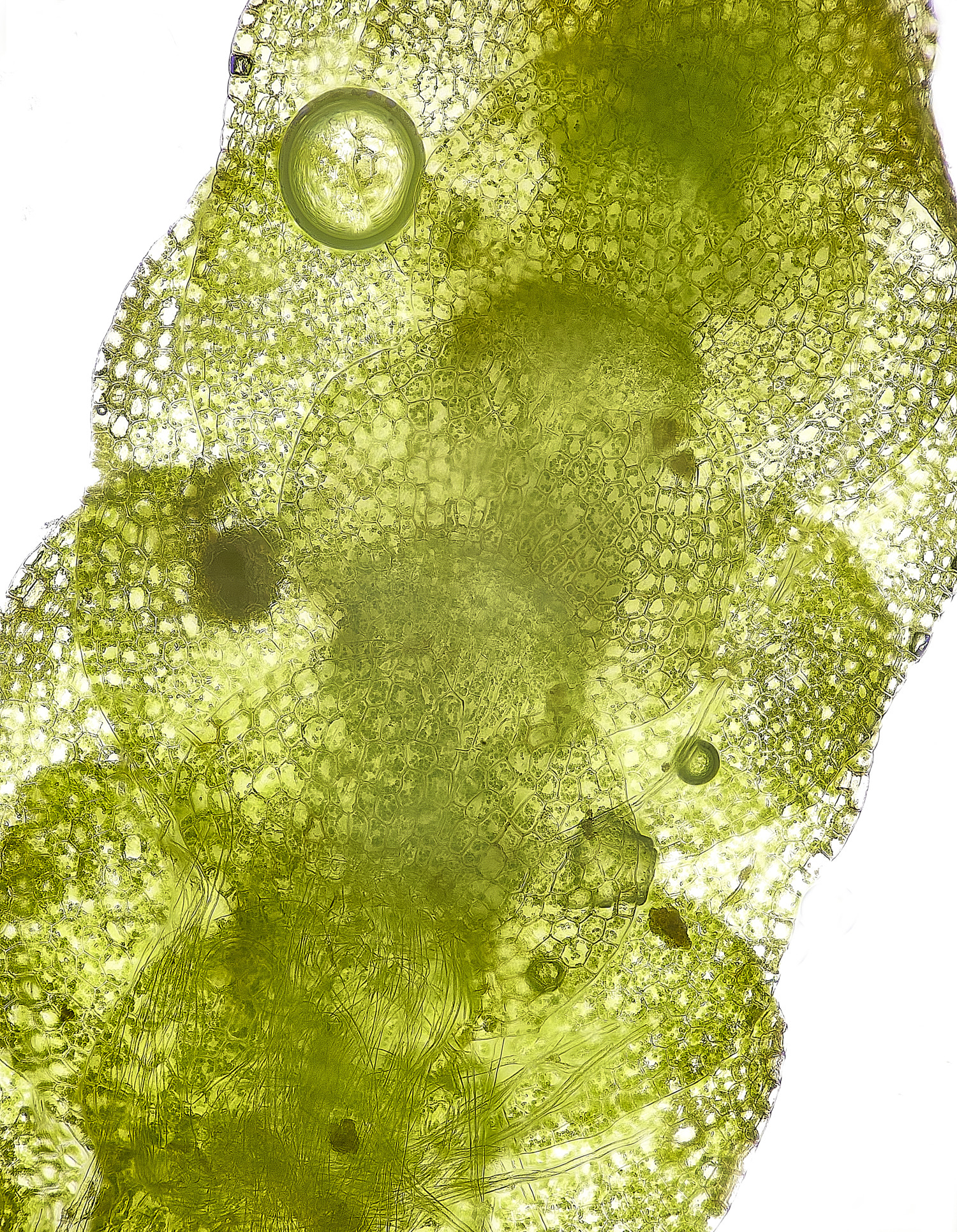
x100
2mm
Mueller's Pounchwort (Calypogeia muelleriana) in amongst Tetraphis Moss (Tetraphis pellucida)
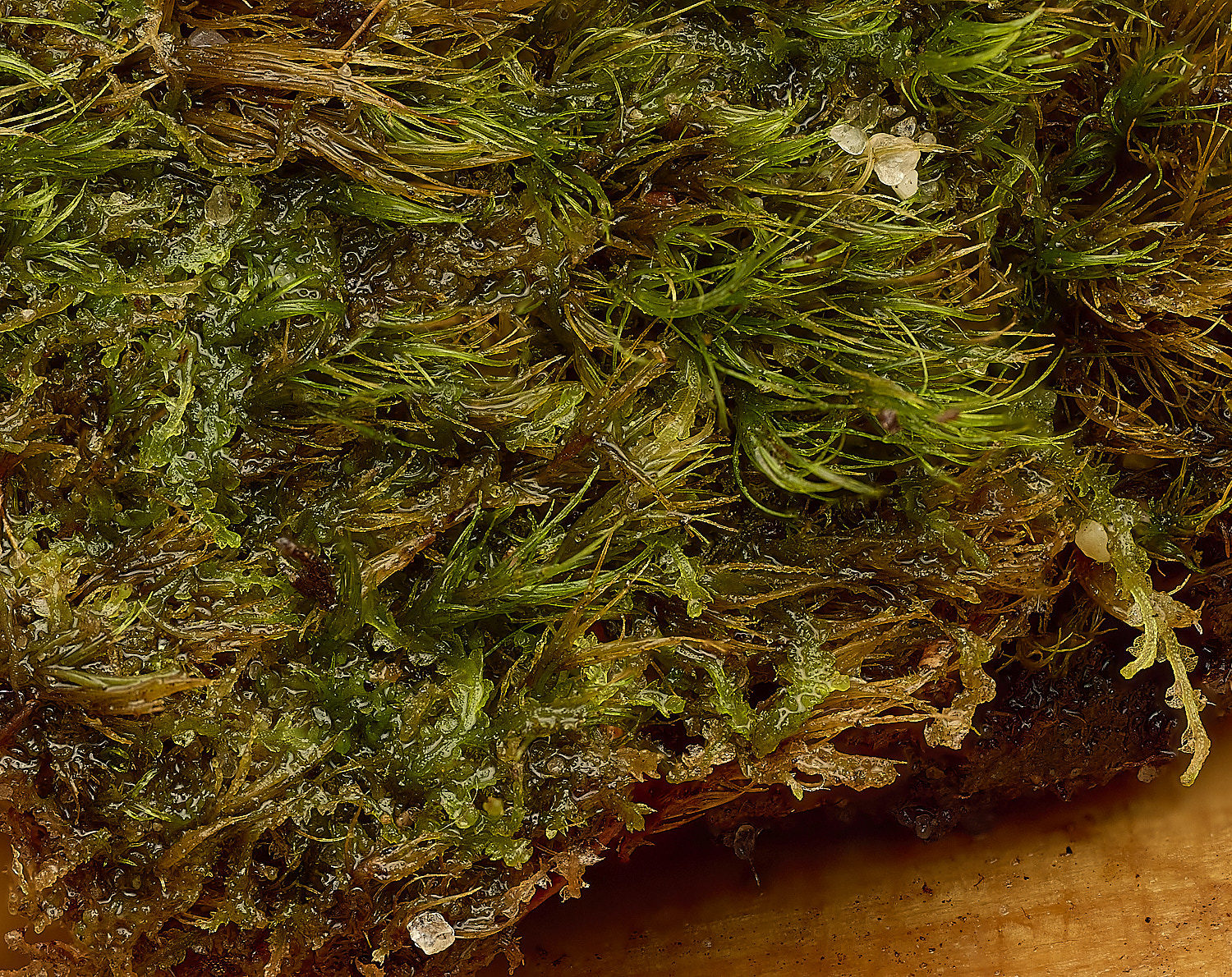
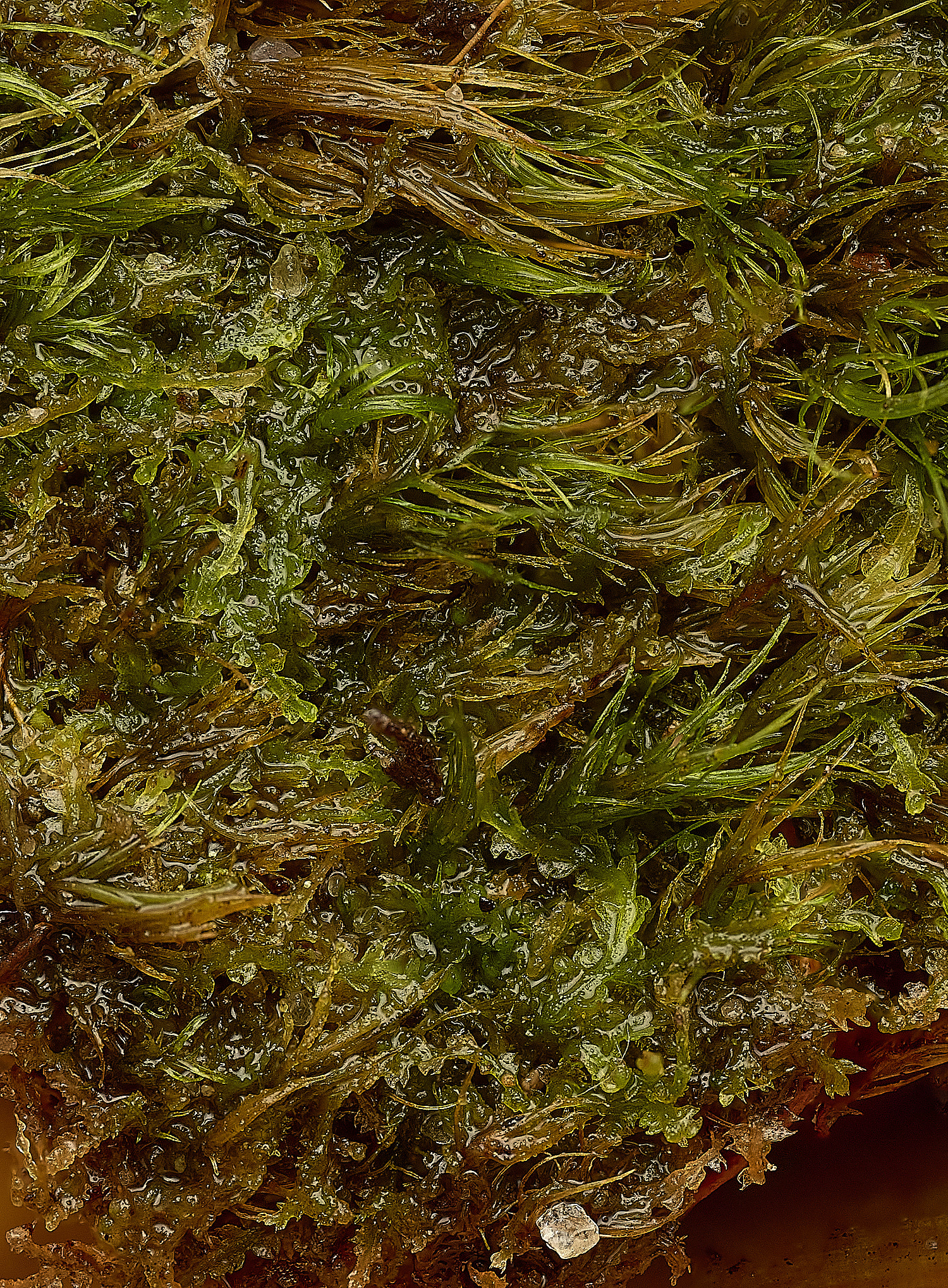
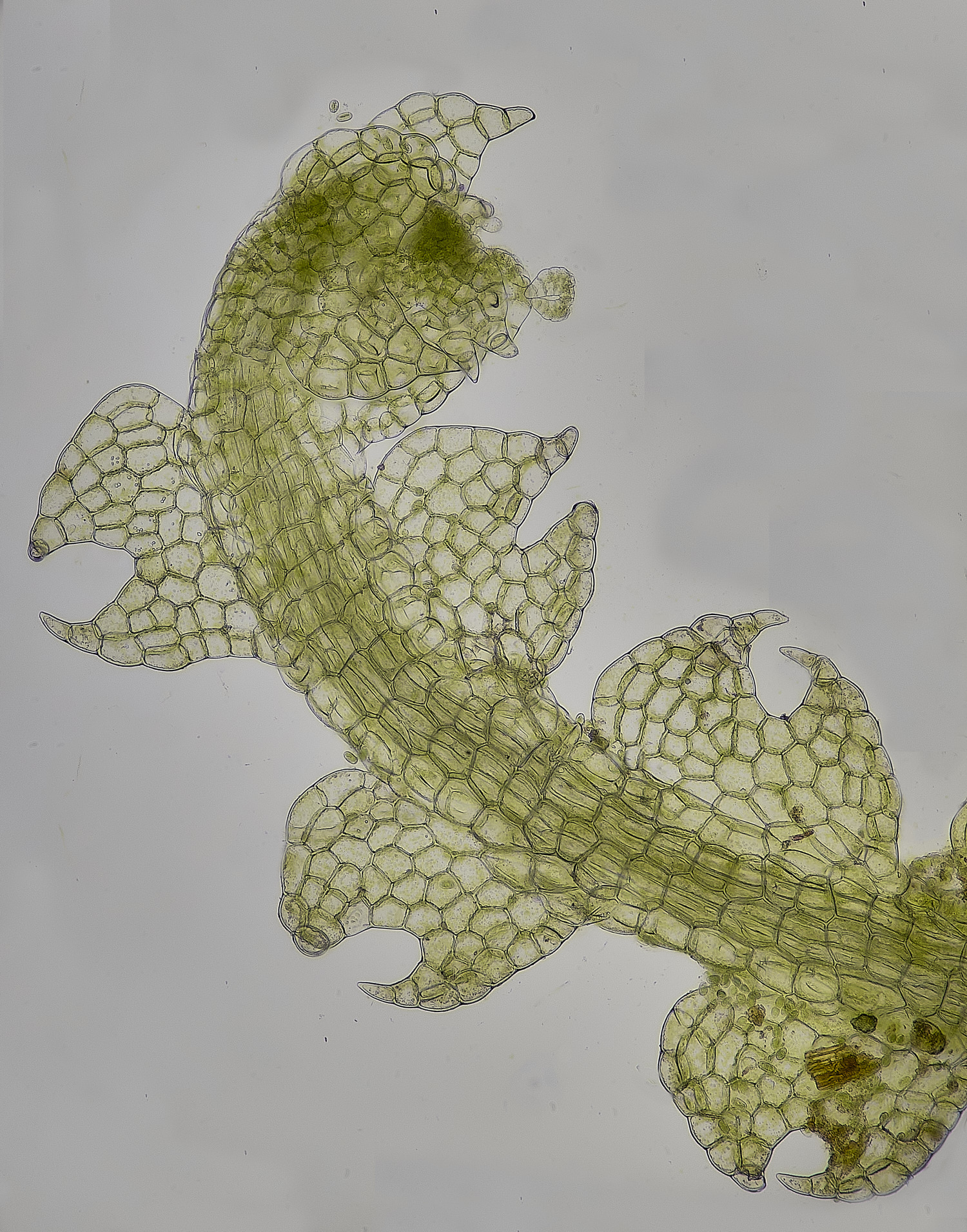
Leaf insertion runs straight along the line of the stem?
Forcipated Pincerwort (Cephalozia connivens)?