
The Narboroughs
The Narboroughs
just as it was
over a hundred & more years ago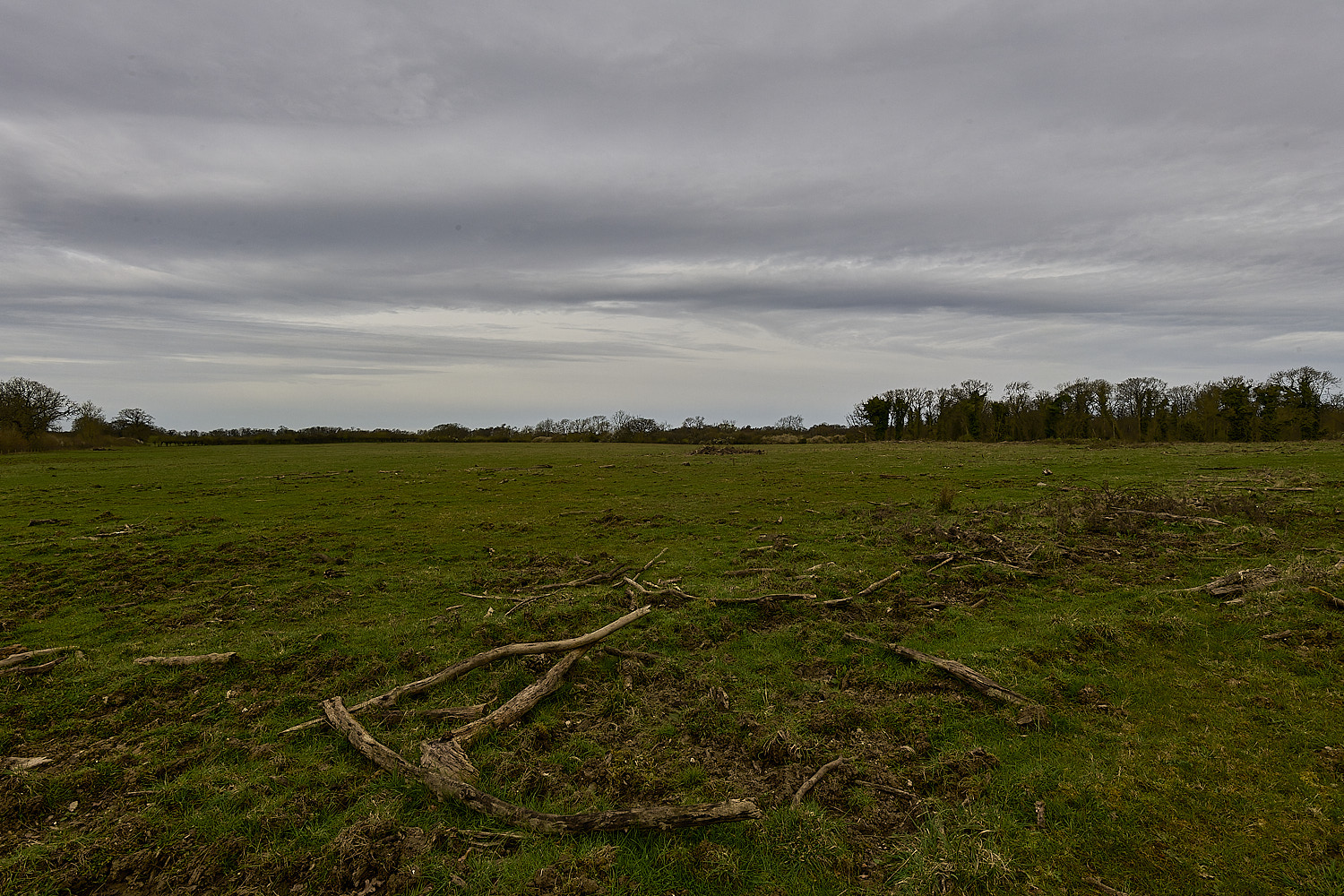
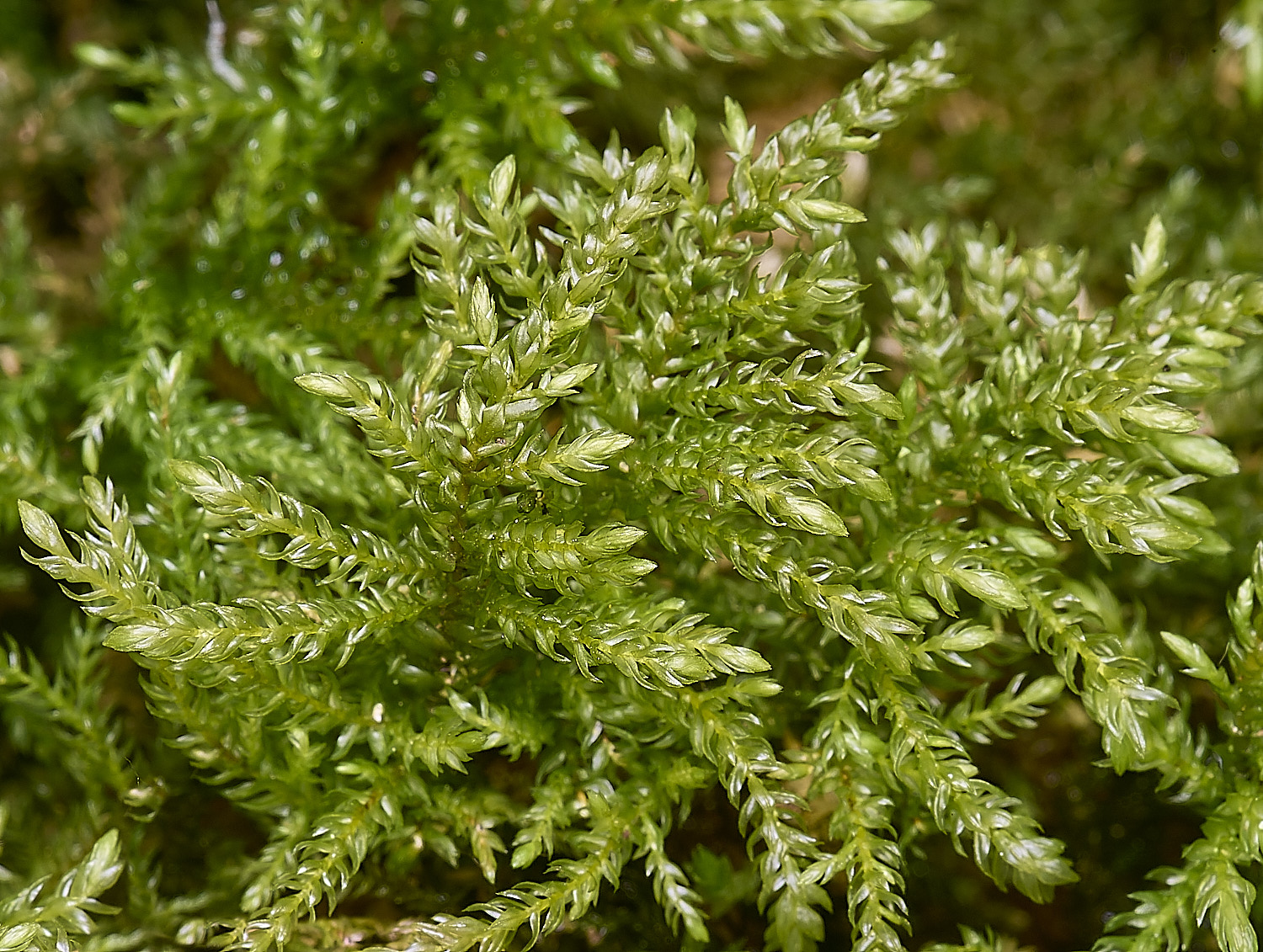
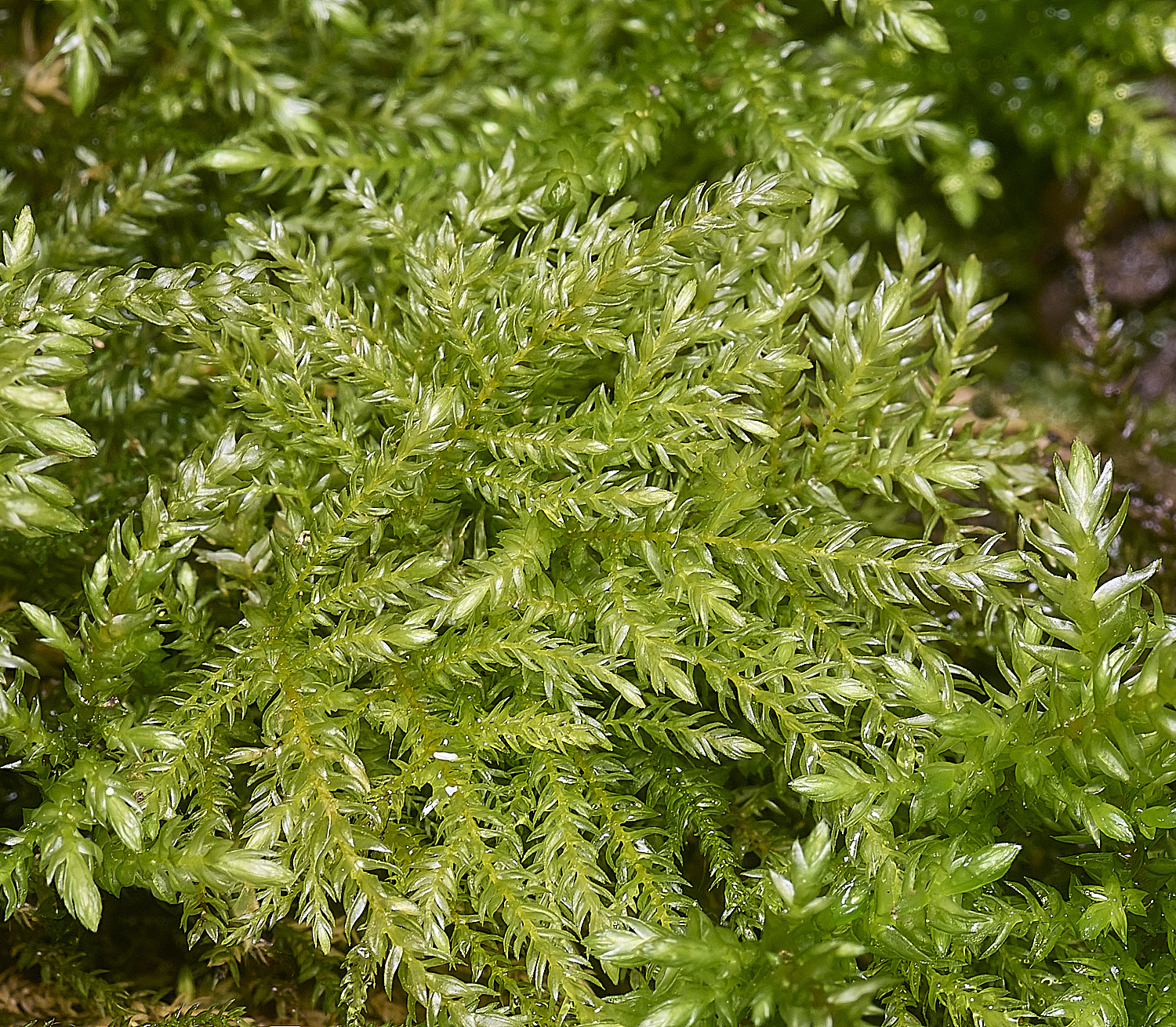
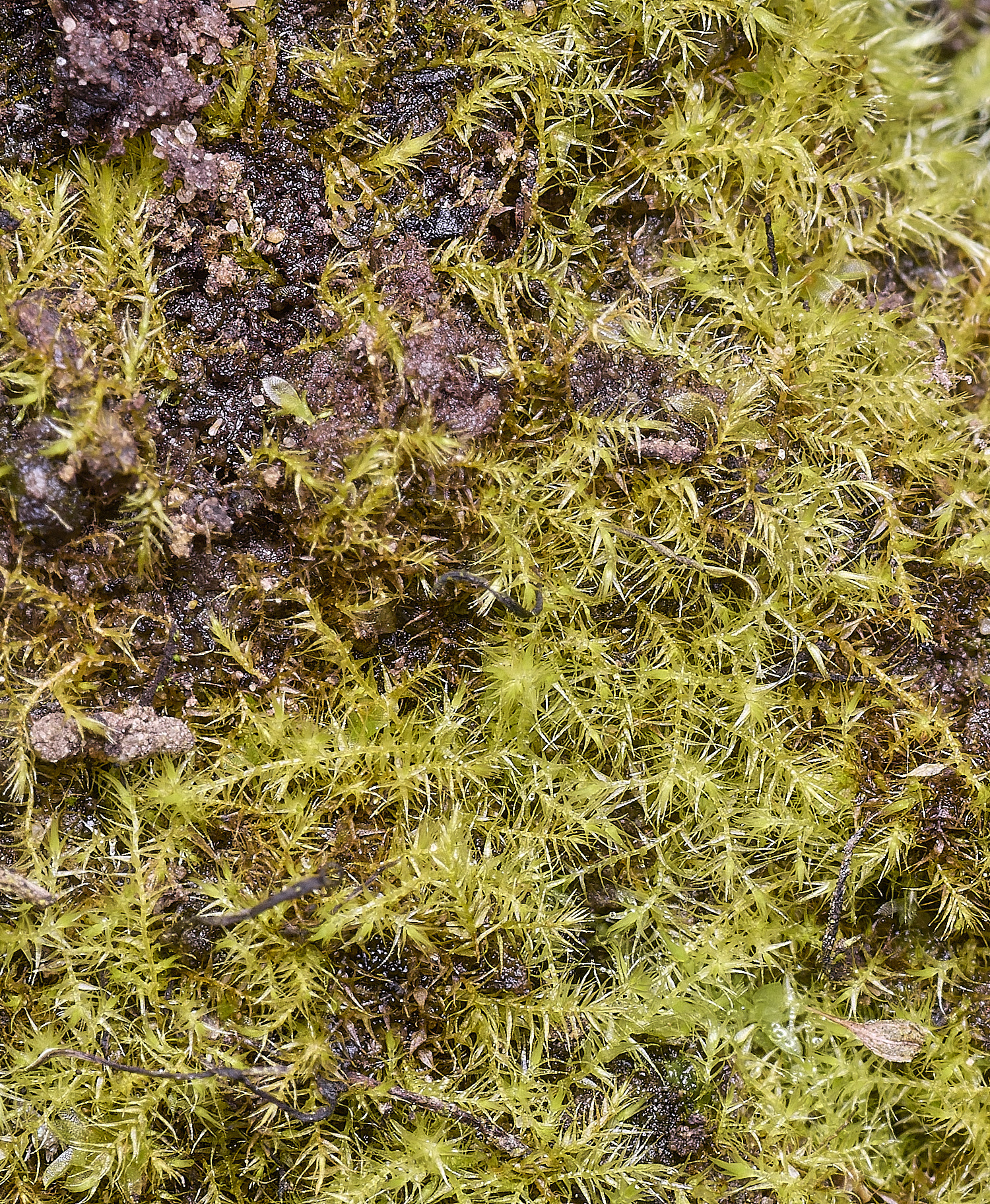
Fox-tail Feather-moss (Thmnobryum alopecurum)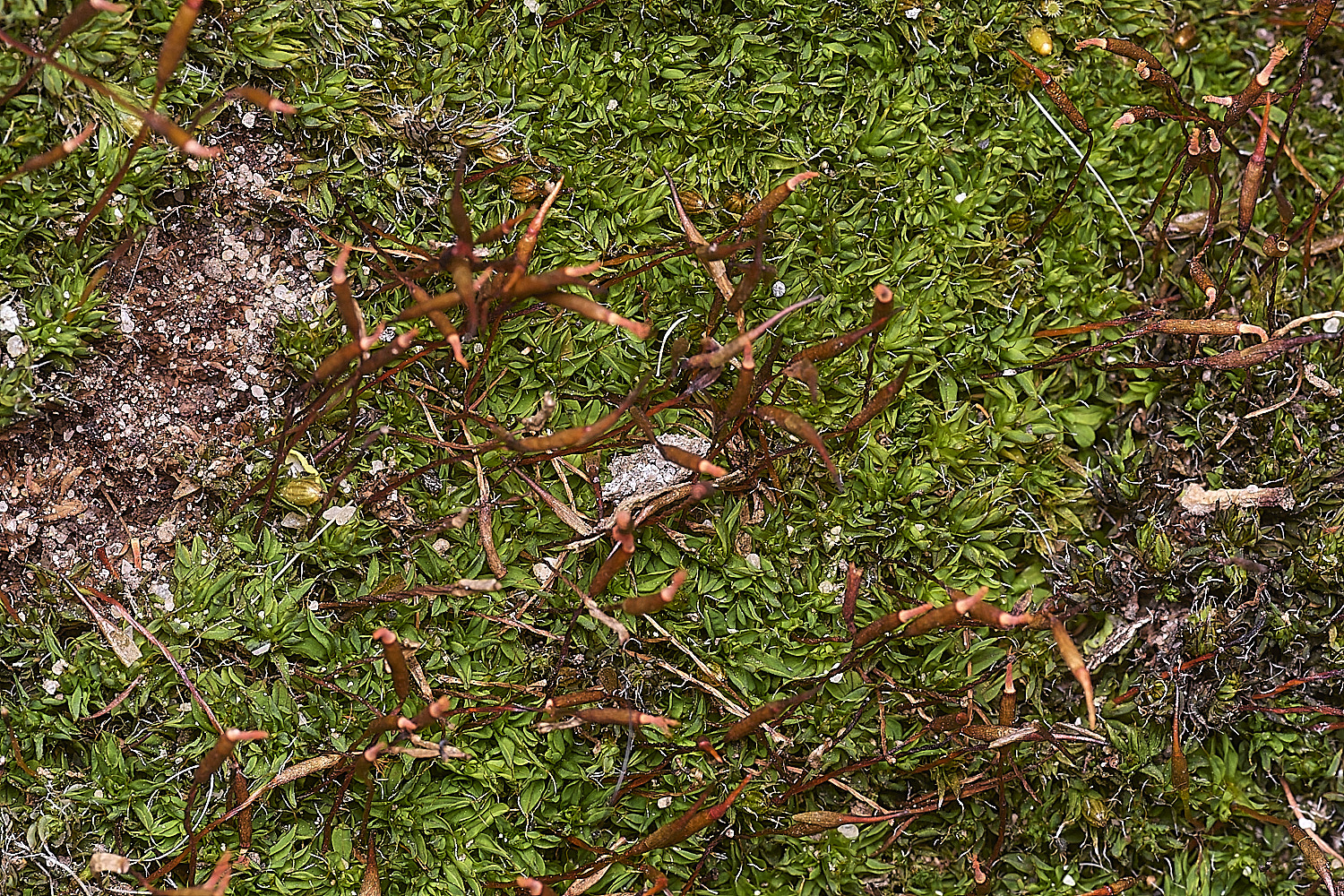
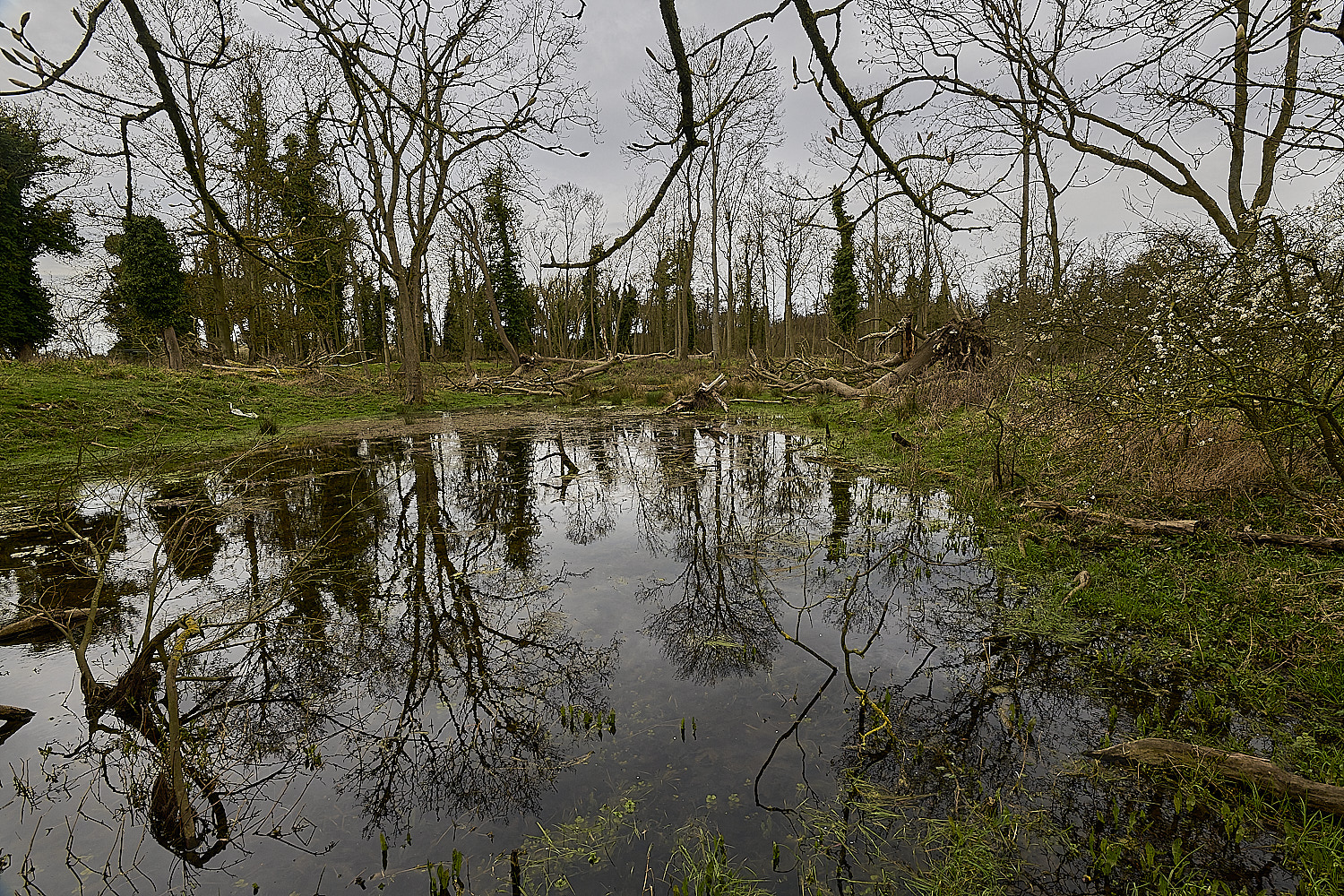
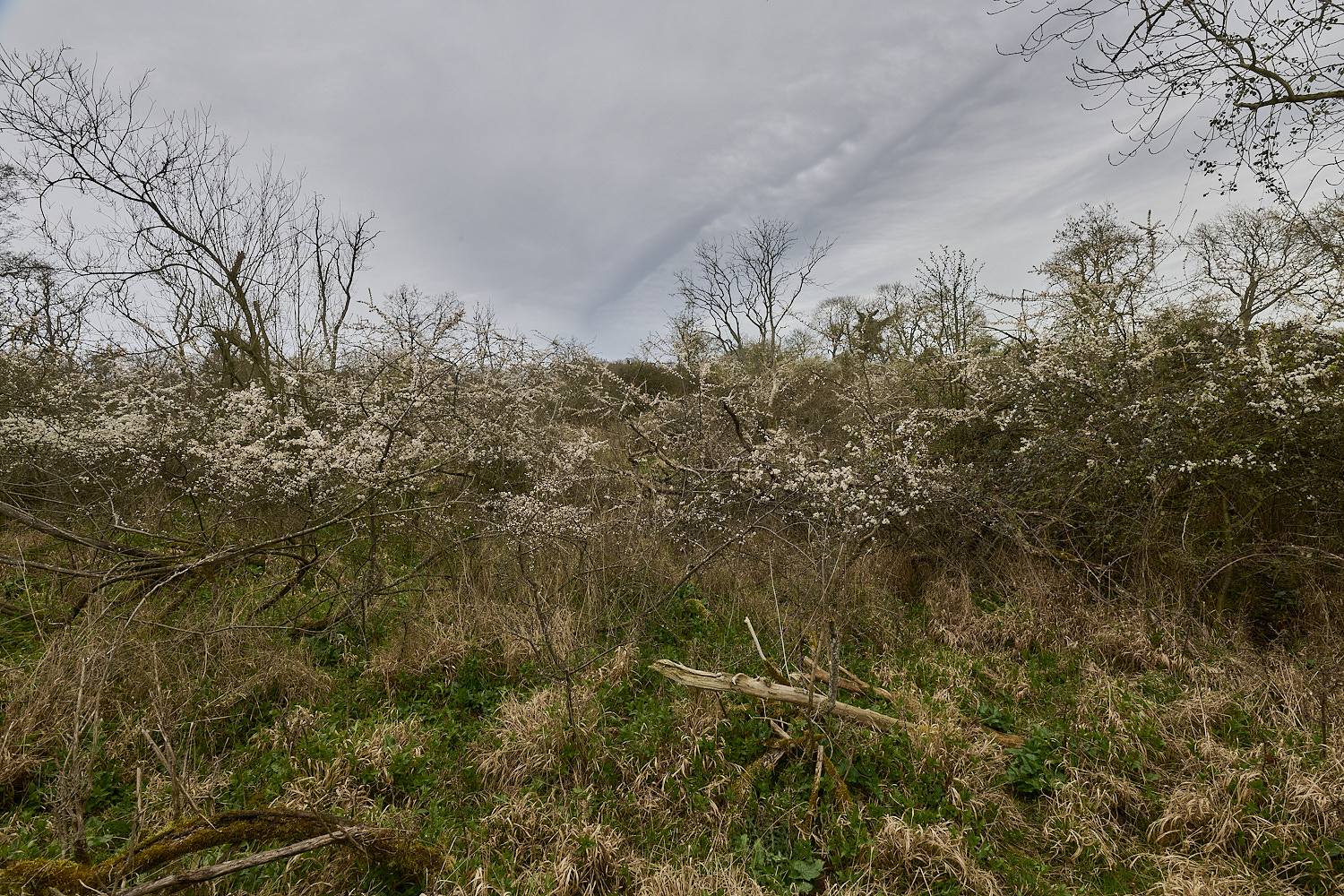
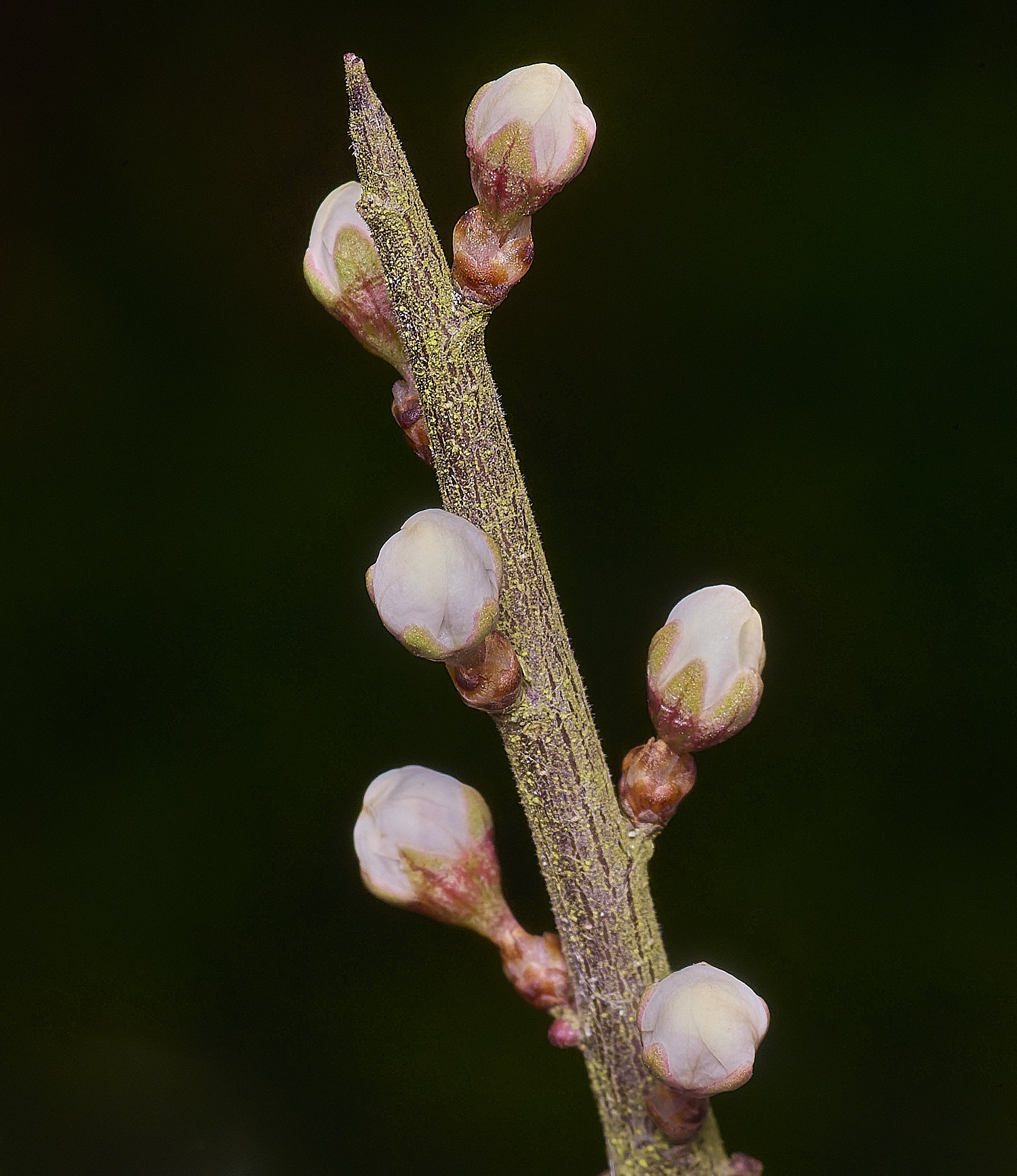
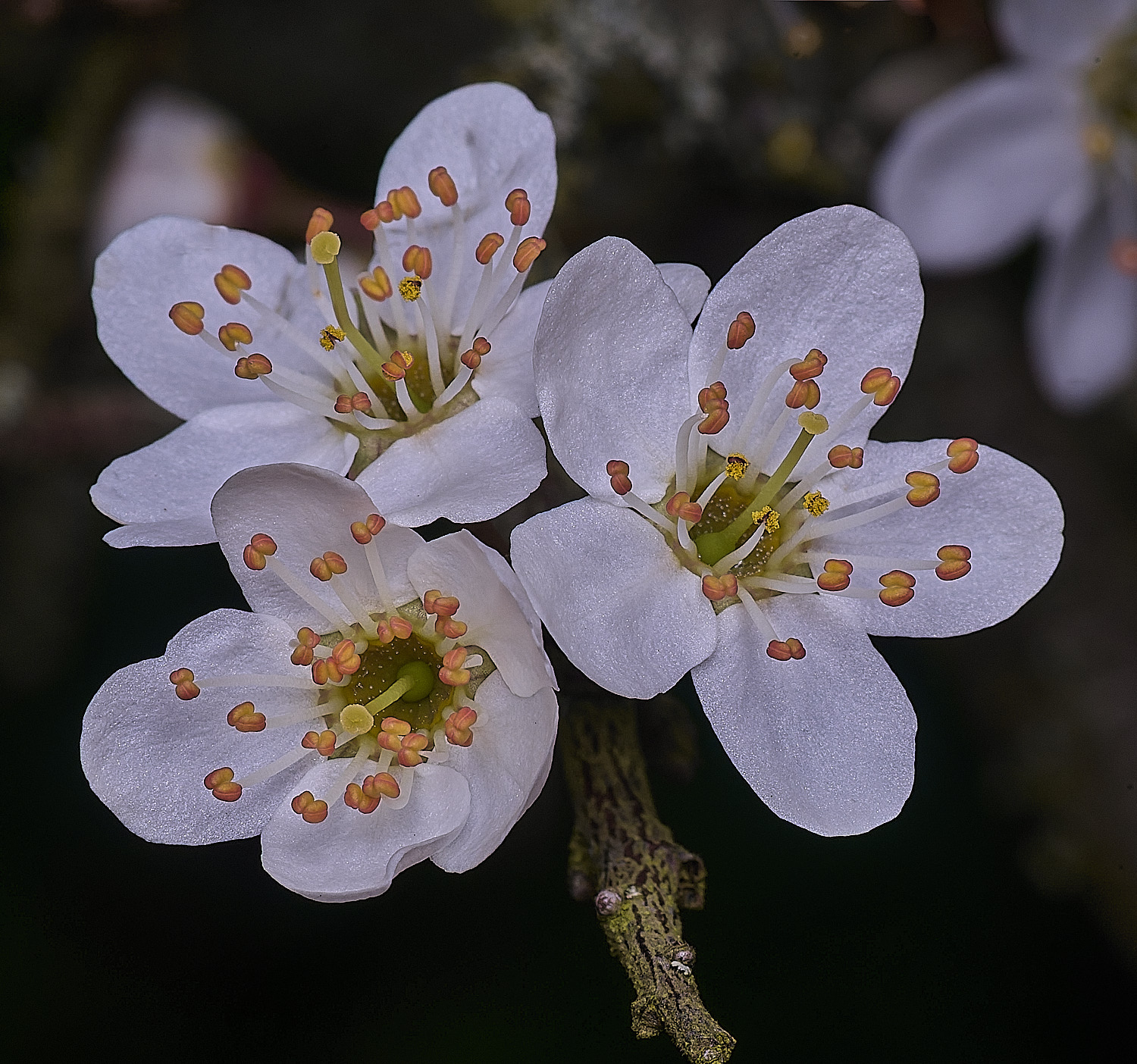
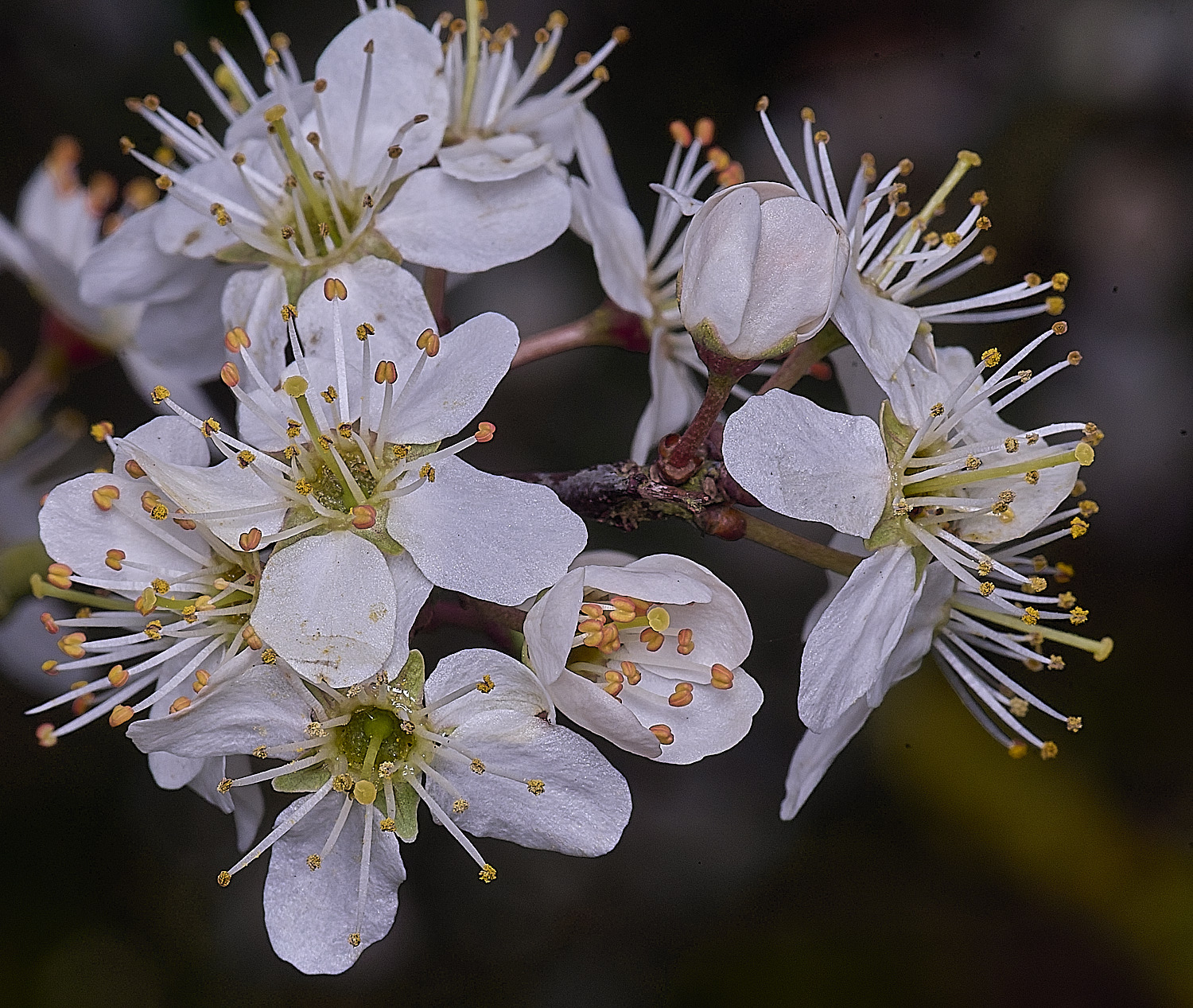
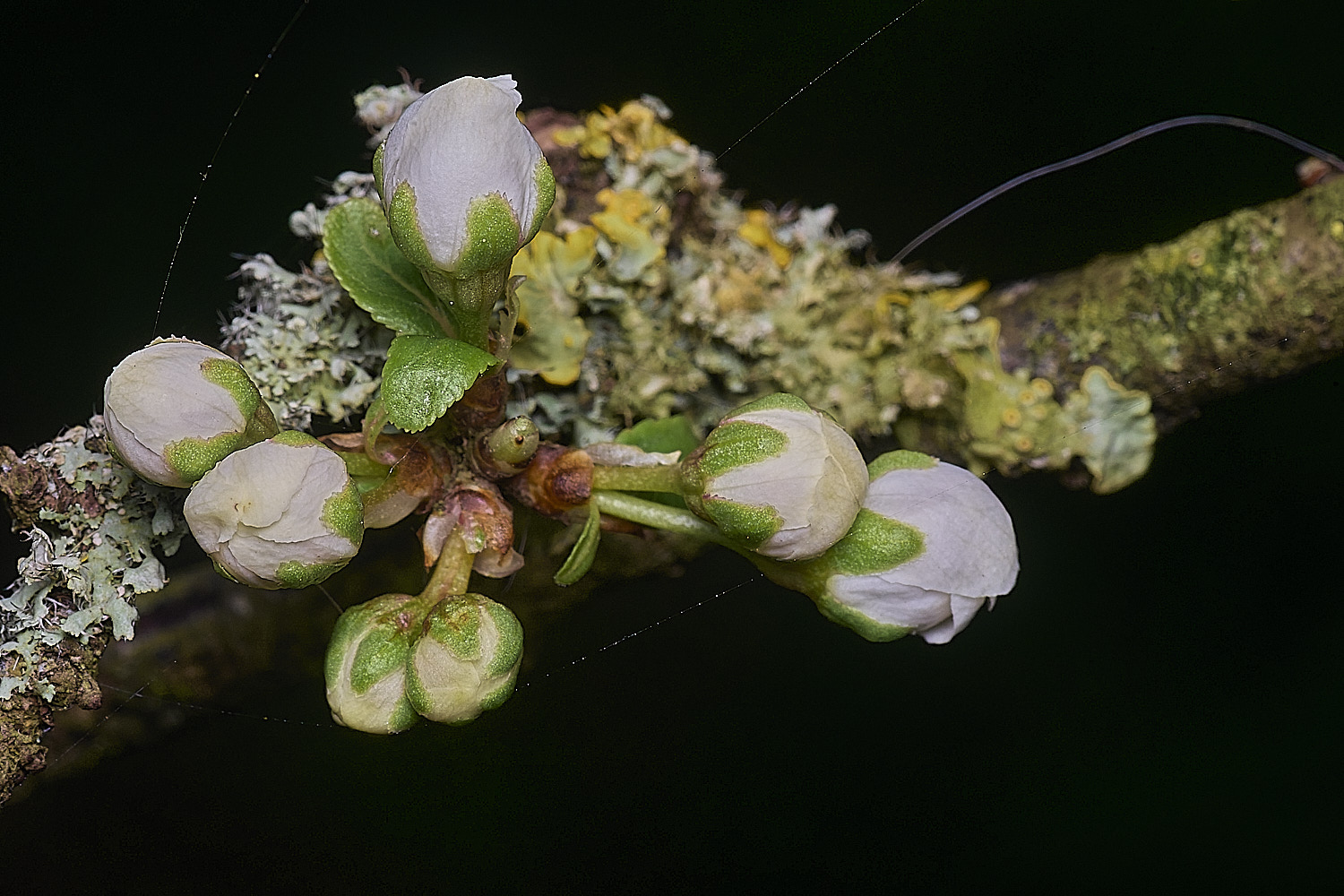
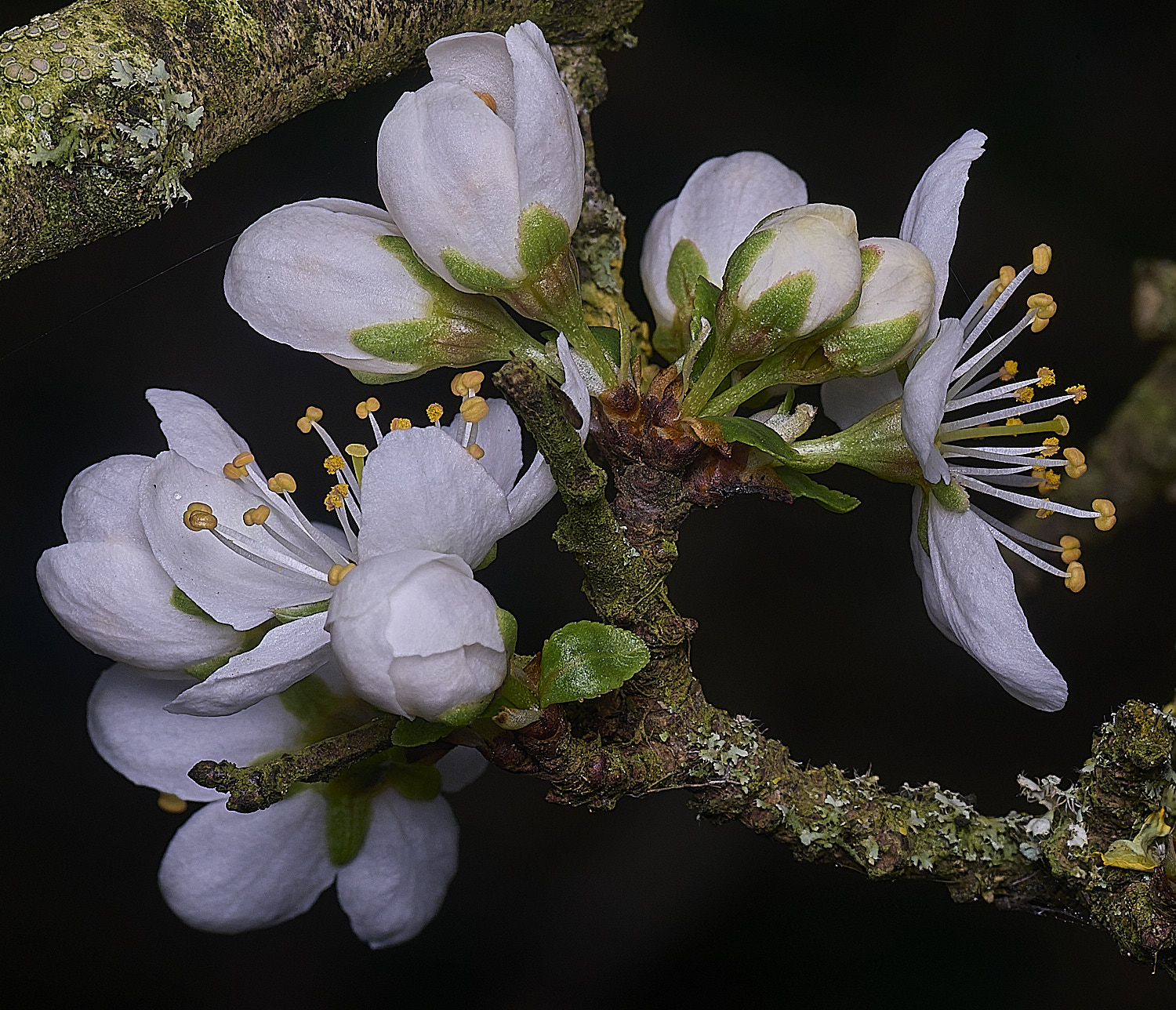
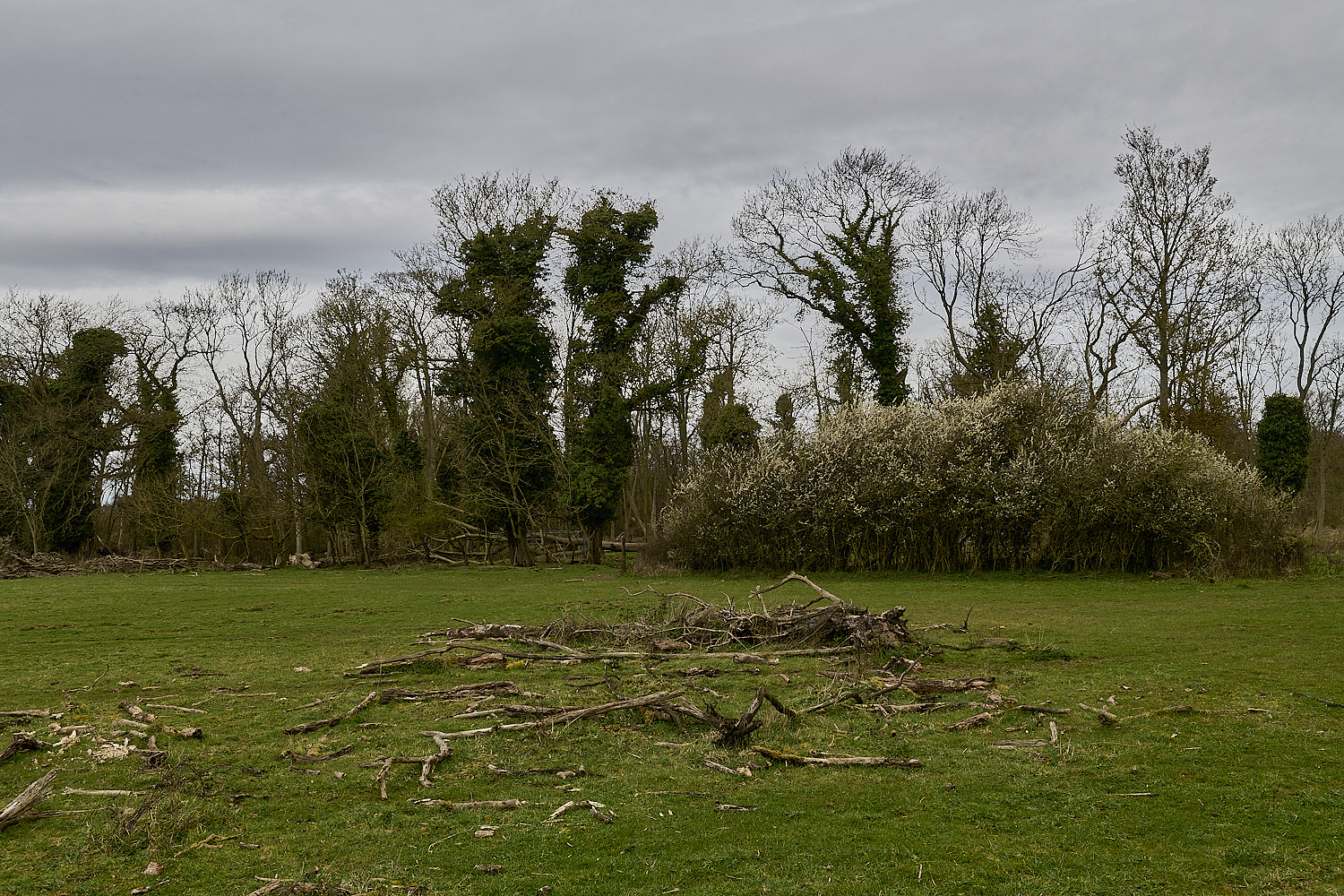
Blackthorn (Prunus spinosa)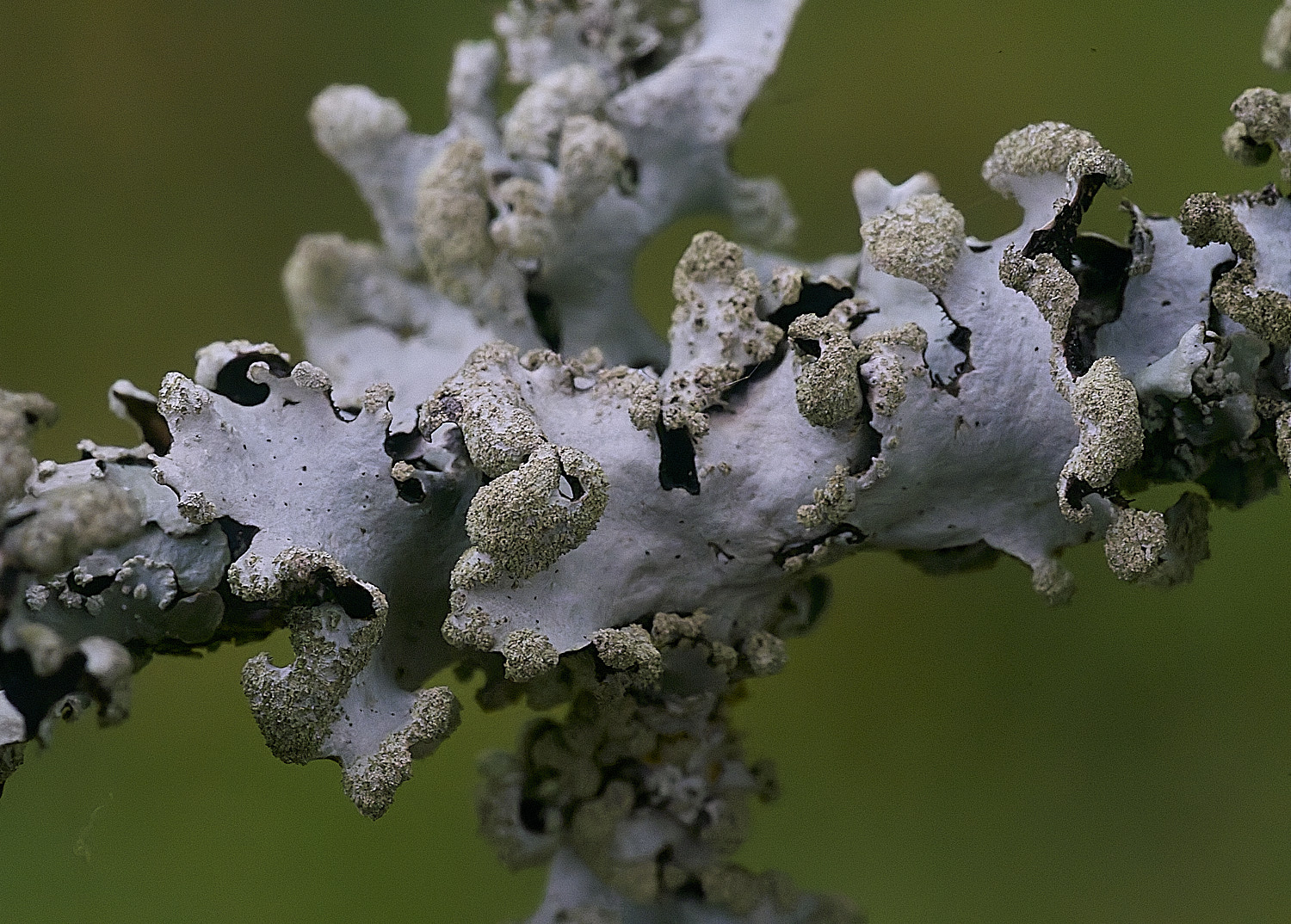
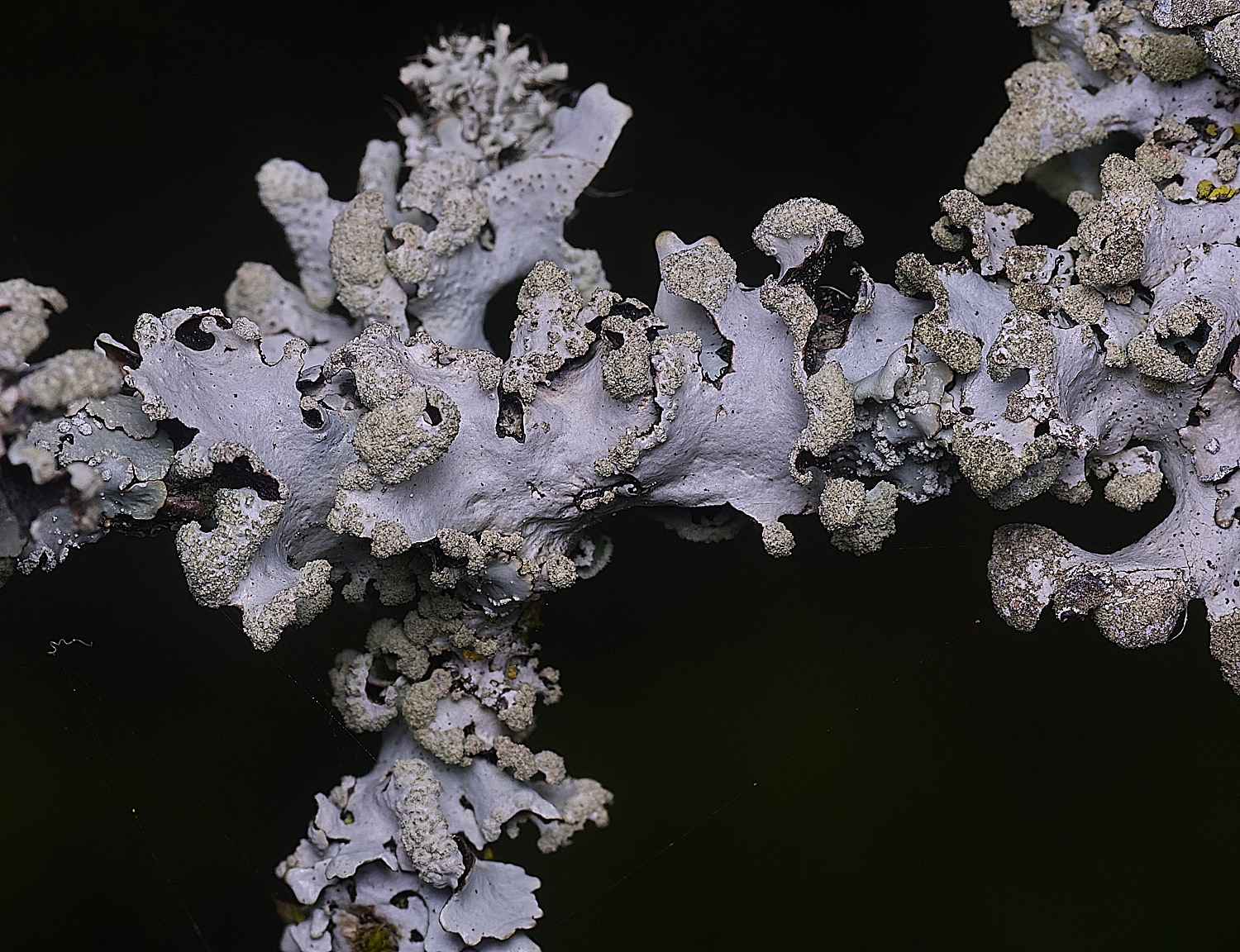
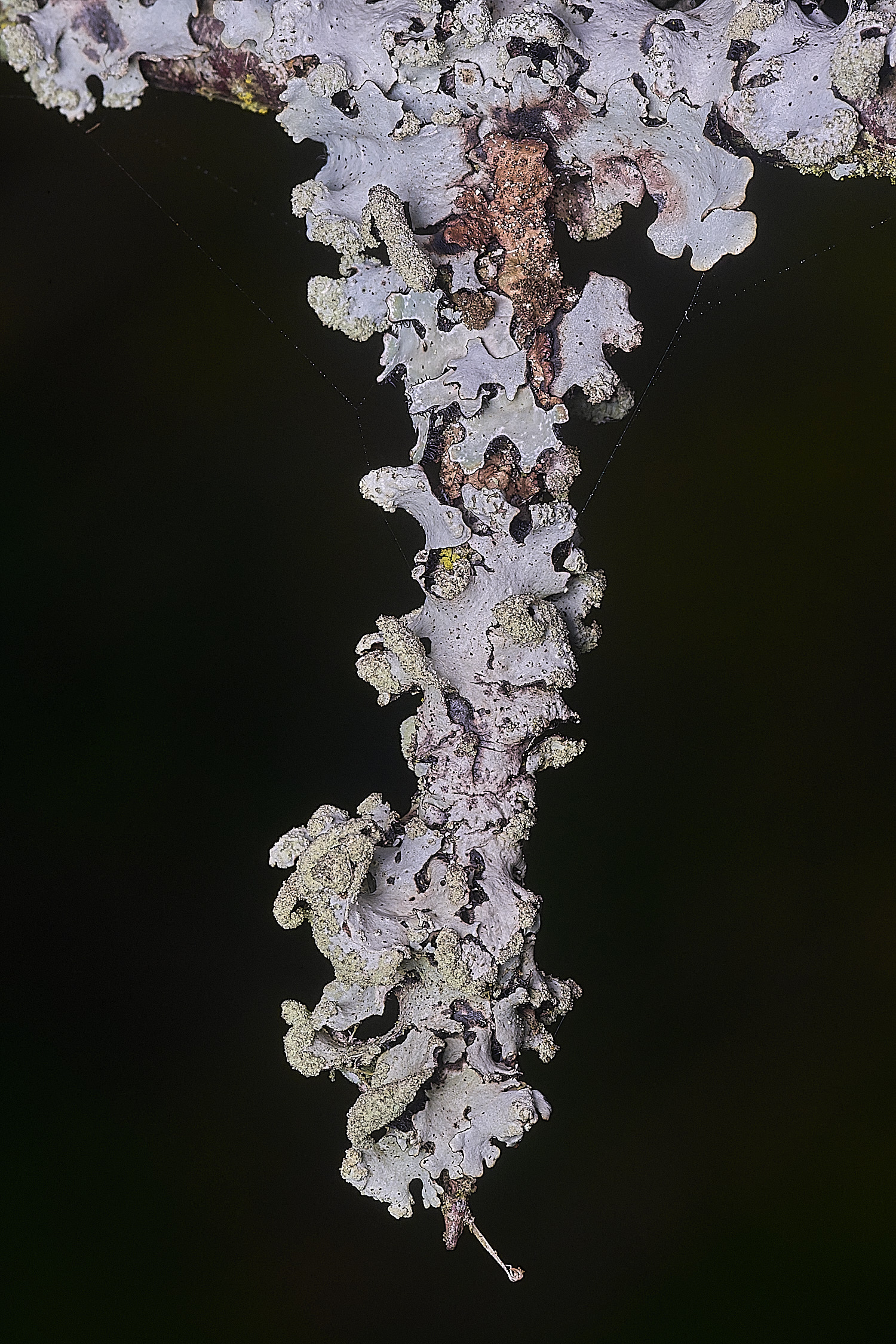
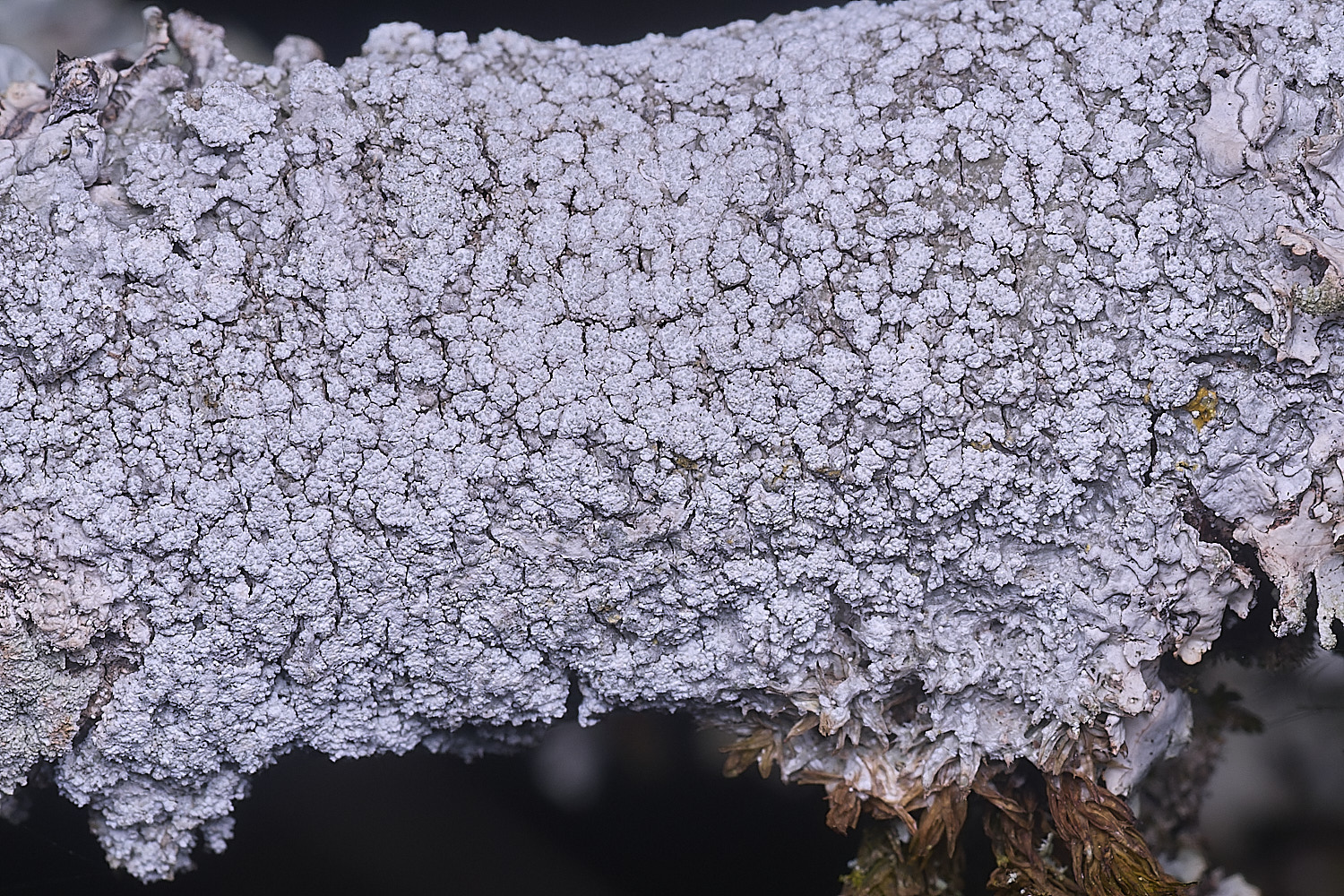
LichenSp on the Blackthorn Twigs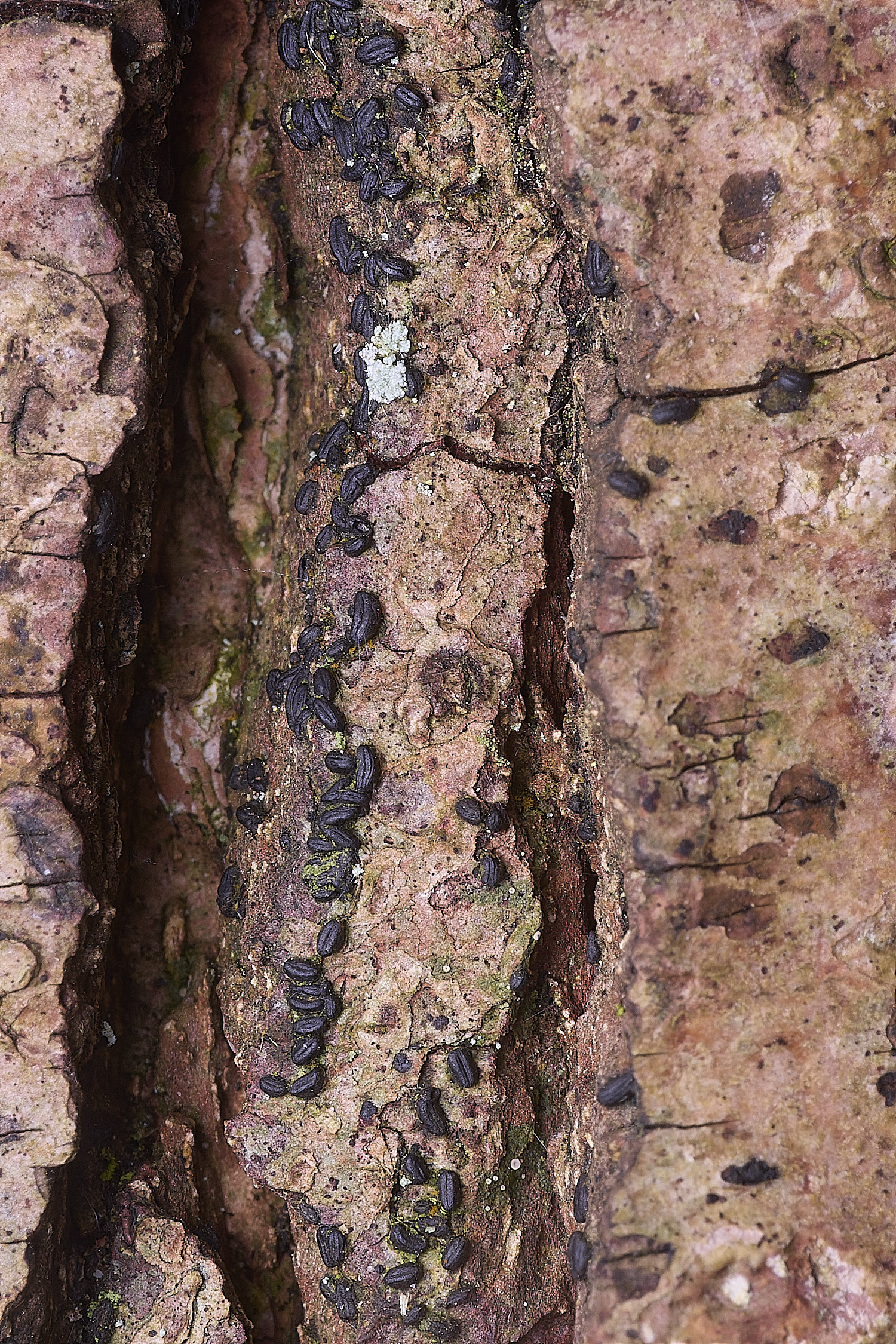
LichenSp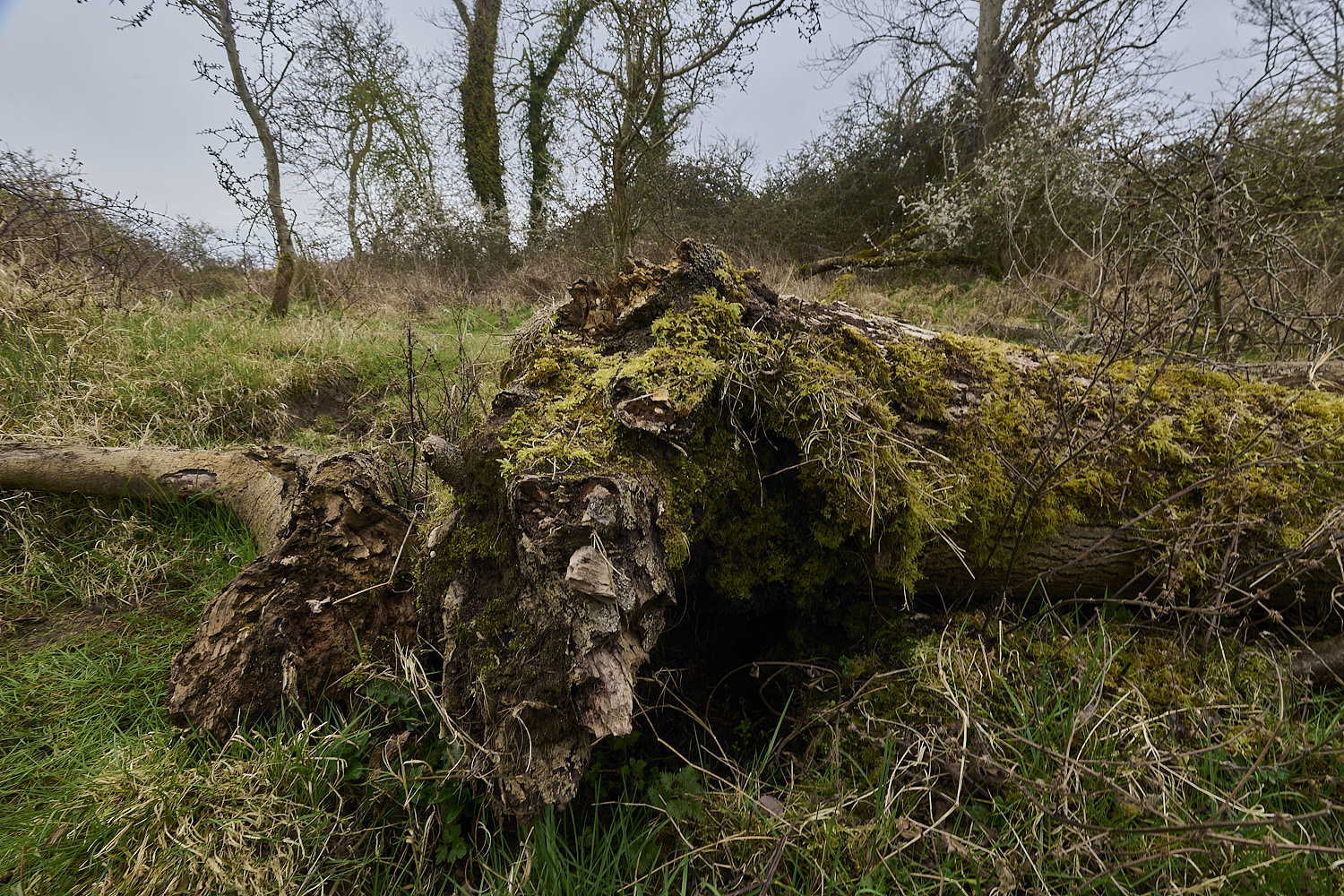
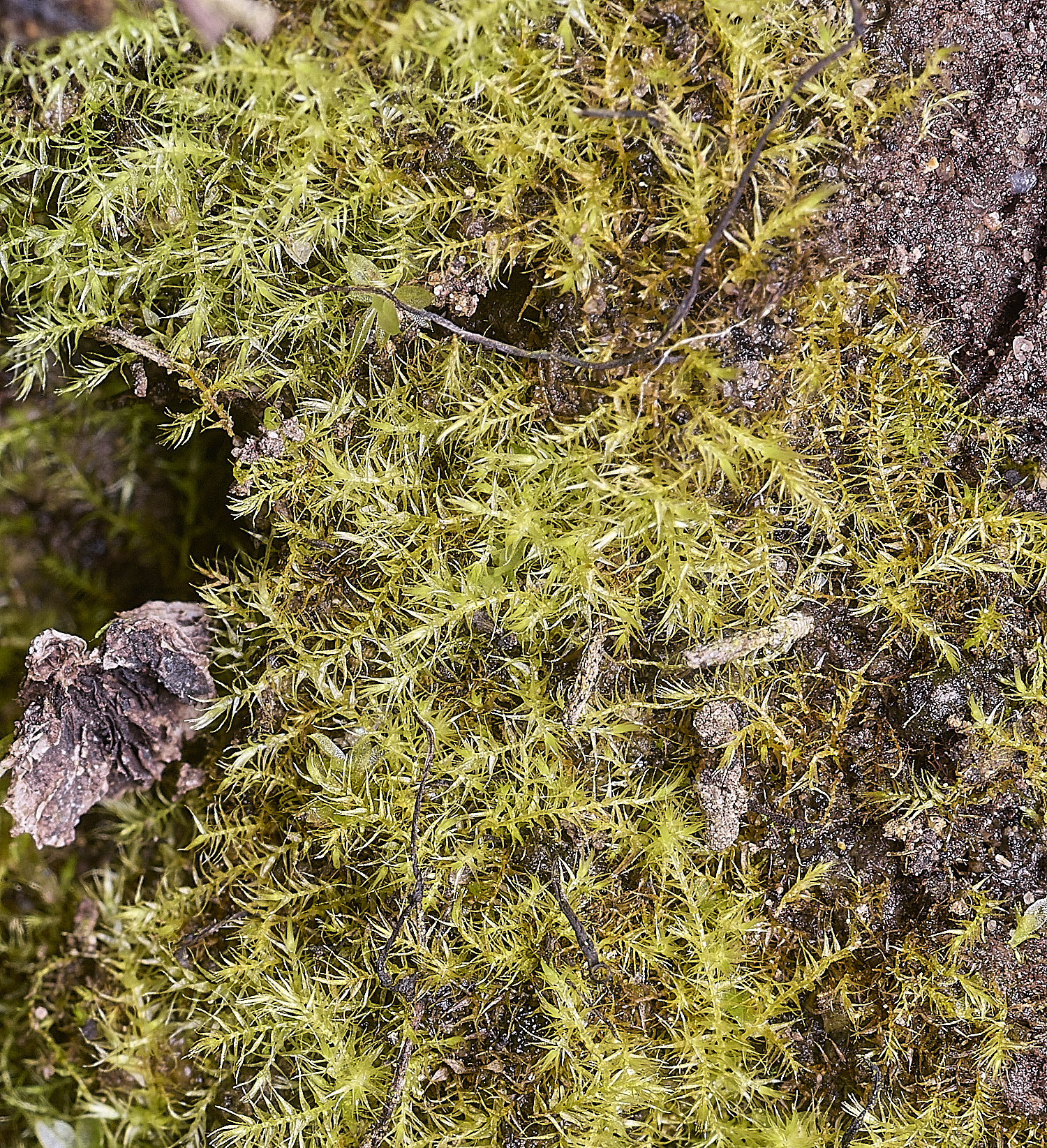
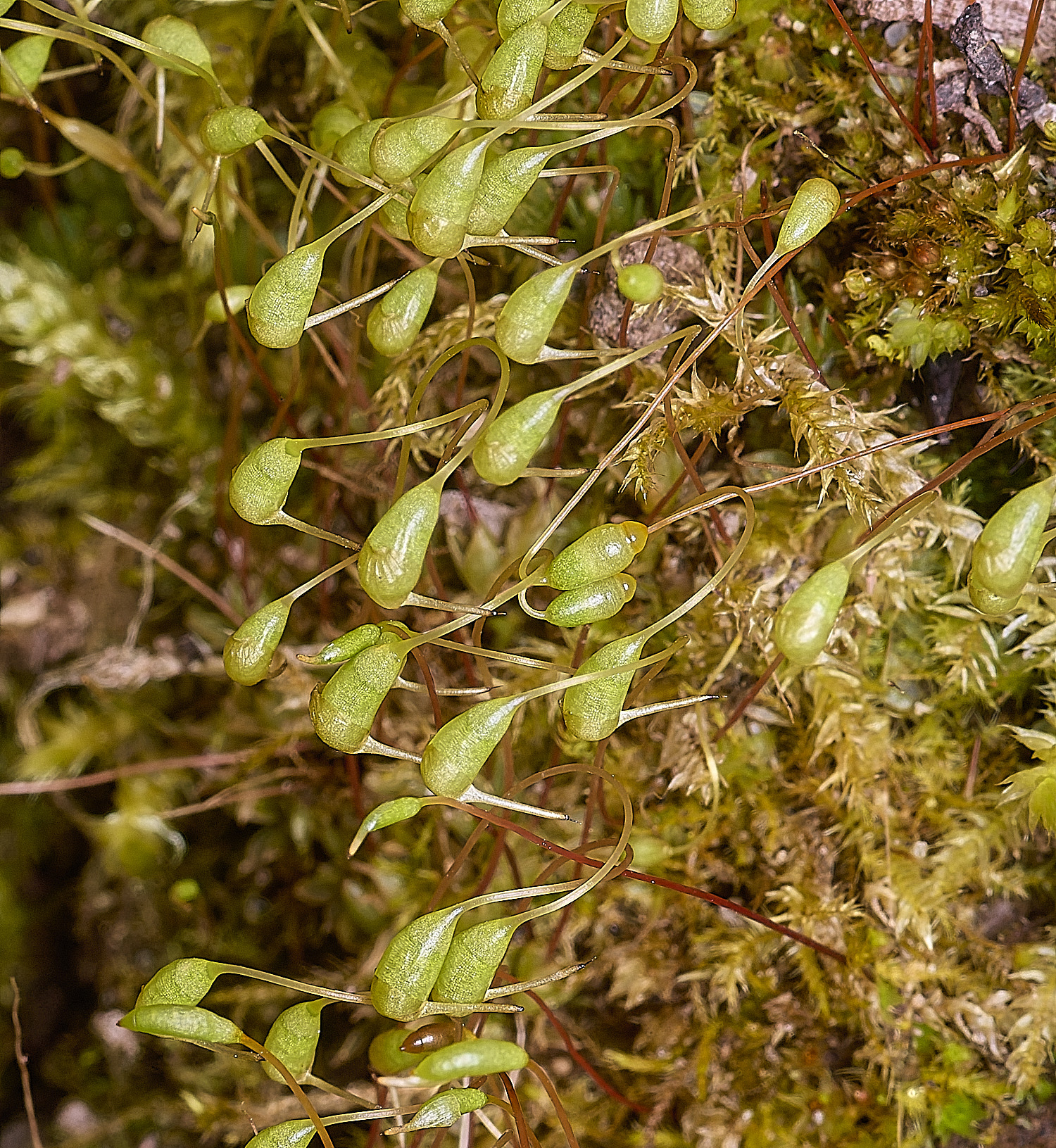
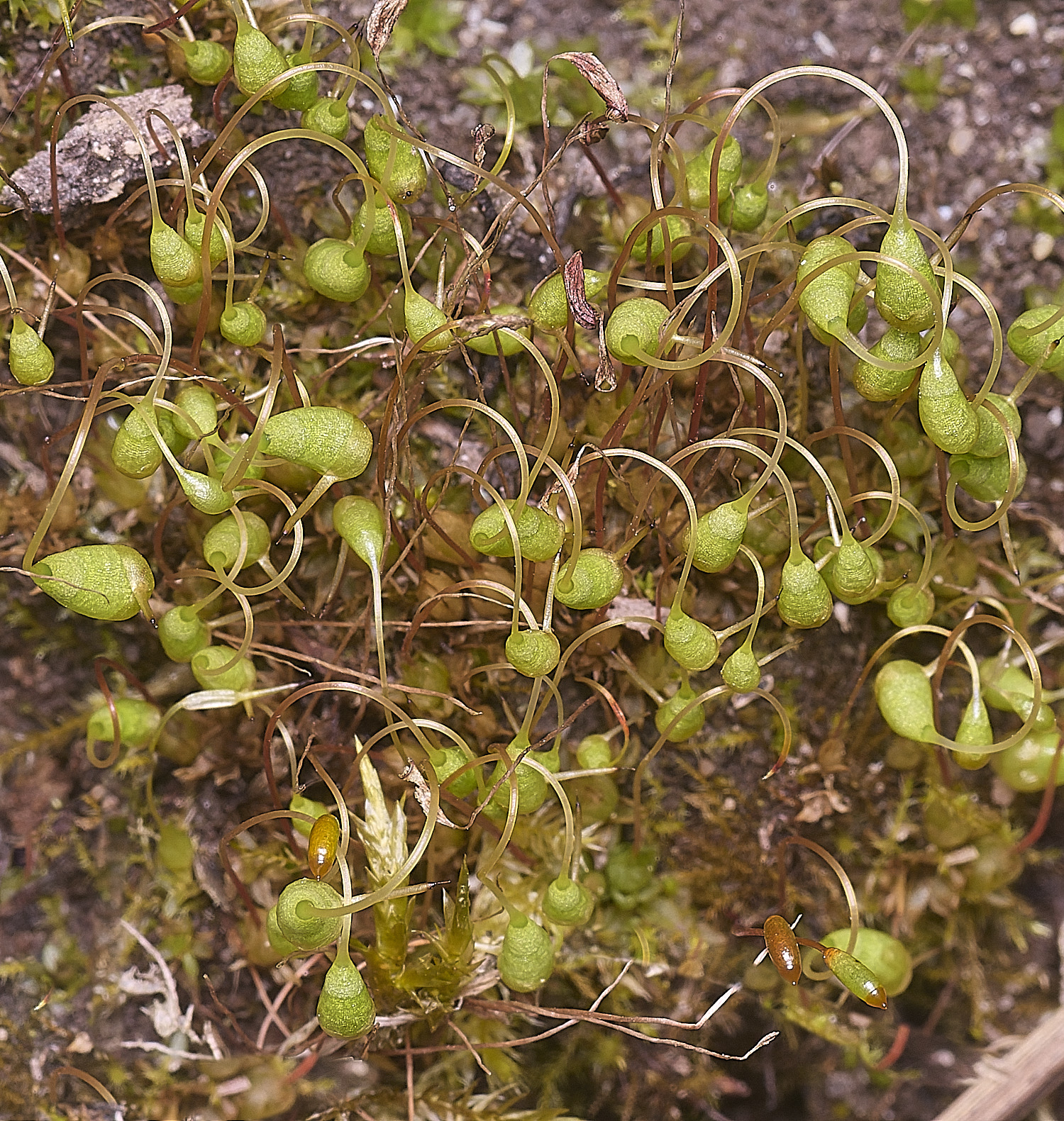
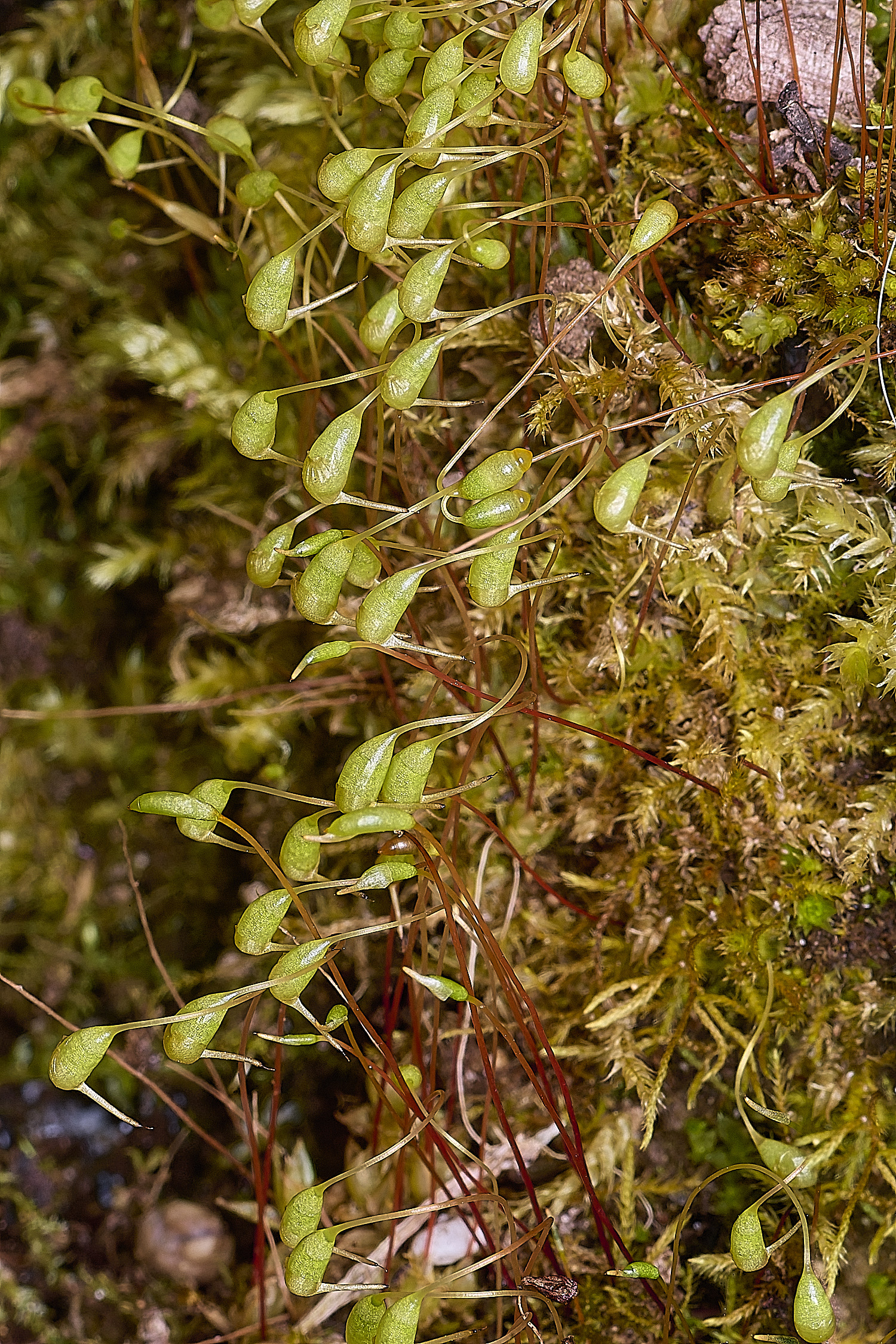
Bonfire-moss (Funaria hygrometrica)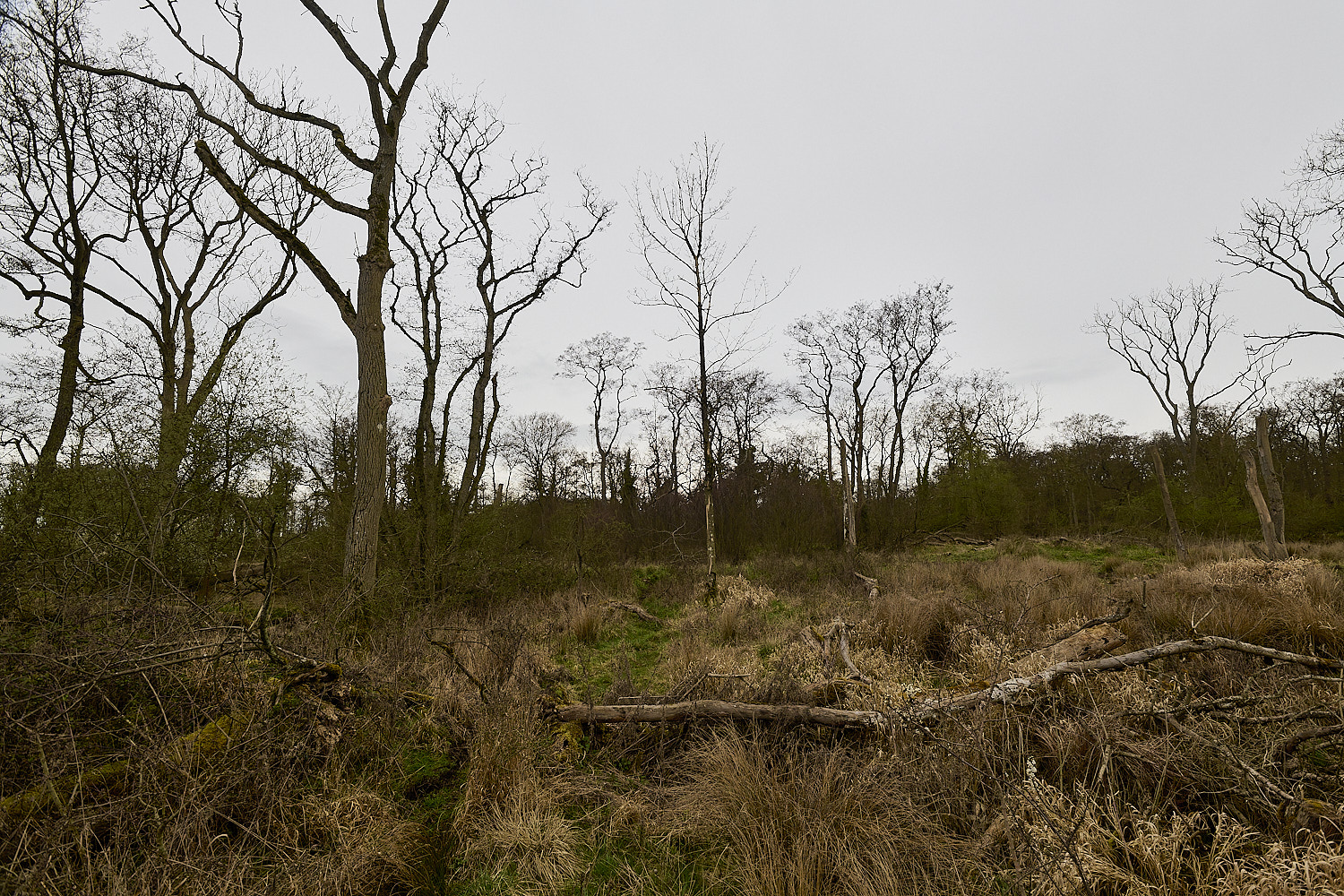
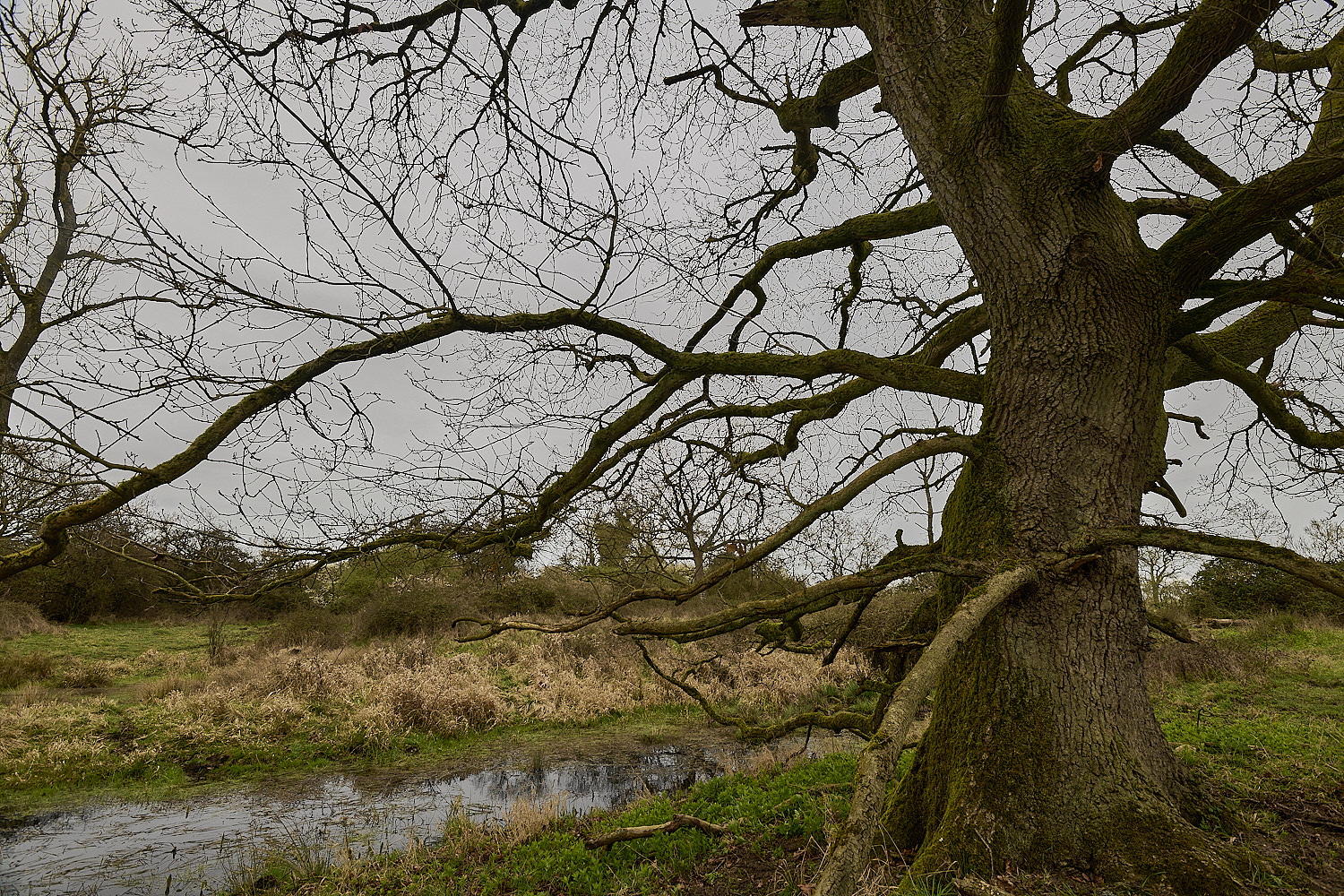
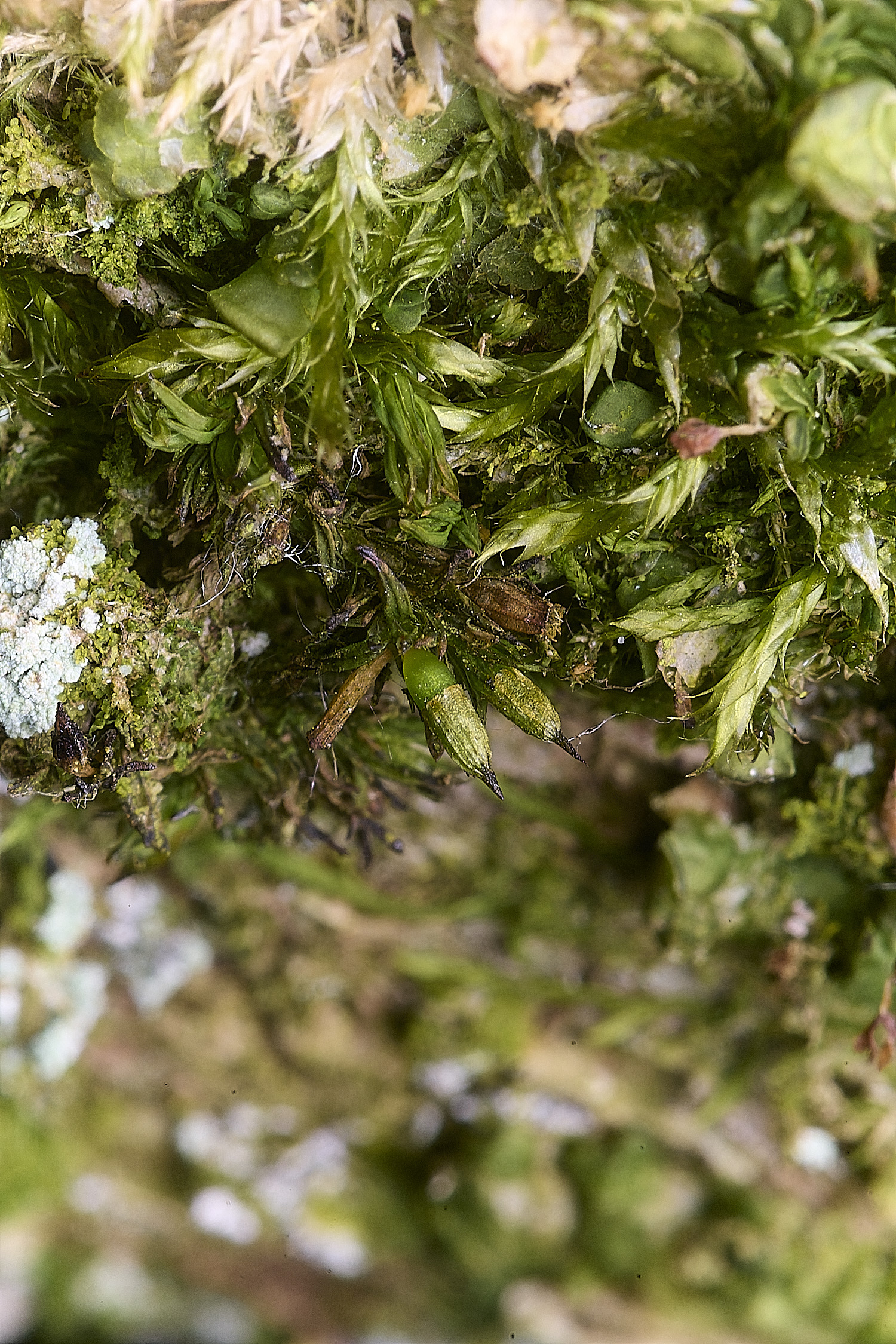
Slender Bristle-moss (Orthotrichum tenellum)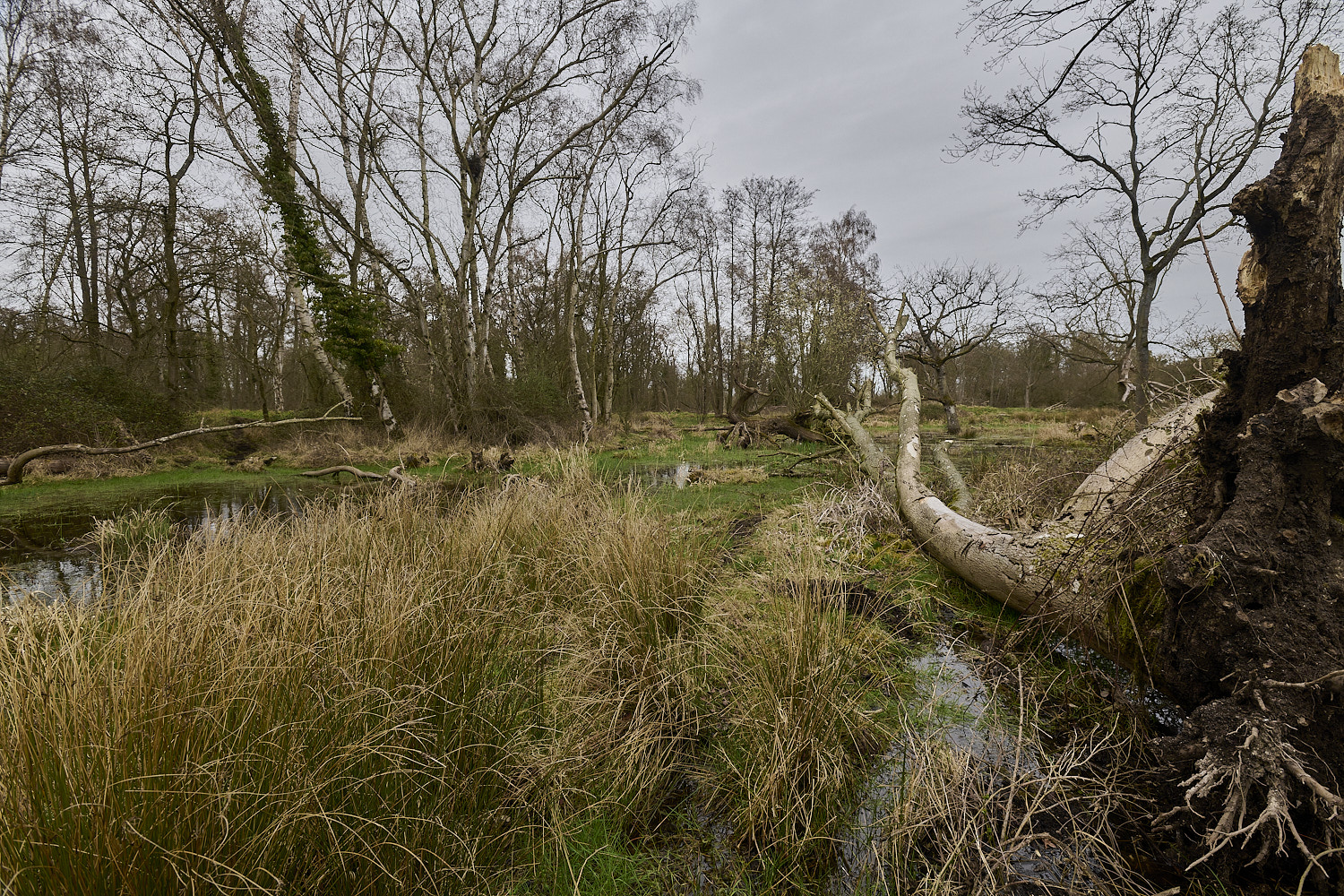
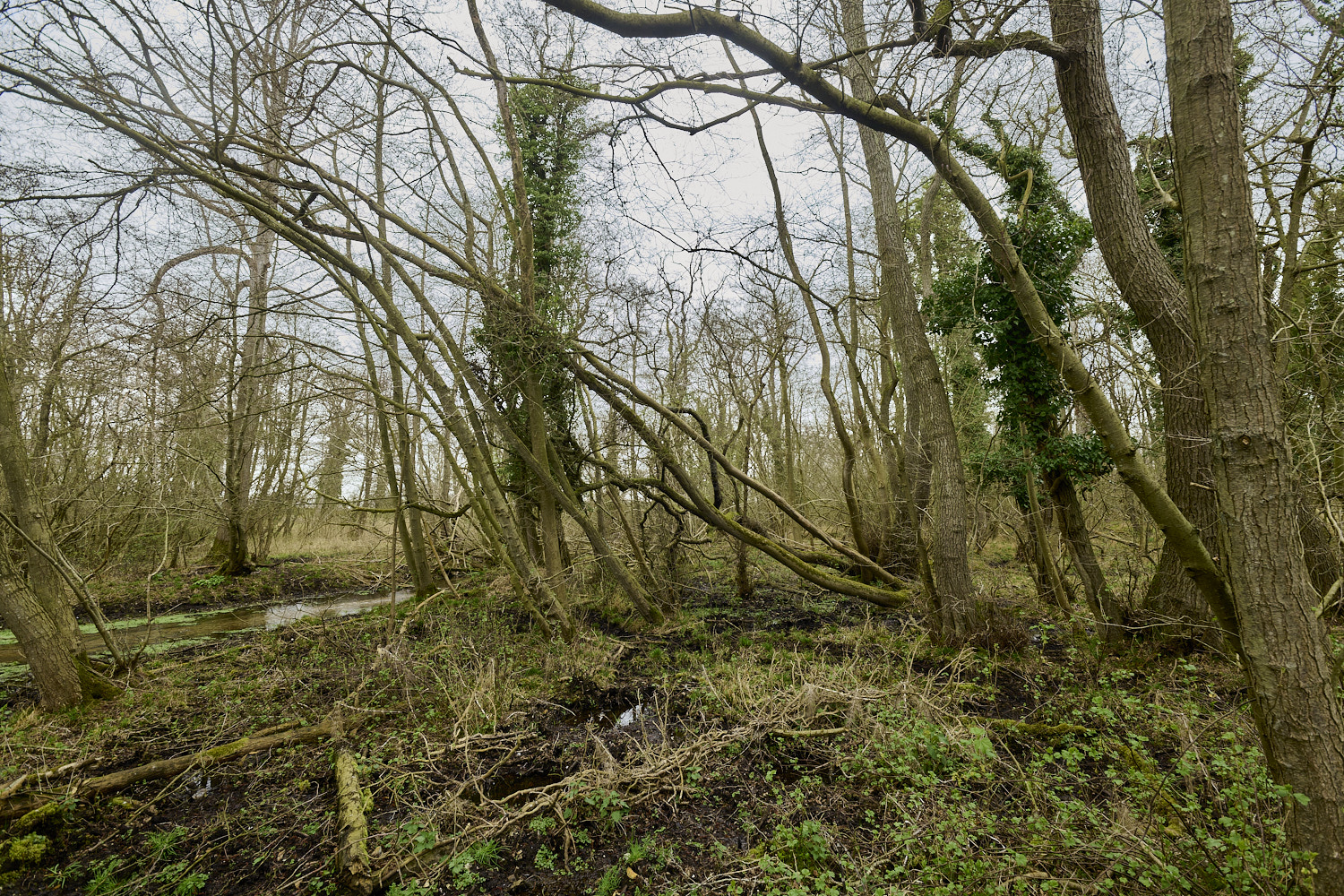
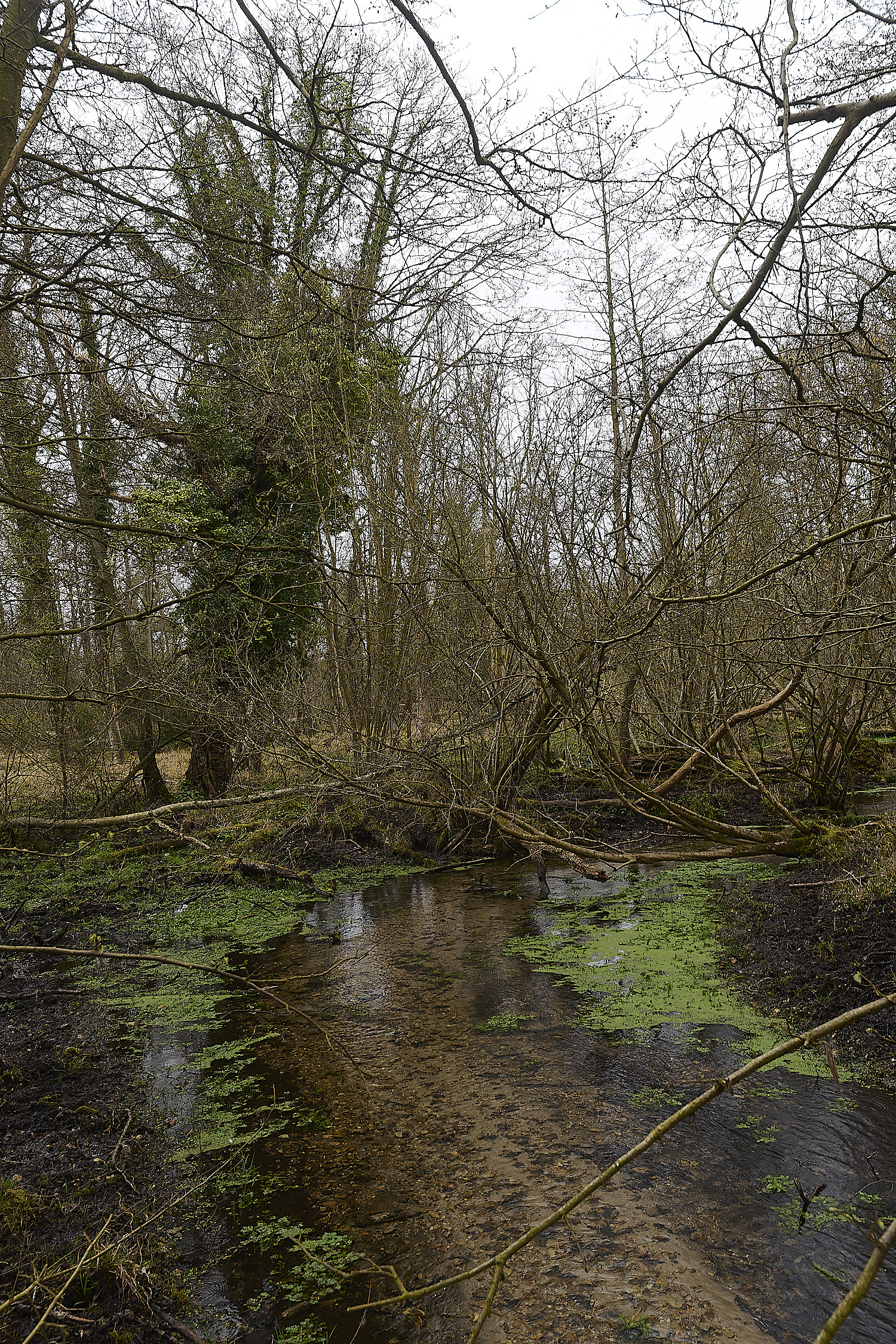
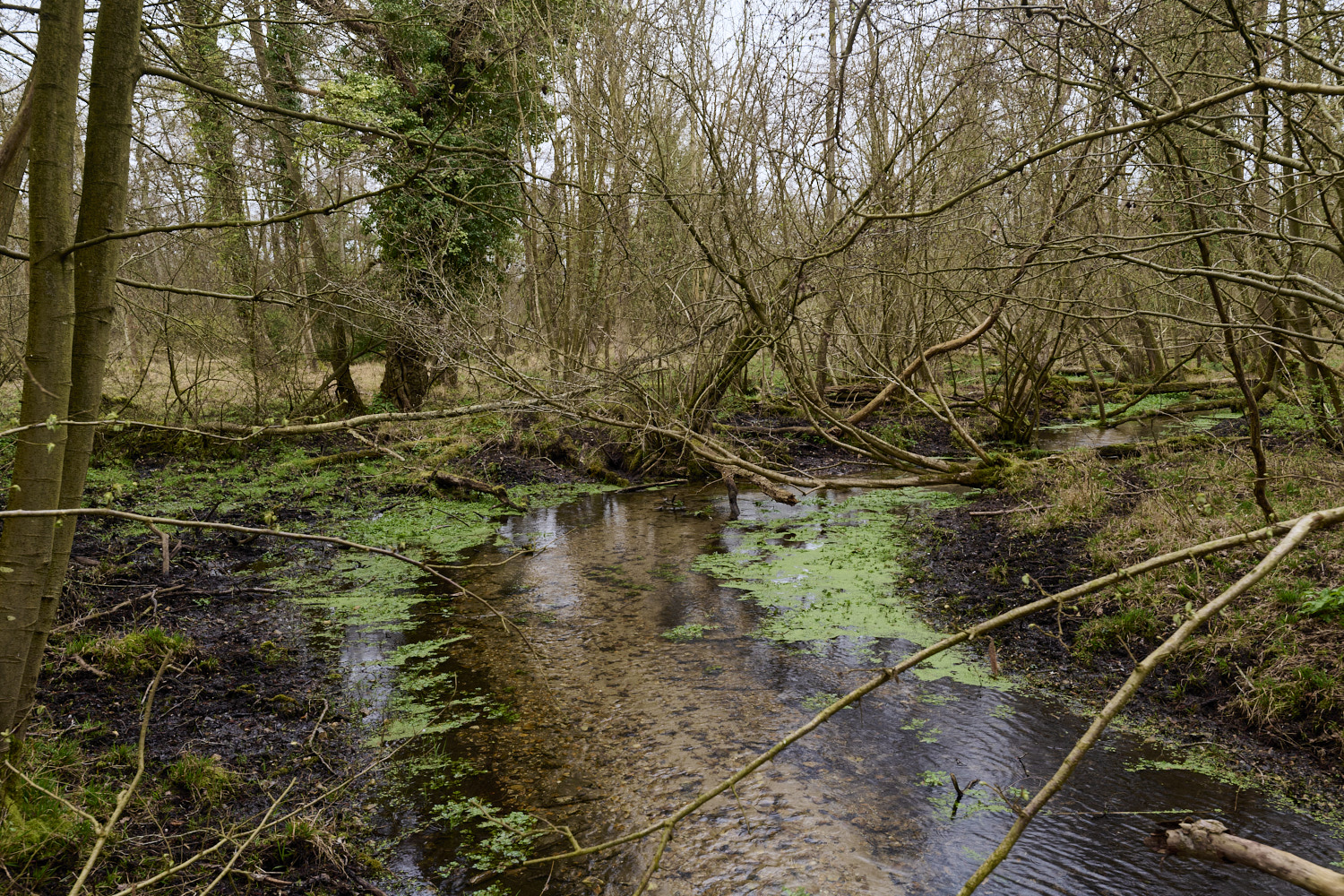
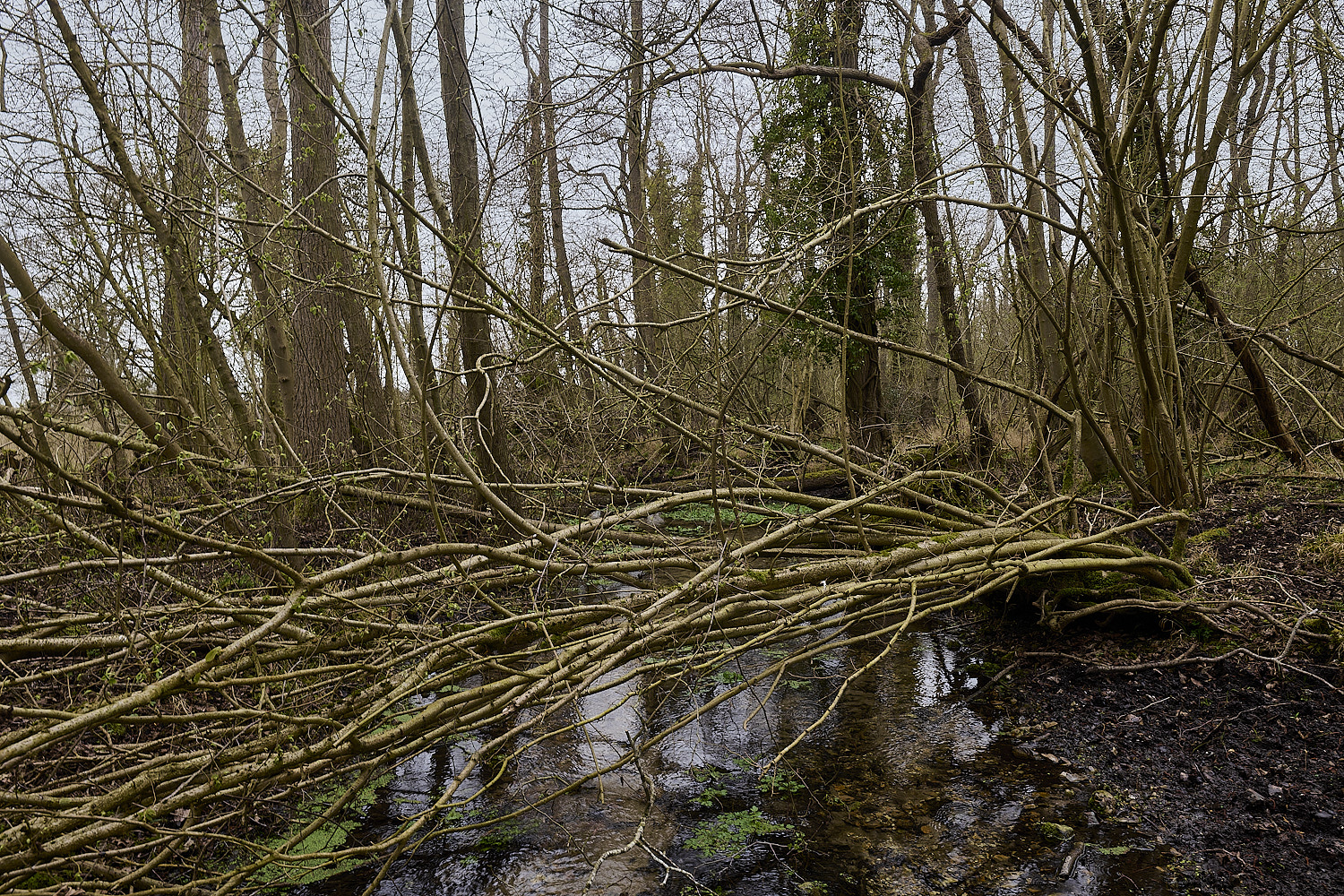
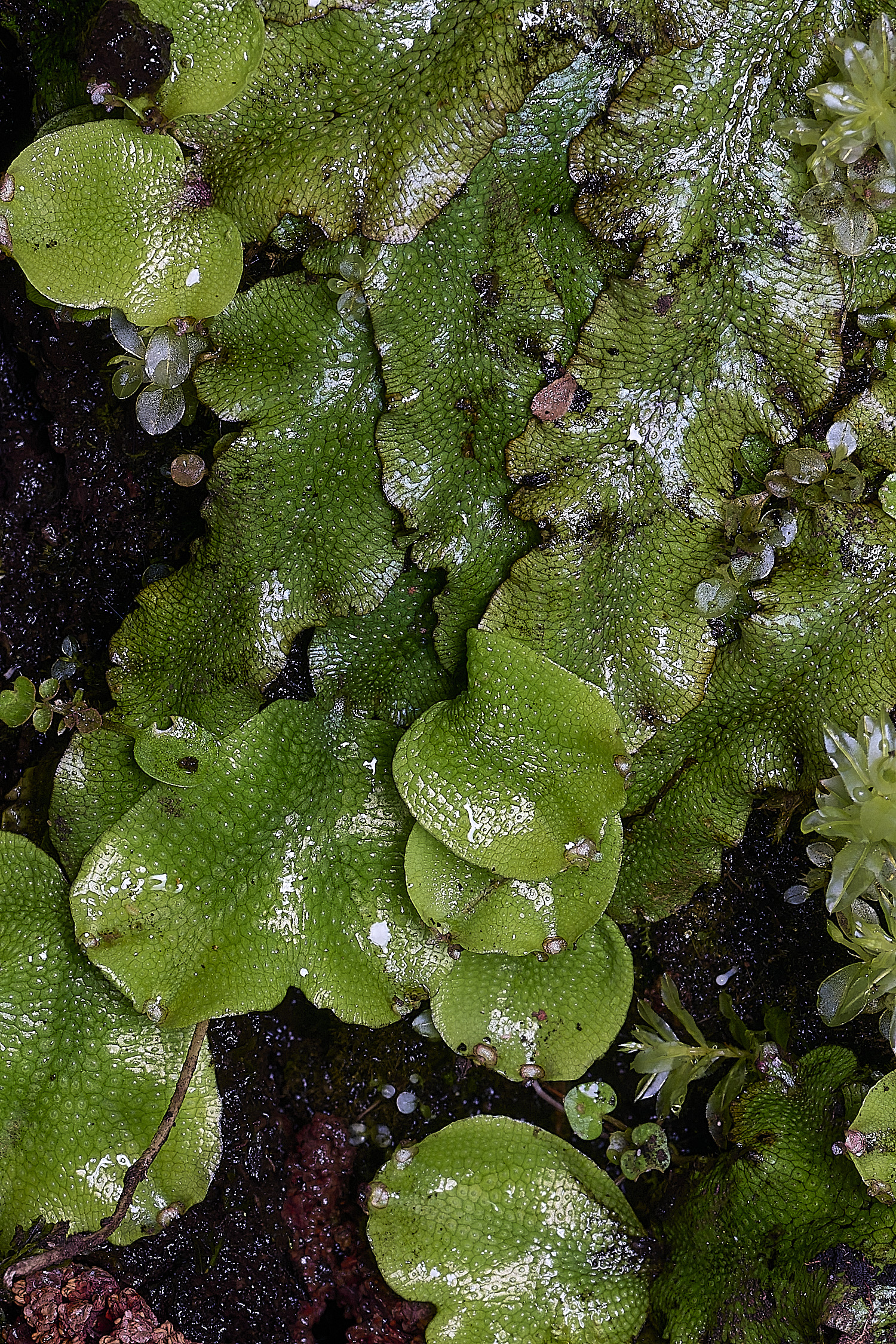
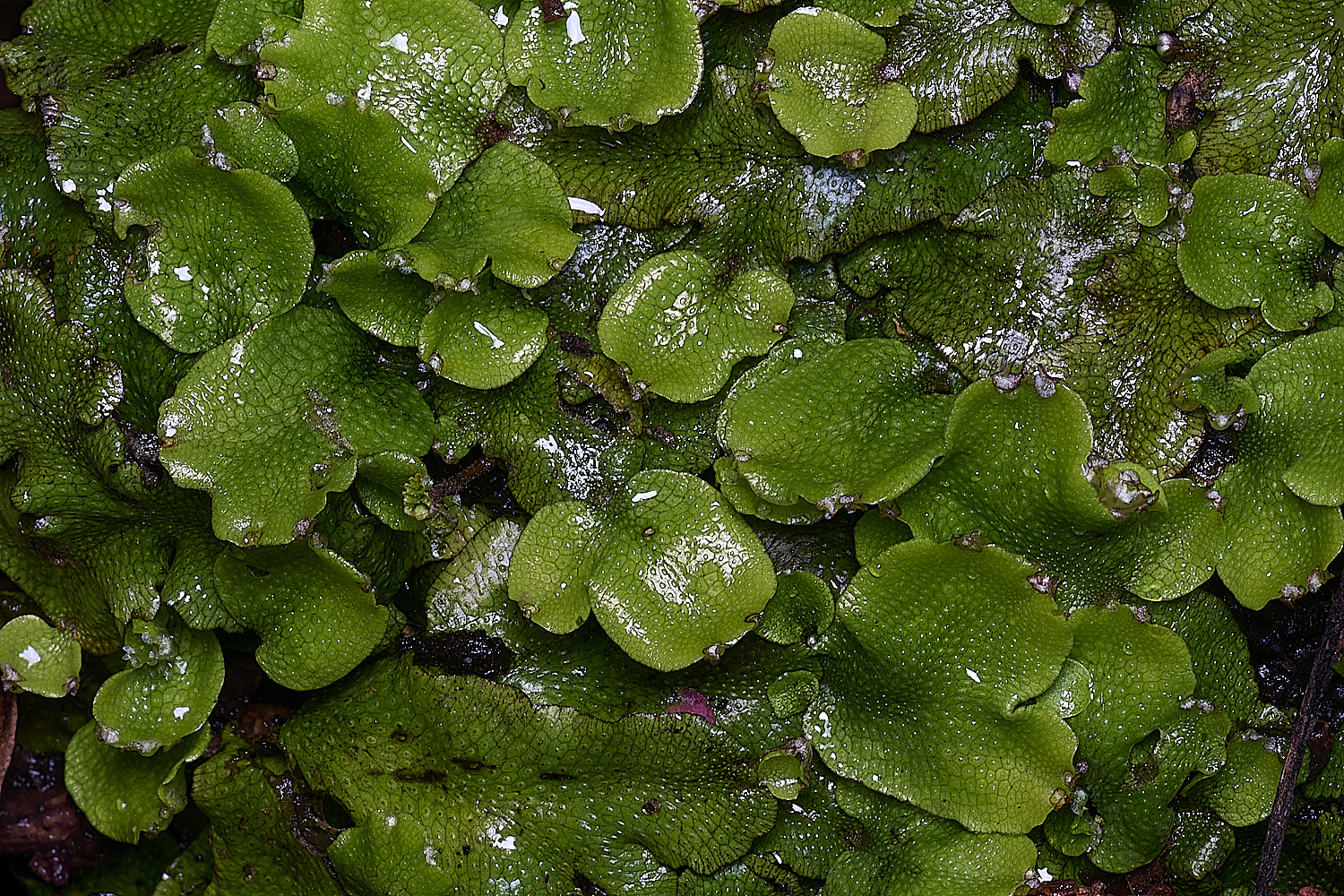
Great Scented Liverwort (Concephalum conicum)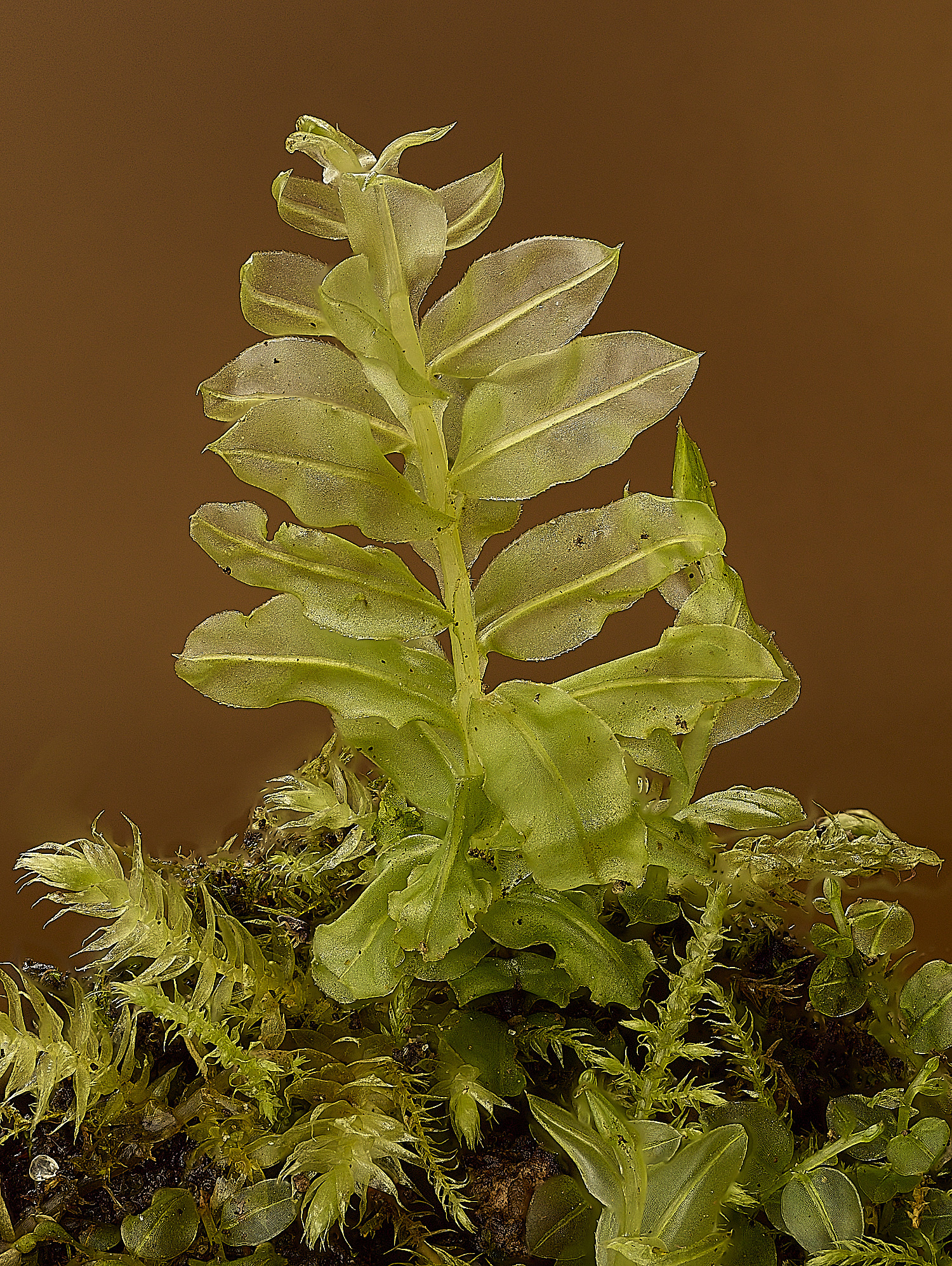
Tall Thyme-moss (Plagiomnium elatum)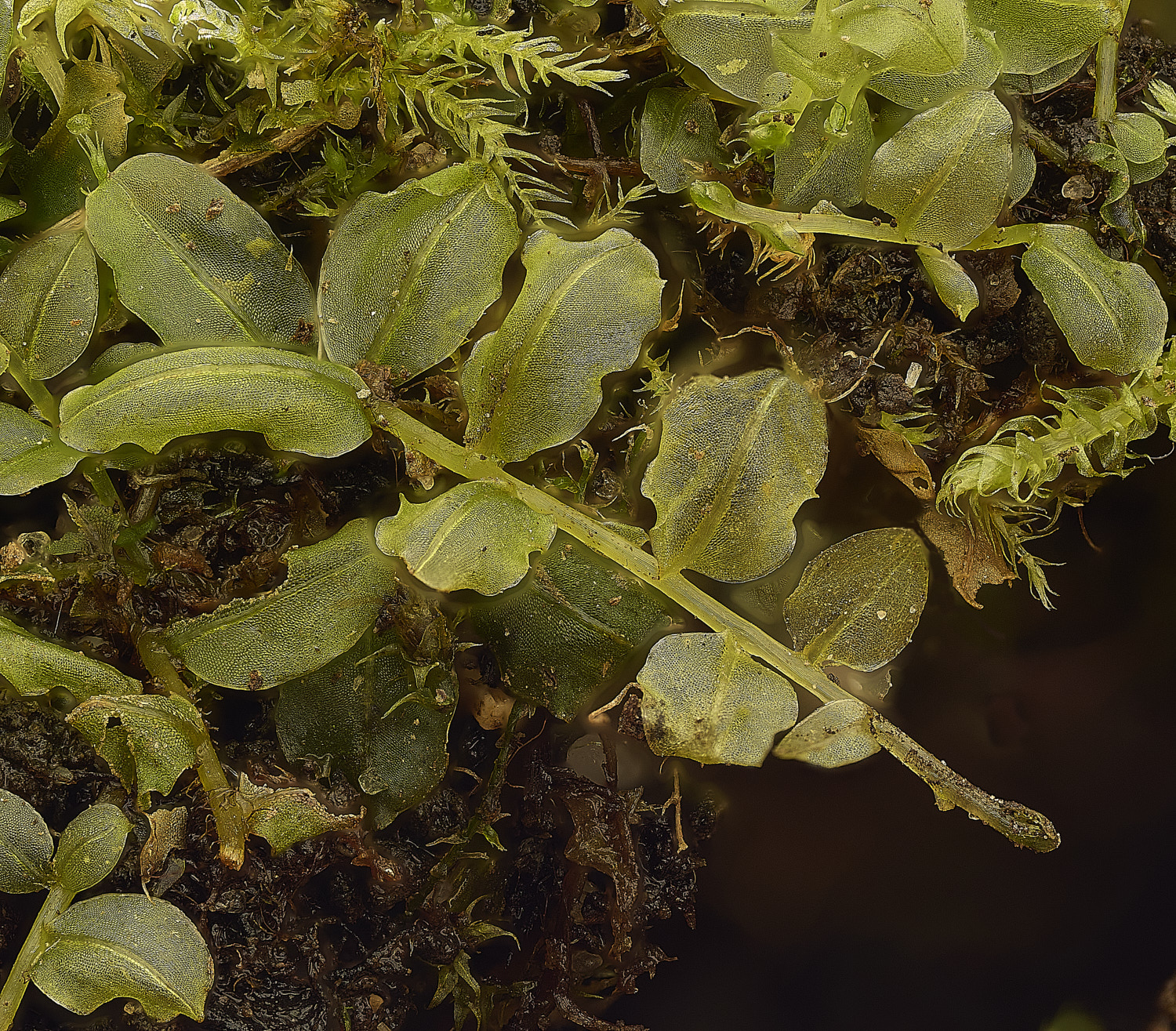
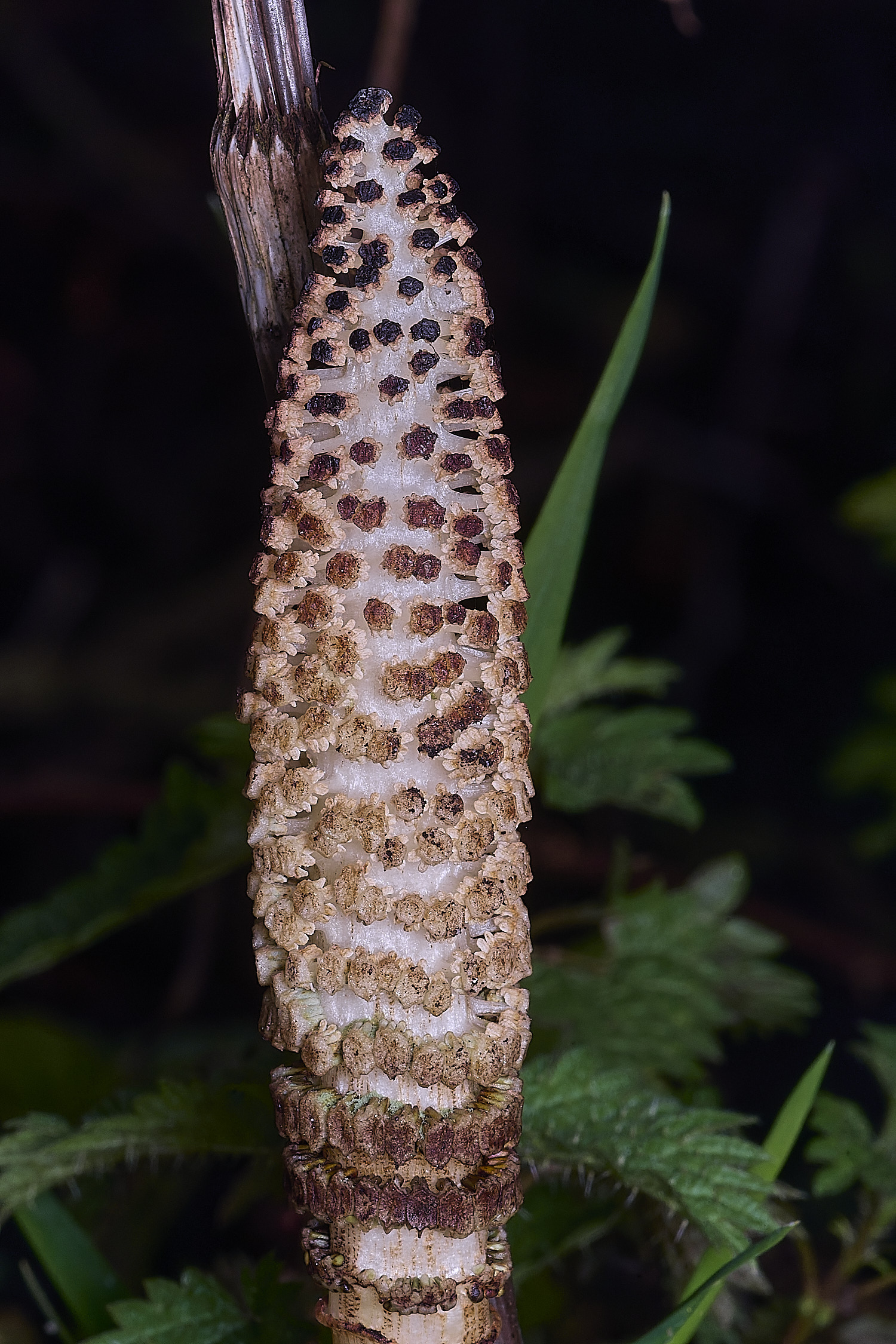
Great Horsetail (Equisetum telmateia)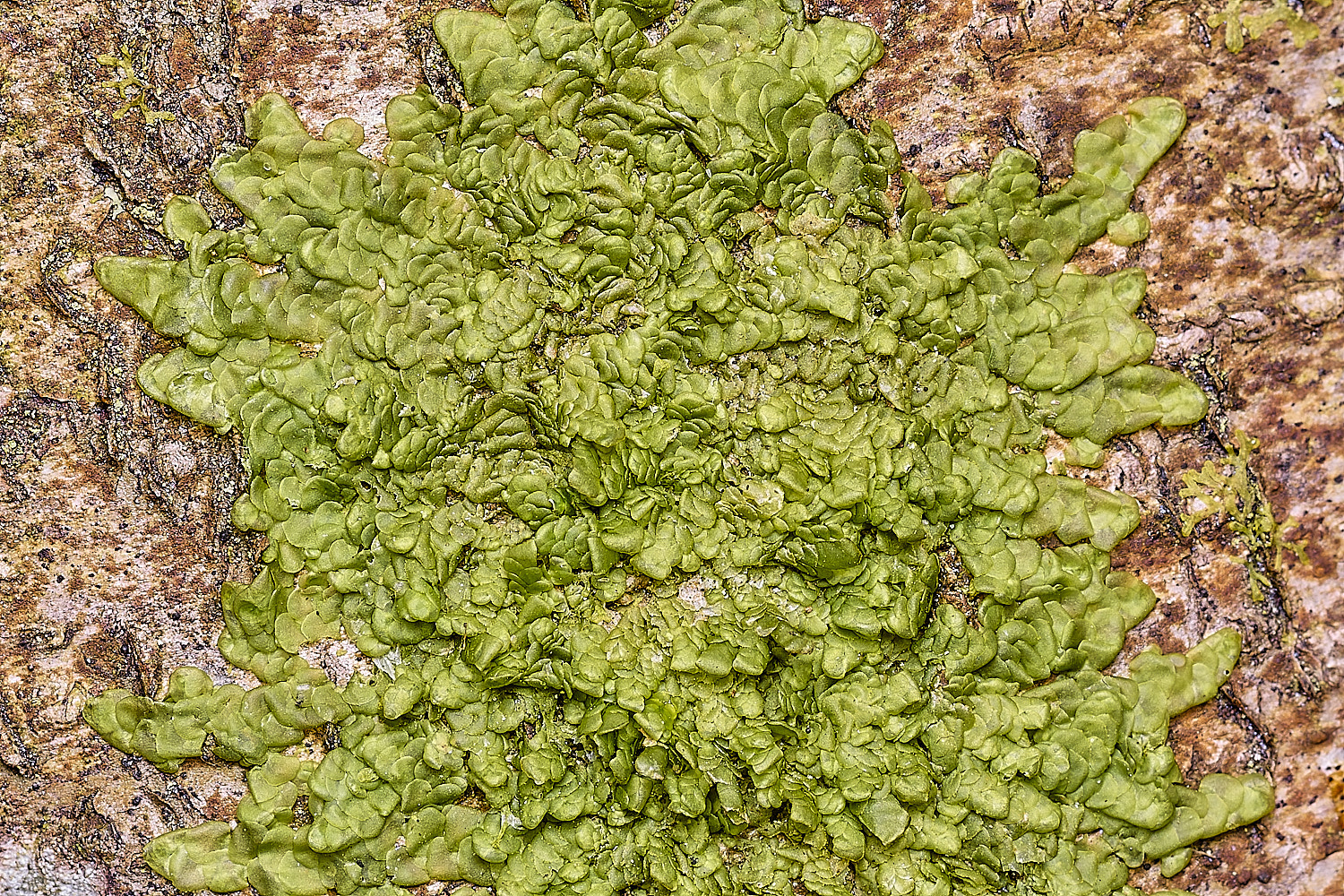
Even Scalewort (Radula complanata)
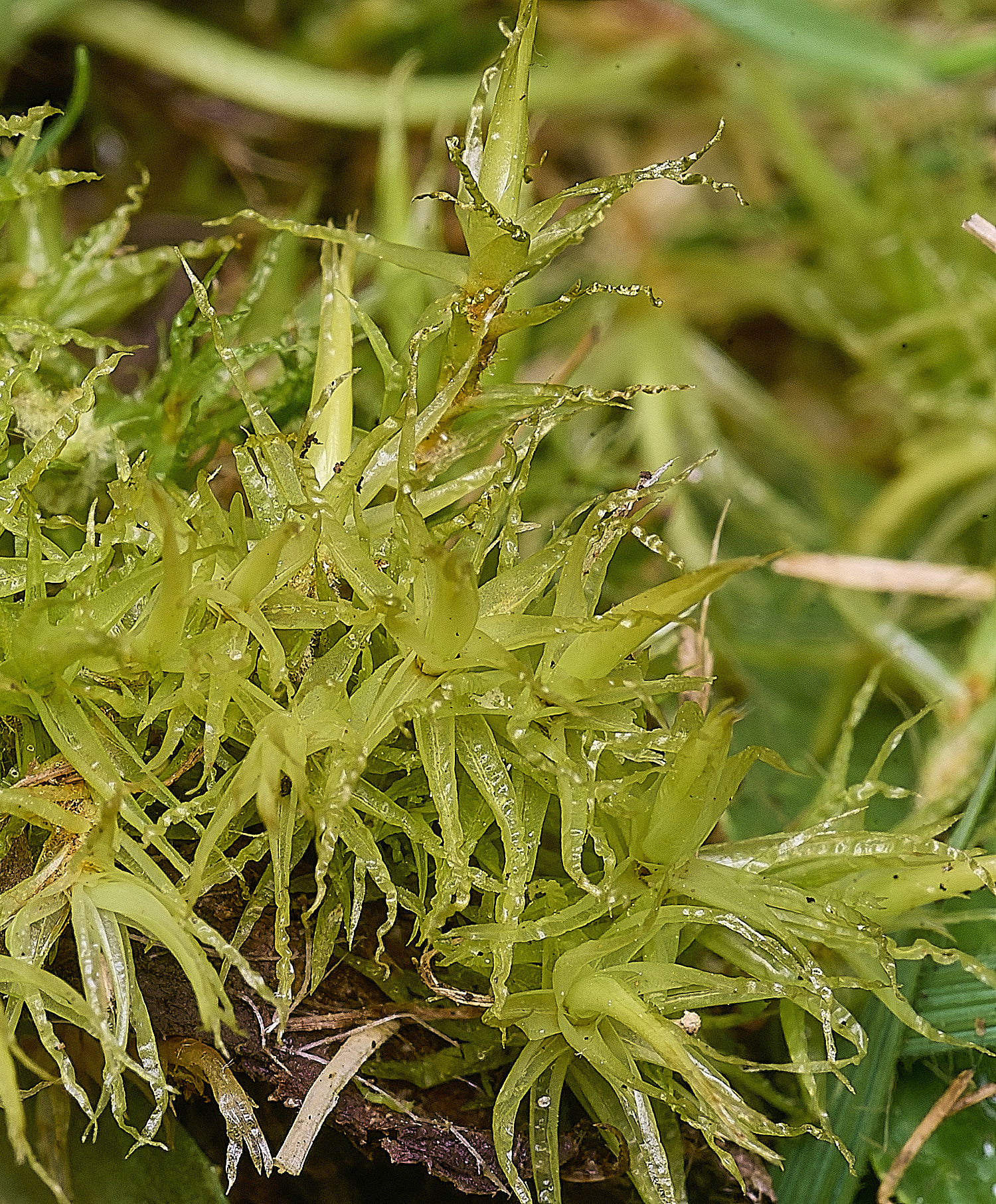
Crisped Fork-moss (Dicranum bonjeanii)?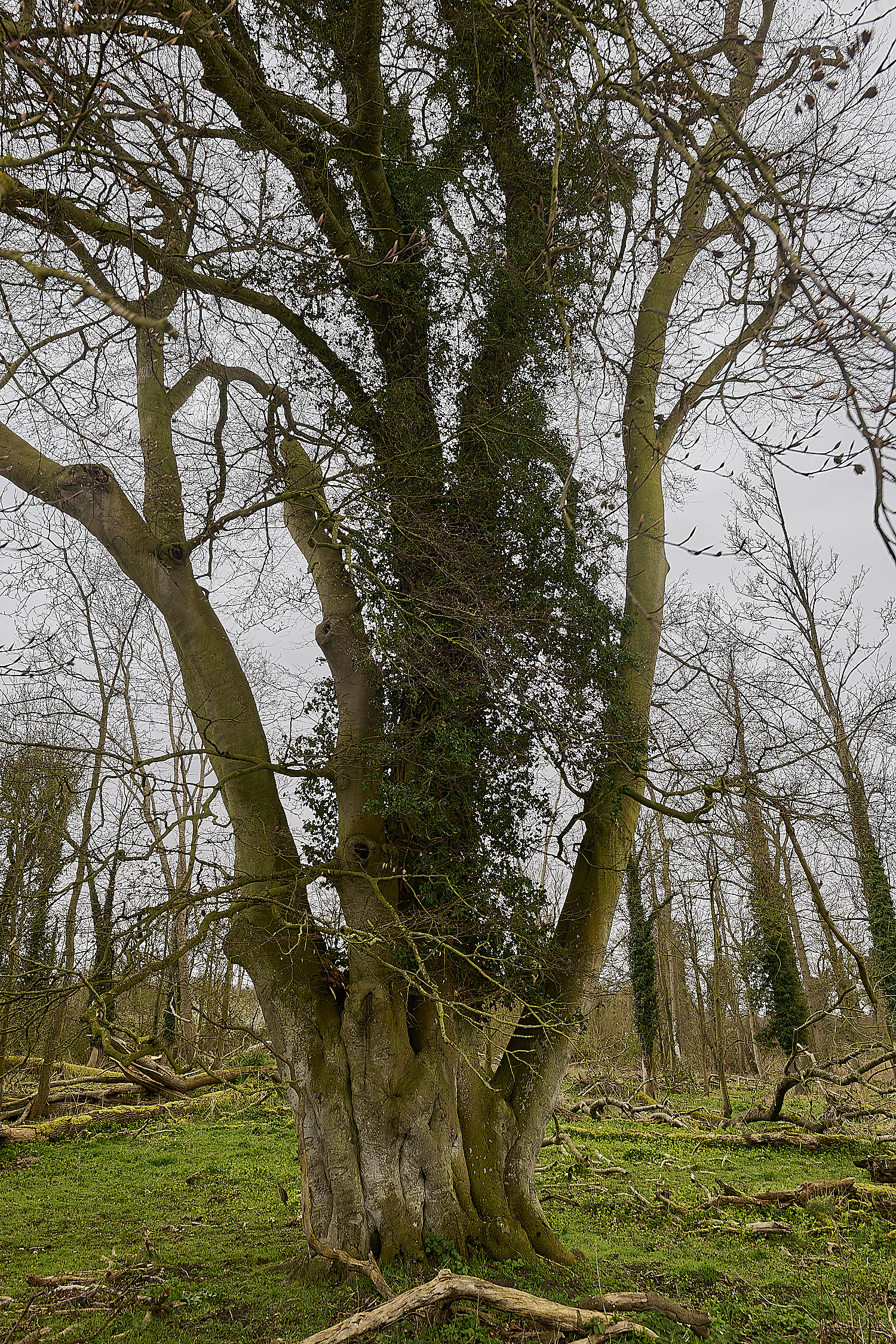
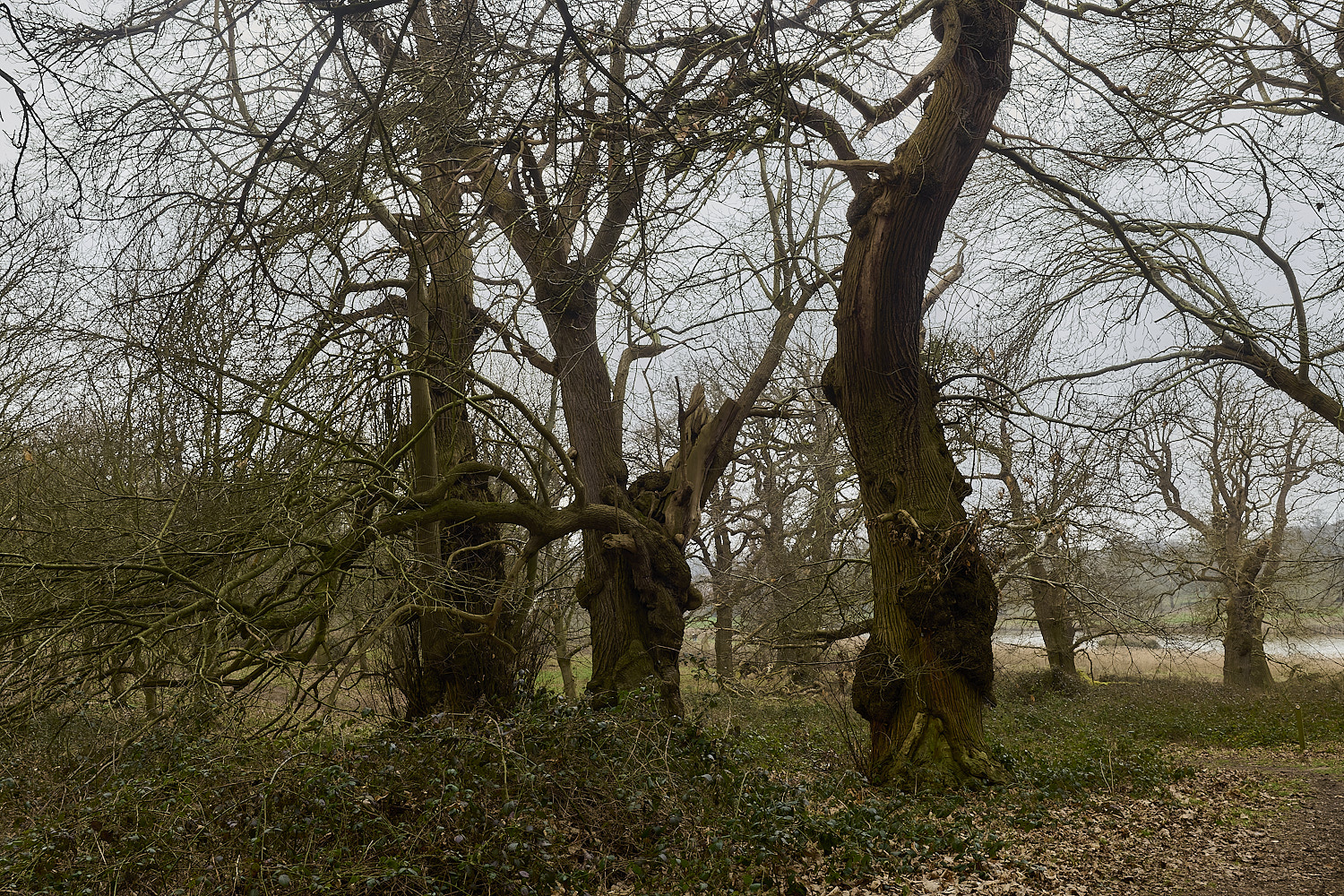
Three or four trees planted so close together they form a a multistemmed boundary marker
Beech (Fagus sylvatica)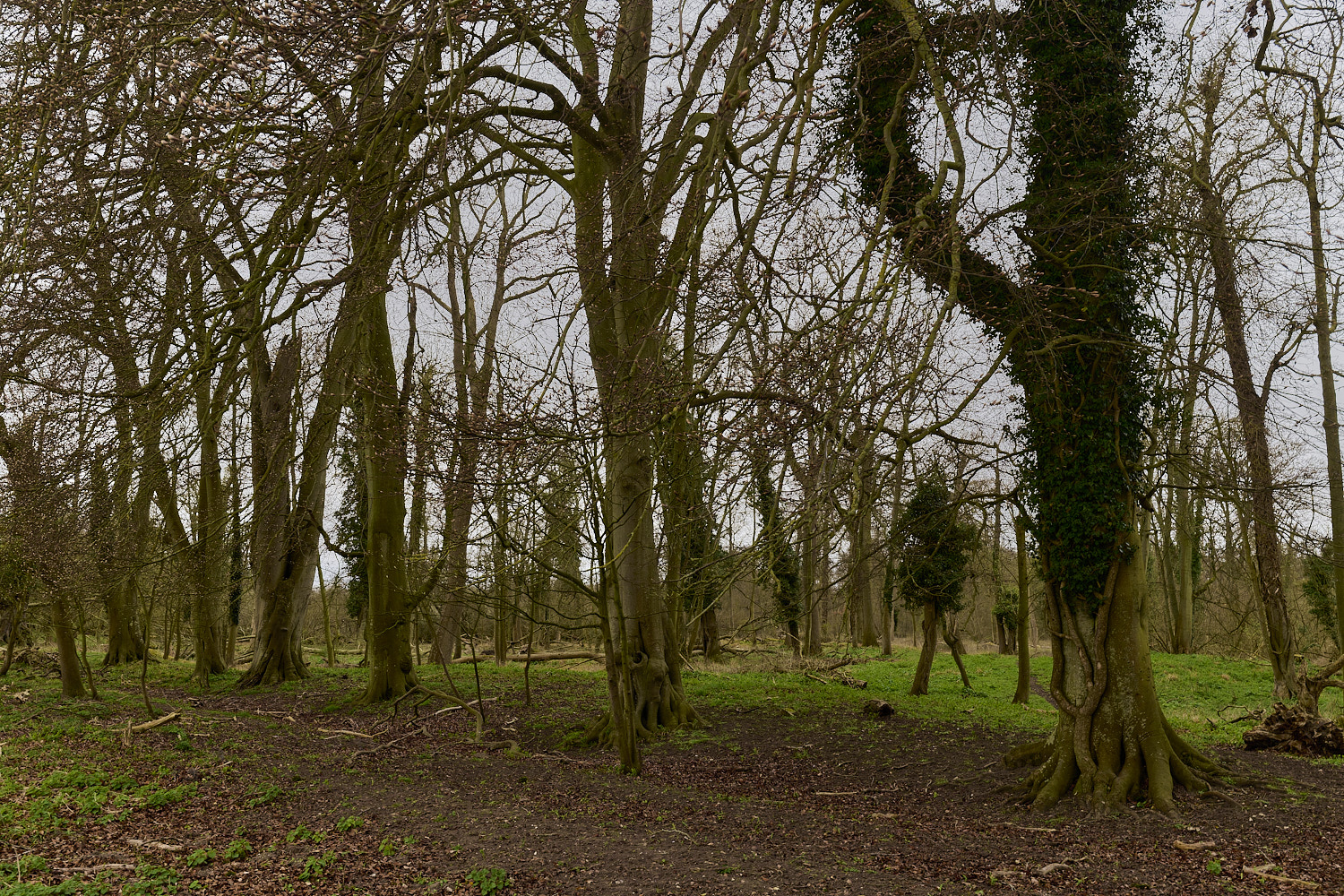
A line of Beech (Fagus sylvatica) forming a marker boundary between parishes we think.
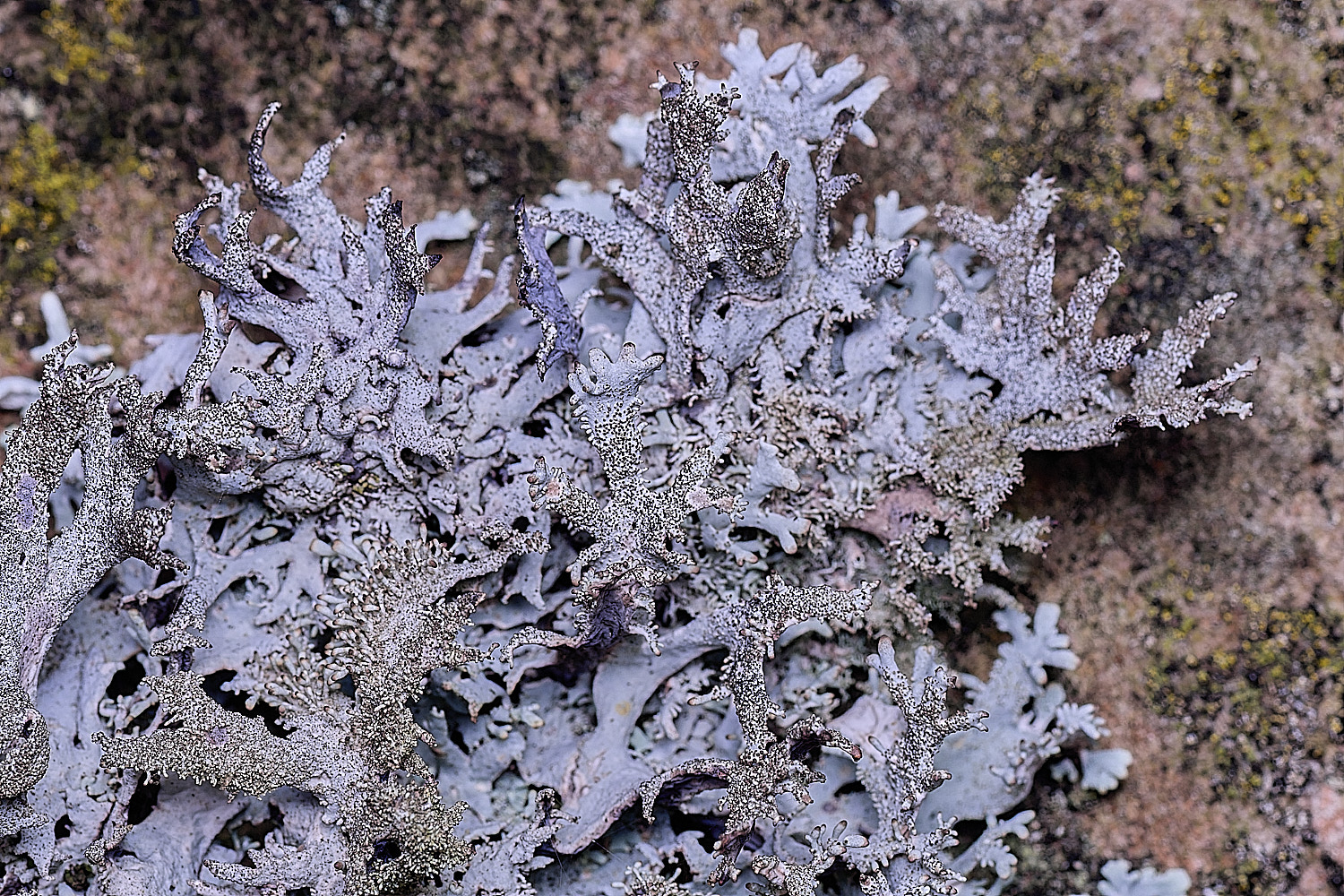
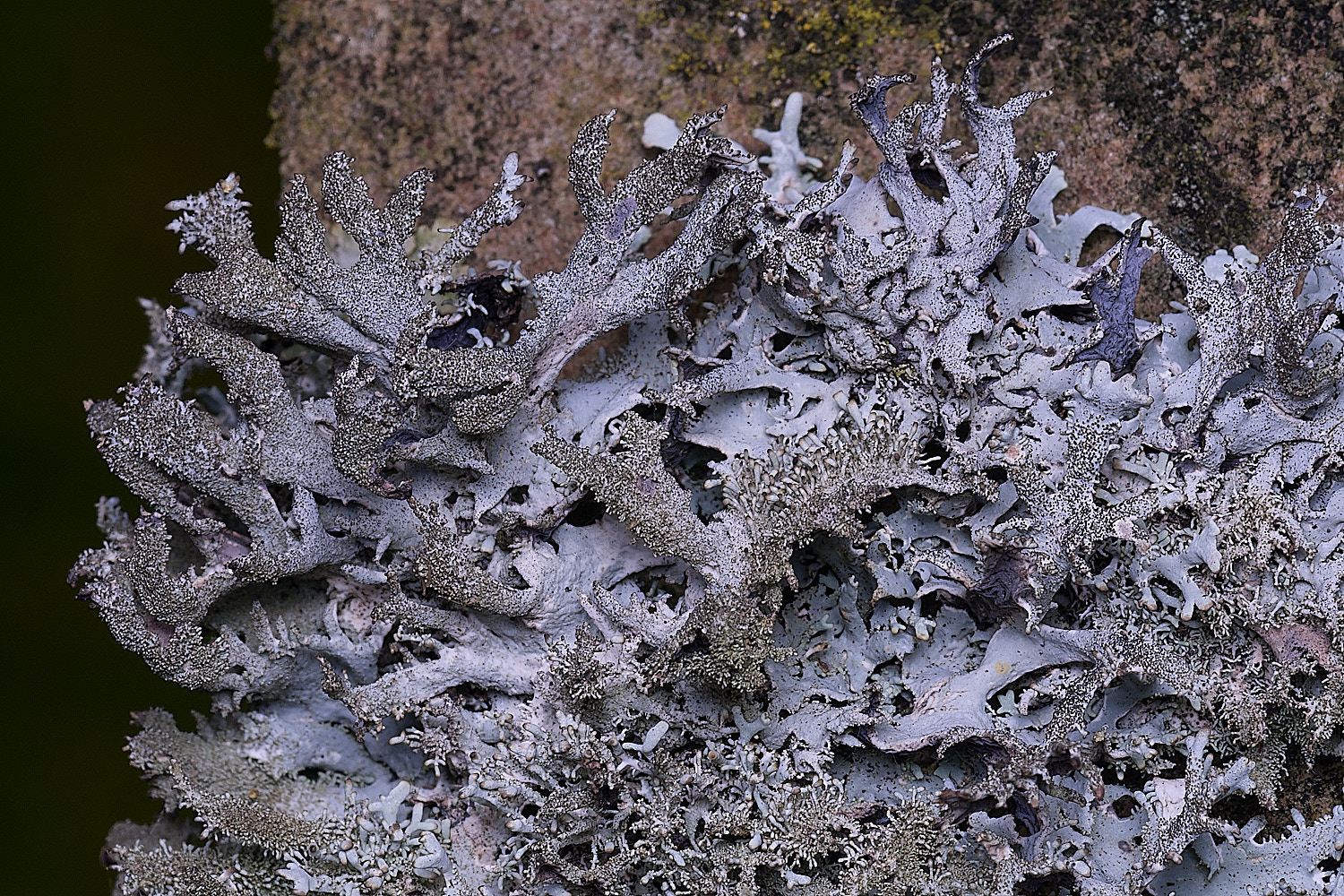
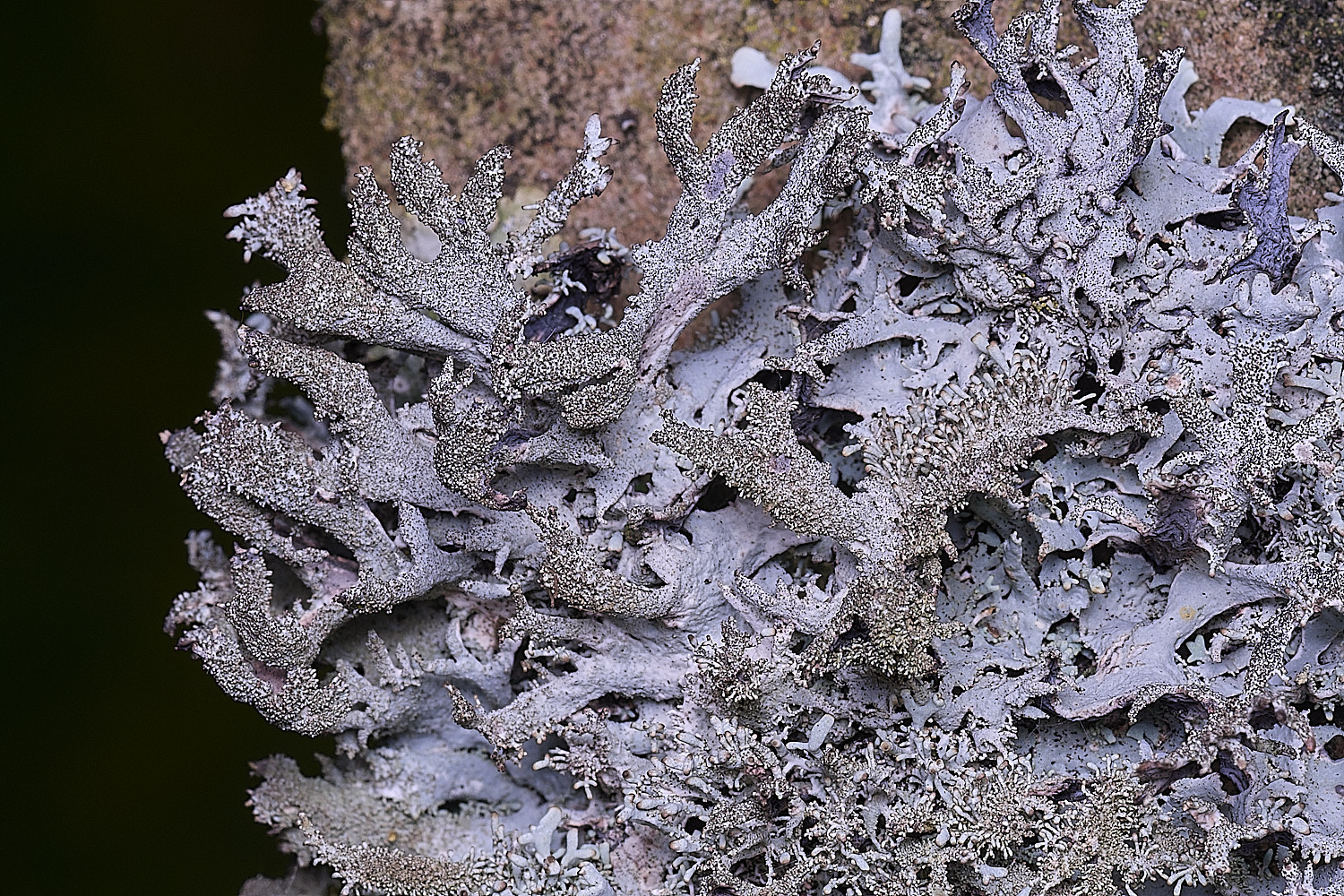
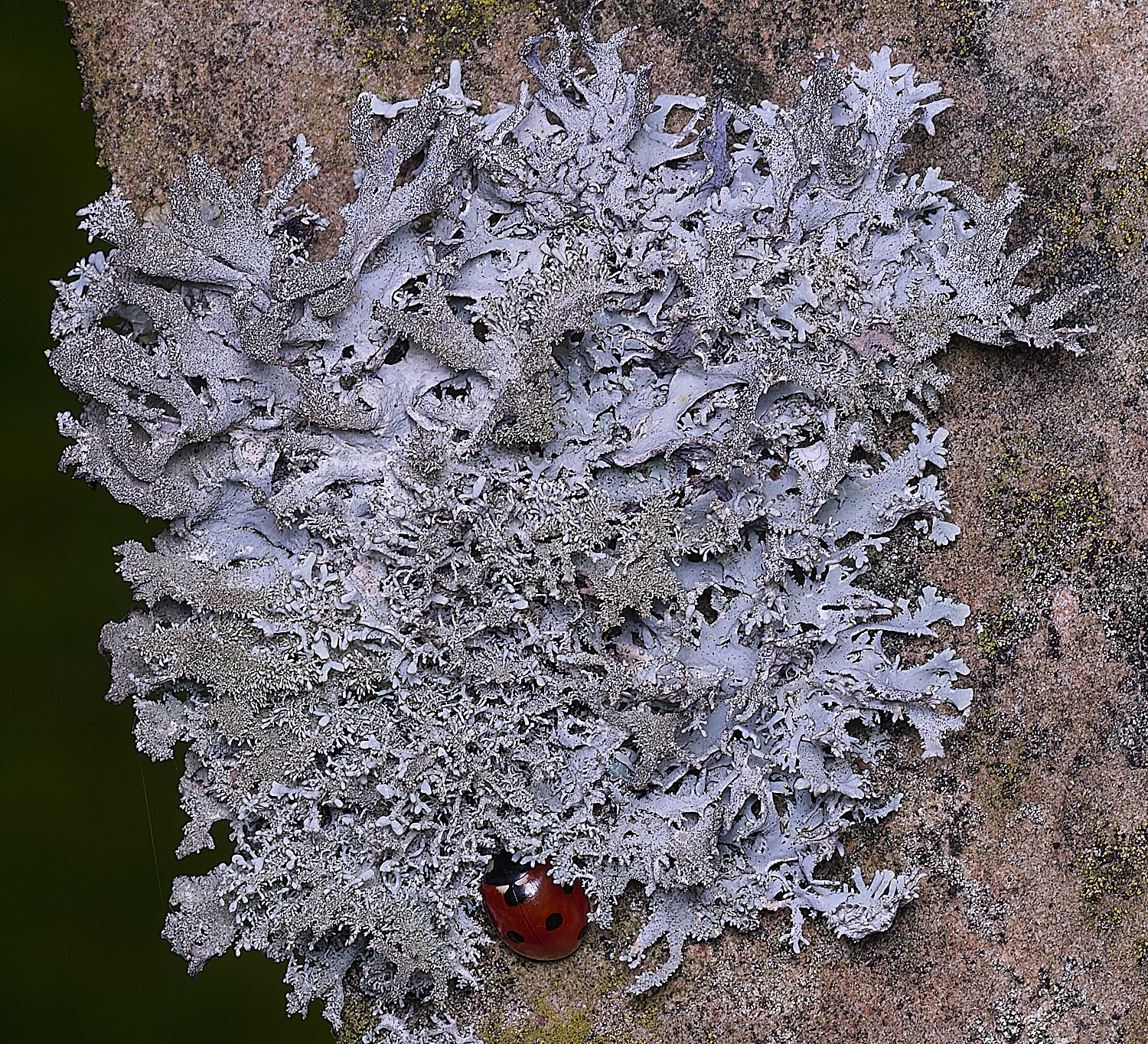
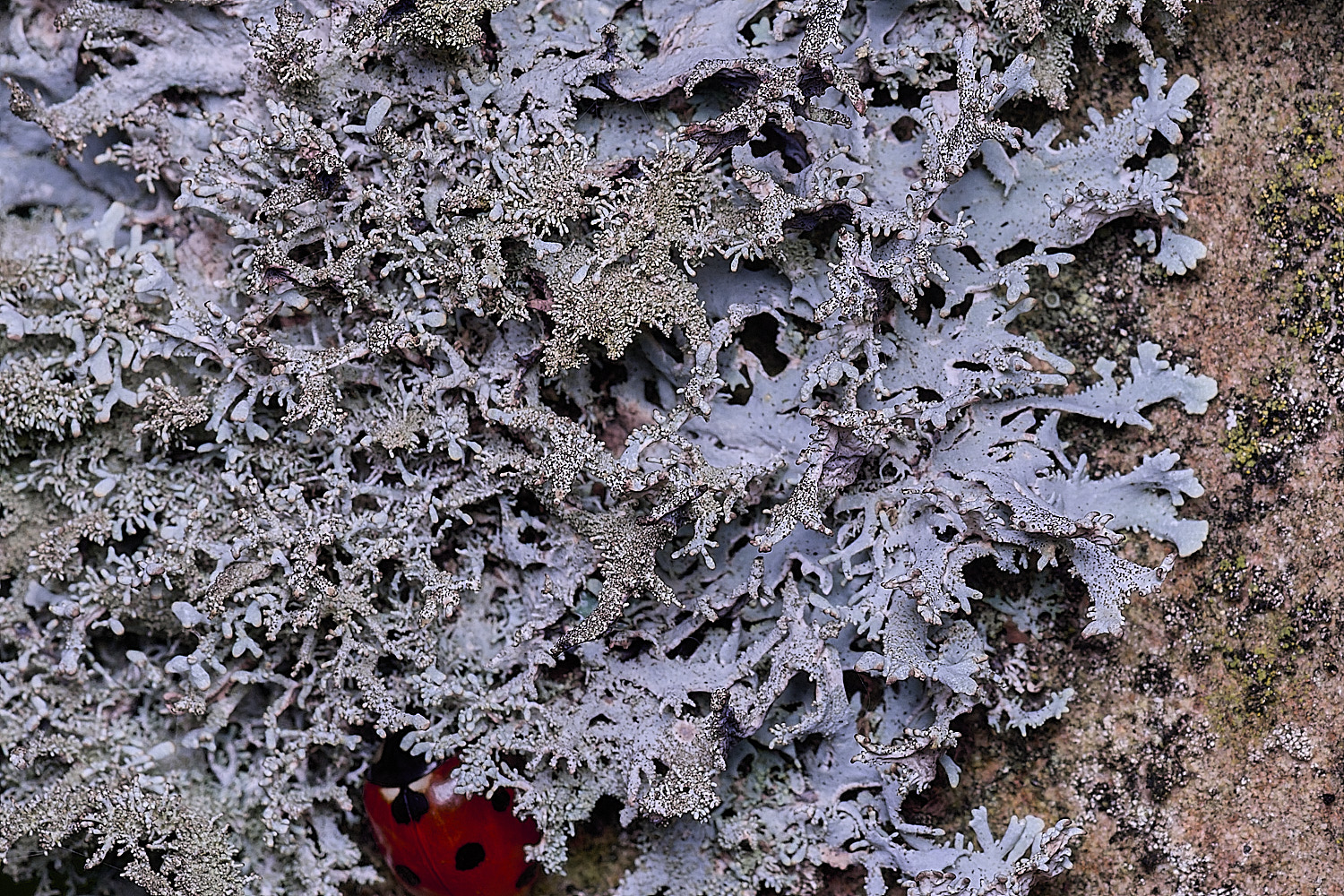
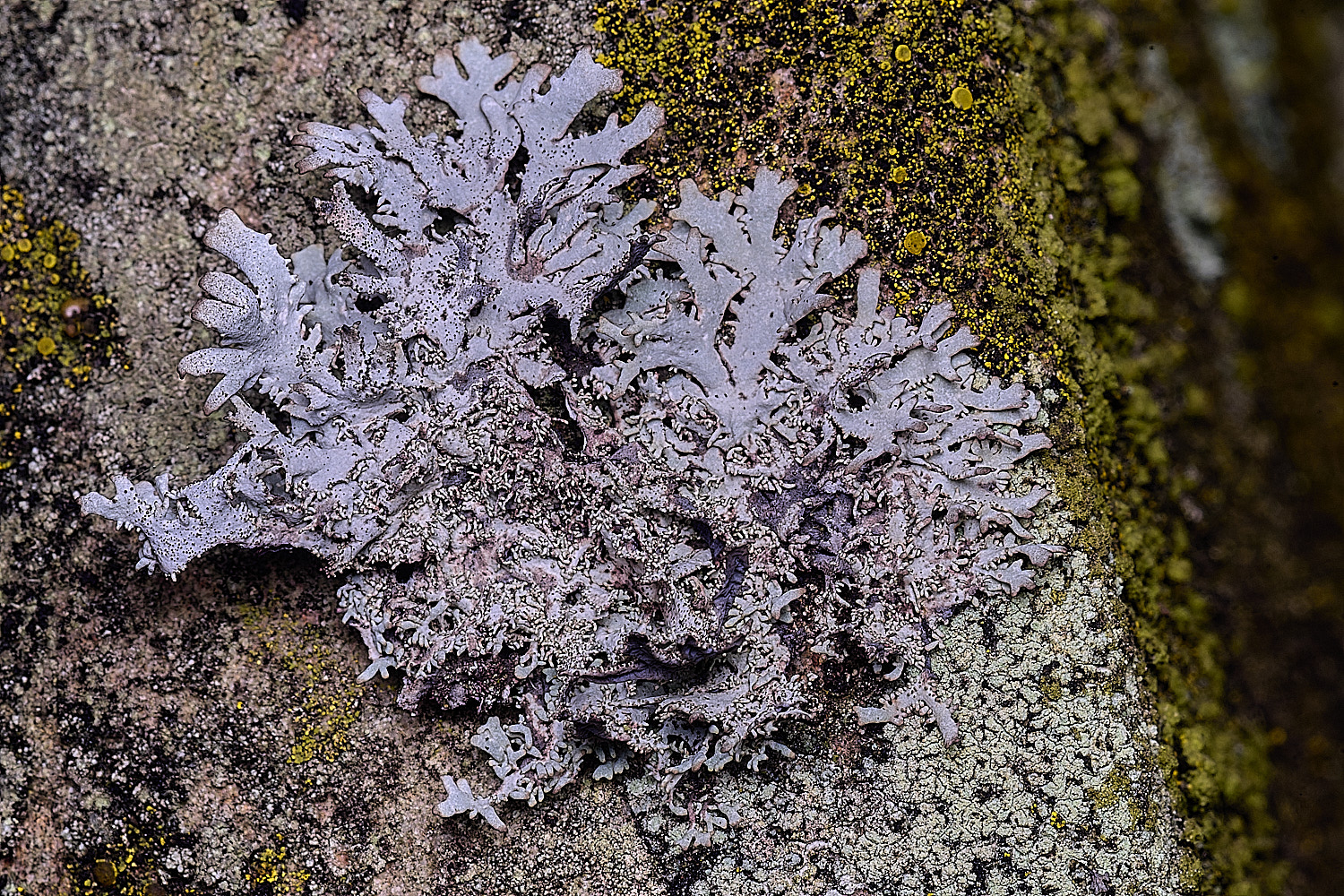
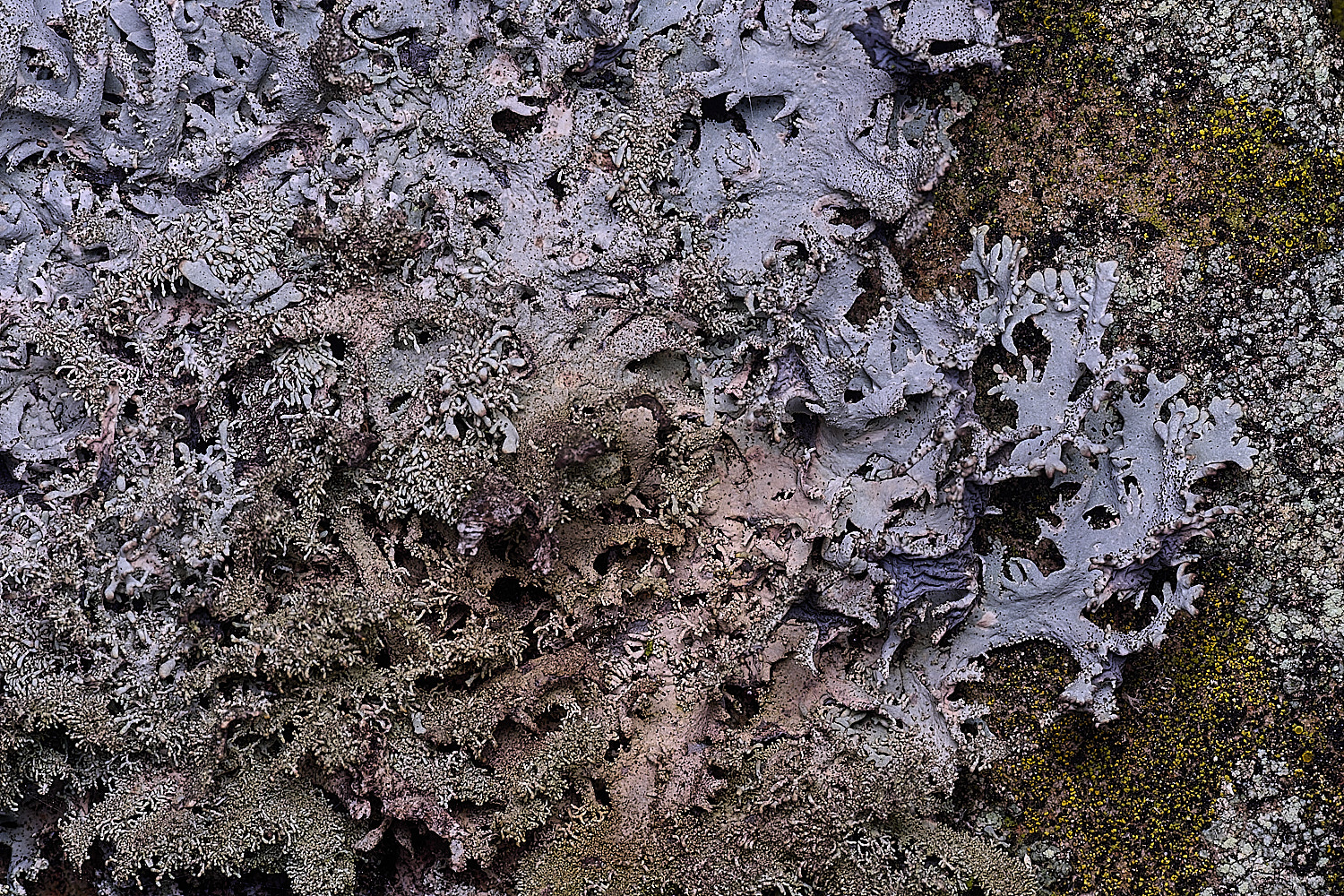
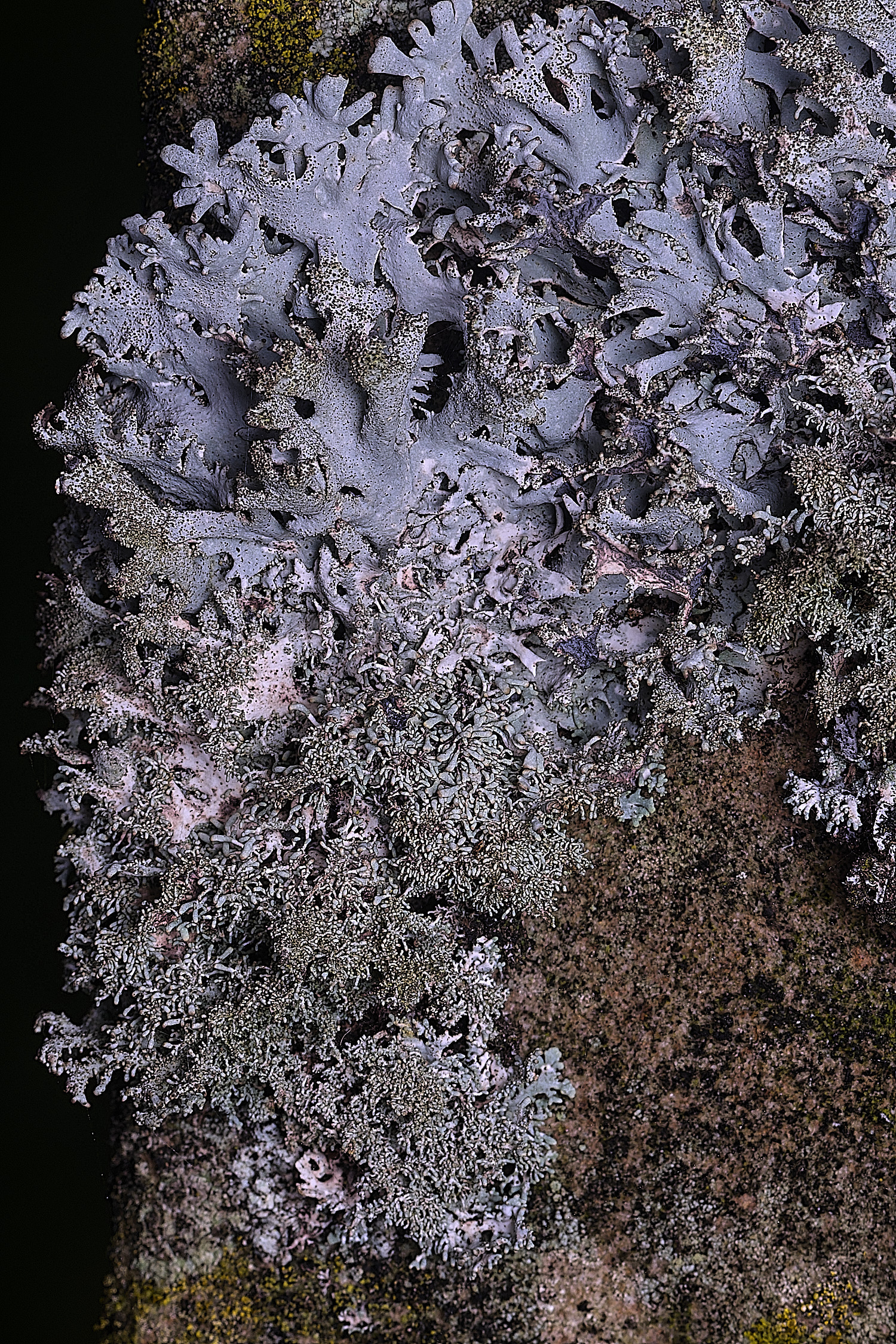
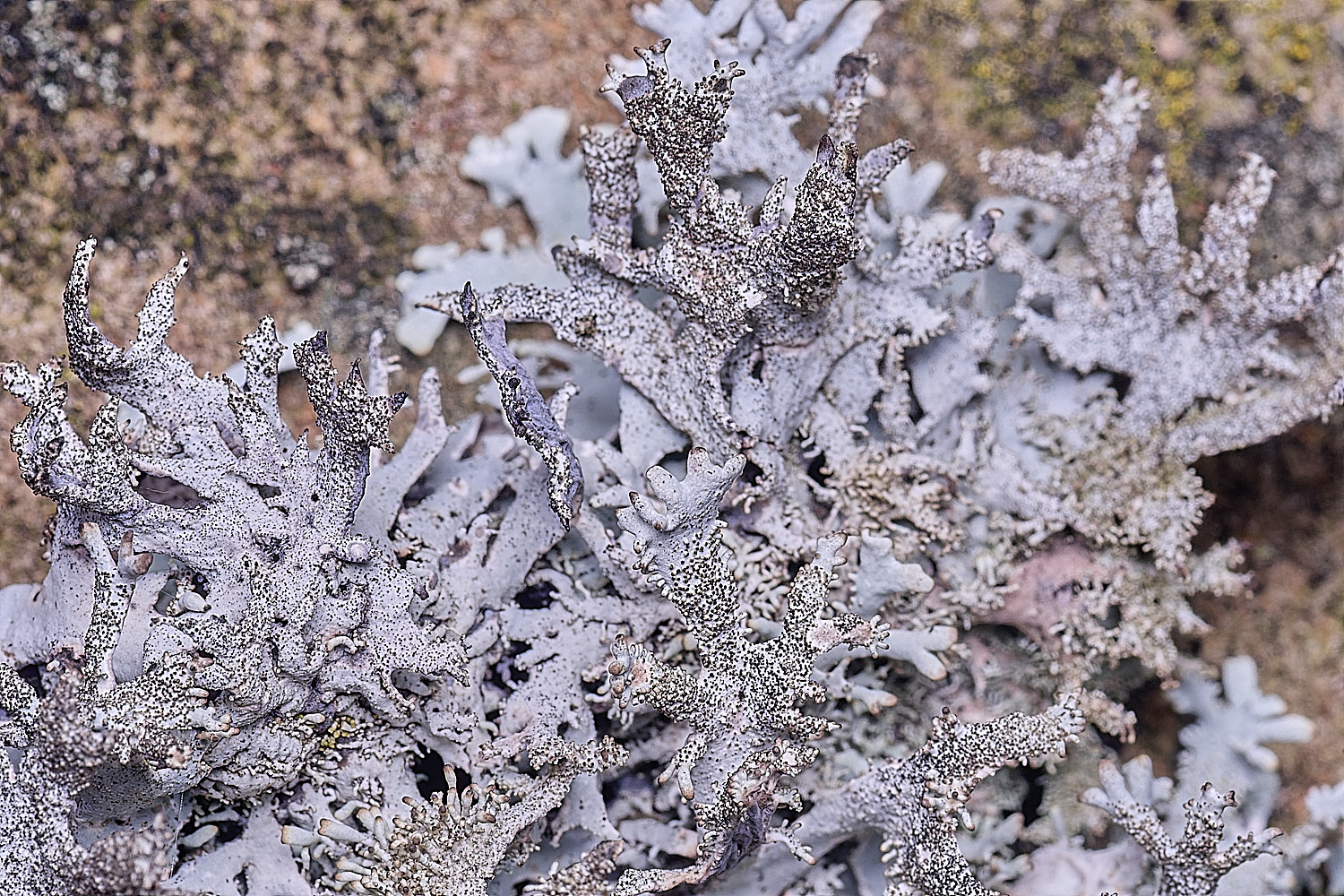
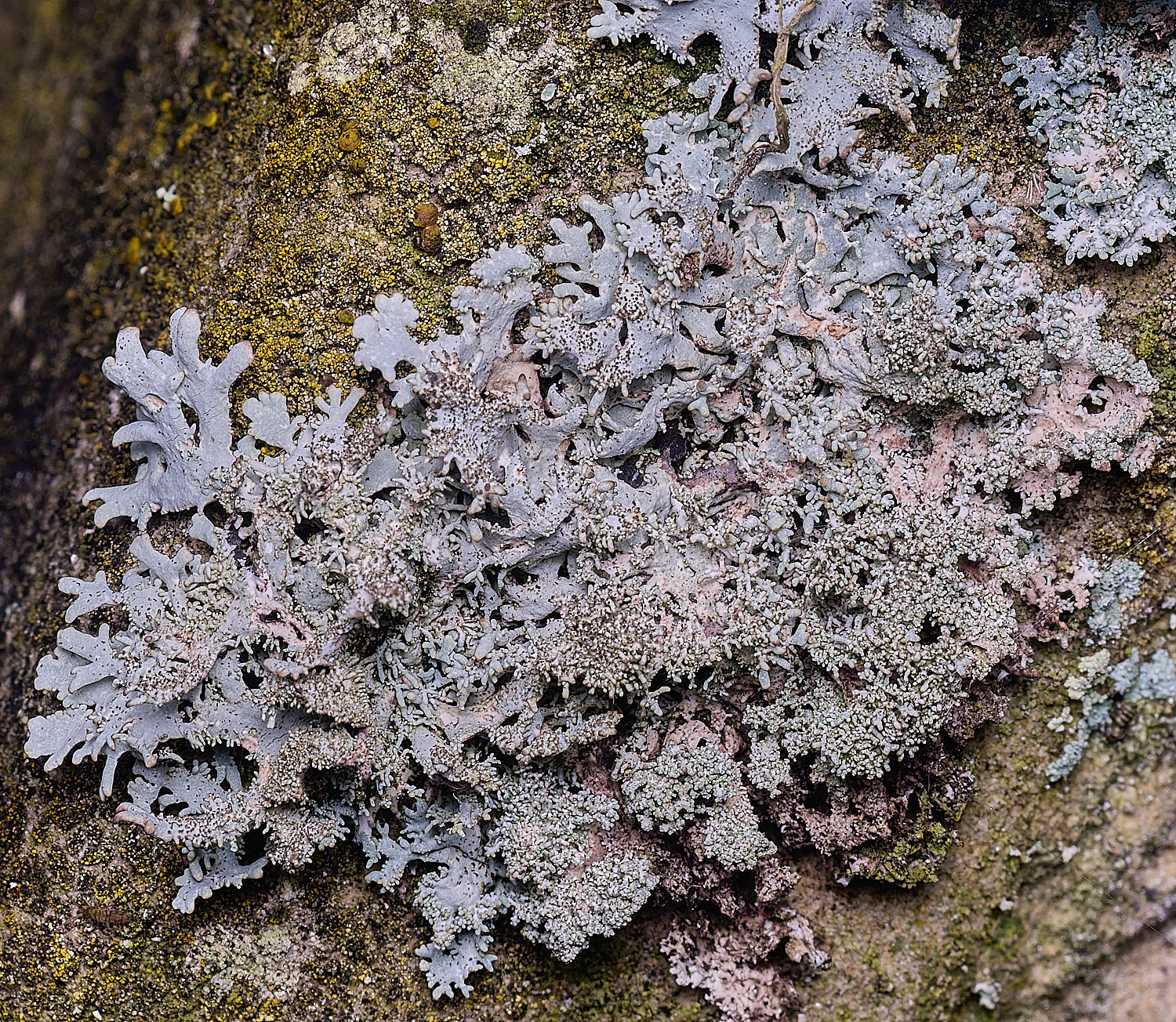
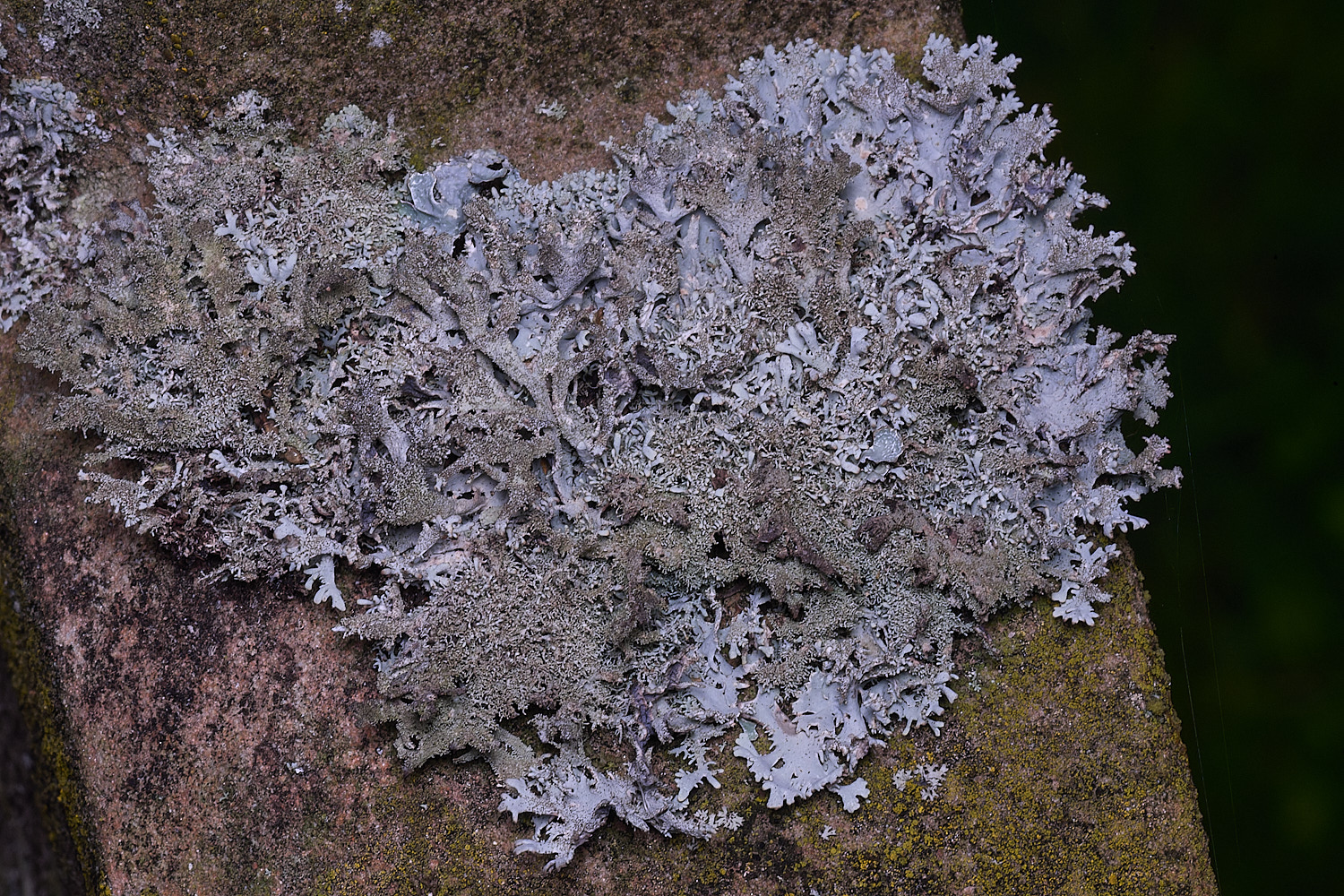
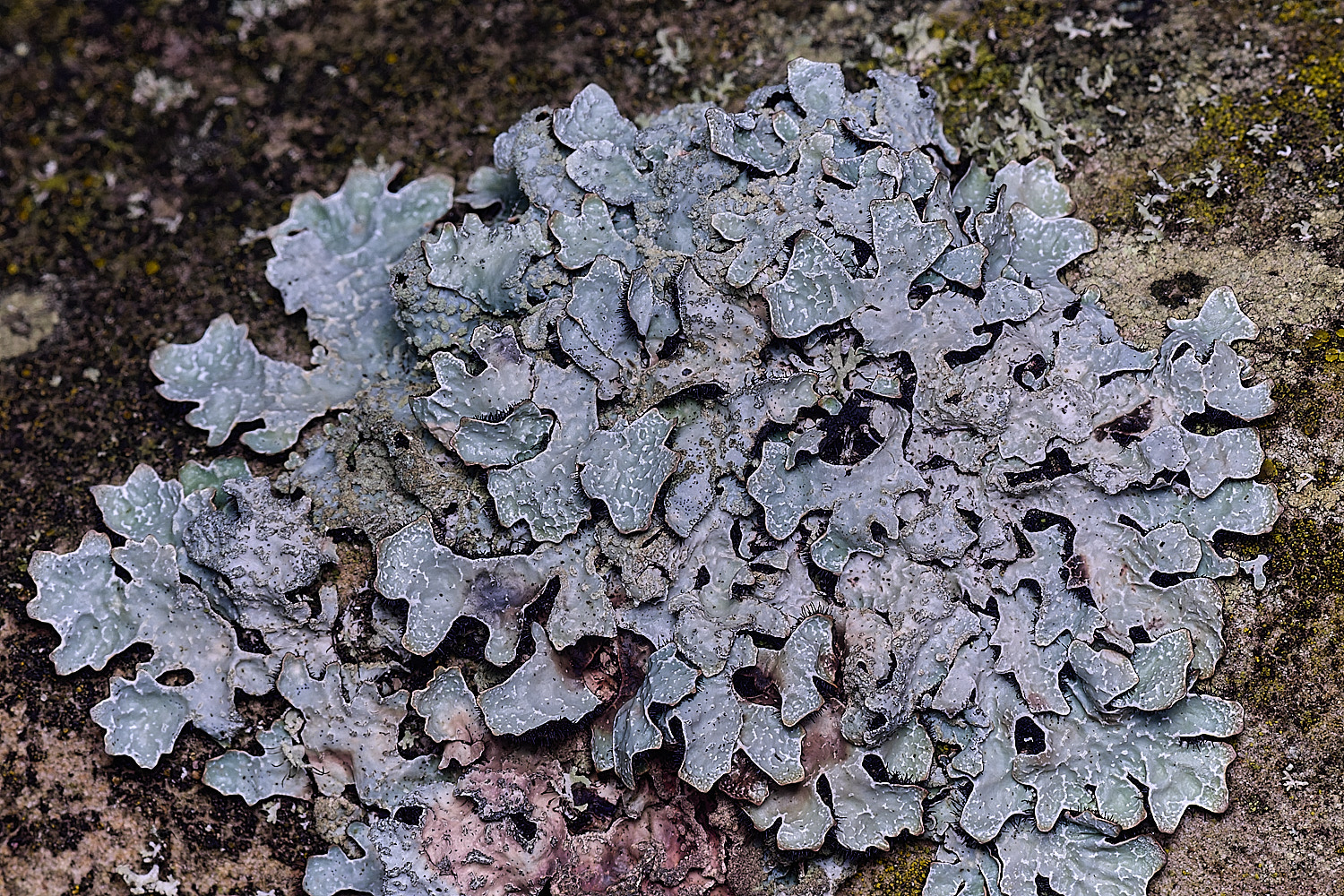
West Pottergate
It was a bit cold so only 1♀︎ & 2 ♂︎s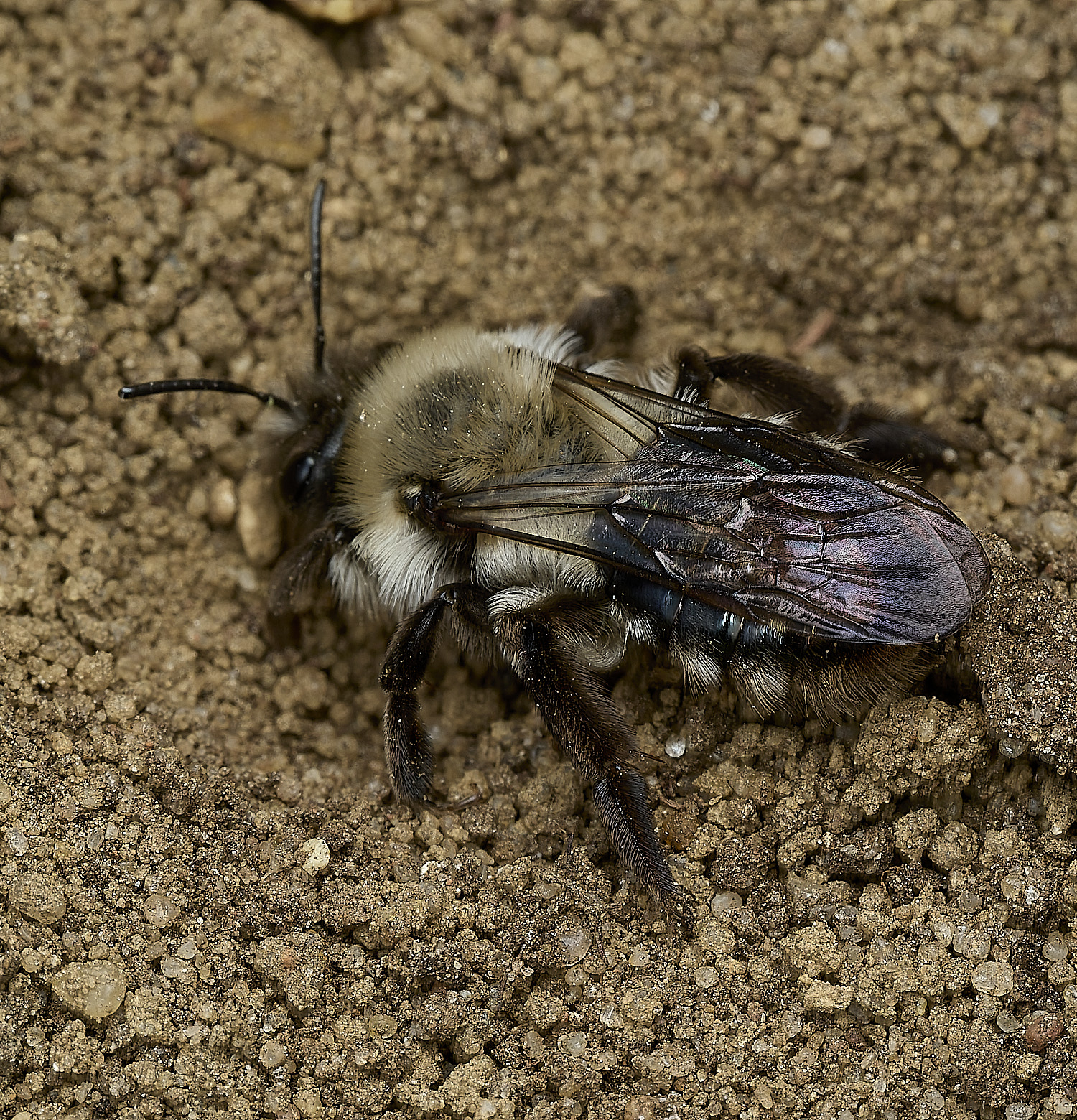
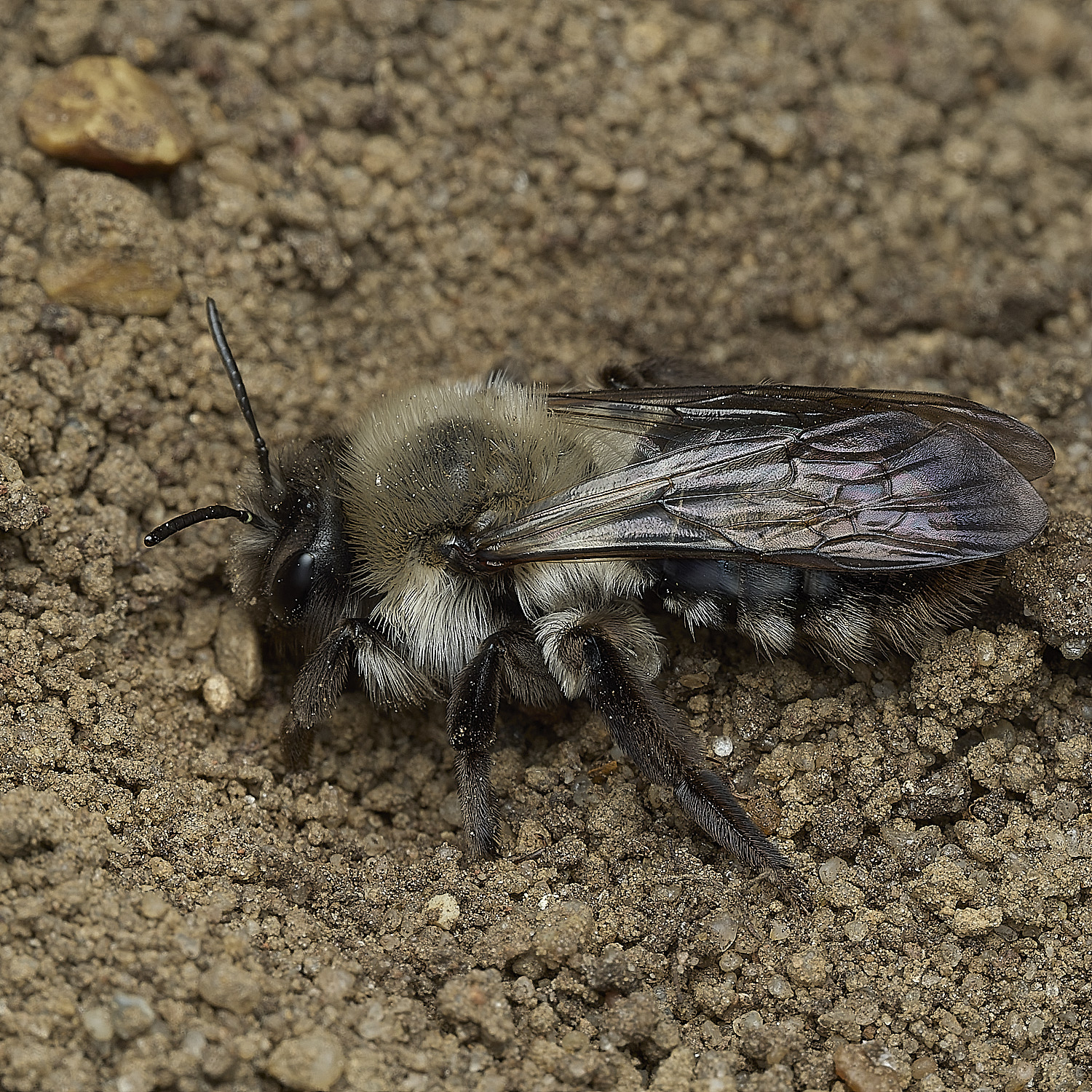
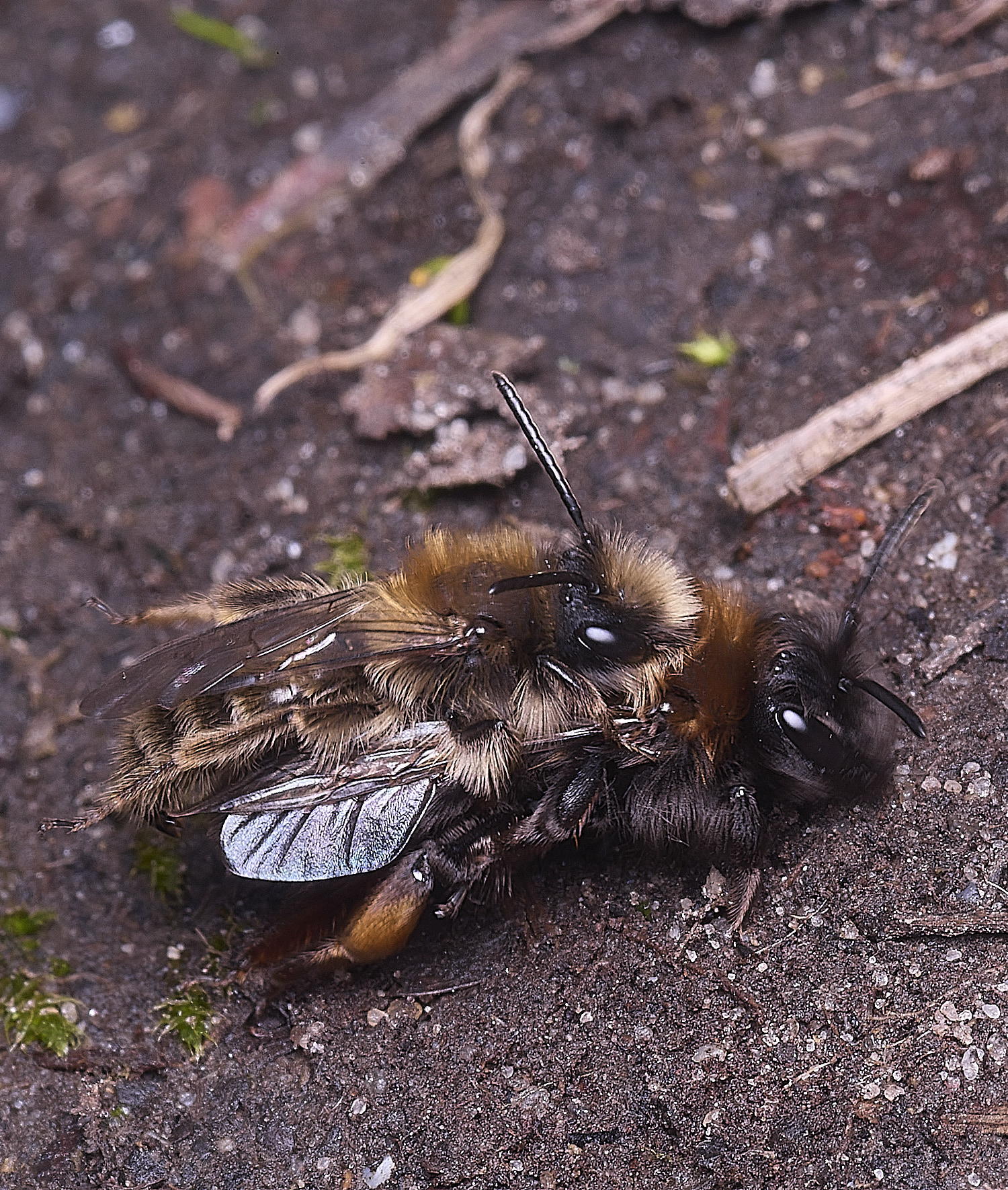
Grey-backed Mining Bee (Andrena vaga)
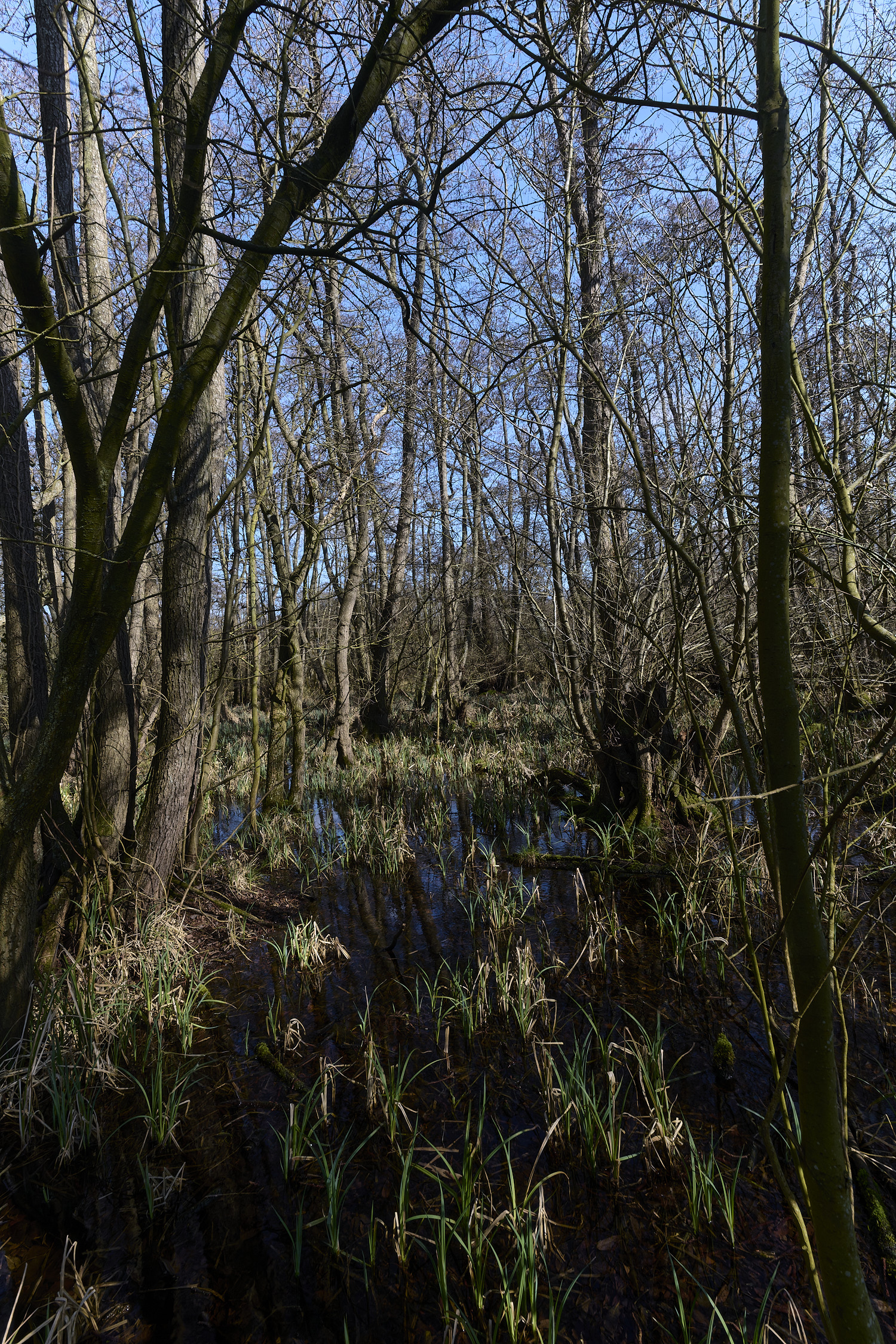
Alderford Common
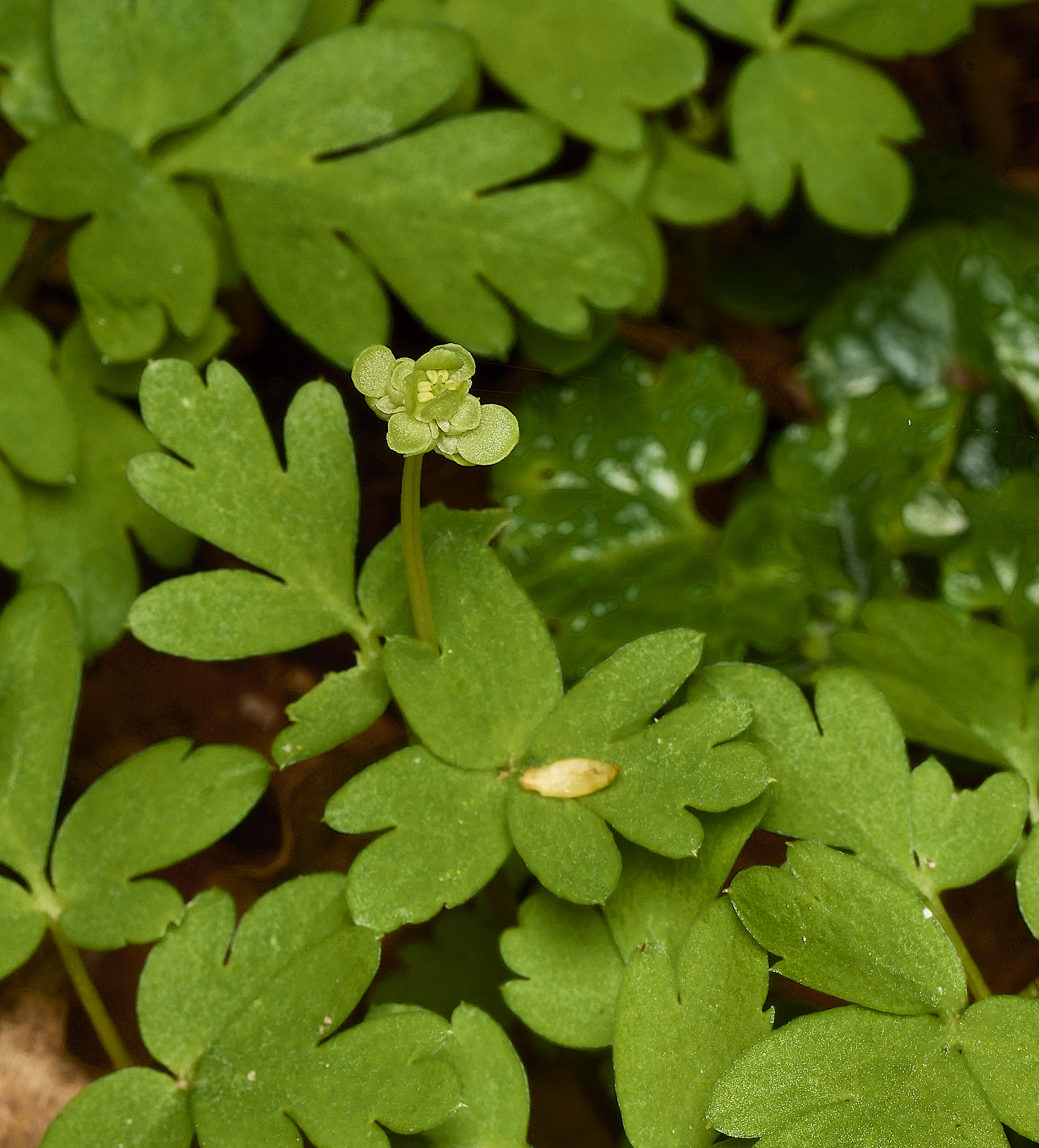
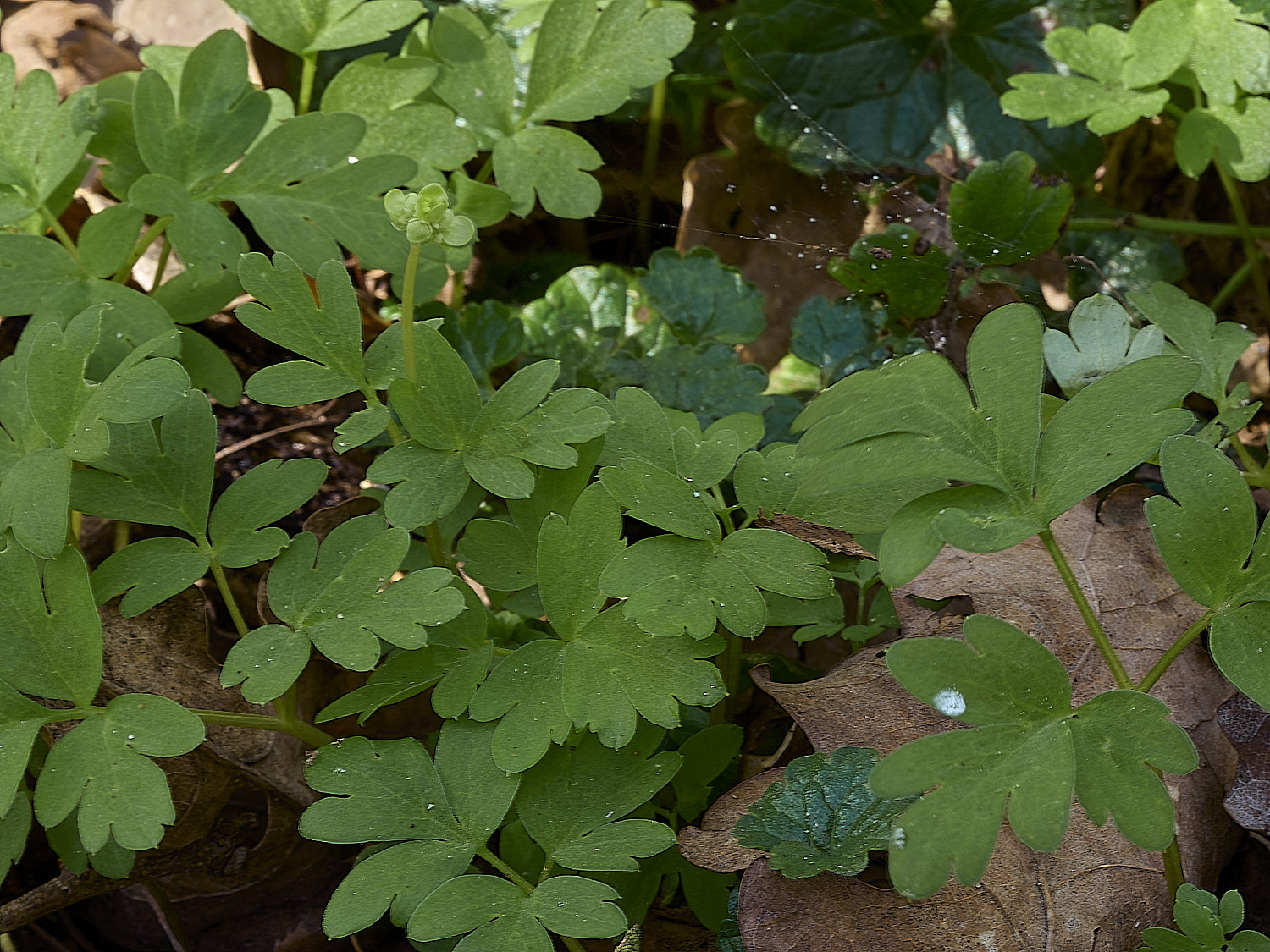
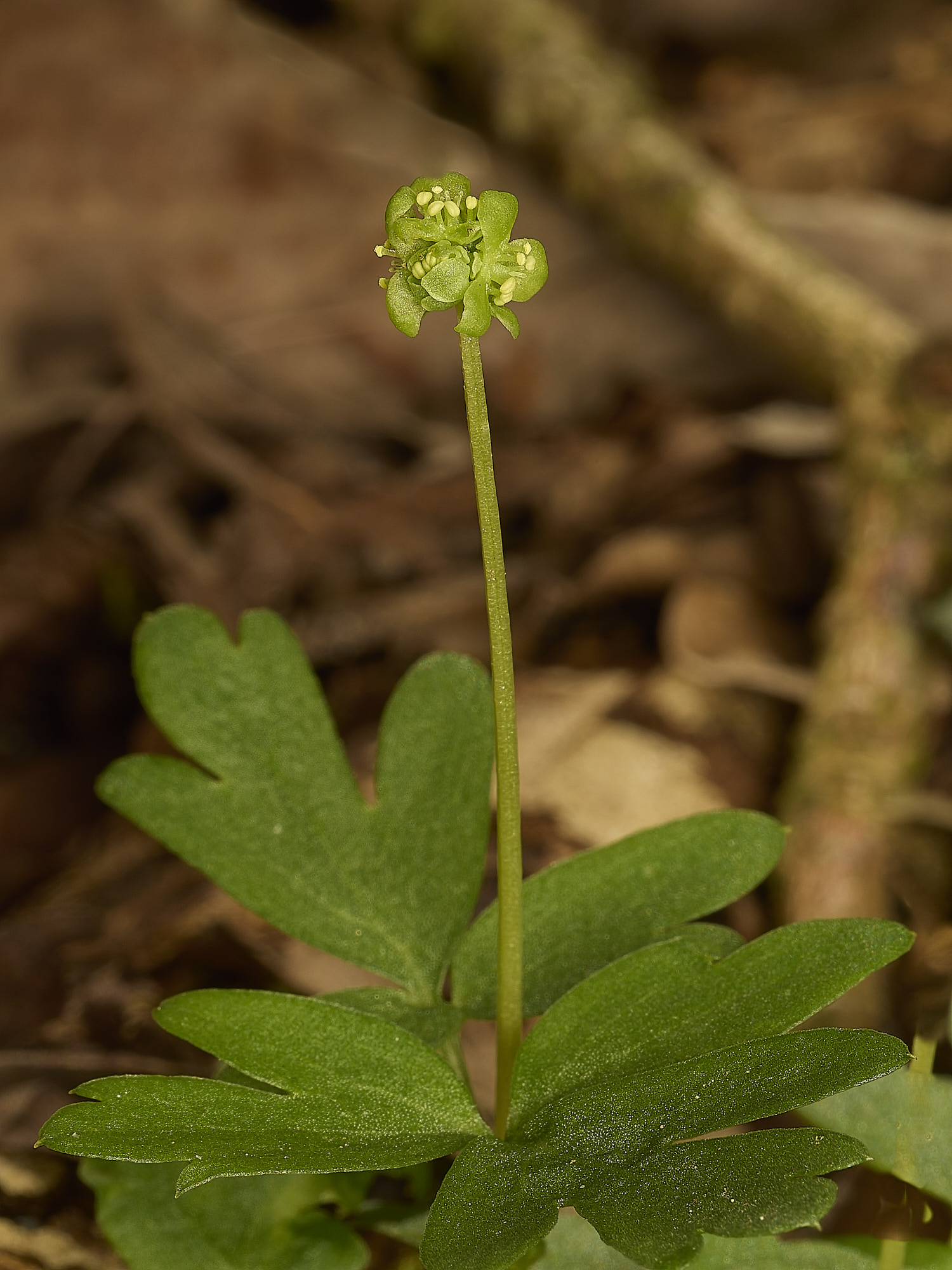
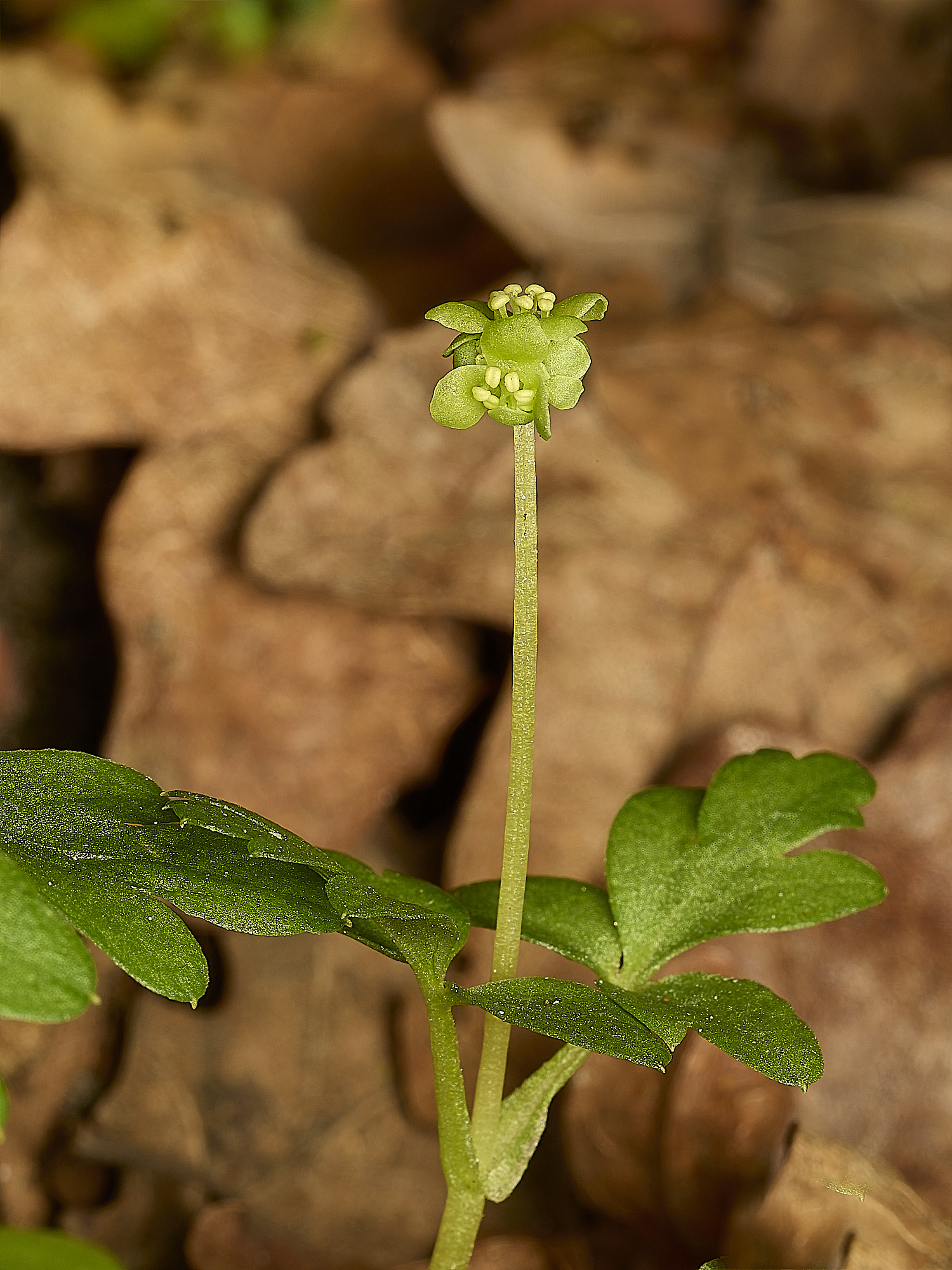
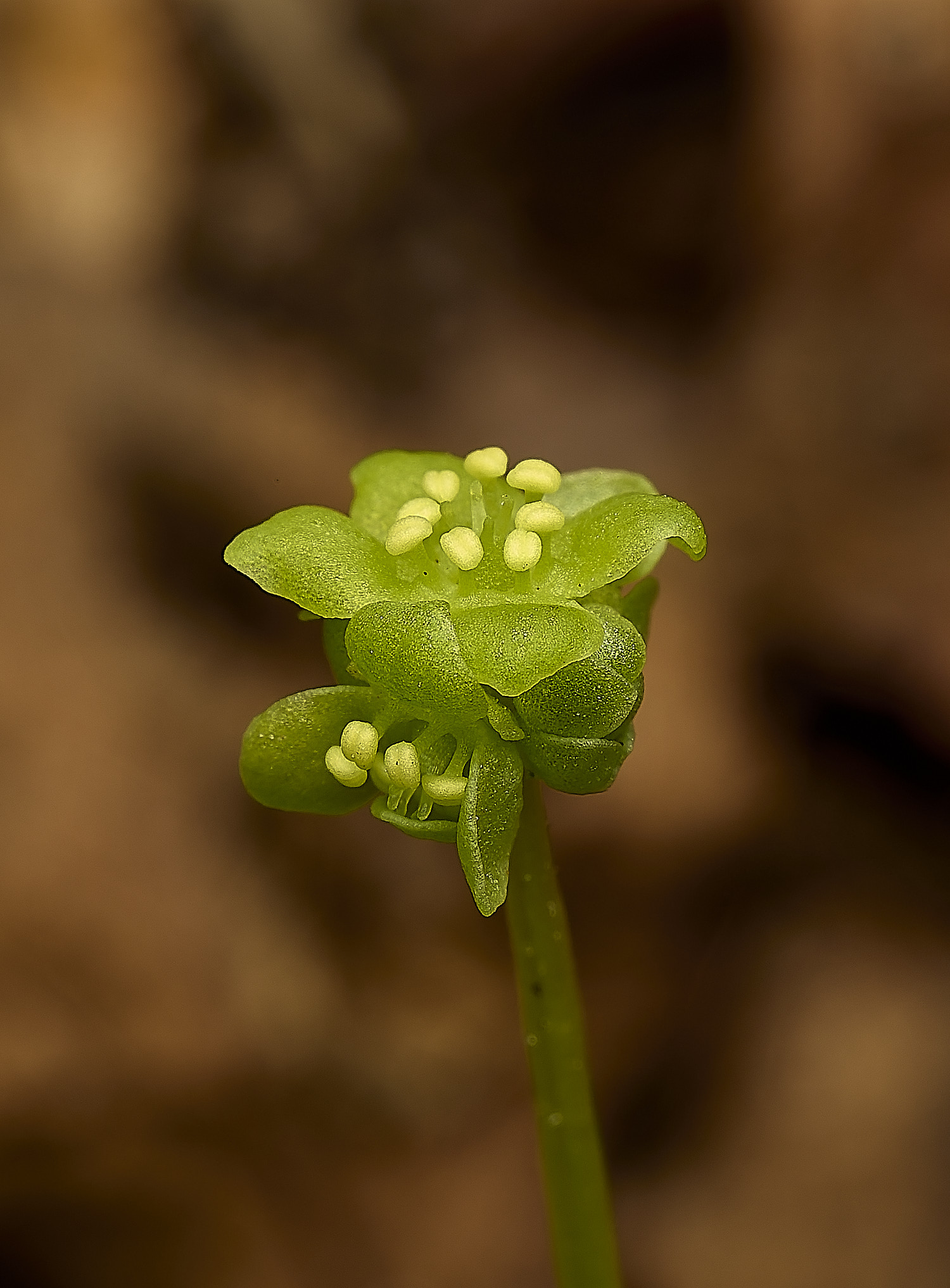
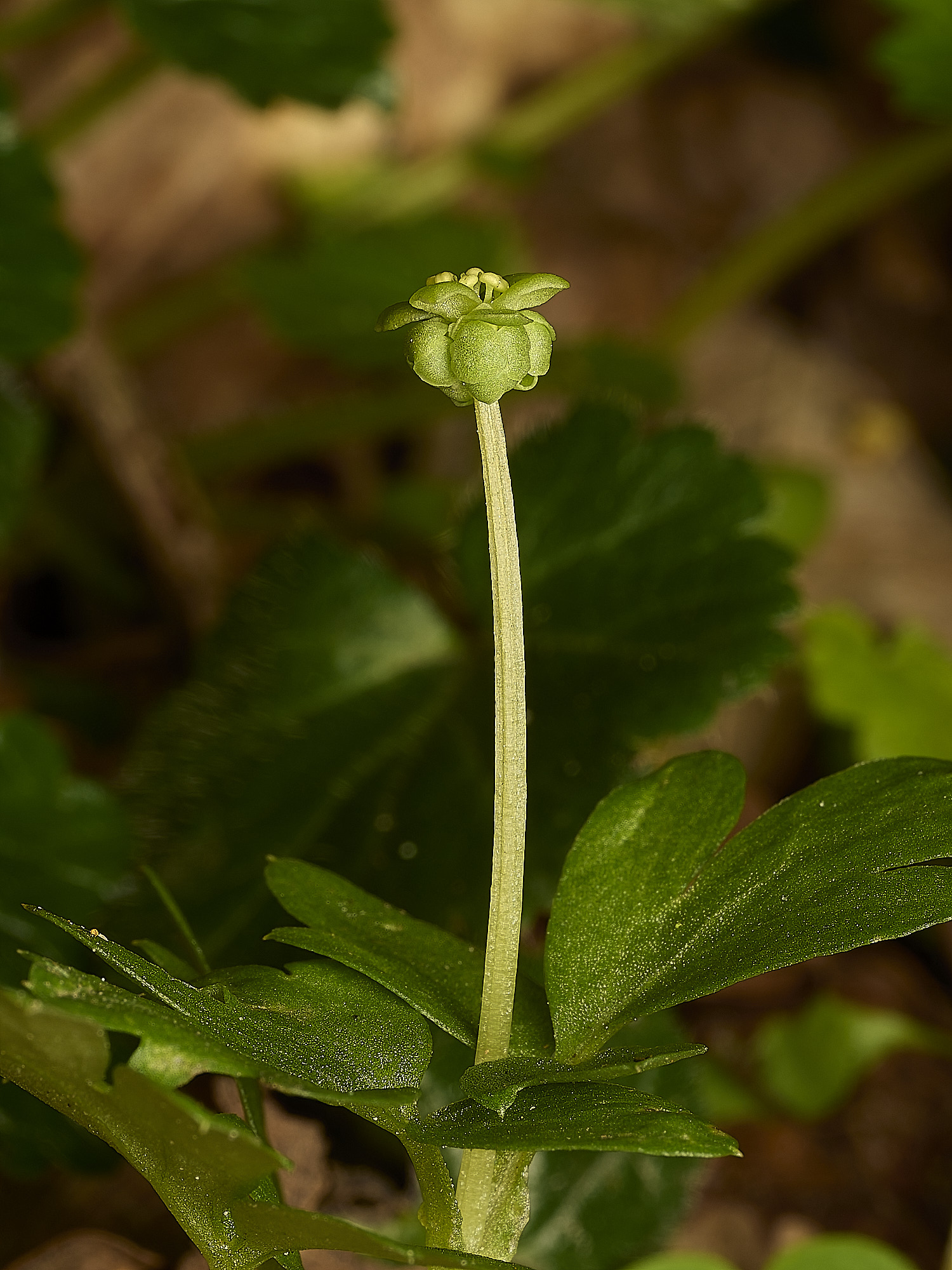
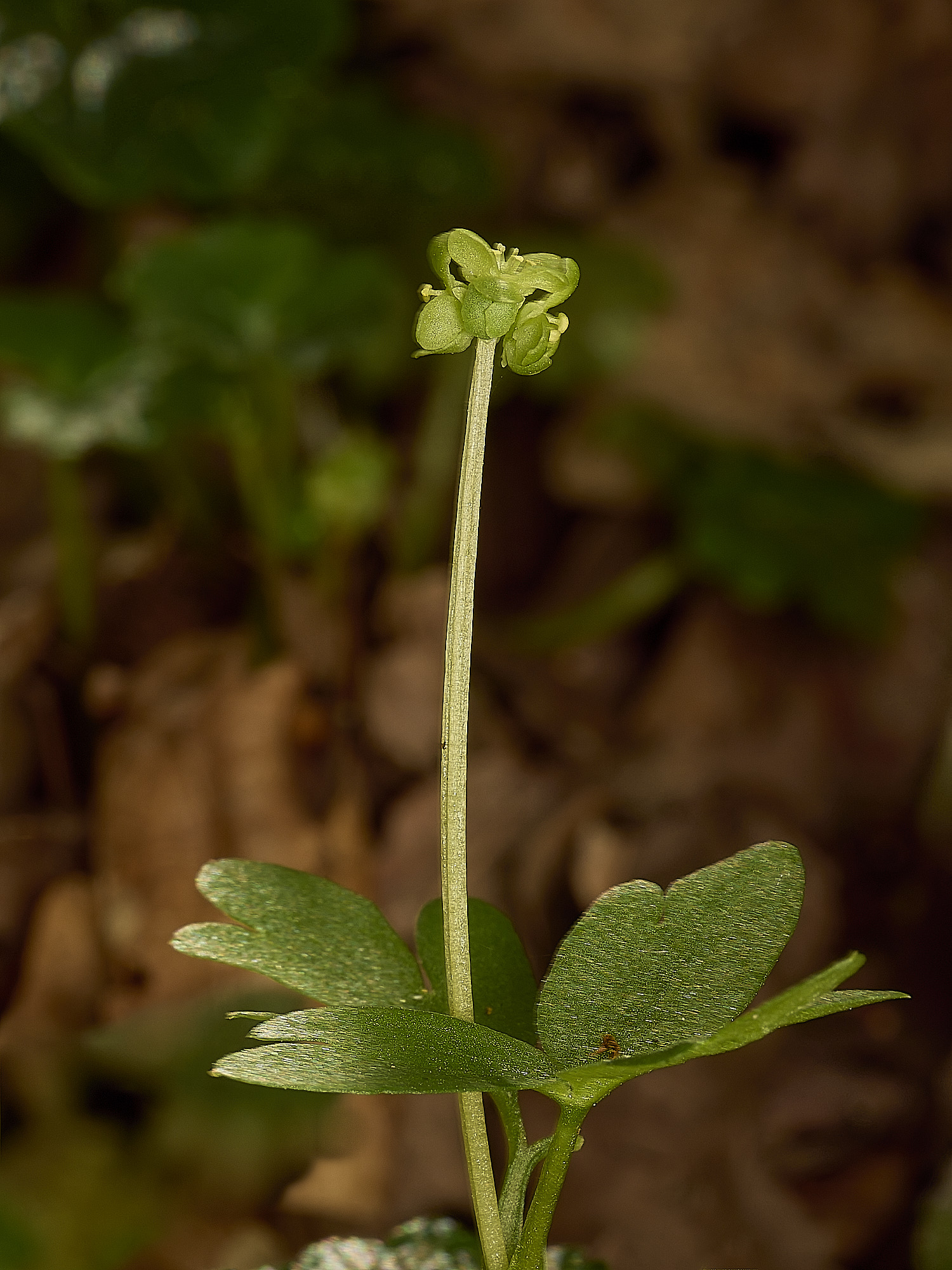
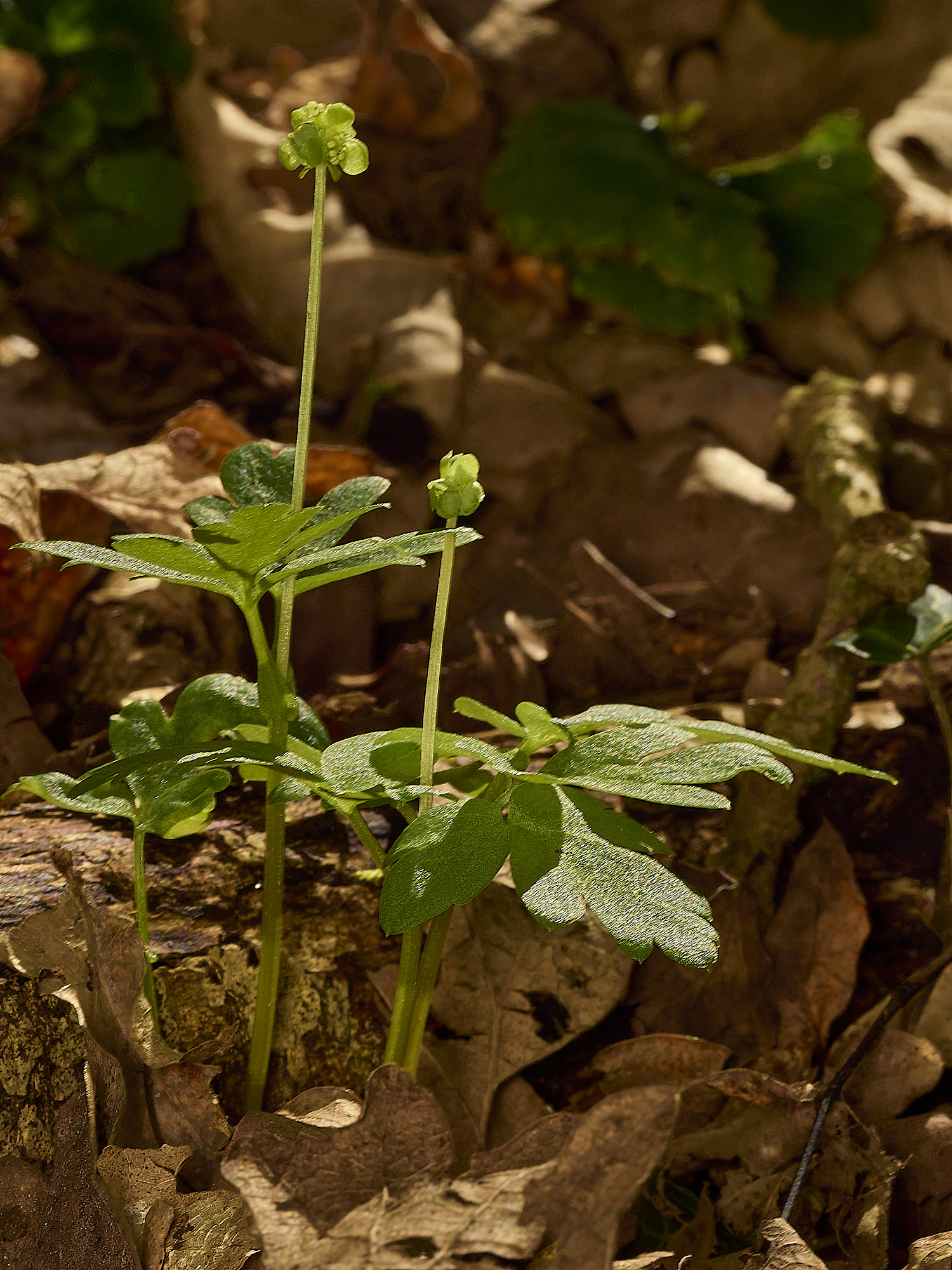
Town Hall Clock (Adoxa moschatellina)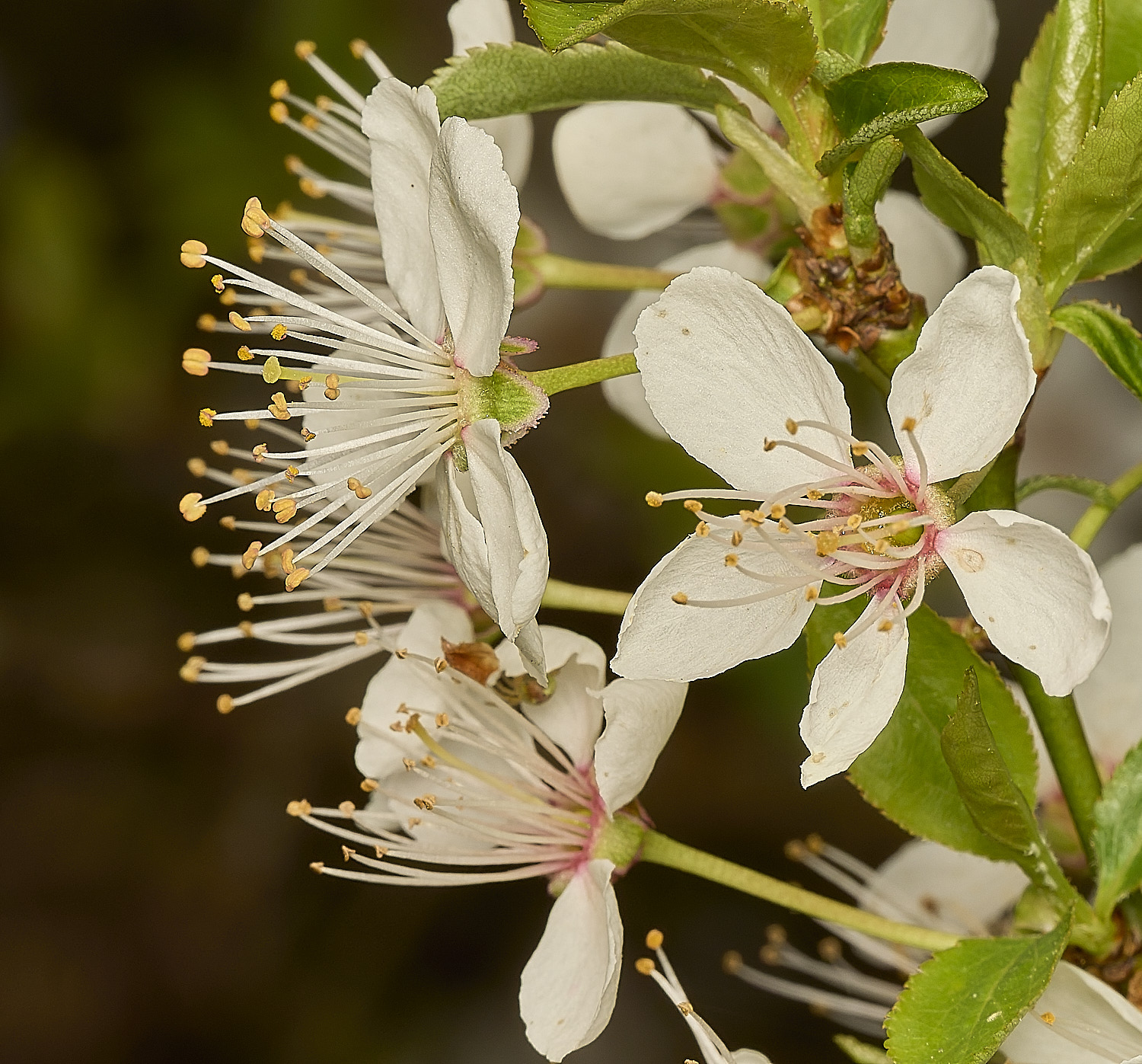
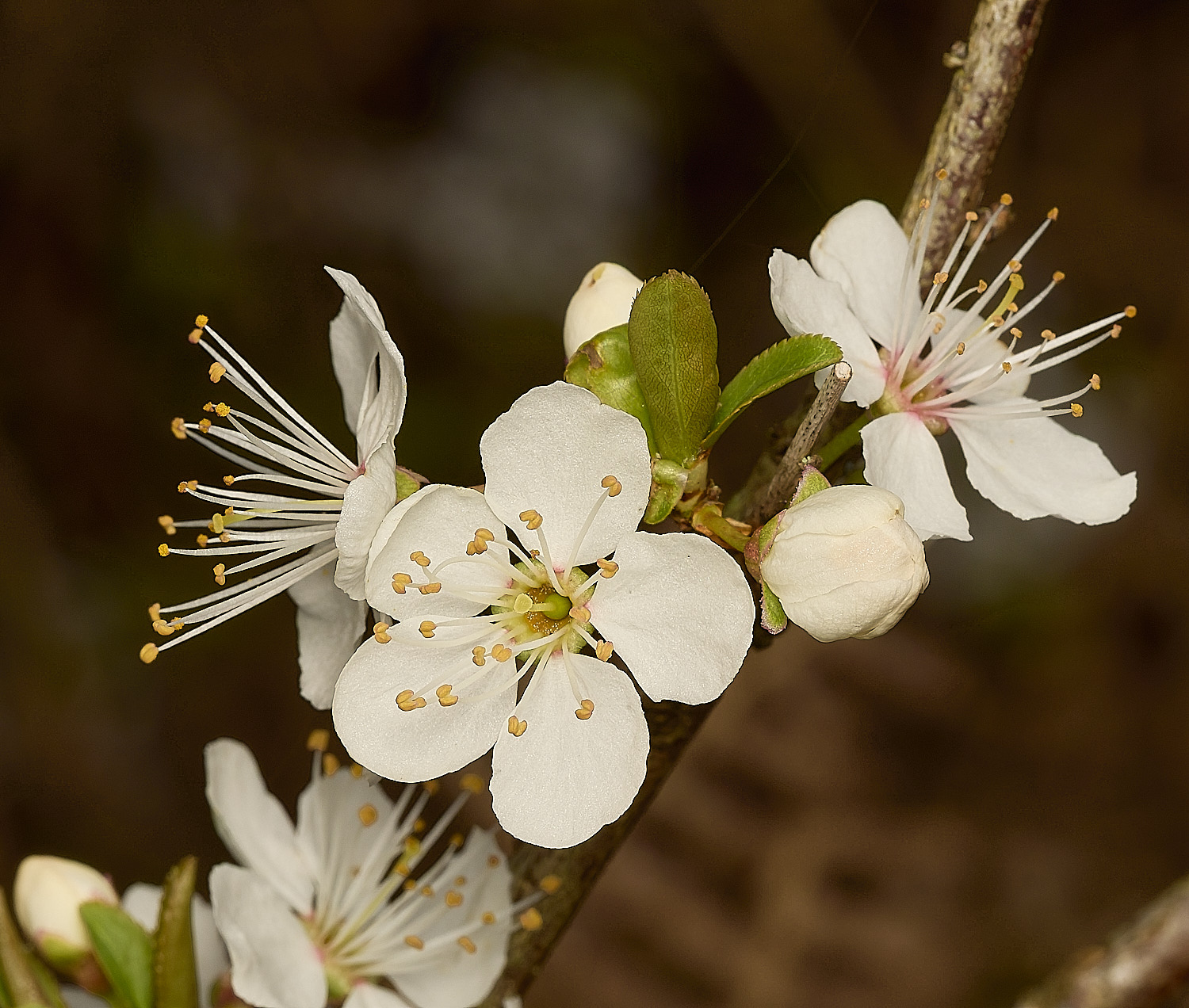
Bird Cherry (Prunus padus)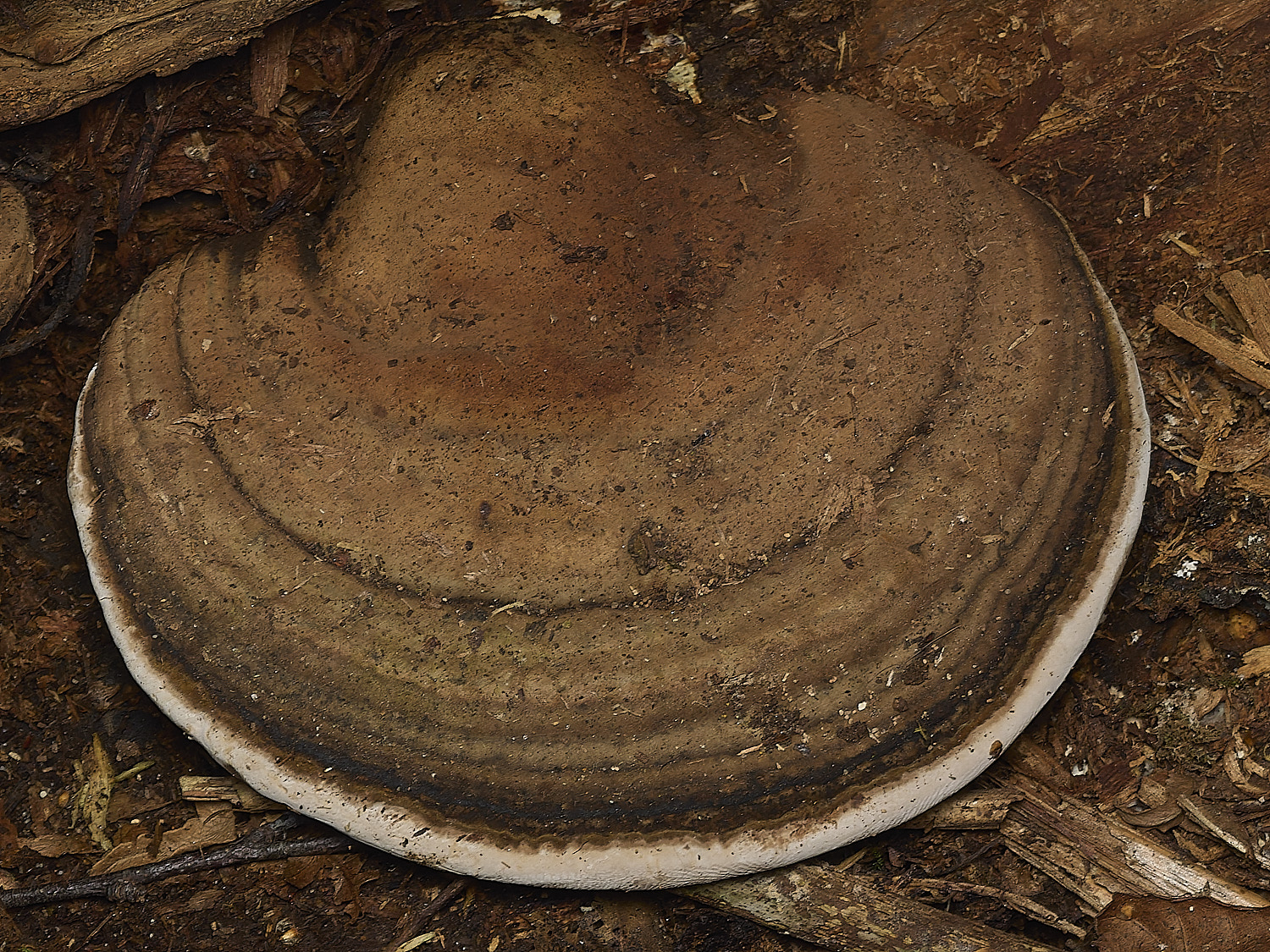
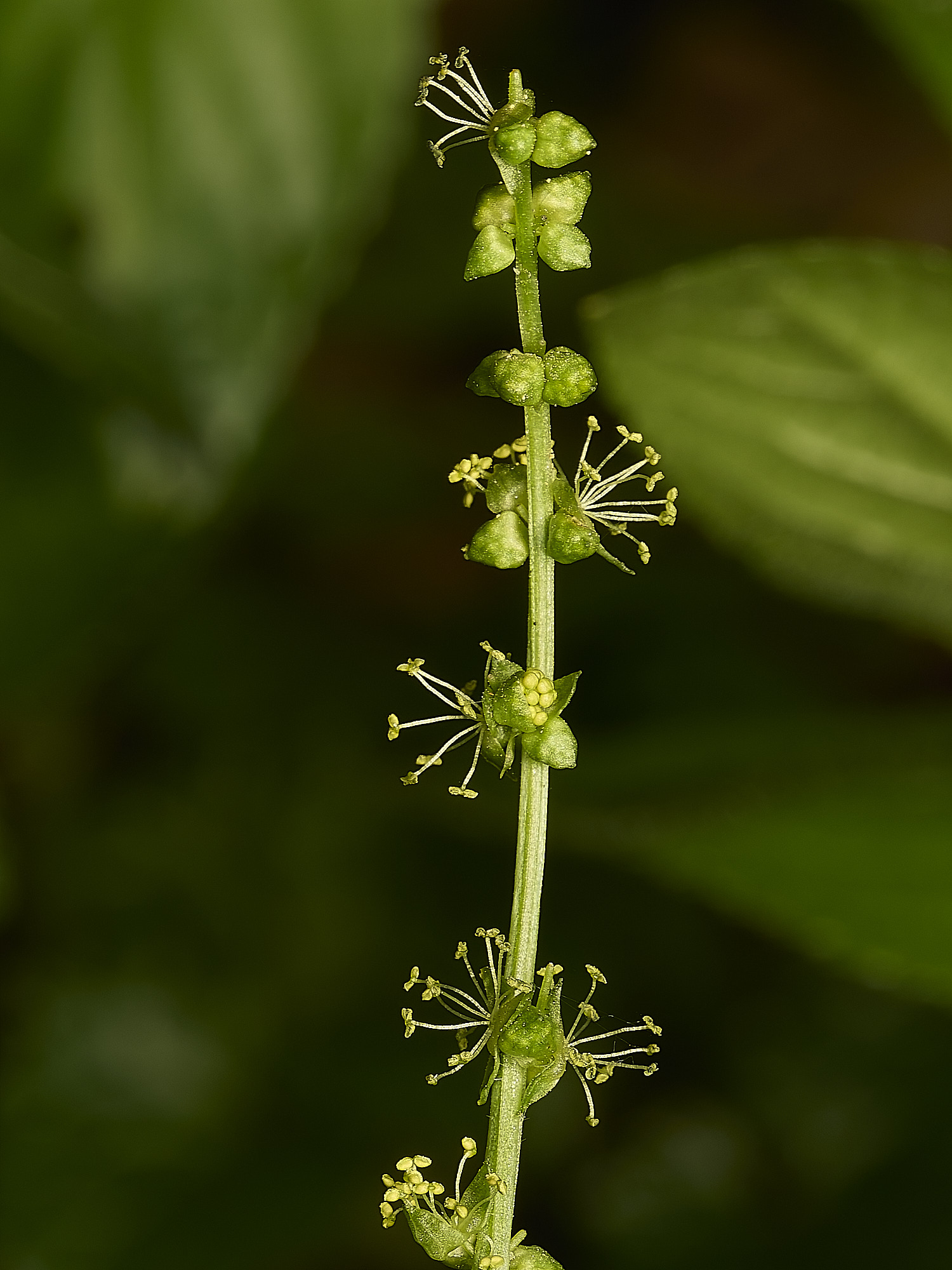
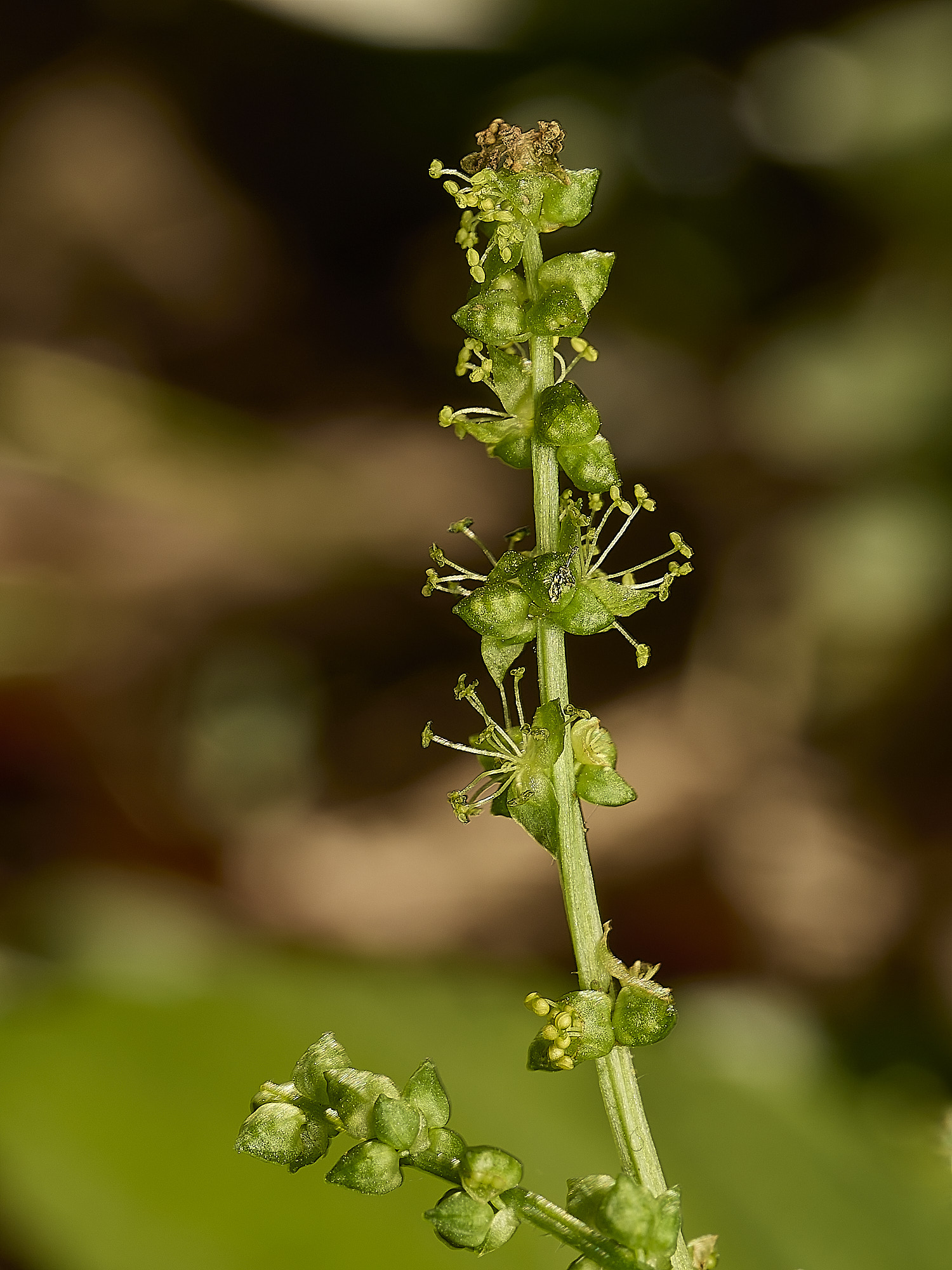
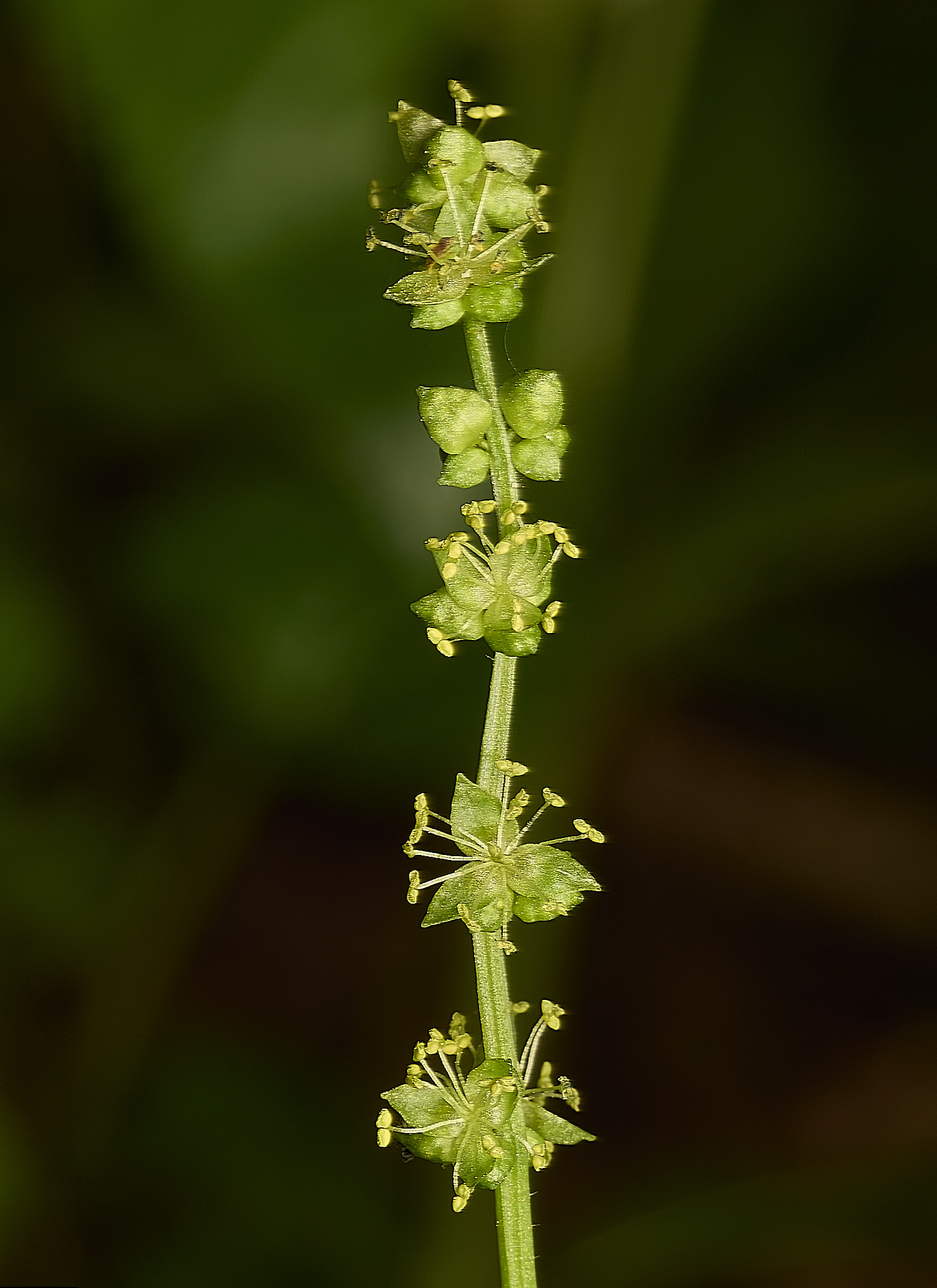
Dog's mercury ( Mercurialis perennis)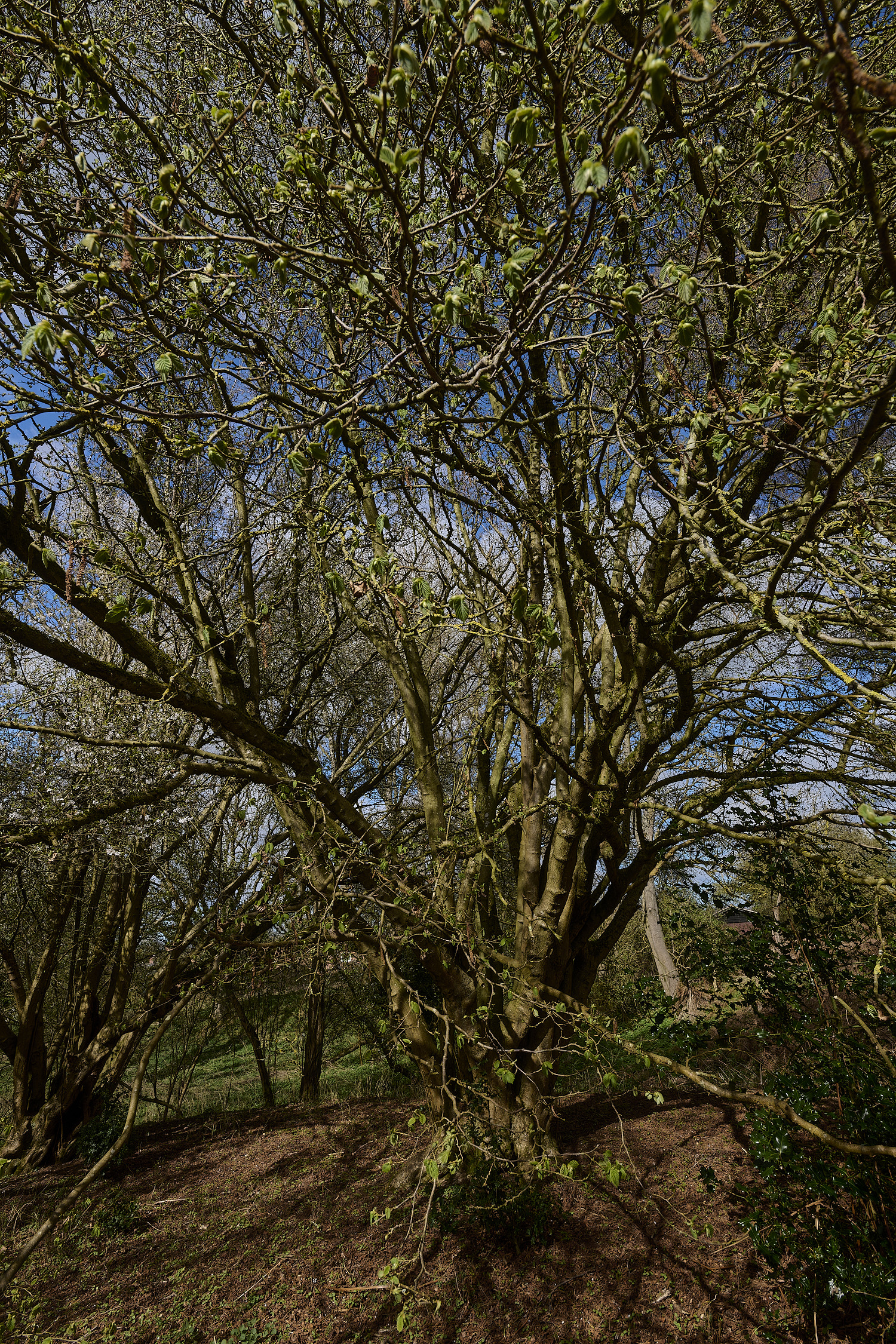
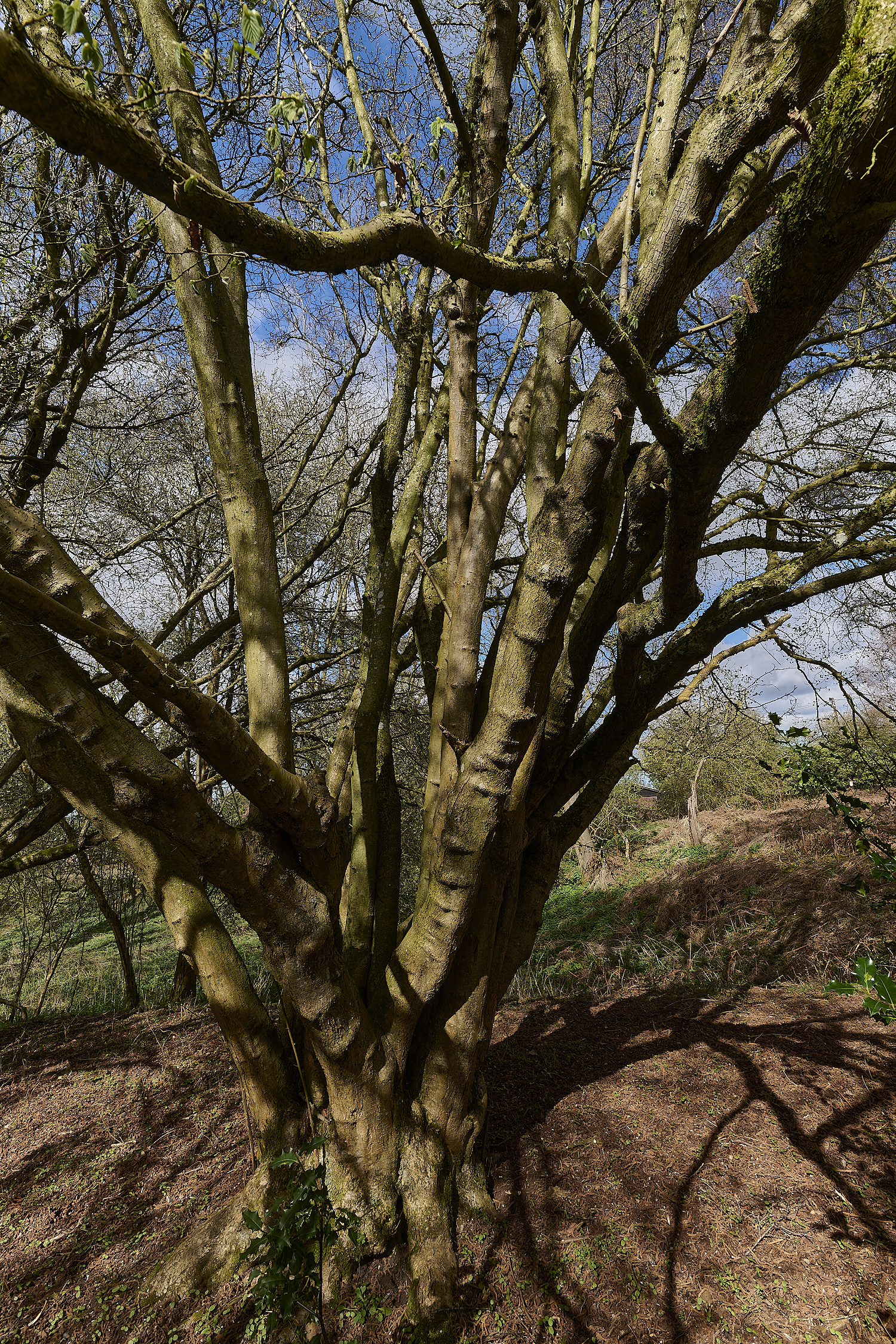
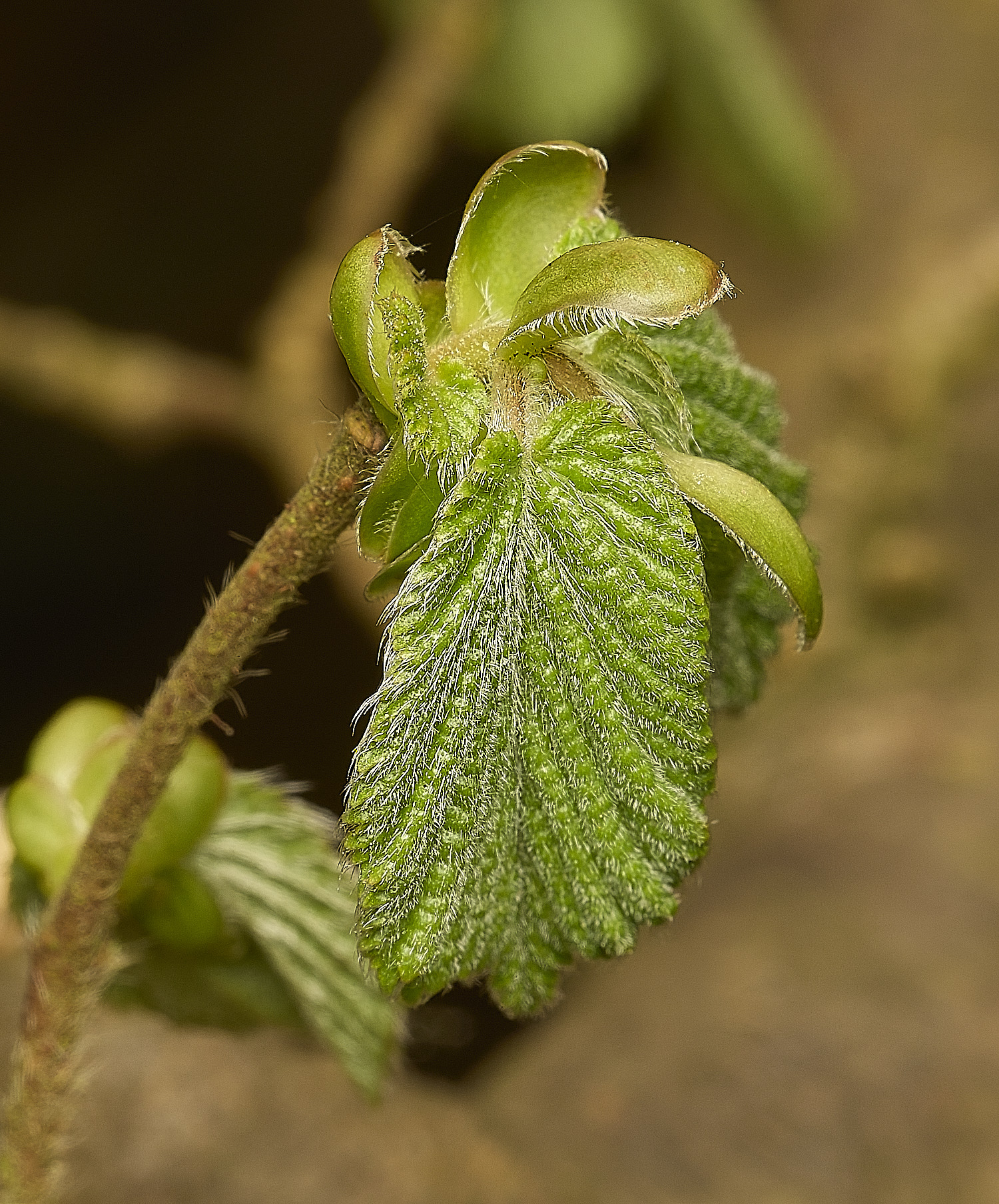
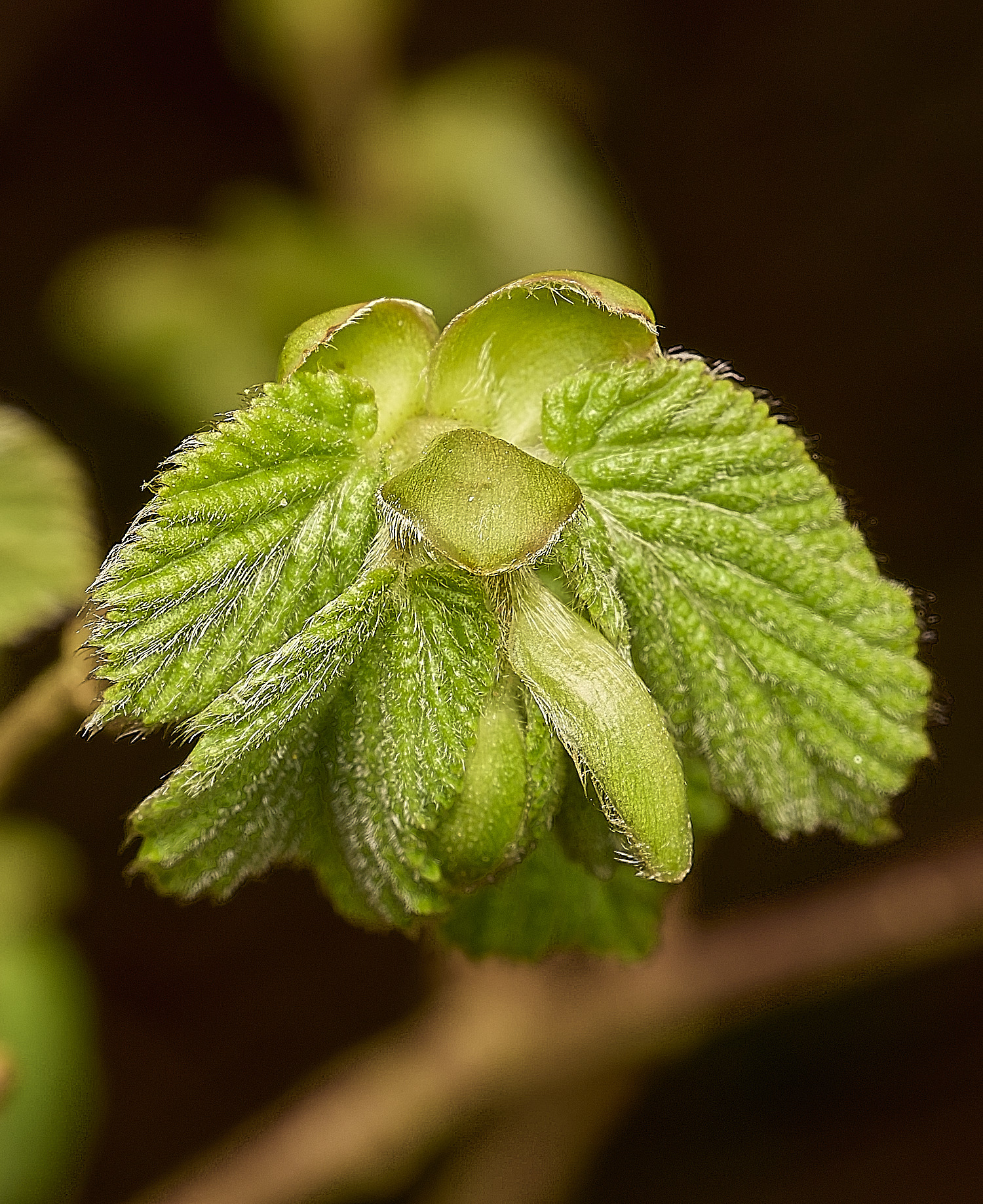
Hazel (Corylus avellana)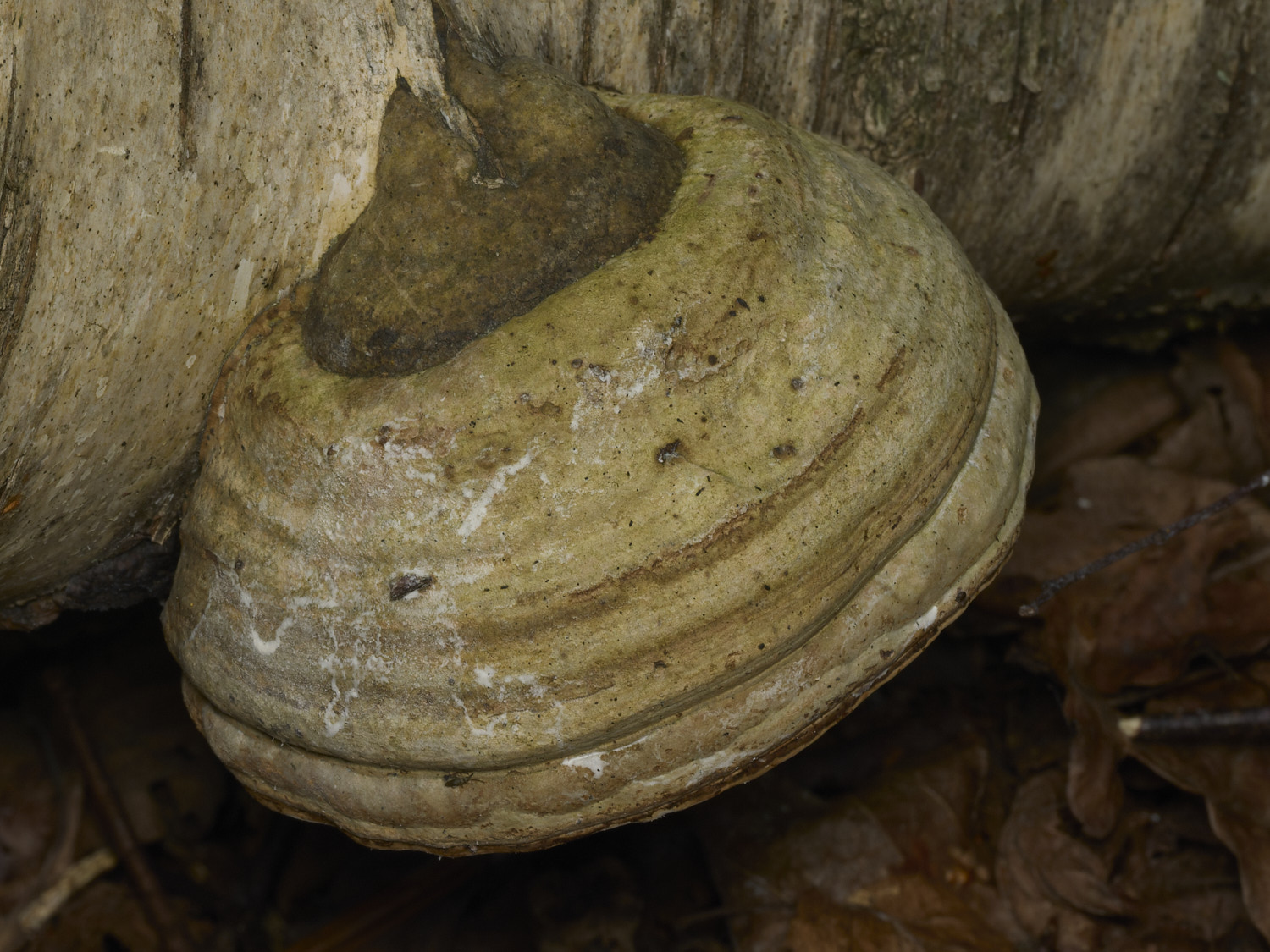
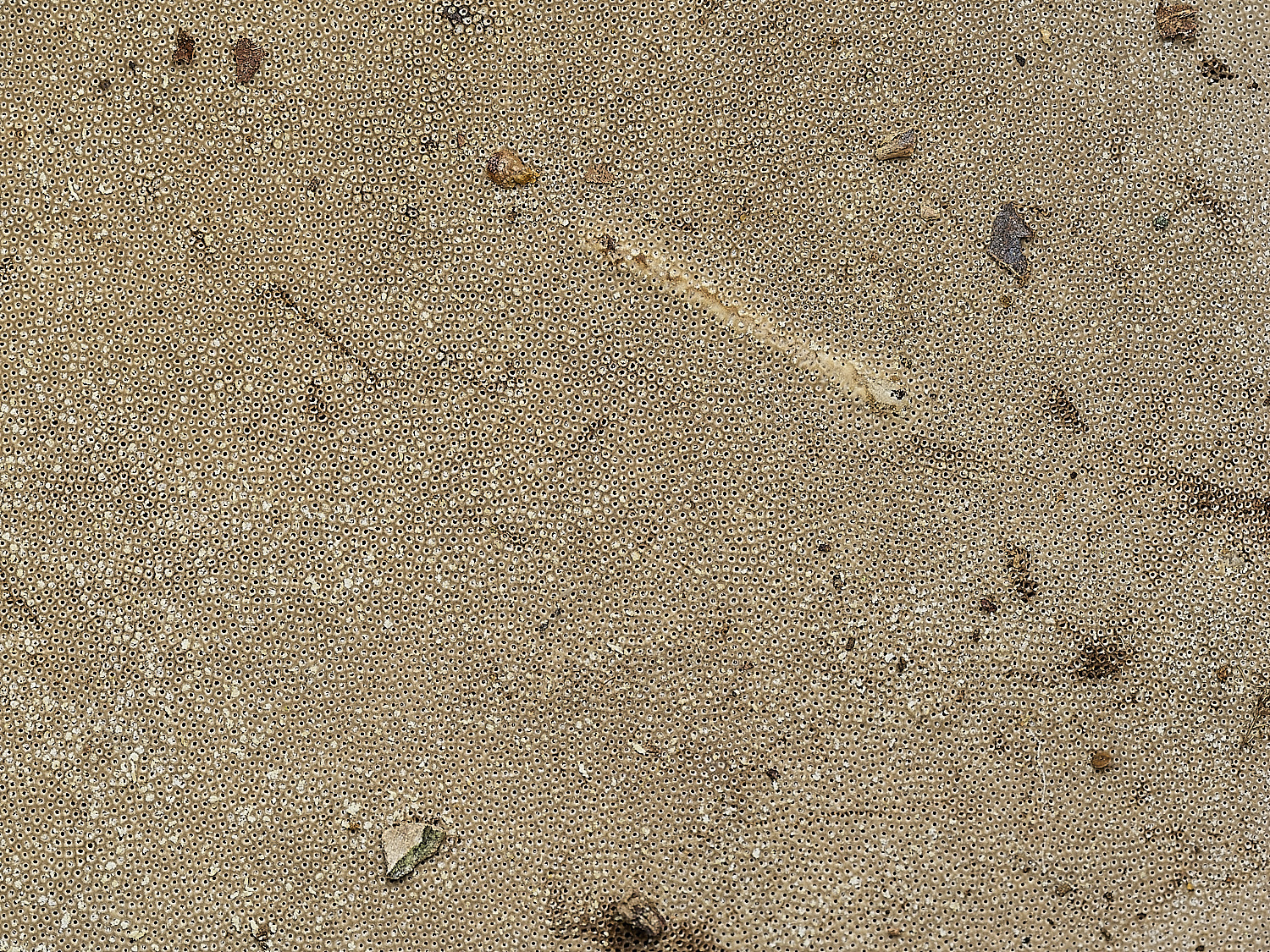
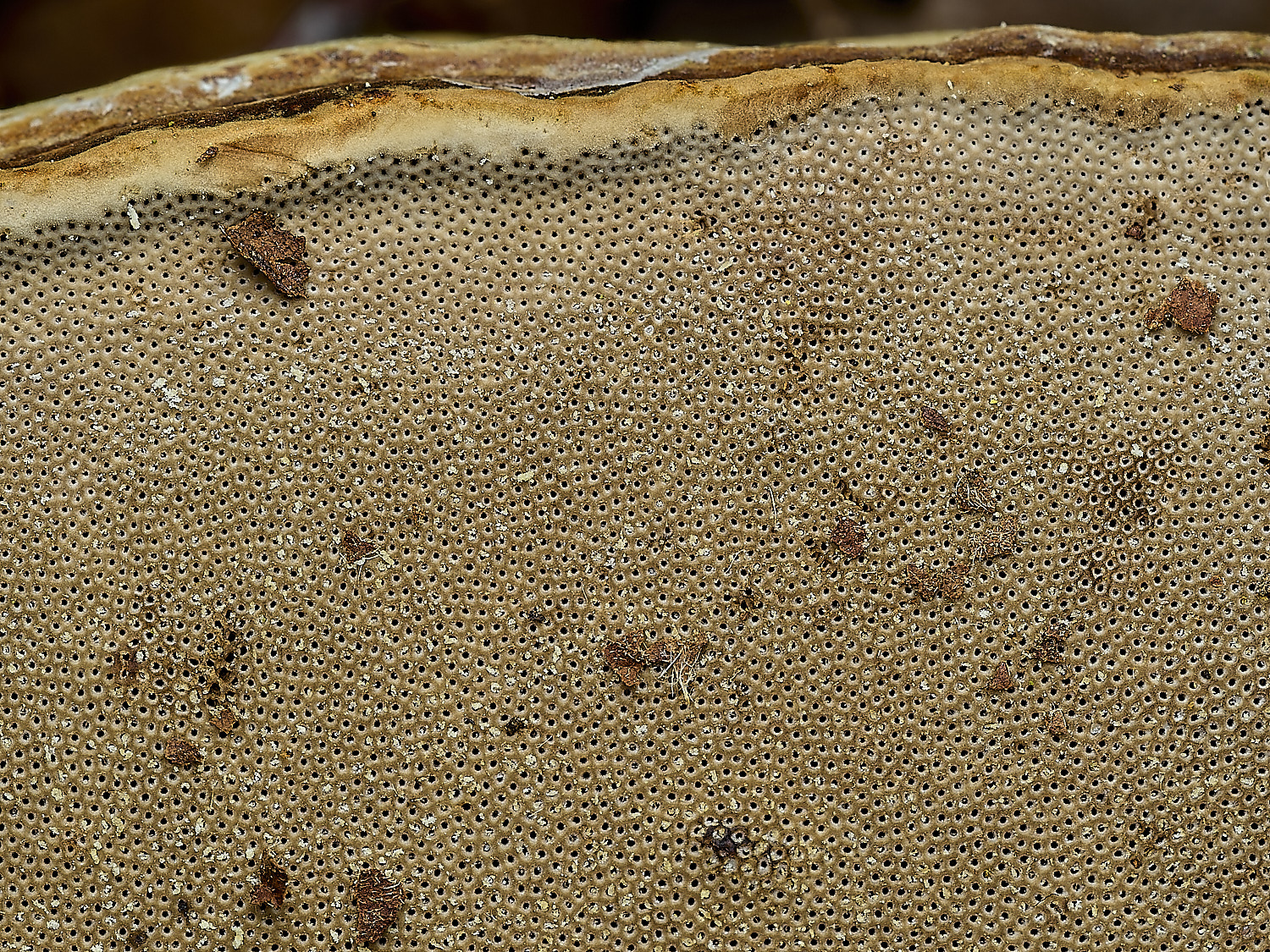
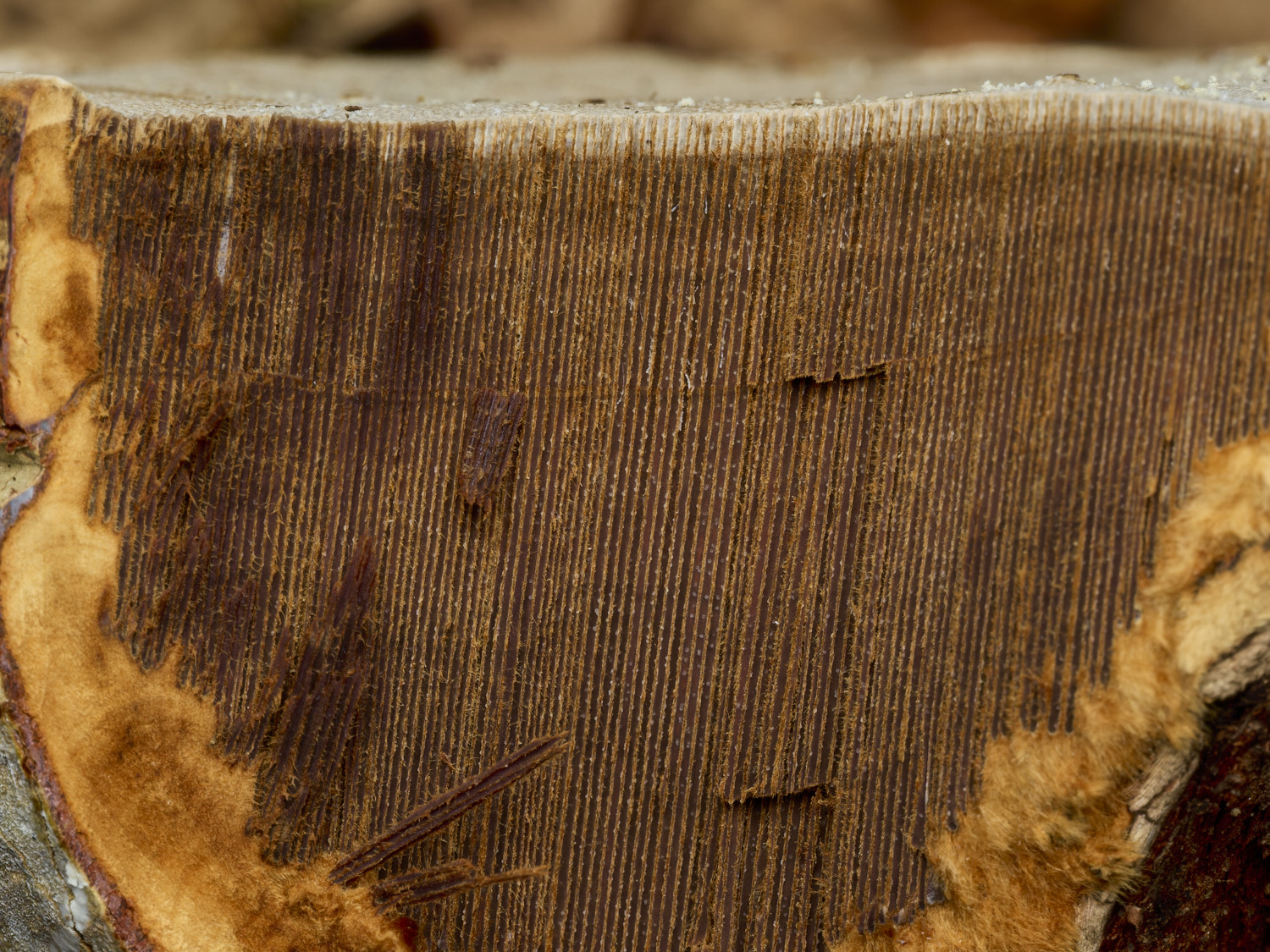
Hoof Fungus (Fomes fomentarius)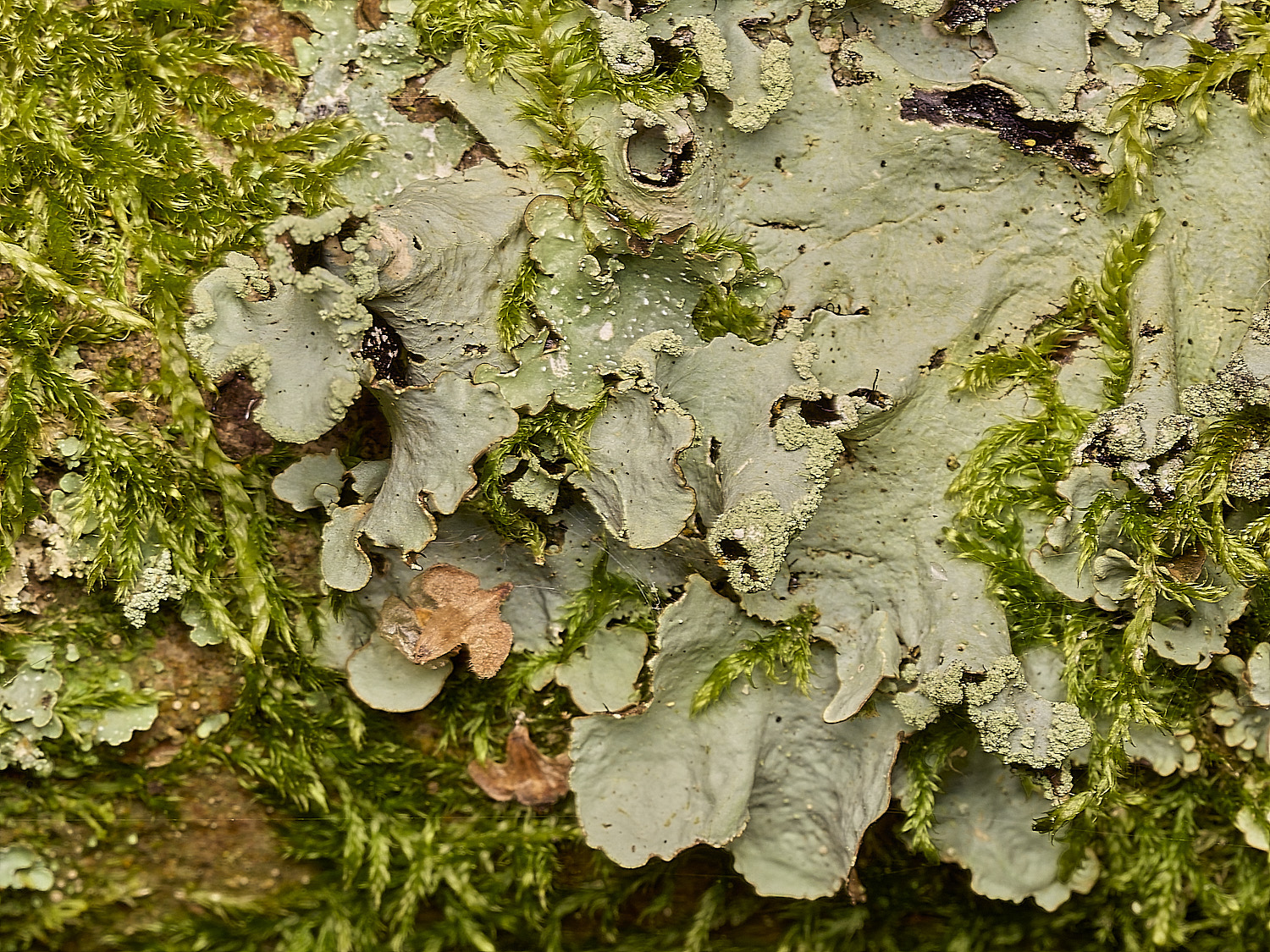
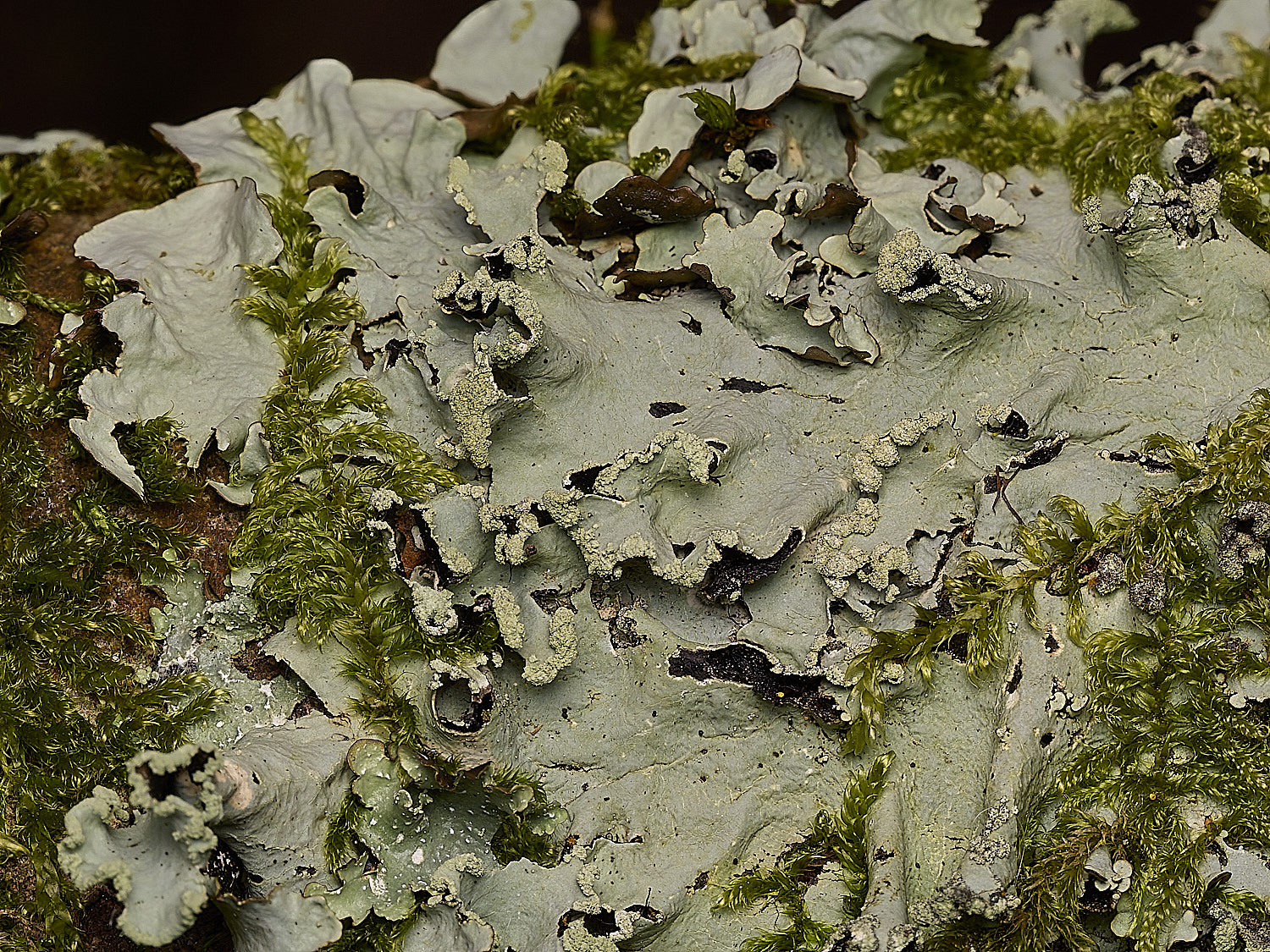
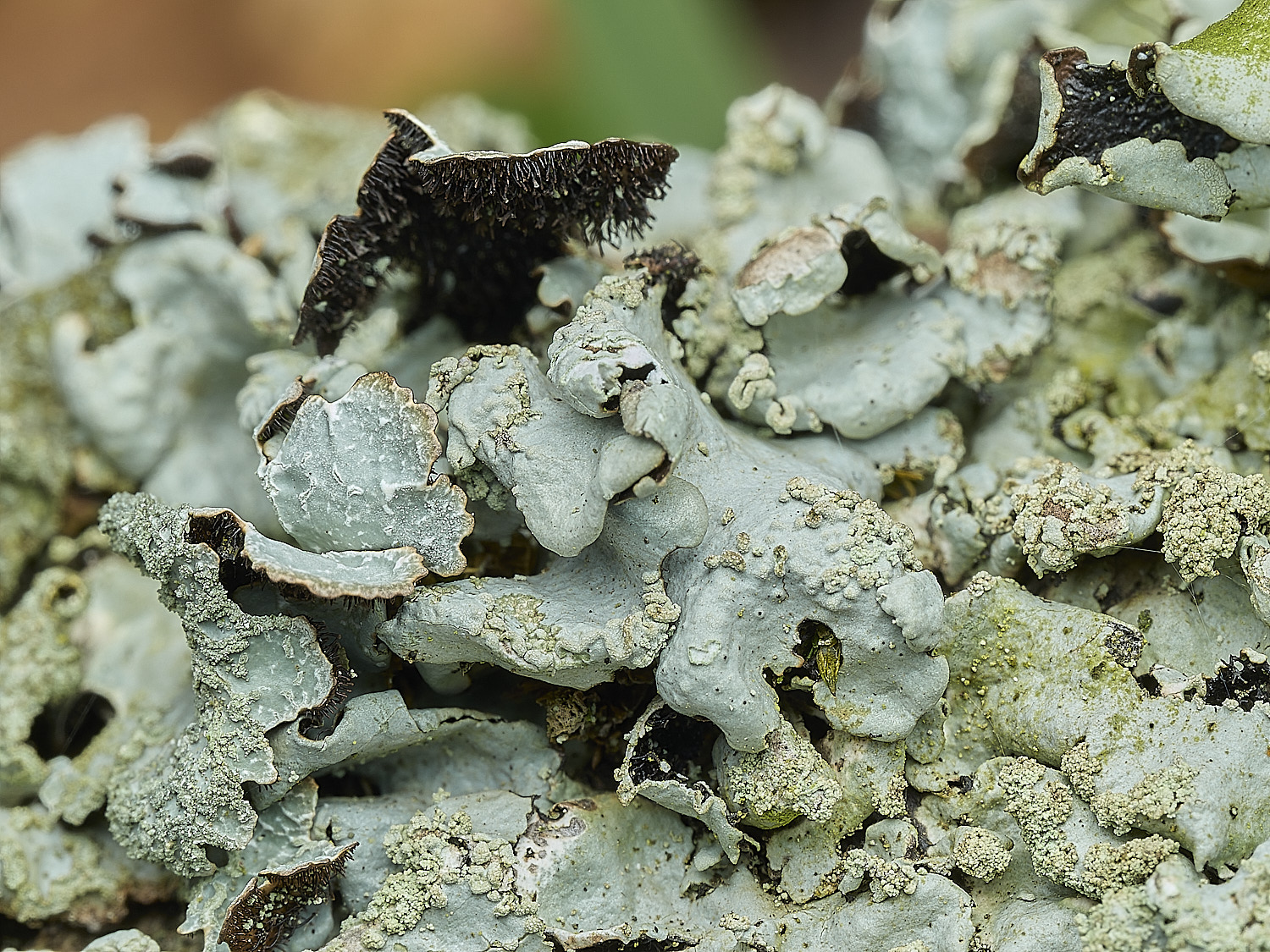
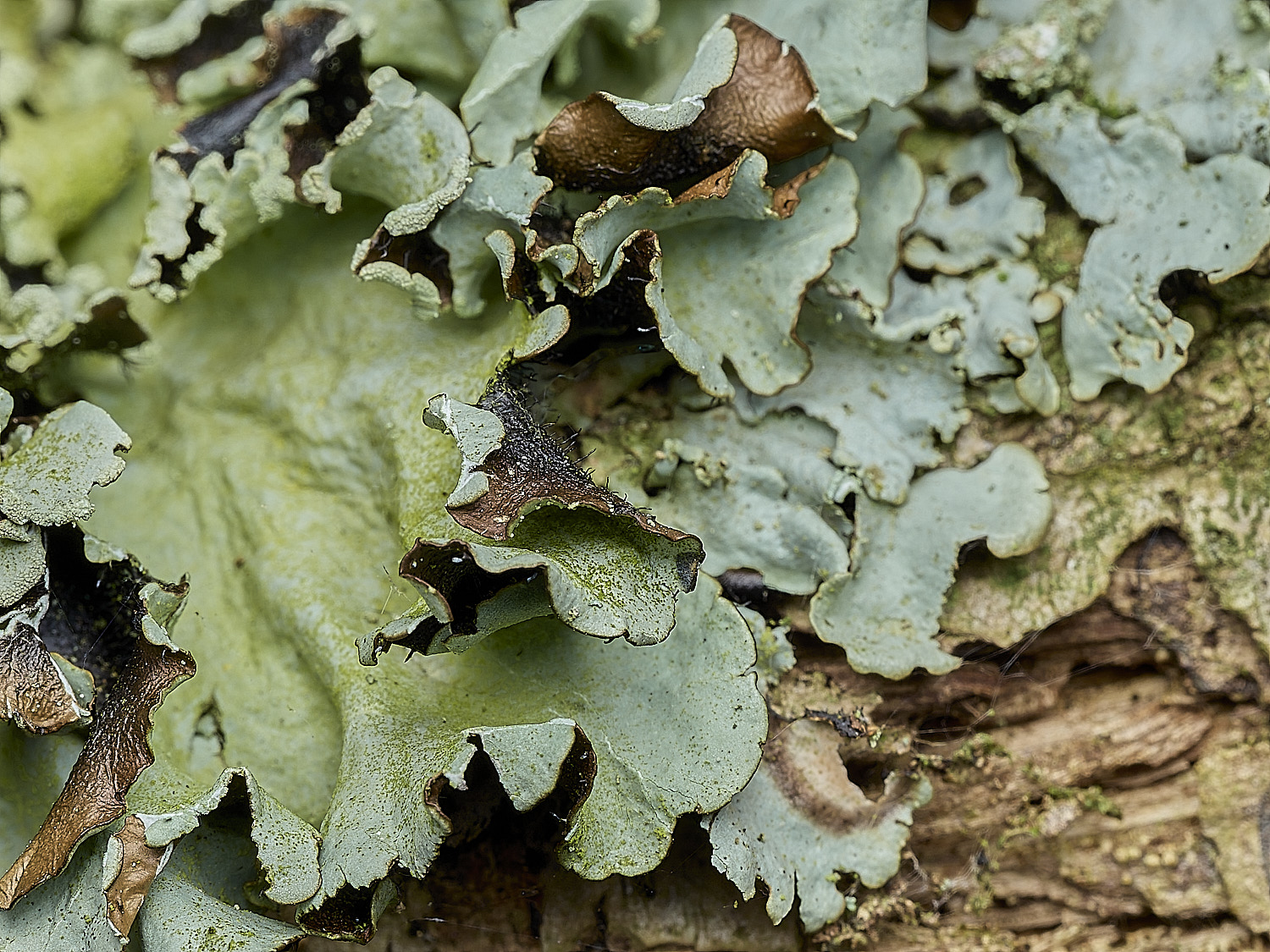
Lichen Sp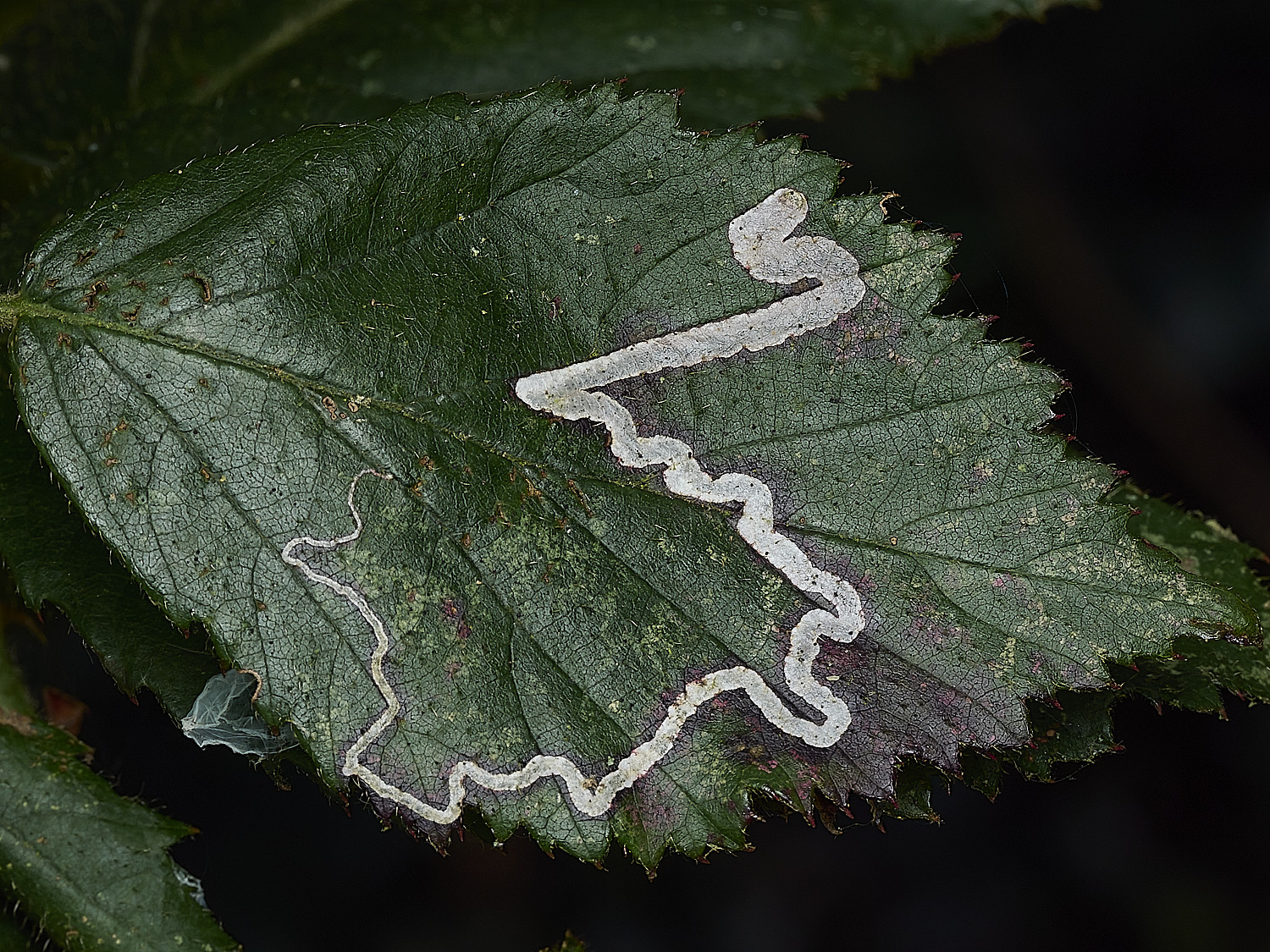
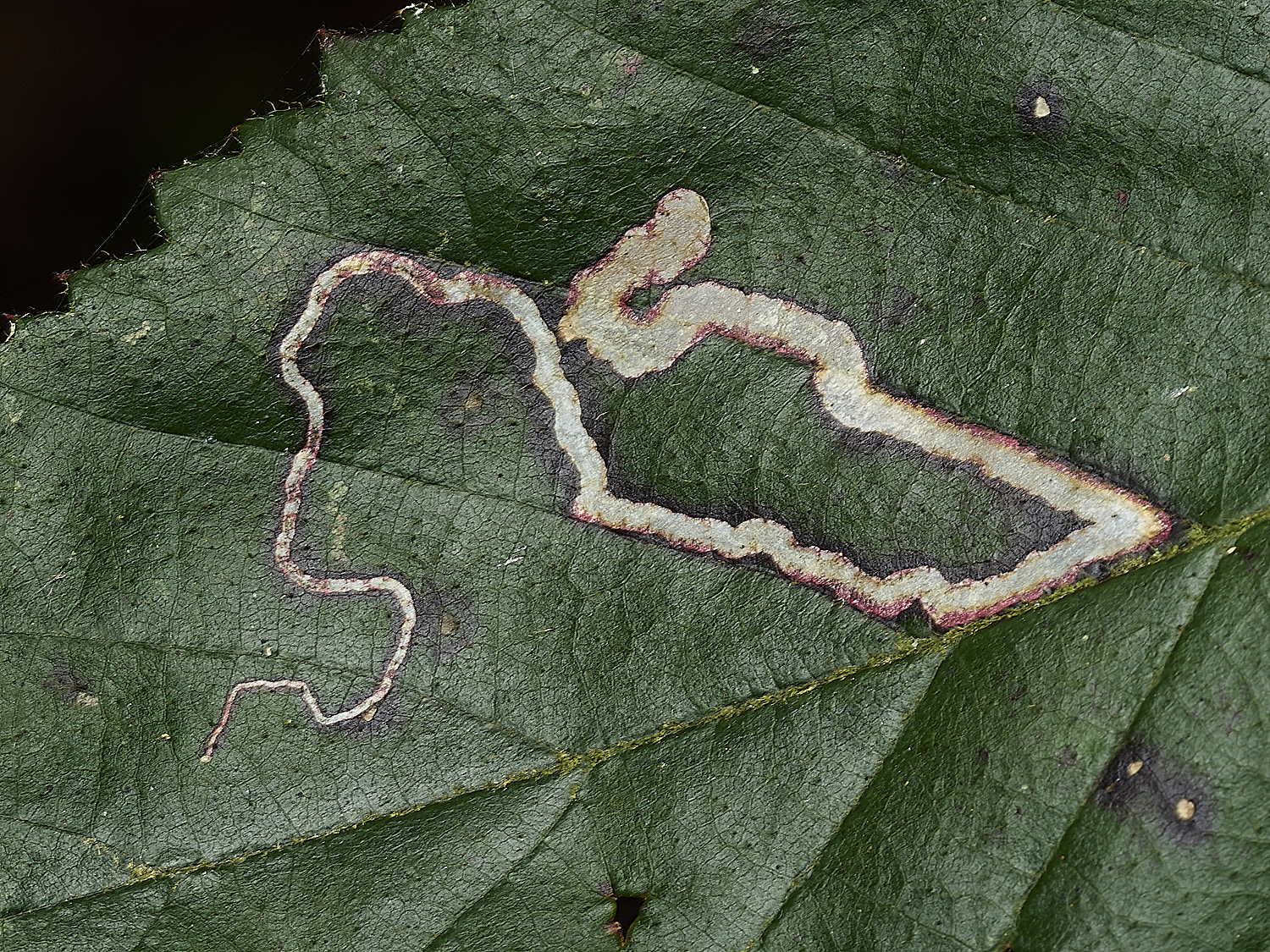
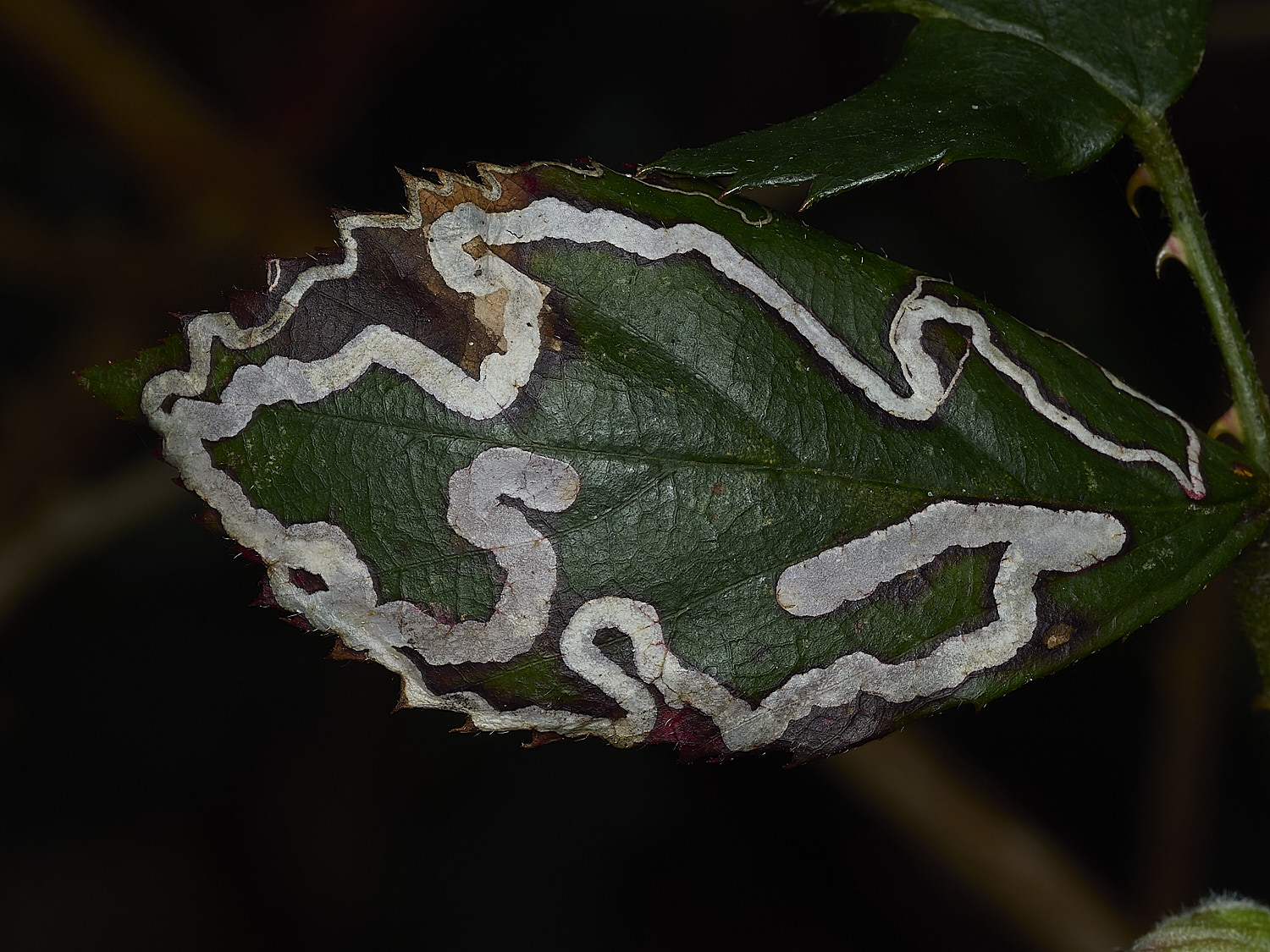
Mine on bramble leaves. This is likely to be Golden Pygmy Moth (Stigmella aurella)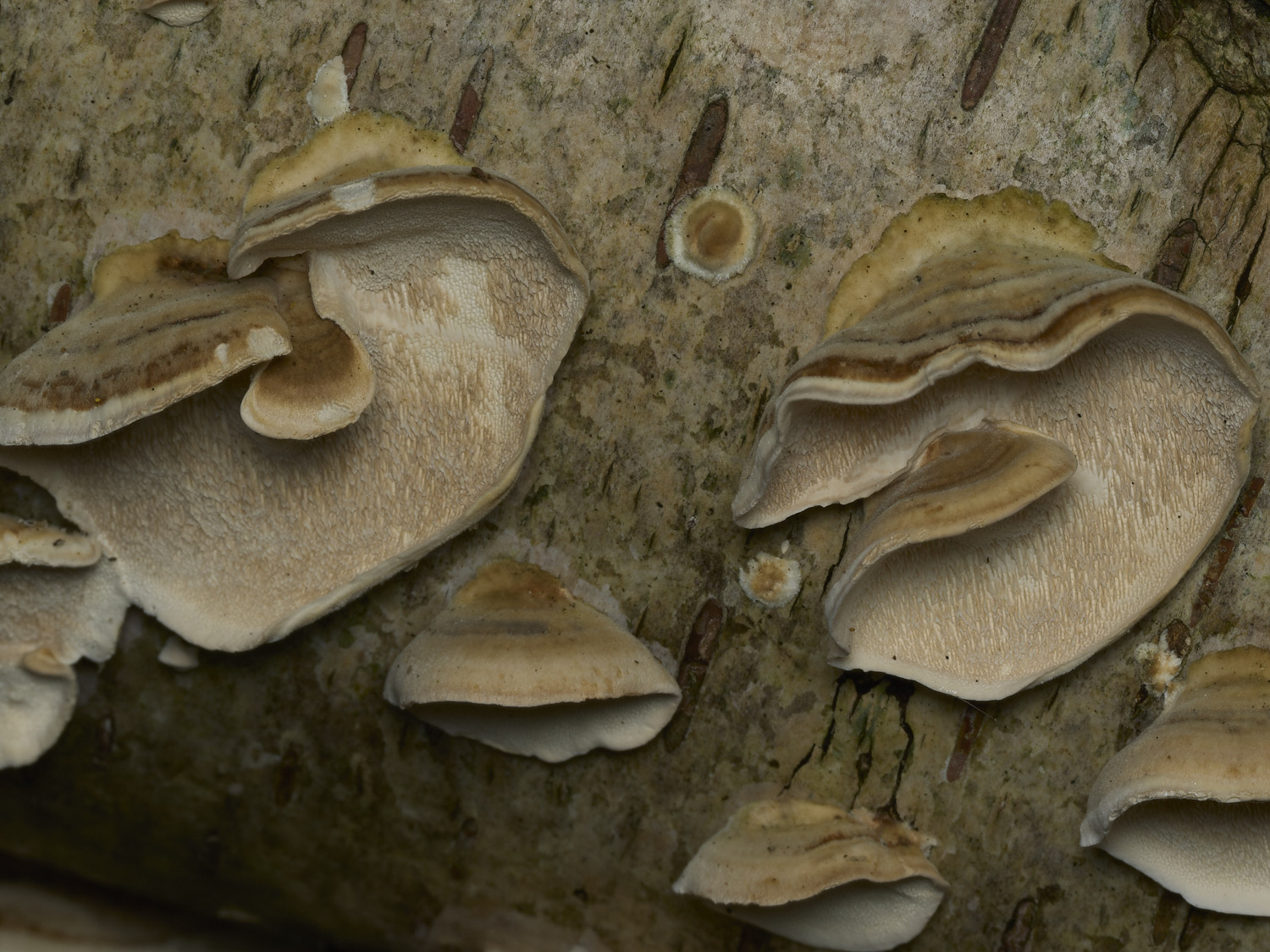
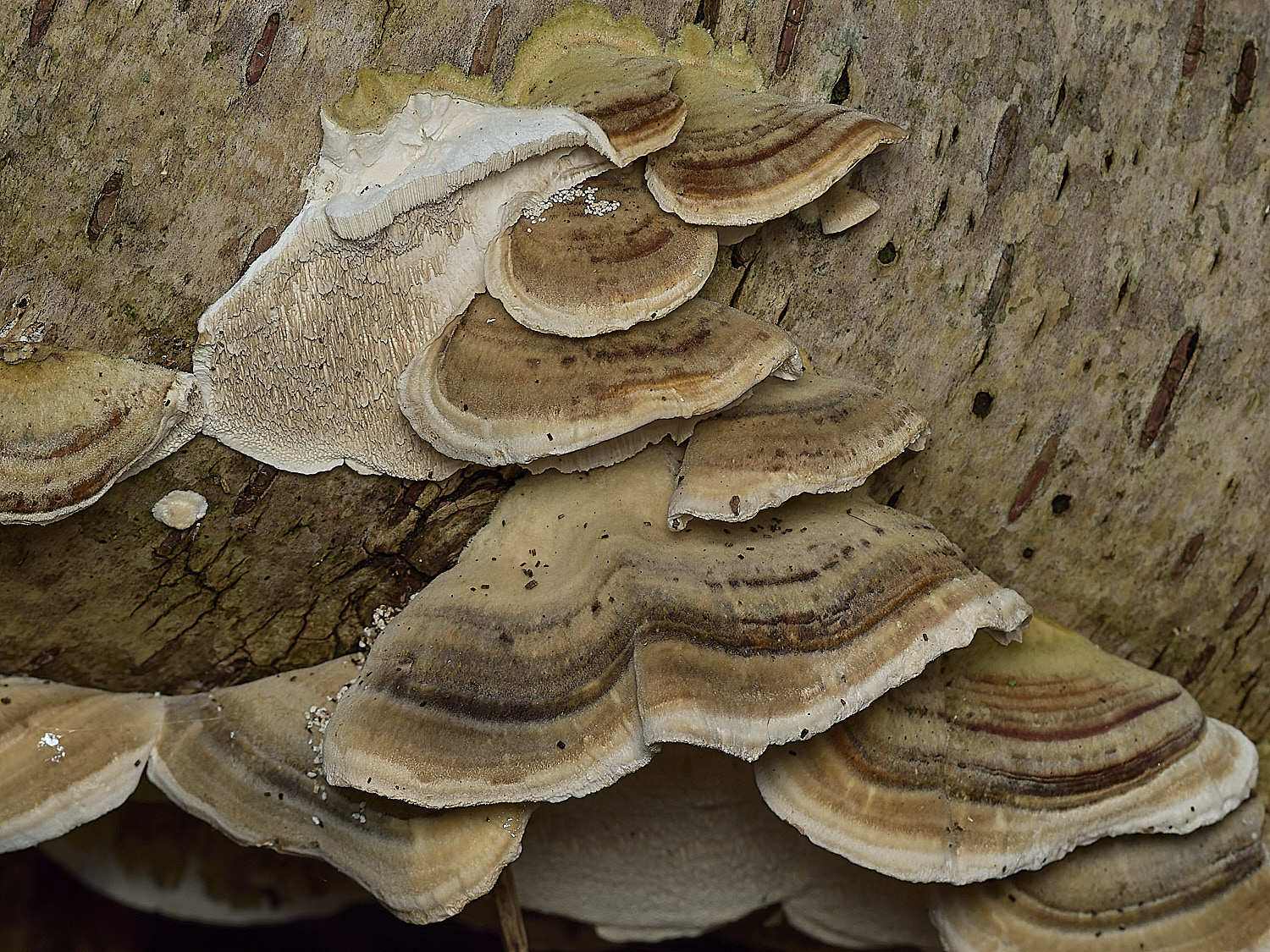
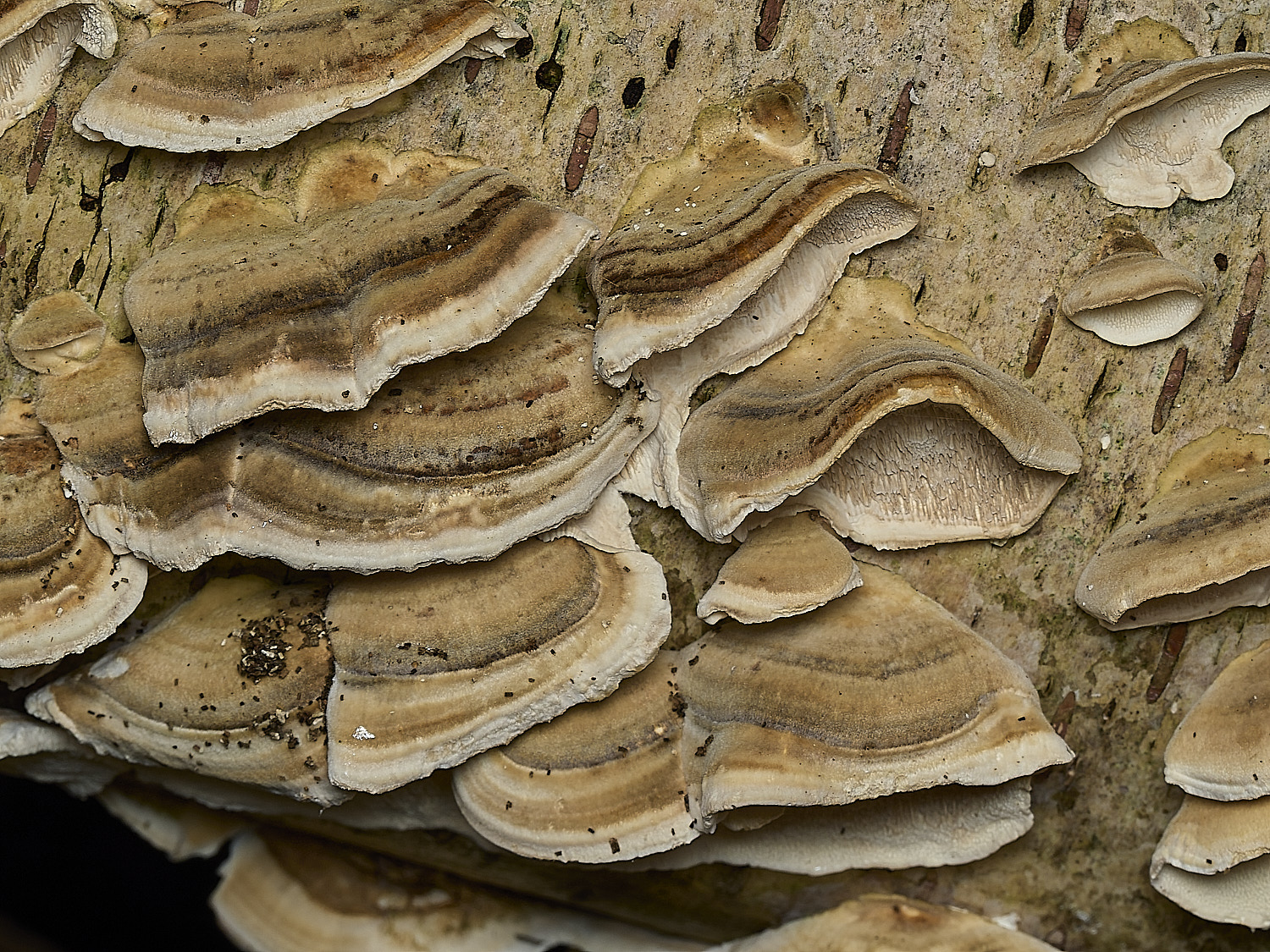
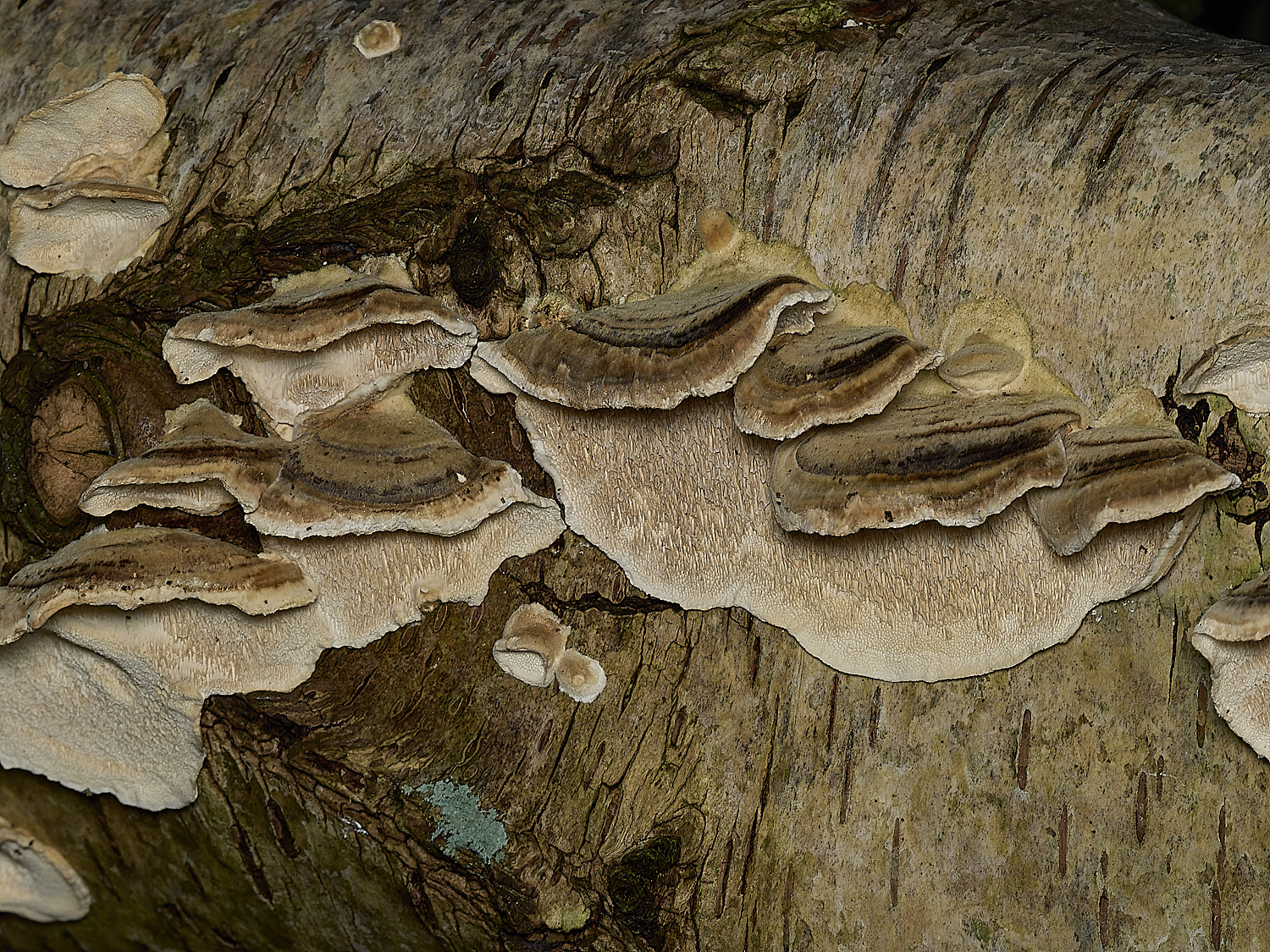
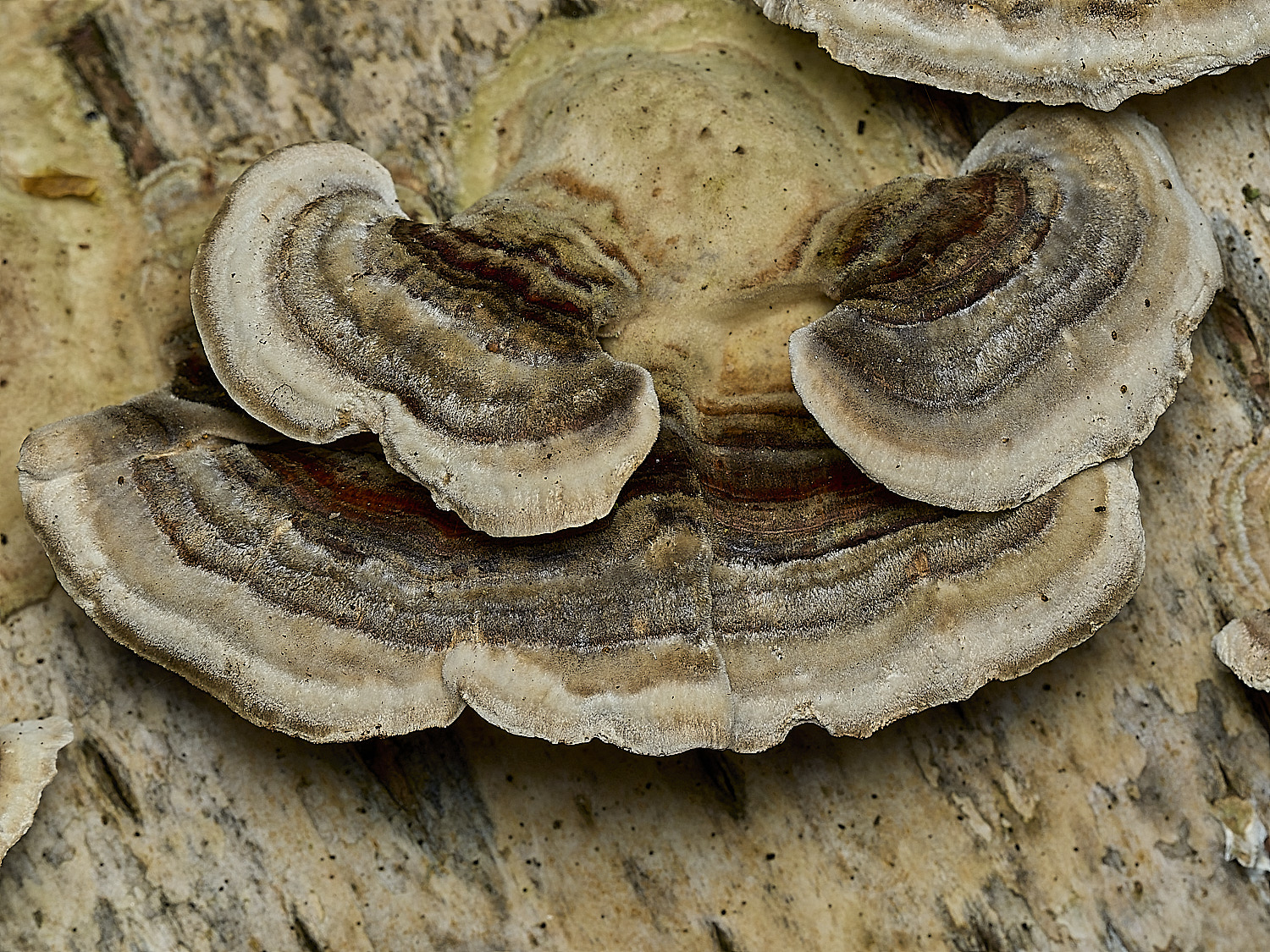
Turkey Tail (Trametes versicolor)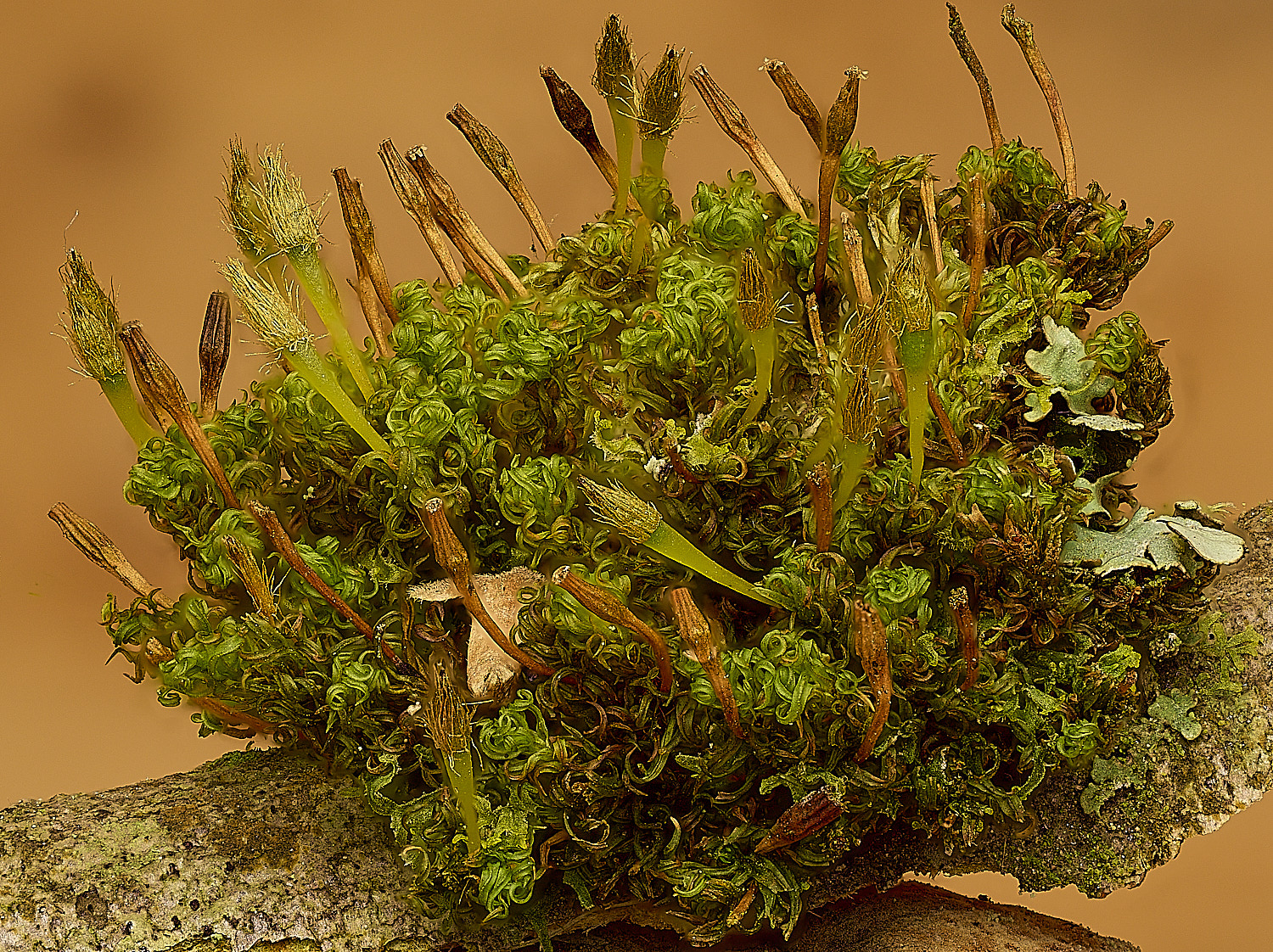
Ulotta Sp (dry)
The dried old capsules taper below the capsule mouth making this Crisped Pincushion (Ulotta crispa)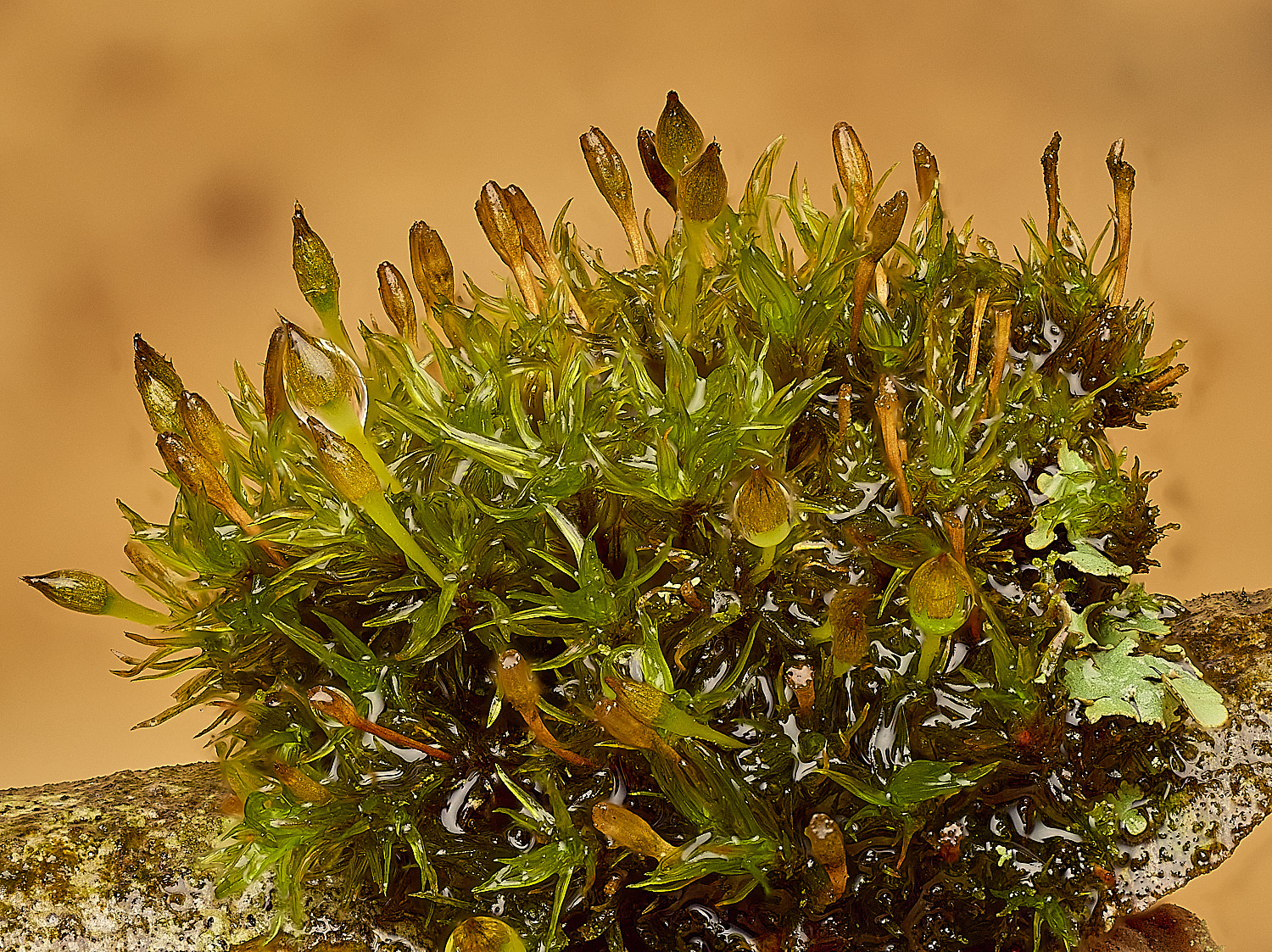
Ulotta Sp (wet)
As you can see in the image above it would be impossible to identify this specimen when wet as the shape of the capsule is indistinct.
Hanworth
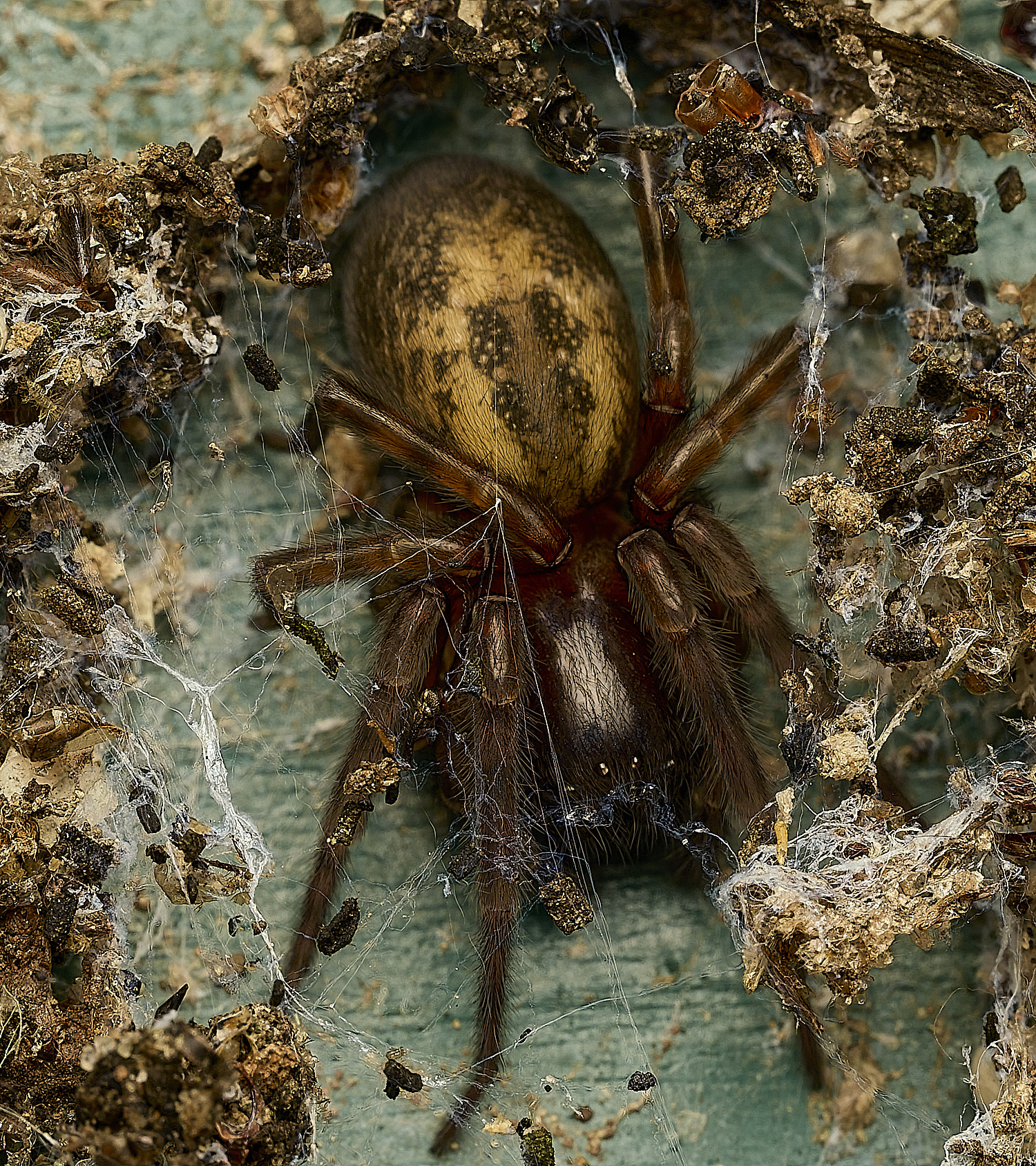
Spider Sp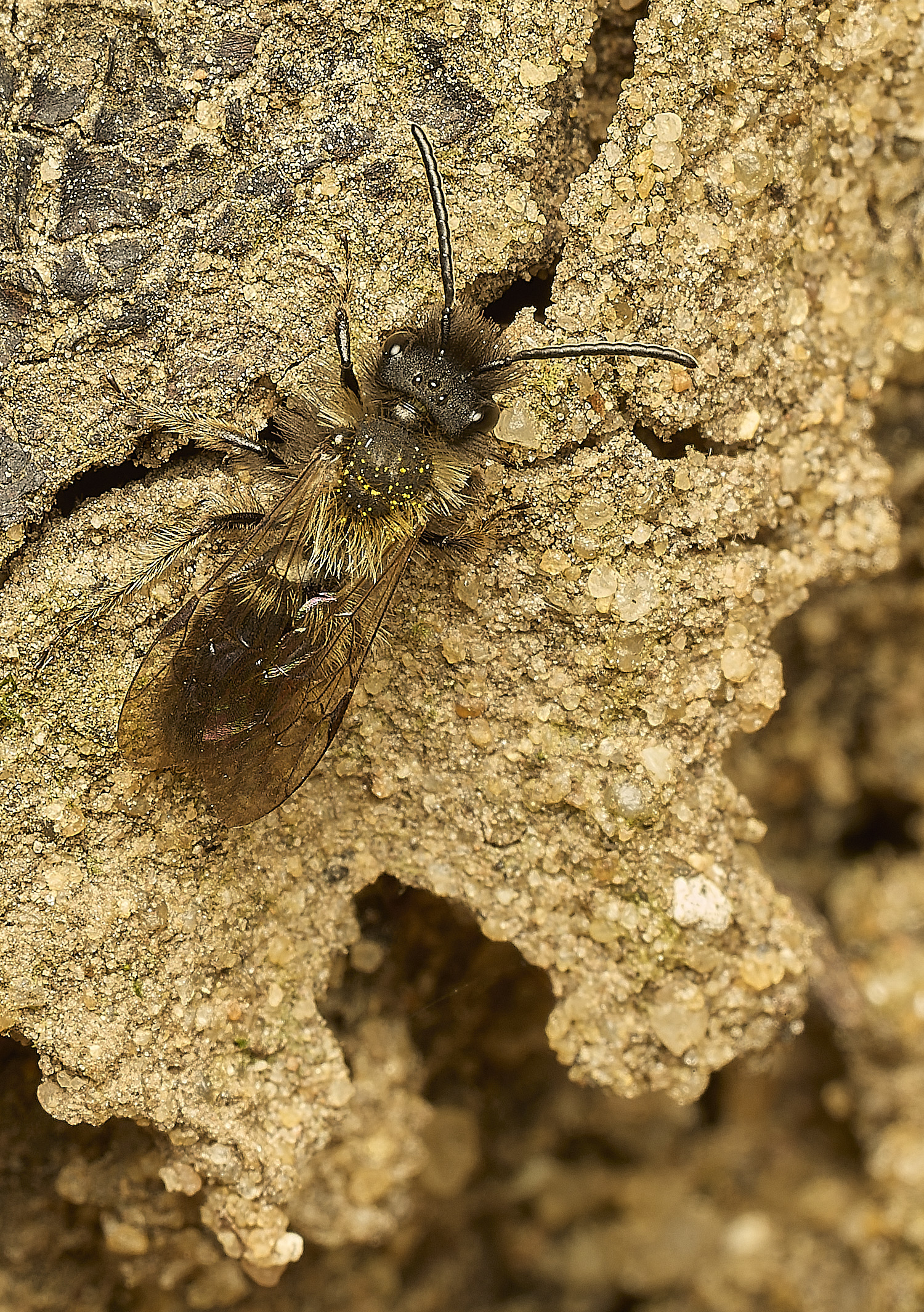
Gwynne's Mining Bee ♂︎ (Andrena bicolor)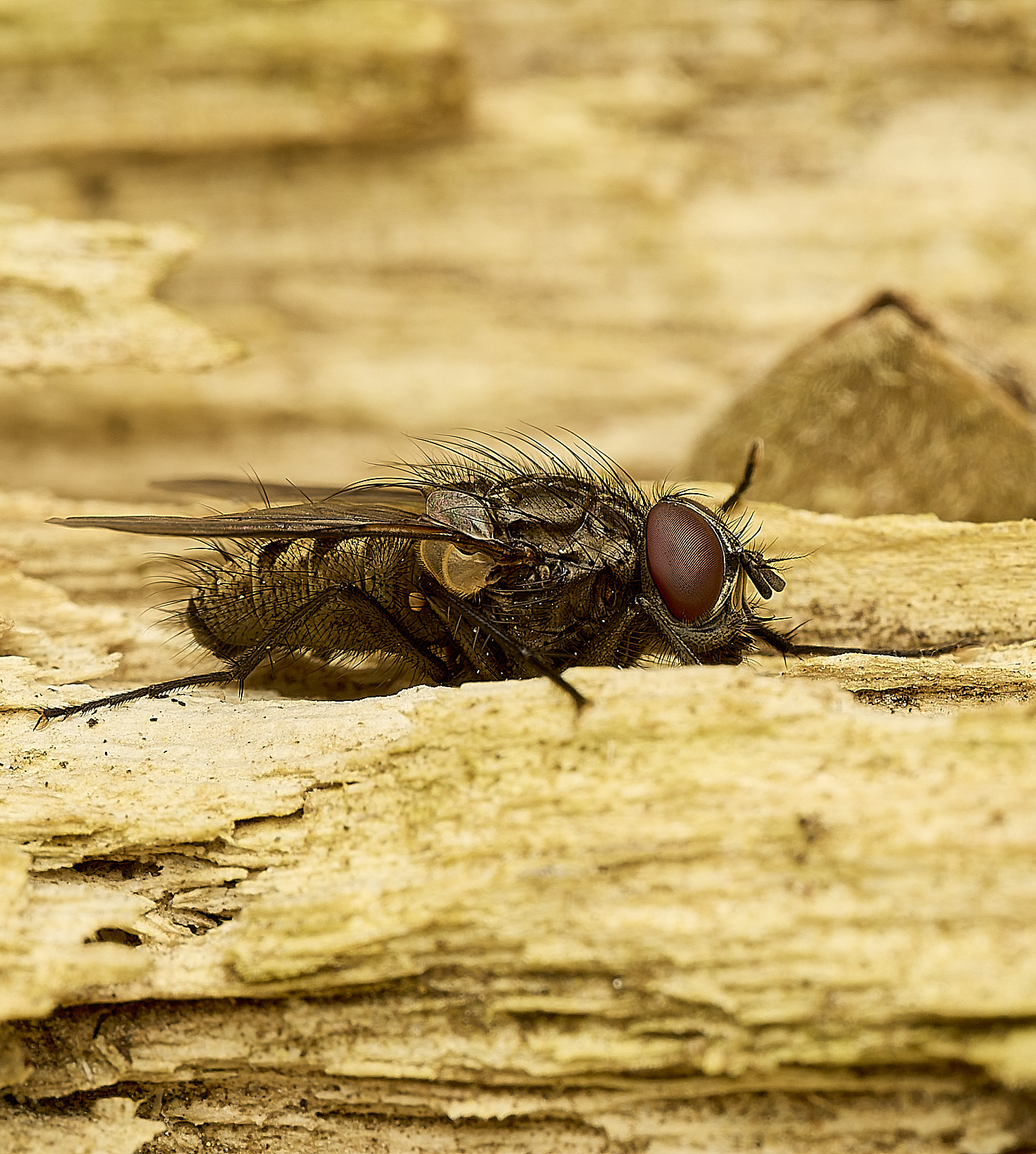
Fly Sp
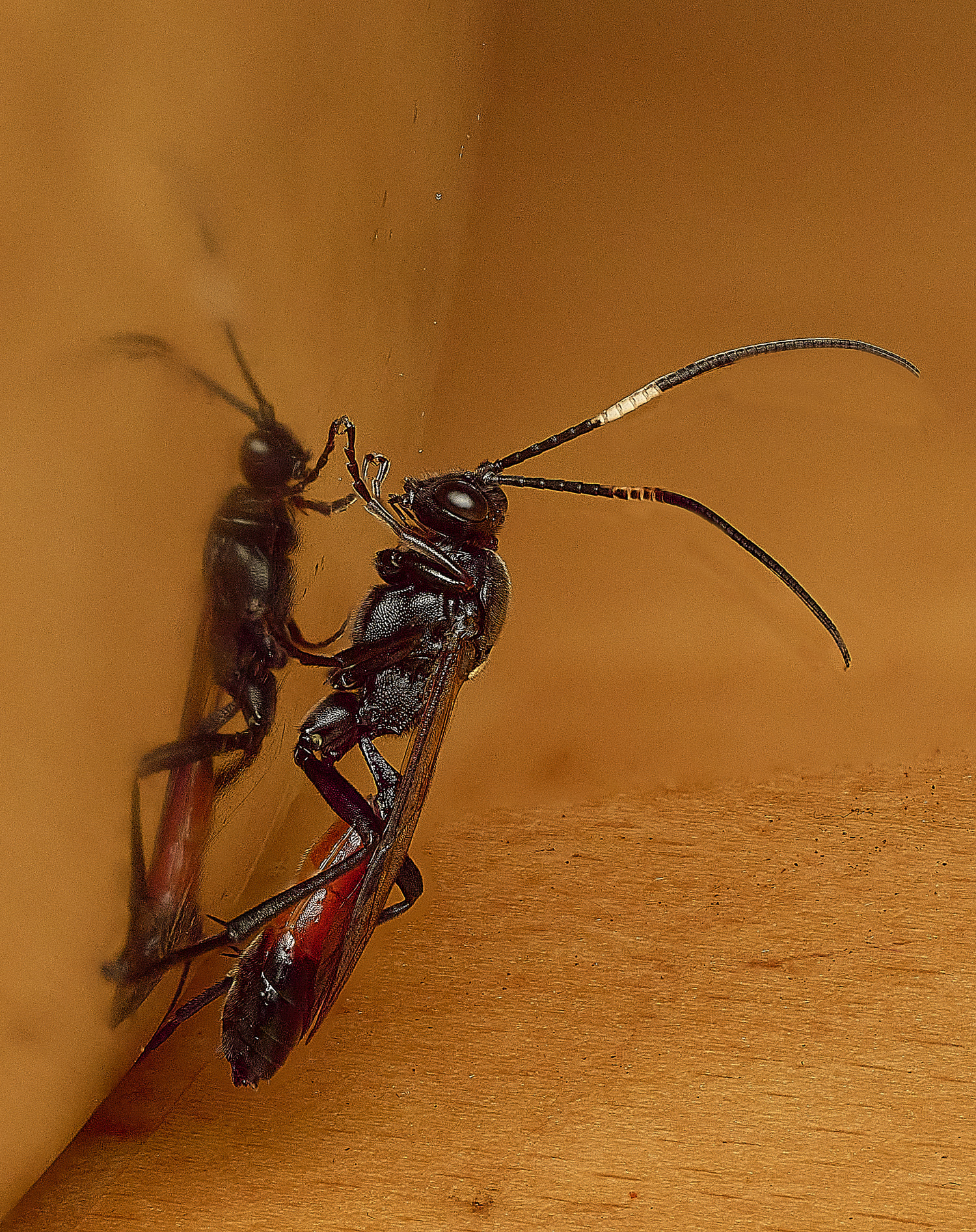
Ichneumon Sp
and something I was given a while ago.
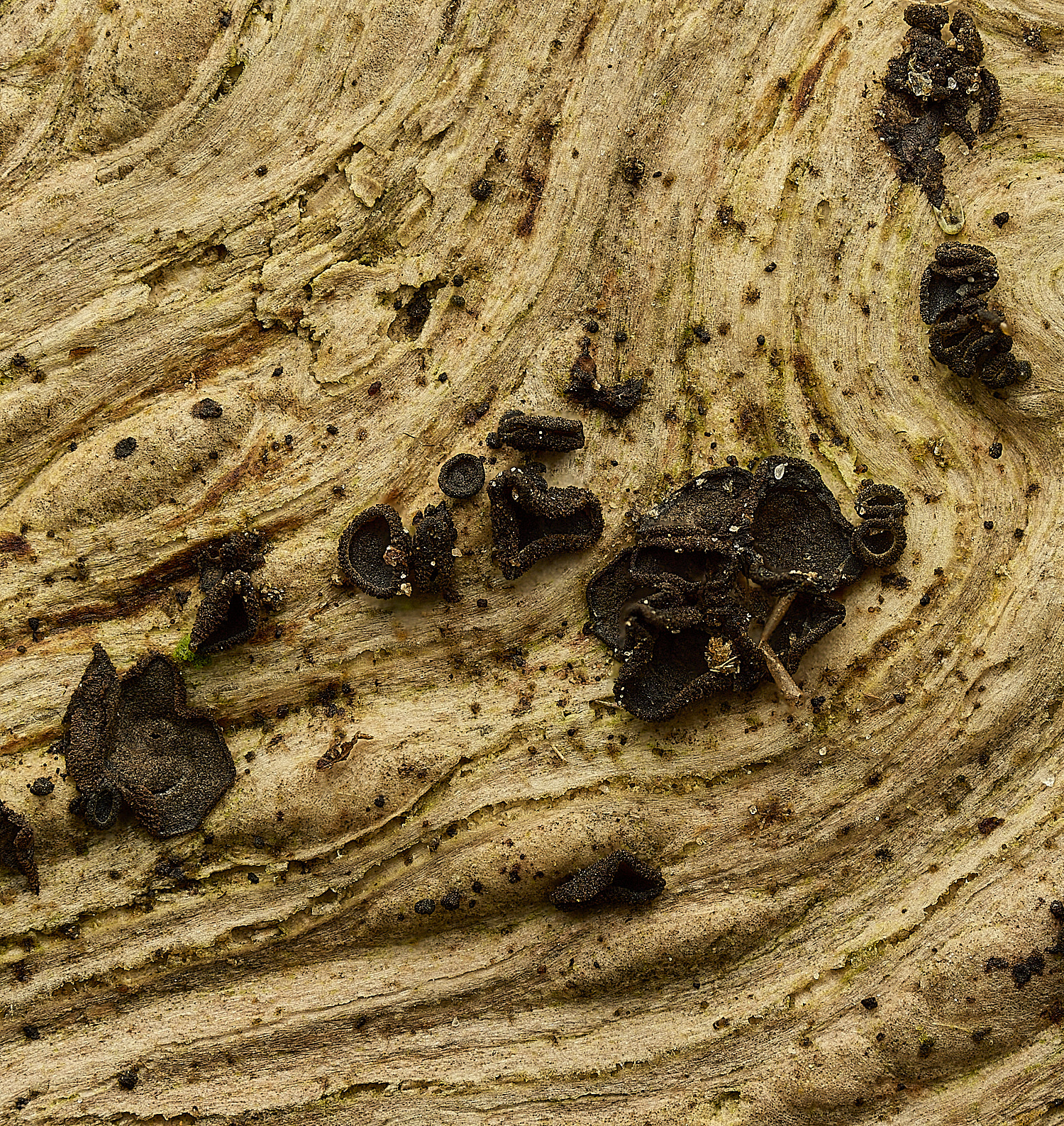
A fungus that lives on conifer resin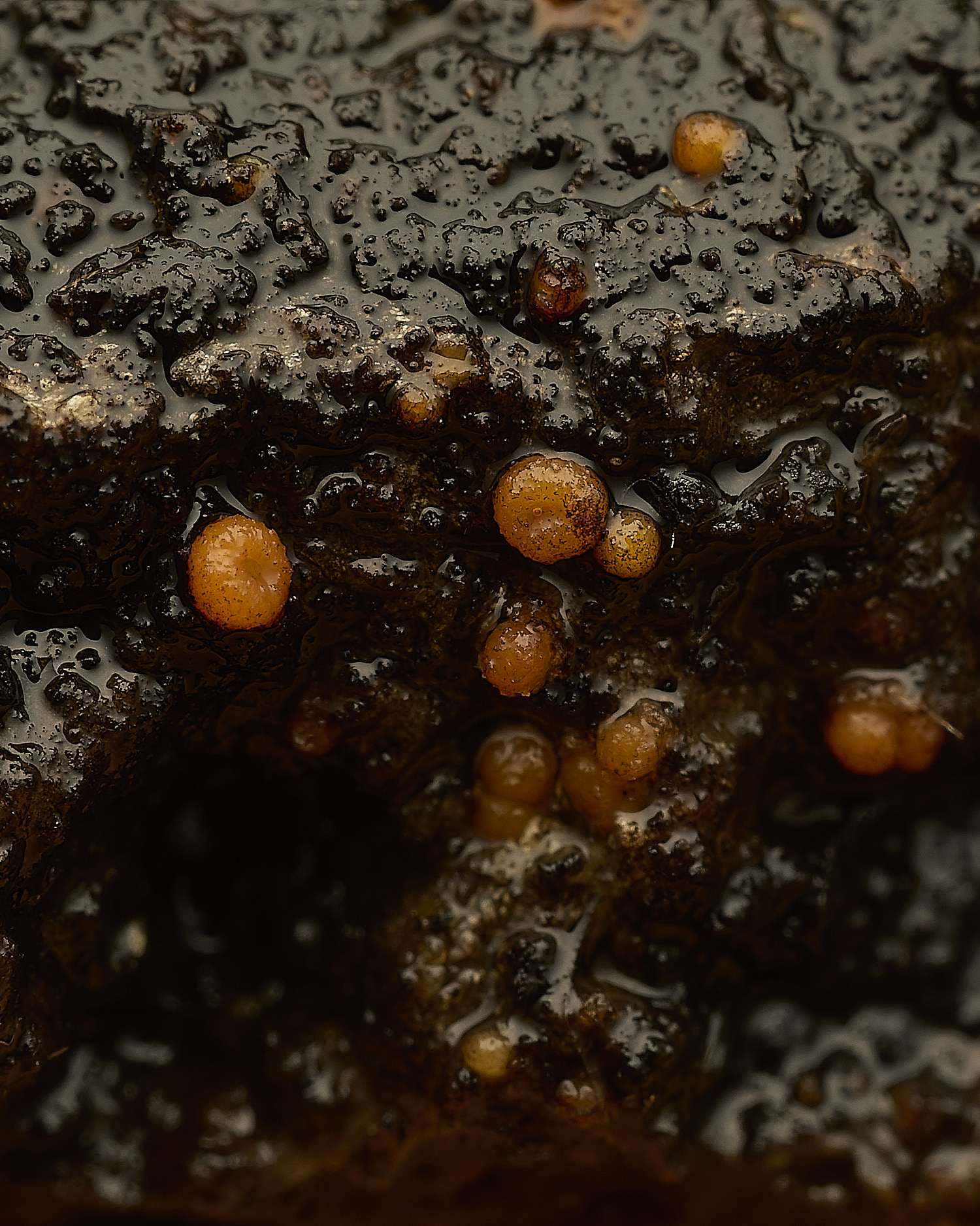
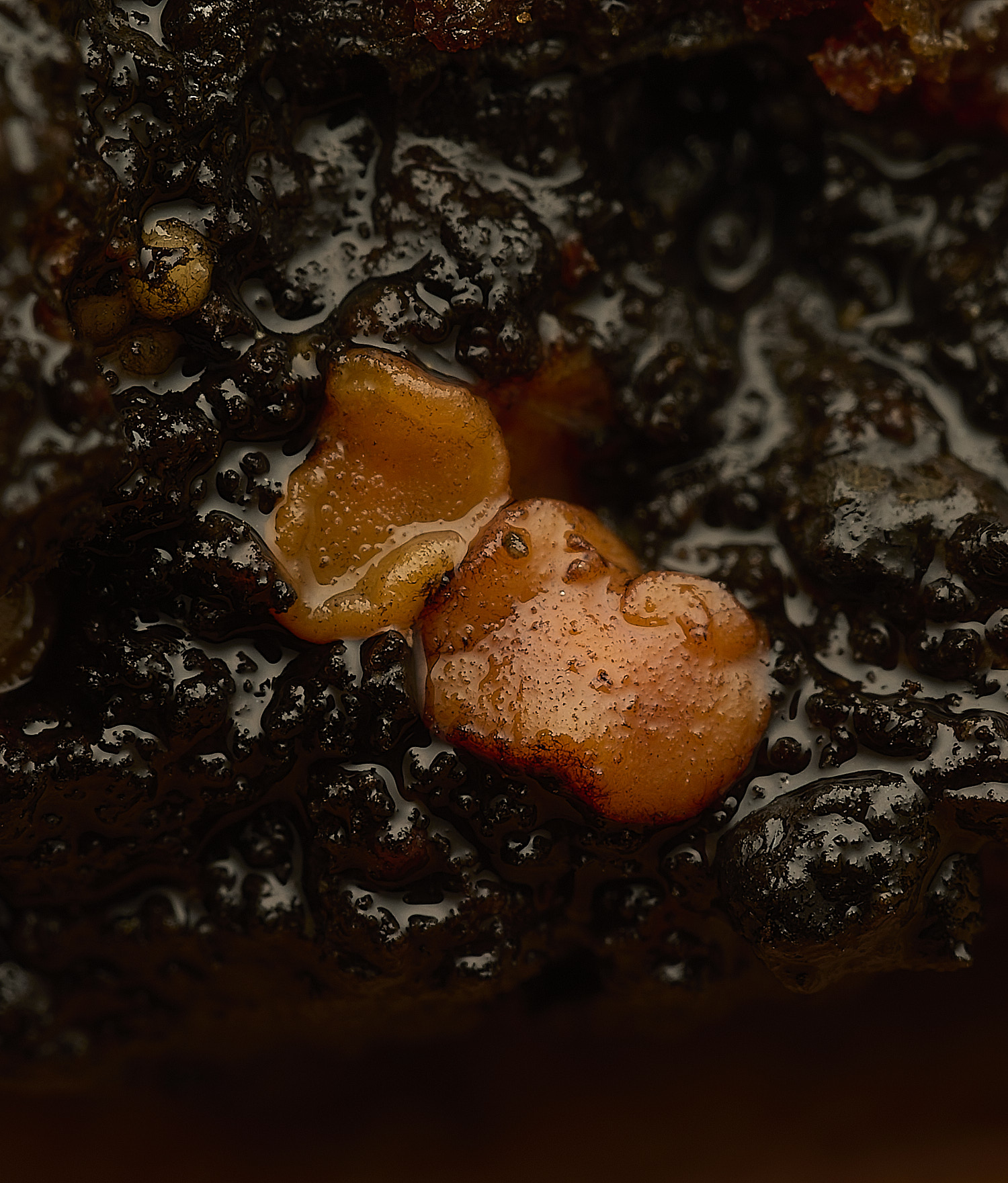
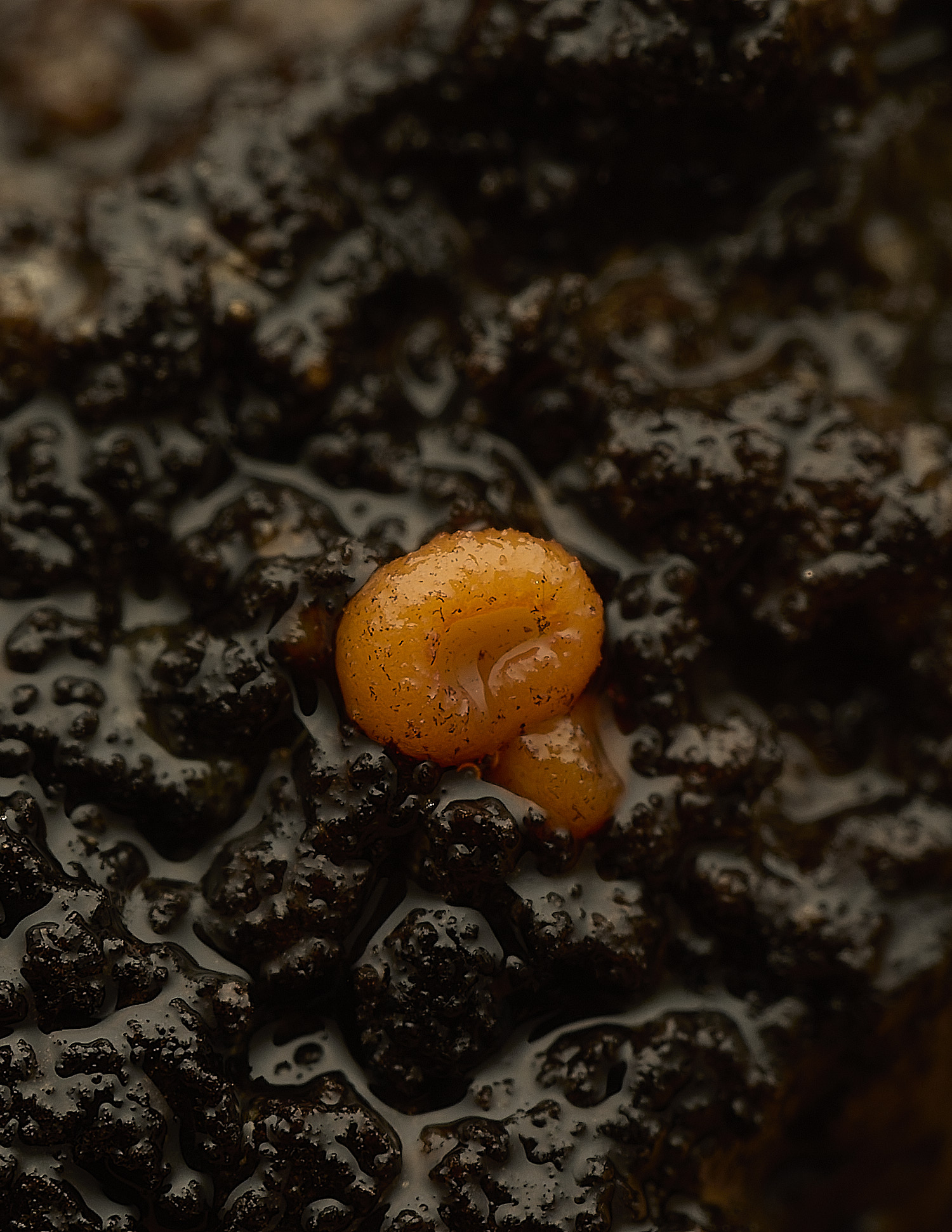
Zythia resinae
Superbly described by Jeremy Bartlett
Zythia resinae AKA Sarea resinae
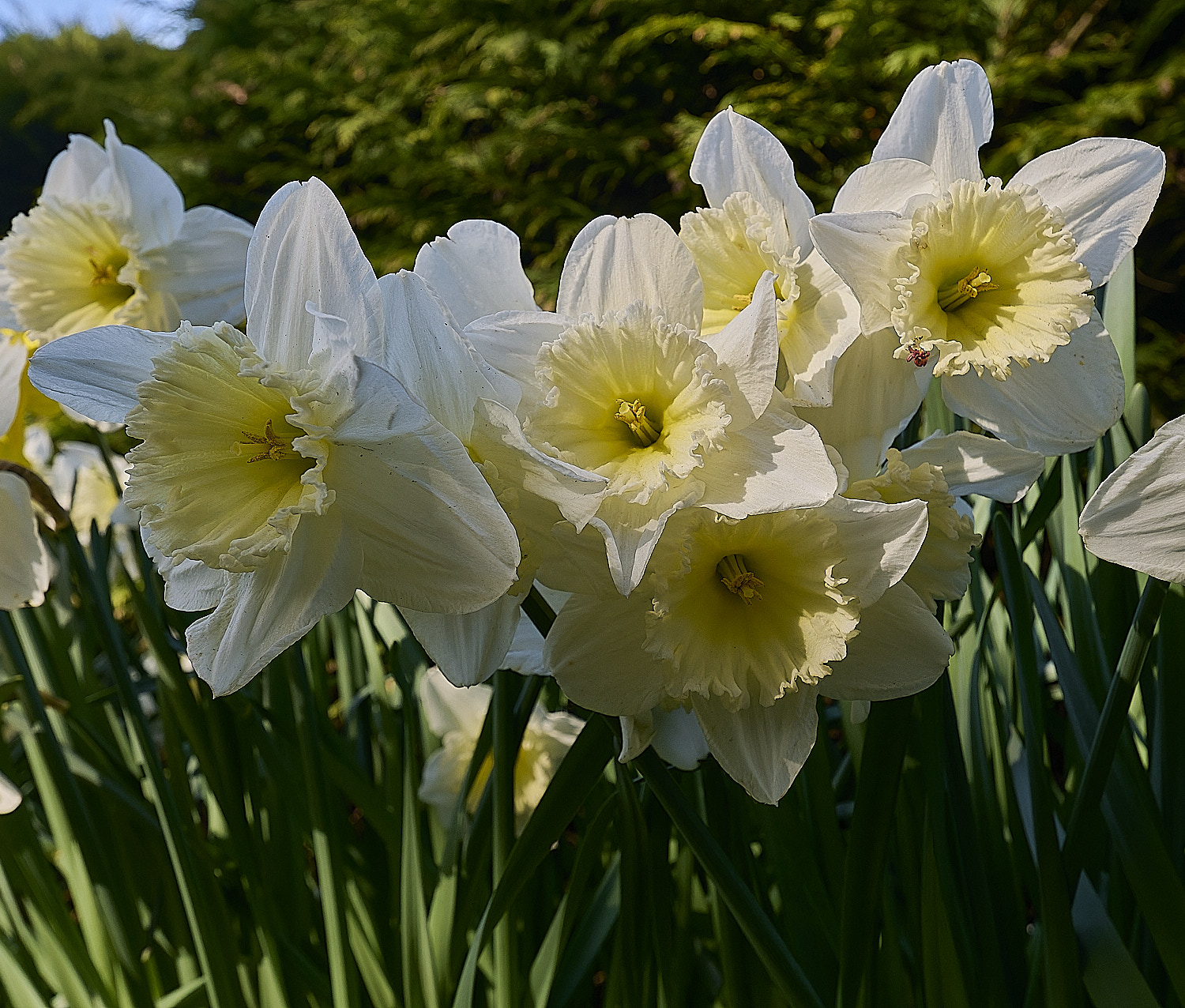
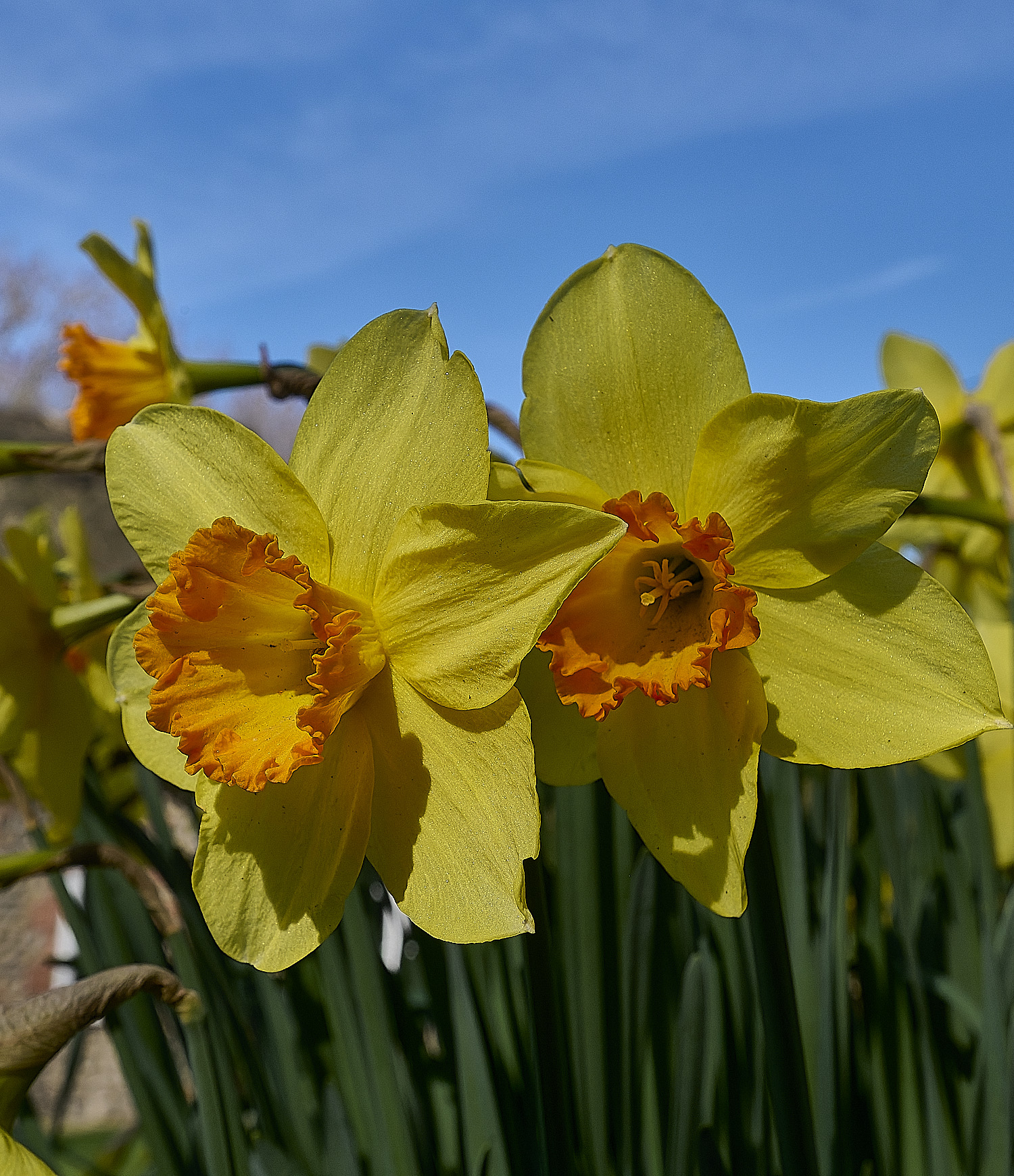
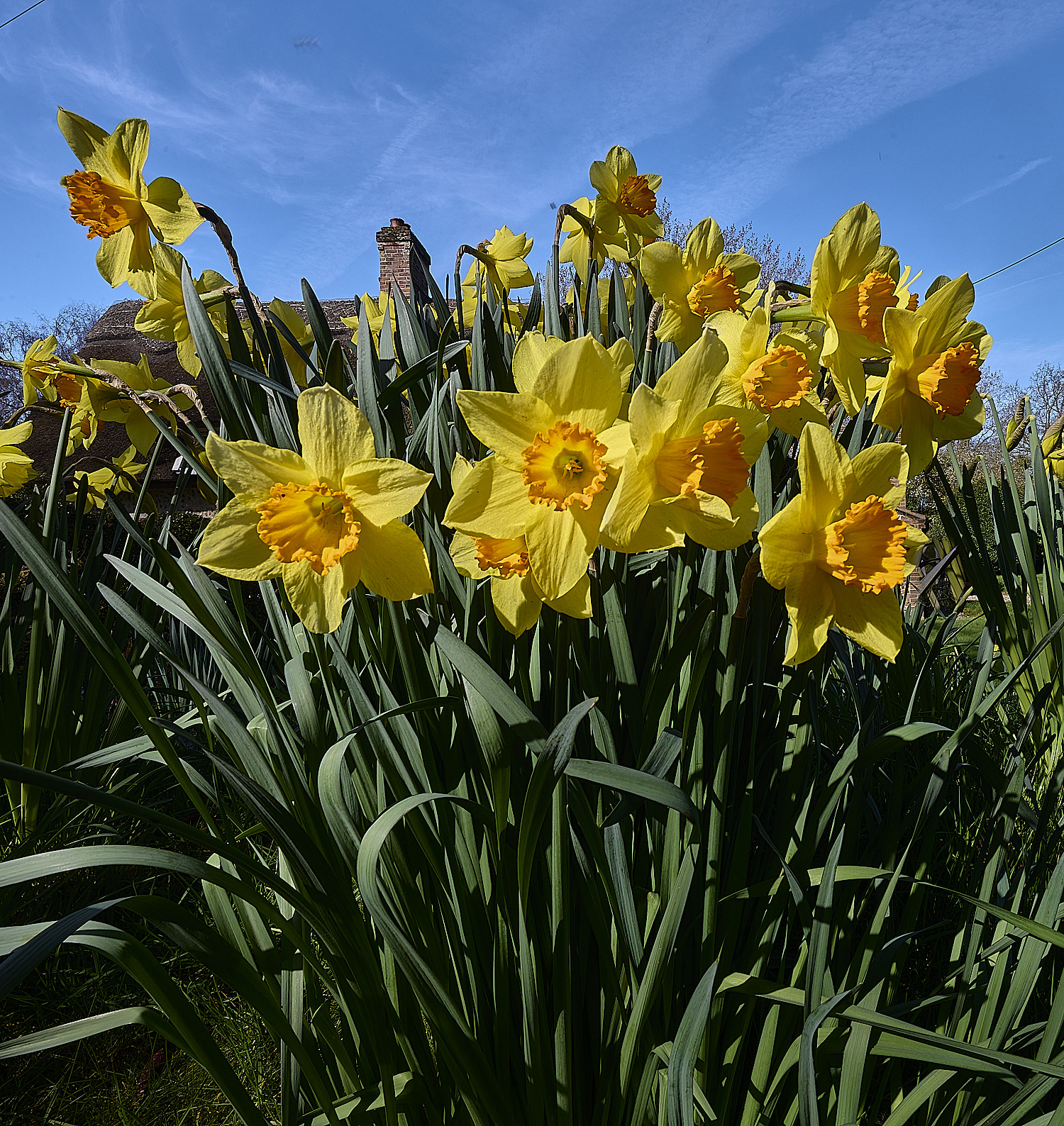
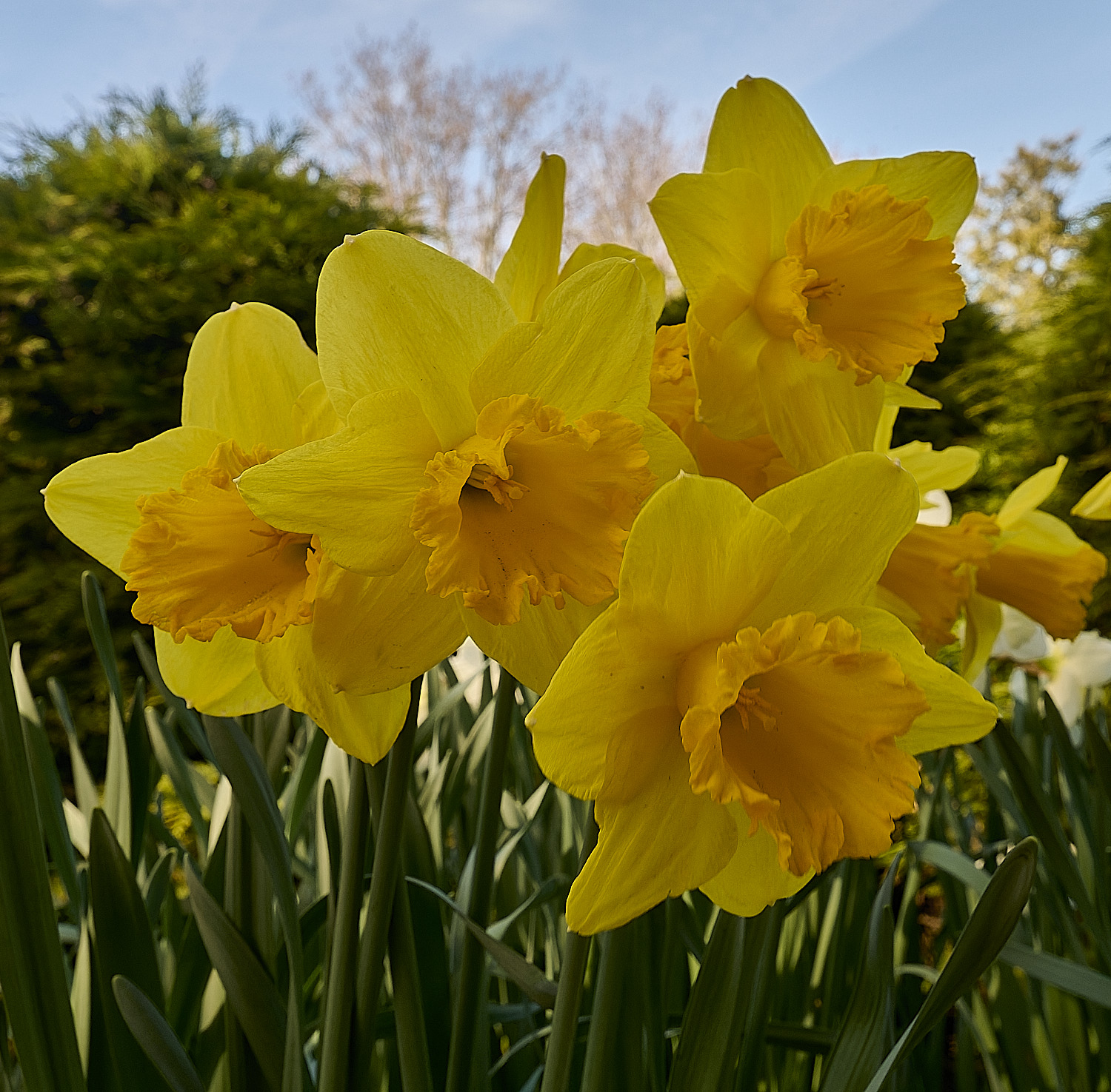
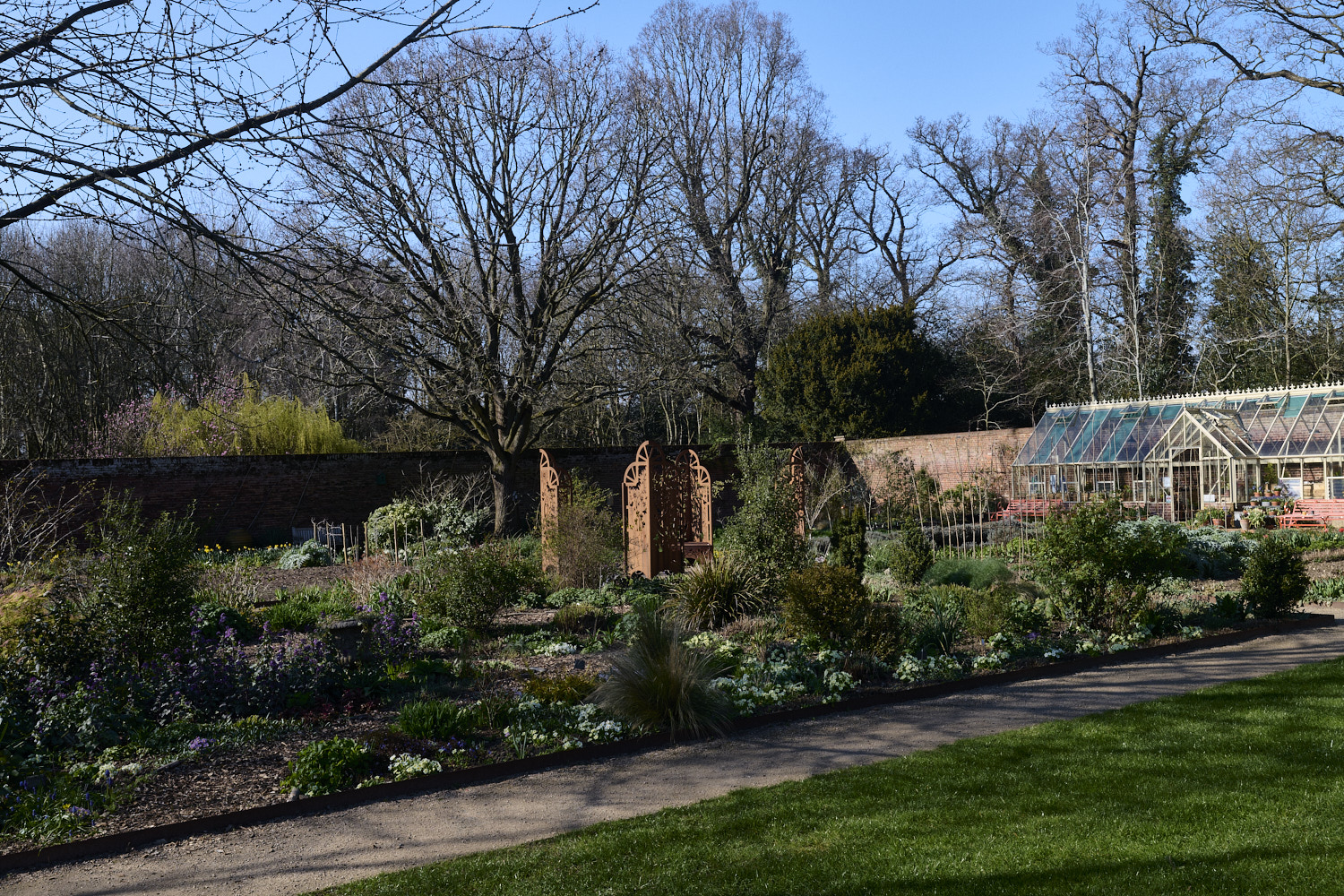
Little Plumstead Garden
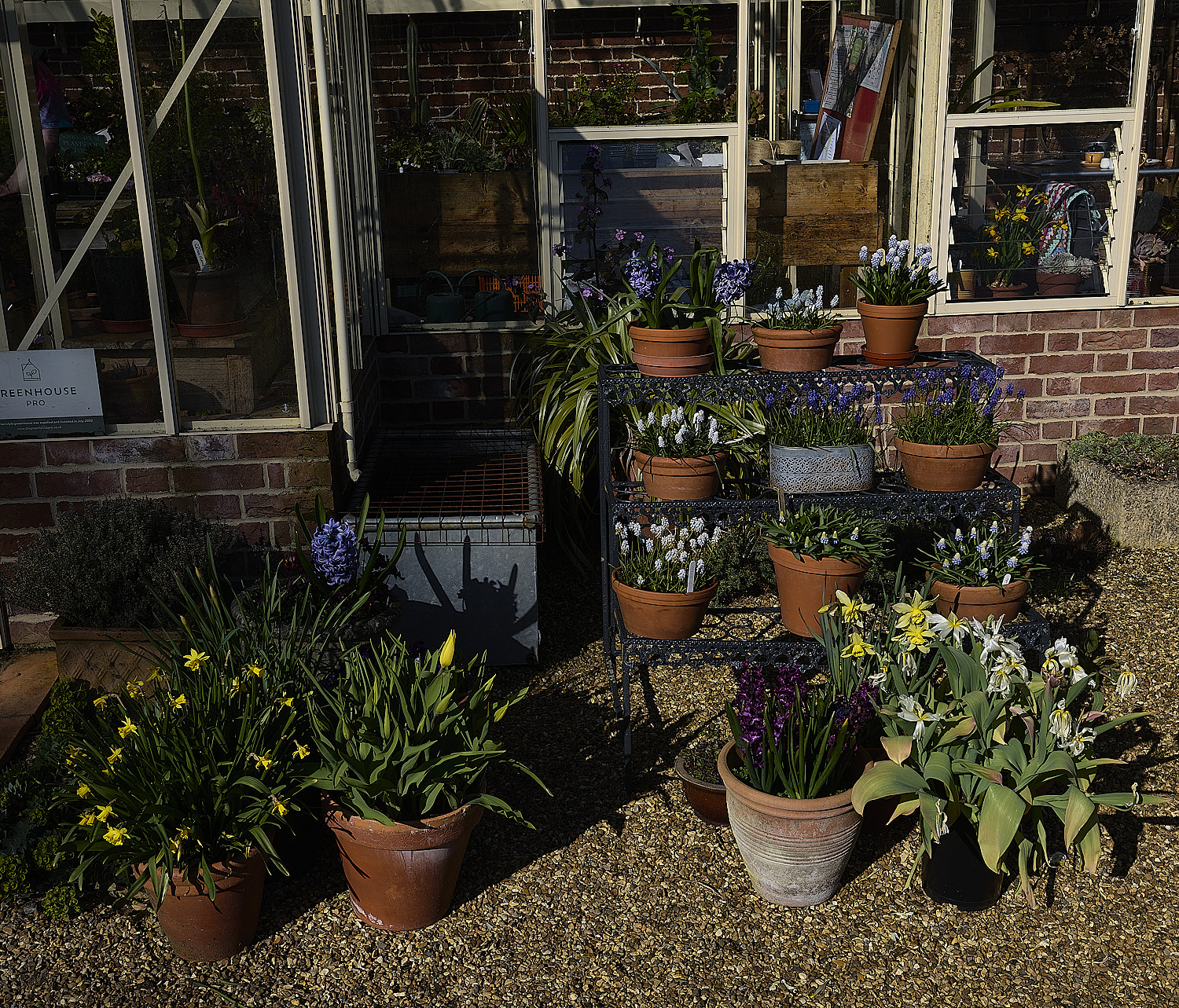
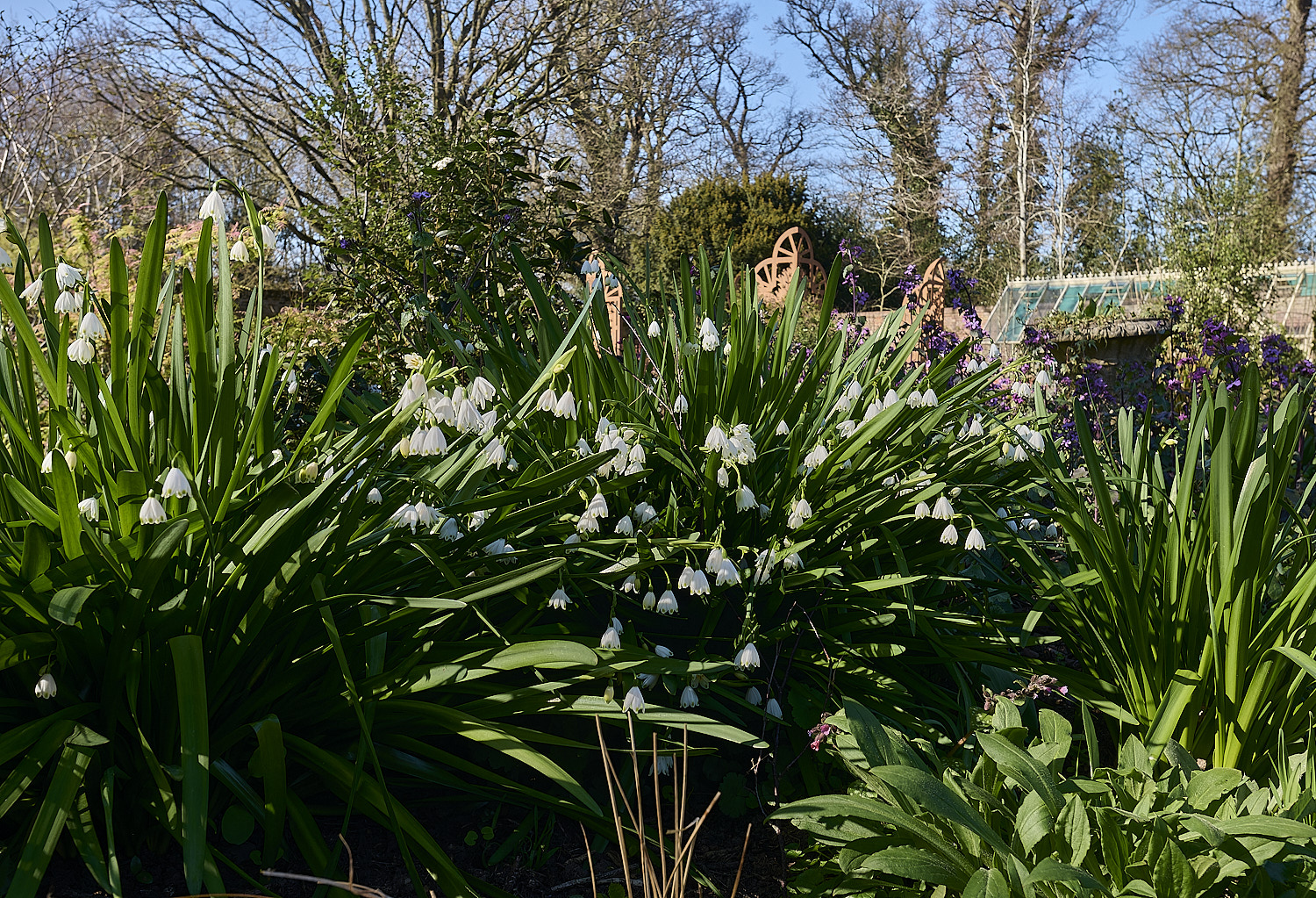
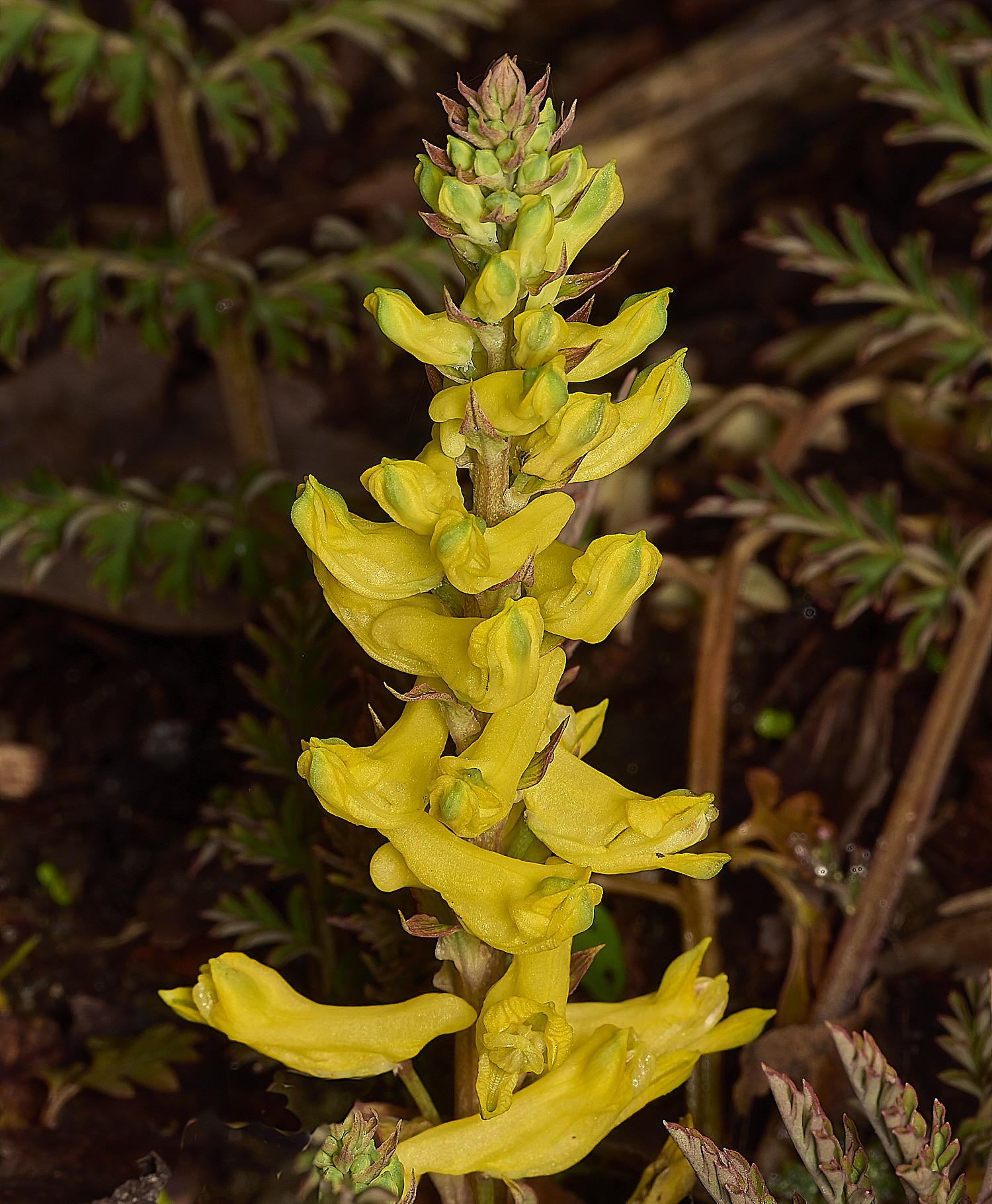
Corydalis Sp?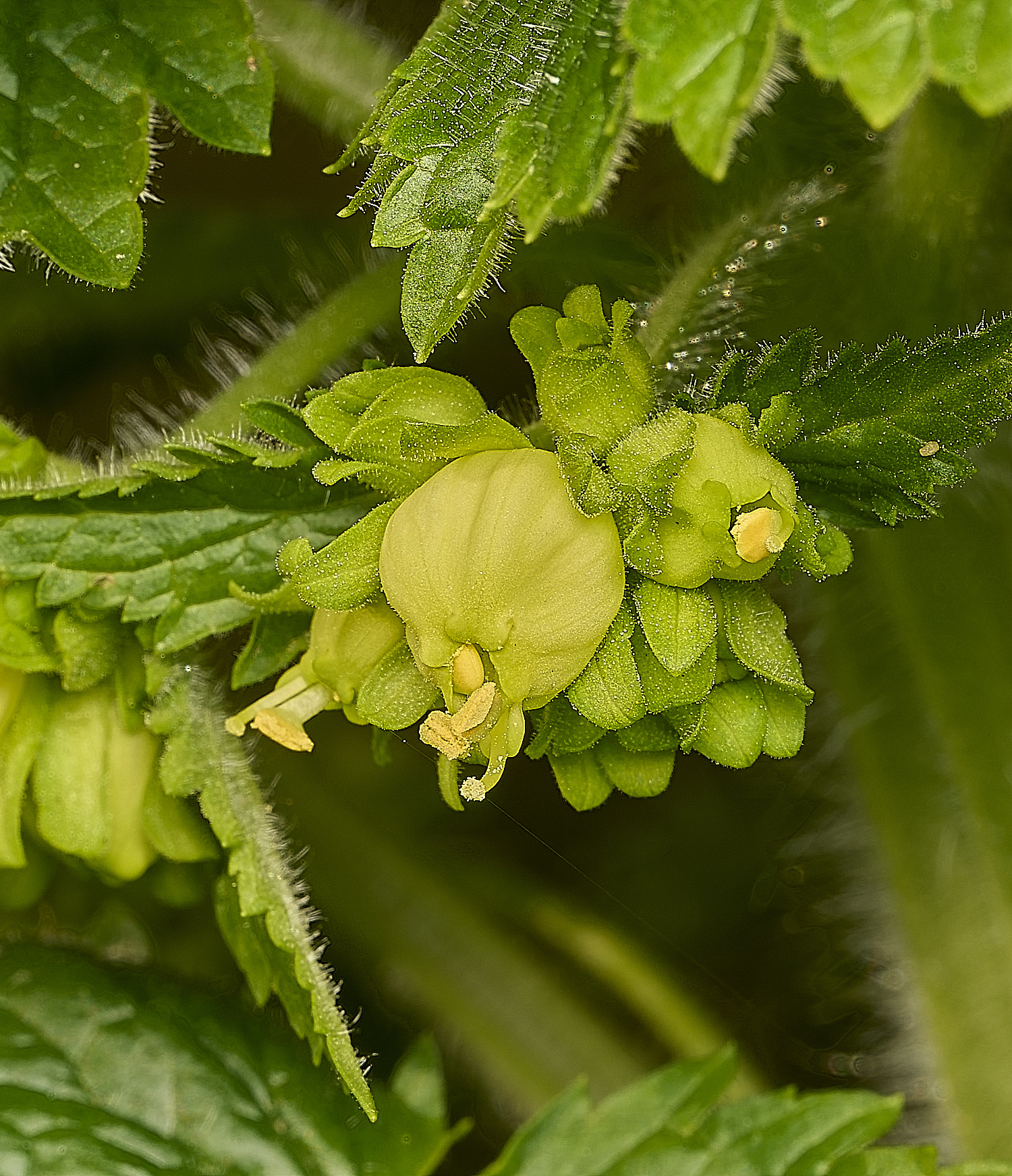
Scrophularia vernalis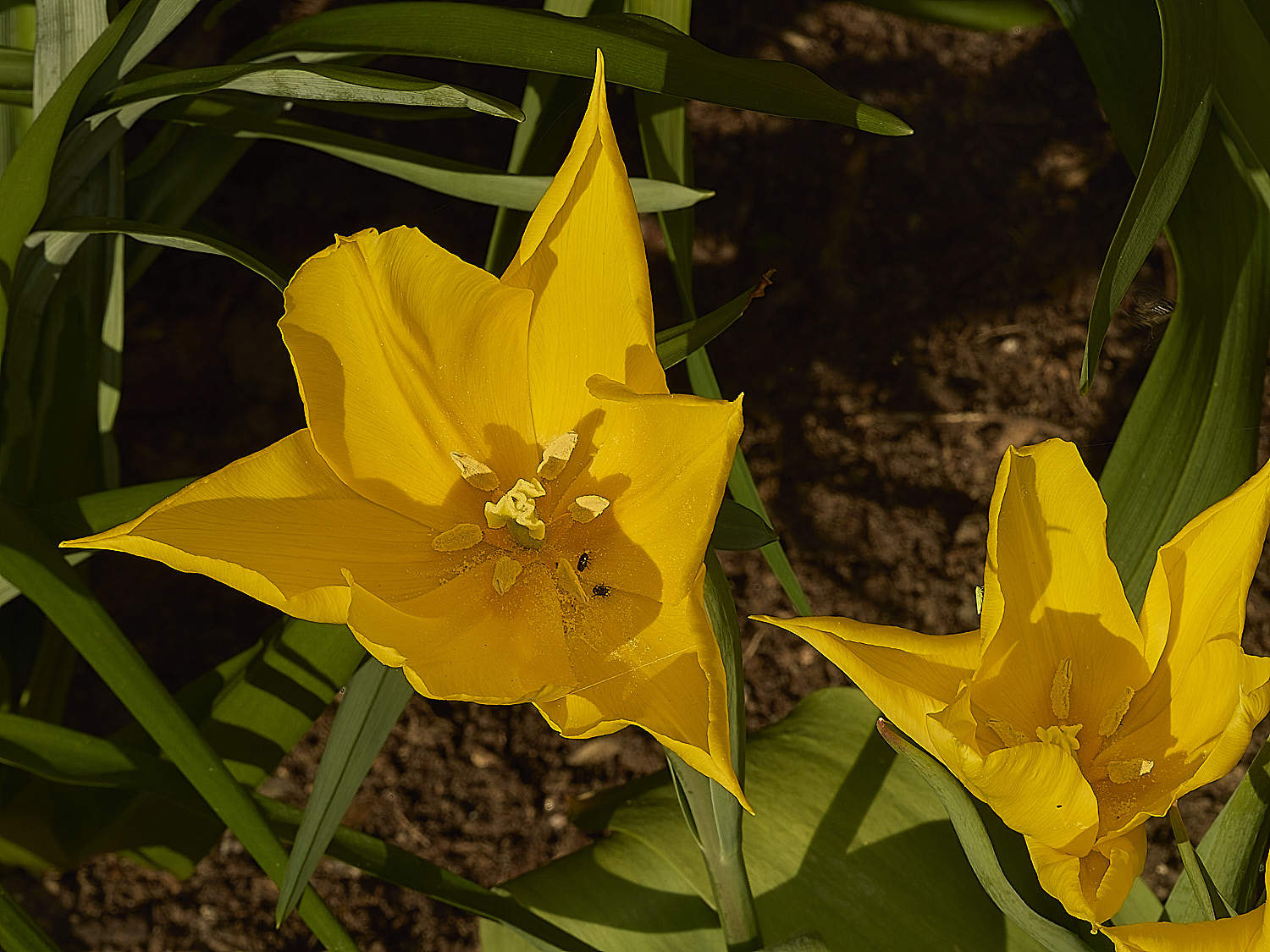
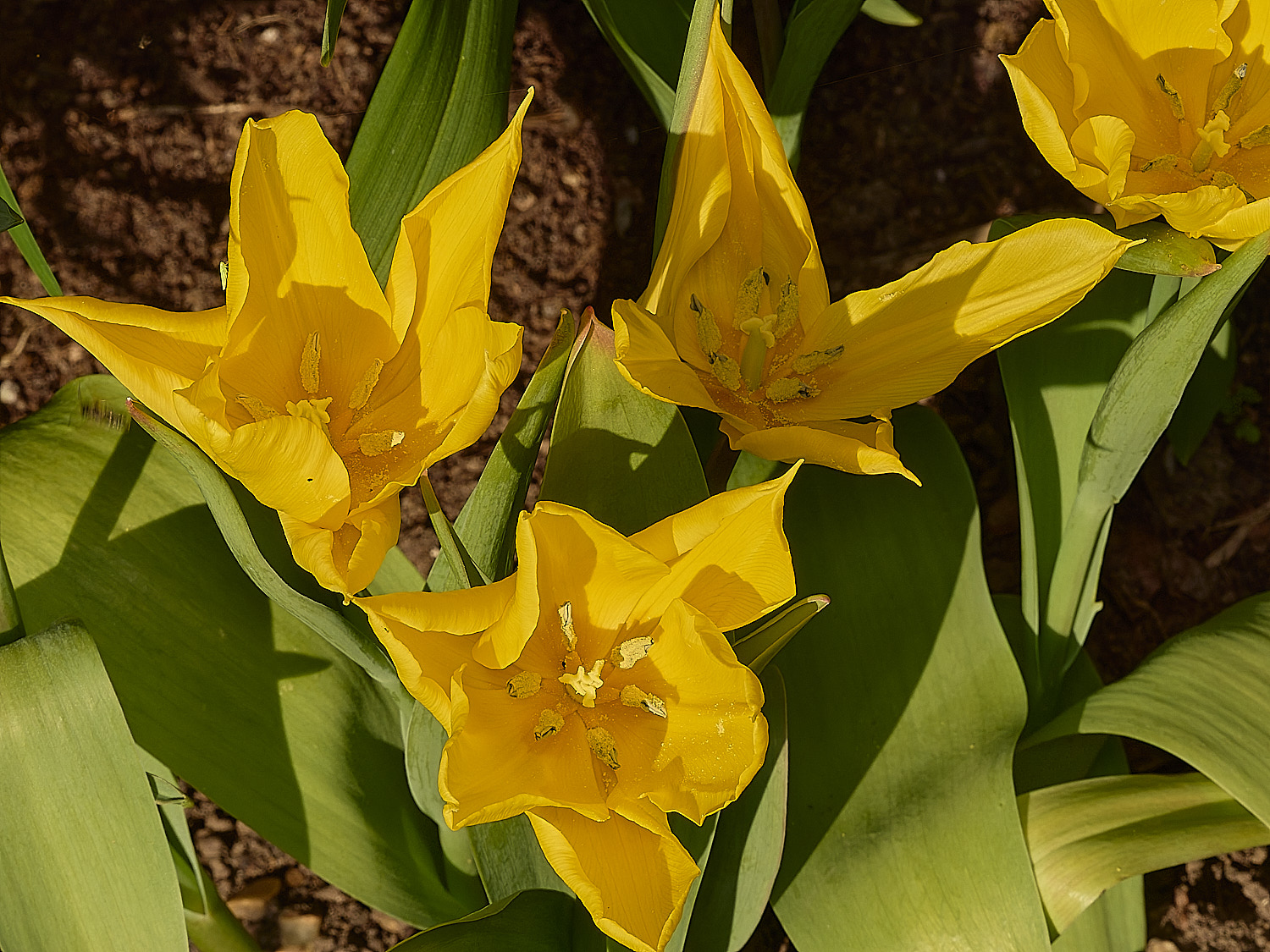
Tulip Sp?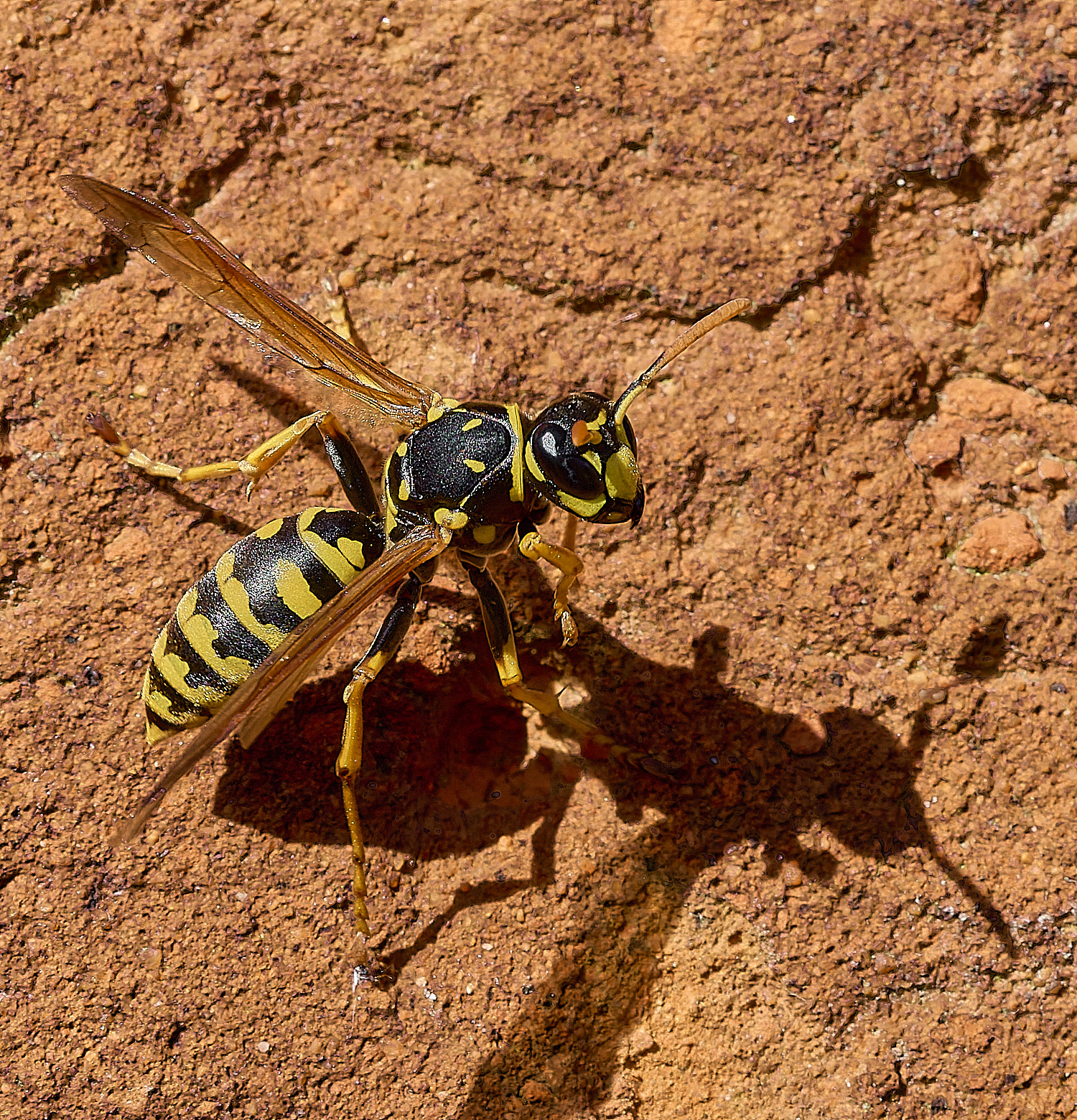
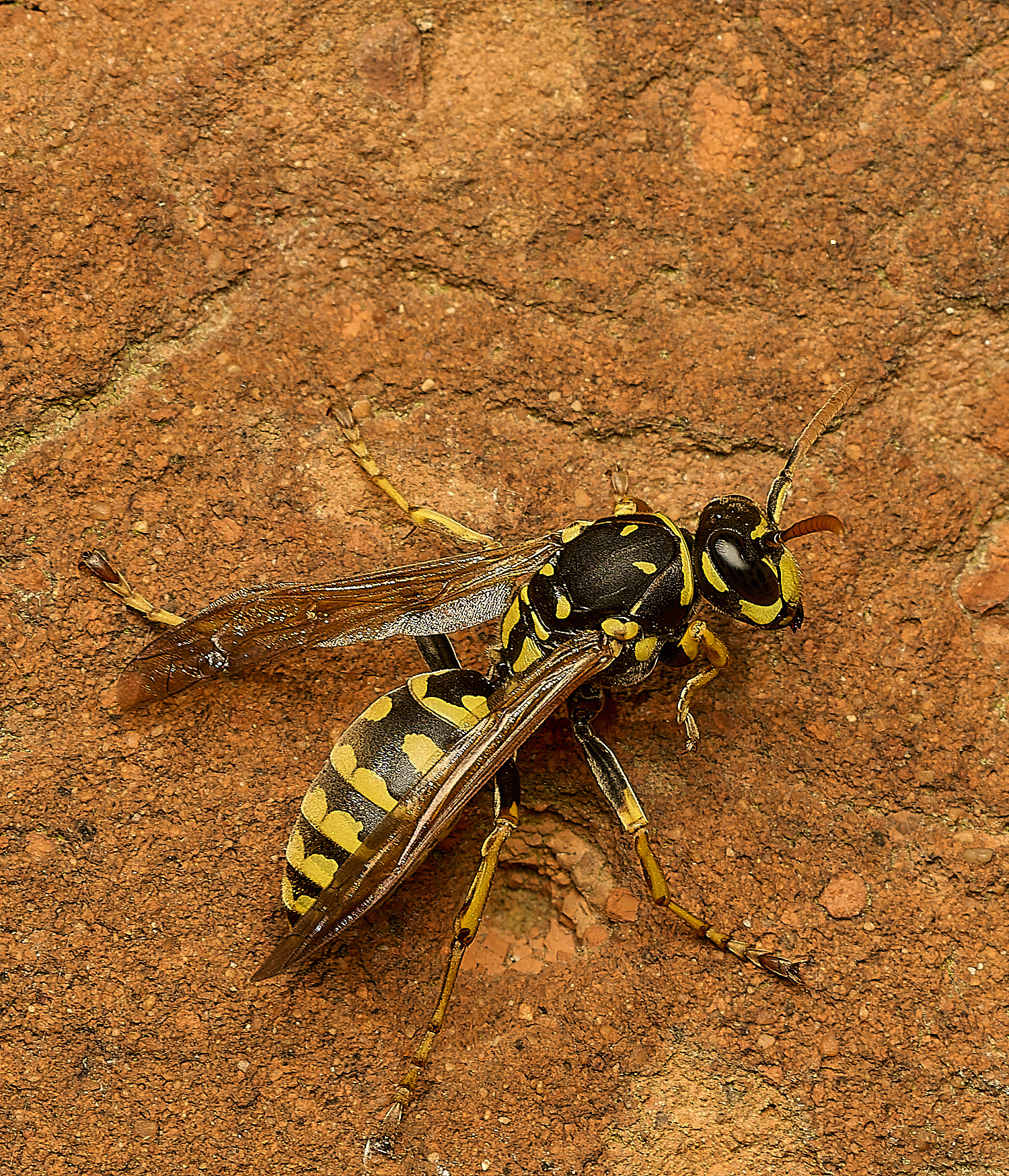
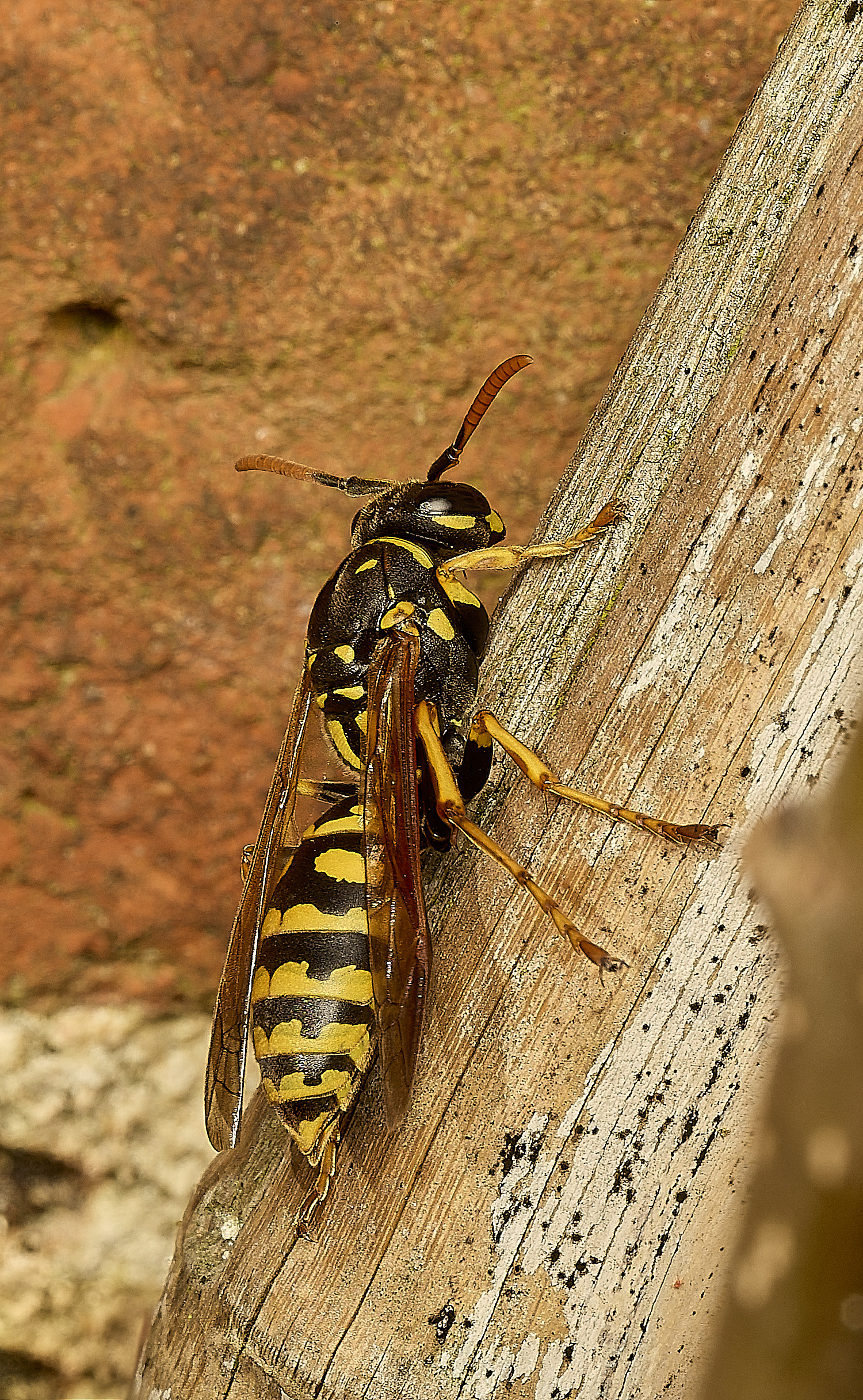
European Paper Wasp (Polistes dominula)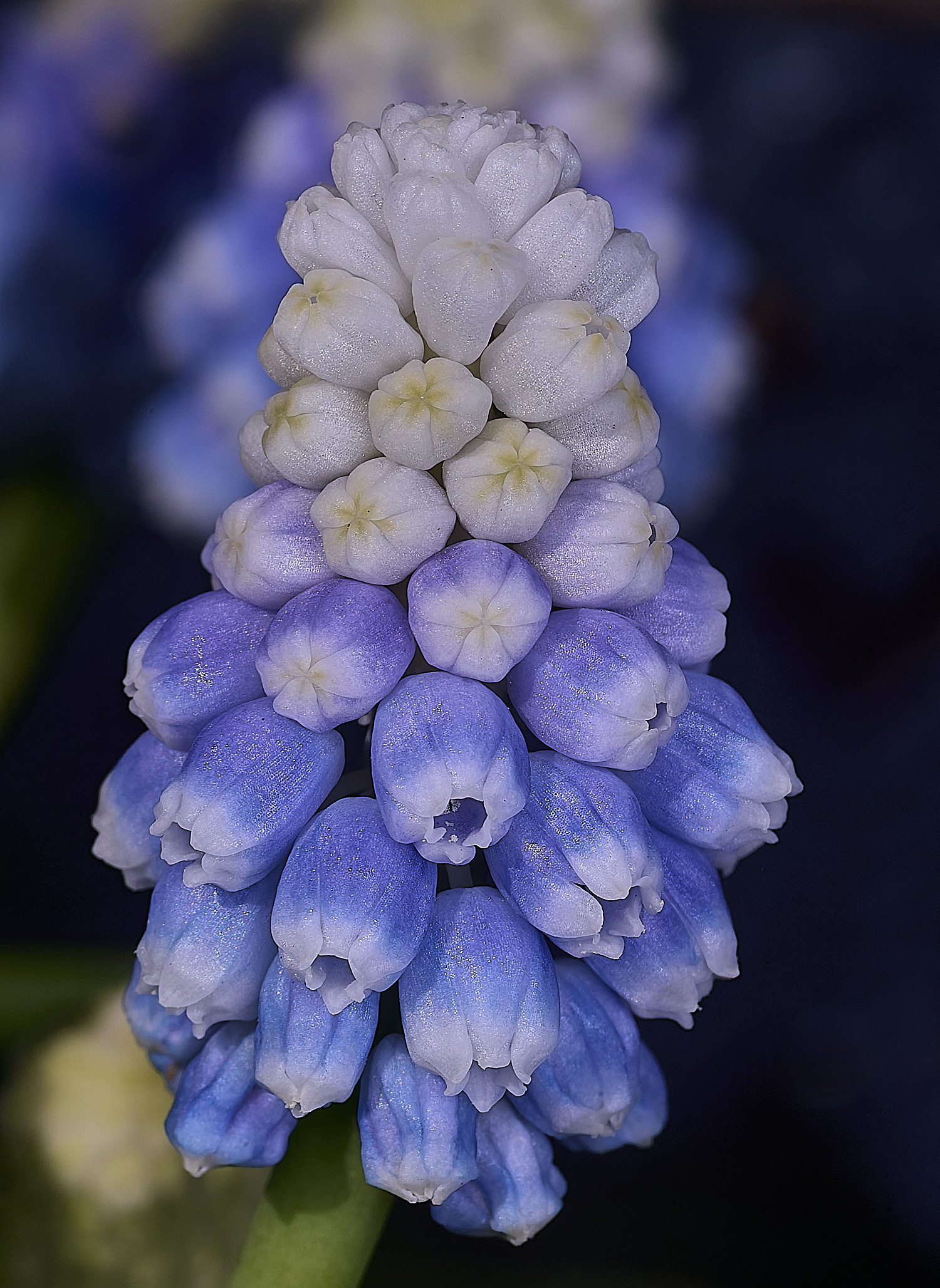
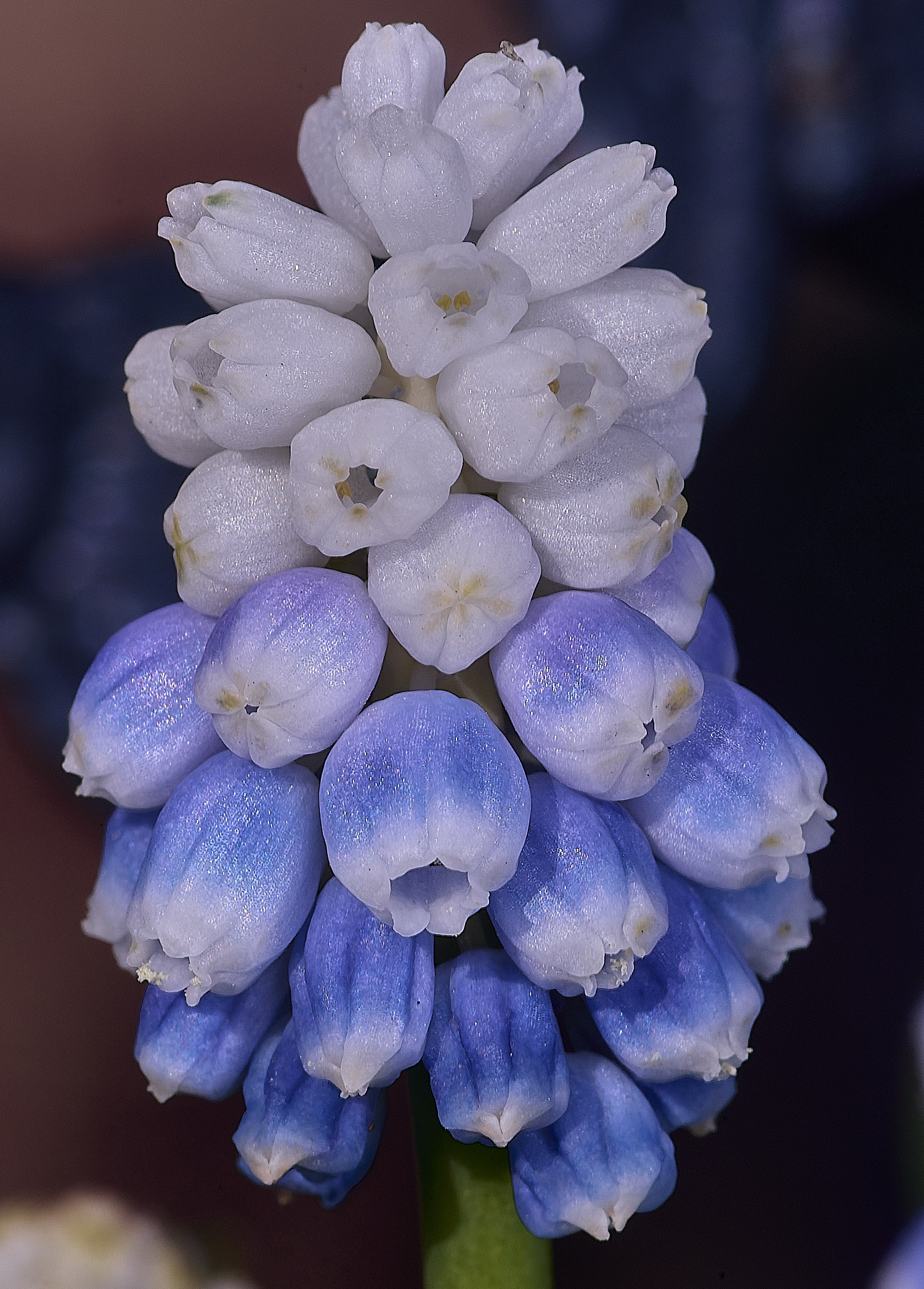
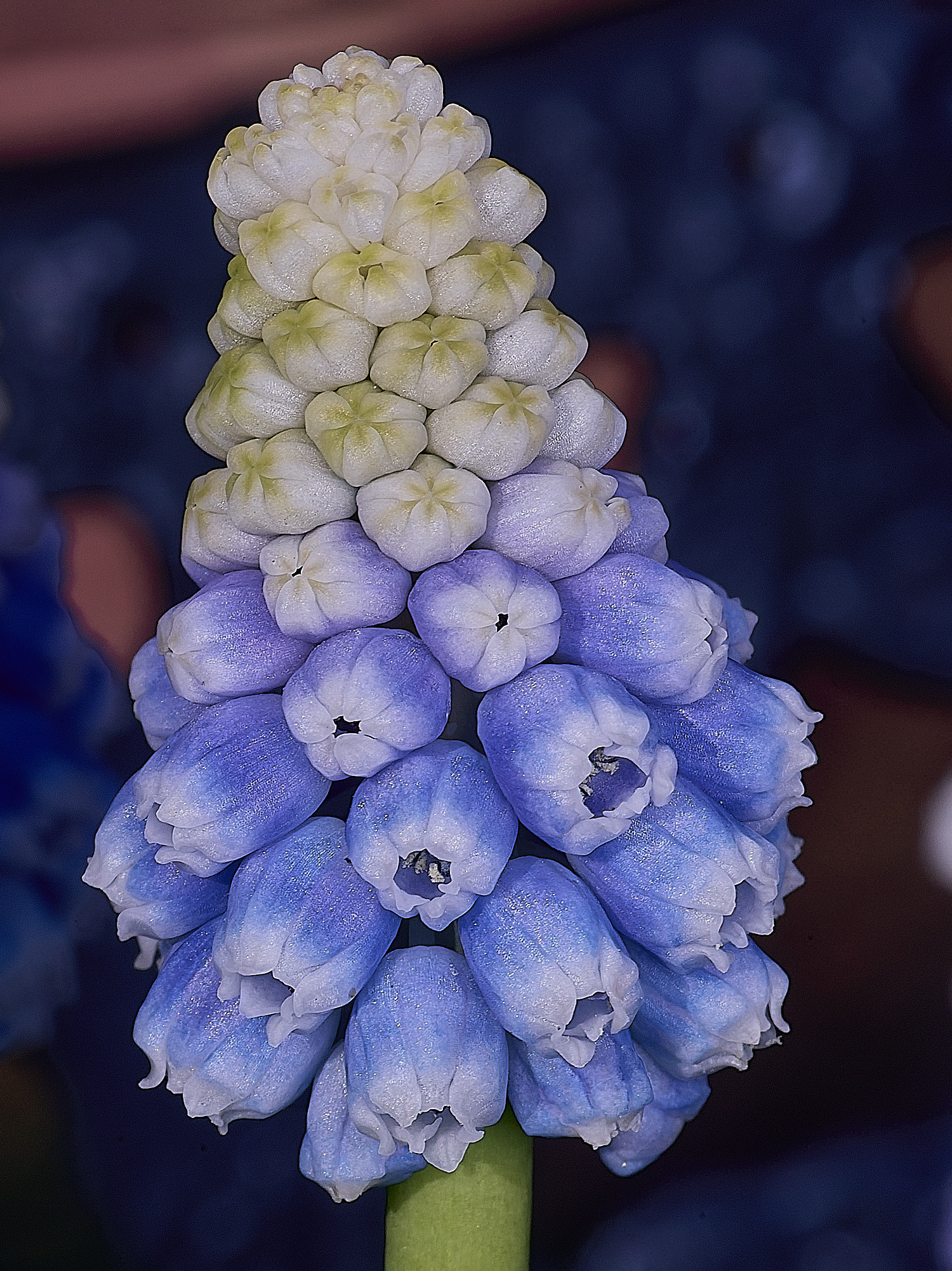
Muscari Mountain Lady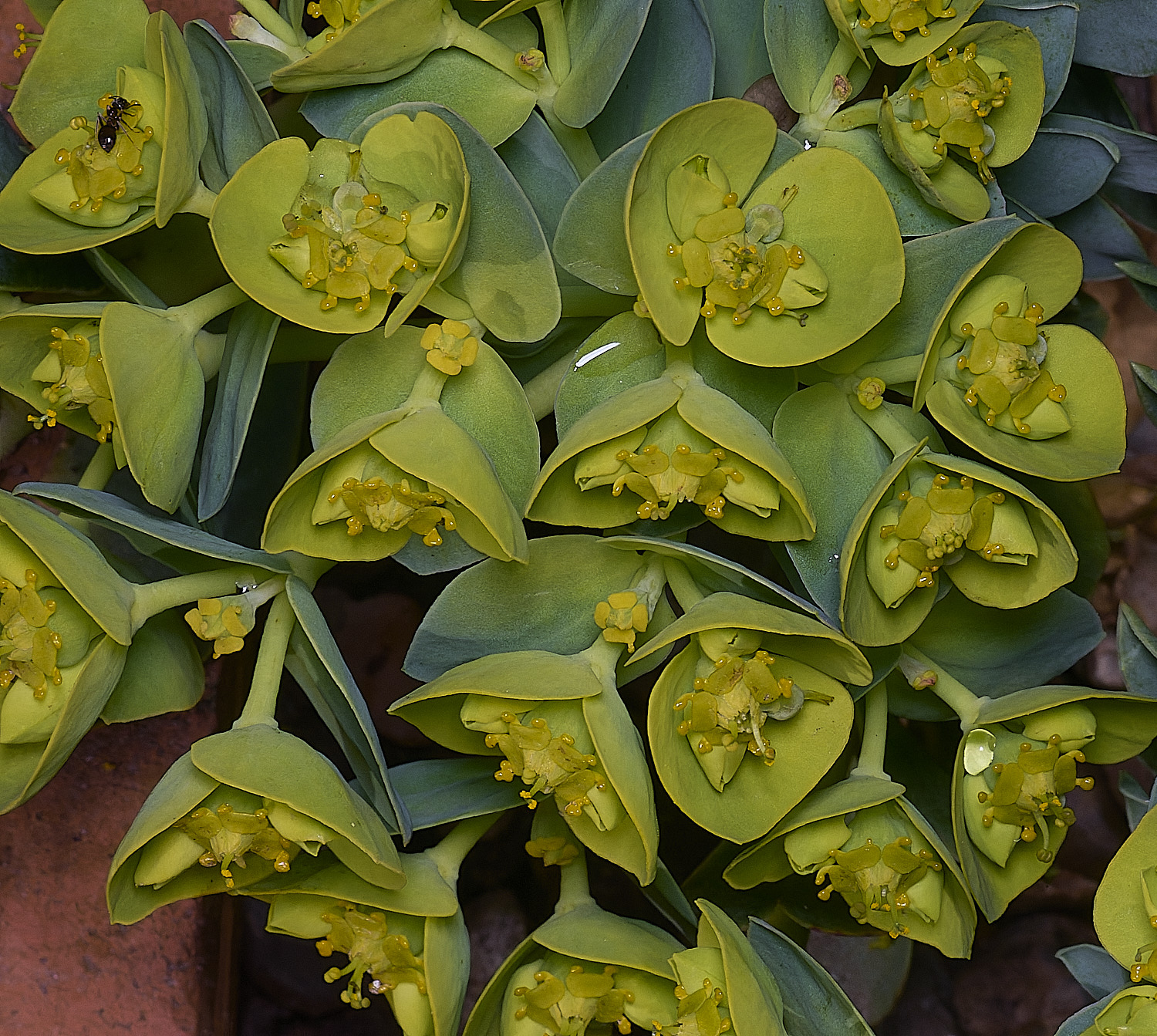
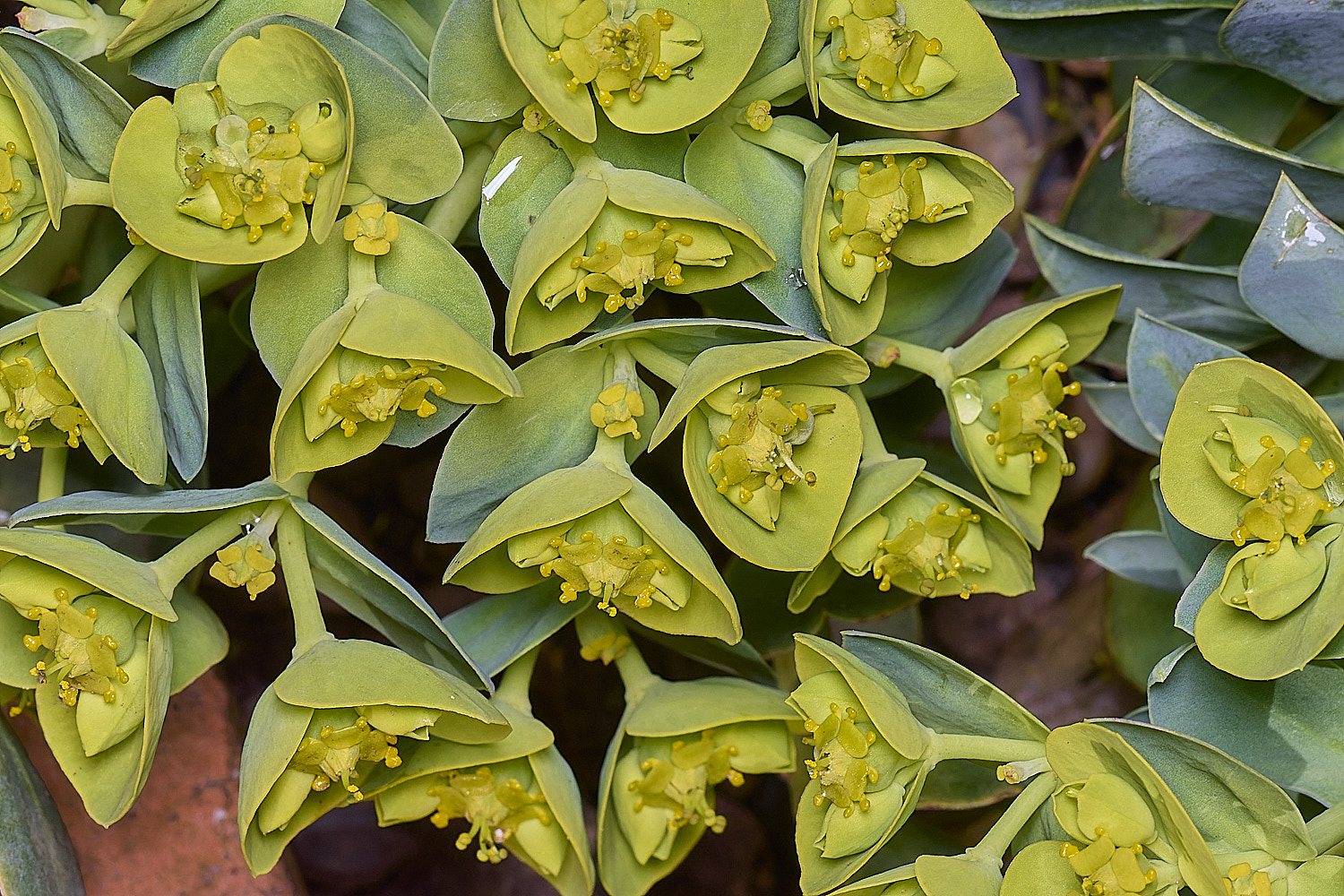
Euphorbia myrsinites
Hanworth
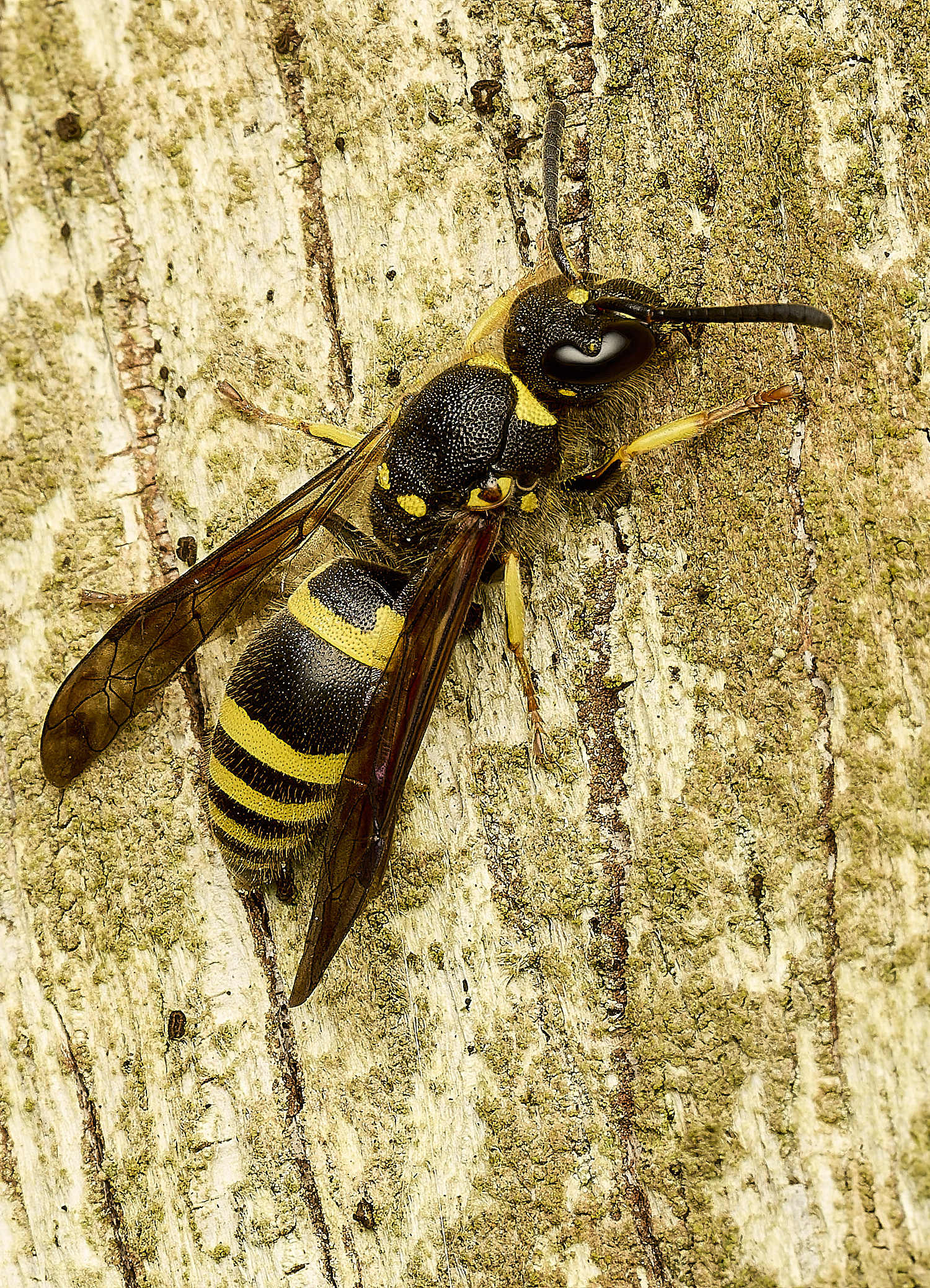
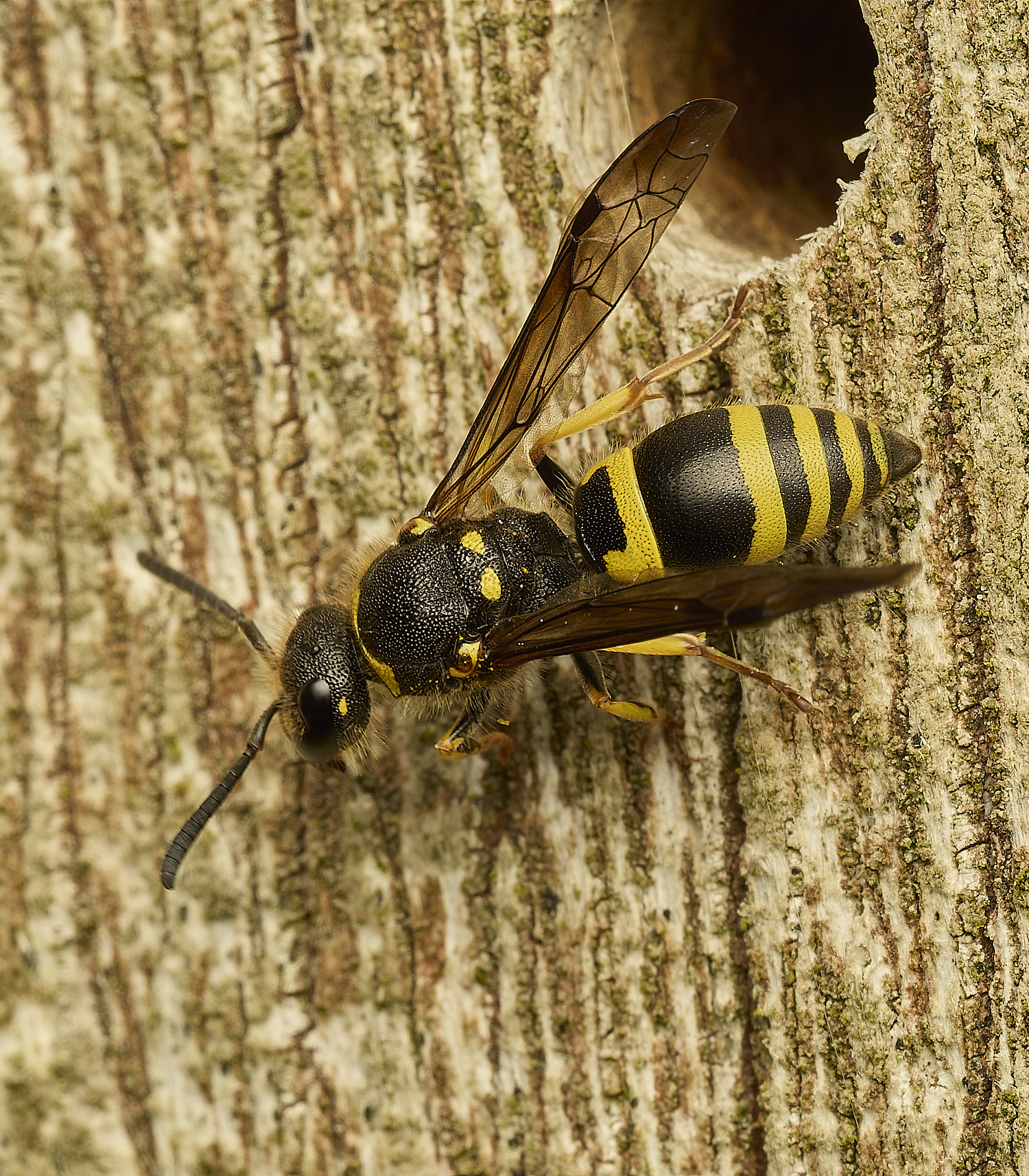
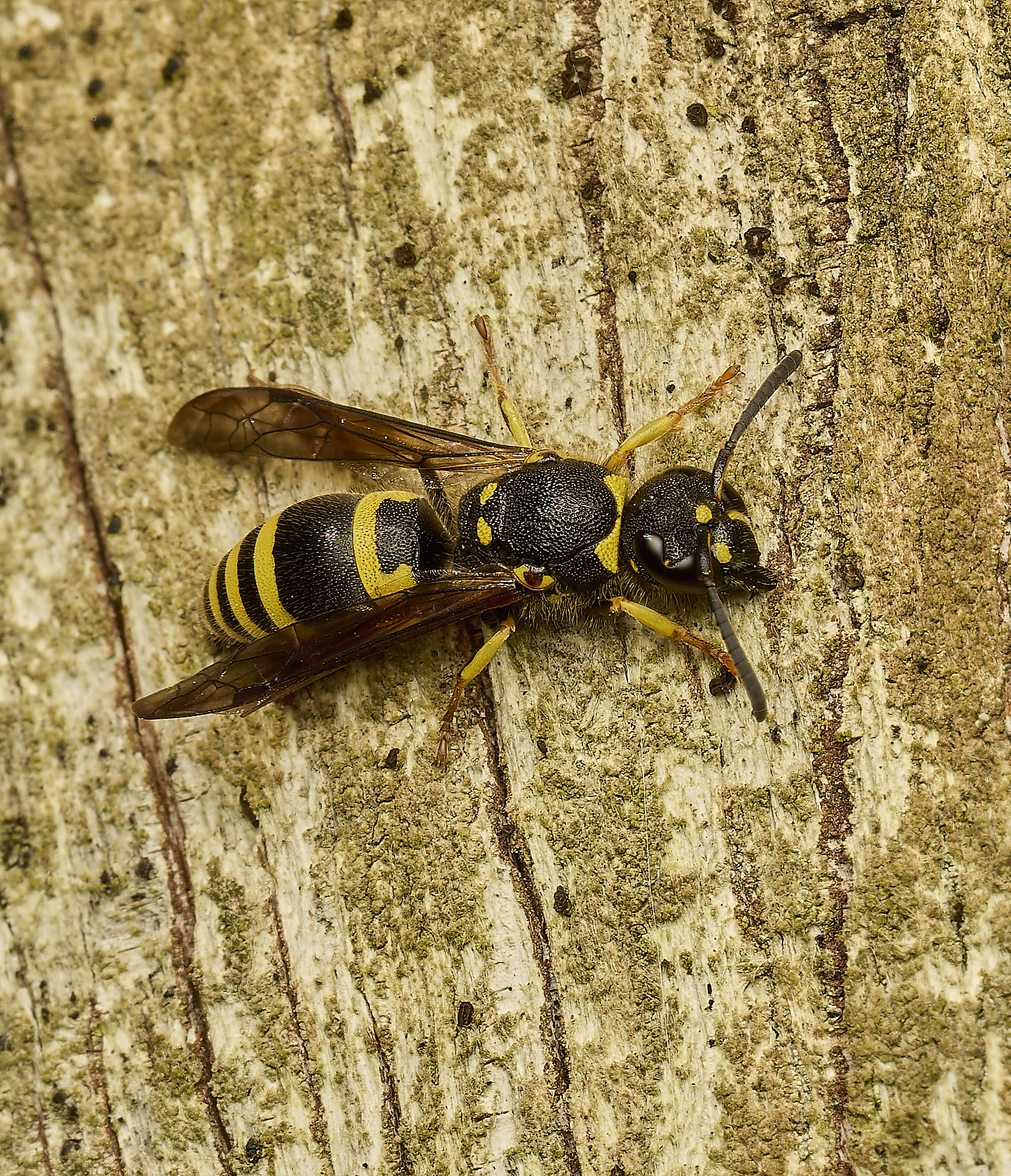
Early Mason Wasp (Ancistrocerus nigricornis)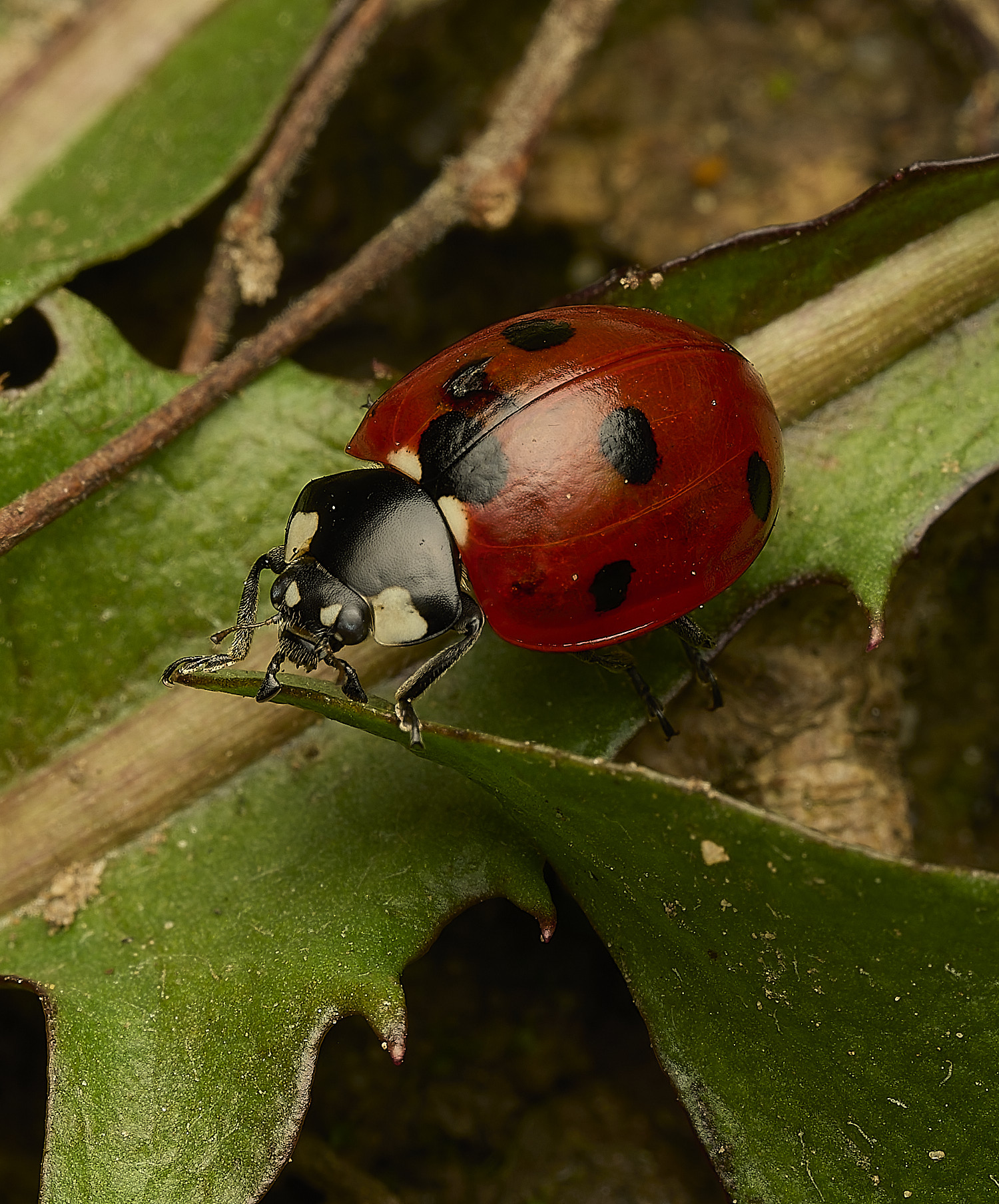
Seven Spot Ladybird (Coccinella septempunctata)
Strumpshaw Fen
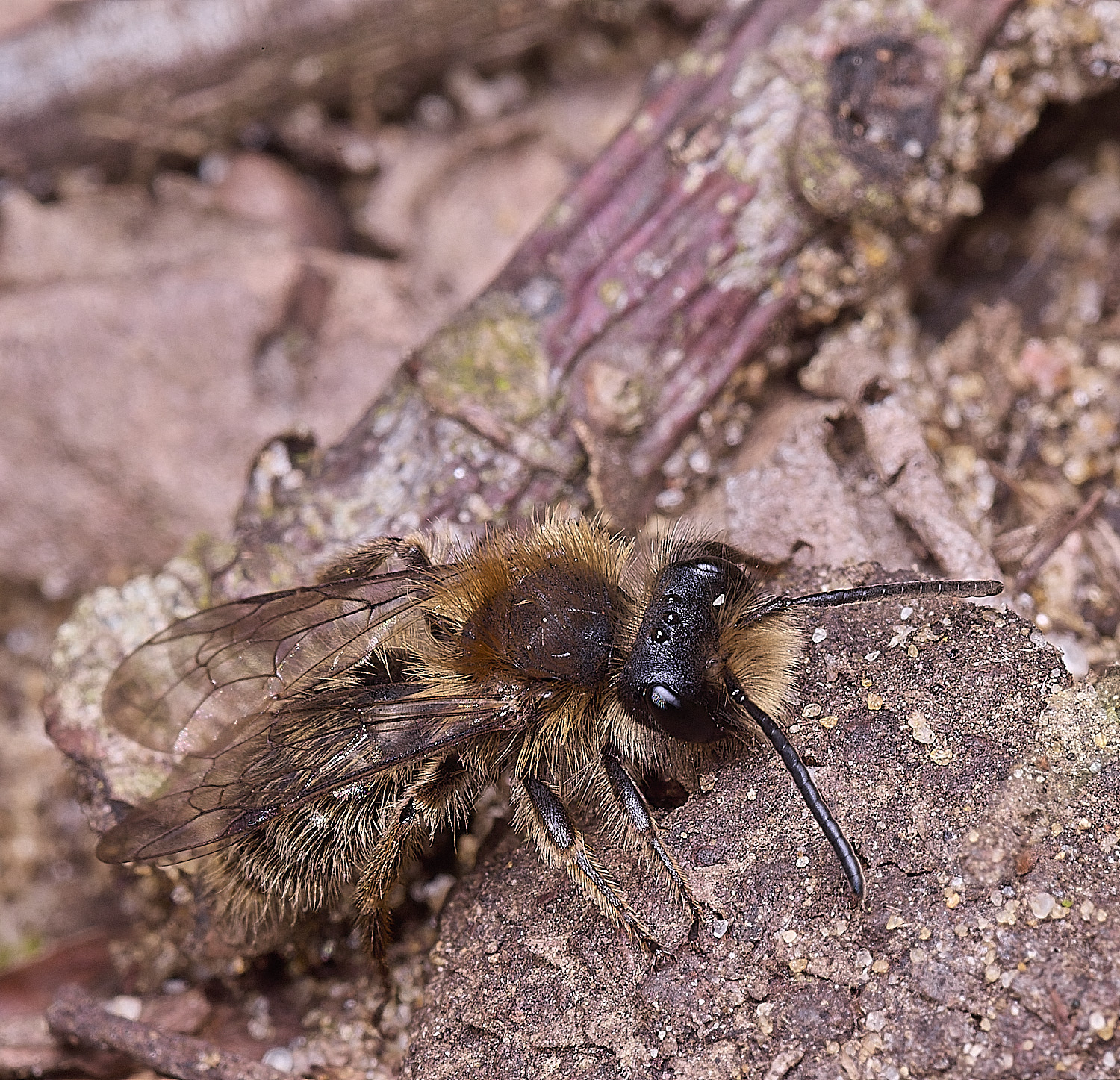
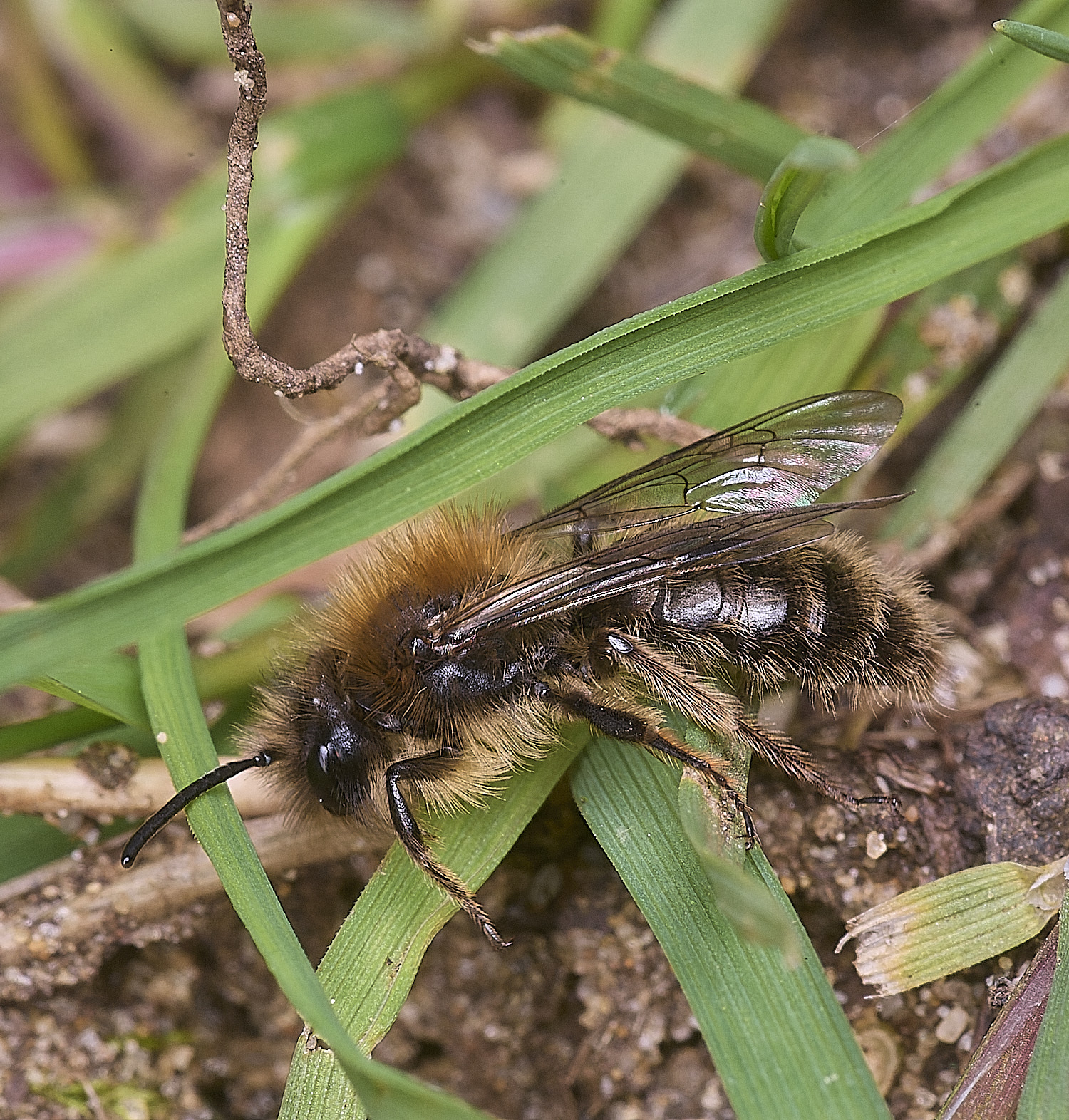
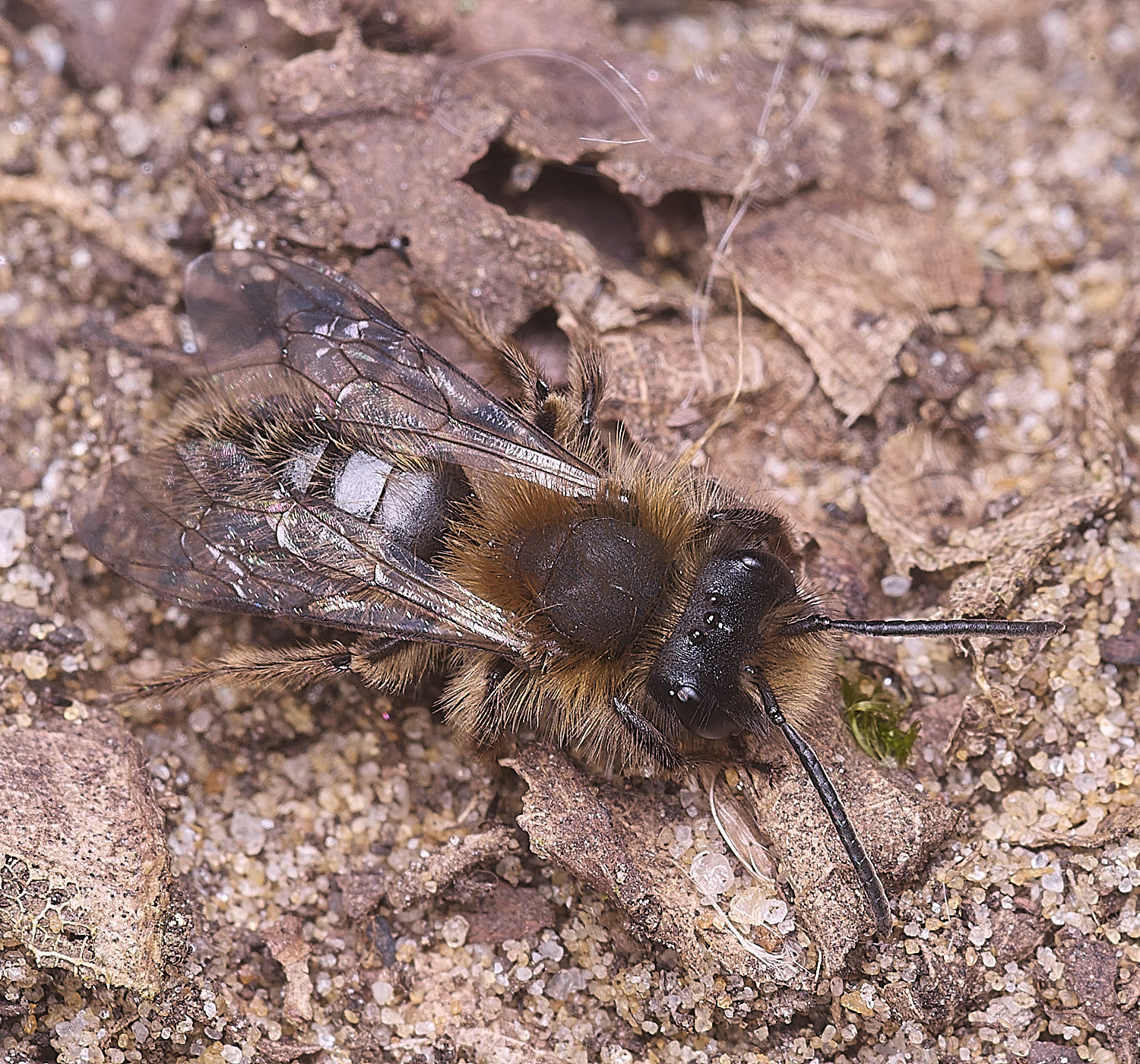
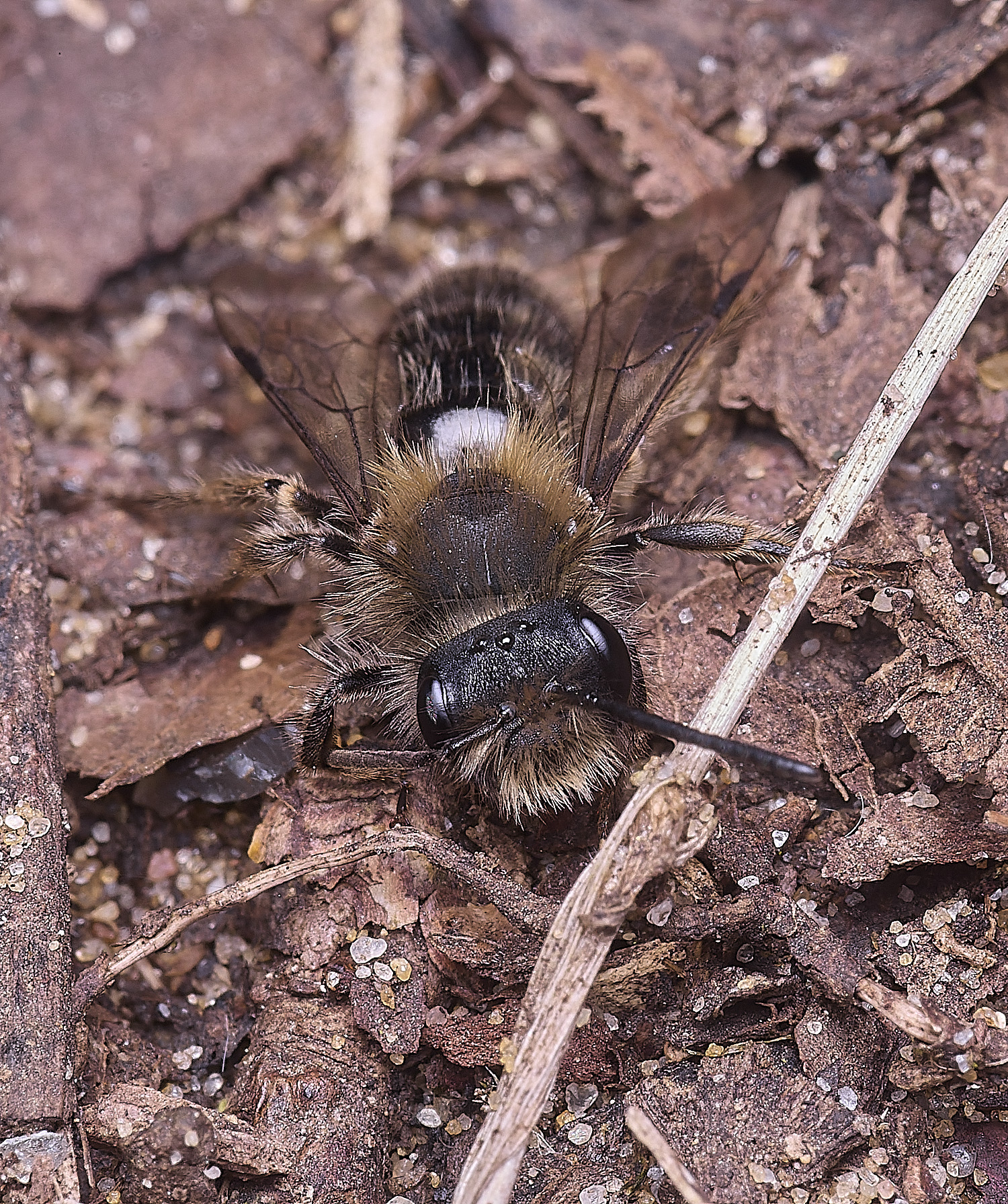
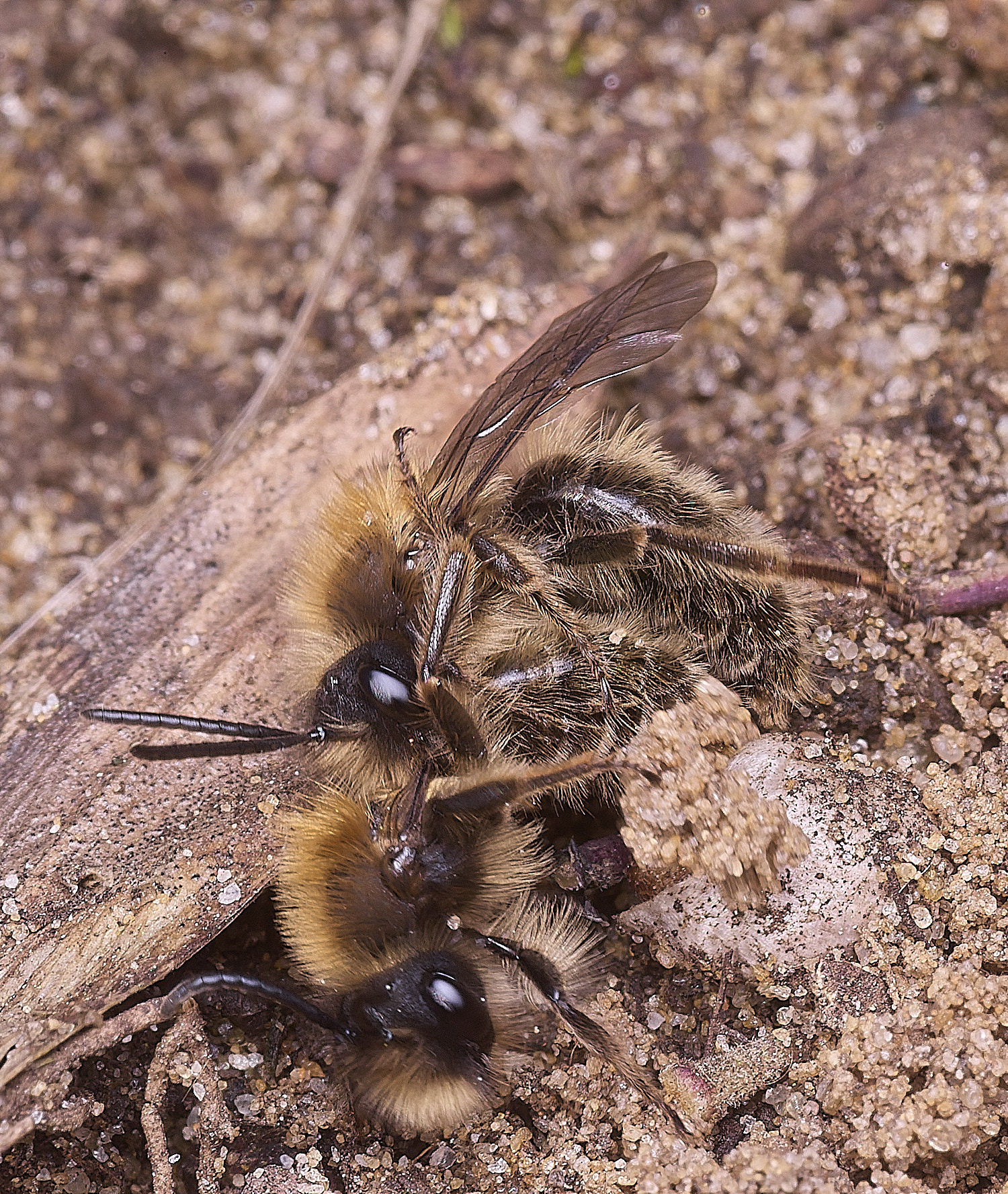
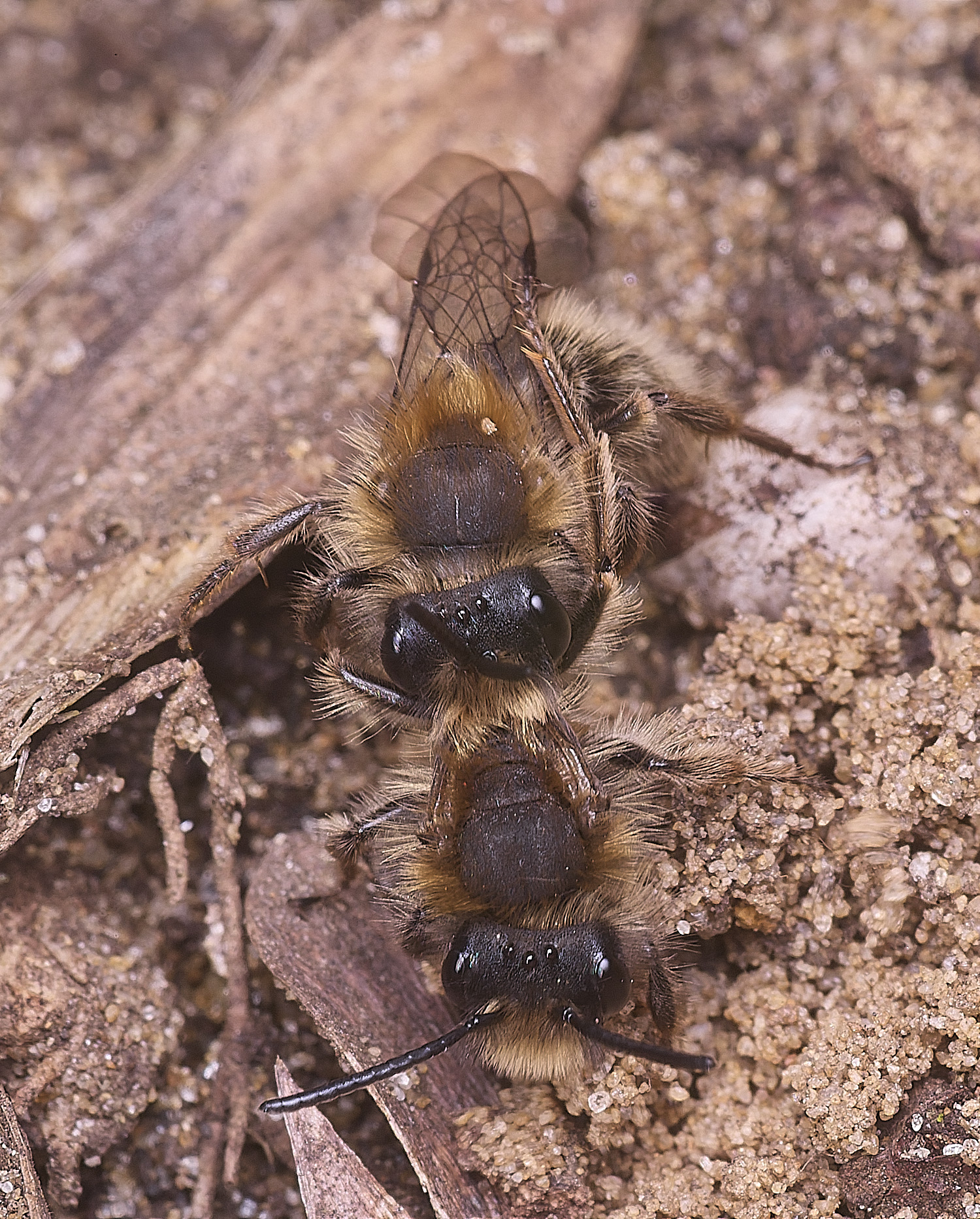
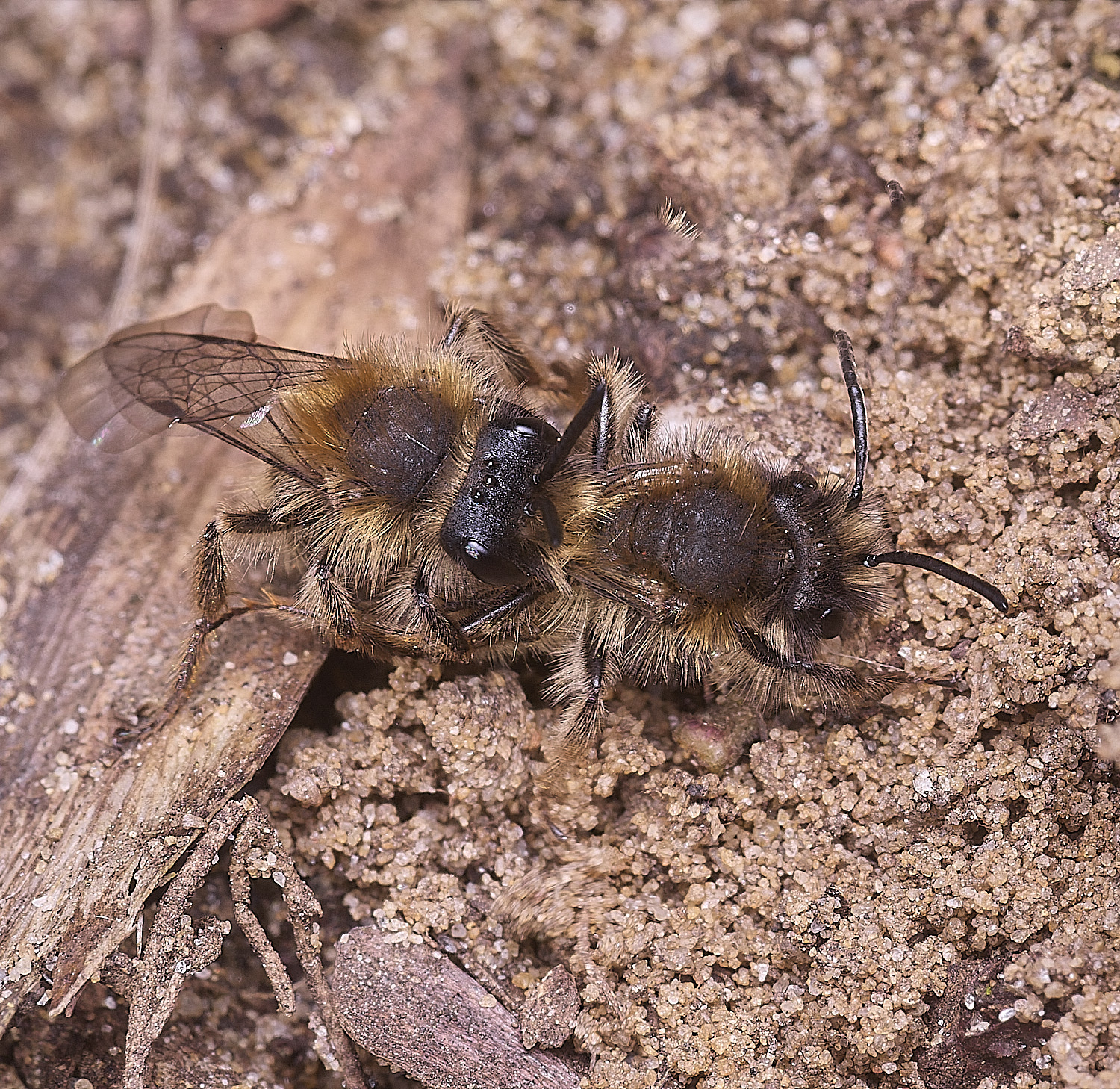
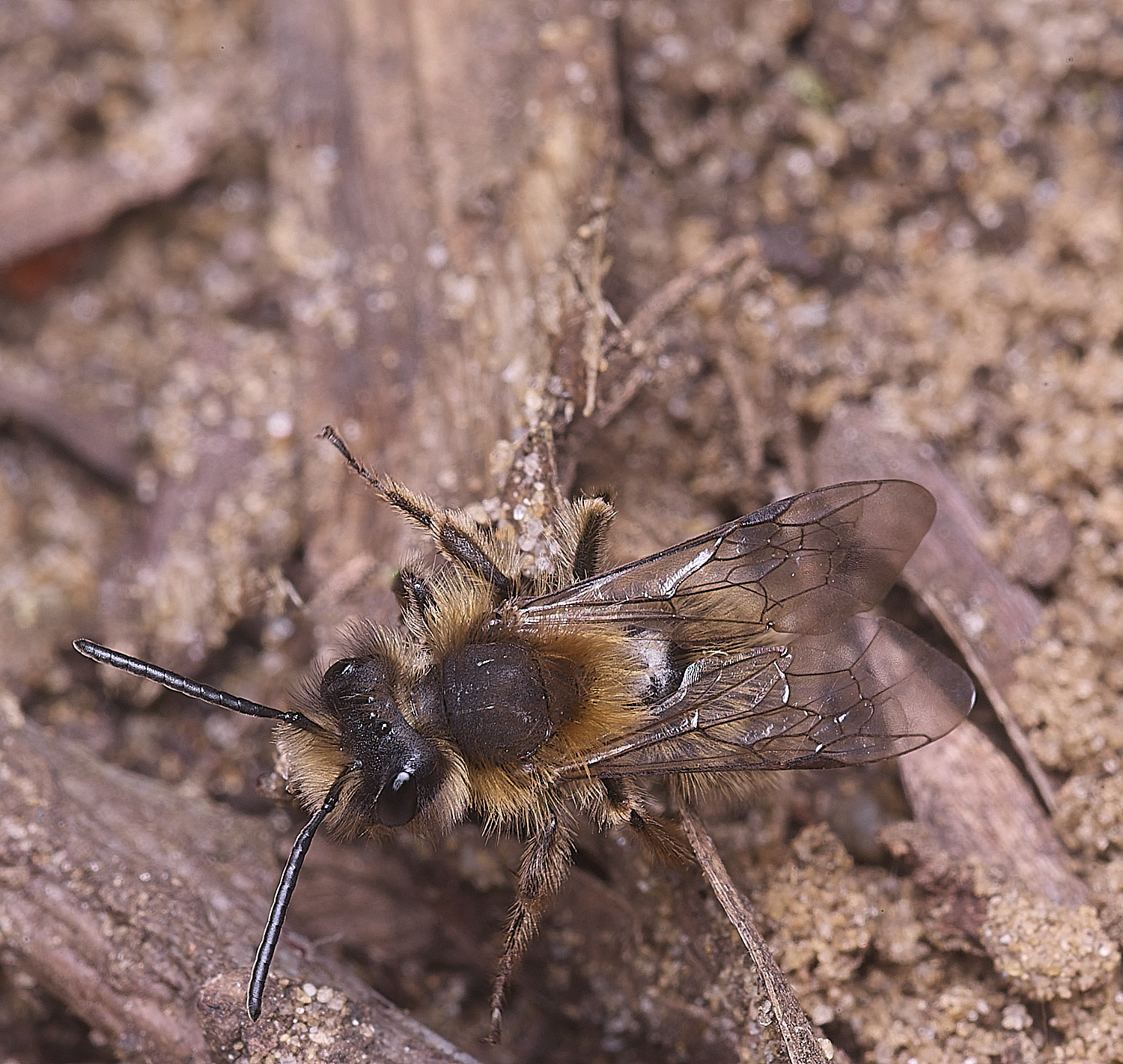
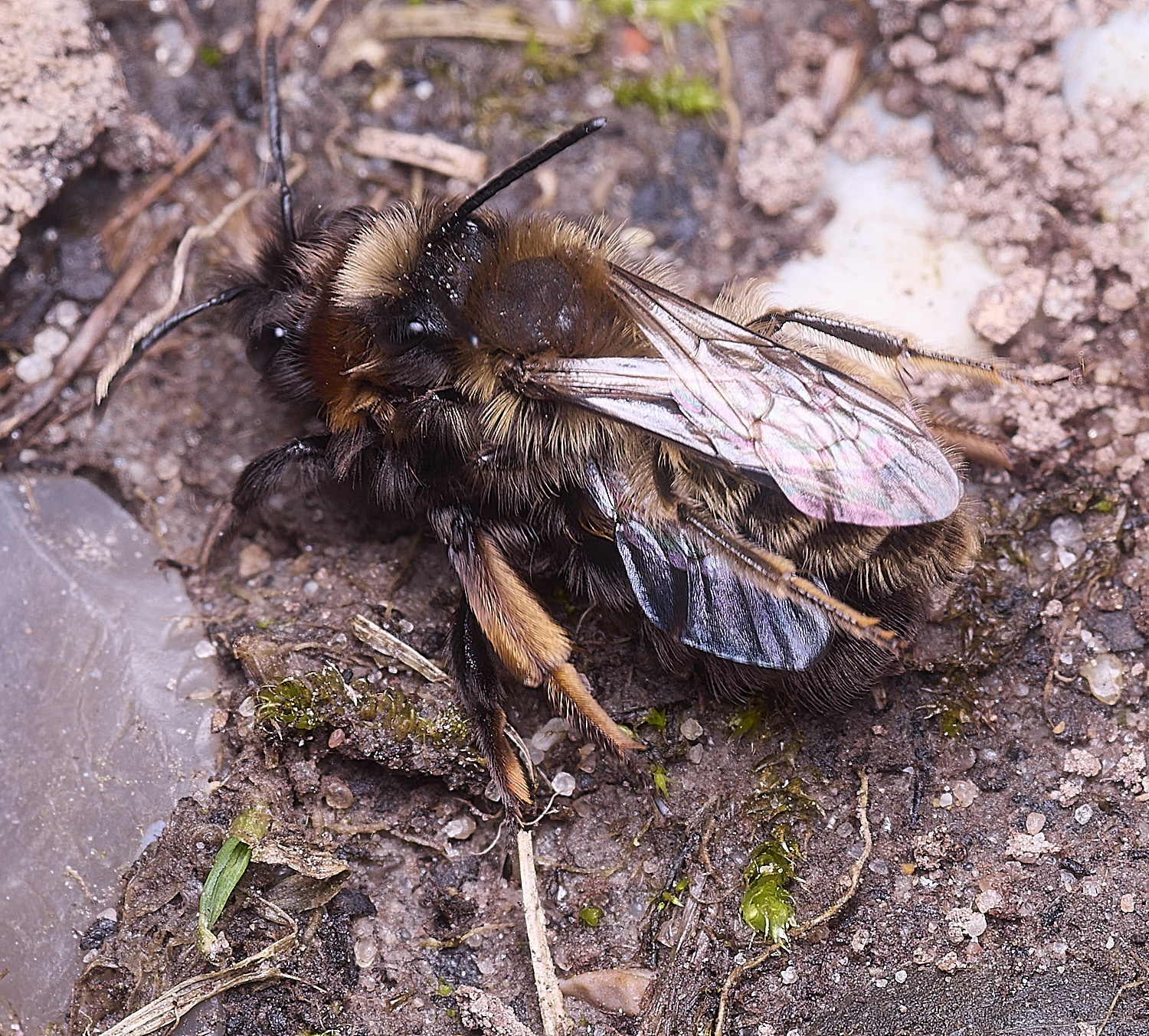
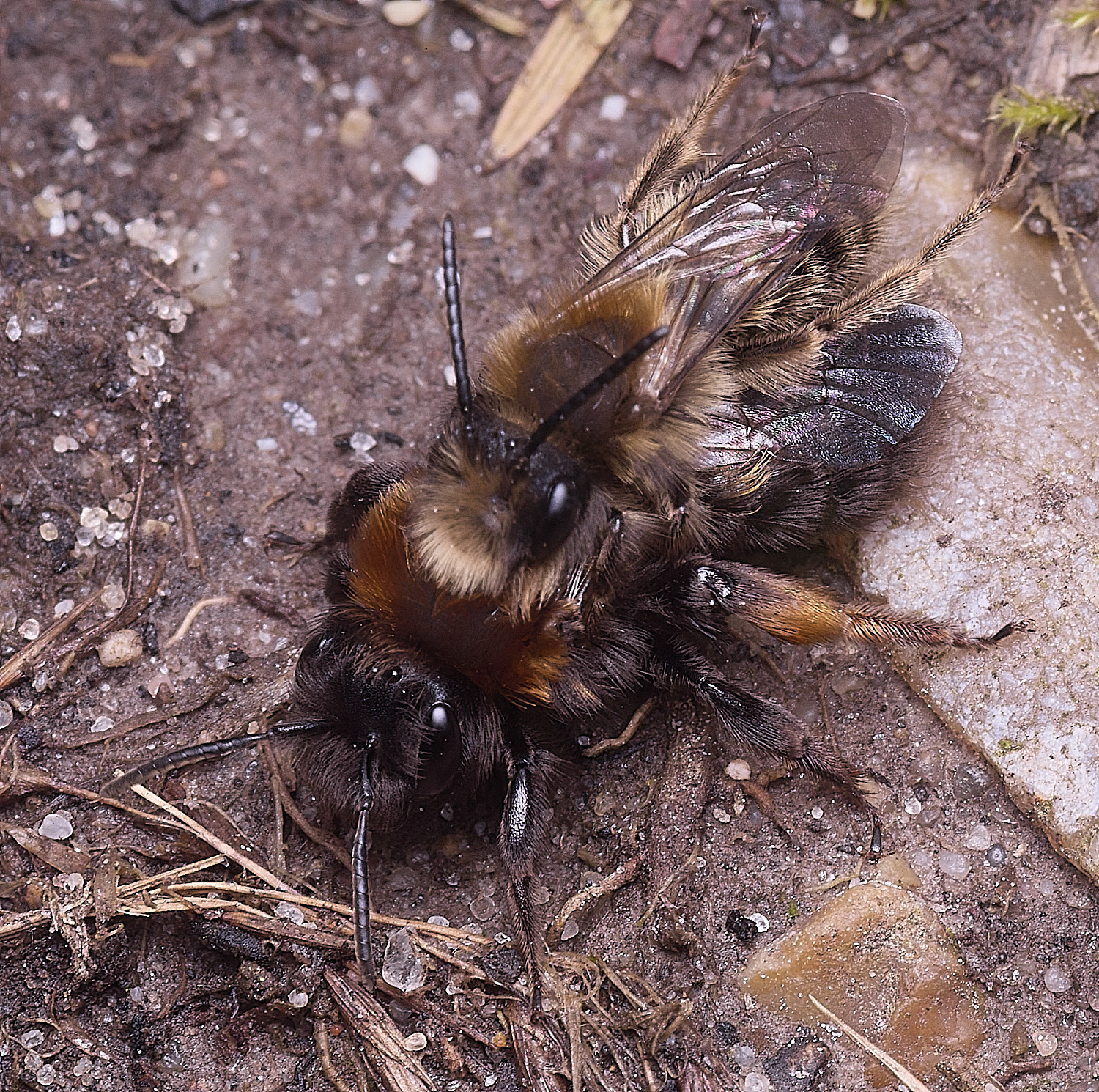
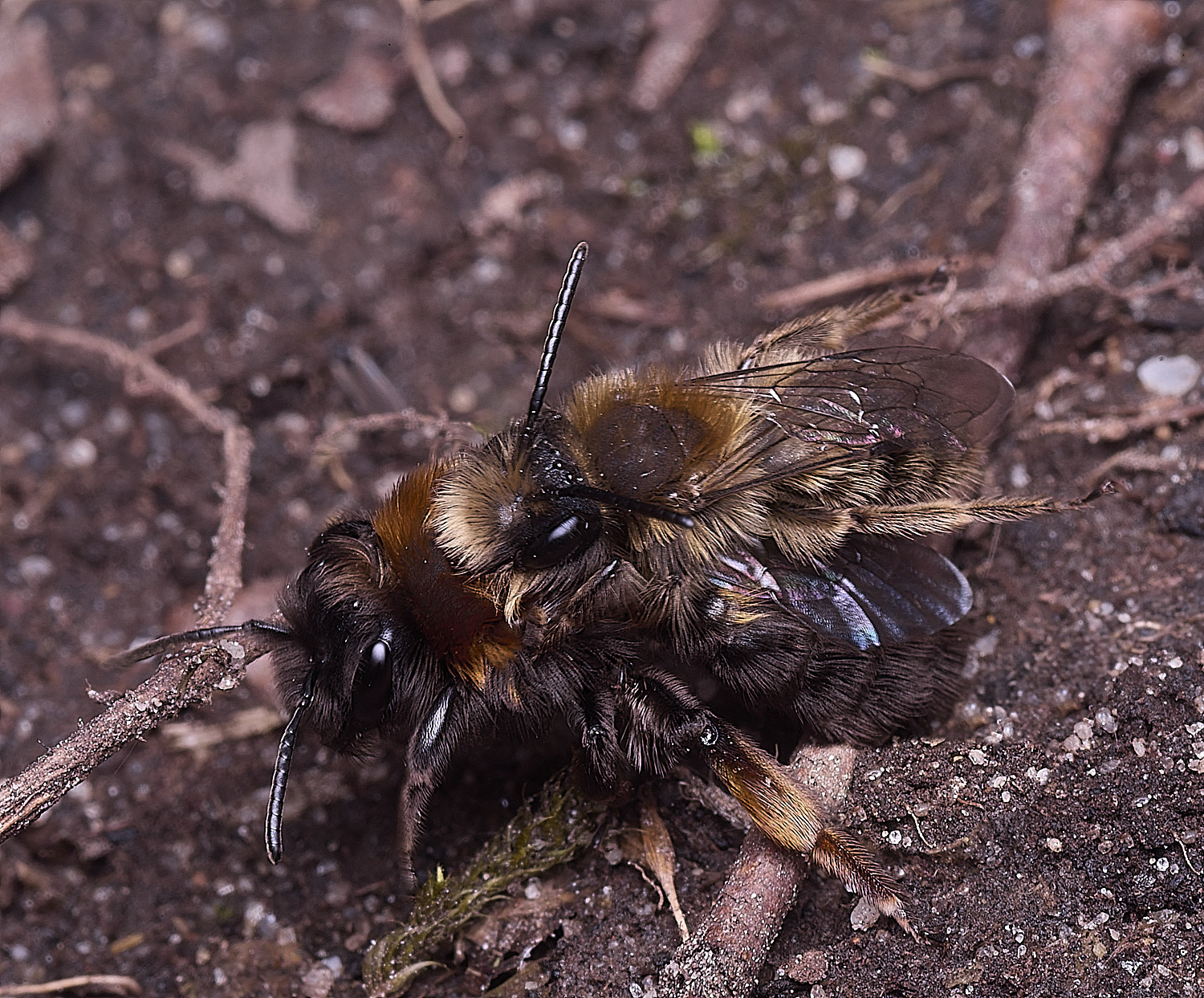
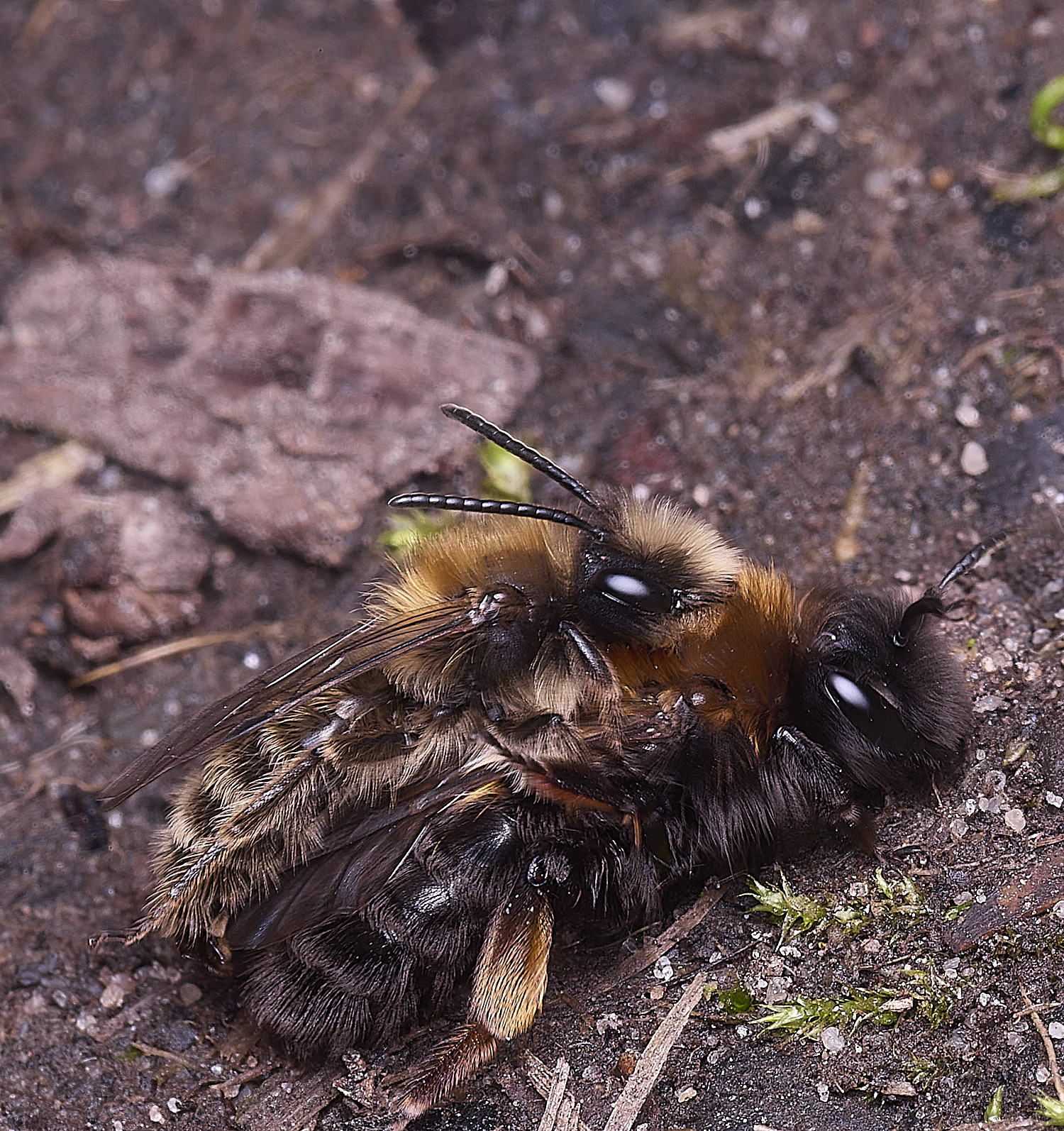
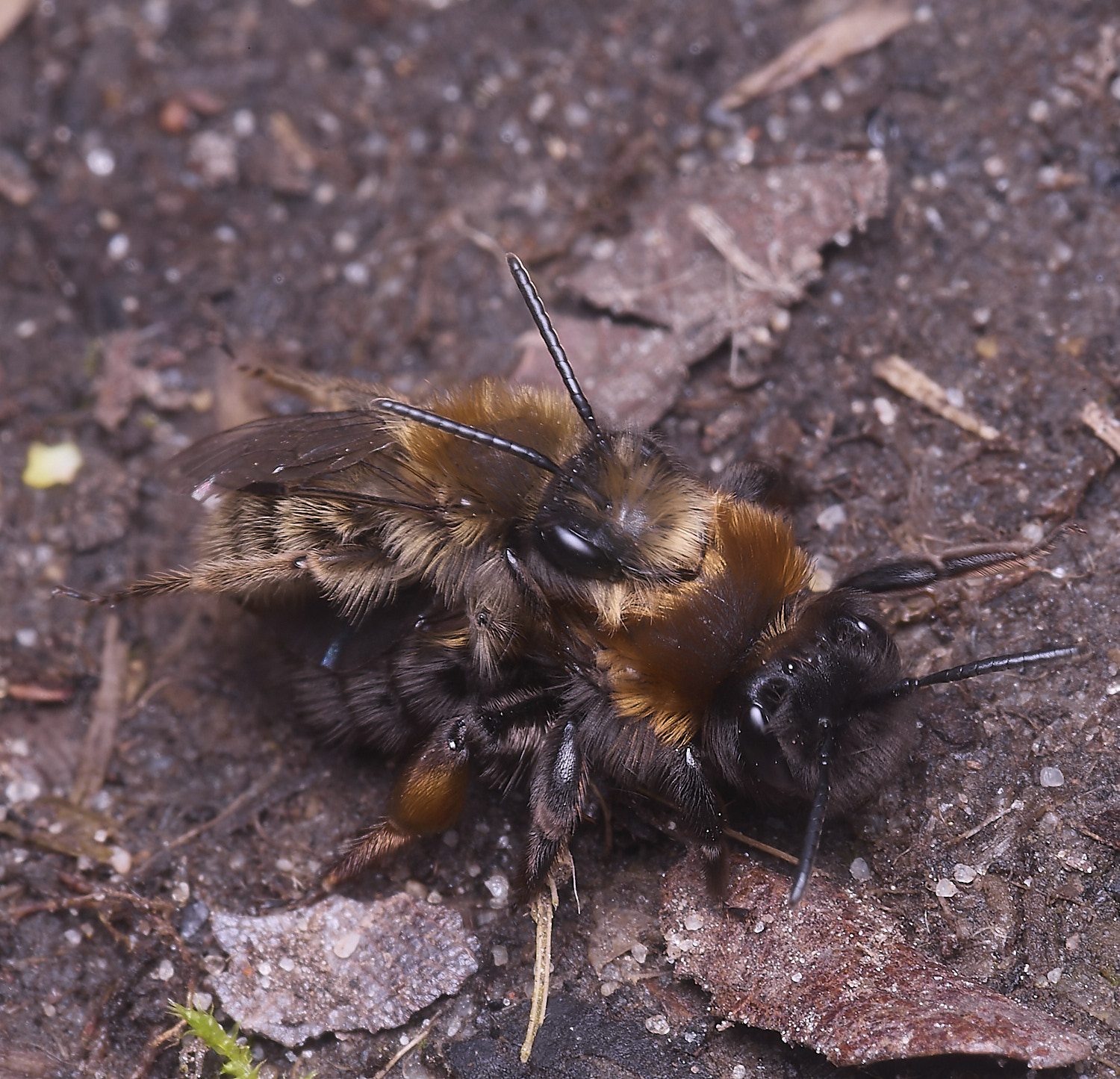
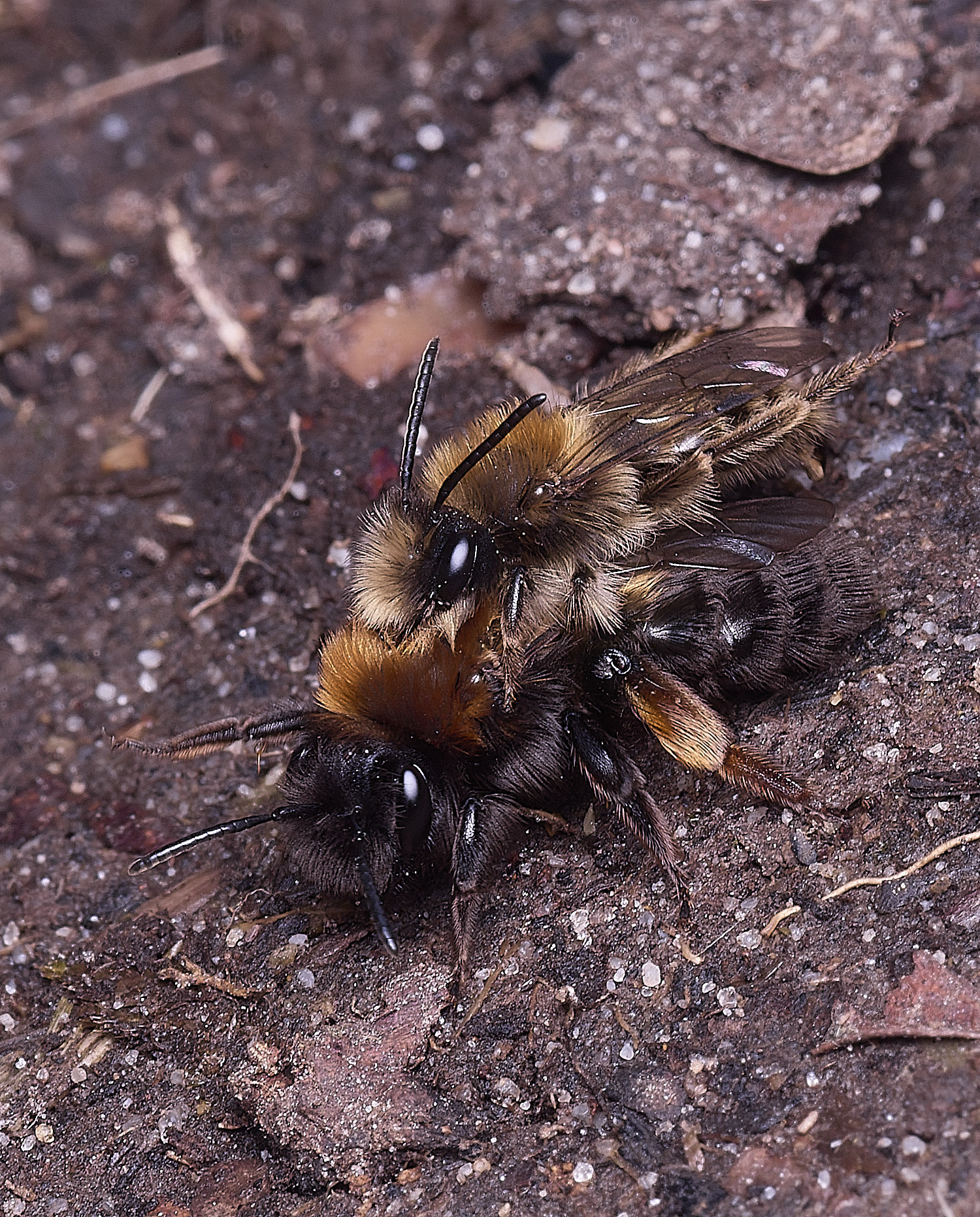
Clark's Mining Bee (Andrena clarkella)
All males - even males on males - no females or associated Nomads visible today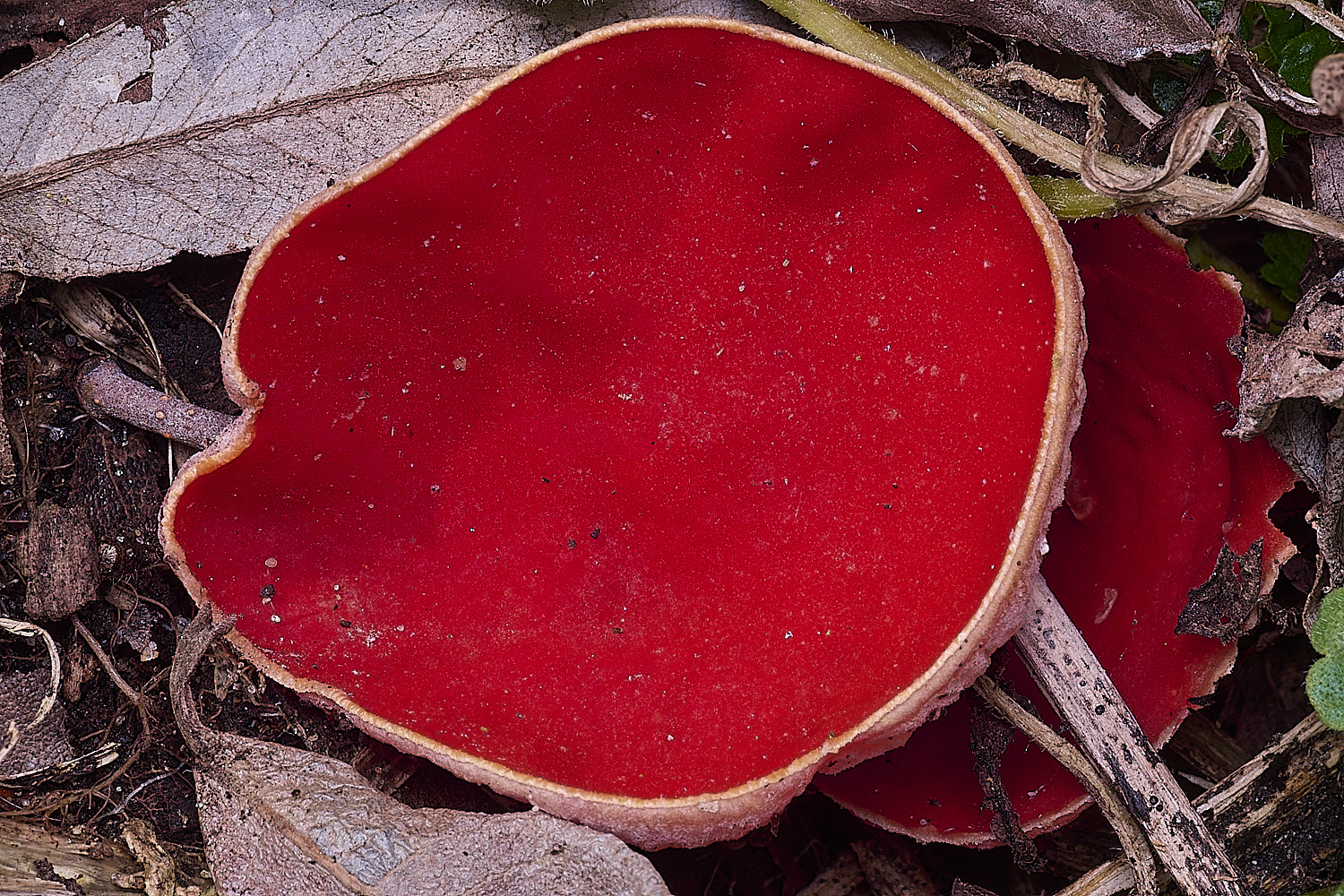
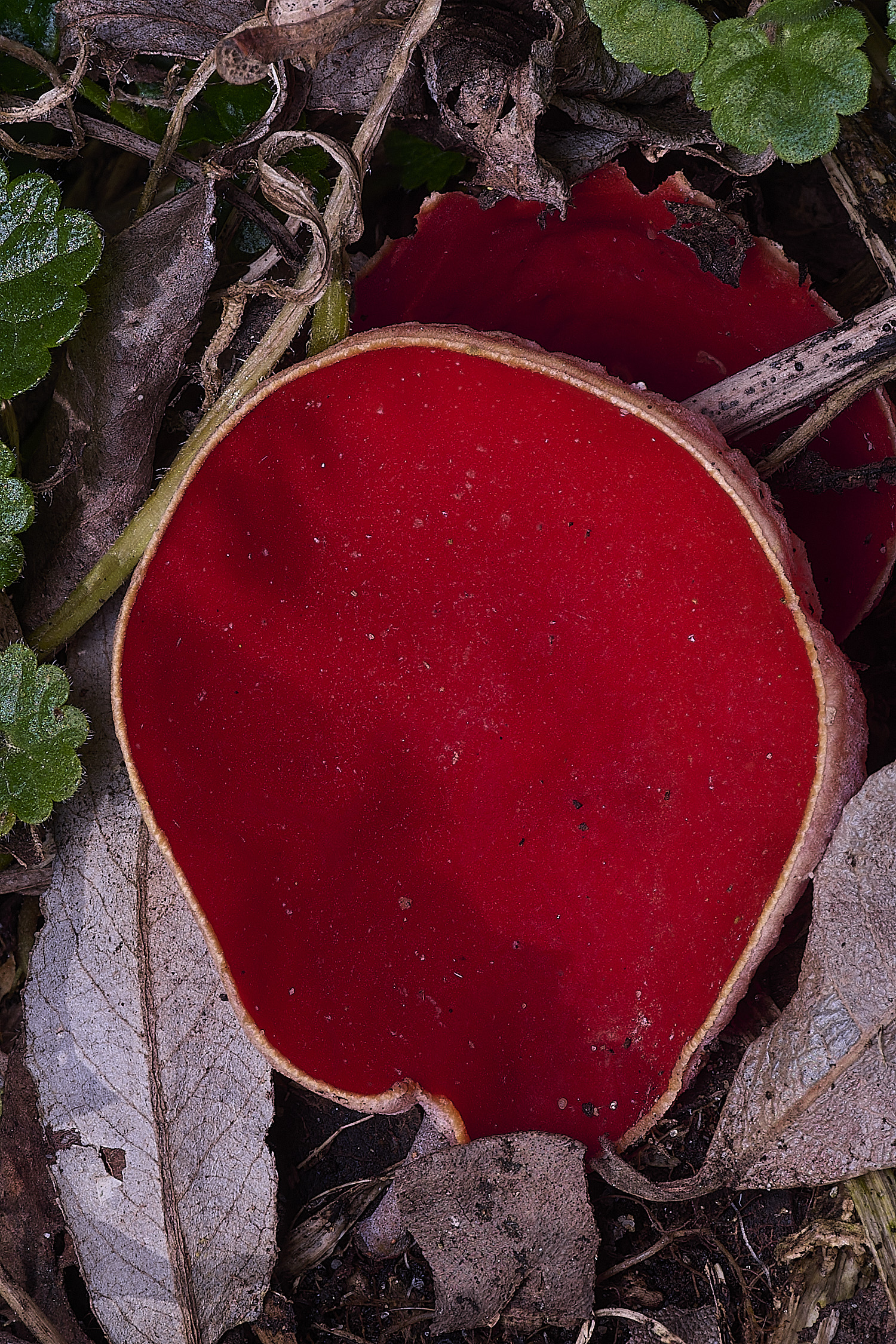
Elfcup Sp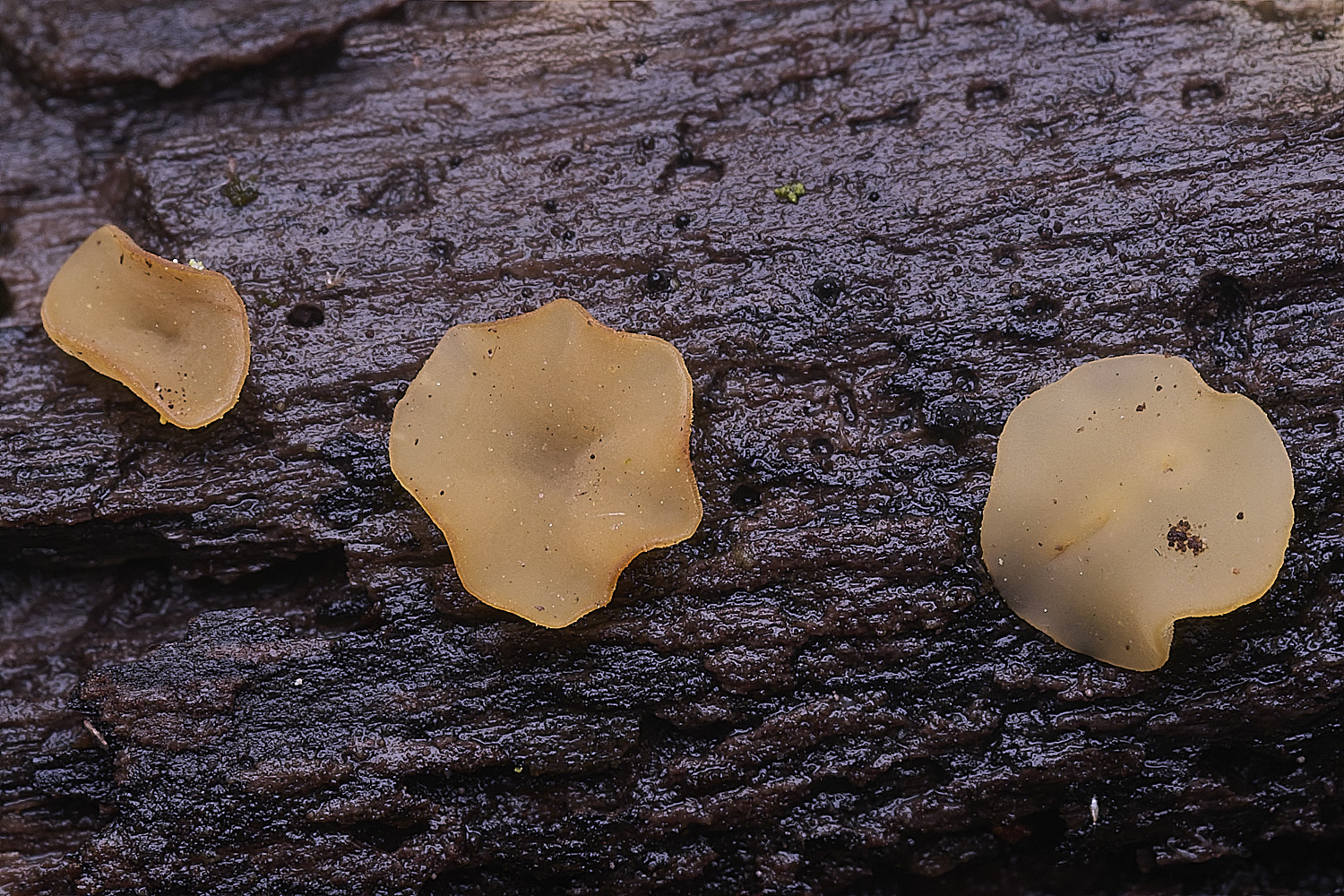
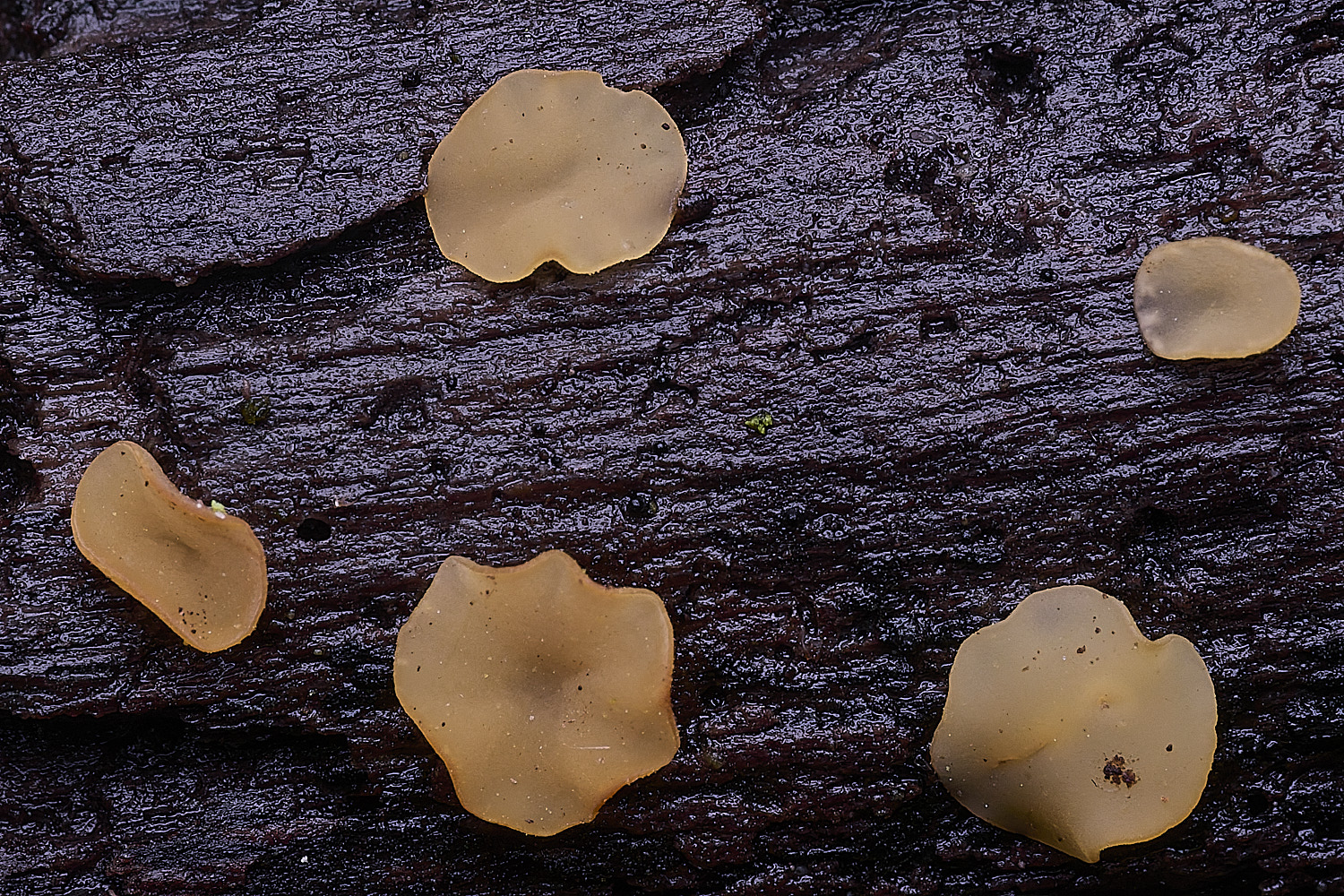
Hymenoscyphus vernus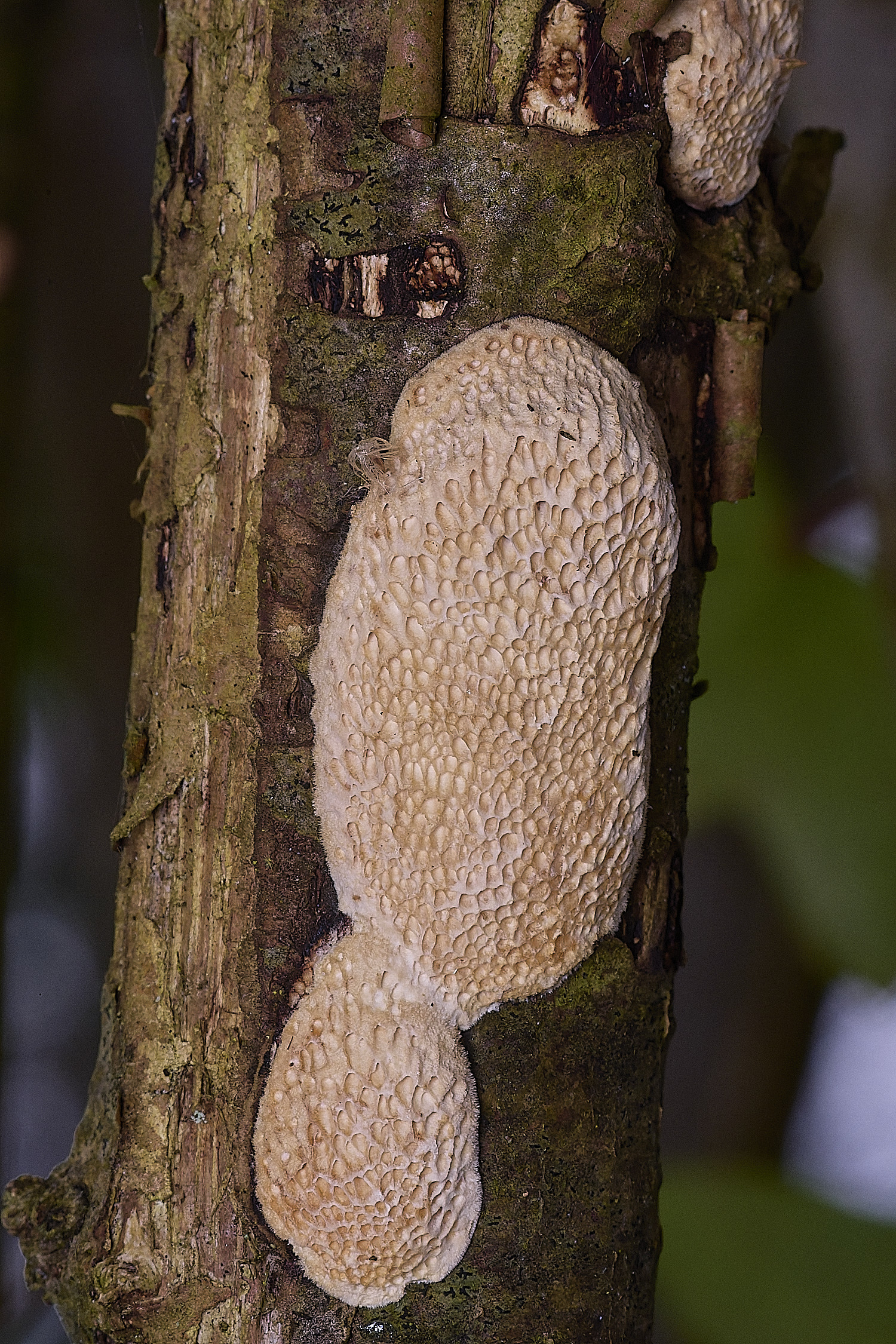
Hazel Bracket (Skeletocutis semipileata)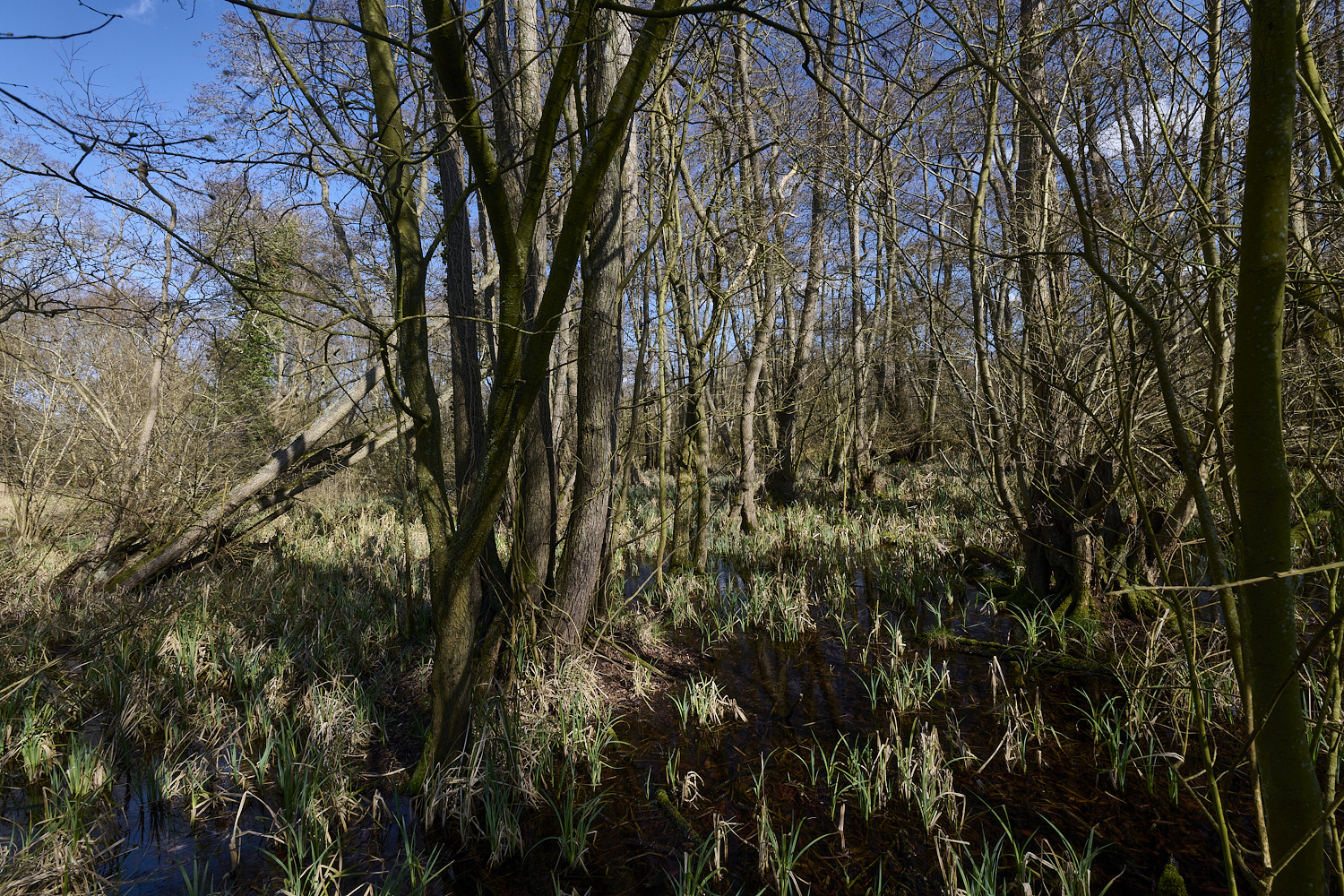
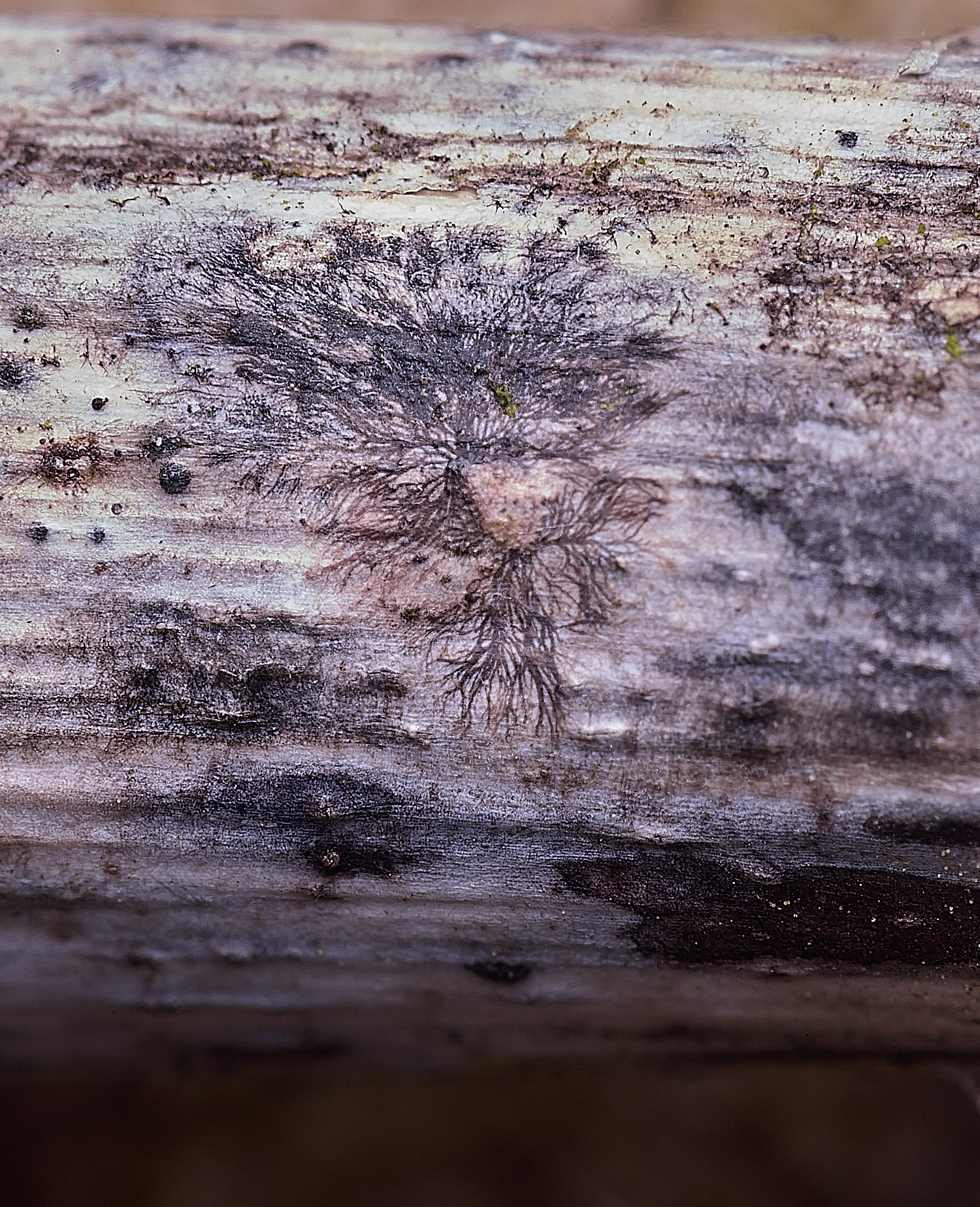
From AW
Asteroma robergei with minute pycnidia seated on a mat of radiating brown hyphae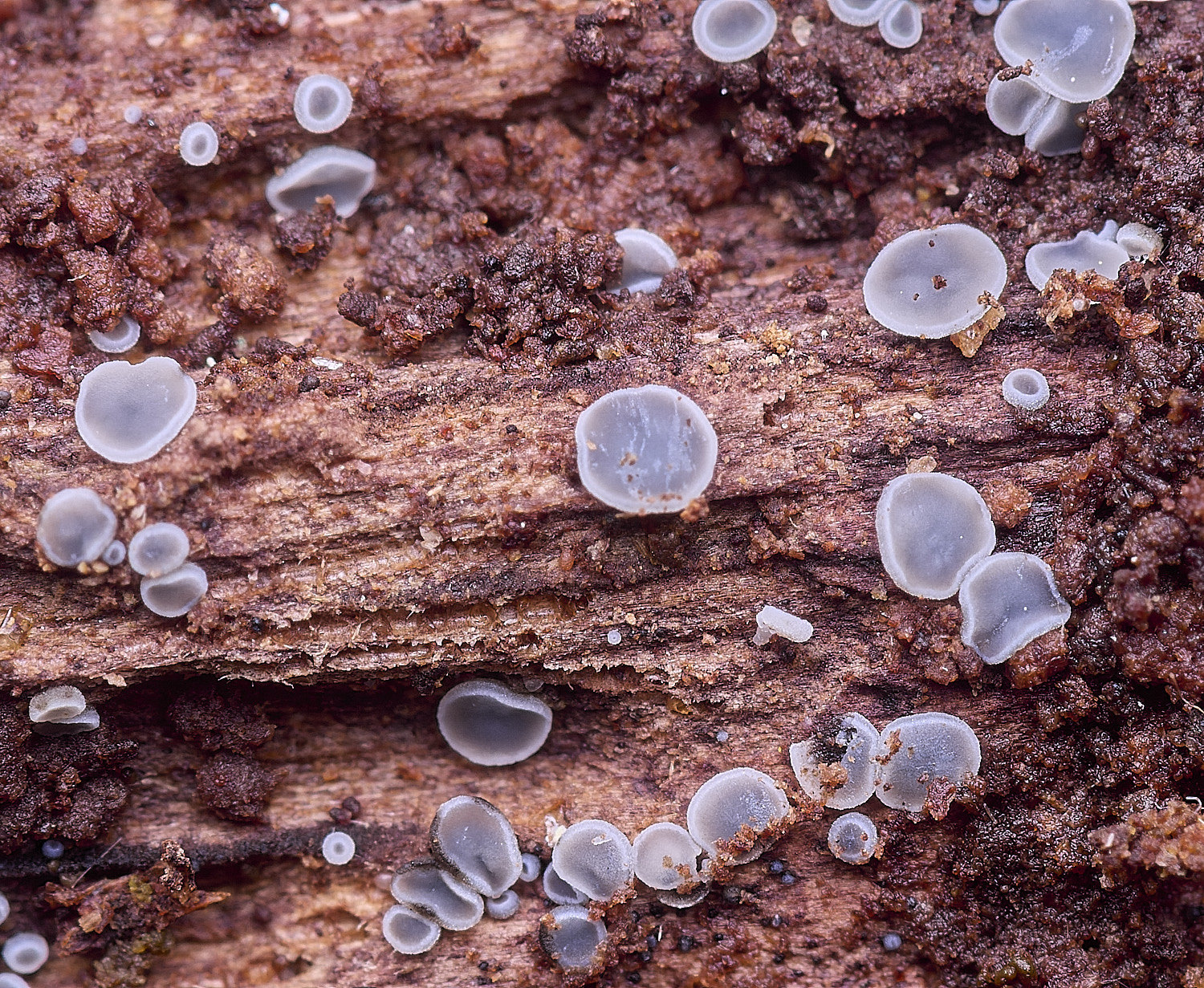
Mollisia Sp?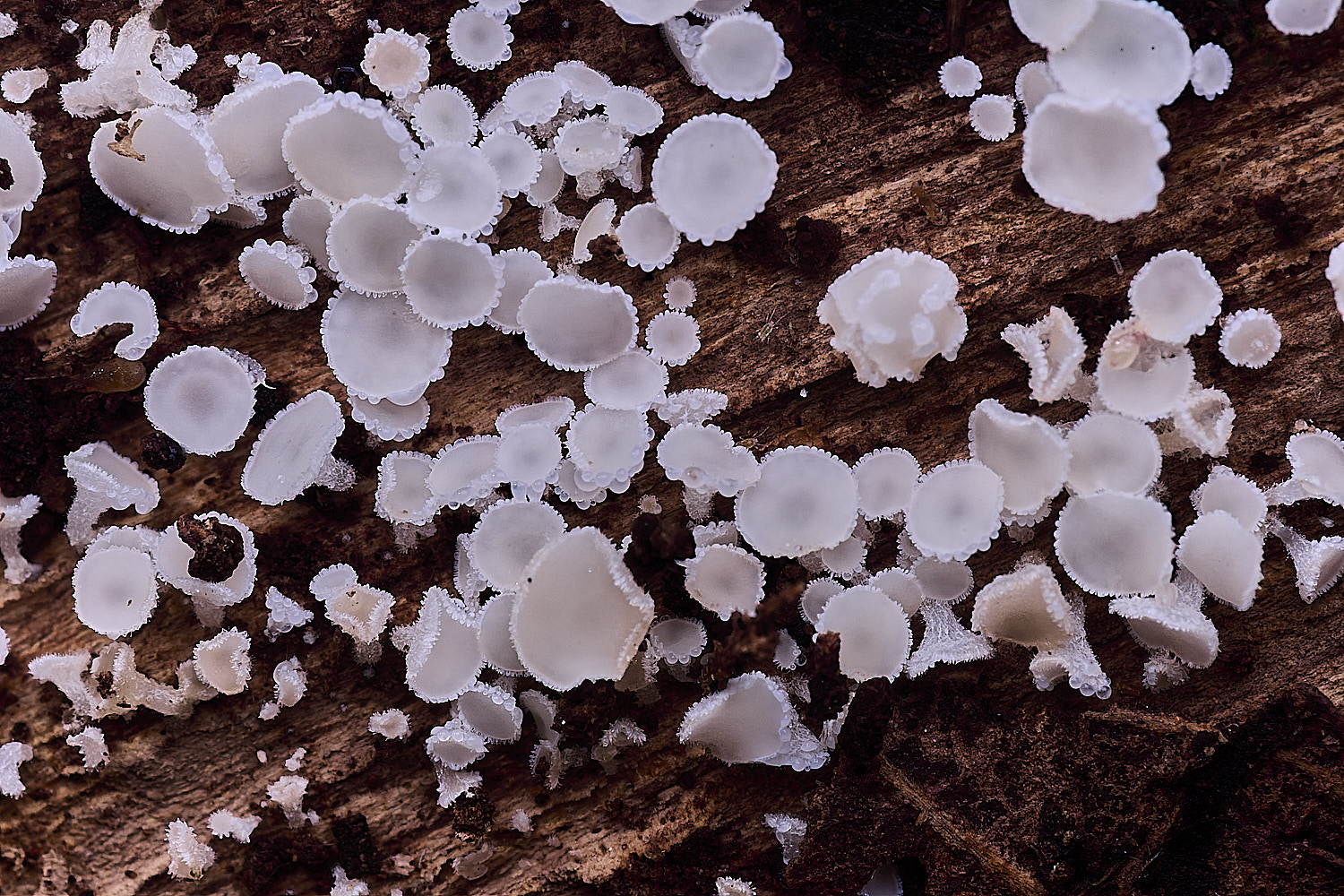
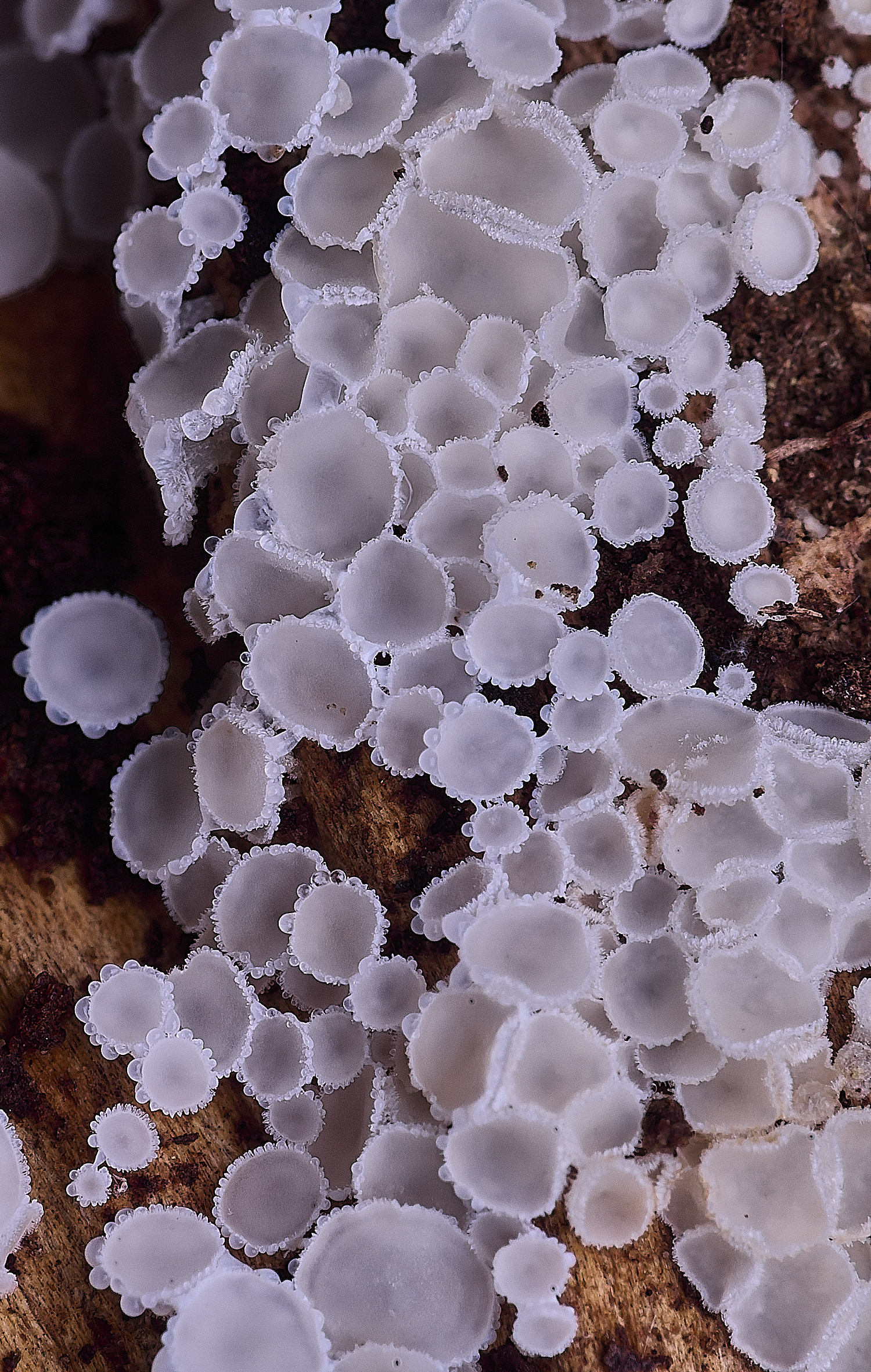
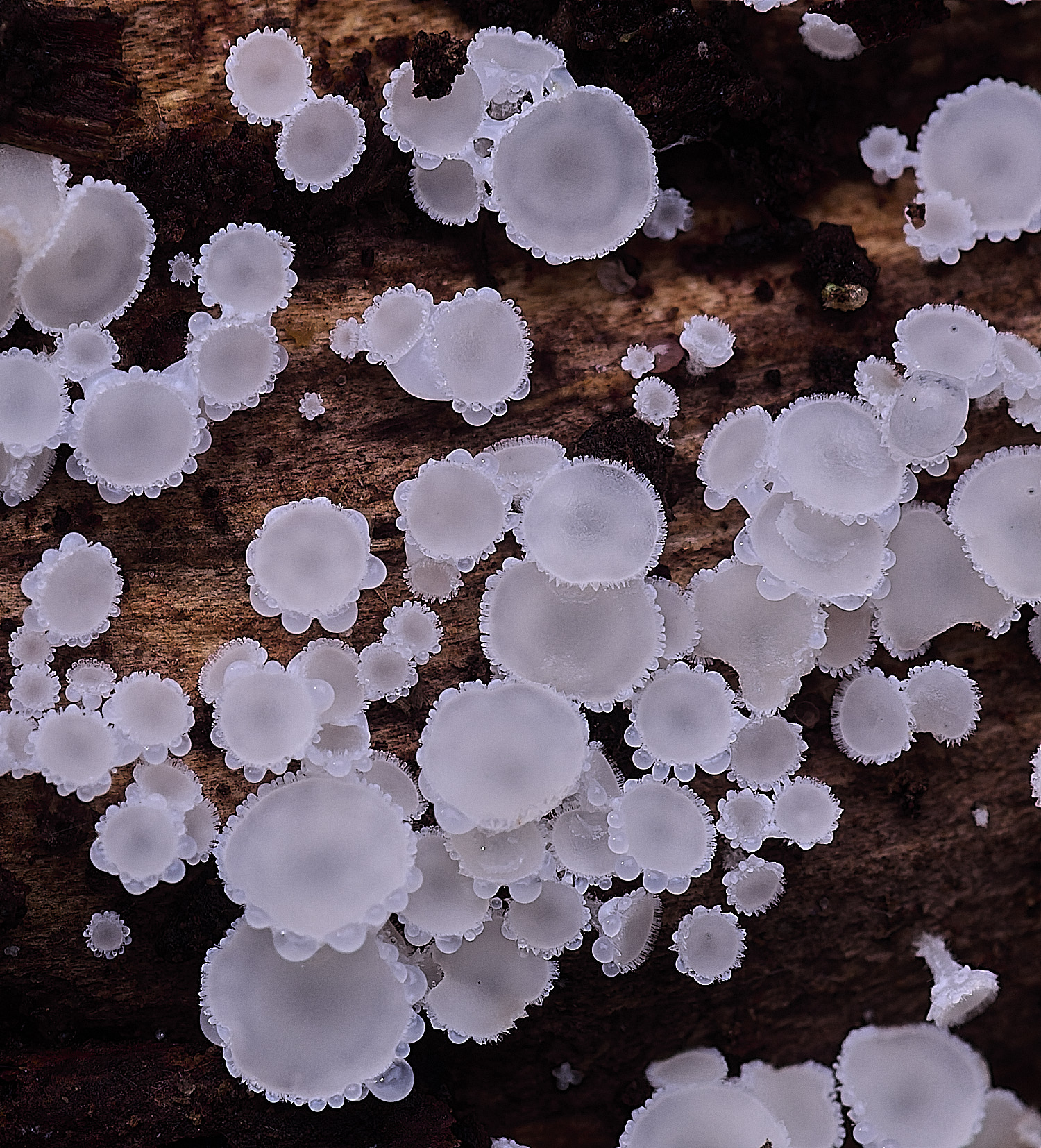
Snowy Disco (Lachnum virgineum)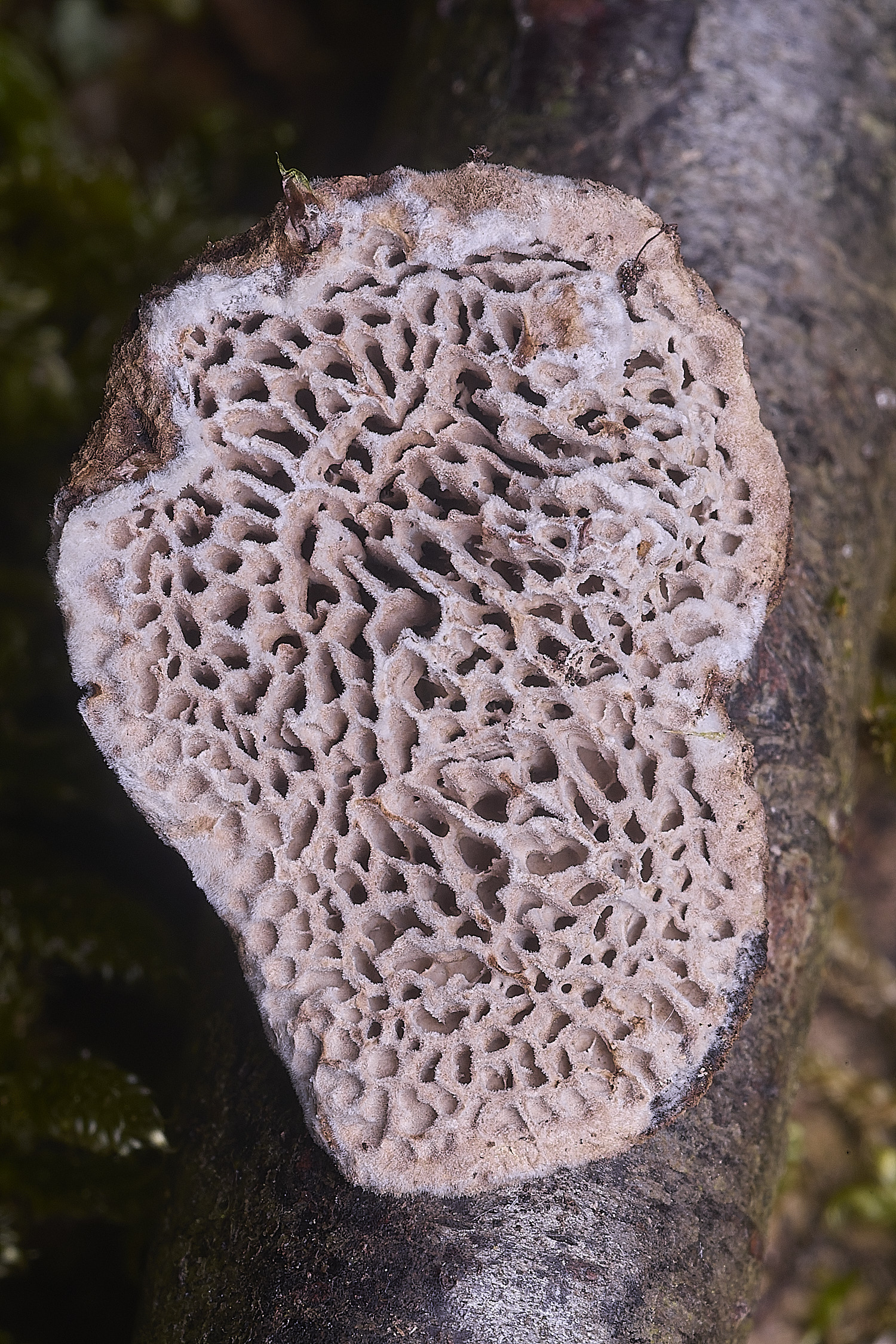
Common Mazegill (Datronia mollis)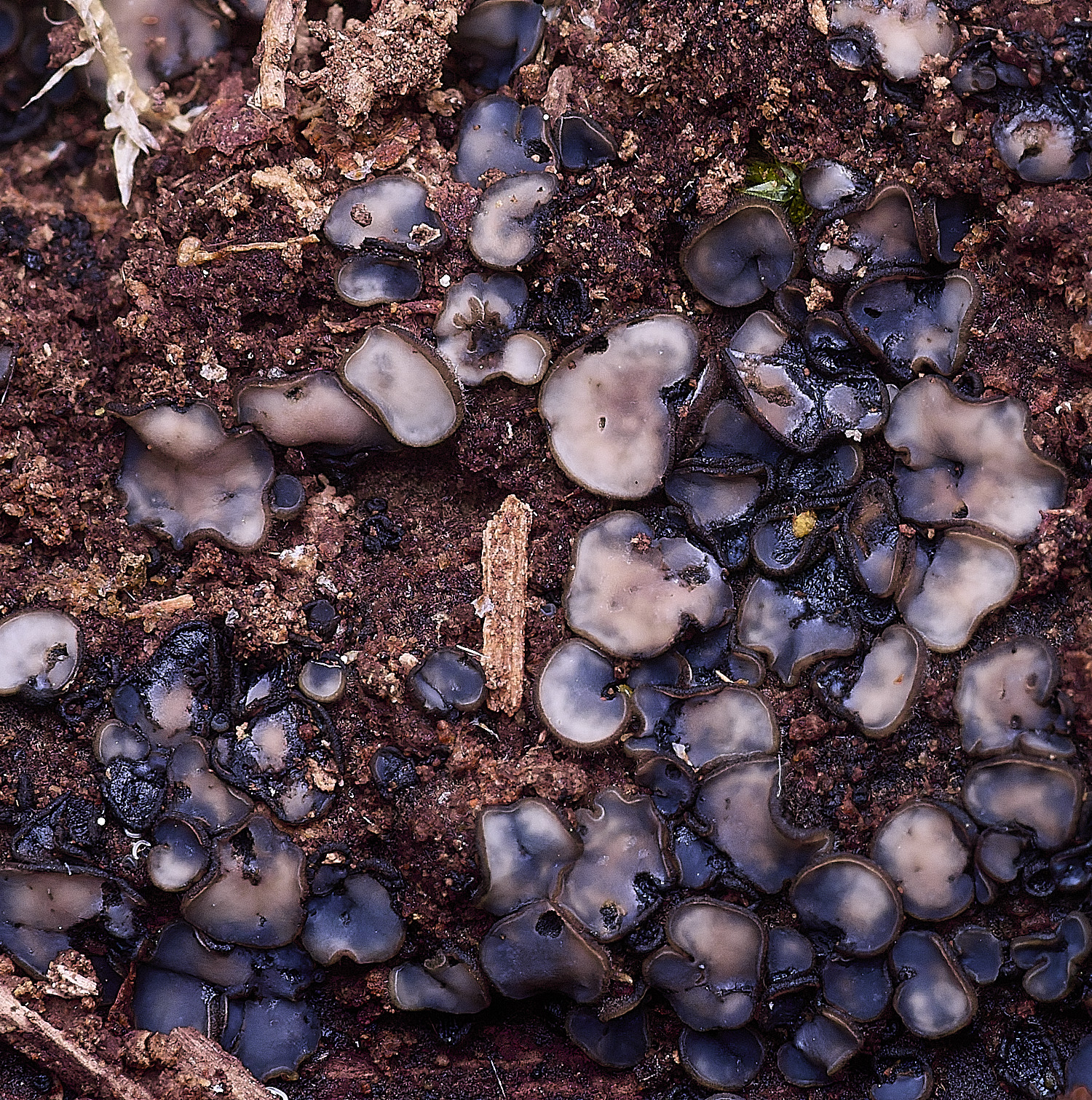
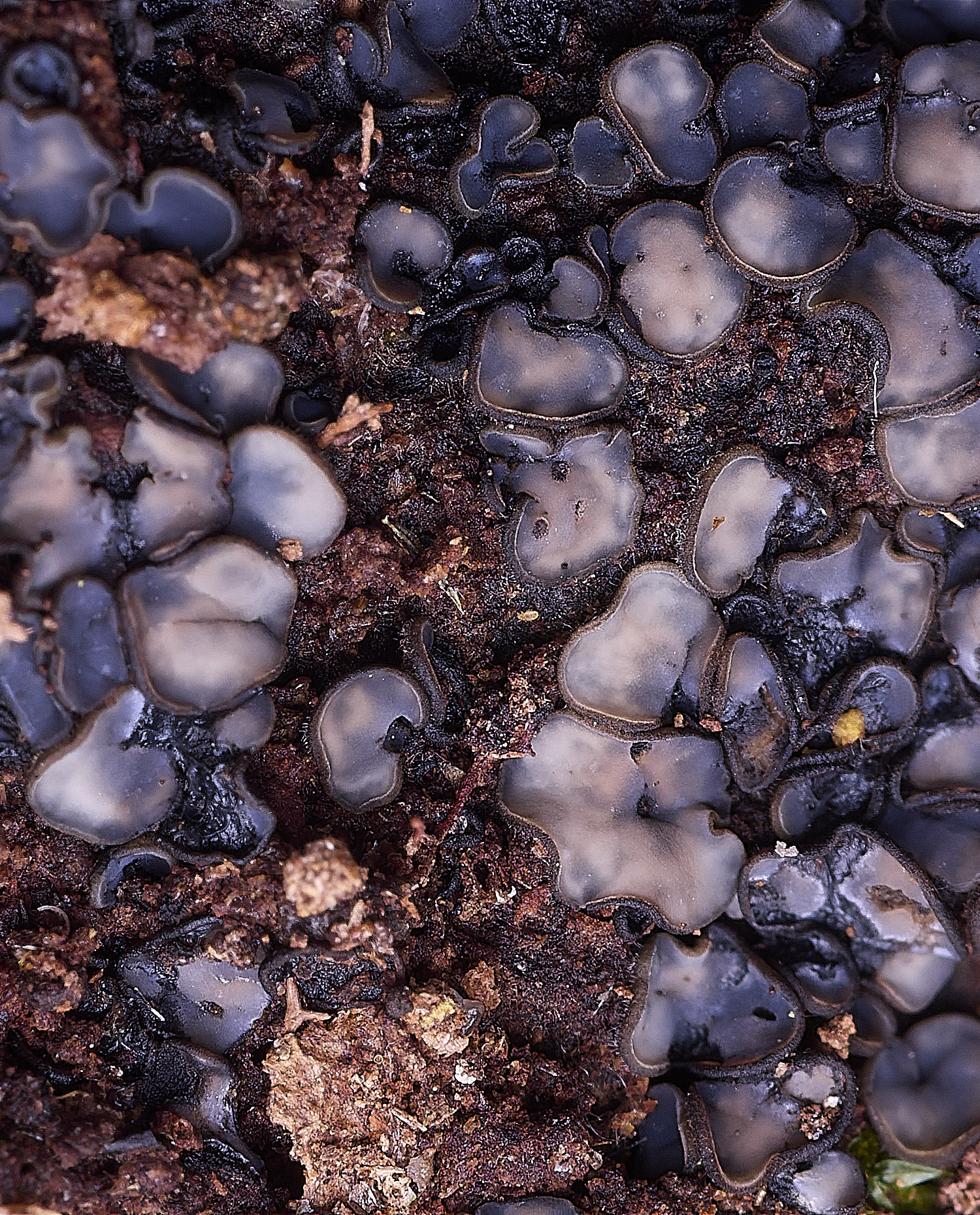
Mollisia Sp
Mollisia cinerea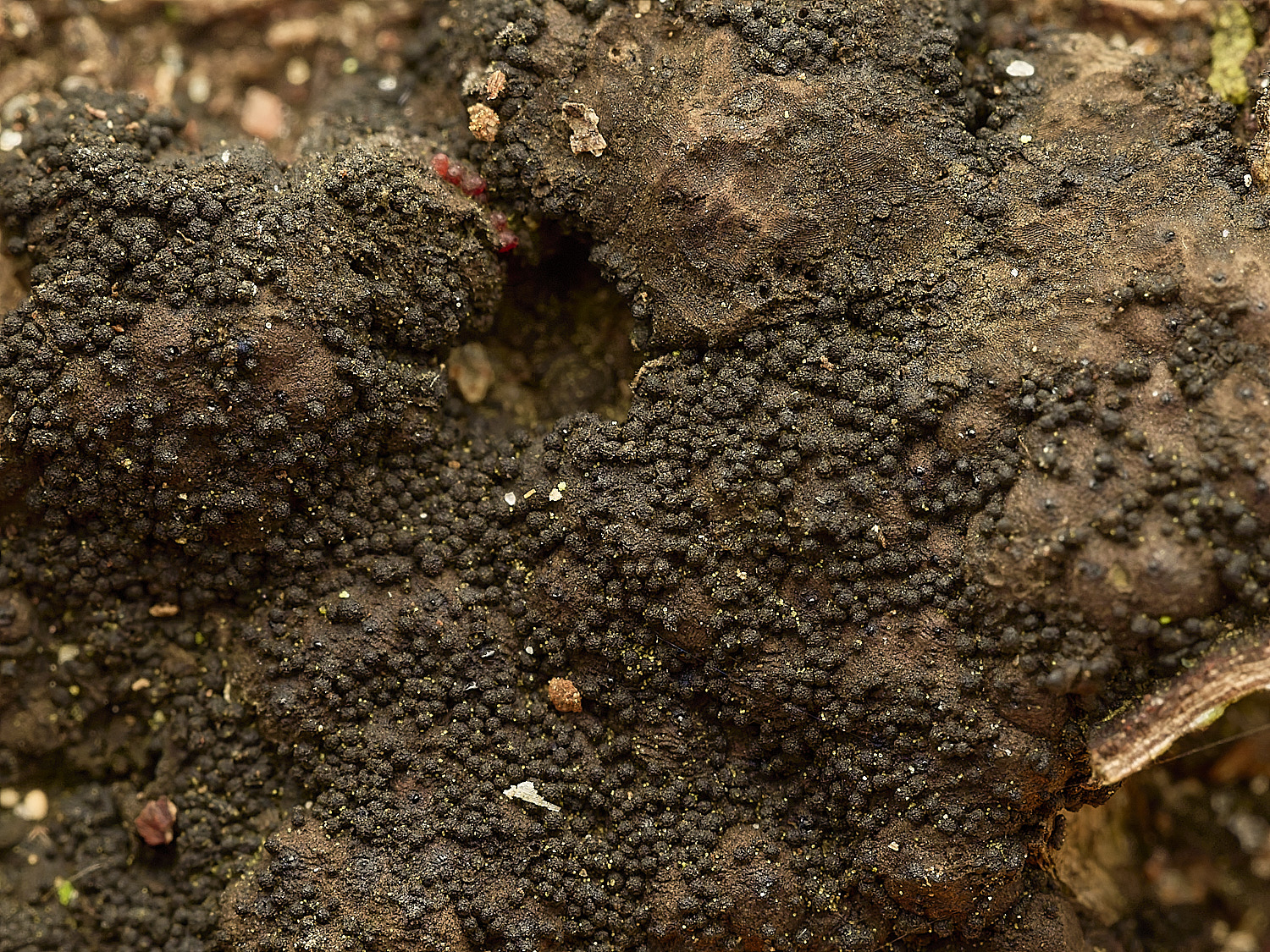
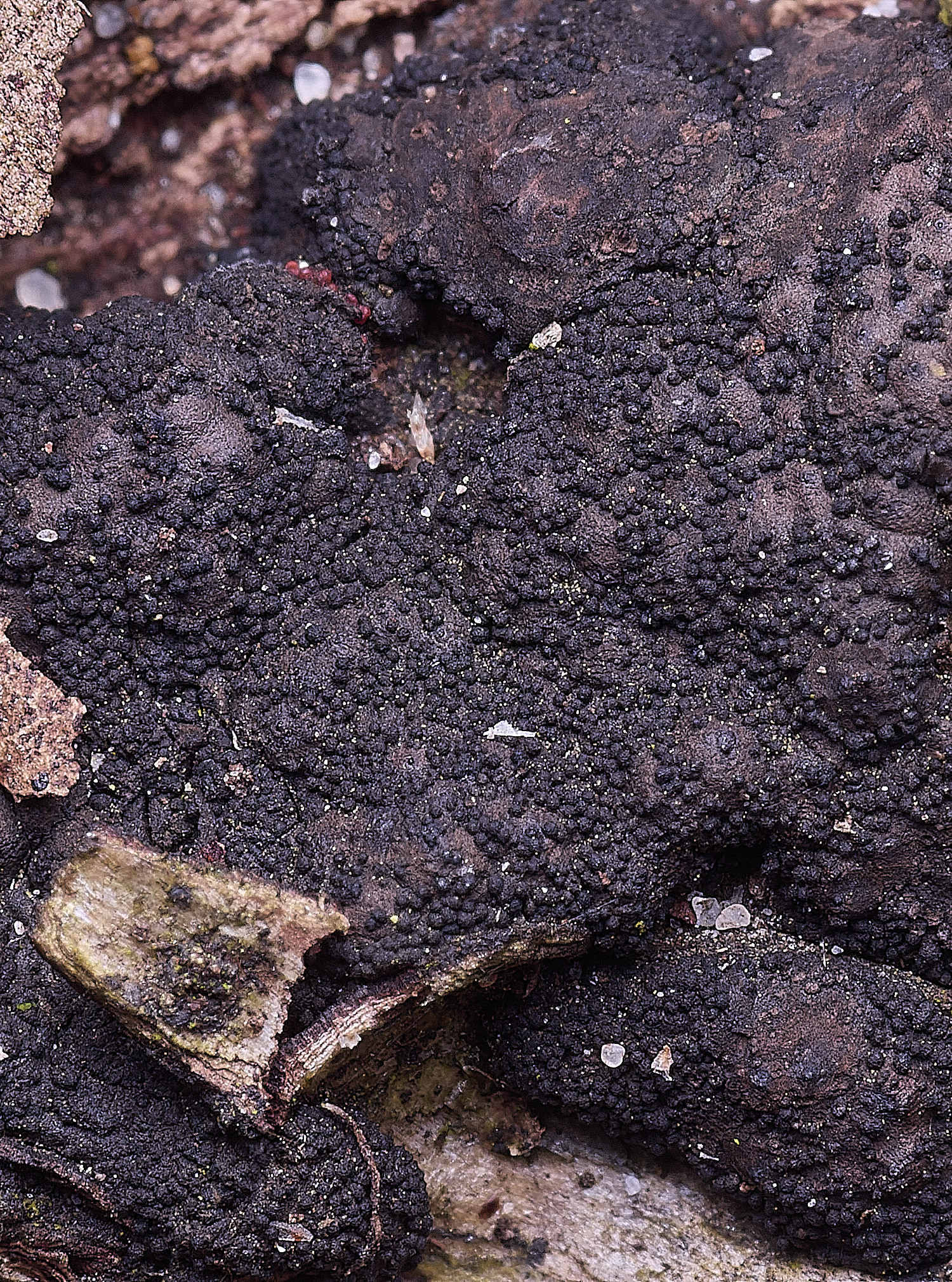
Small black balls (Berlesiella nigerrima) on Birch Woodwart (Jackrogersella multiformis) . Also a small red fungus Cosmospora annulohypoxyli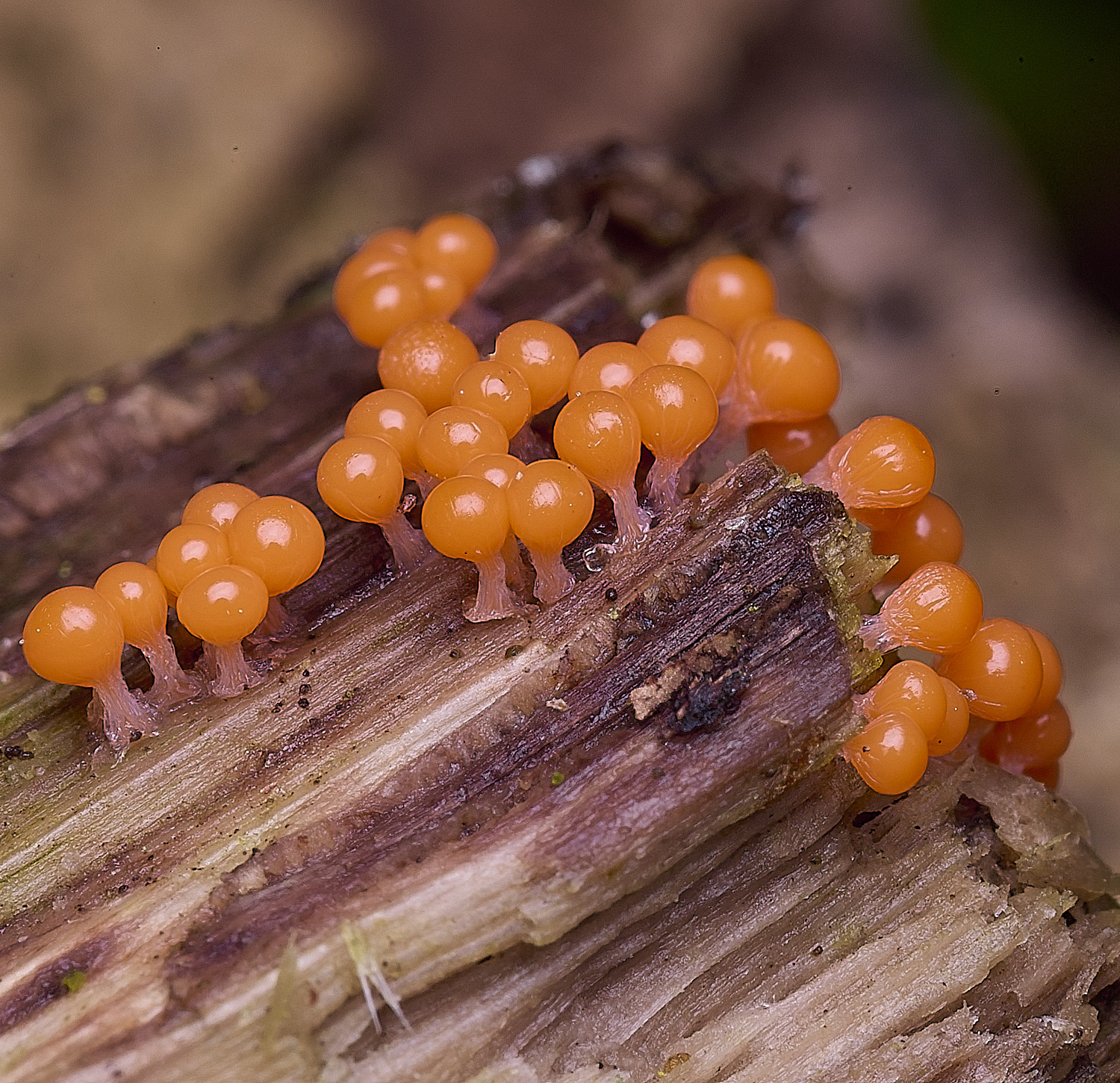
Arcyria ferruginea?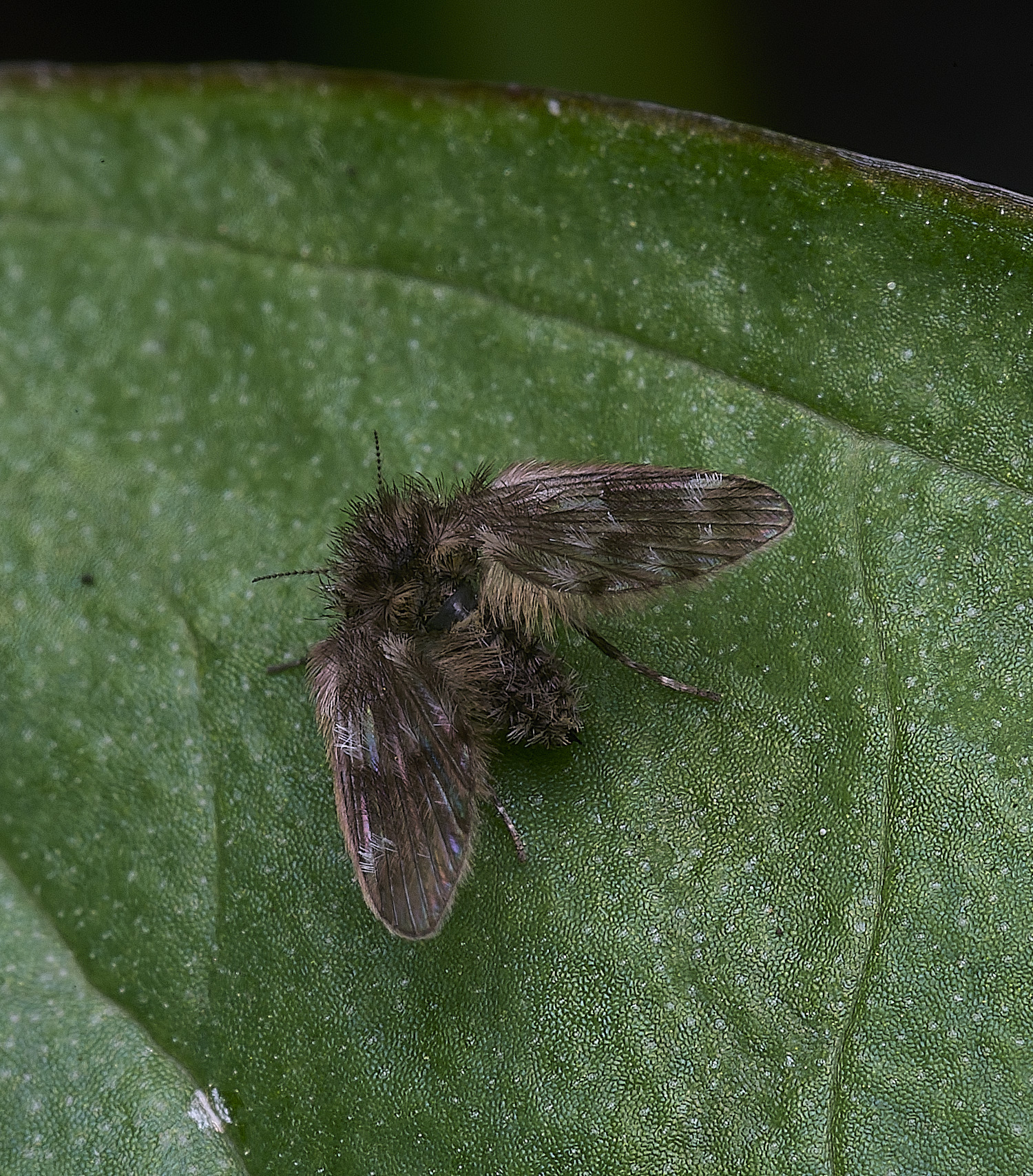
Owl Midge Sp (Drain Fly, Sewer Fly , Moth Fly, Filter Fly), of which there are 99 species in the UK 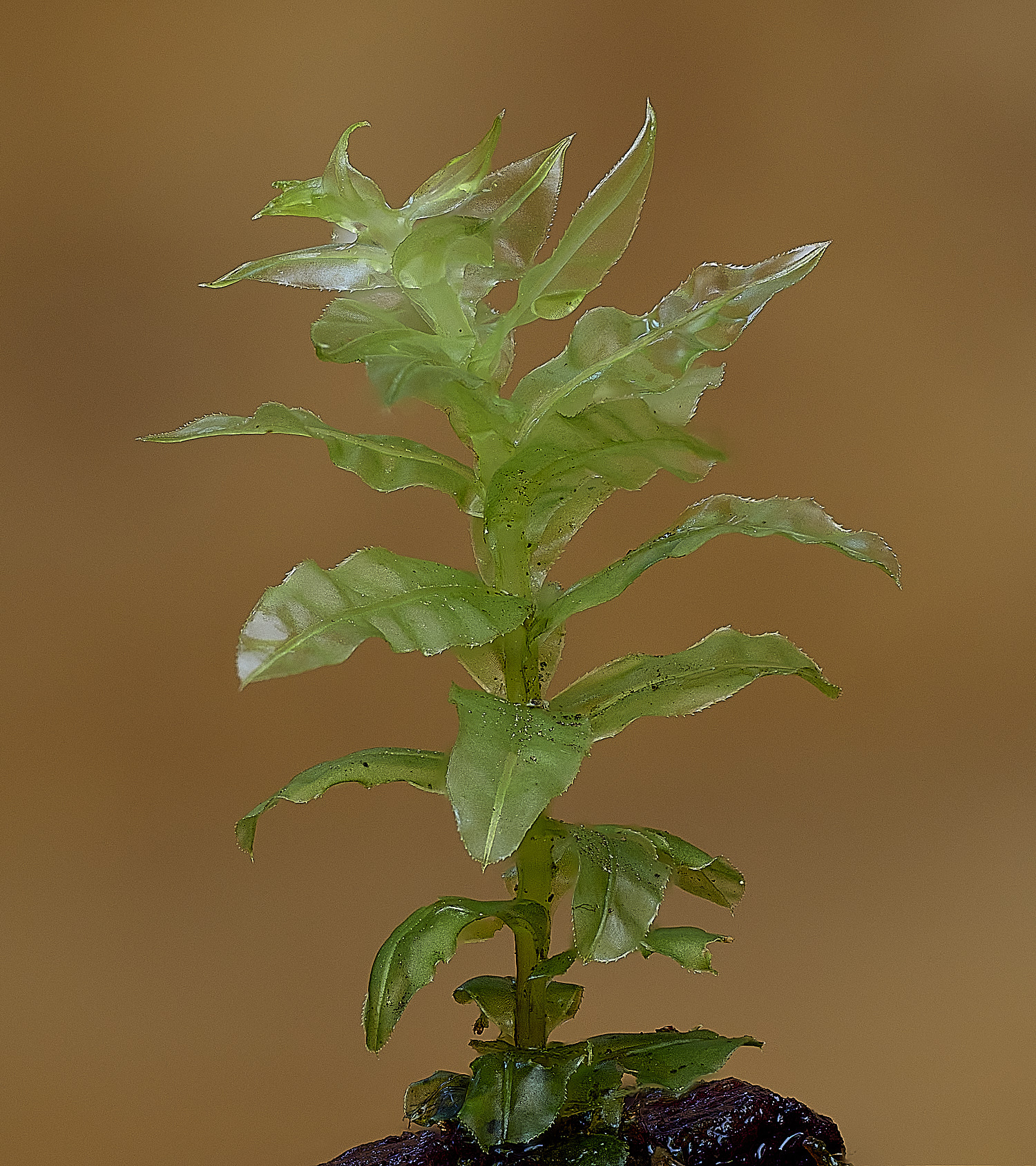
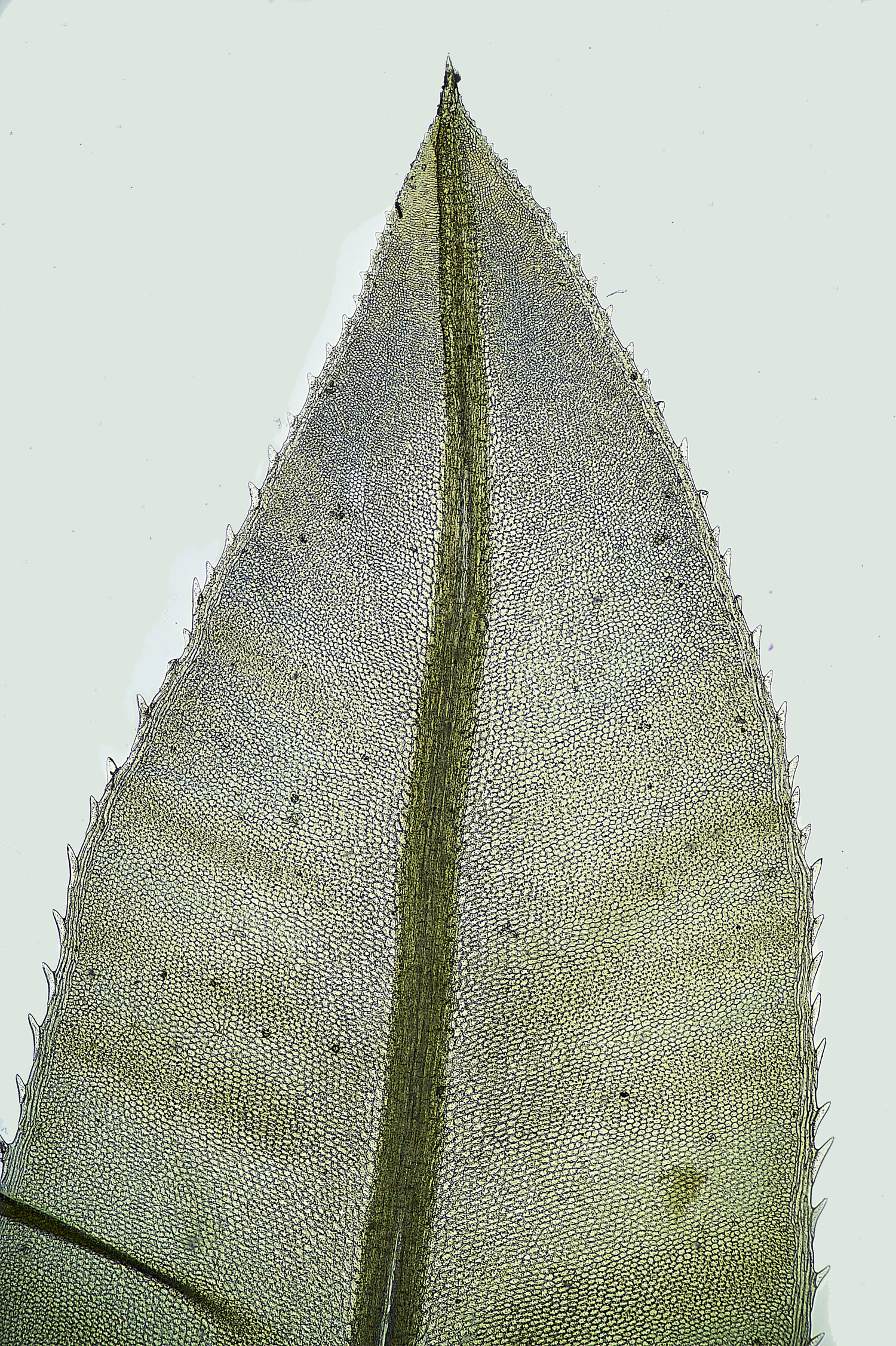
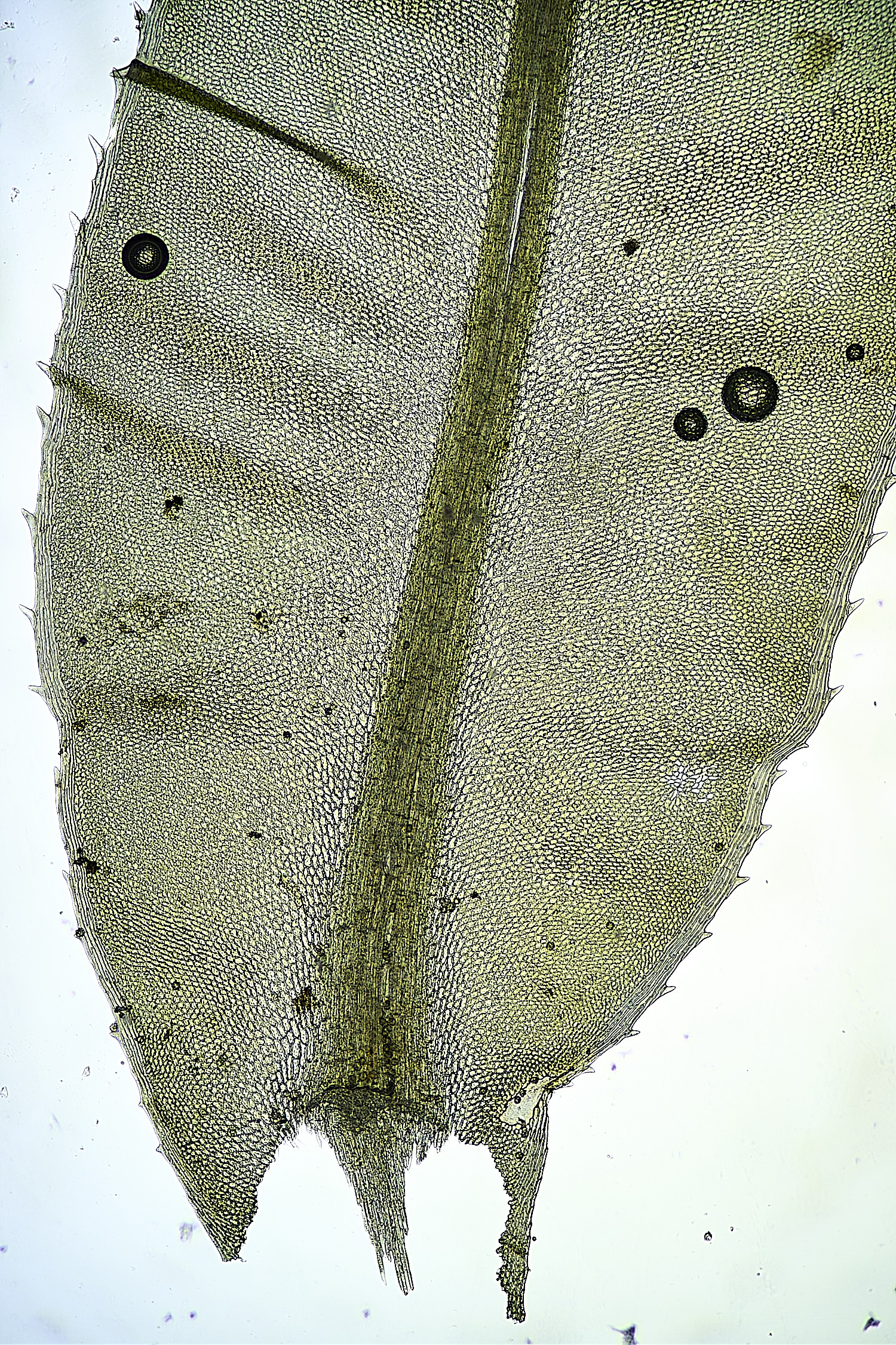
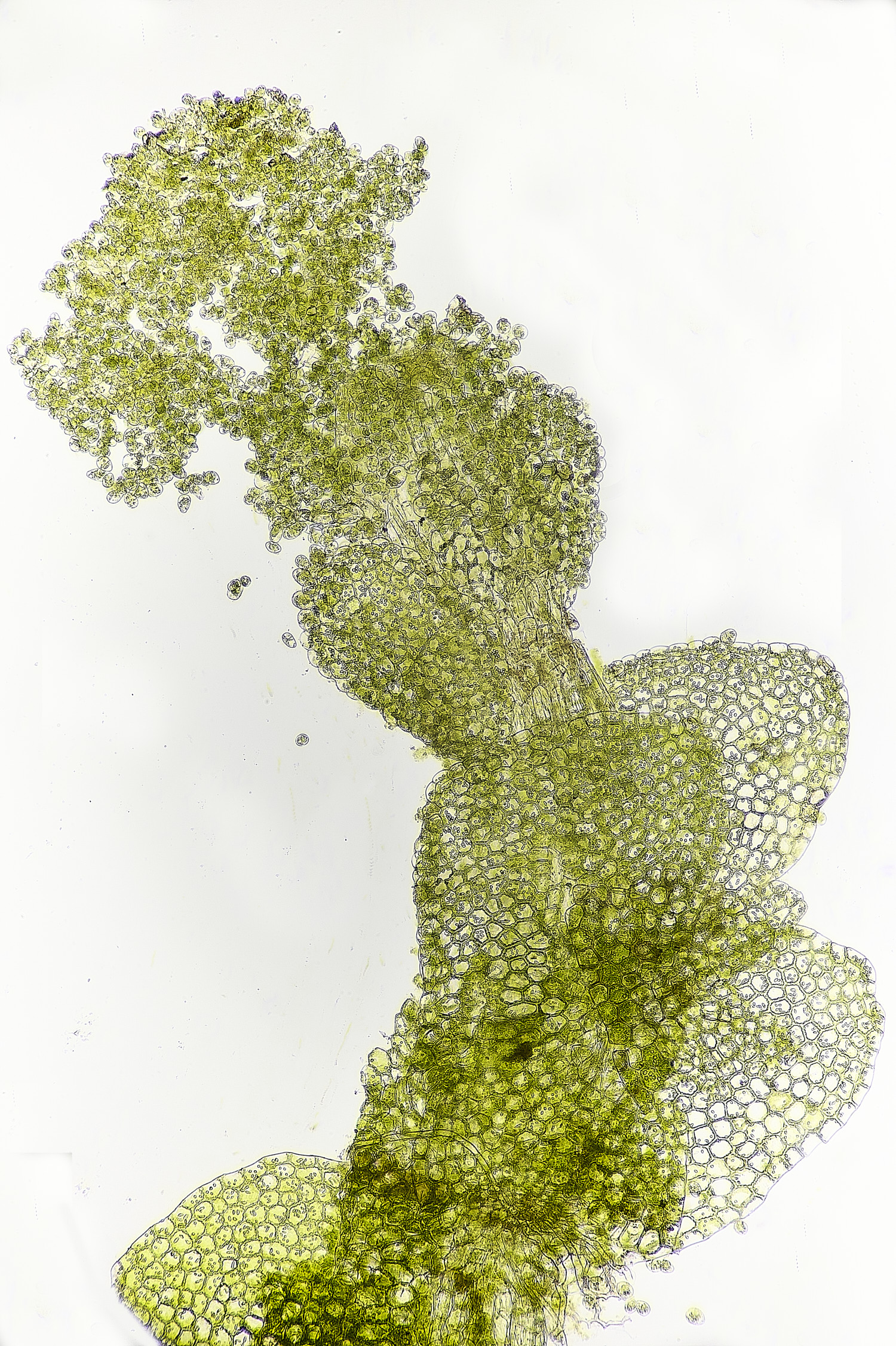
Leaf 6mm
x40
Leaf bases running down into the stem
Uniformly toothed all around the edge of the leaf
cells in diagonal rows
Tall Thyme-moss (Plagiomnium elatum)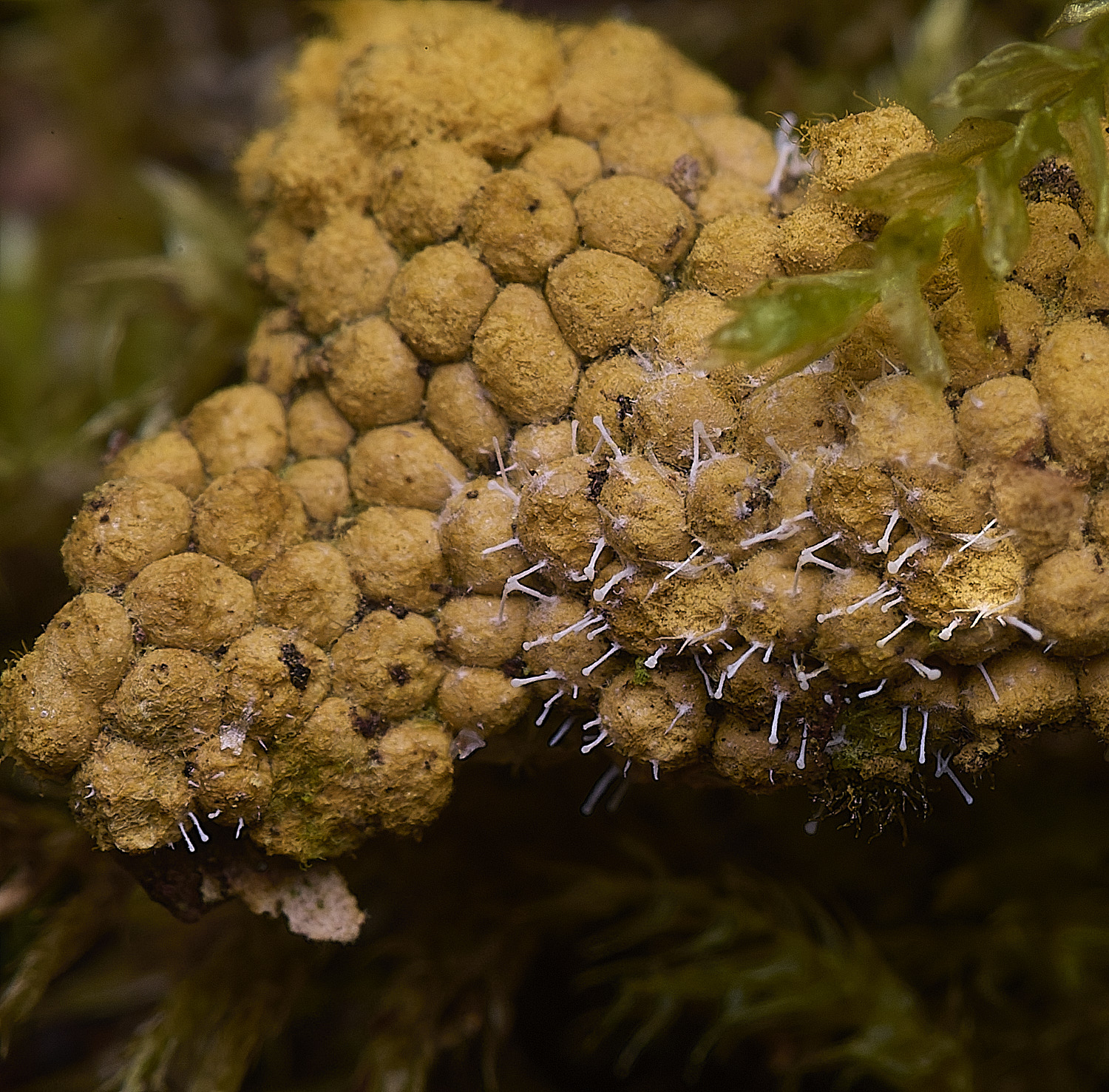
x200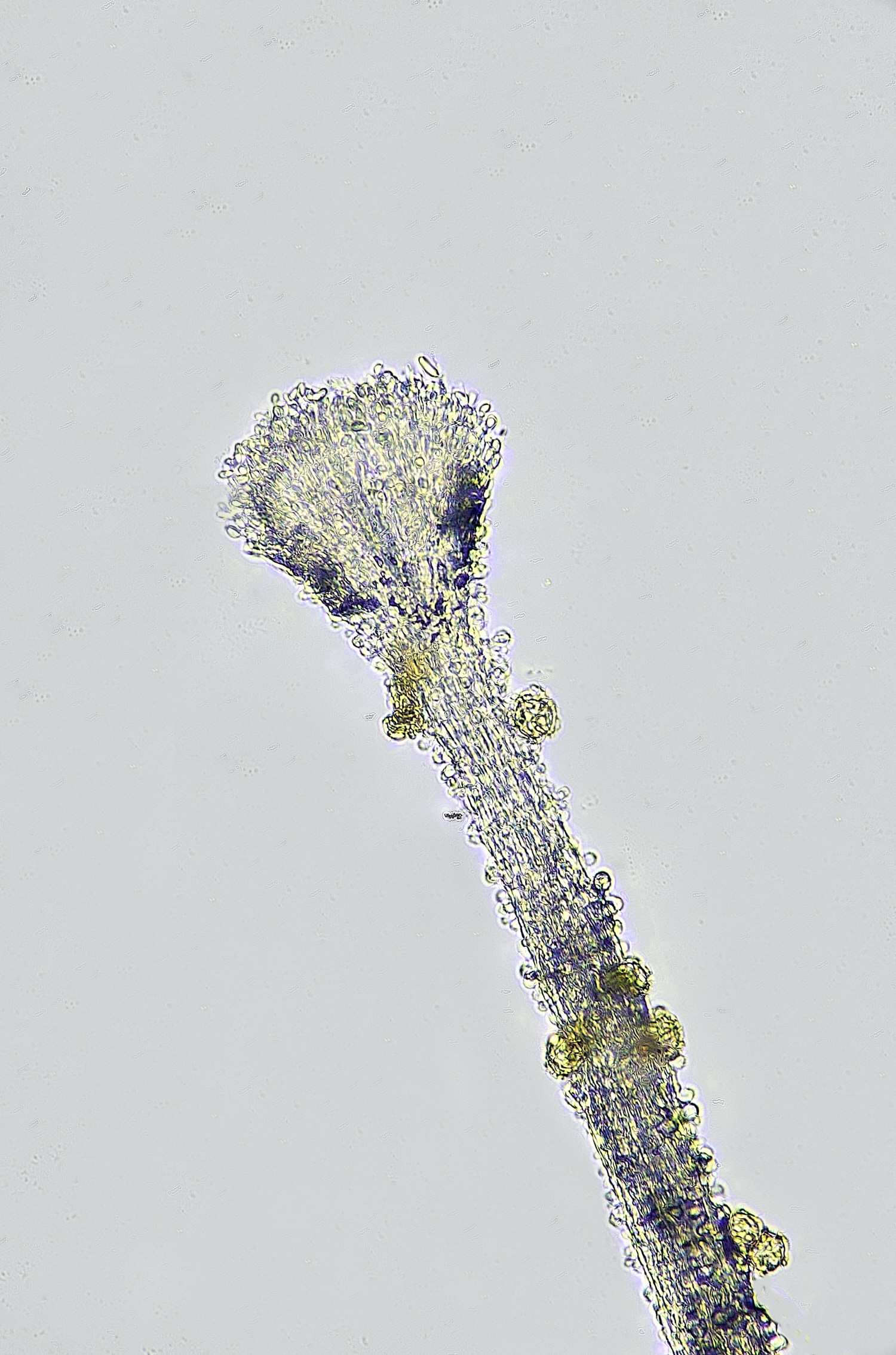
x400
Fungus (Polycephalomyces tomentosum) growing on a Slime Mold (Trichia facoginea)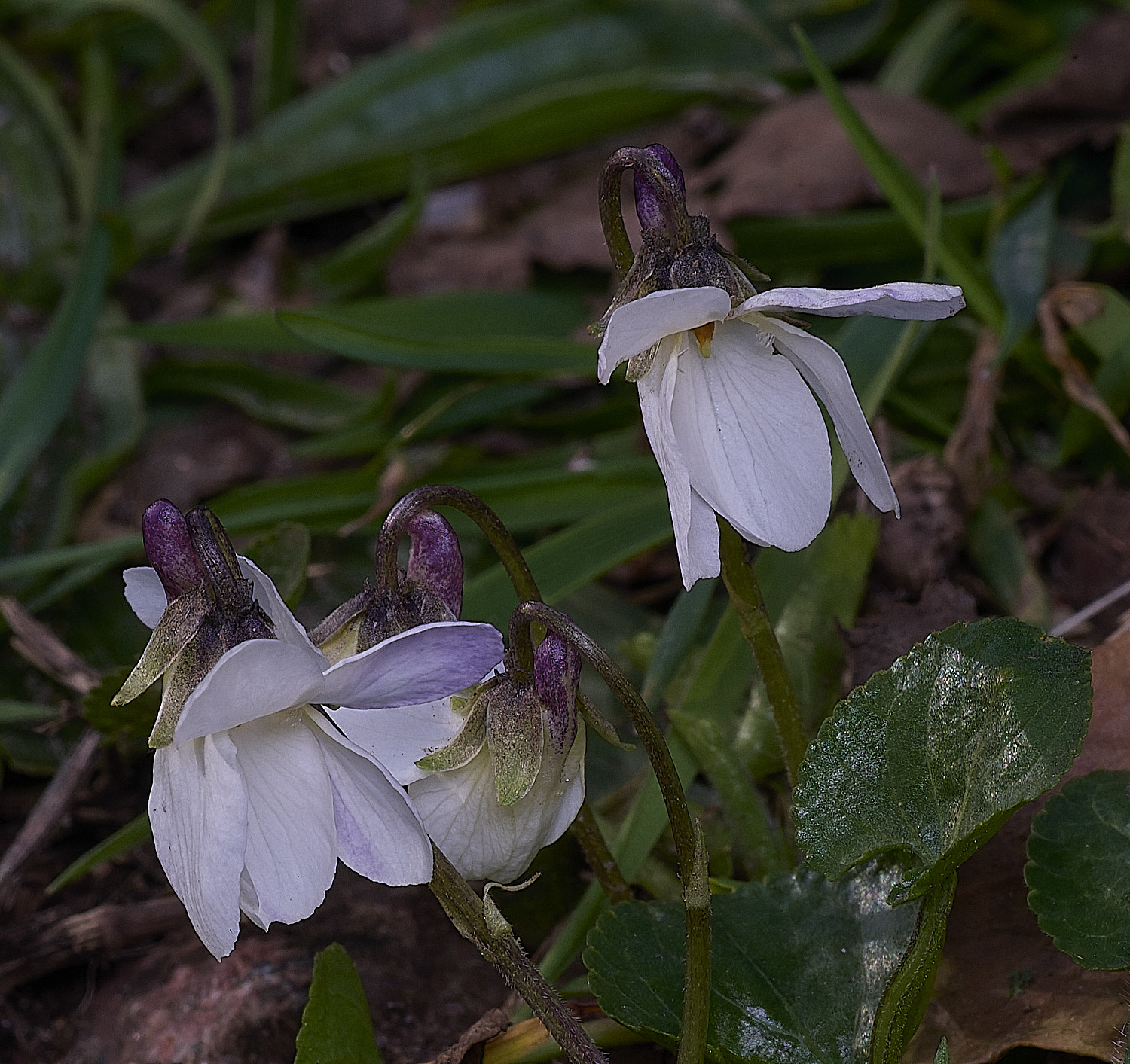
Sweet White Violet (Viola odorata alba)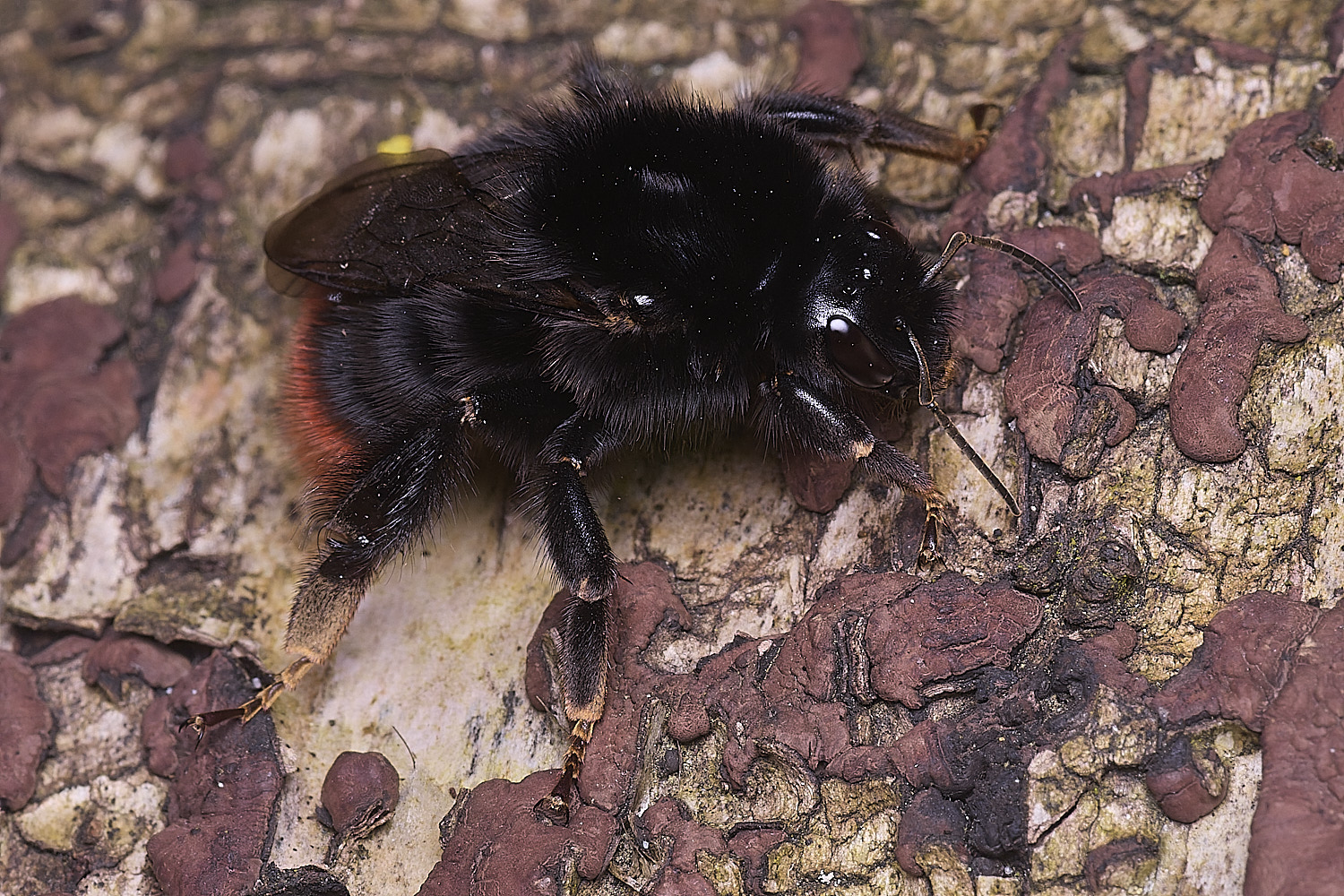
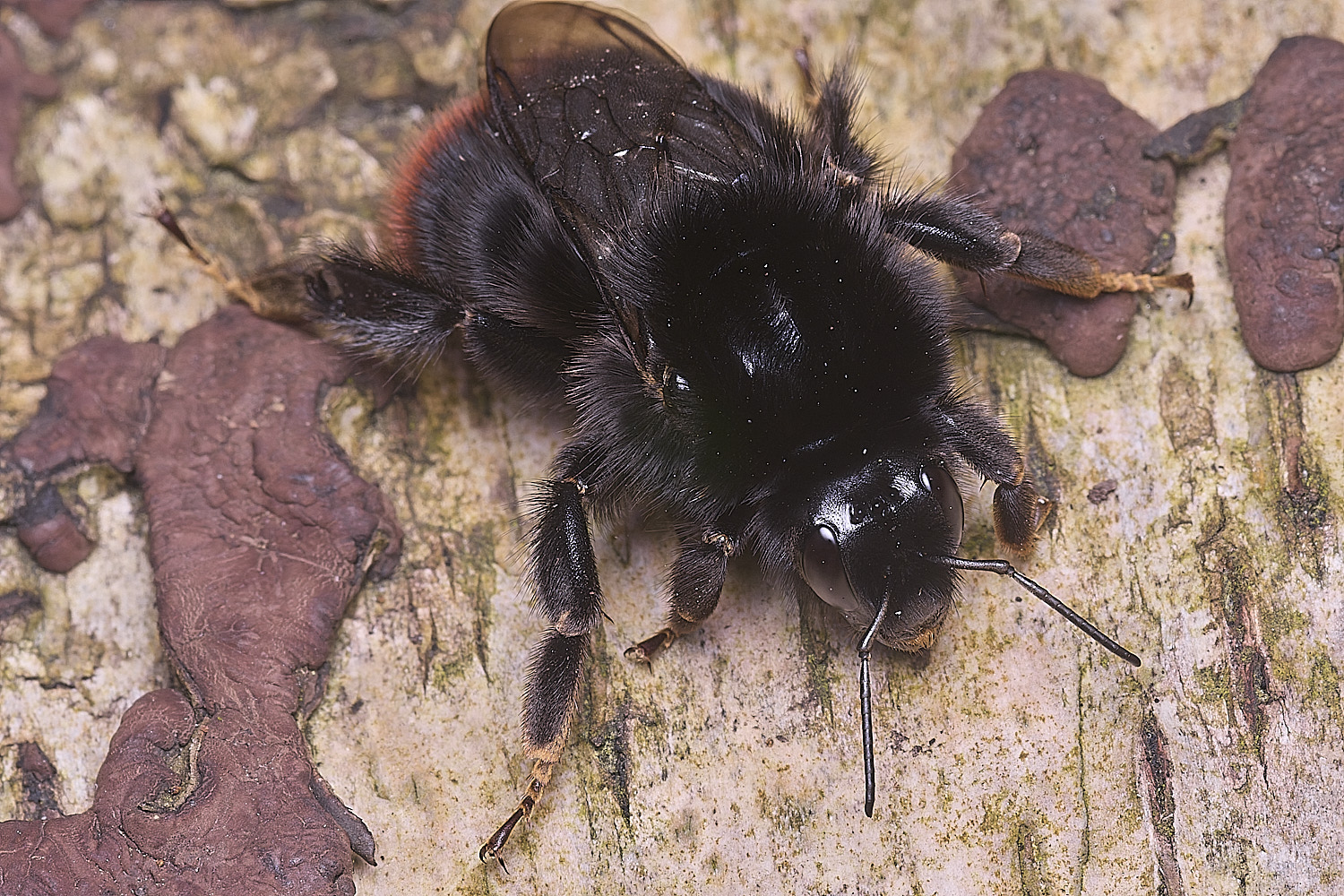
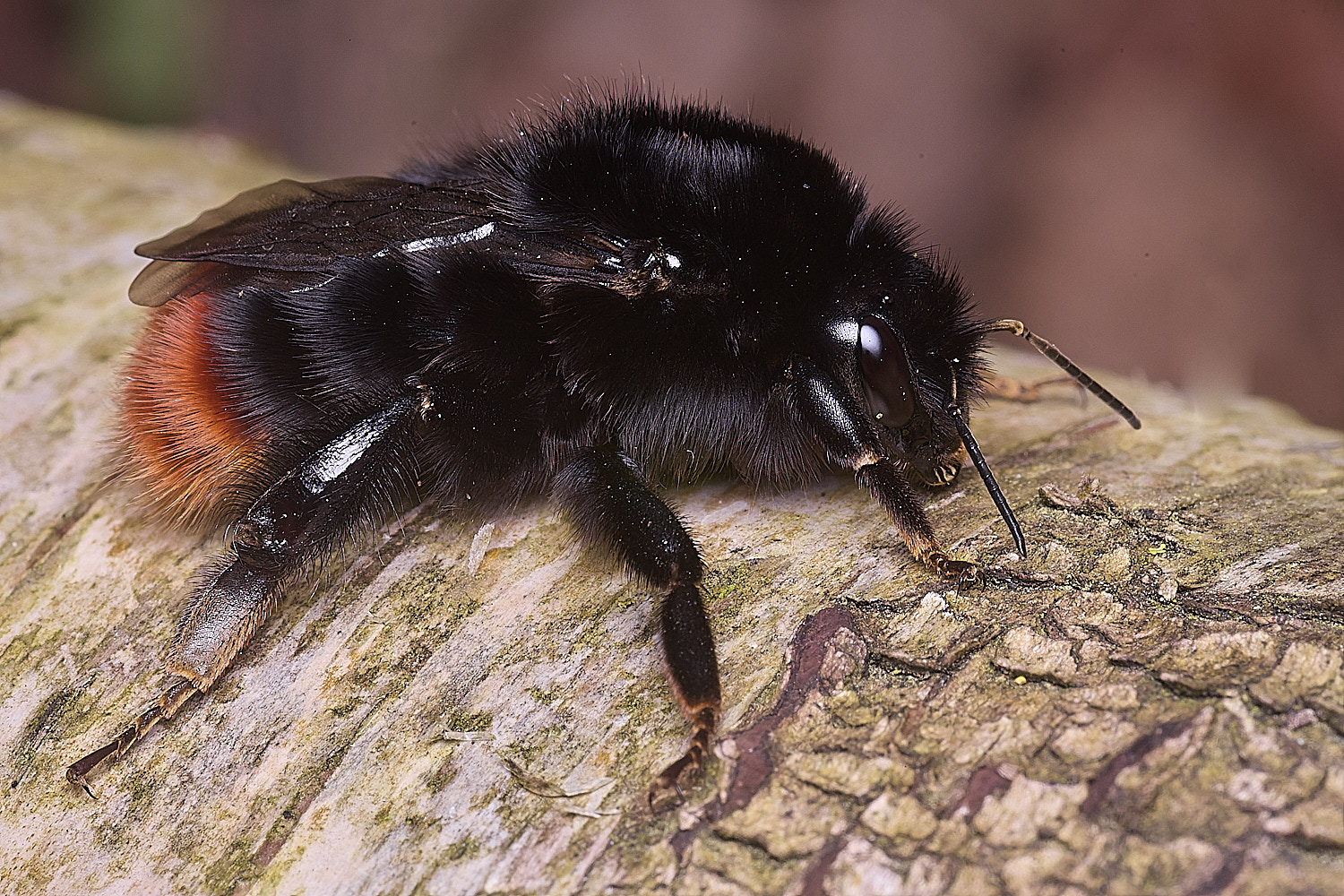
Red-tailed Bumble Bee (Bombus lapidarius)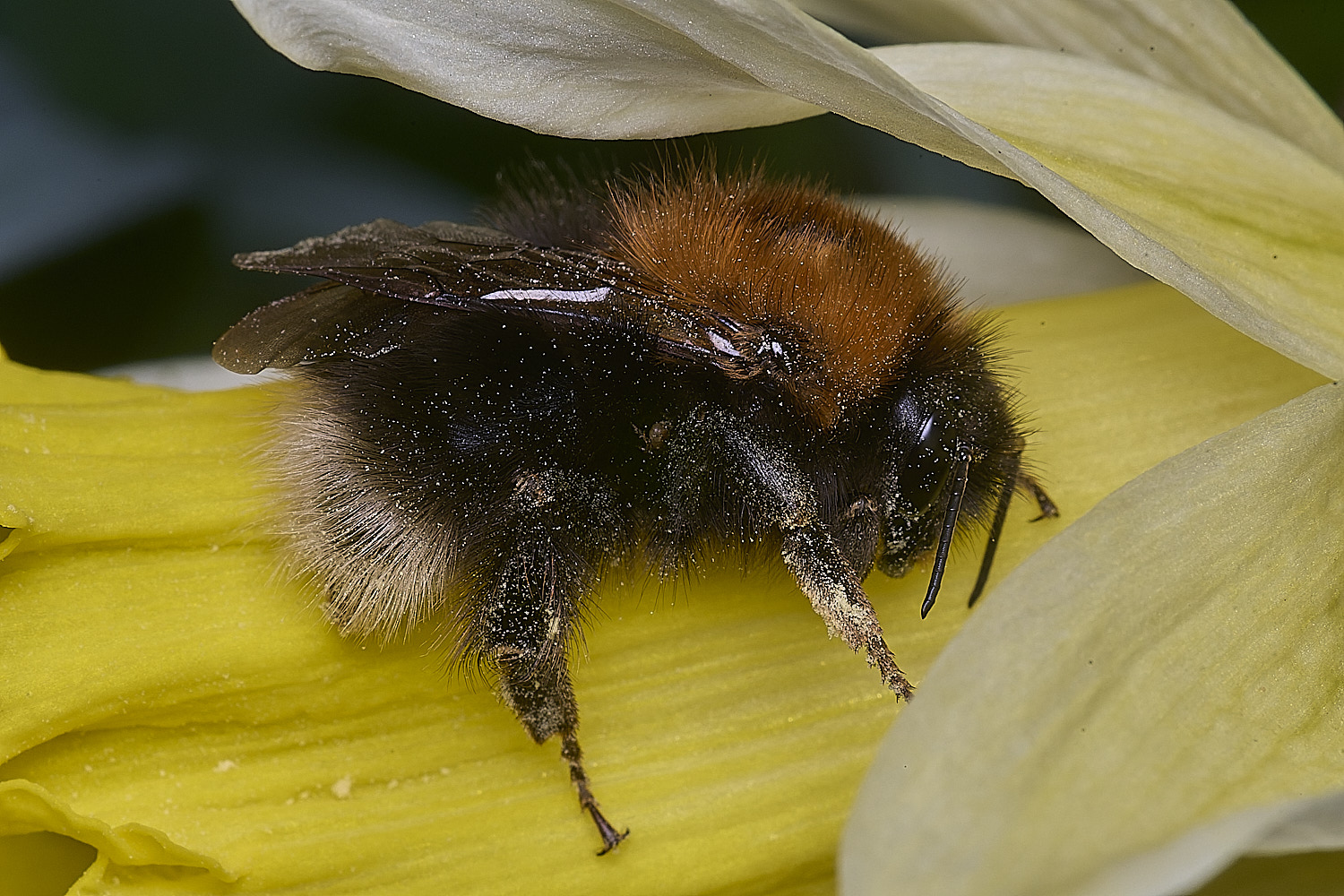
Tree Bumble Bee (Bombus hypnorum)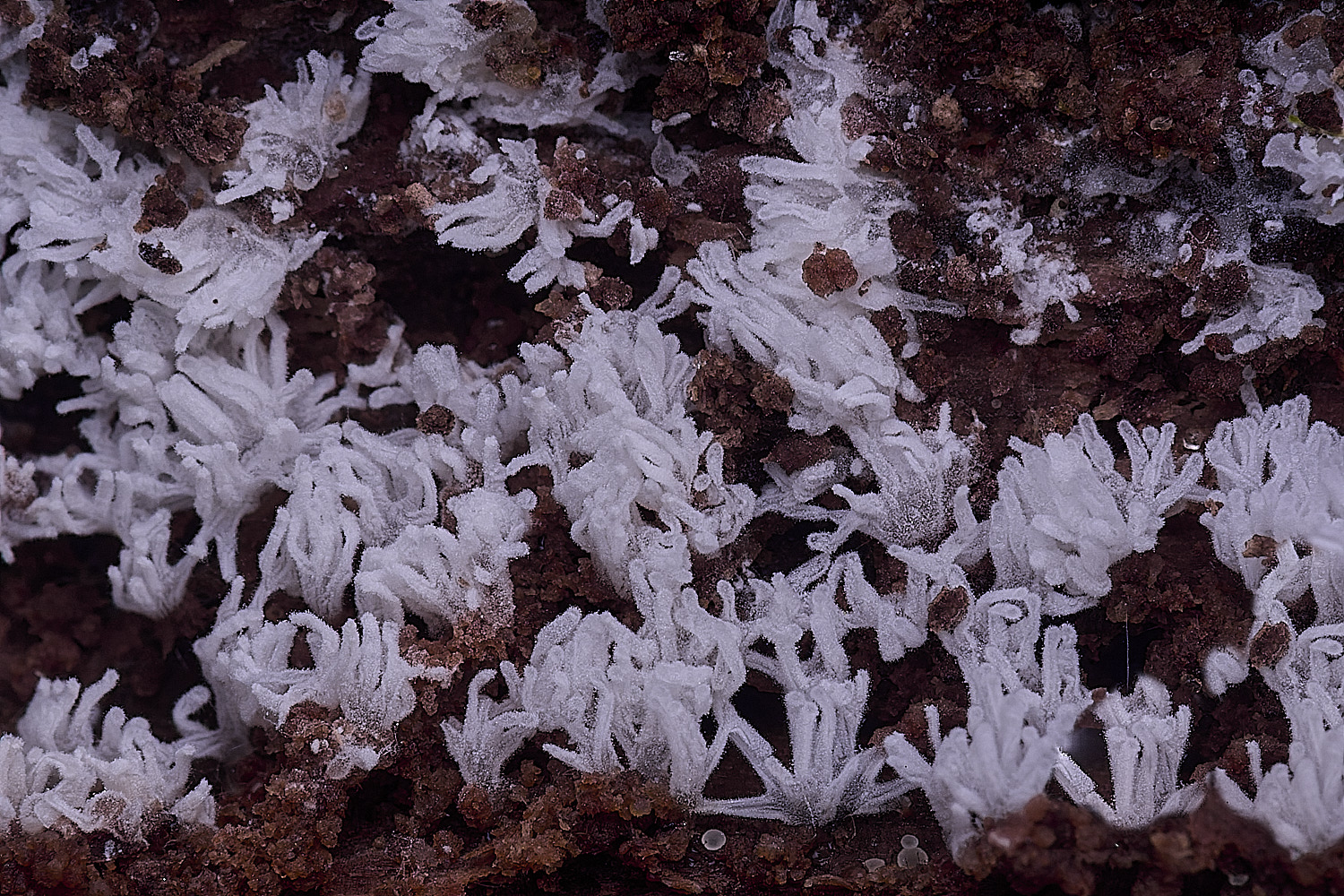
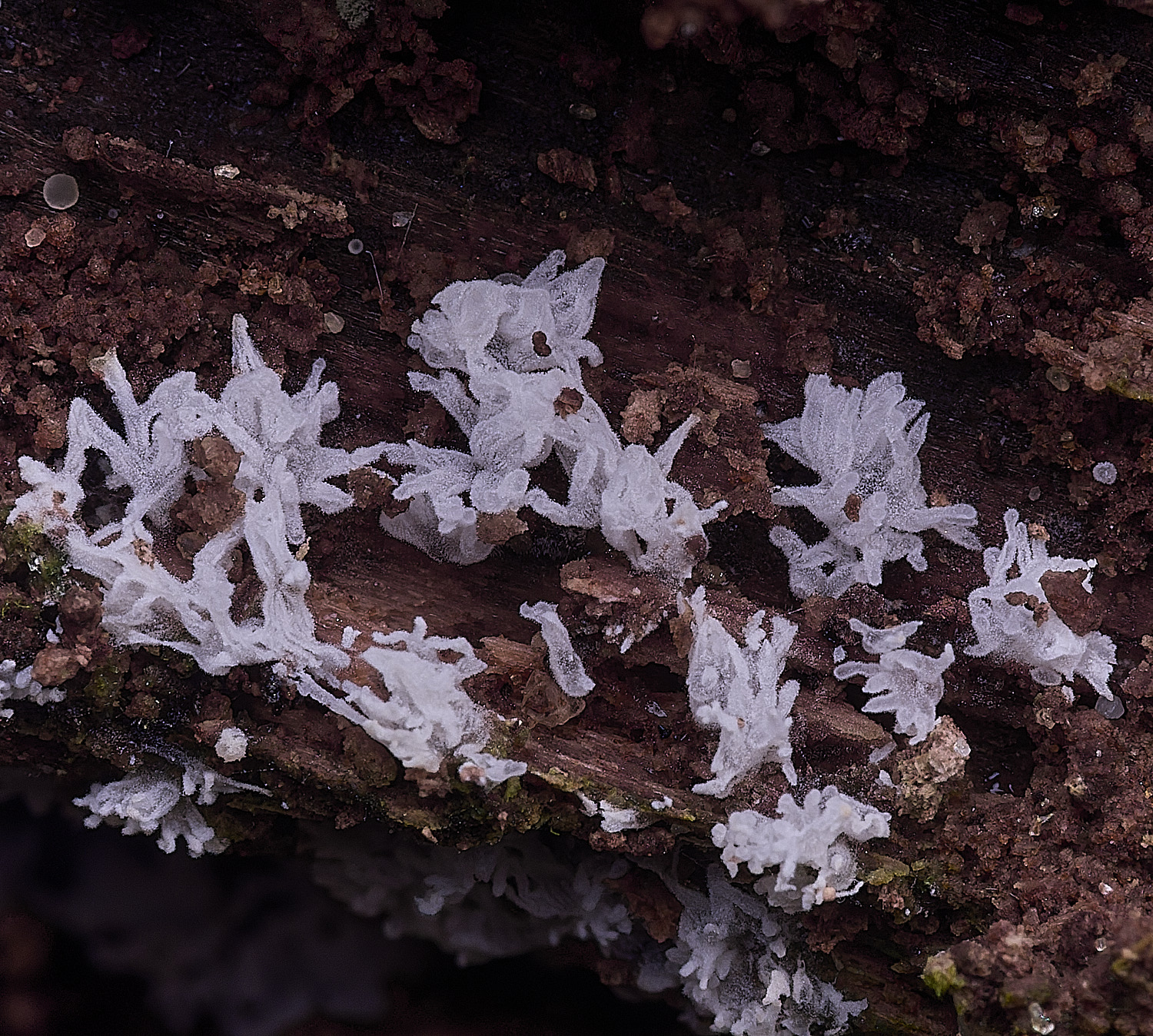
Ceratiomyxa fruticulosa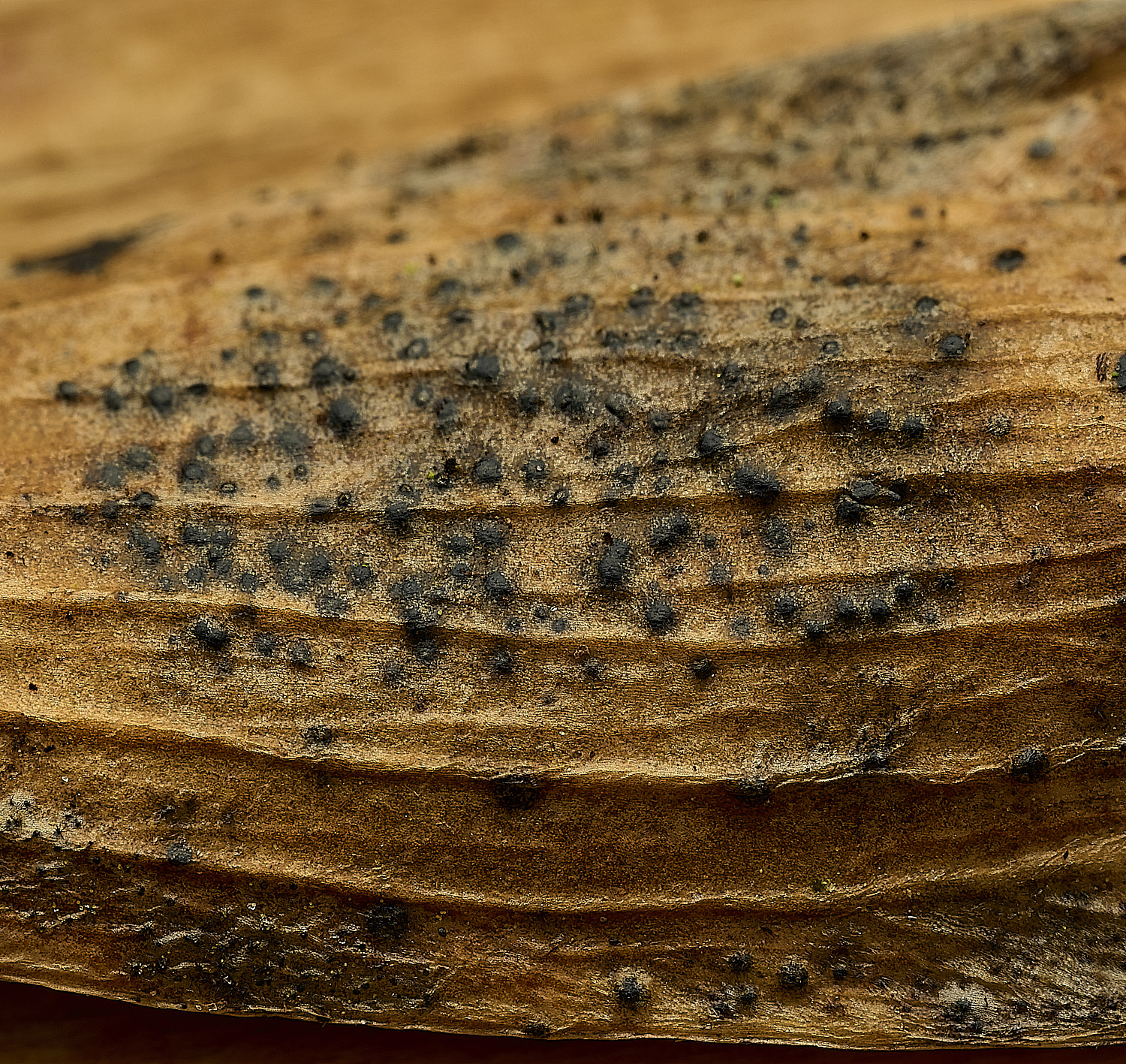
Colletotrichum samarum on Ash (Fraxinus excelsior) Key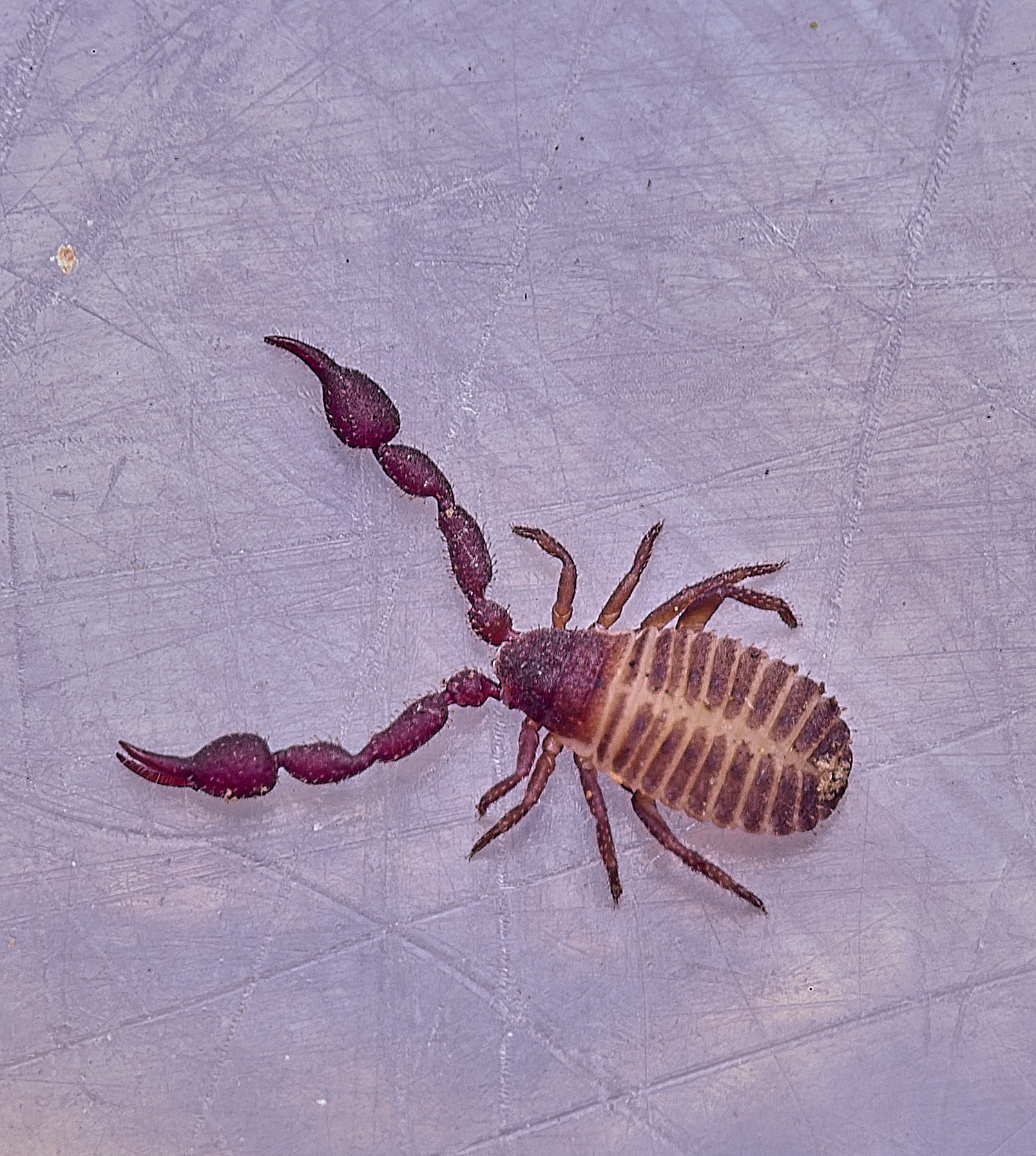
Common Tree Chernes (Chernes cimicoides)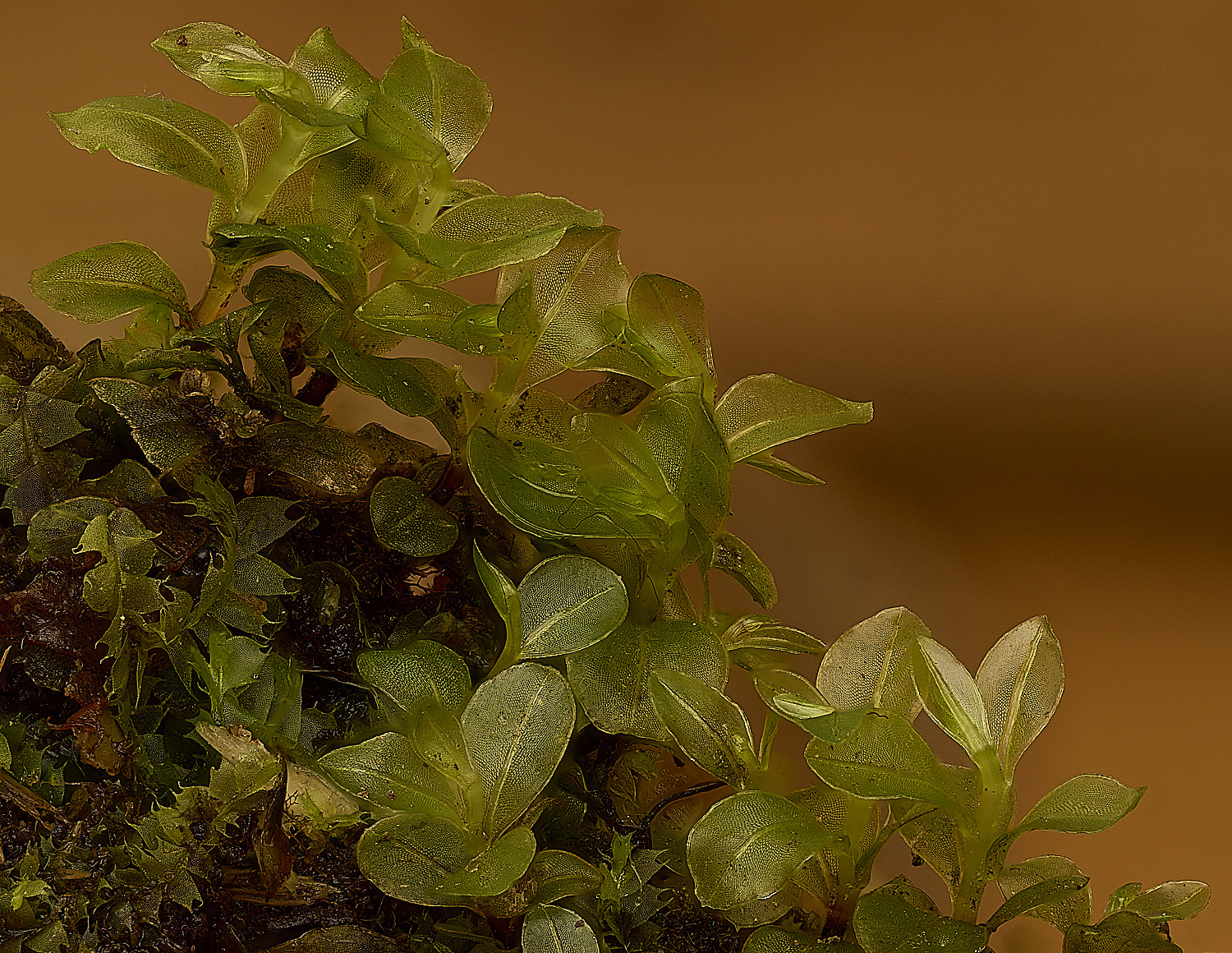
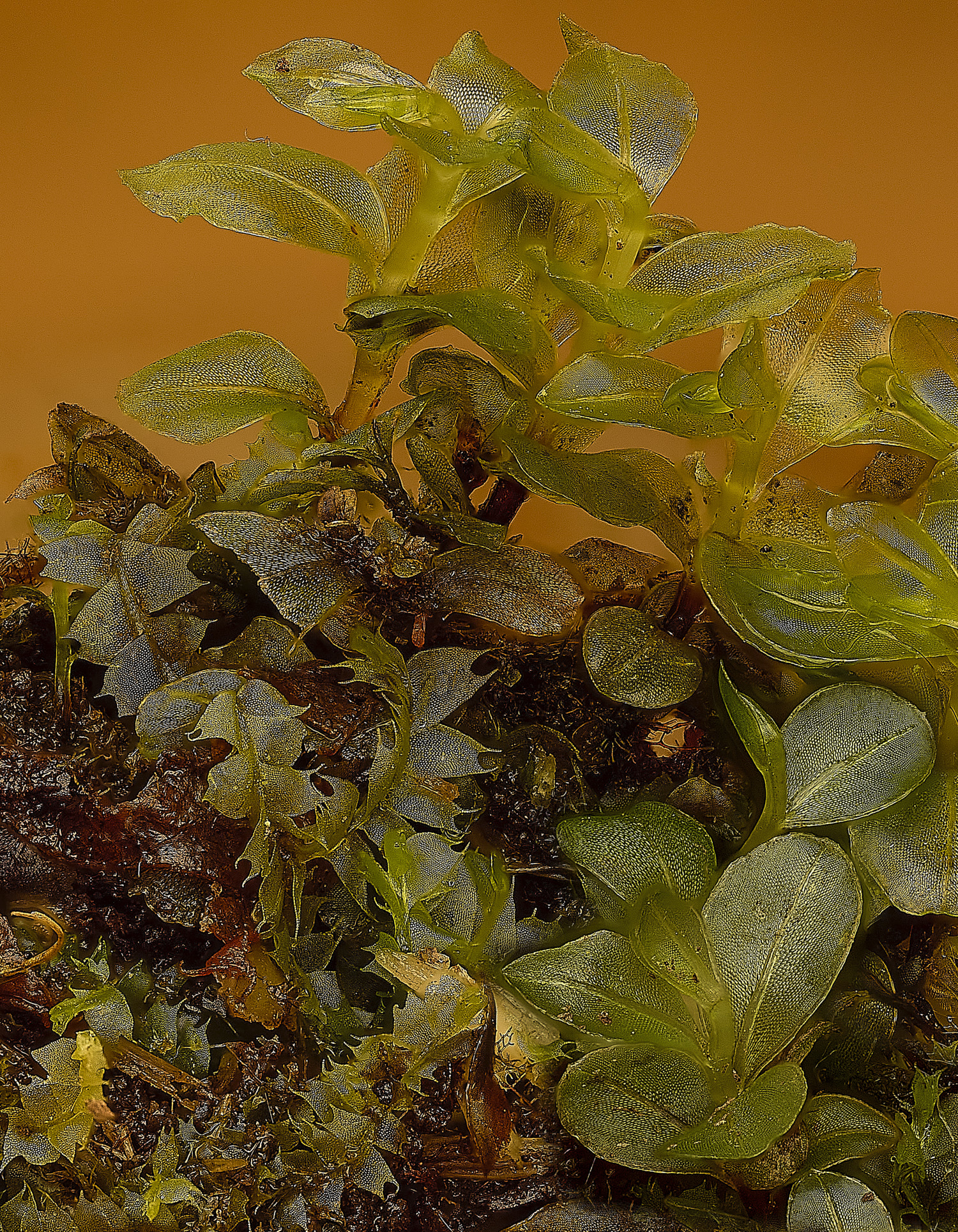
Dotty Thyme-moss (Rhizomnium punctatum)
with the liverwort
Bifid Crestwort (Lophocolea bidentata)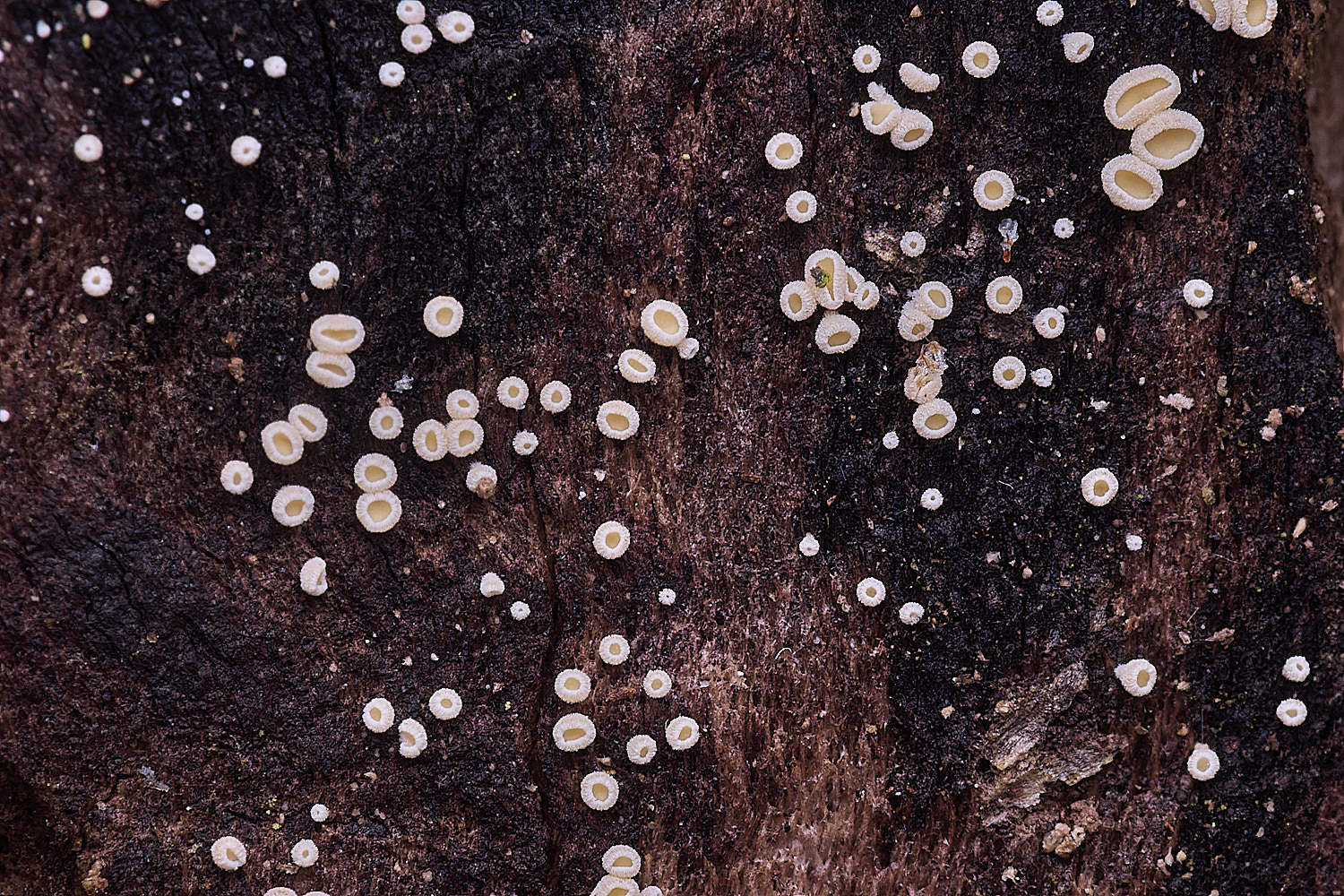
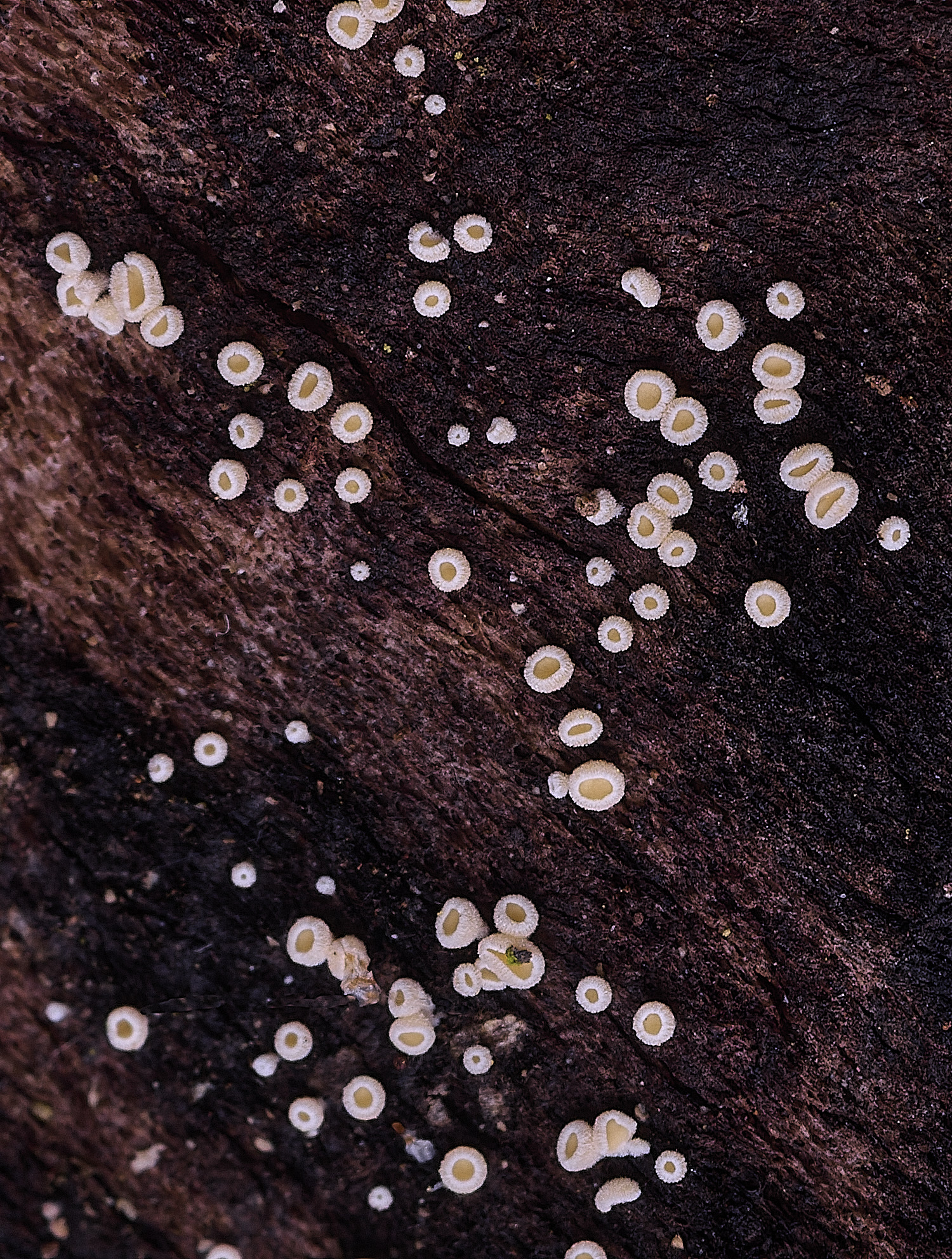
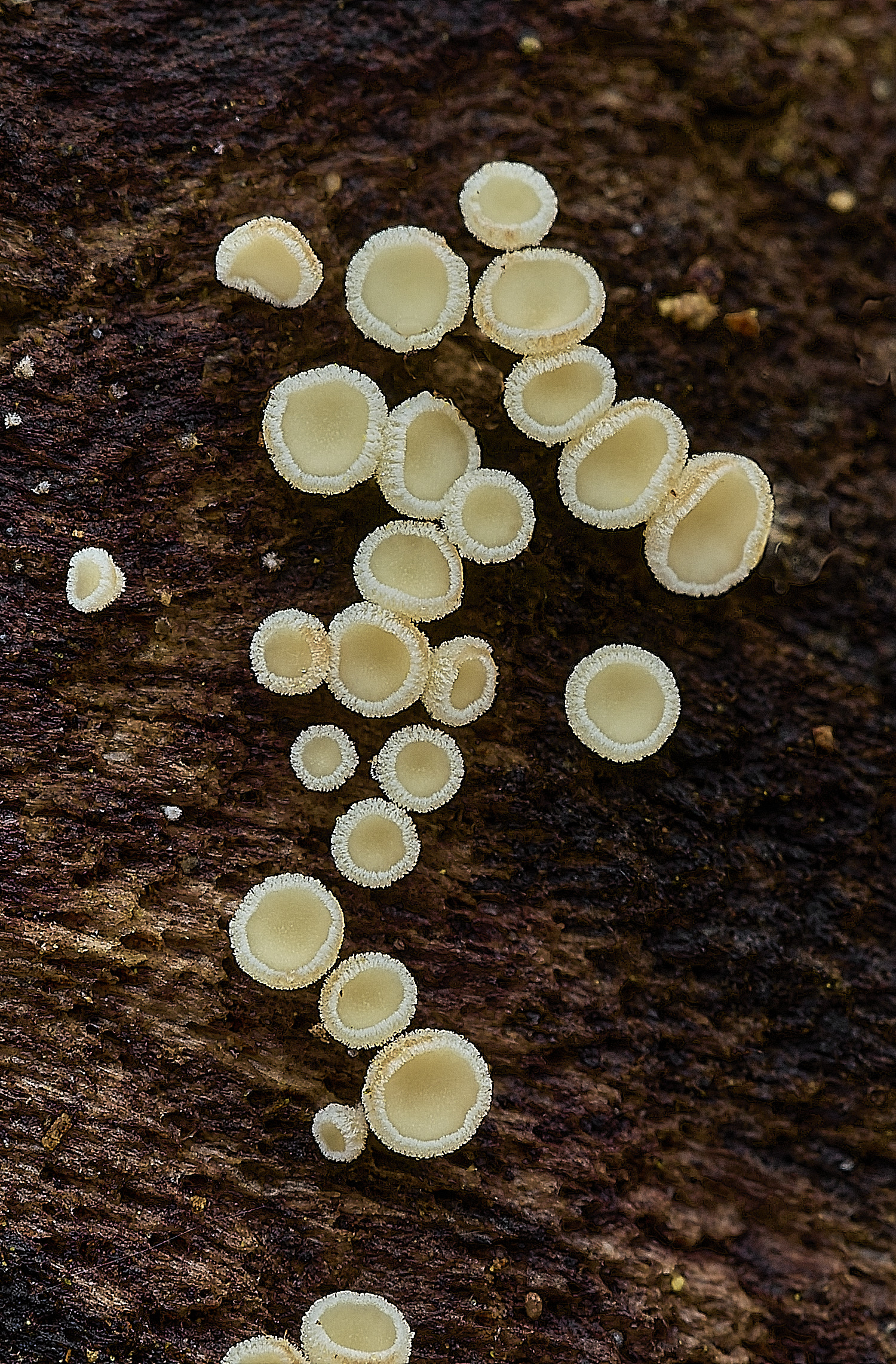
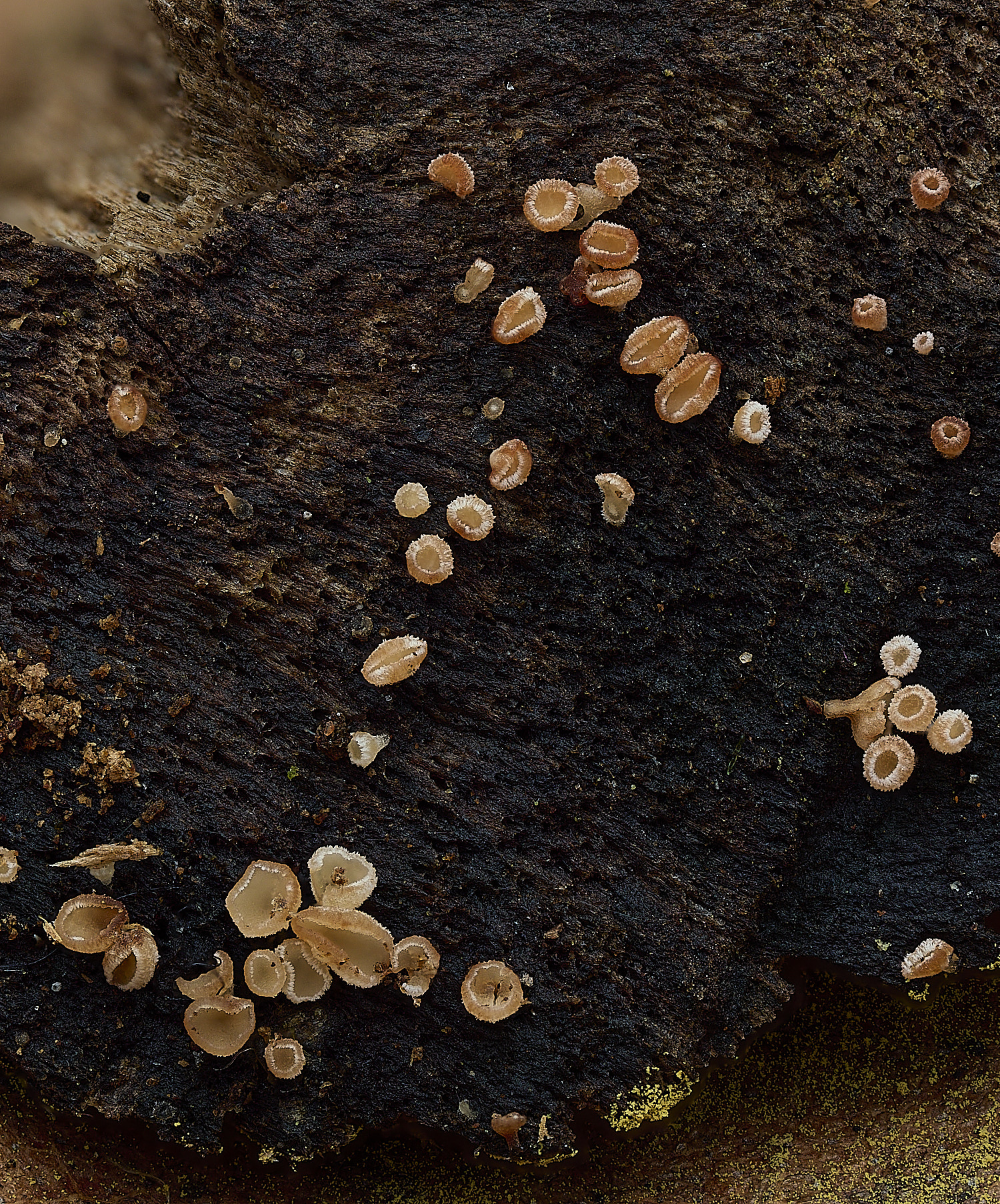
A creamy yellow hymenium became more obvious as they opened. Short stalked, growing on Salix.
The last image shows how they change colour (reddish, pink, orange) as they age
Lachnum pudibundum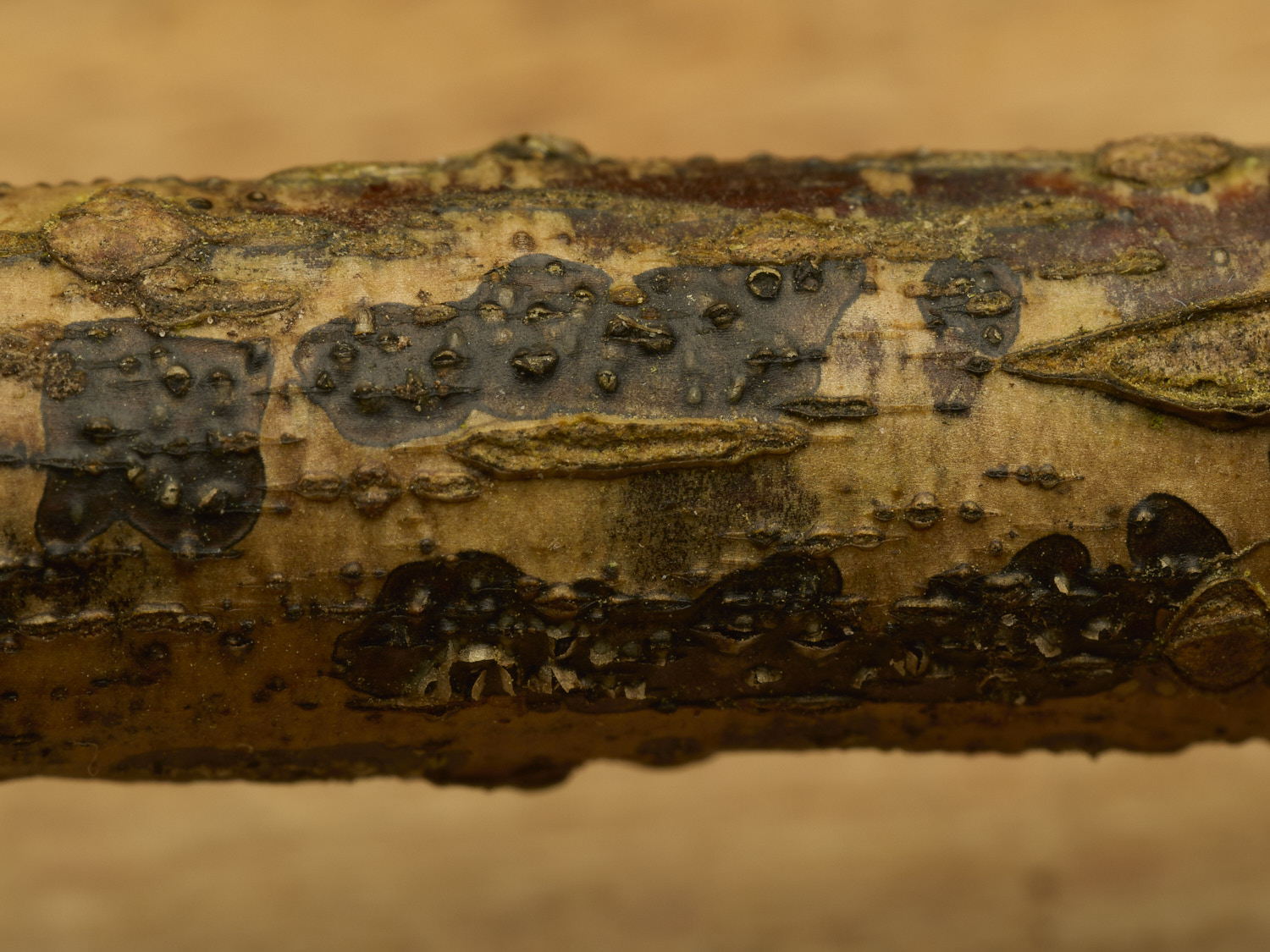
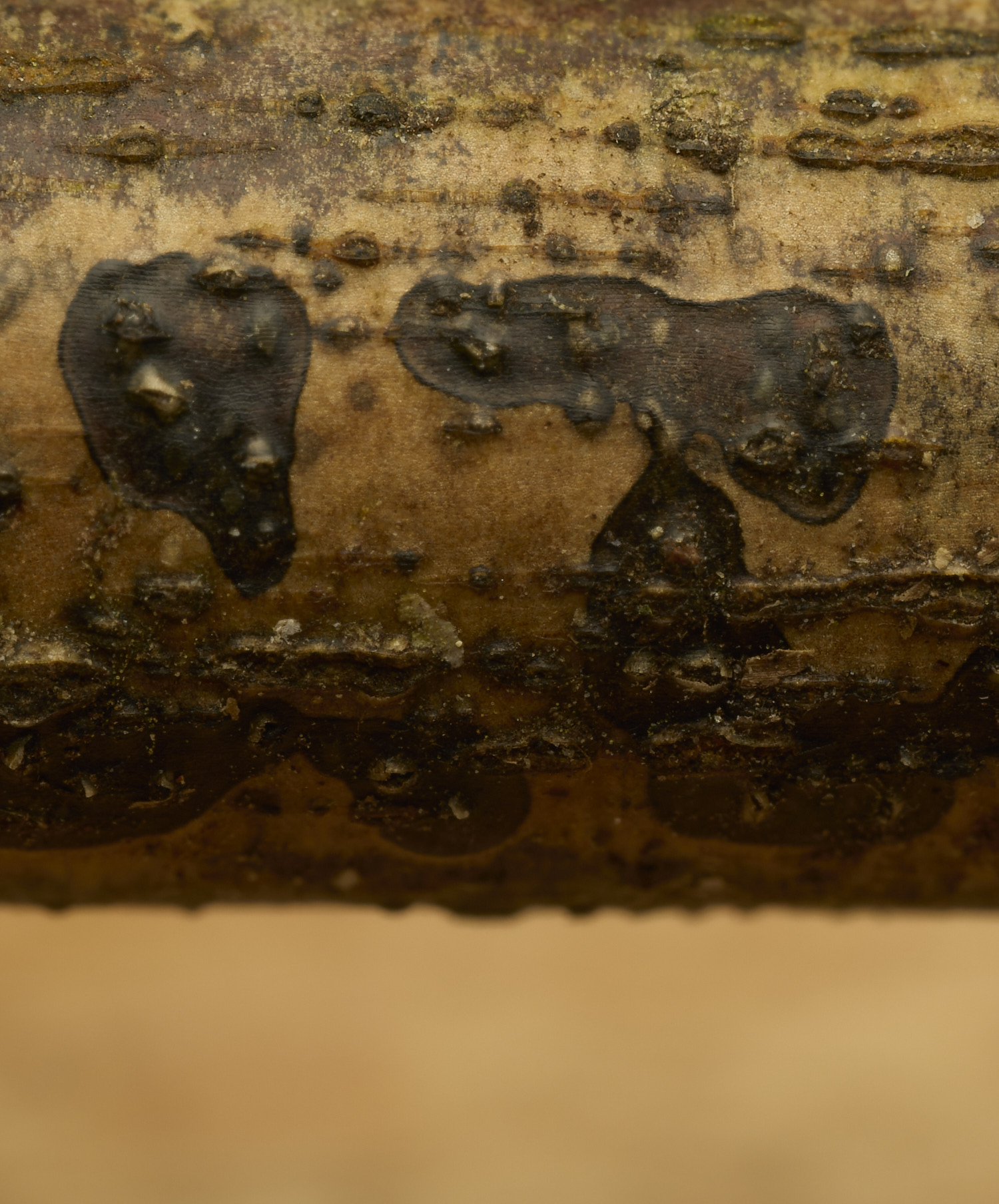
Diaporthe pardolata on Dogwood (Cornus sanguinea)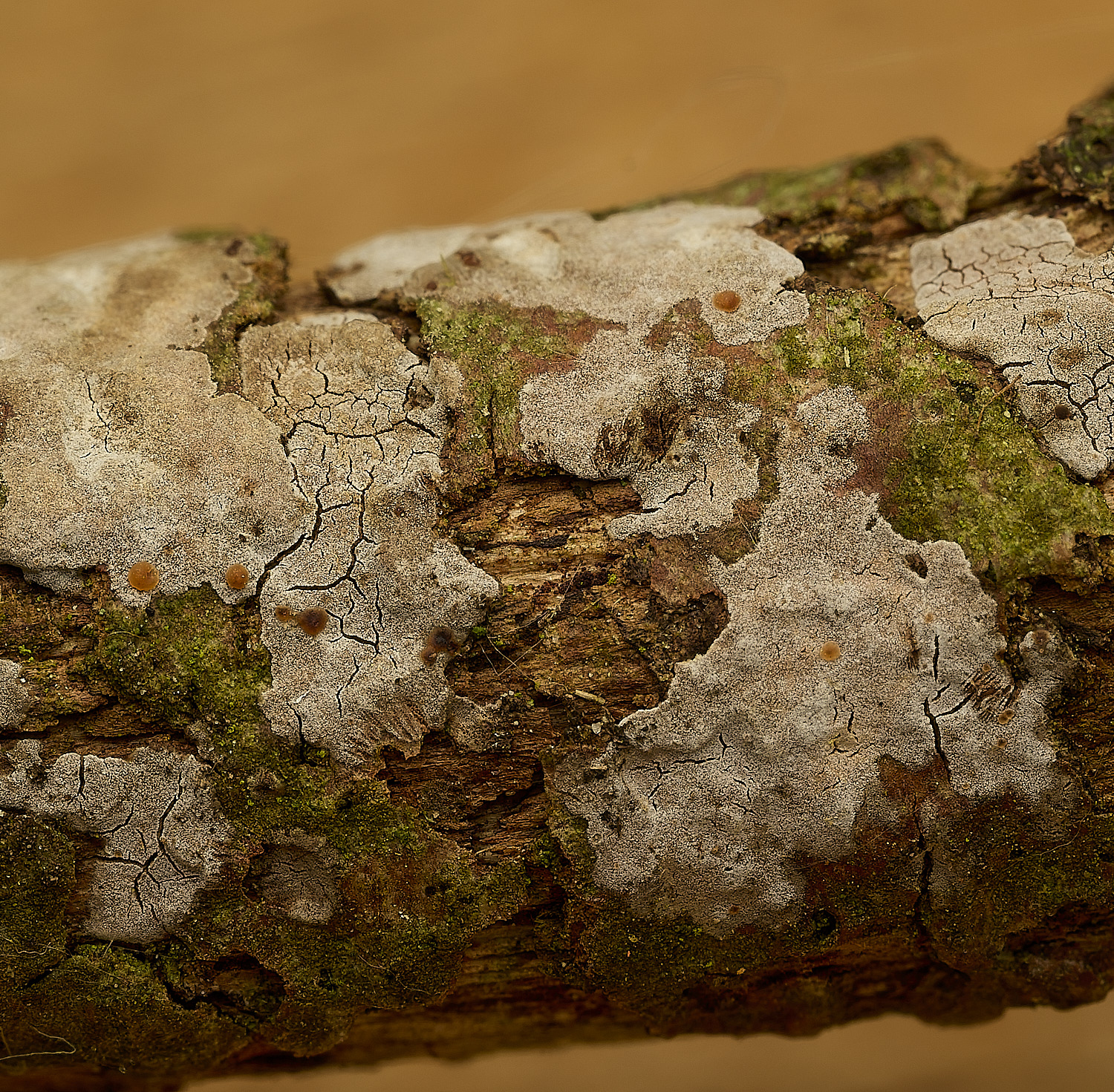
Tremella versicolor on Peniophera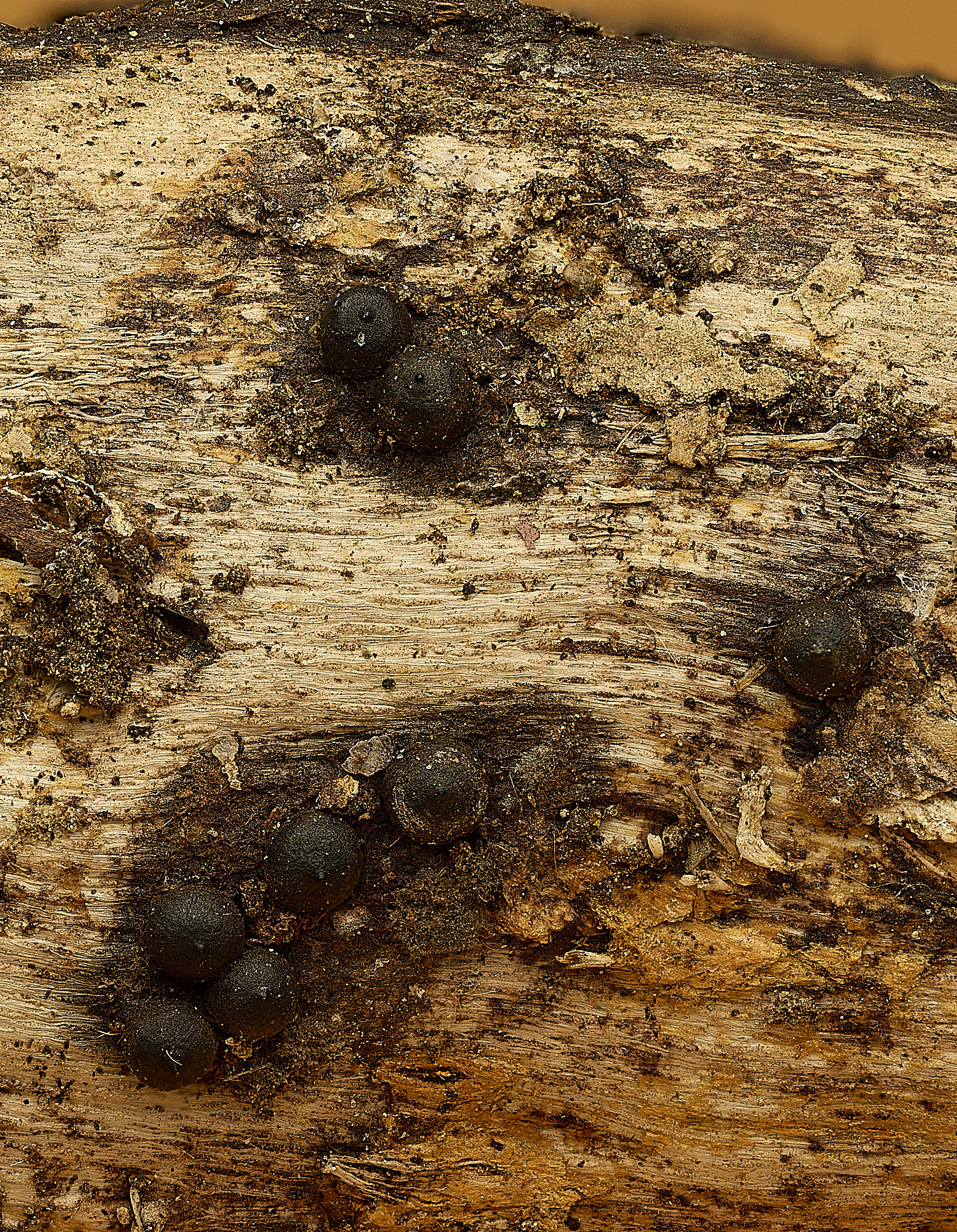
Fungus Sp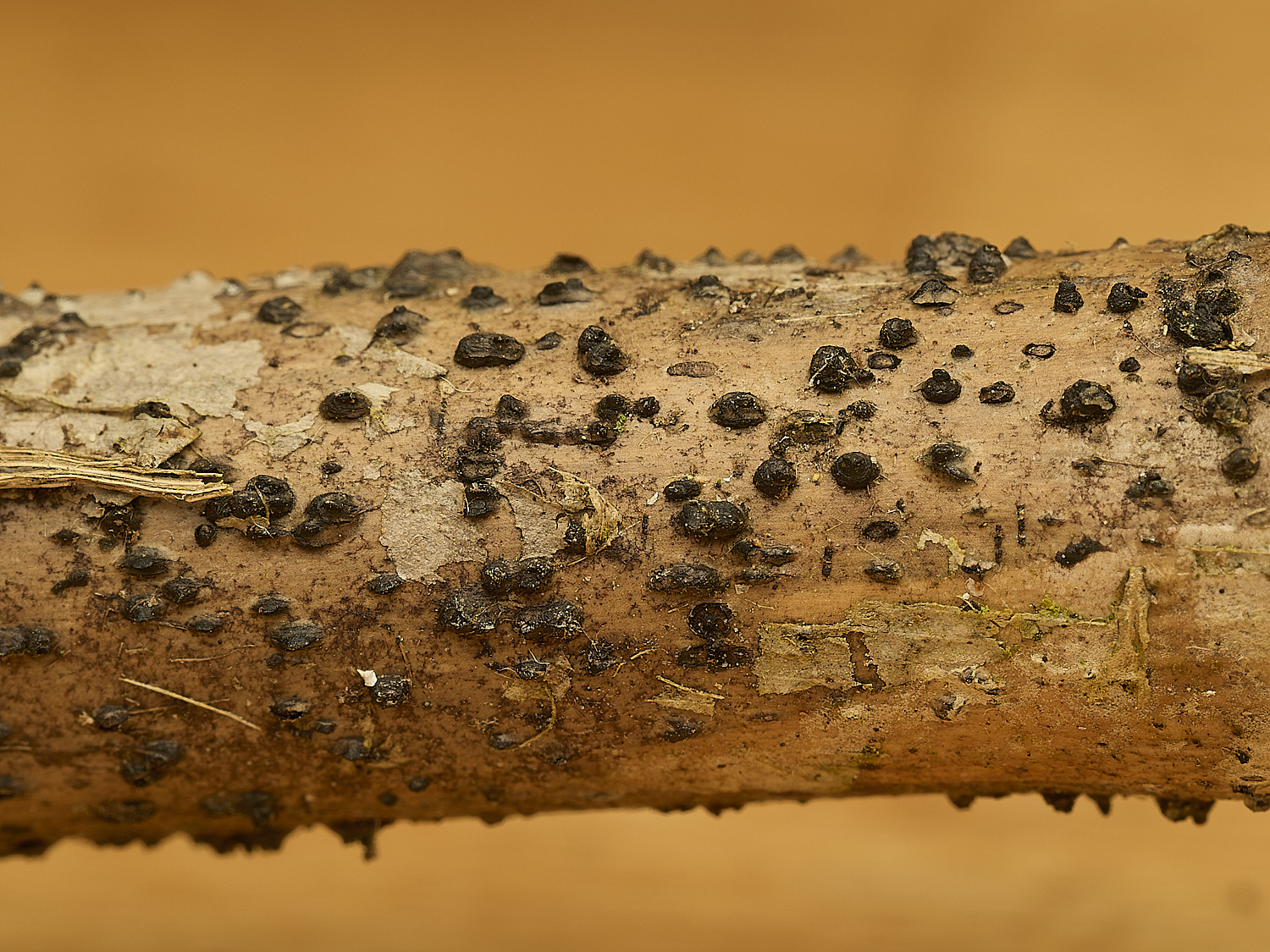
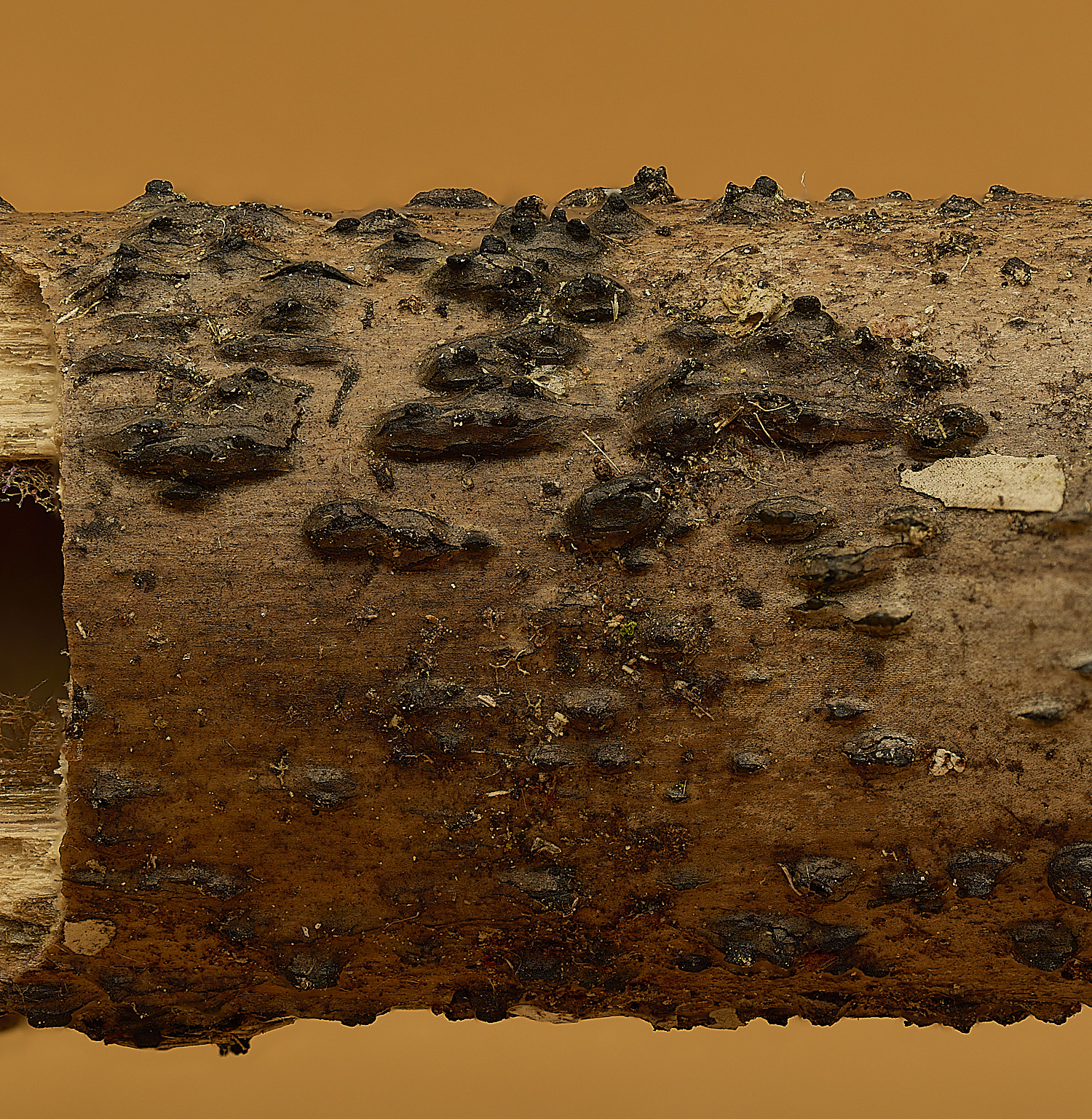
Lophiostoma semiliberum on Reed (Phragmites australis)
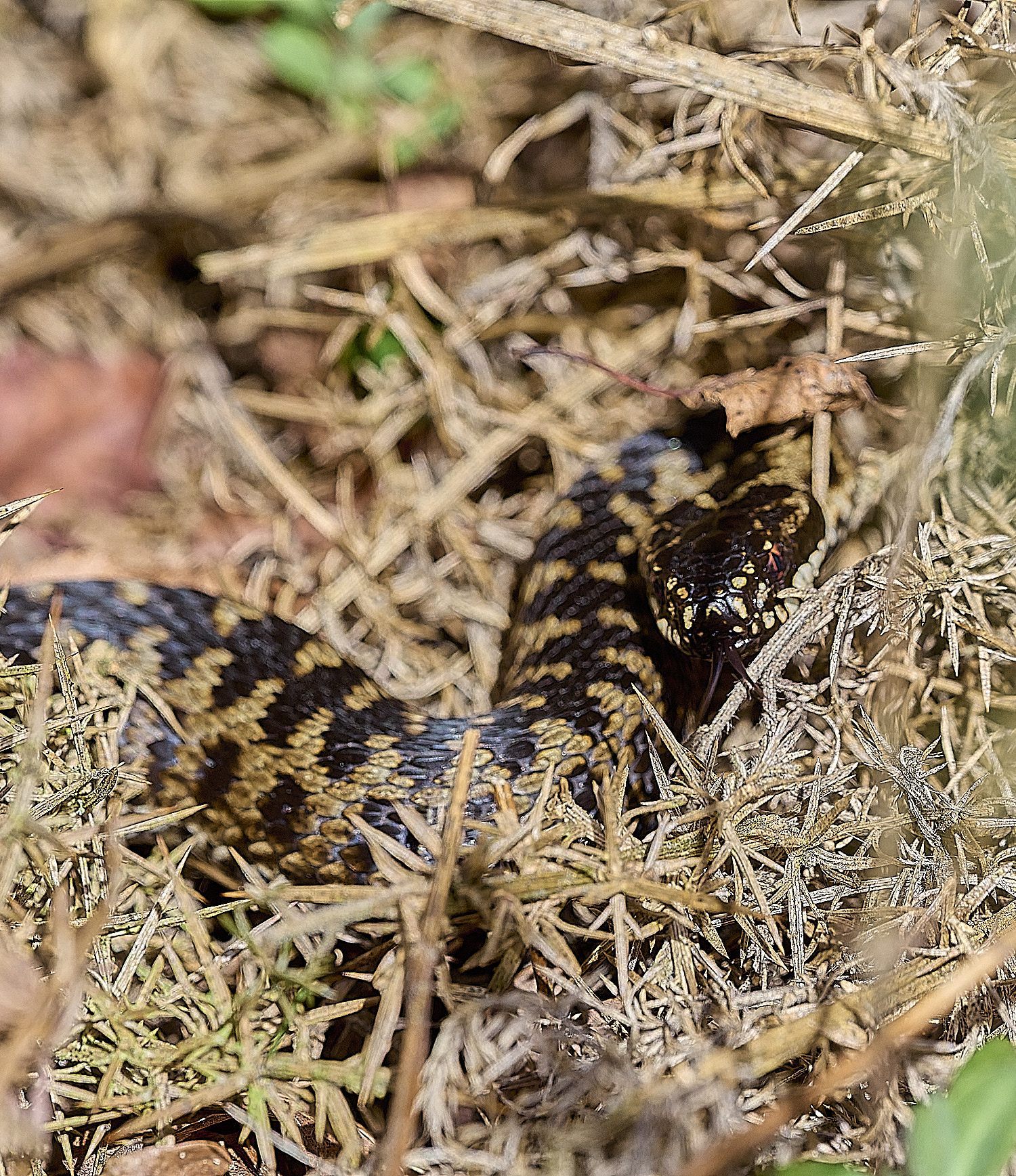
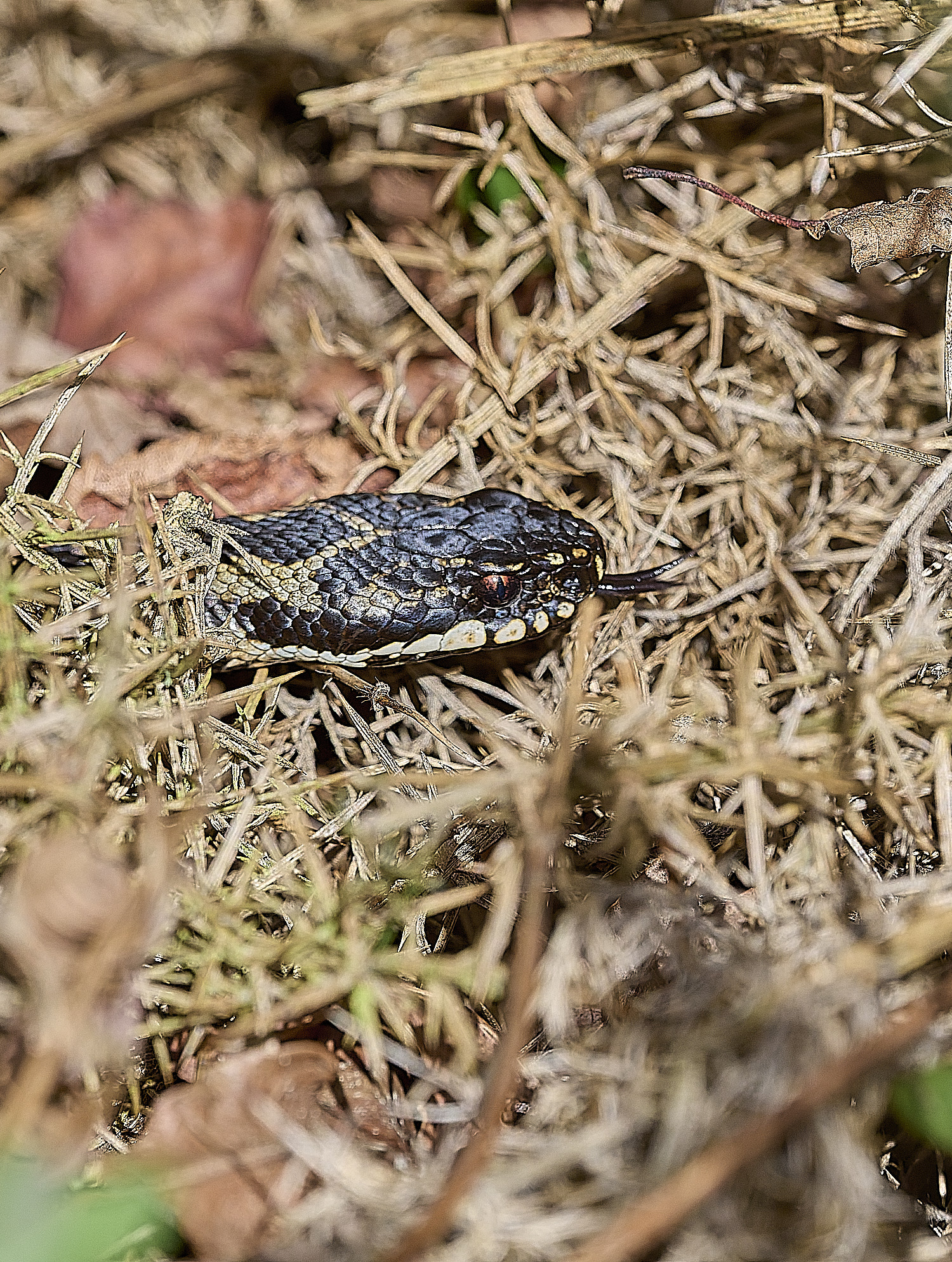
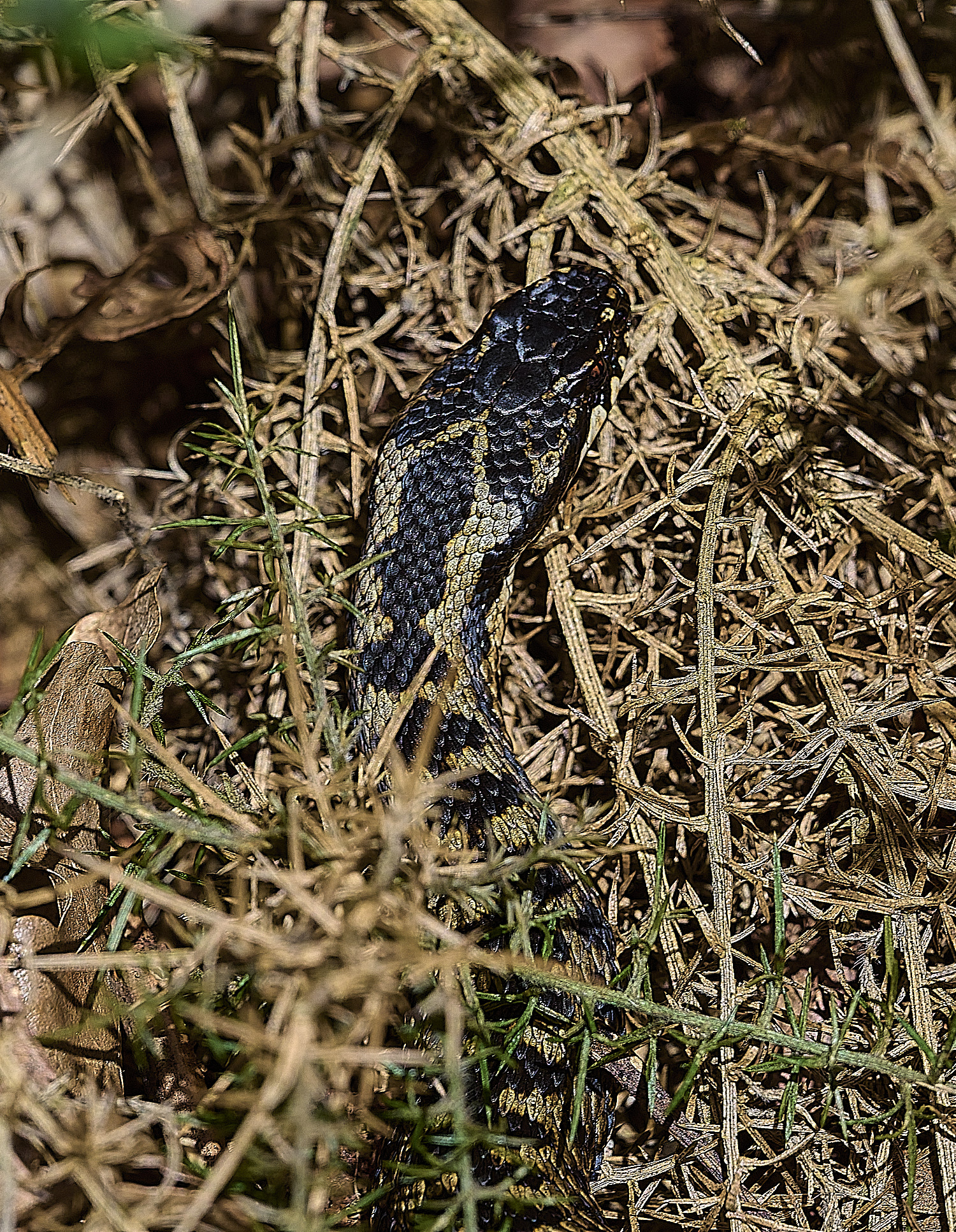
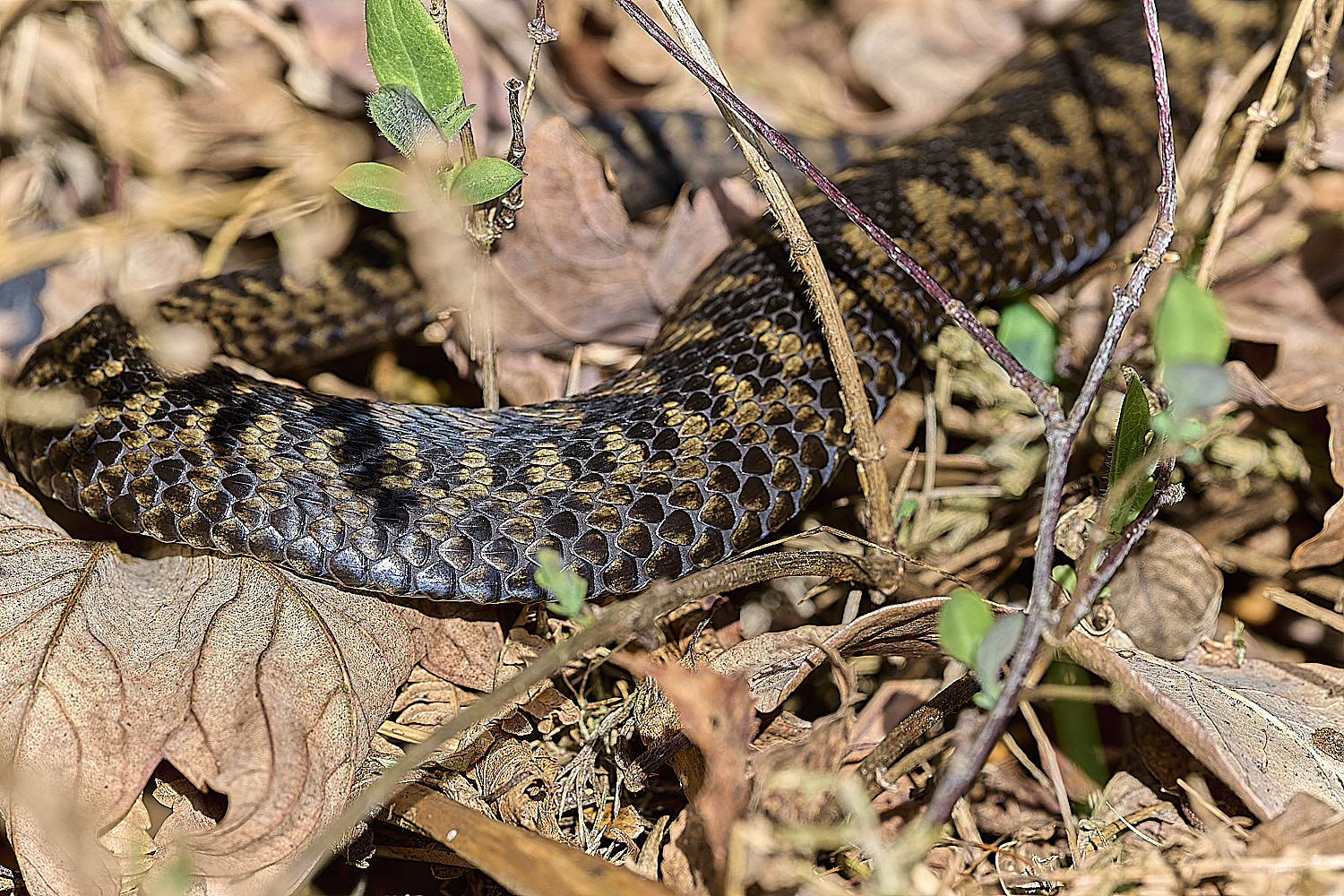
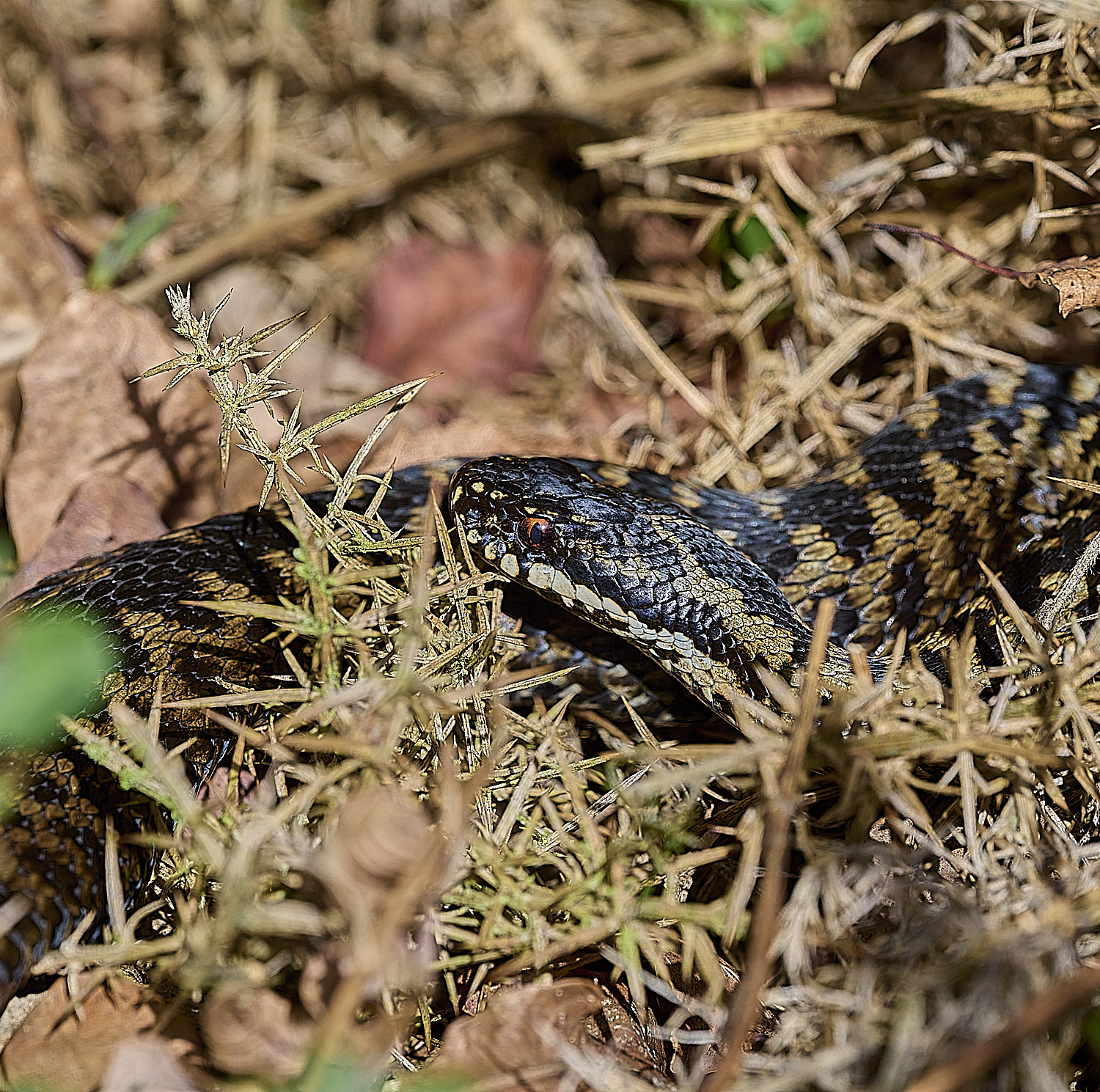
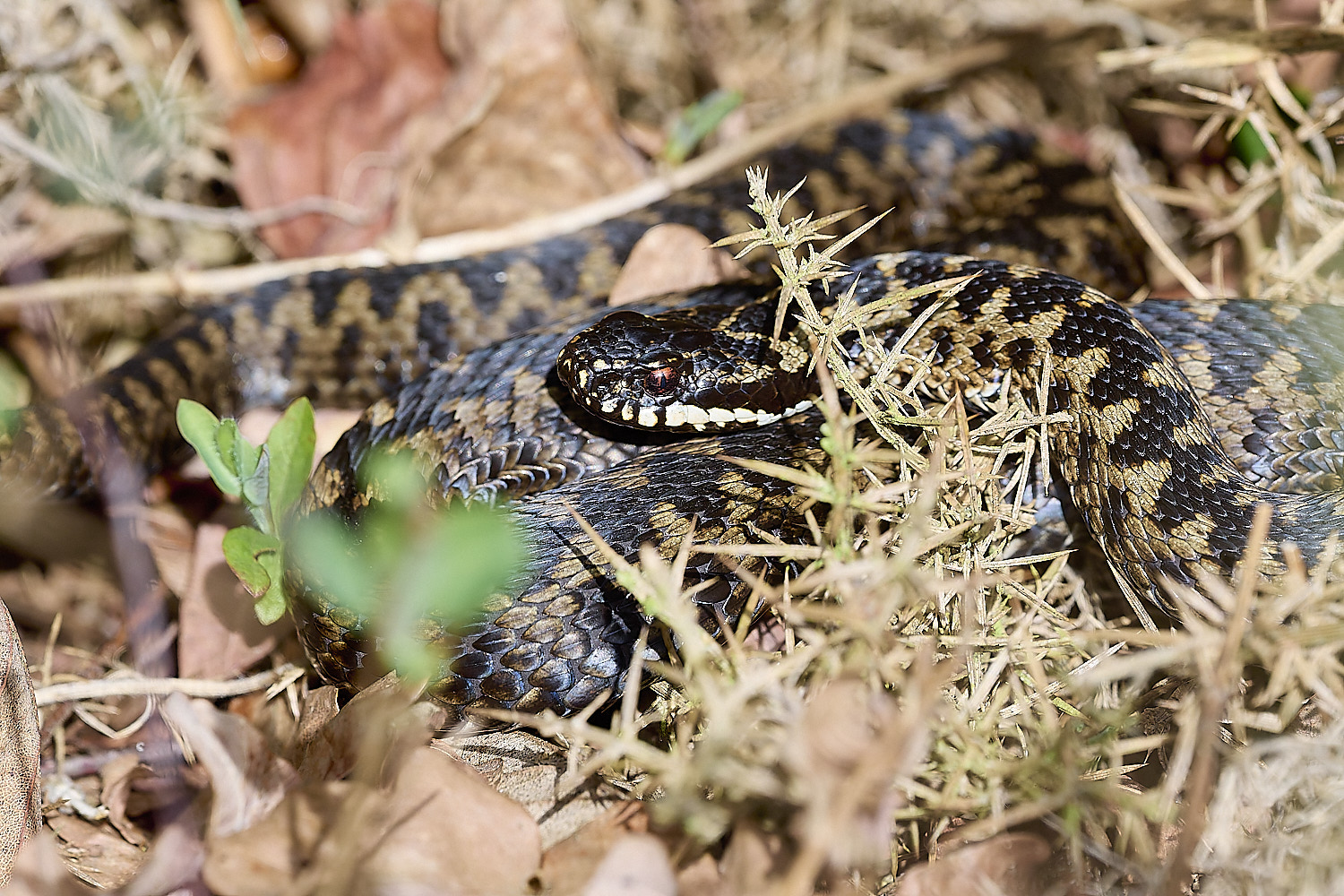
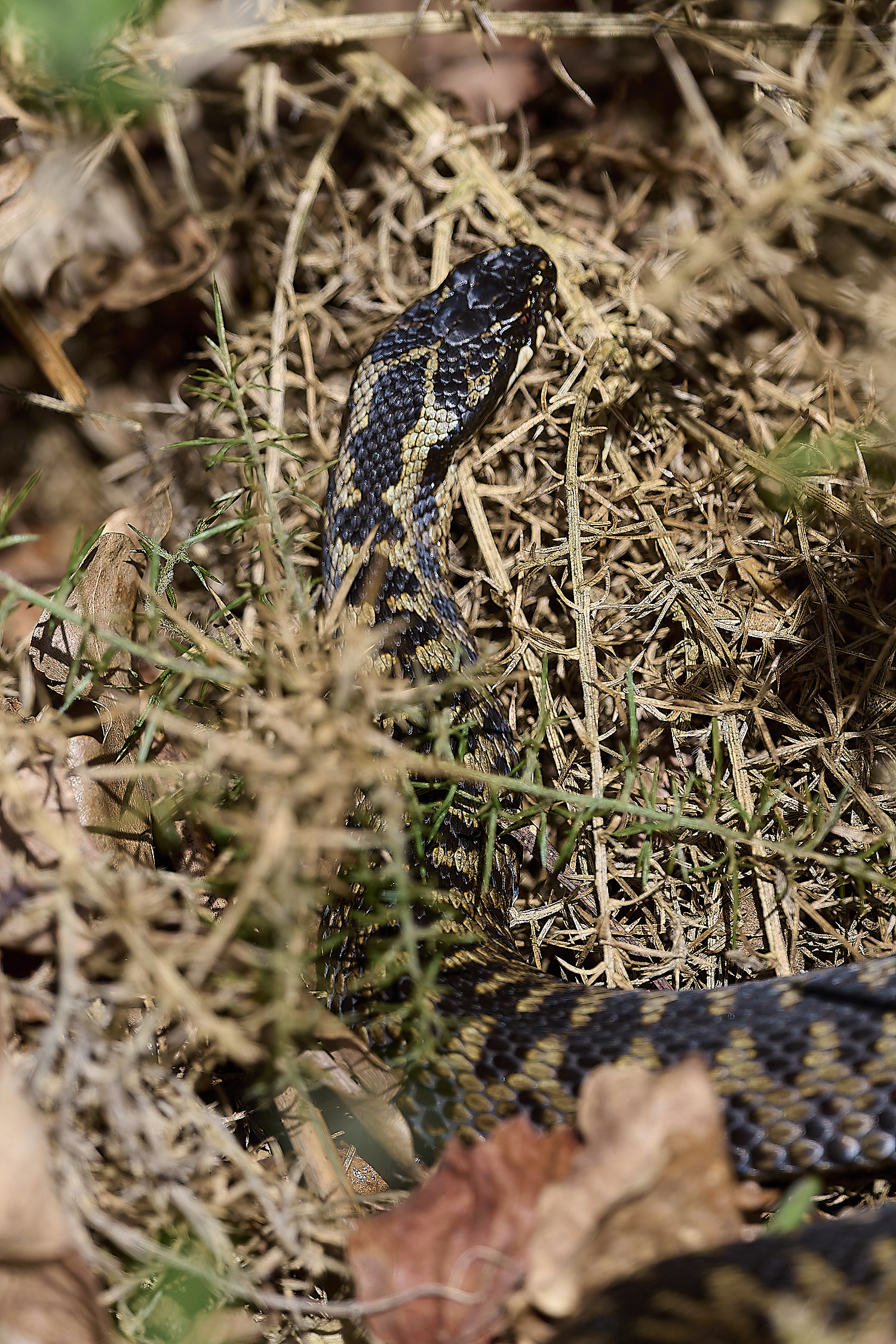
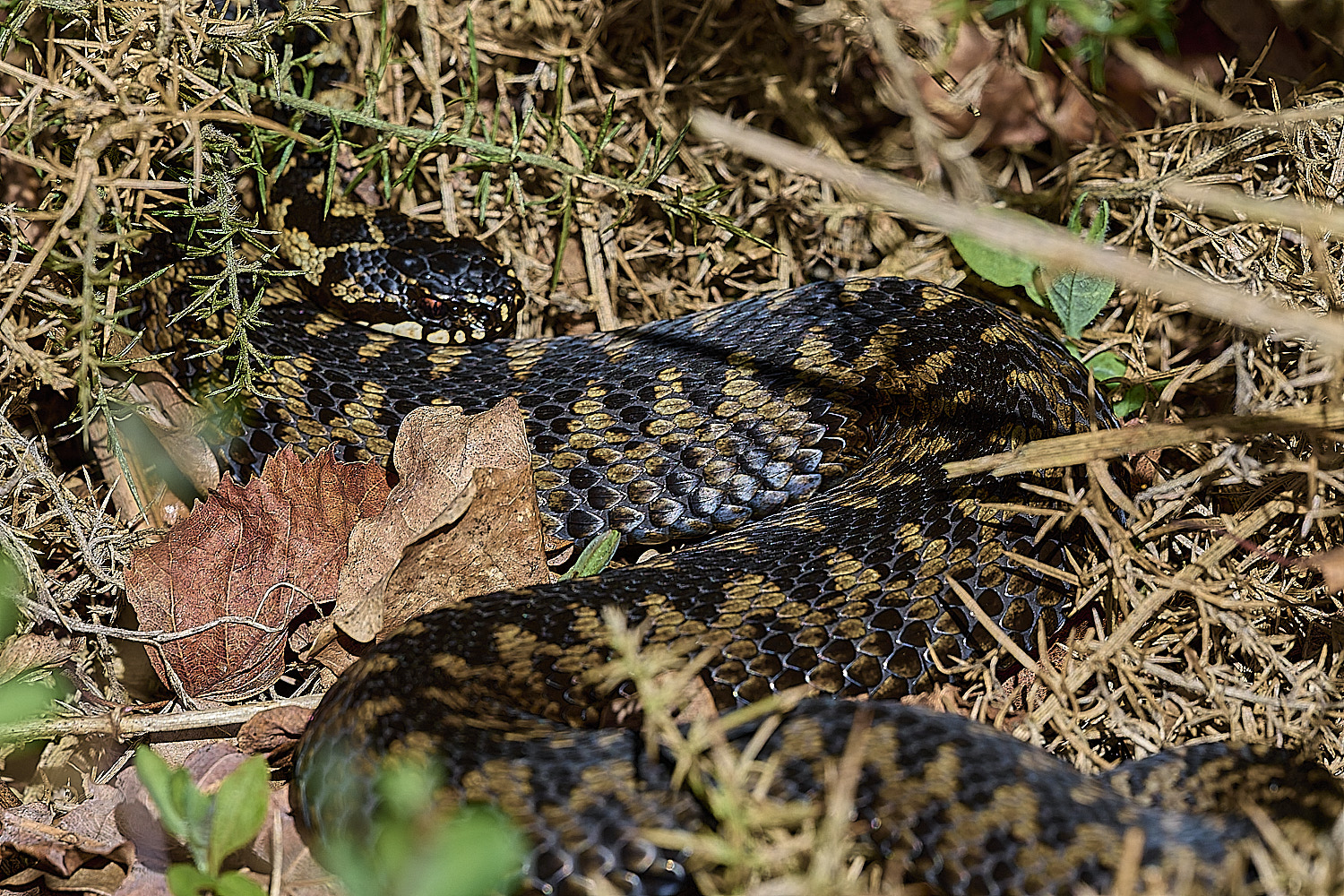
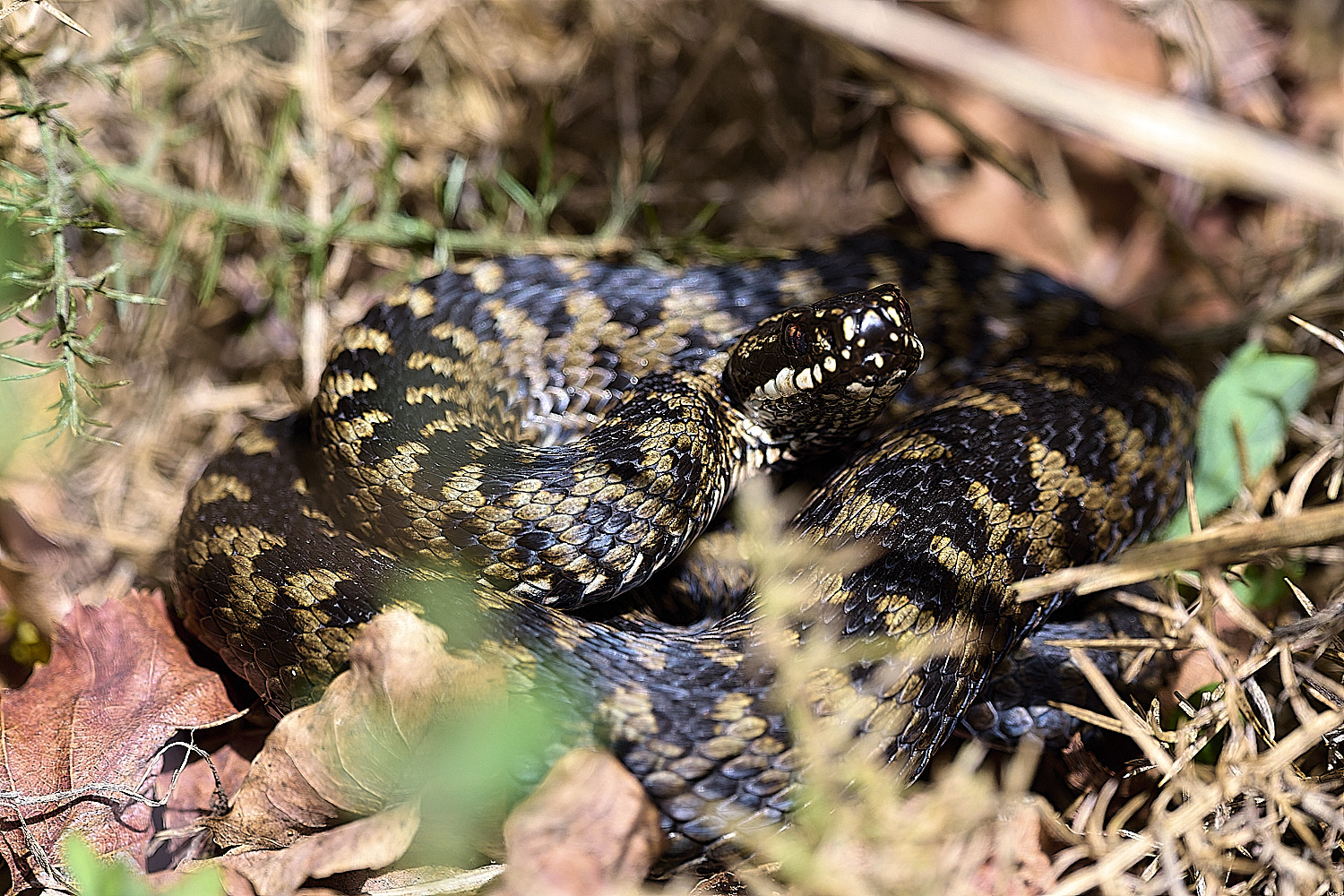
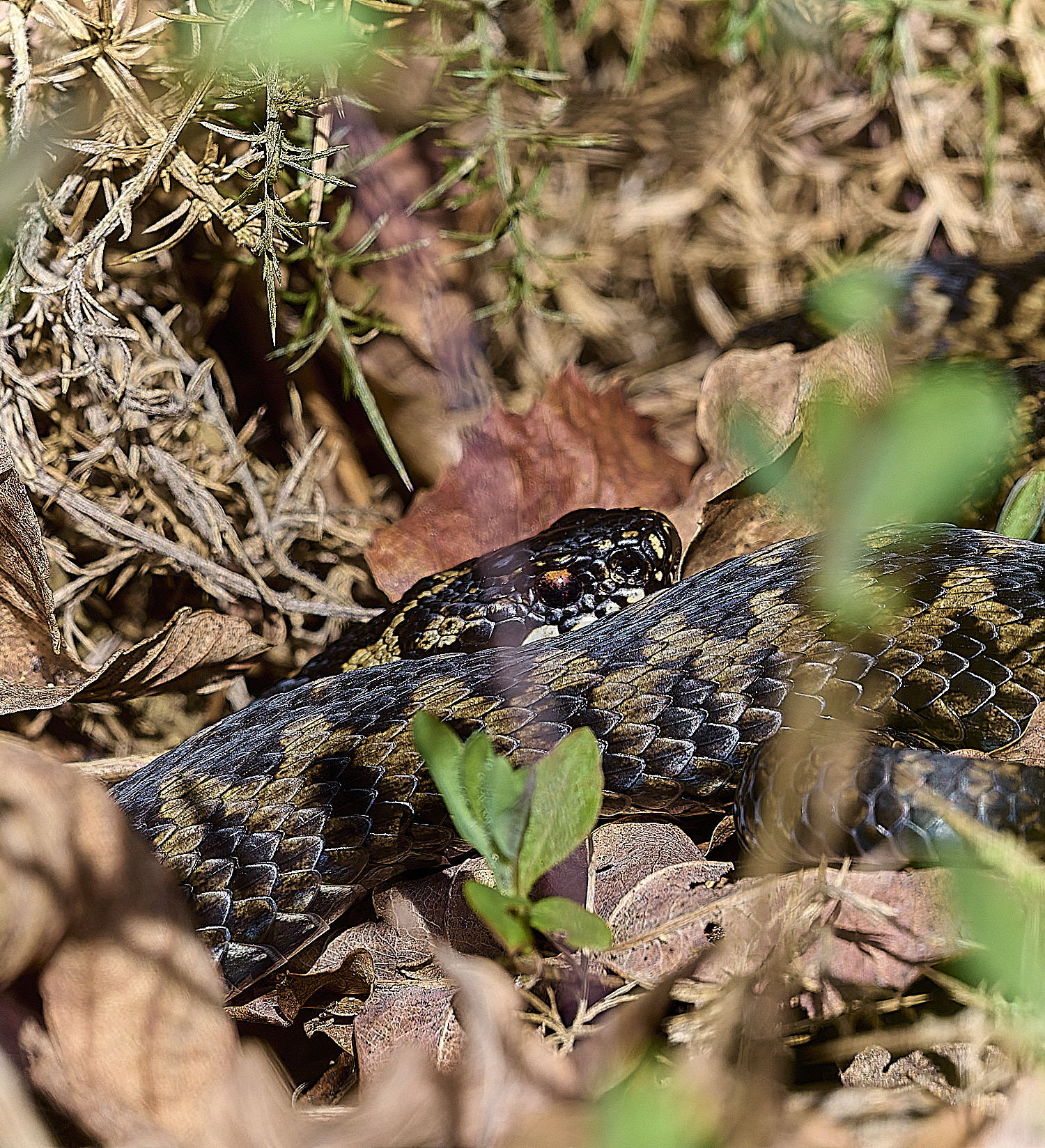
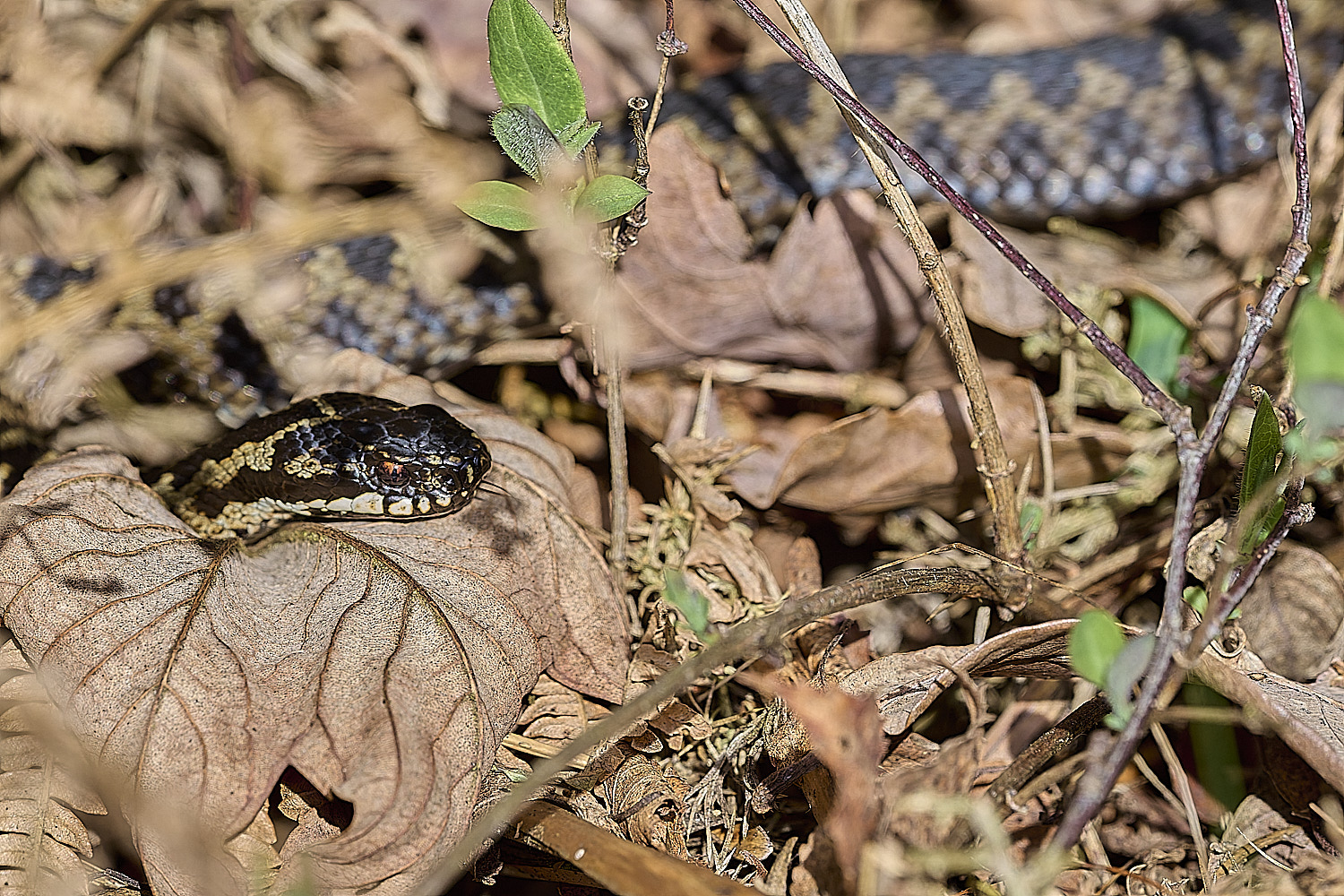
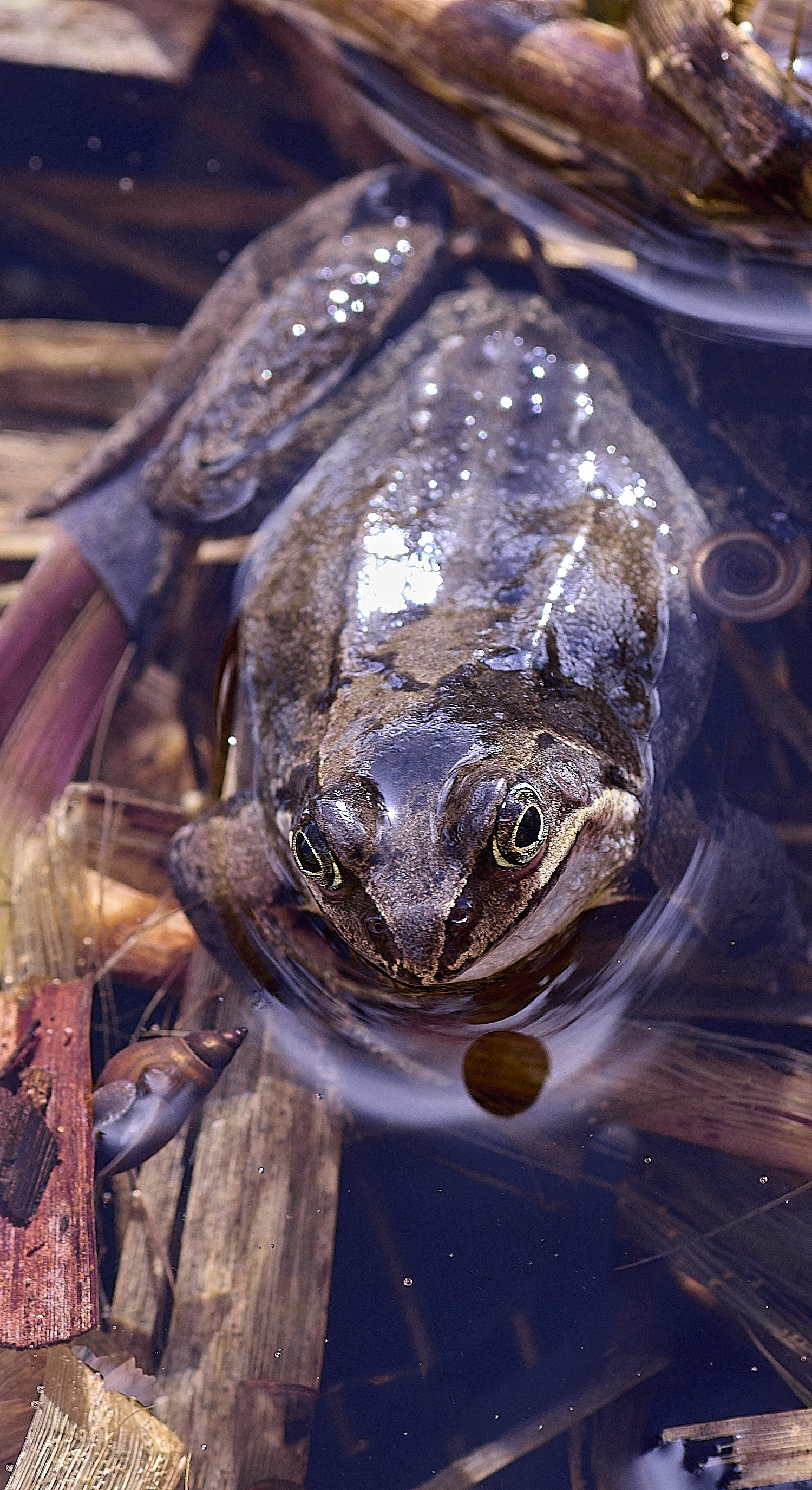
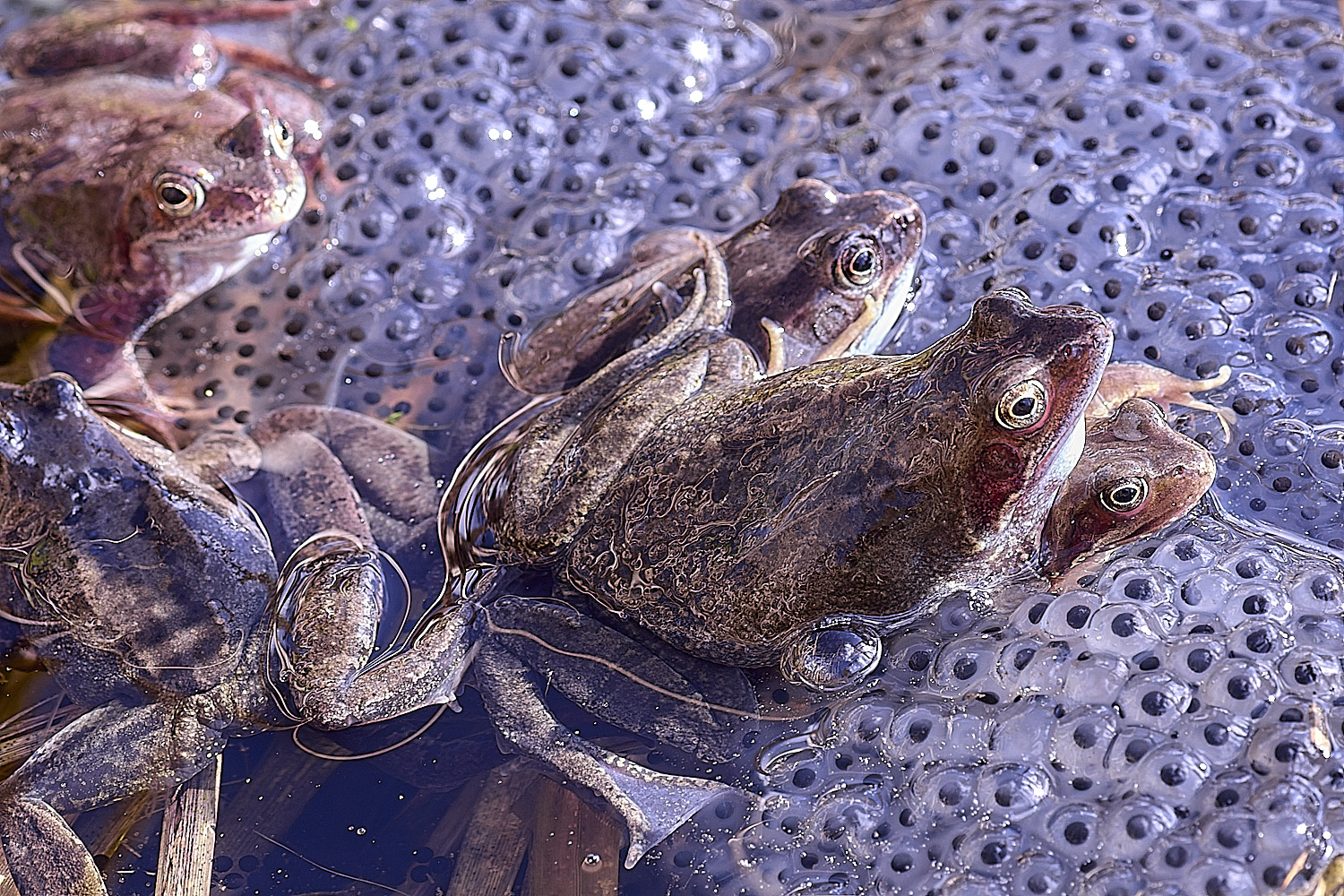
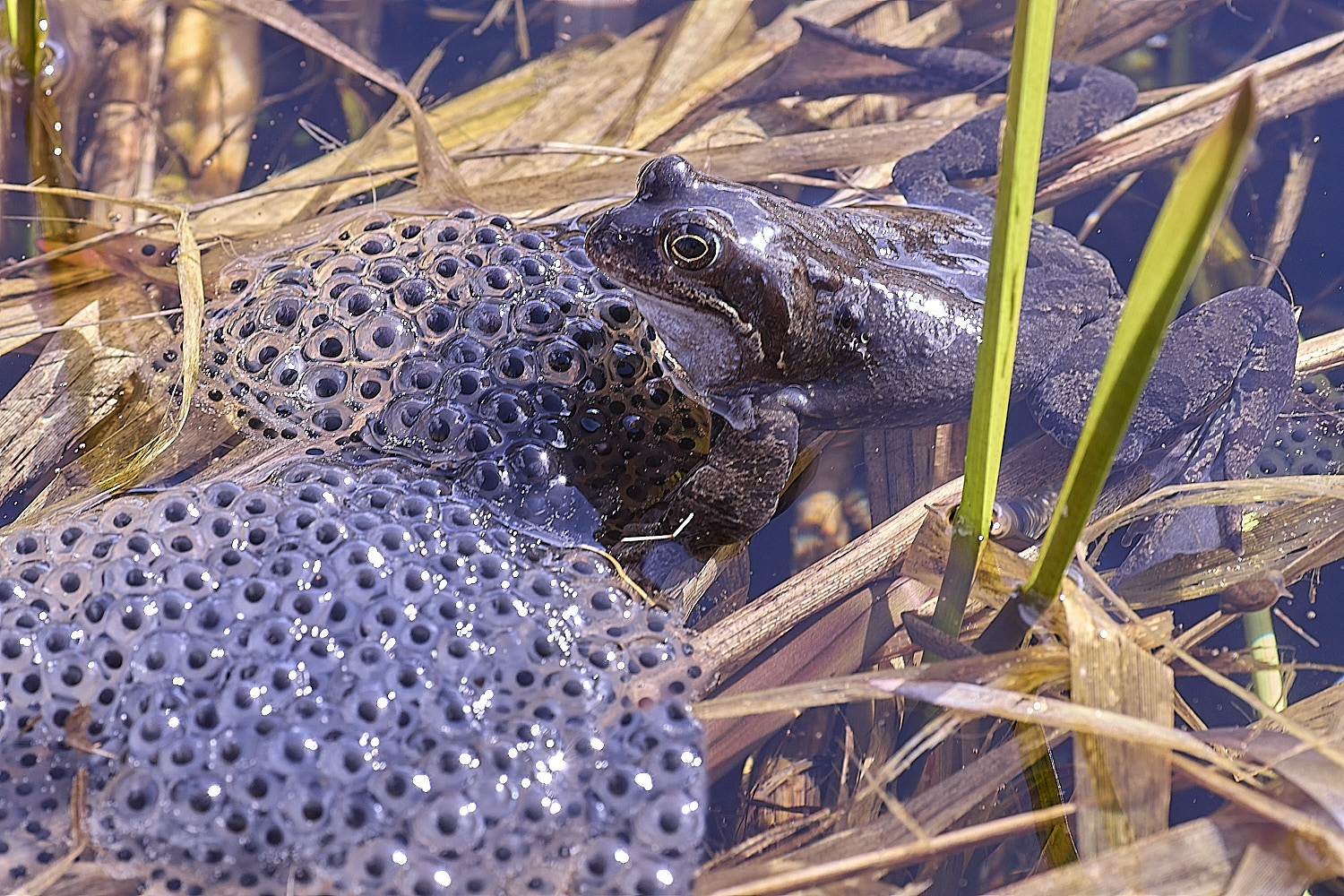
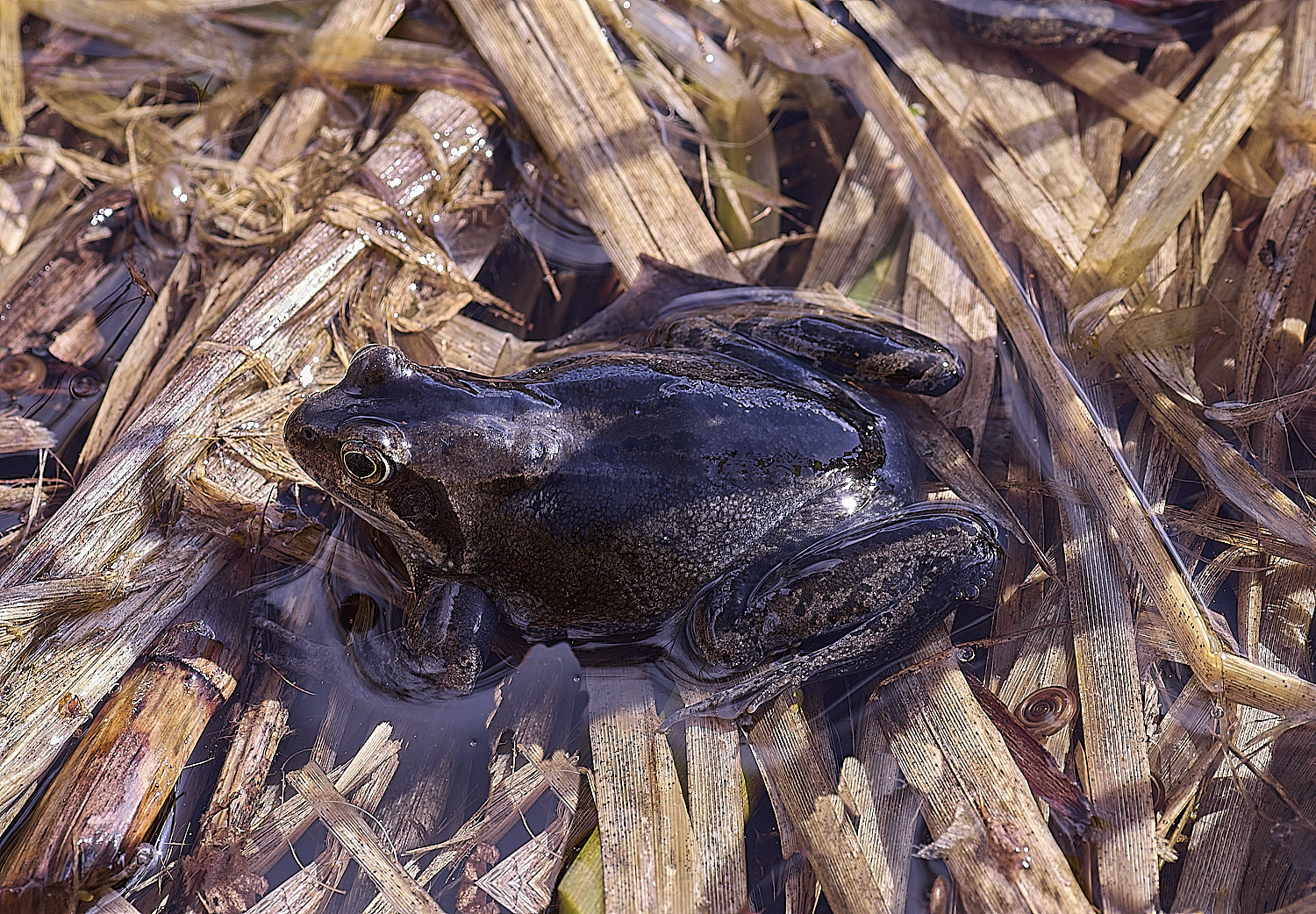
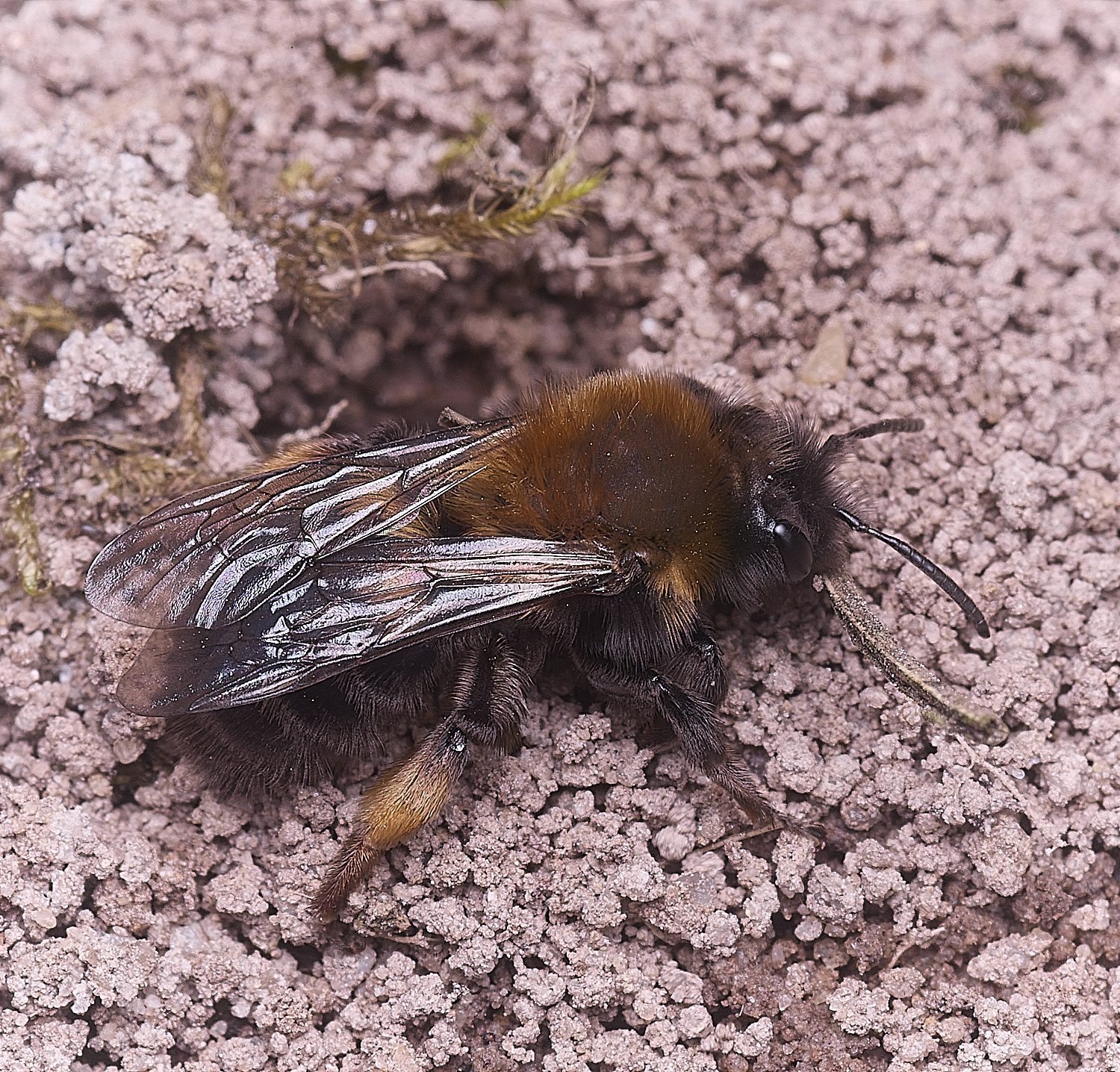
Wheatfen
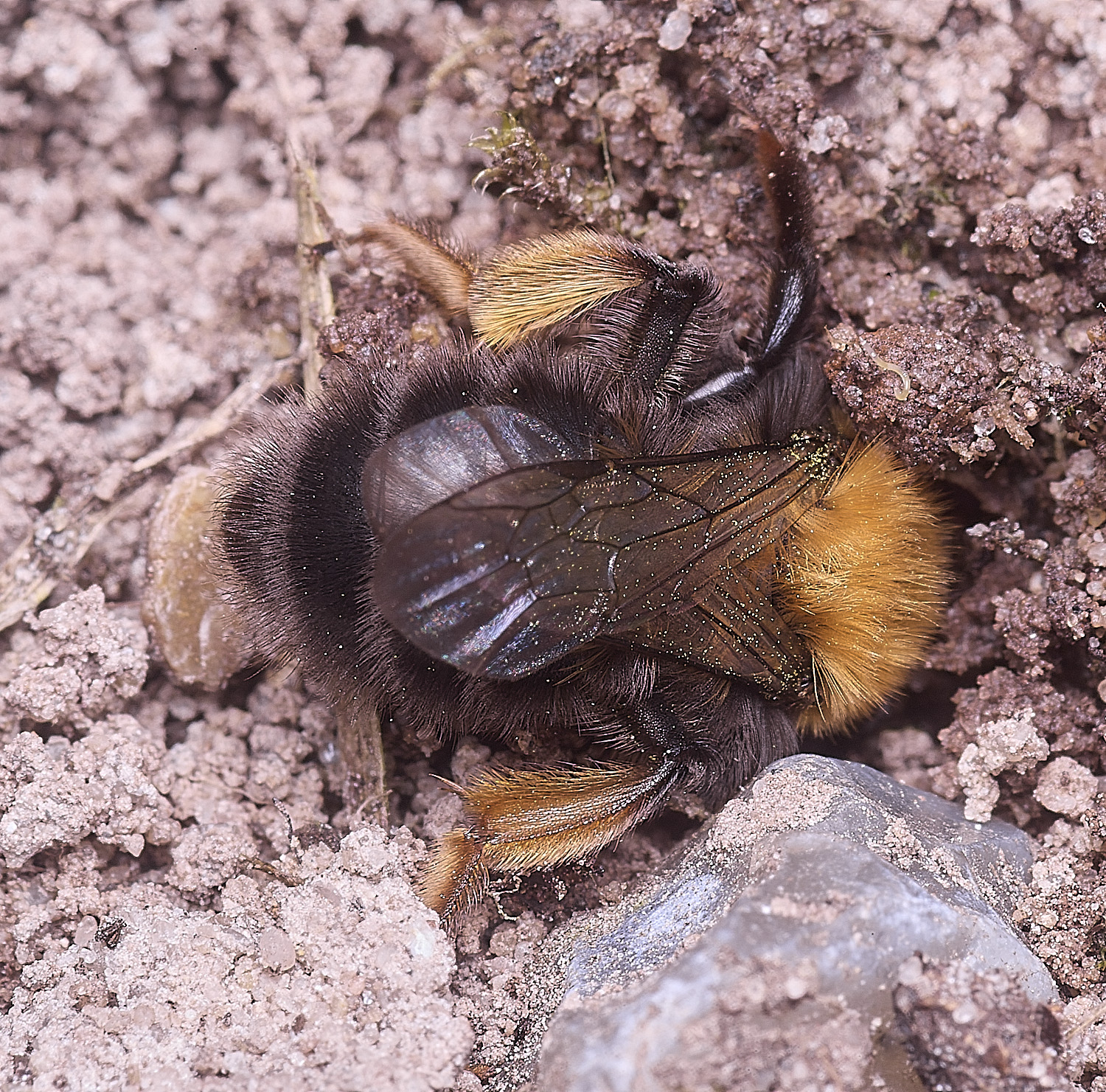
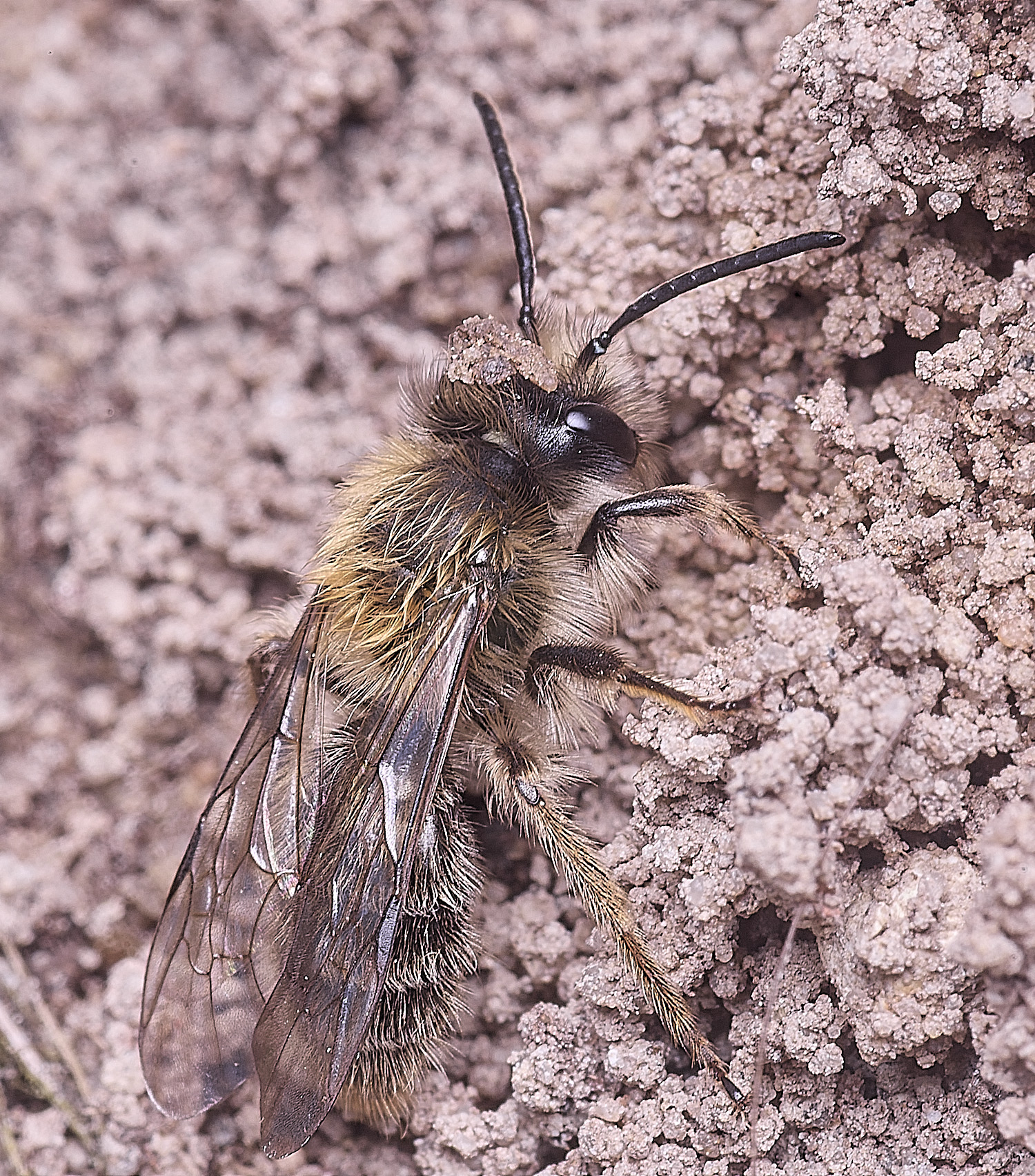
♀︎
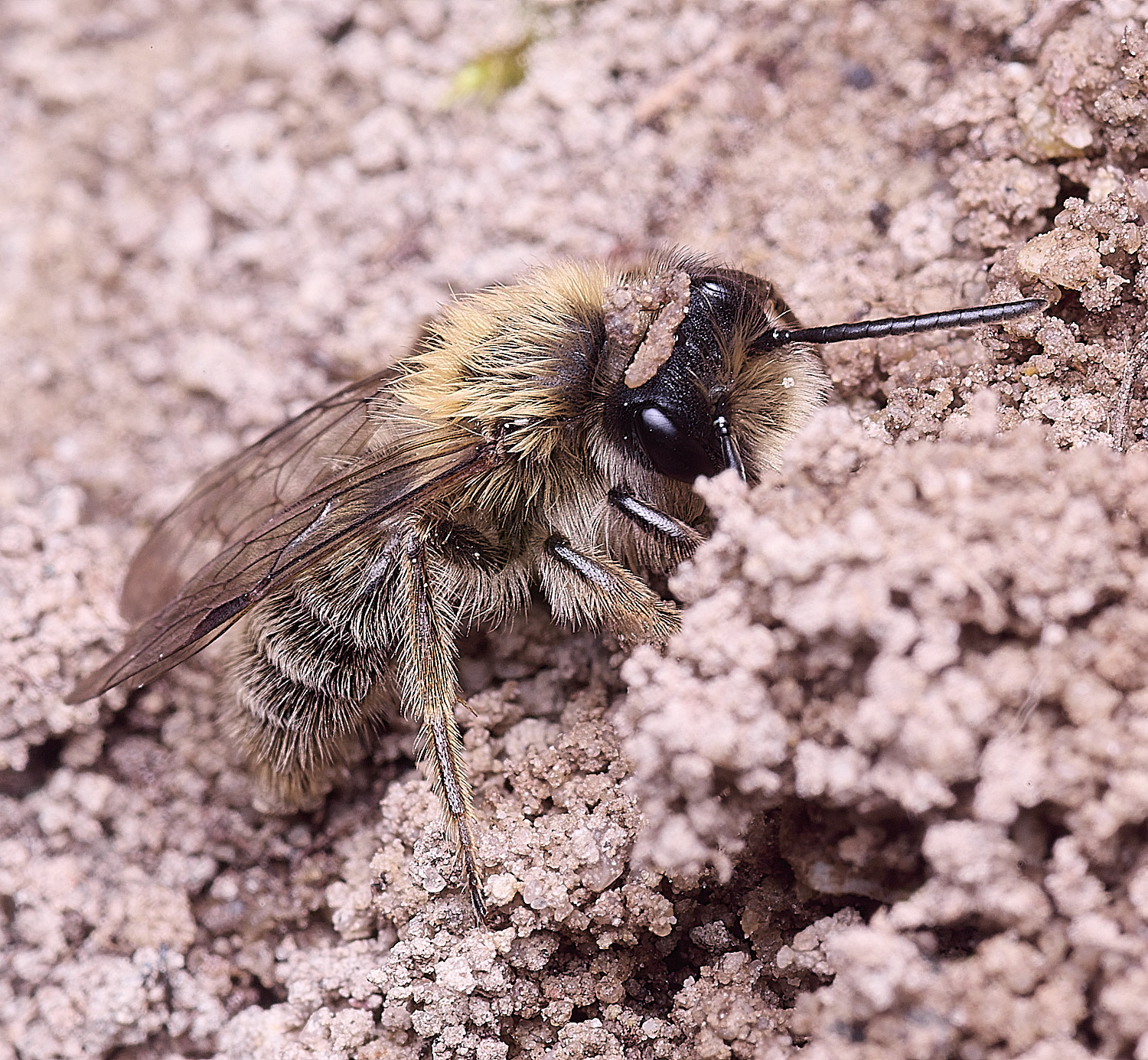
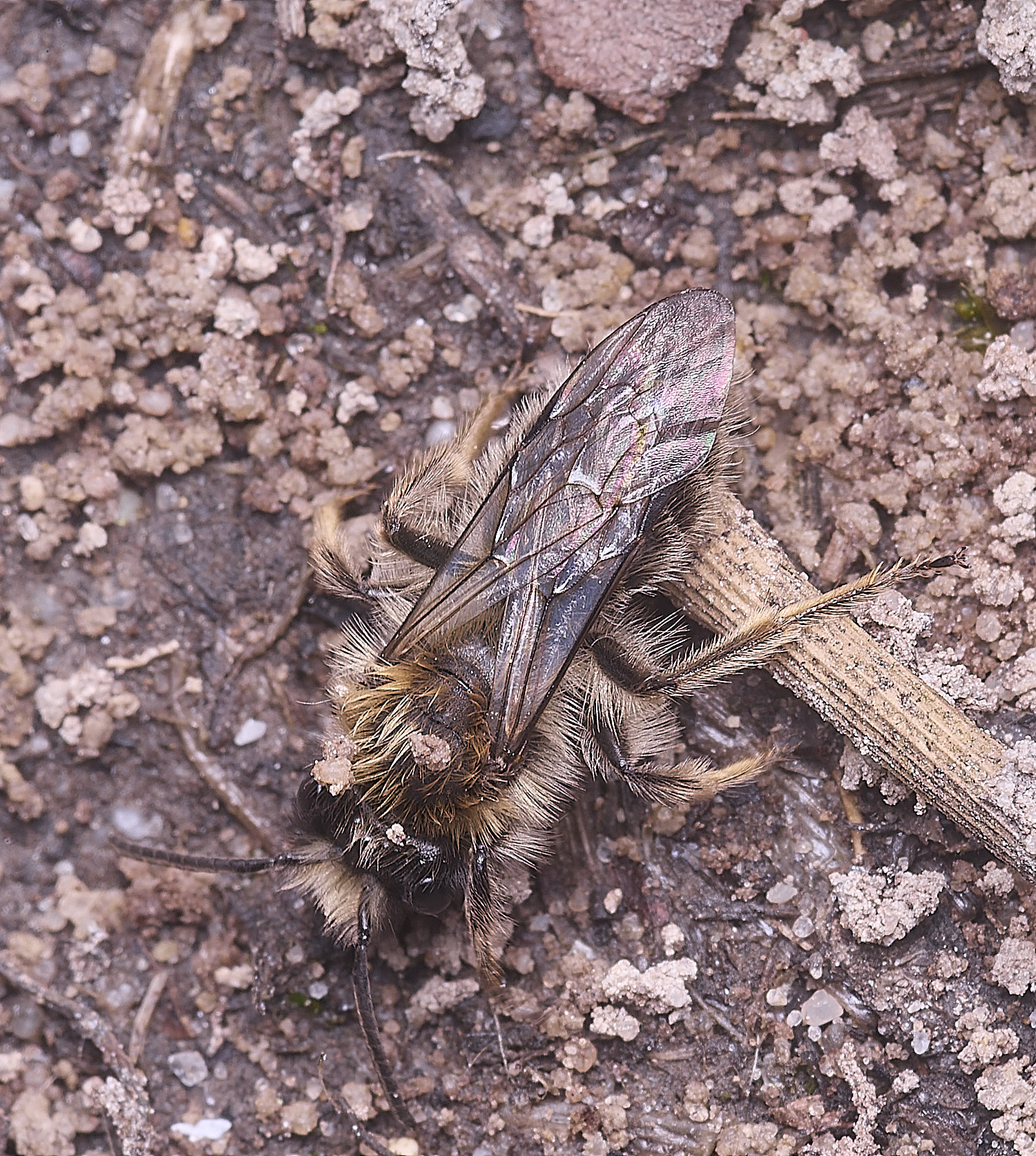
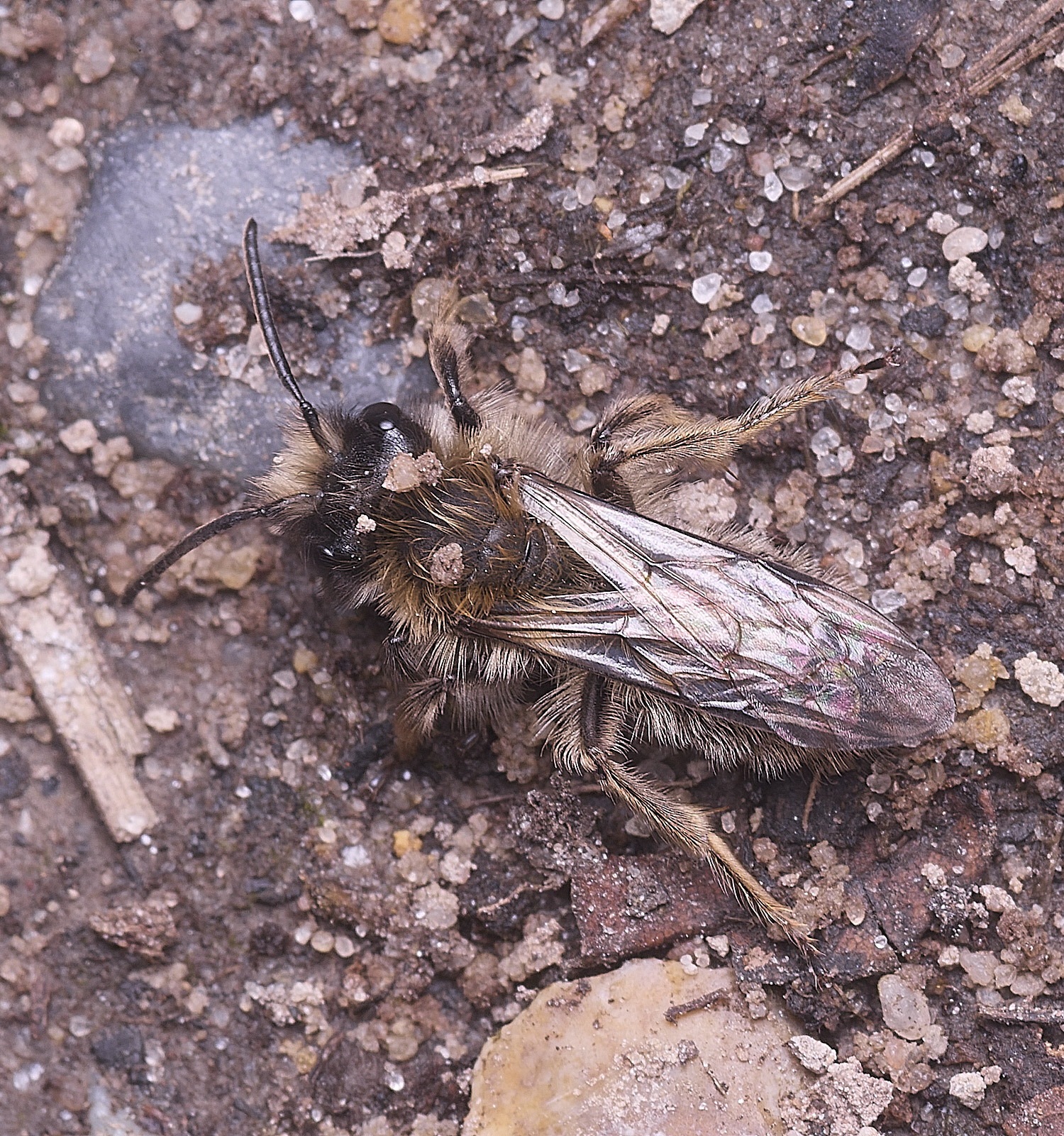
♂︎
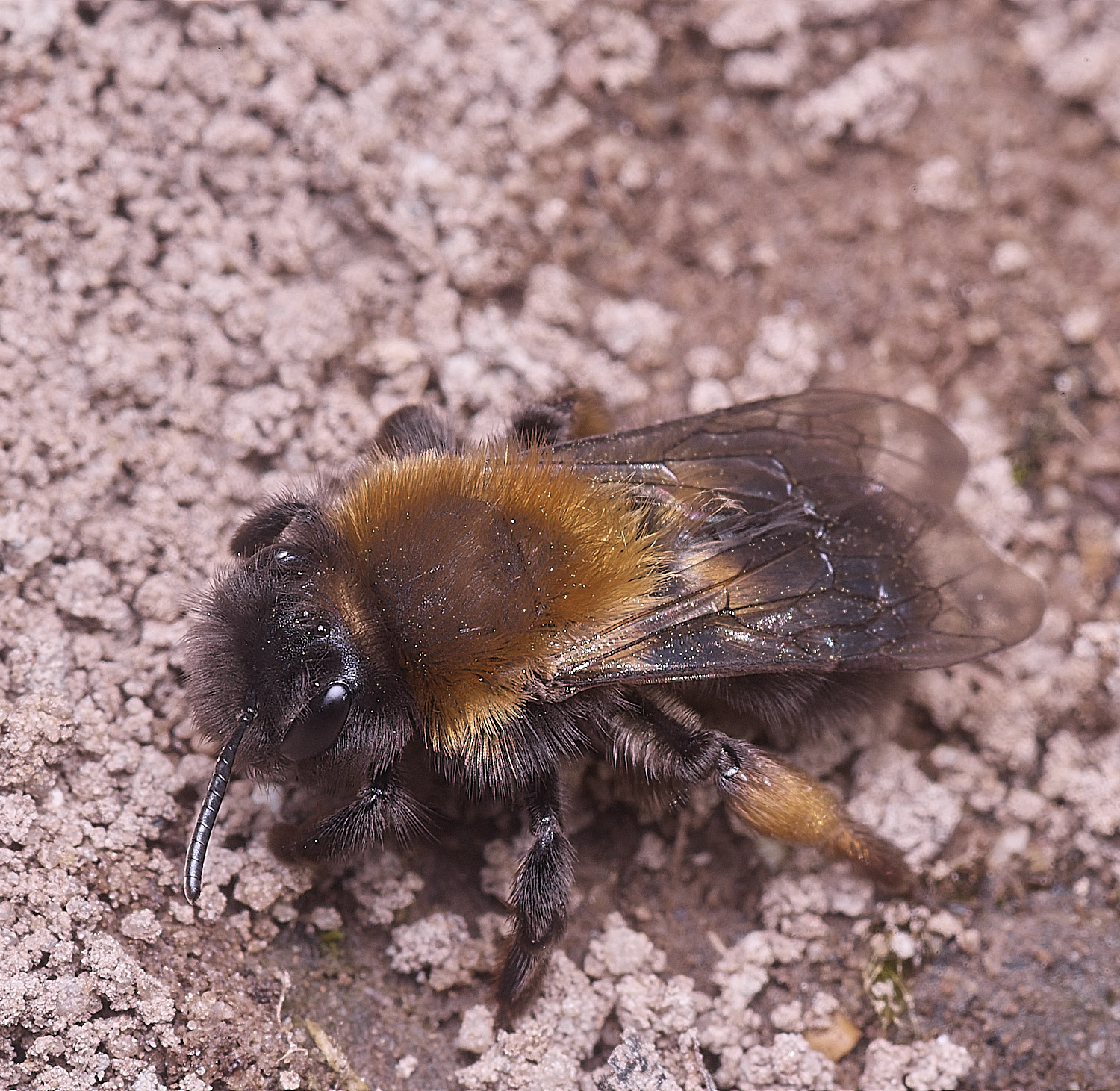
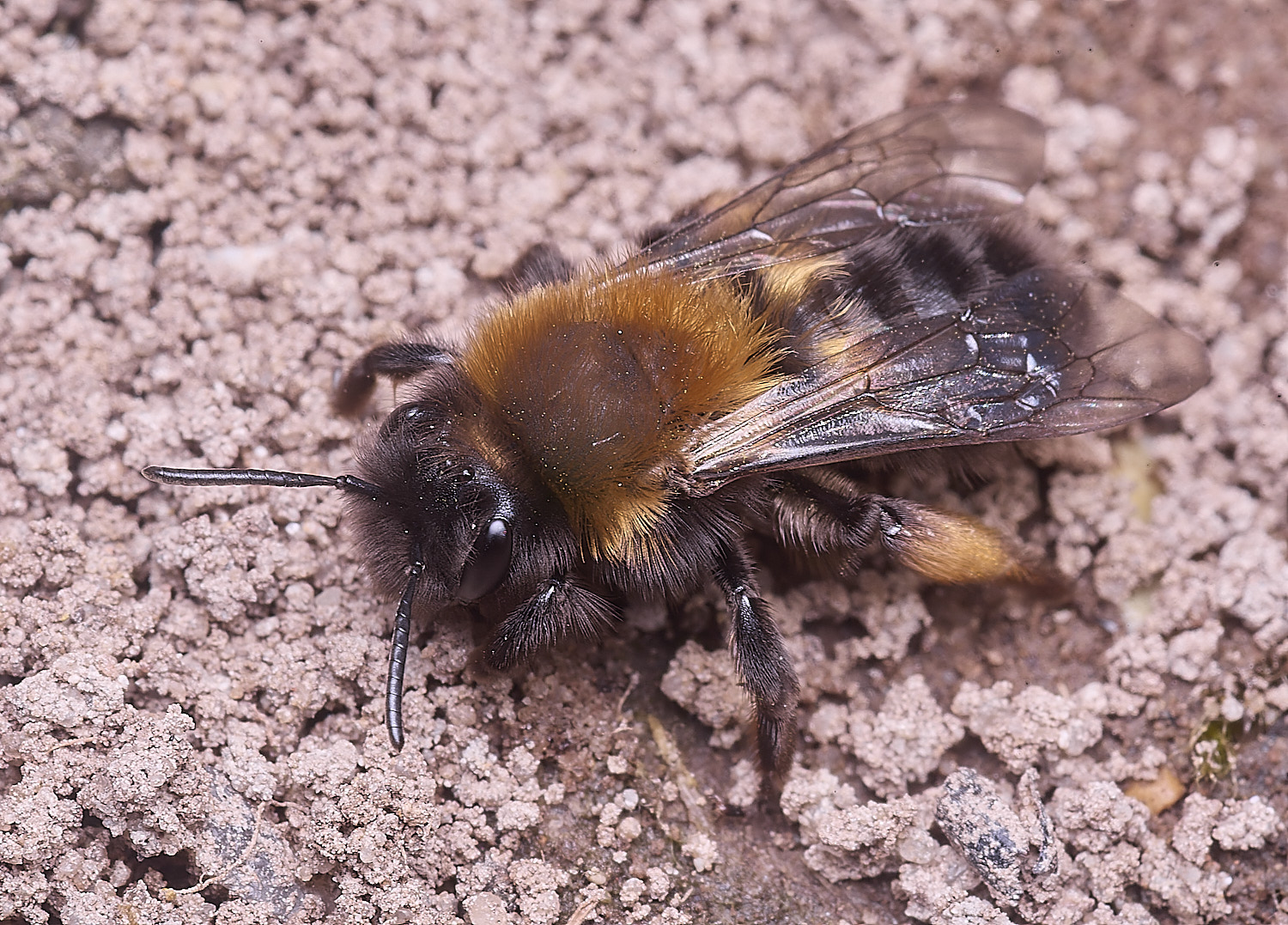
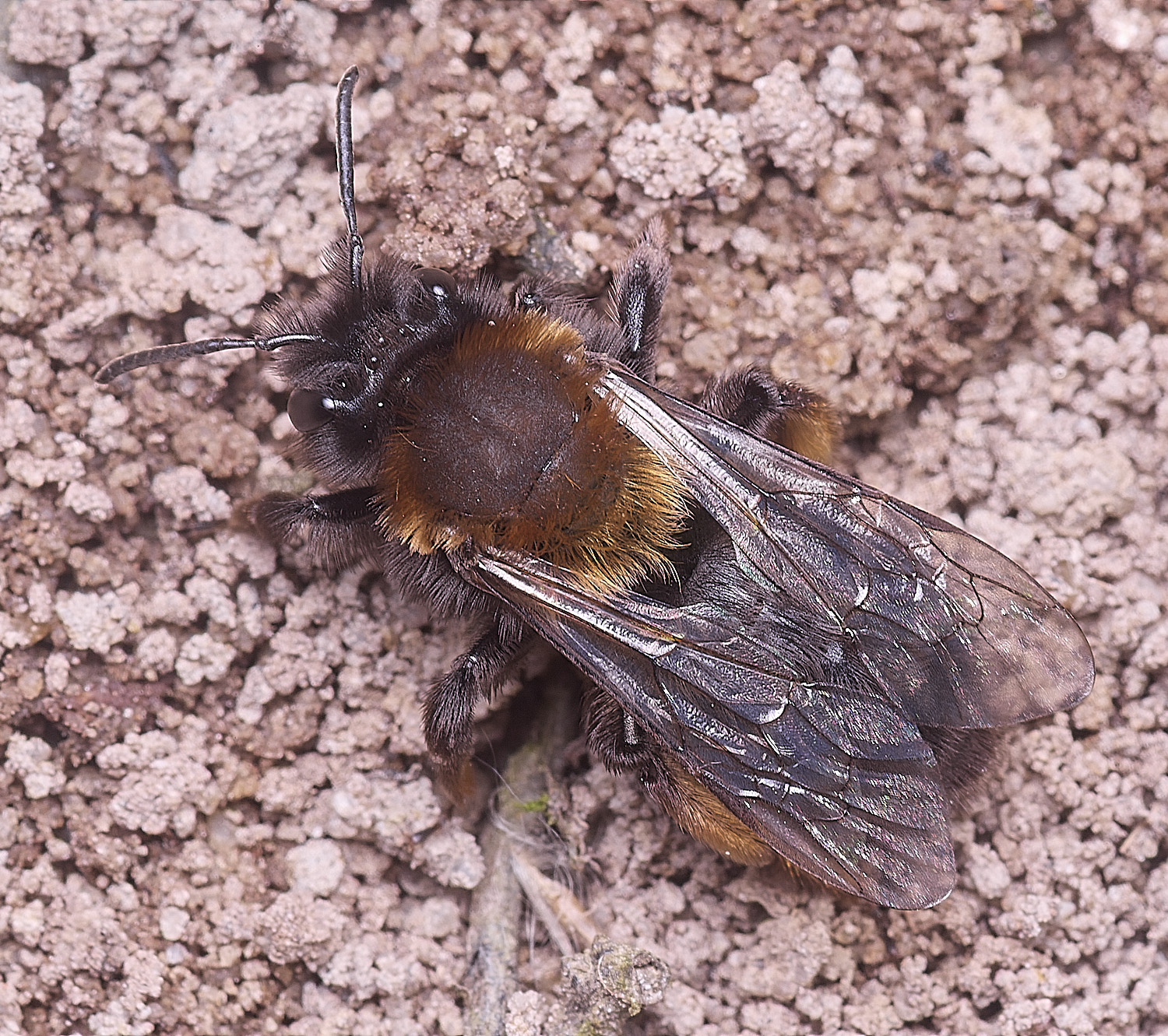
♀︎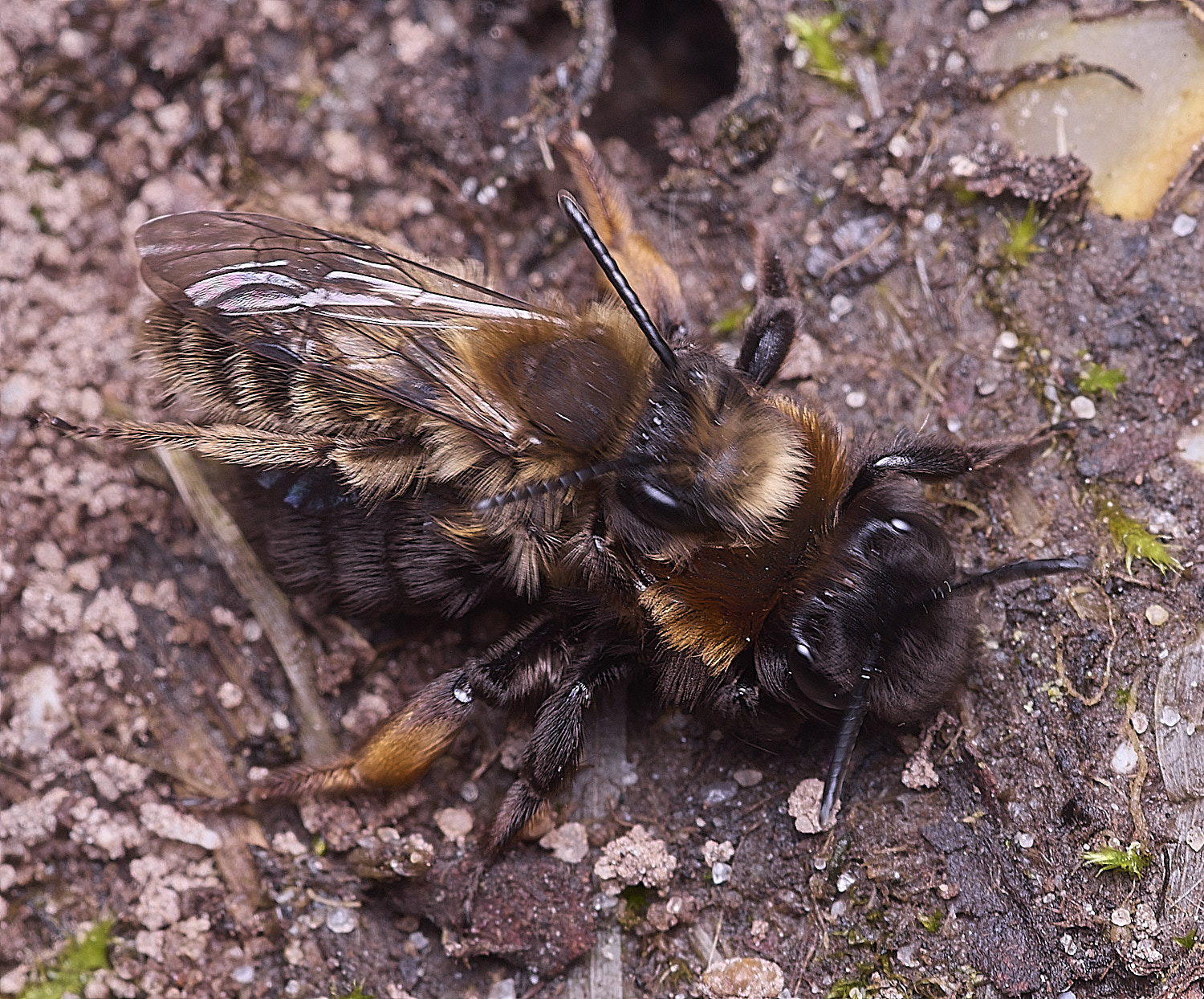
♂︎&♀︎
♂︎&♀︎
♂︎&♀︎
♂︎&♀︎
♂︎&♀︎
♂︎&♀︎
♂︎&♀︎
♂︎&♀︎
♀︎
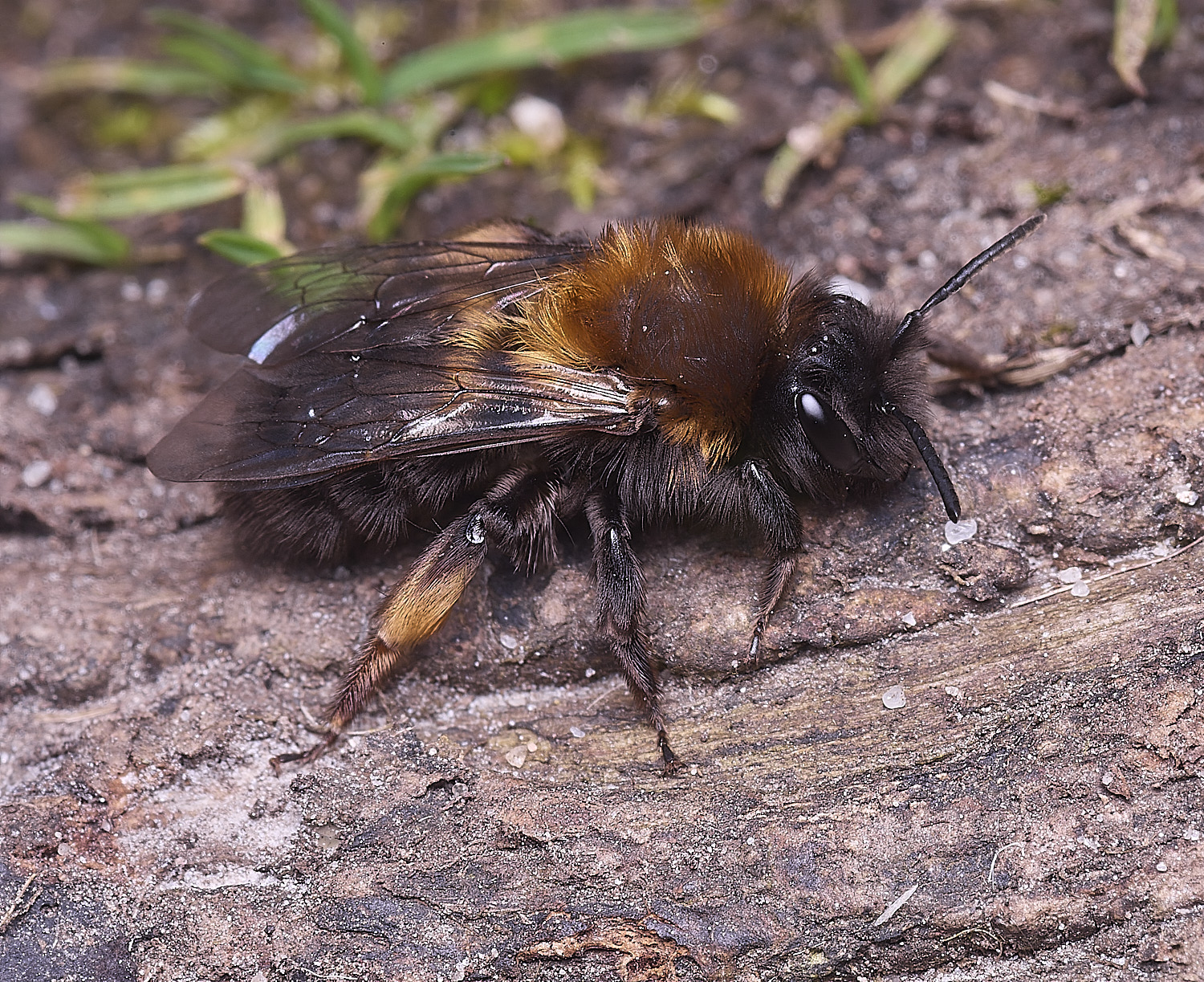
Clarke's Mining Bee (Andrena clarkella)
Thwaite Common
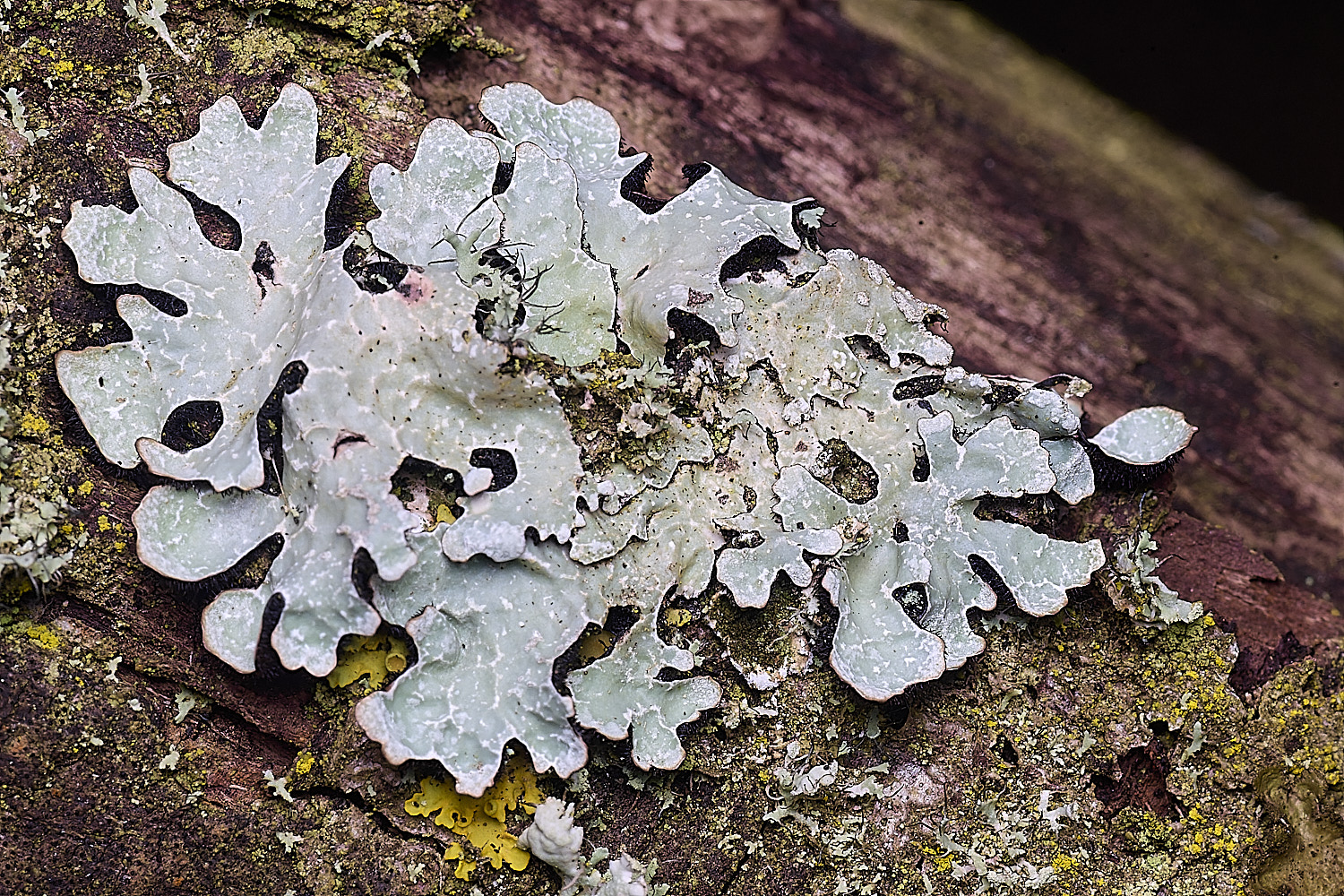
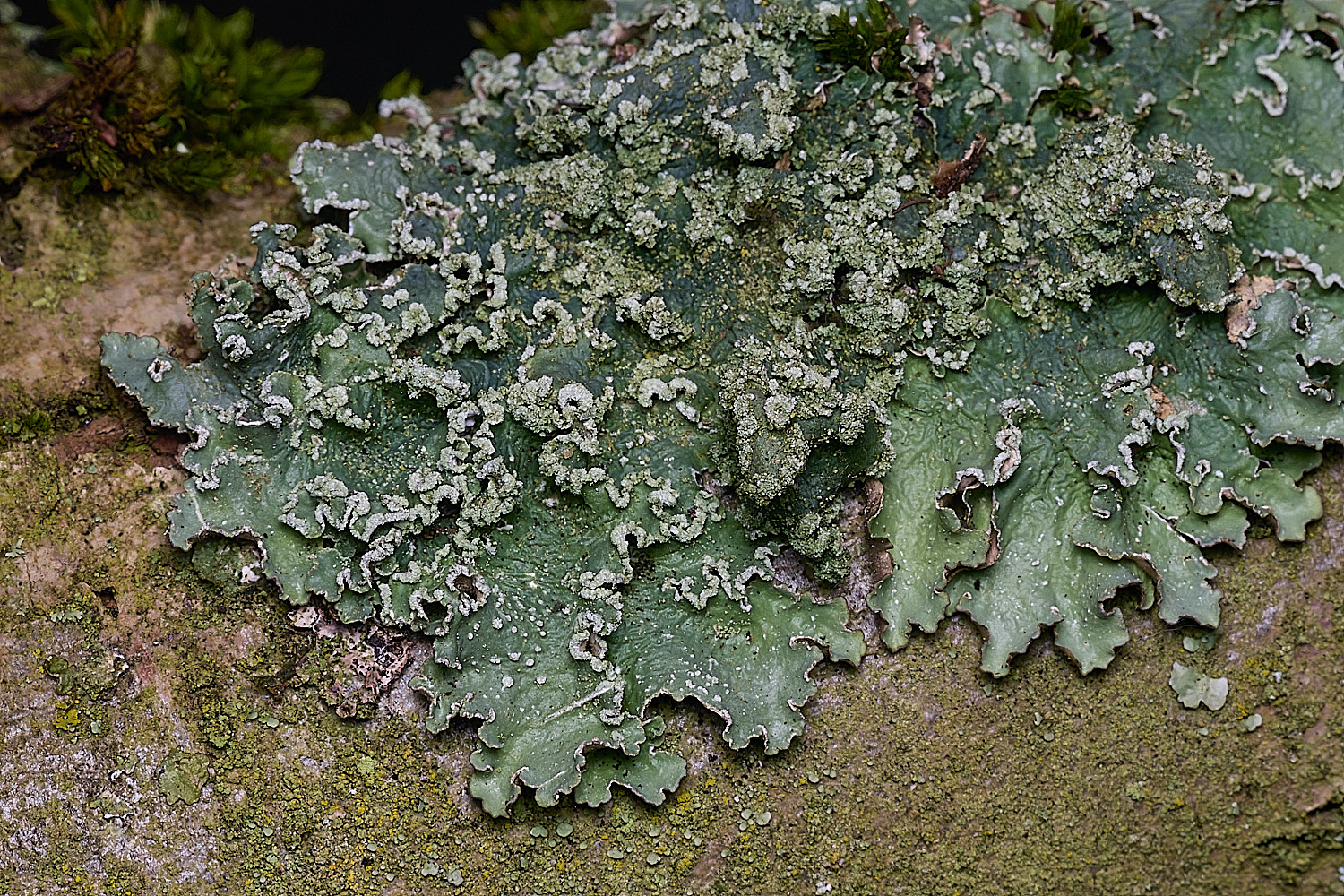
Parmelia sulcata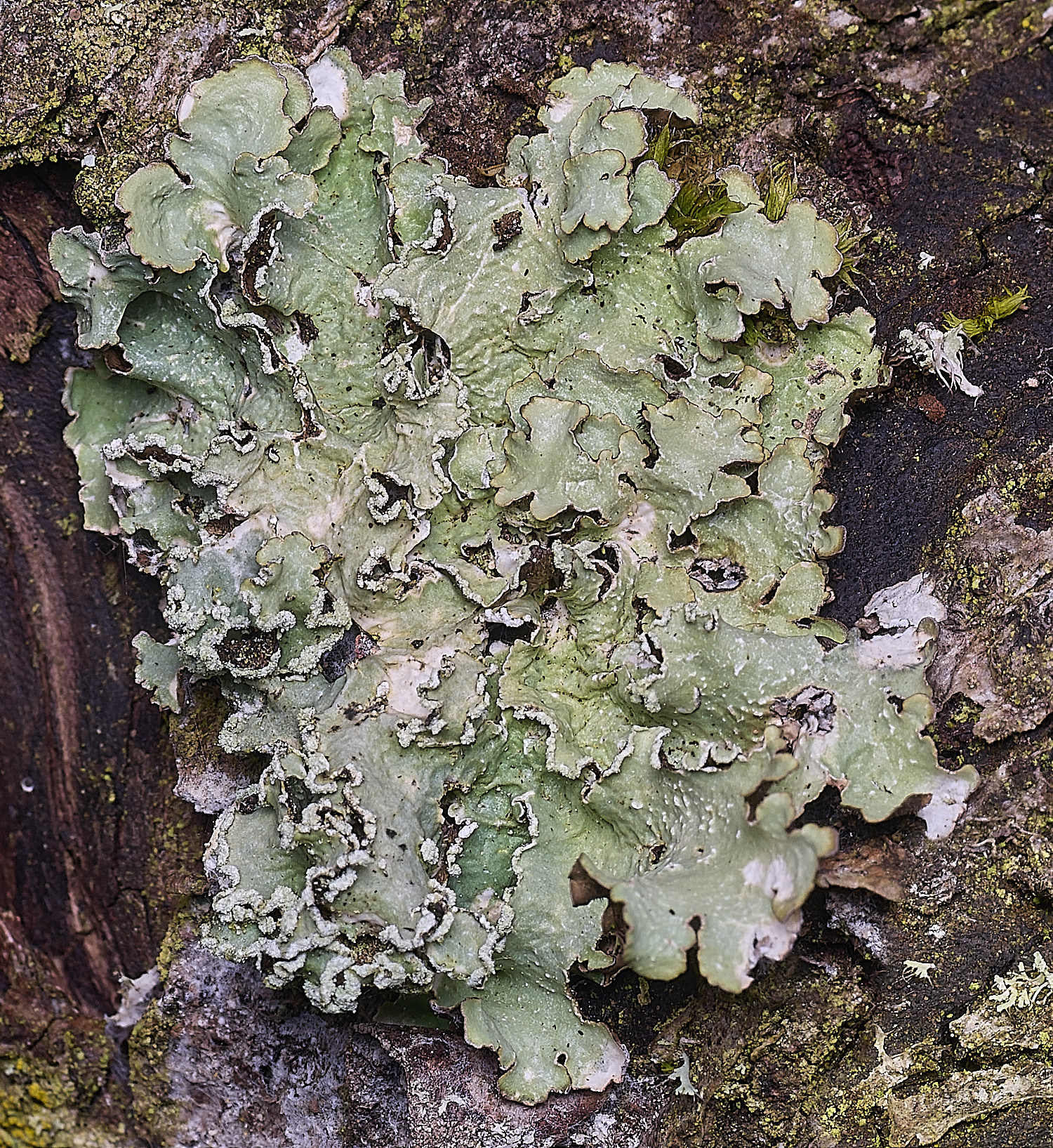
Punctelia jeckeri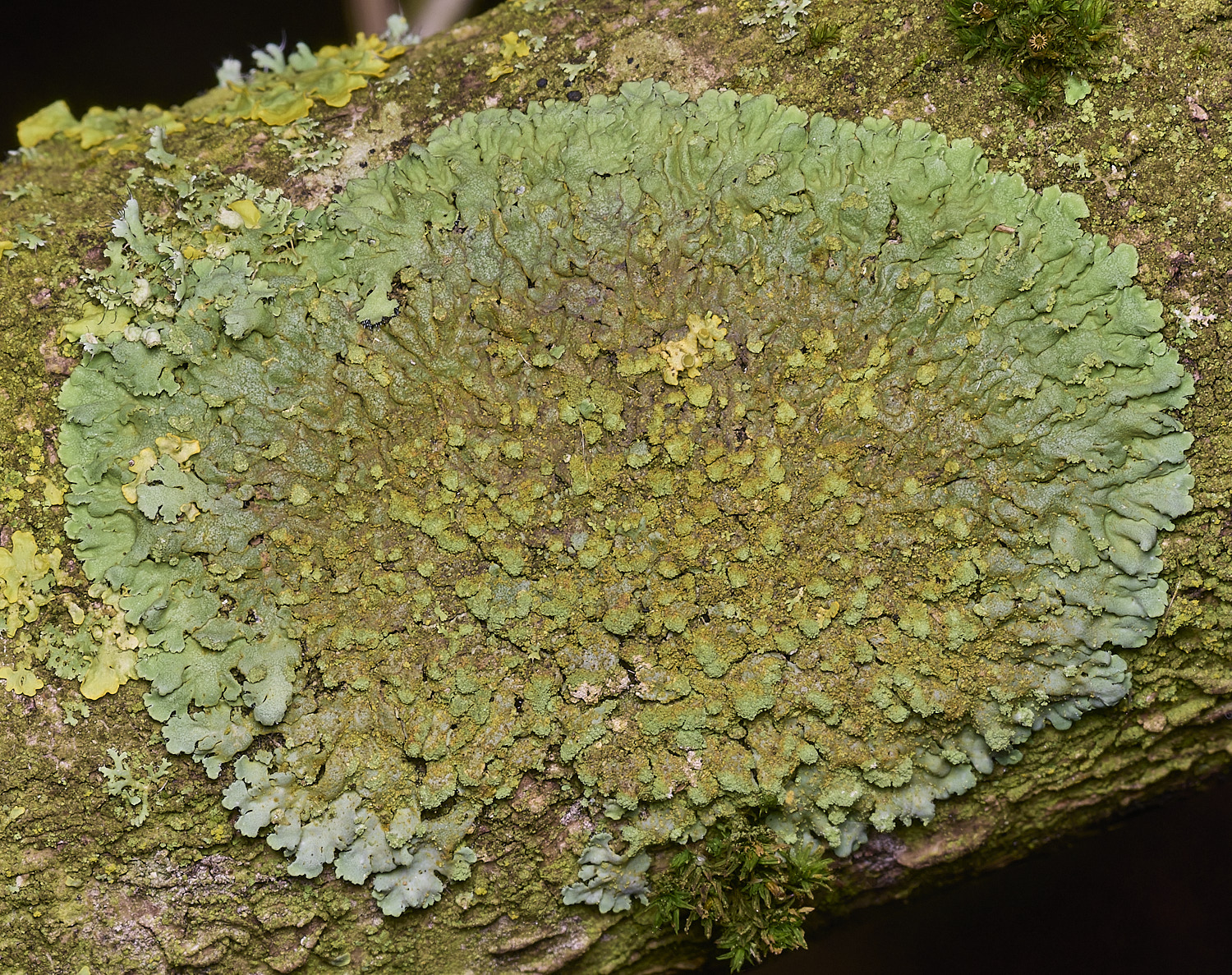
Phaeophyscia orbicularis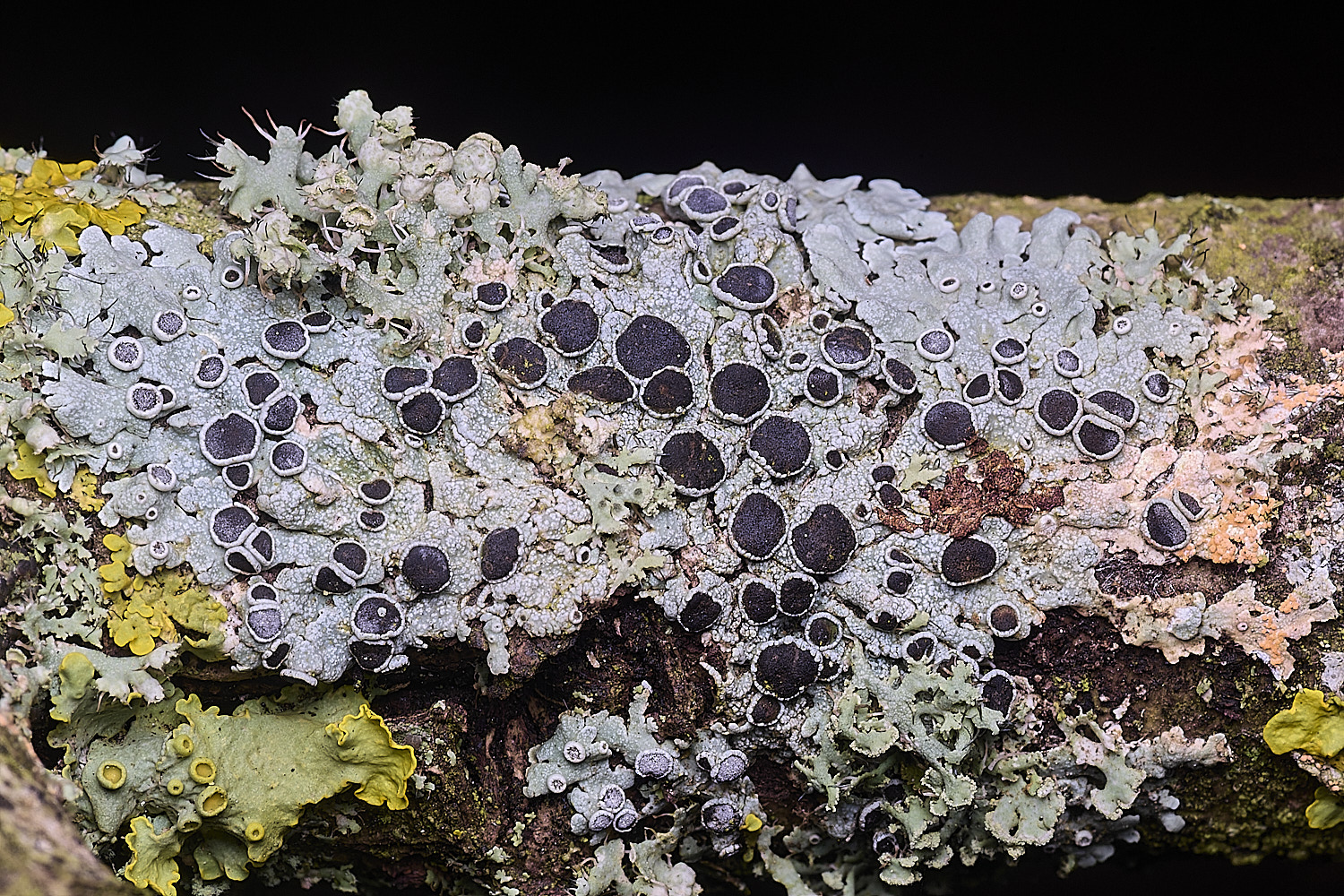
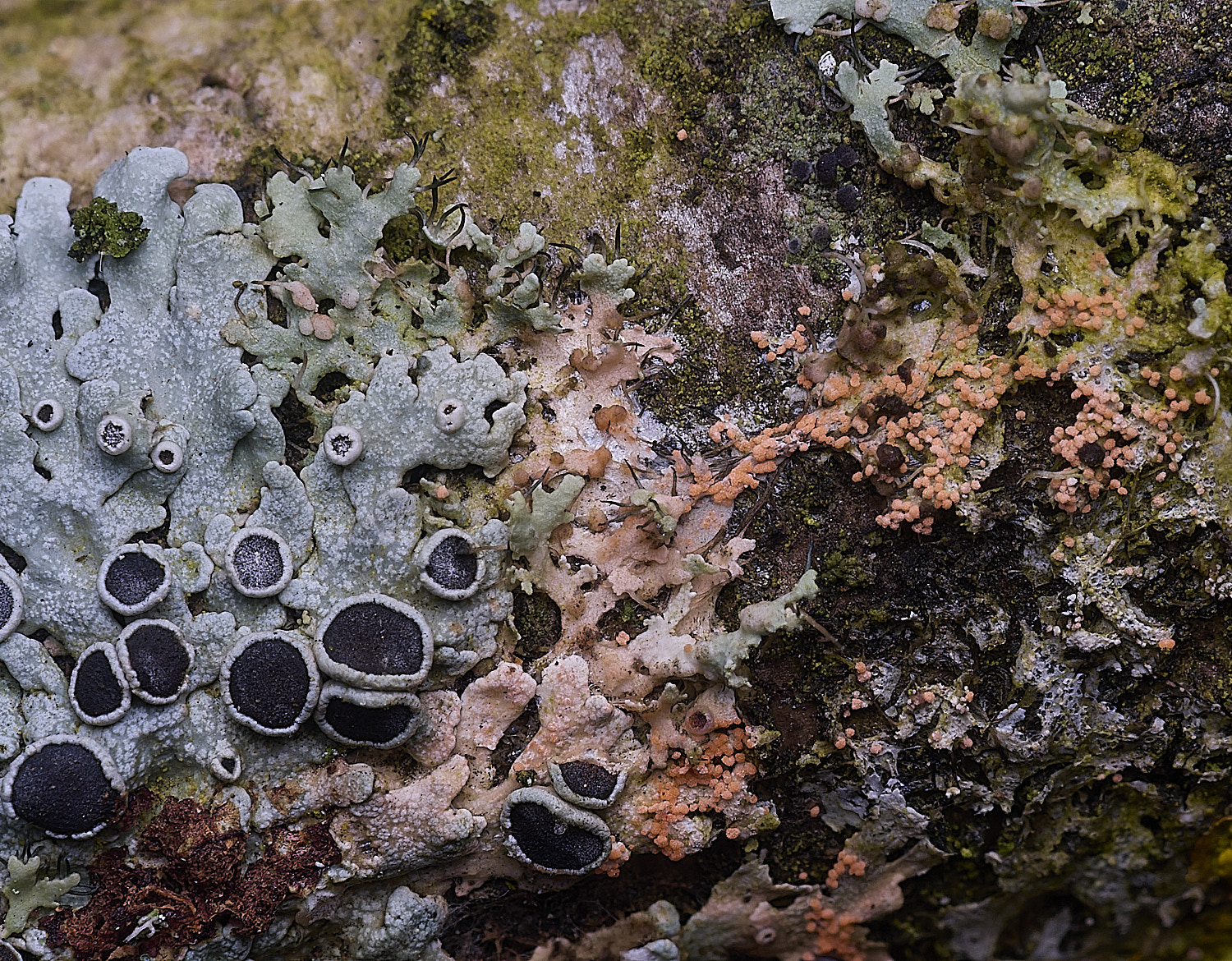
Physcia aipolia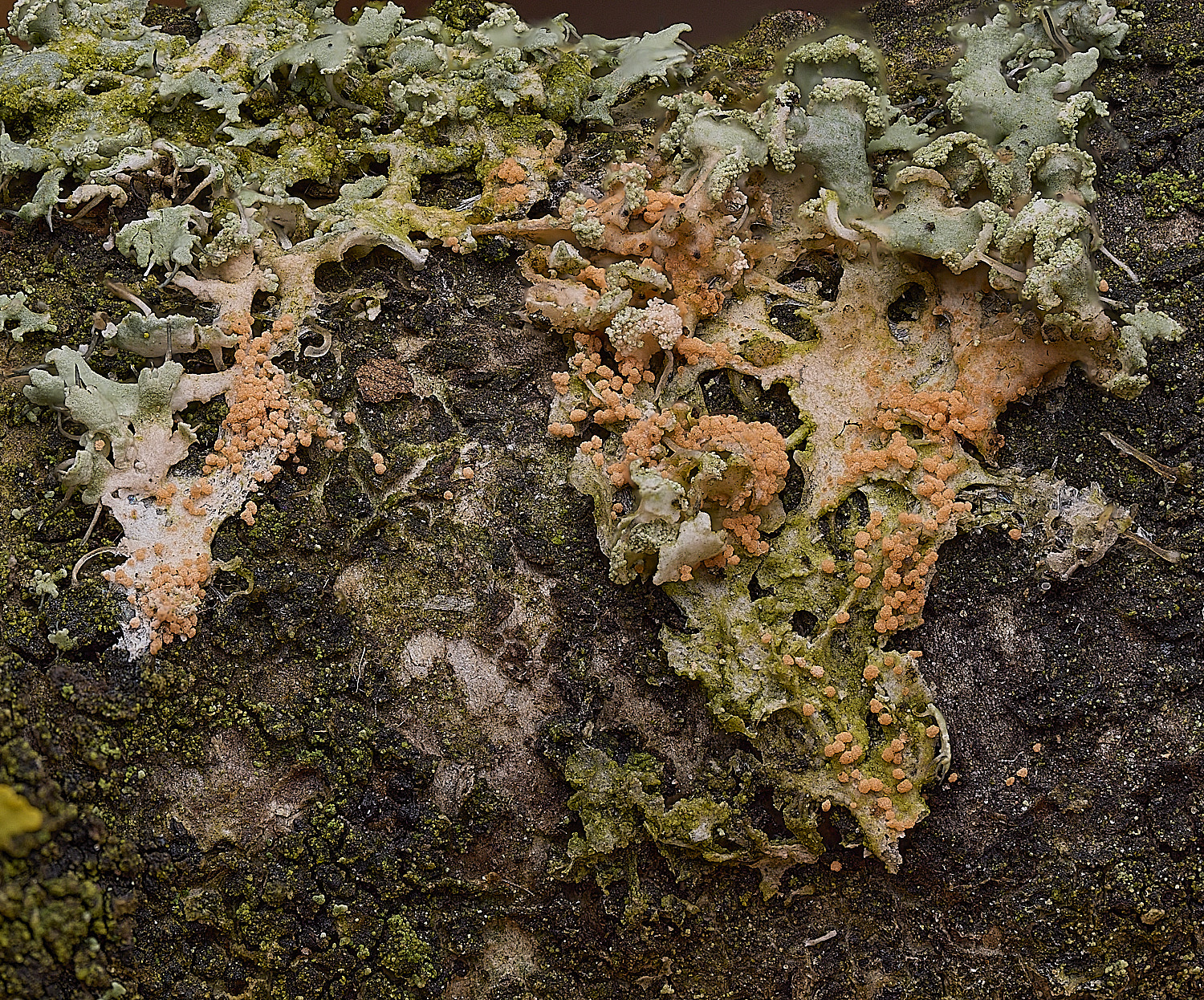
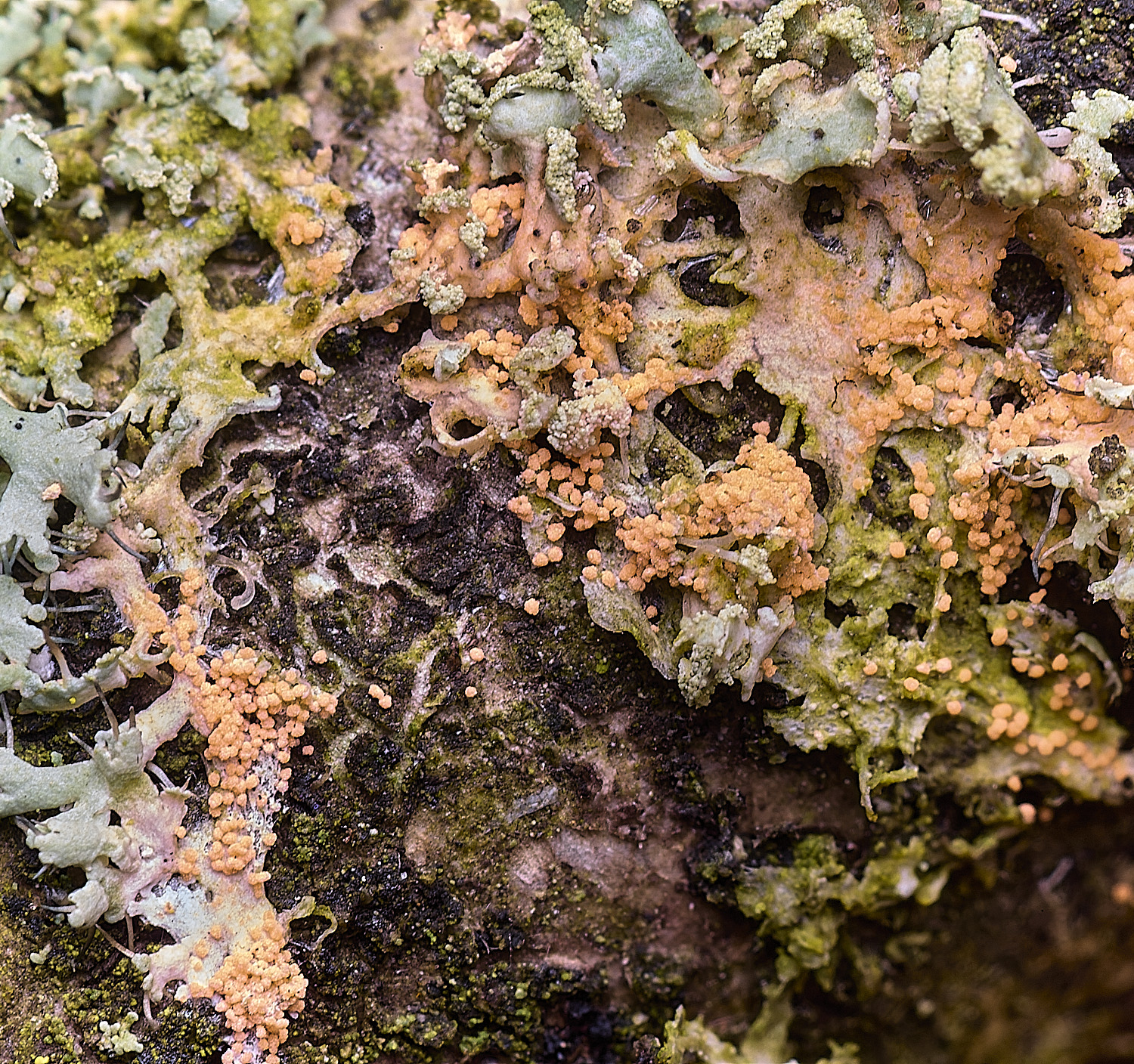
Erythricium auratiacum (Macrchandiomyces aurantiacus)
Small pale orange sclerota or bulbils
on Physcia adscendens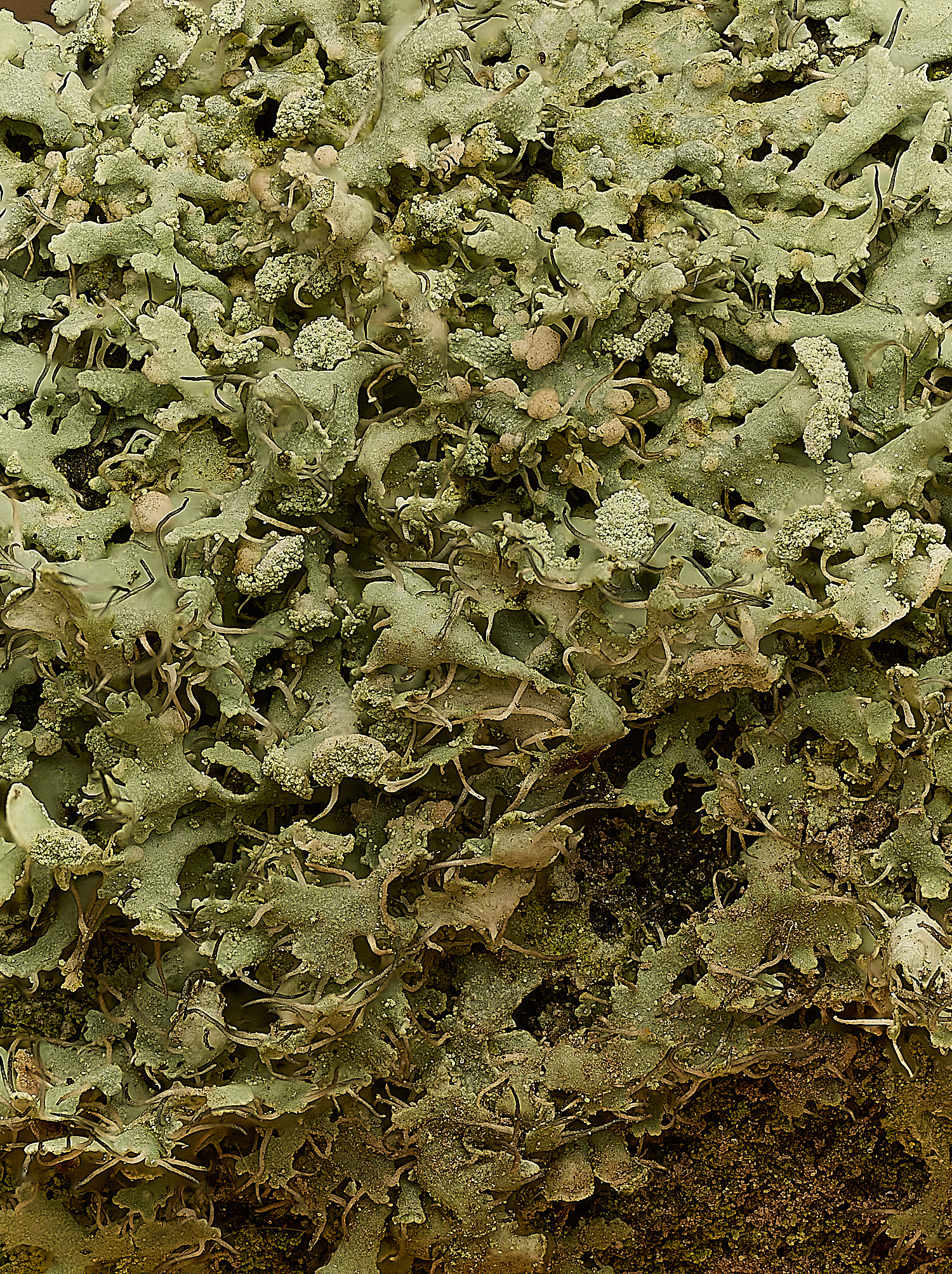
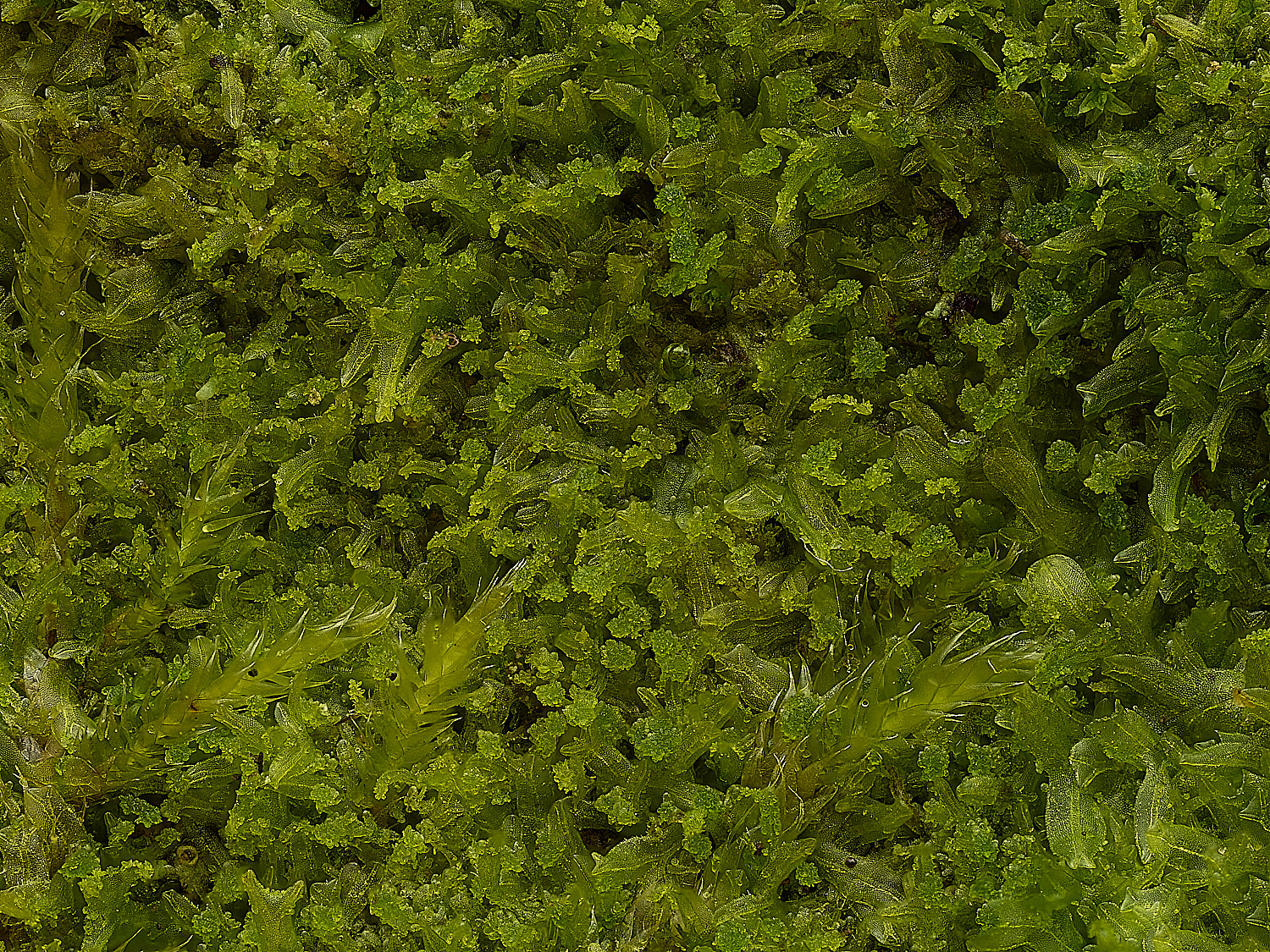
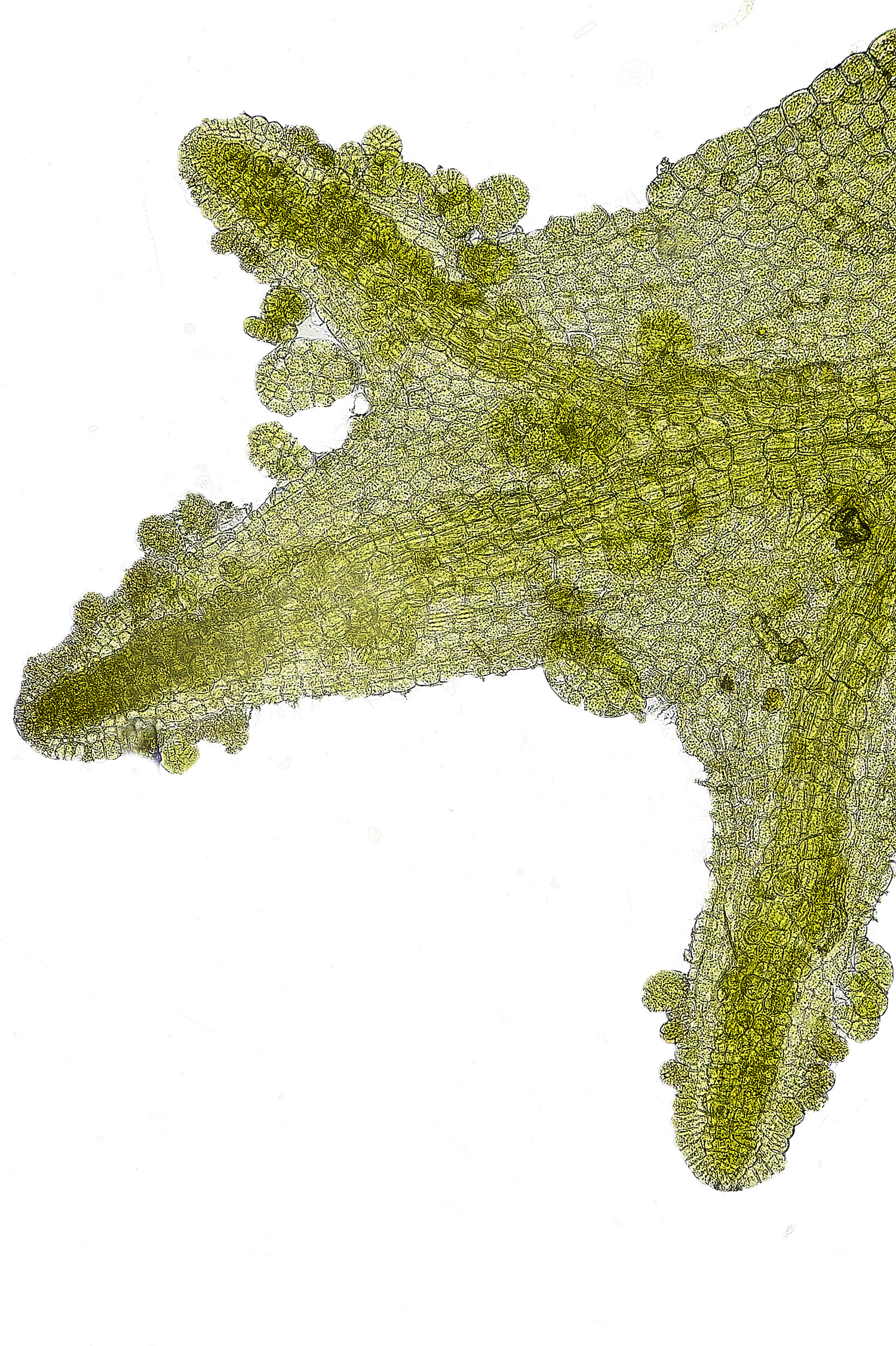
Bluish Veilwort (Metzgeria violacea)
Blickling
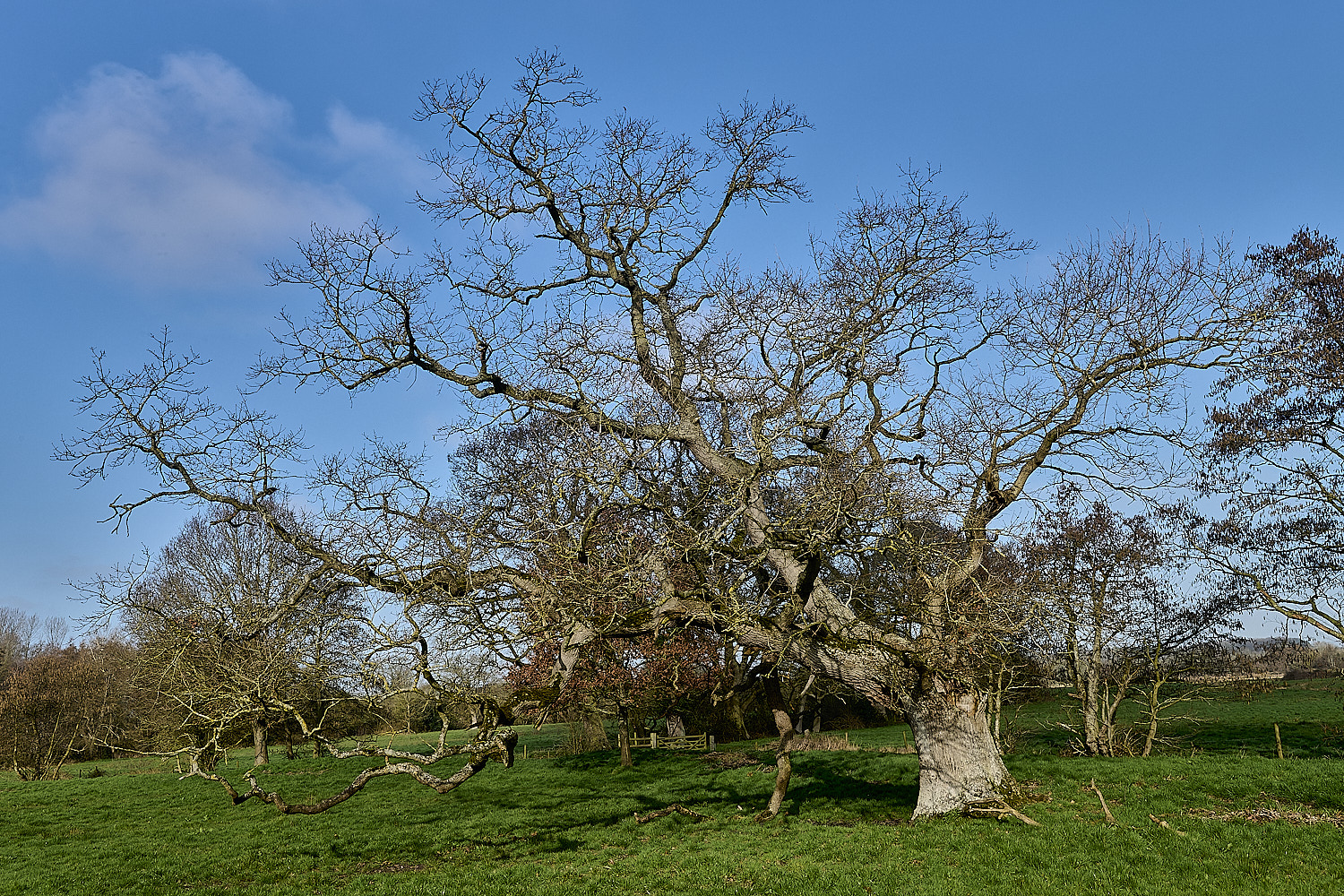
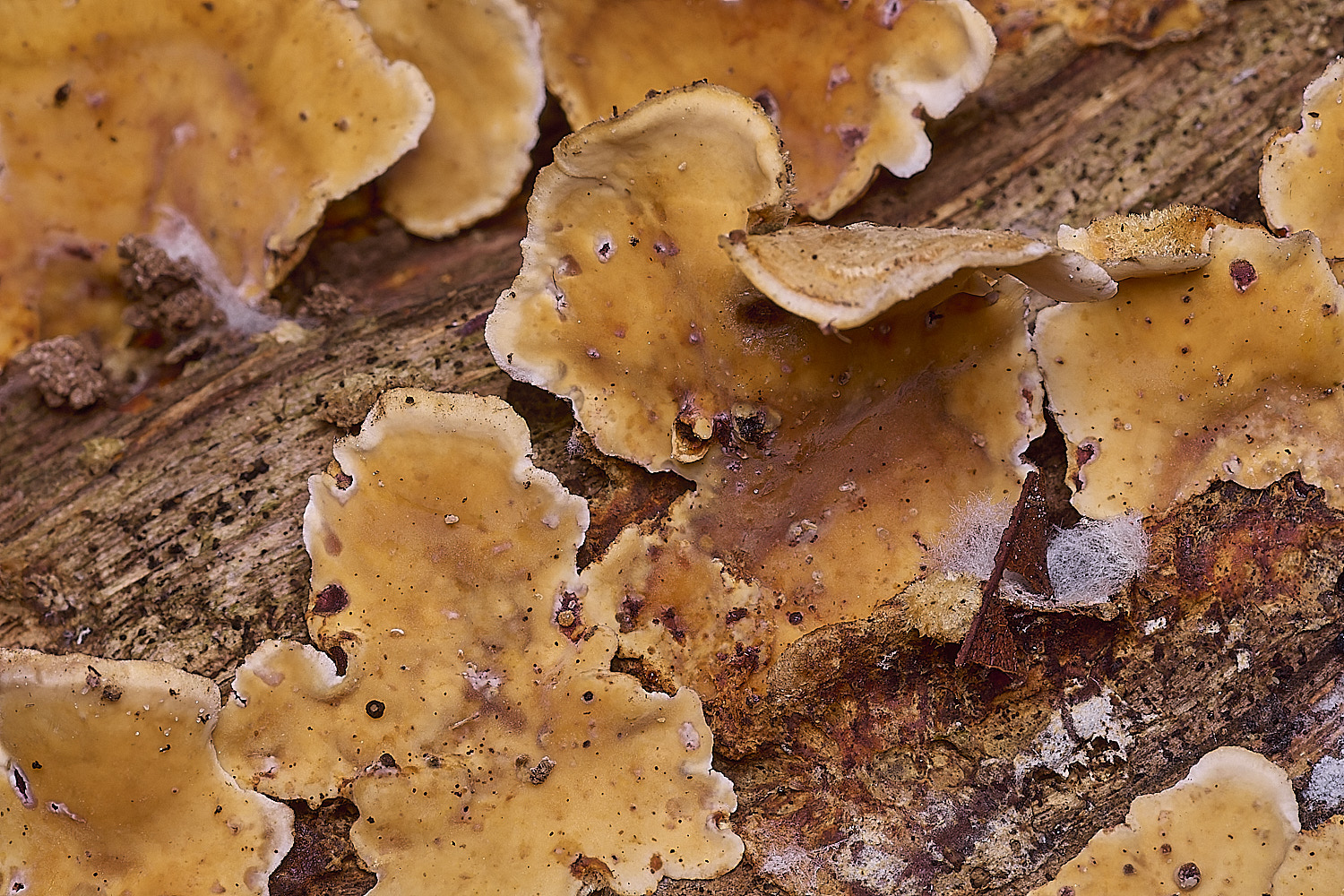
Hairy Curtain Crust (Stereum hirsutum)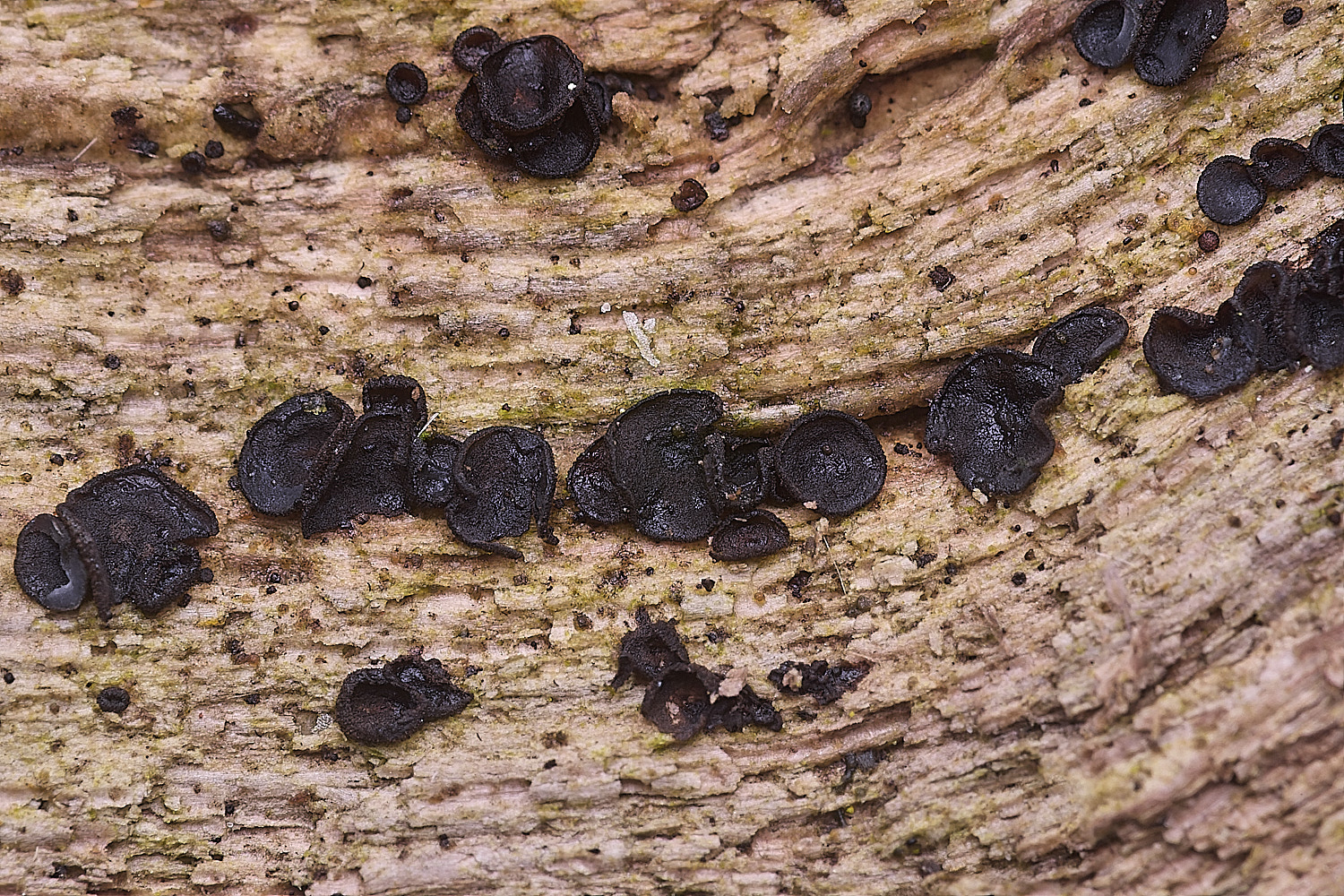
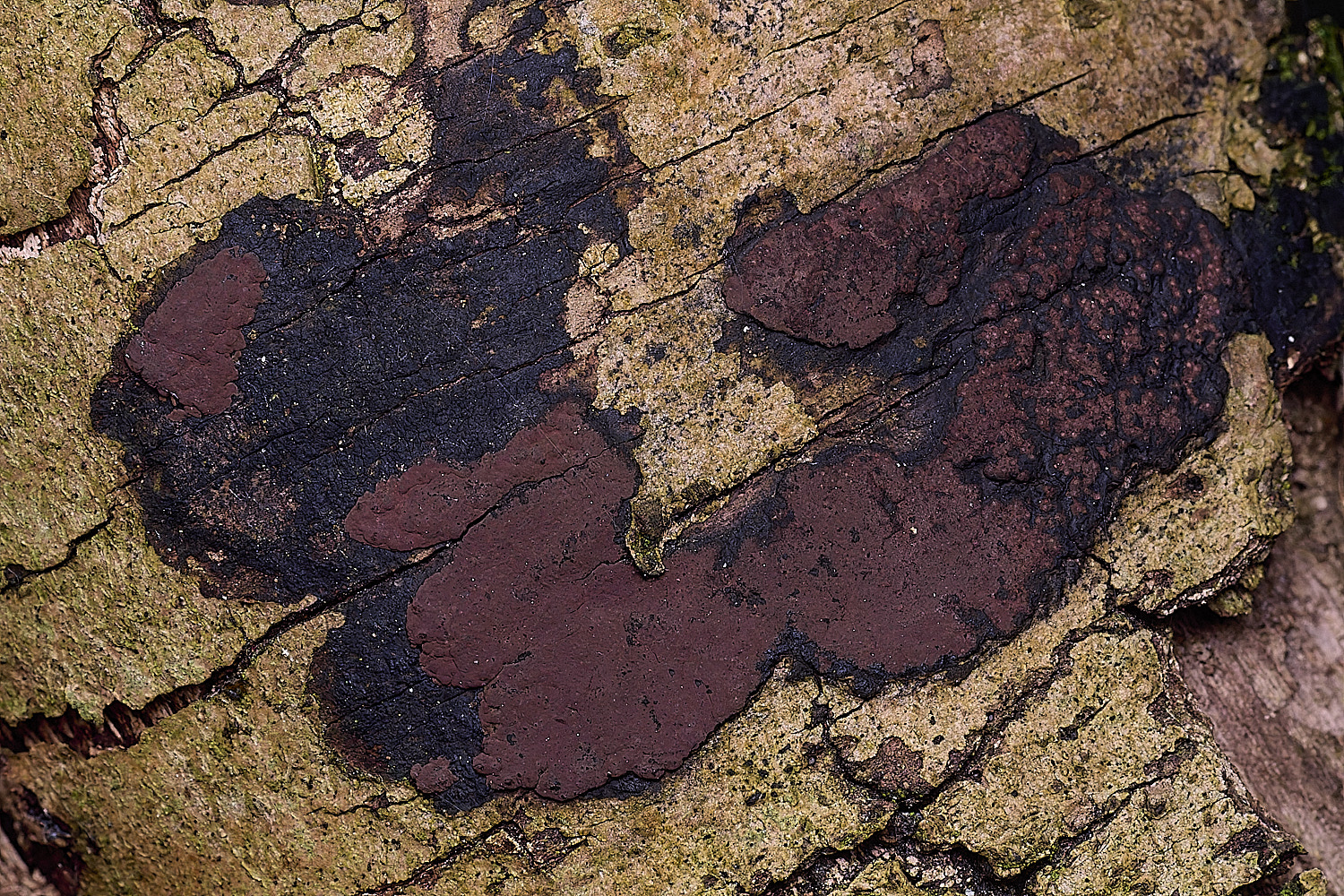
Mollisia ligni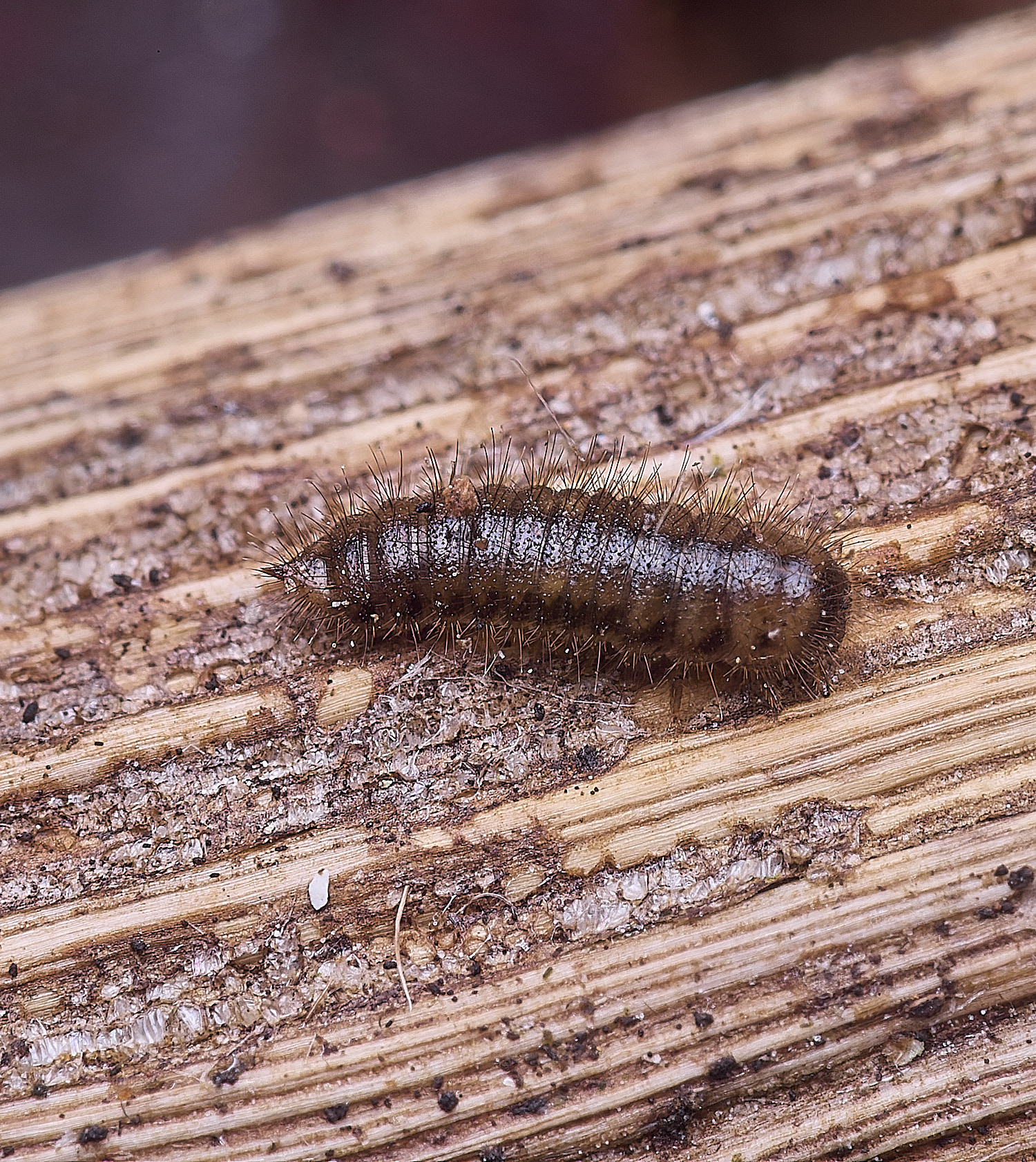
?
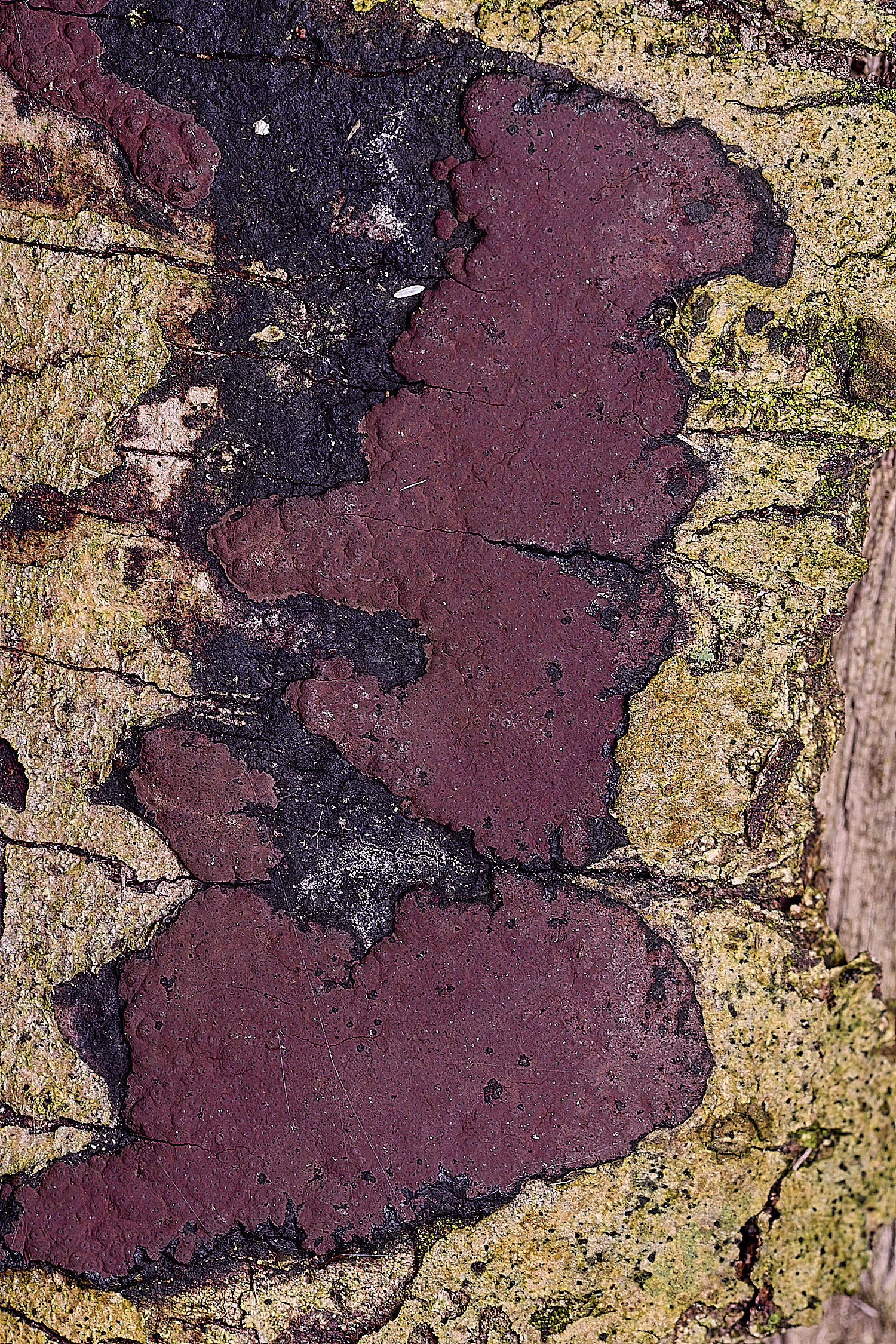
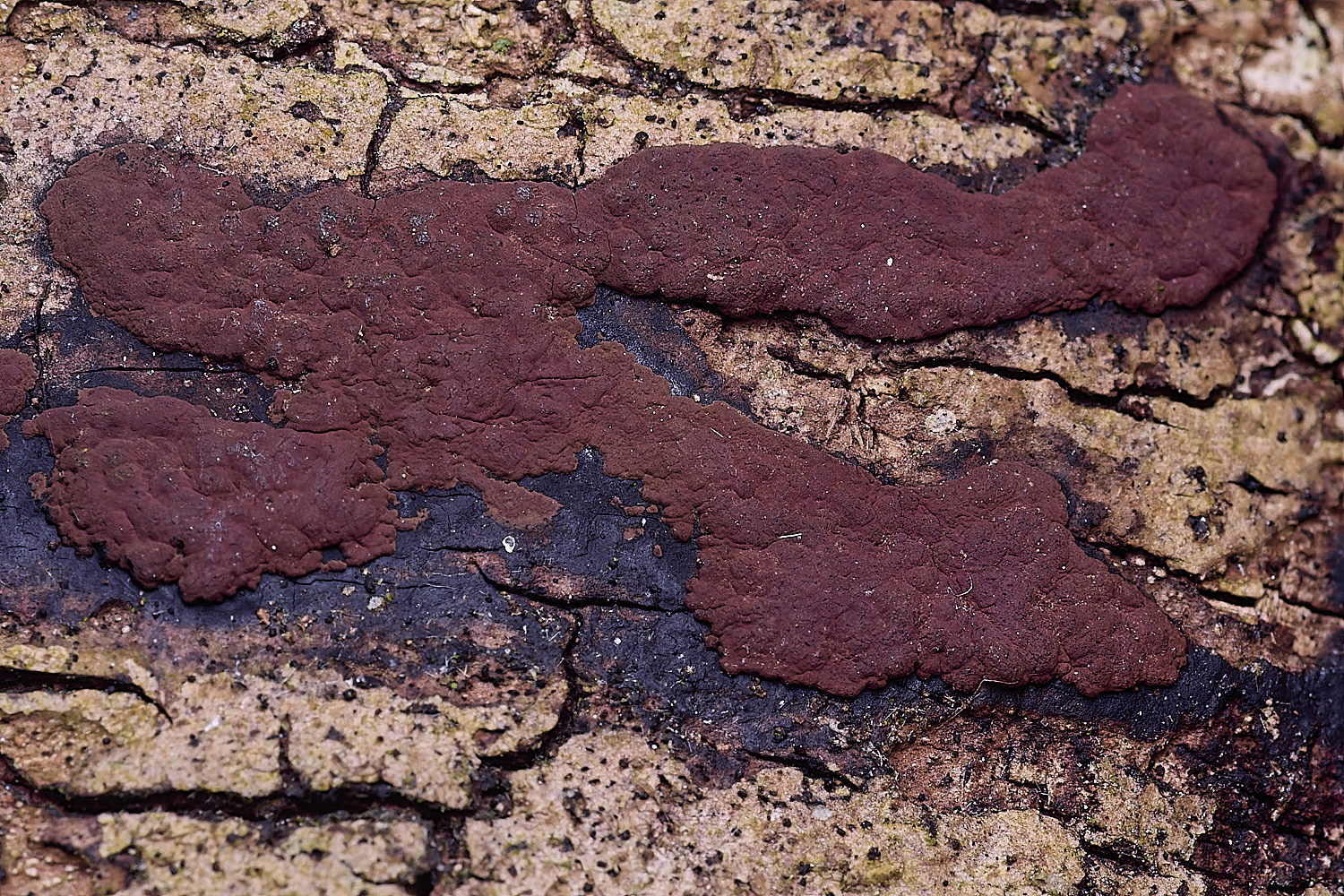
Common Tar Crust (Diatrype stigma)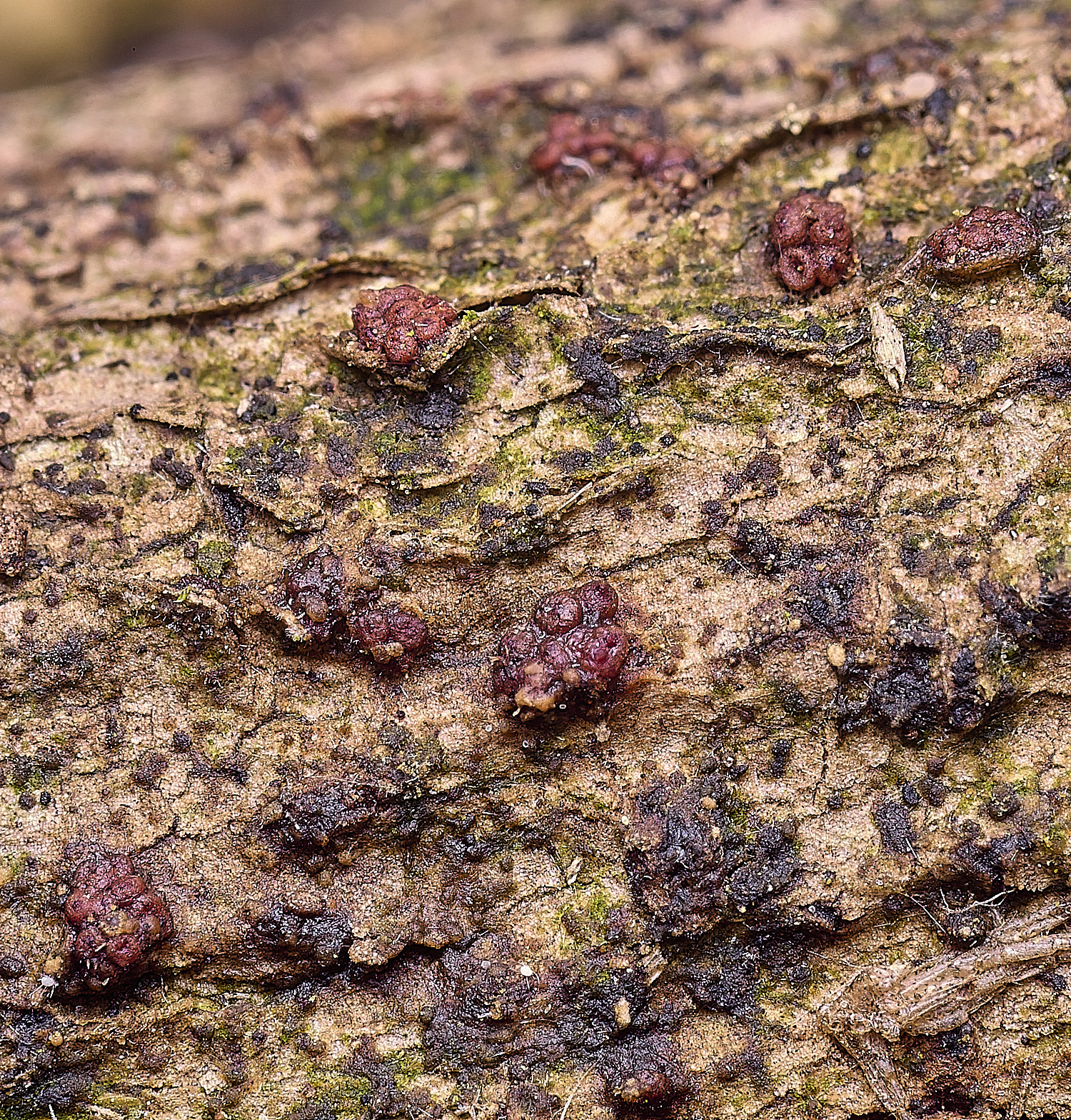
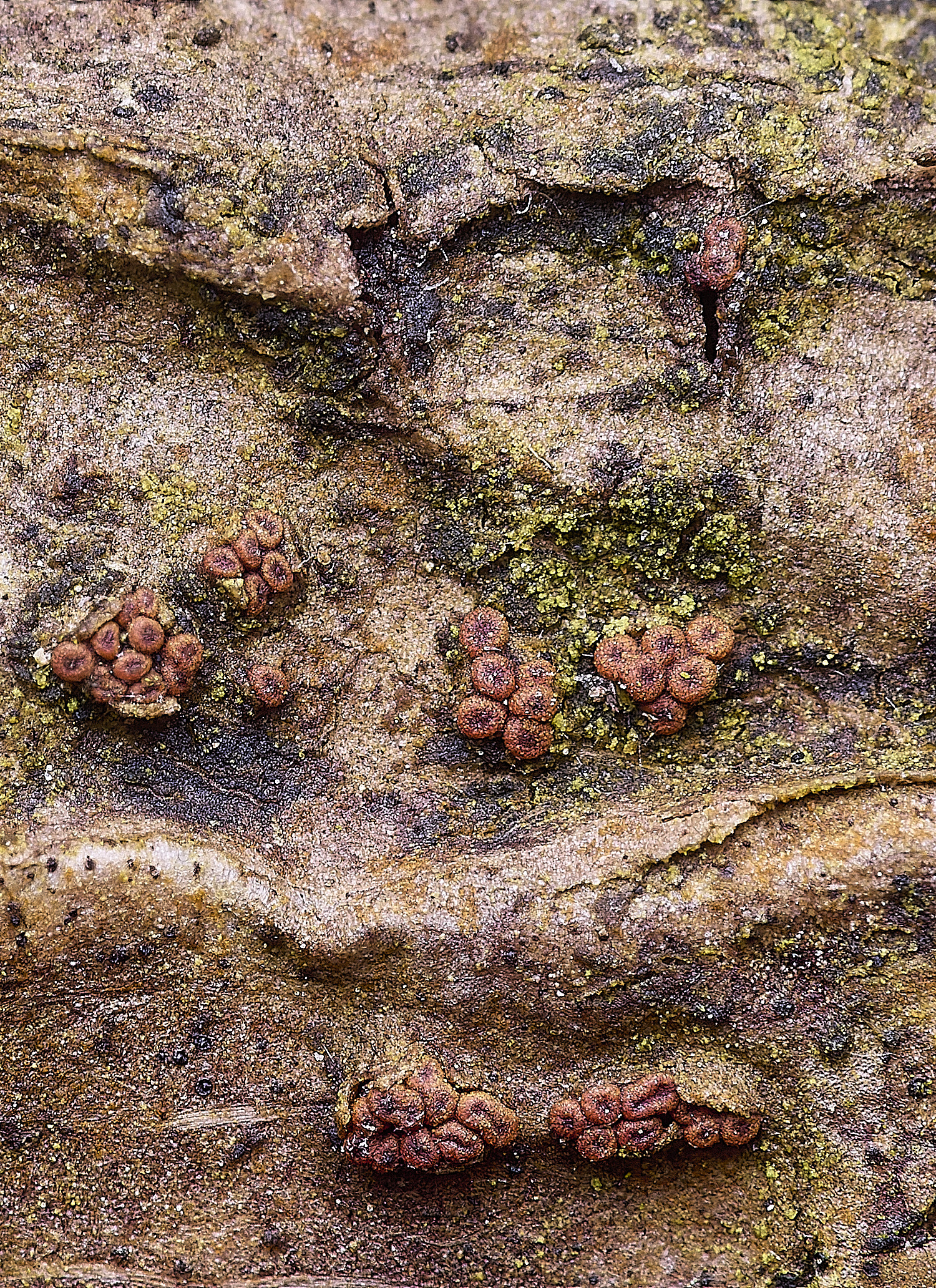
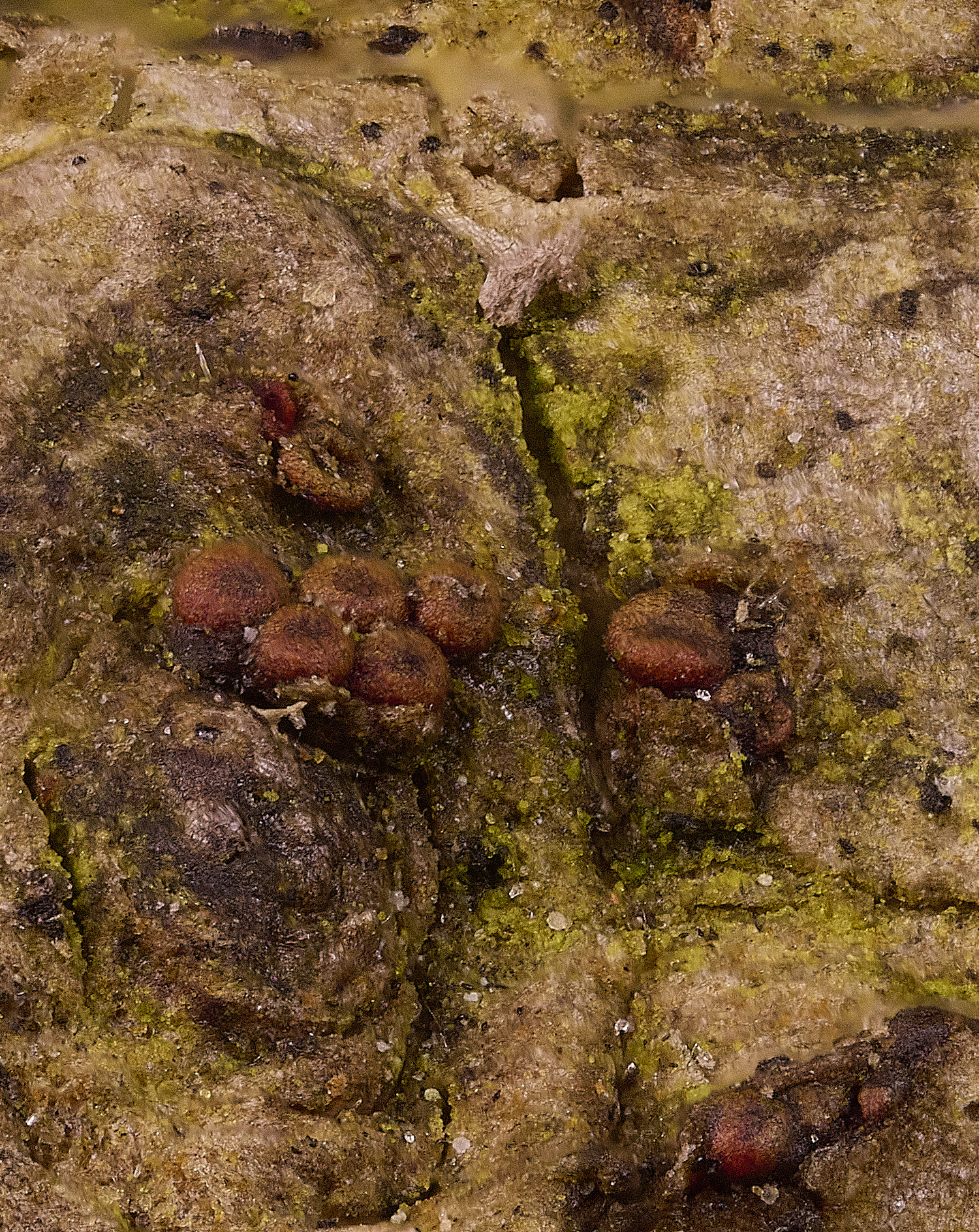
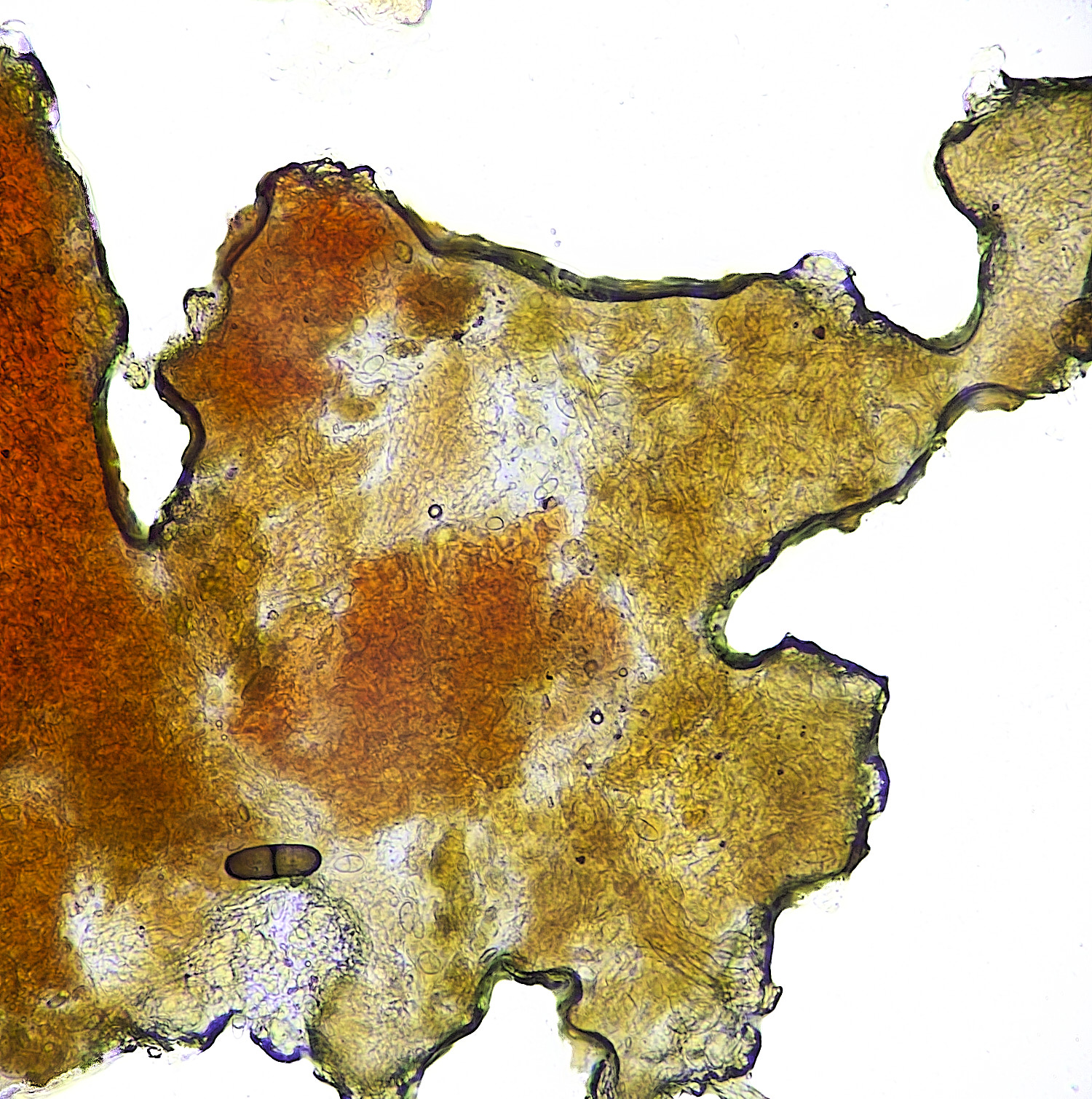
X400
Spore 29.88 µm x 9.96 µm
from AW
The Nectria found on Ivy close to the start was Thyronectria sinopic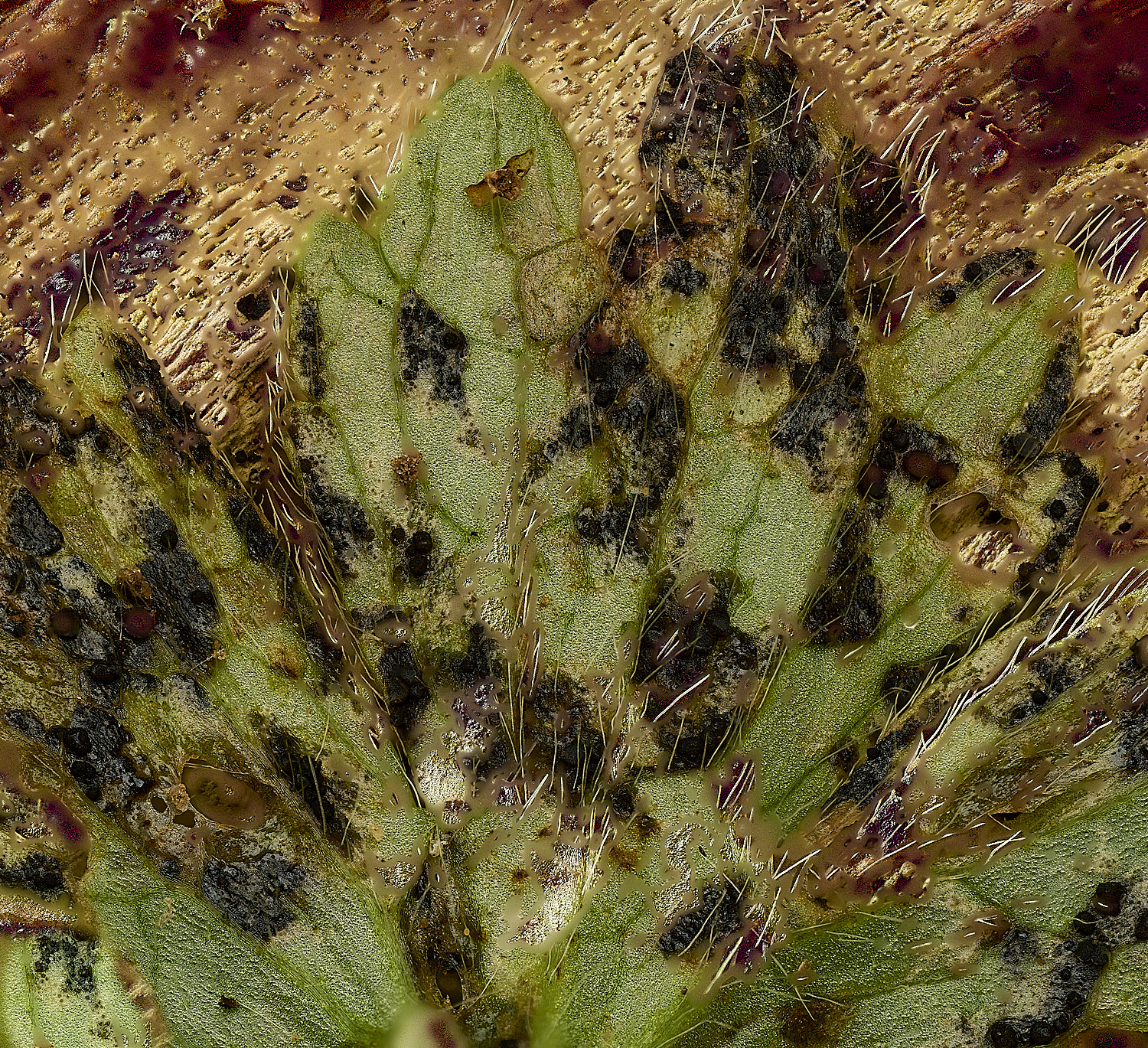
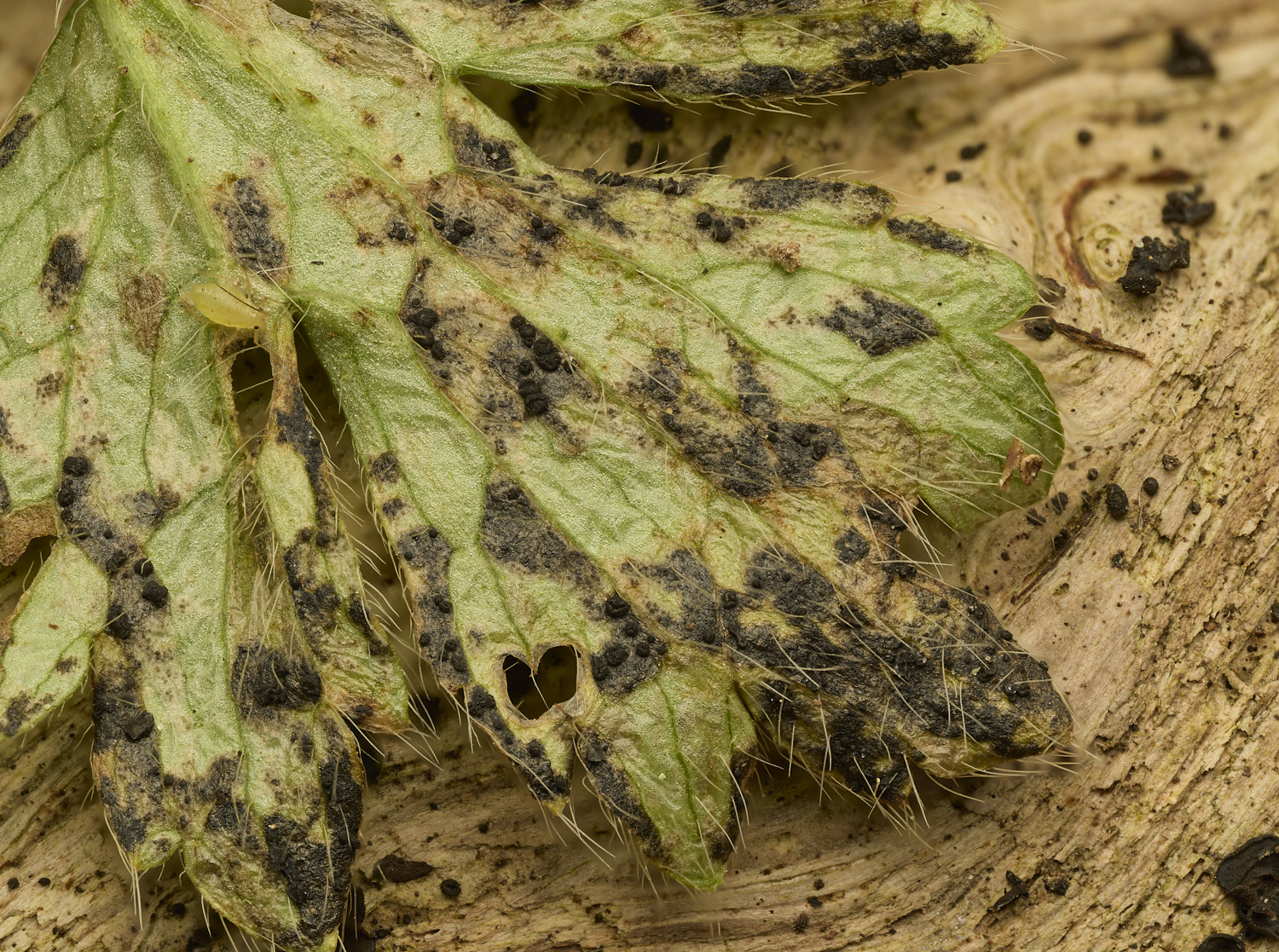
Leptotrochila ranunculi on Creeping Buttercup (Ranunculus repens)
Small black ascos on the leaf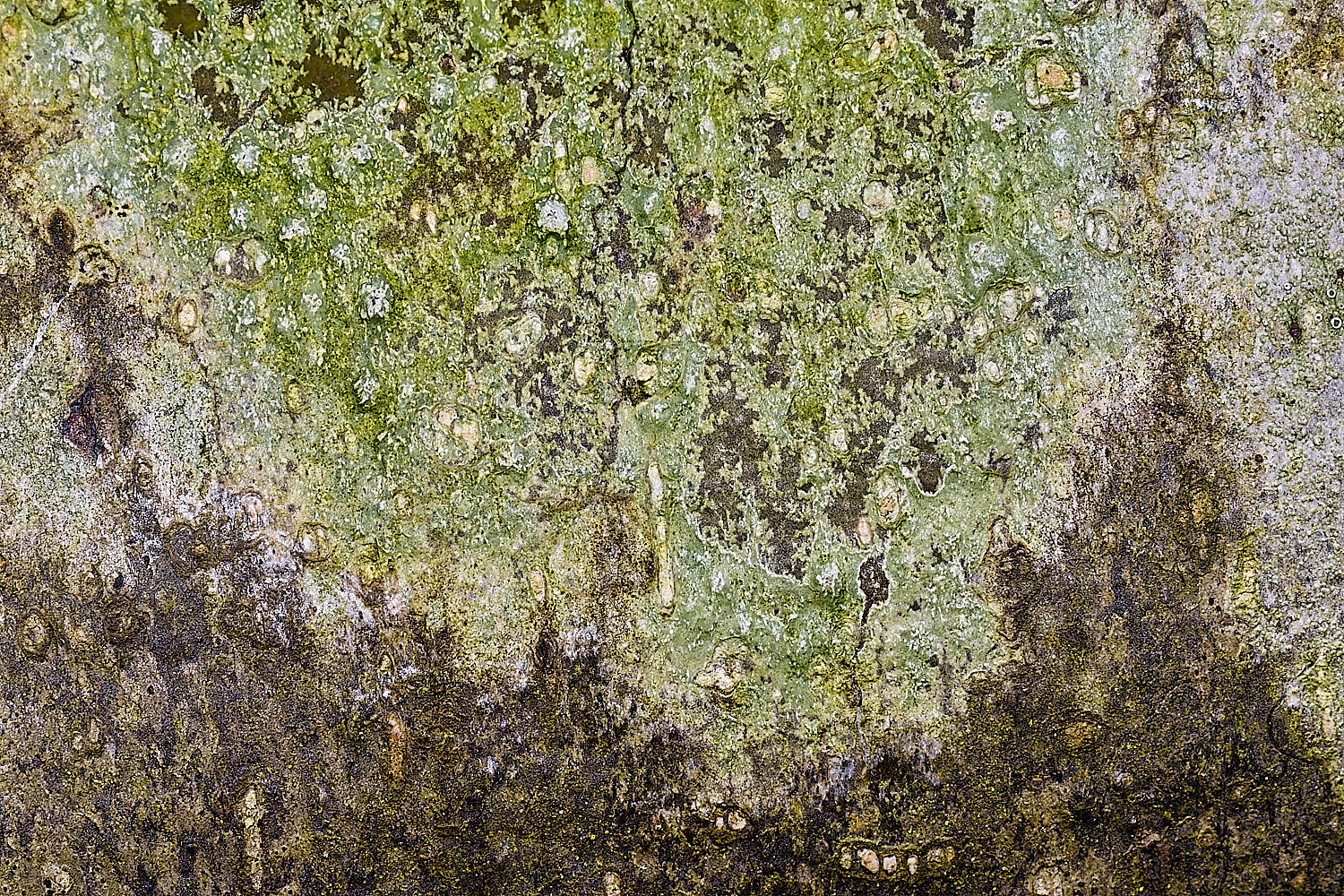
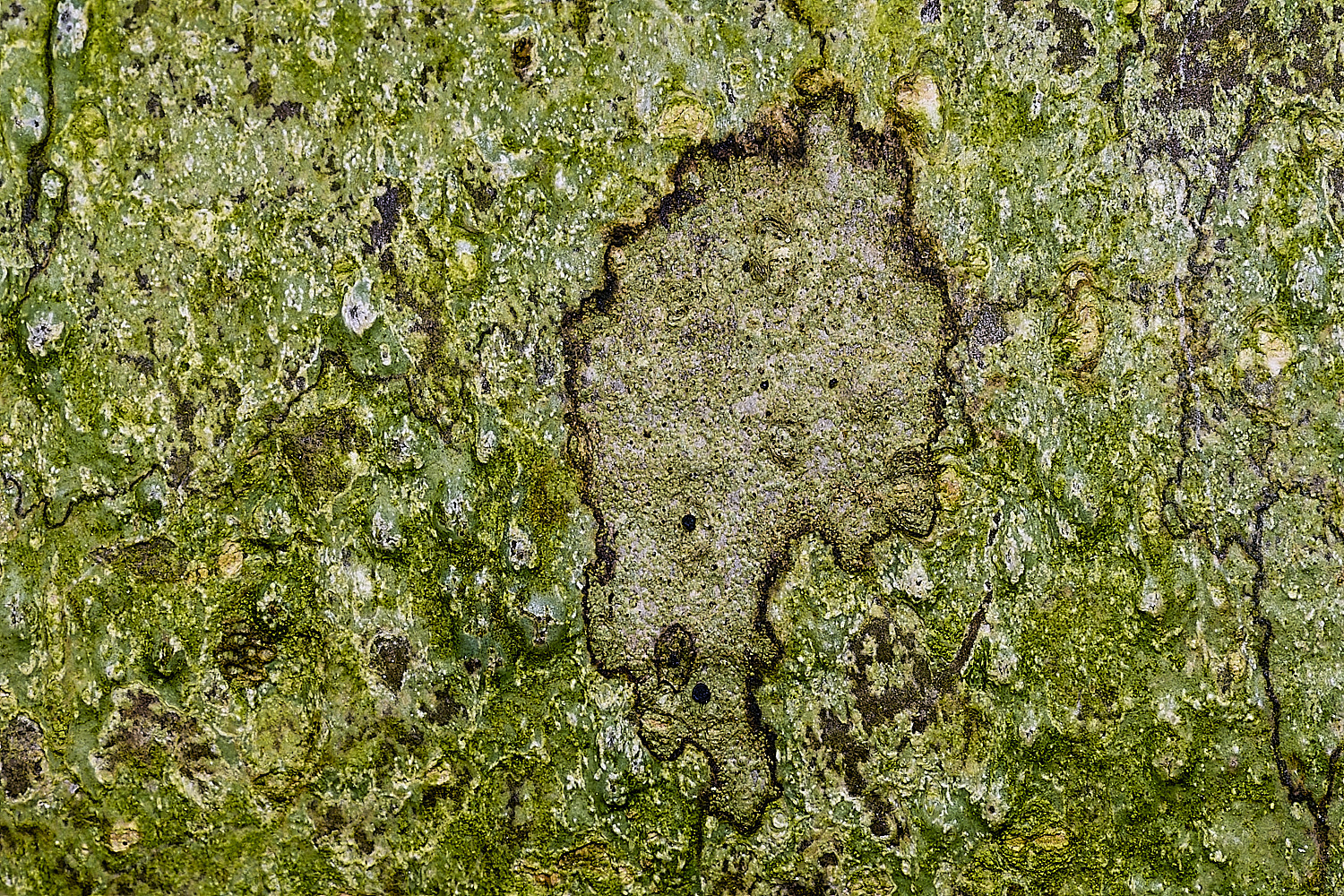
Lichen Sp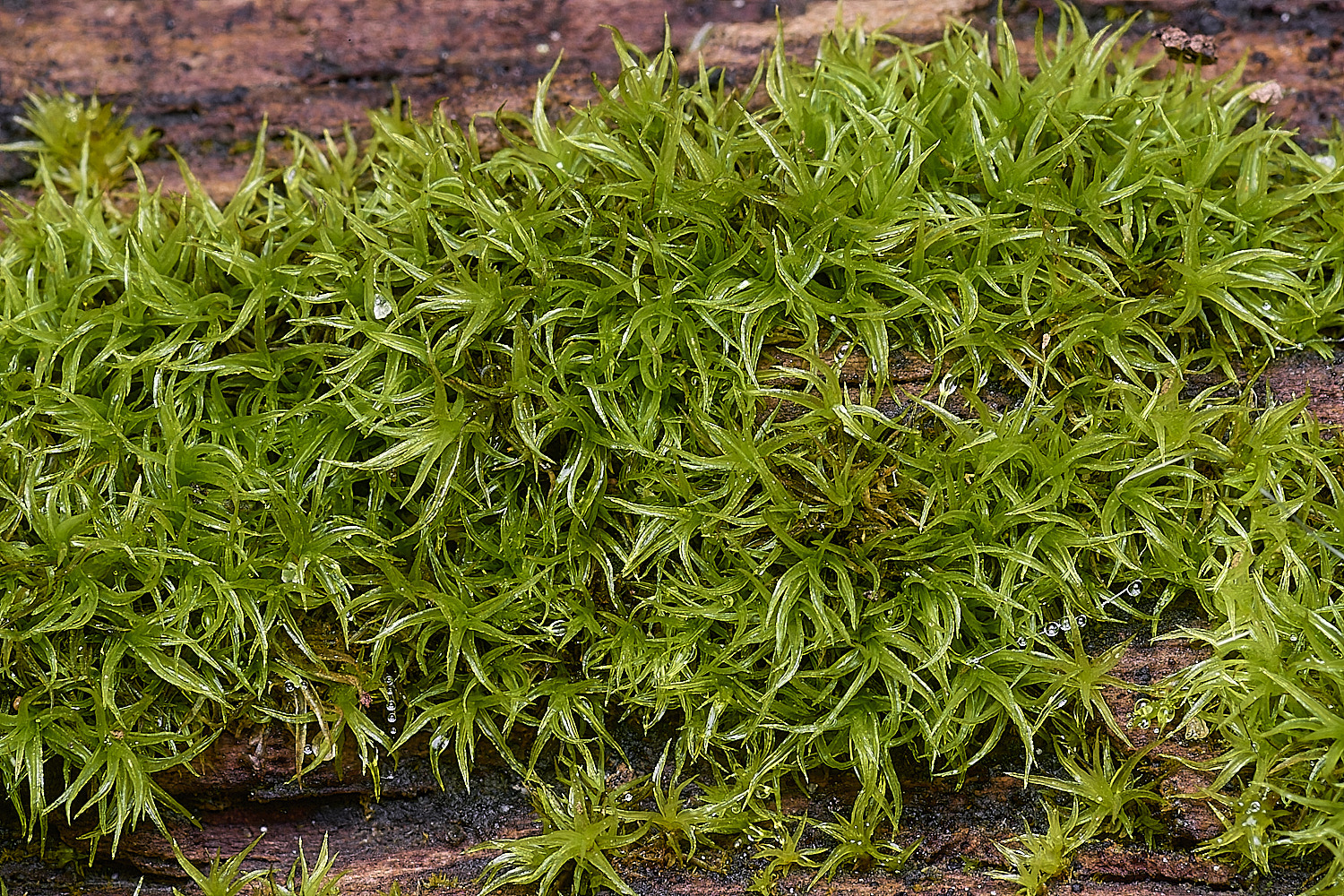
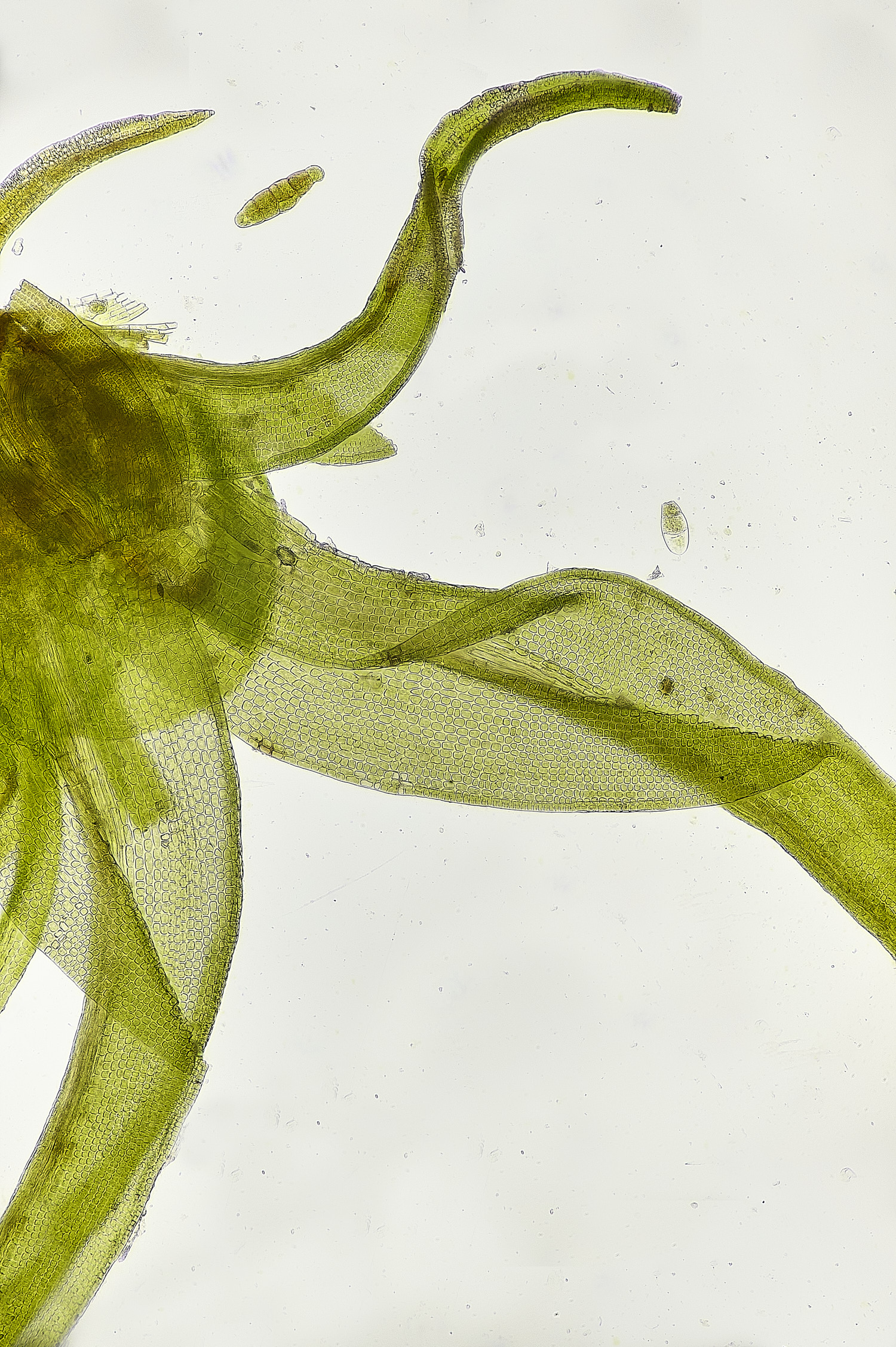
Unusually with leaf gemmae
Cylindric Beard-moss (Didymodon insulanus)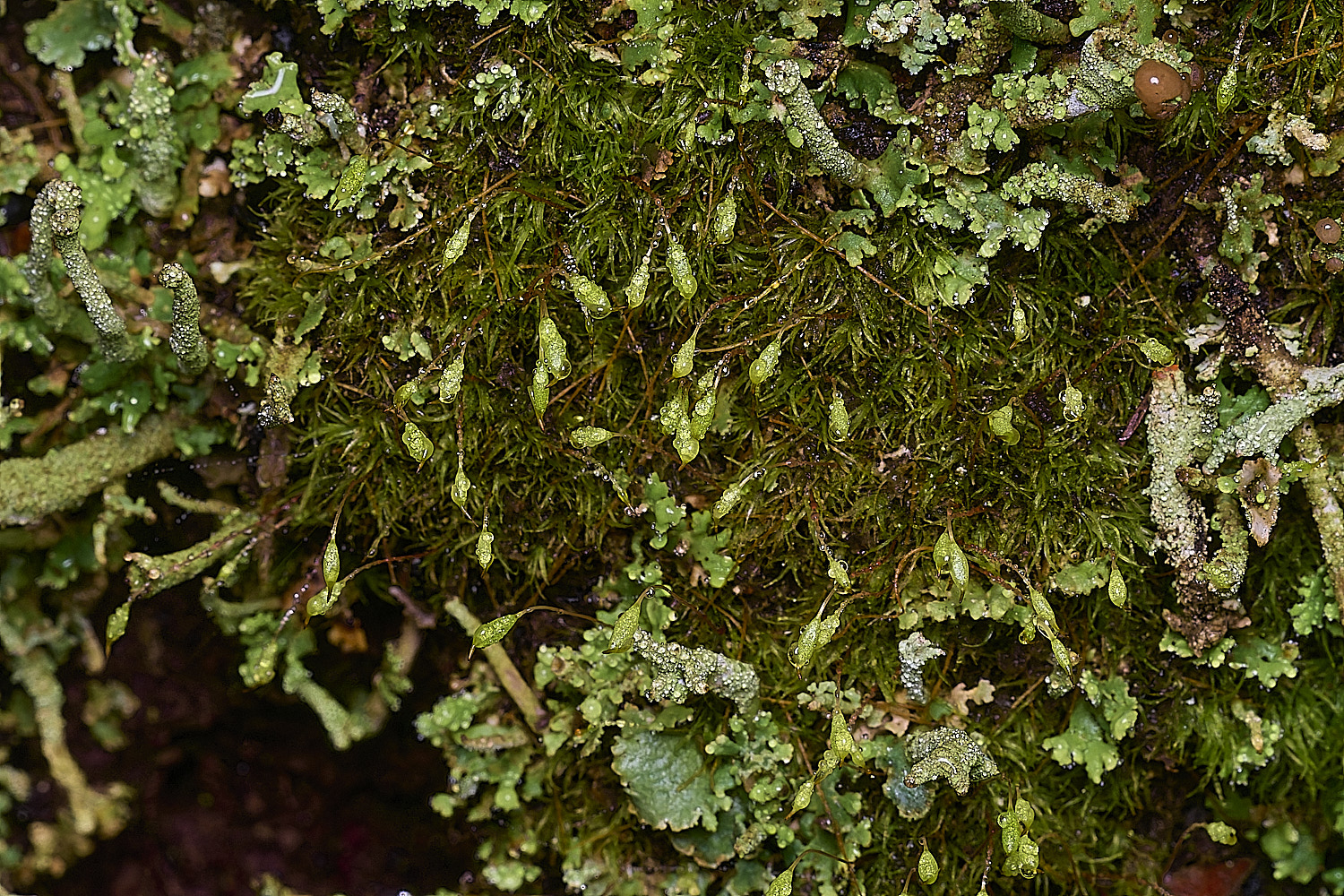
Cape thread-moss (Orthdontium lineare)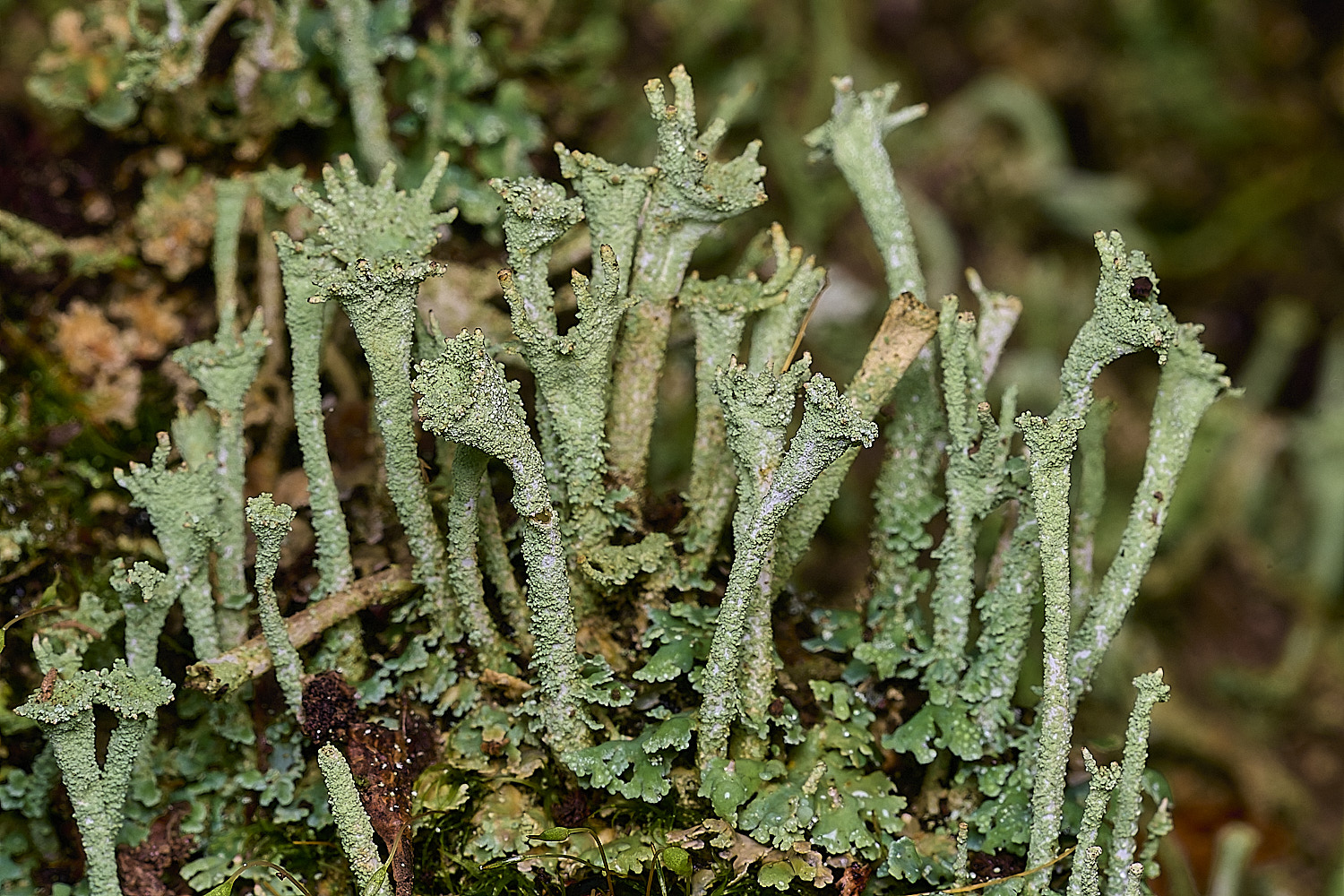
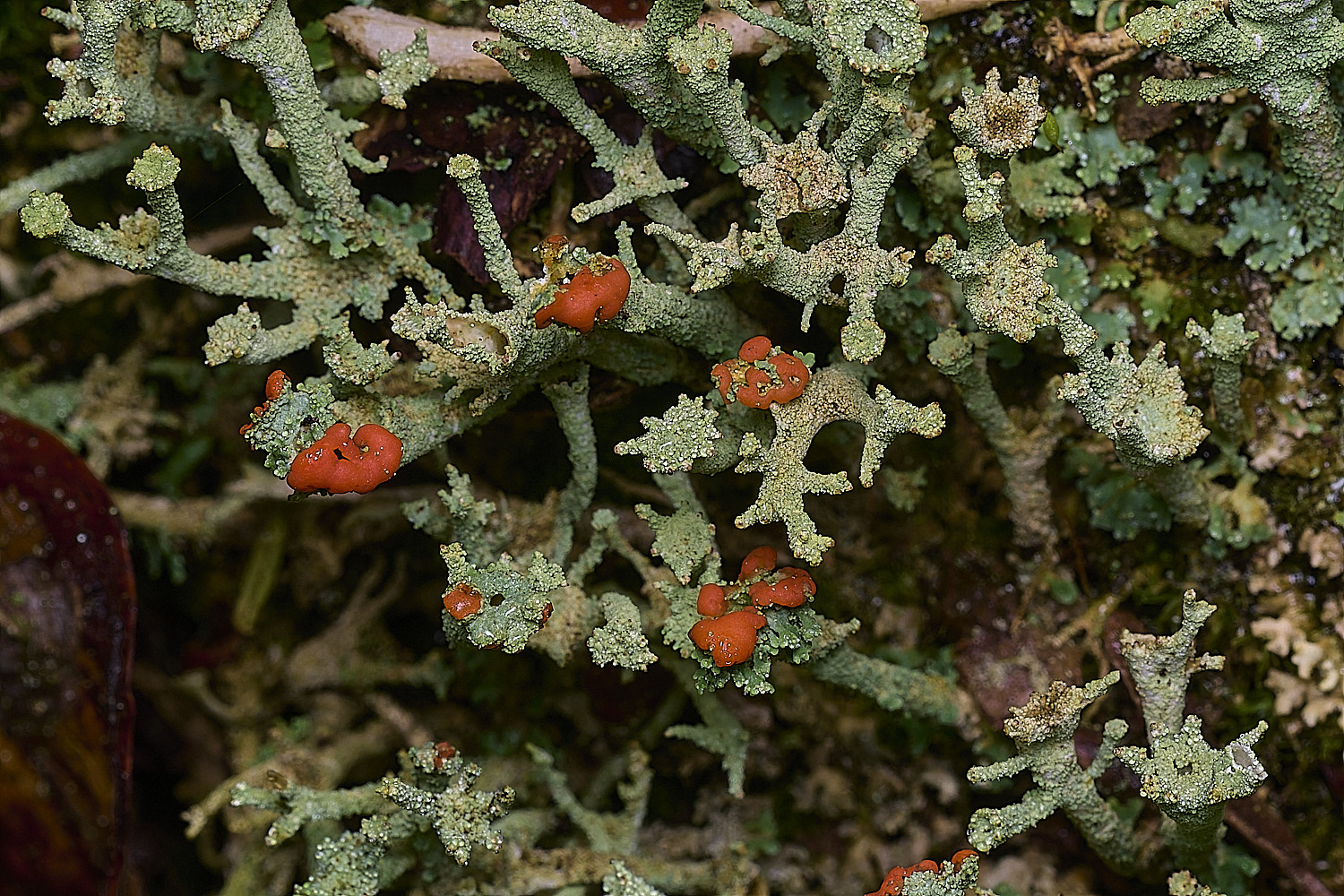
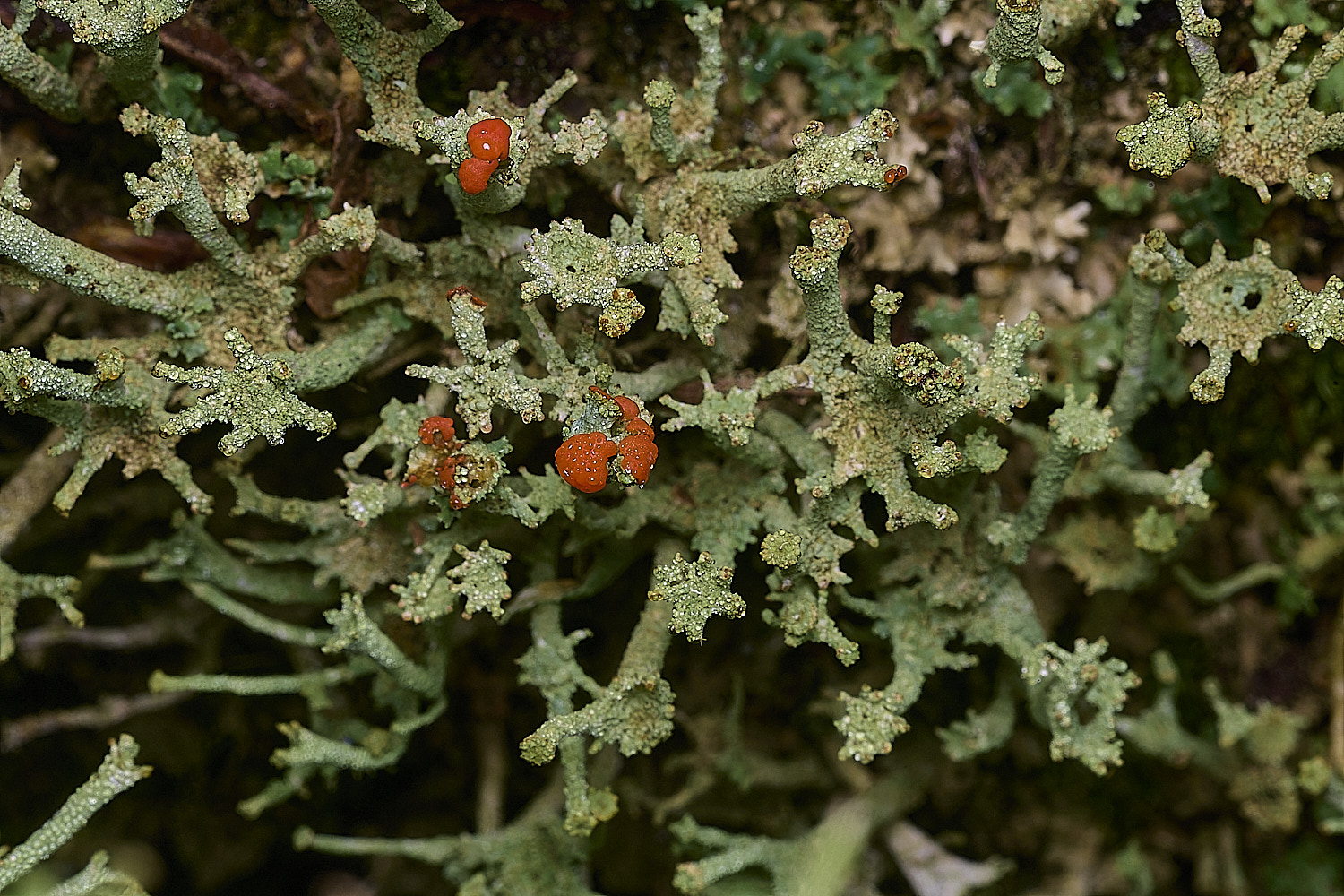
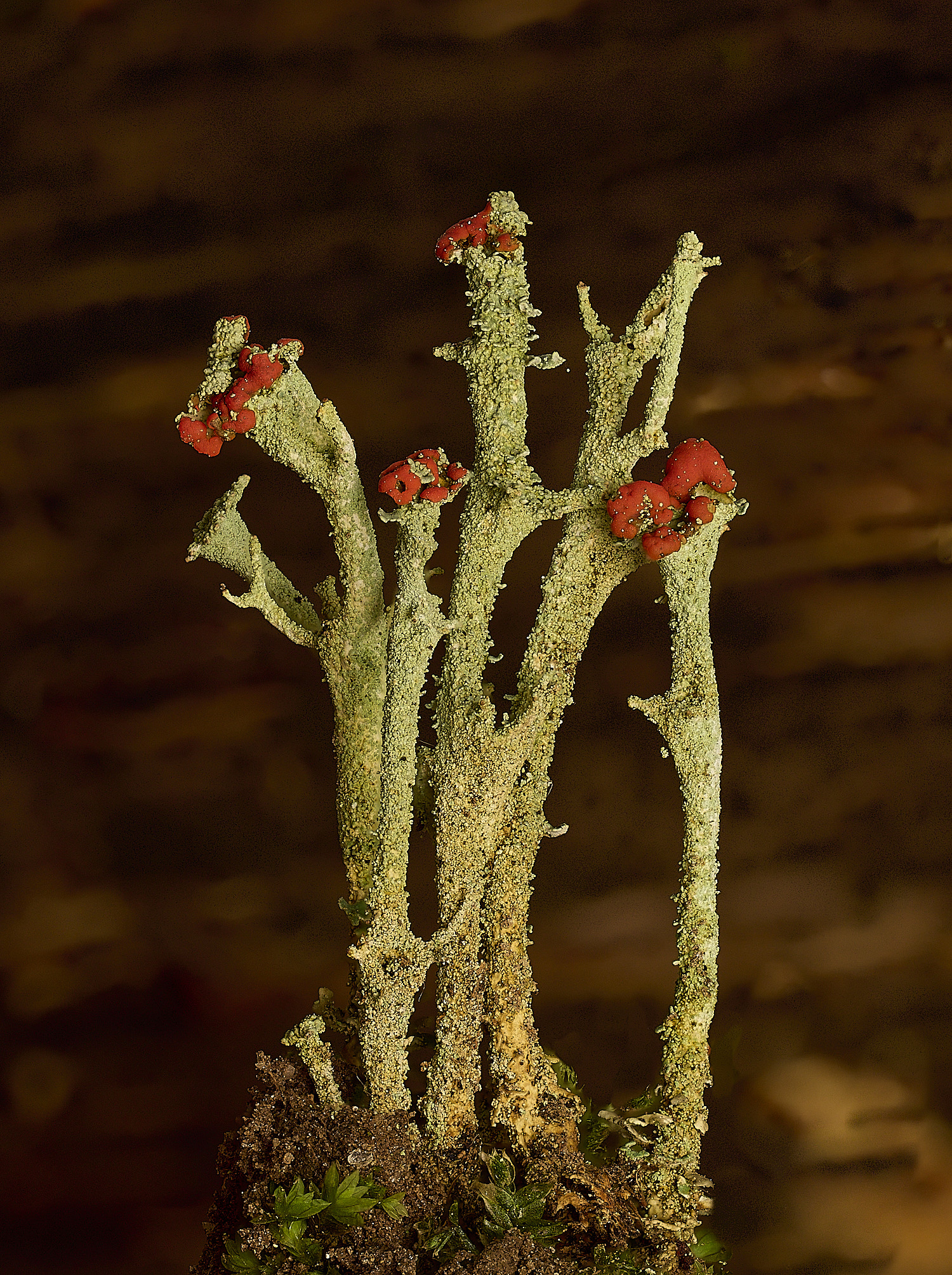
Cladonia Sp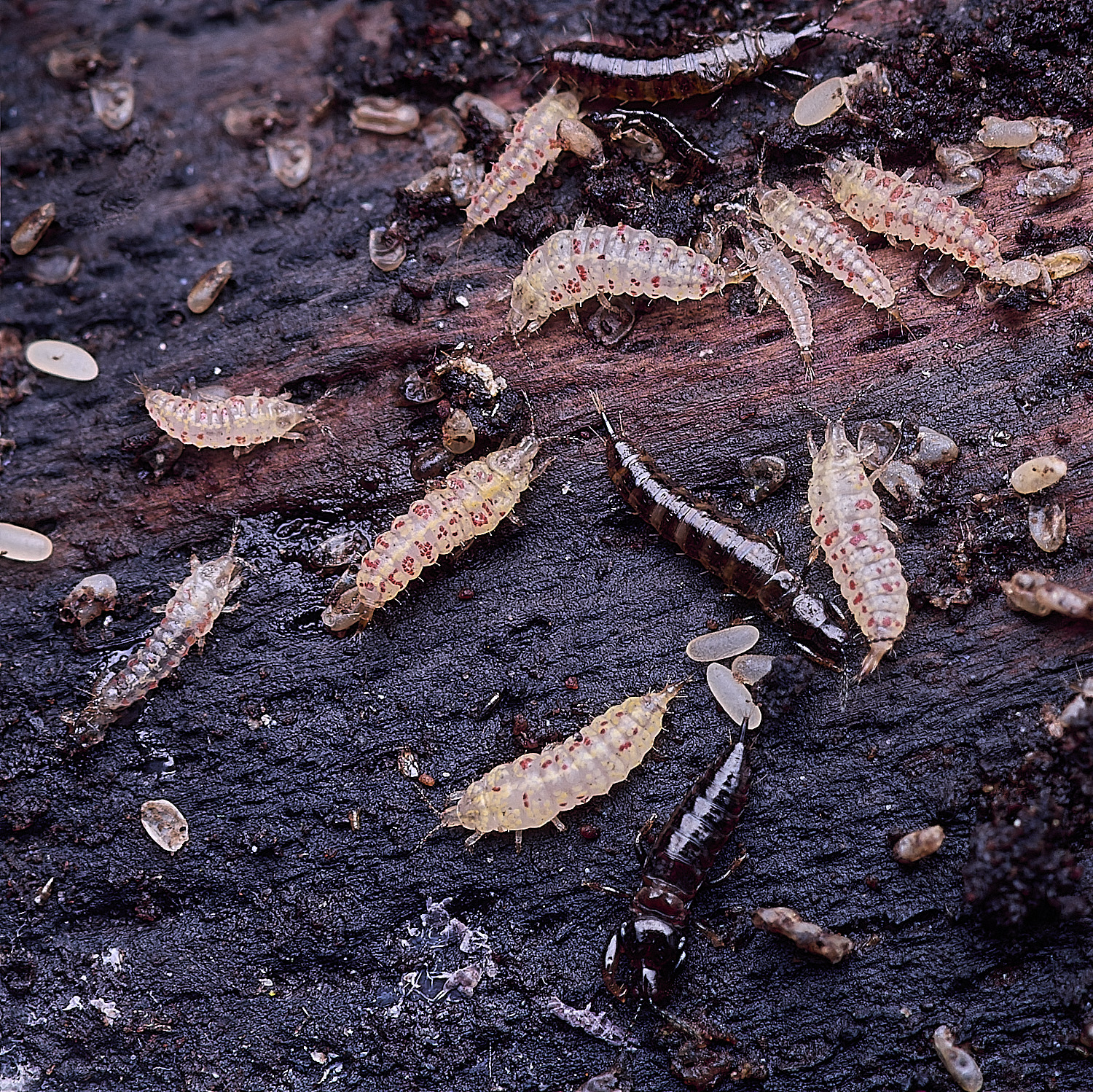
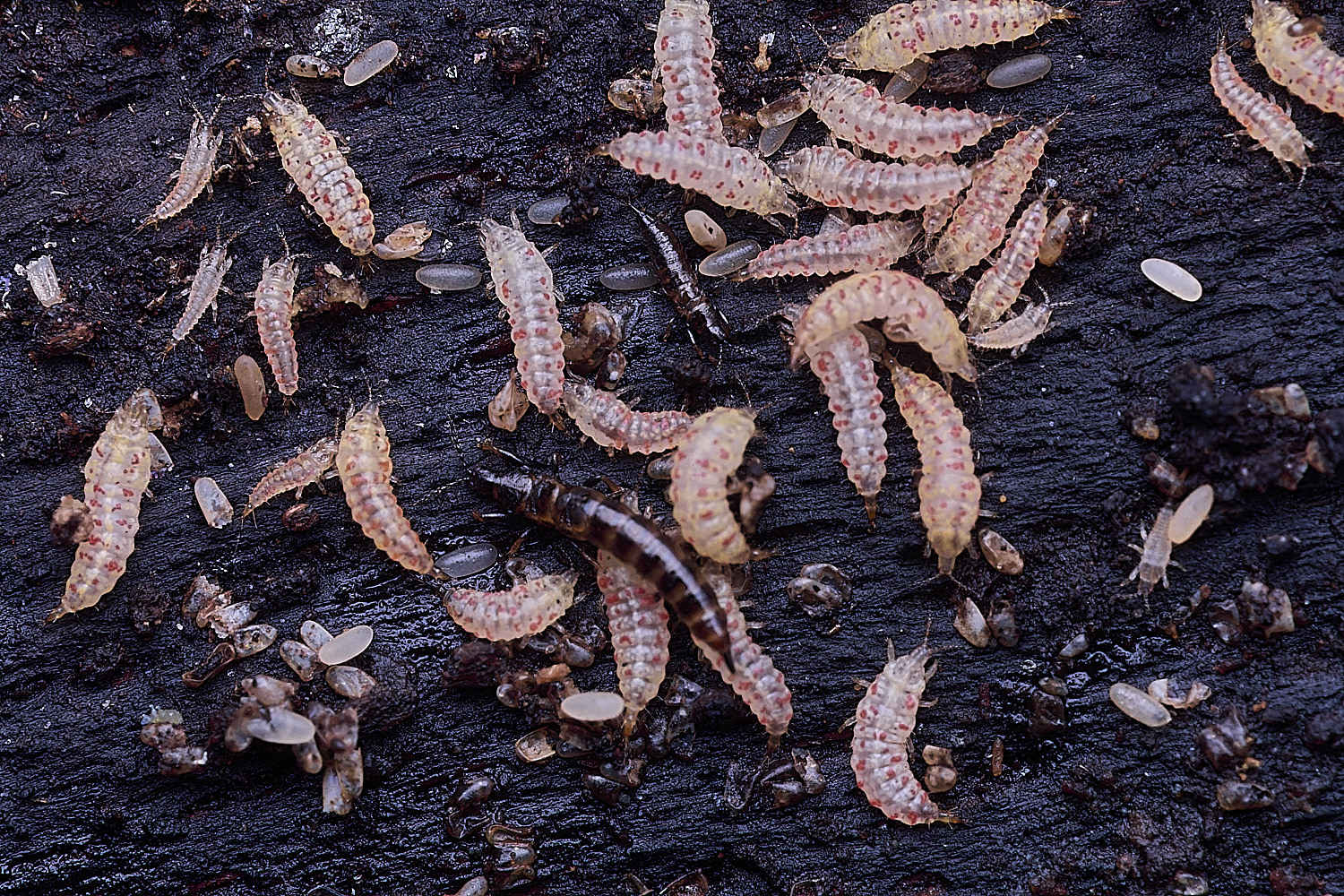
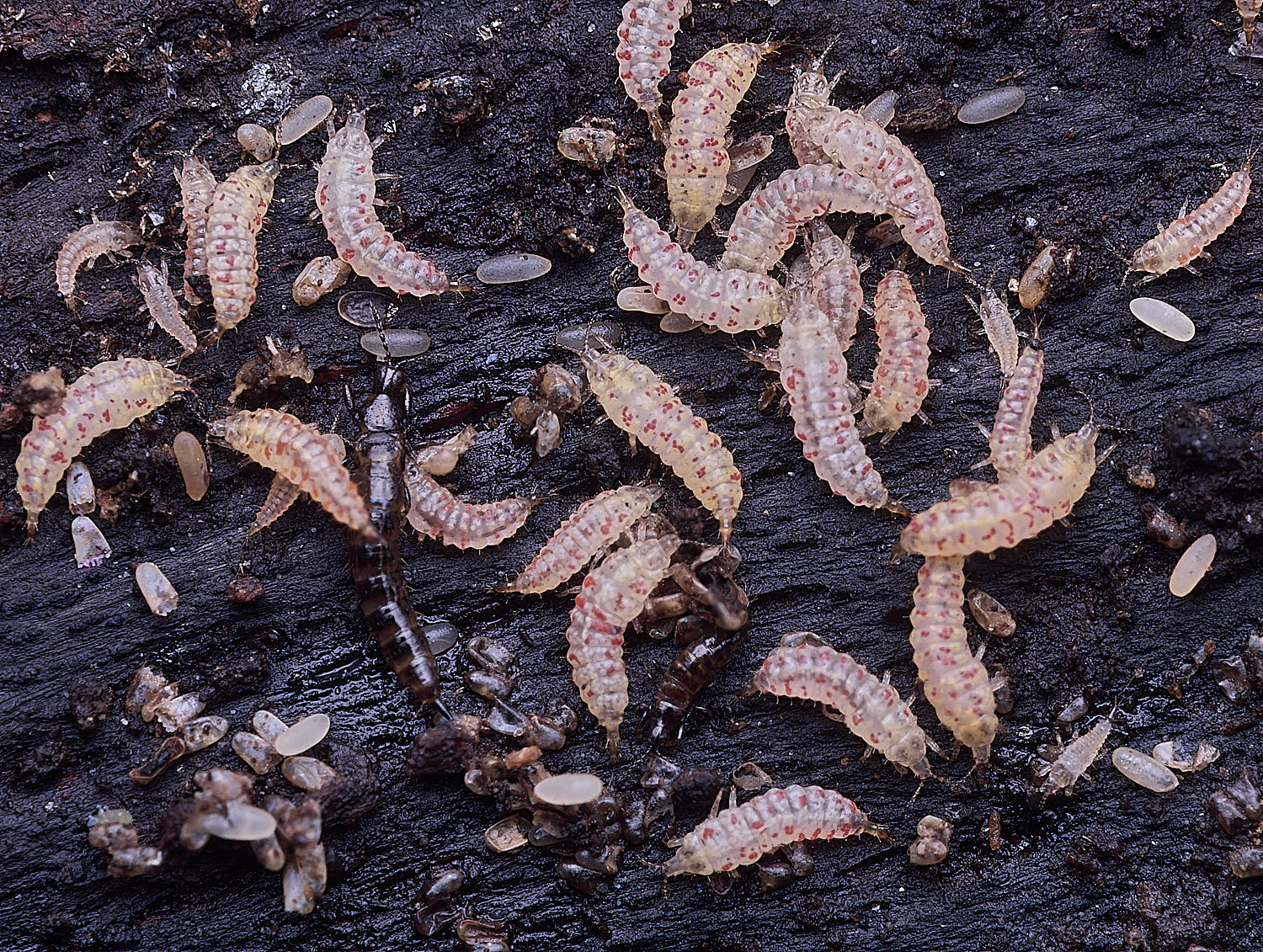
Larvae?
From JE
These are Thrips, subfamily Phlaeothripidae, which mostly feed on fungi. Can be identified by the larvae but only by experienced observers.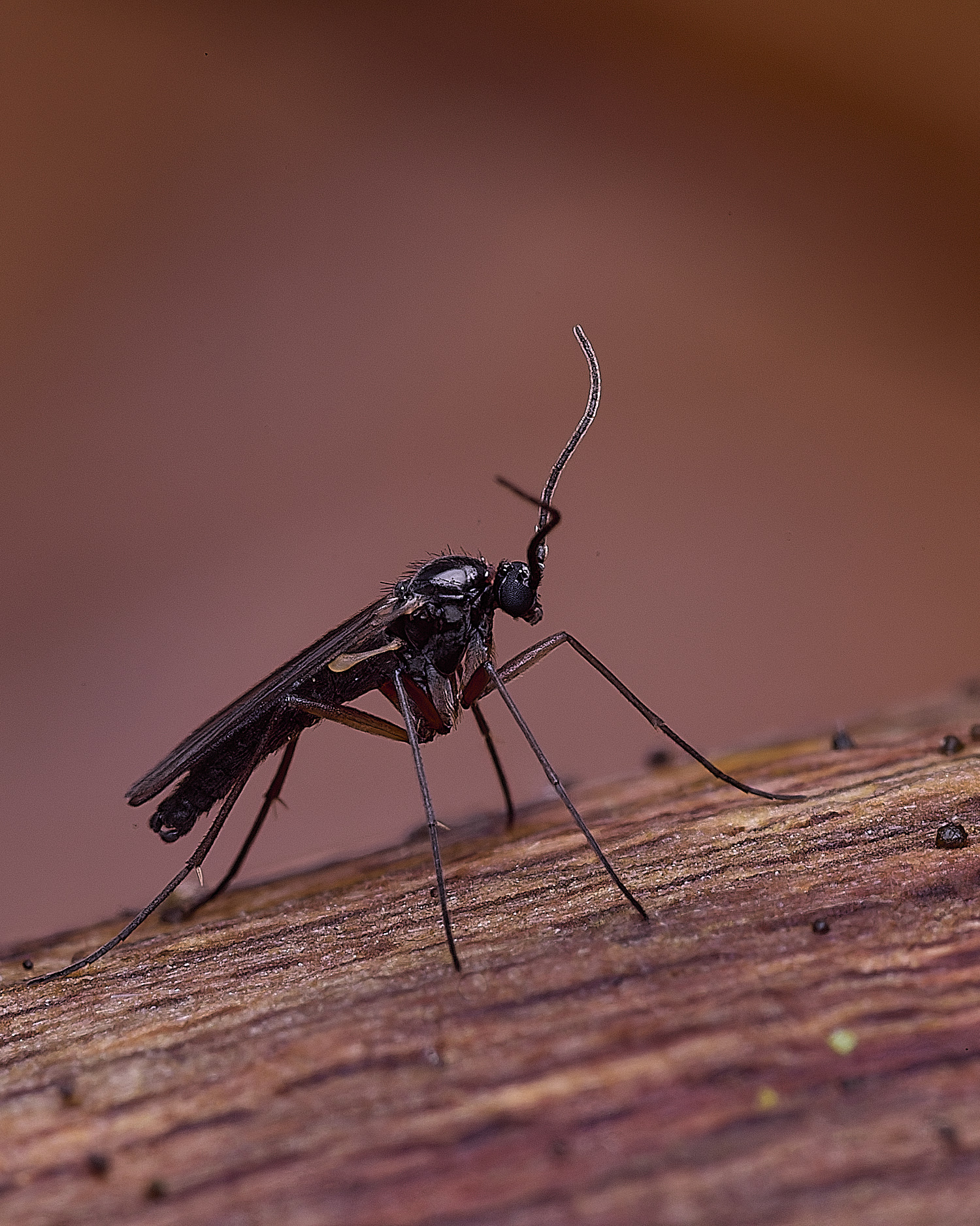
Fly Sp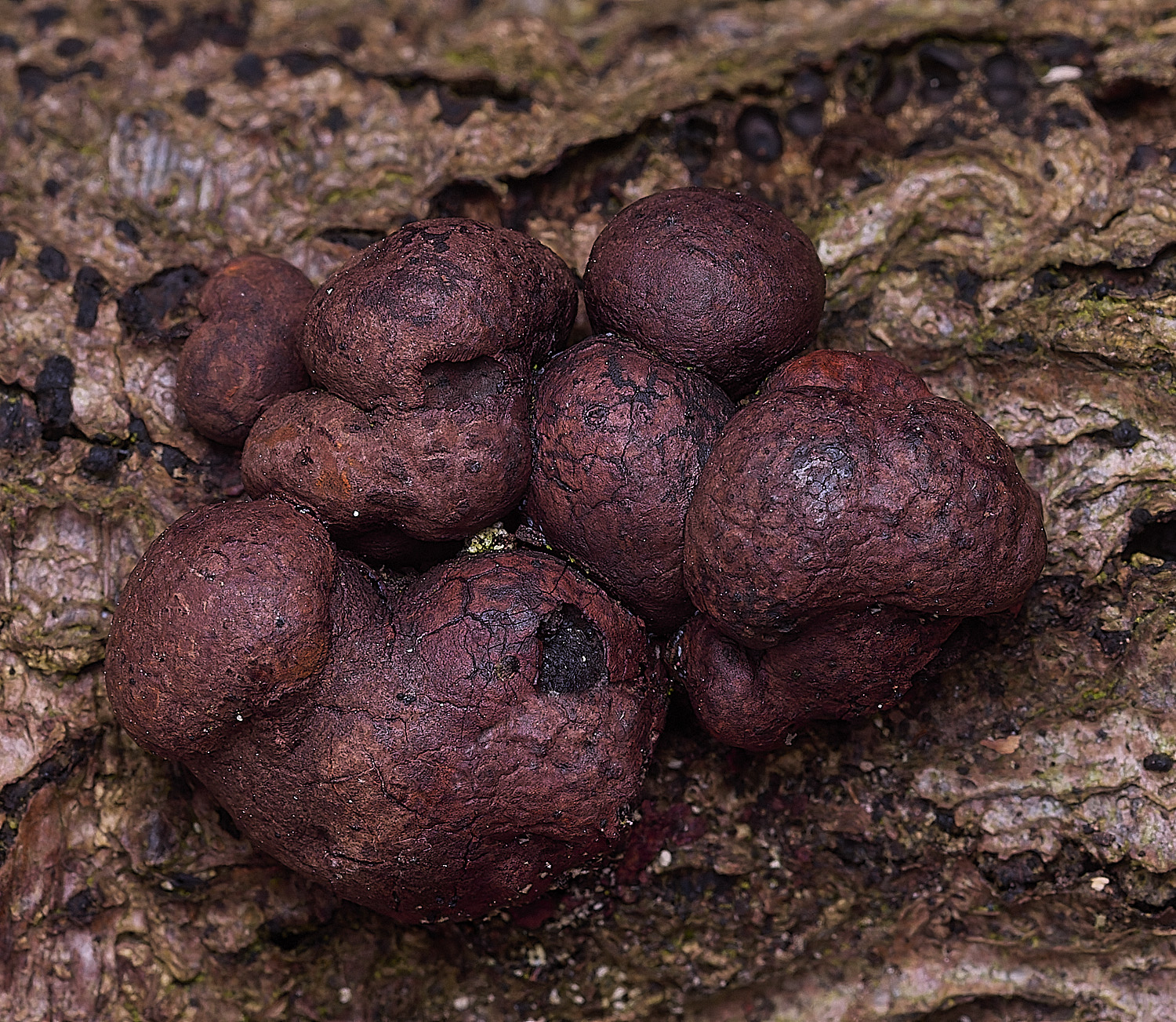
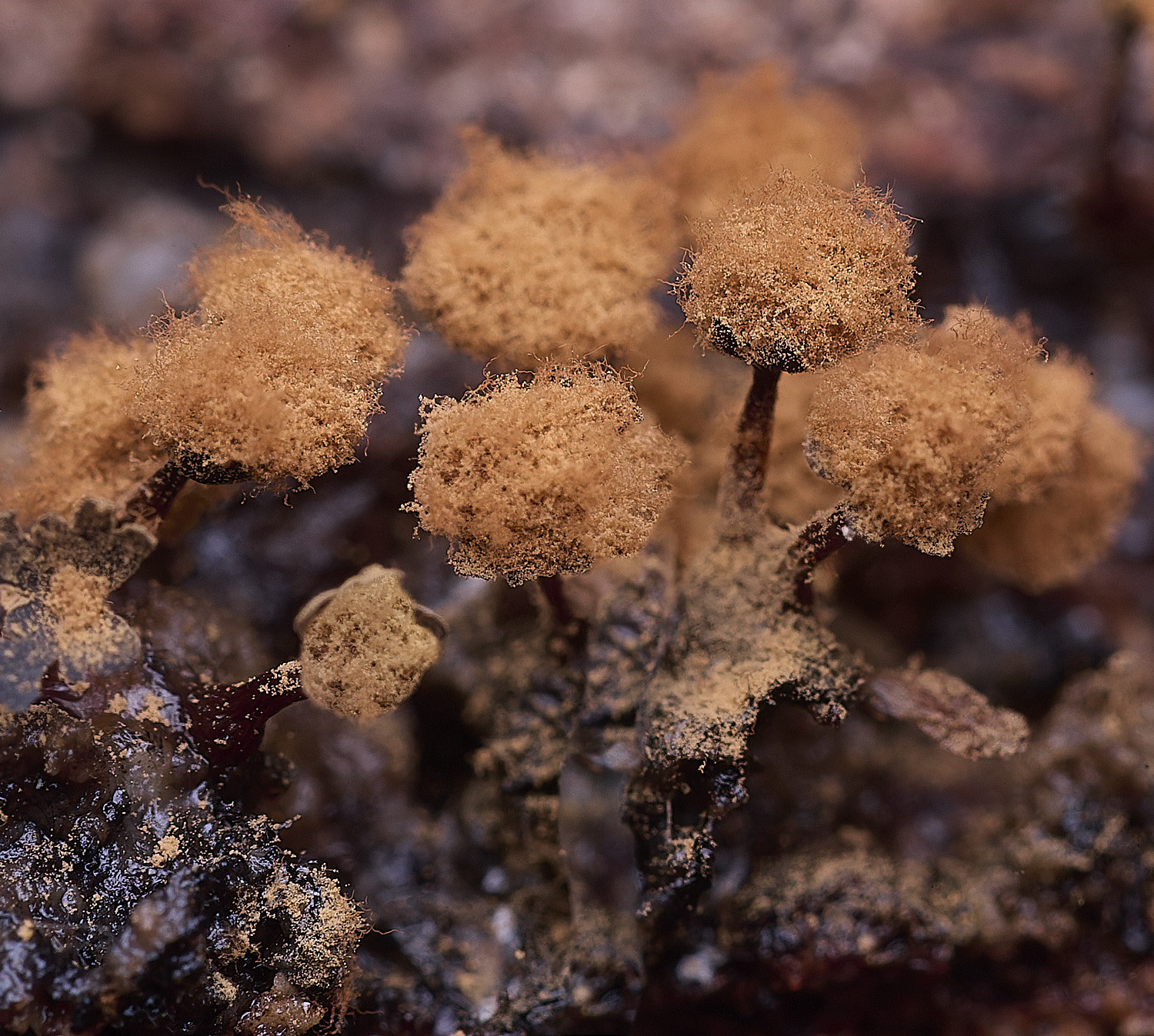
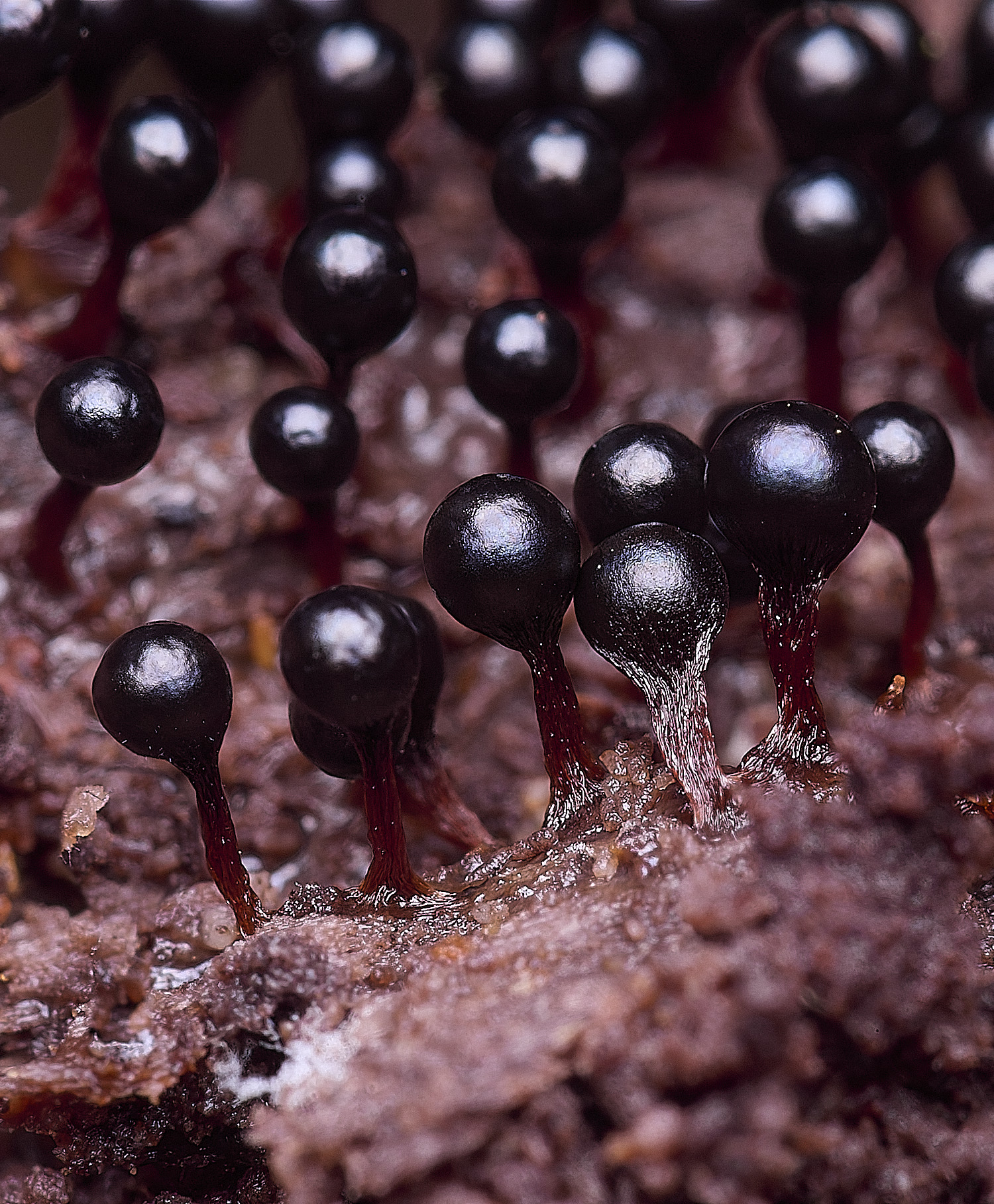
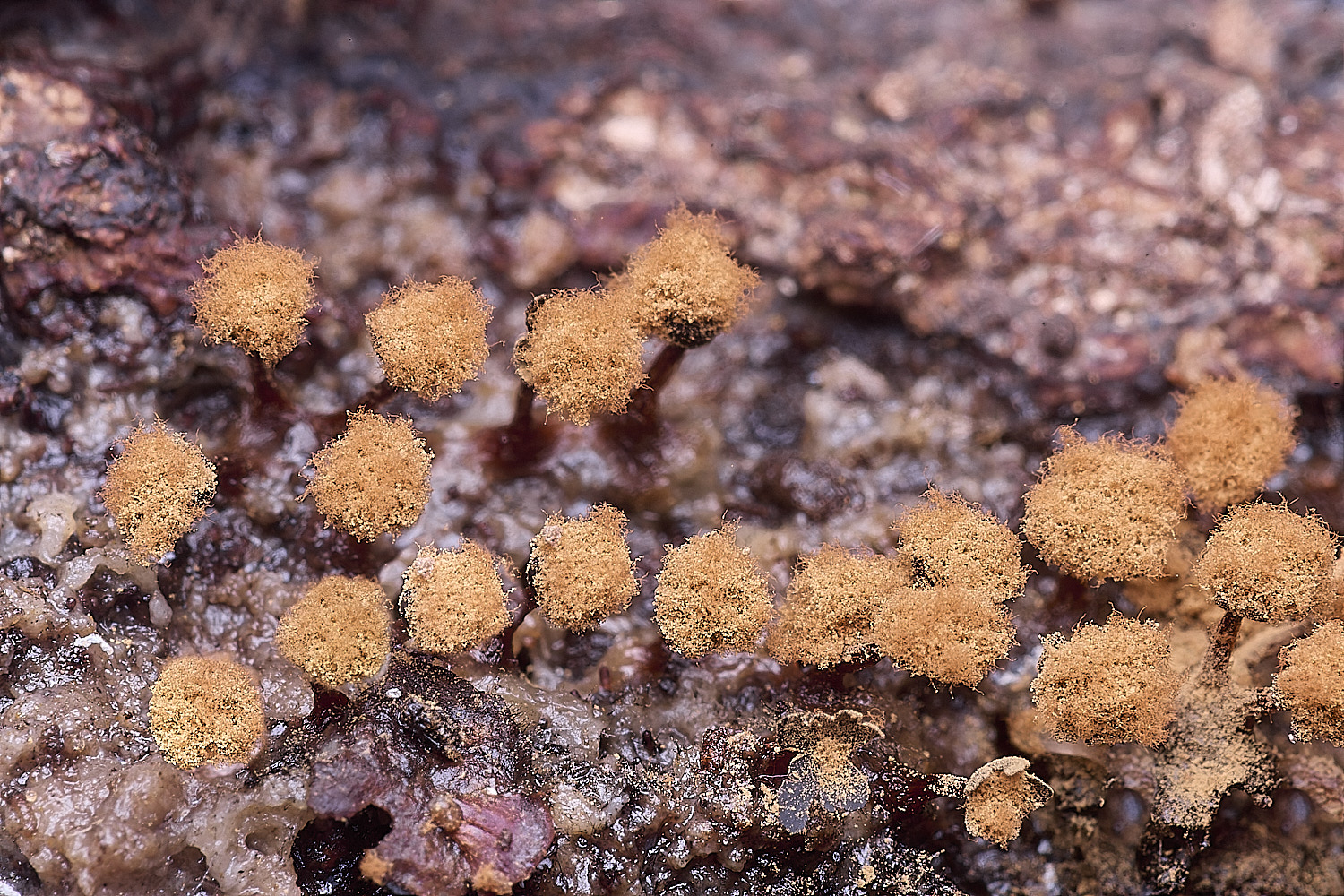
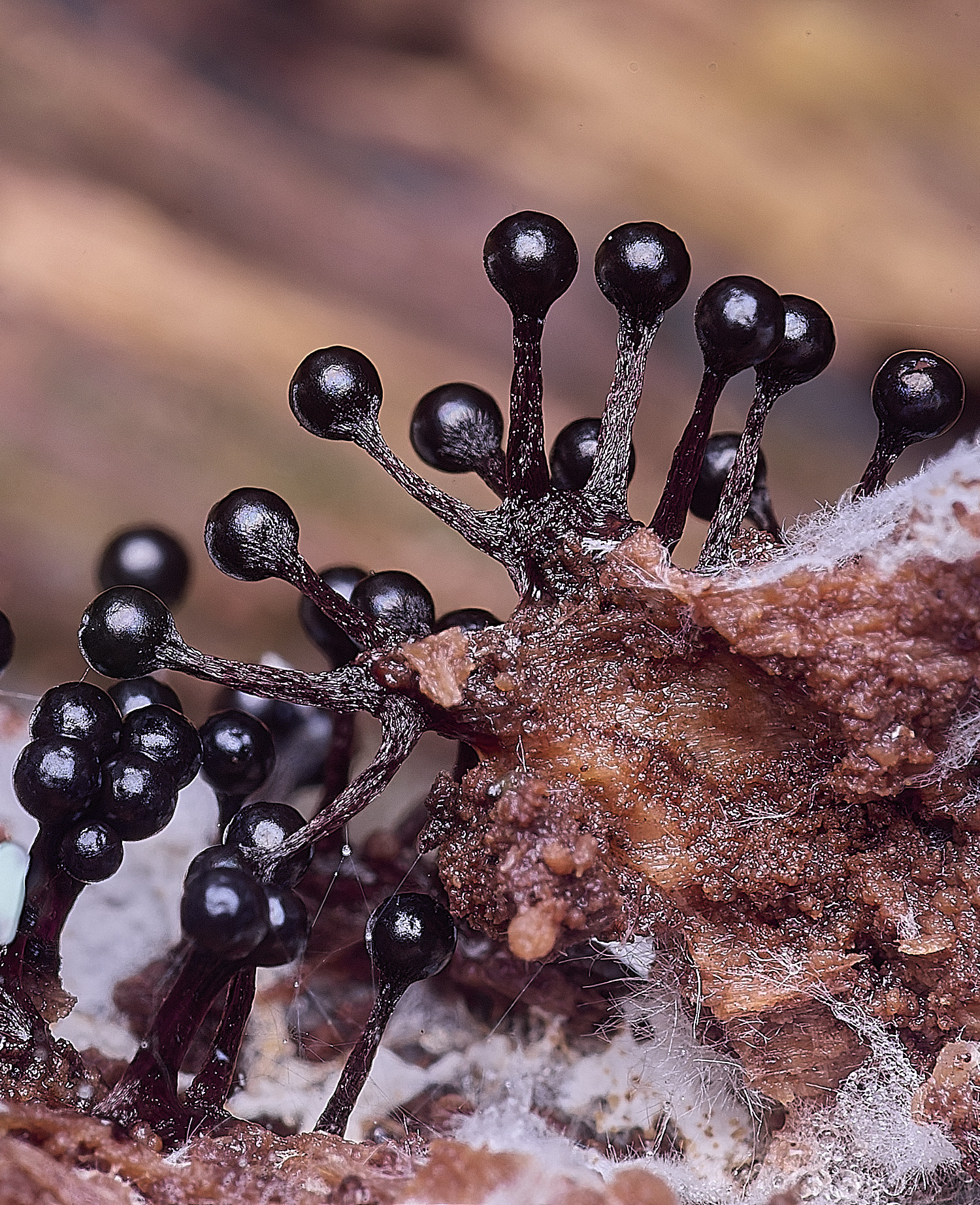
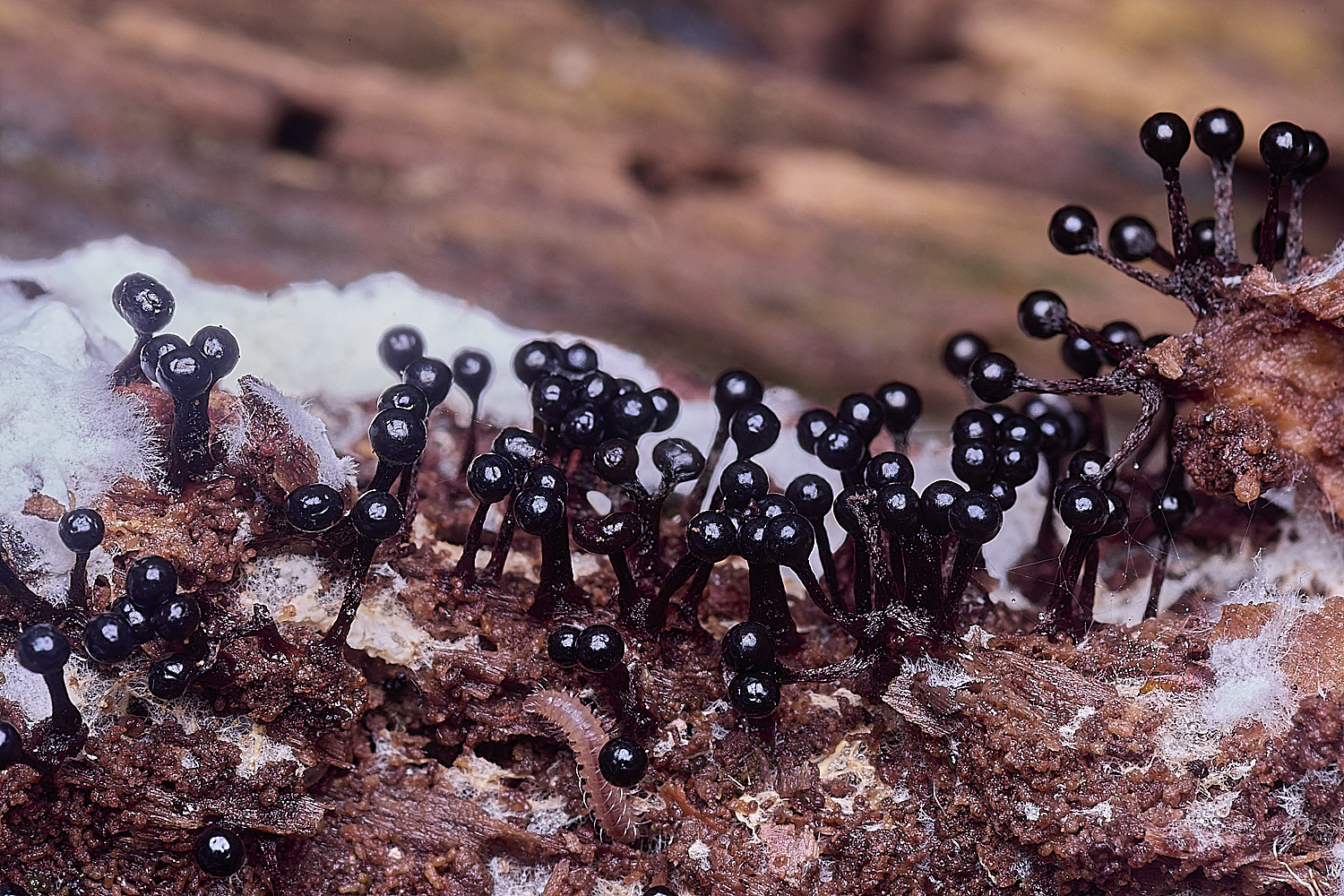
Slime Mold Sp
From AW
The shiney black slime mold with orange spores was Metatrichia floriformis
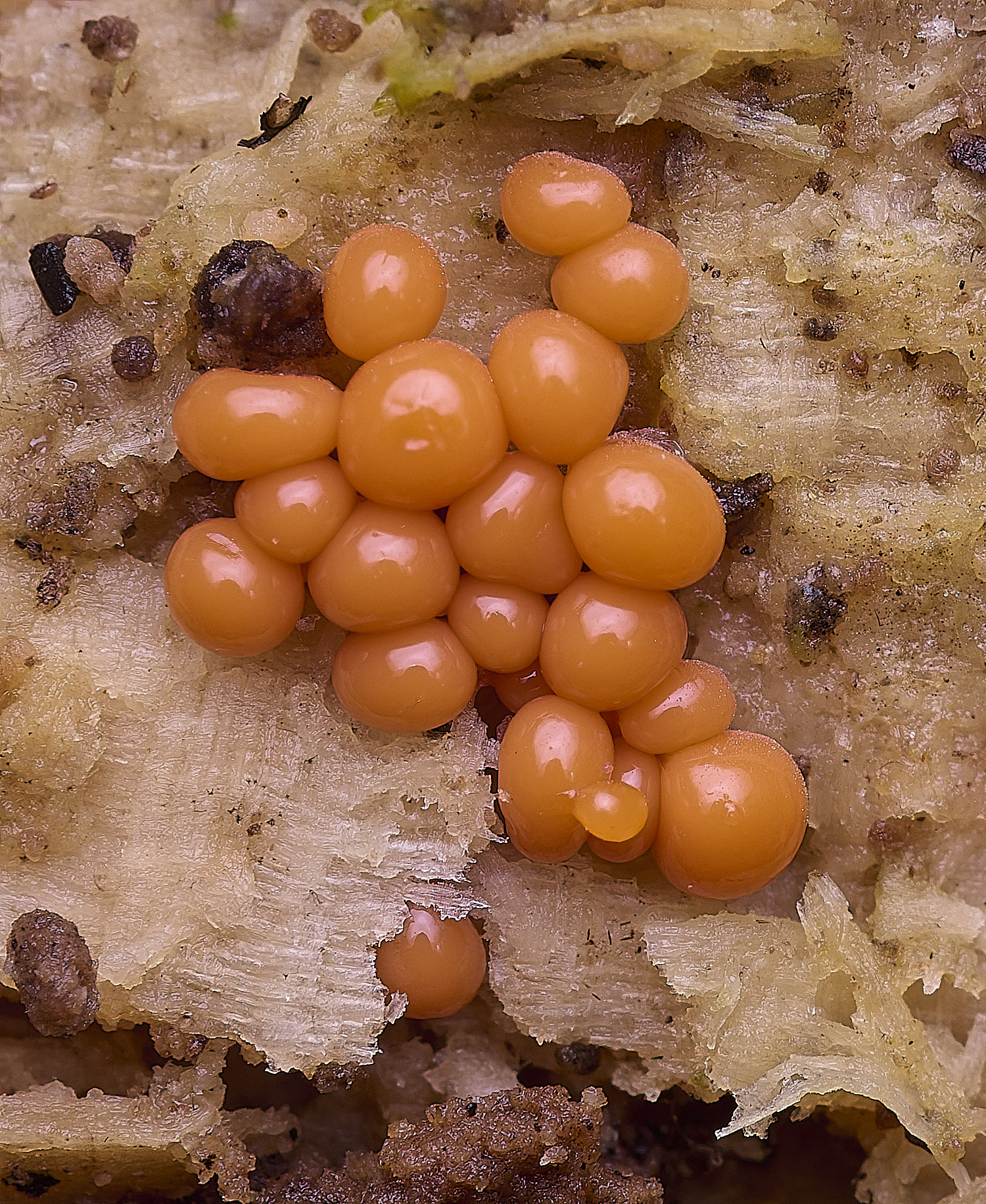
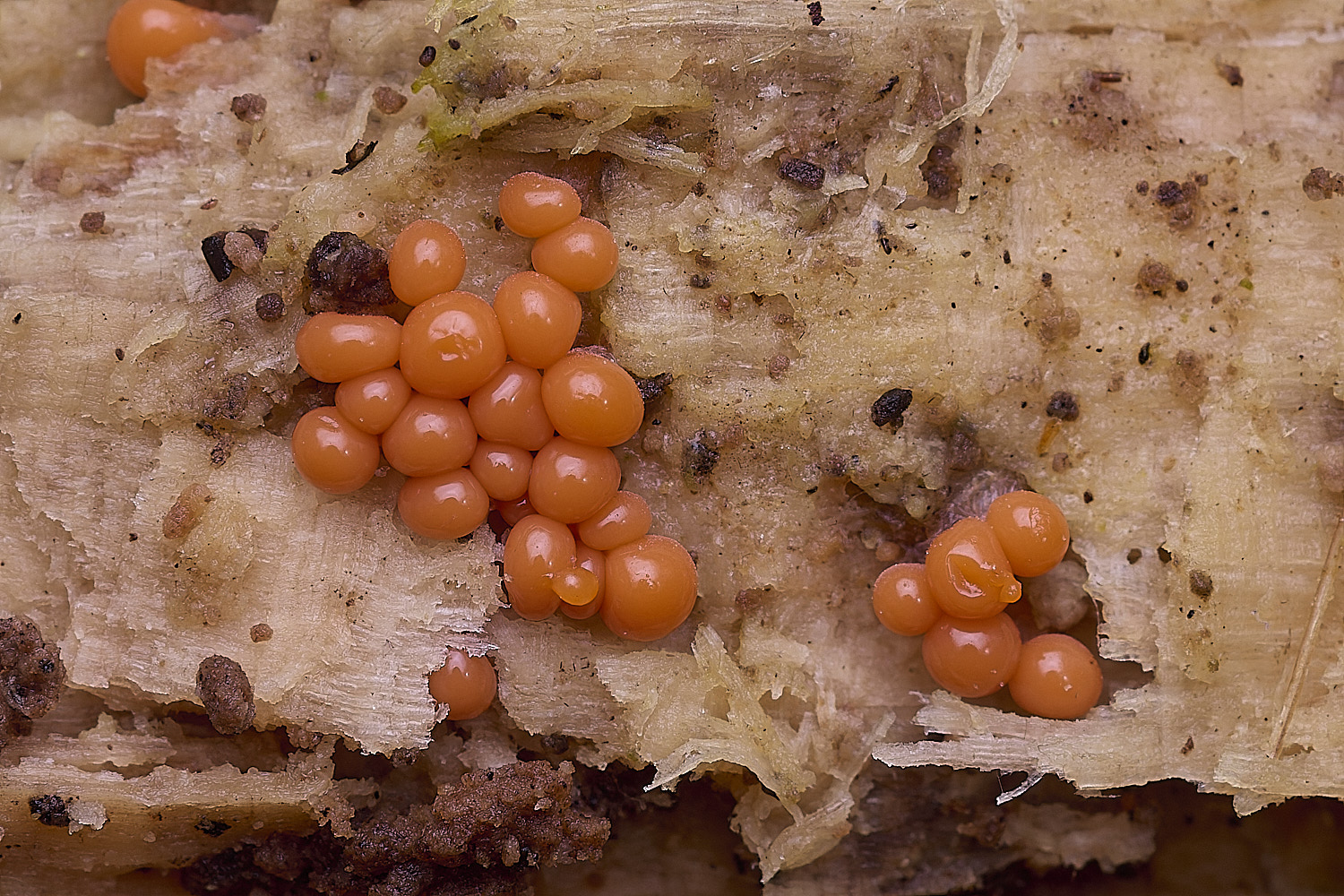
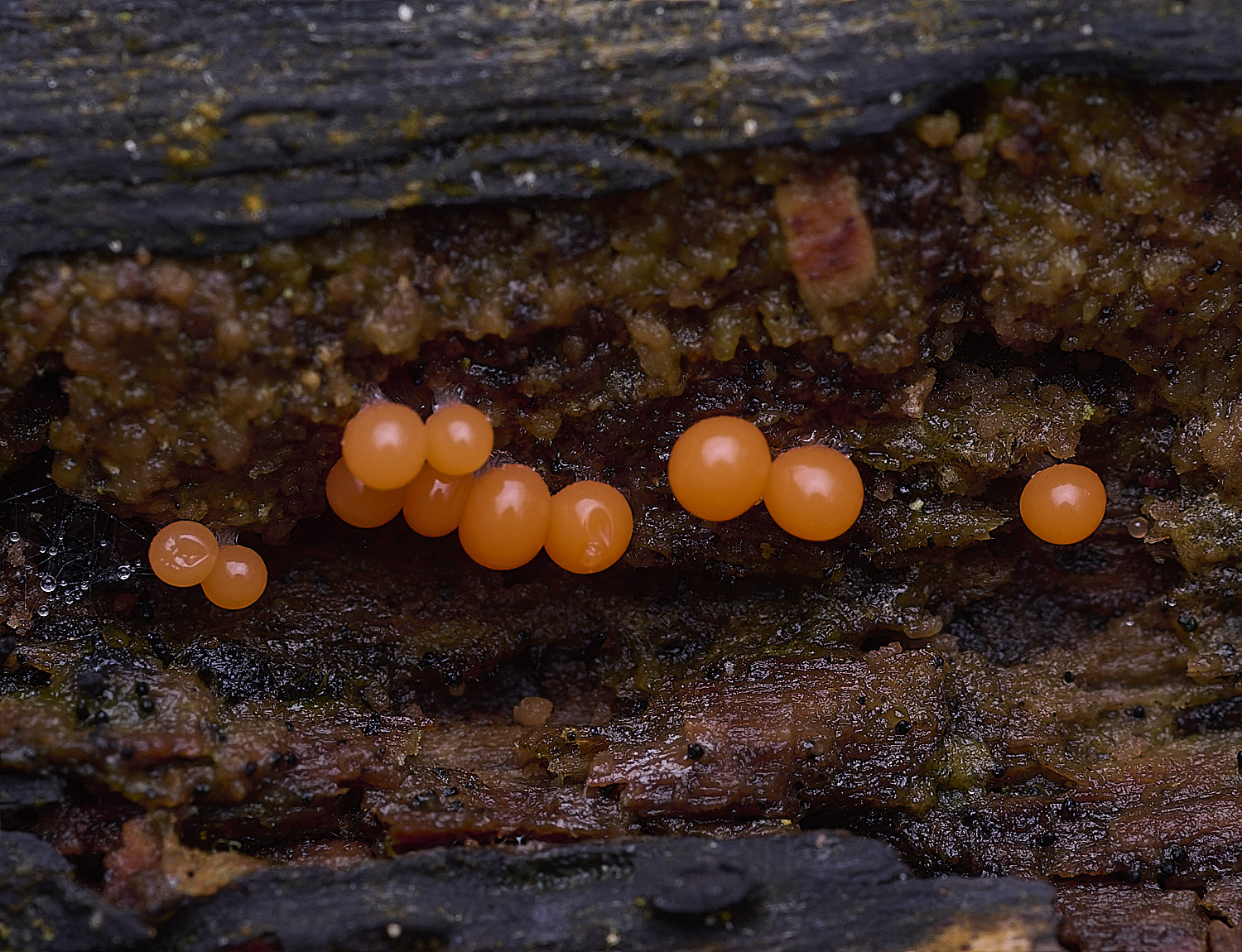
Slime Mold Sp
Arcyria ferruginea?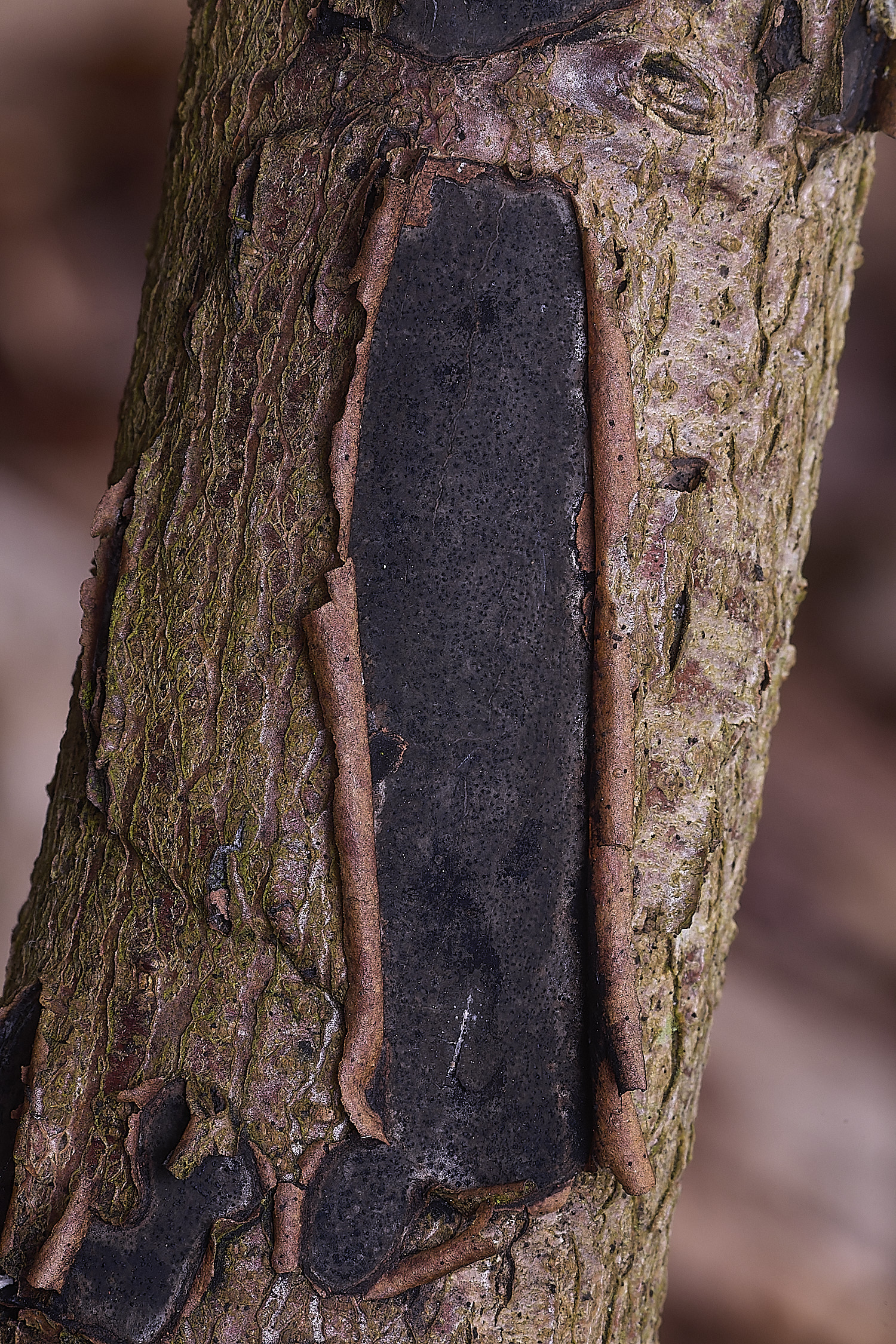
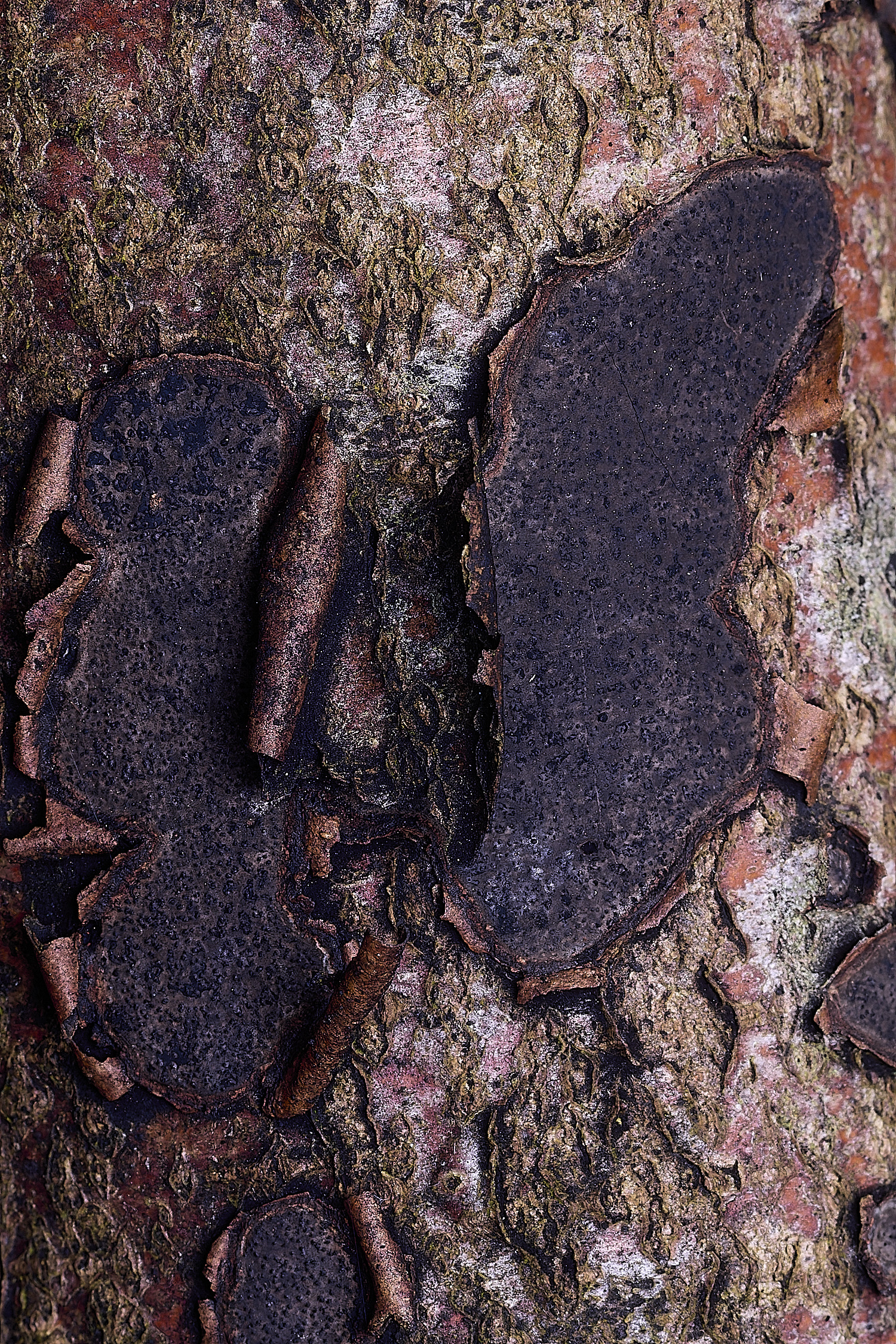
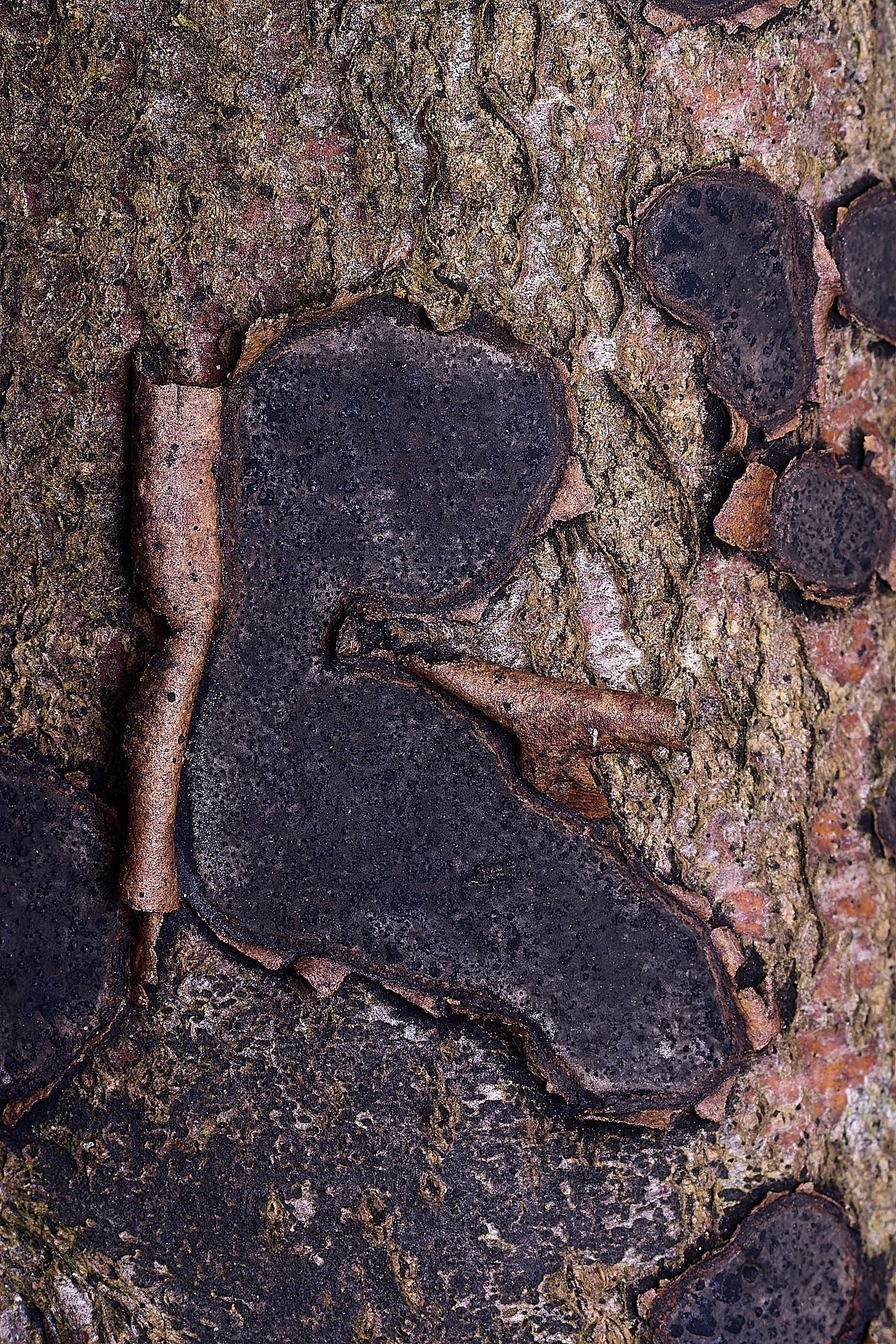
Common Tar Crust (Diatrype stigma) on Beech (Fagus sylvatica)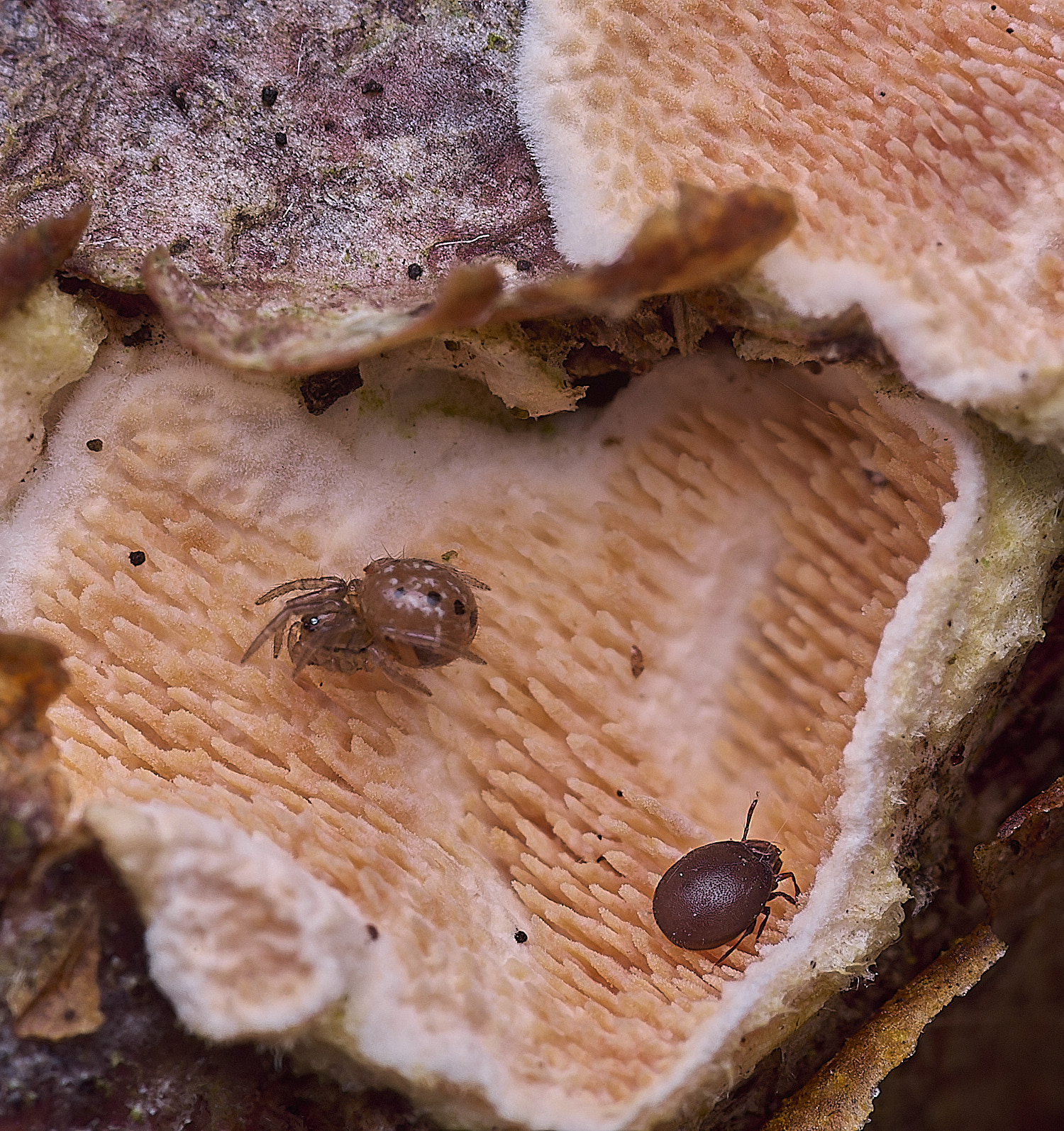
SPider Sp & Mite Sp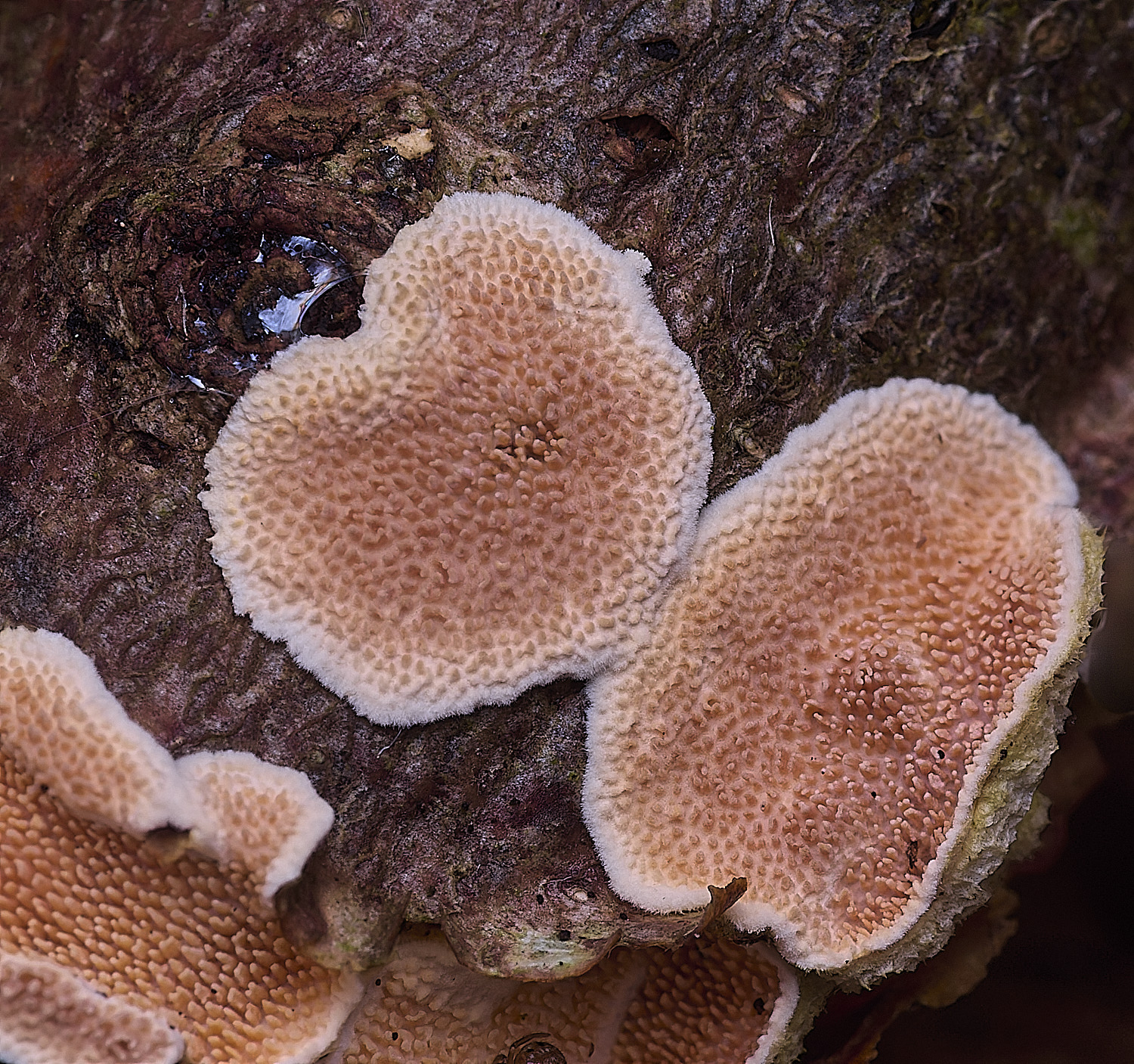
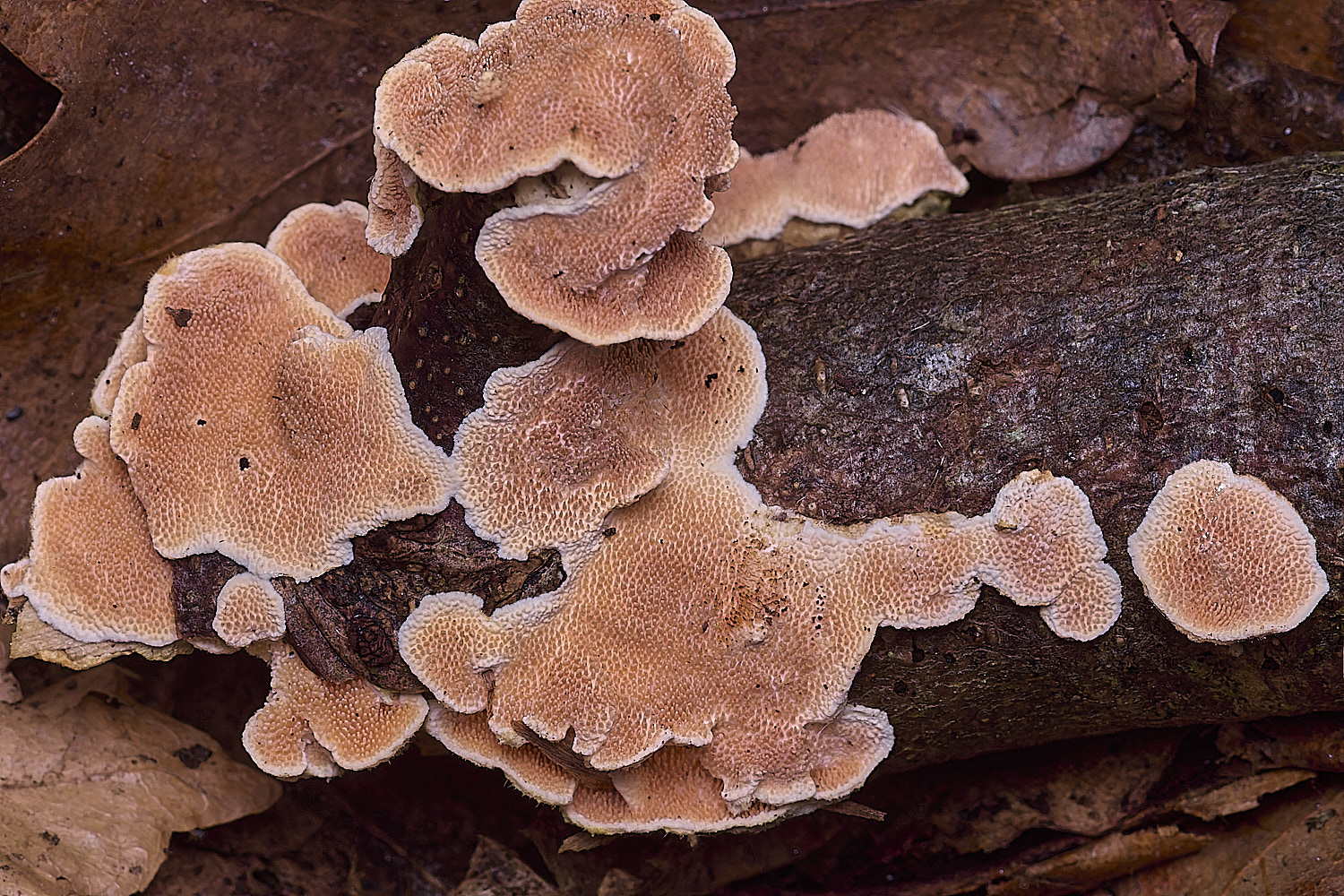
Ochre Spreading Tooth (Stecherinum ochraceum)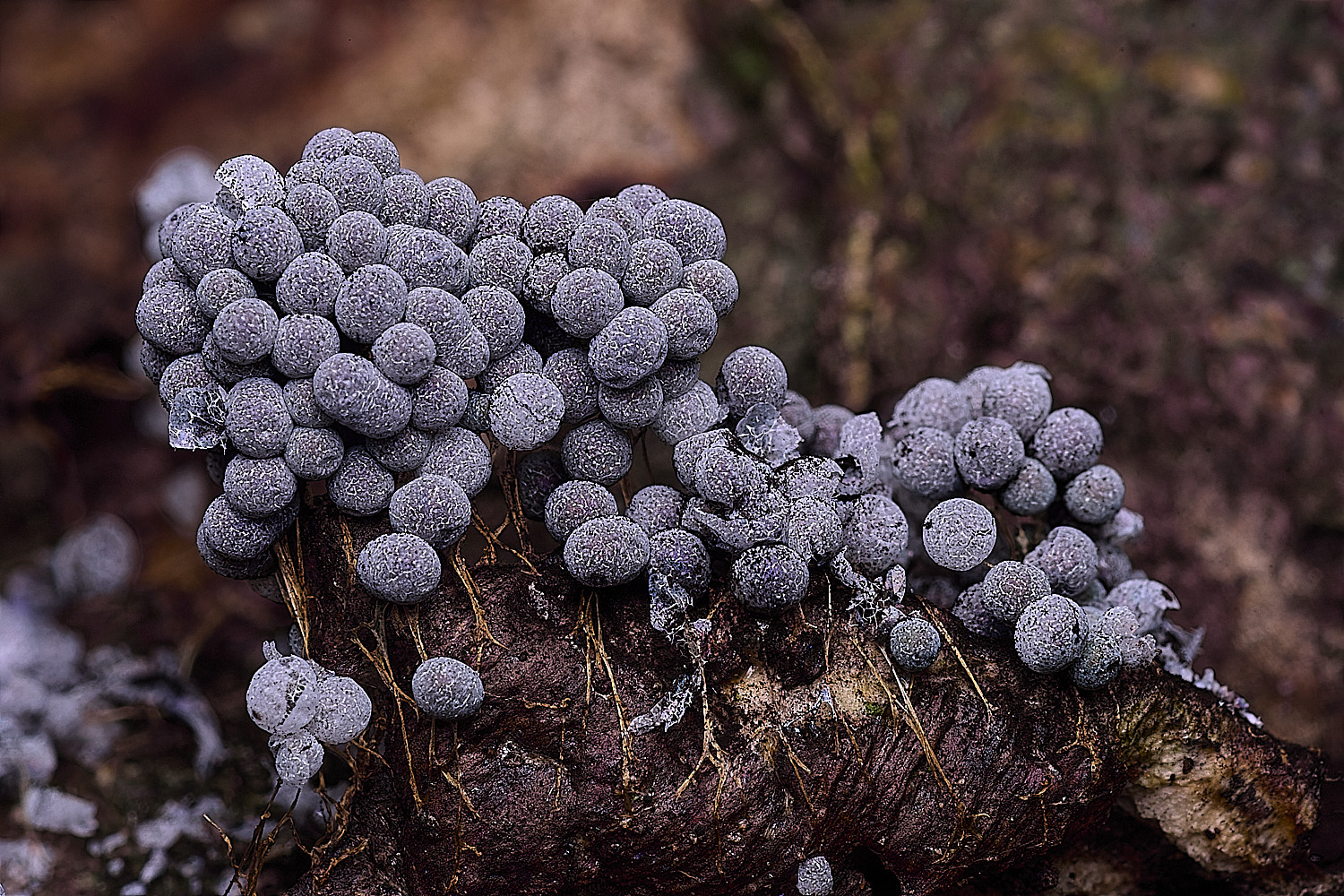
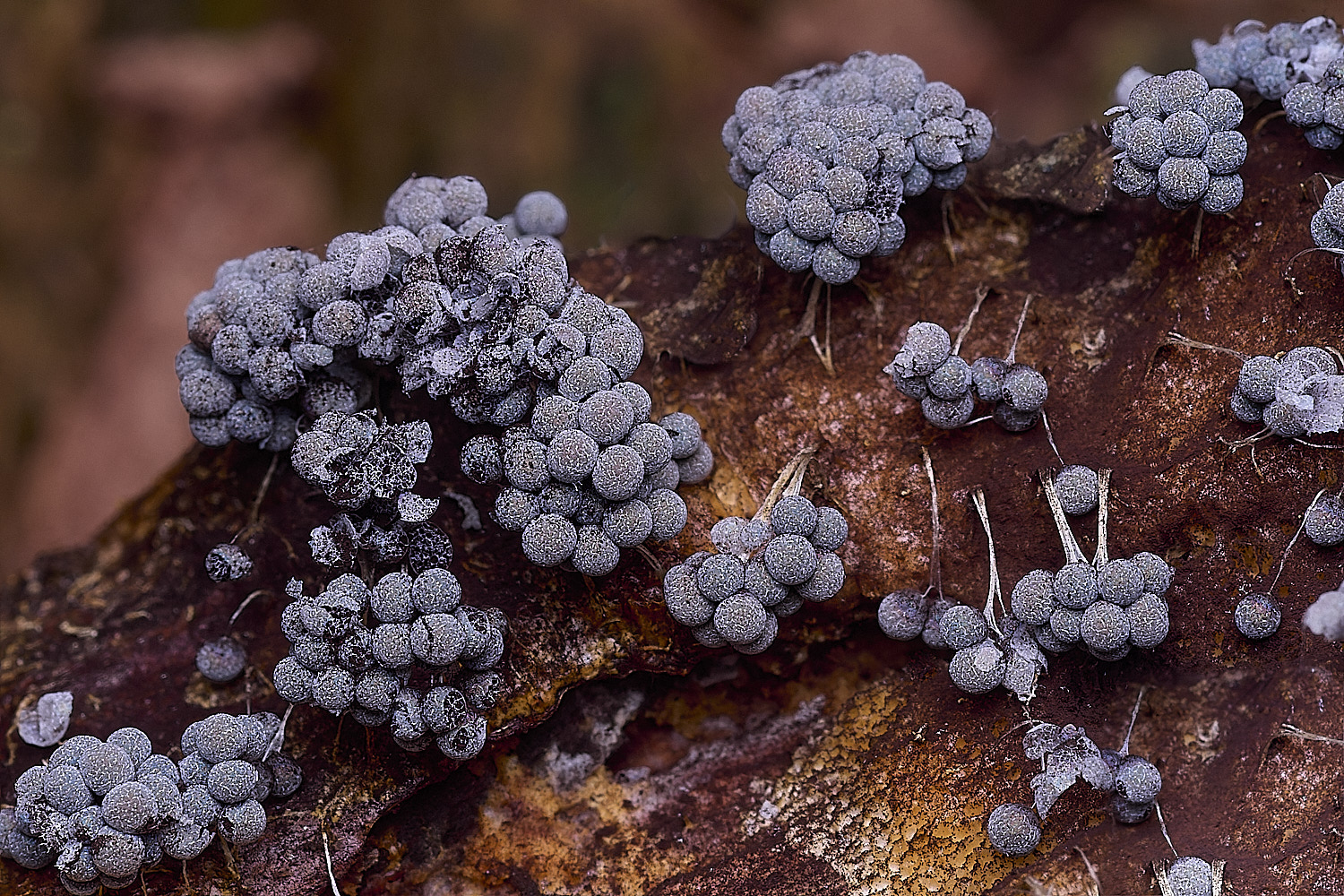
Badhamis untricularis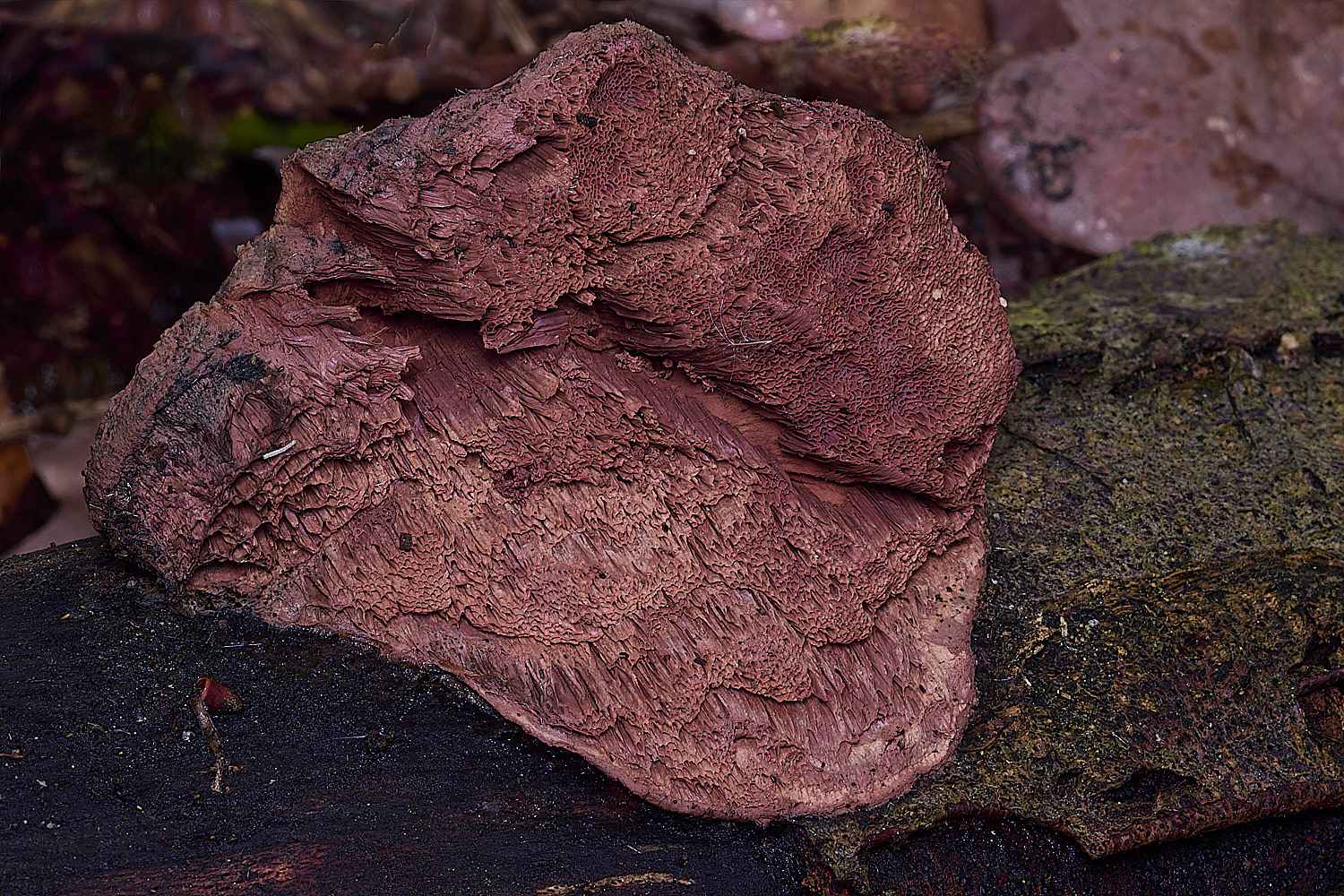
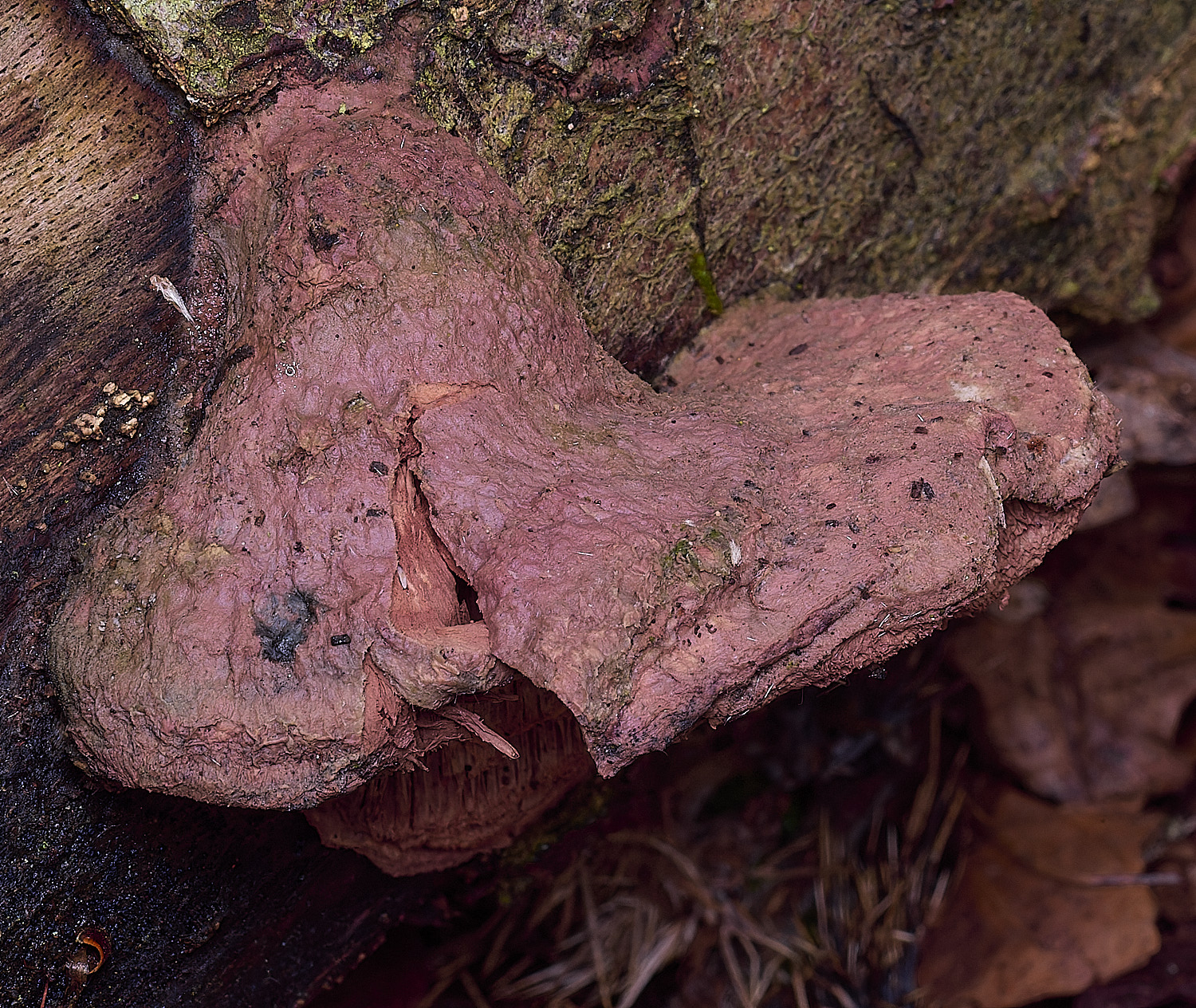
Cinnamon Bracket (Hapilopilus nidulans)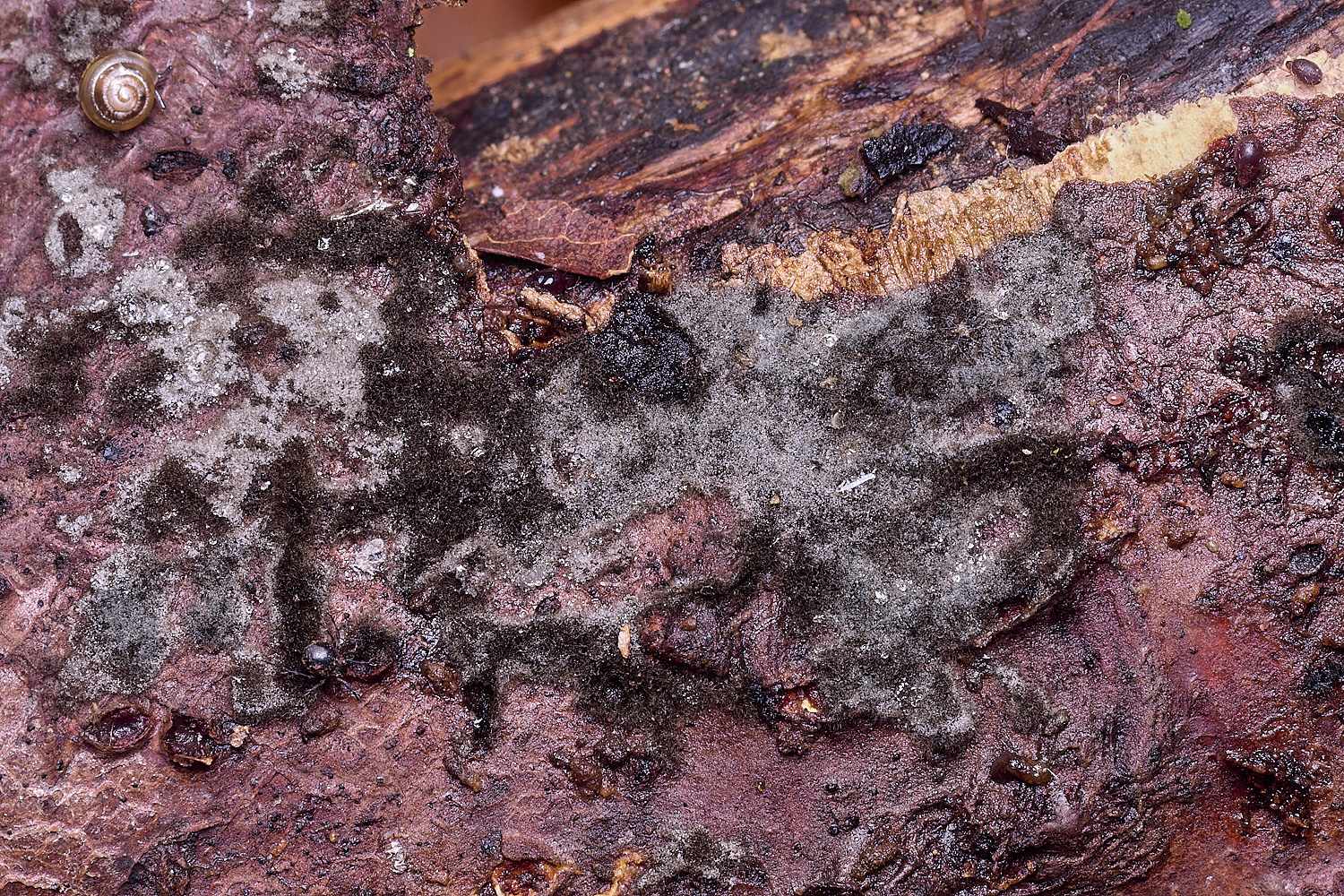
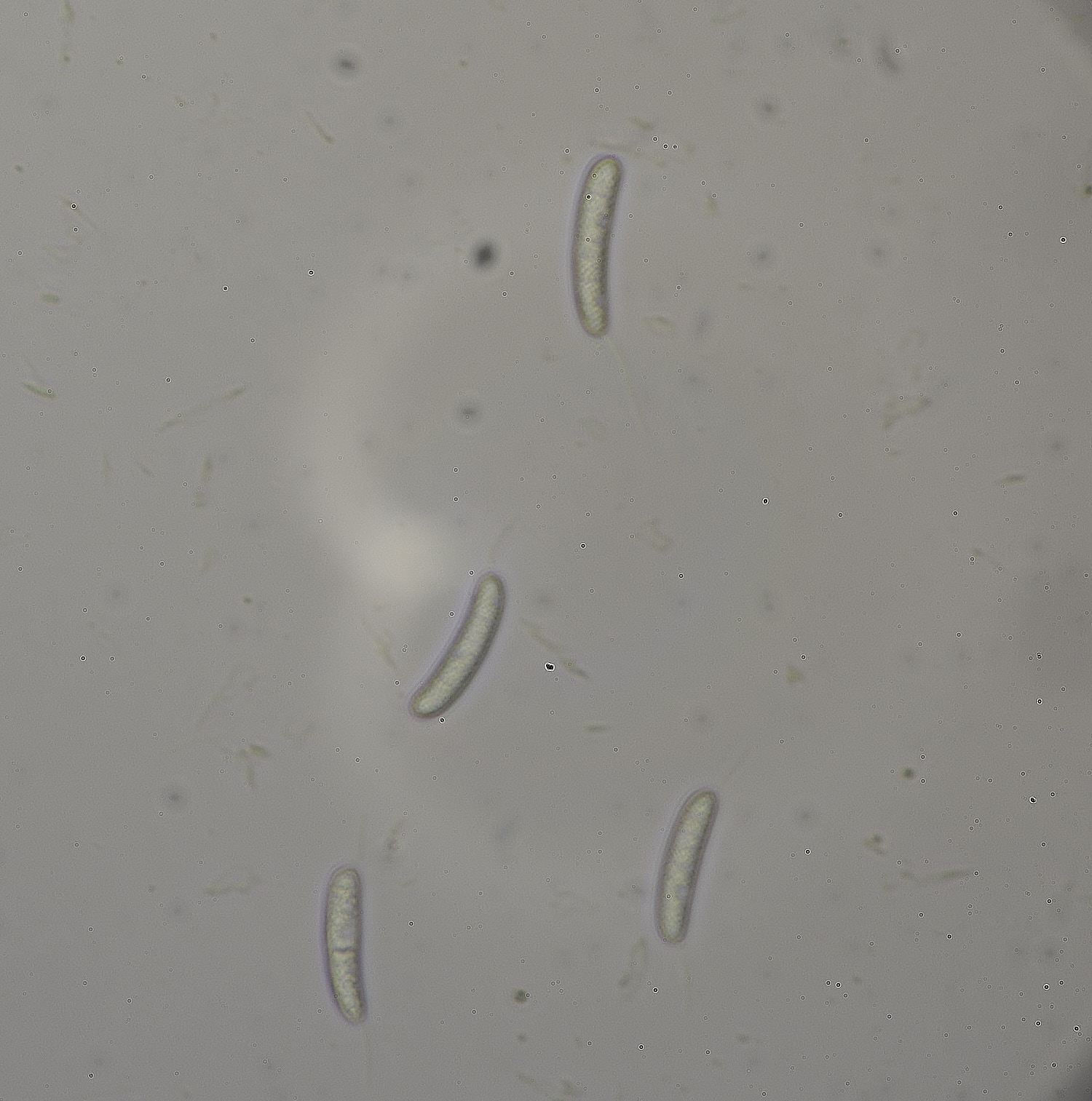
Cacumisporium capitulatum
Spore 23 x 4 µm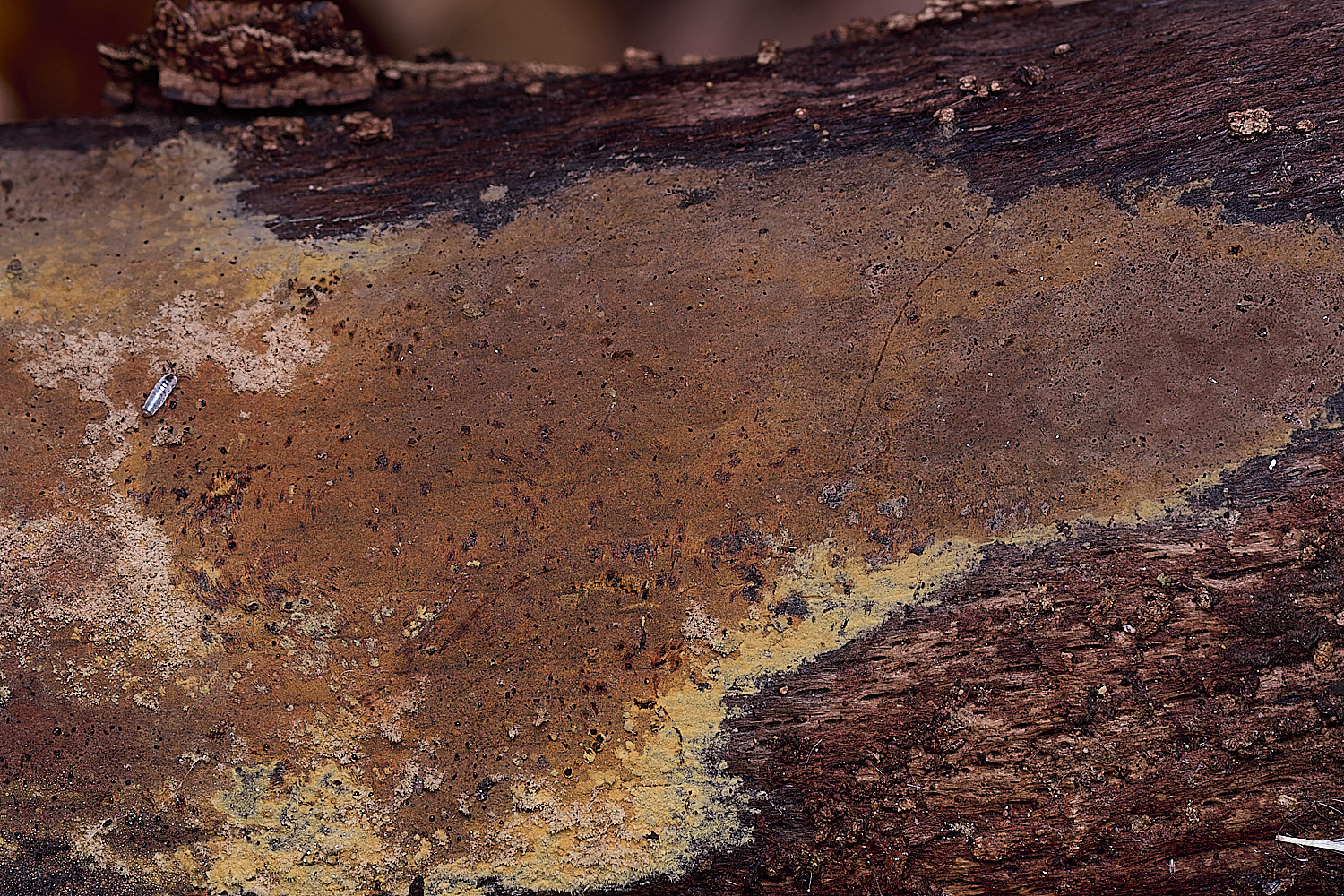
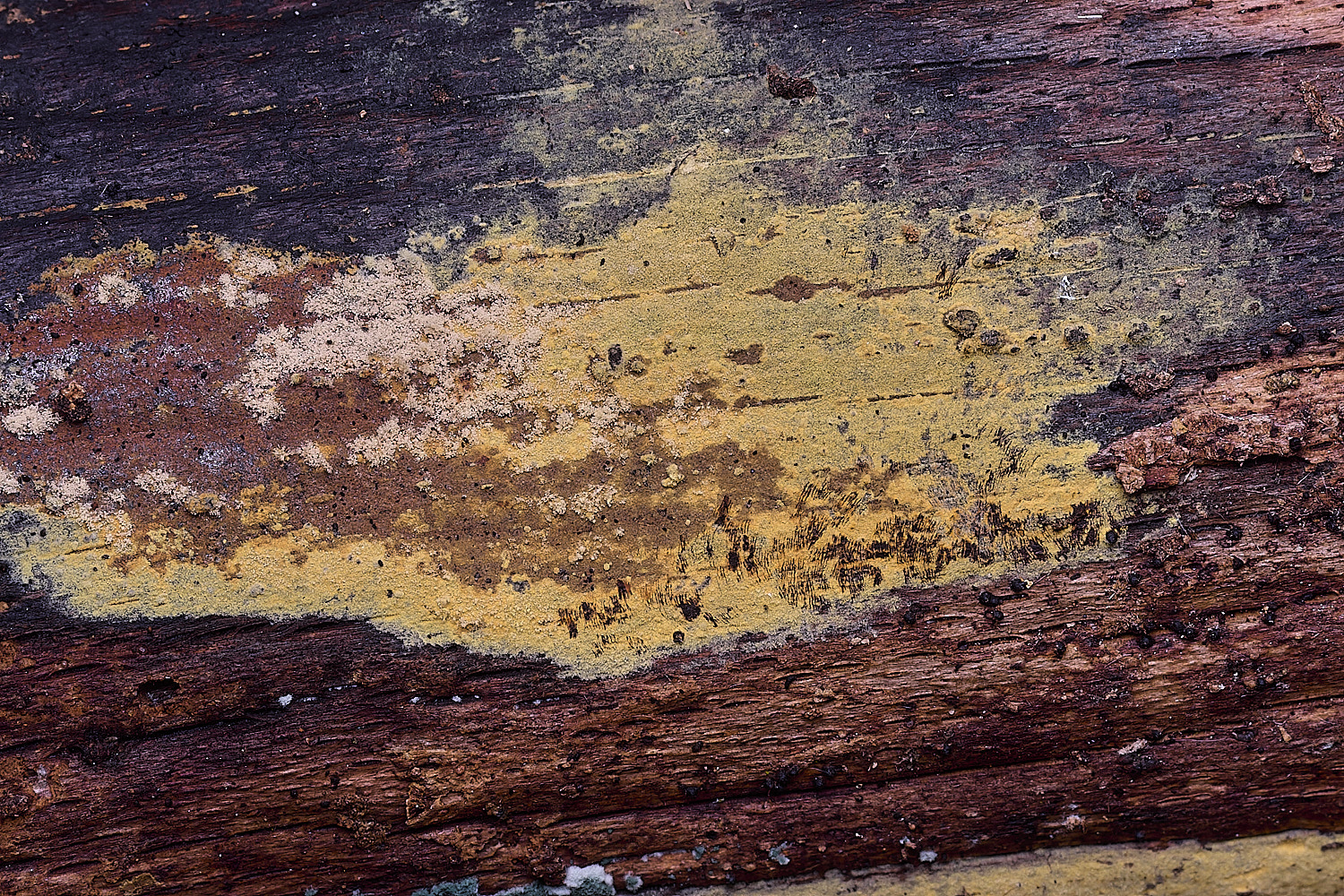
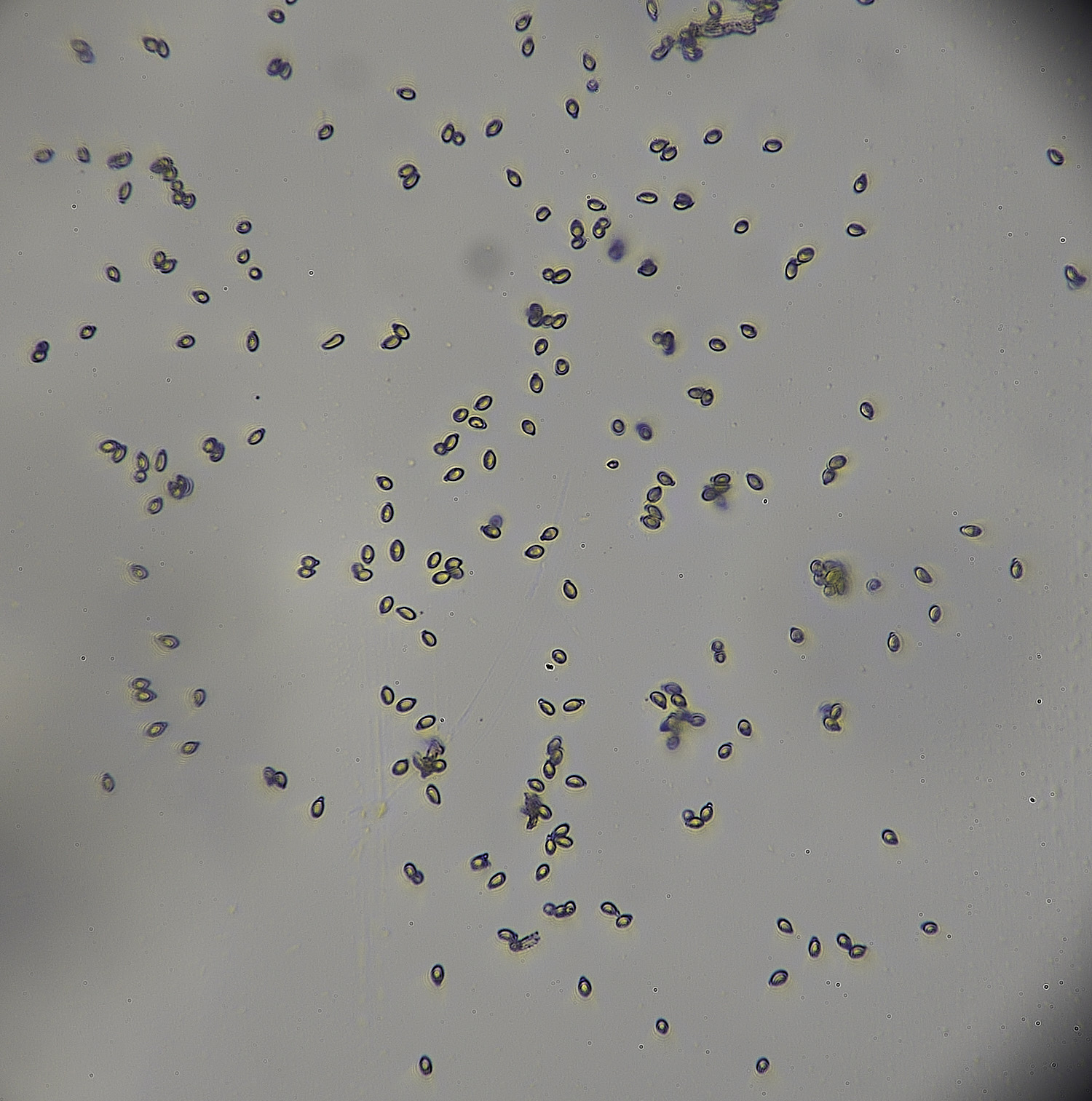
Spore 2 x 1.5 µm
From AW
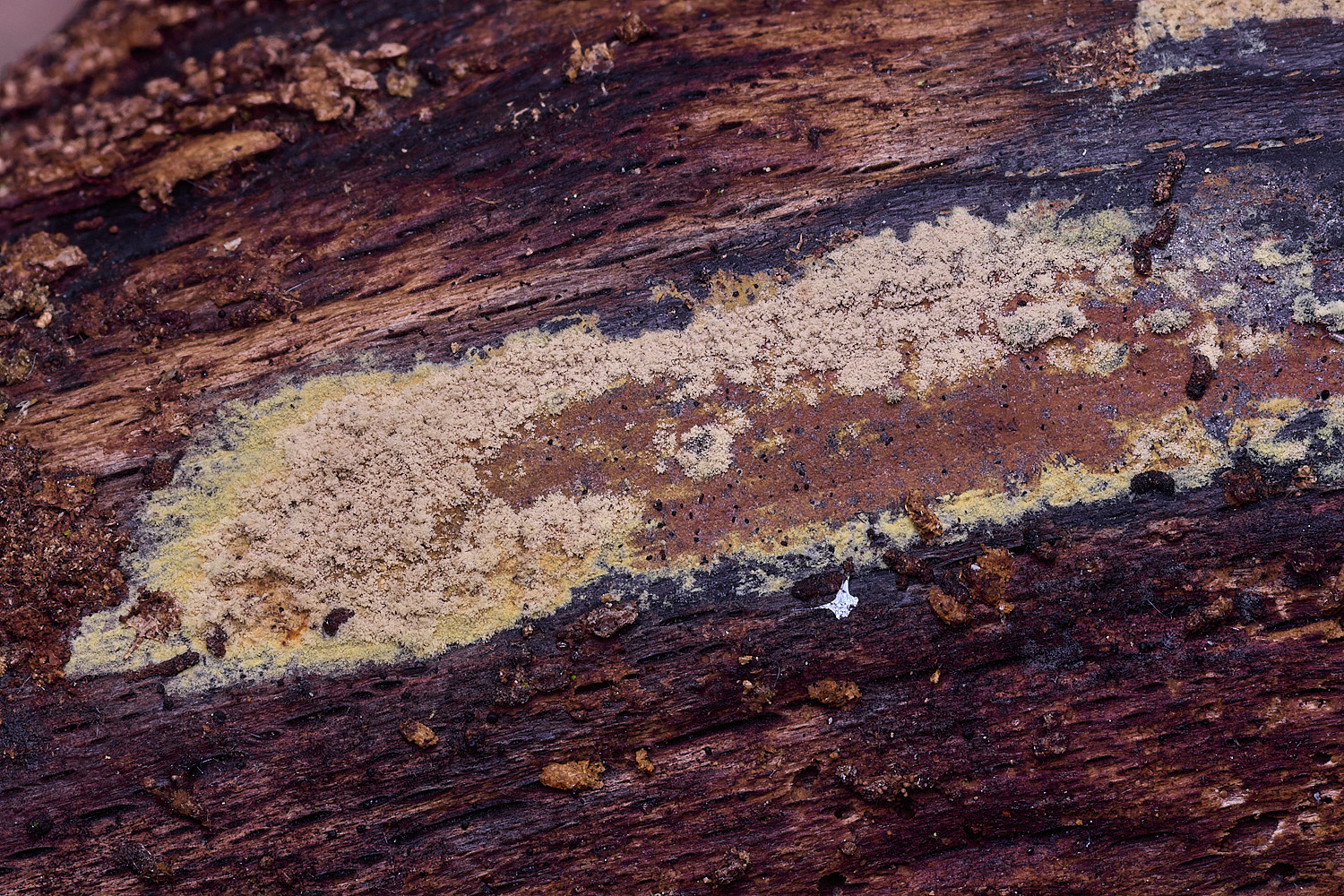
The 'Tequila sunrise' resupinate was Tomentella crinalis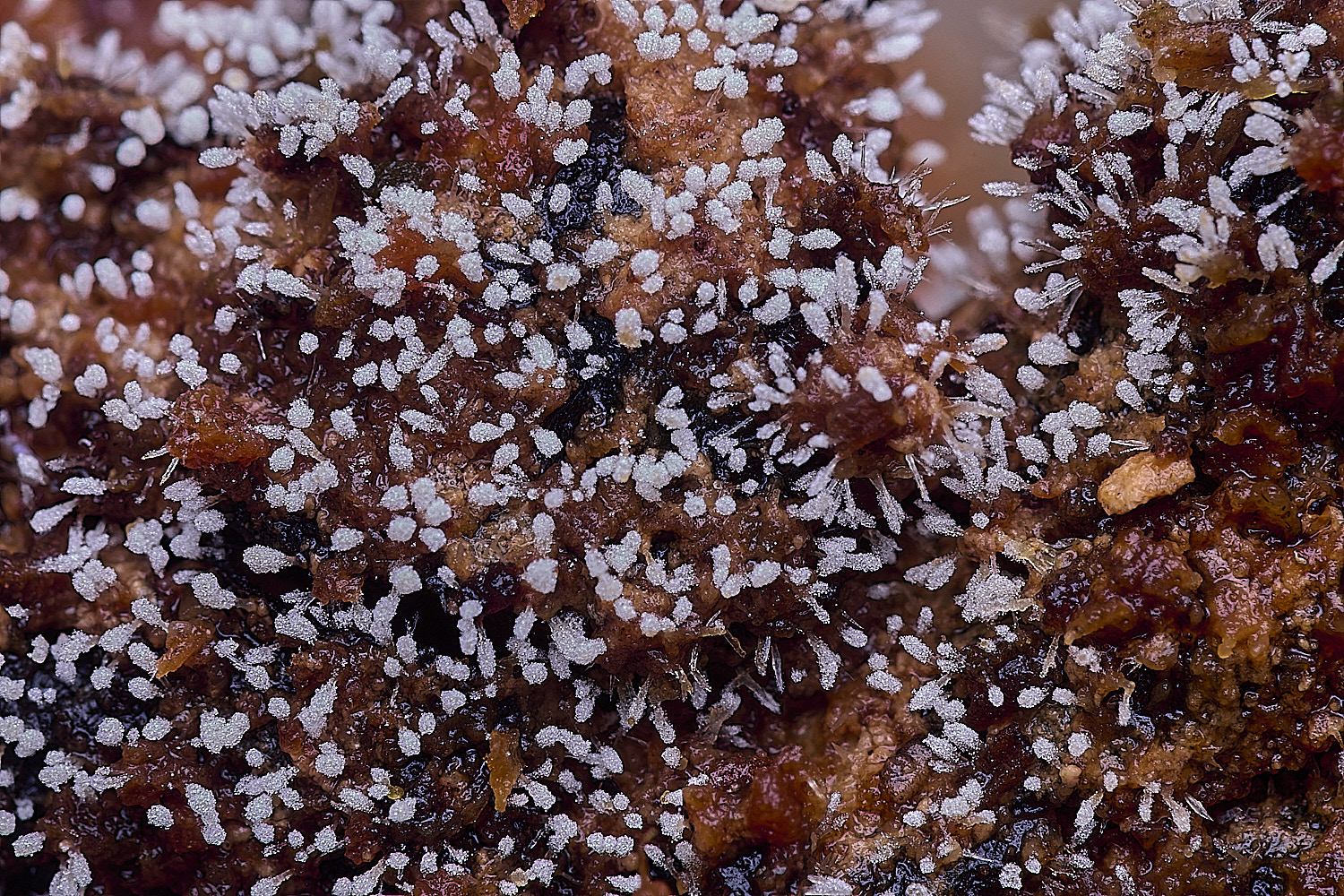
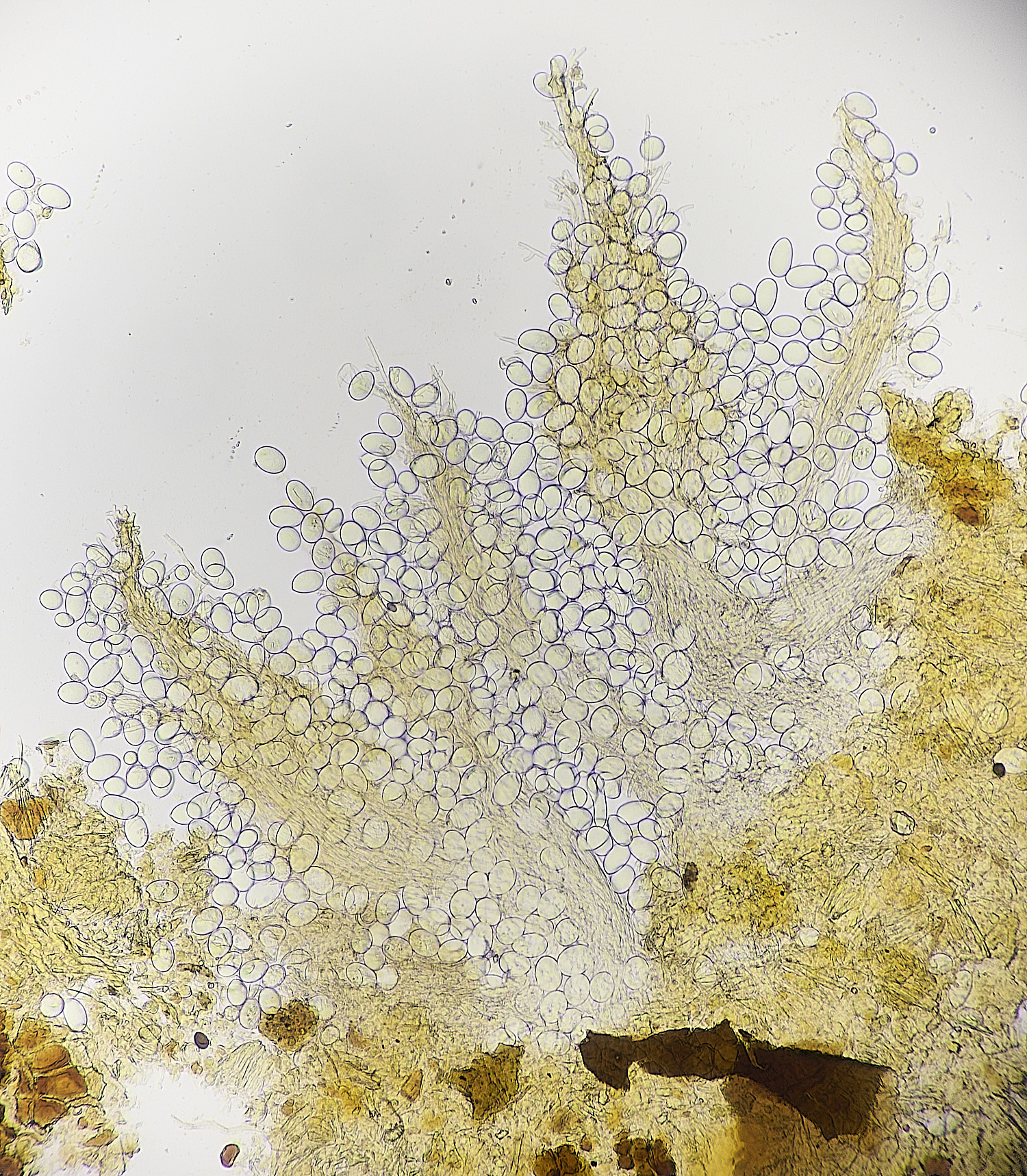
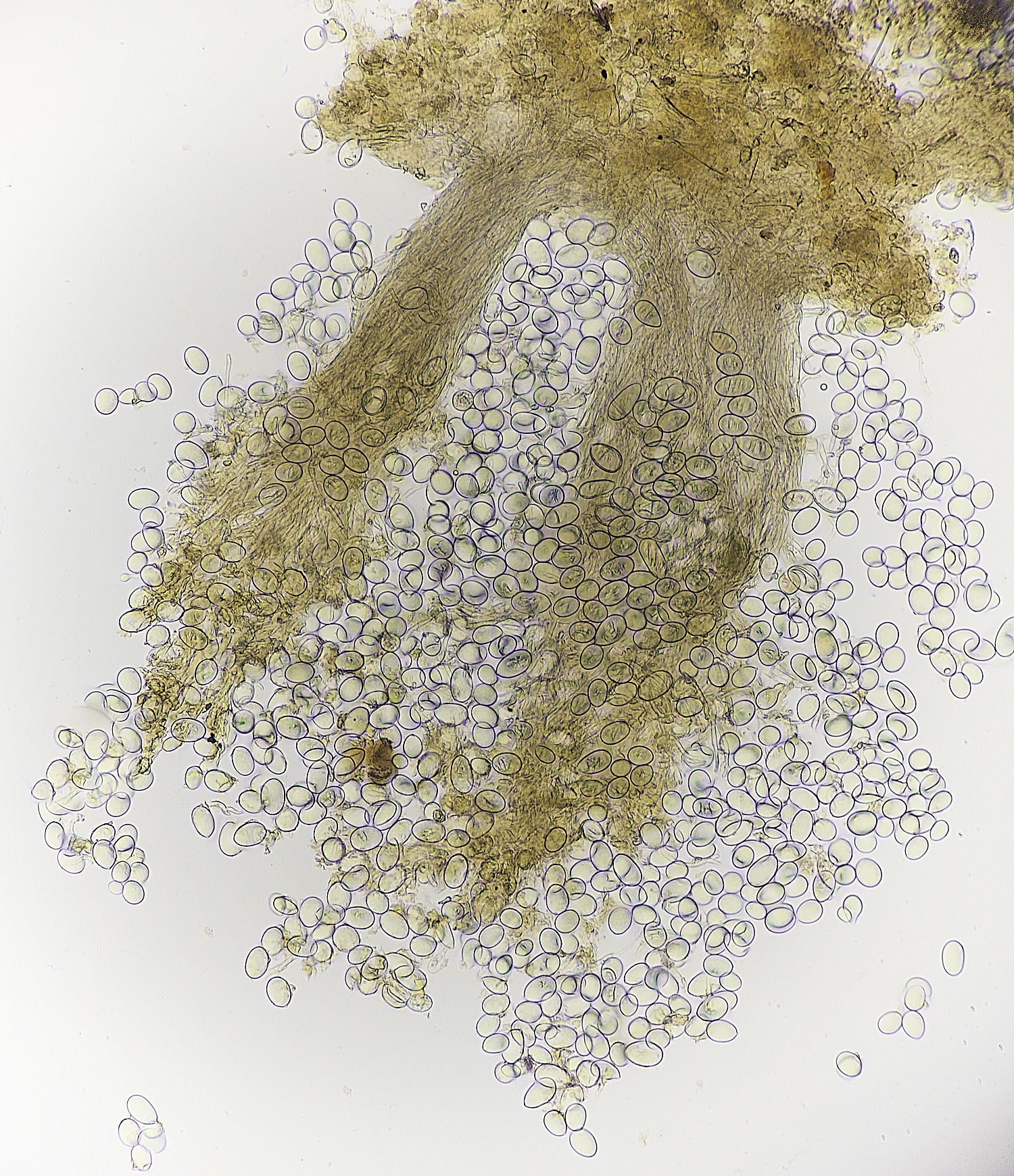
X 200
Spore 38.35 µm x 17.7 µm
From AW
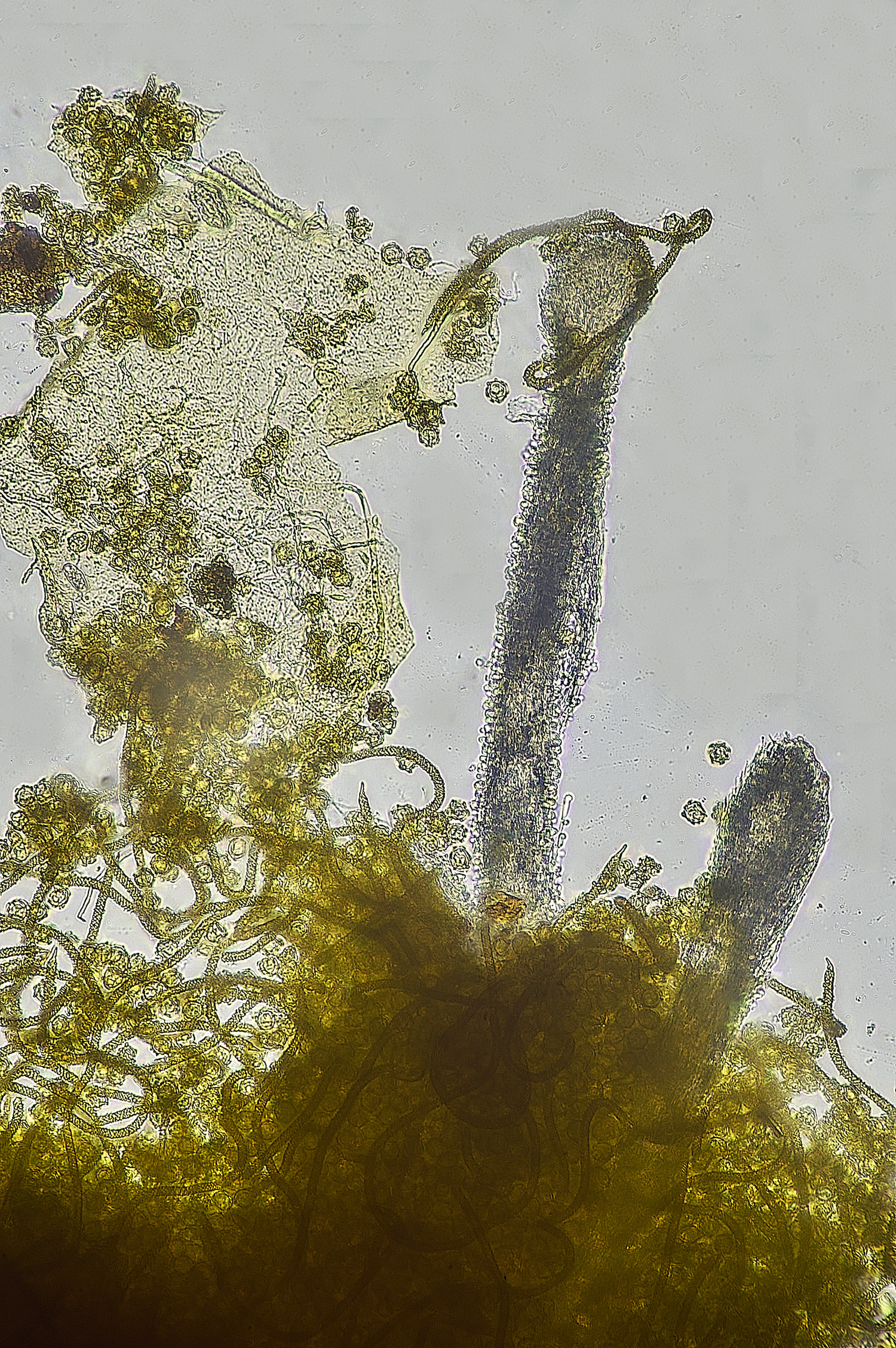
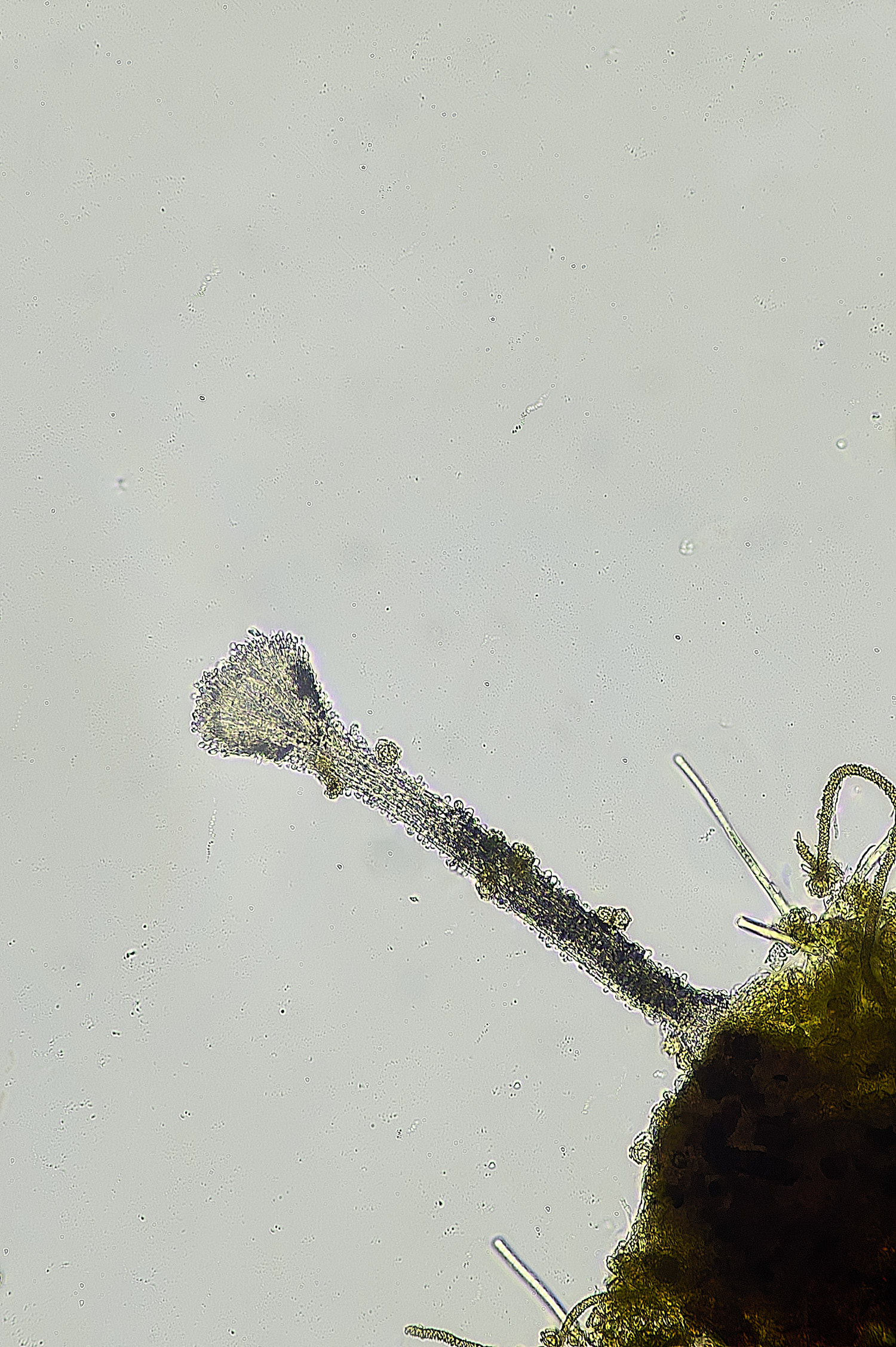
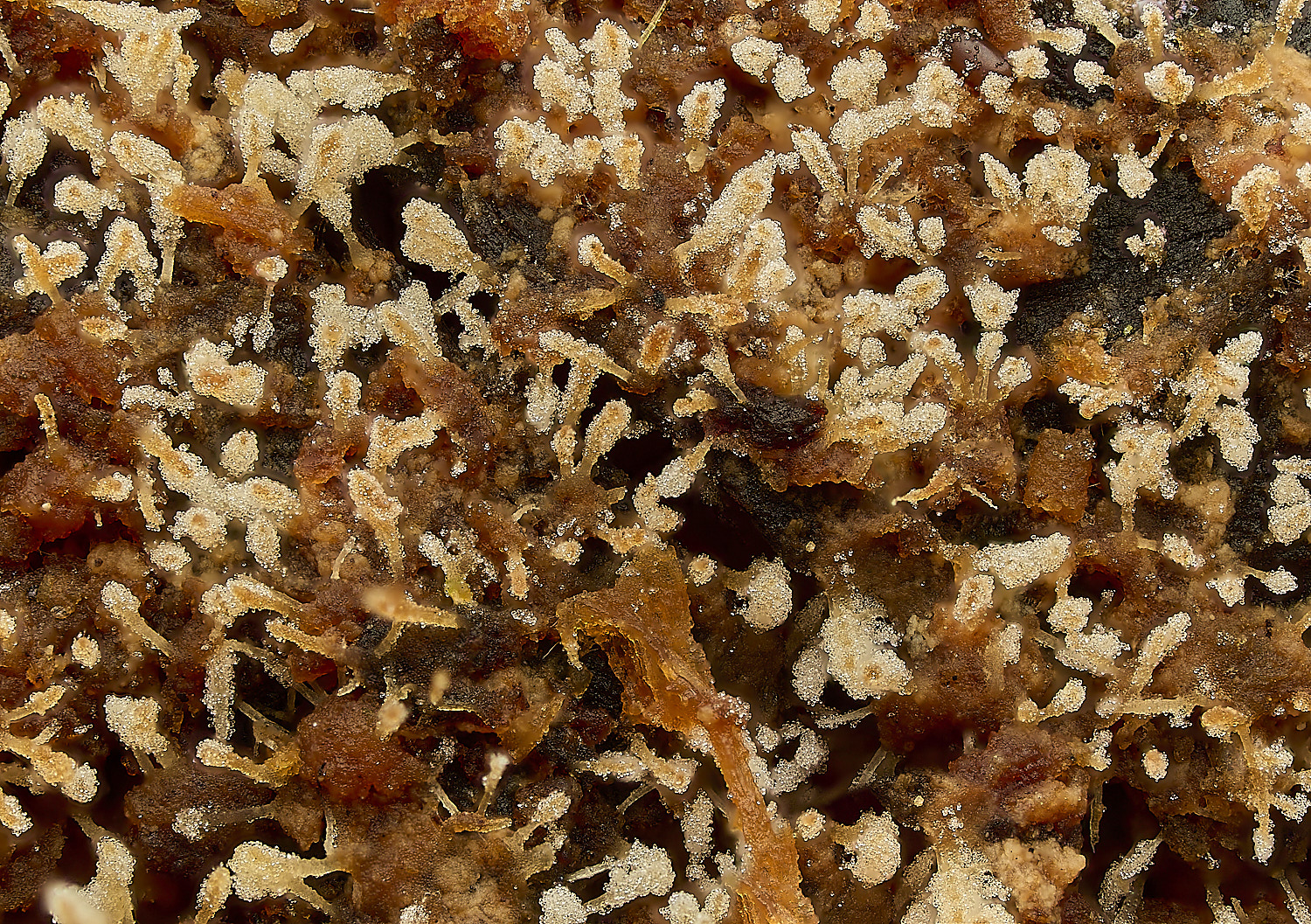
The pale synnemata on the rotten wood were Phaeoisaria clematidis - this is meant to be common according to Ellis & Ellis, but there is only one record on the Mycota dating back to 1946
Synnamata - specilaized, upright asexual reproducitve structures produced by certain fungi where numerous conidiohores fuse to form a stalk-like, often branched, bundle.
This can be clearly seen in the images above.
Phaeoisaria clematidis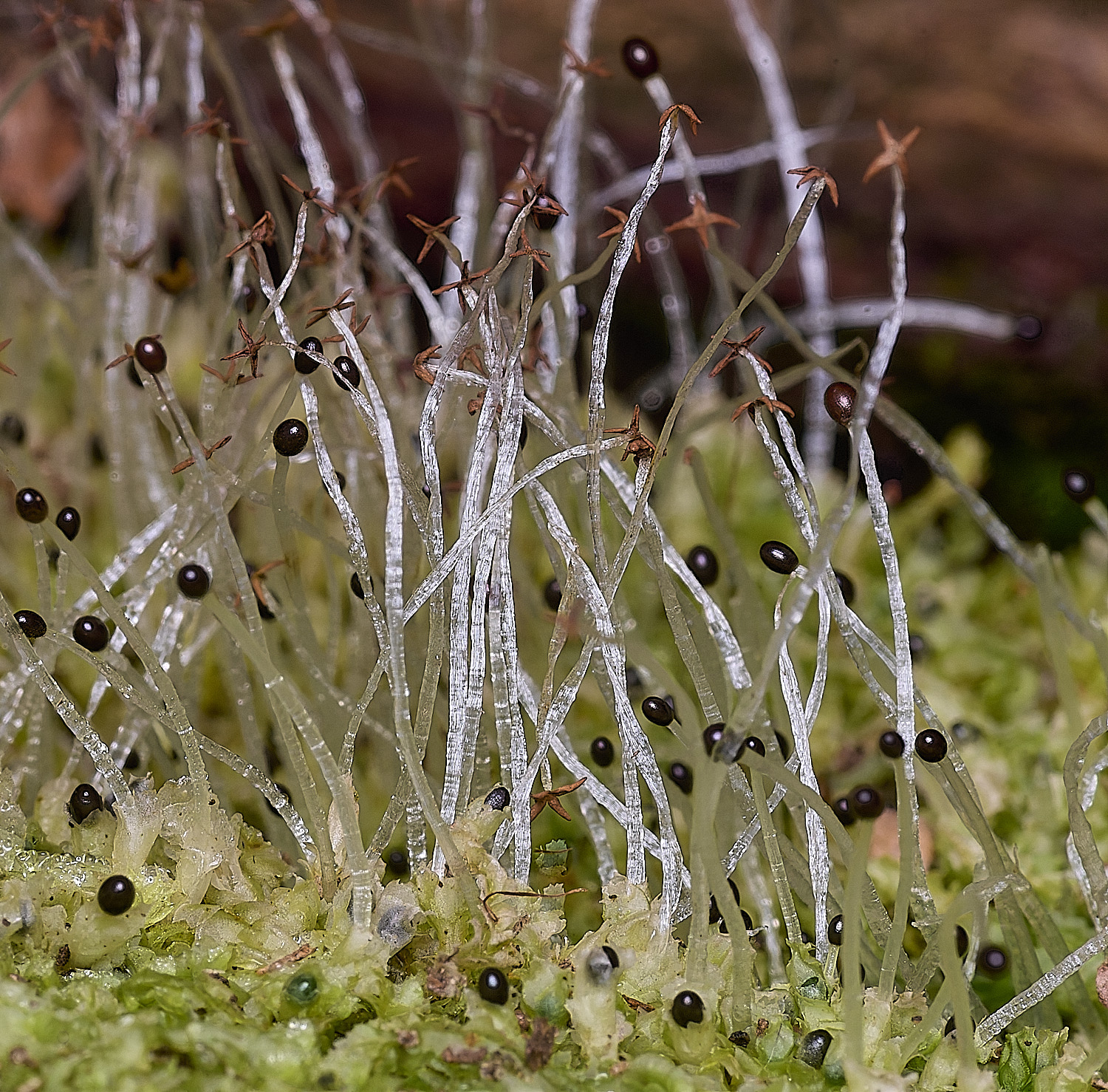
Bifid Crestwort (Lophocolea bidentata) fruiting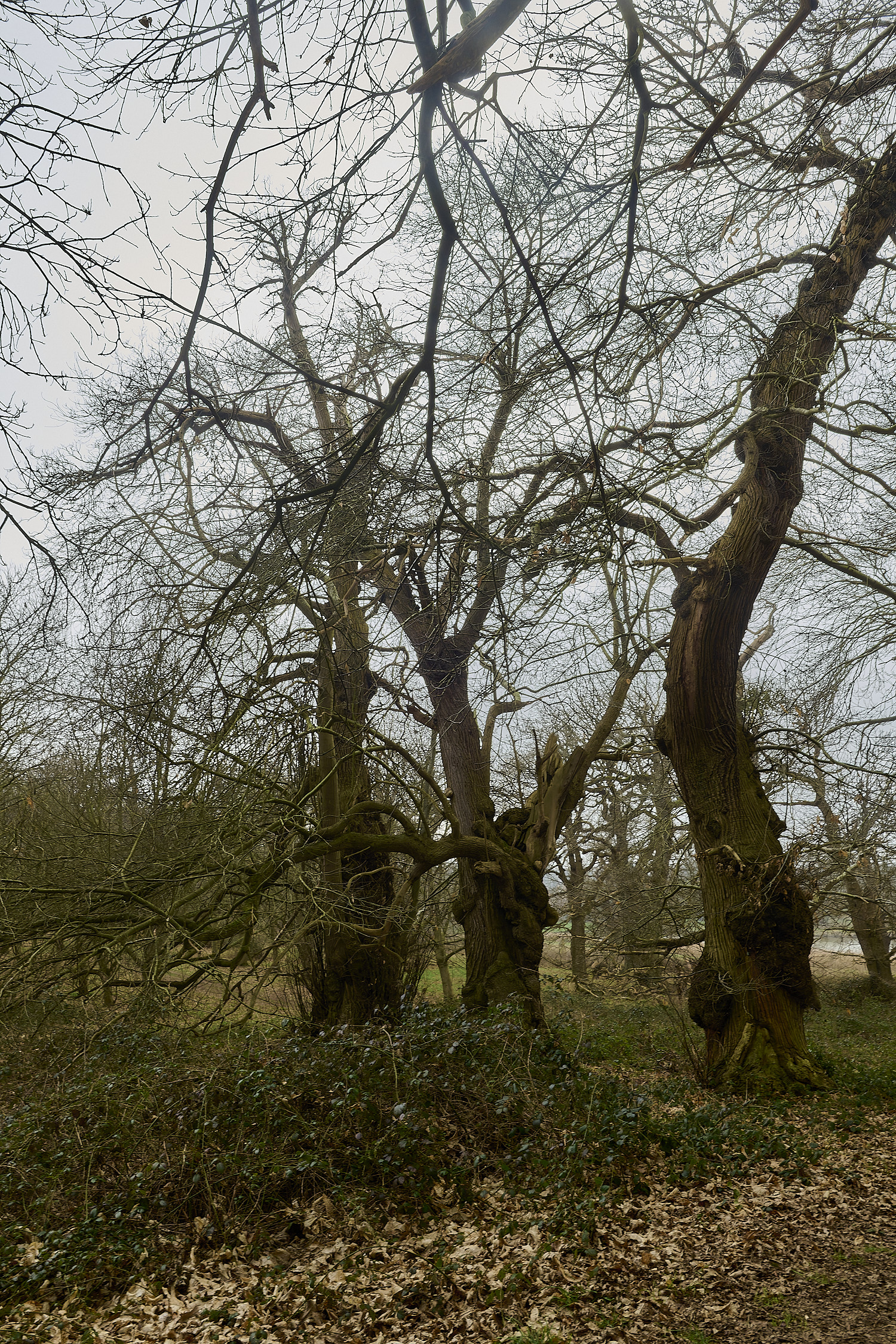
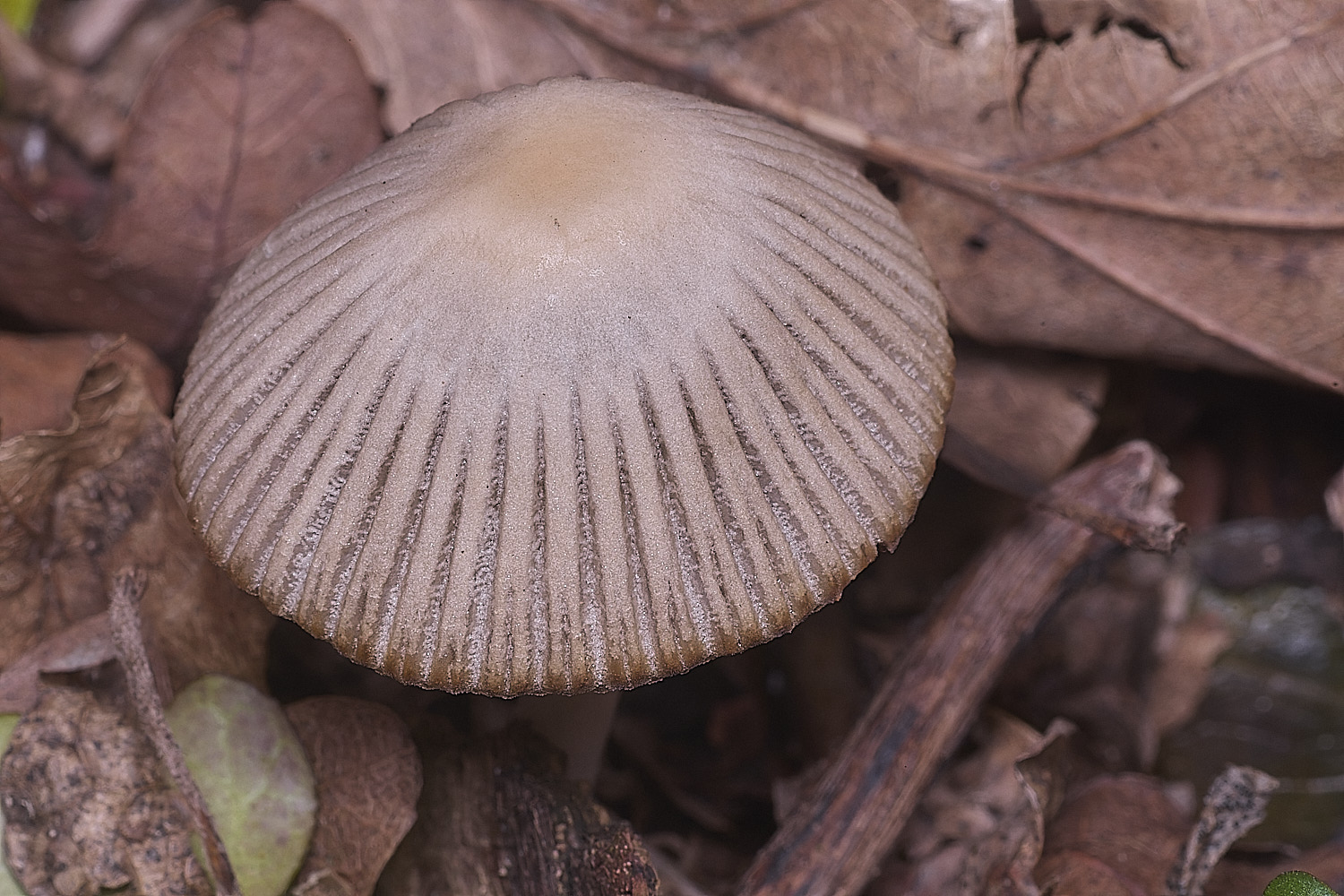
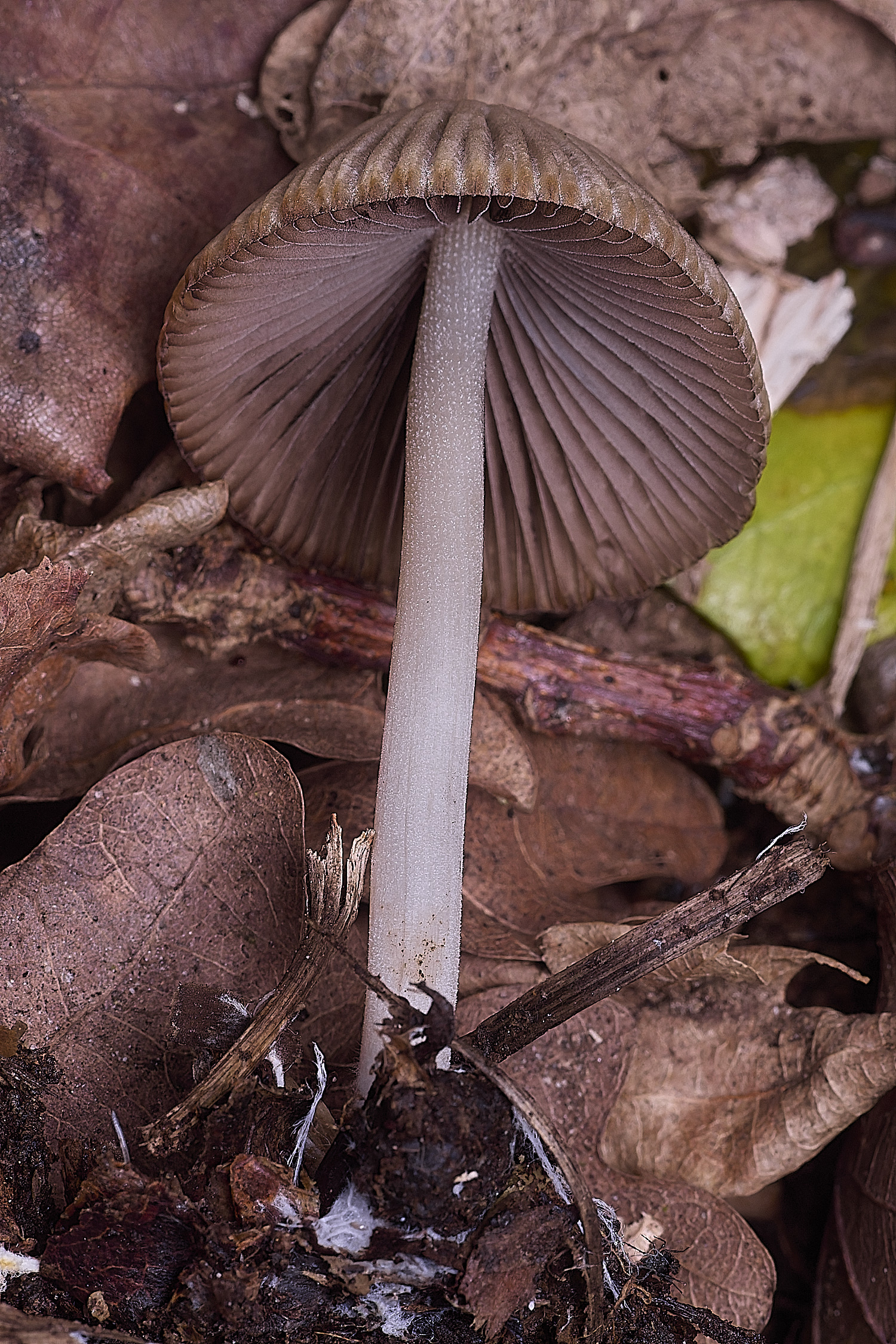
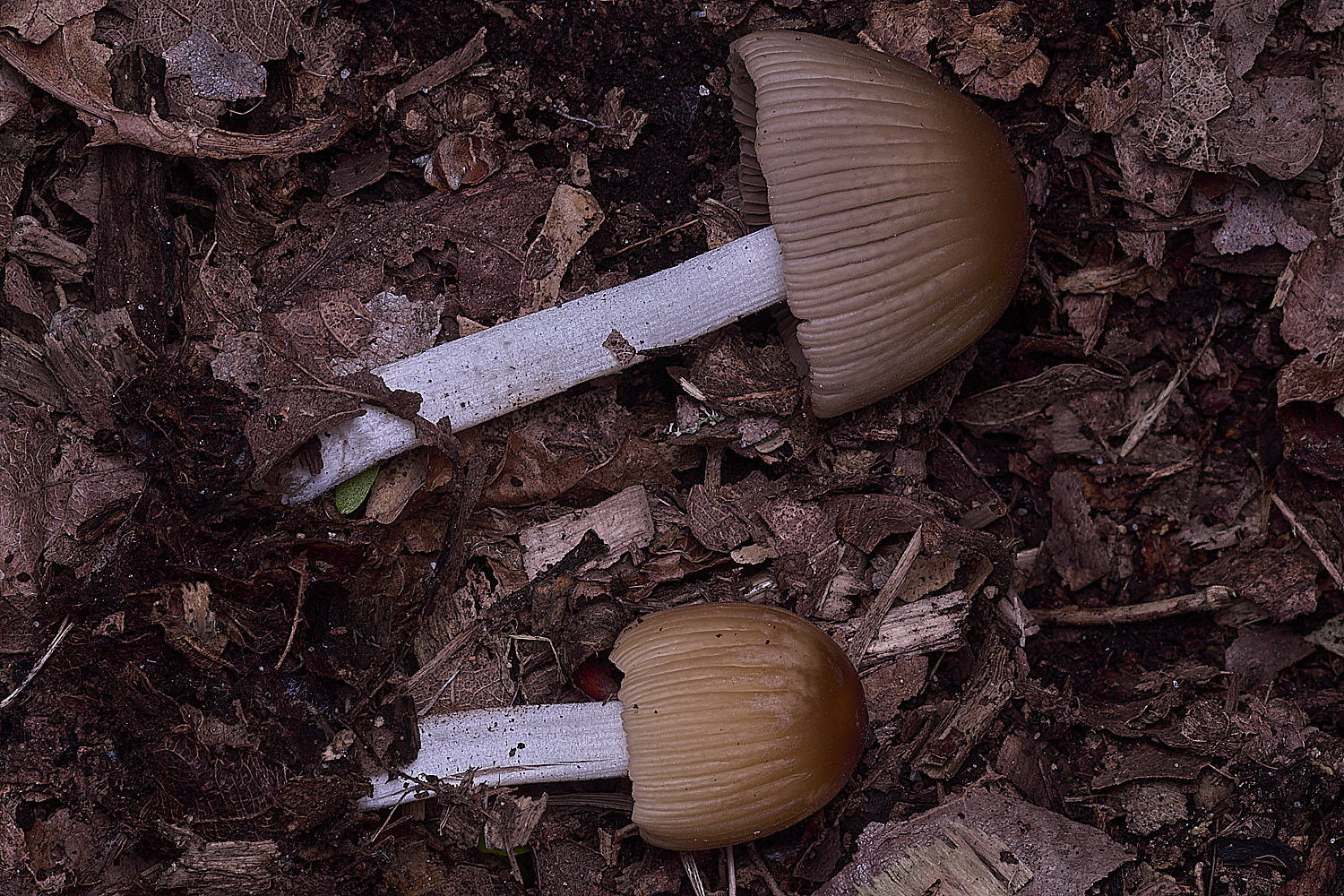
Coprinellus (tulosesus) impatiens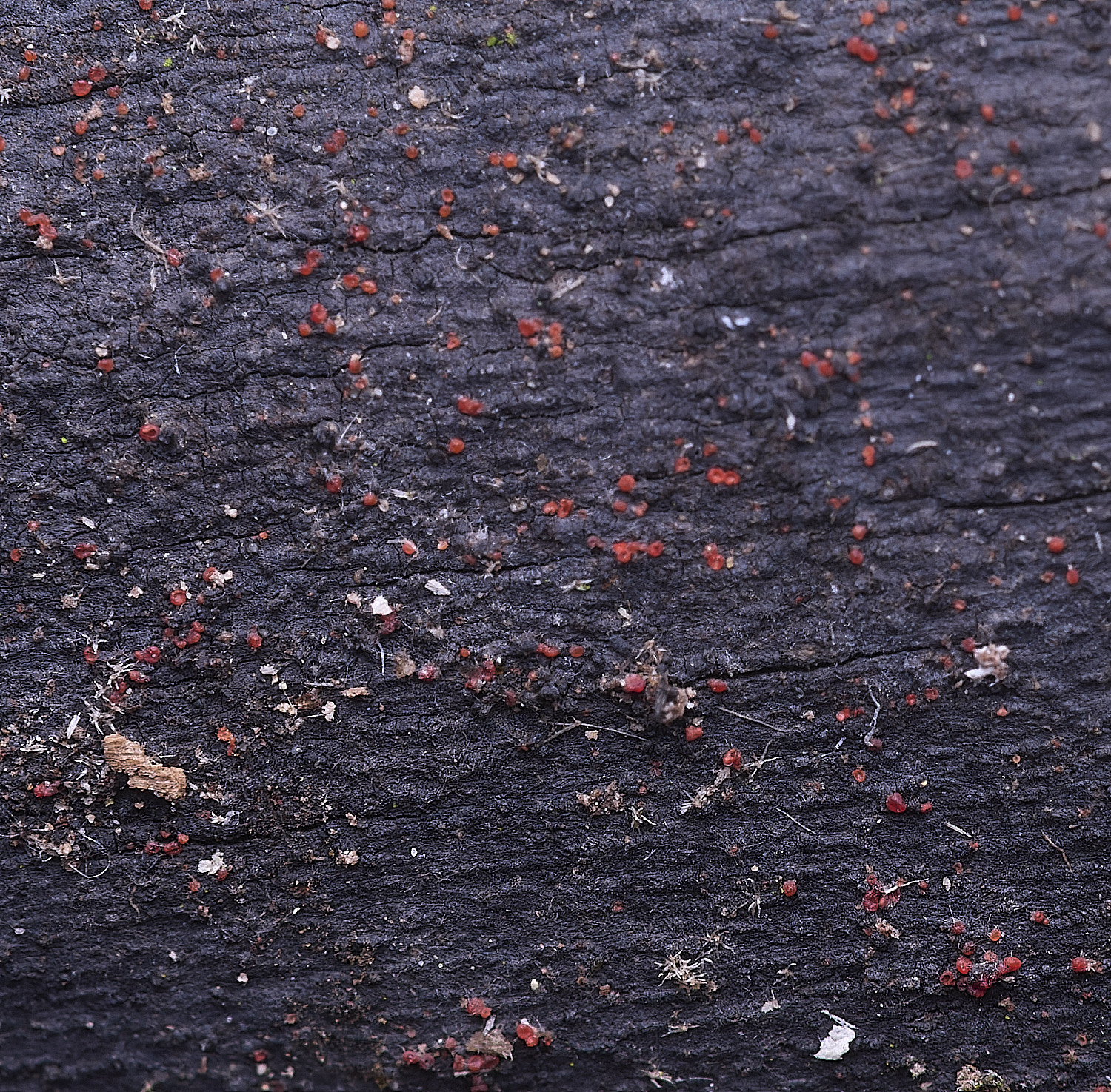
Nectria Sp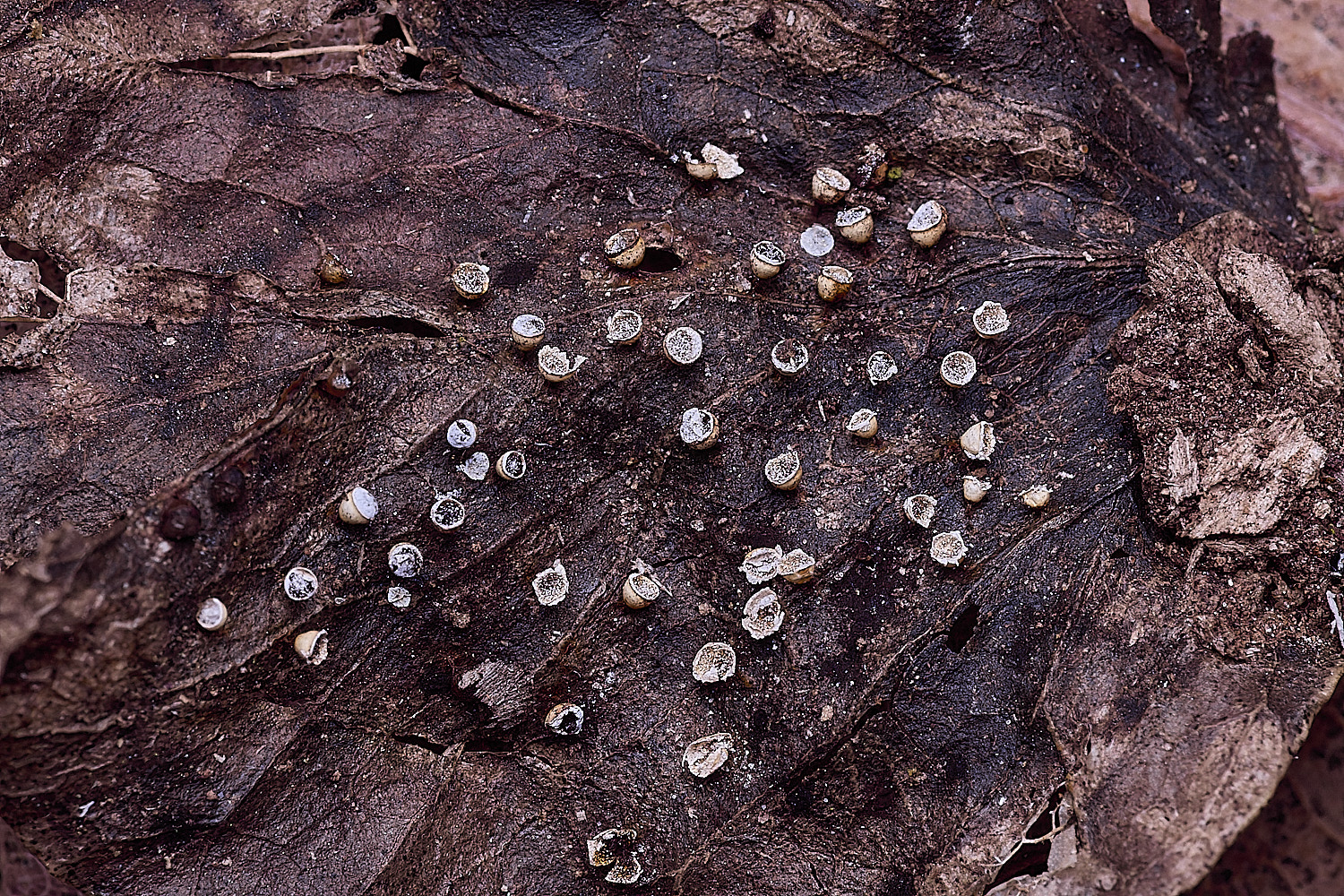
Craterium minutum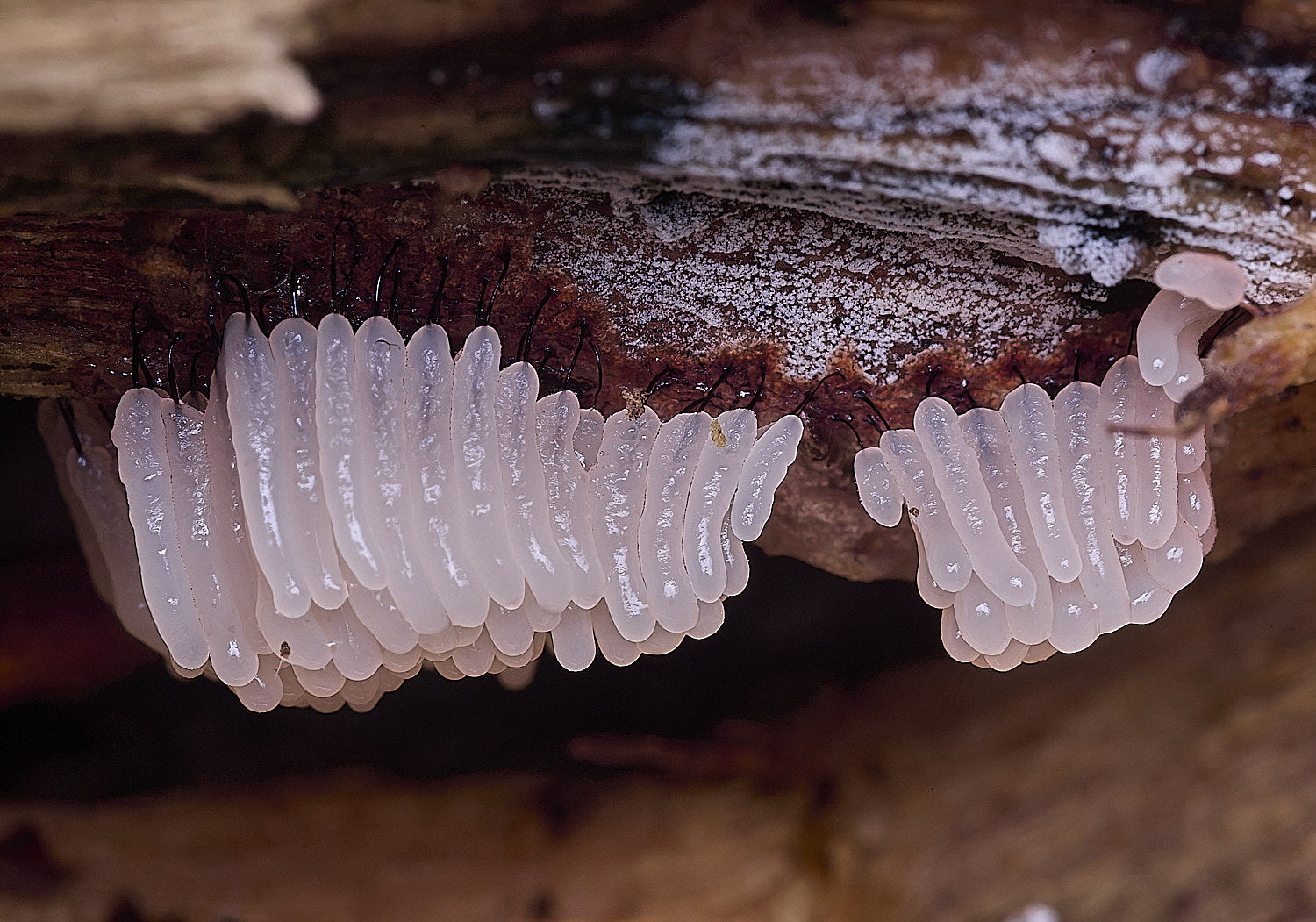
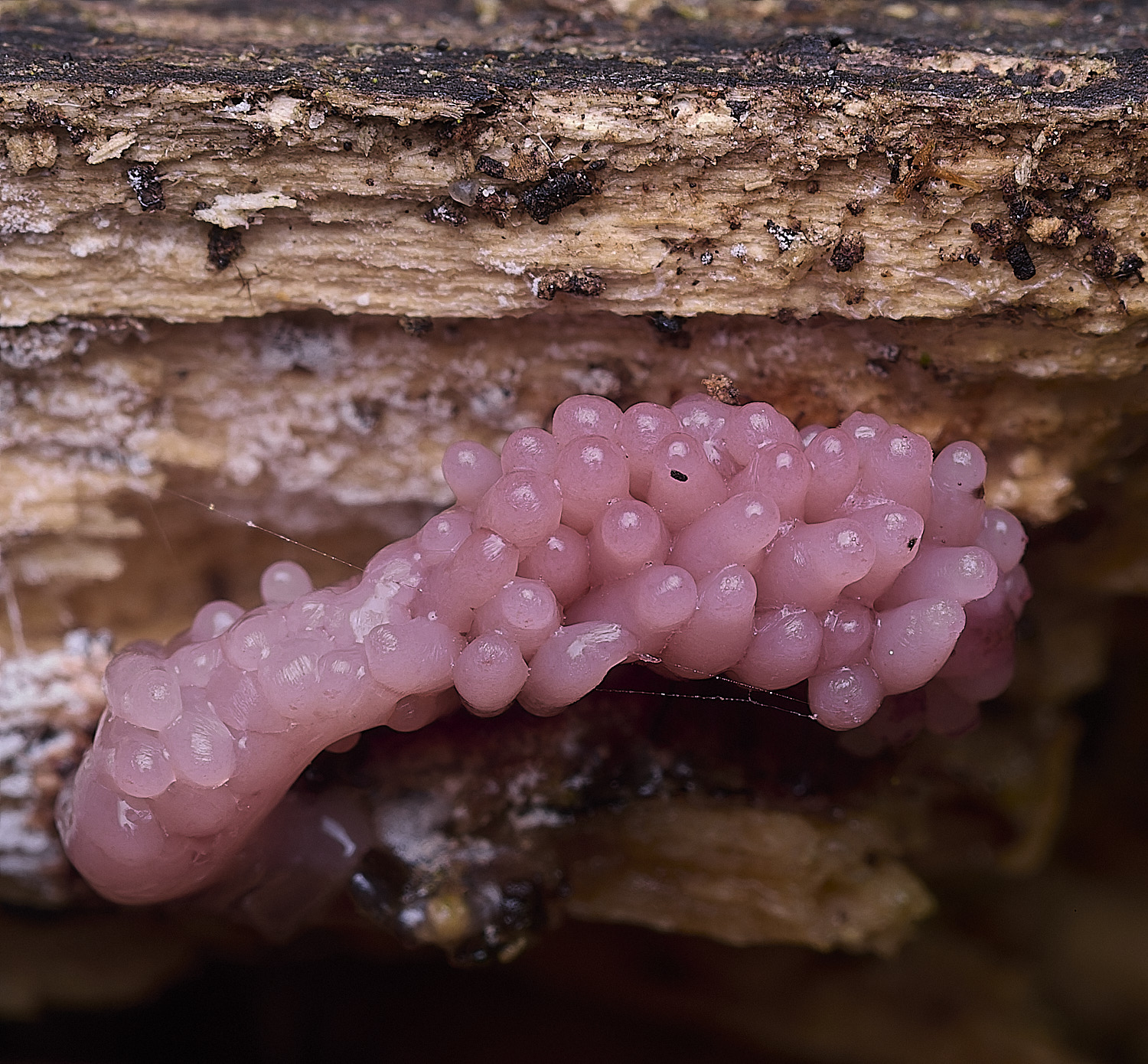
Slime Mold Sp
Stemonitis Sp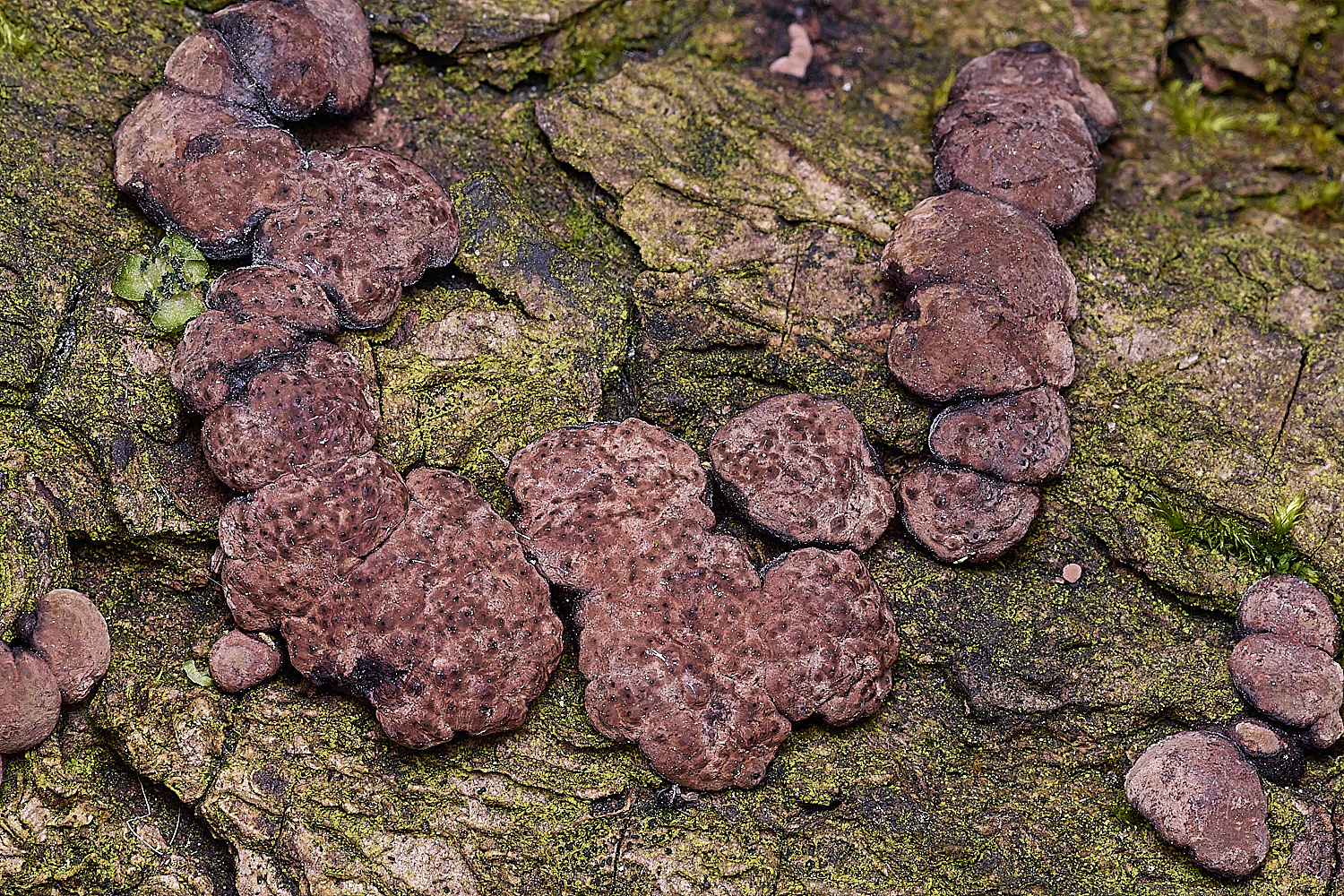
Hypoxylon minutum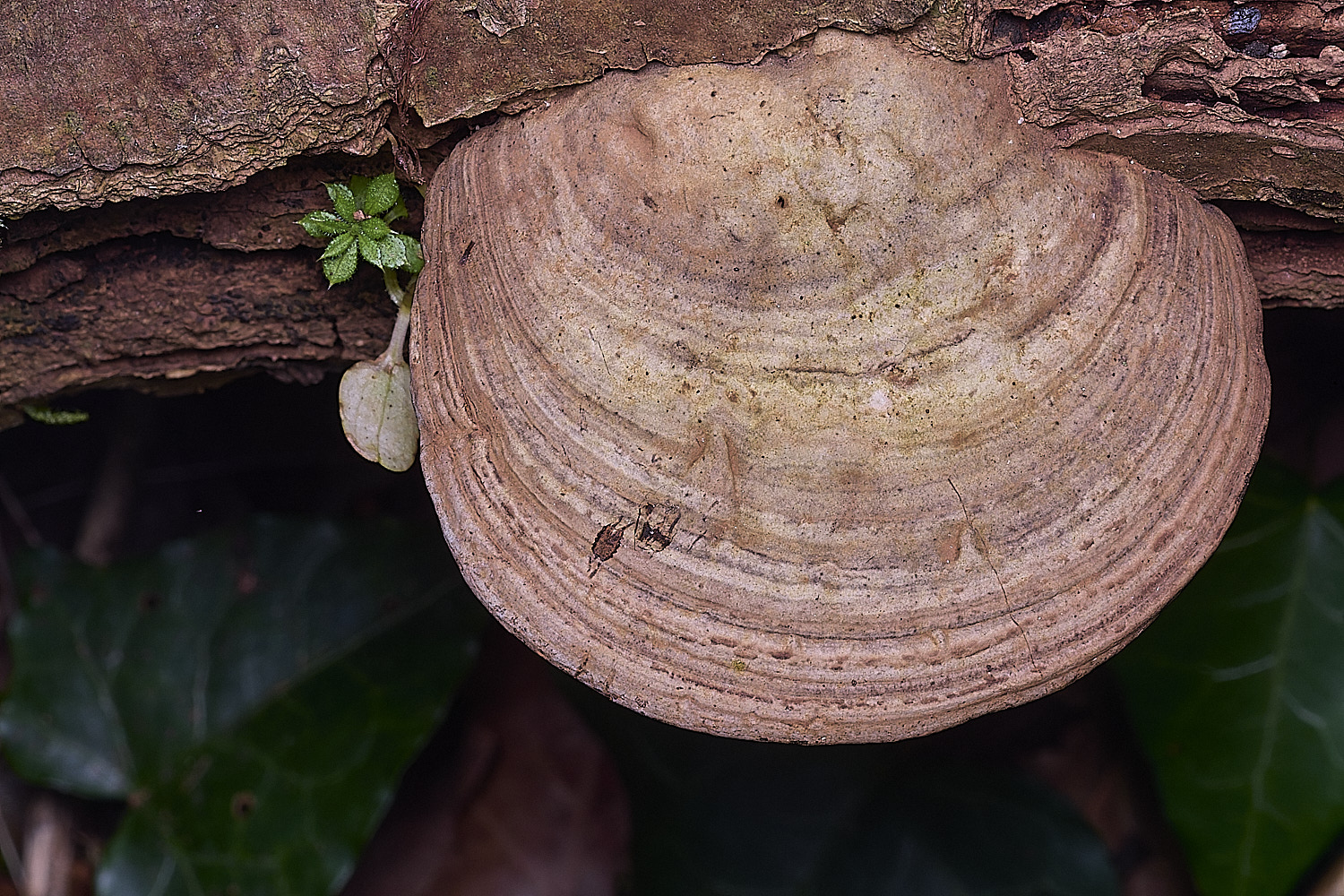
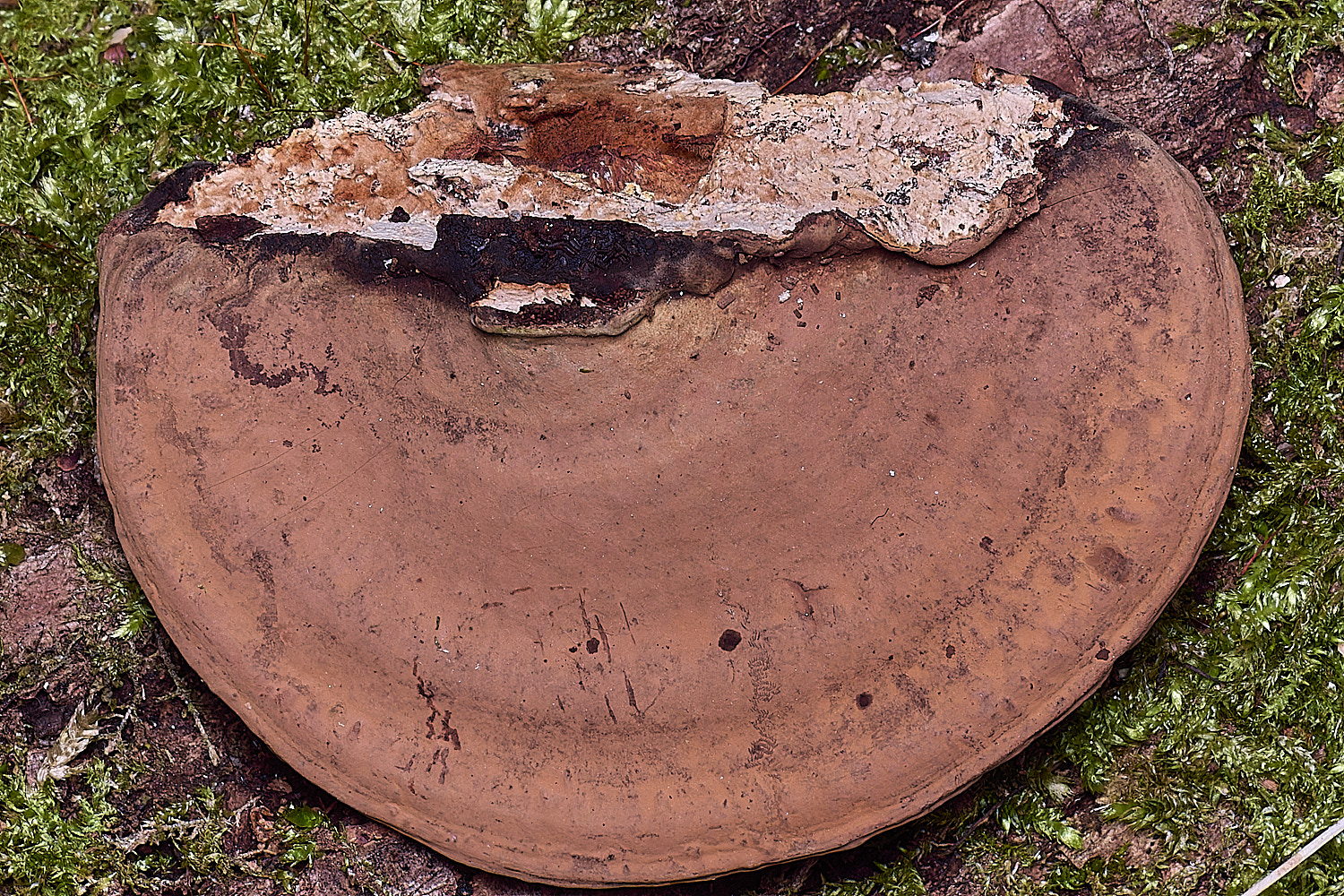
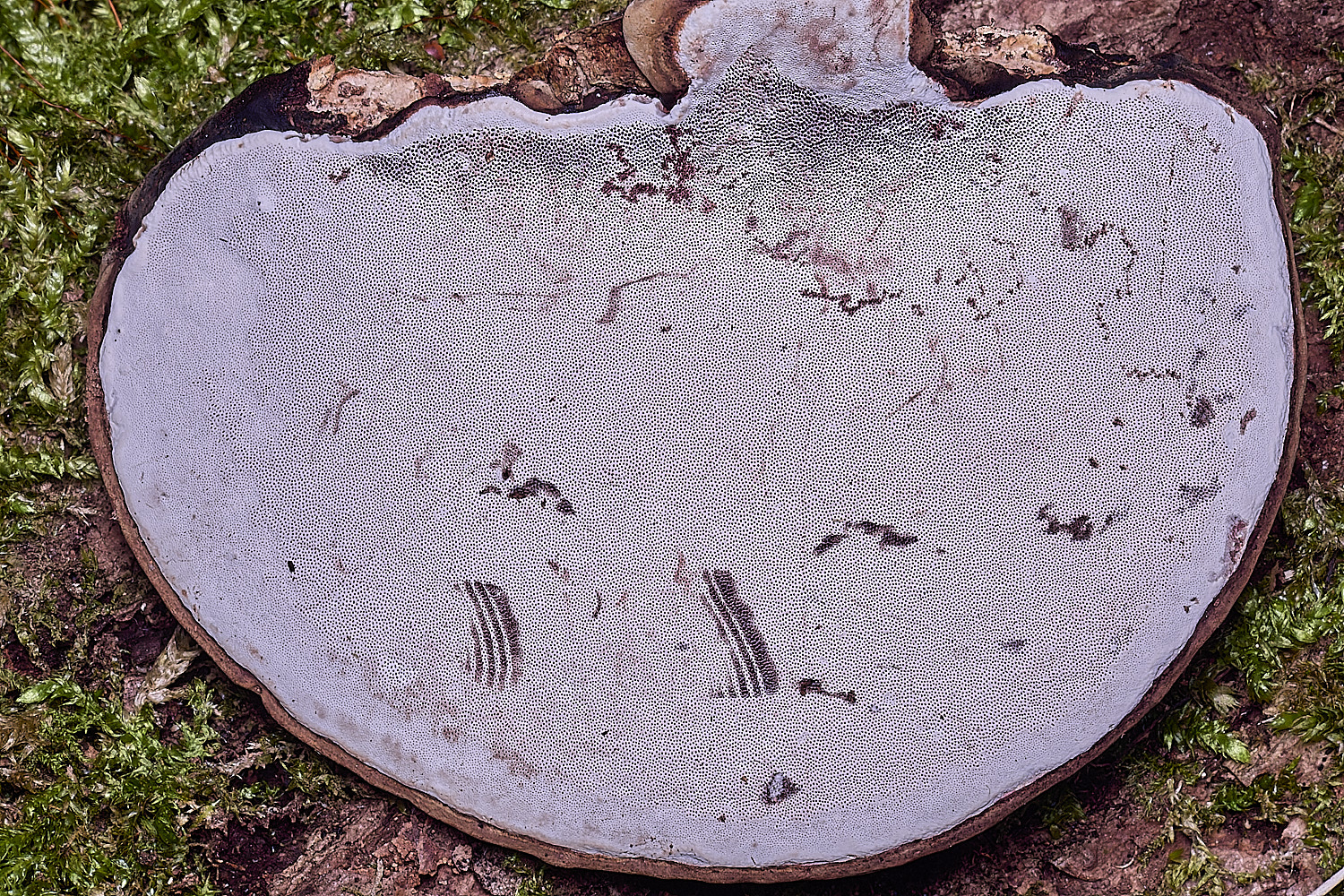
Ganoderma Sp
from AC
with a slighly zoned top - Artist's Bracket (Ganoderma aplanatum)
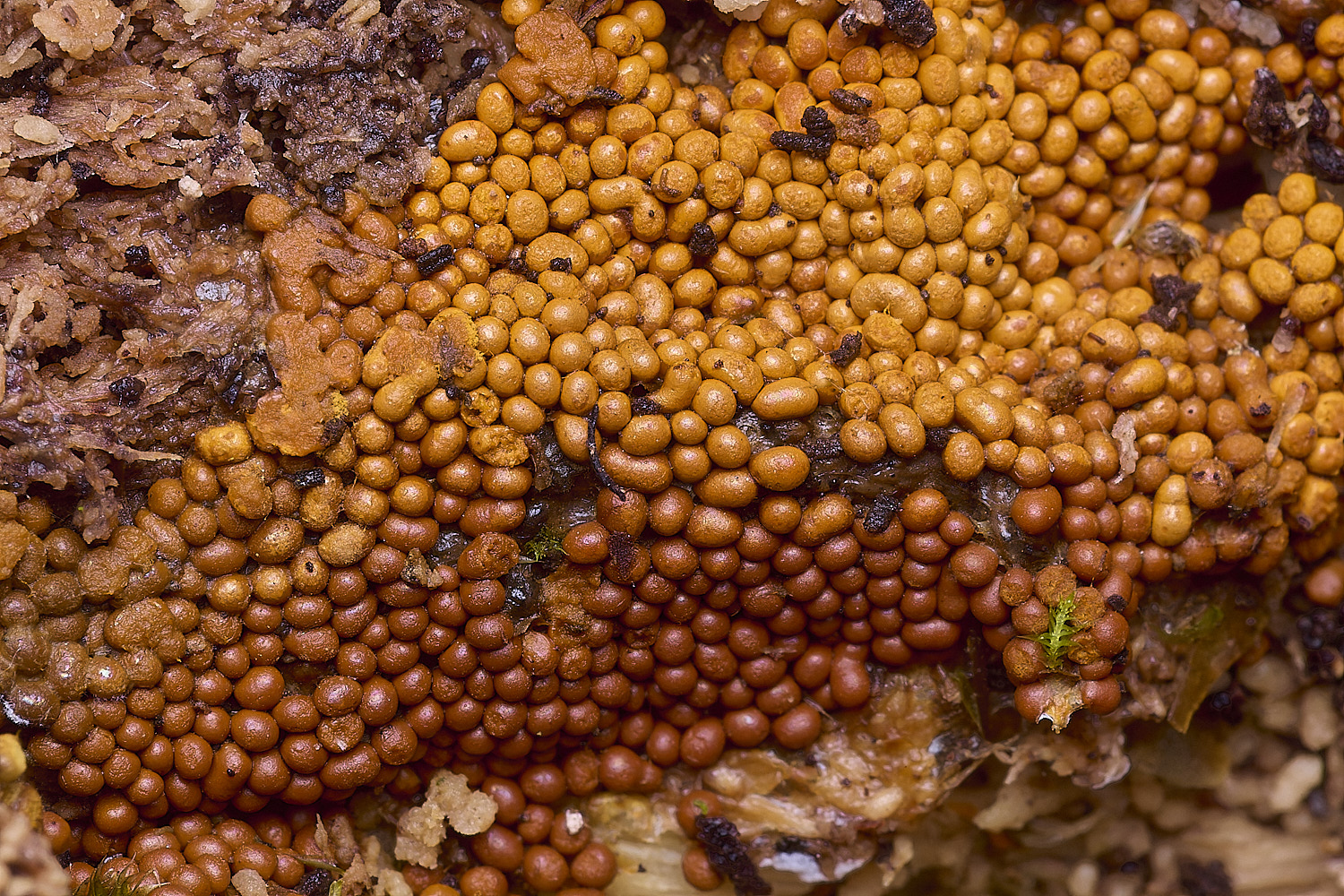
Slime Mold Sp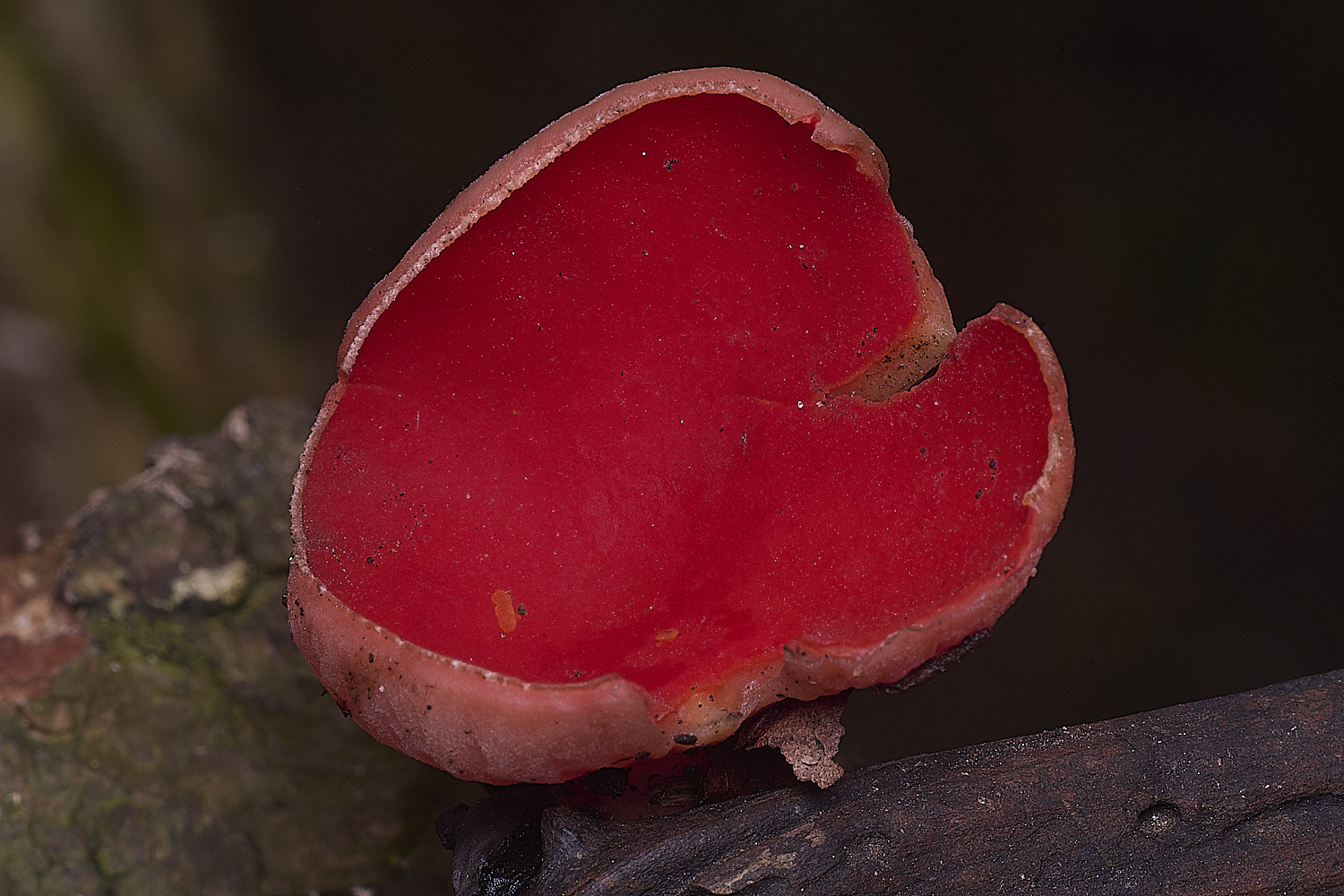
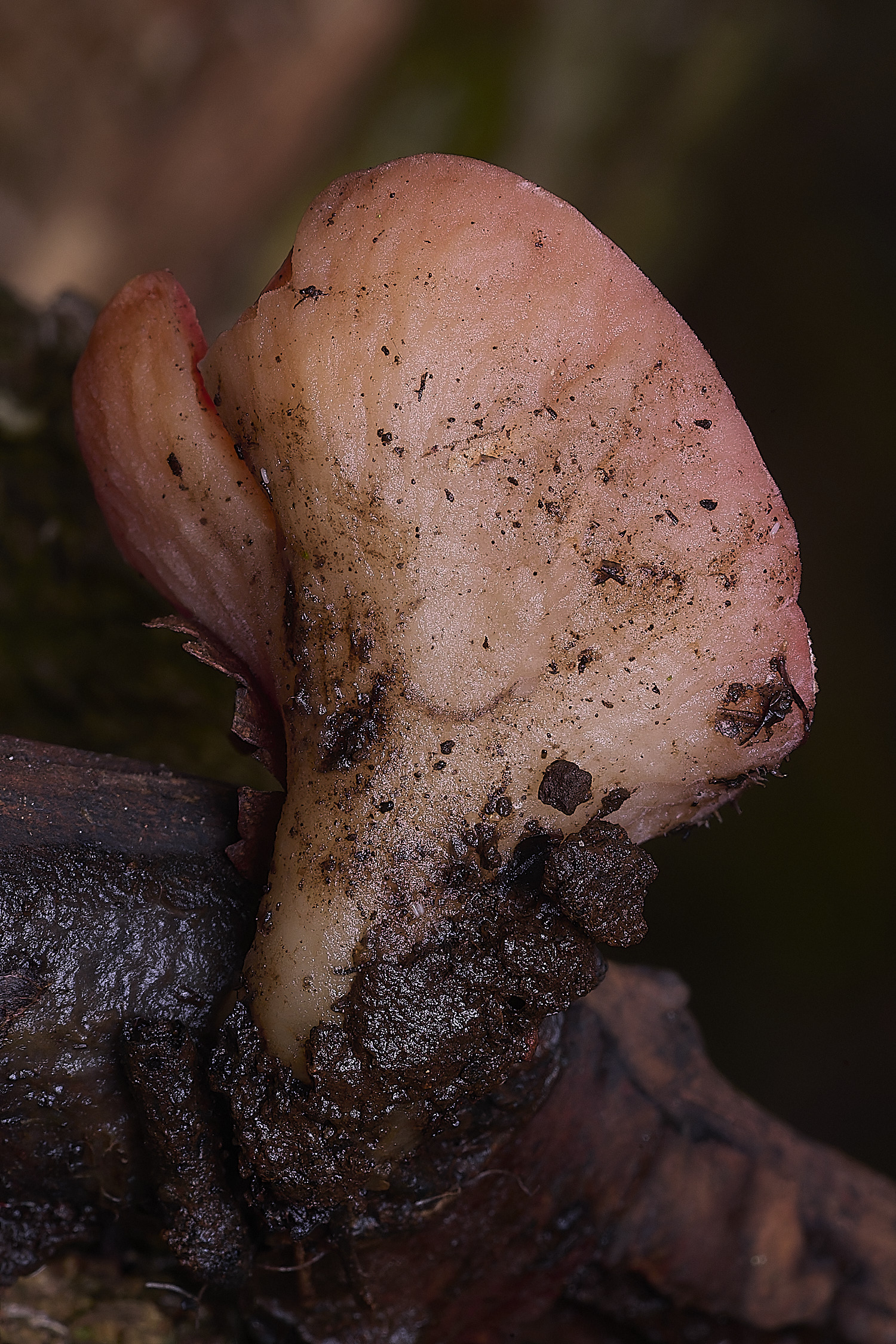
Elfcup Sp (Sarcoscypha Sp)
From TL
On balance: esp width of spores
Scarlet Elfcup (Sacroscypha austriaca)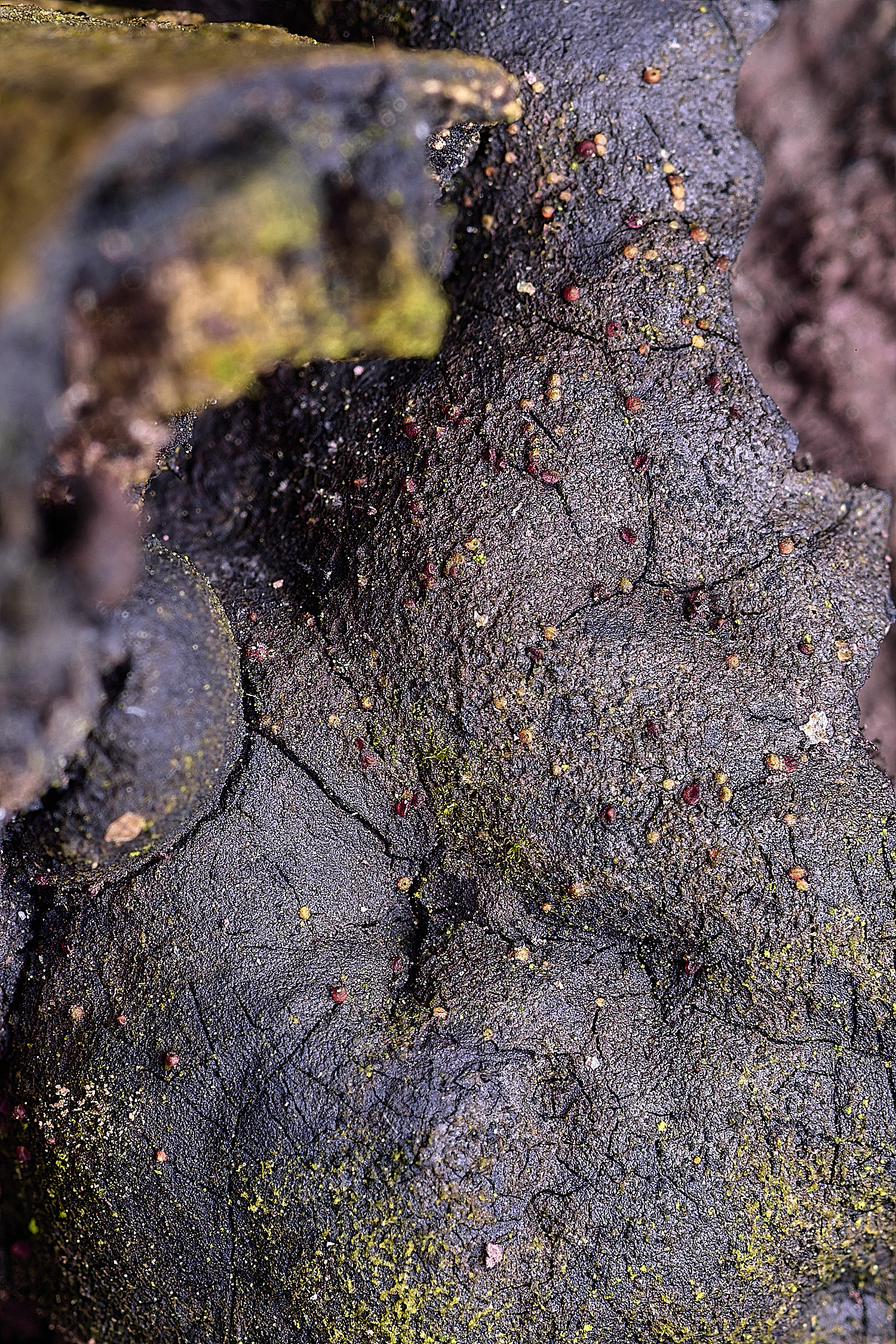
Nectria Sp on King Alfred's Cakes (Daldinia)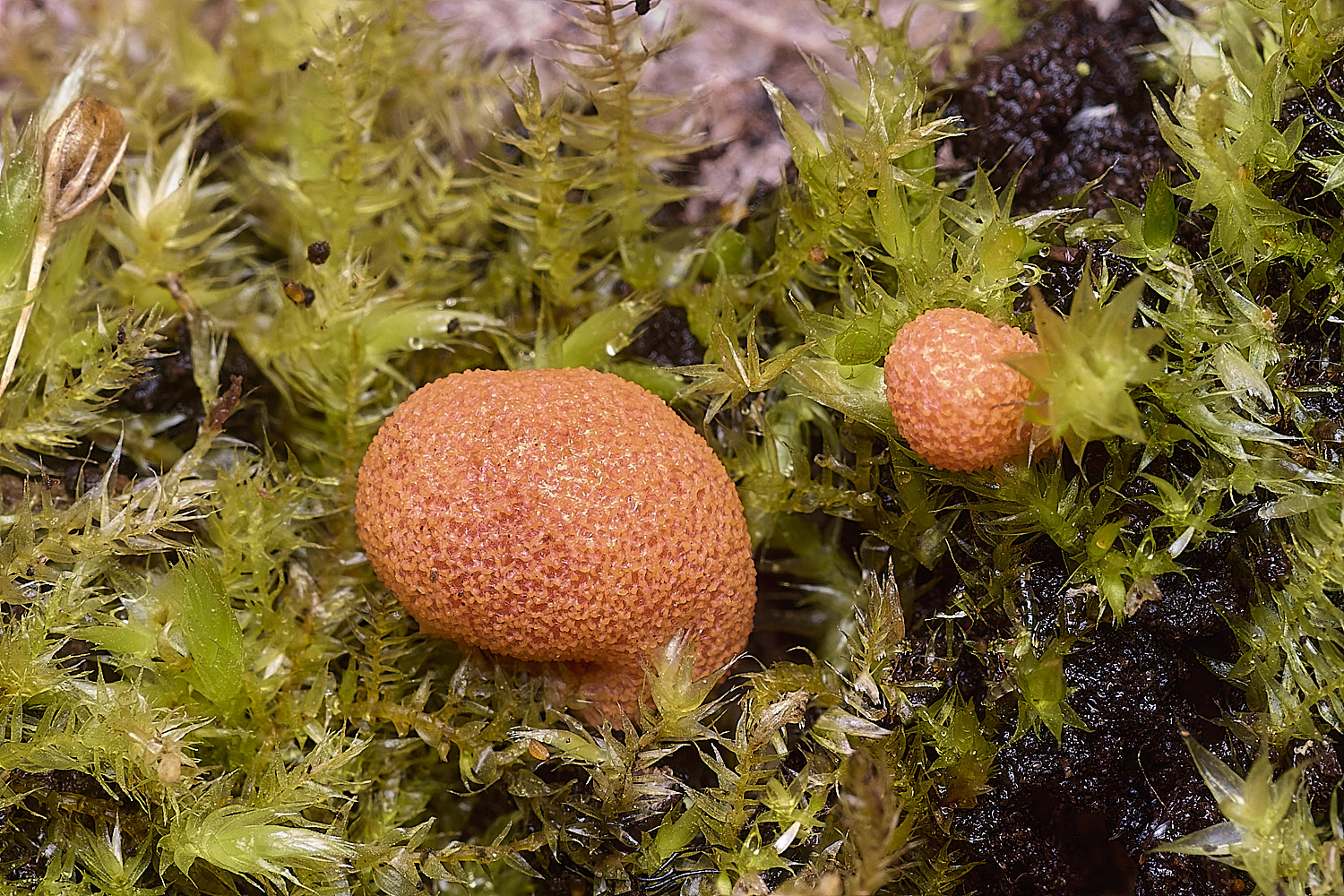
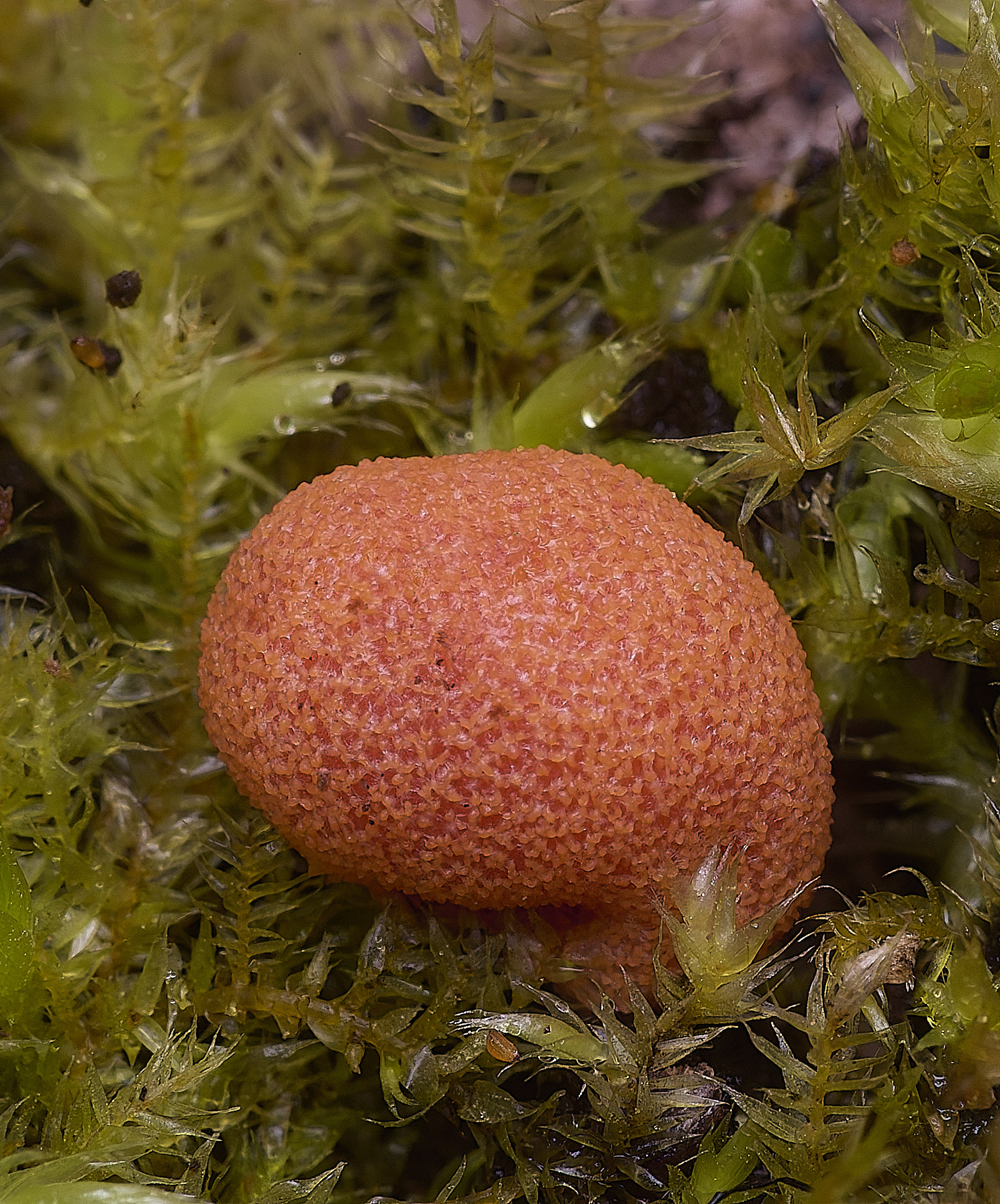
Wolf's Milk (Lycogala Sp)
From TL
Lycogala terrestre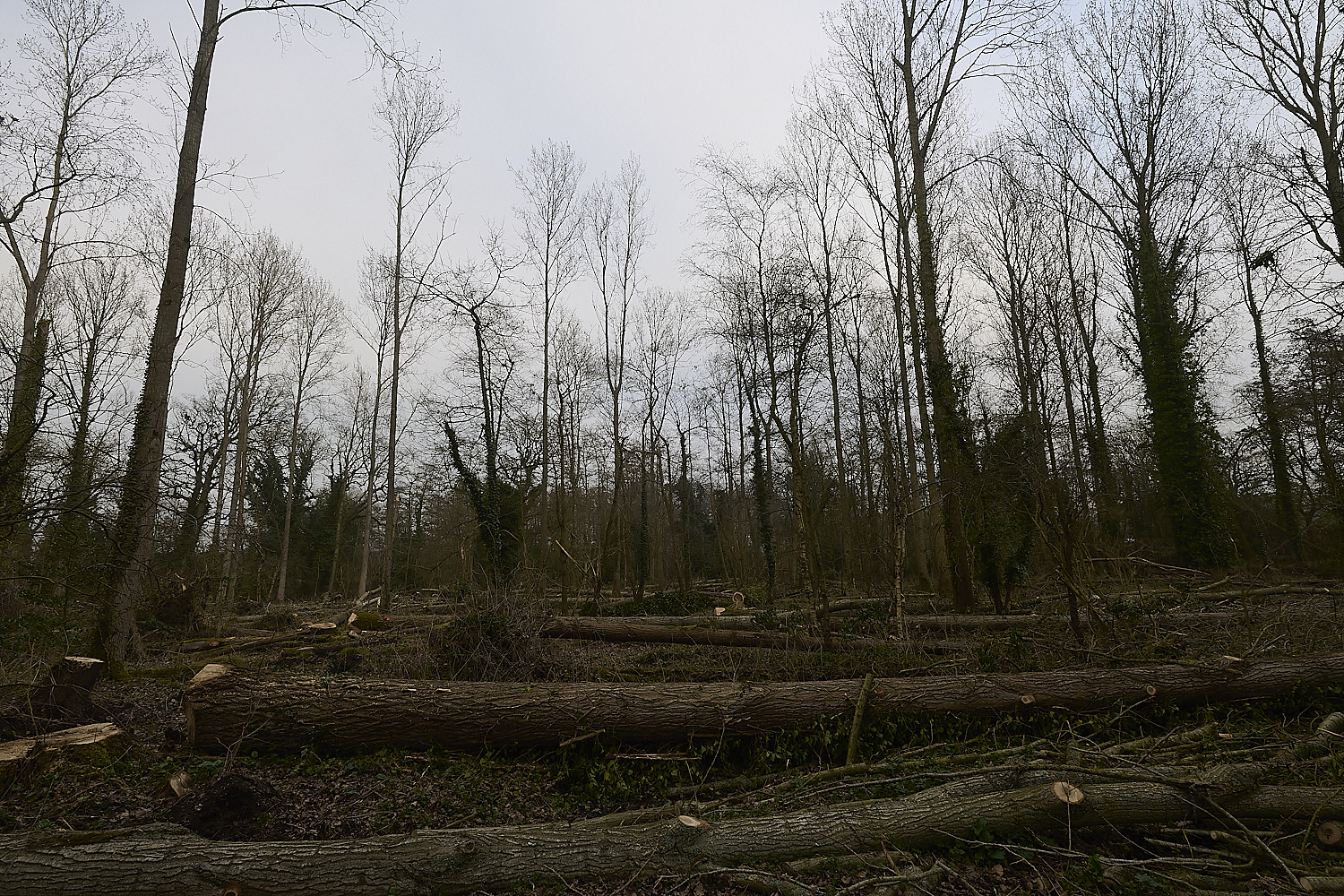
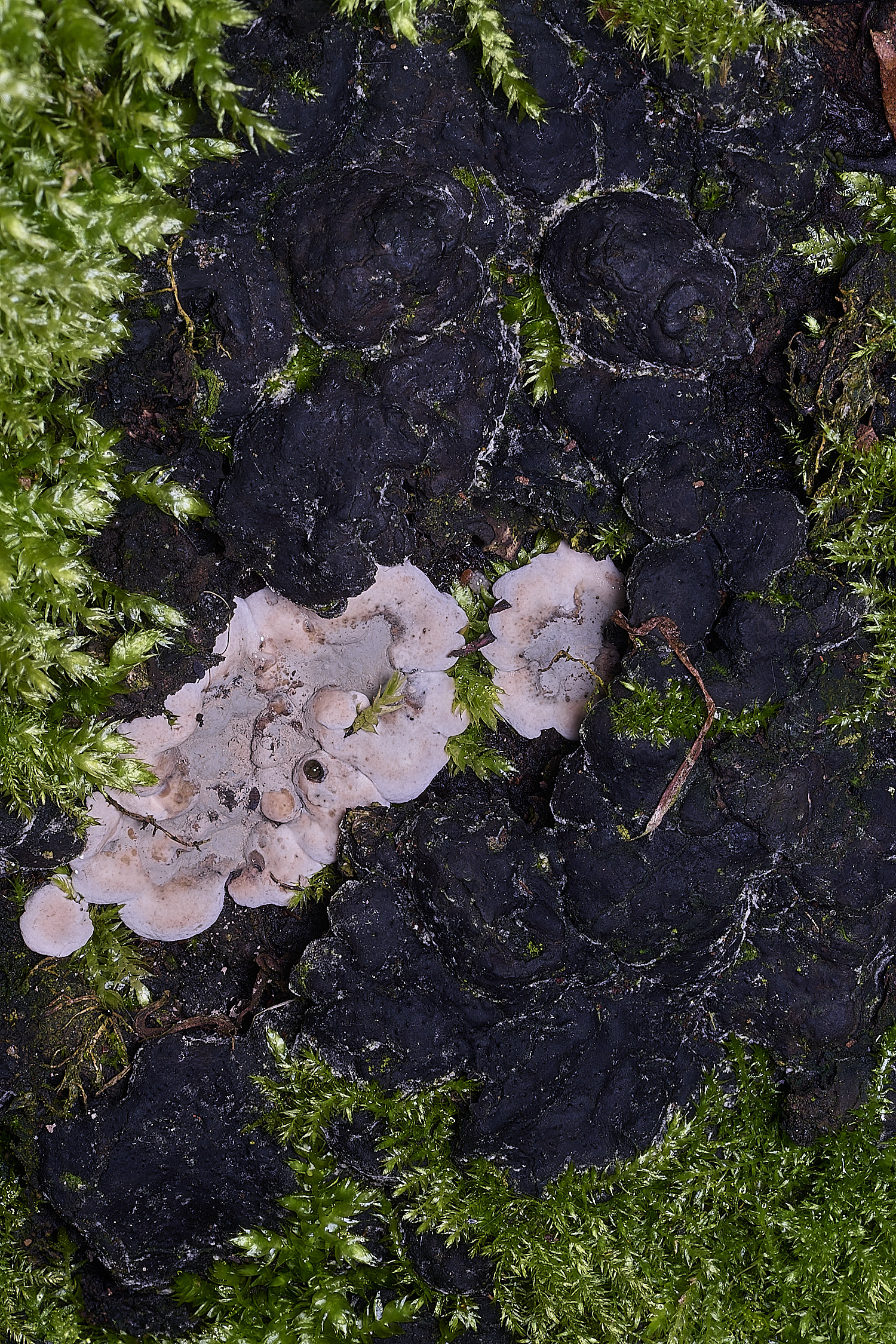
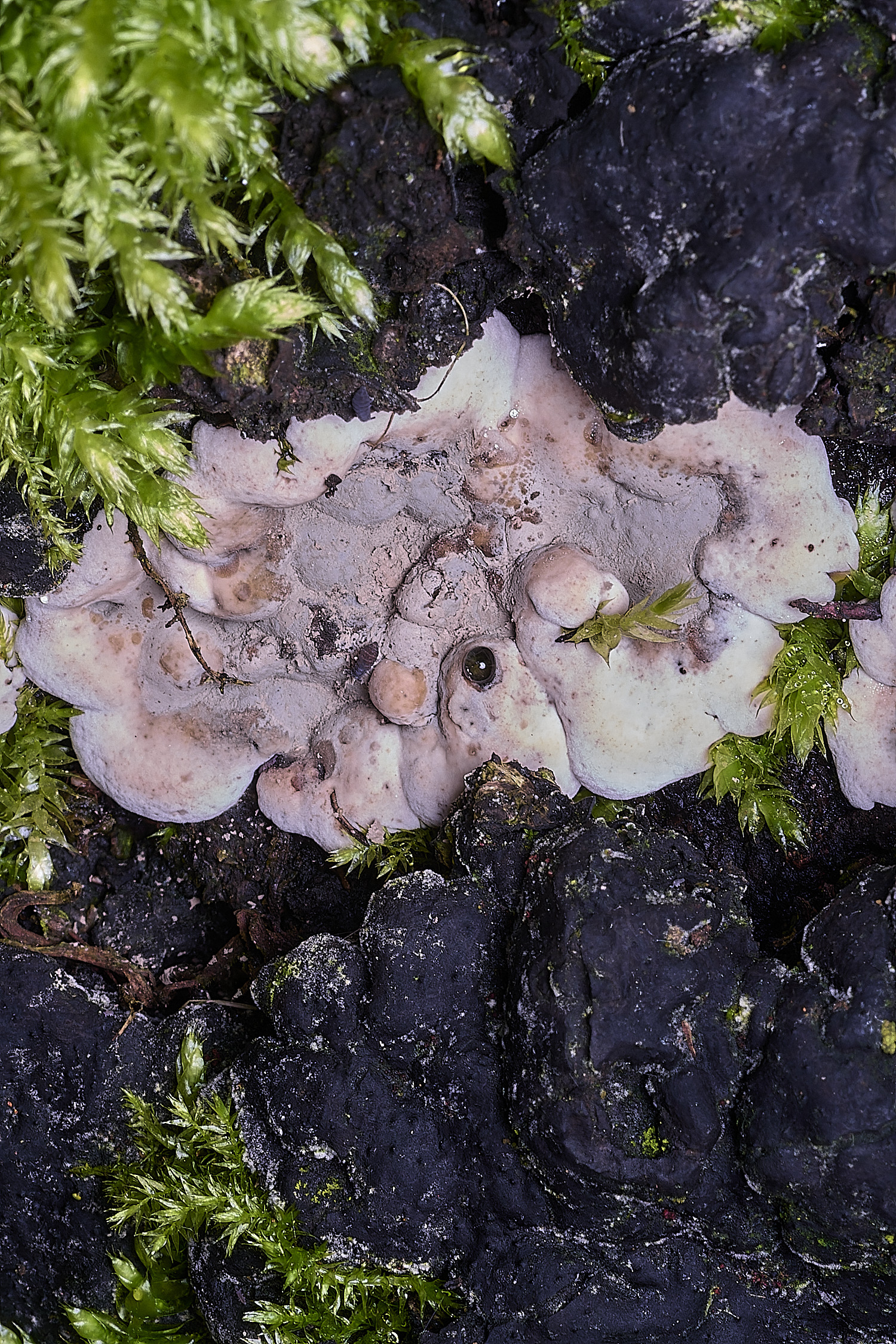
The small red fungi in the bottom right of this image are Cosmospora uceline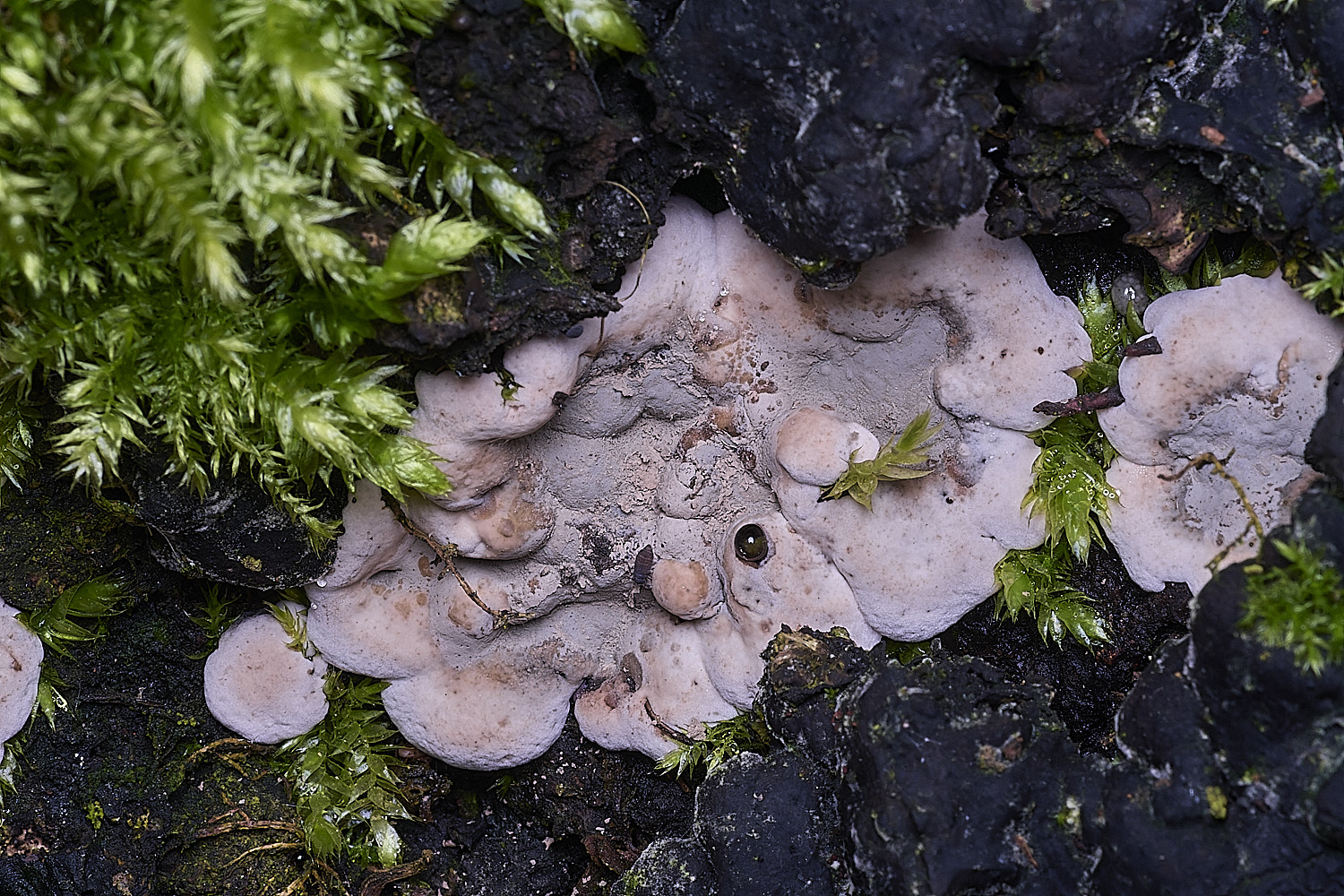
Brittle Cinder (Kretzchmaria deusta)
Brittle Cinder Fungus
Bartlett Tree Experts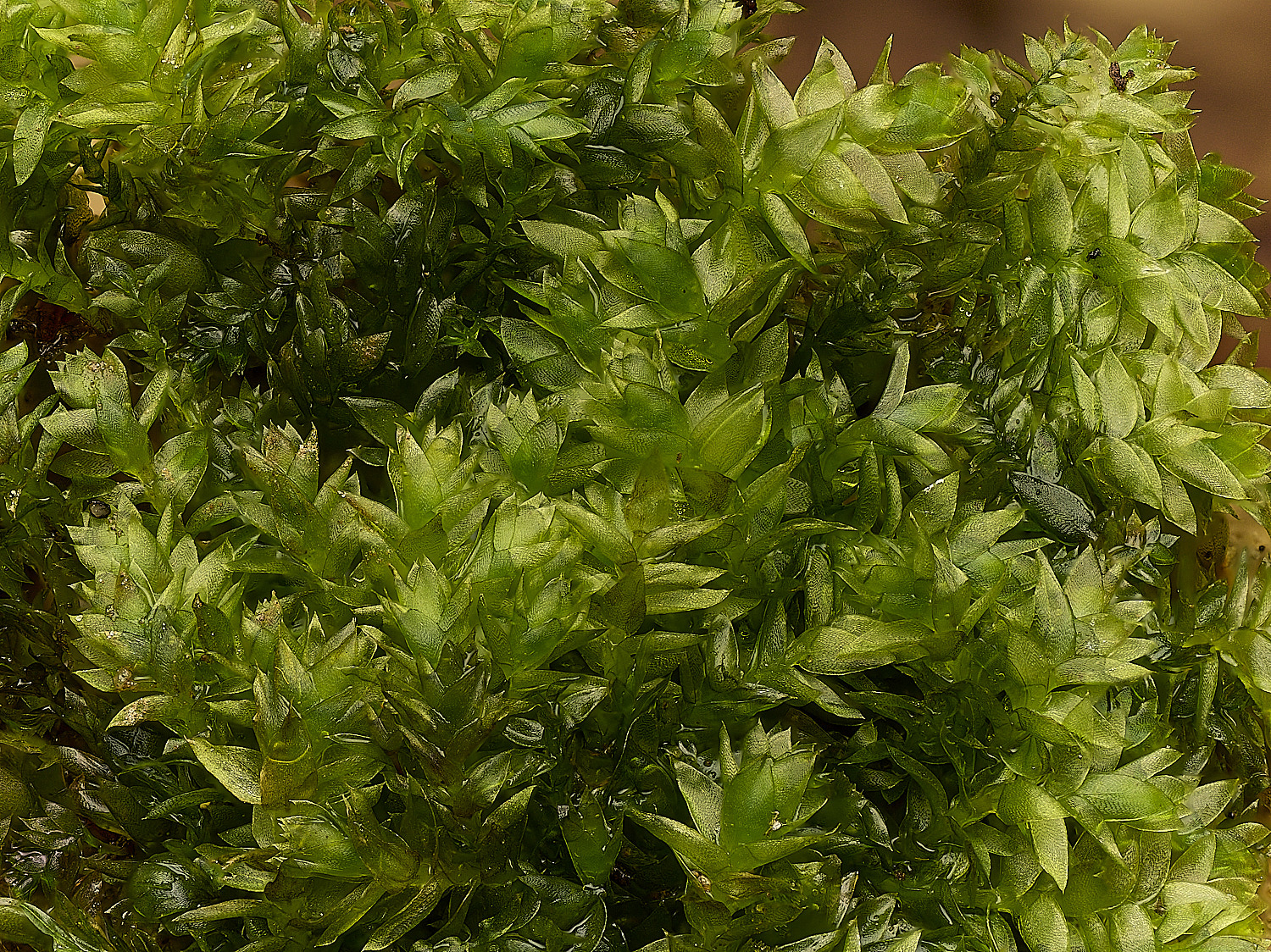
X 40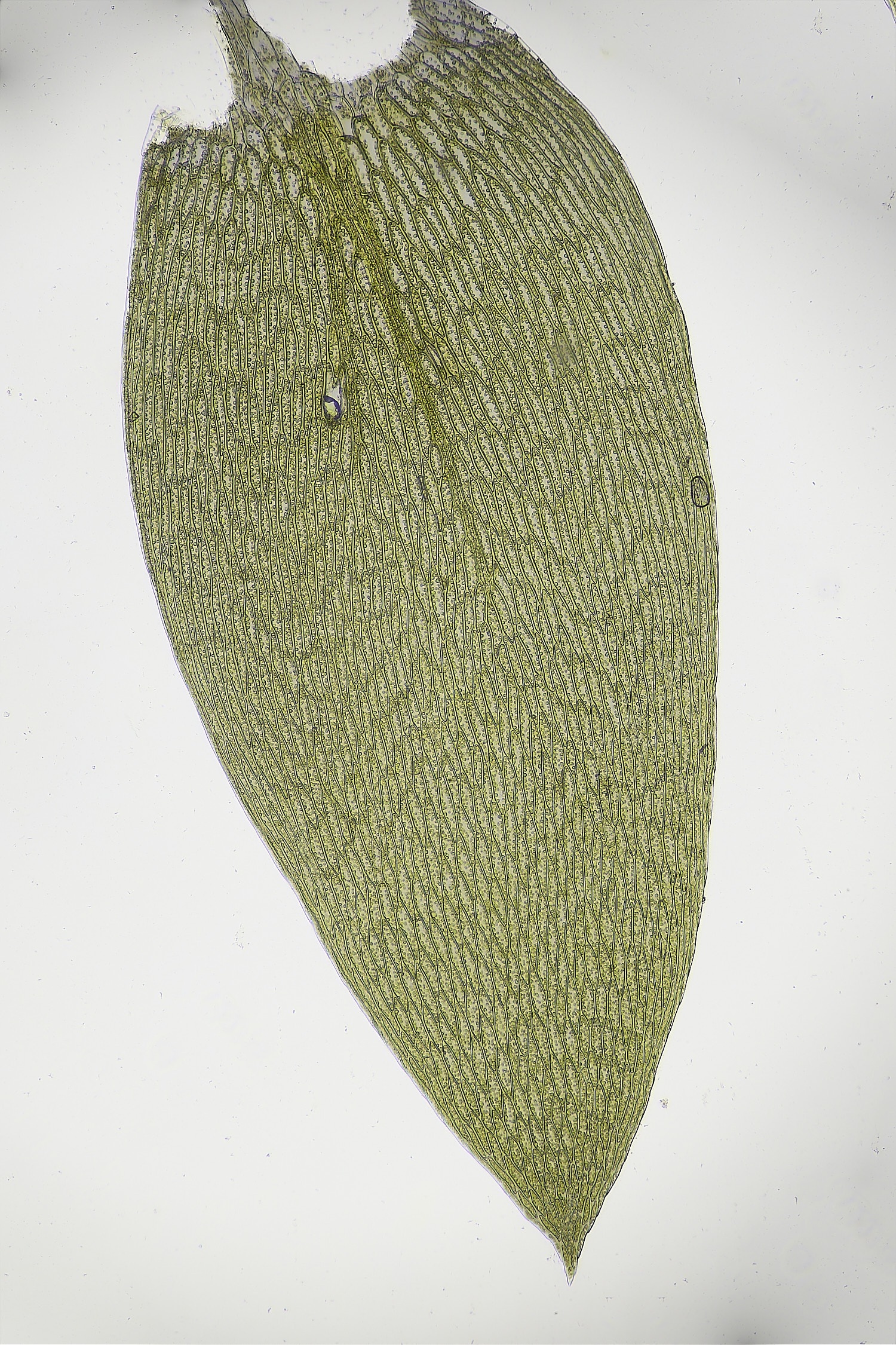
X 100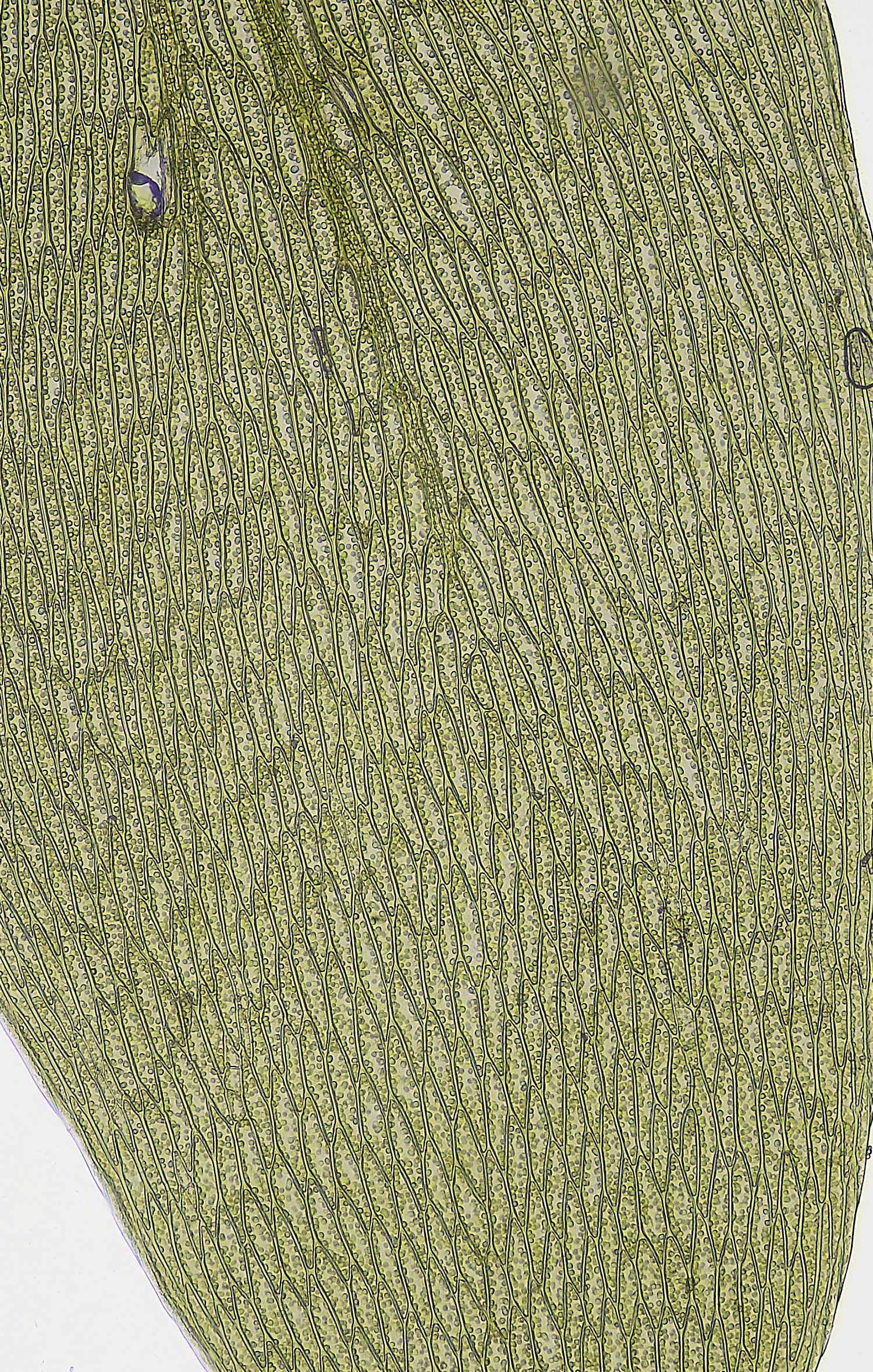
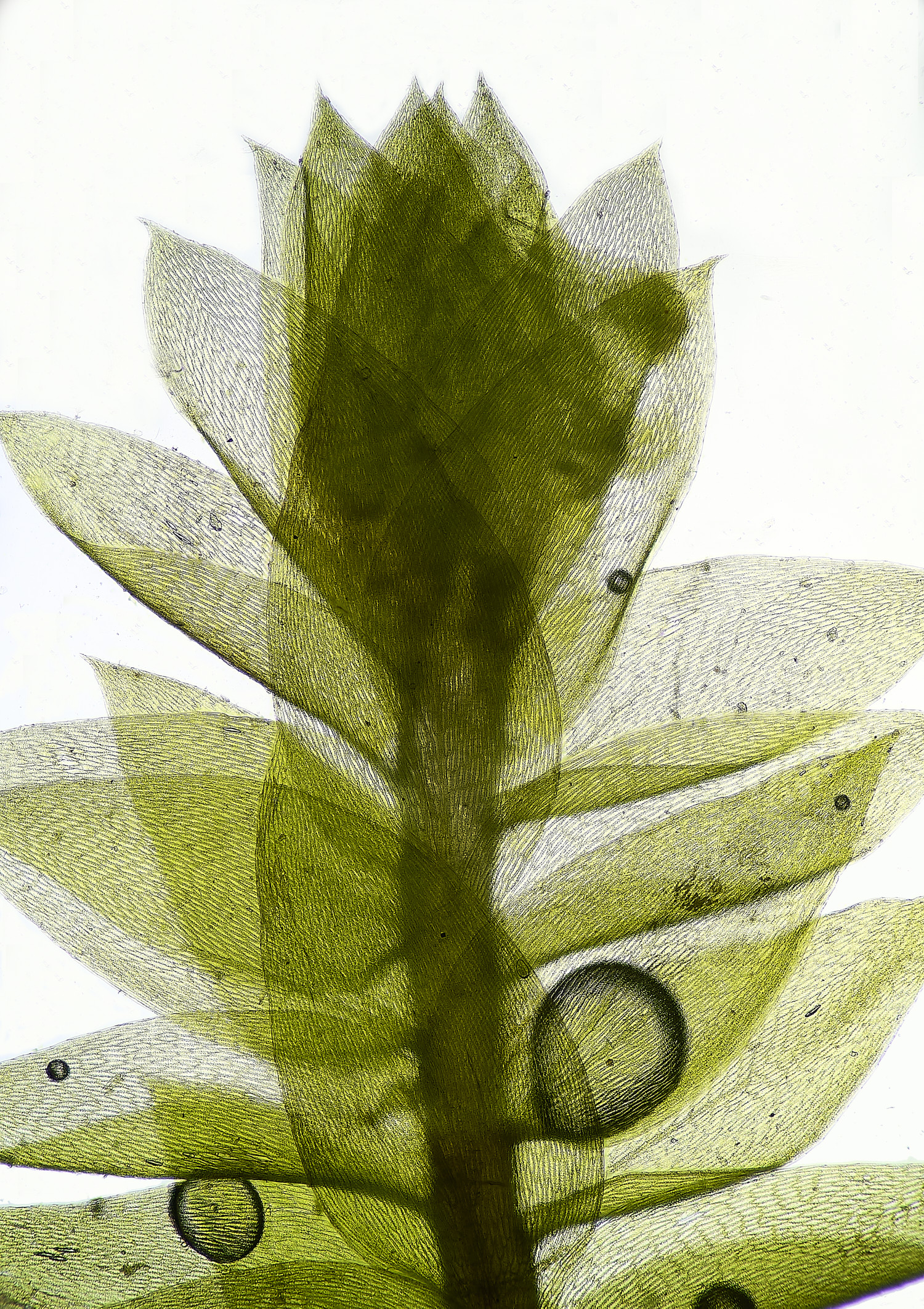
Enlarged to show how the mid-leaf scales scarcely overlap.
Thus
Woodsy Silk-moss (Plagiothecium nemorale)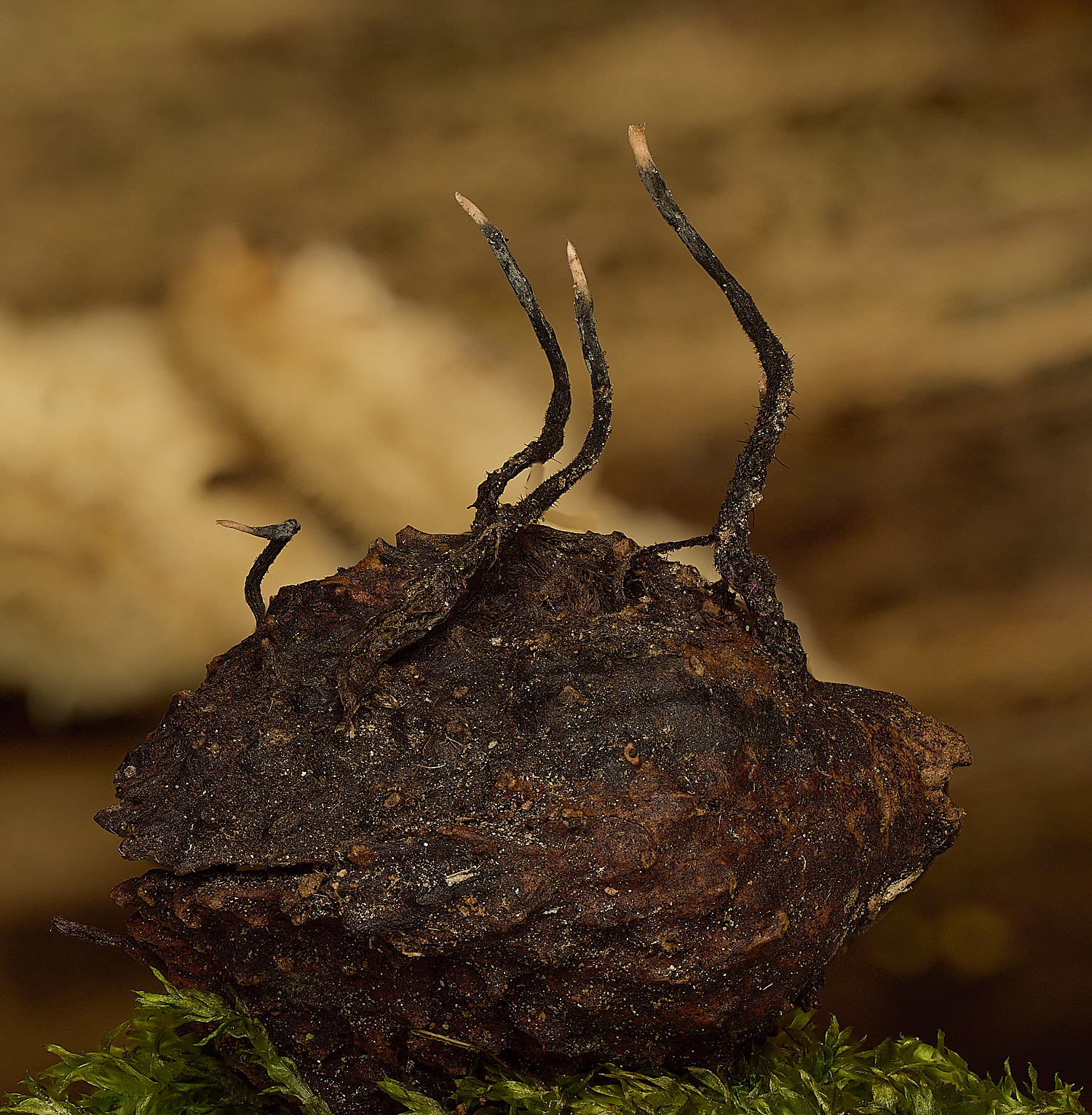
Beech Mast Fungus (Xylaria carpophila)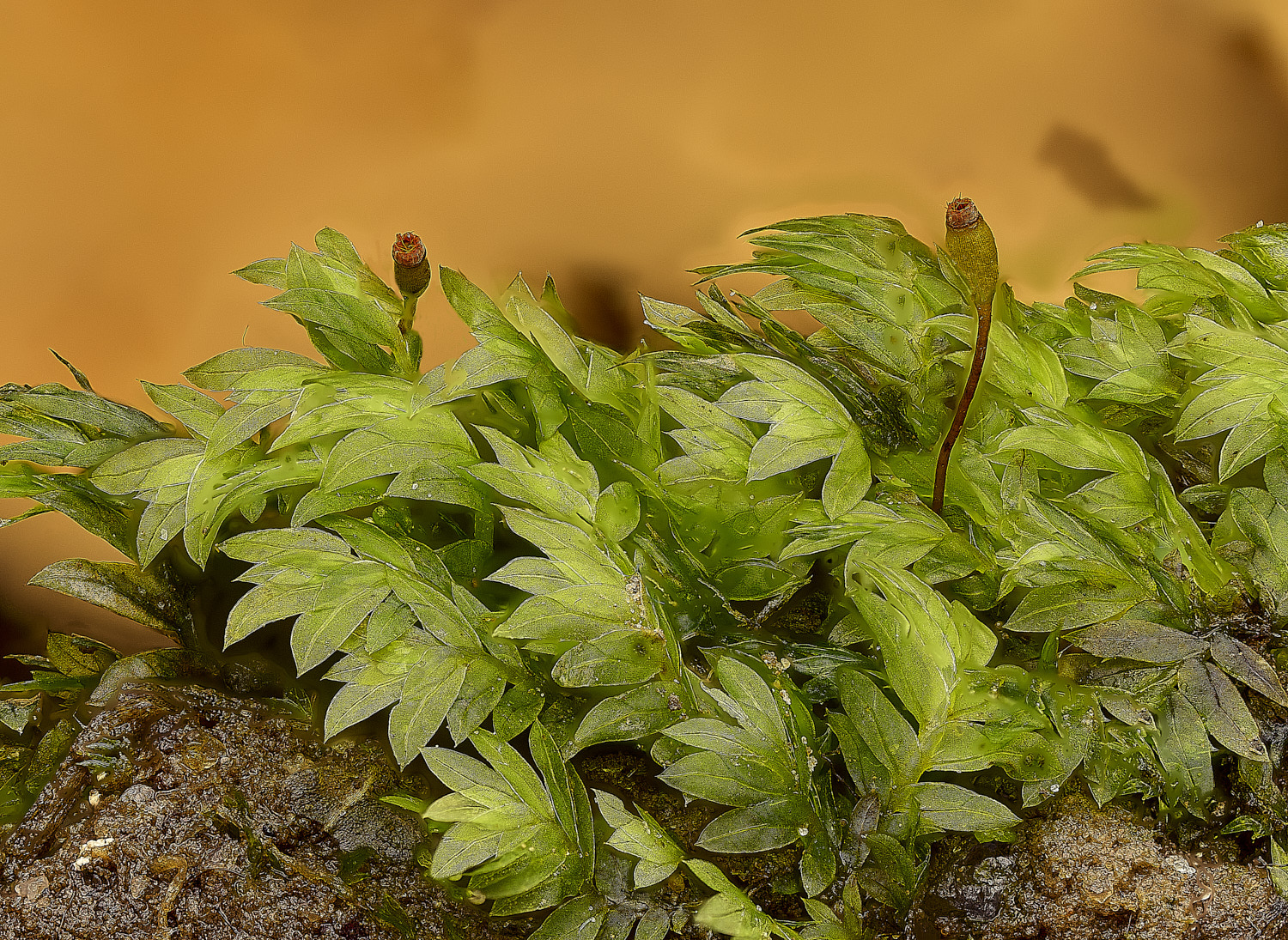
Lesser Pocket-moss (Fissidens bryoides)
You can see the line of border cells to the edge of the leaf, which is characteristic of this species.
The other common species does not have this feature and is often much larger.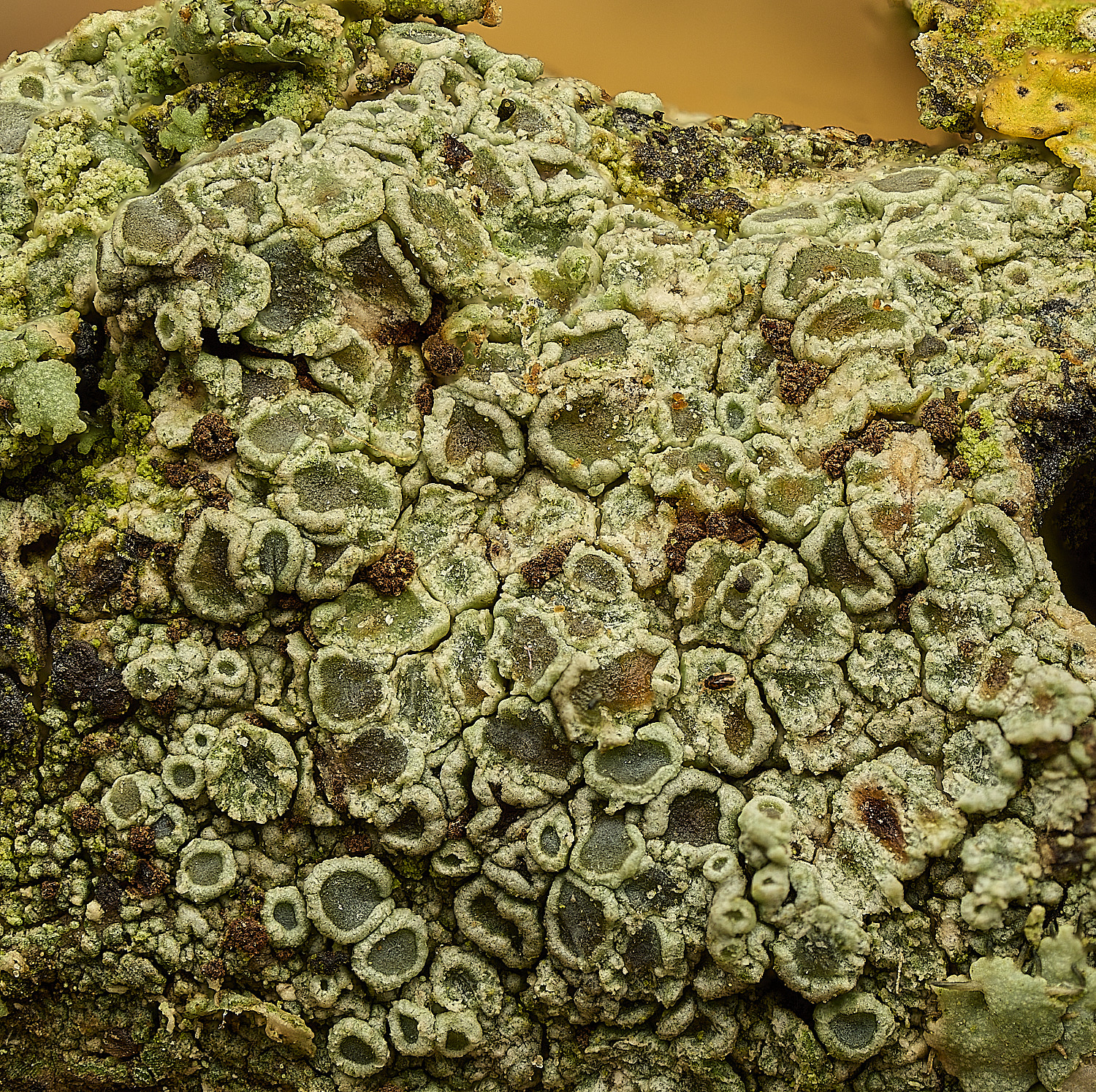
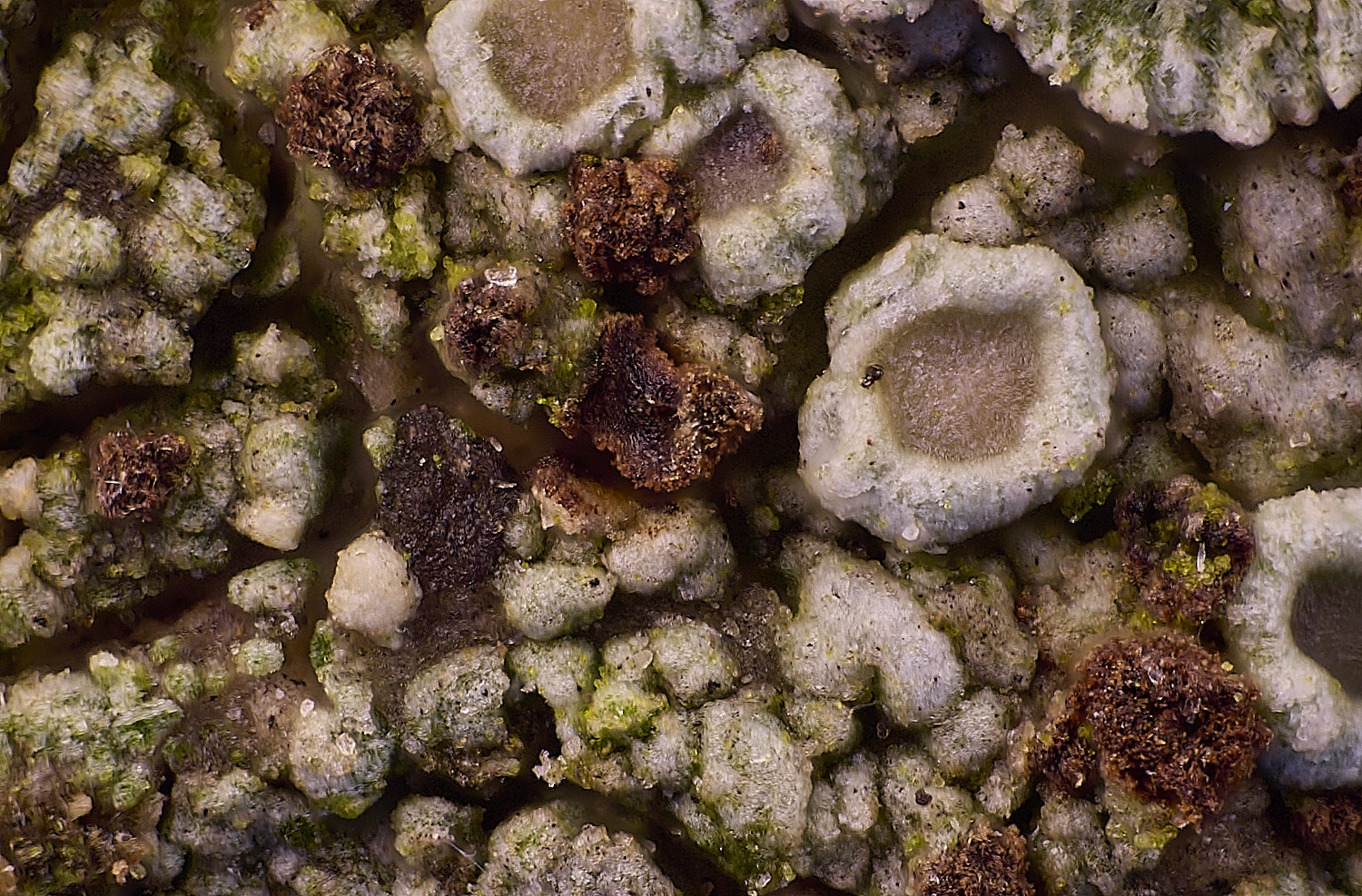
Lichenicolous Fungi Unguiculariopsis thallophila on Lecanora hybocarpa.
From
Dorset Nature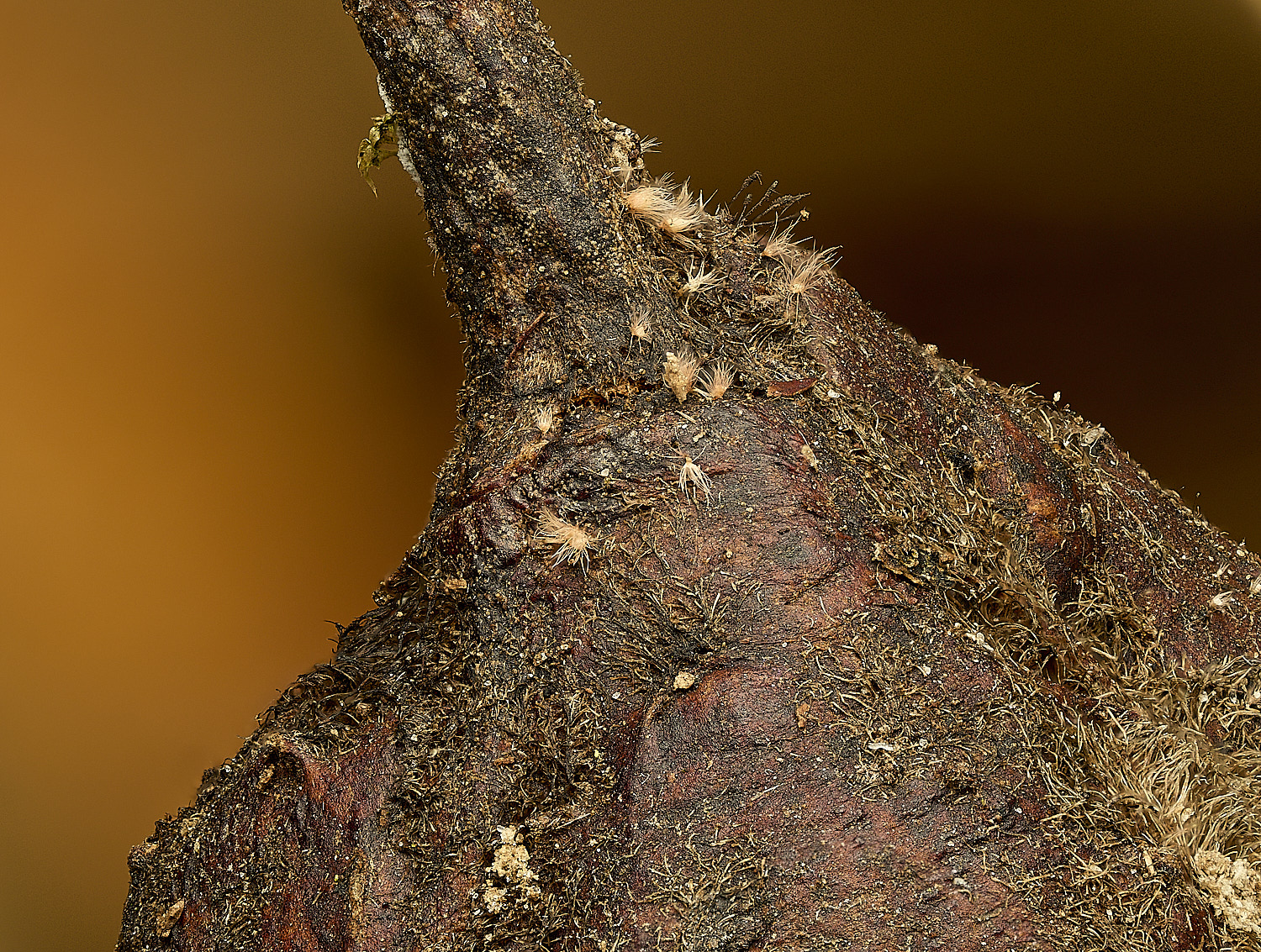
Small feathery fungus (Volutella ciliata) on Beech mast (Fagus sylvatica)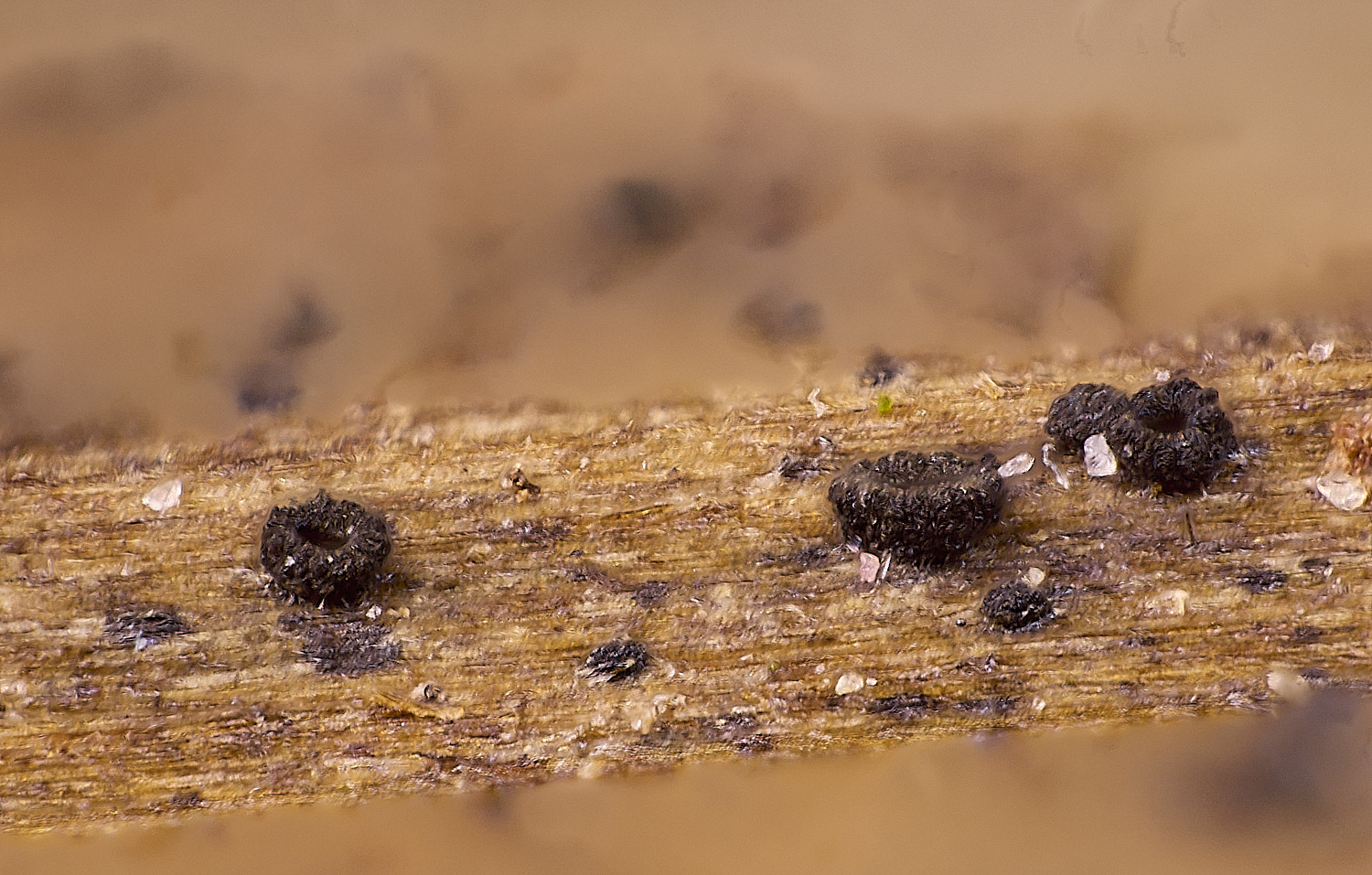
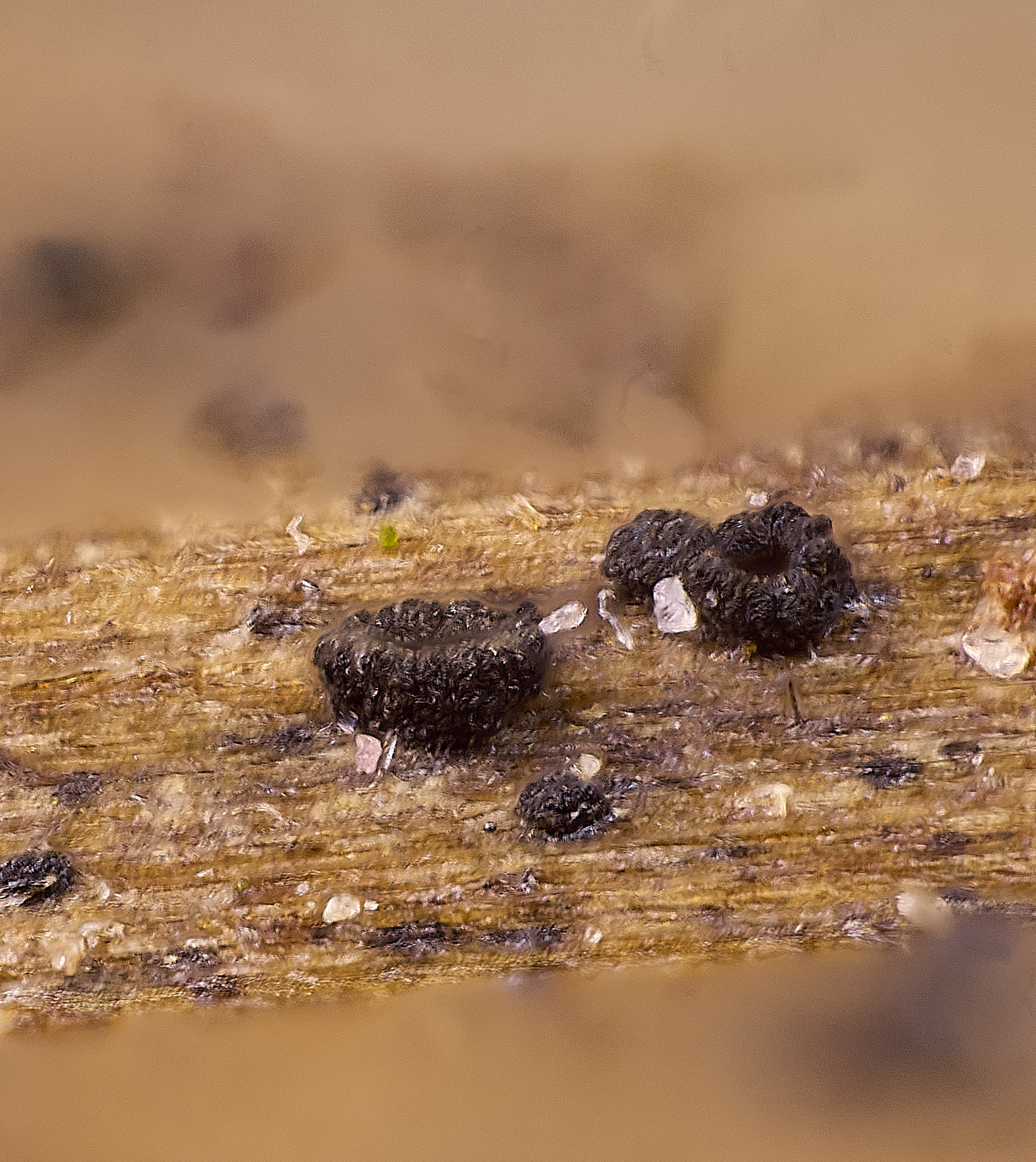
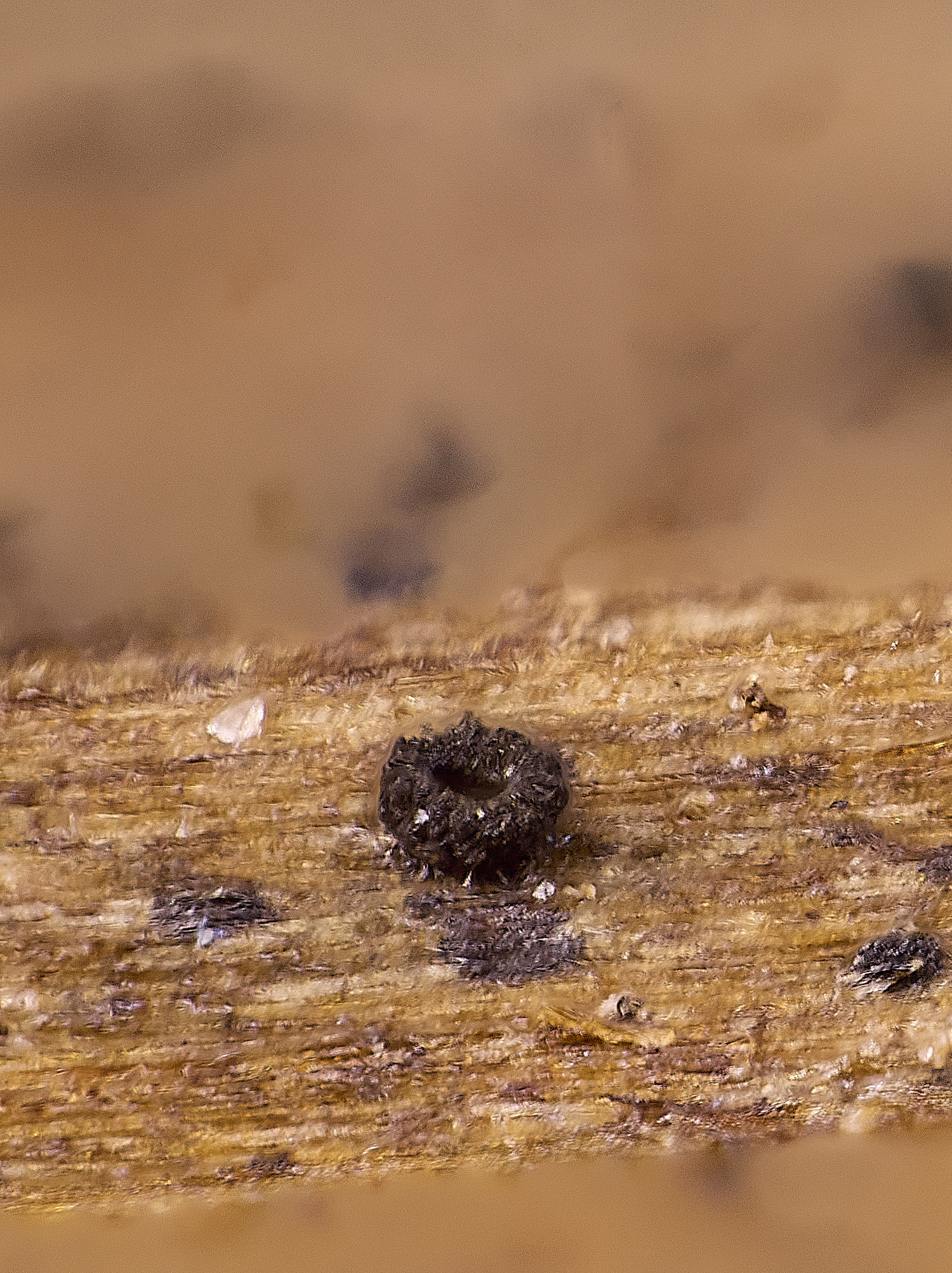
Pyrenopeziza digitalina on Foxglove (Digitalis purpurea) stem
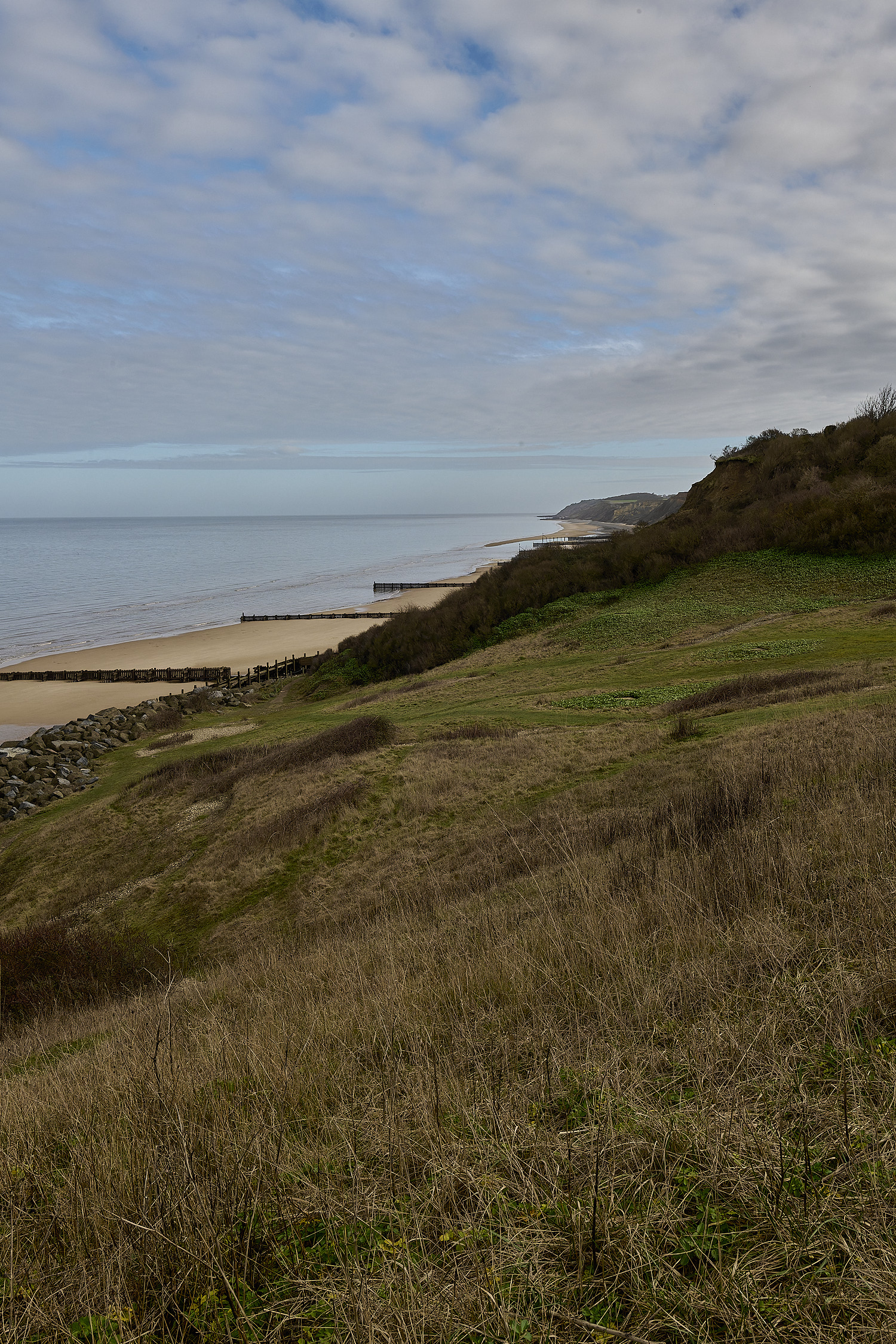


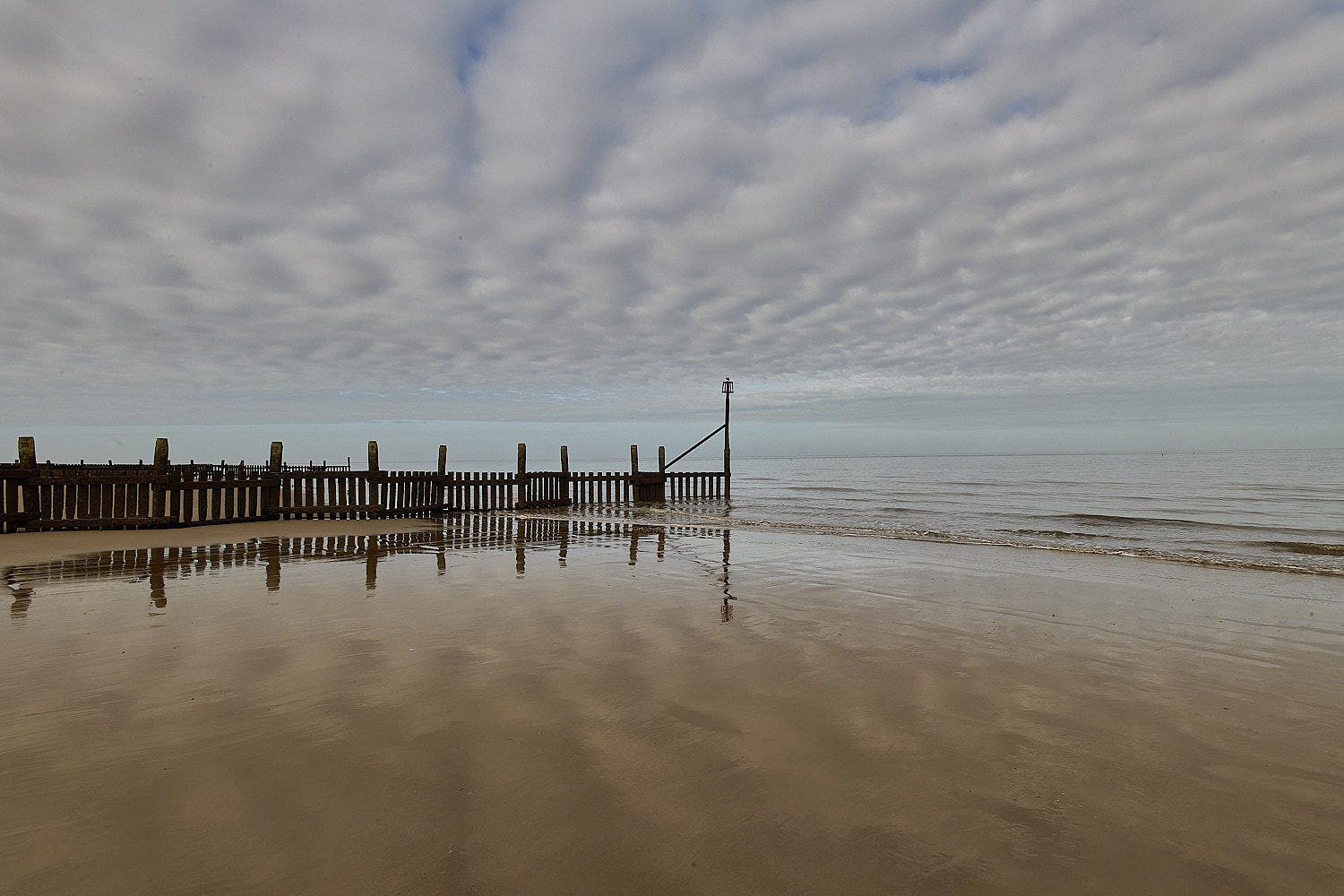
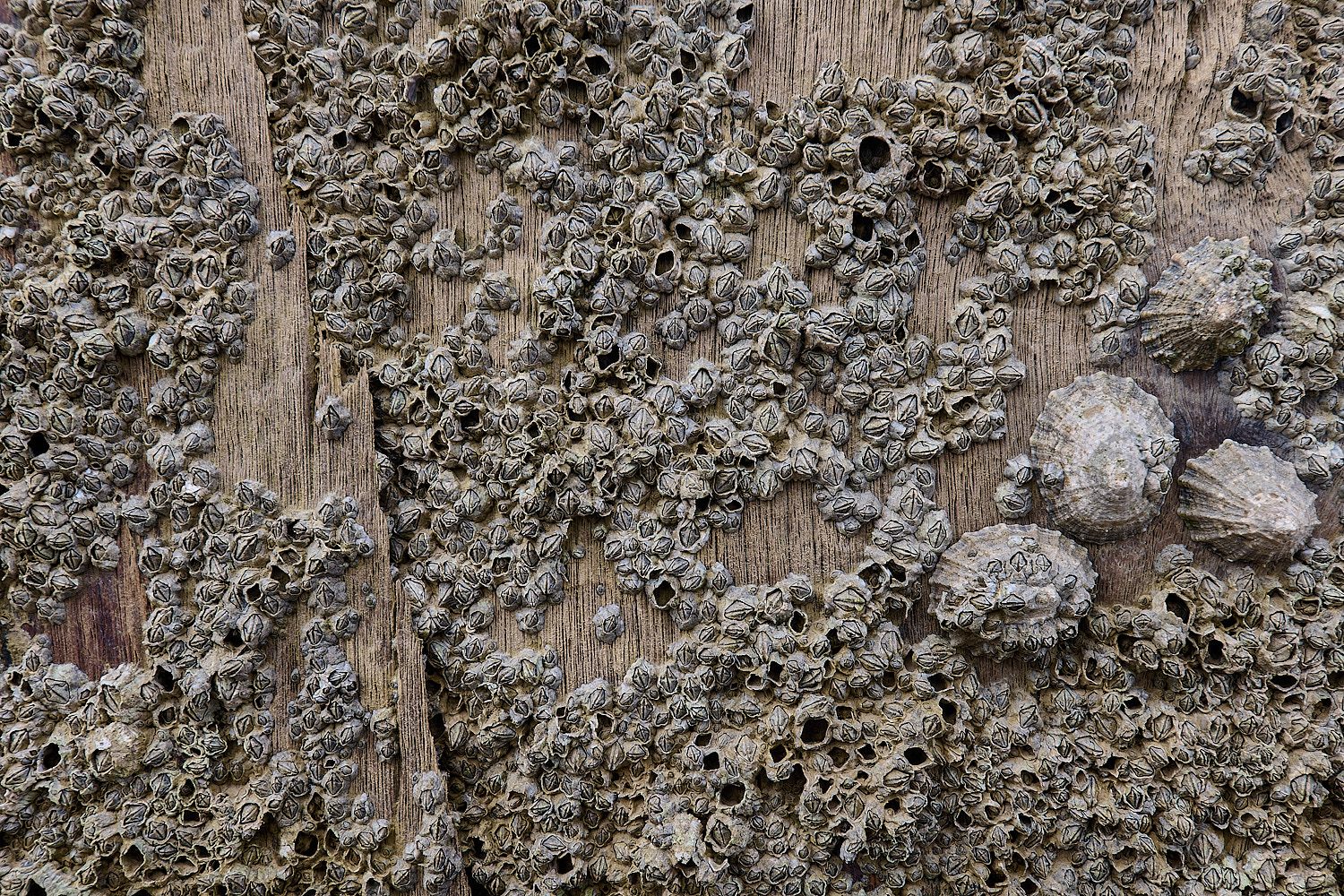
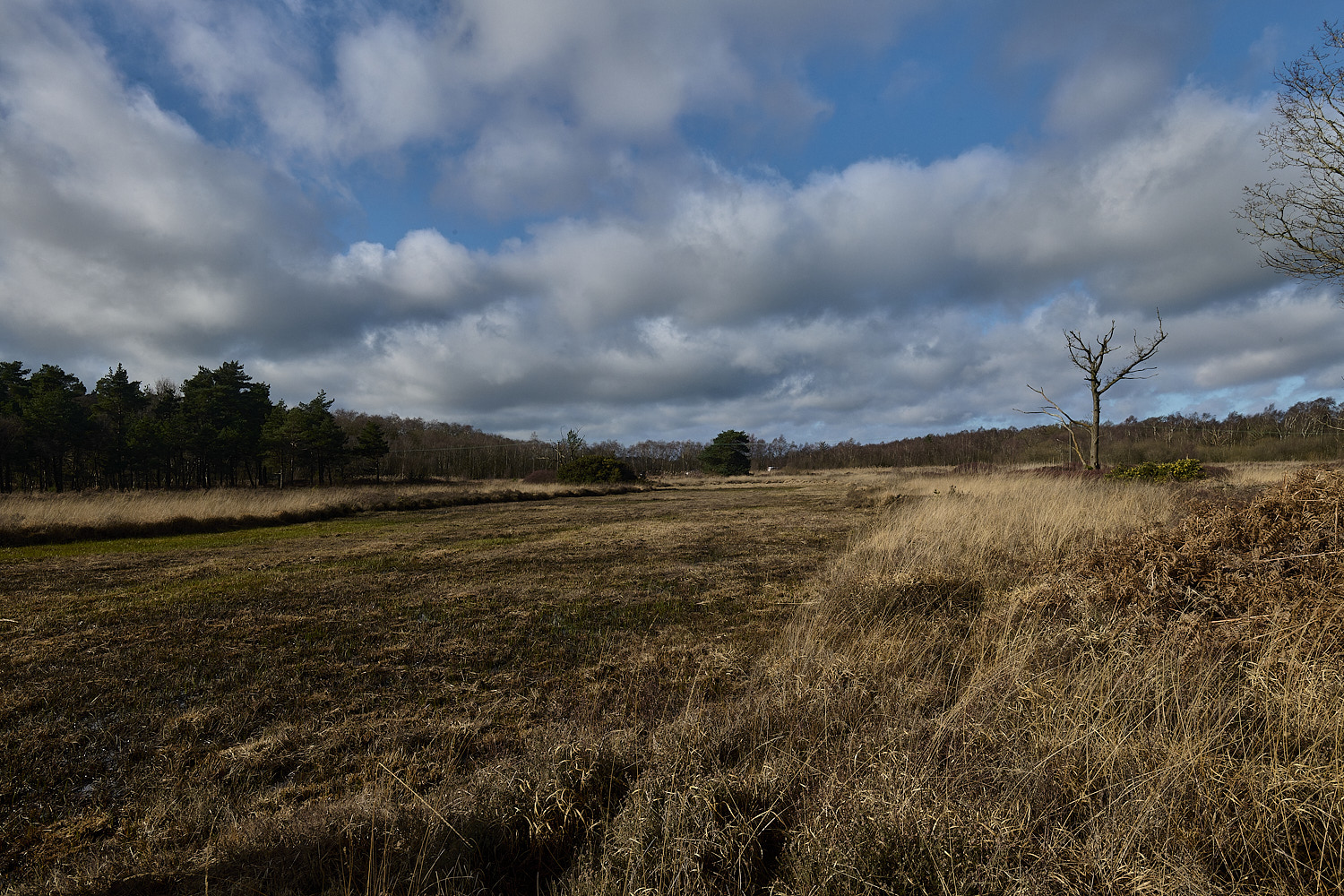
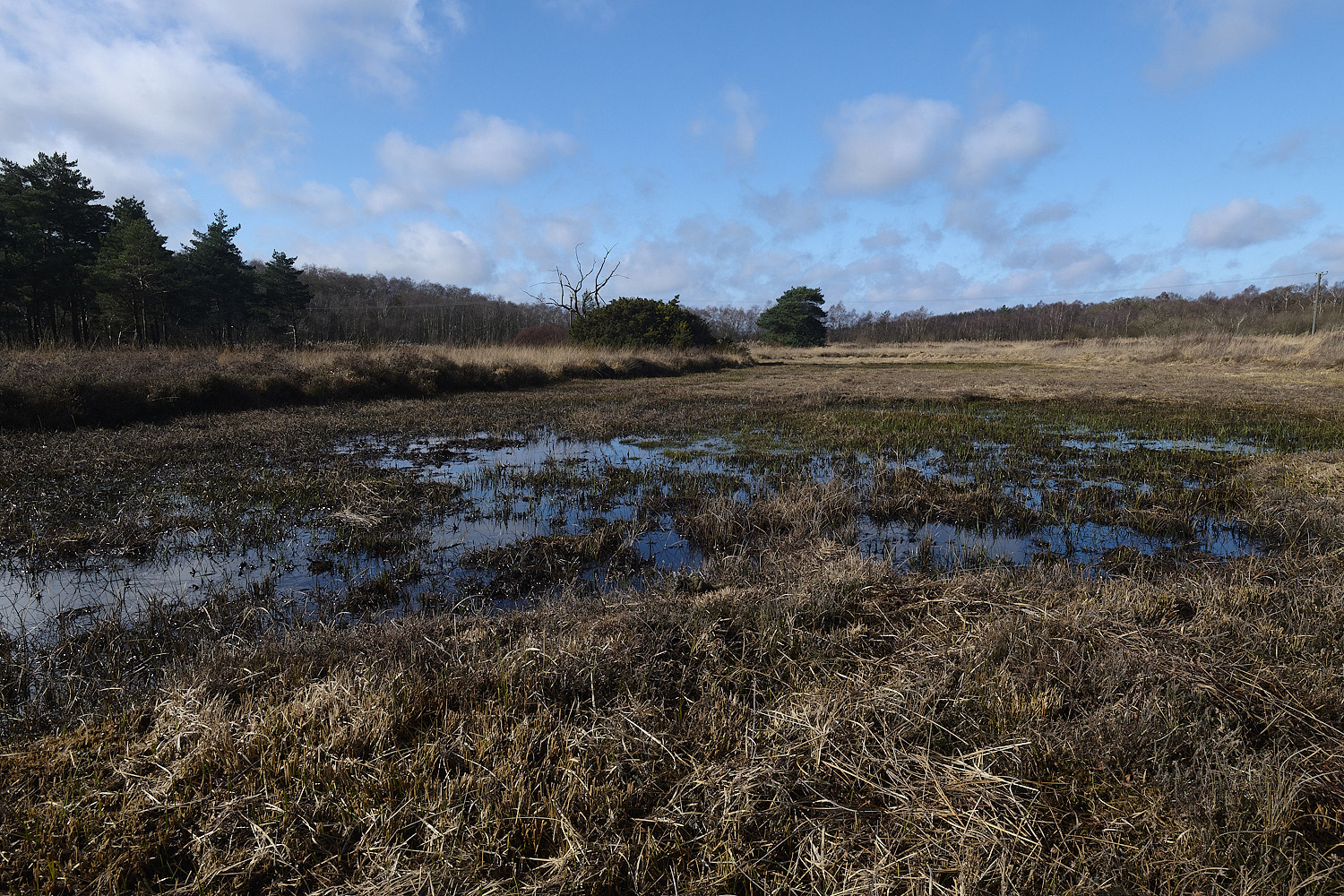
Dersingham Fen
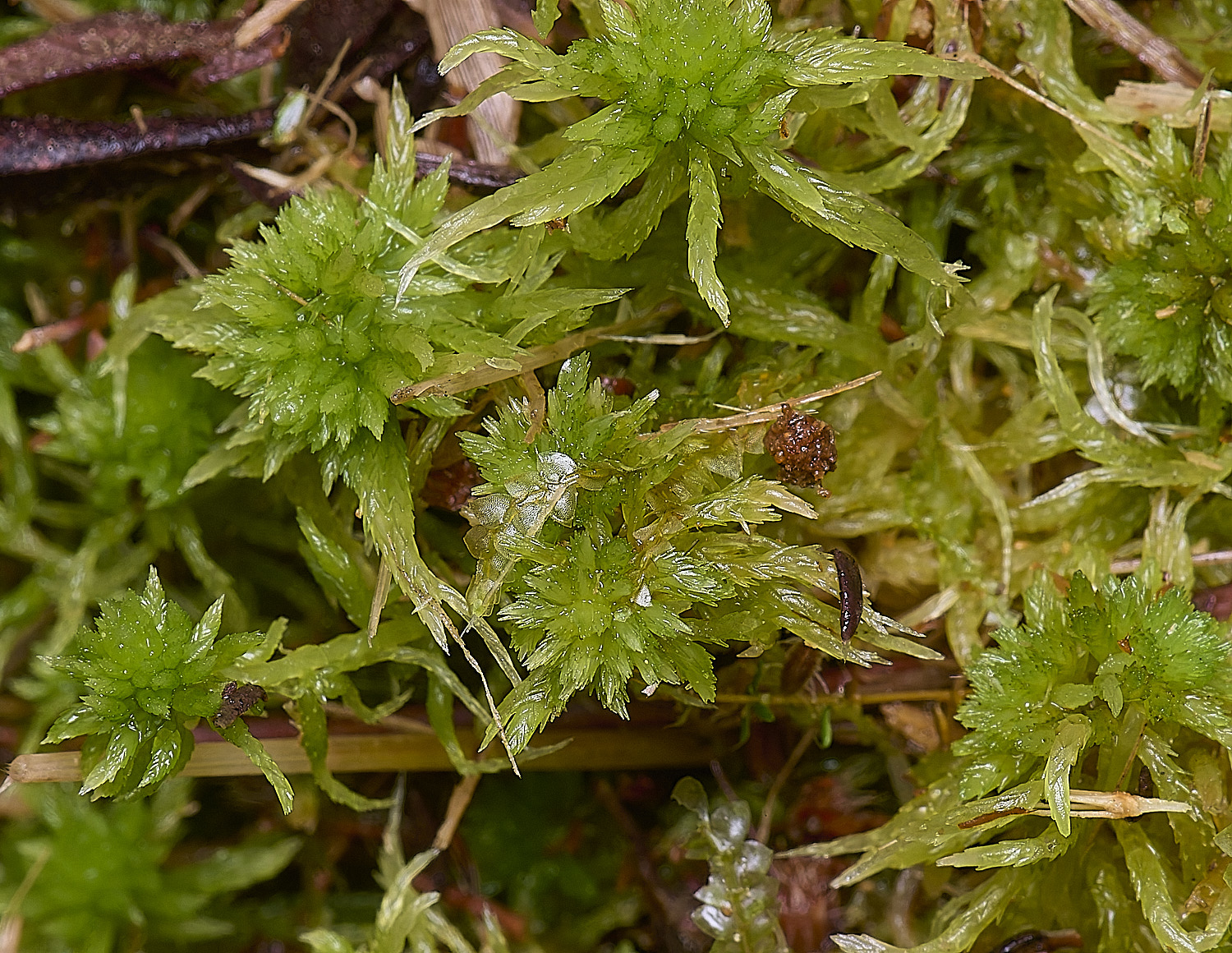
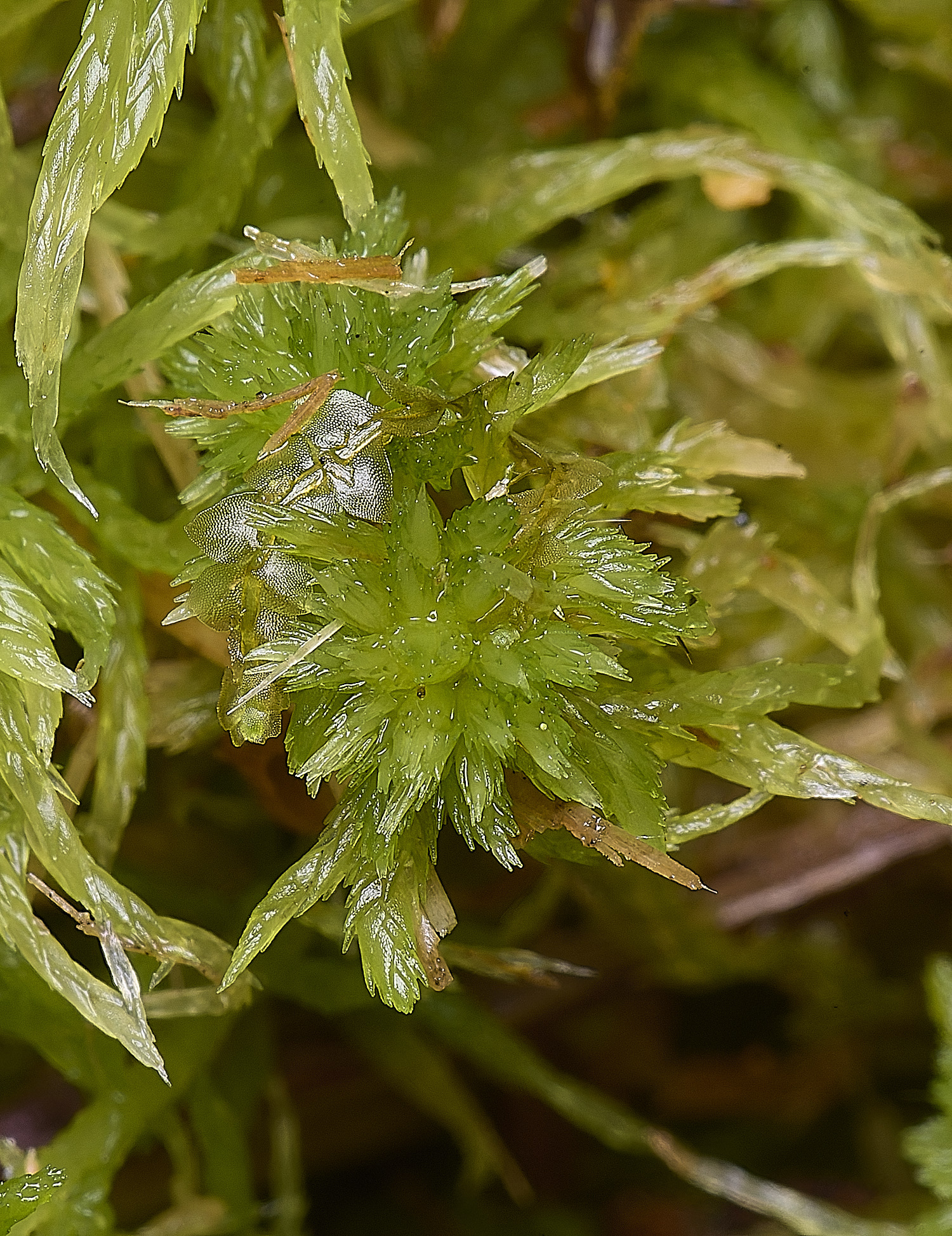
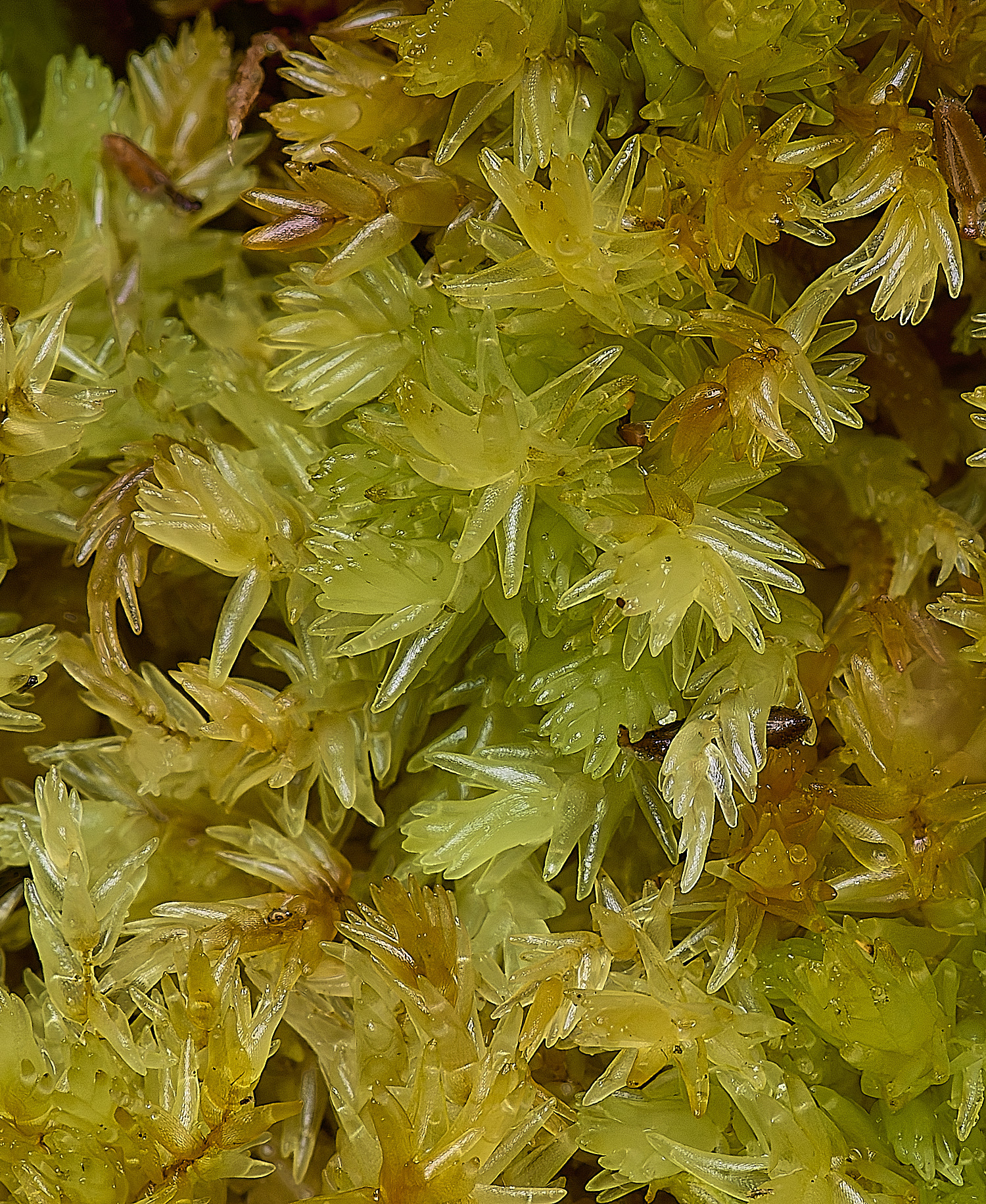
Fringed Bog-moss (Sphagnum fimbriatum)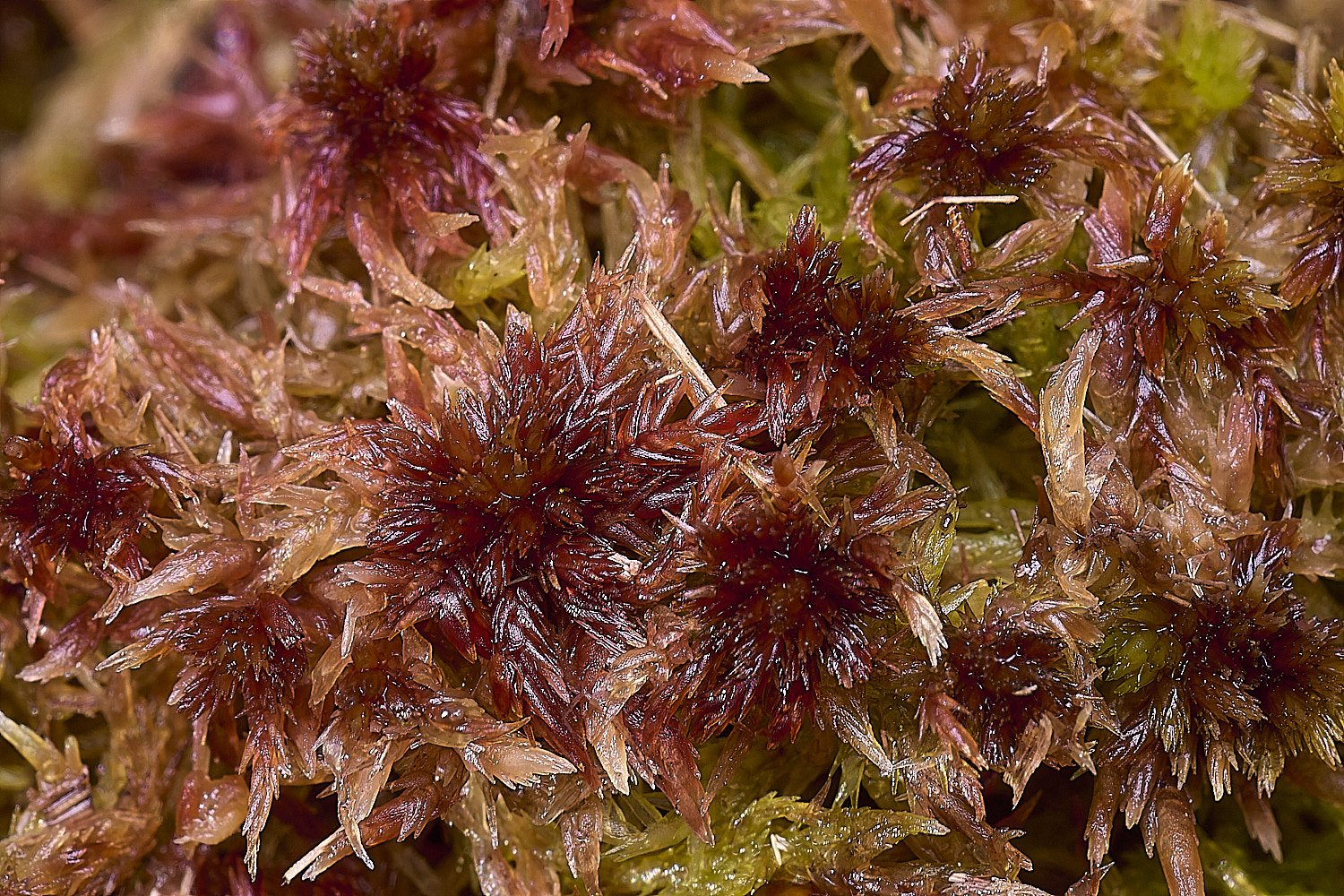
Lustrous Bog-moss (Sphagnum subnitens)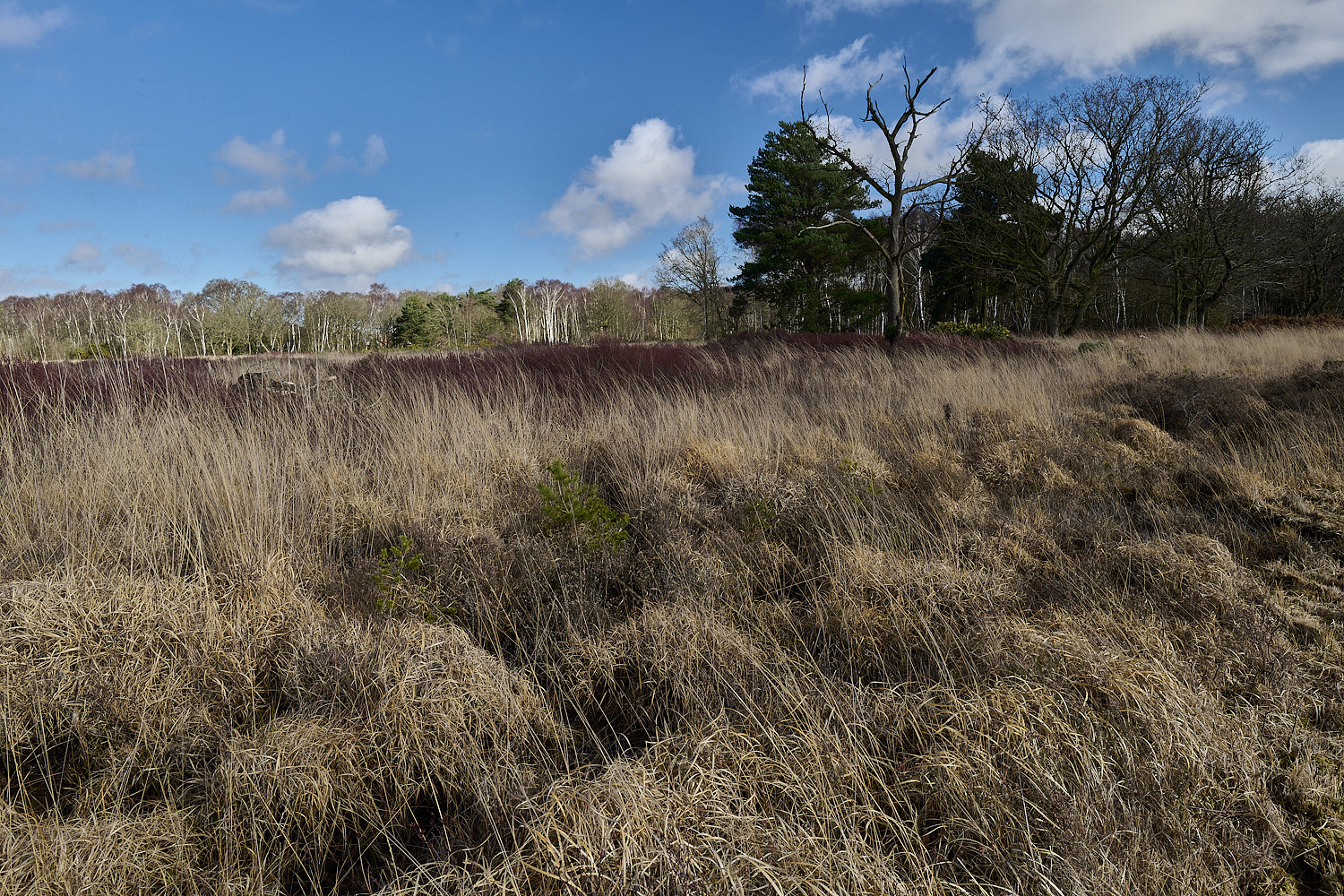
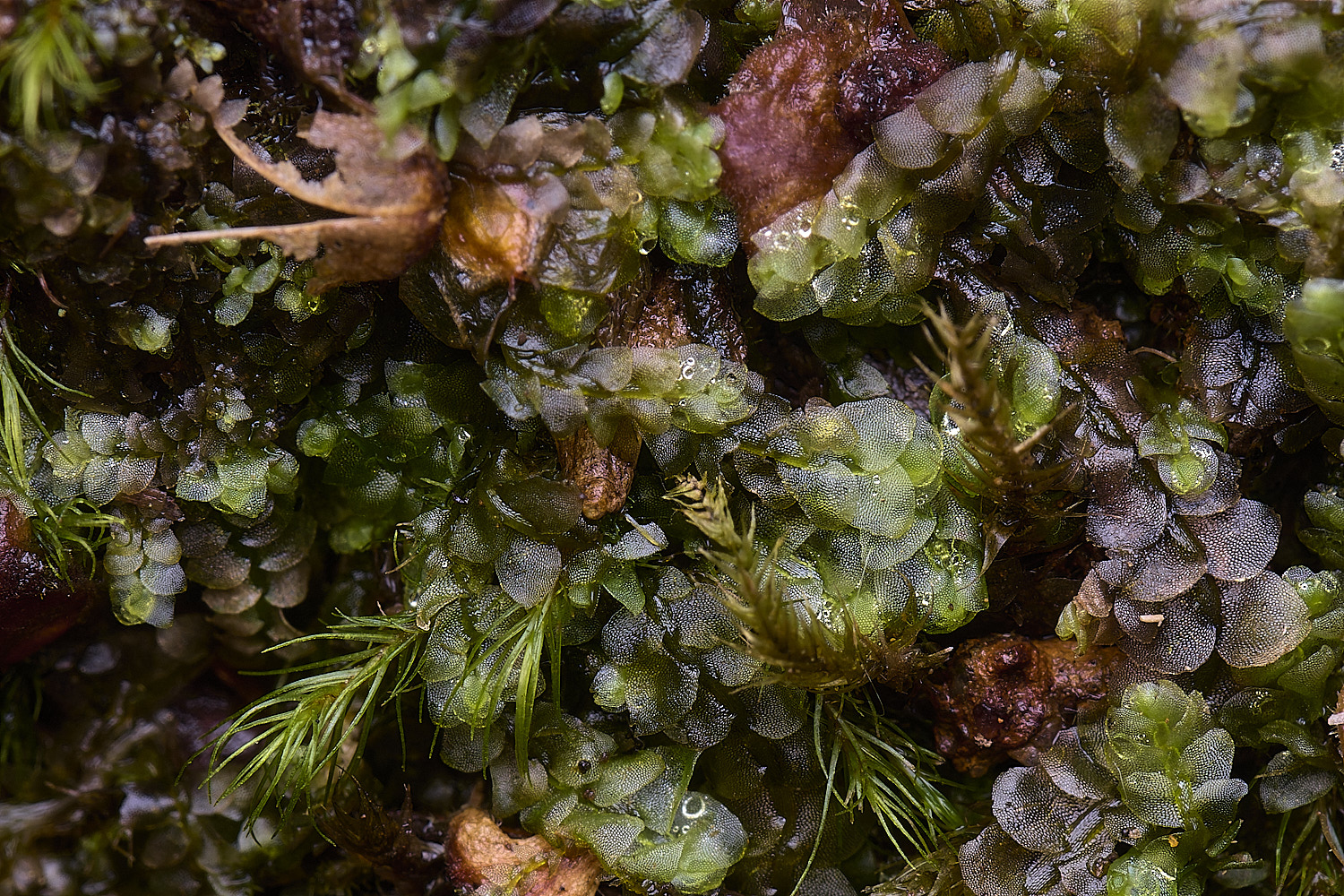
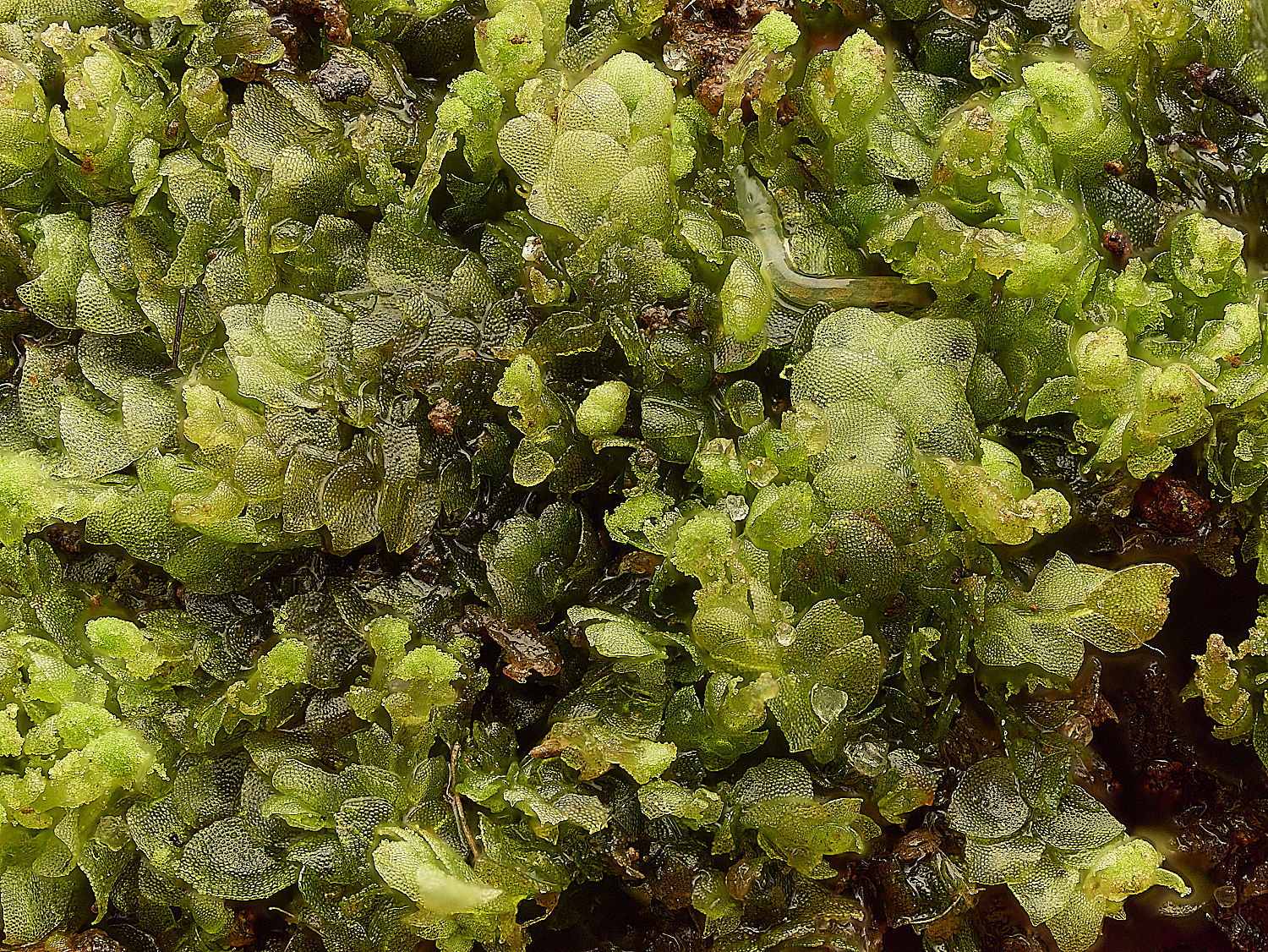
Mueller's Pouchwort (Calypogeia muelleriana)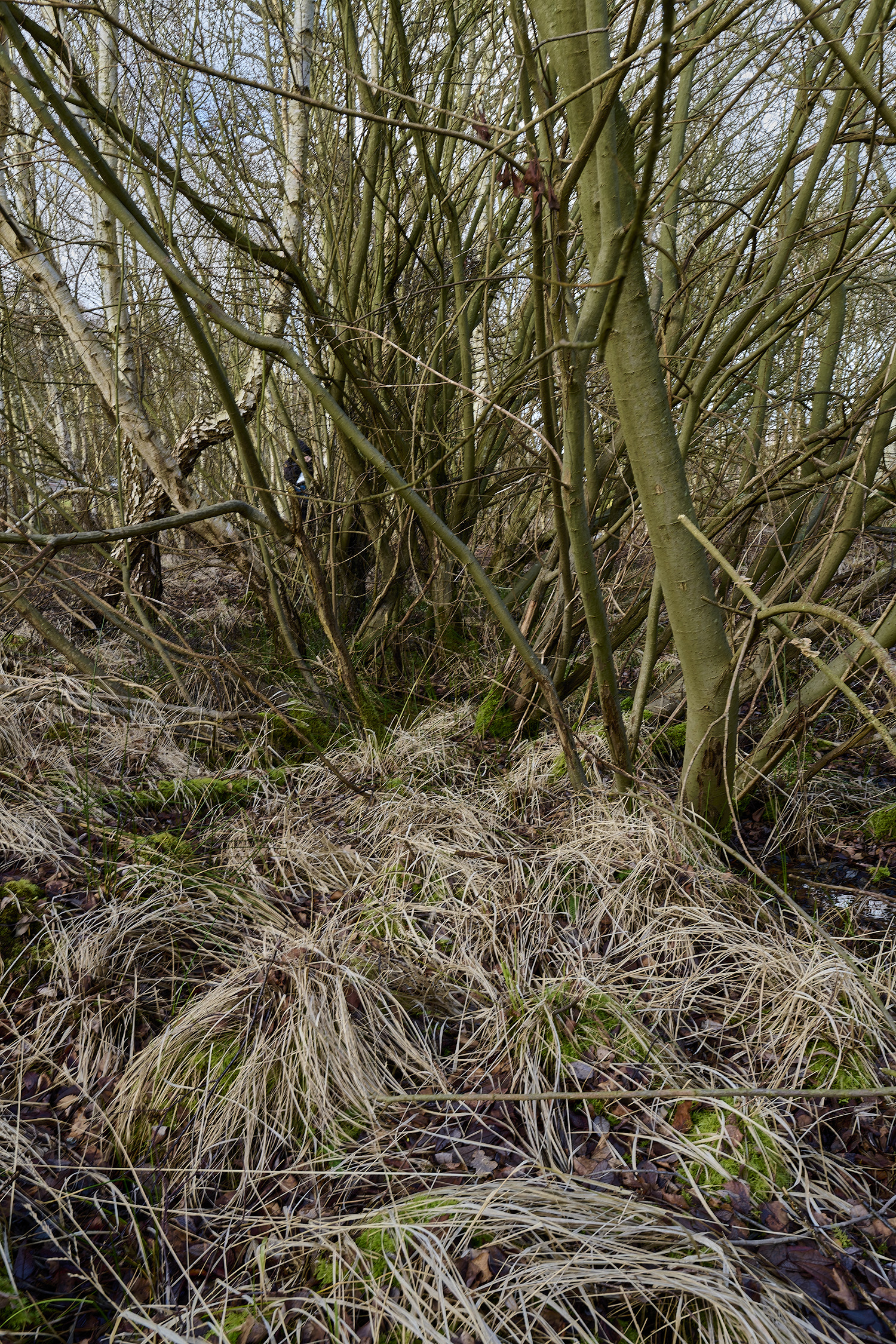
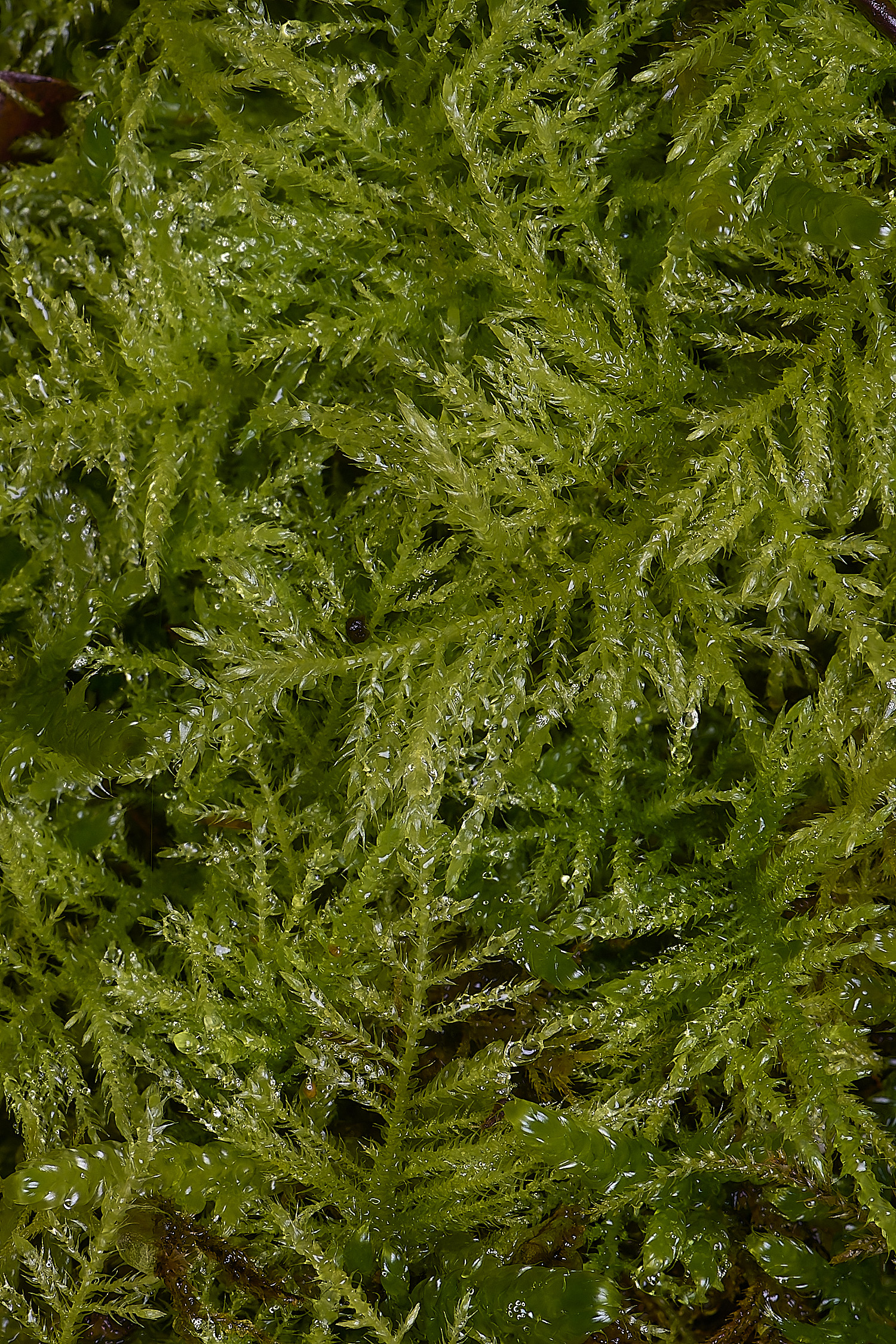
Common Feather-moss (Kindbergia prologa)
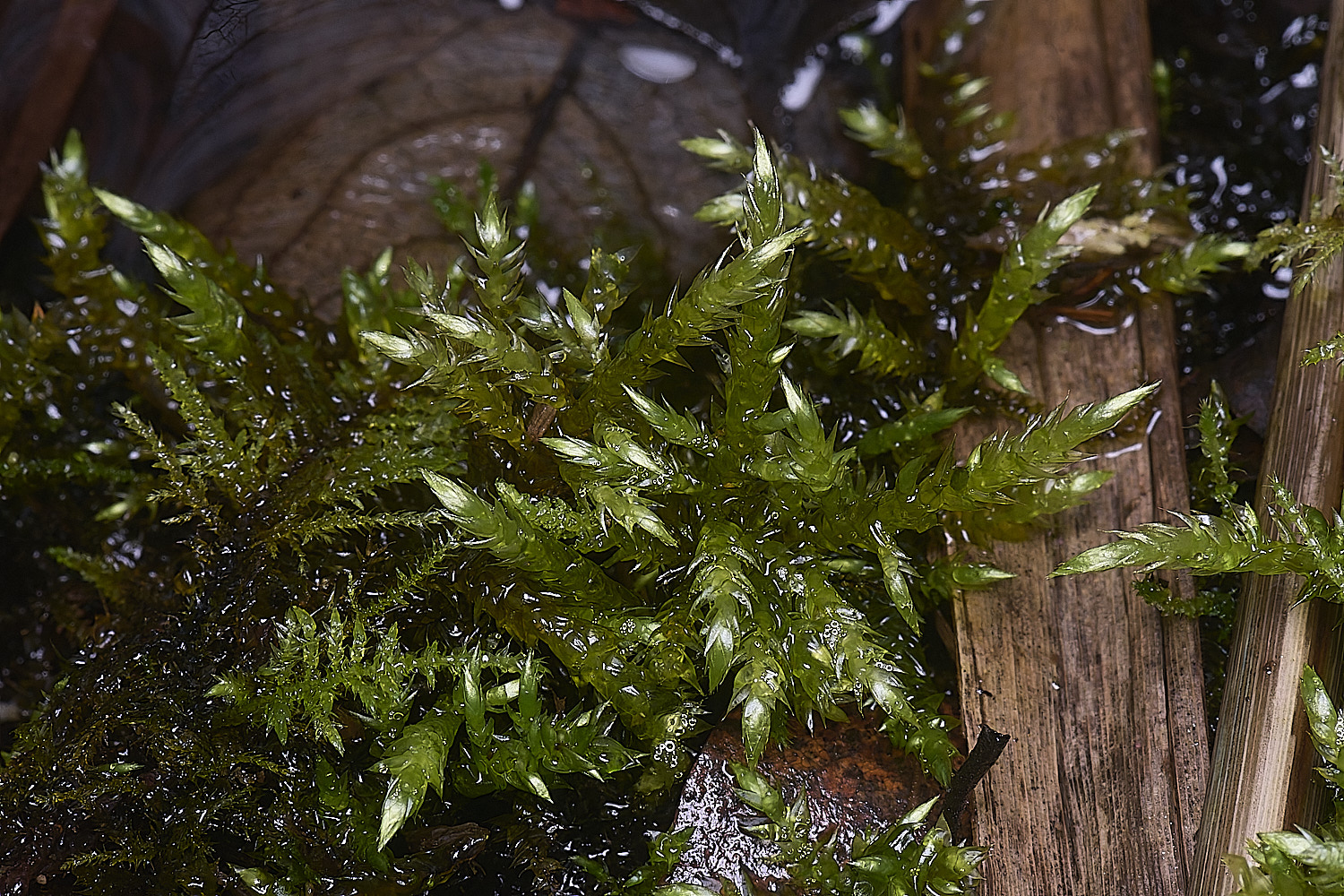
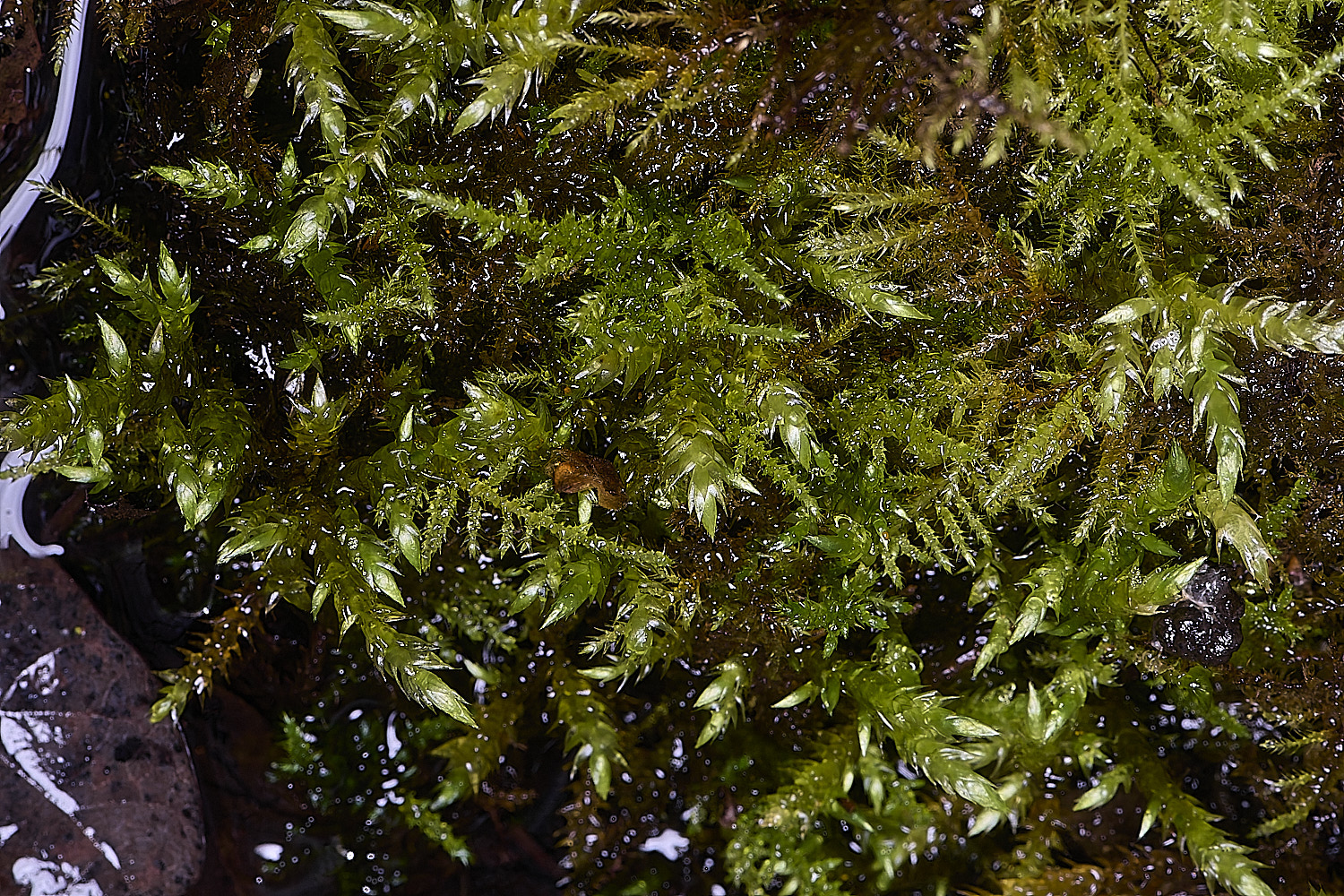
River Feather-moss (Brachythecium rivulare)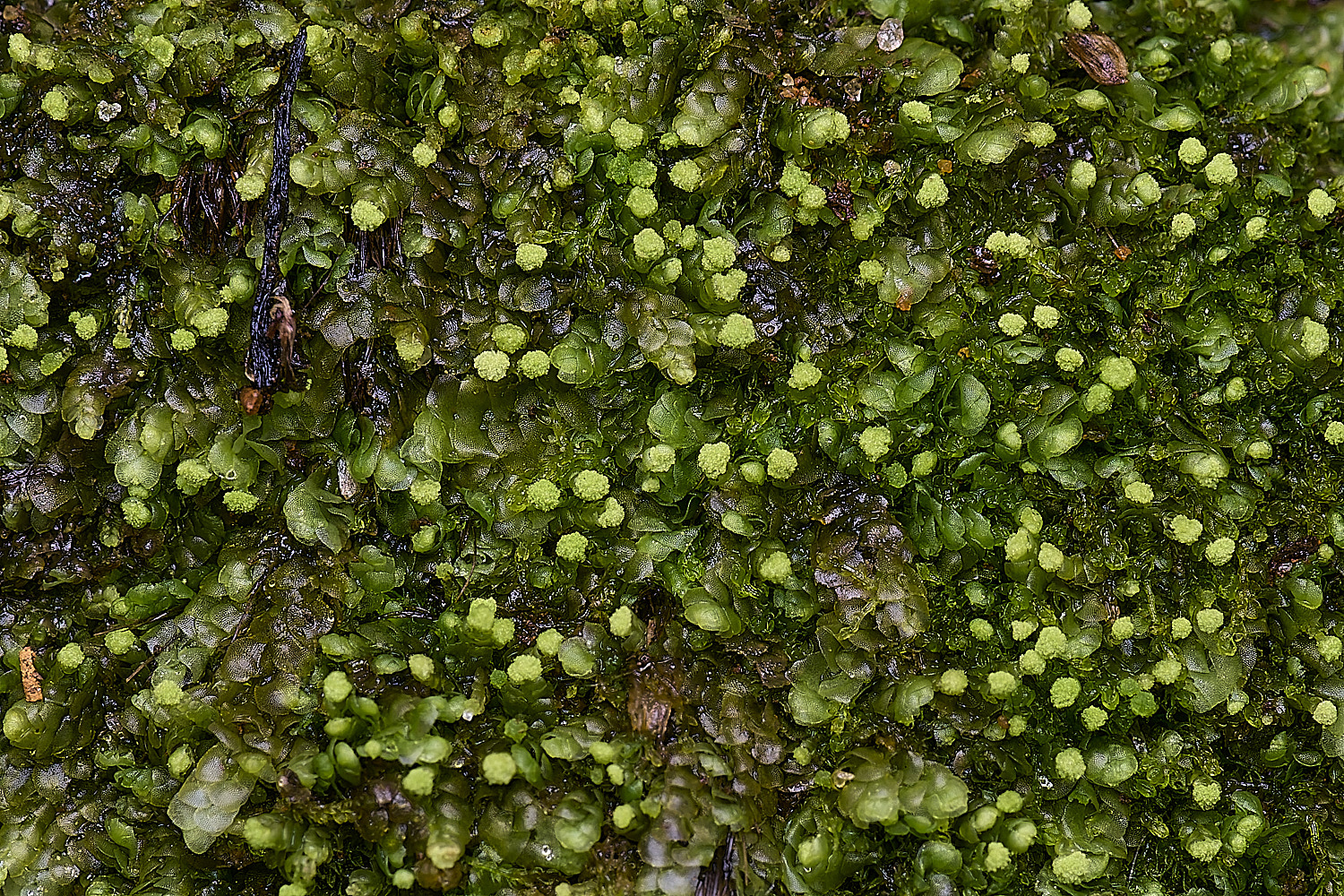
Common Pouchwort (Calypogeia fissa)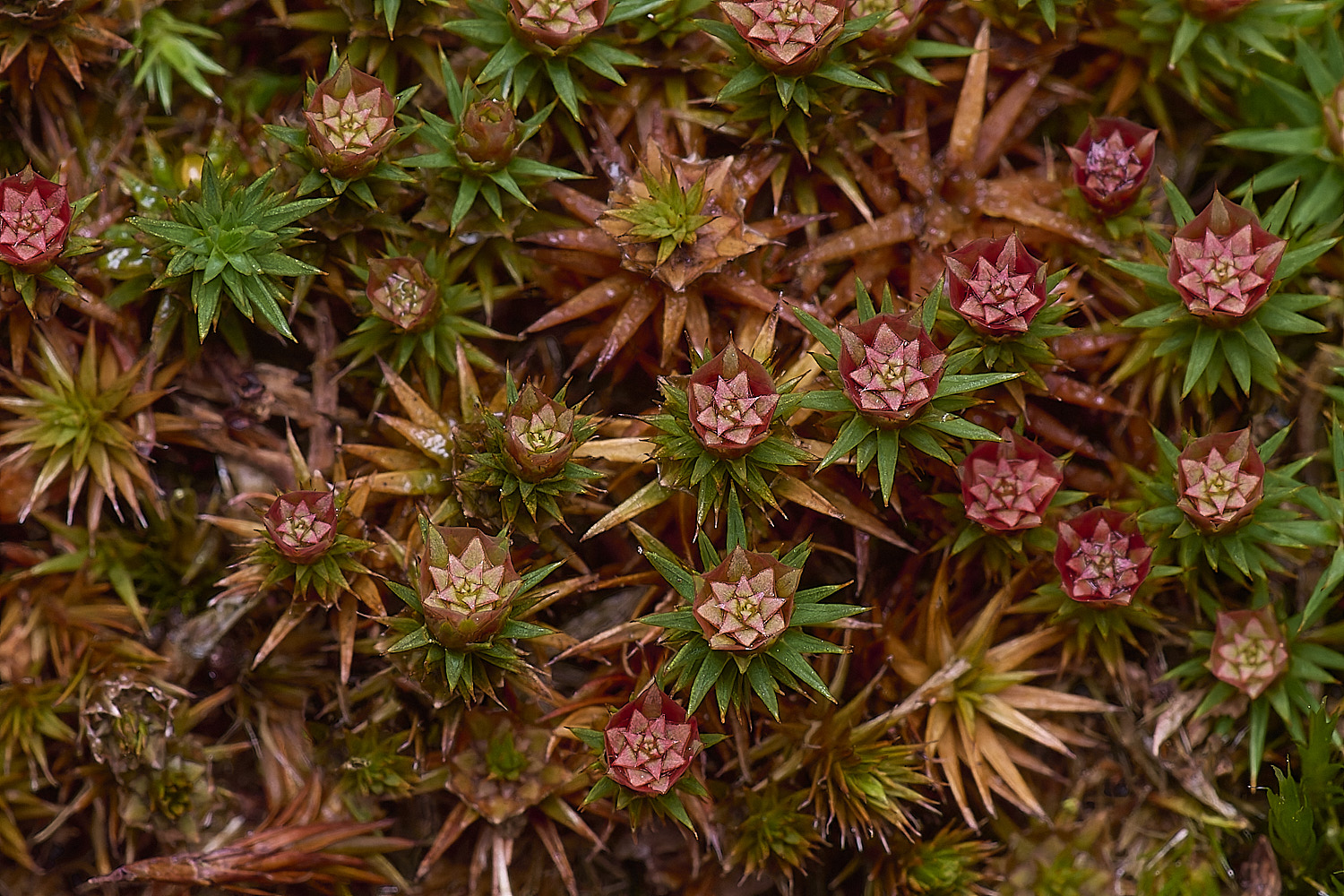
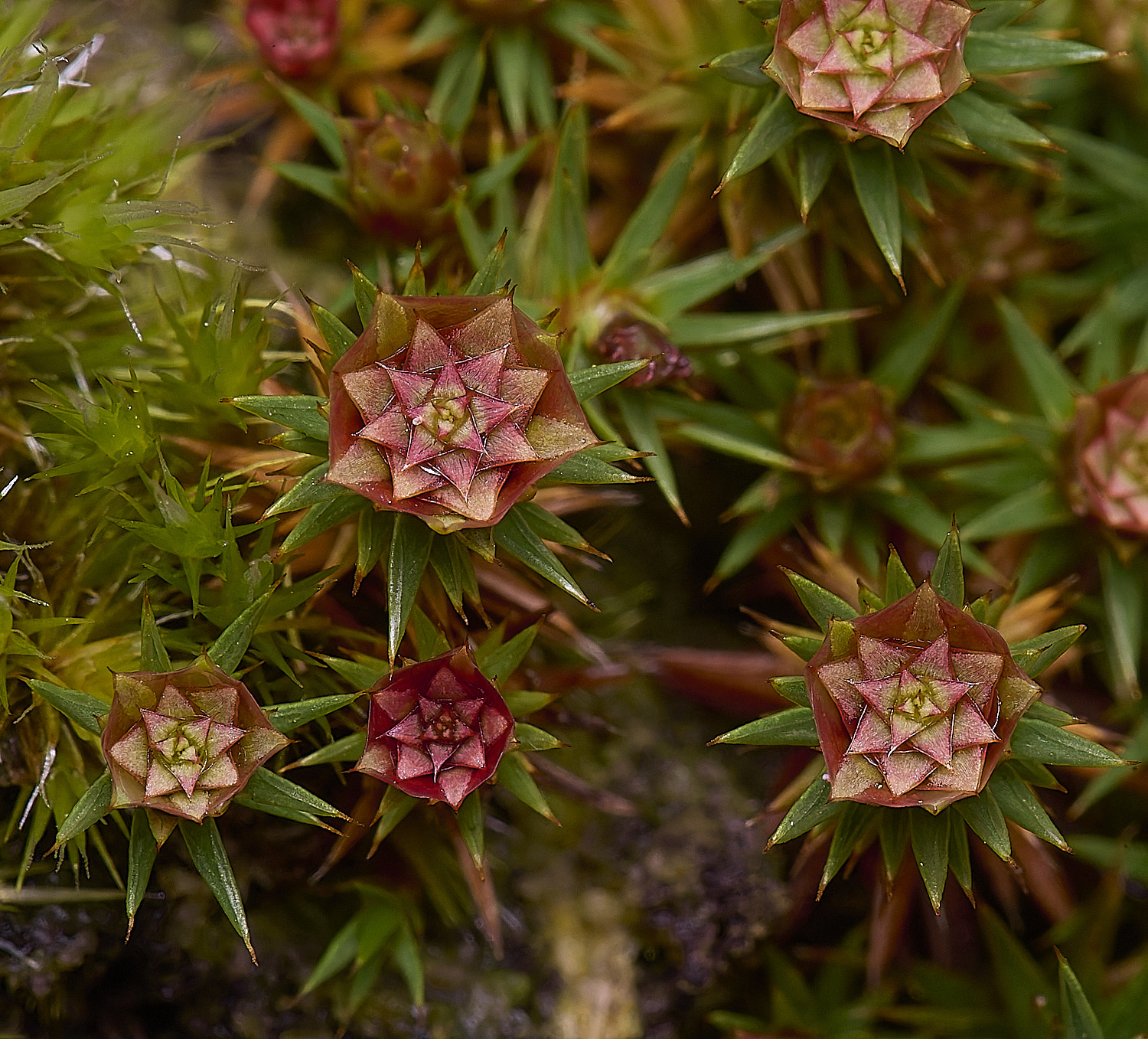
Juniper Haircap-moss (Polytrichum juniperinum) Male Plants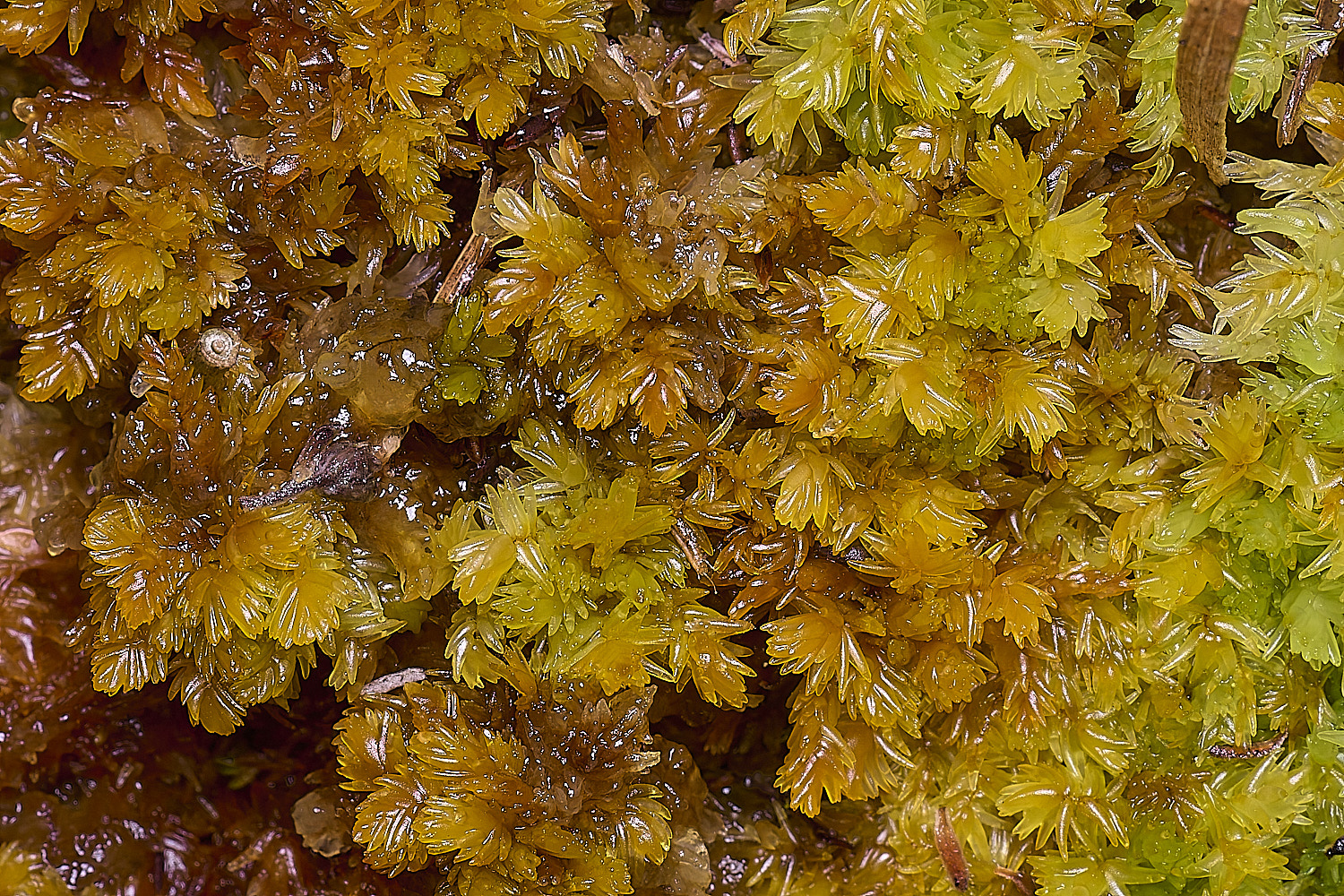
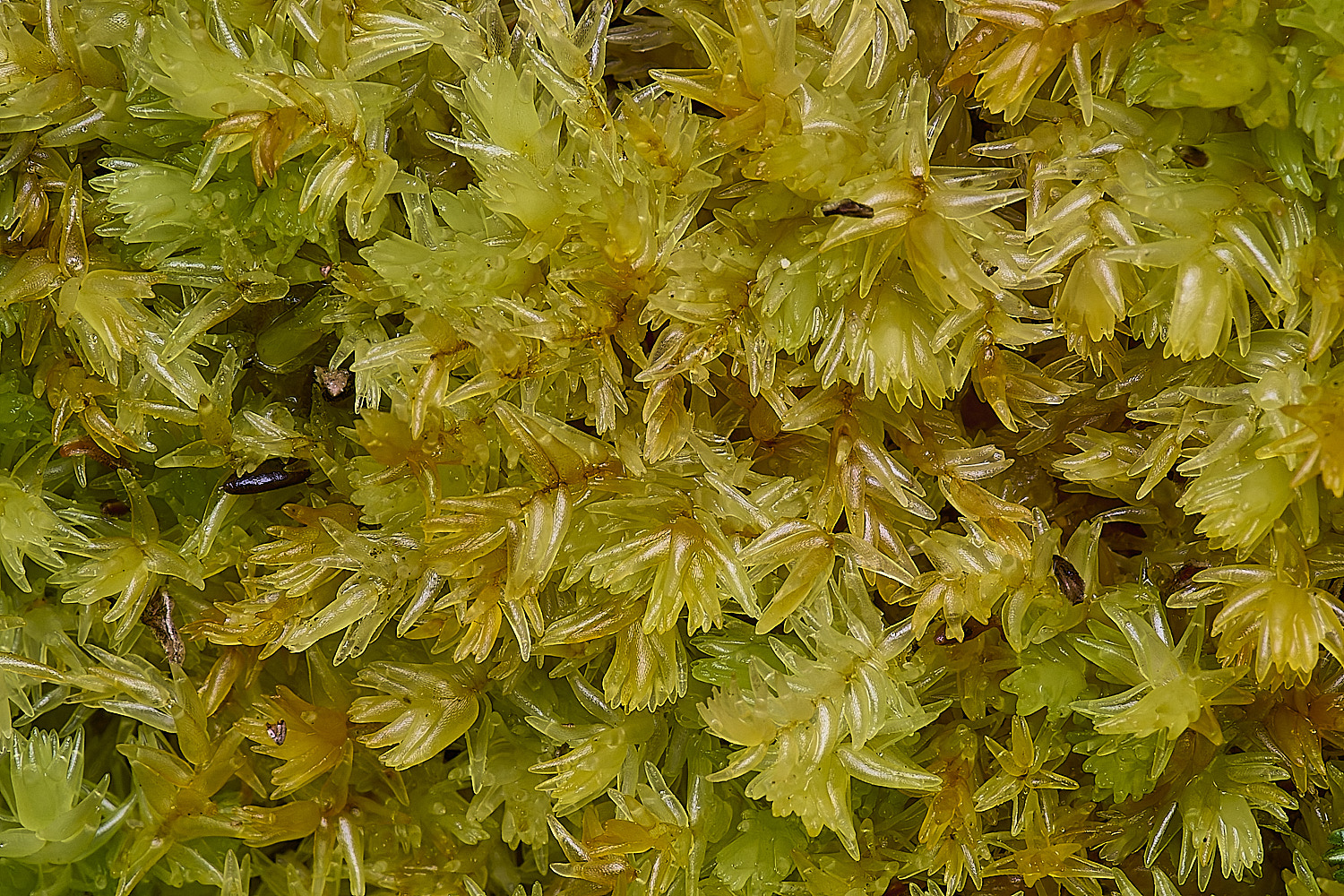
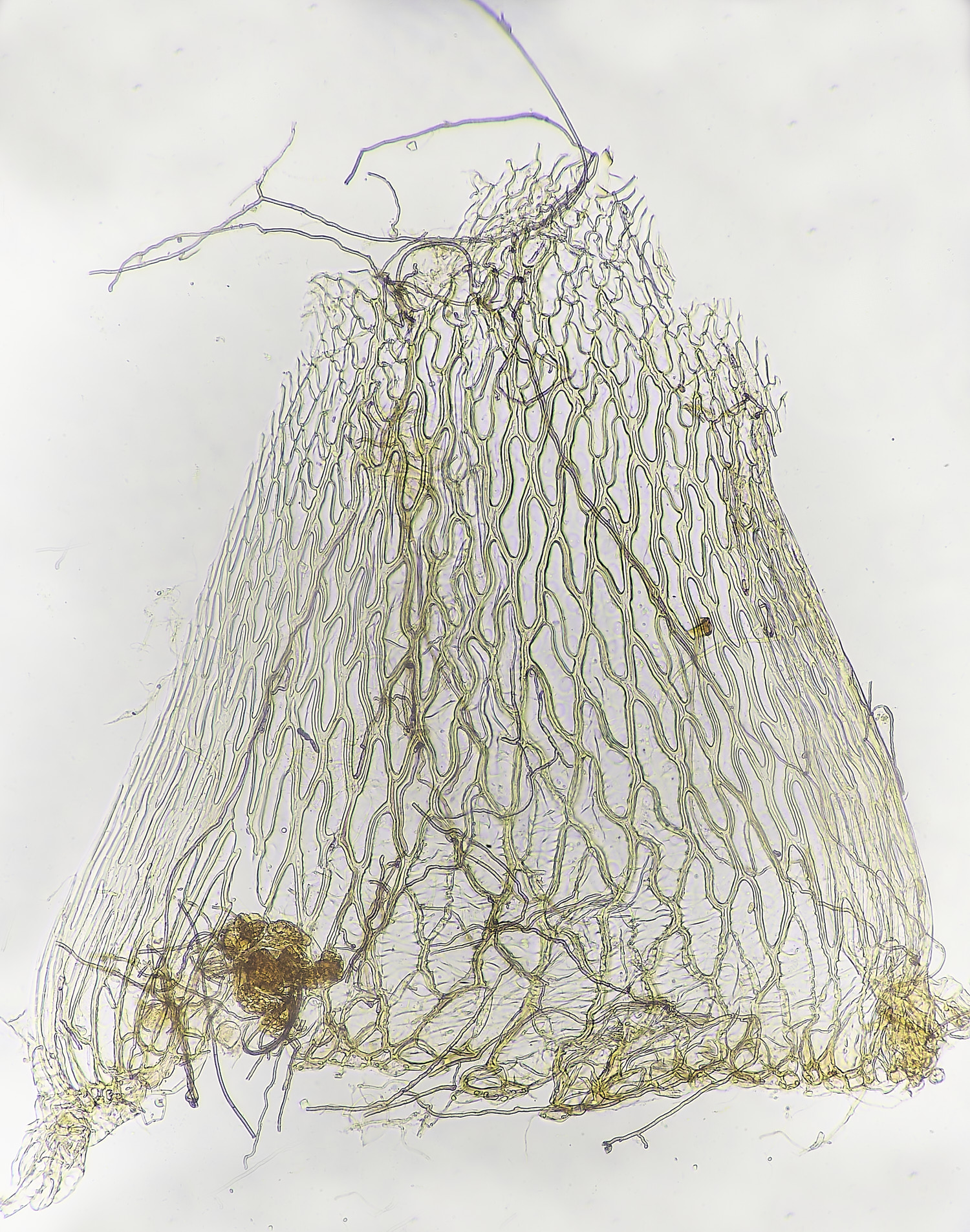
Stem Leaf
x200
0.6mm 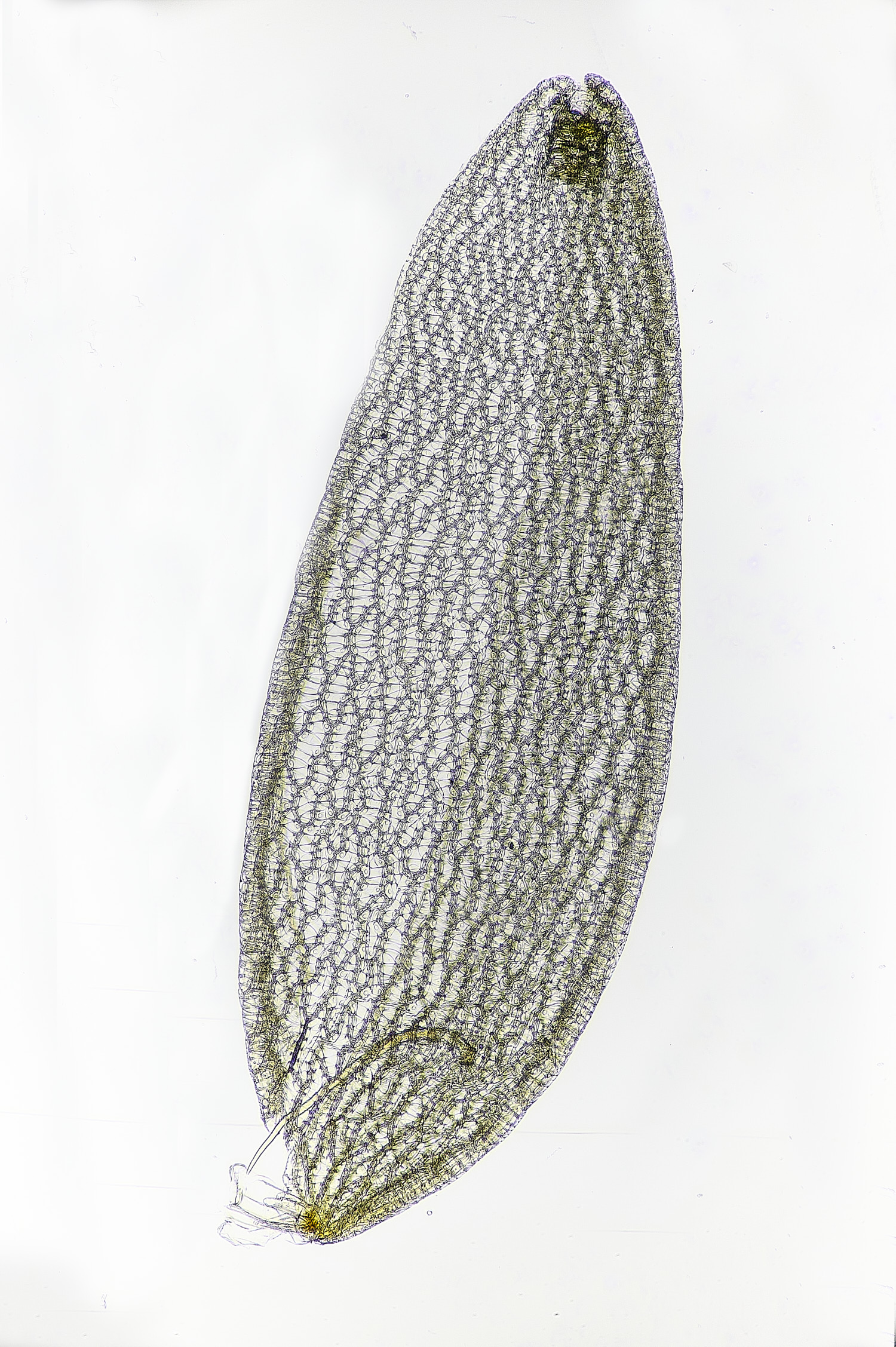
Branch Leaf
x200
1.0mm
Compact bog-moss (Sphagnum compactum) ?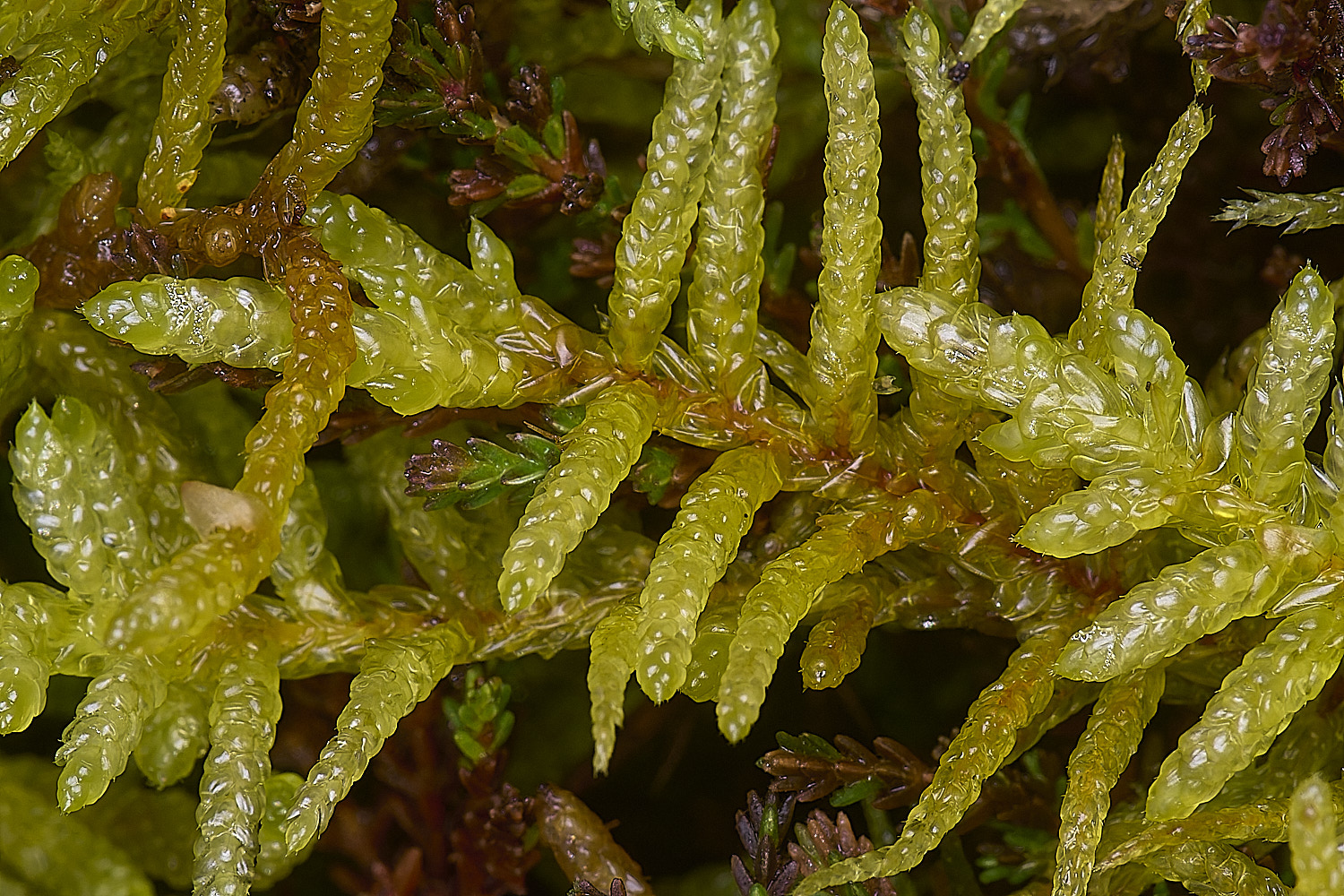
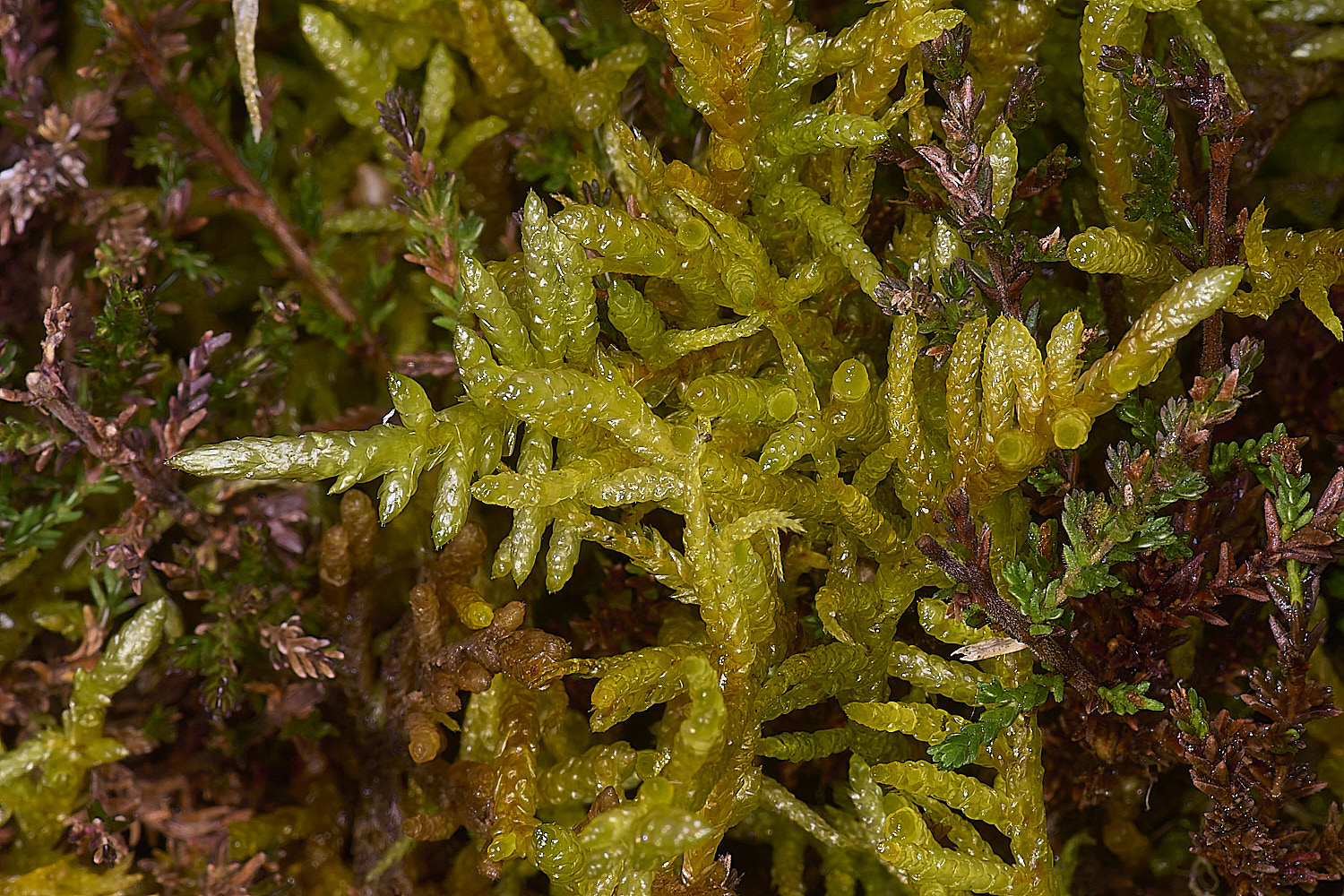
Red-stemmed feather-moss (Pleurozium schreberi)
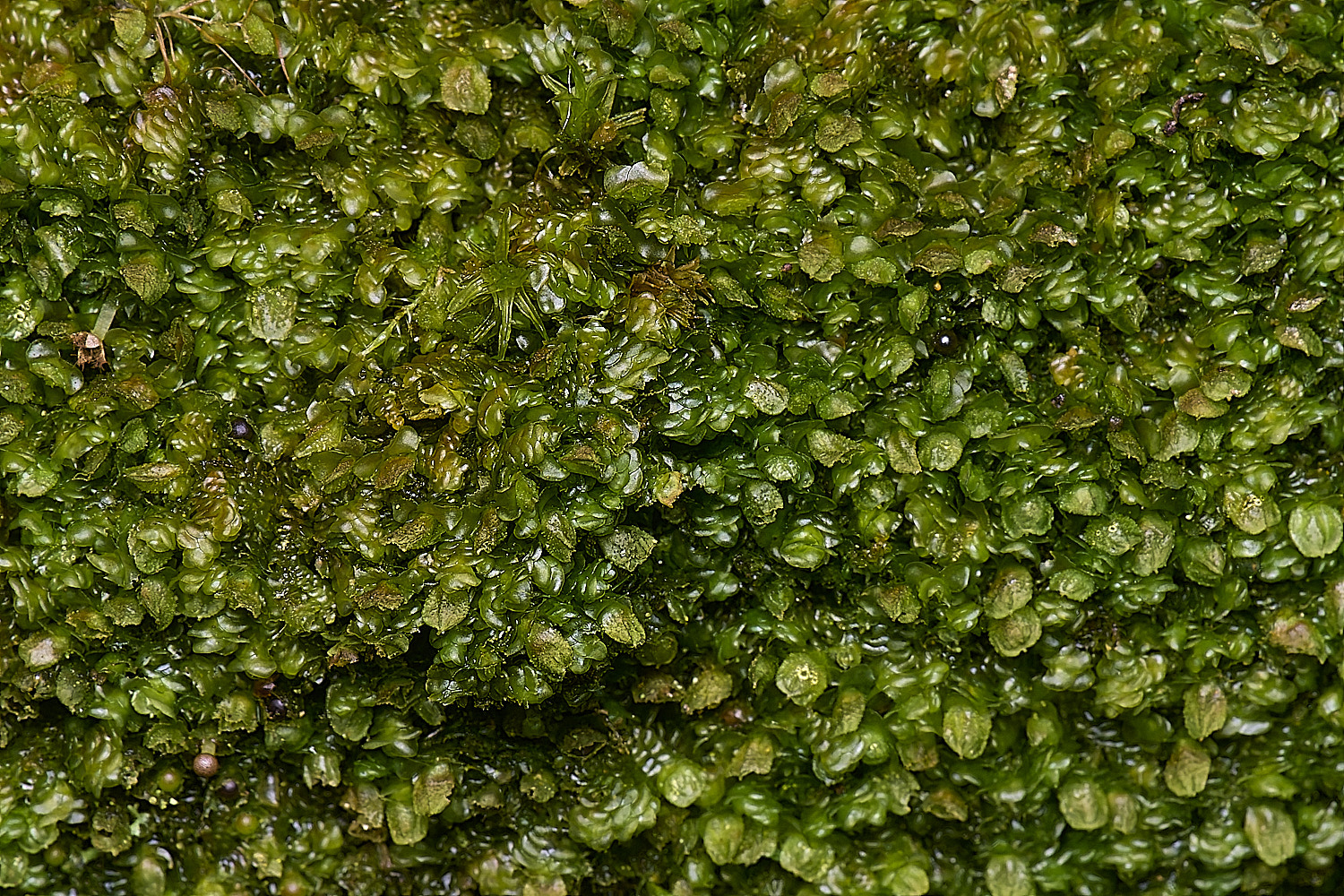
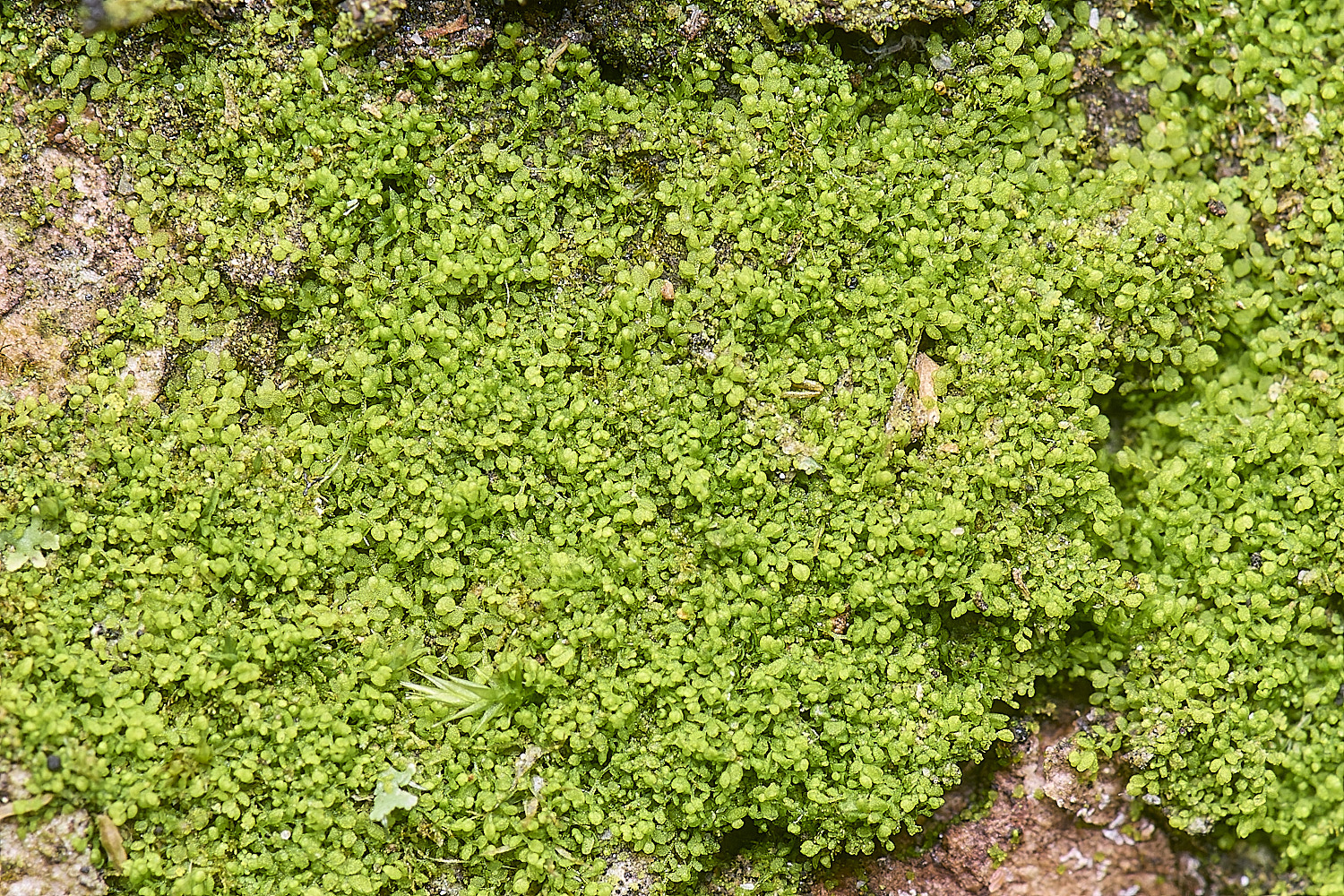
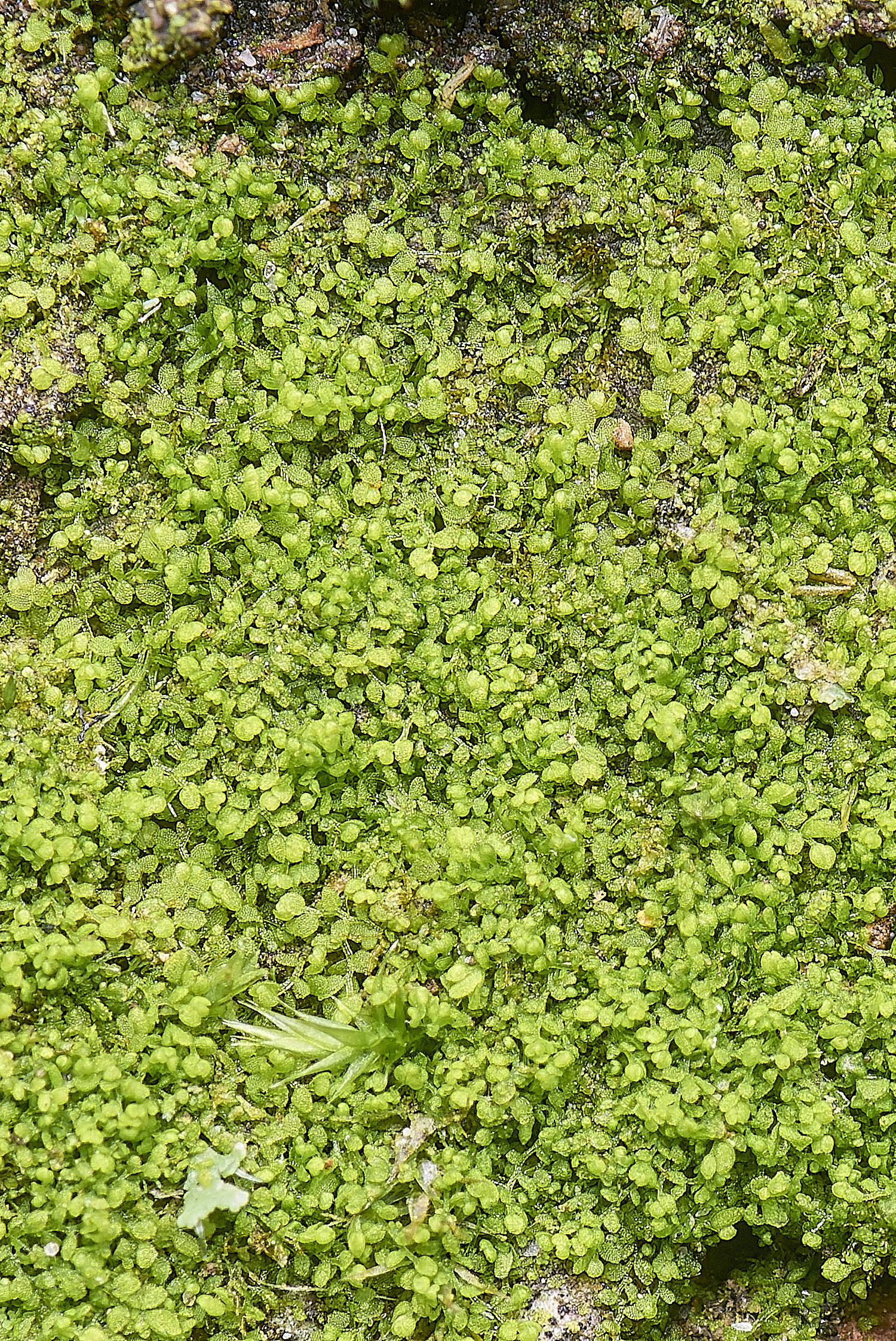
Minute Pouncewort (Myriocoliopsis minutissima)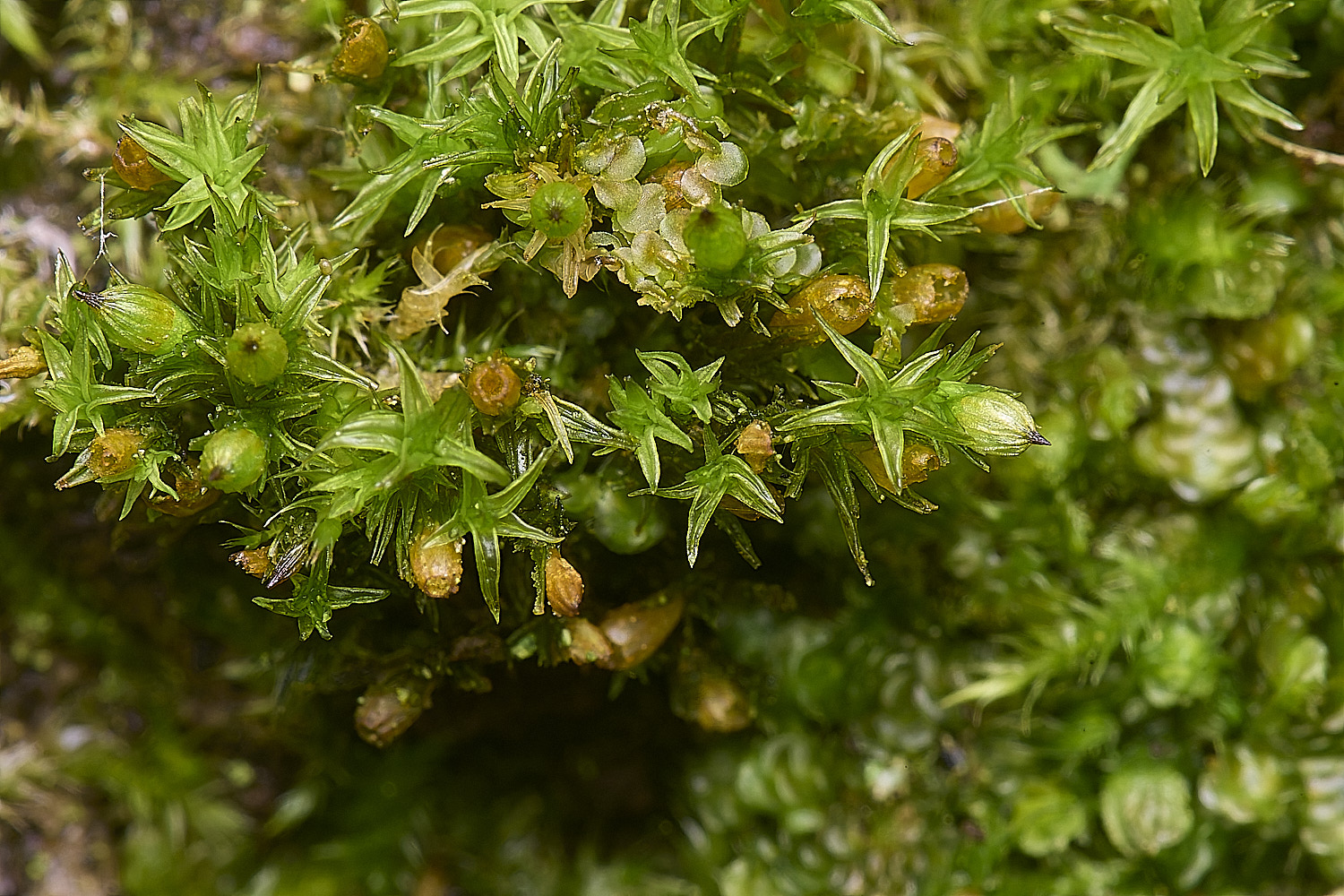
Smooth Bristle-moss (Lewinskya striata)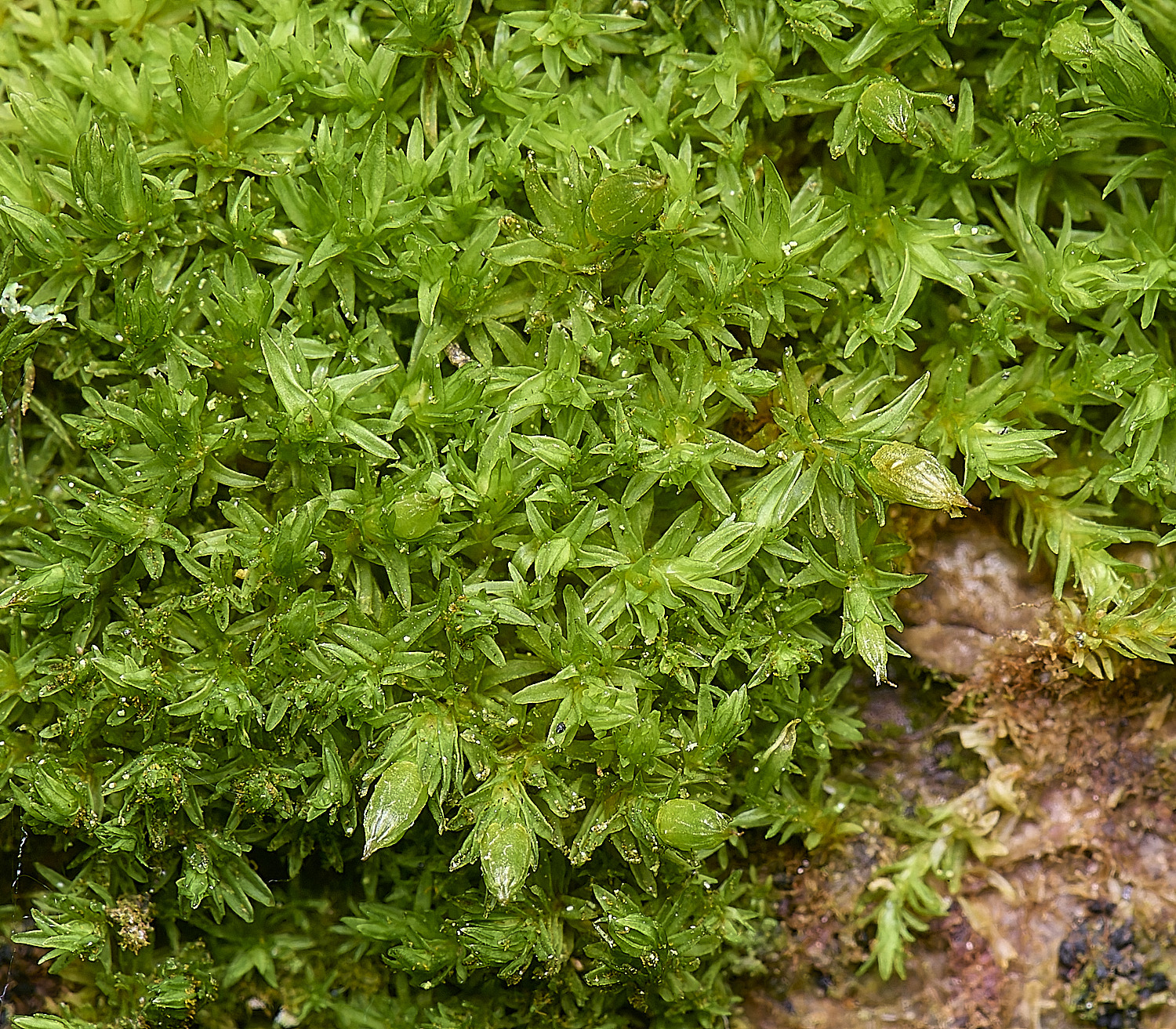
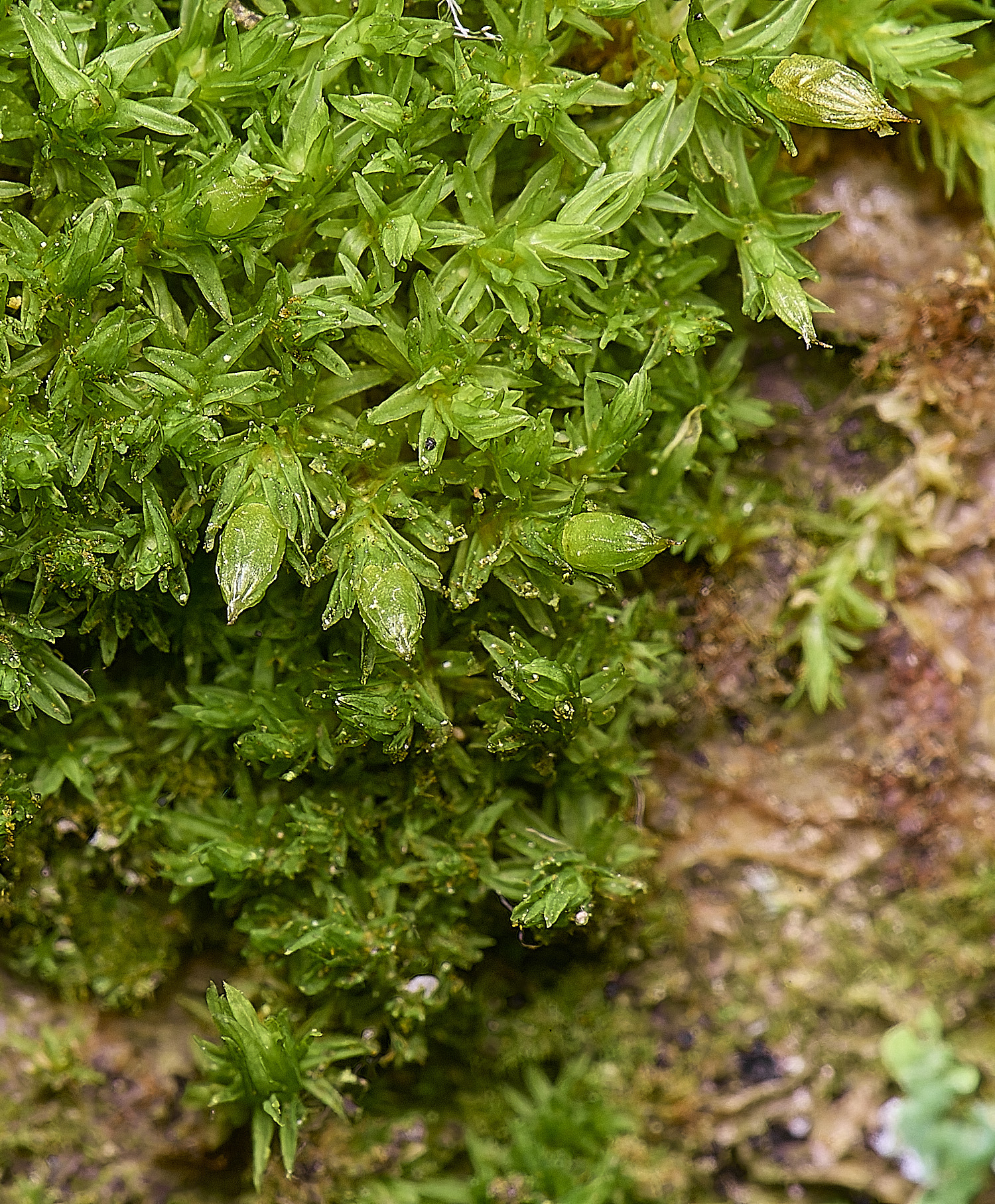
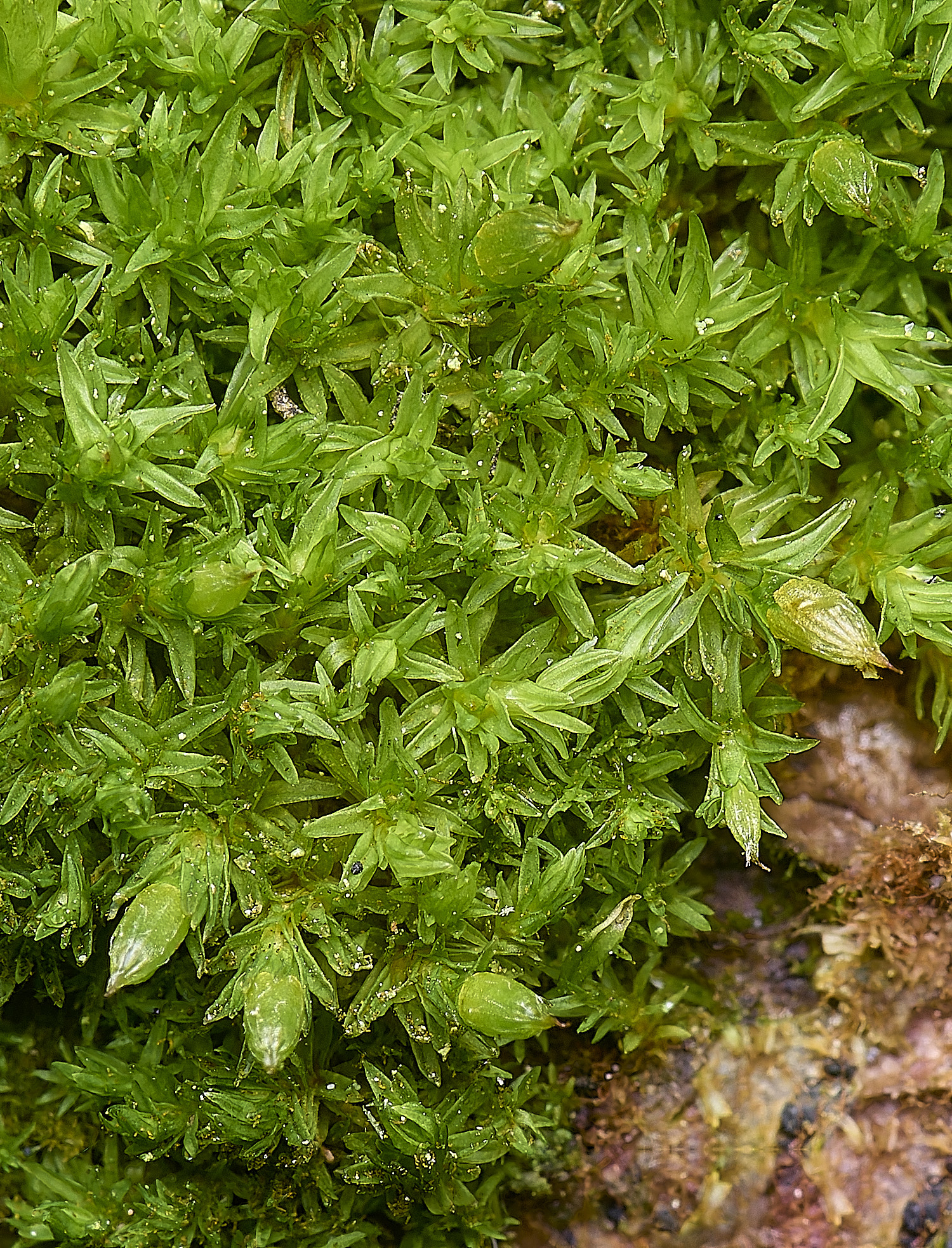
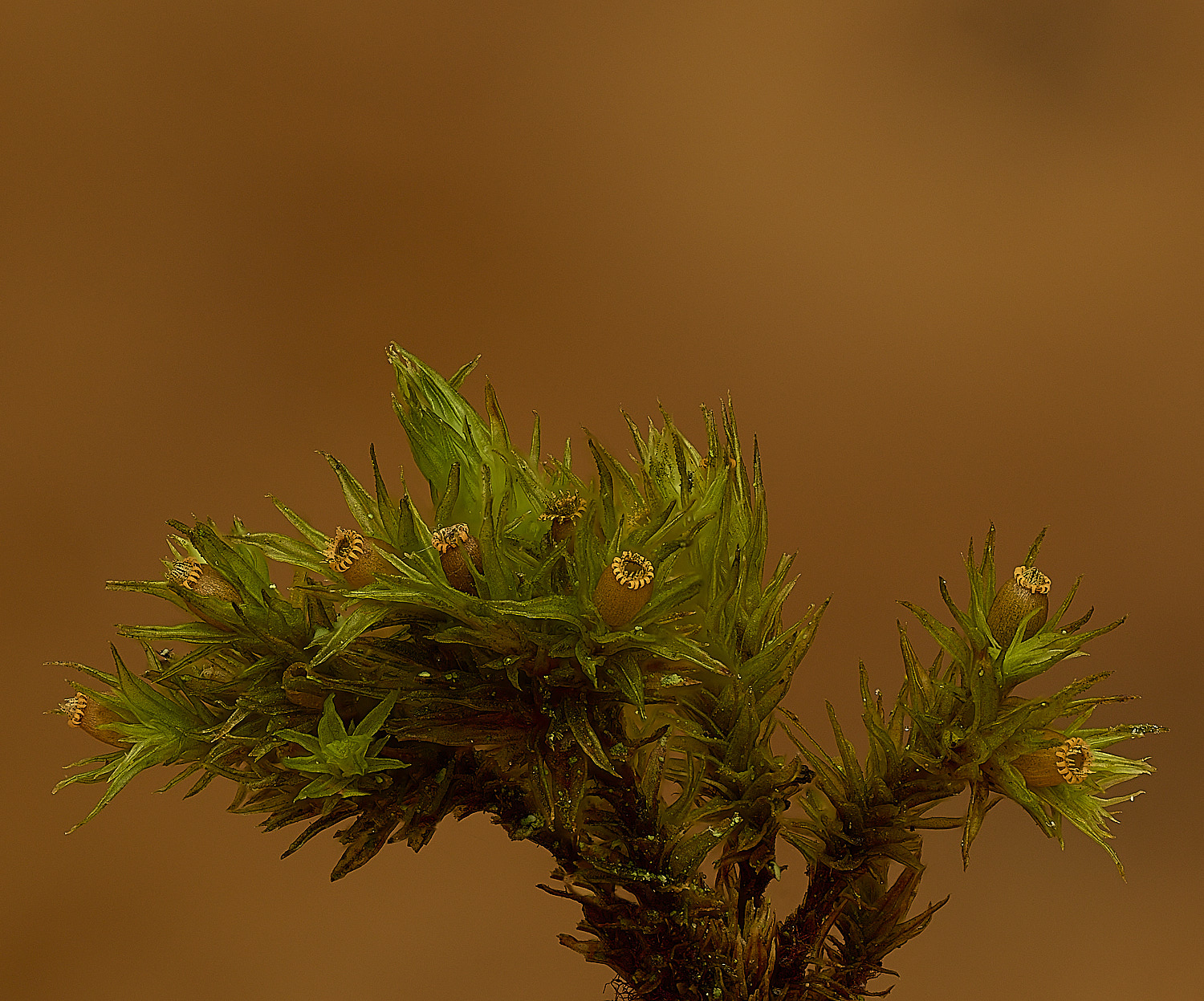
Slender Bristle-moss (Orthotrichum tenellum)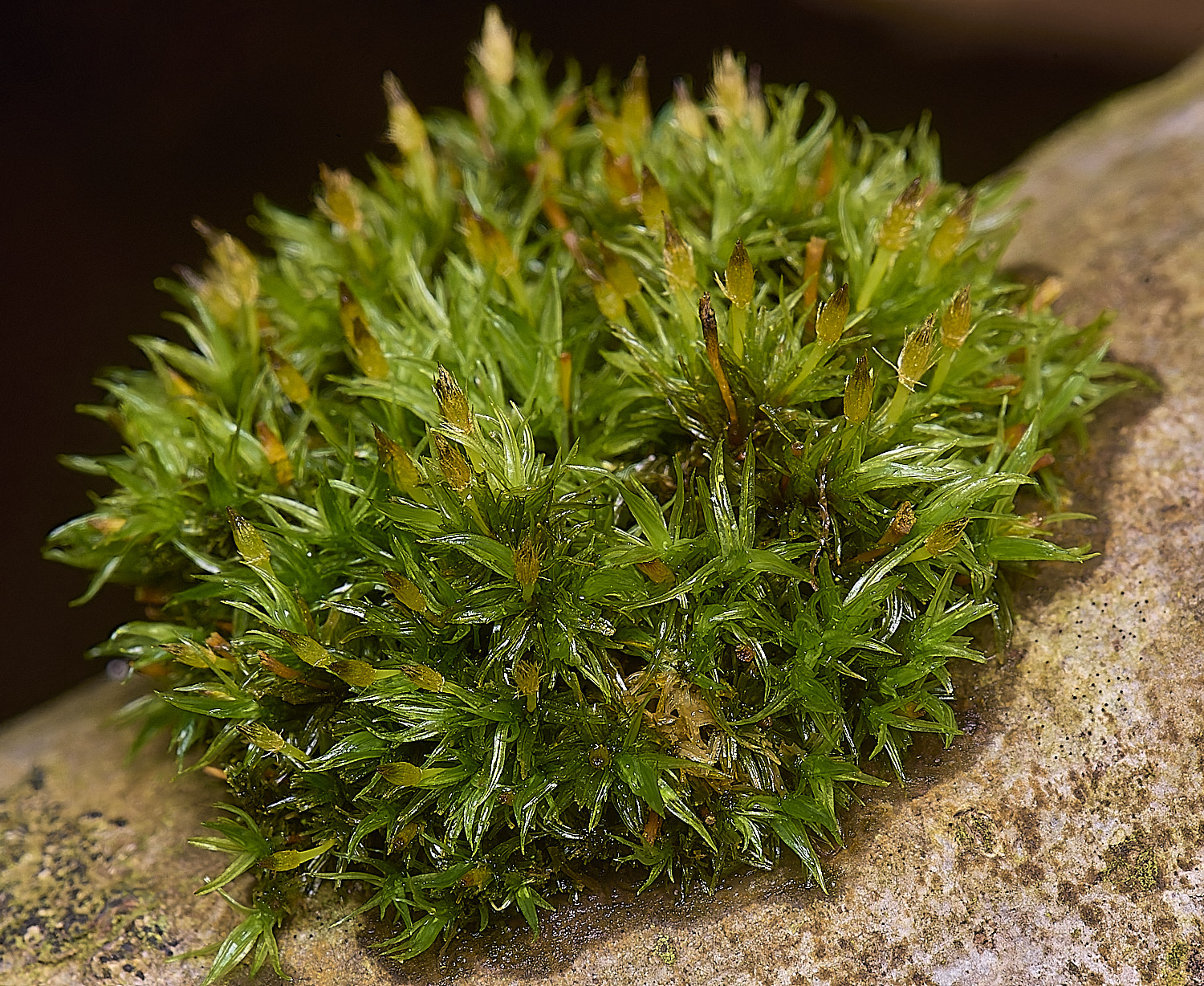
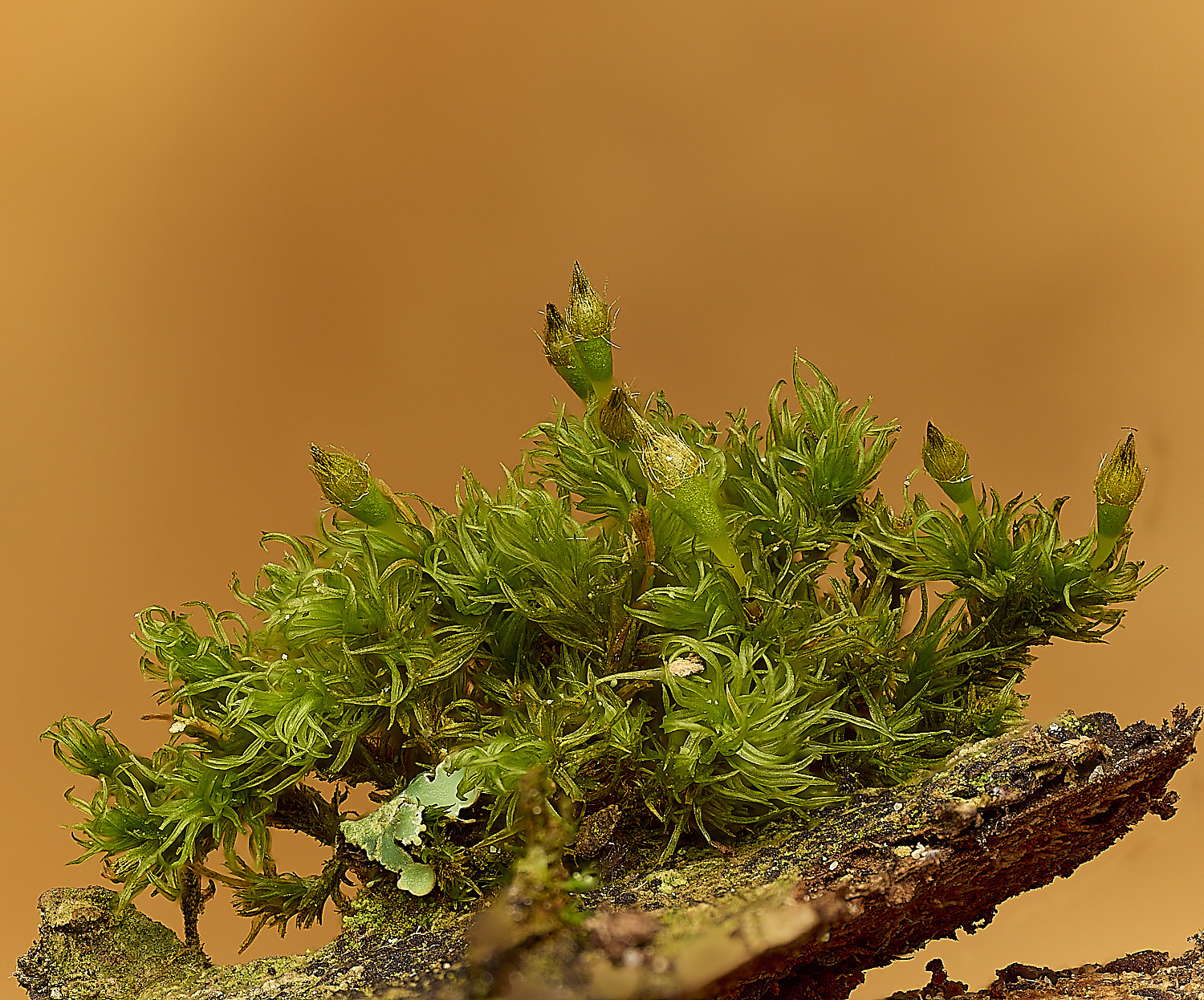
Ulotta Sp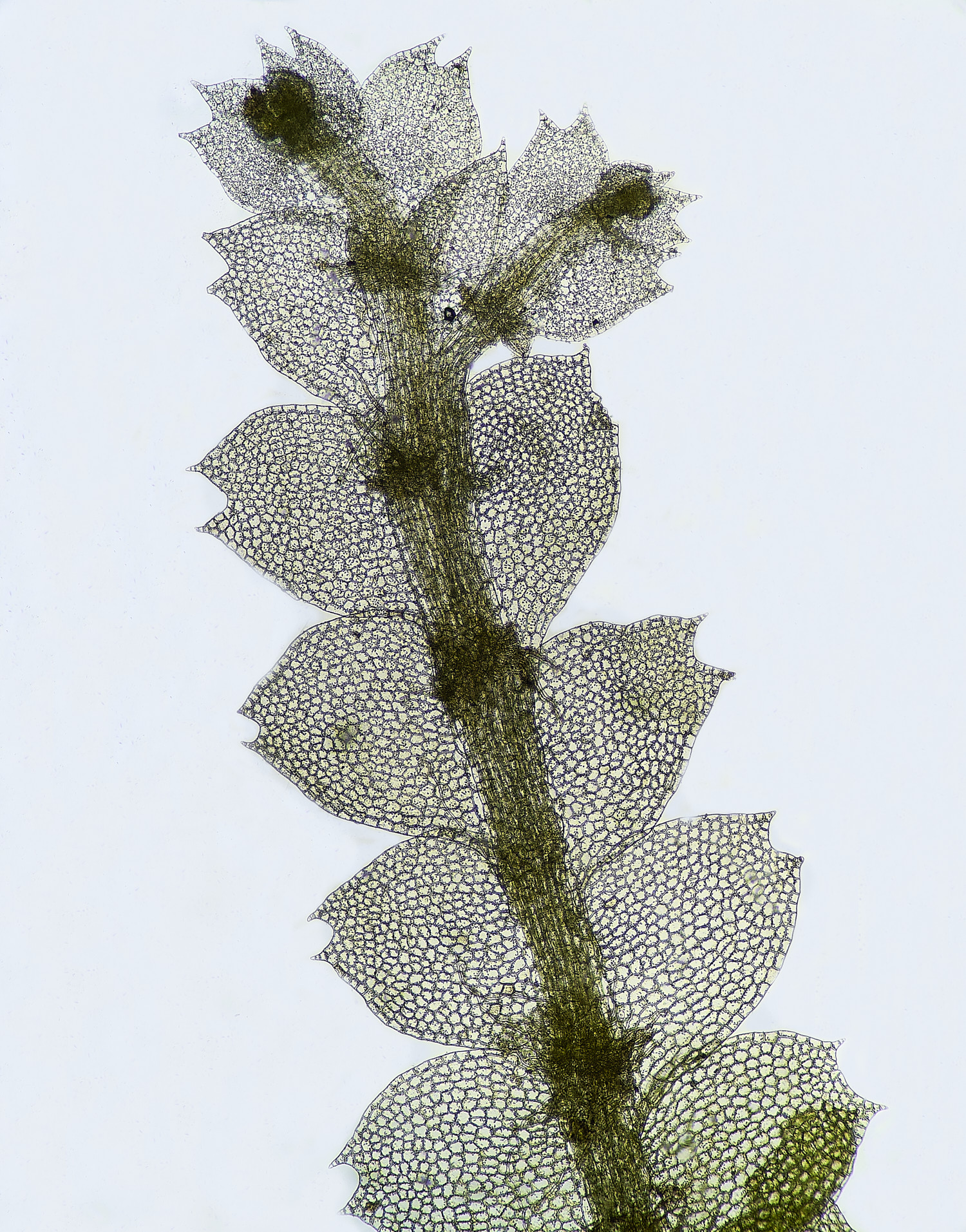
5mm
X40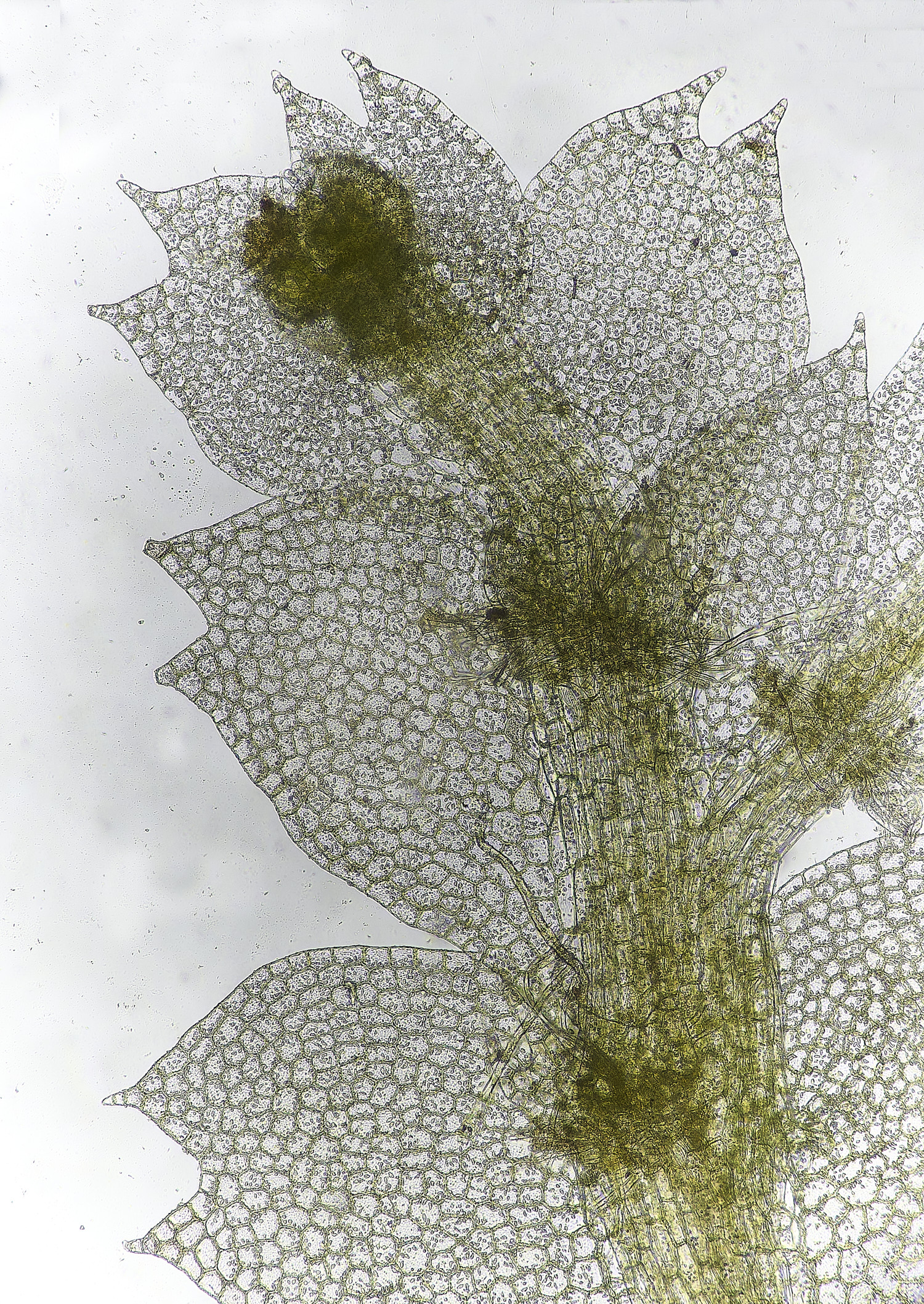
X100
Calypogeia arguta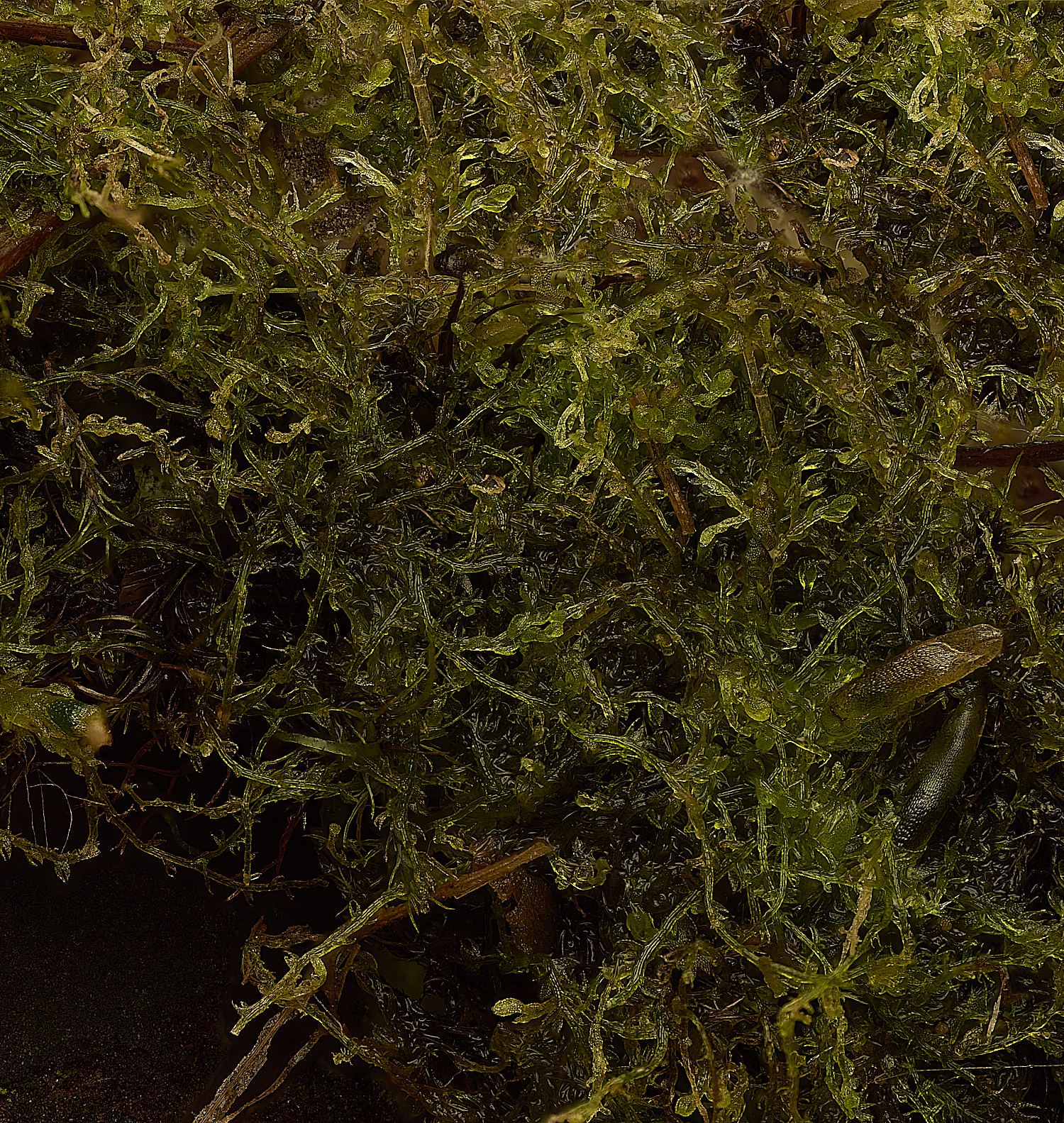
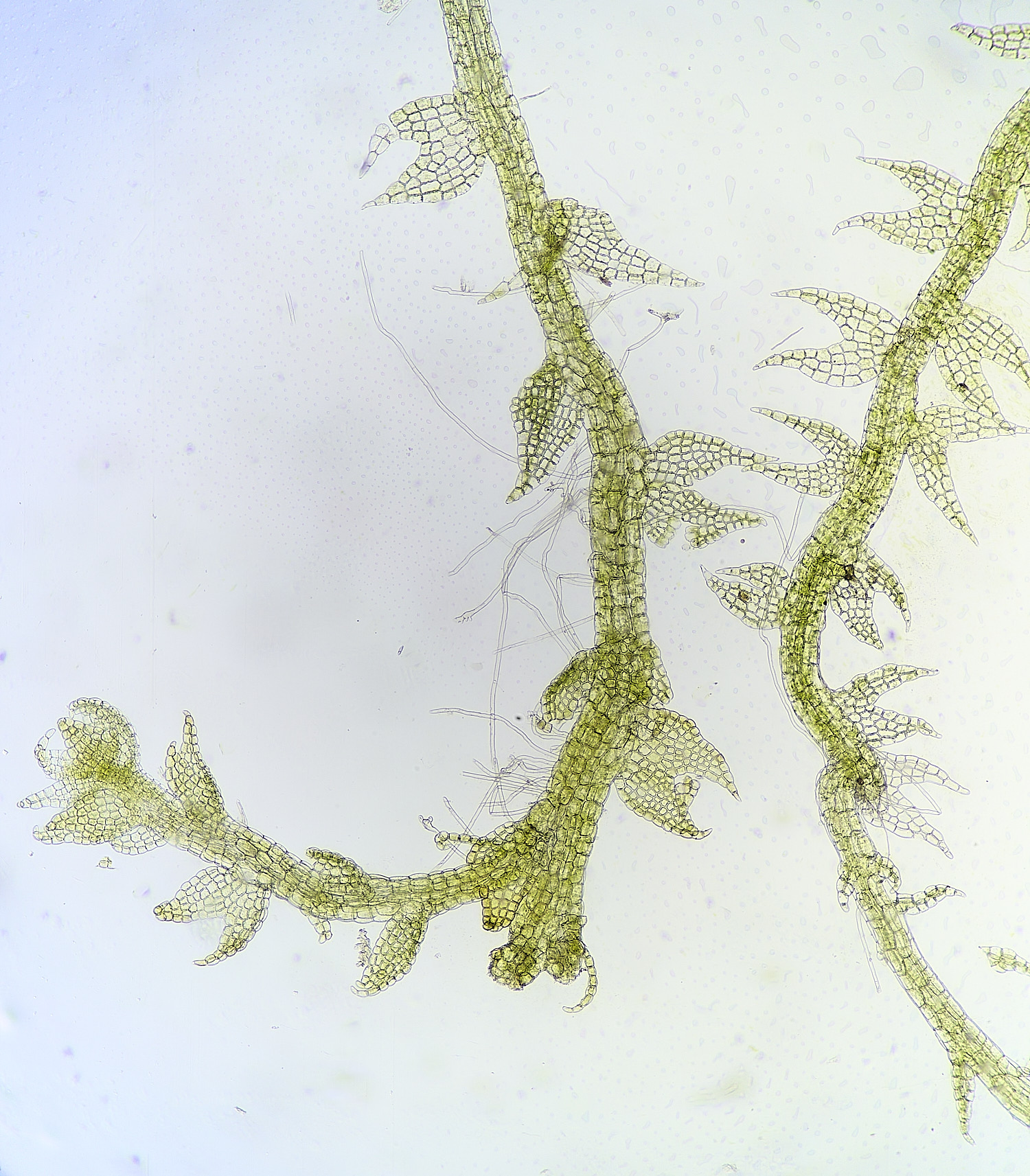
x40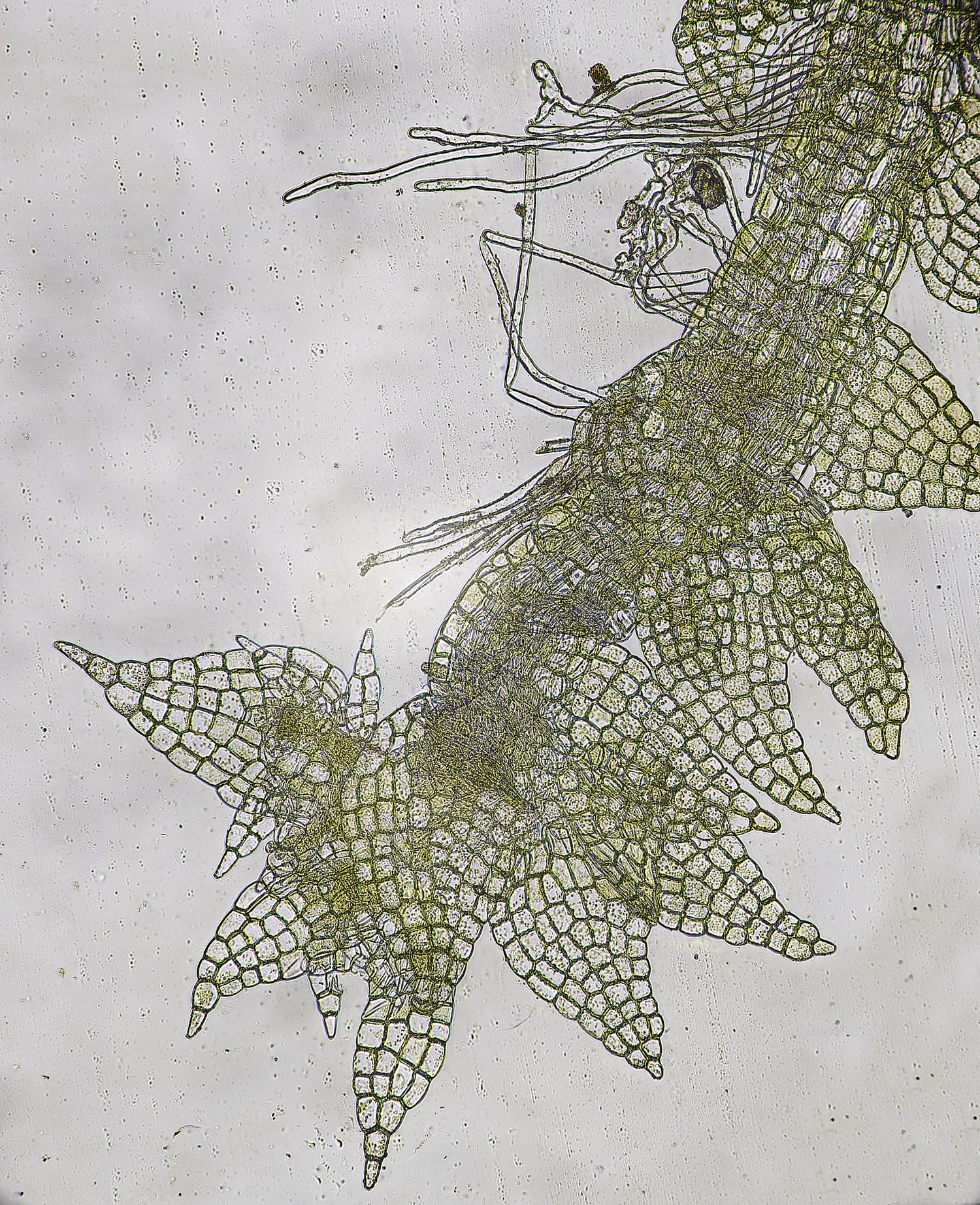
x100
Two-horned Pincerwort (Cephalozia bicuspidata)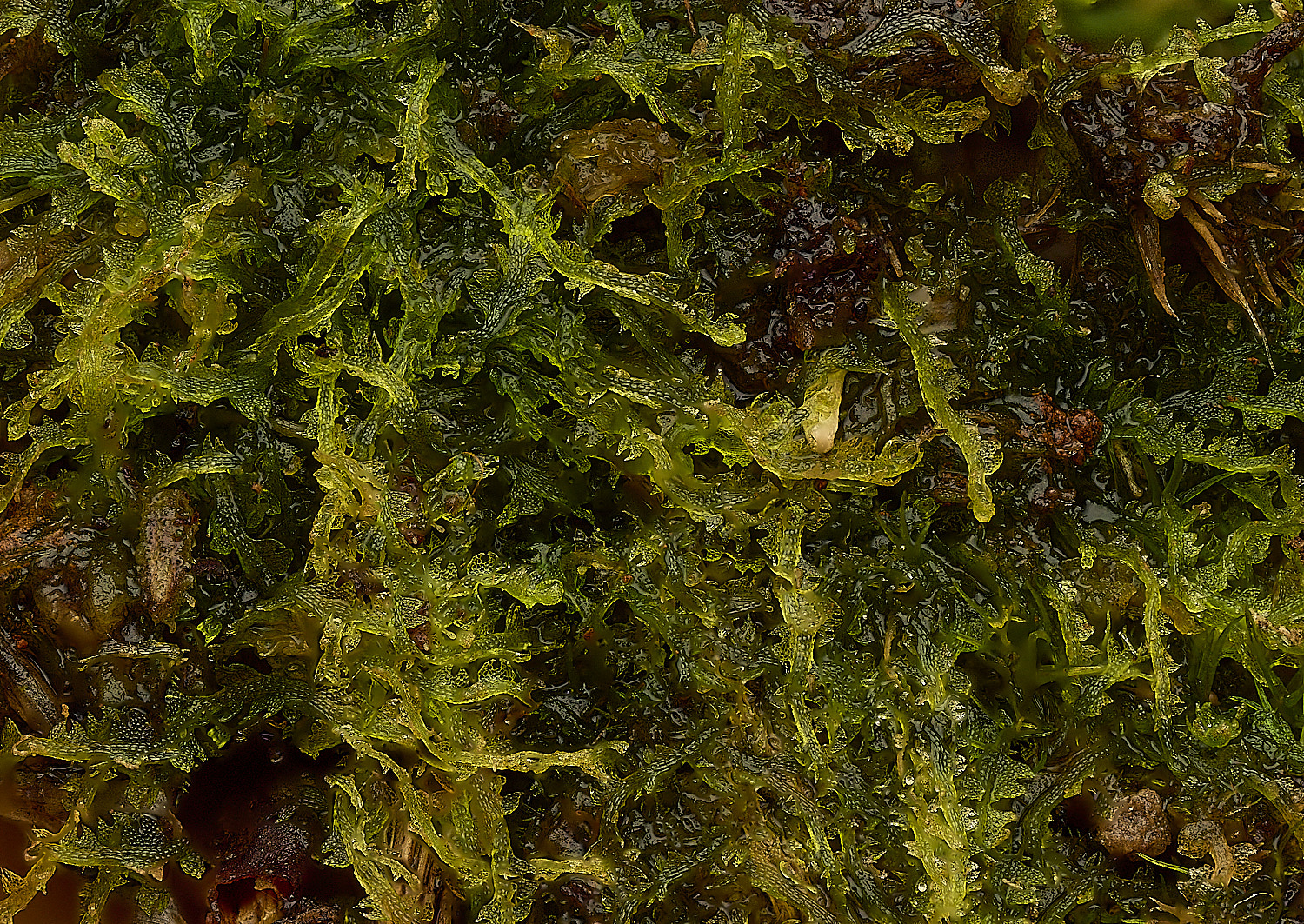
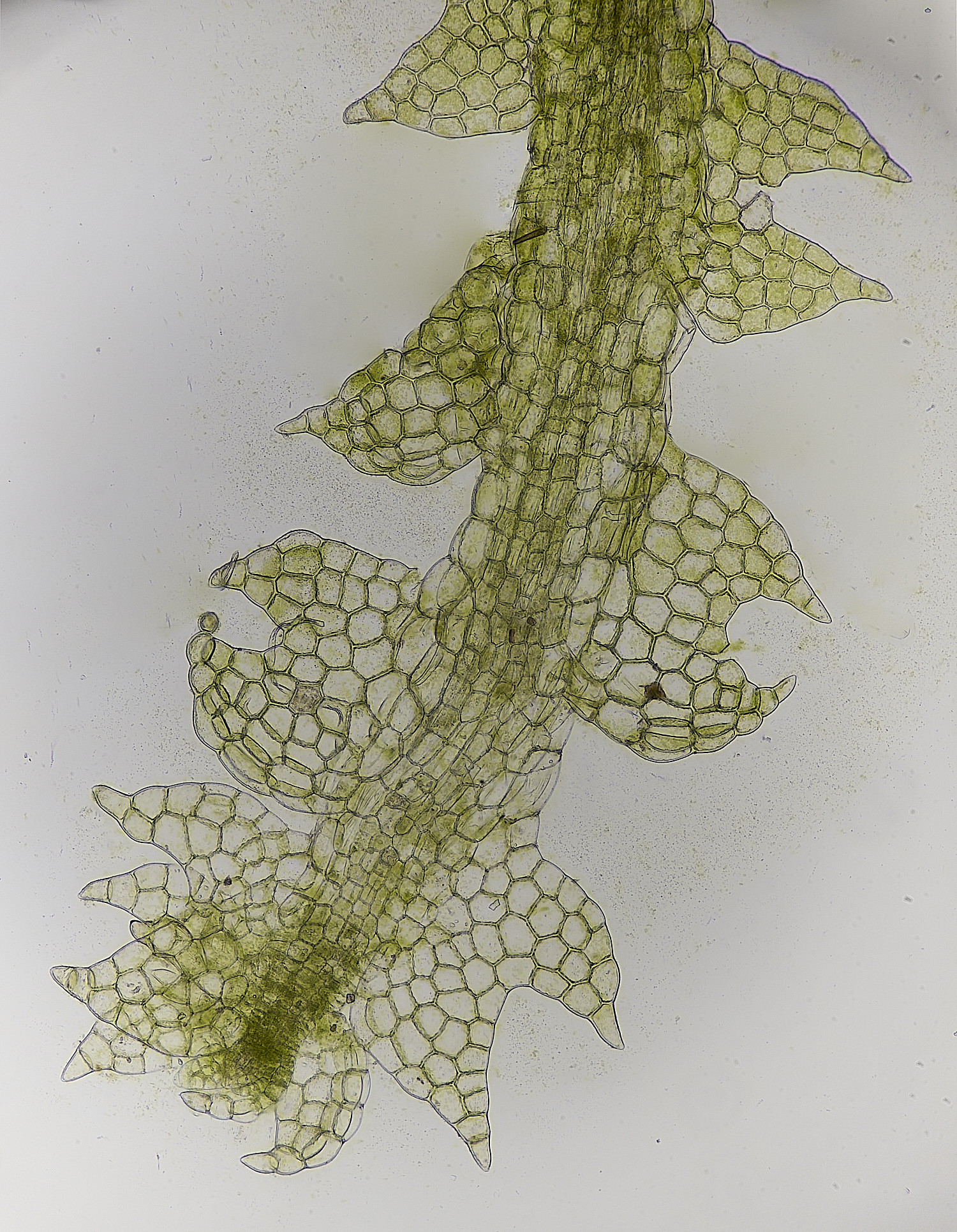
x100
Forcipated Pincerwort (Cephalozia connivens)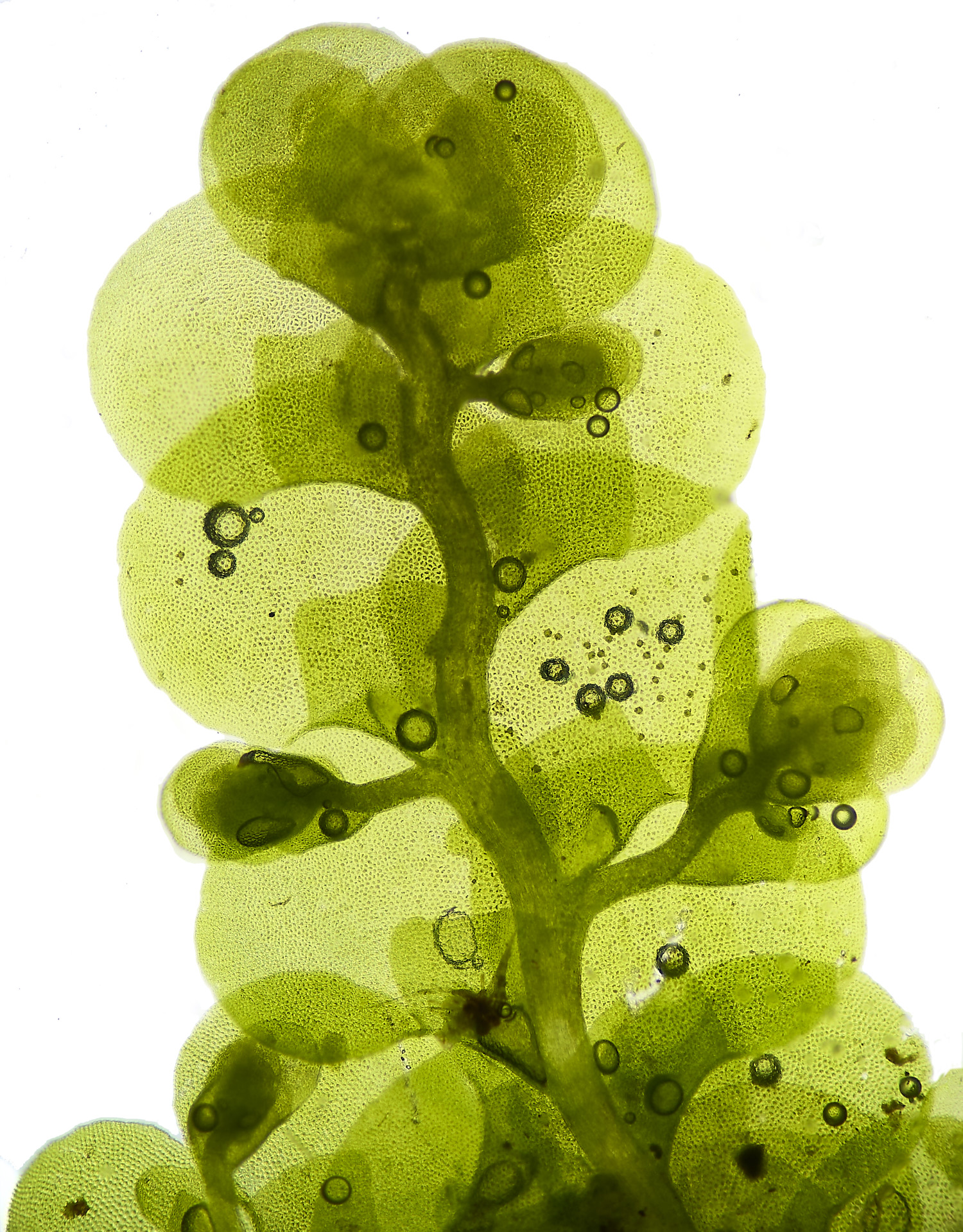
x40
4.5mm
Even Scalewort (Radula complanata)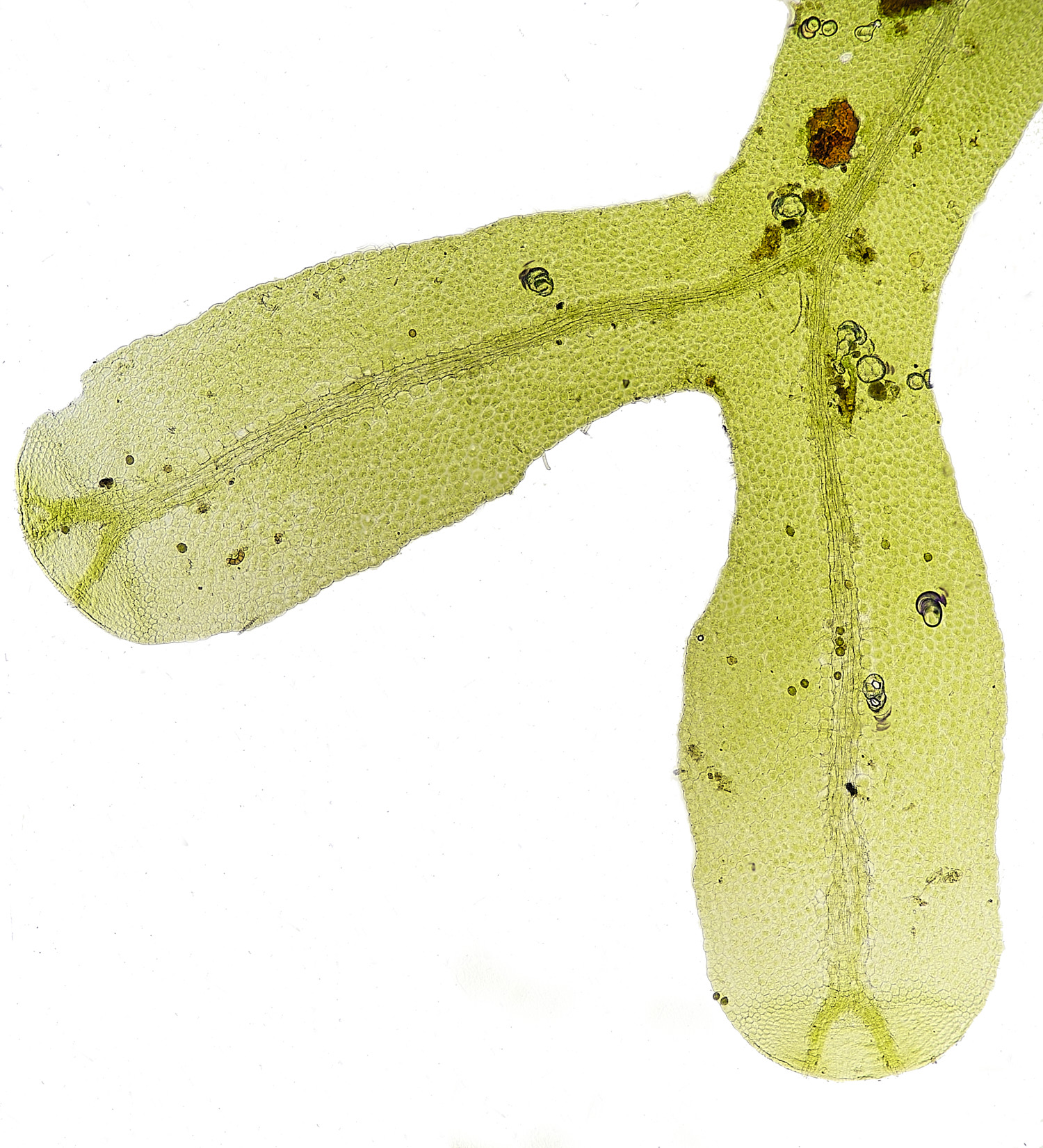
x40
Forked Veilwort (Metzgeria furcata)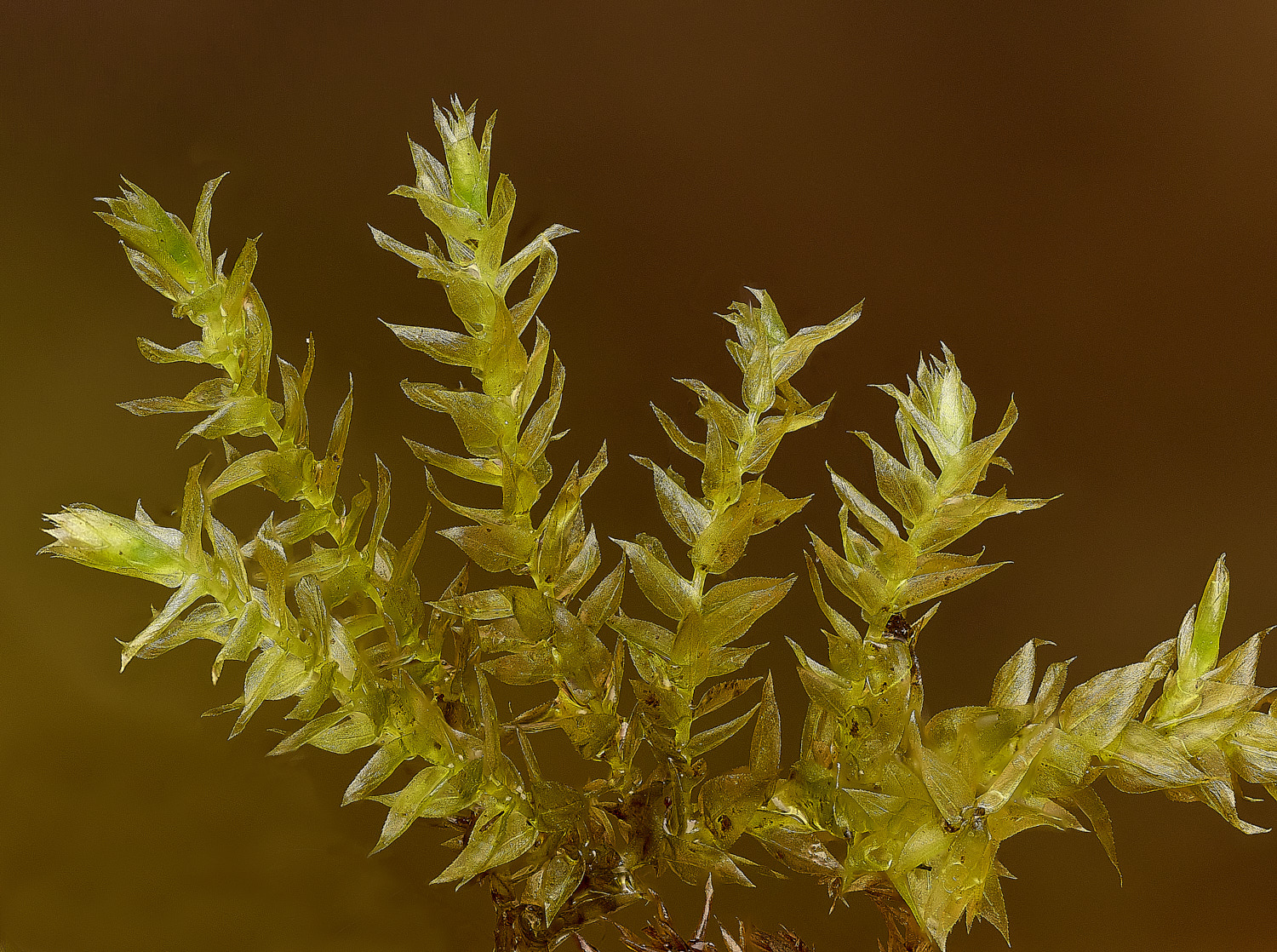
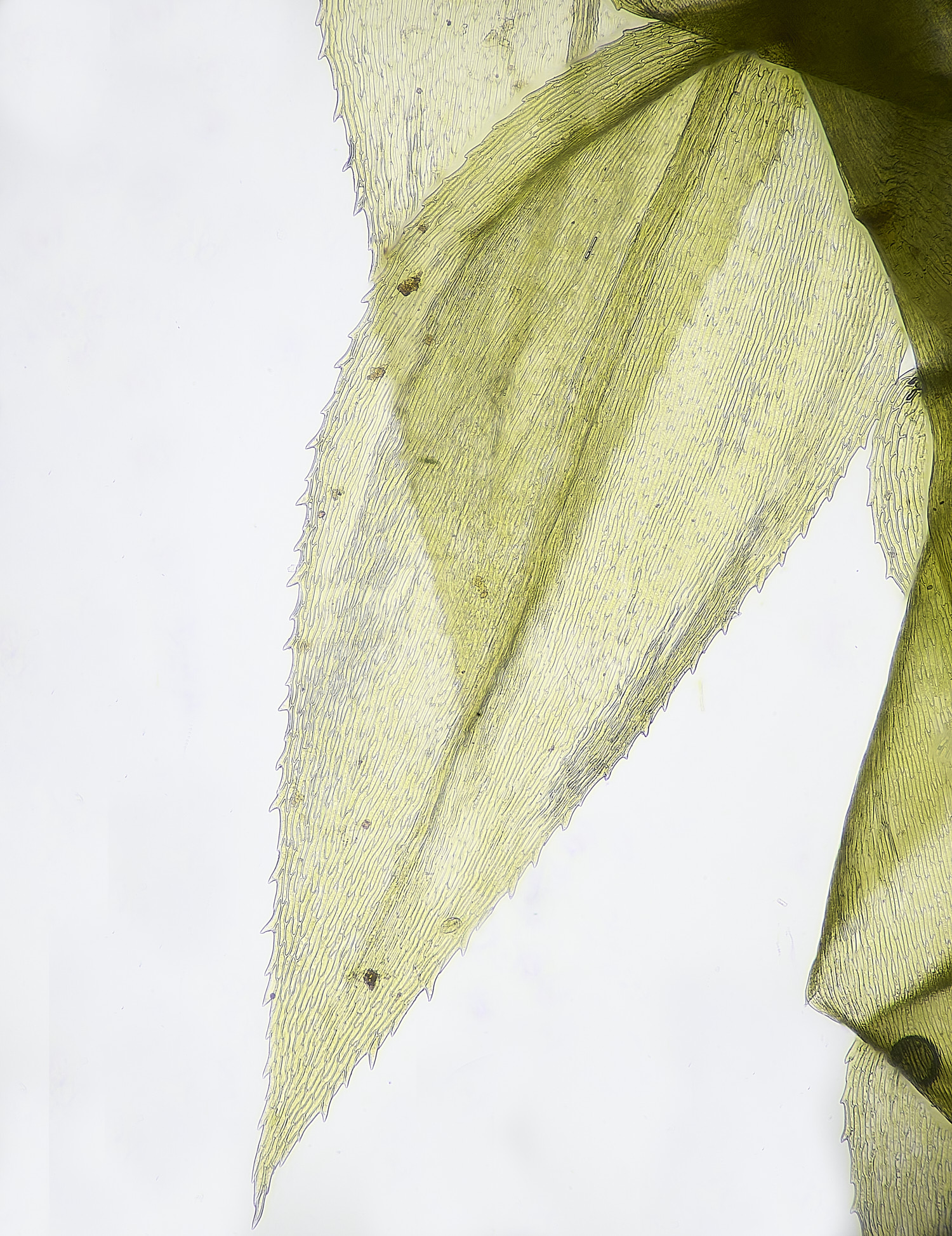
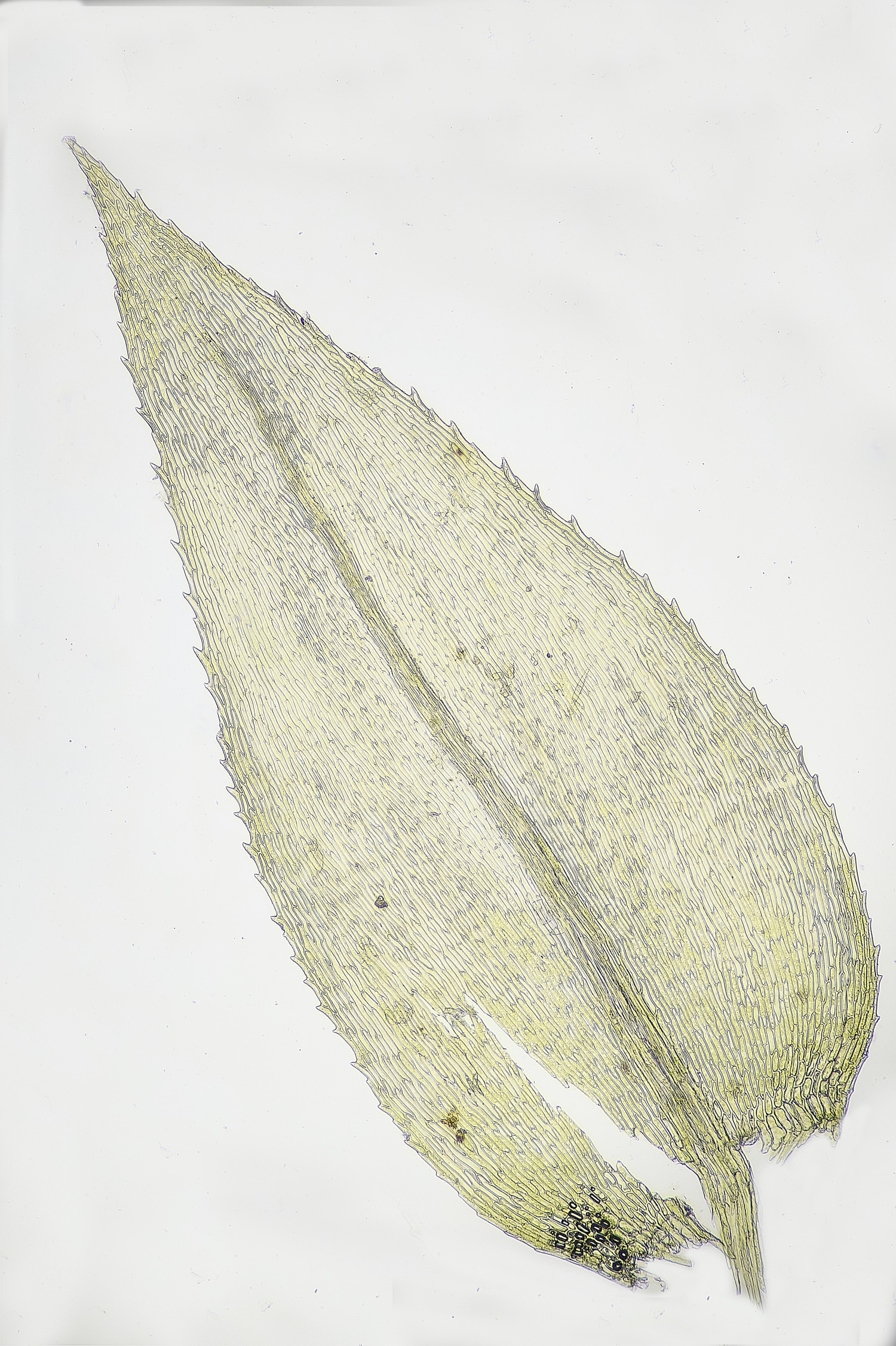
X 100
2mm
Swartz's feather-moss (Oxyrrhynchium hians)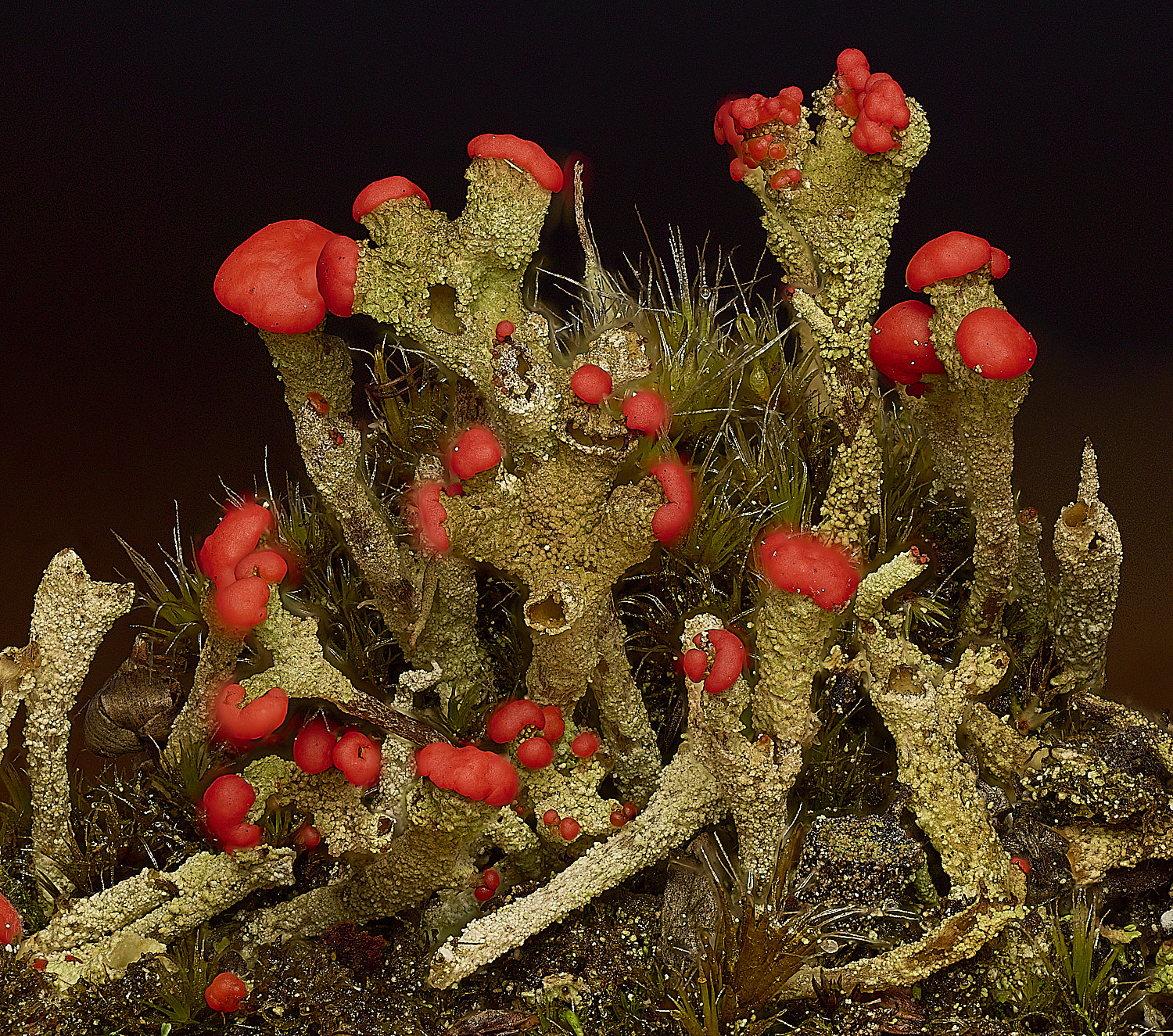
Cladonia floerkeana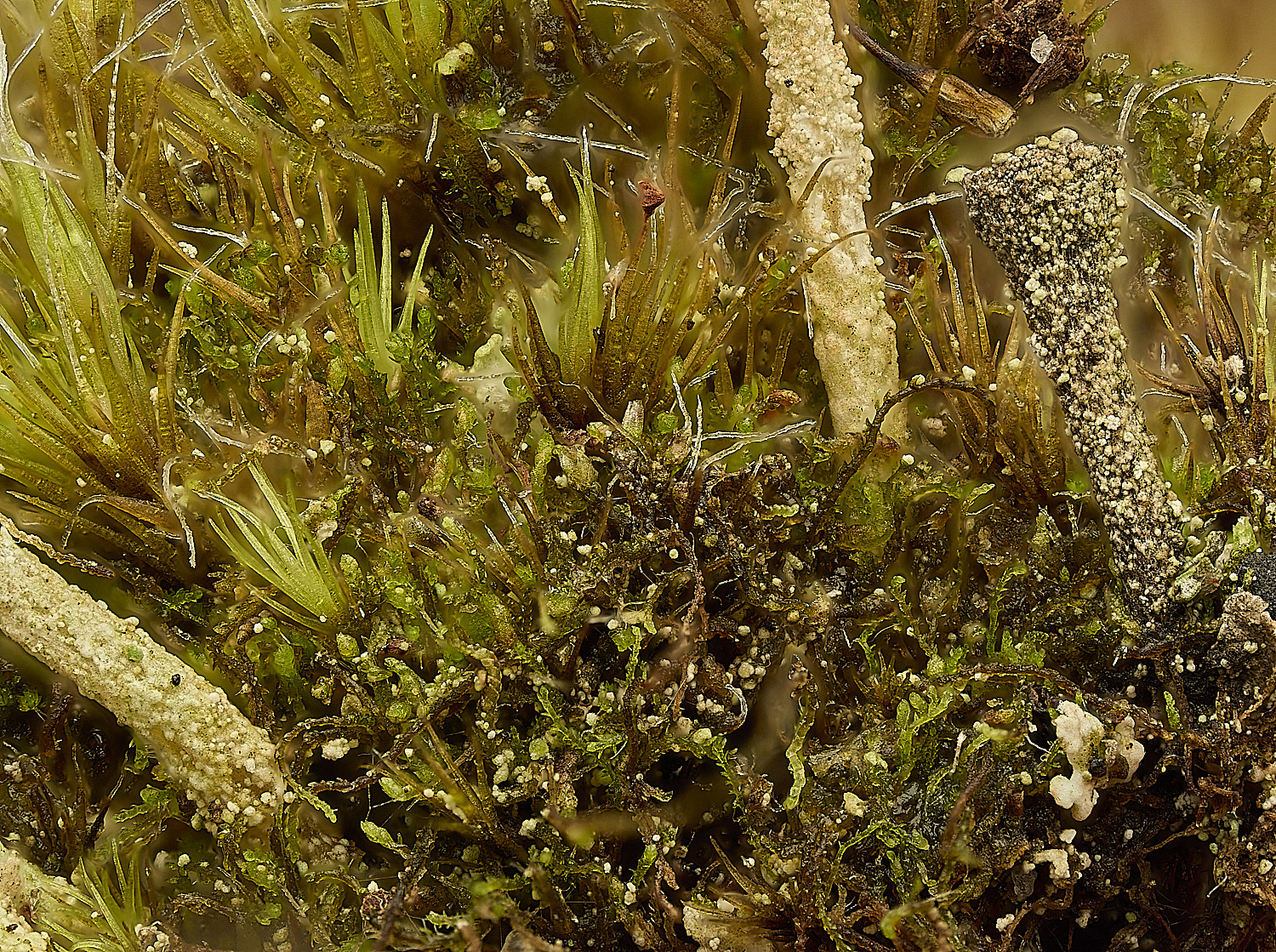
Nestled amongst the Heath Star-moss (Campylopus introflexus) among the Cladonia podetia a small green liverwort can just about be seen.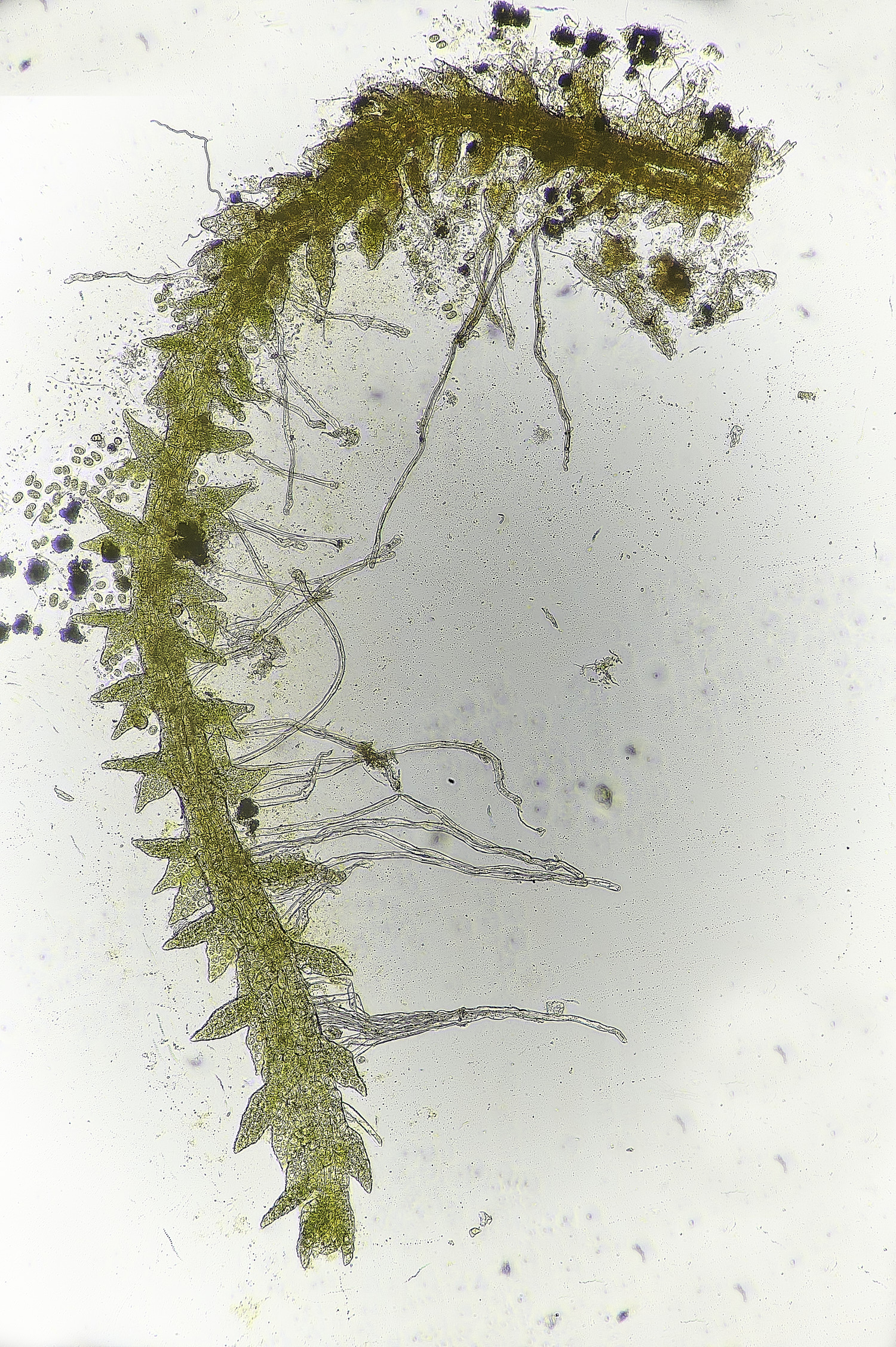
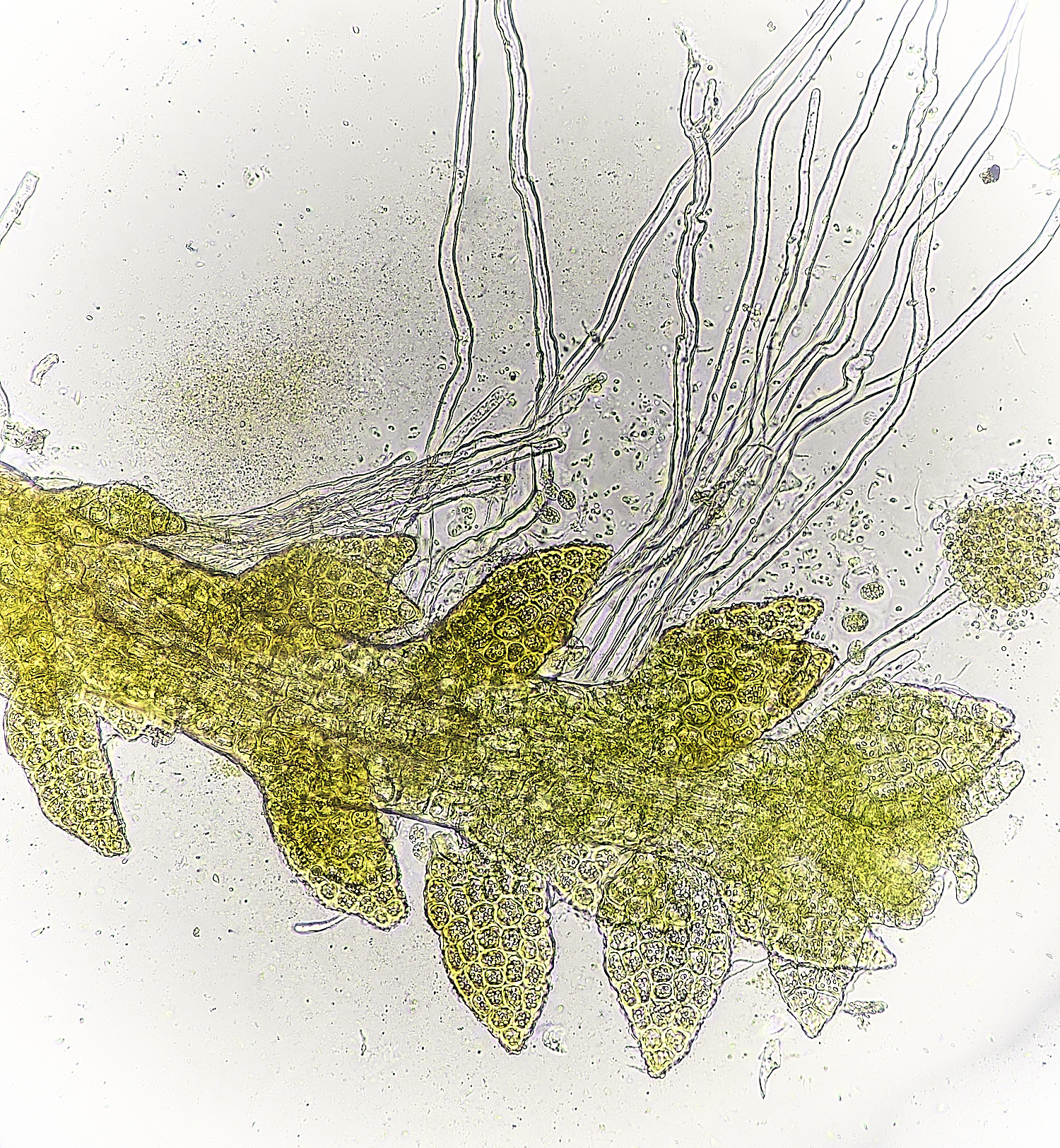
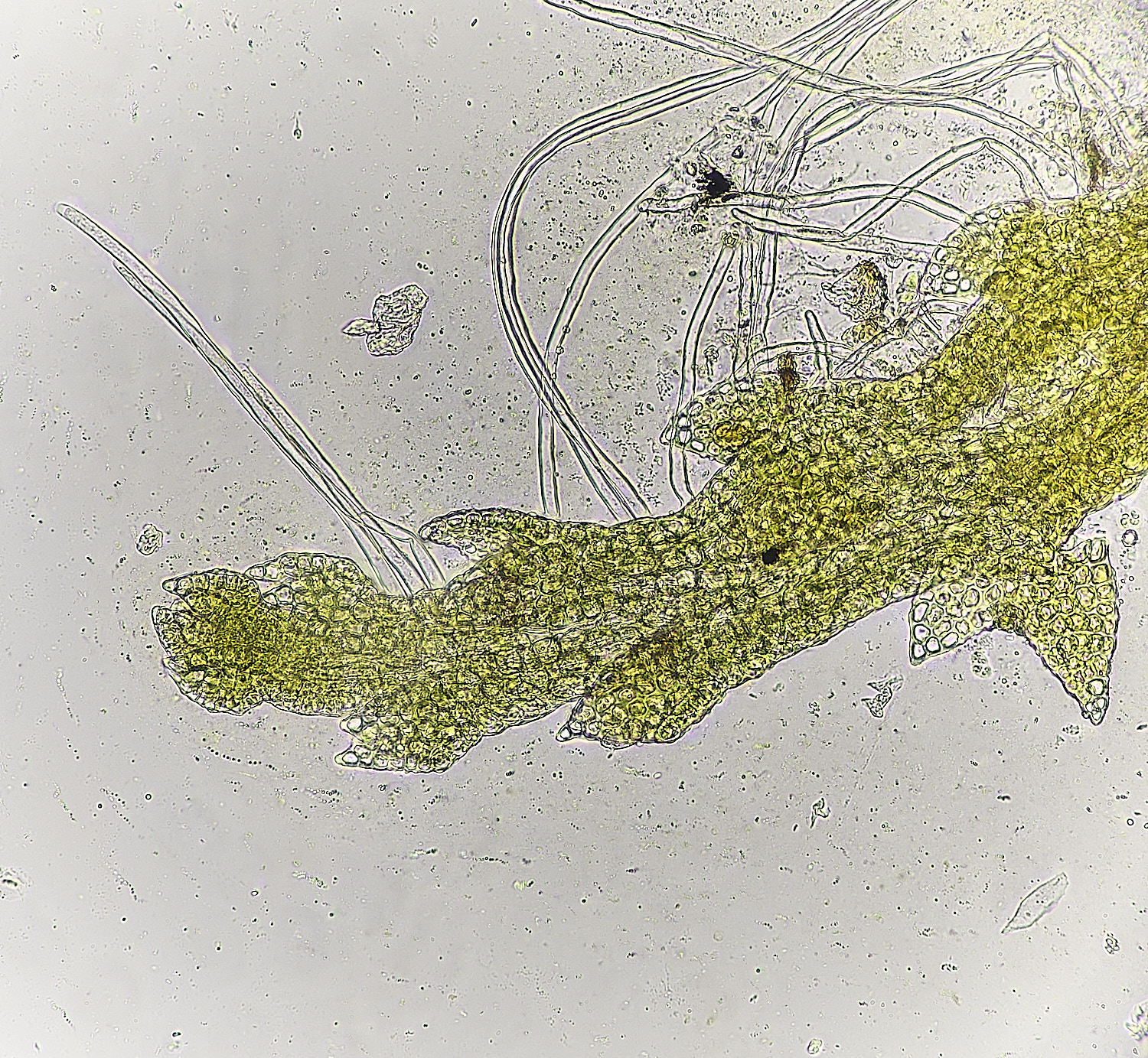
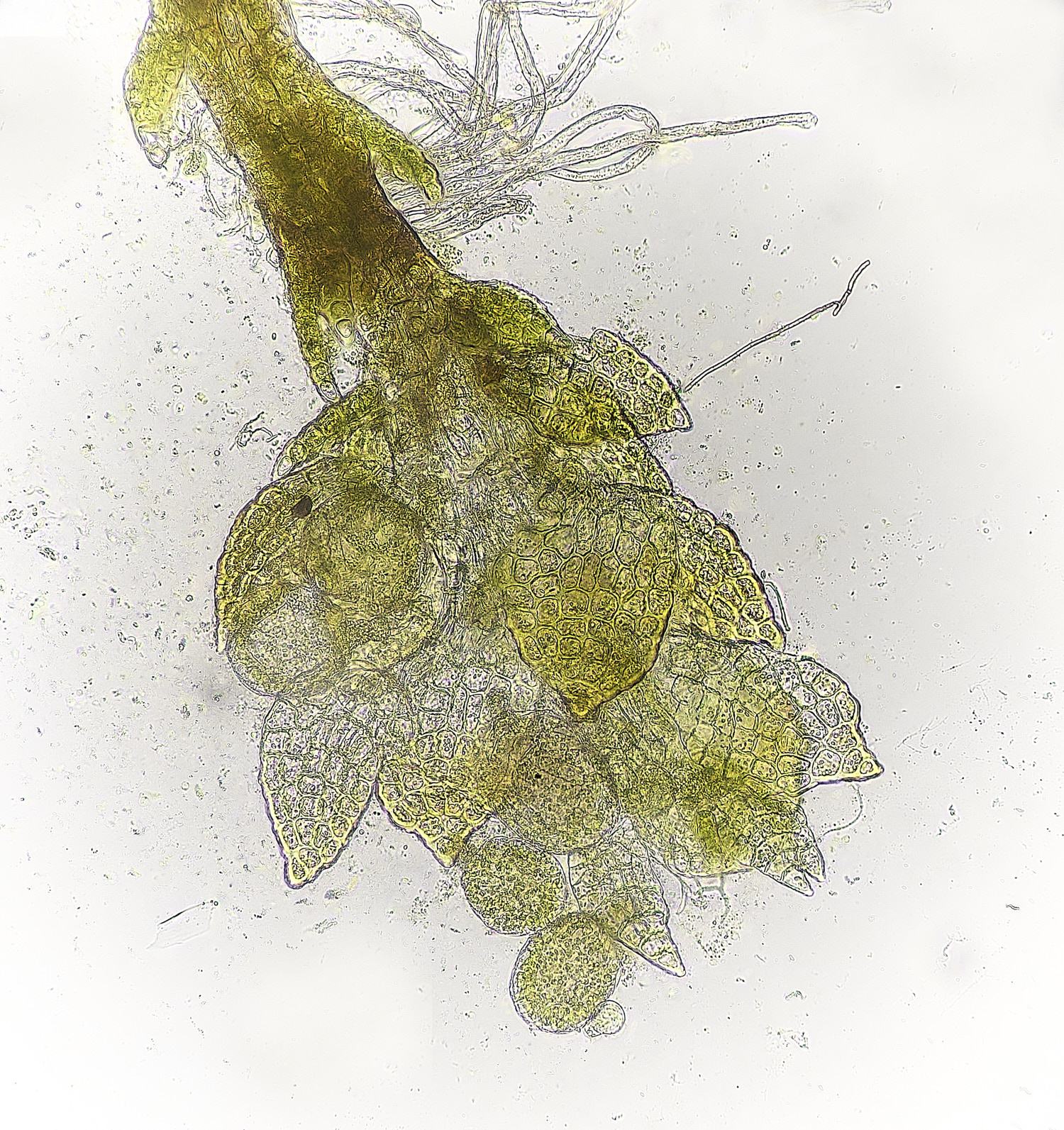
Showing almost ripe antheridia on a male shoot
X200
Common Threadwort (Cephaloziella divaricata)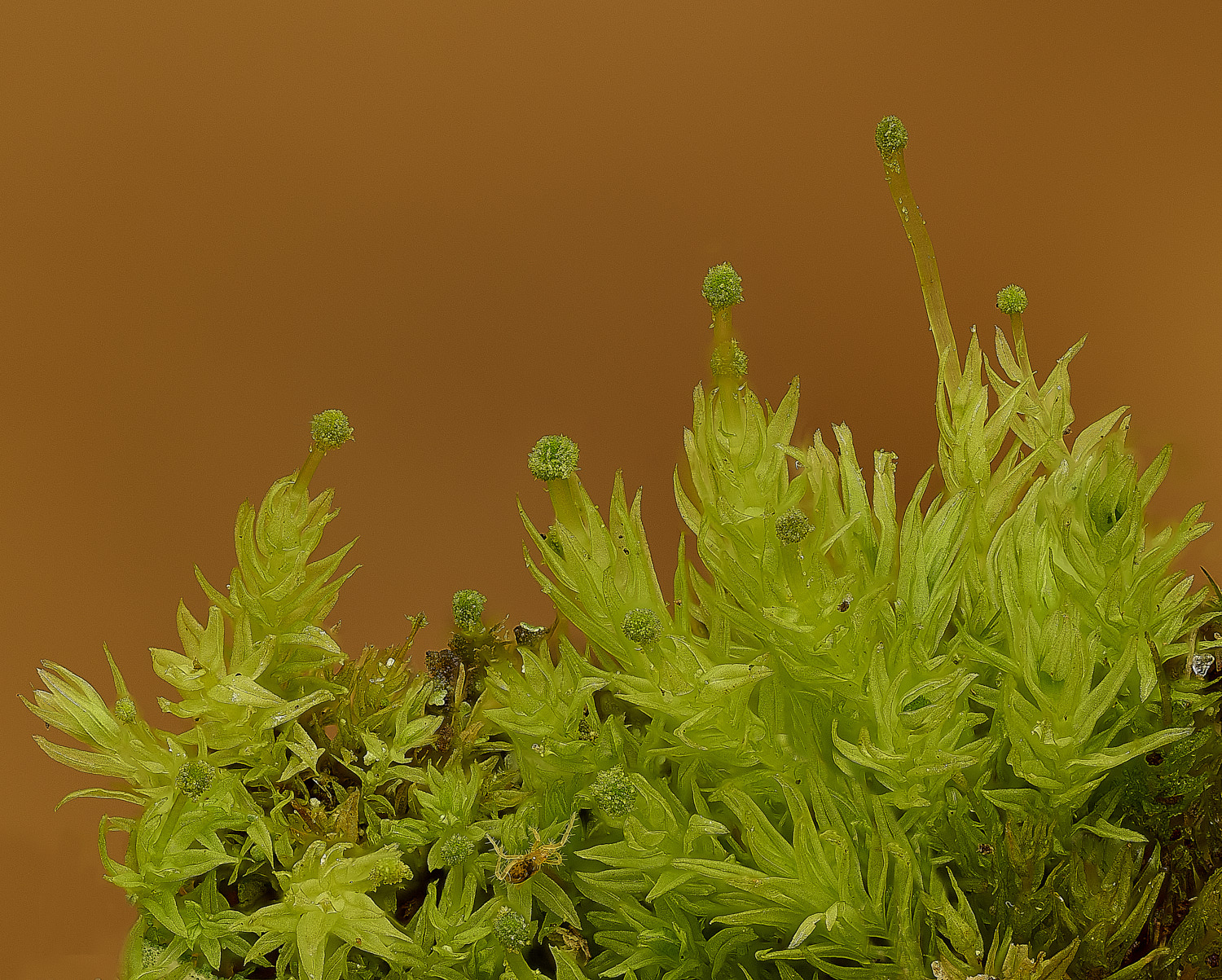
Drunmsticks (Aulocomnium andodrogynum)
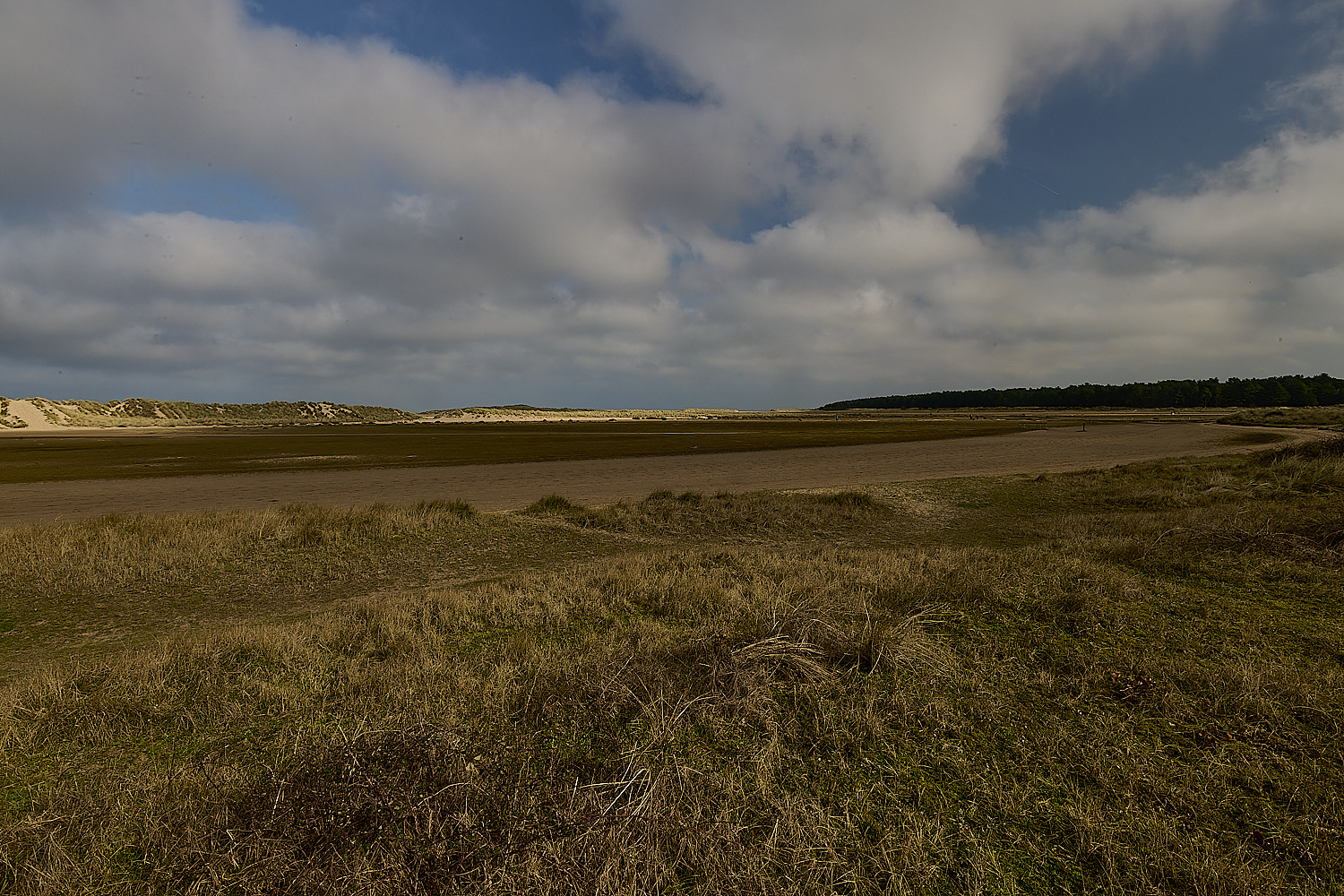
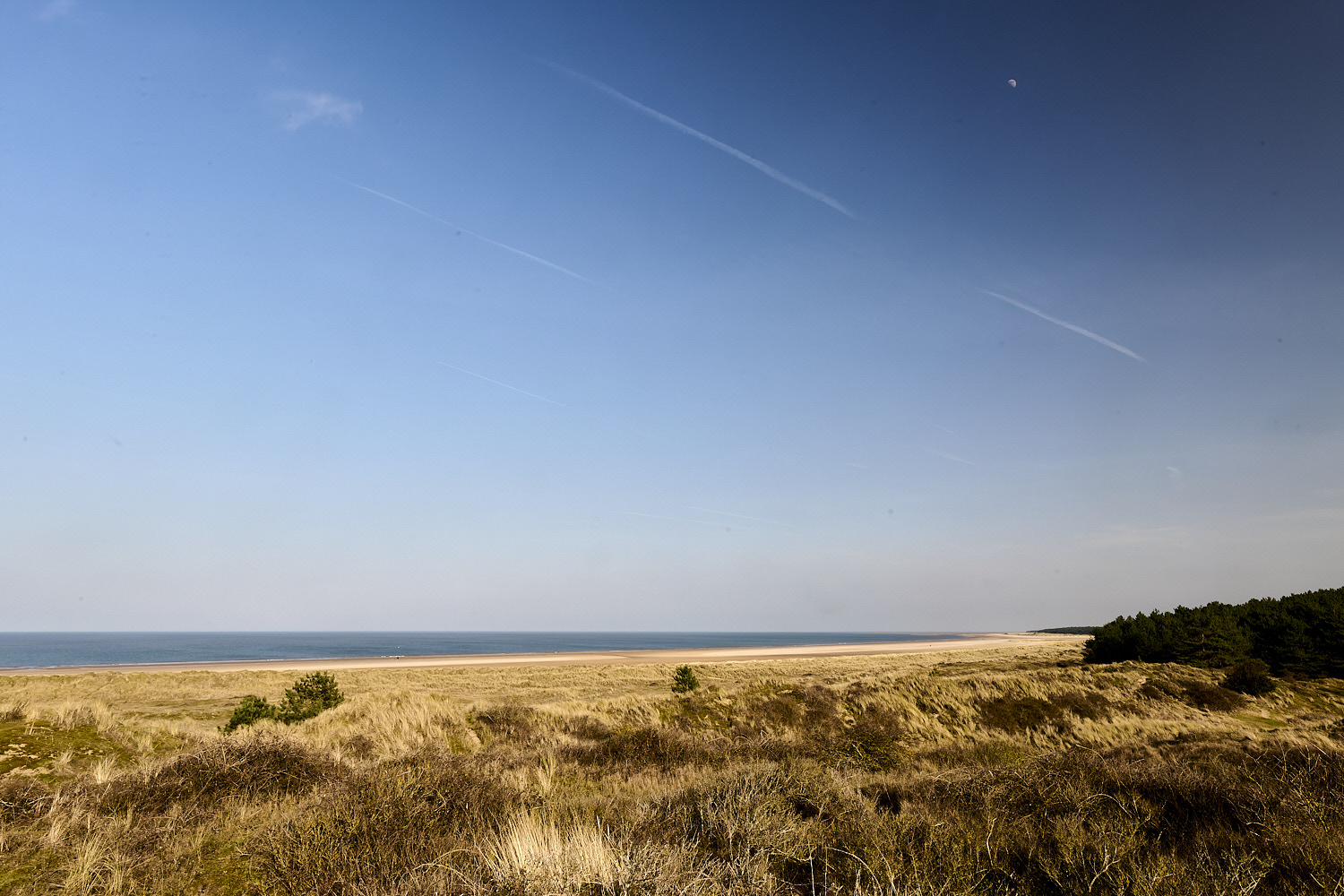
Holkham
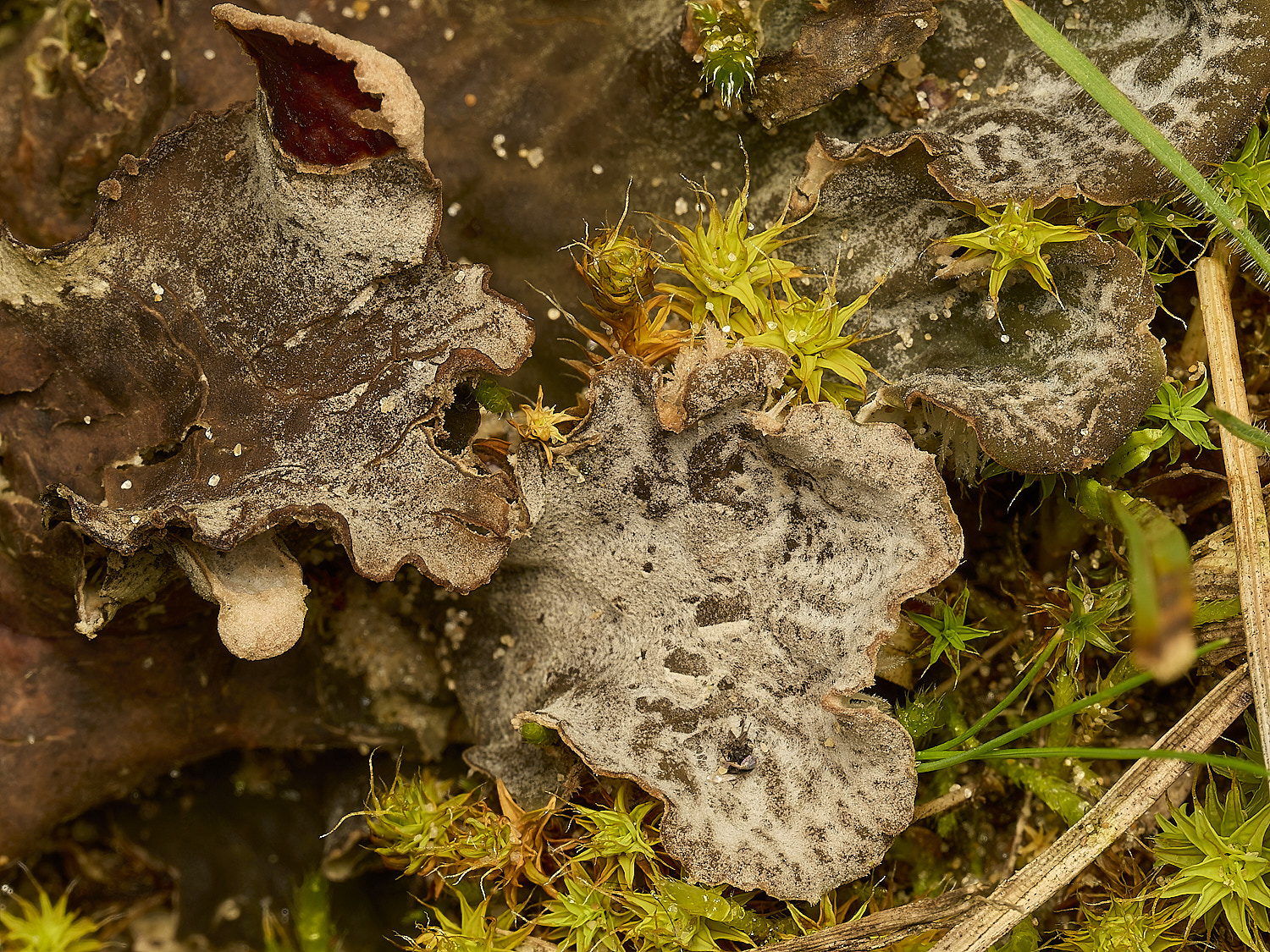
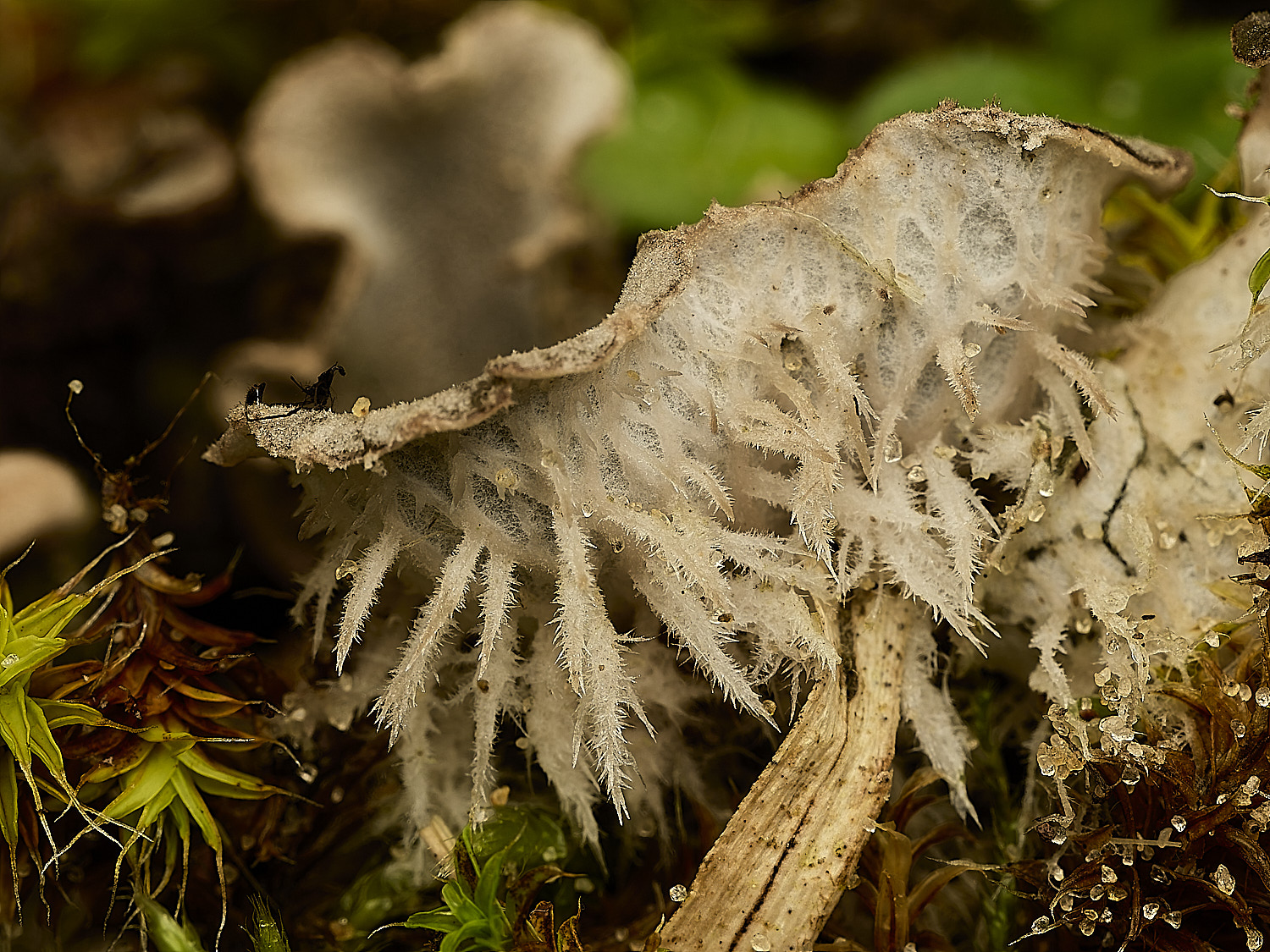
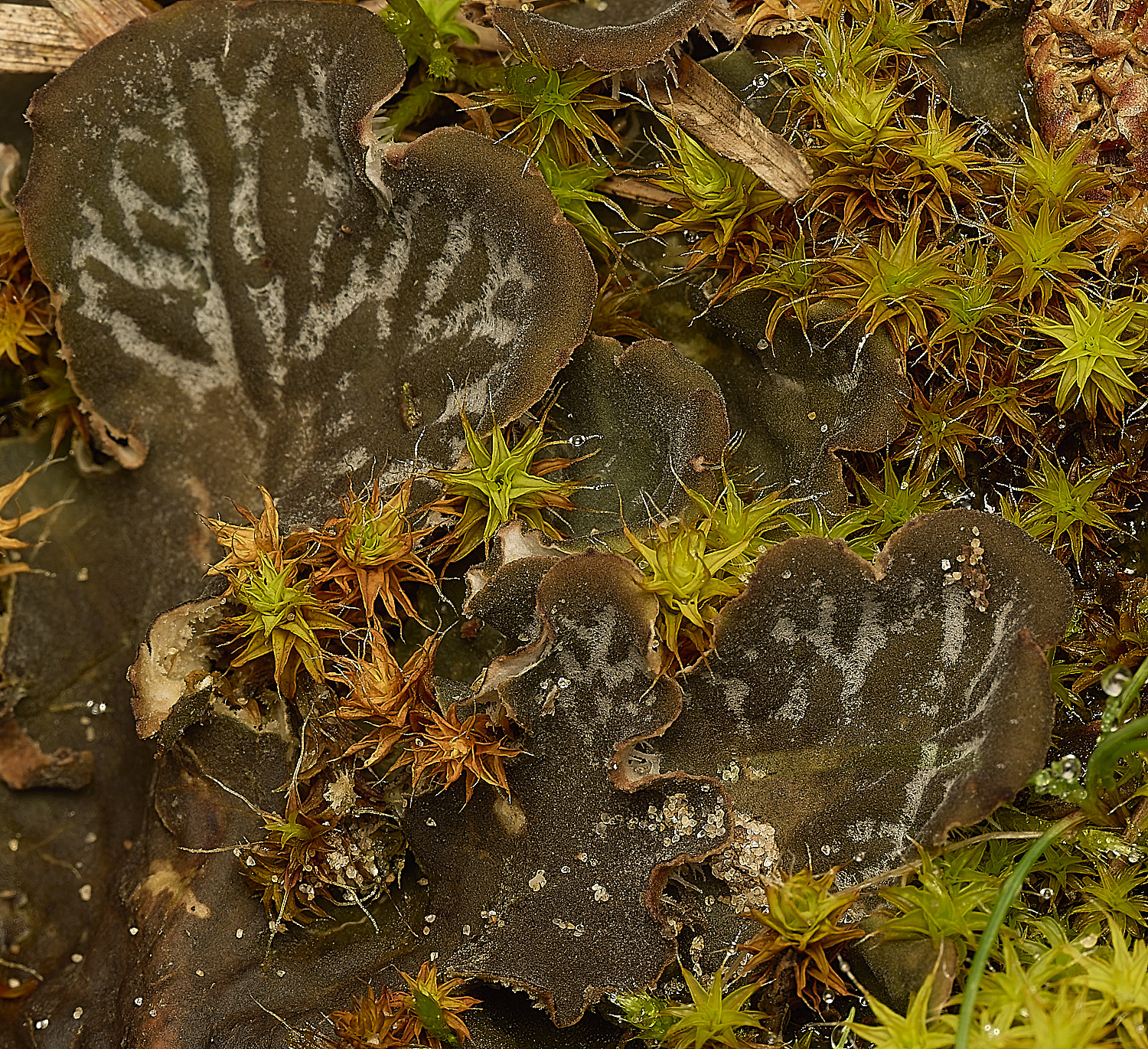
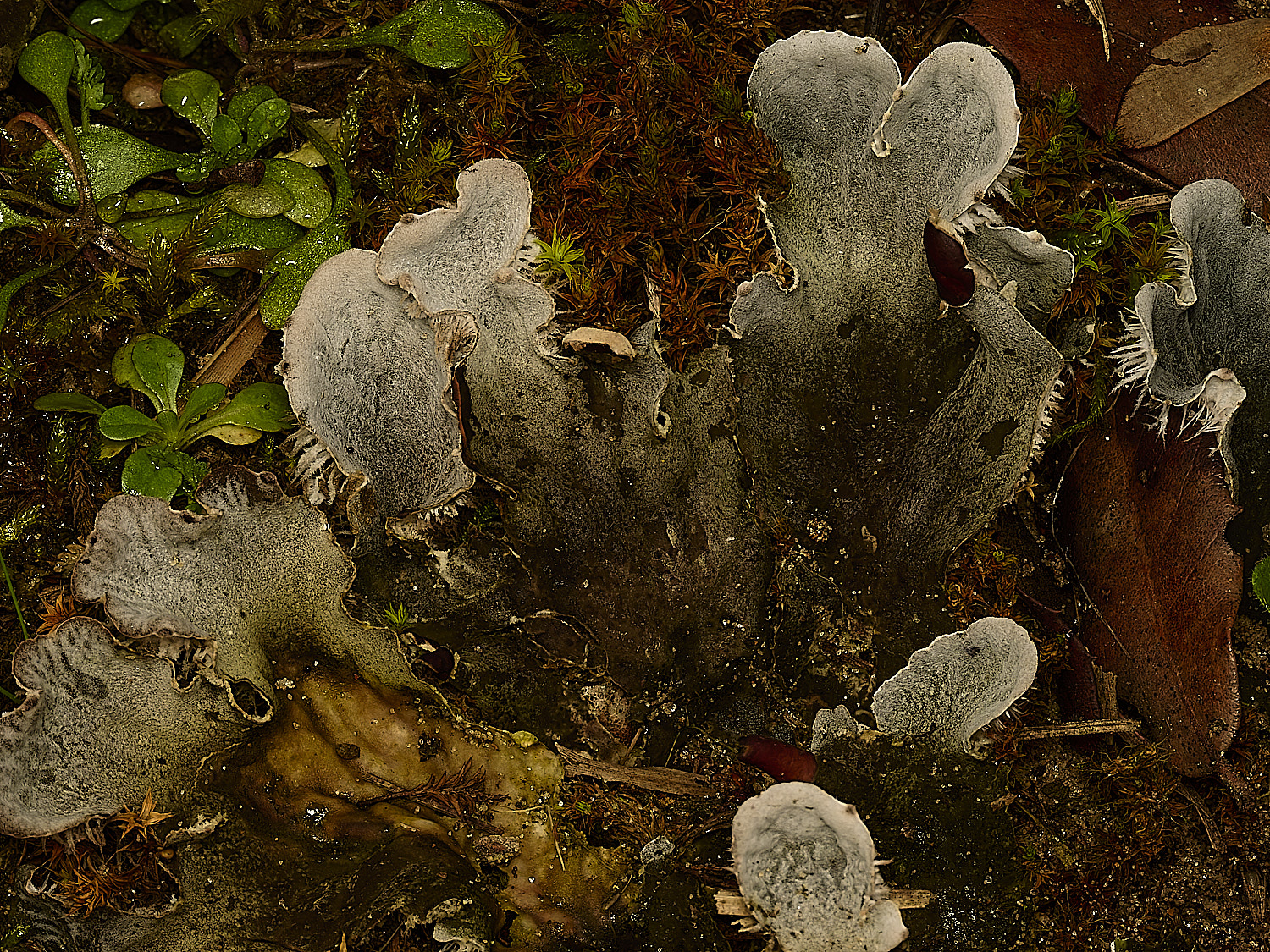
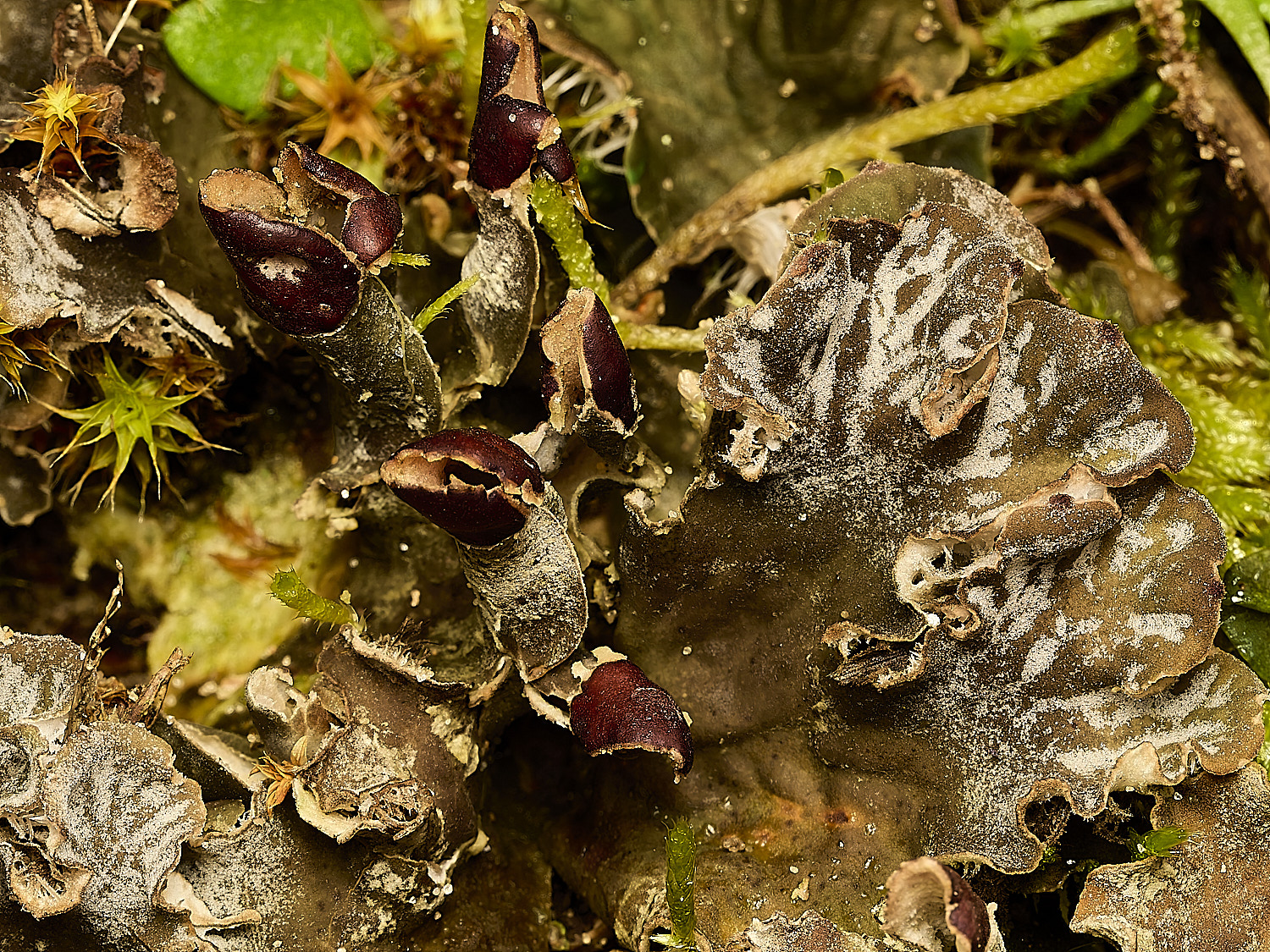
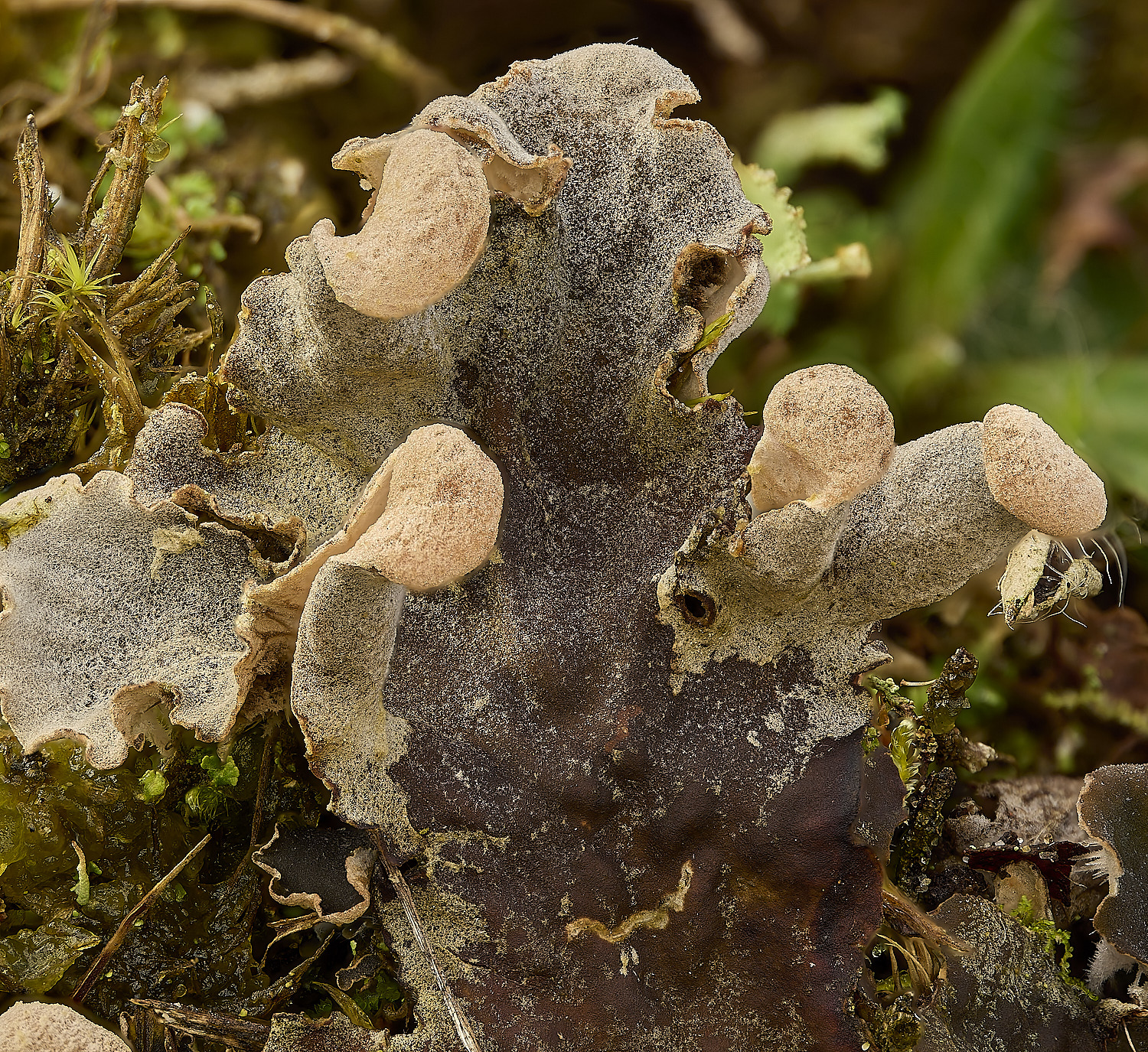
Peltigera membranacea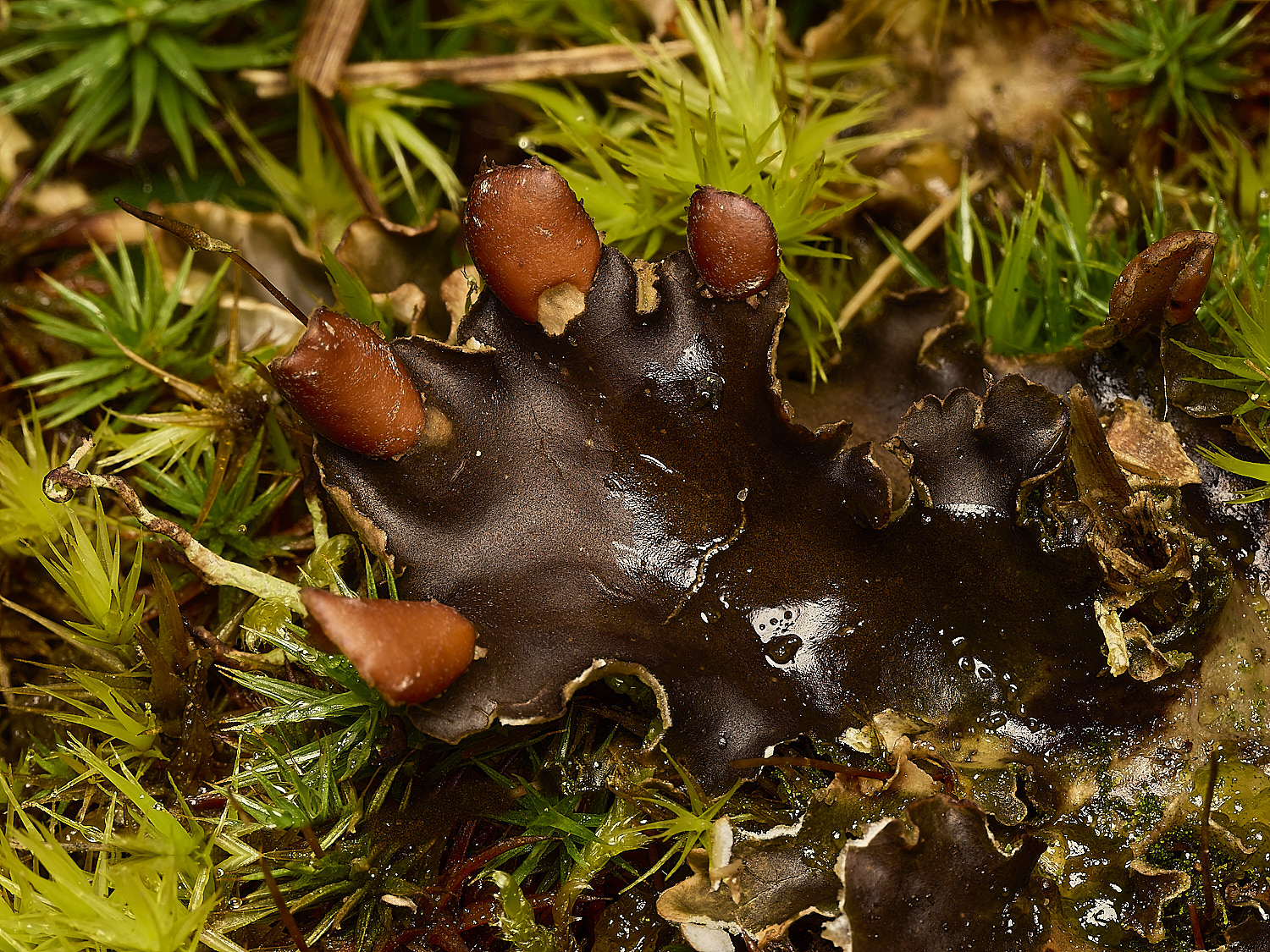
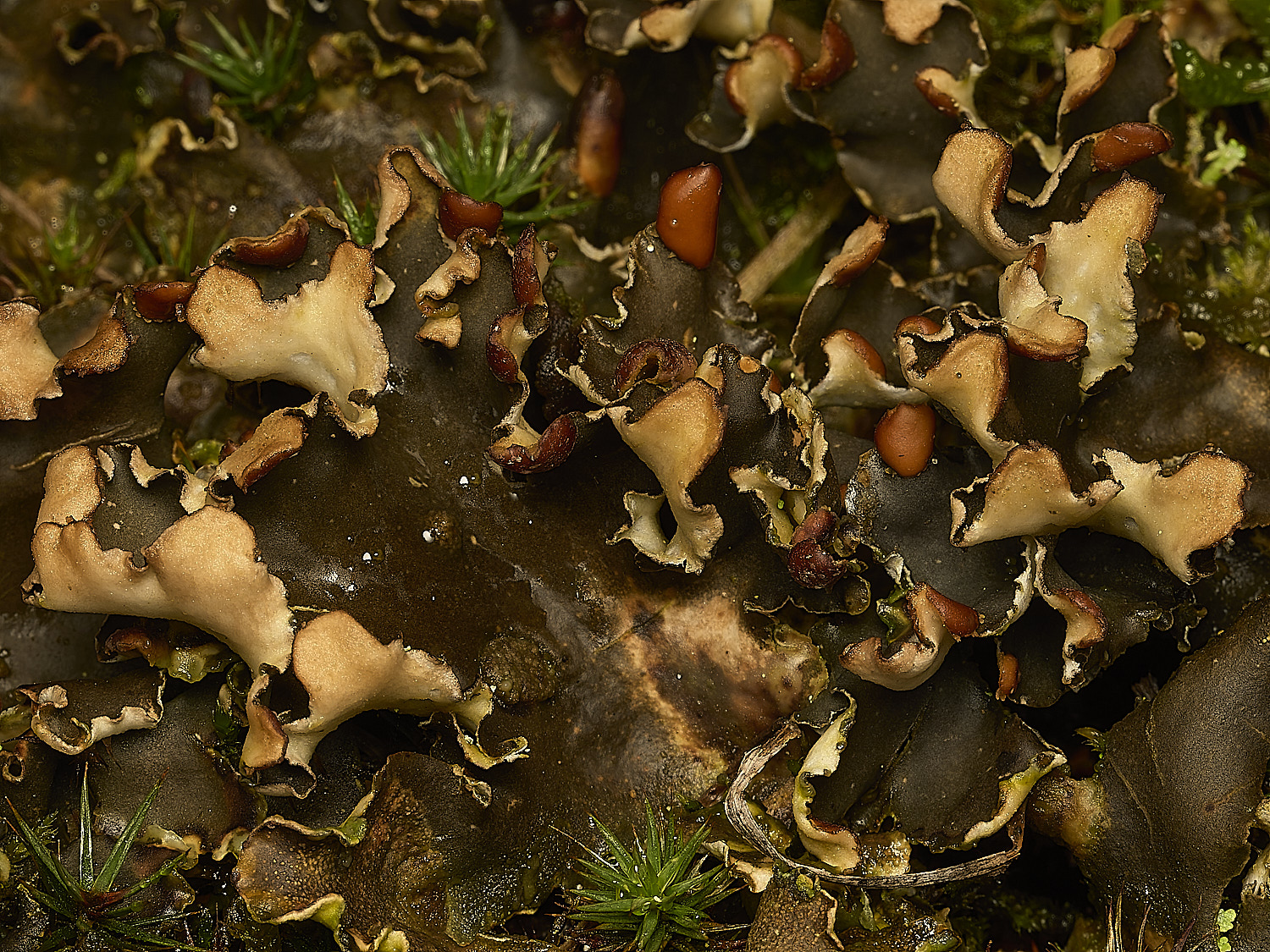
Peltigera hymenina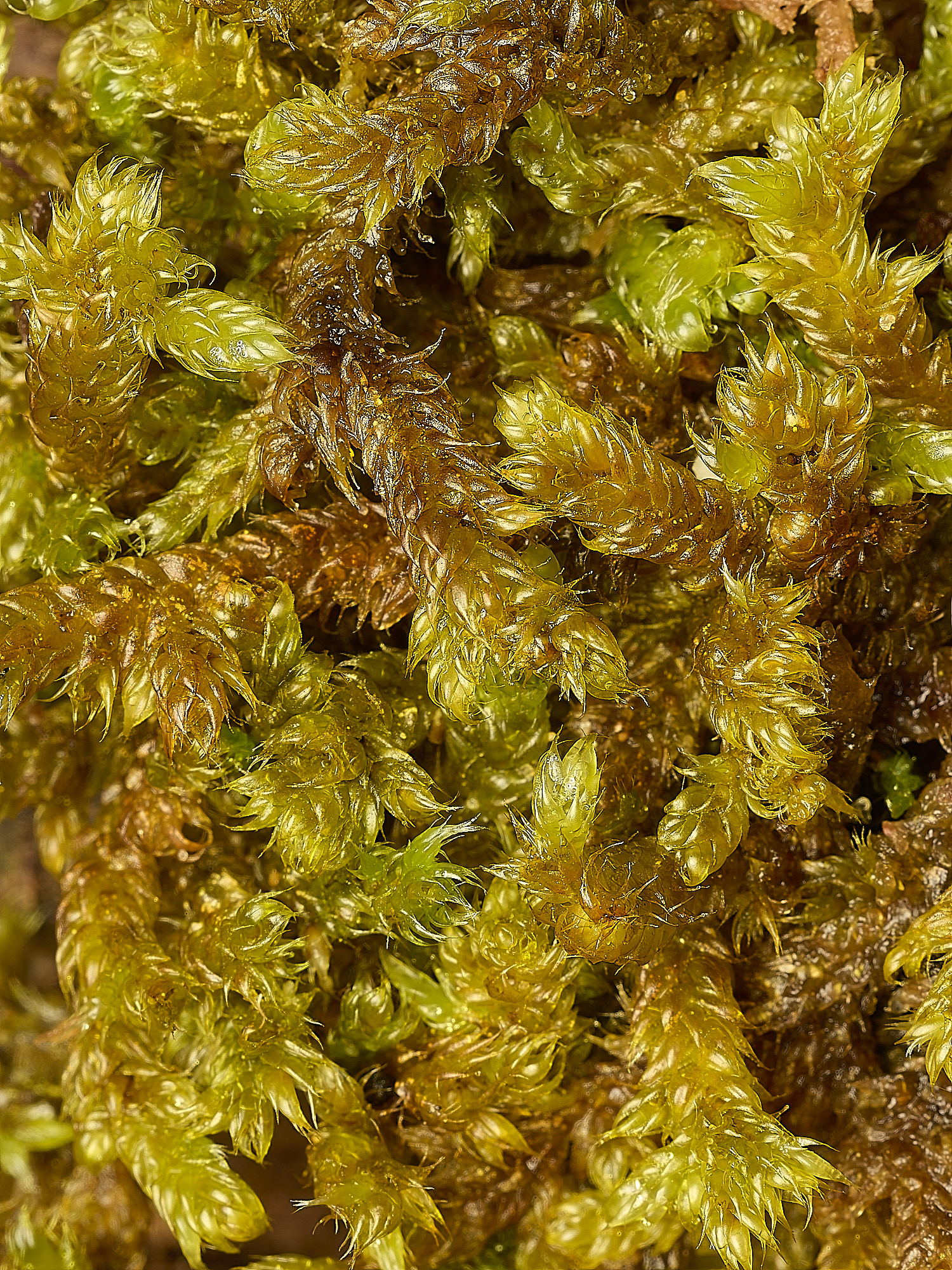
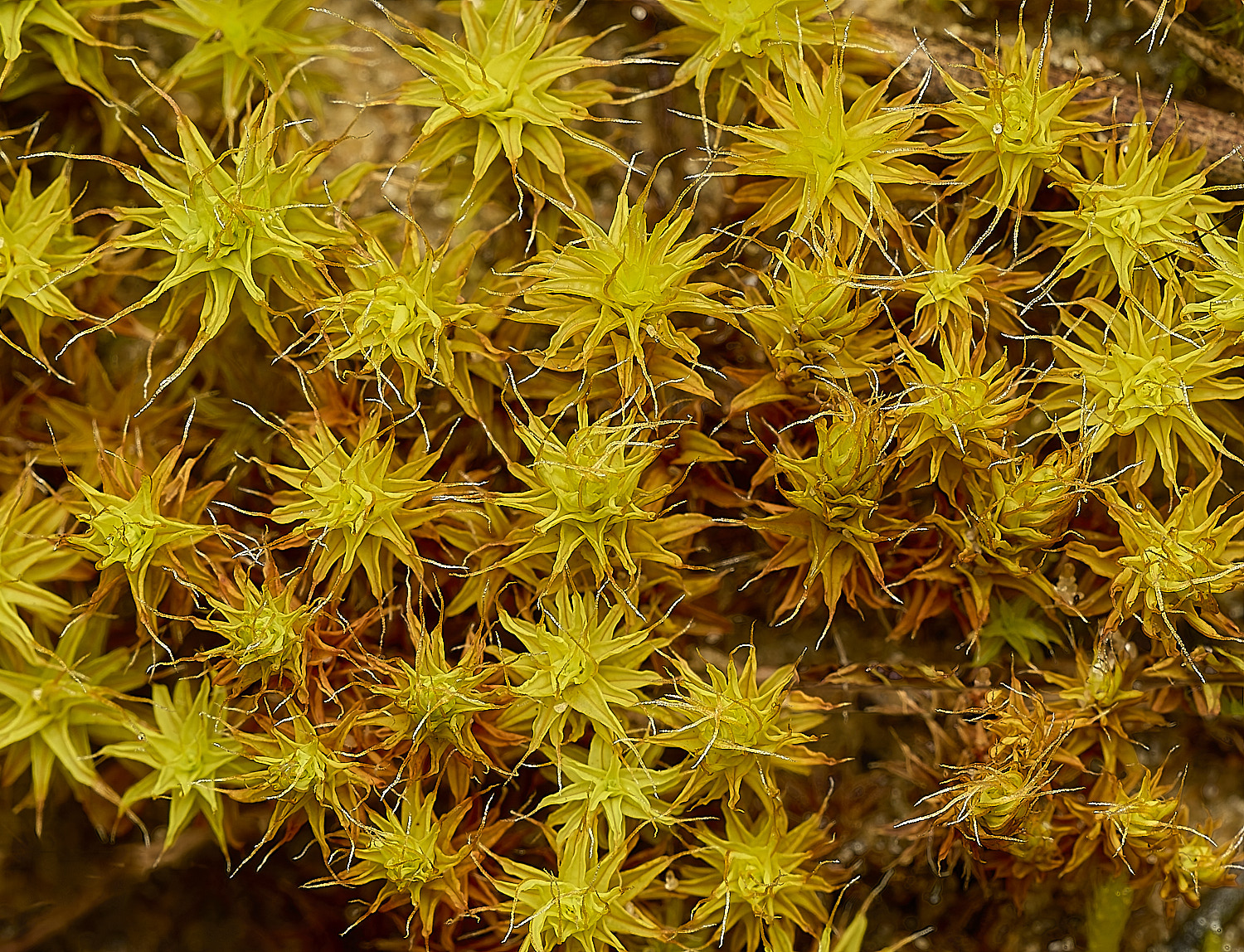
Syntrichia ruralis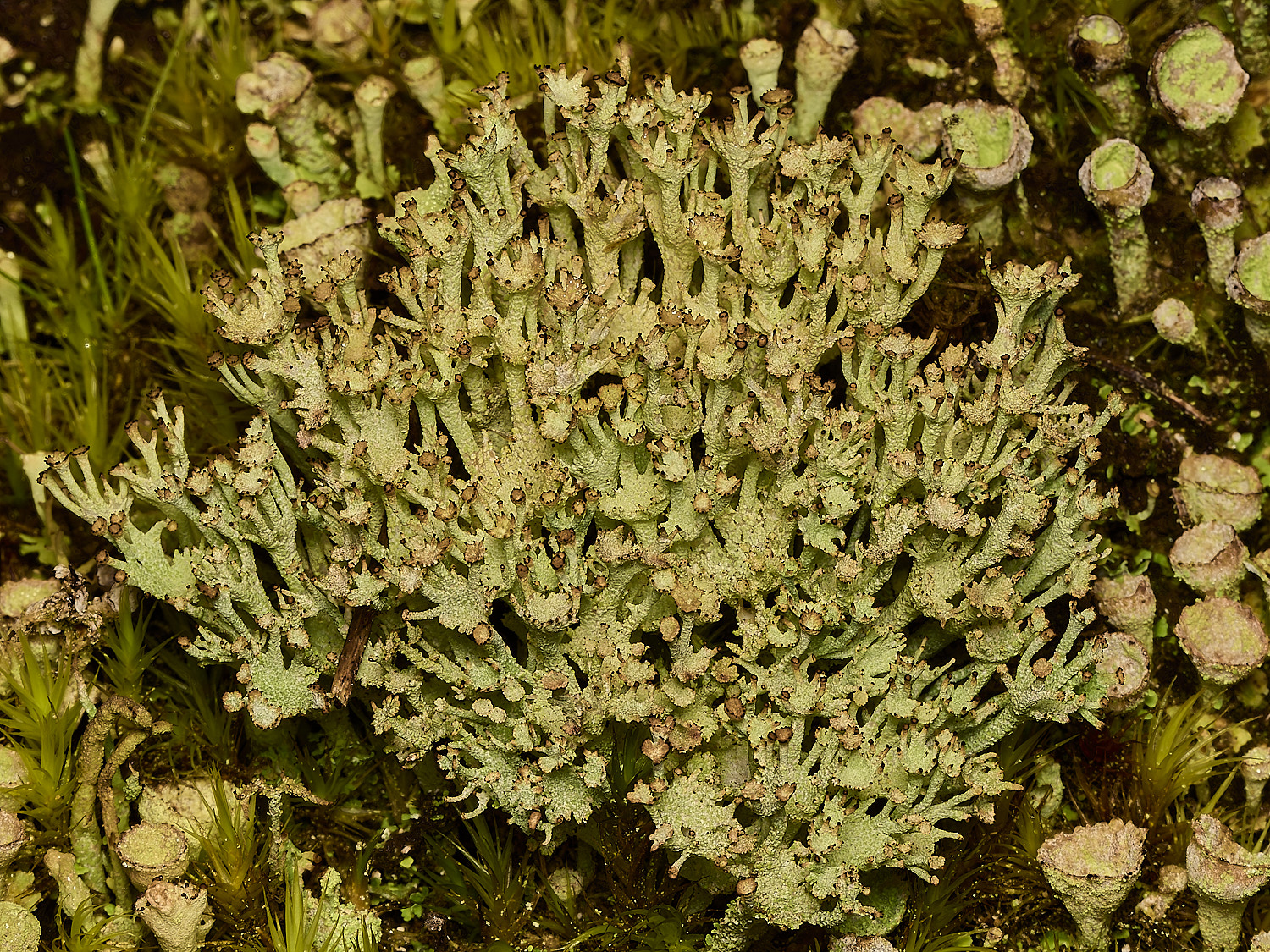
Cladonia Sp?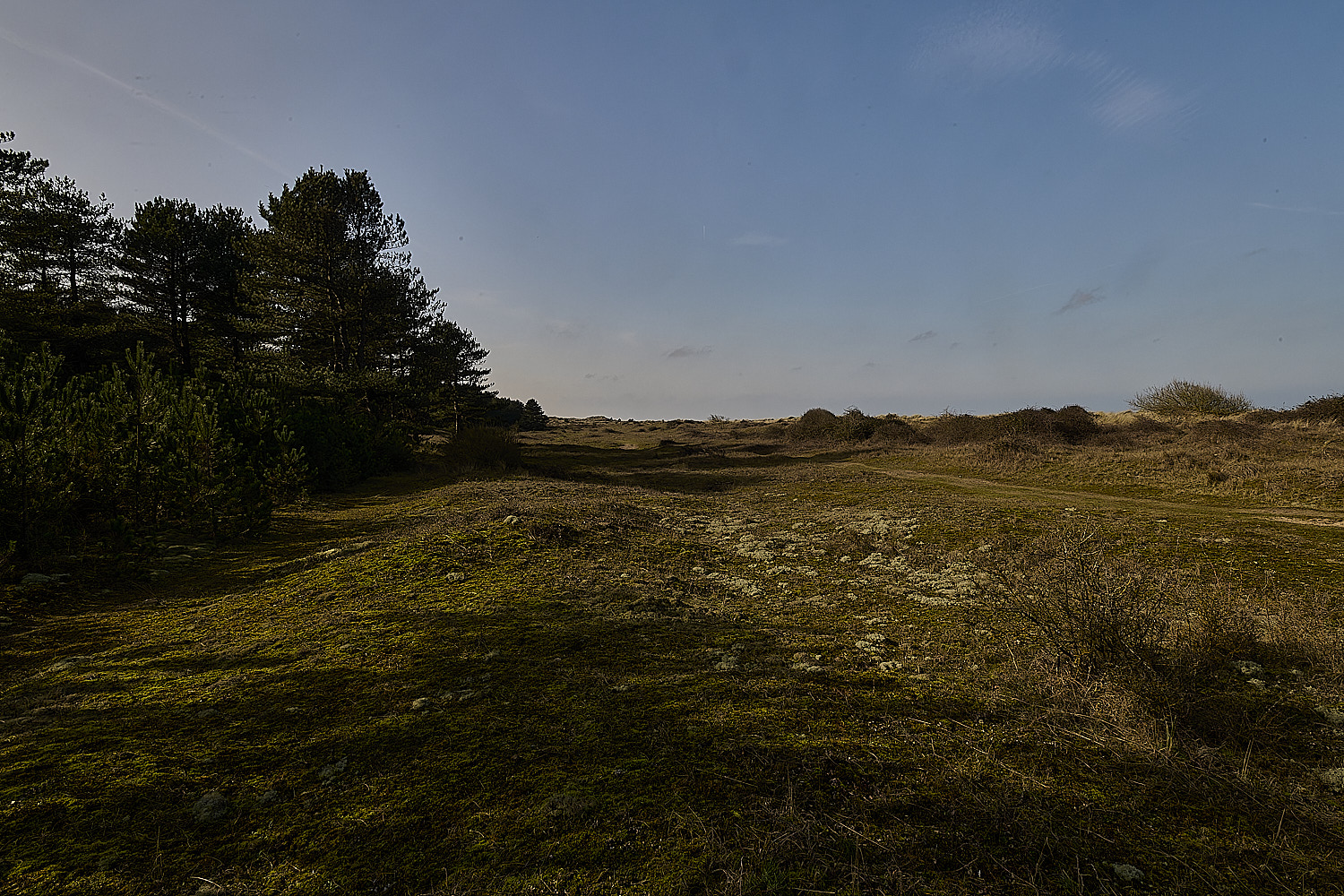
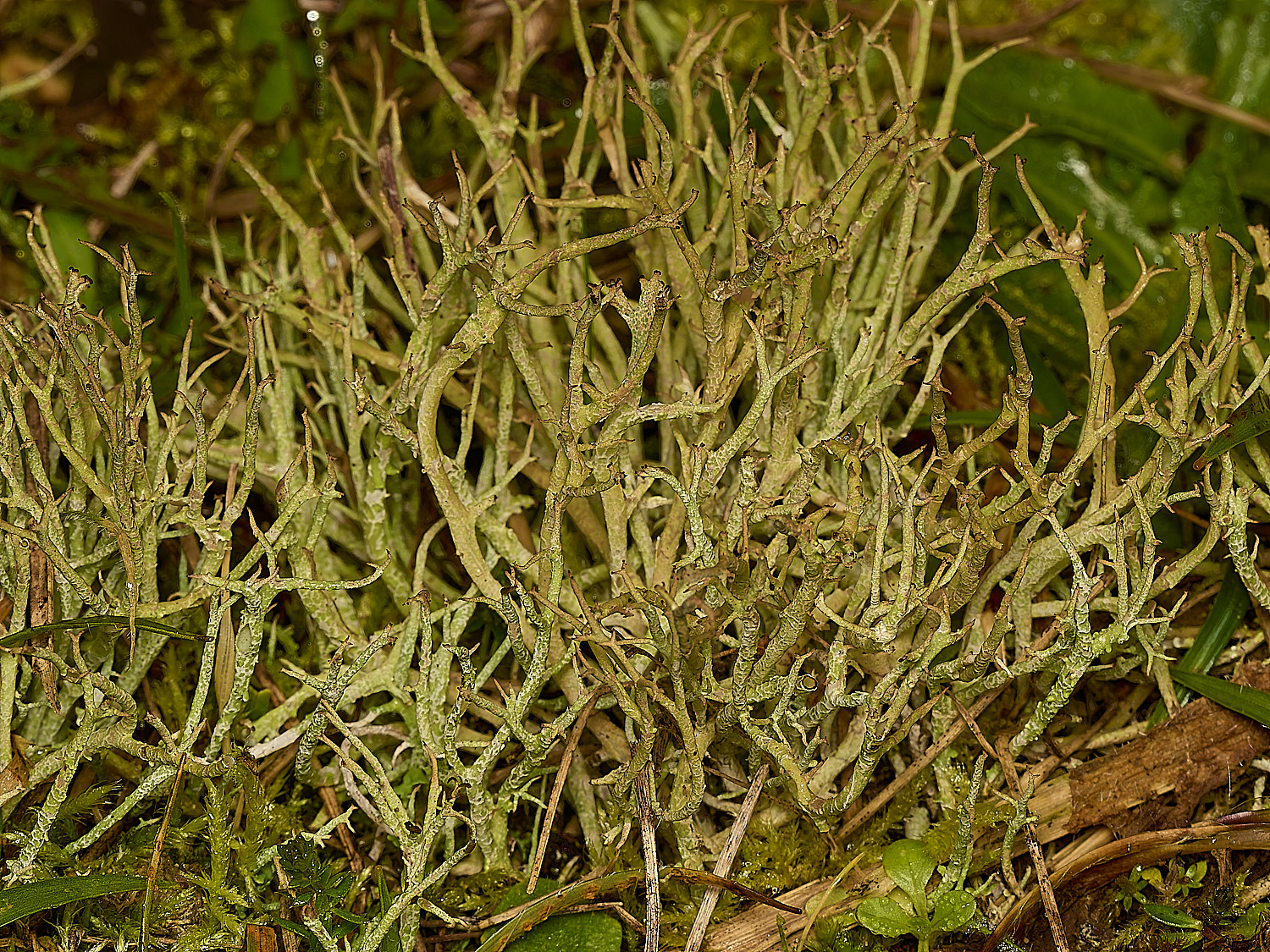
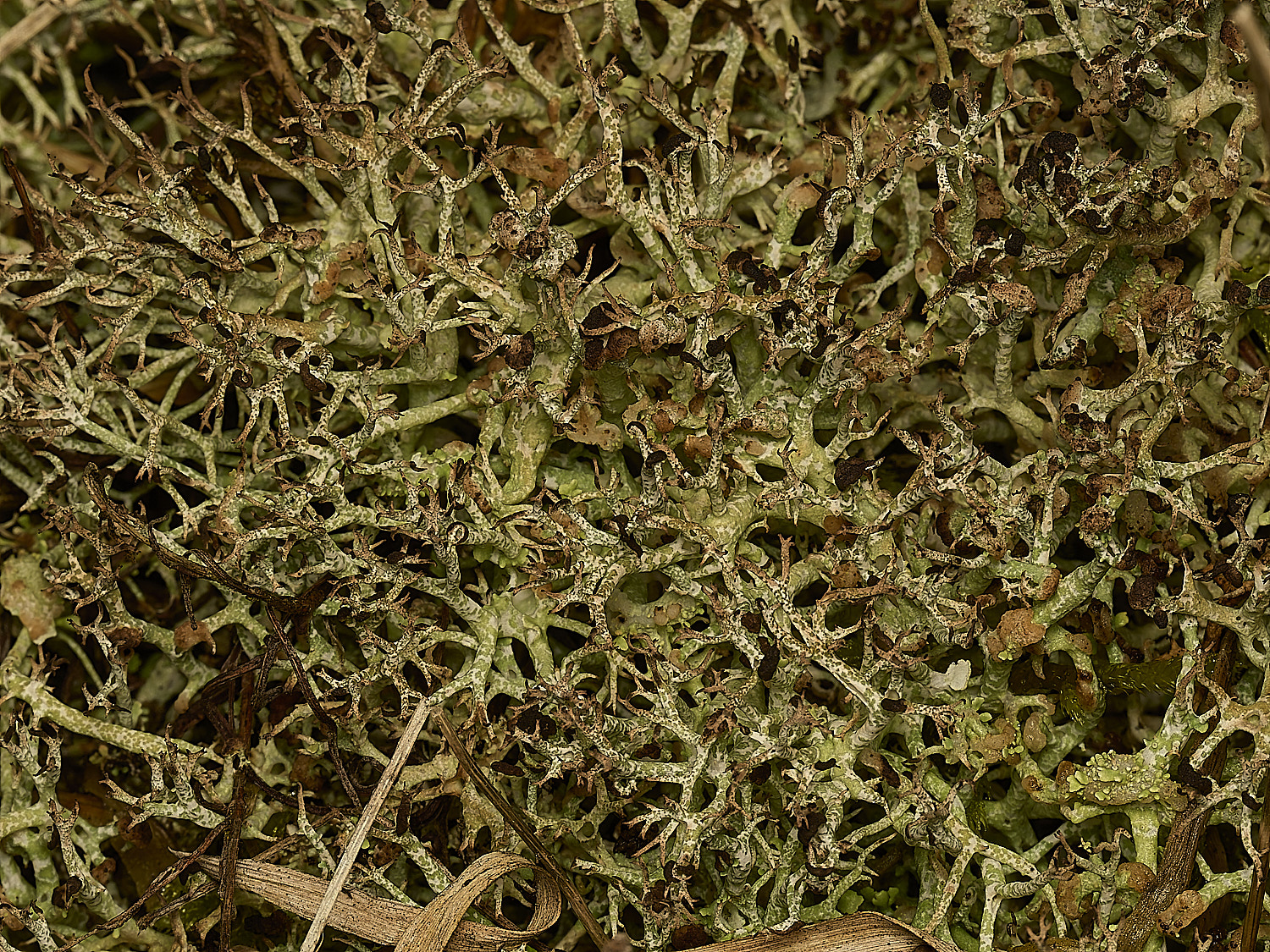
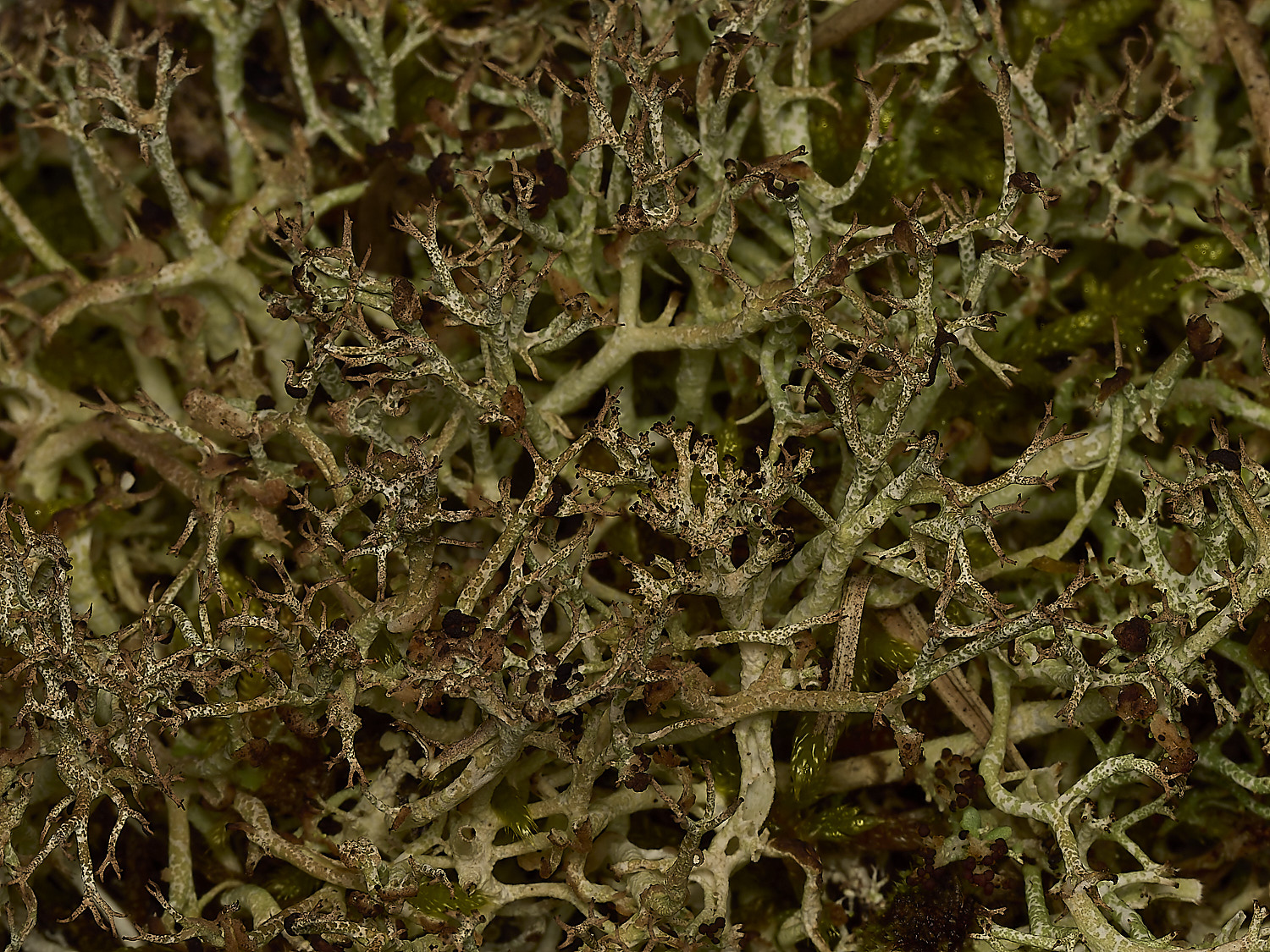
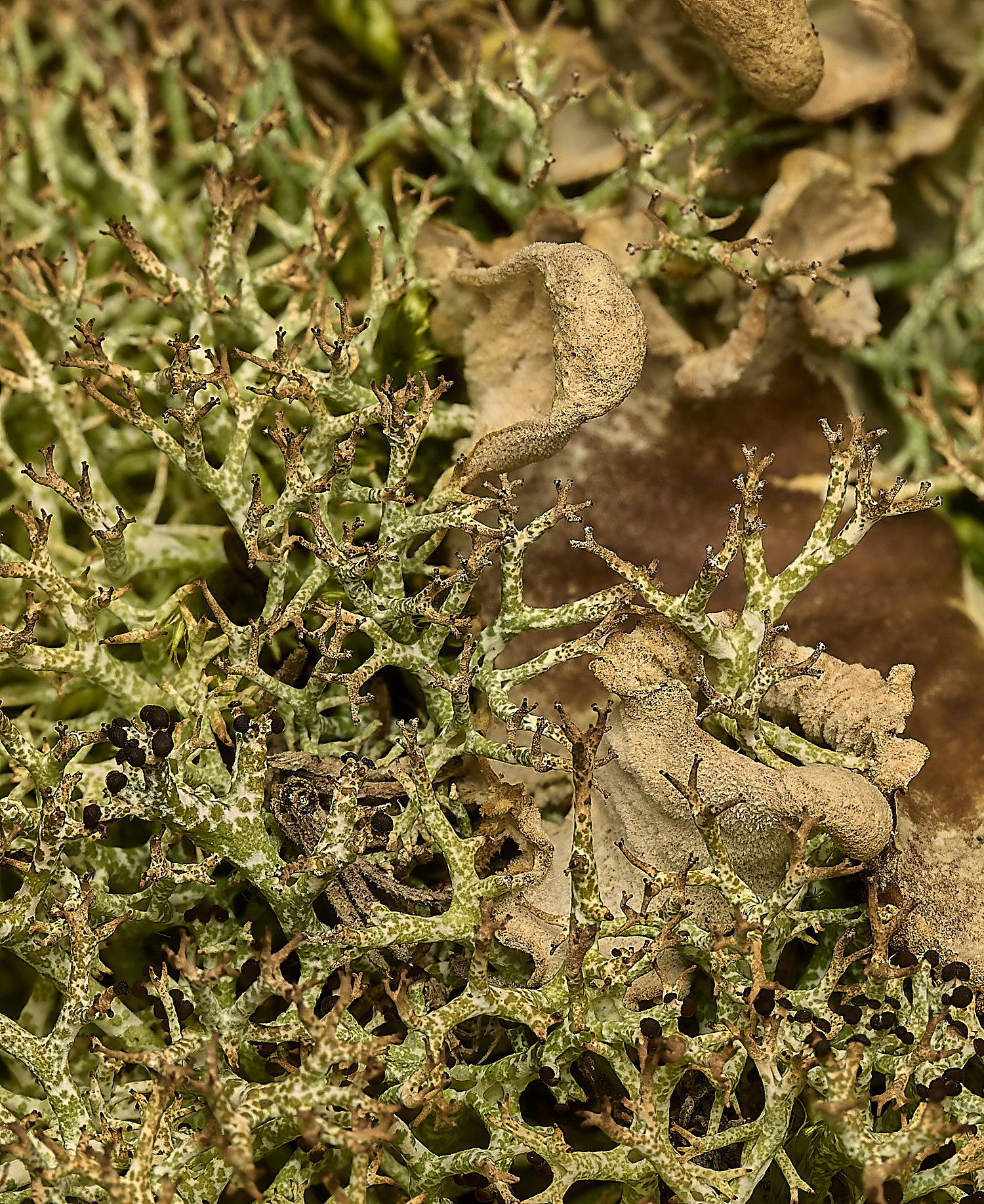
Cladonia furcata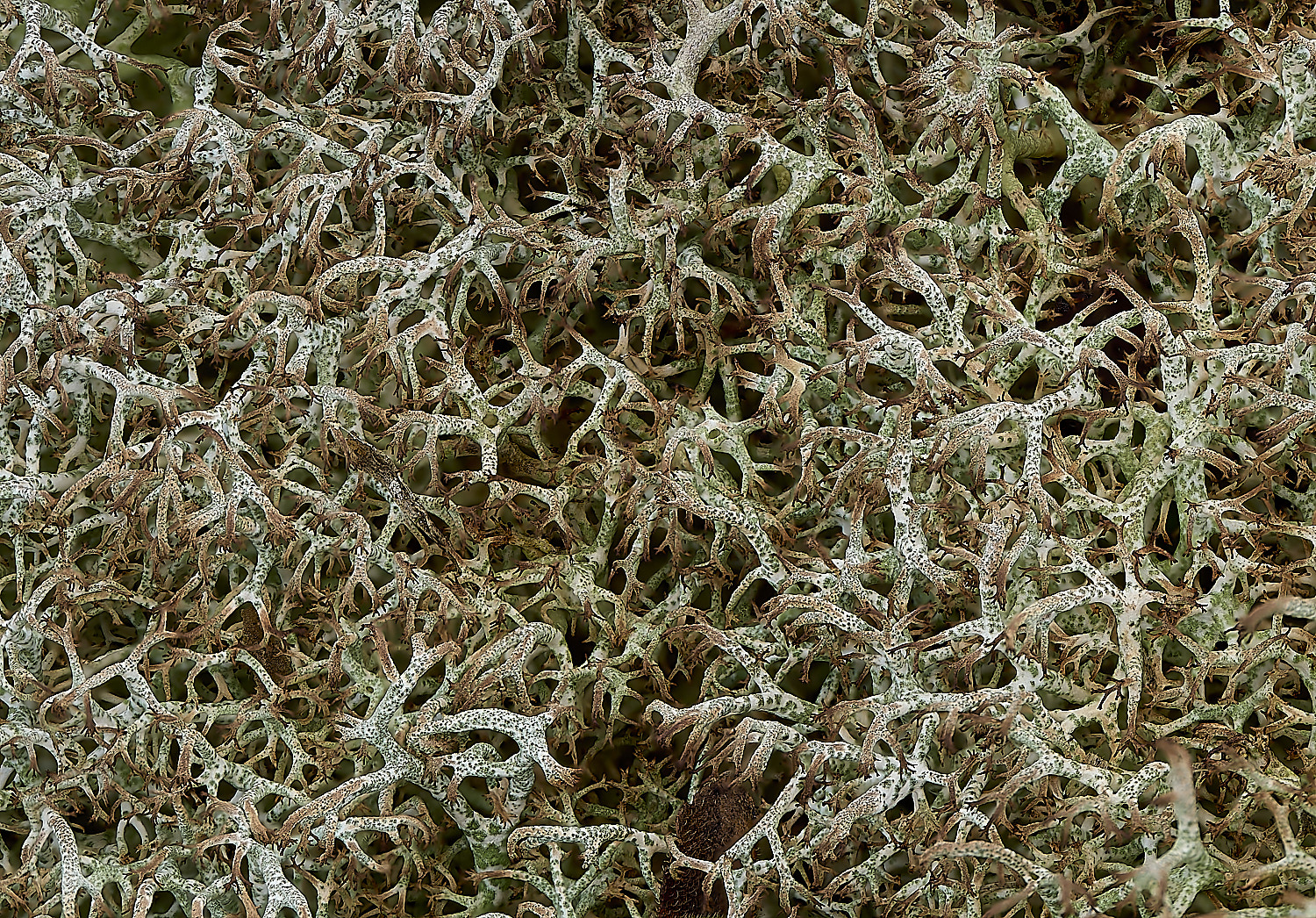
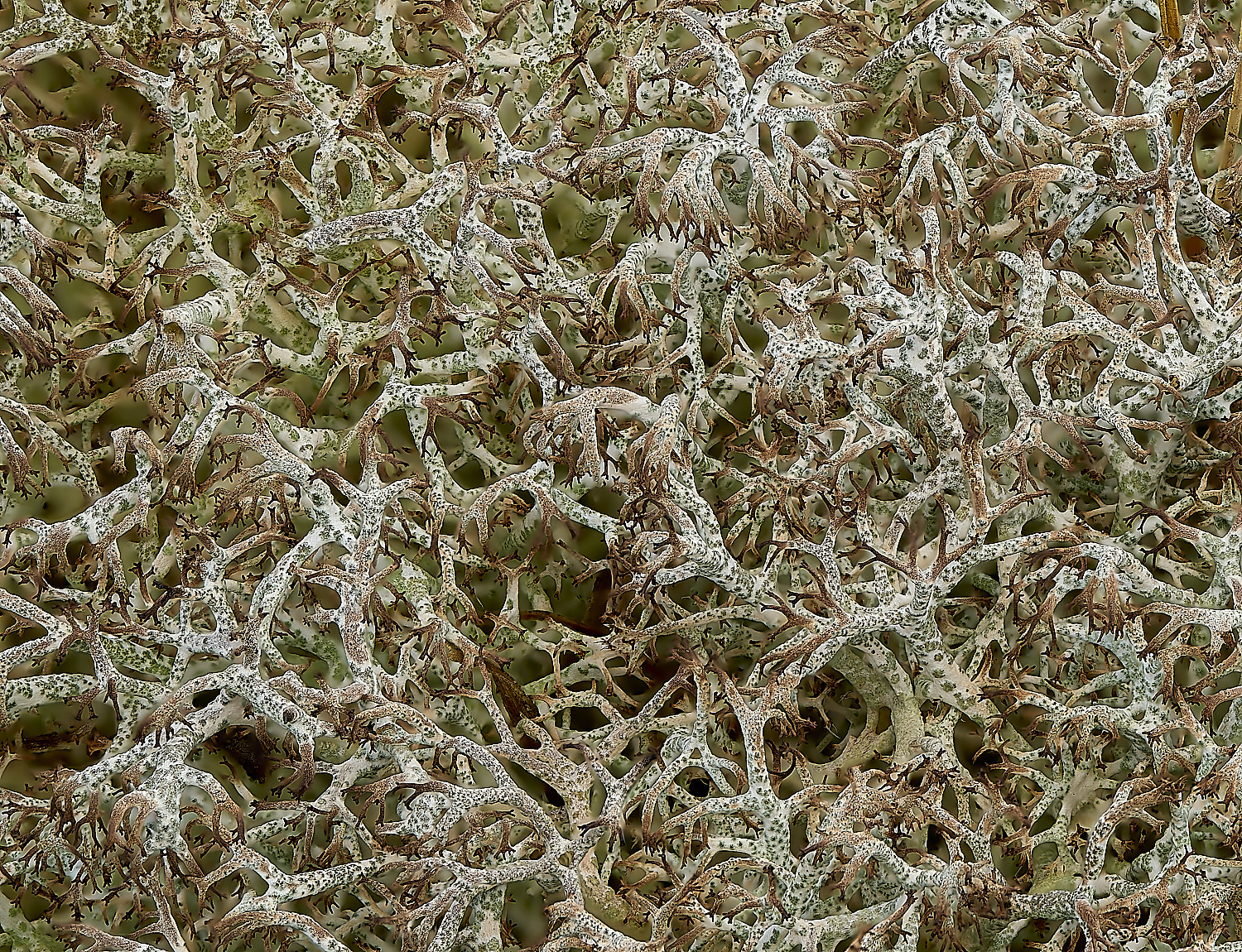
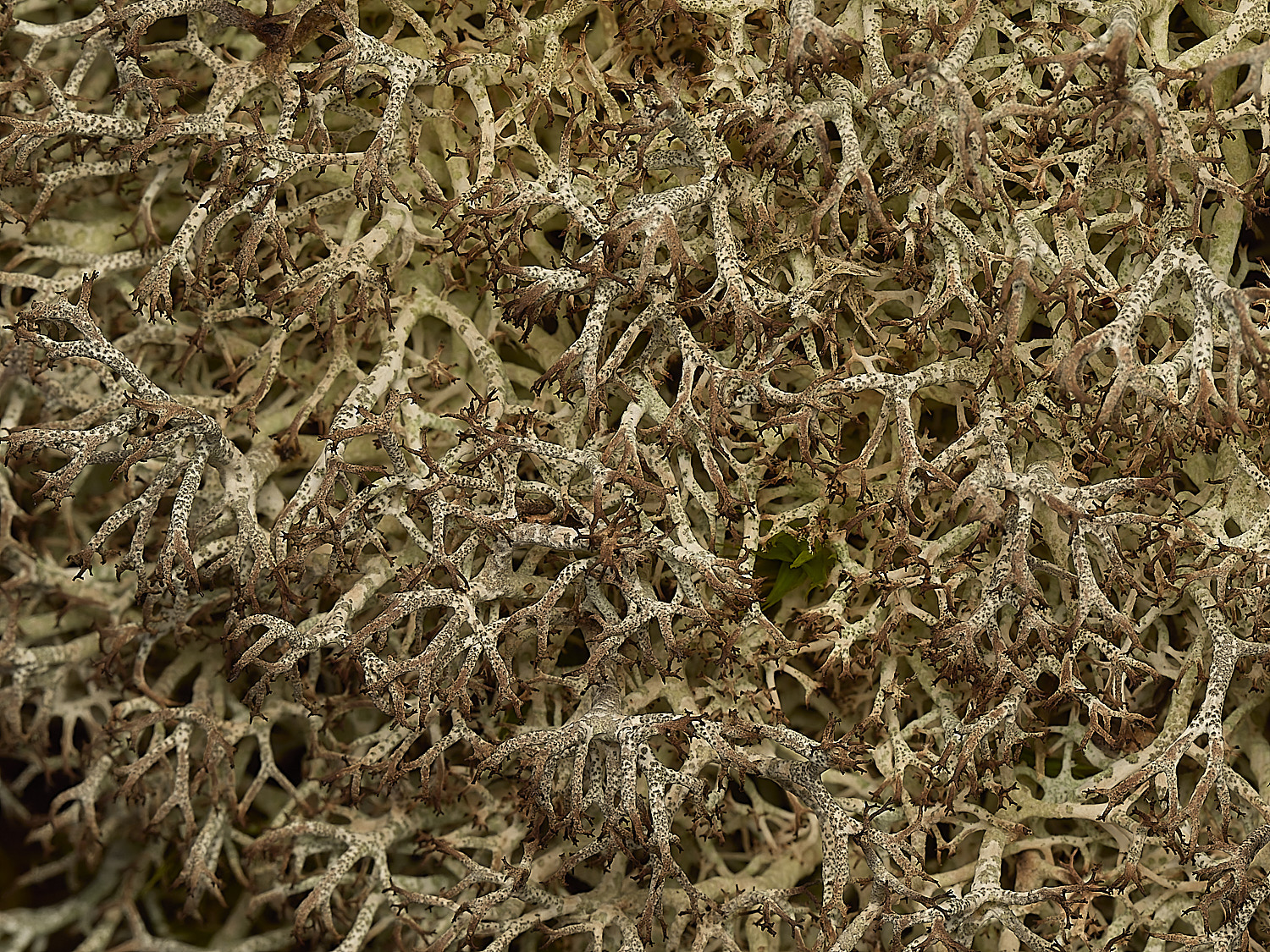
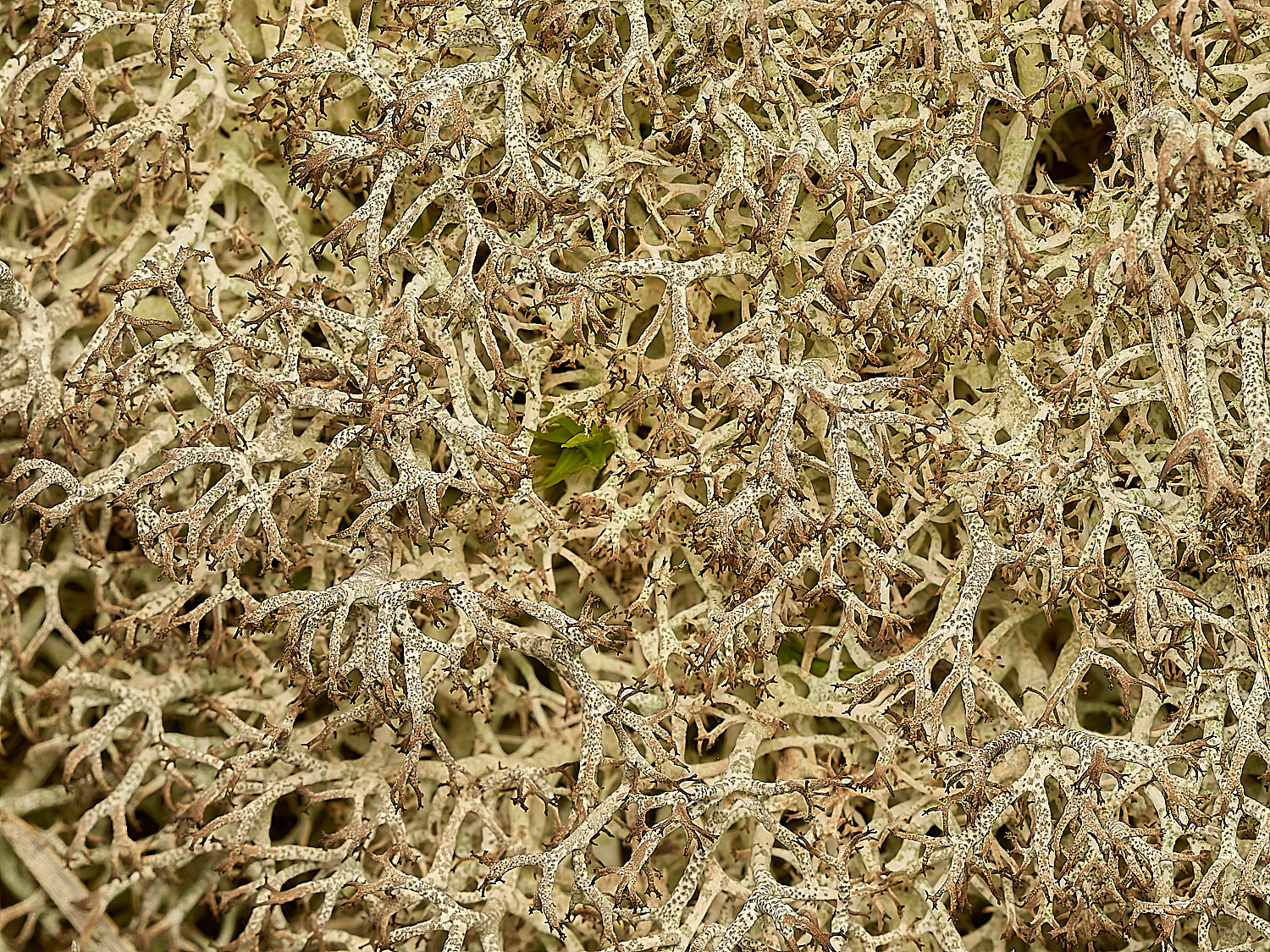
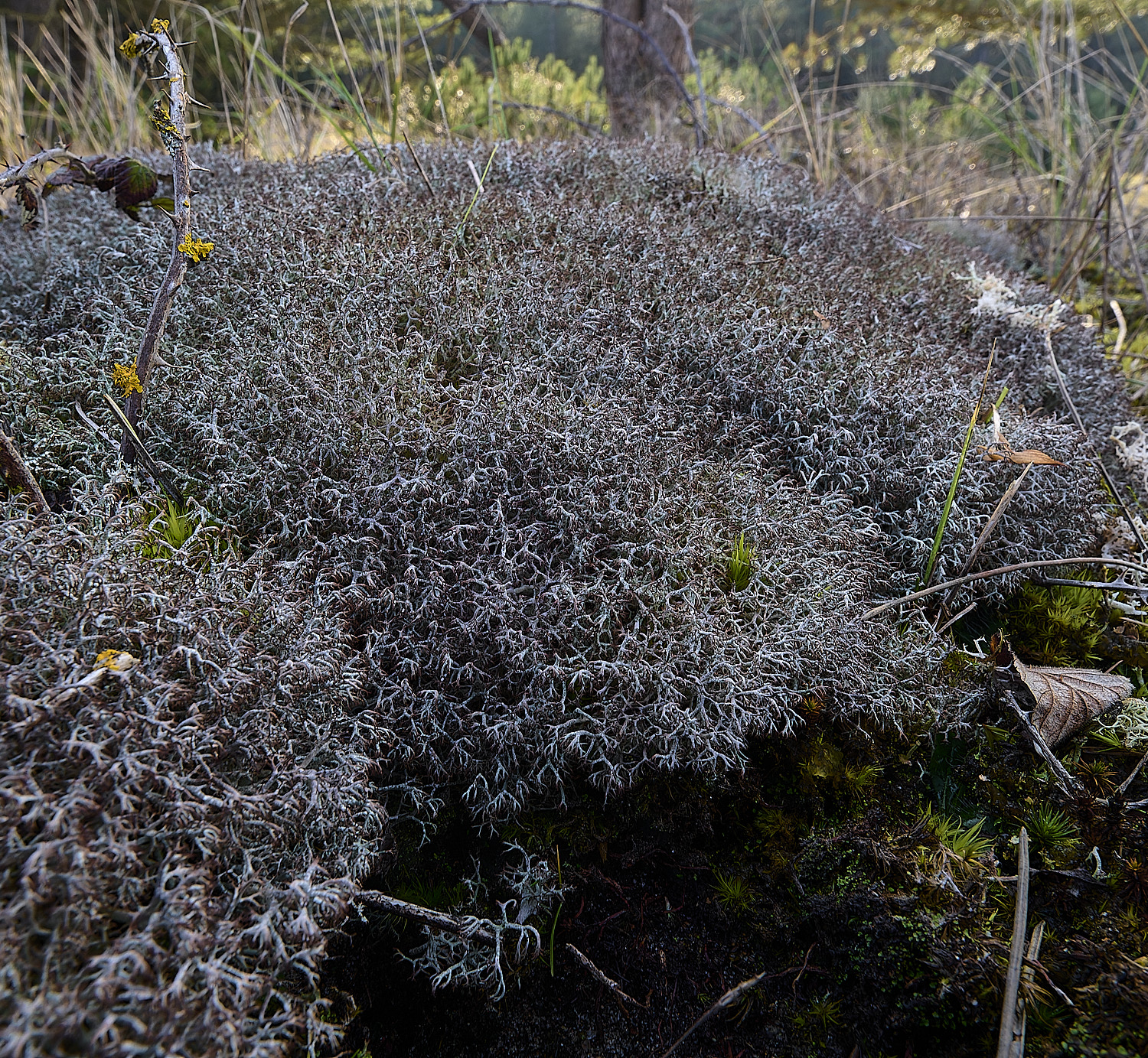
Cladonia ciliata var ciliata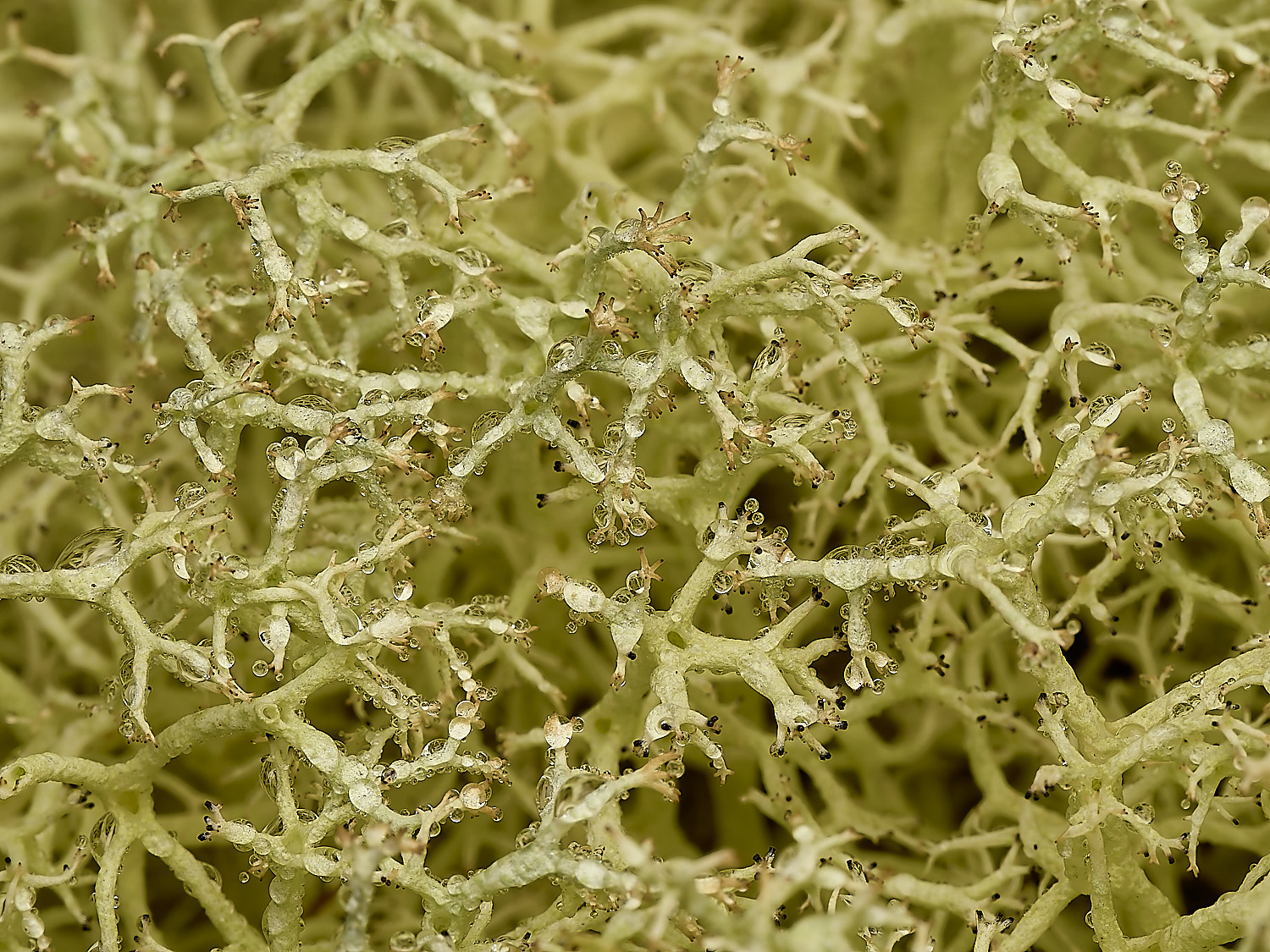
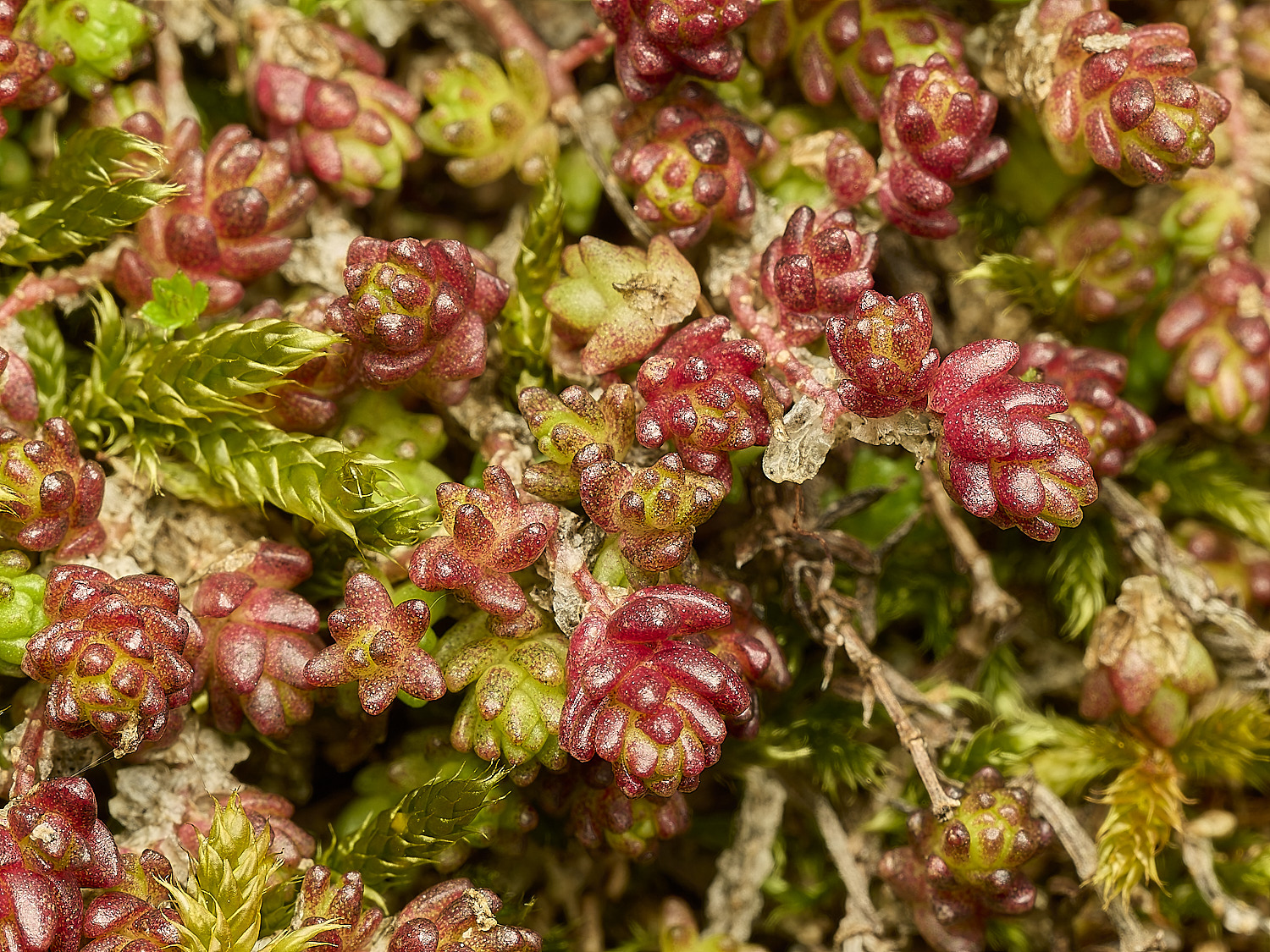
Rue-leaved Saxifrage (Saxifrage tridactylytes)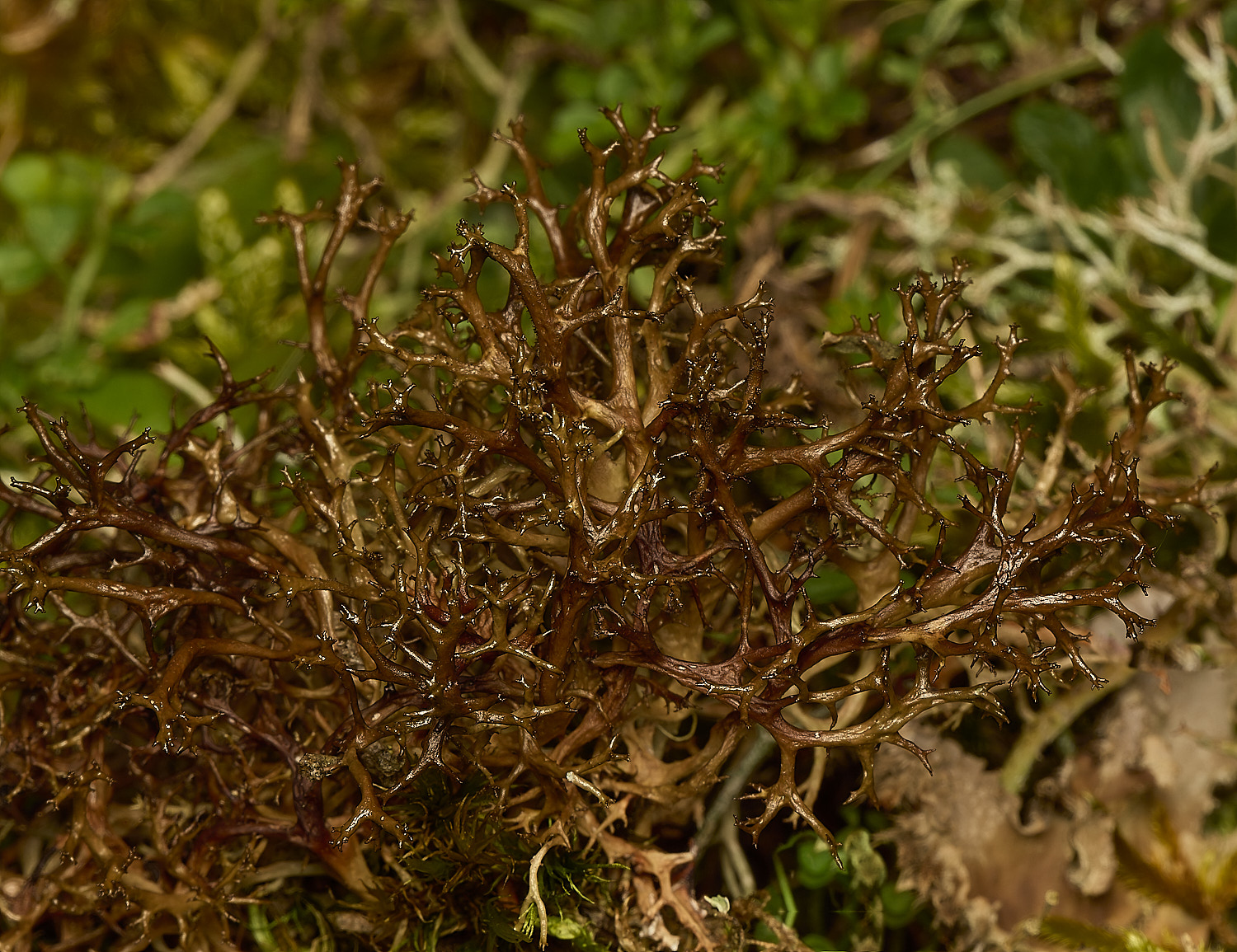
Cetraria aculeata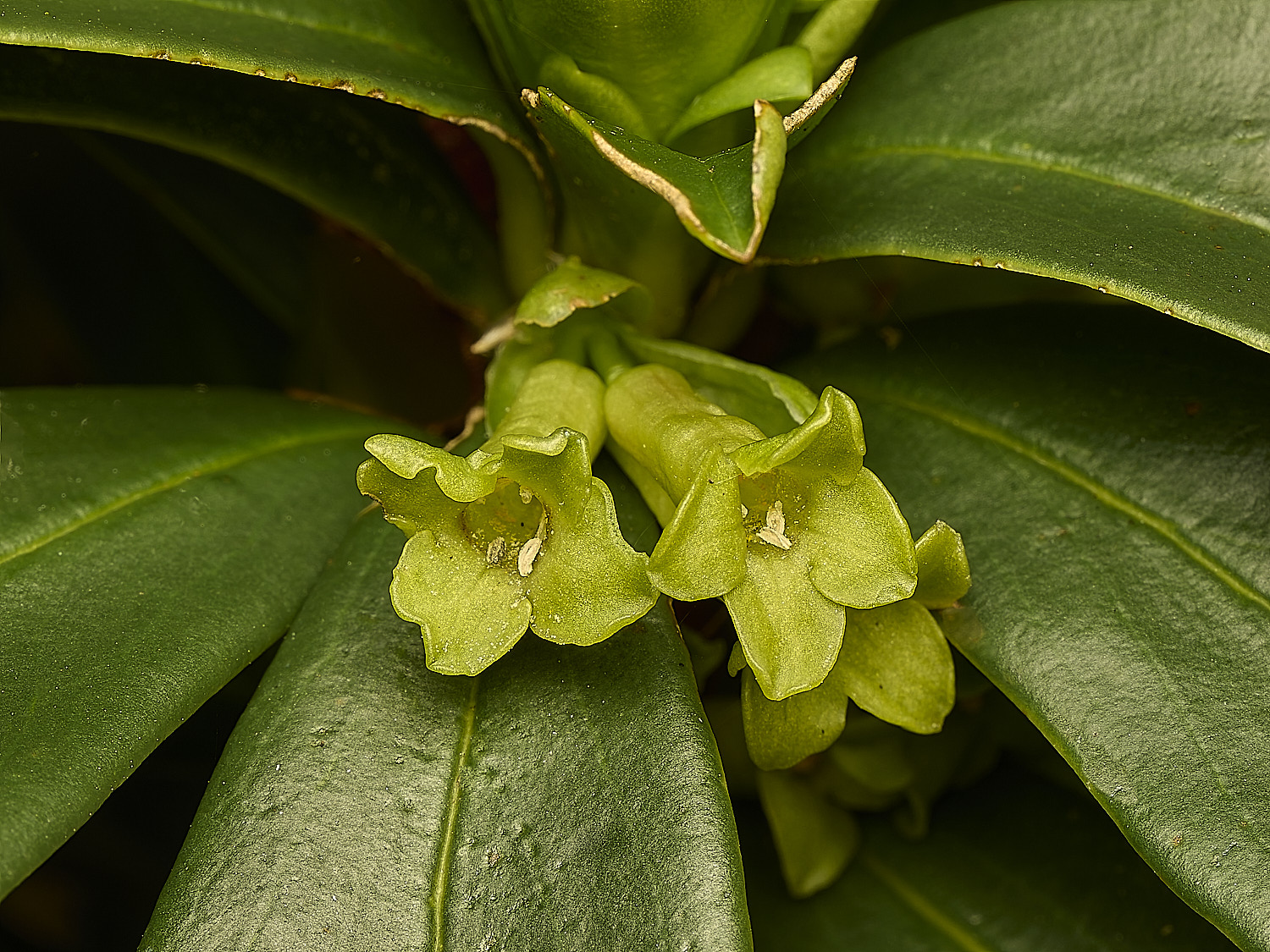
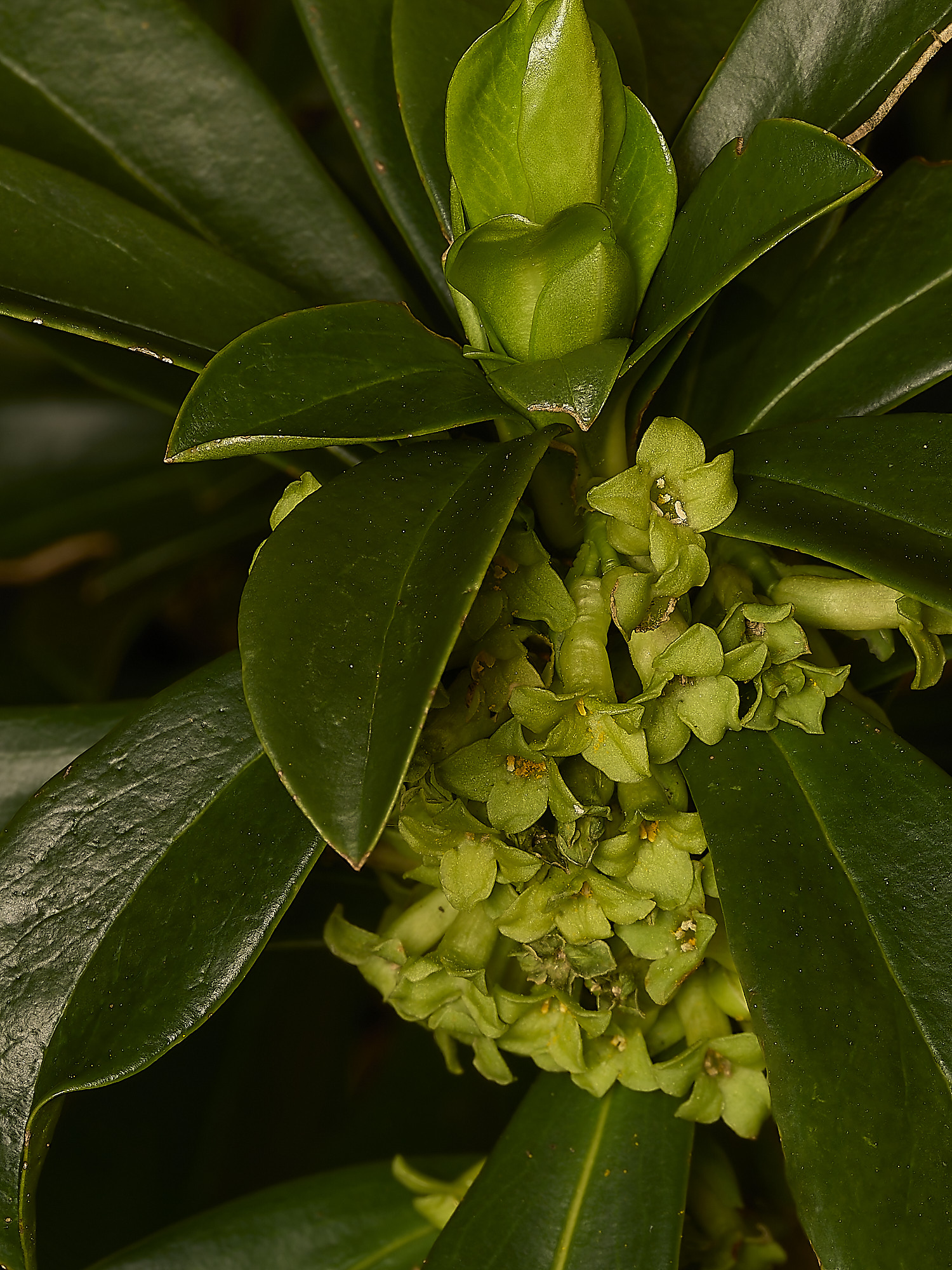
Spurge Laurel (Daphne laureola)
Felbrigg
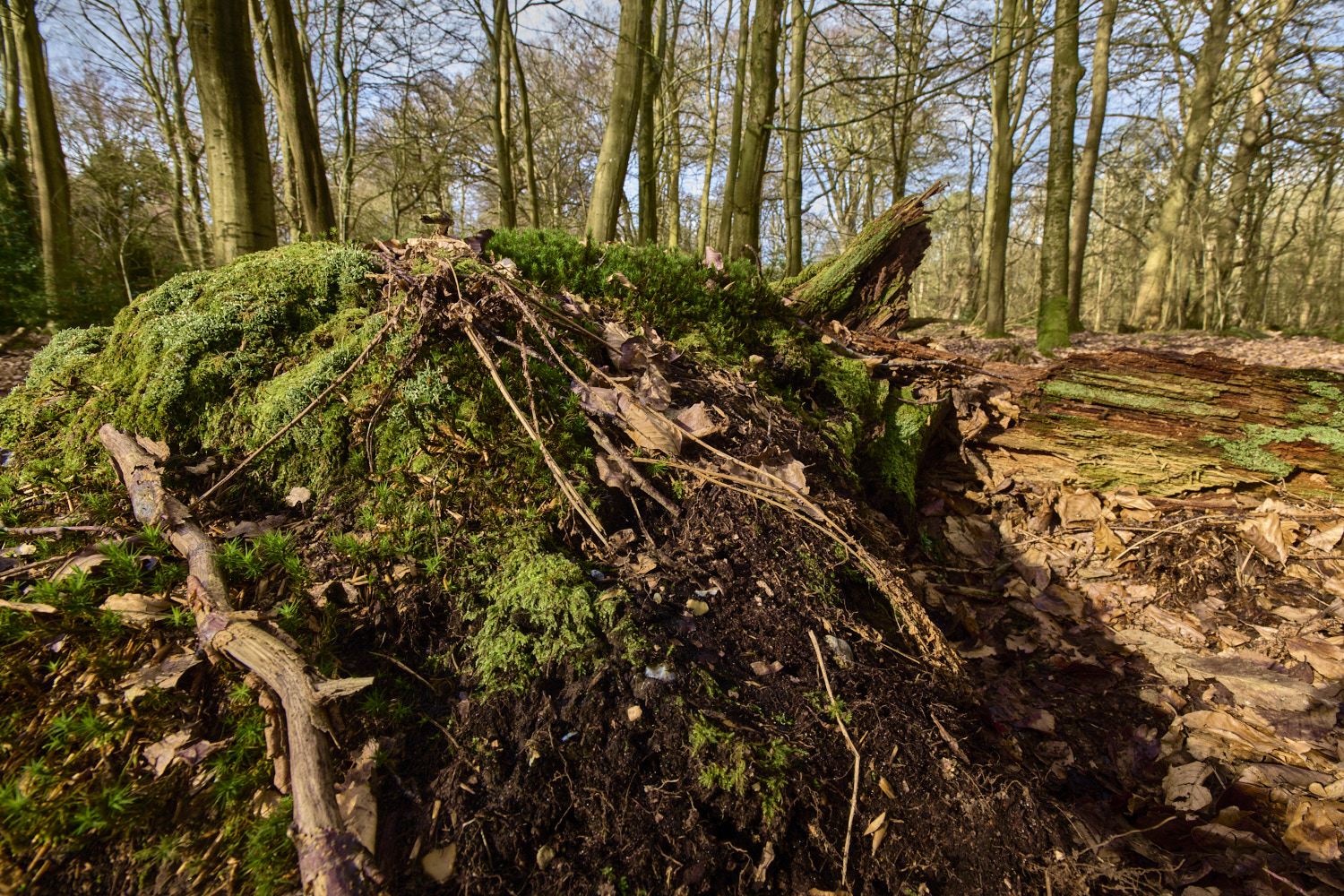
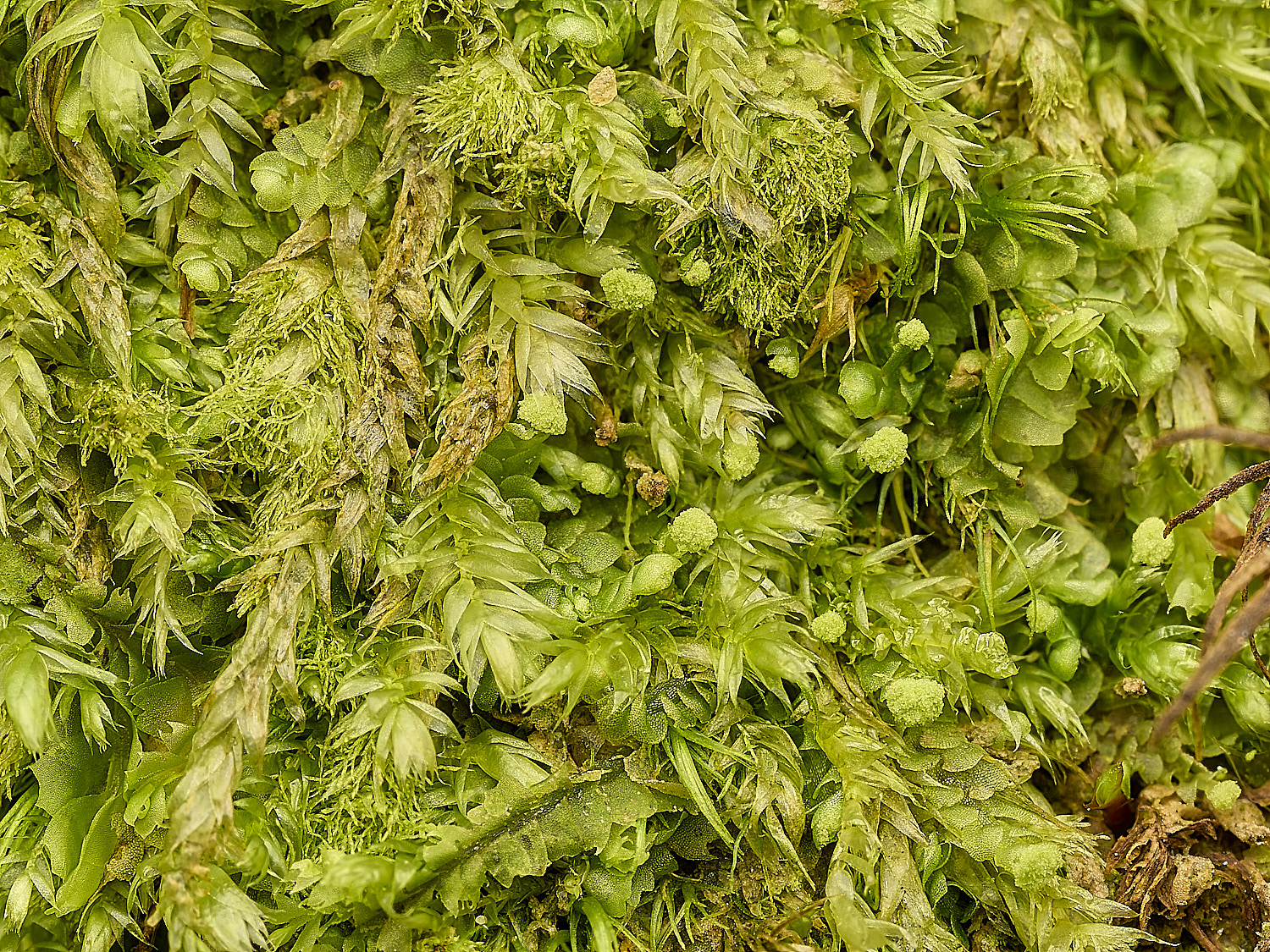
Elegant Silk-moss (Pseudotaxyphyllum elegans) & (Calypogeia fissa)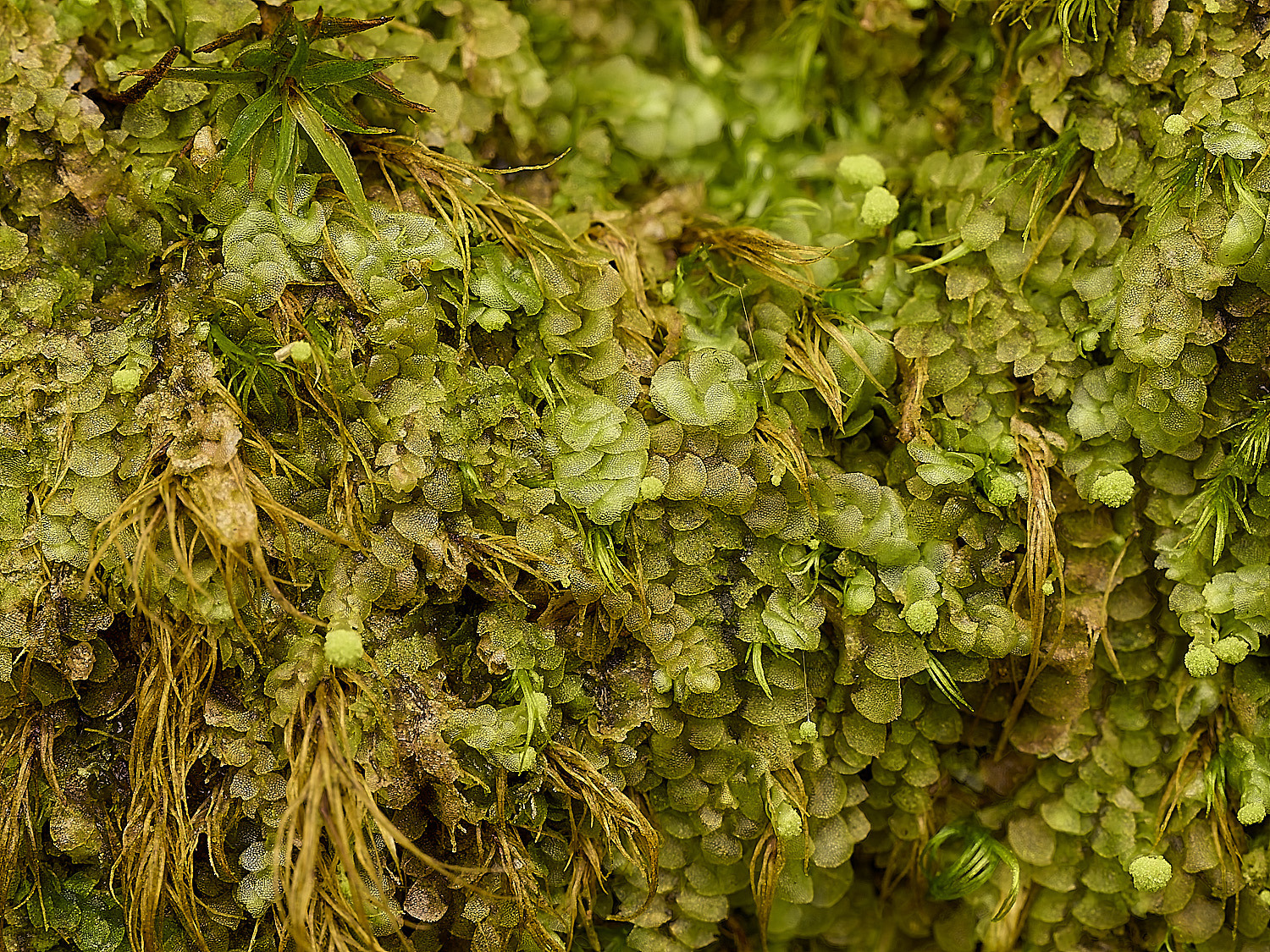
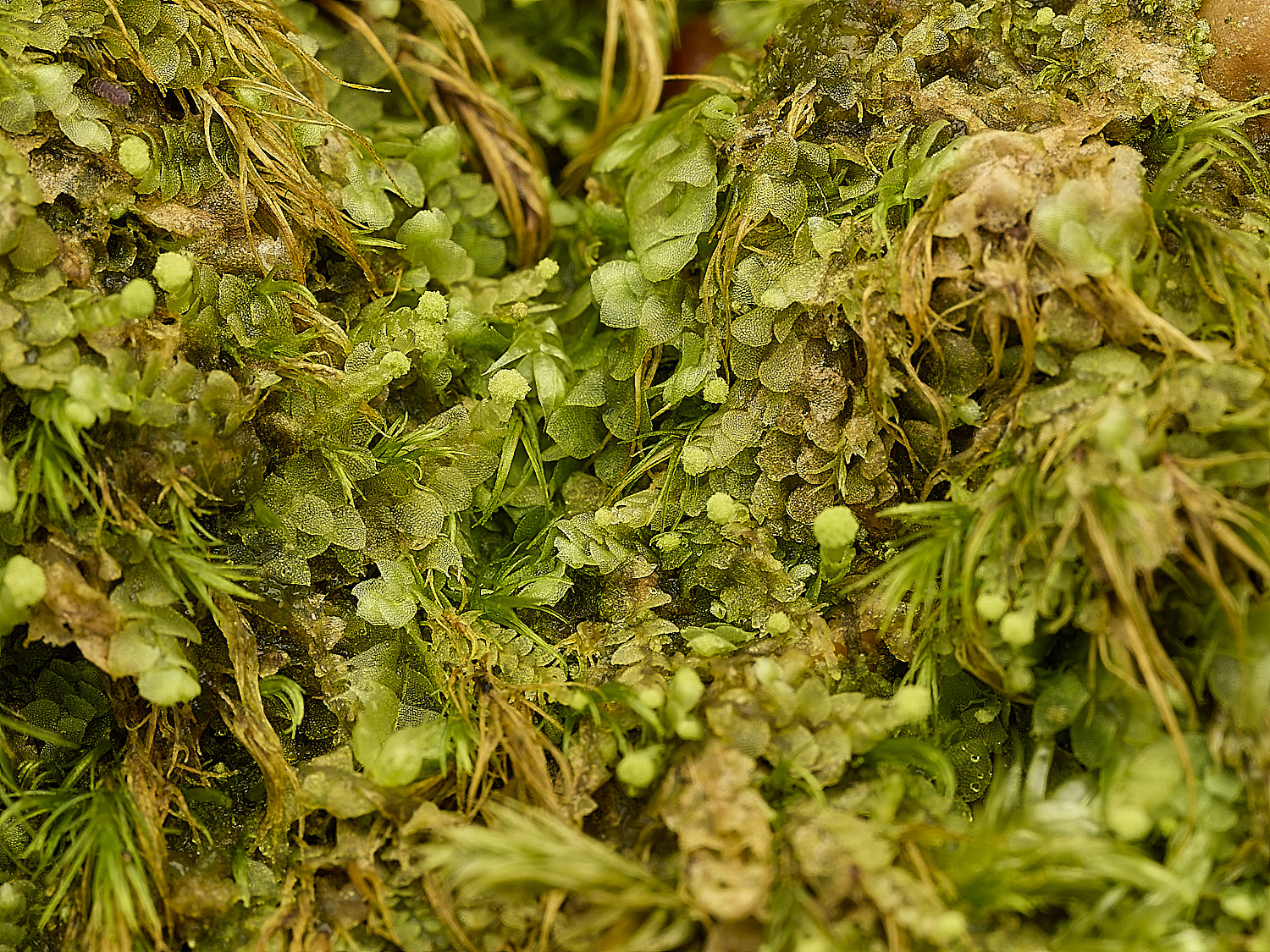
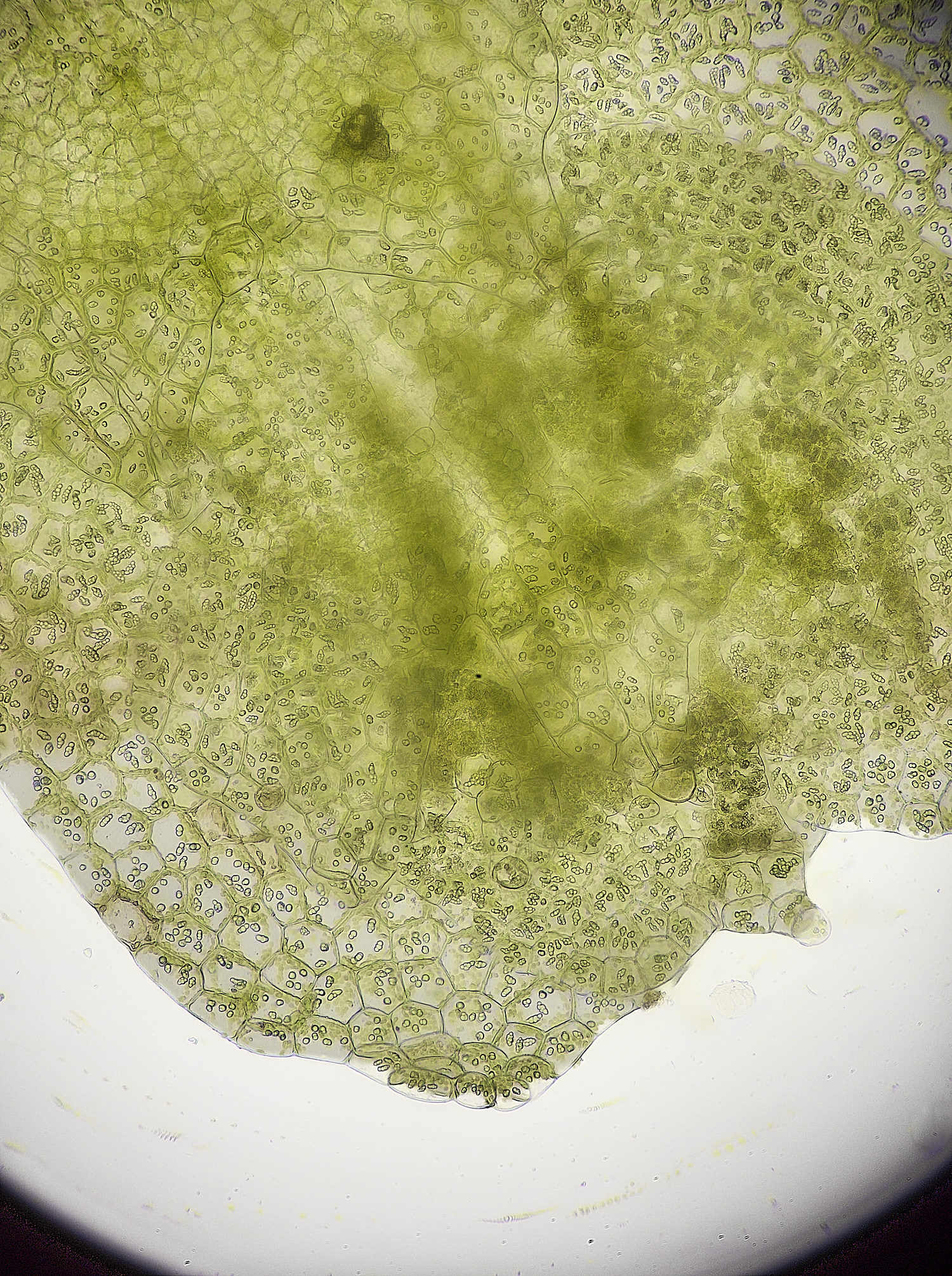
Deeply bilobed under leaves of Calypogeia fissa 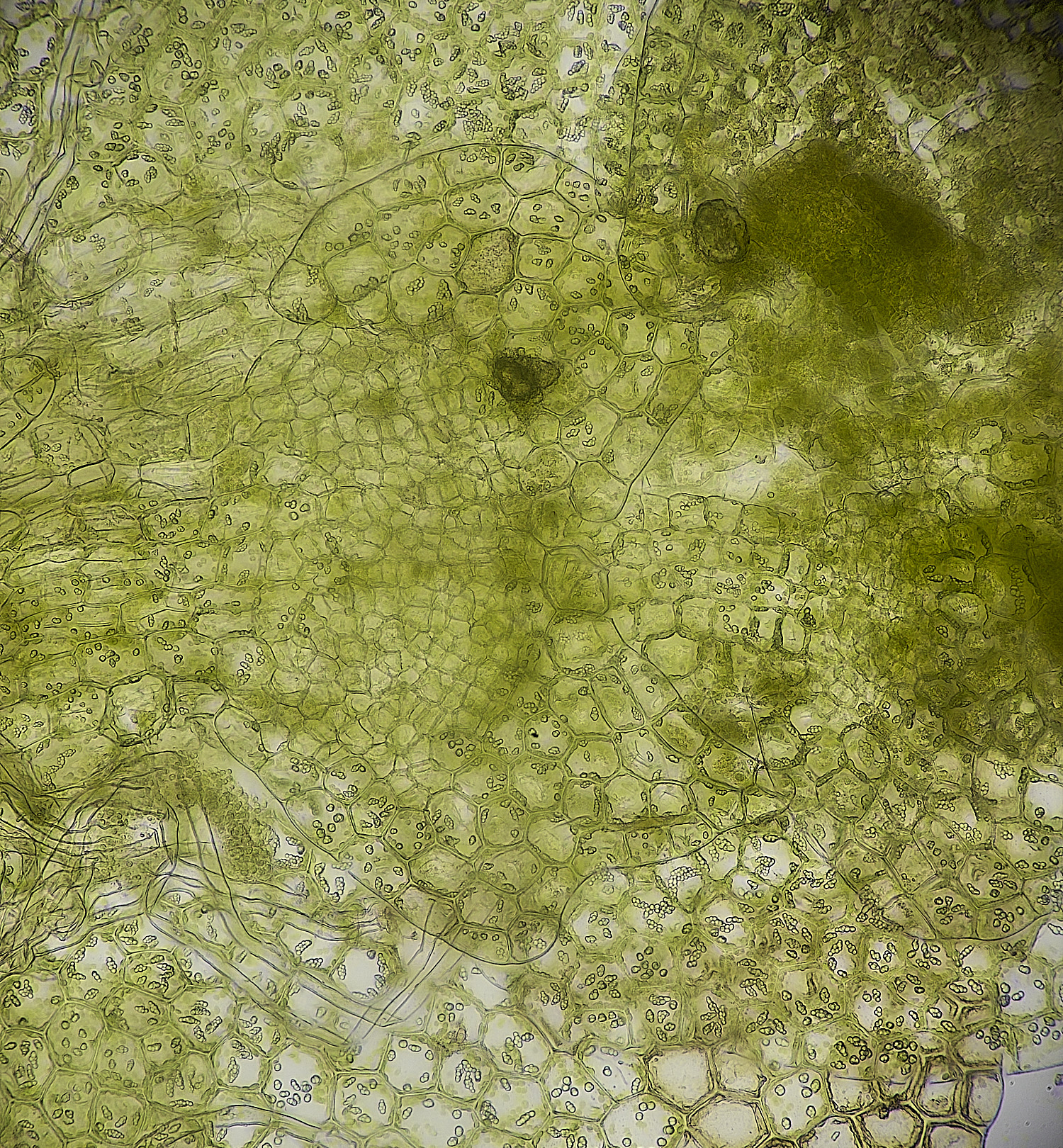
The extra lobe on the underleaf visible above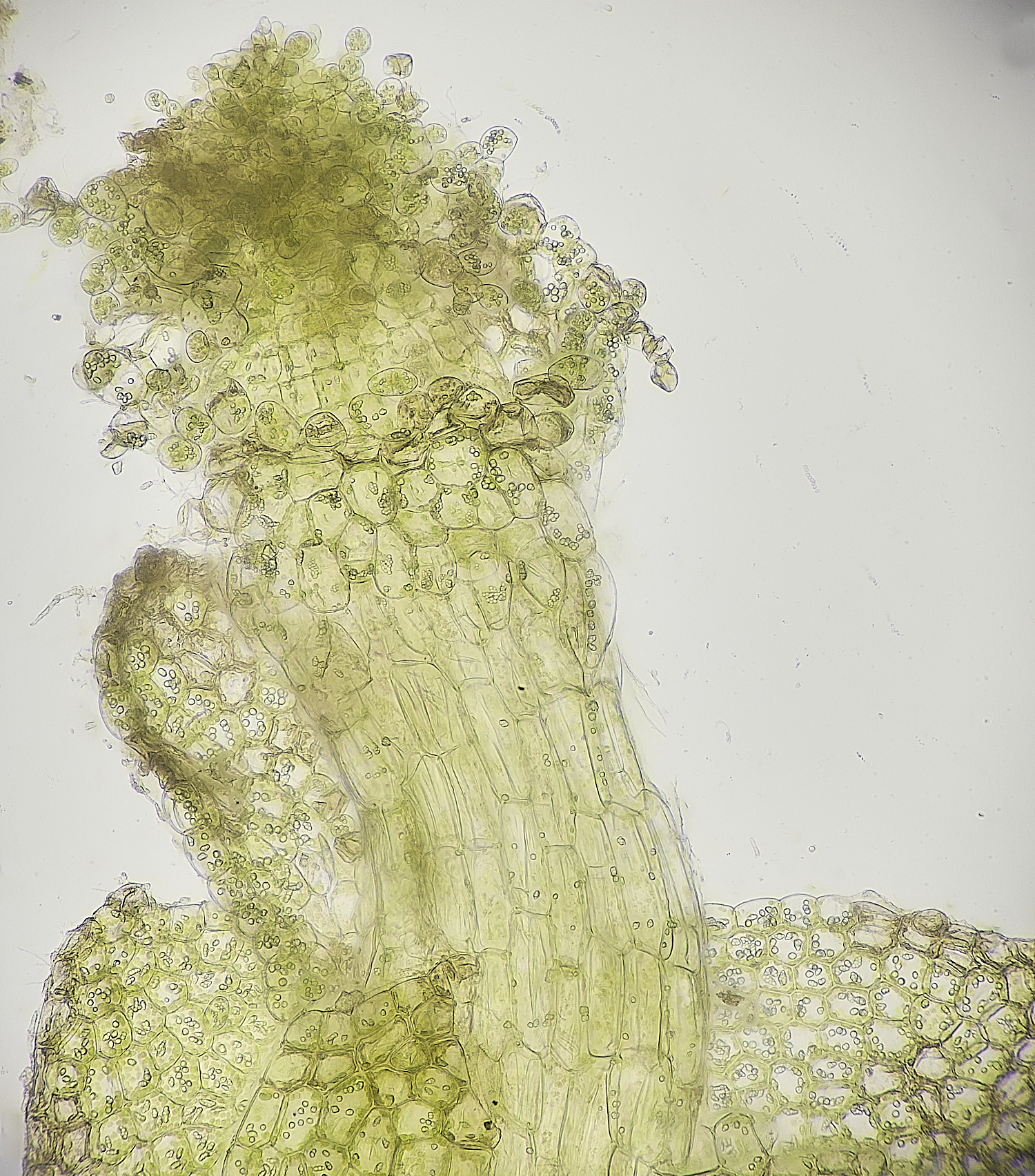
x 200
Gemmae present on shoot tips
Some notches present a leaf apices
Common Pouchwort Calypogeia fissa)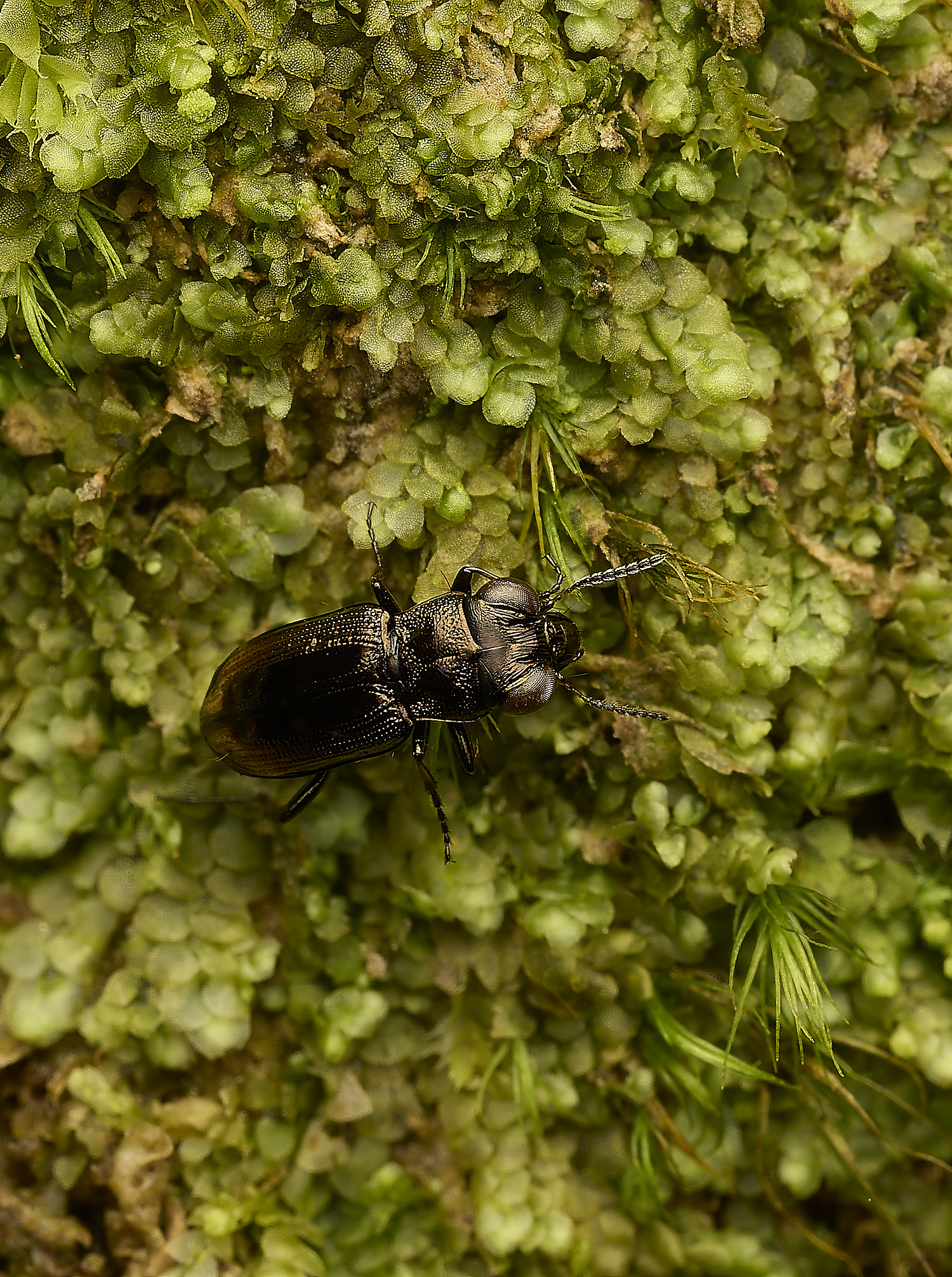
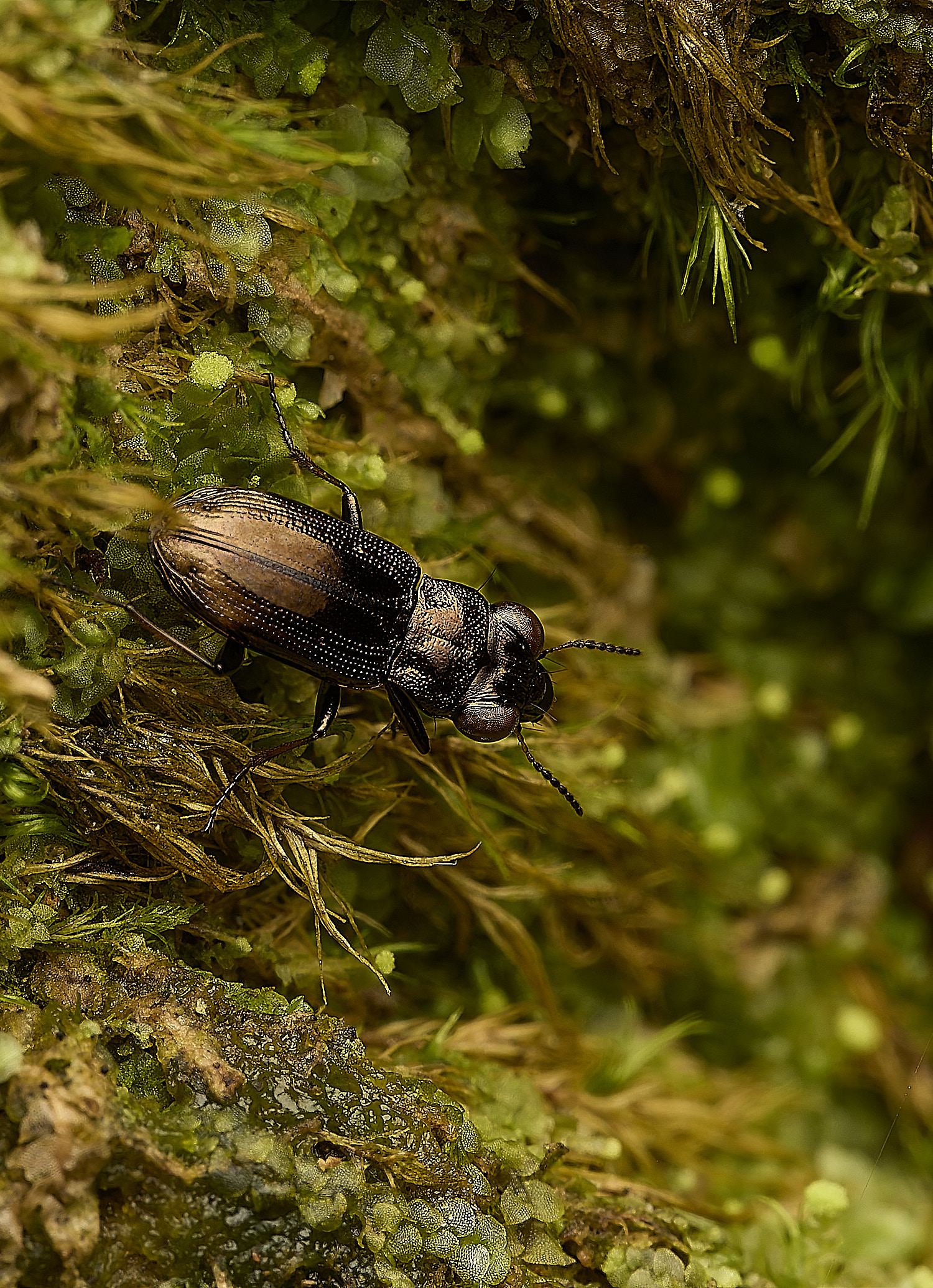
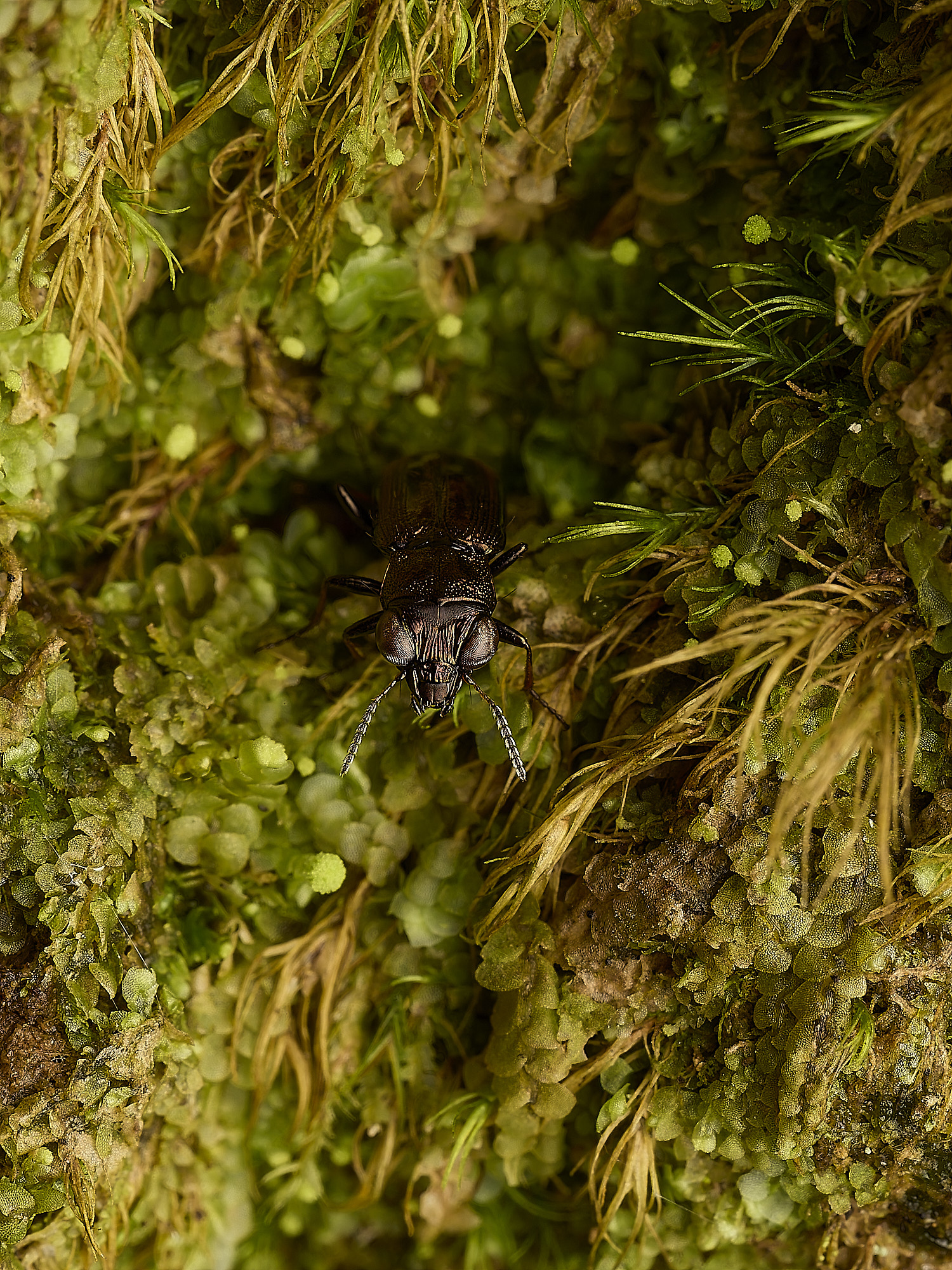
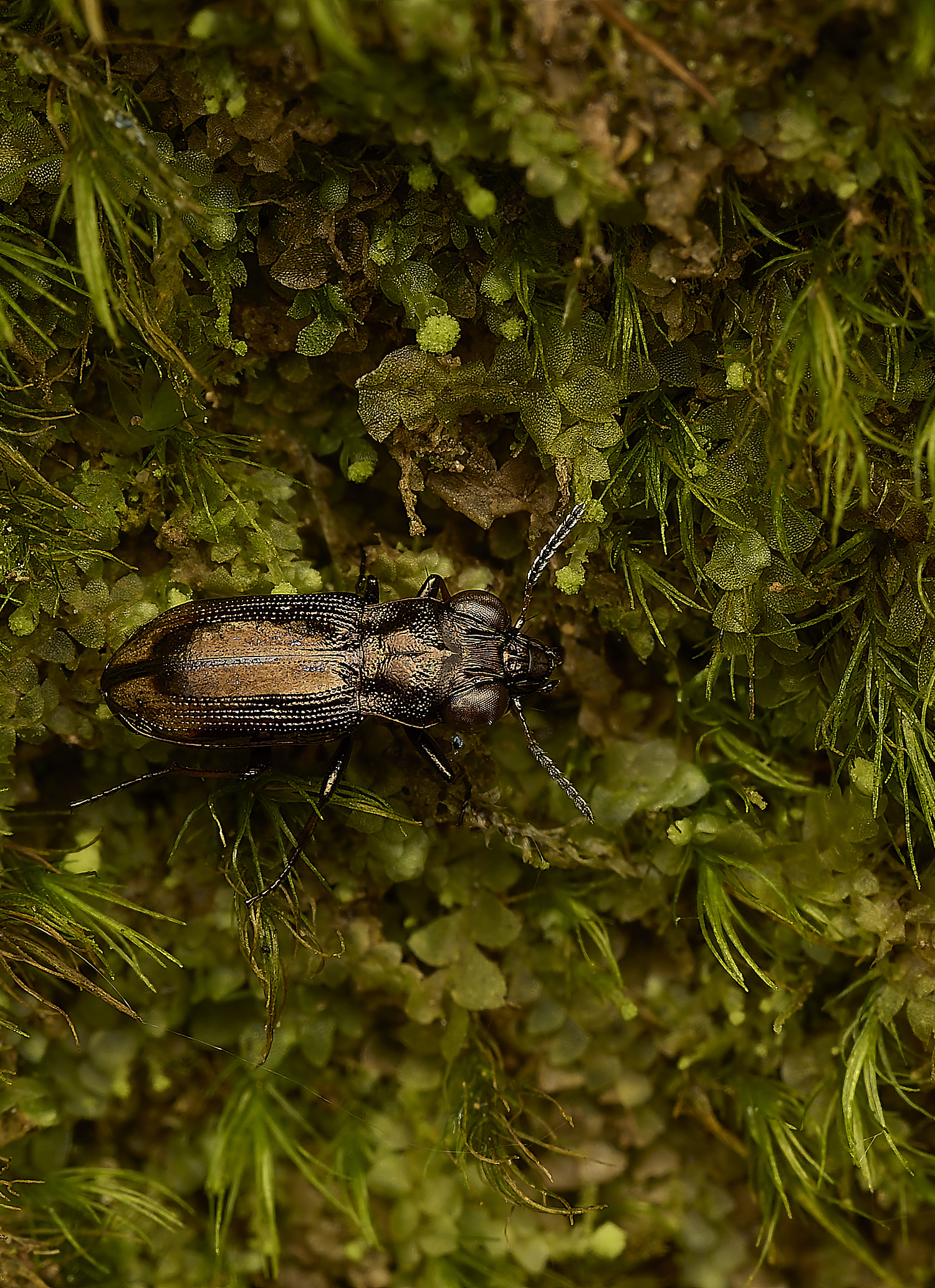
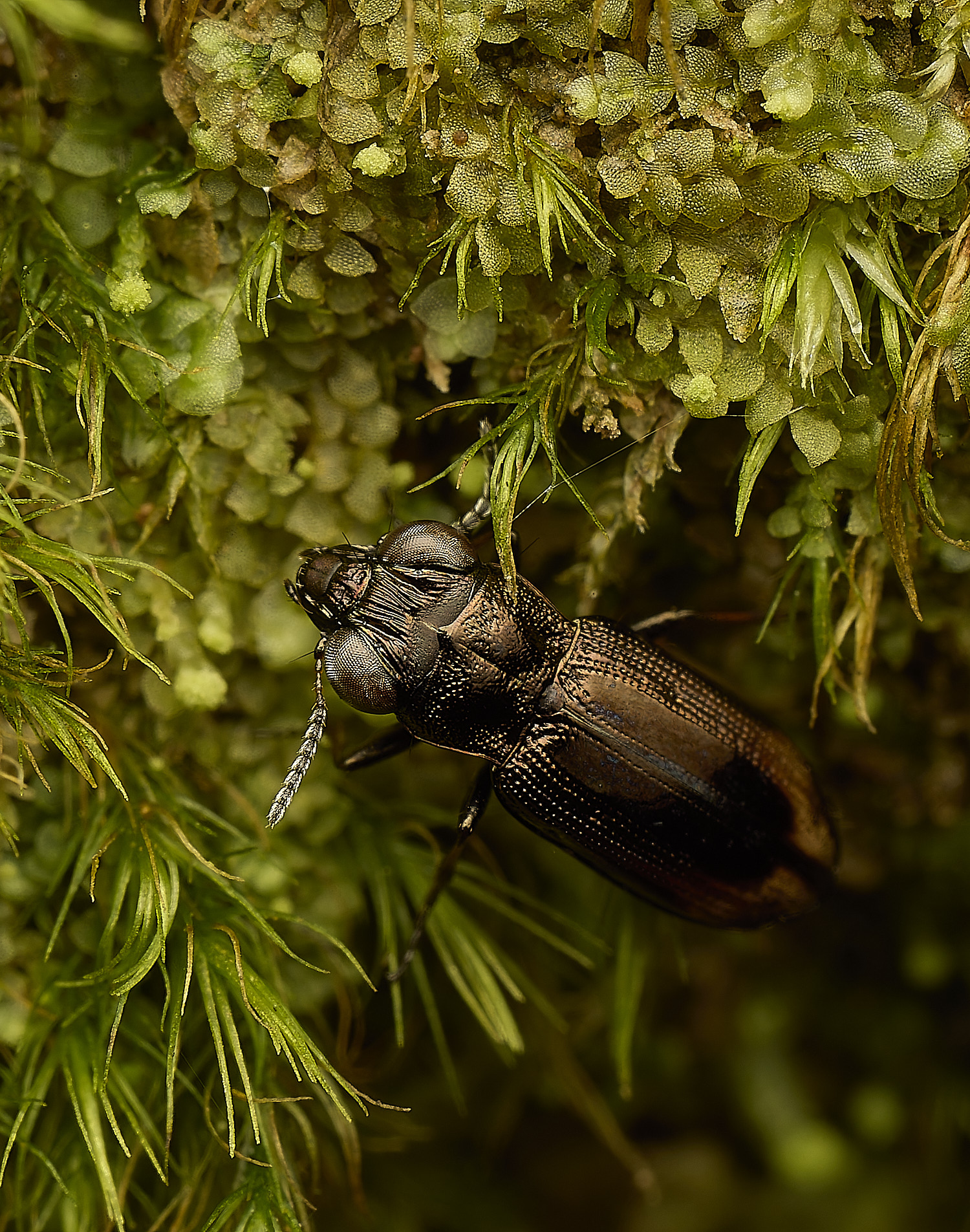
A rather excellent liitle ground beetle with a characteristically course ridges on the head.
Crawling about on the Calypogeia
Notiophilus biguttatus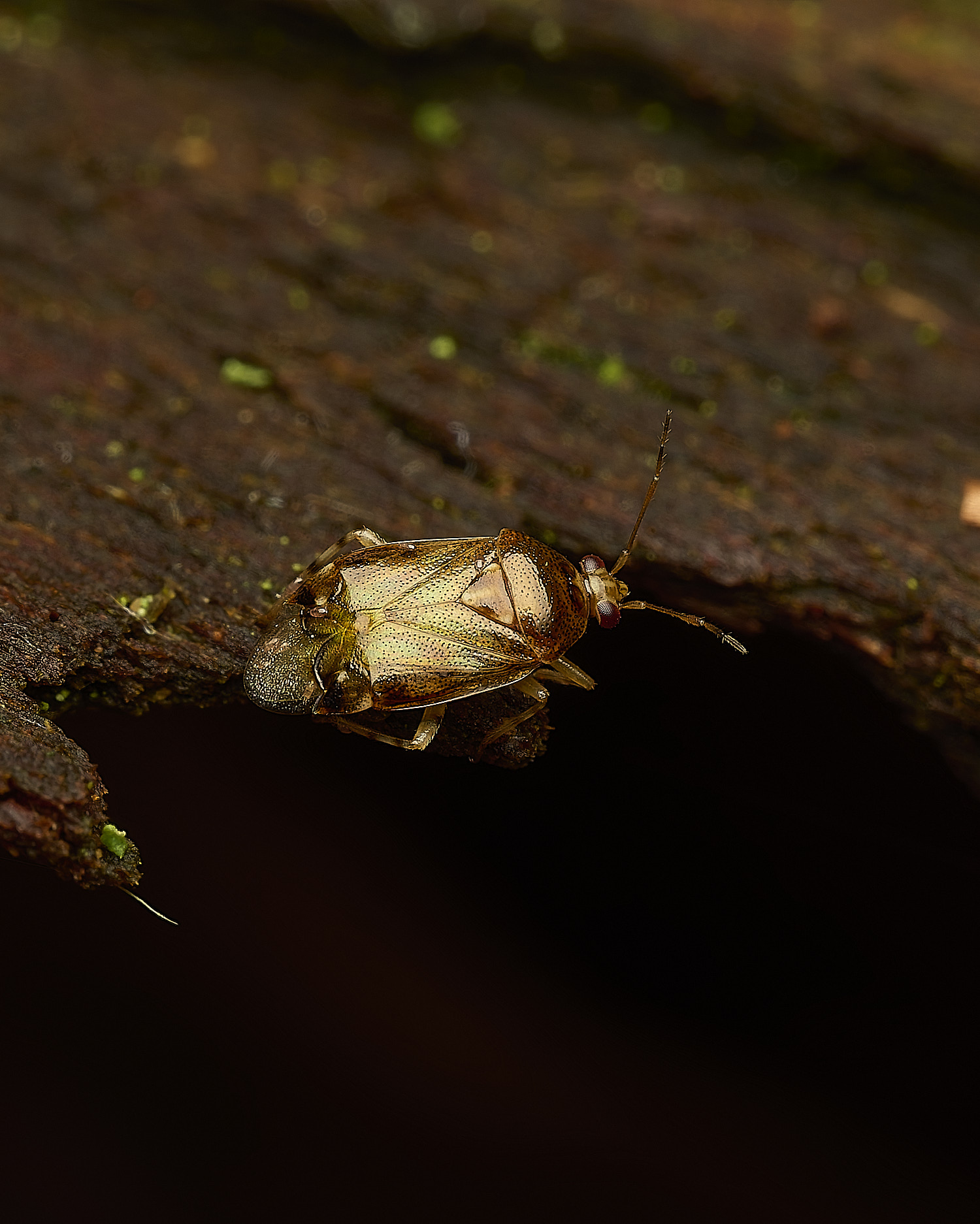
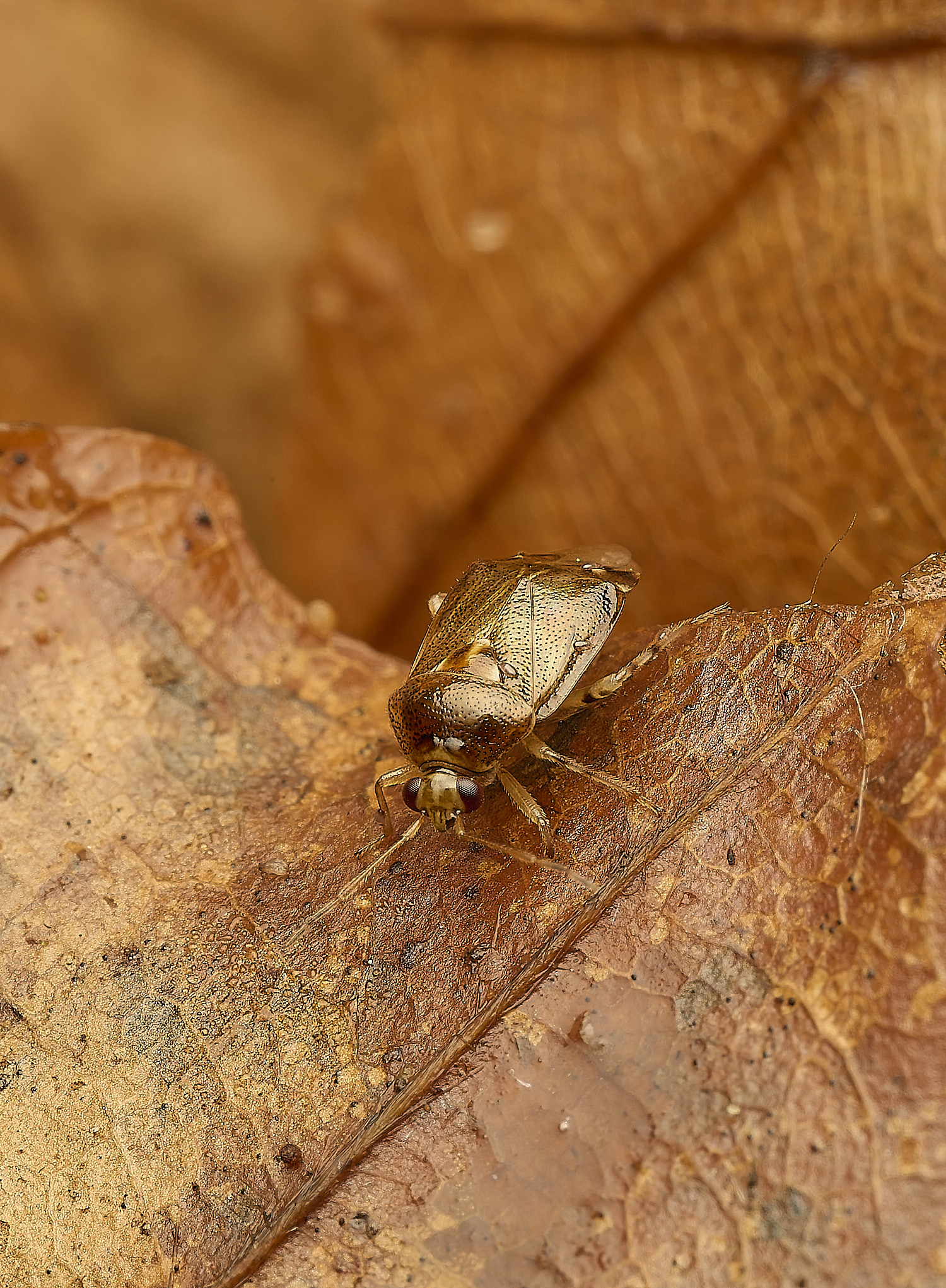
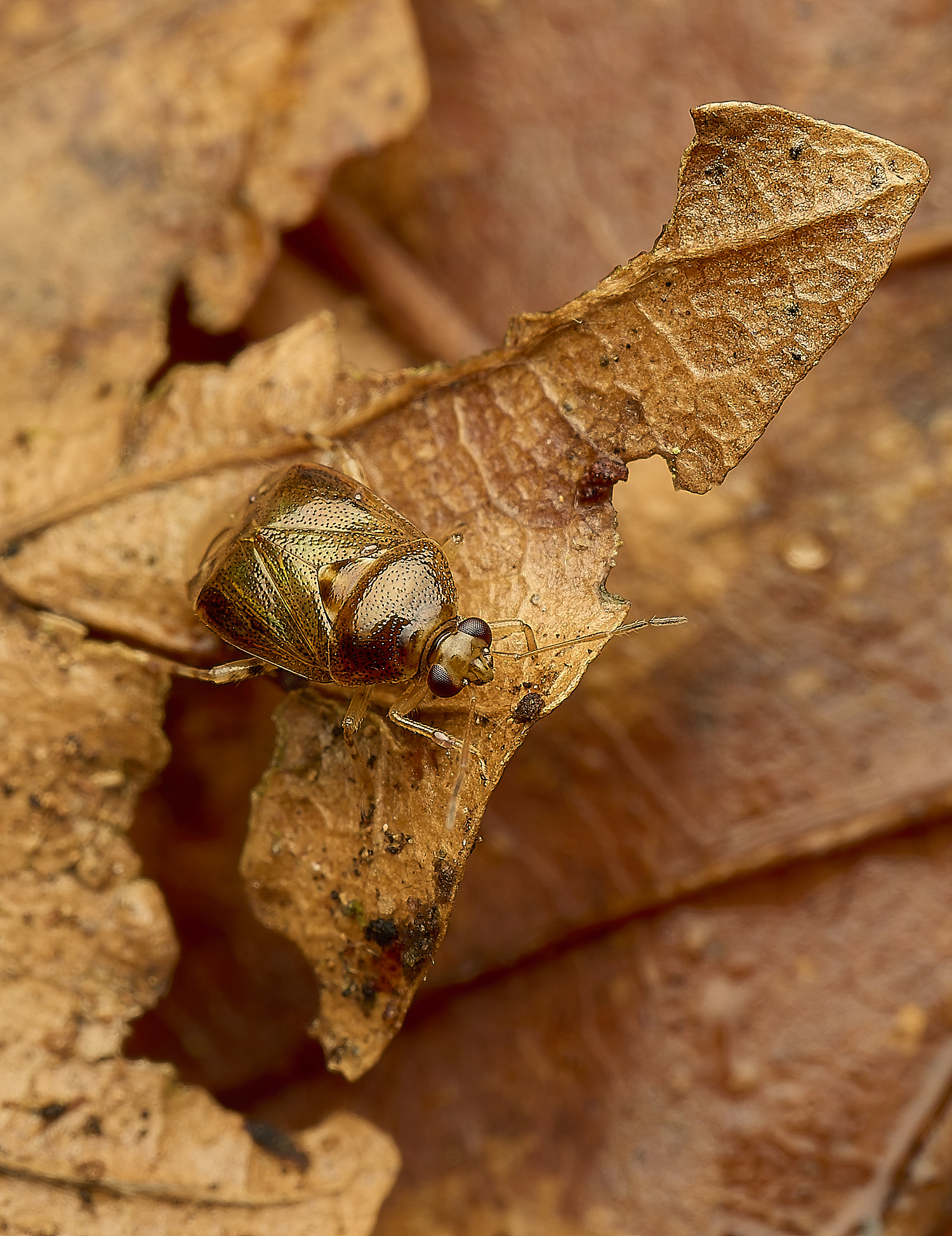
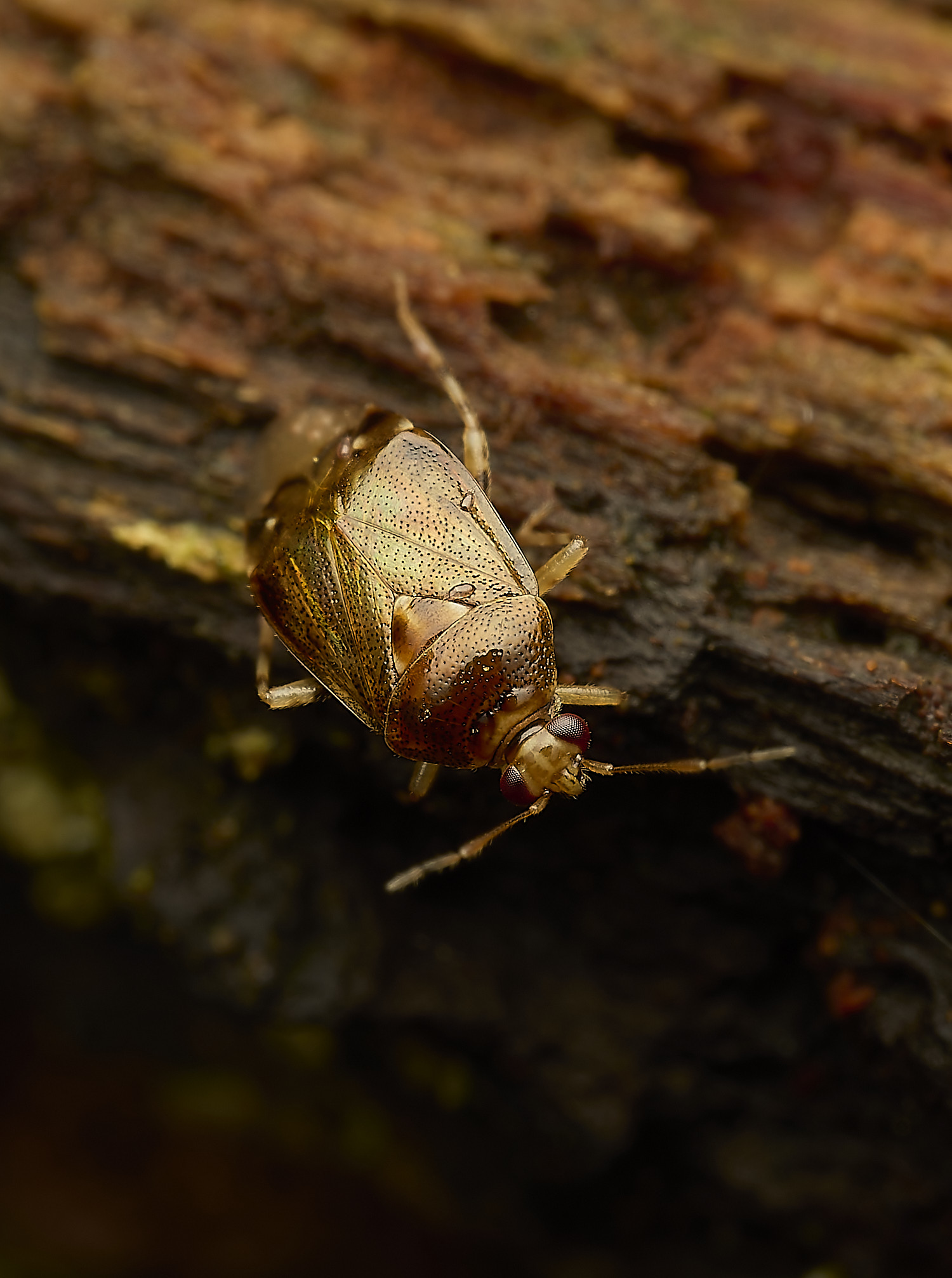
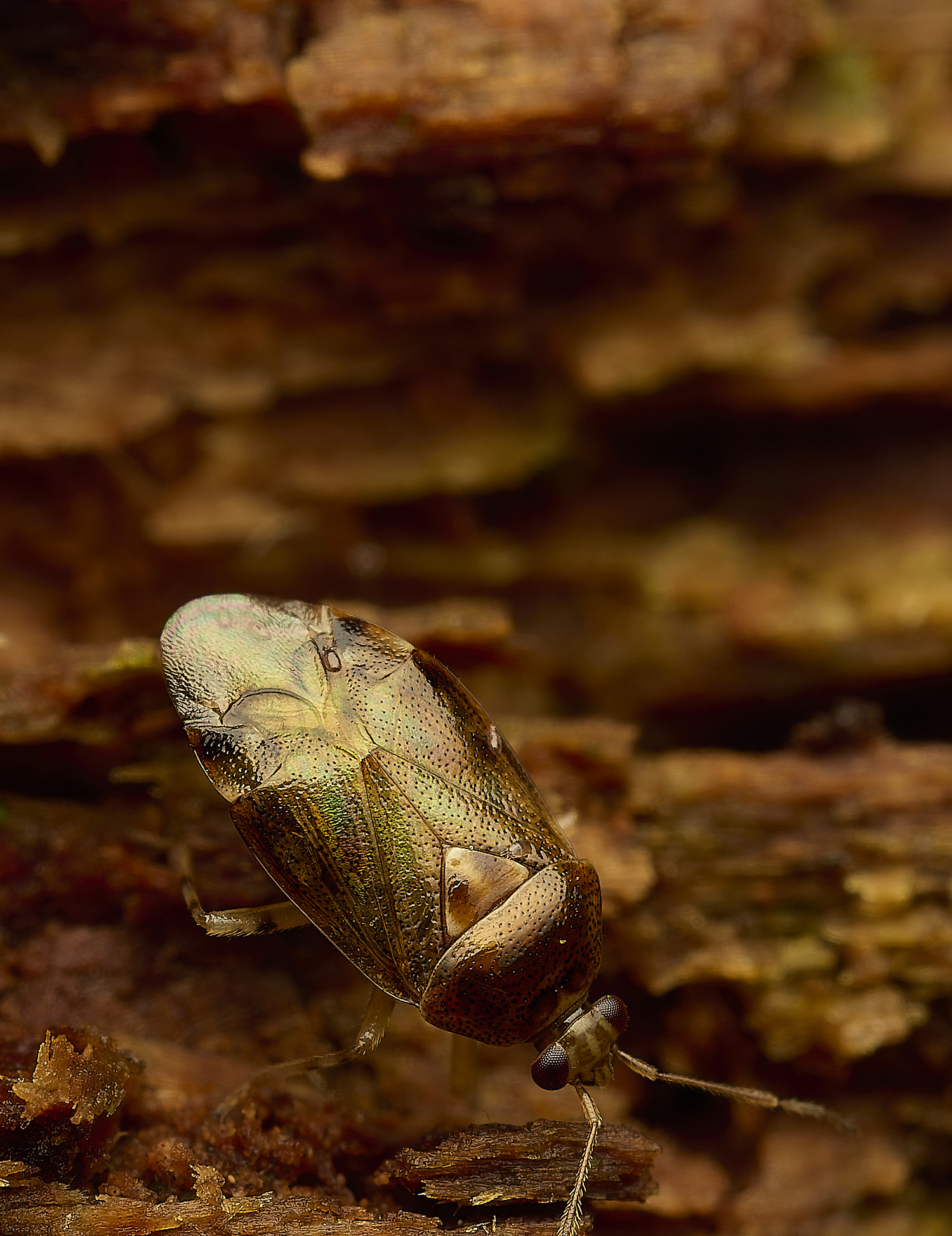
Mirid Bug
Pinalitus cervinus
Grateful thanks to DA for insect ids above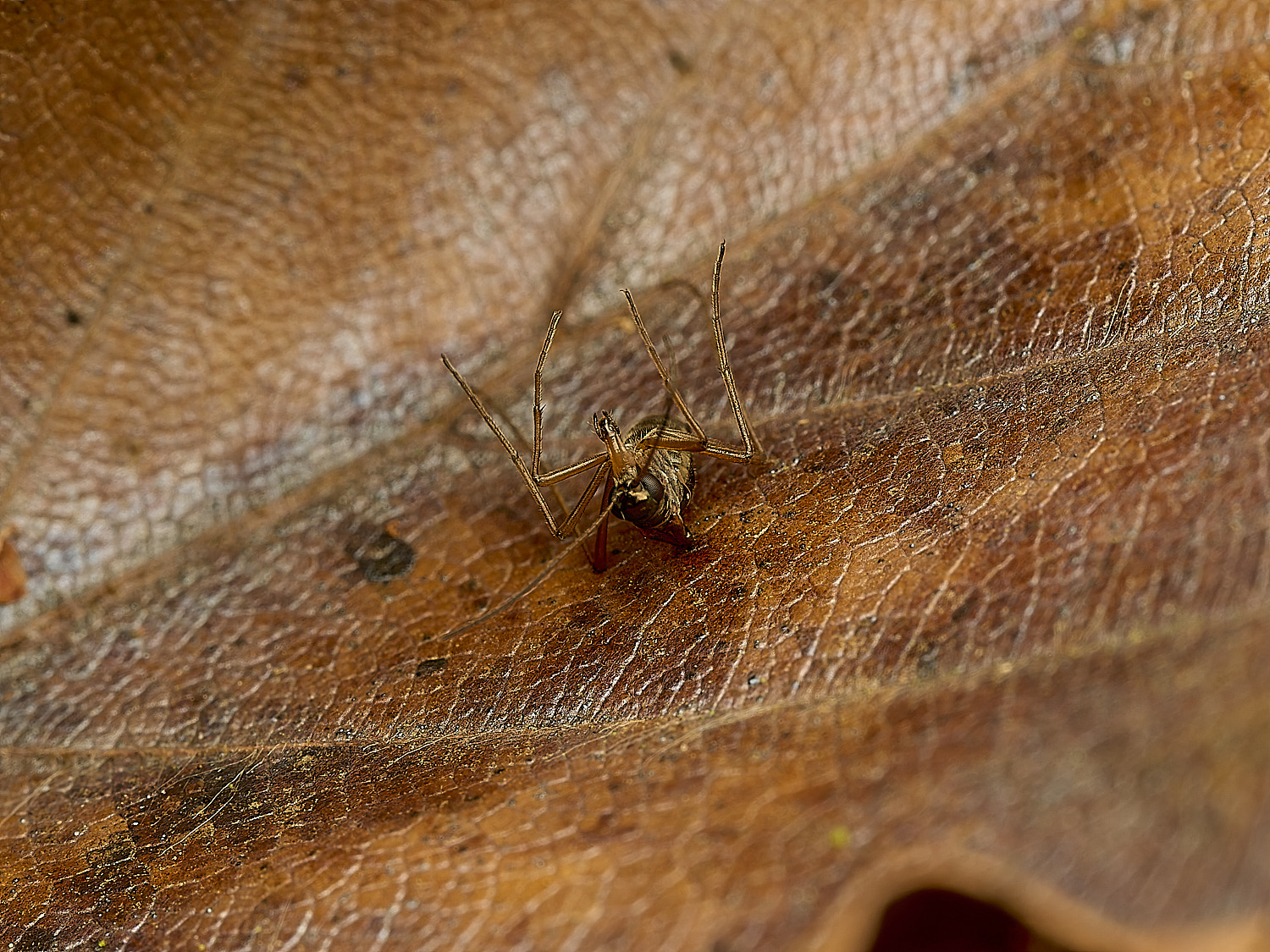
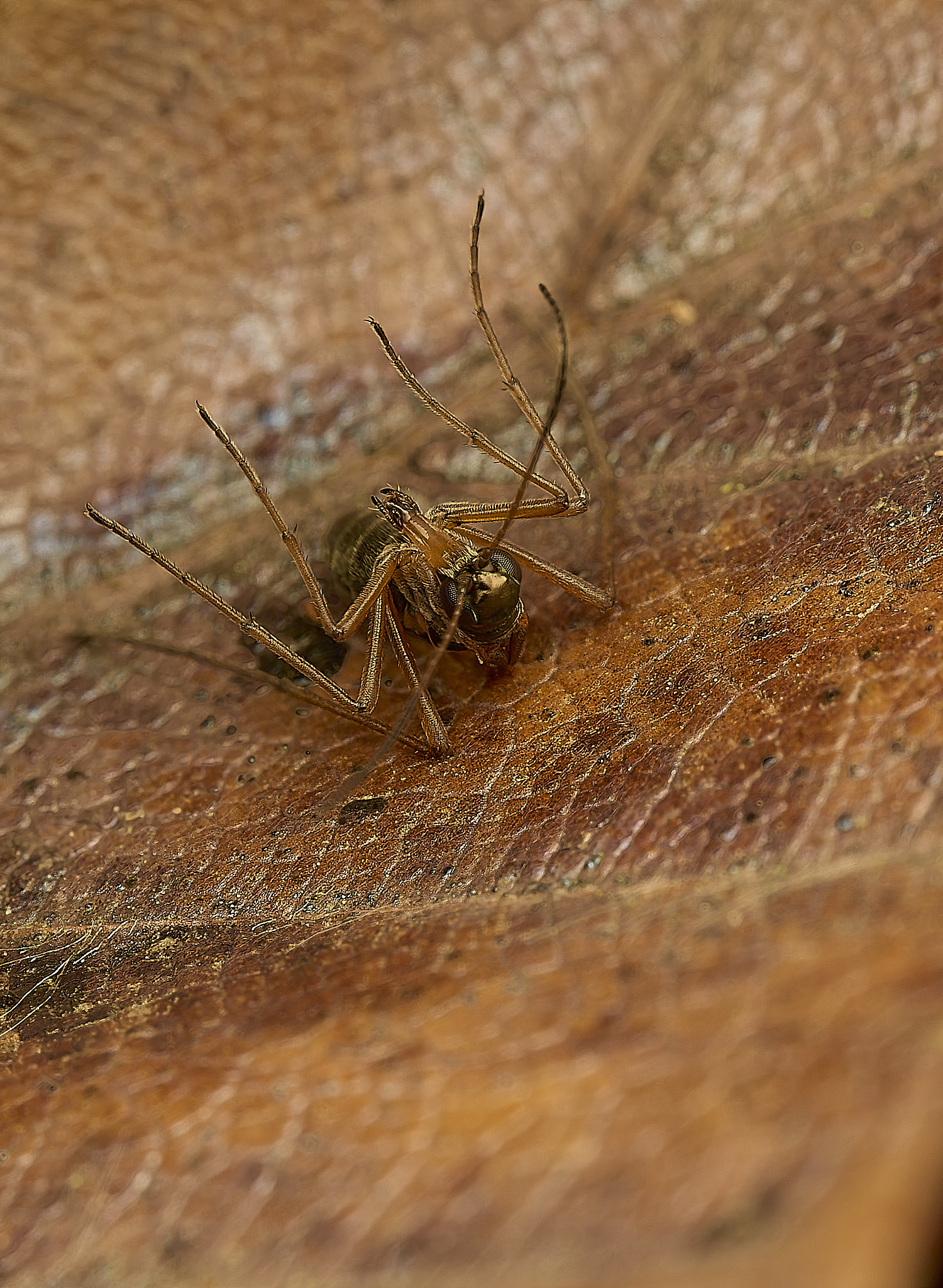
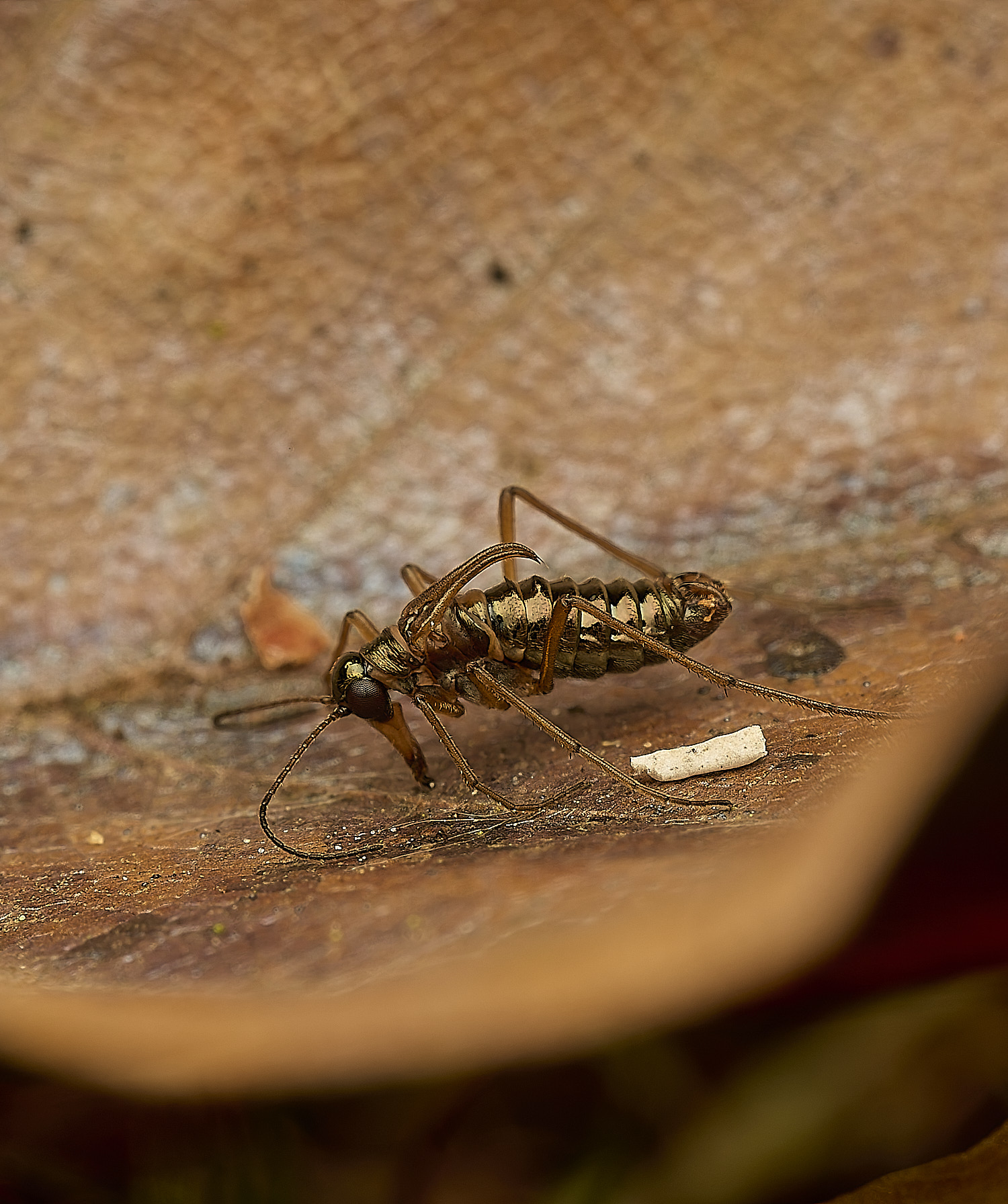
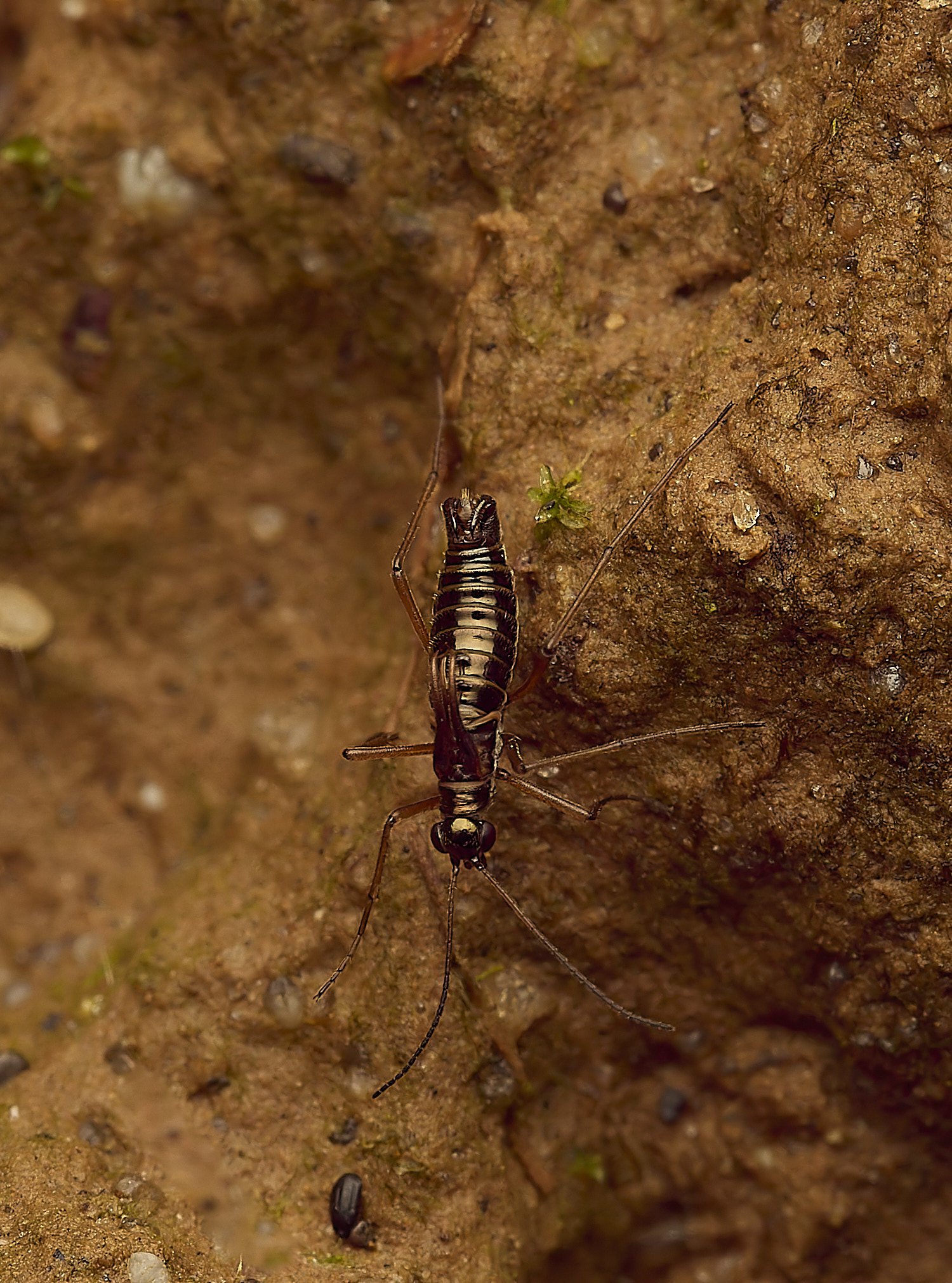
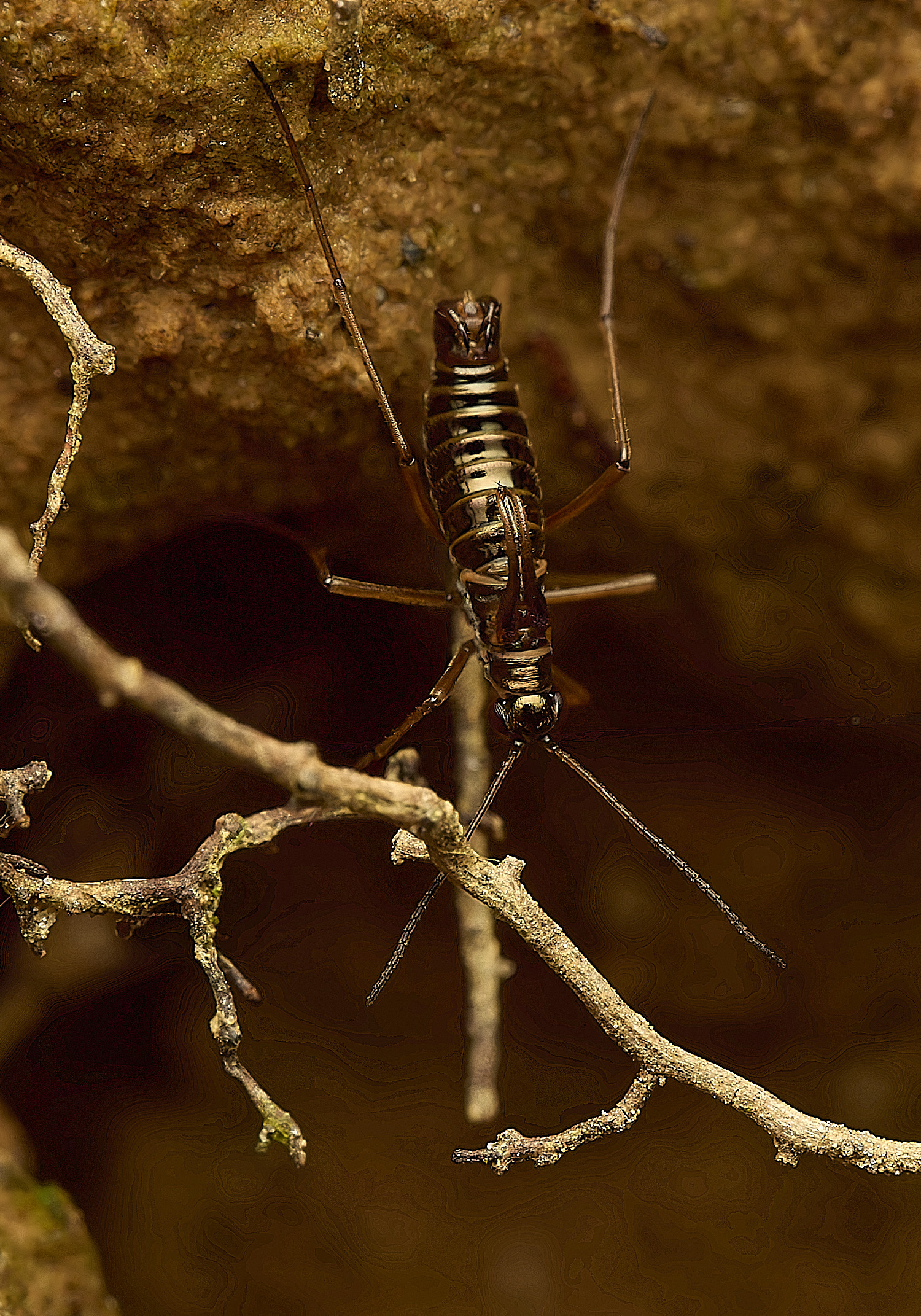
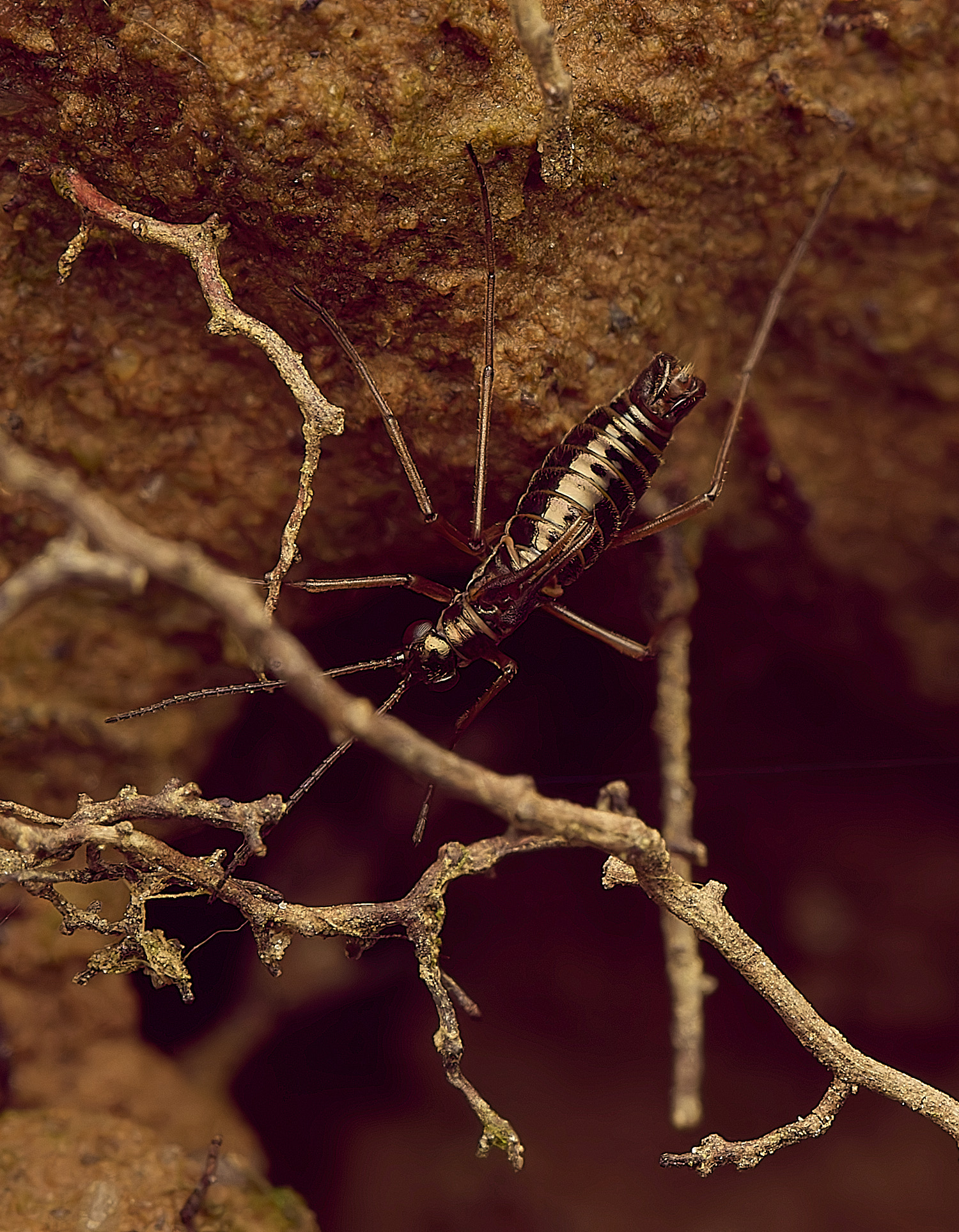
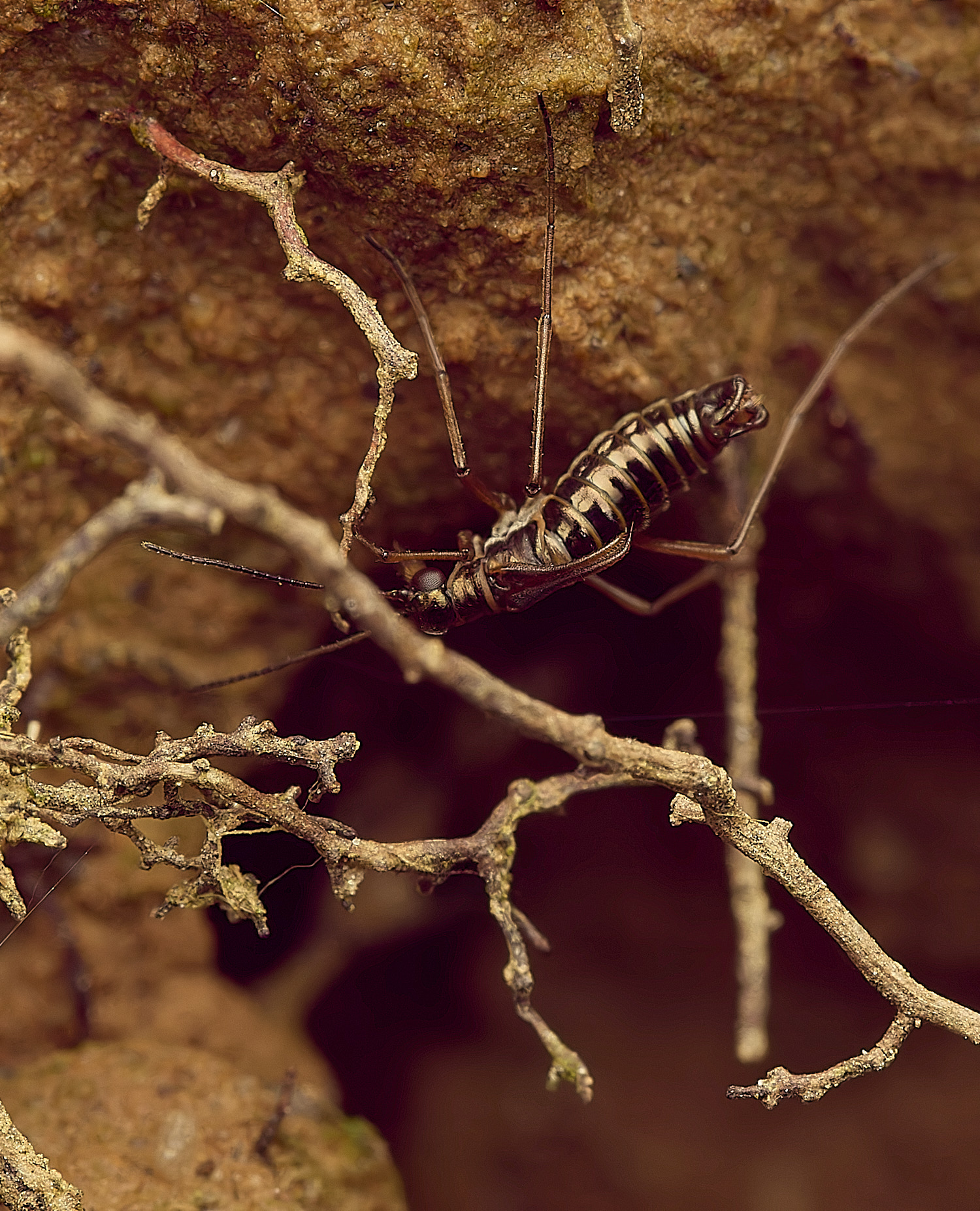
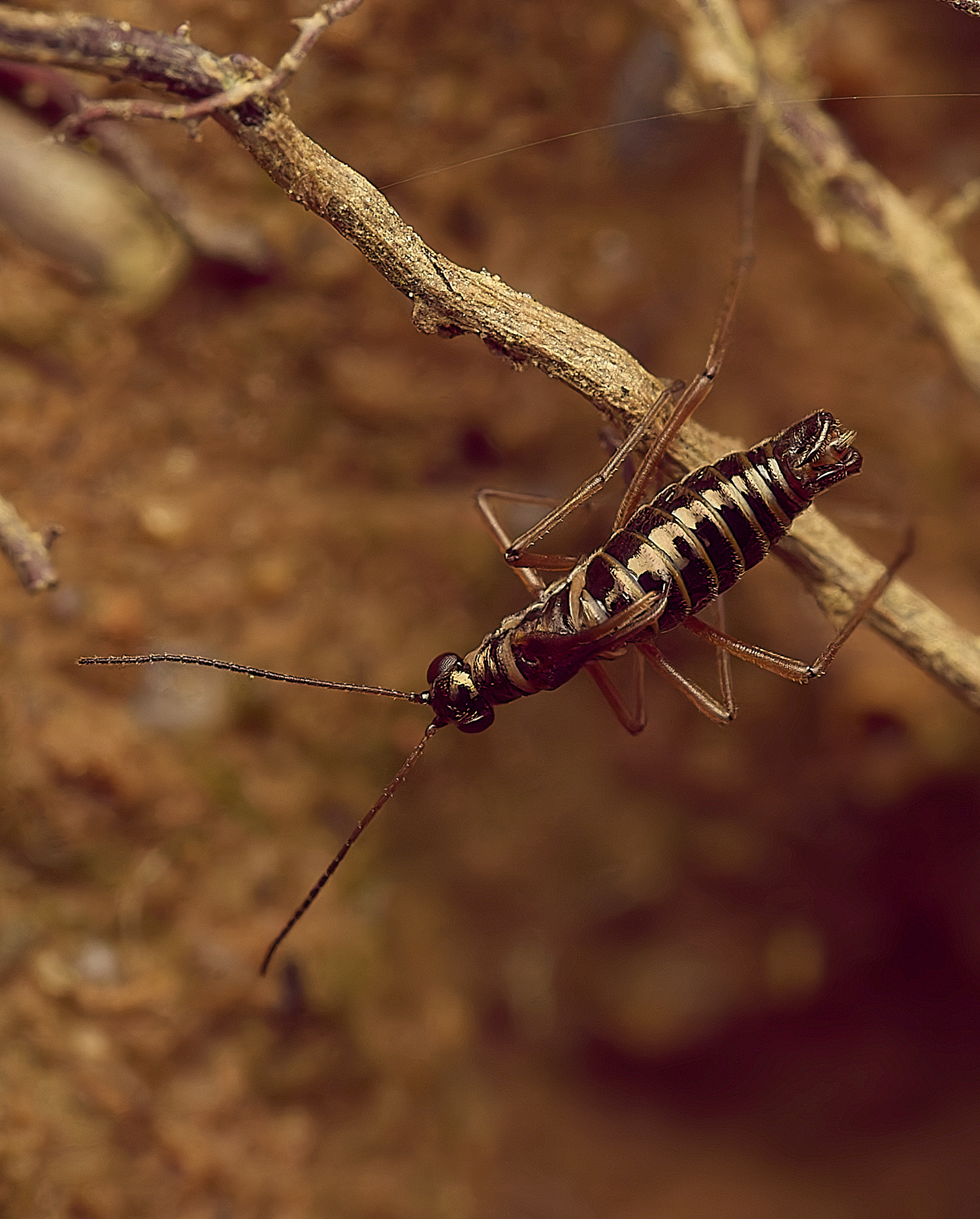
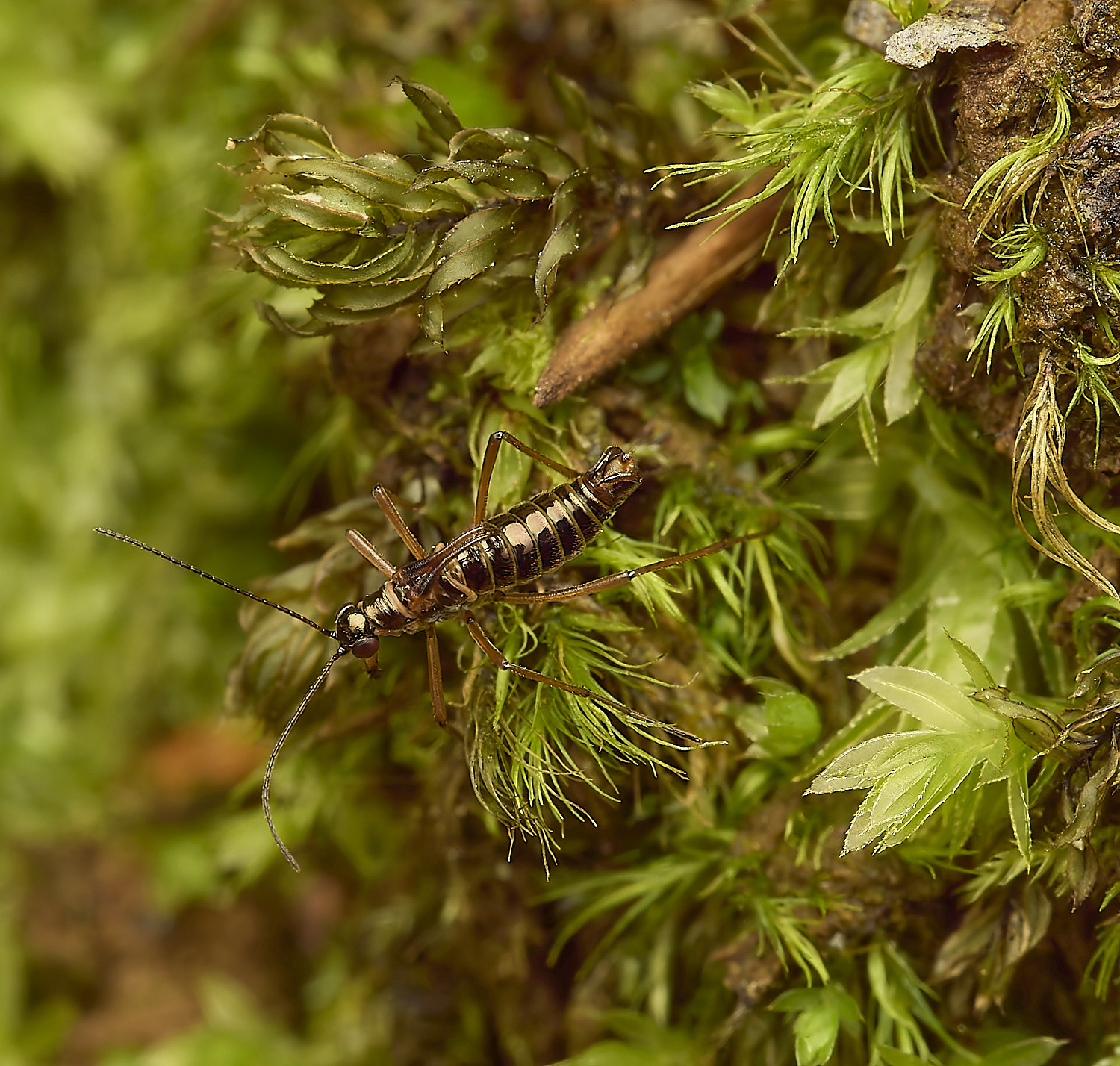
After a close encounter with a potting
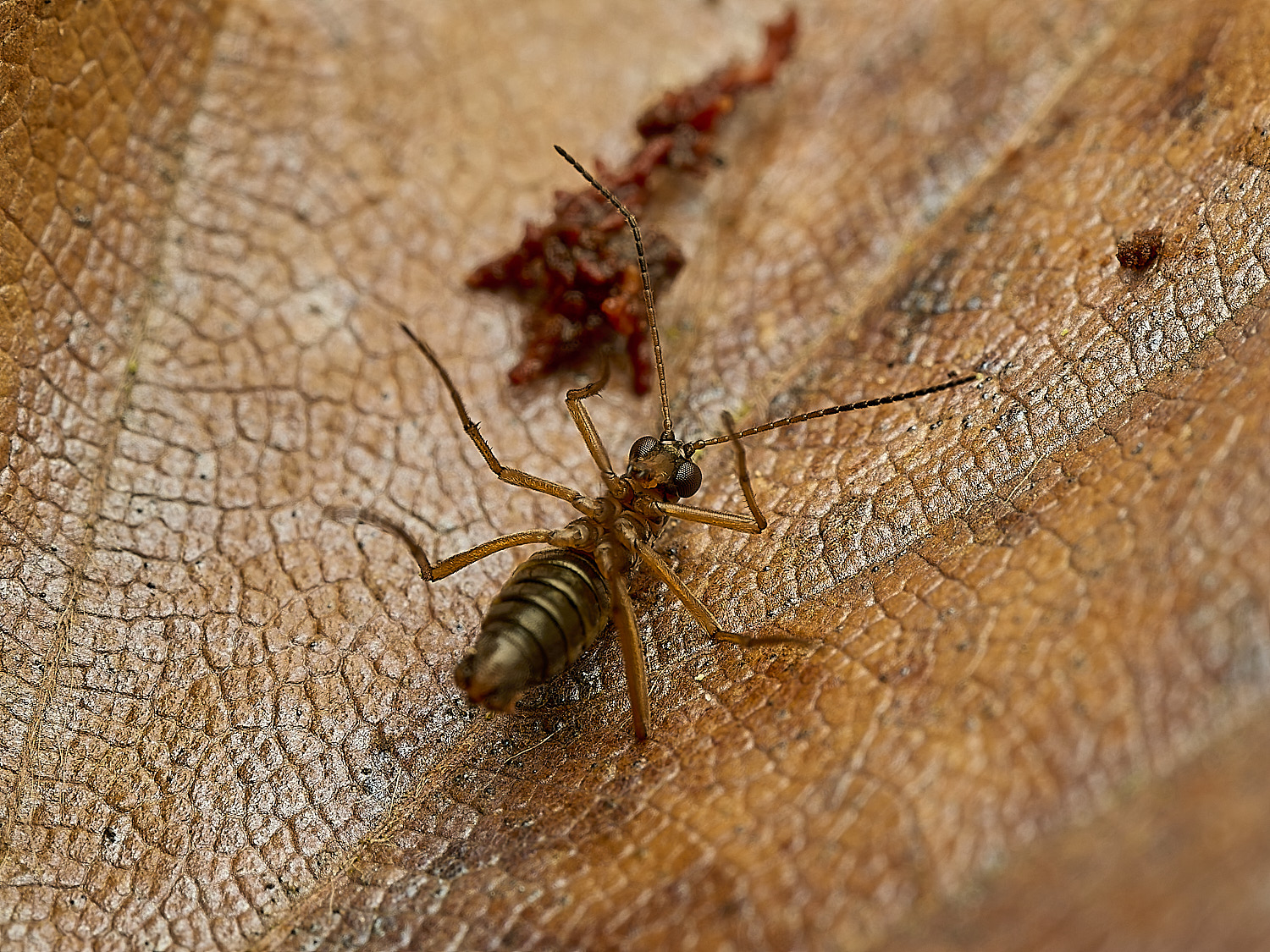
this one played dead for fifteen minutes before
it got up and walked off in the image below.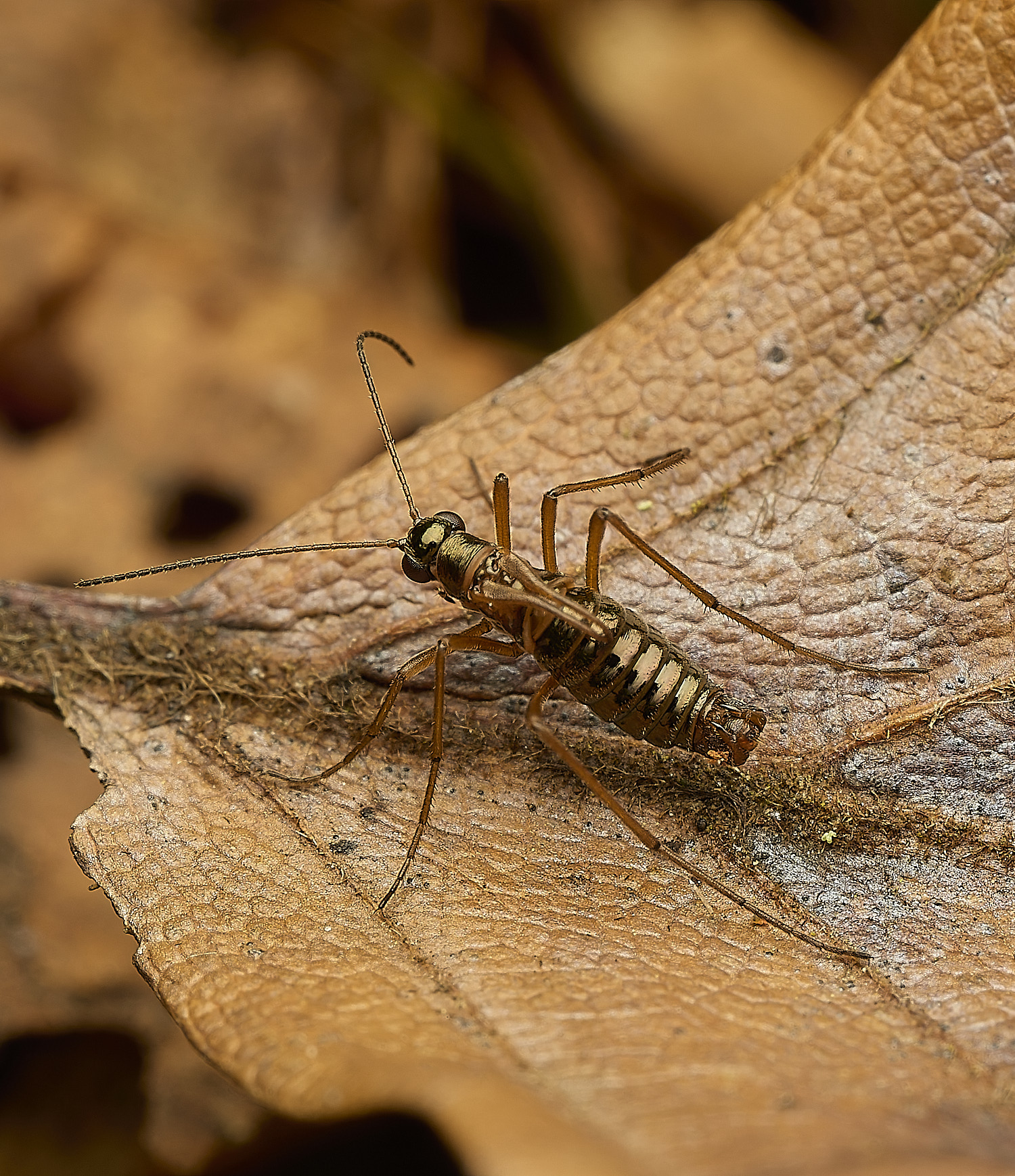
Mosses
Swan's-neck Thyme-moss (Mnium hornum) & Silky Forkelt-moss (Dicronella heteromalla)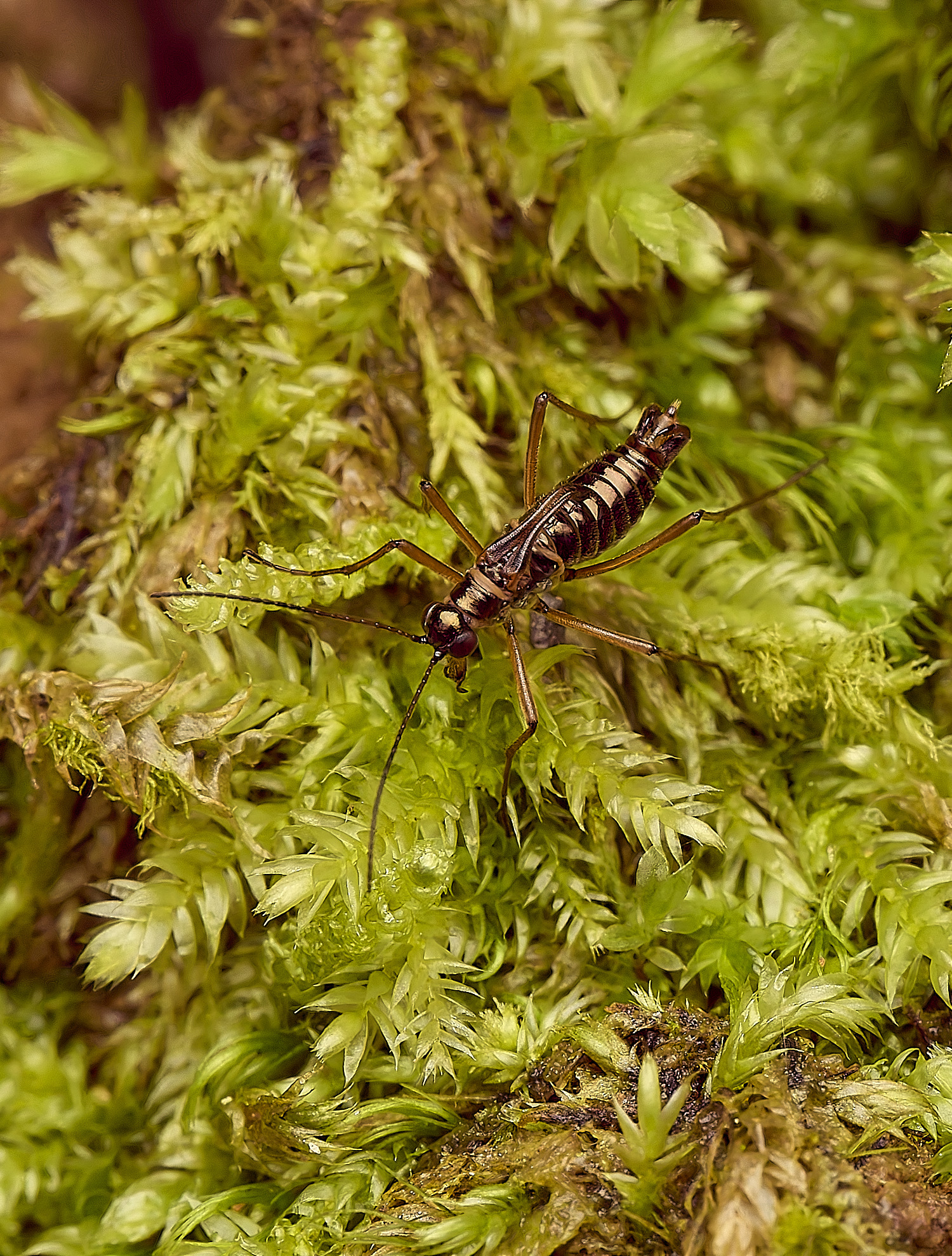
Moss
Elegant Silk-moss (Pseudotaxiphyllum elegans) with the tassles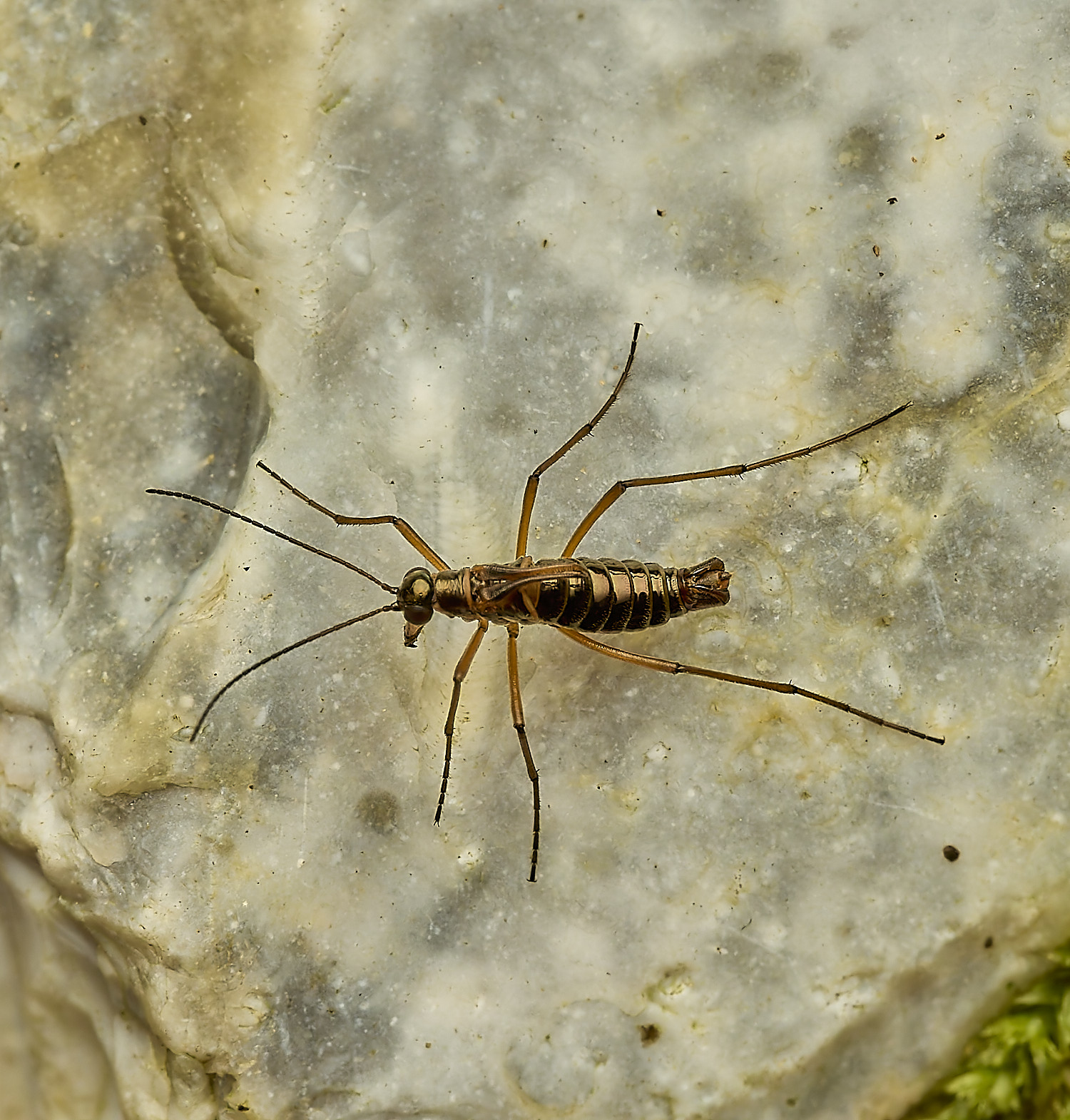
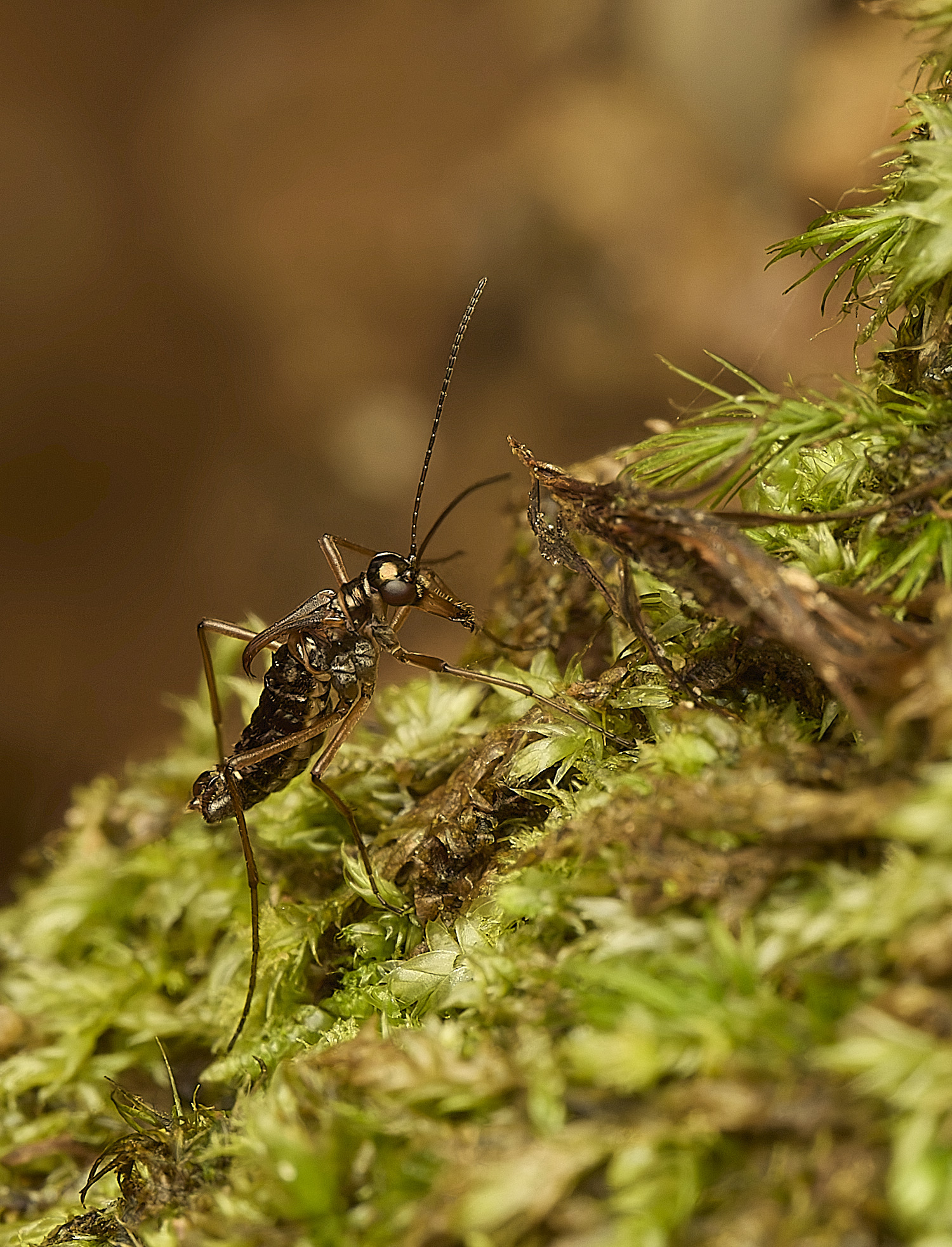
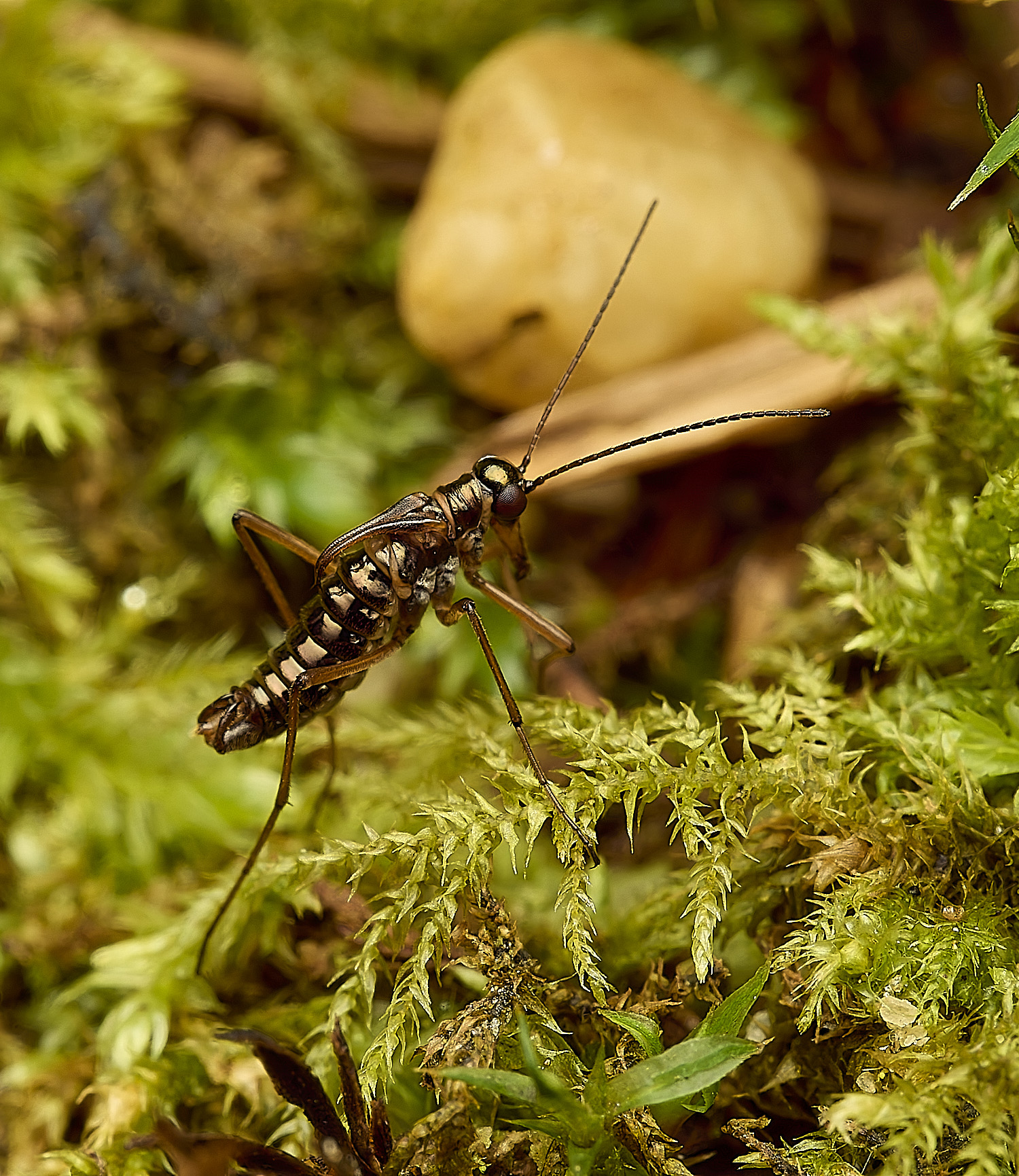
Moss
Common Feather-moss (Kindbergia prolonga)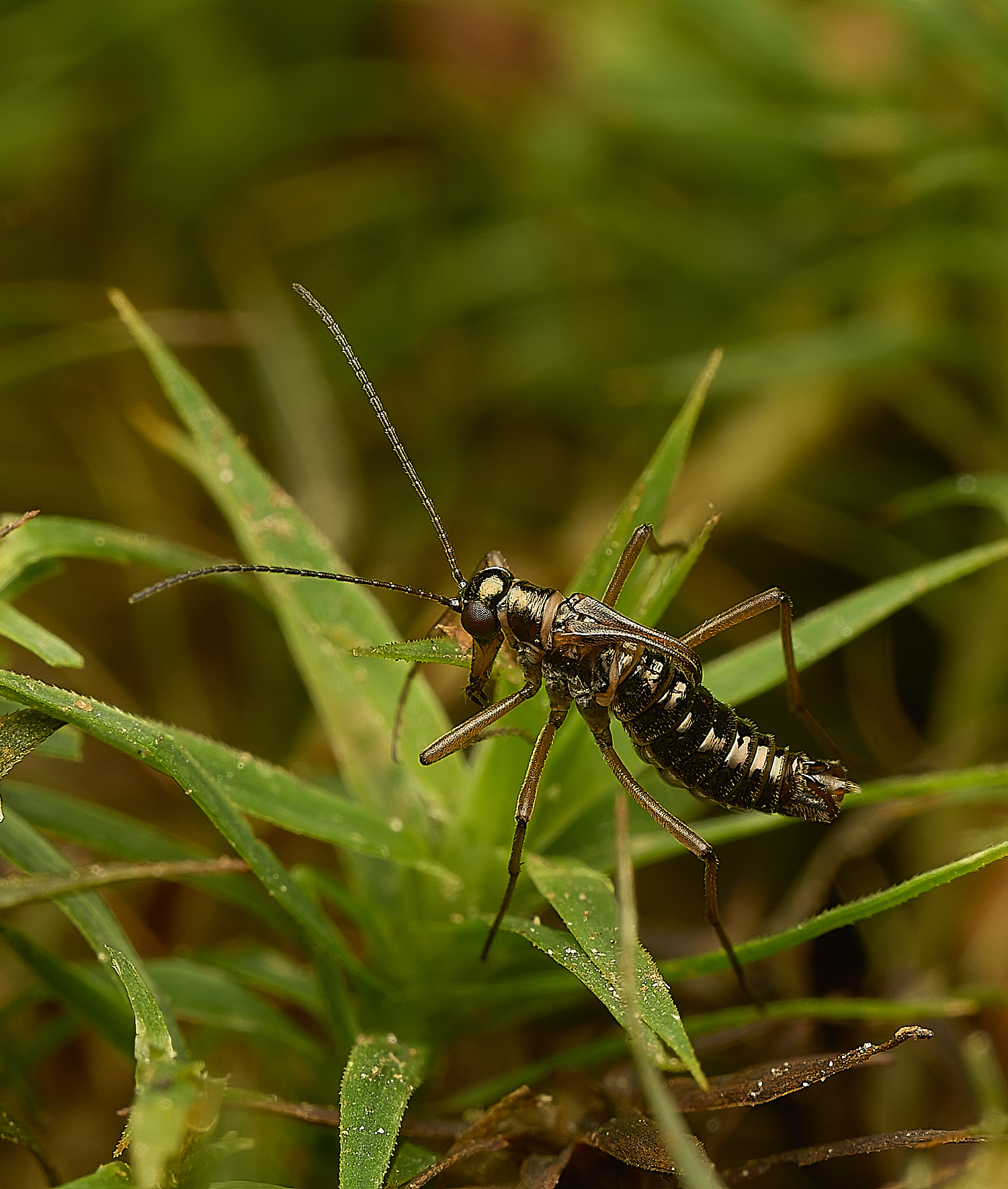
on Bank Haircap (Polytrichum formosum)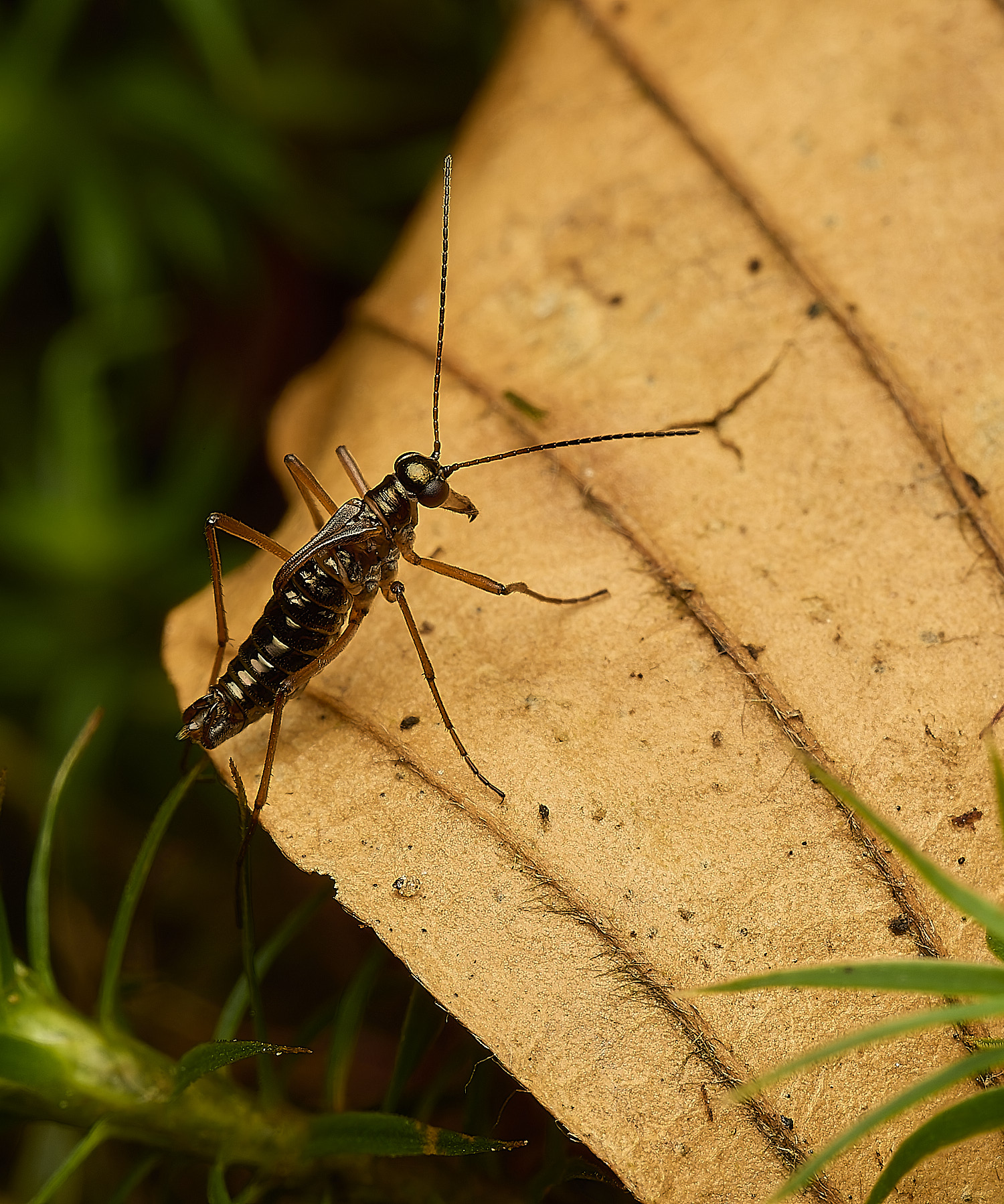
On Bank Haircap (Polytrichum formosum)
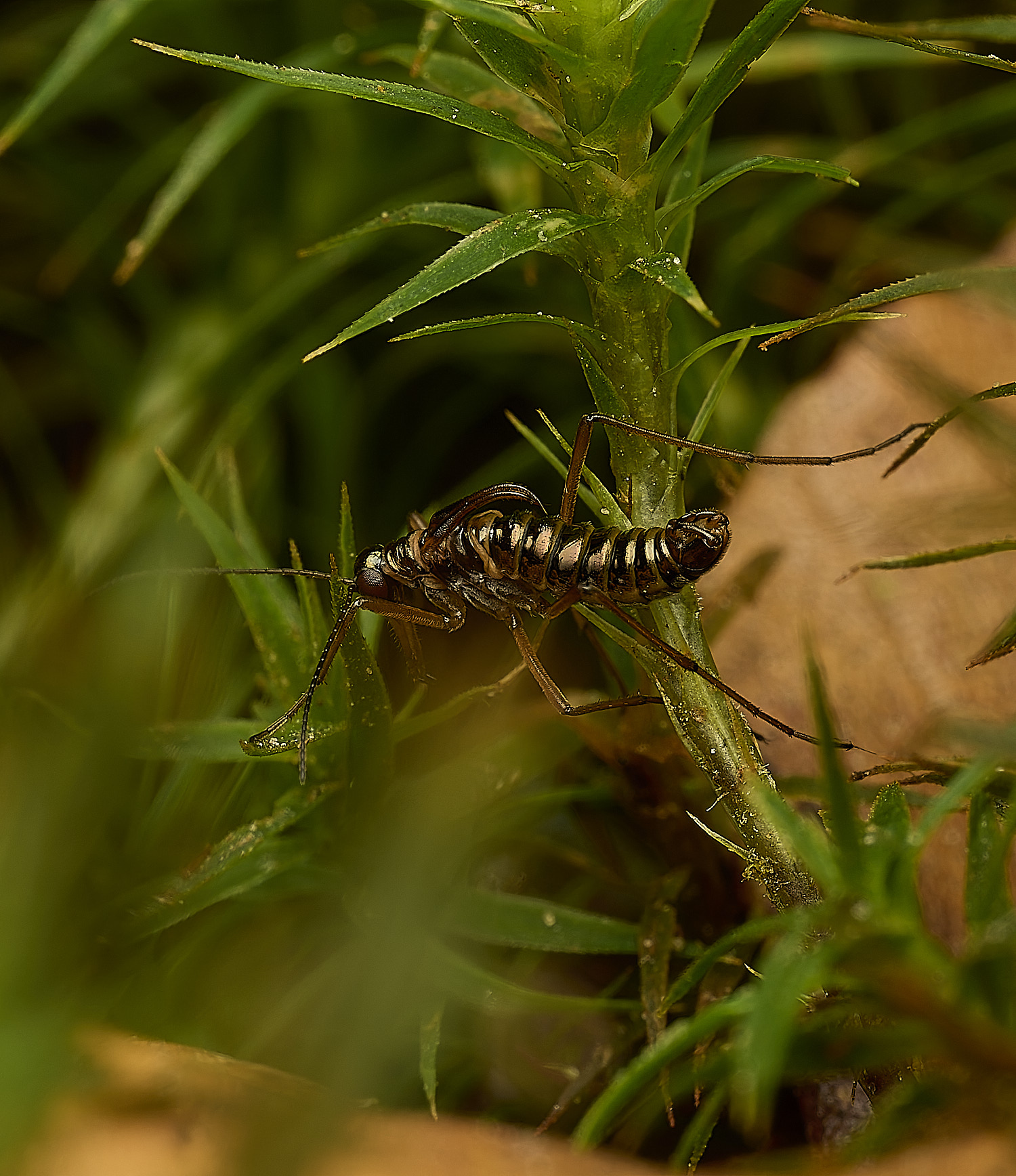
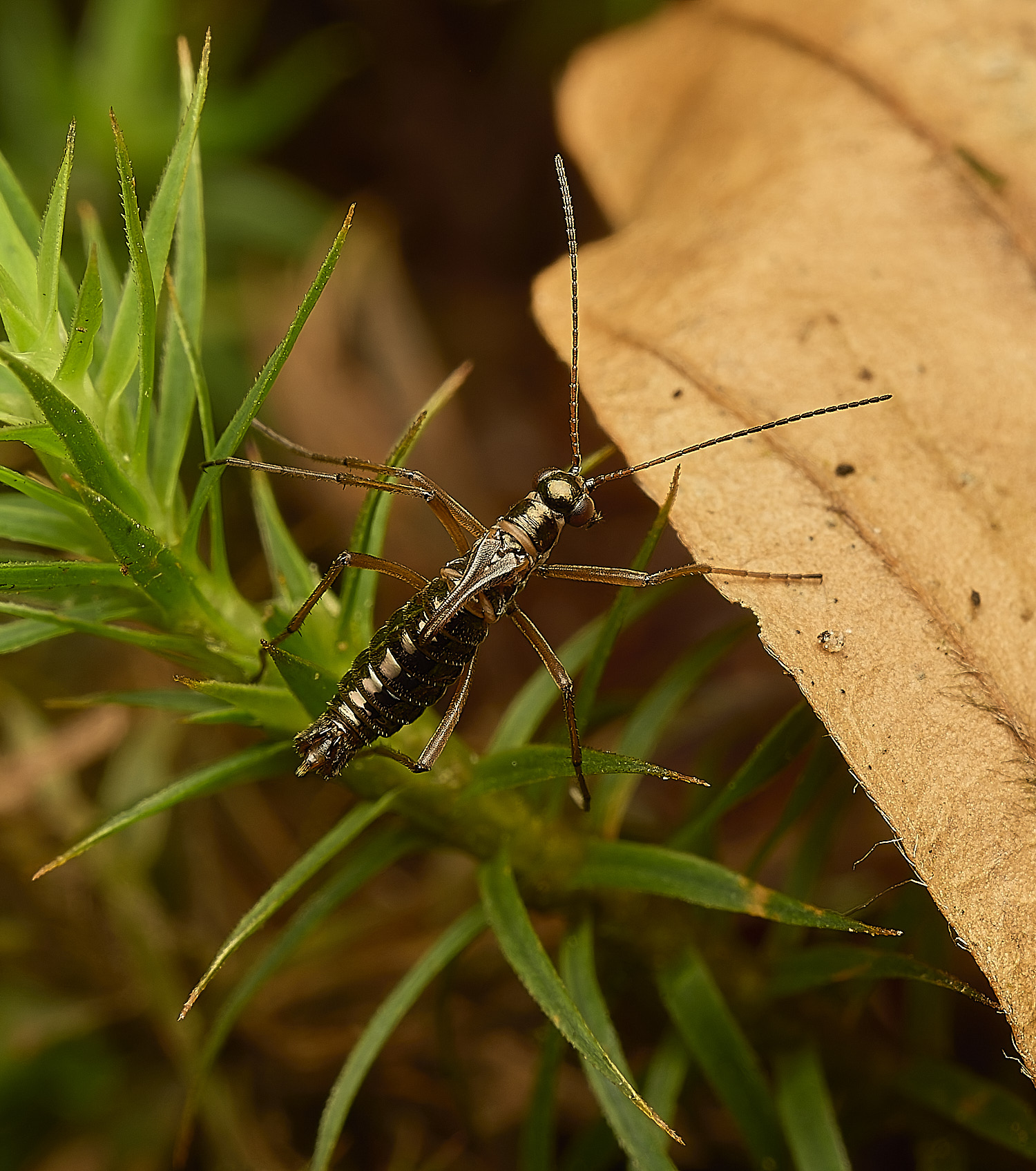
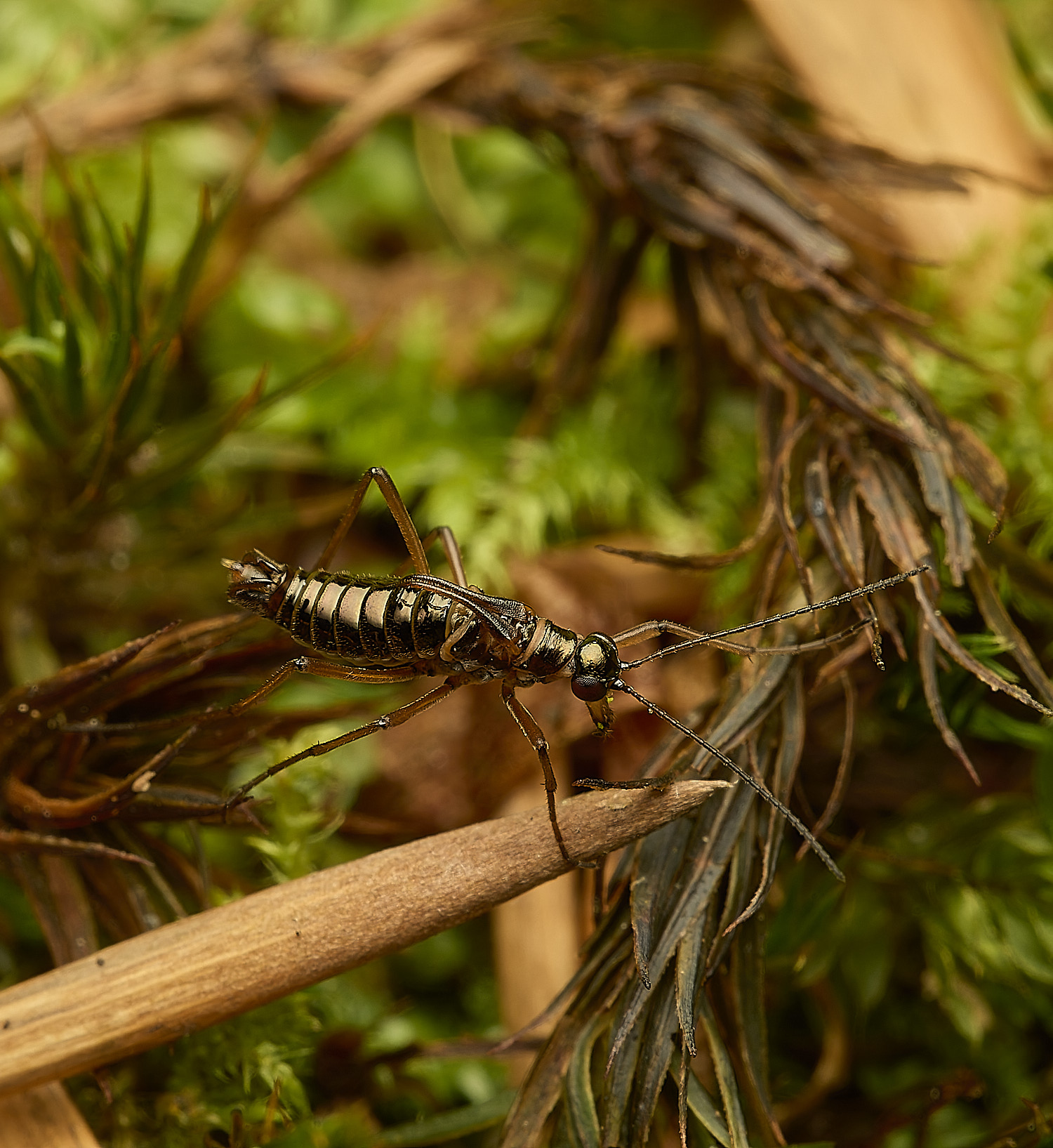
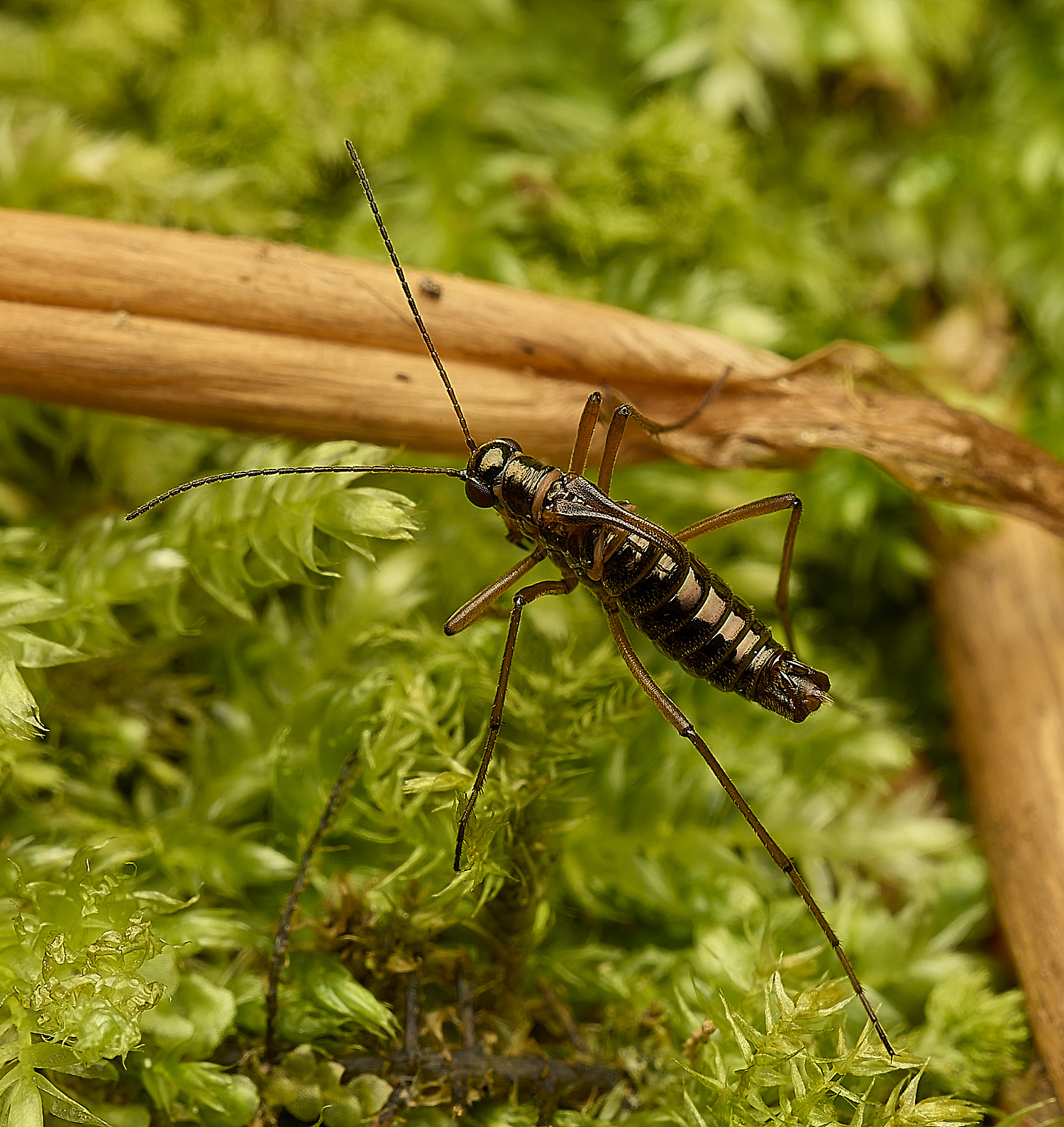
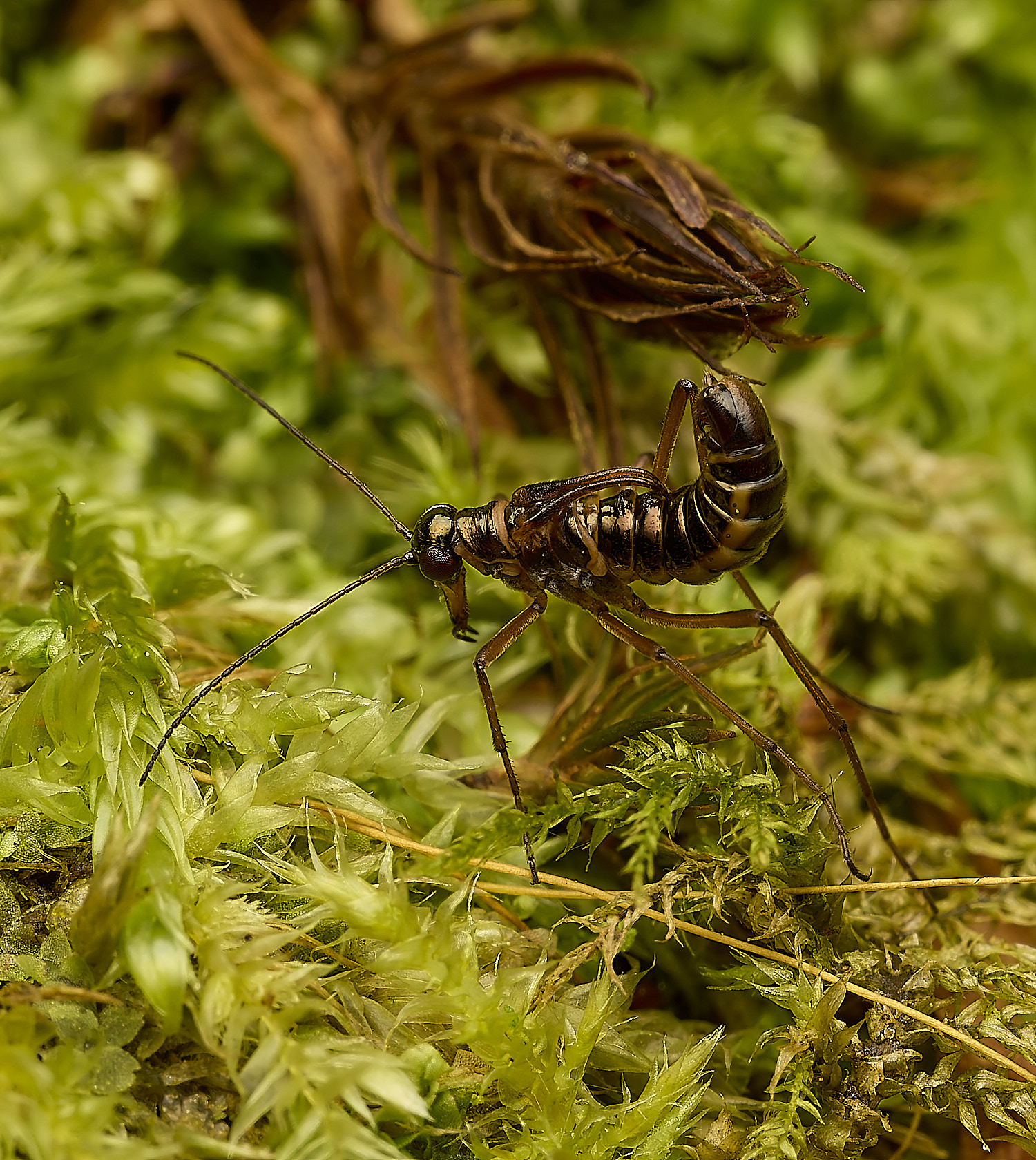
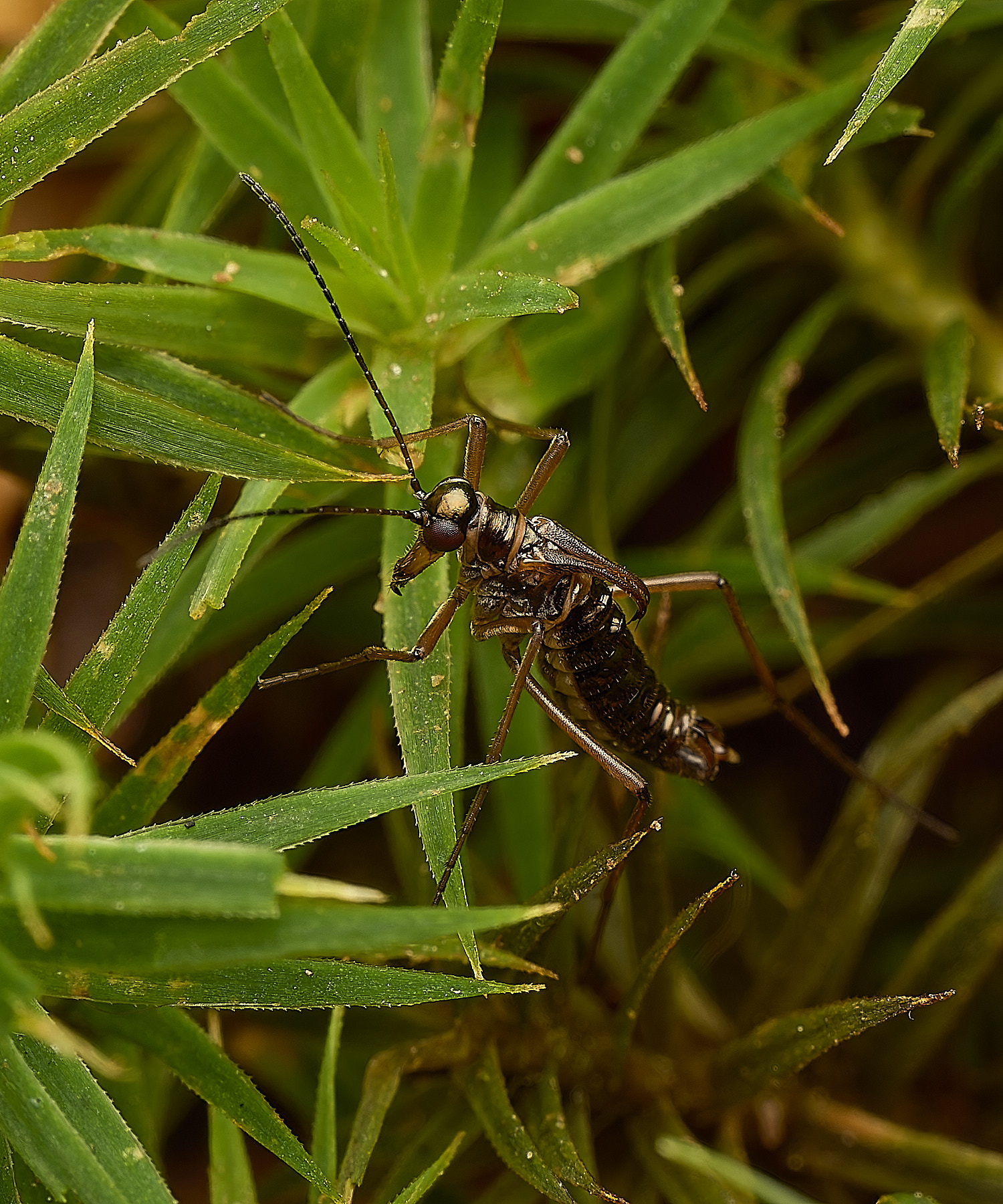
A male Snow Flea (Boreus hyemalis) clambering amongst Mosses & Liverworts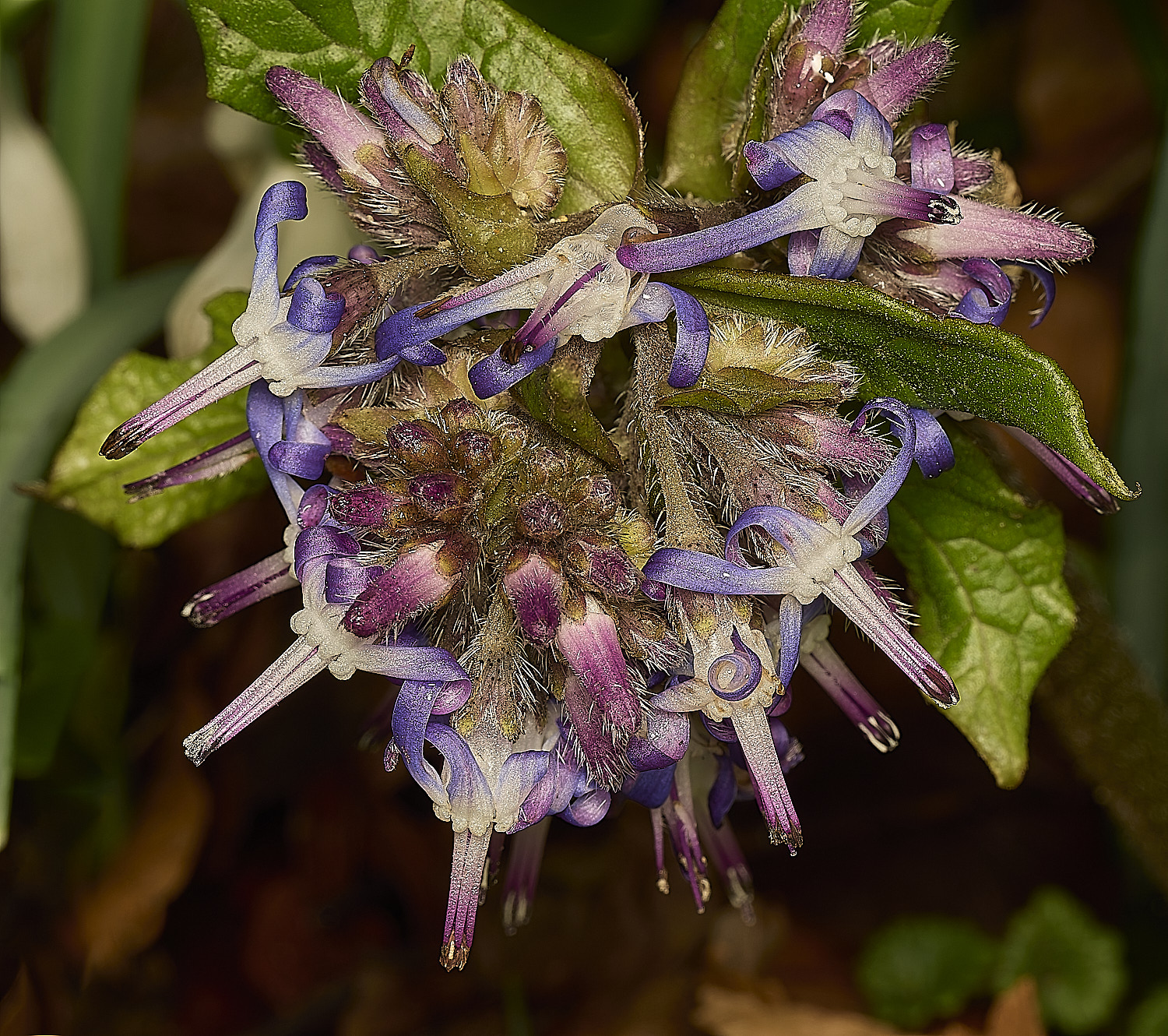
Early-flowering Borage (Tracheystermon orientalis)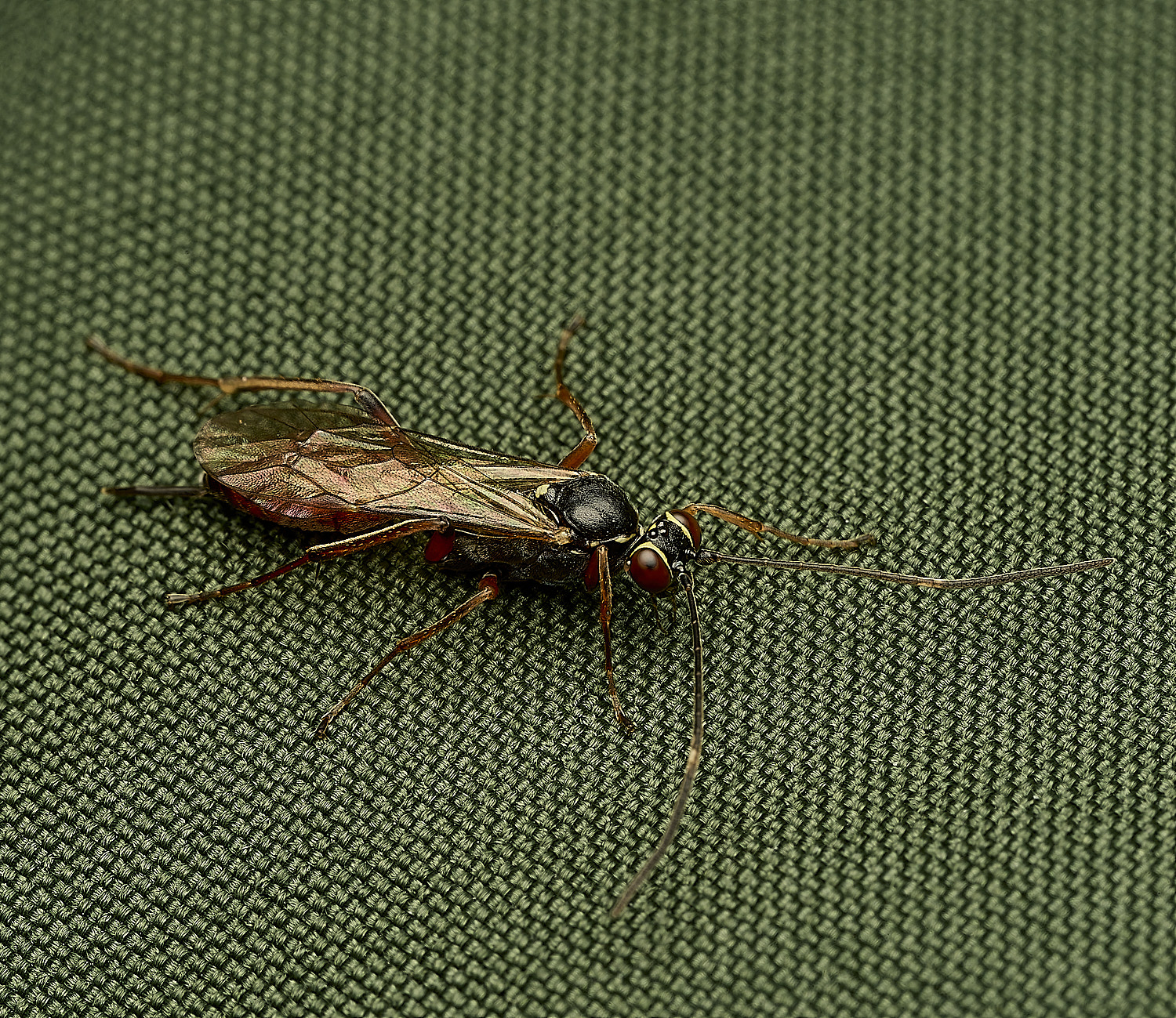
Ichneumon Sp?
Wolterton
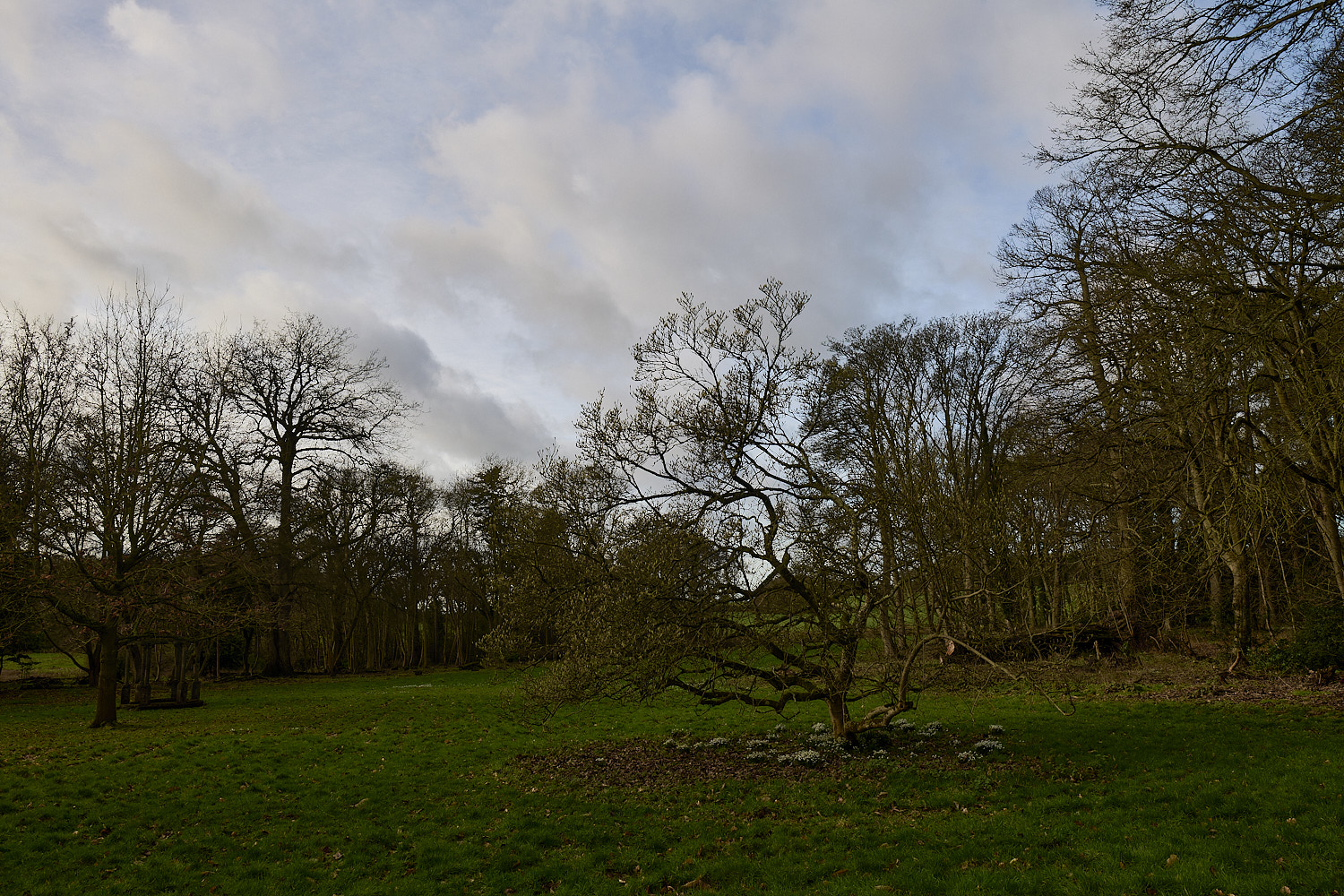
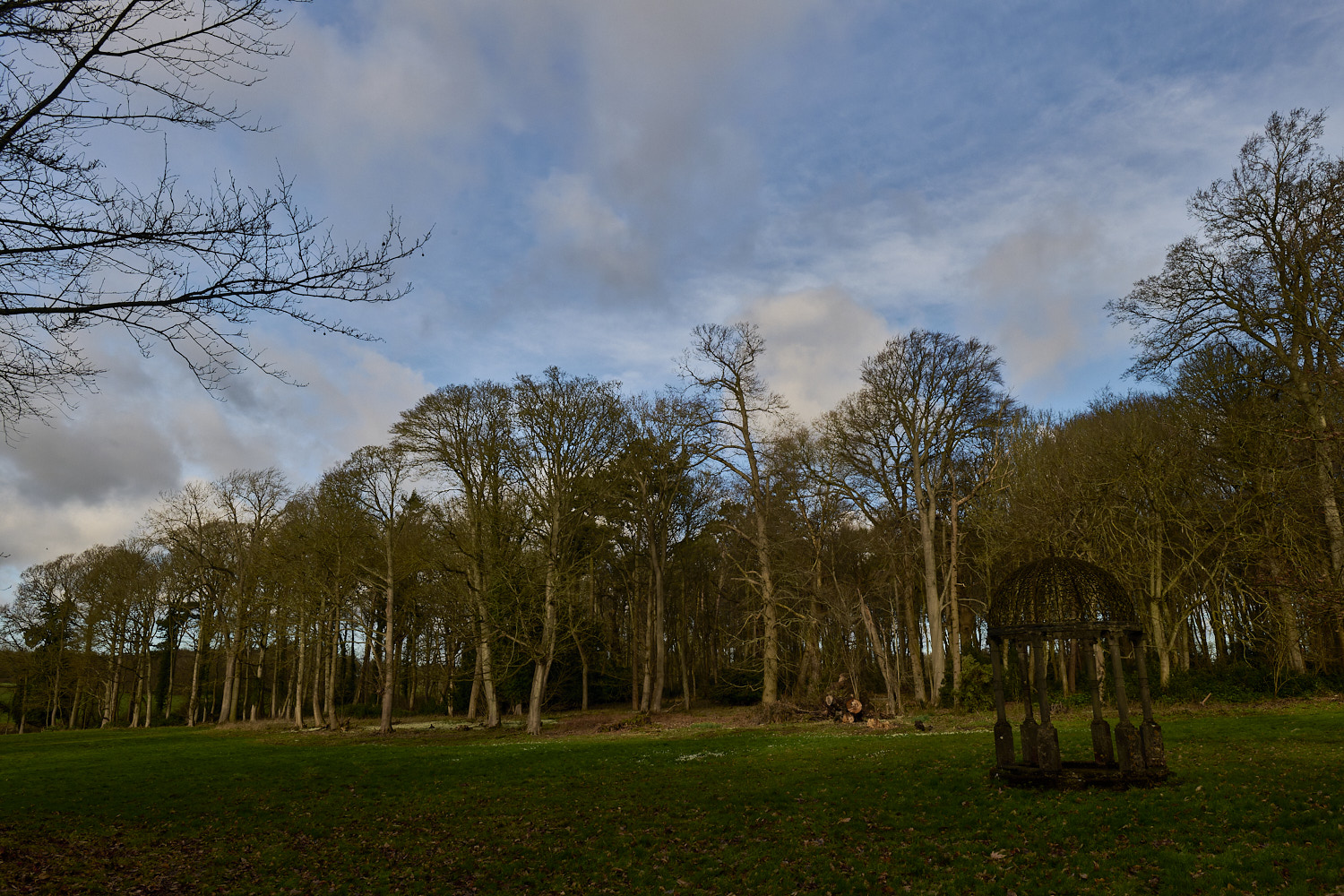
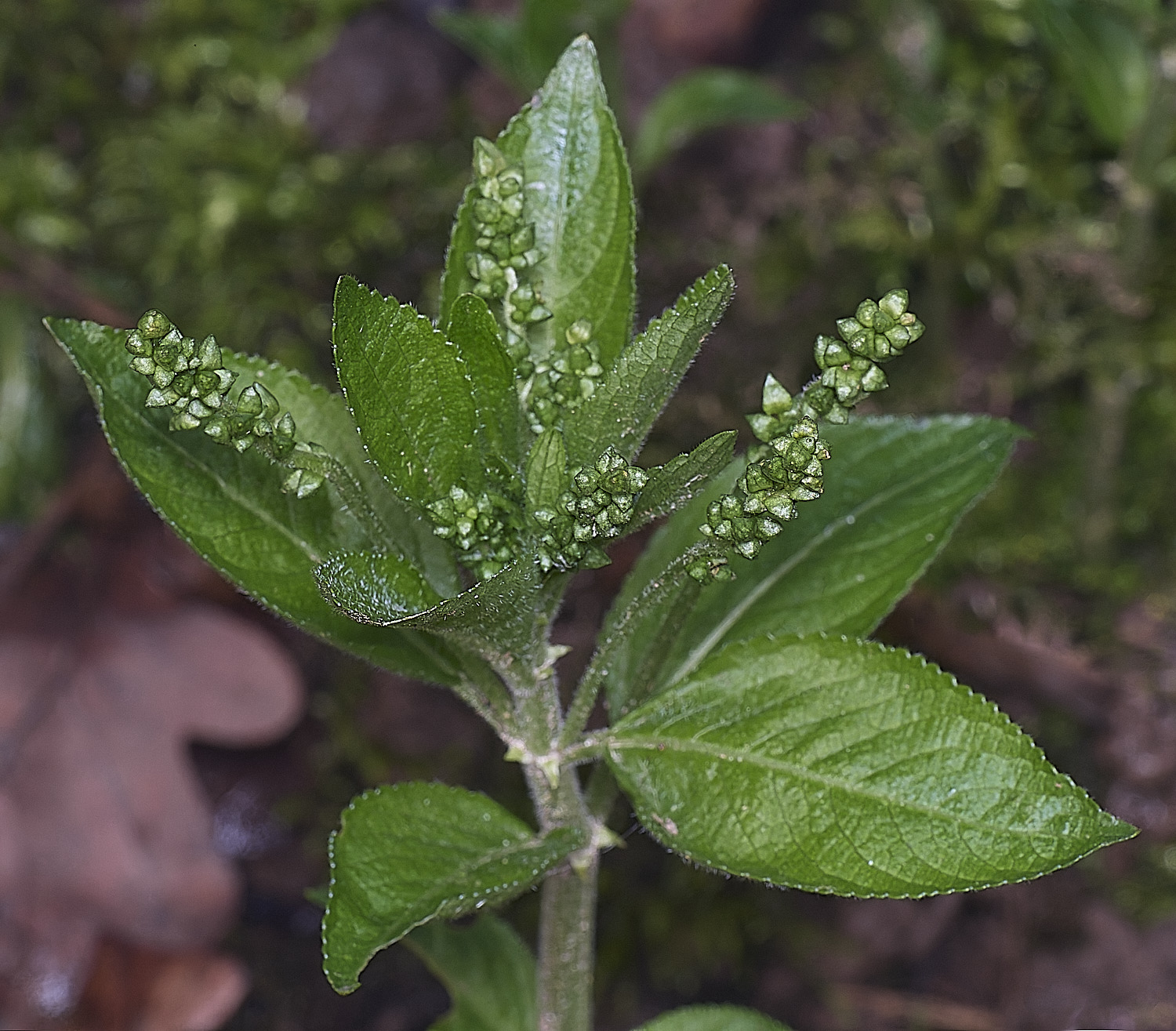
Dog's Mercury (Mercurialis perennis)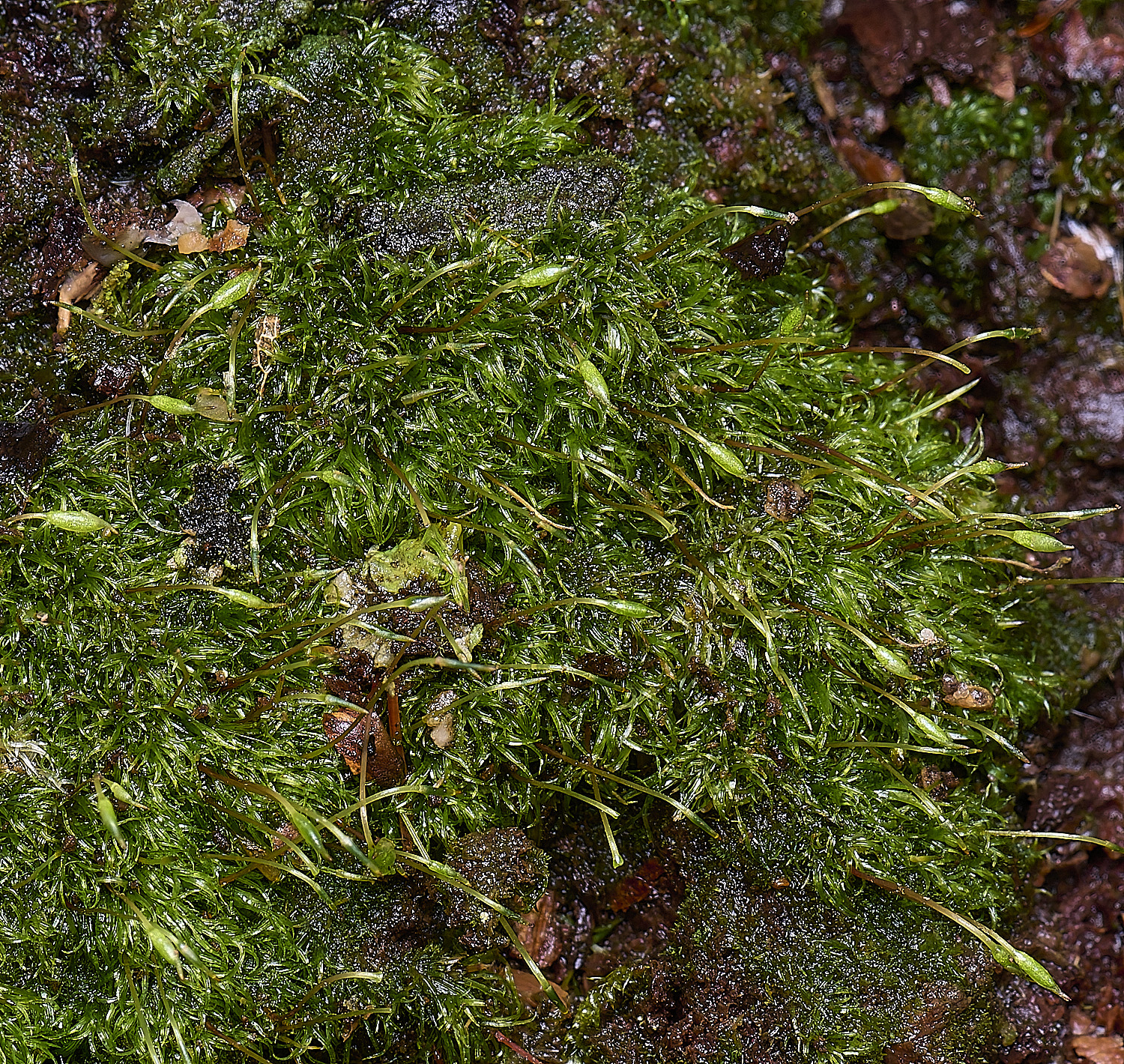
Cape Thread-moss (Orhtodontium lineare)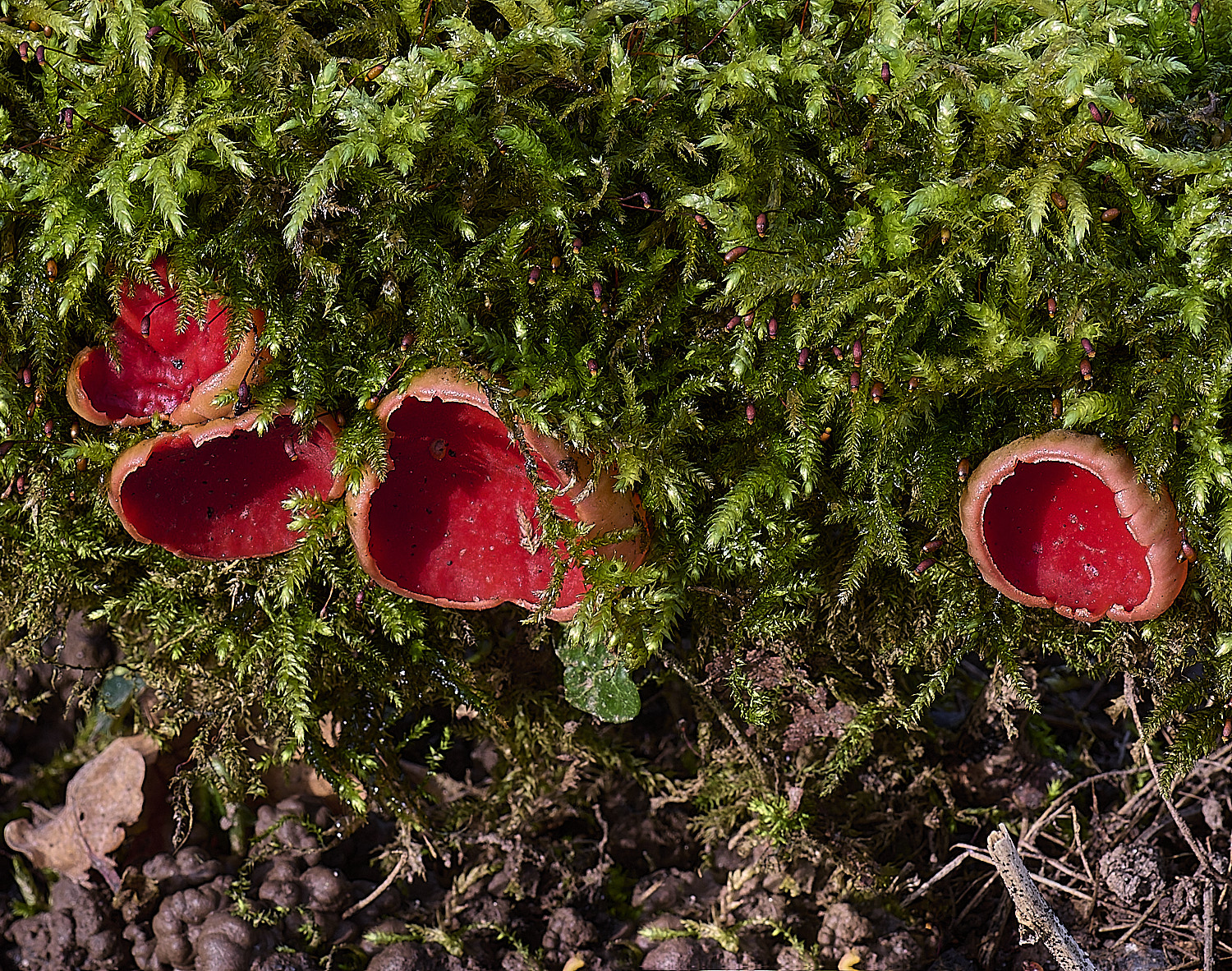
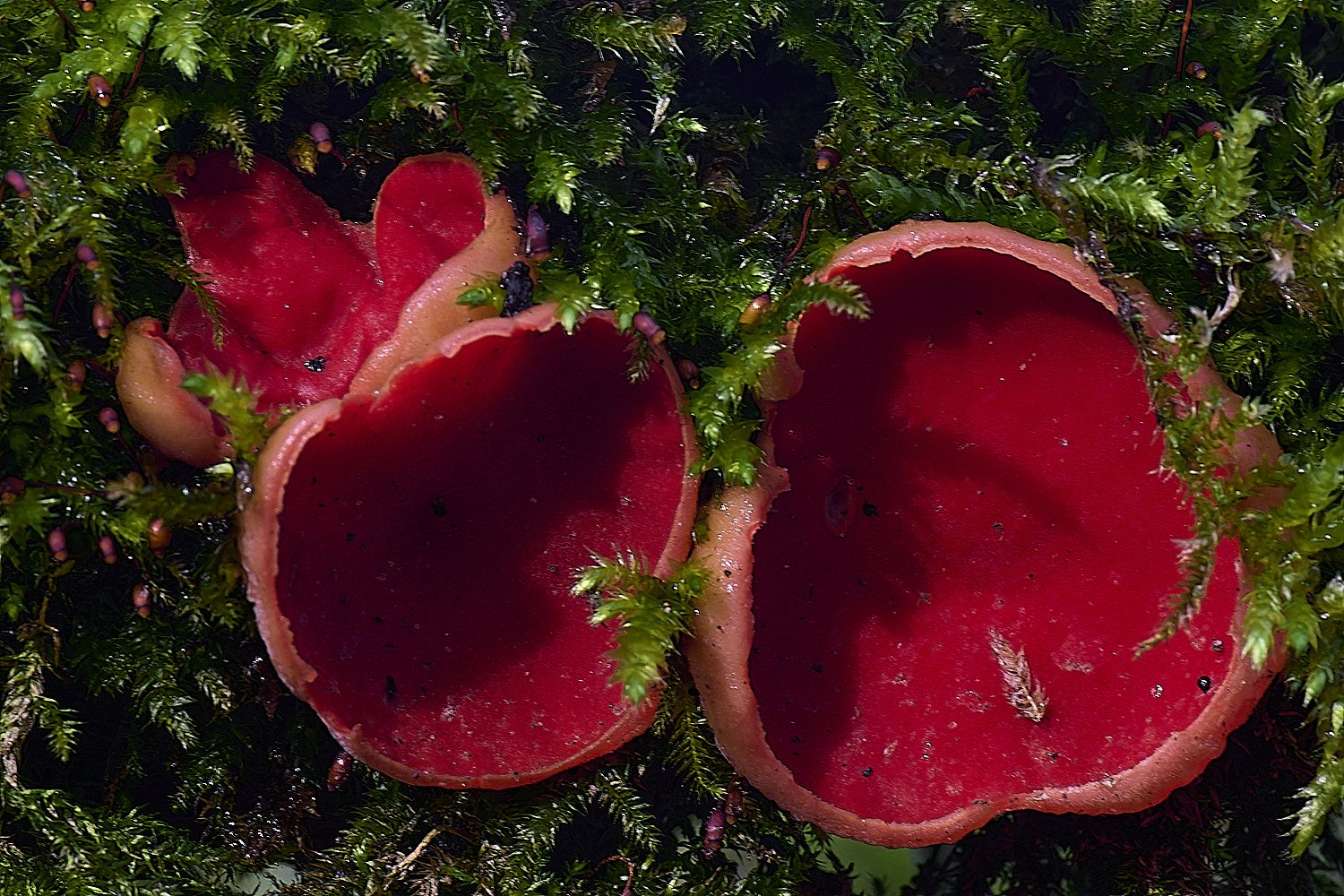
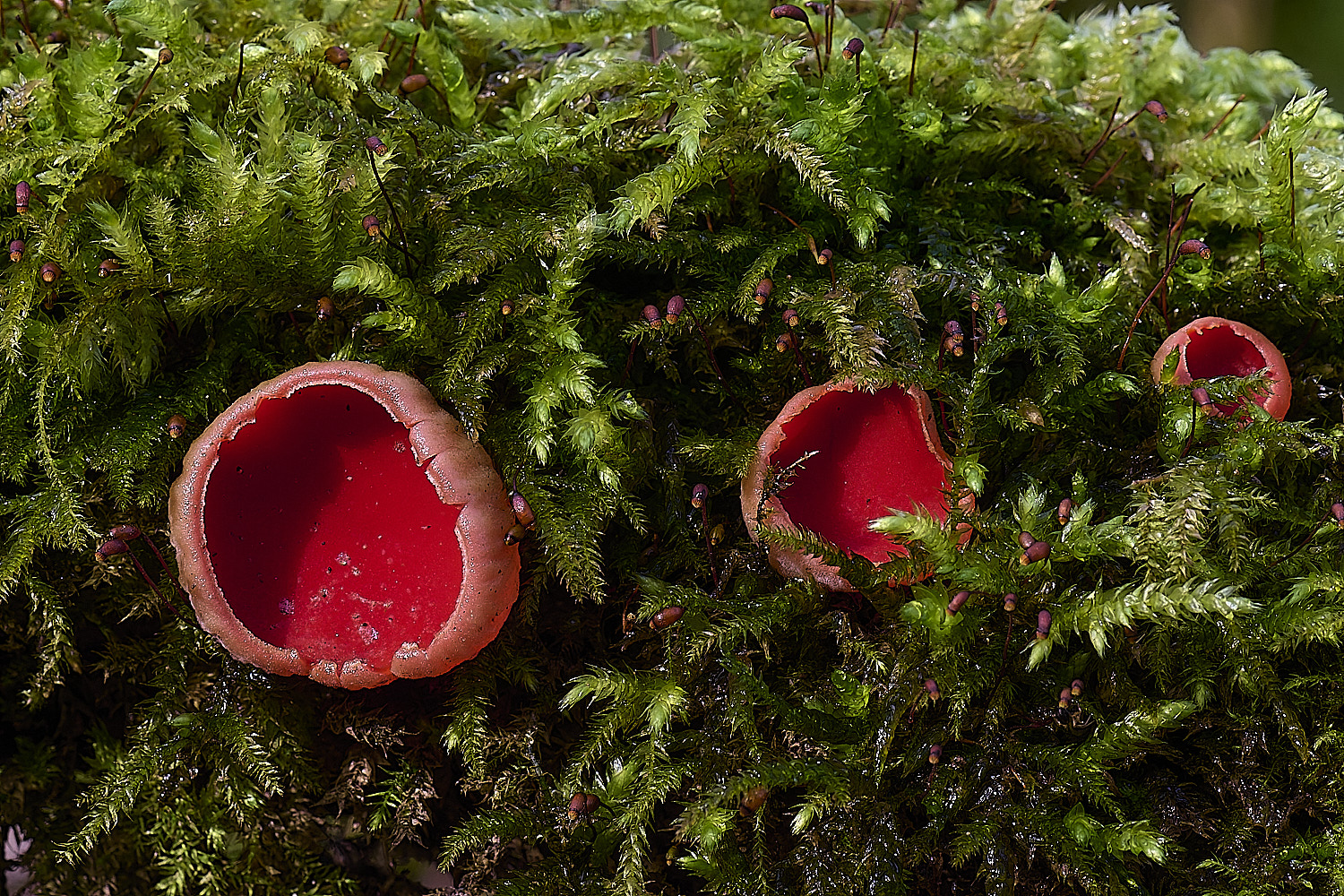
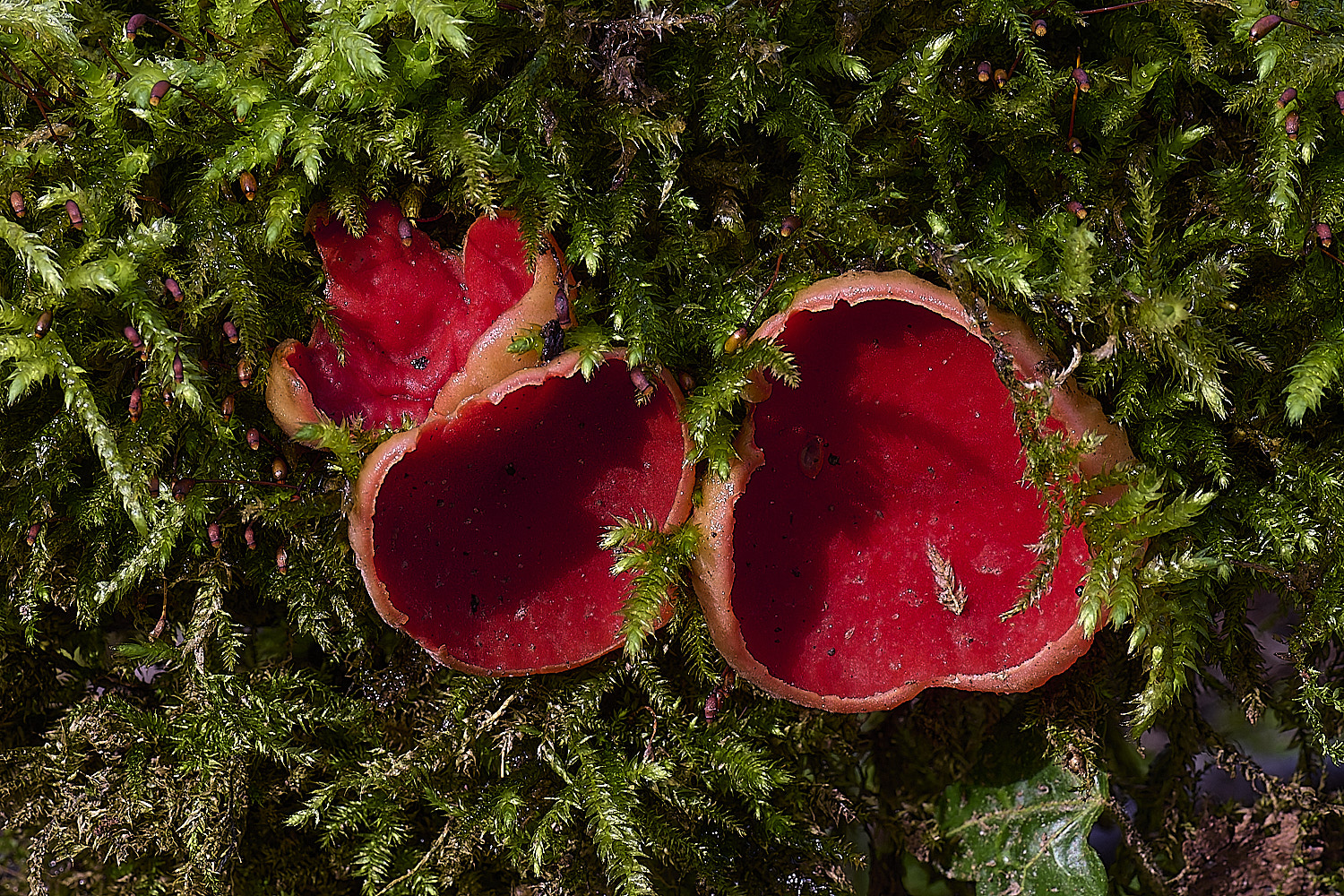
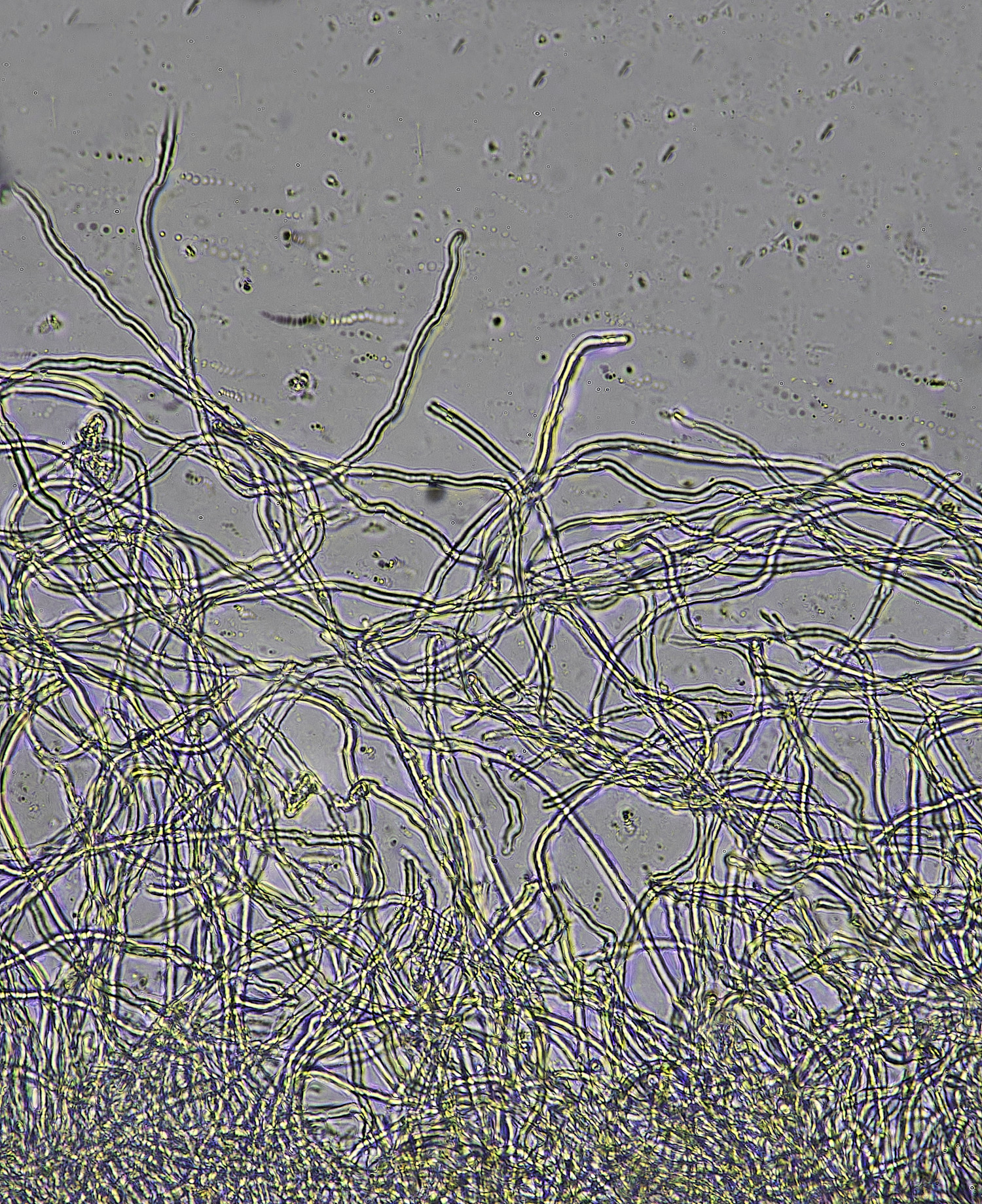
The hairs on the surface of the Elfcup are matted but not coiled
Thus
But not a foolproof method.
T
The fact that the hairs are septate contribute to a more confirmed id.
Ruby Elf Cup (Sarcoscypha coccinea)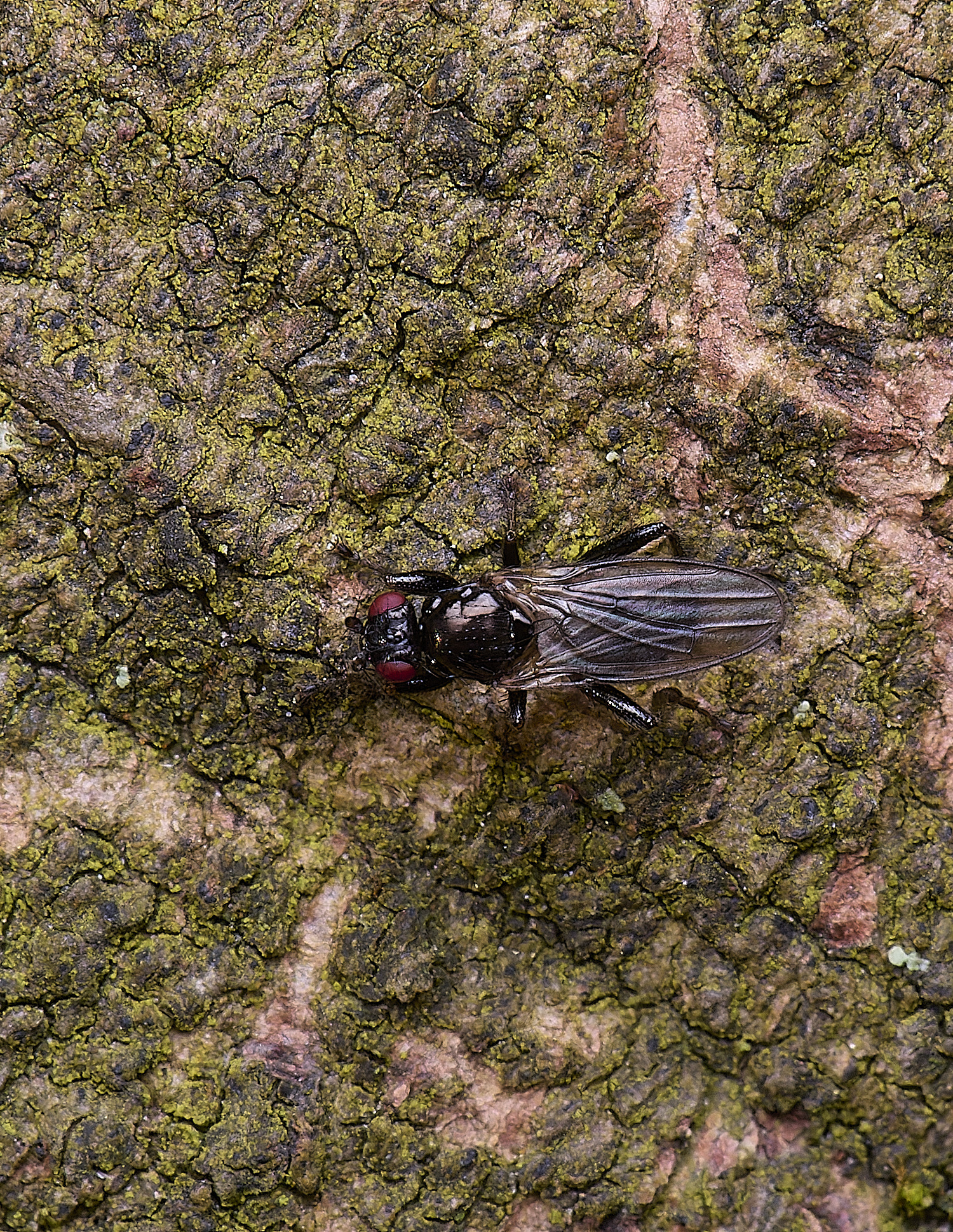
Fly Sp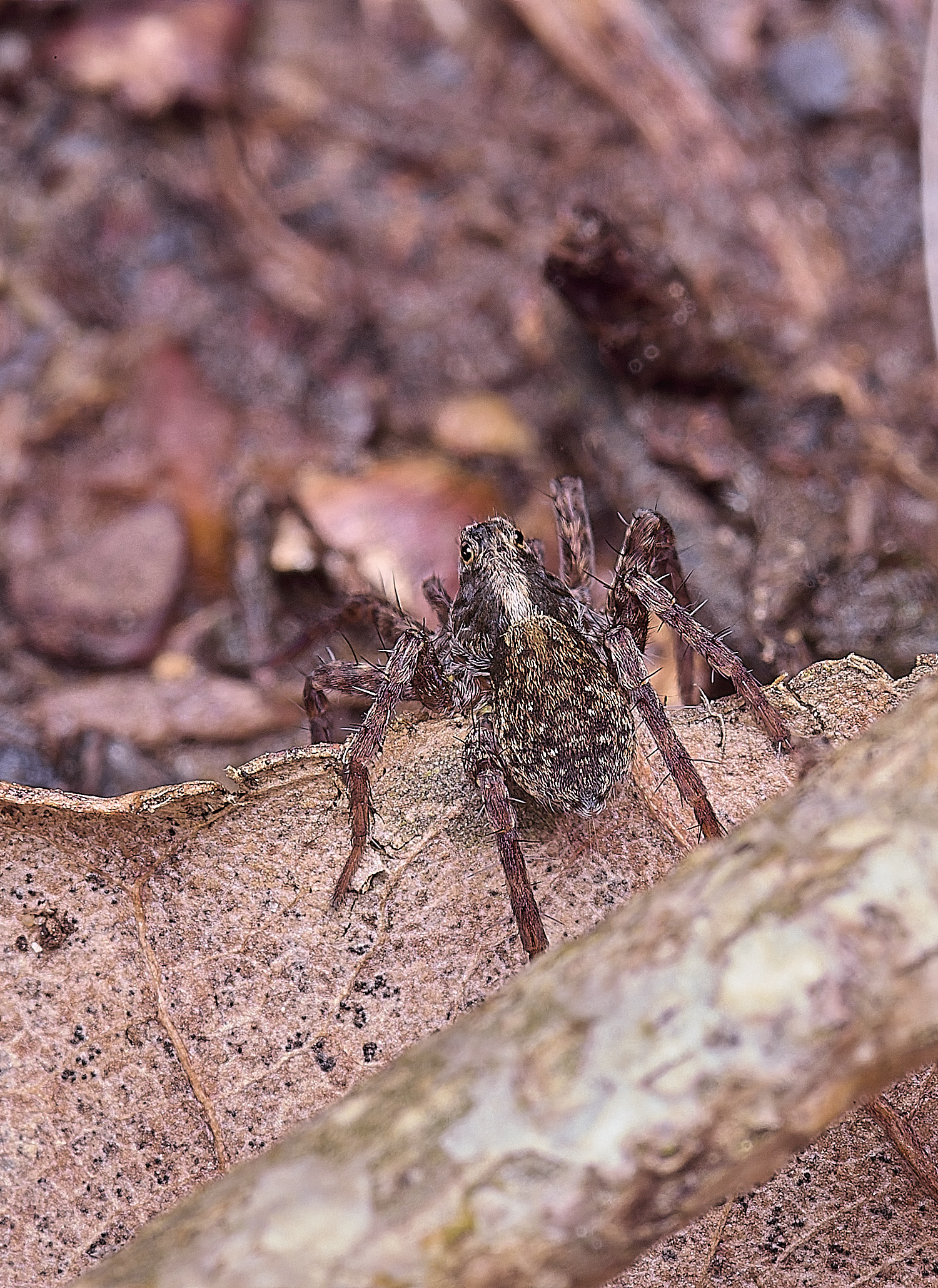
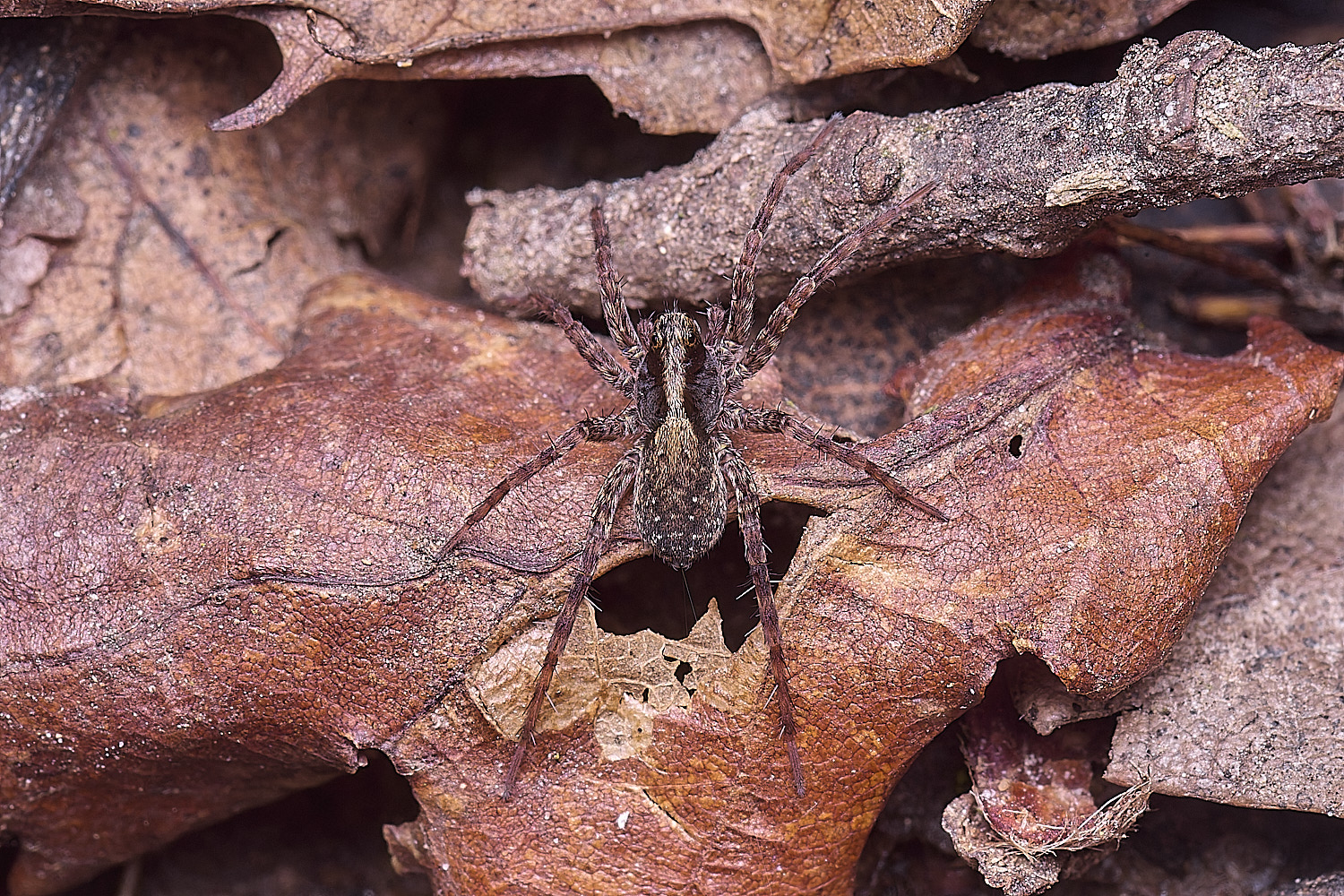
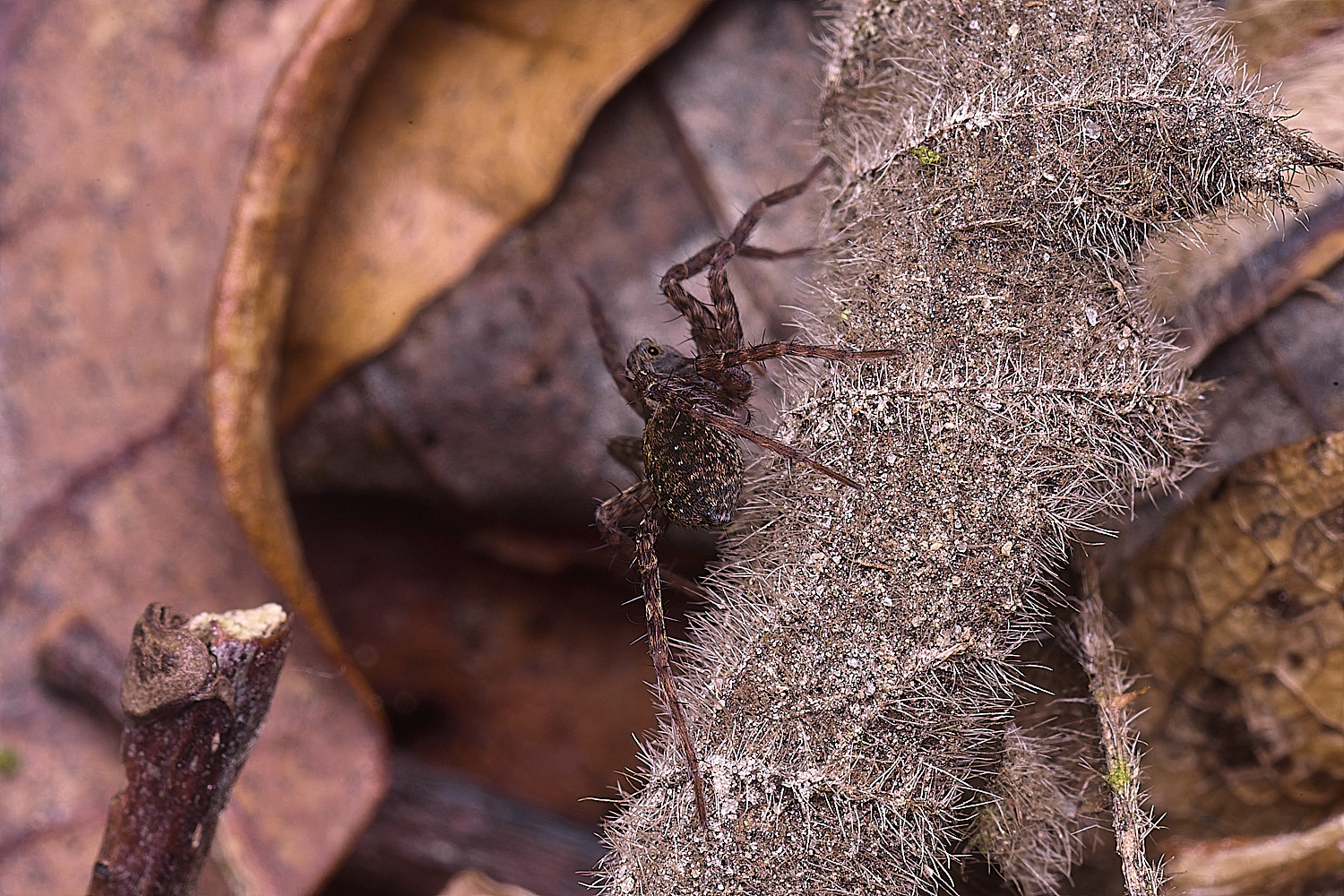
Spider Sp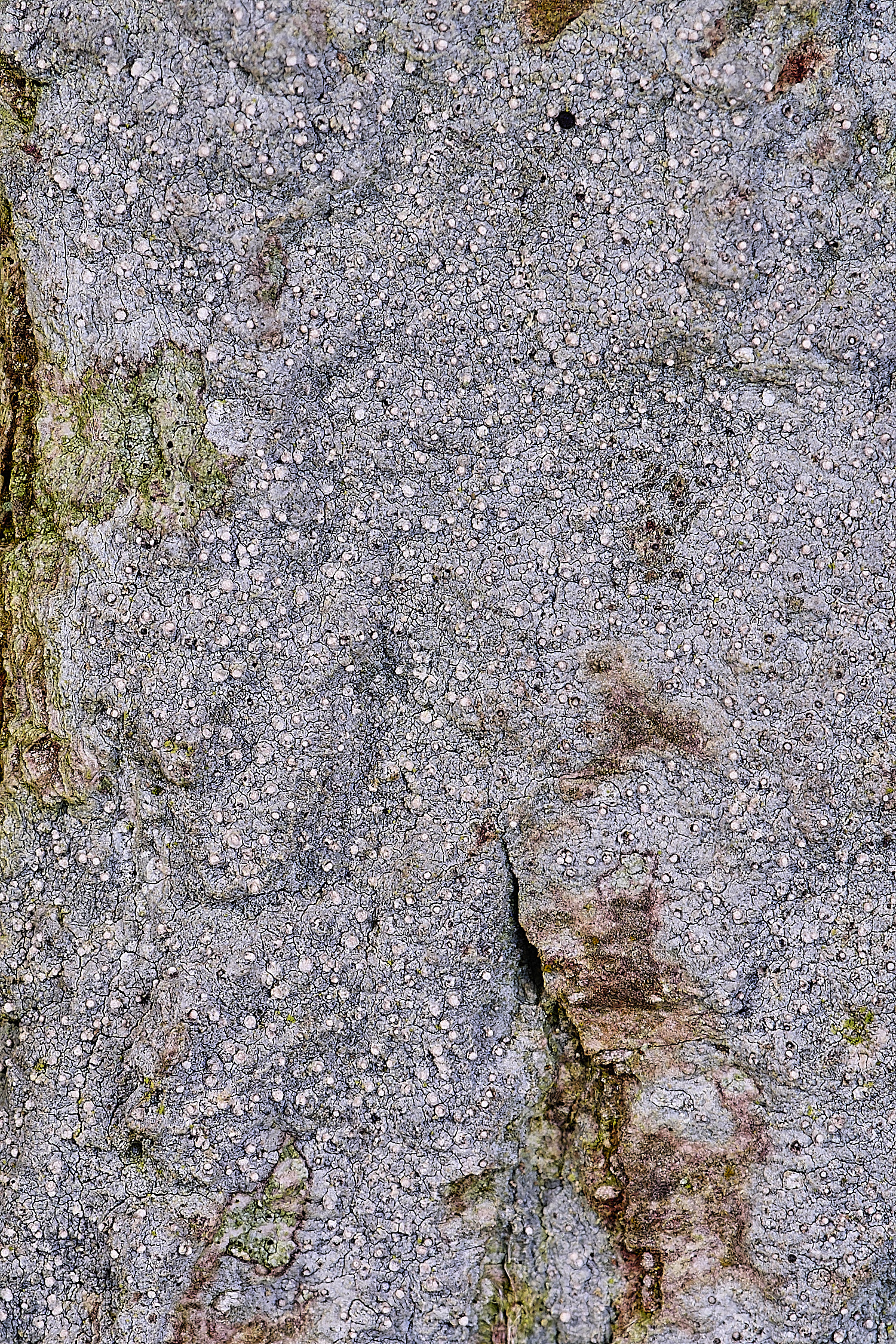
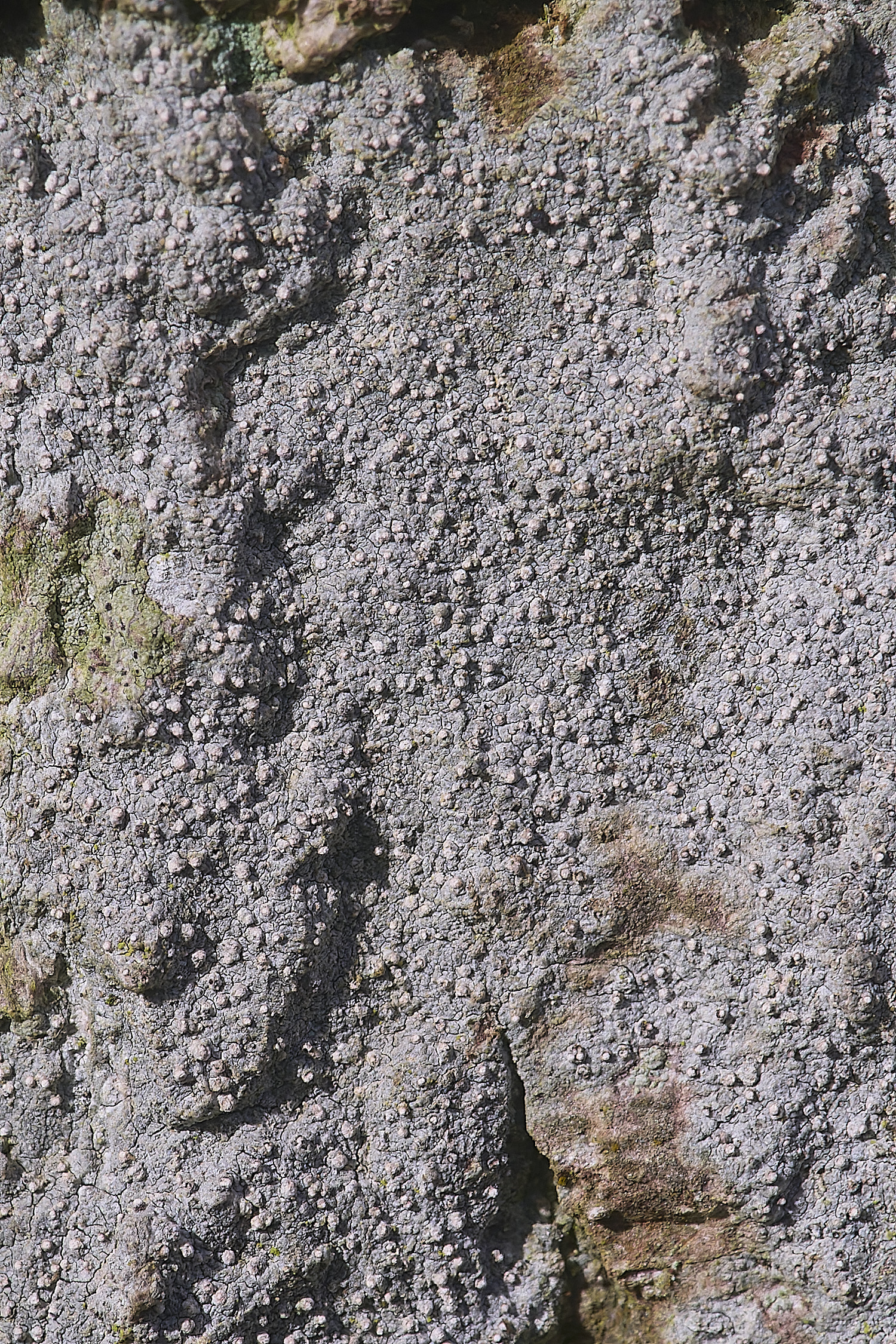
Lecanactis abietina
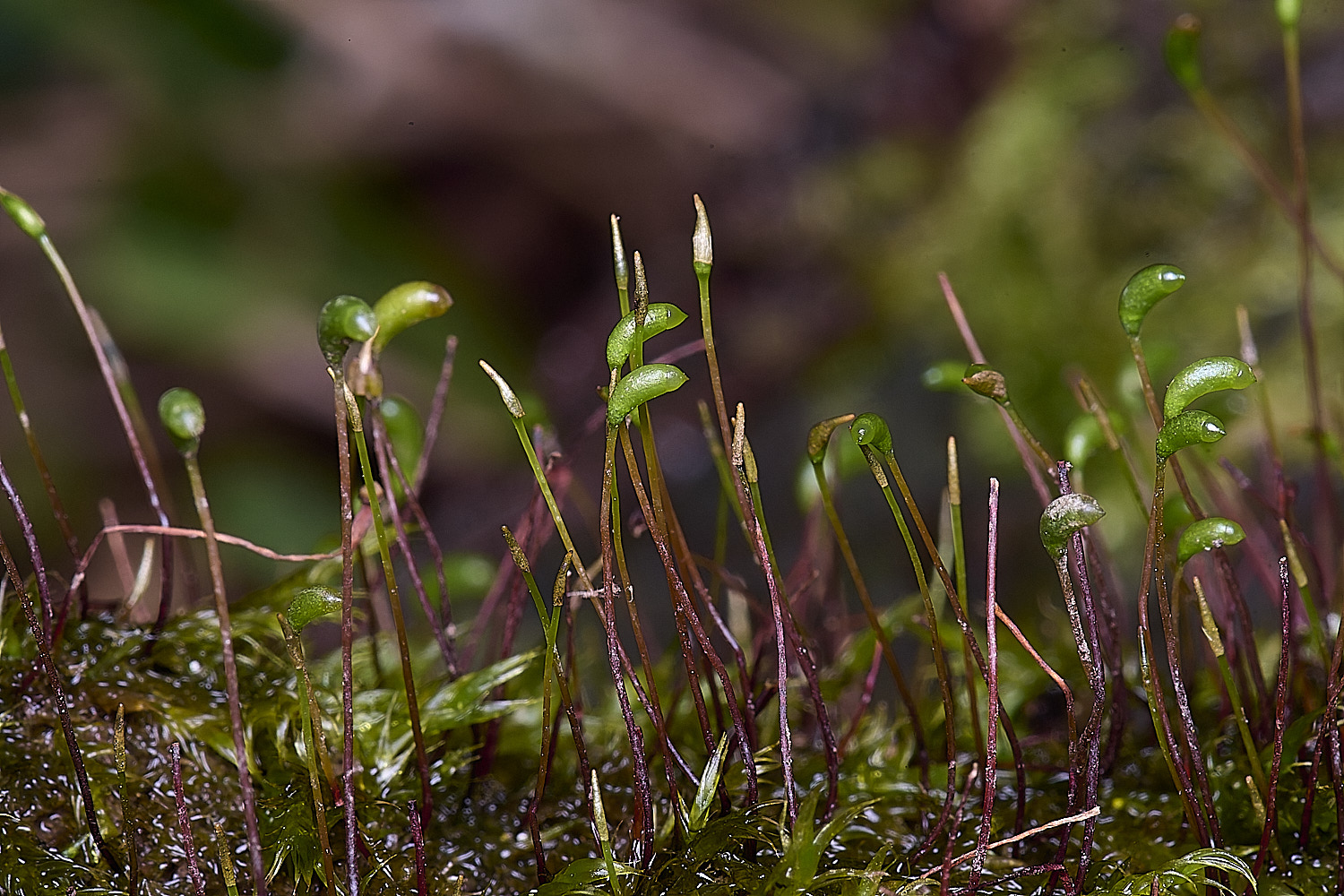
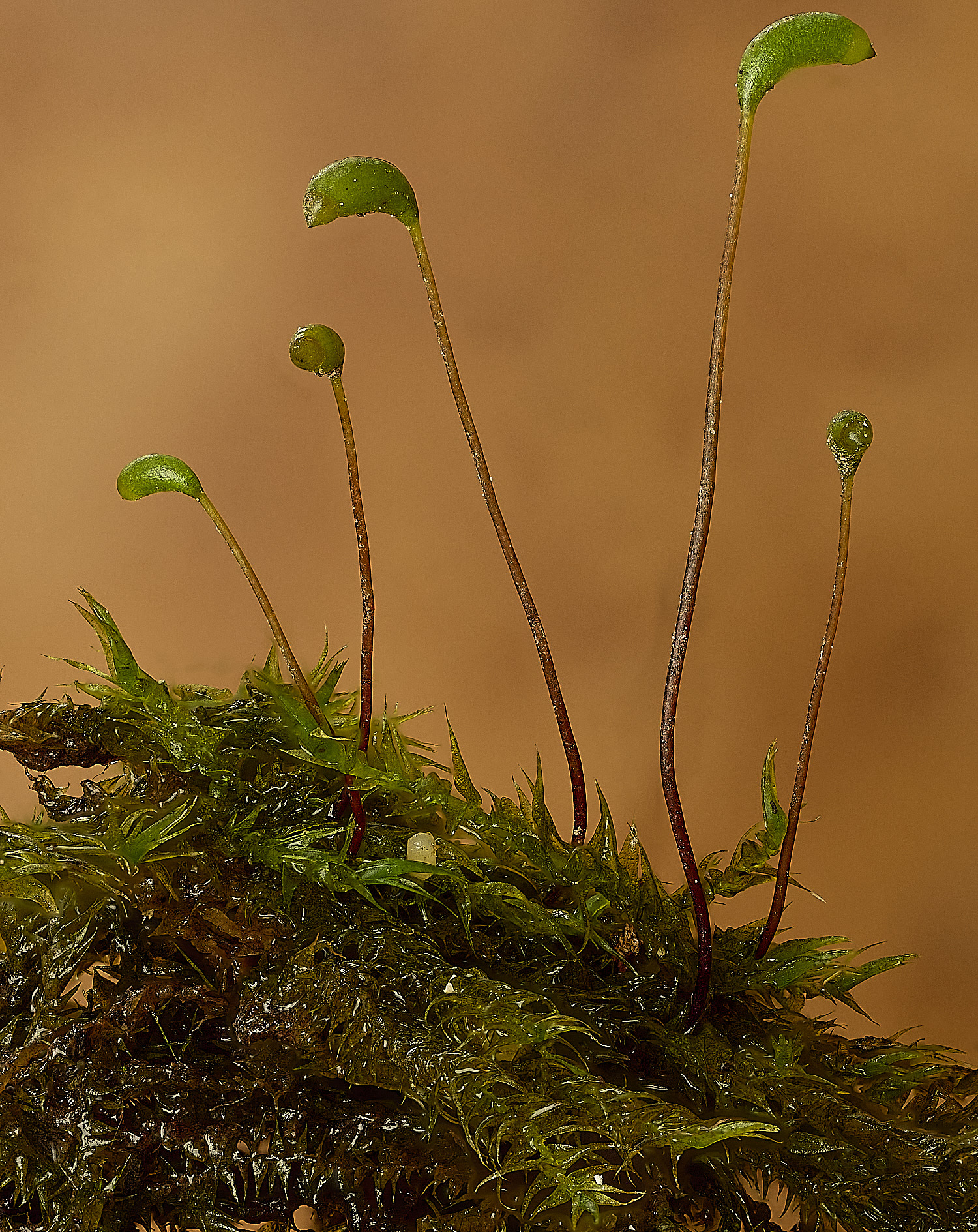
Kneiff's Feather-moss (Leptodictyum riparum)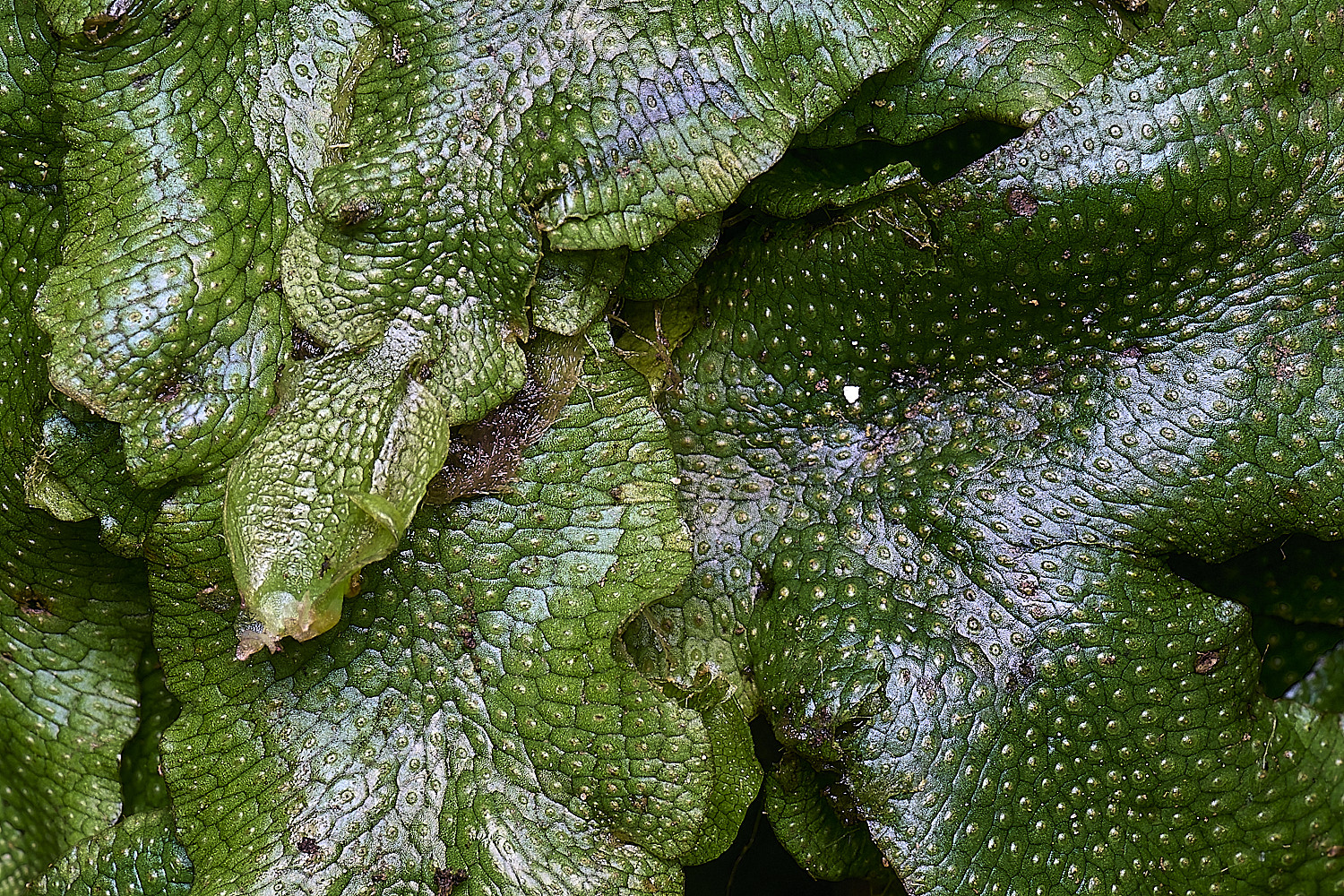
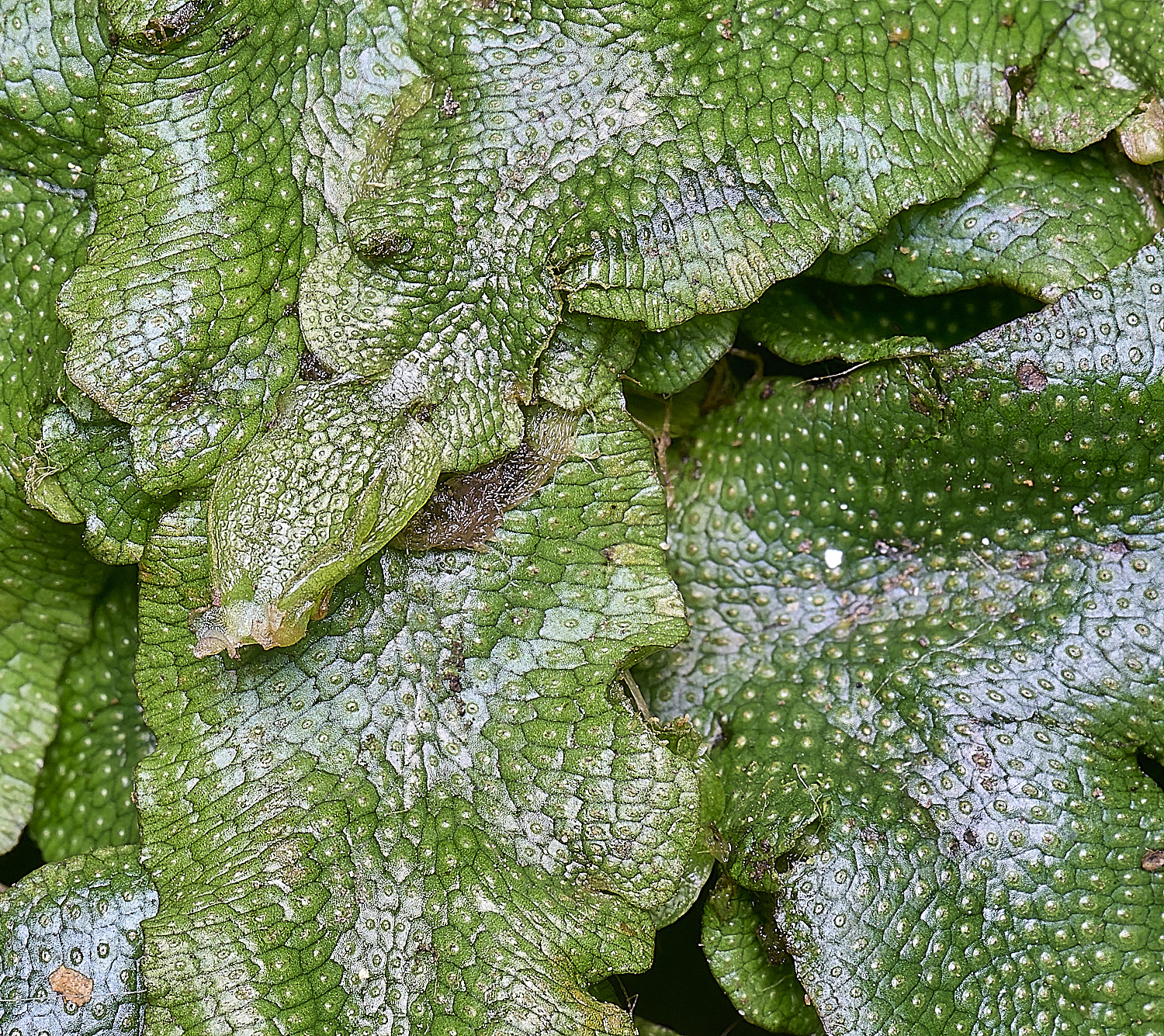
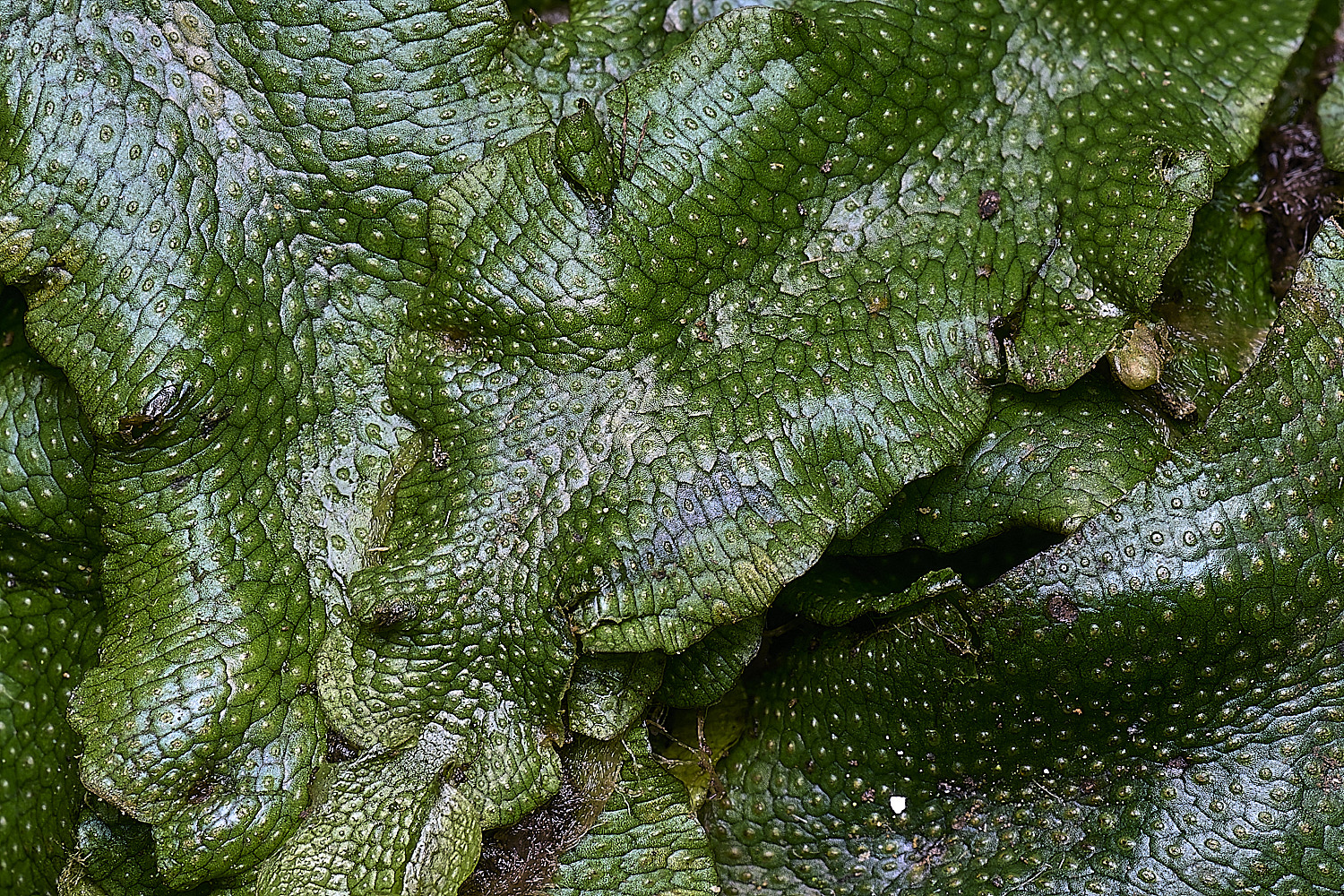
Greet Scented Liverwort (Conocephalum conicum)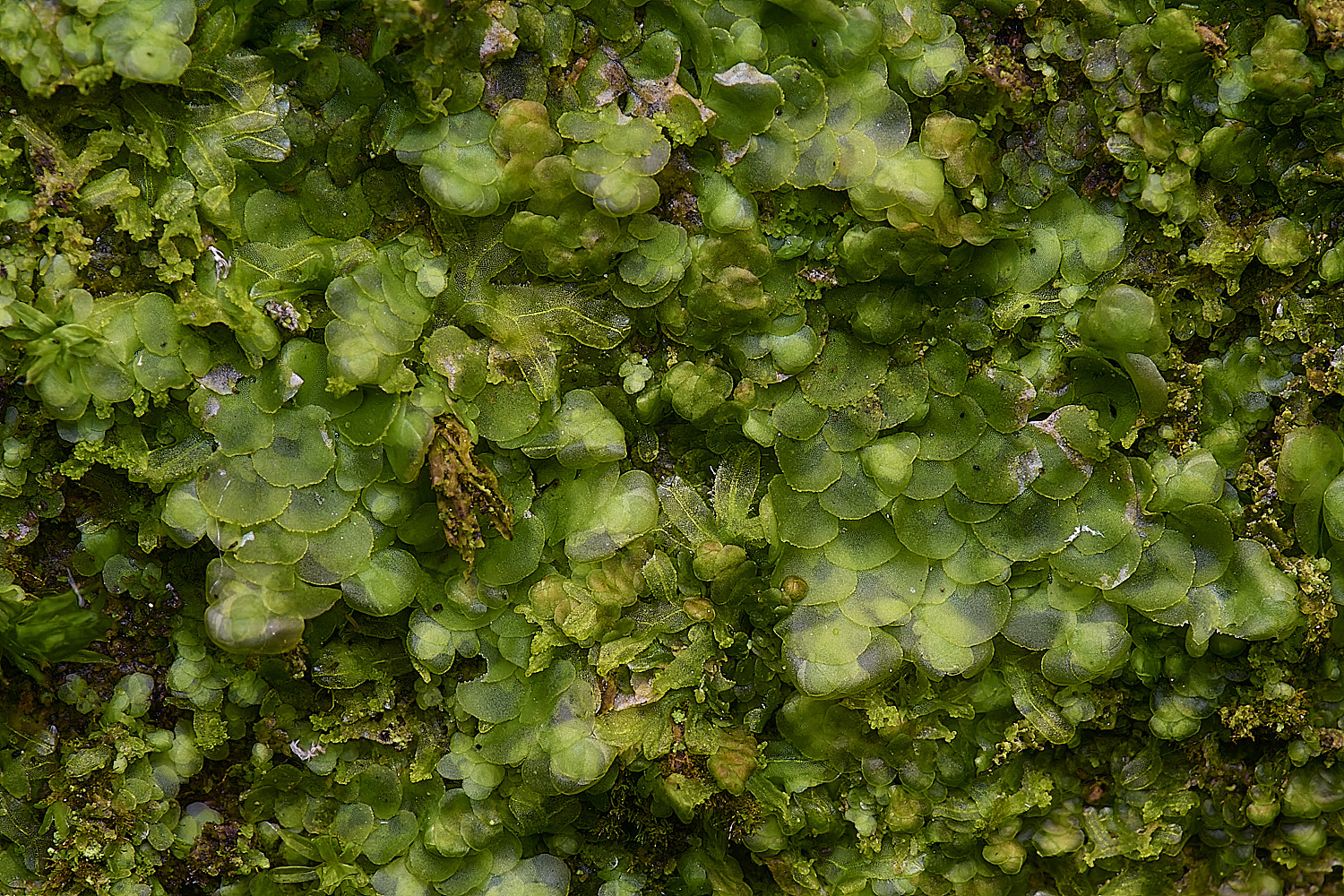
Even Scalewort (Radula complanata) with Metzgeria furcata & Metzgeria violacea & Frullania dilatata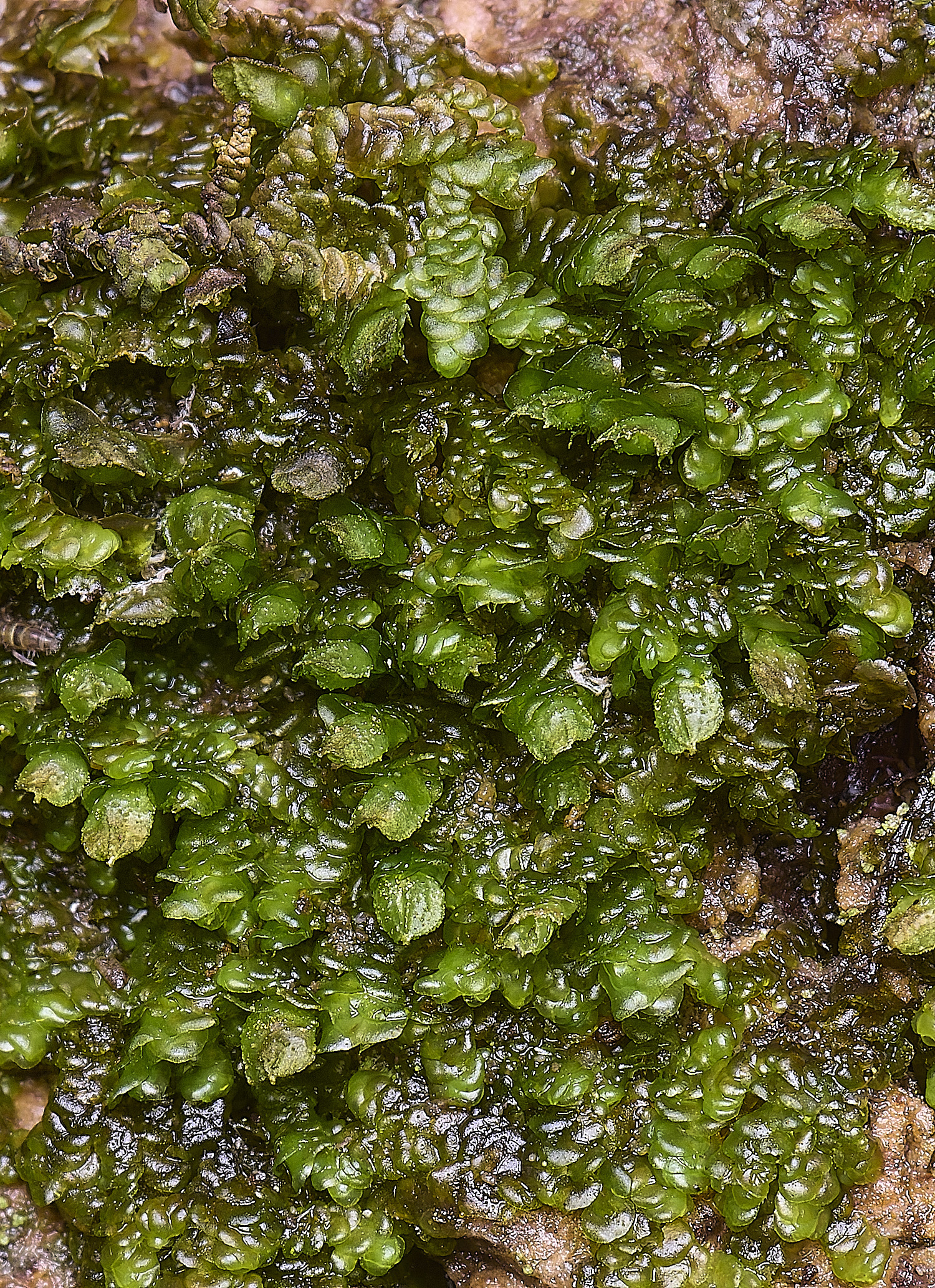
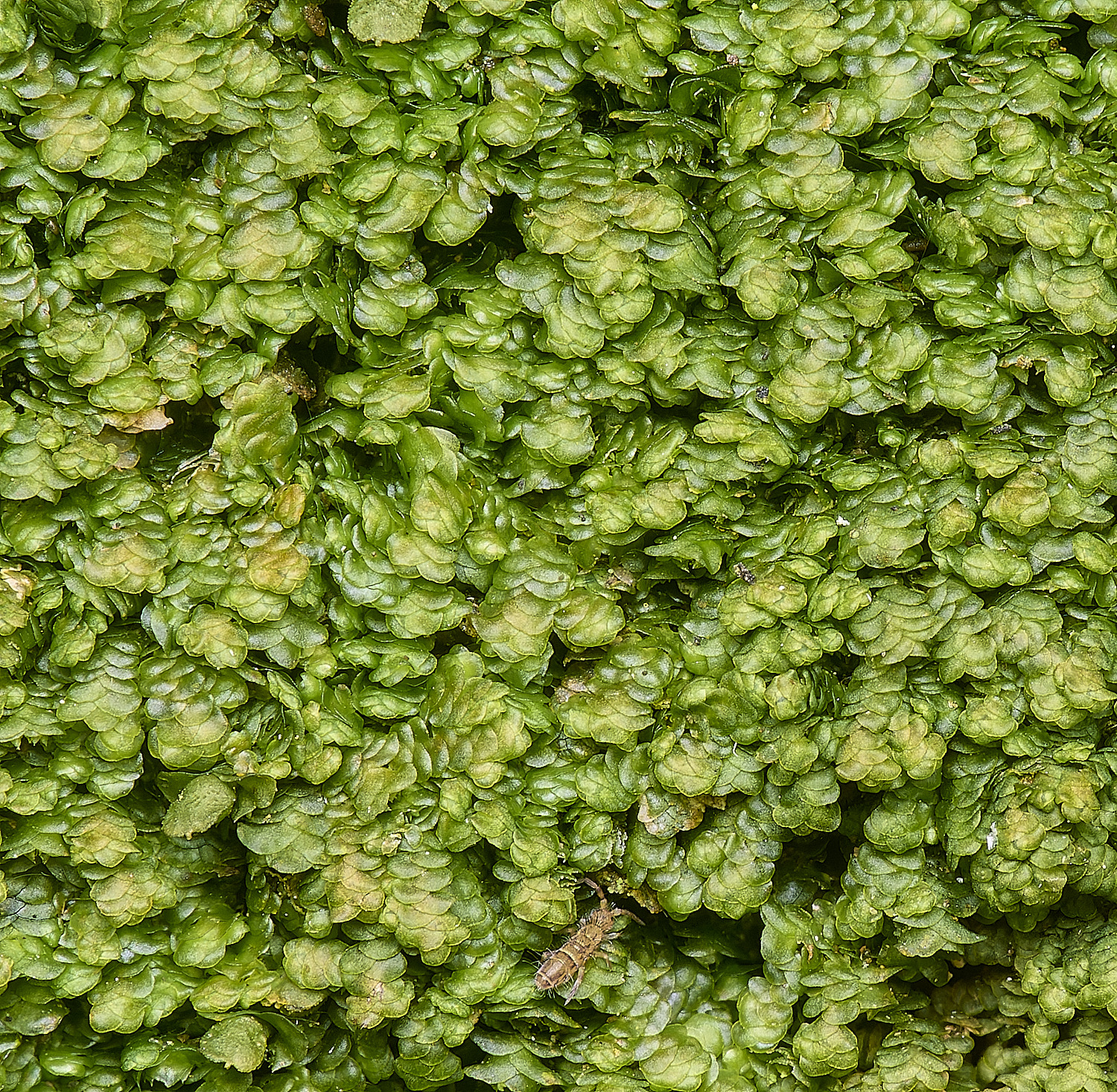
Dilated Scalewort (Frullenia dilatata)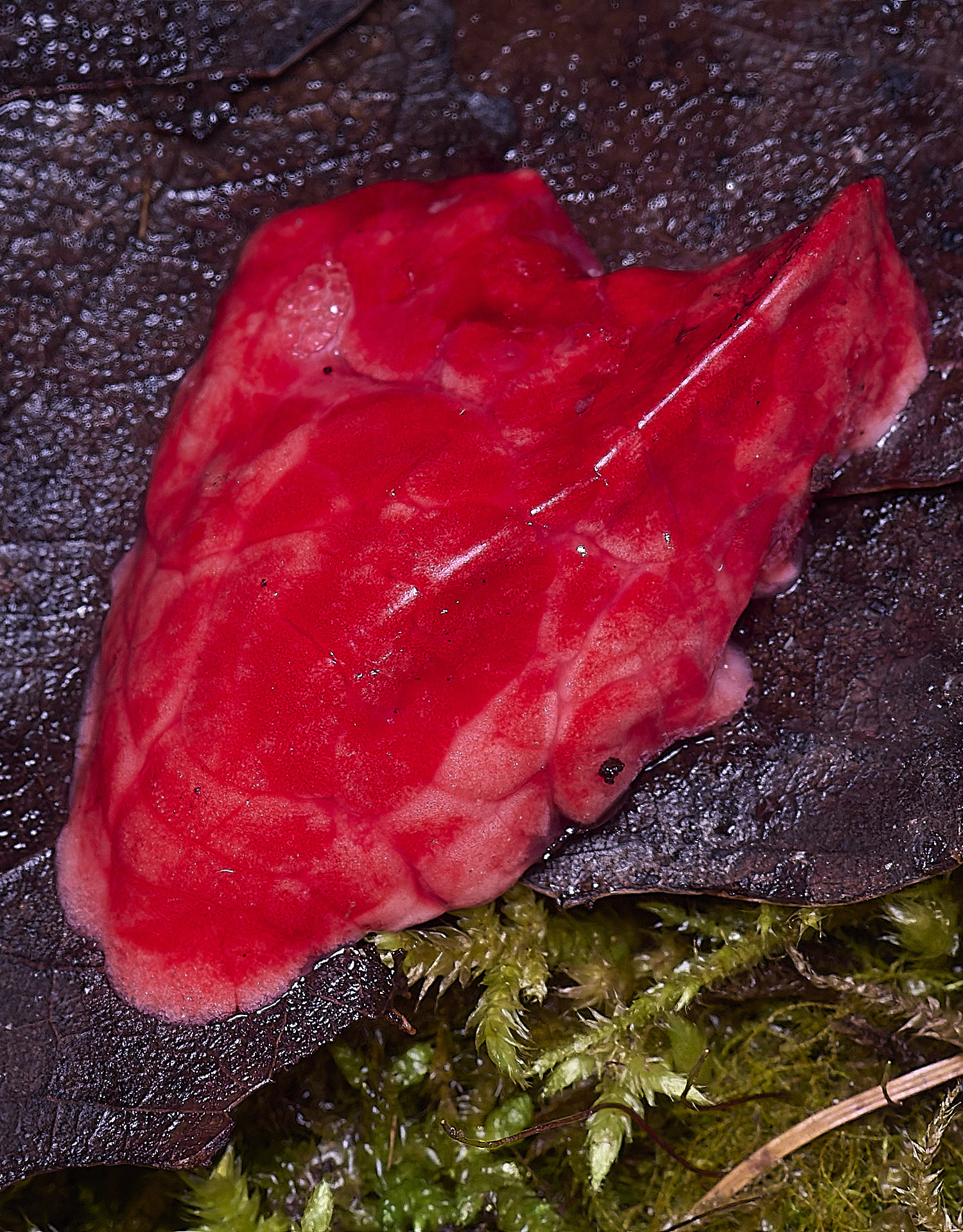
?
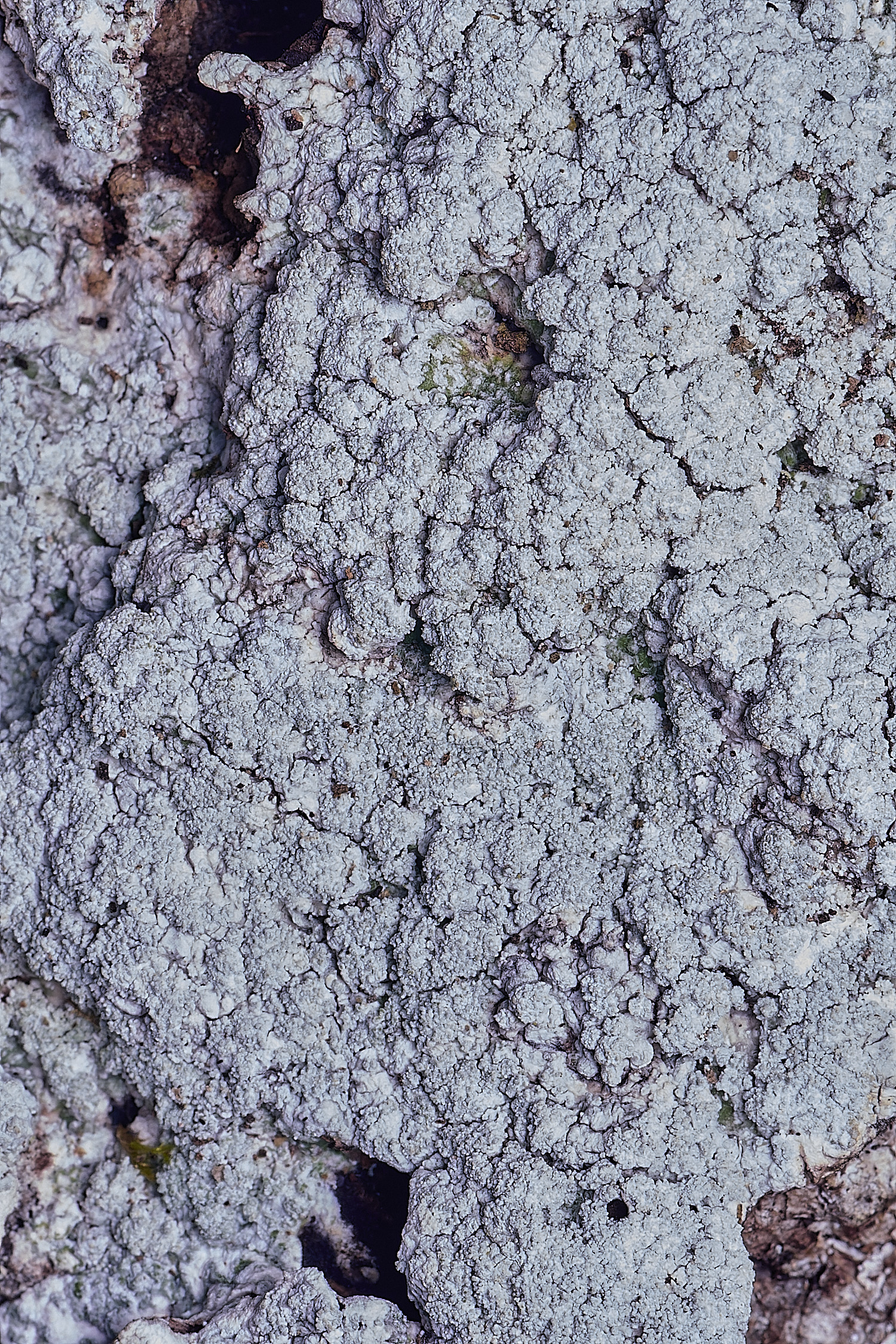
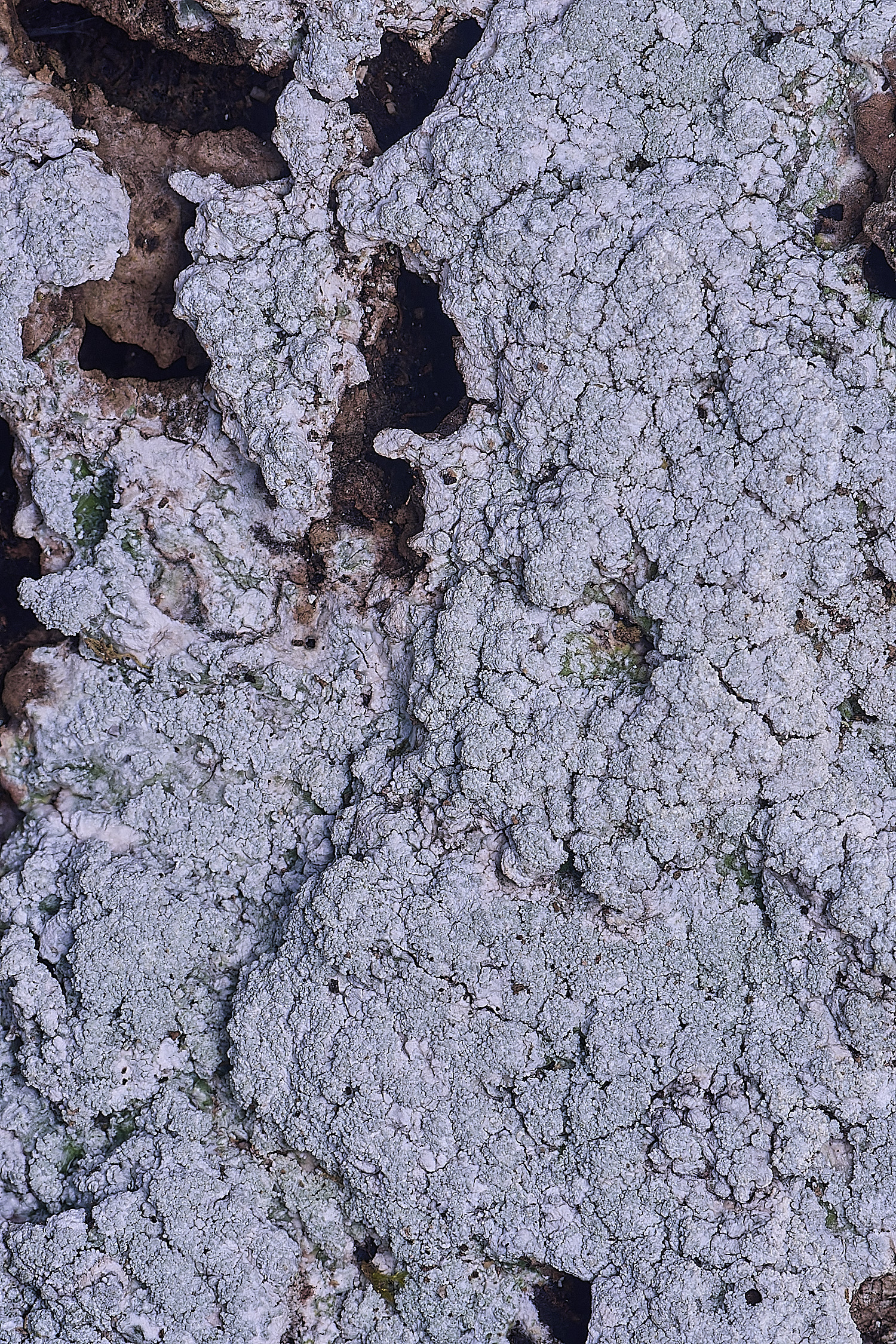
Lichen Sp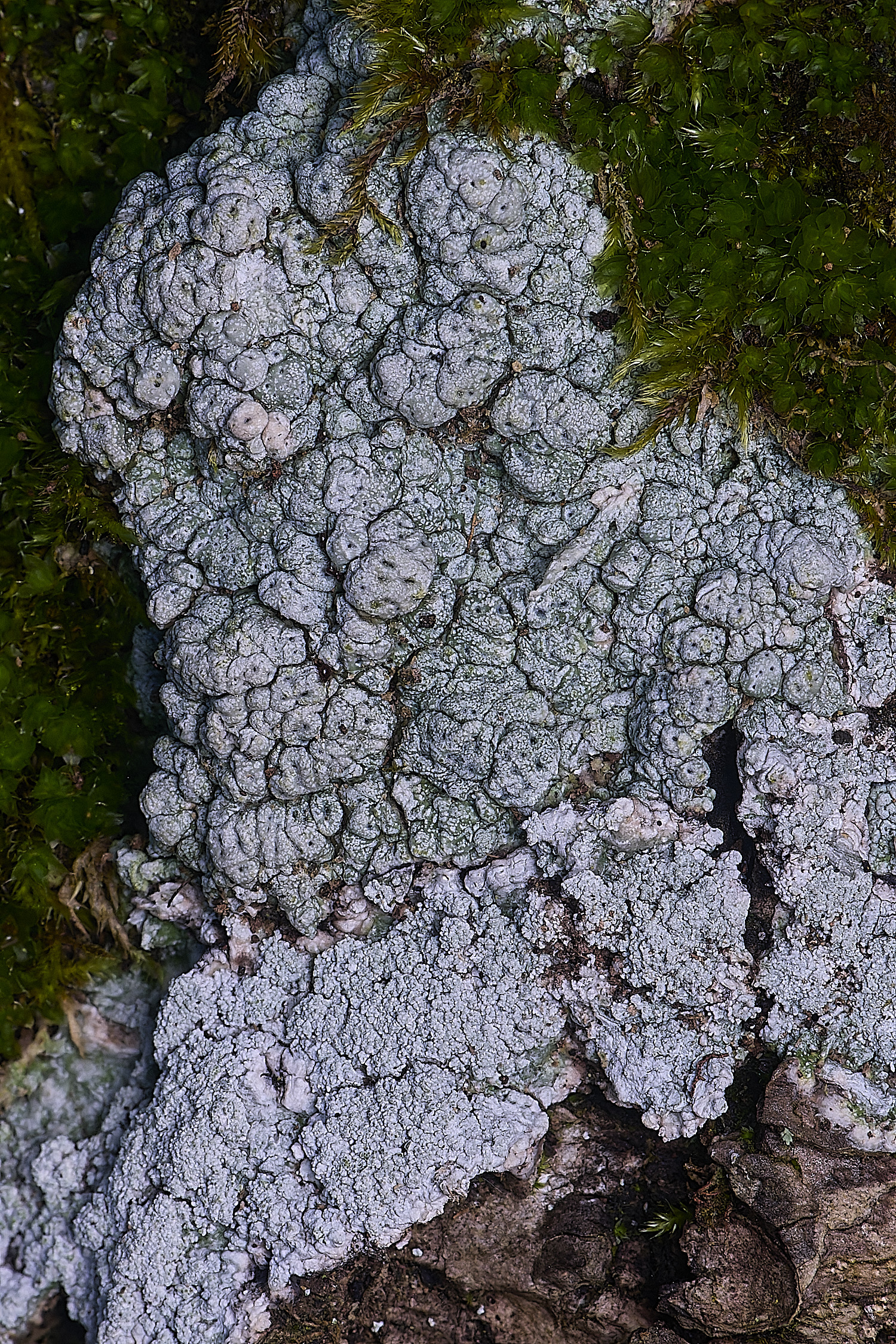
Pertussaria Sp?
Pertussaria pertusa
By there is a pink discolouration on some of the warts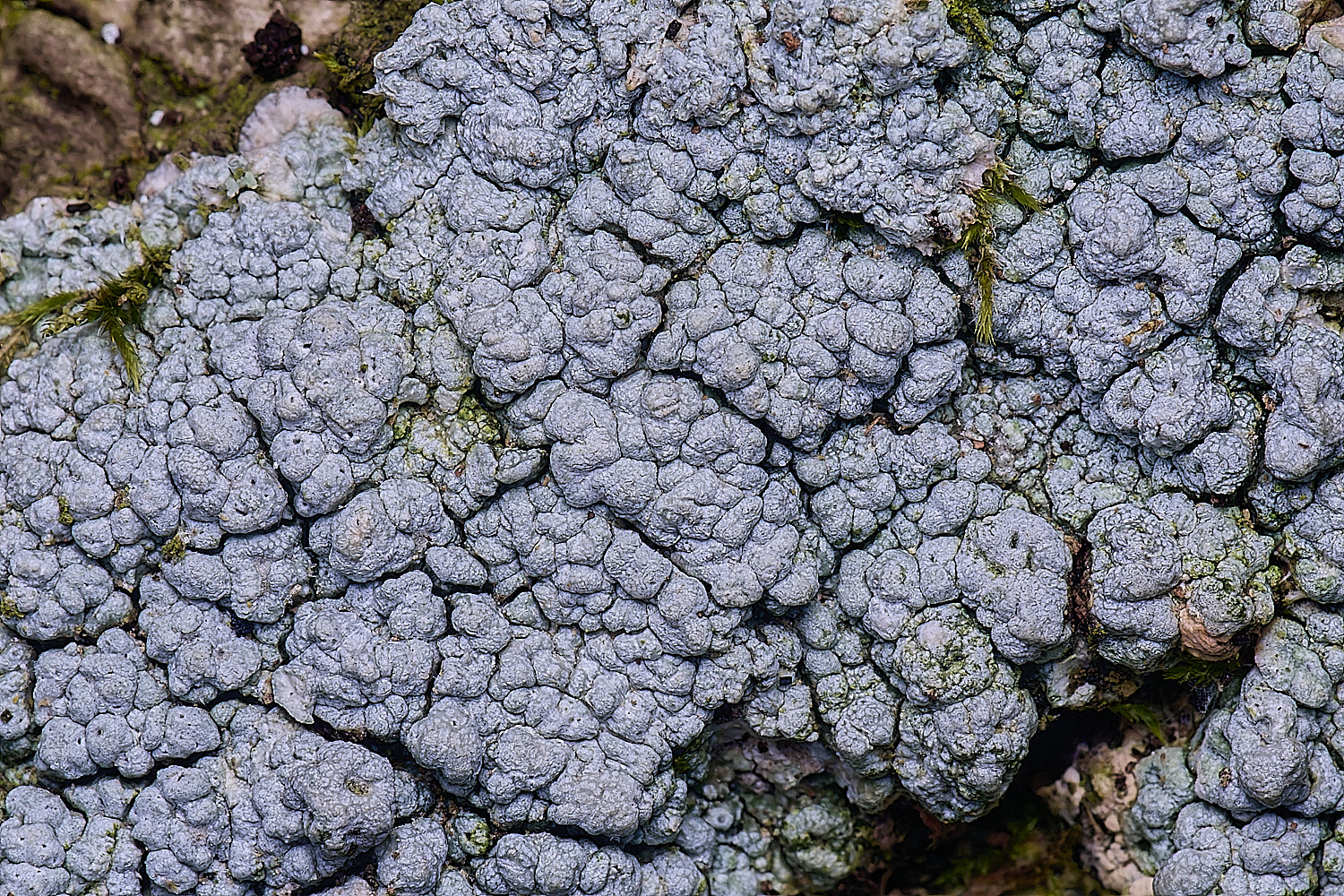
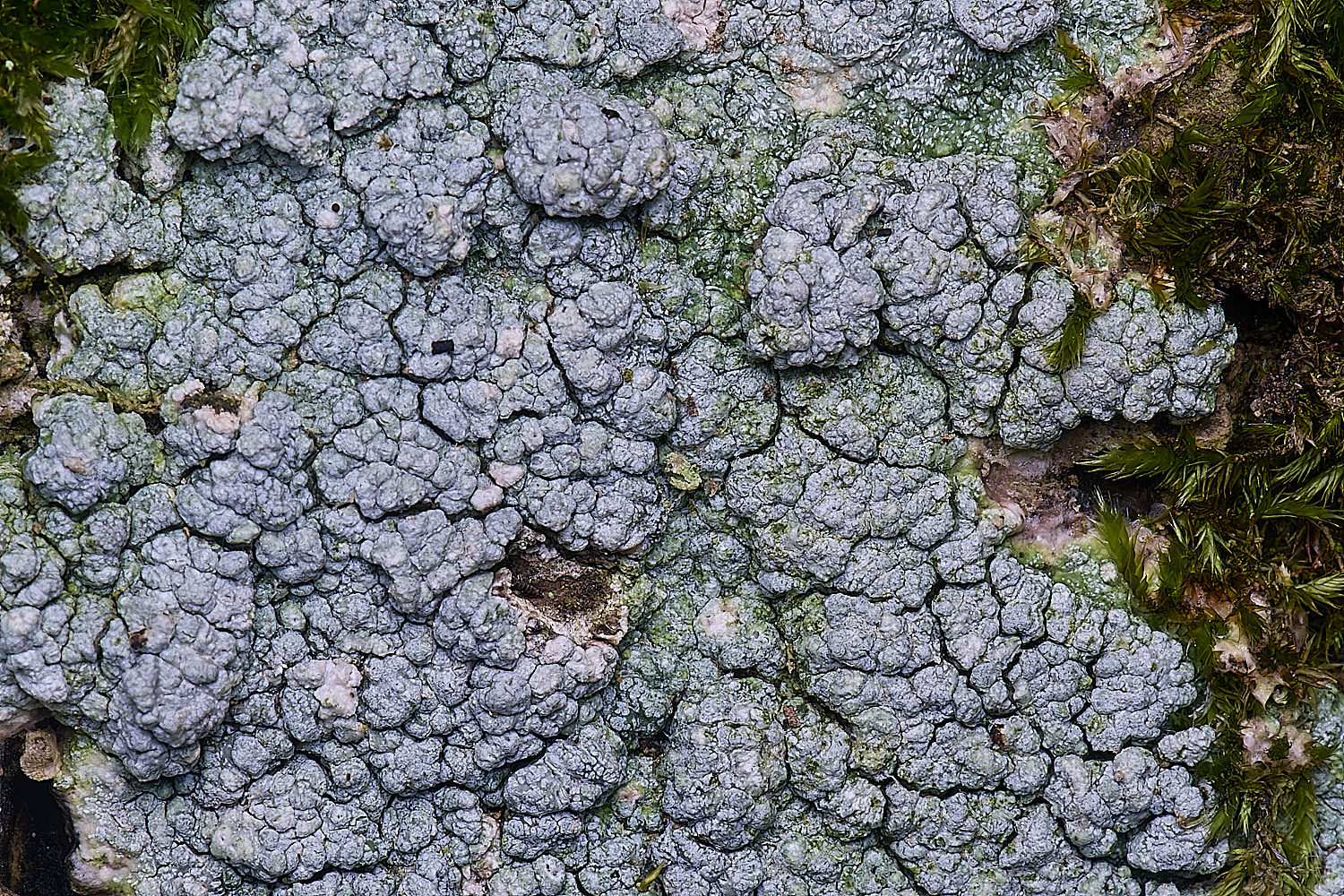
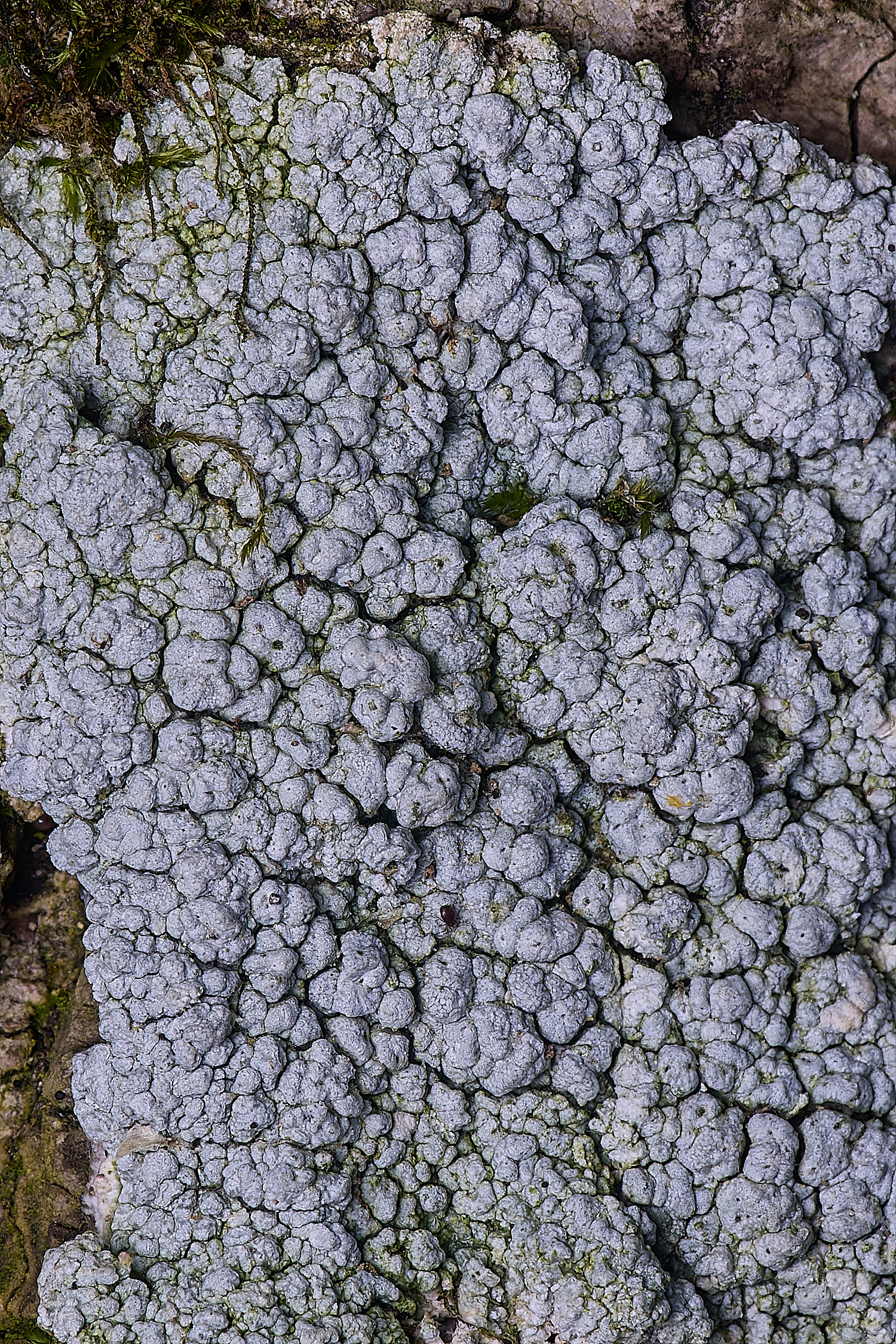
This one doesn't have the same number of black spots on each wart and in many cases no obvious ones at all
Sp??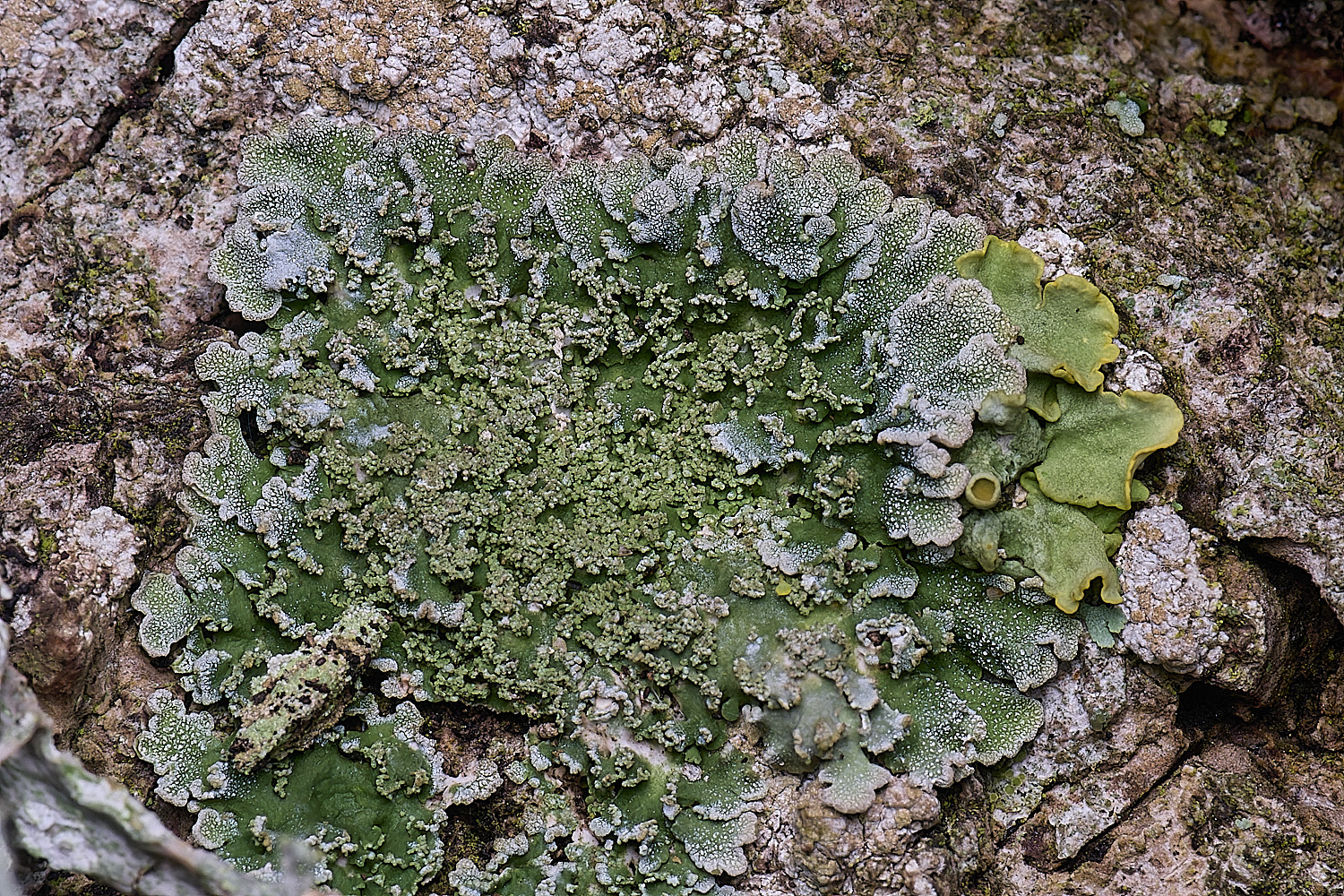
Physconia grisea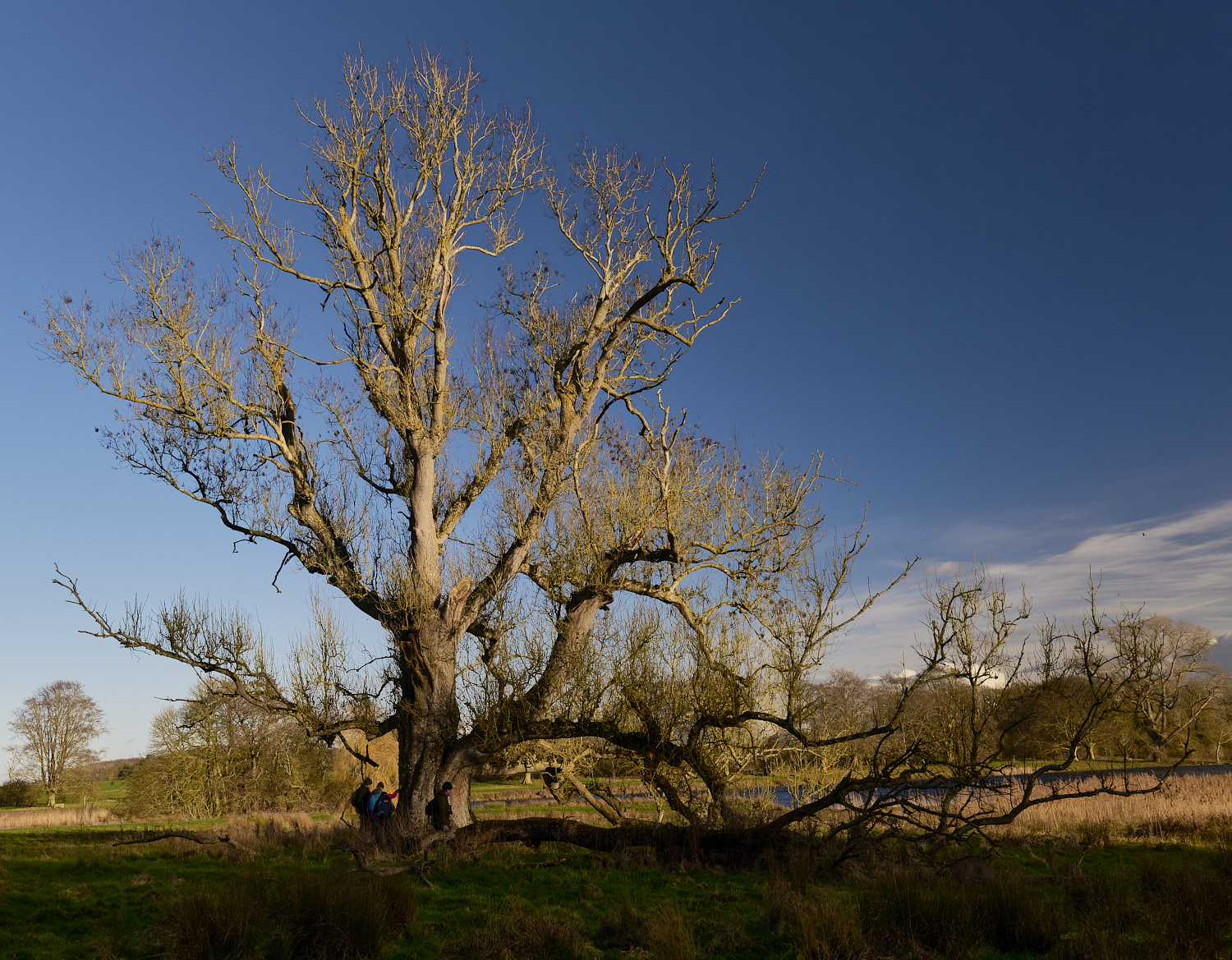
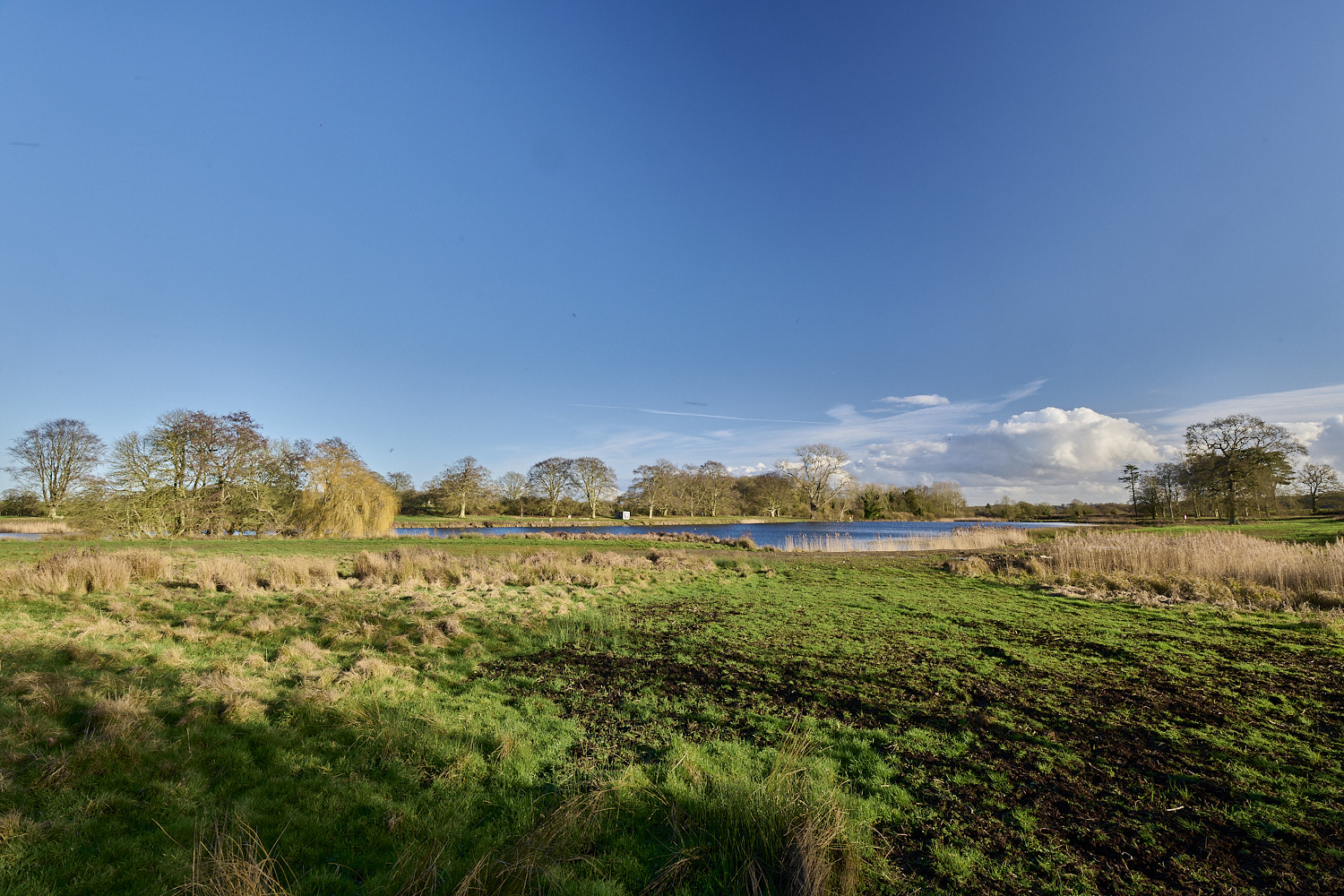
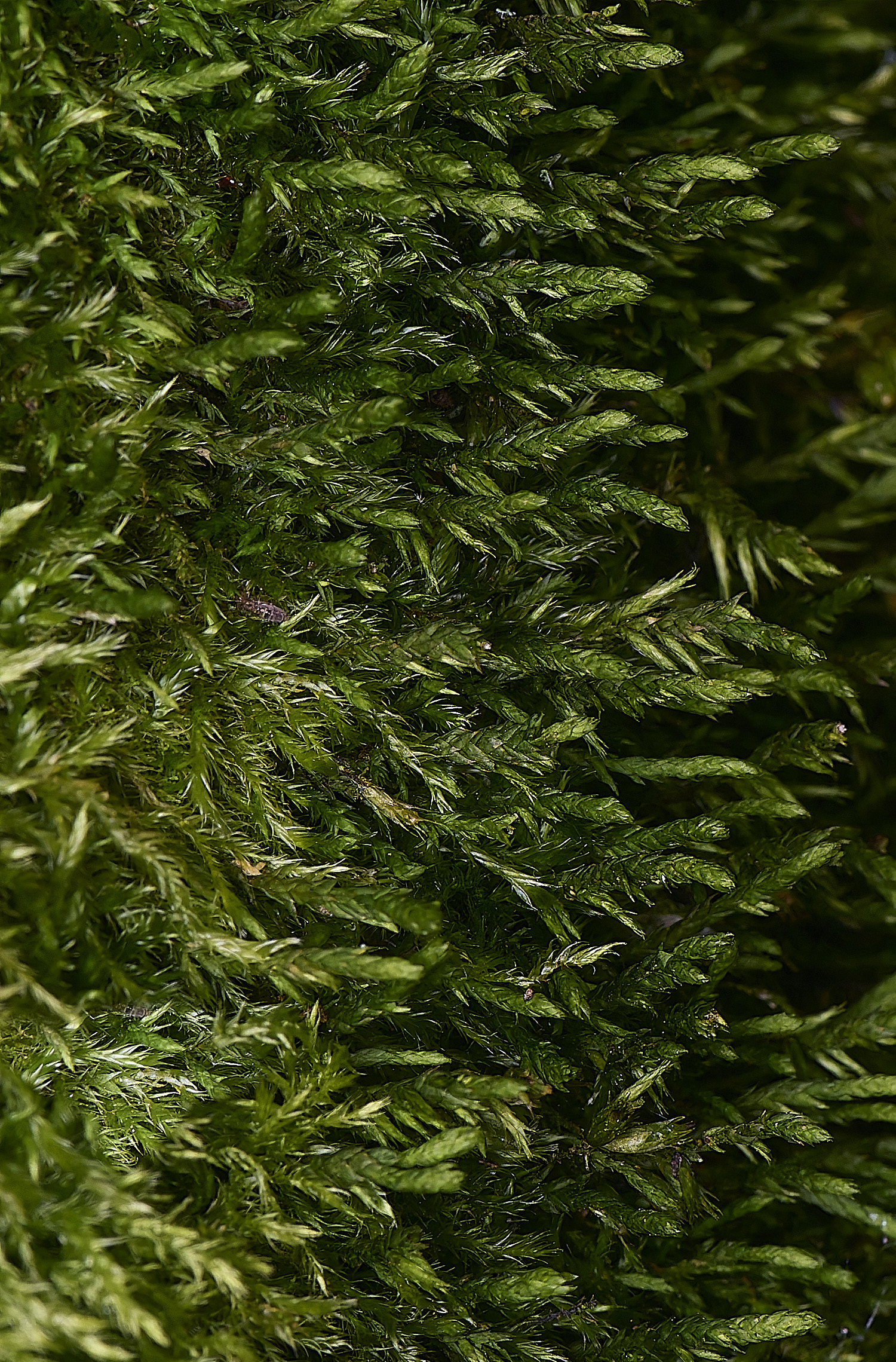
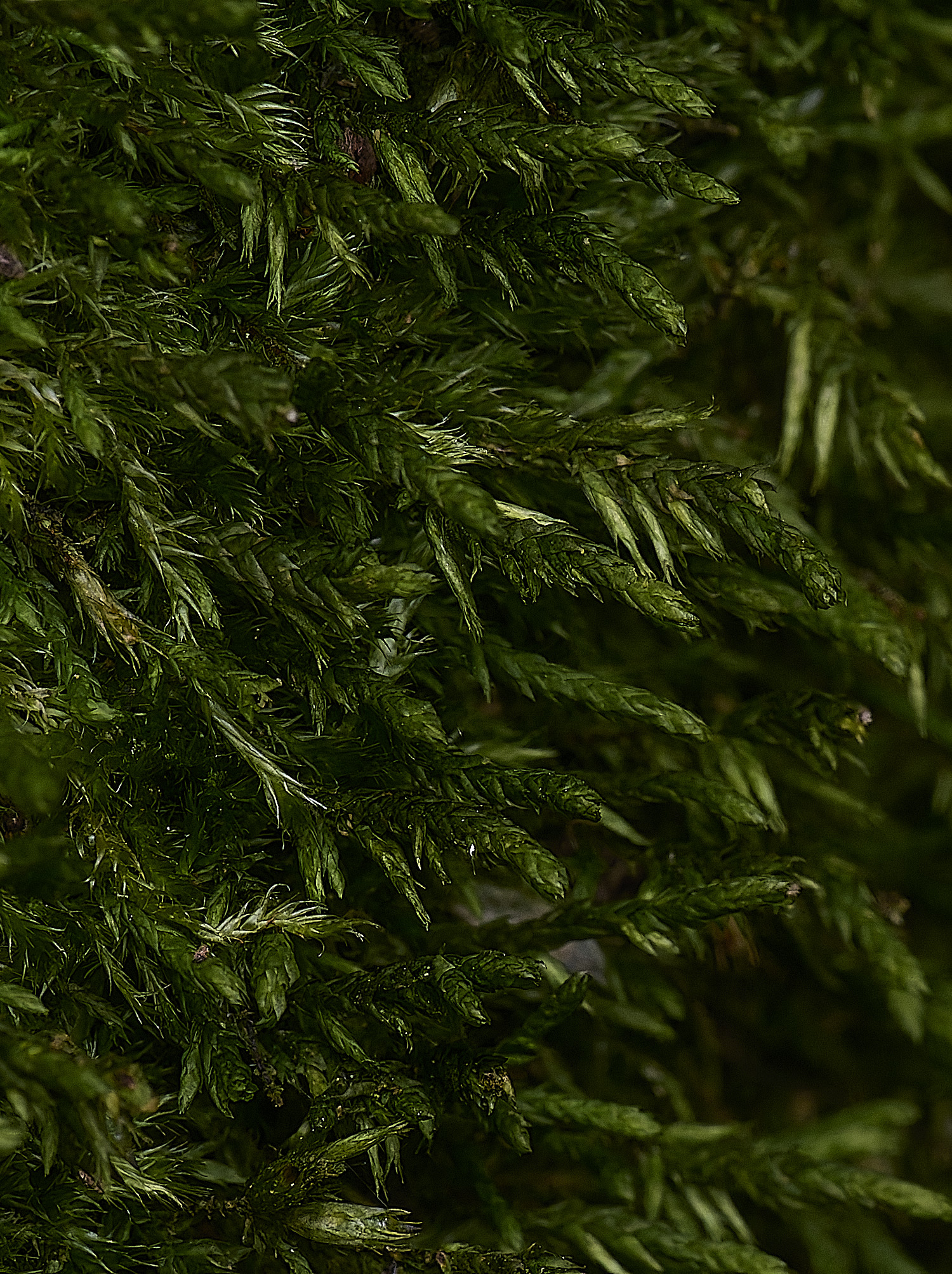
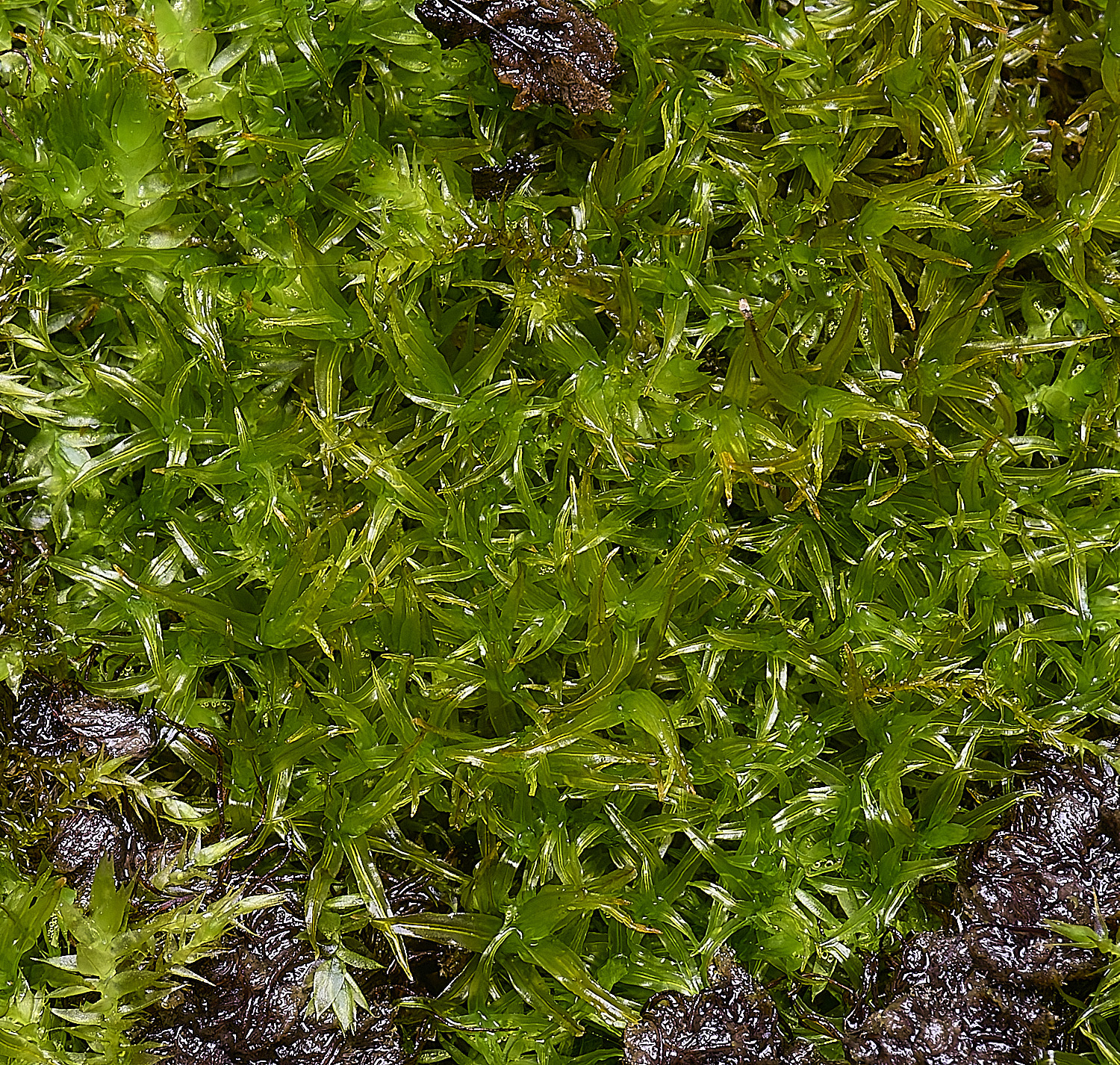
Lateral Cryphaea (Cryphaea heteromalla)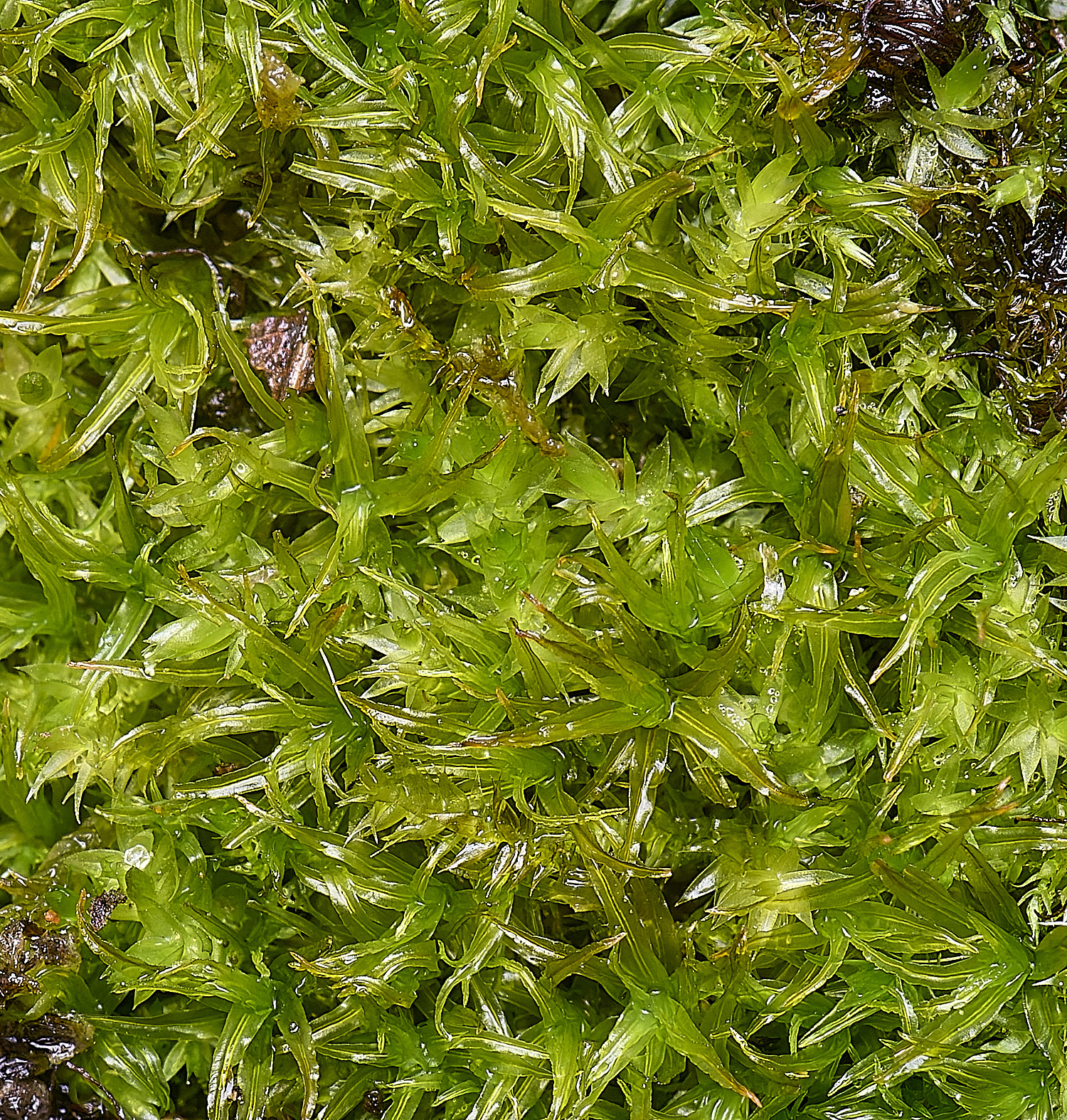
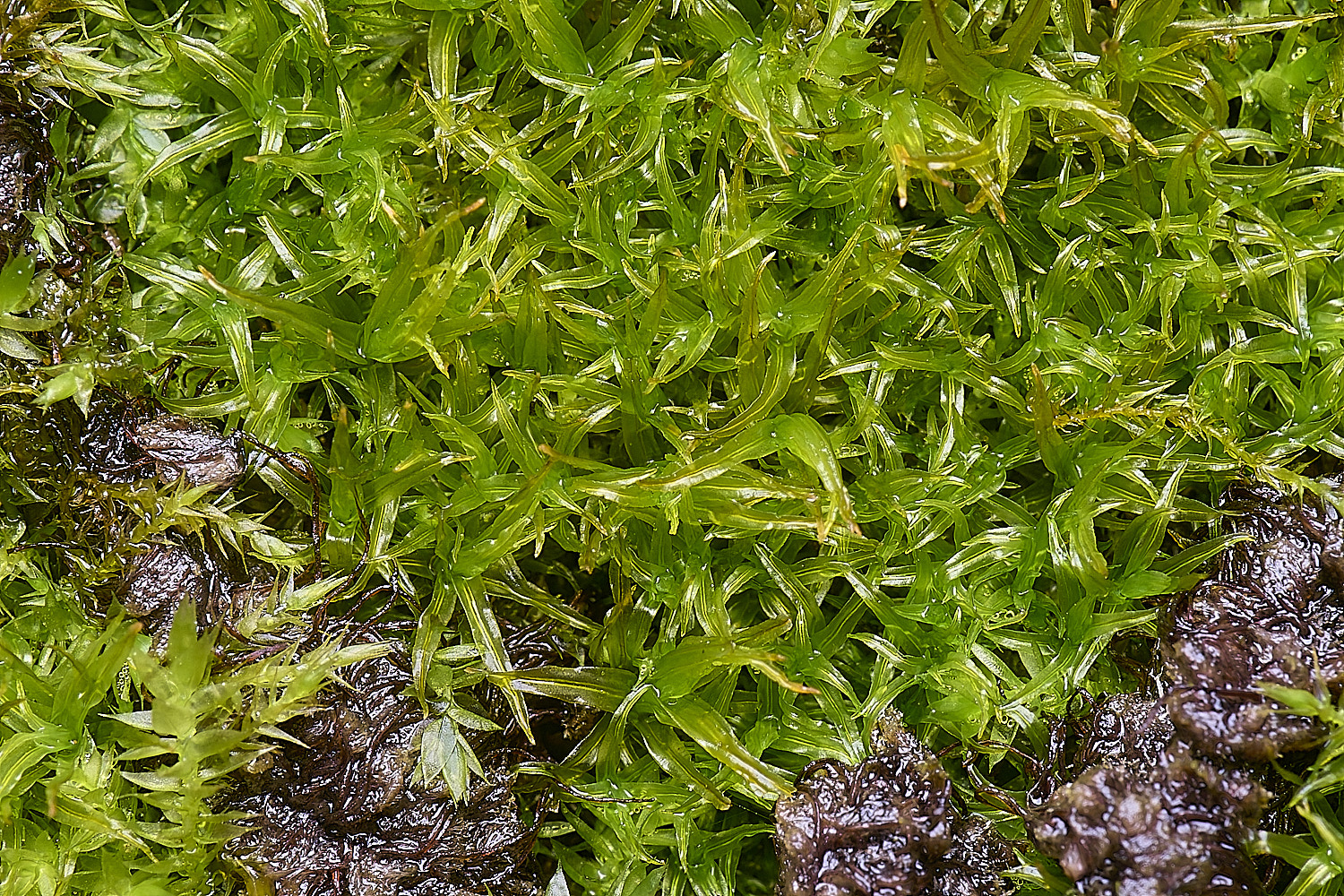
Wavy Beard-moss (Didymodon sinuosus)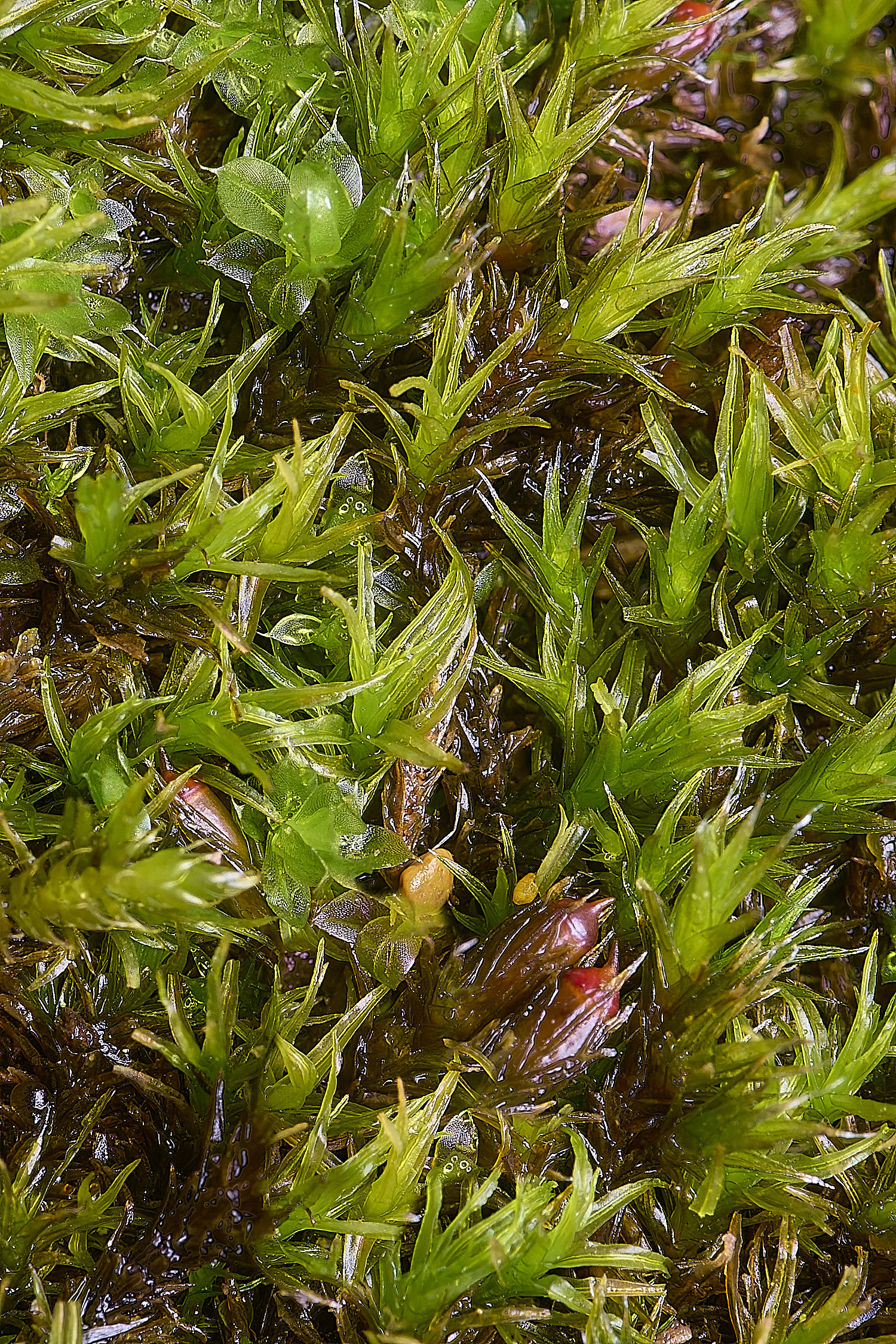
Thickpoint Grimia (Schistidium crassipilum)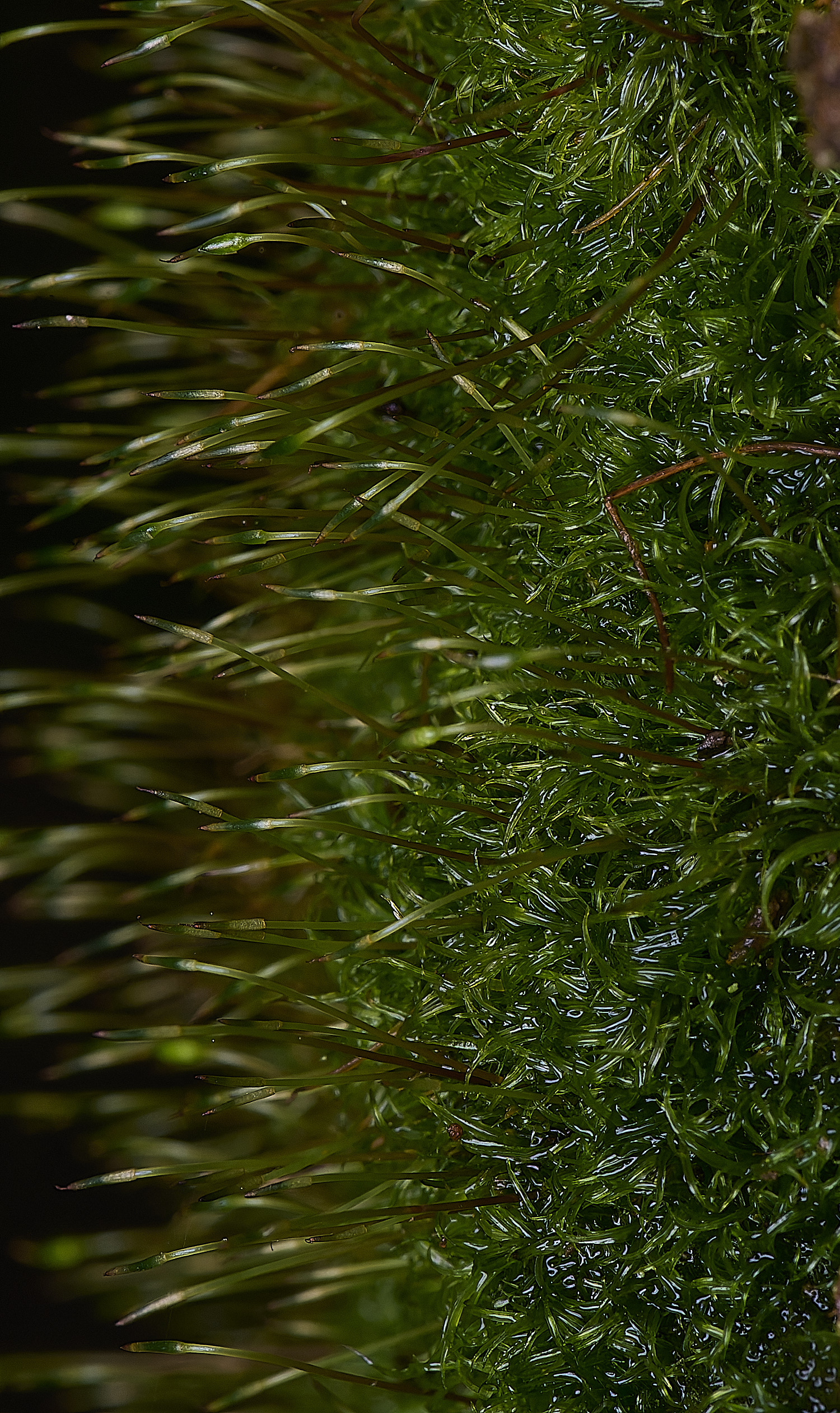
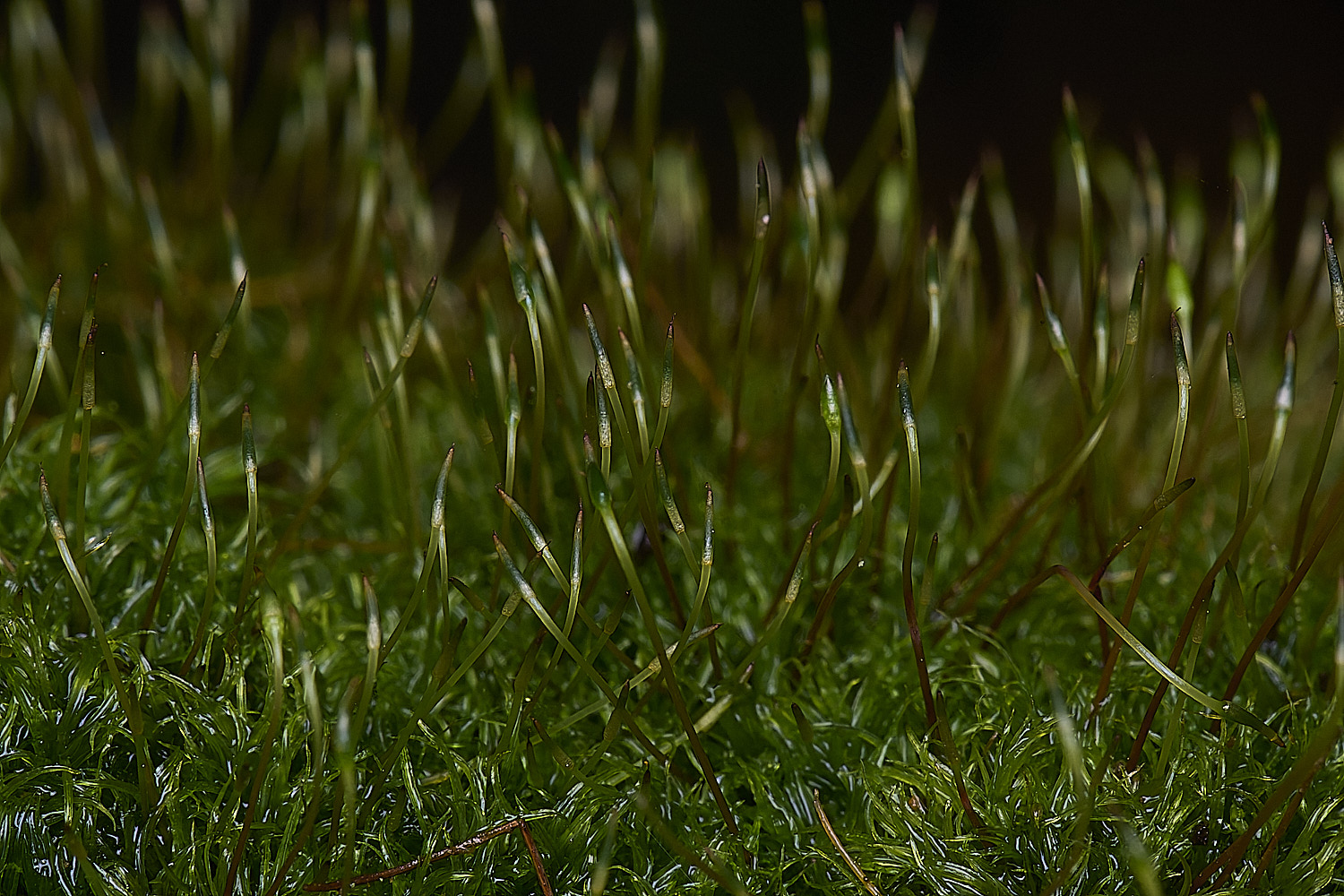
Cape Thread-moss (Orthodontium lineare)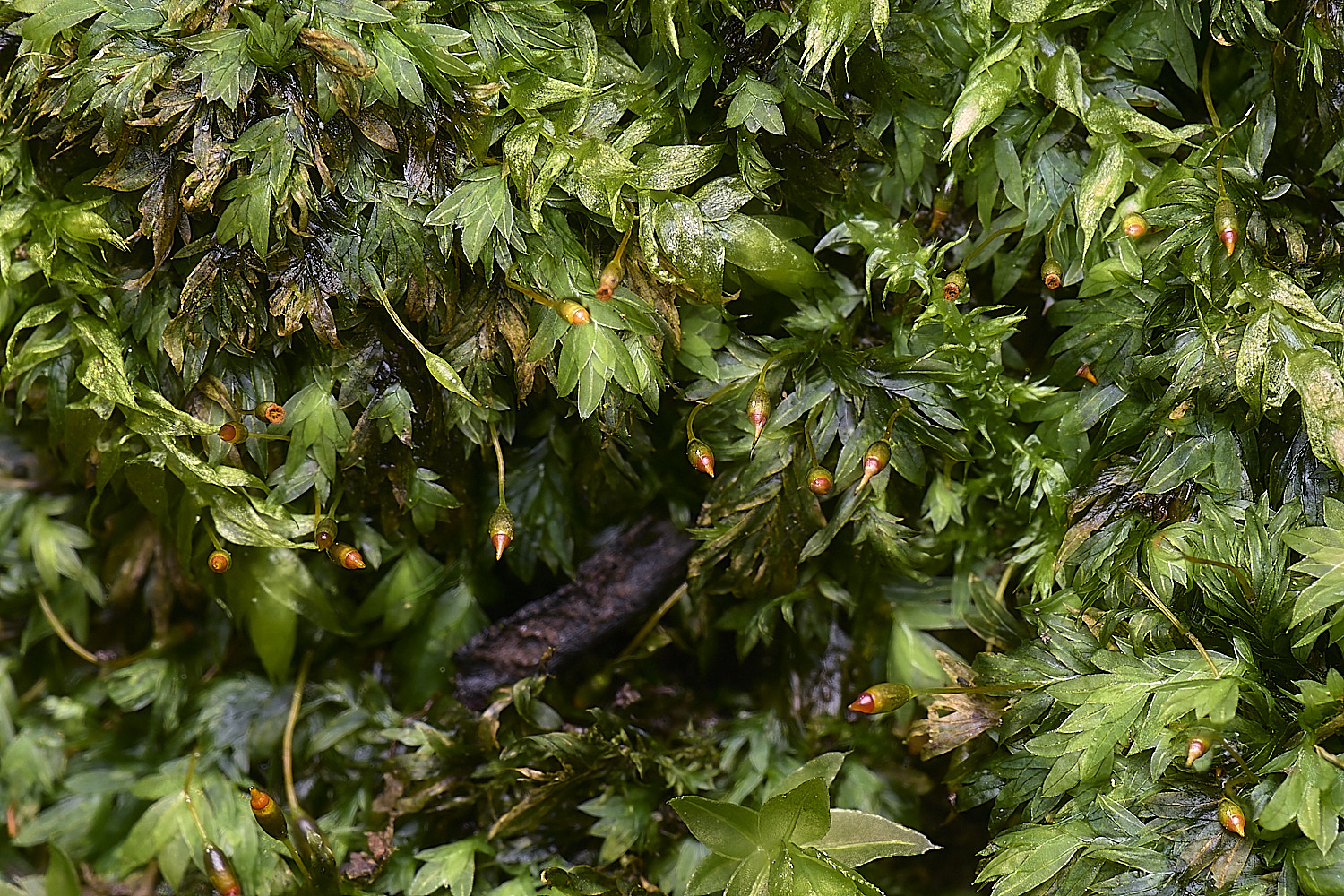
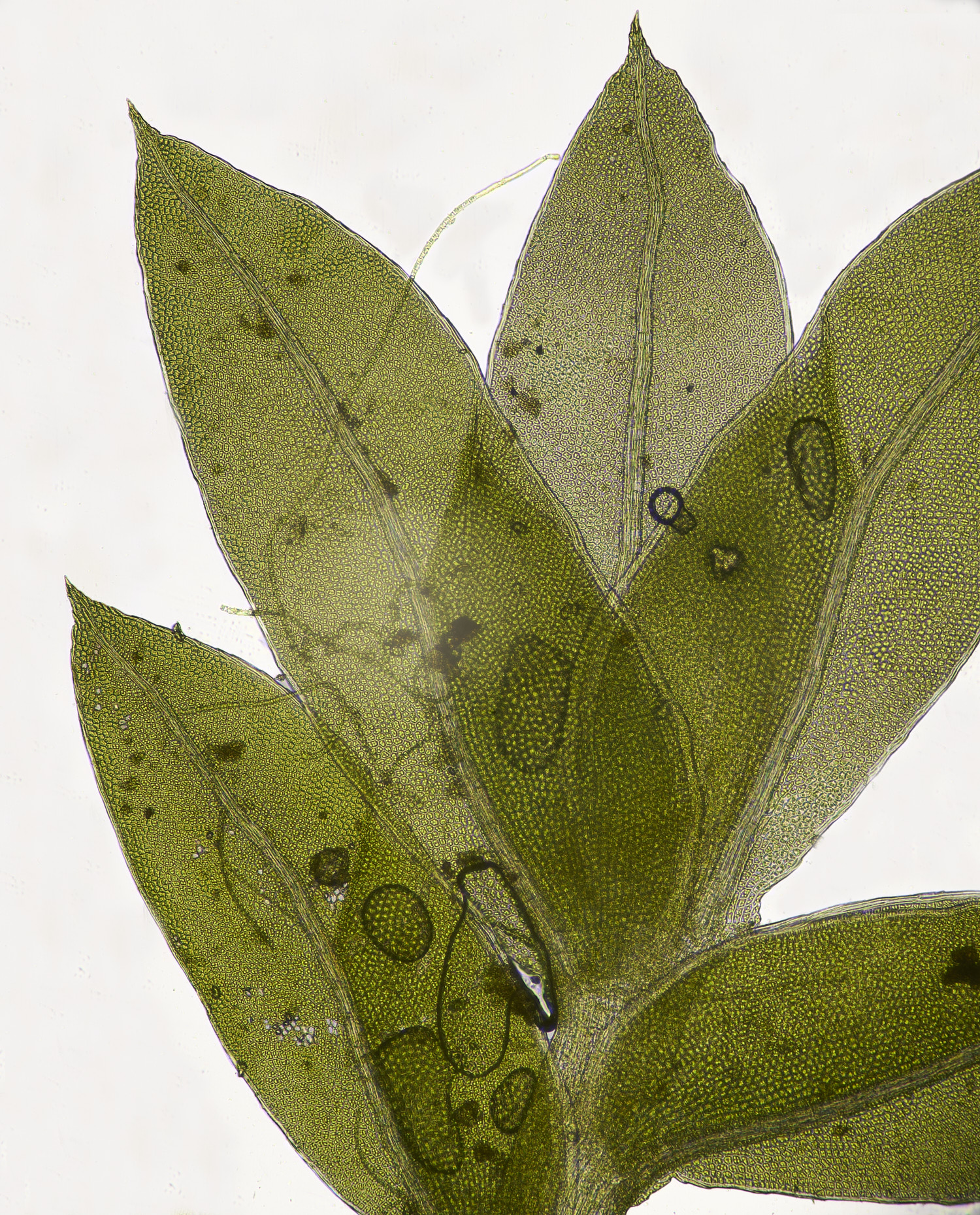
X100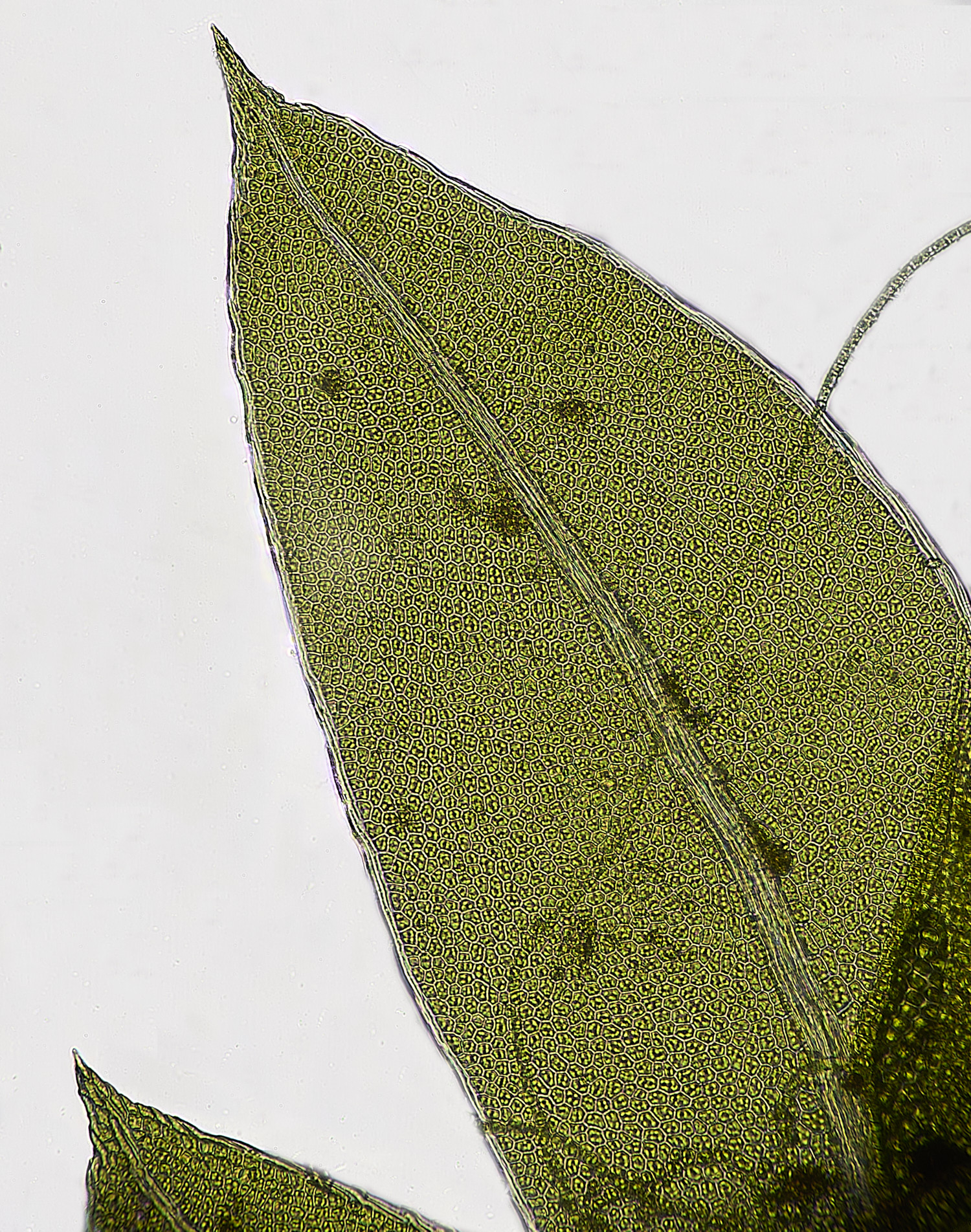
x200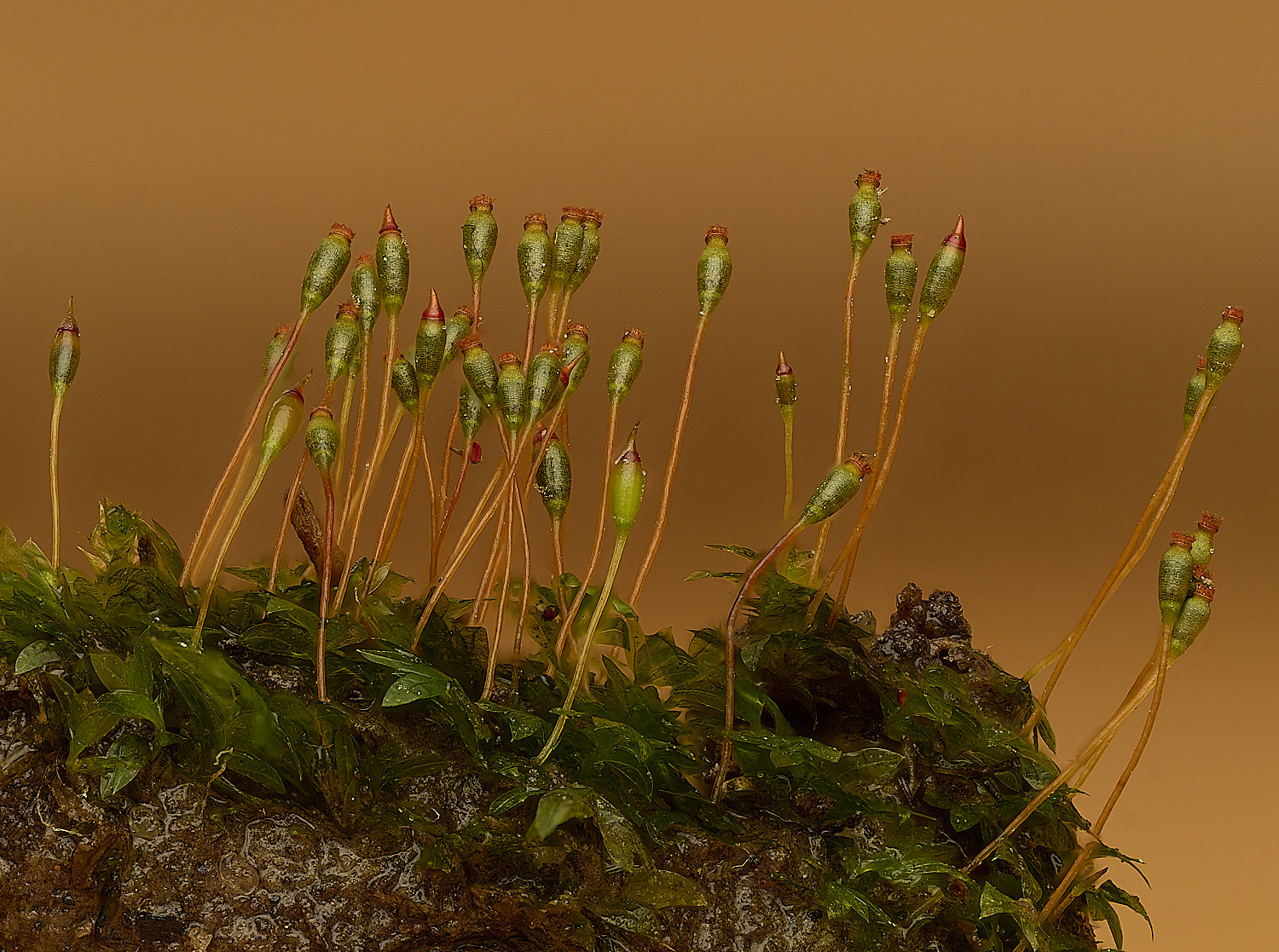
Lesser Pocket-moss (Fissidens bryoides var bryoides)
Bordered leaves about 1mm long.
Capsules held vertically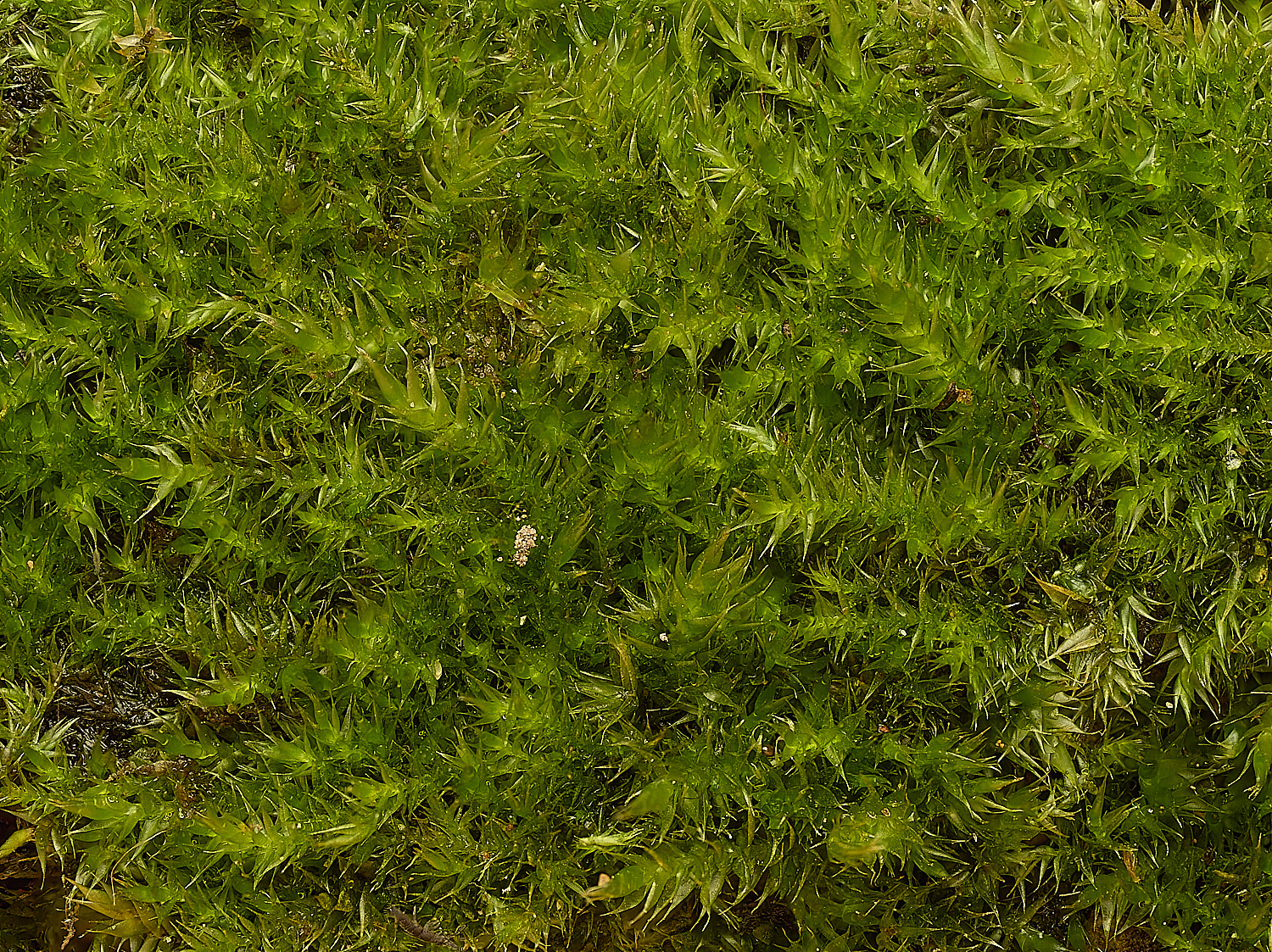
Supine Plait-moss (Hypnum cupressiforme var resupinatum)
Leaves most definitely pointing upwards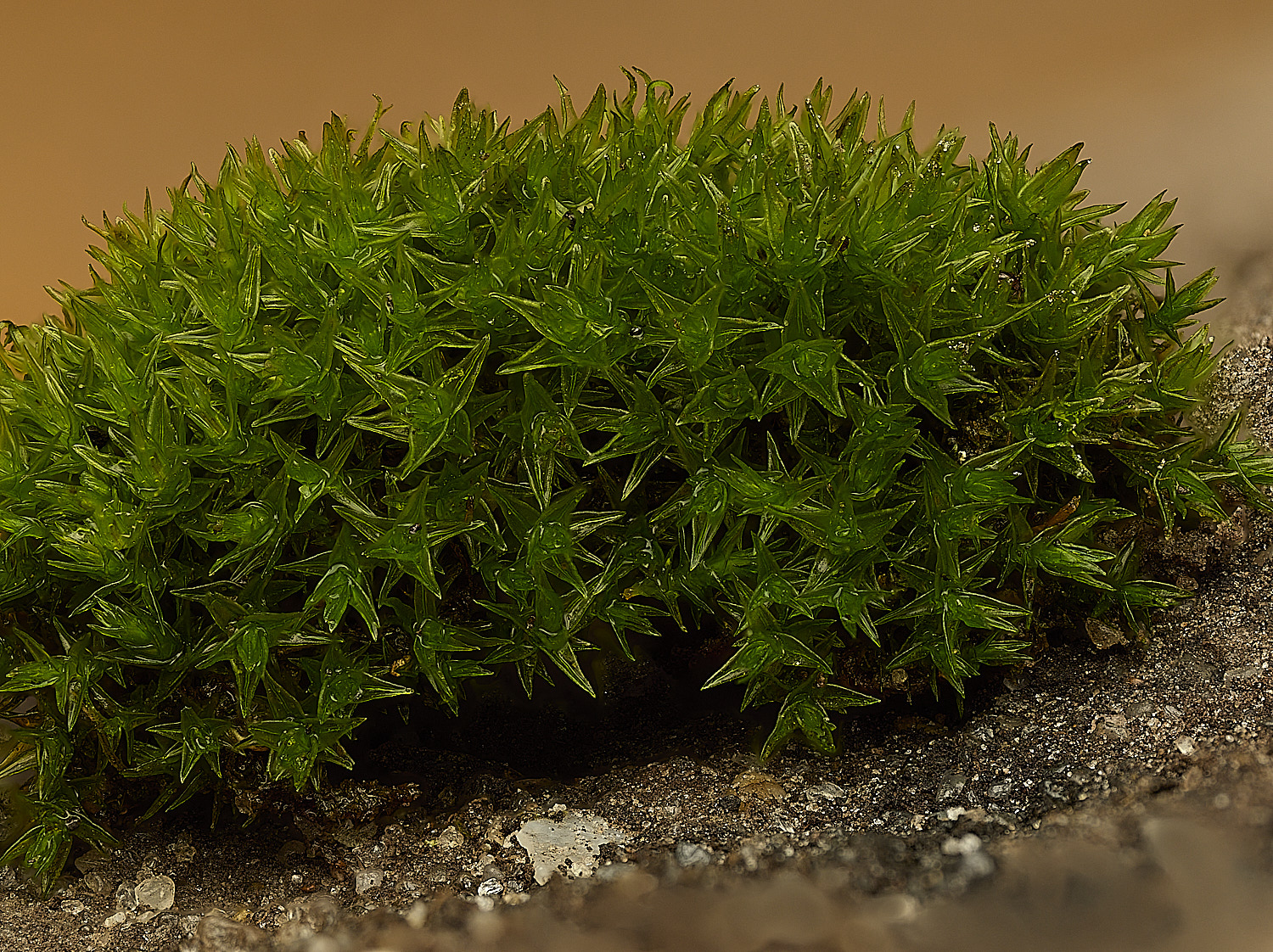
Dusky Beard-moss (Didymodon luridus)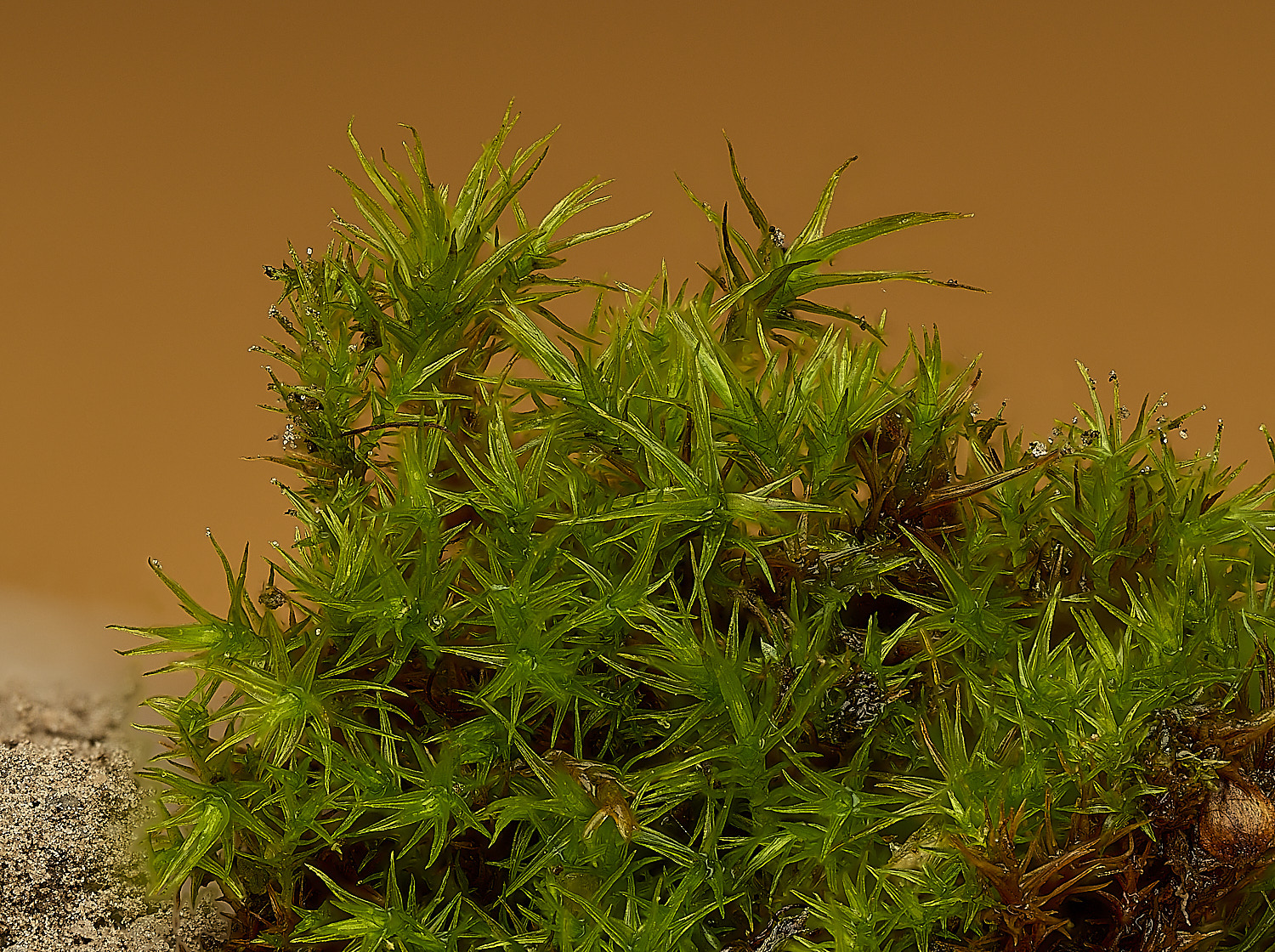
Red Beard-moss (Bryoerythrophyllum recurvirostrum)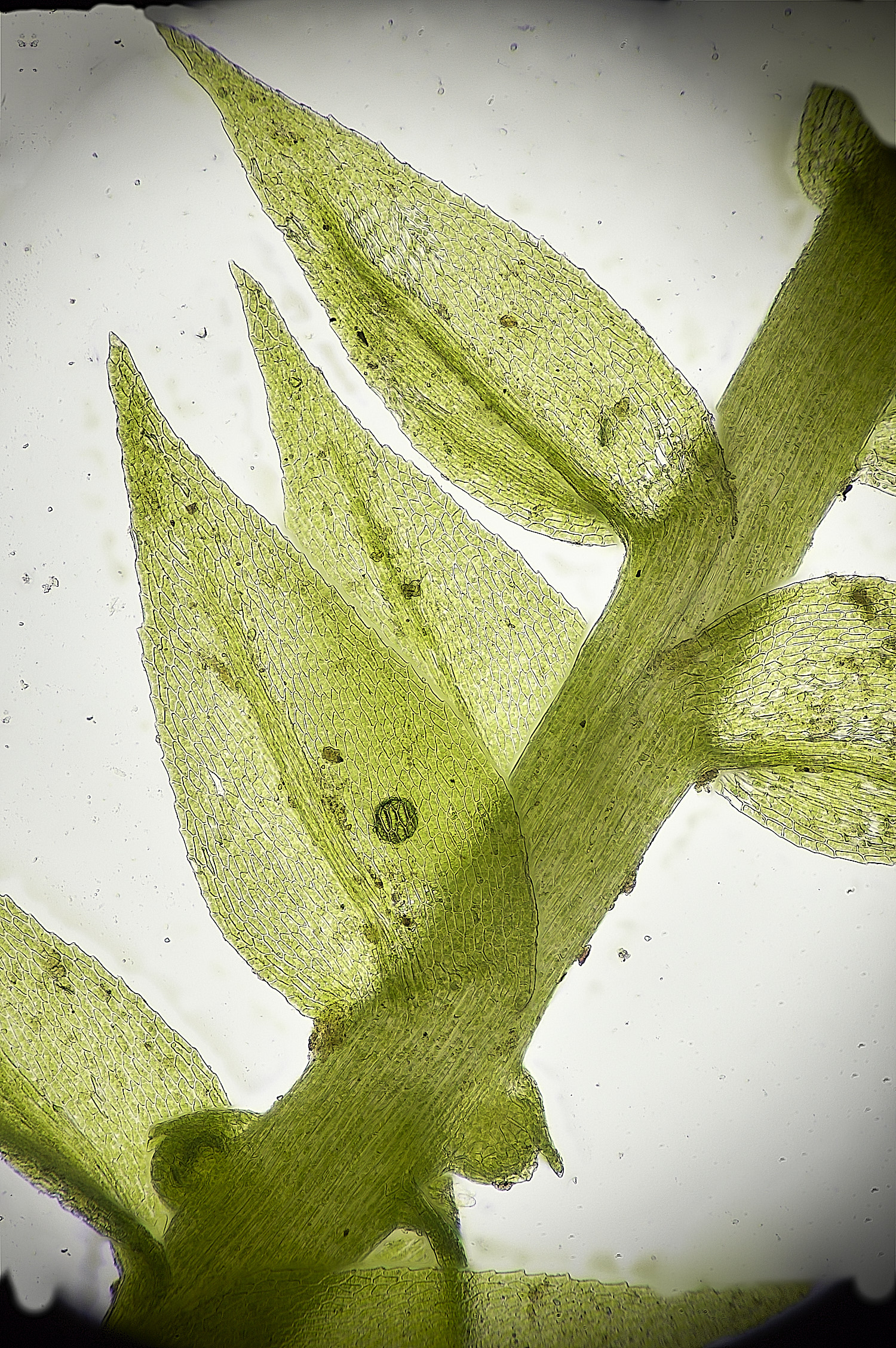
Dwarf feather-moss (Microeurhyncium pumilum)
Felbrigg
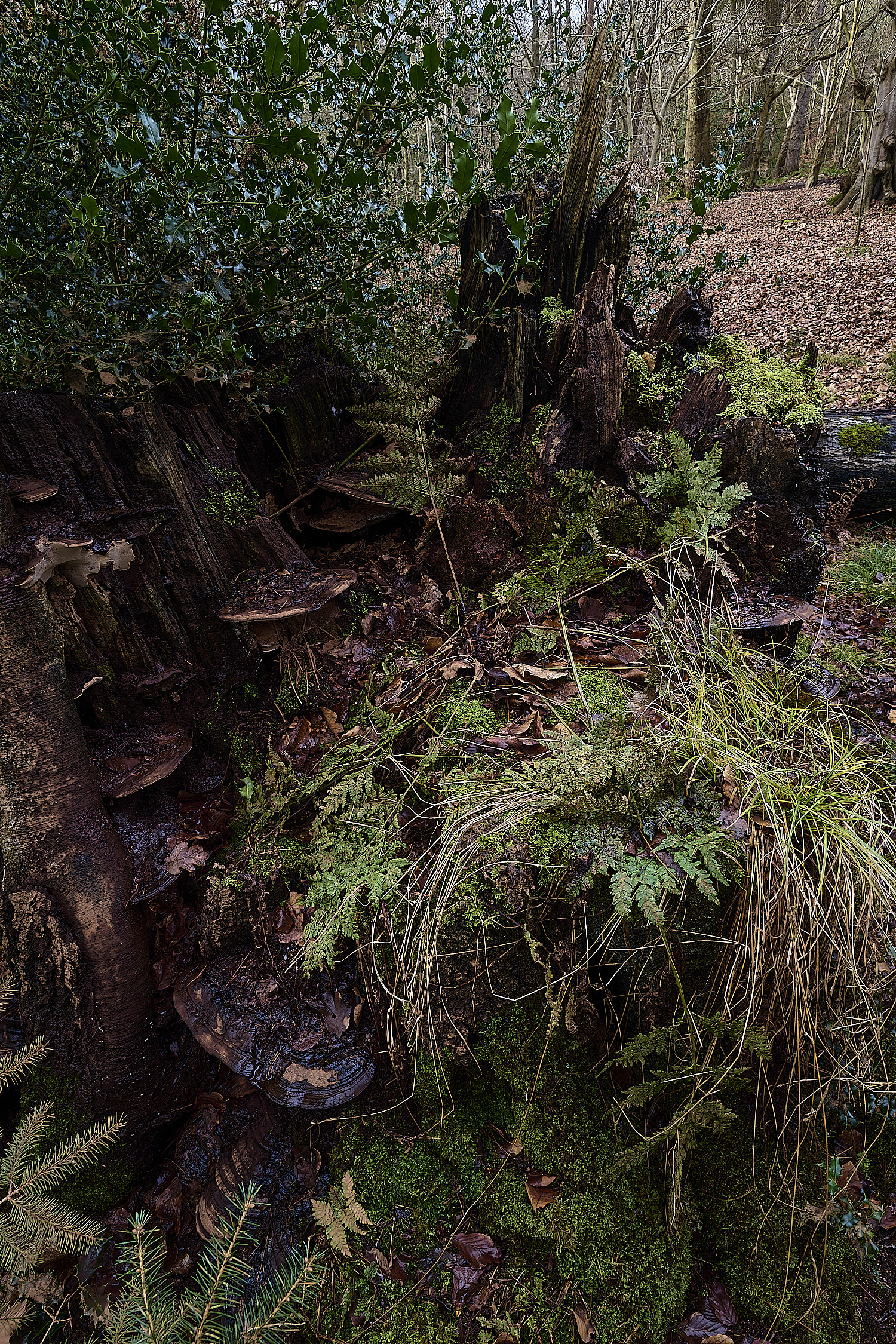
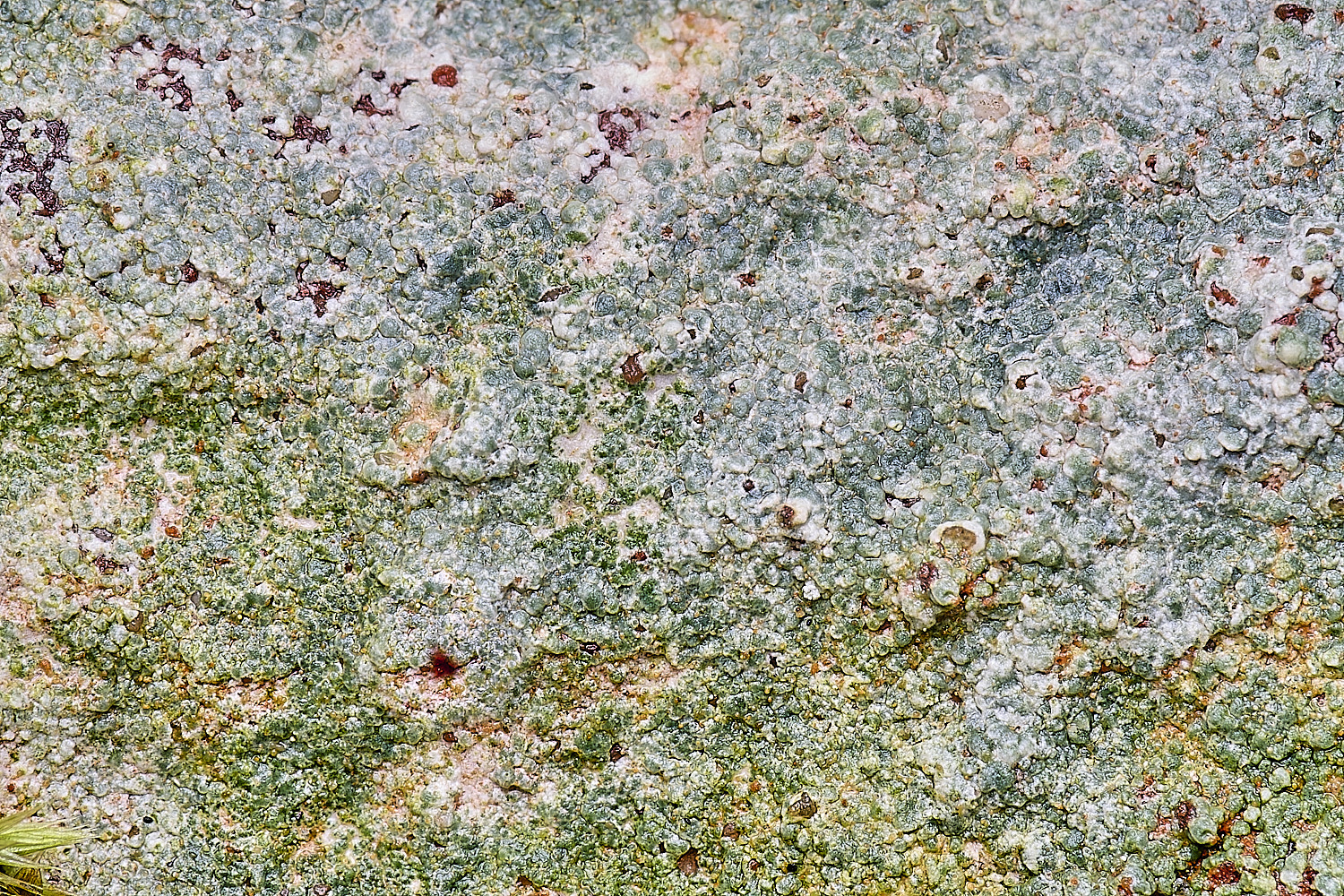
Baeomyces rufus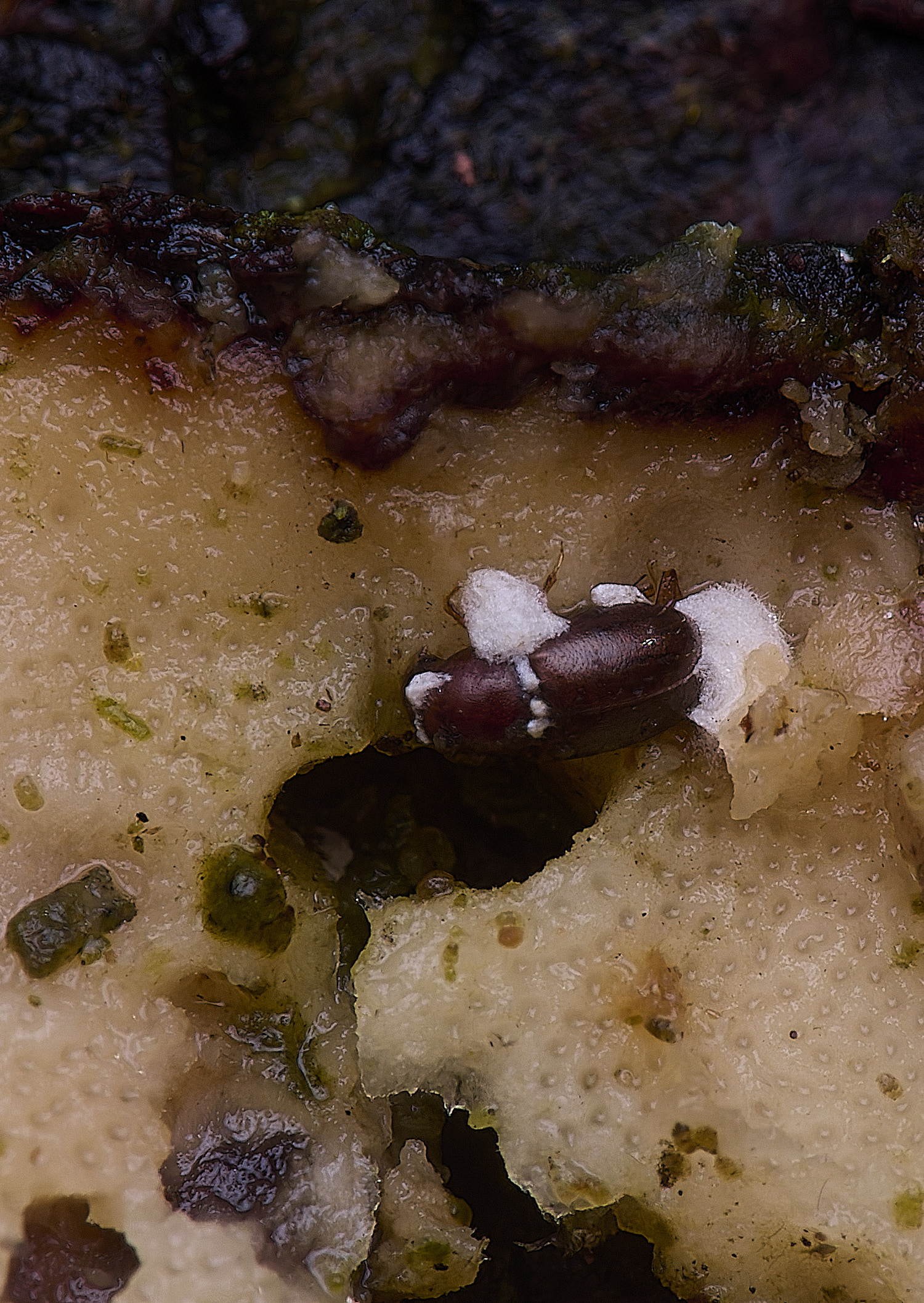
Octotemnus glabriculus attacked by Beauveria bassiana
Grateful thanks to SL for ids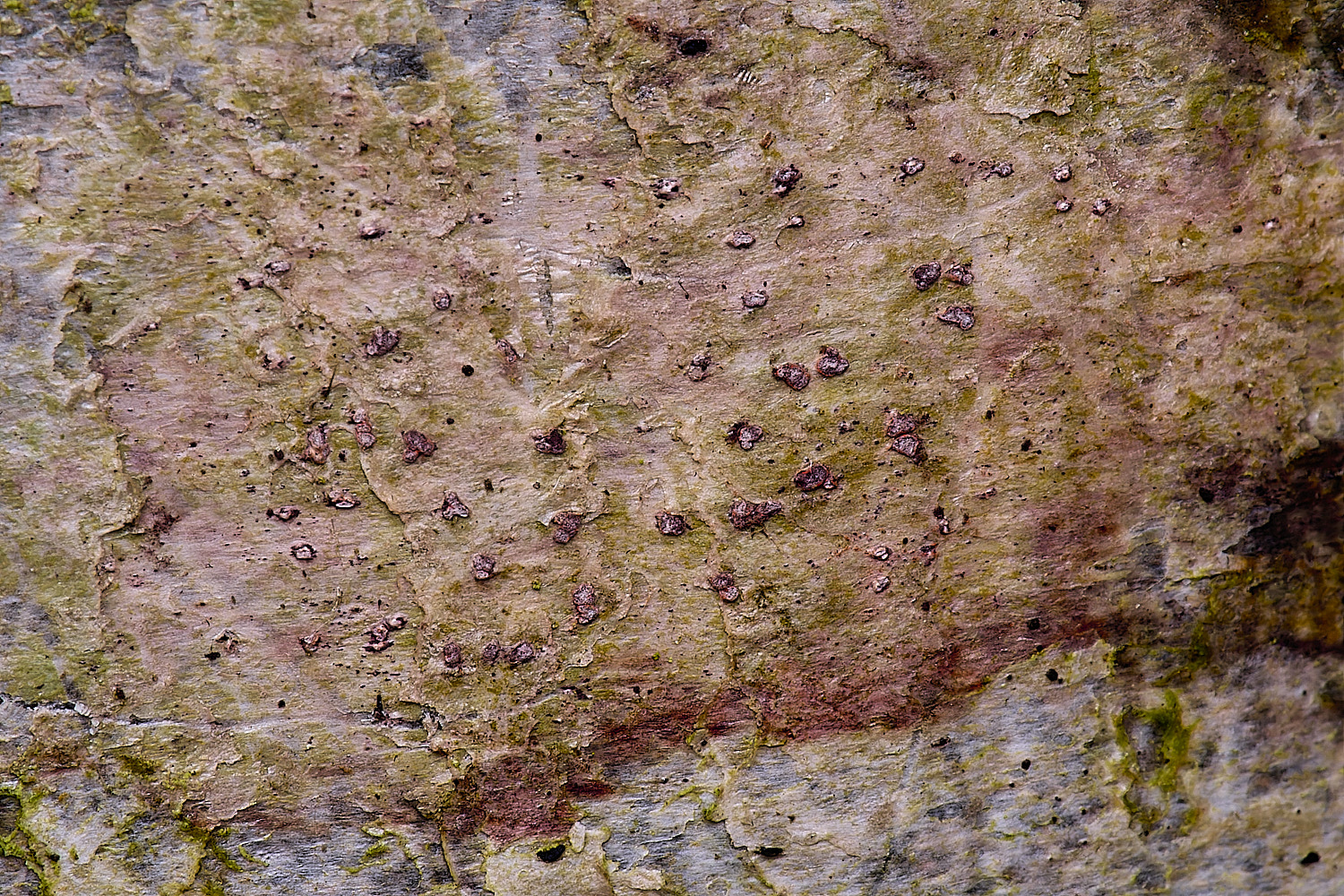
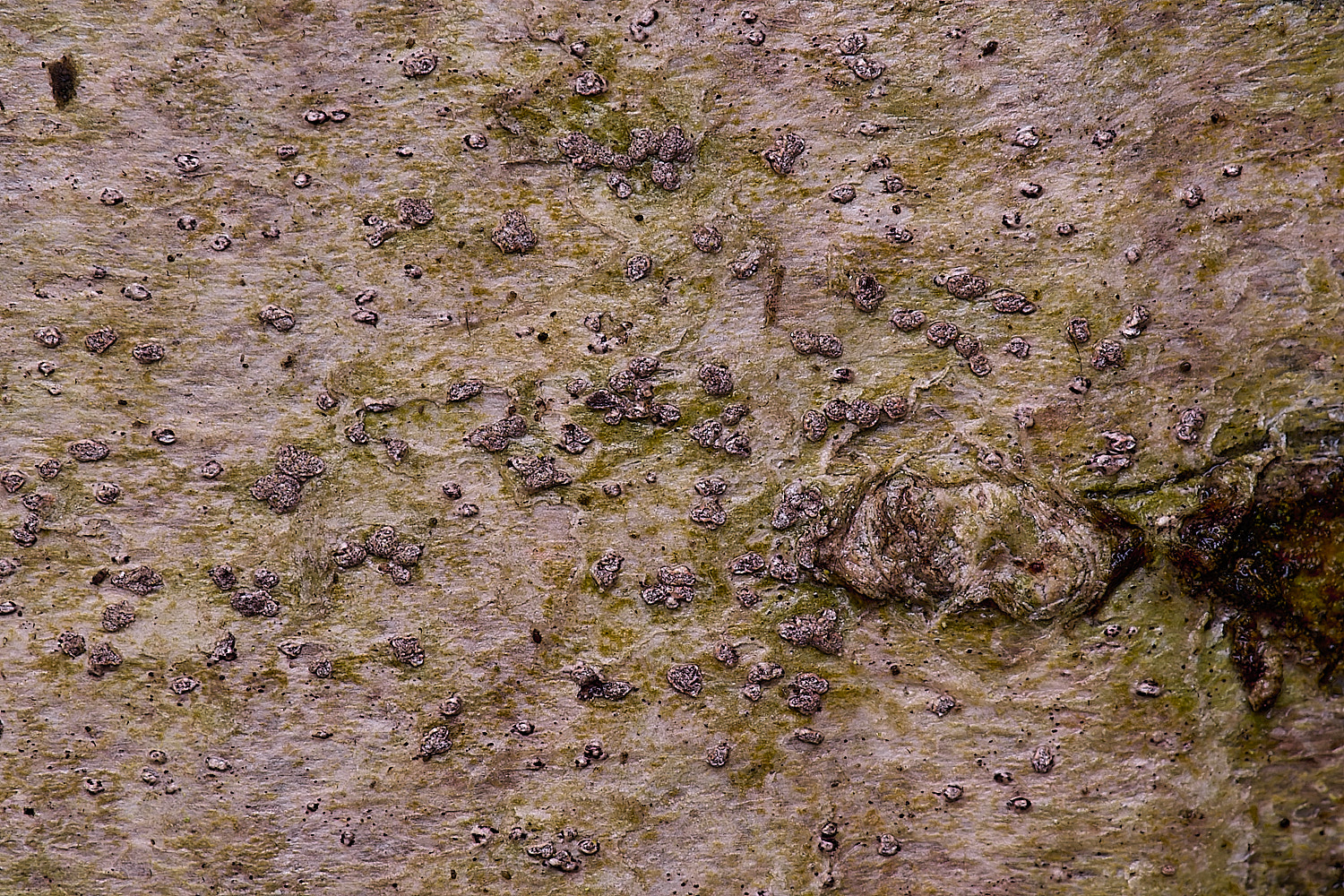
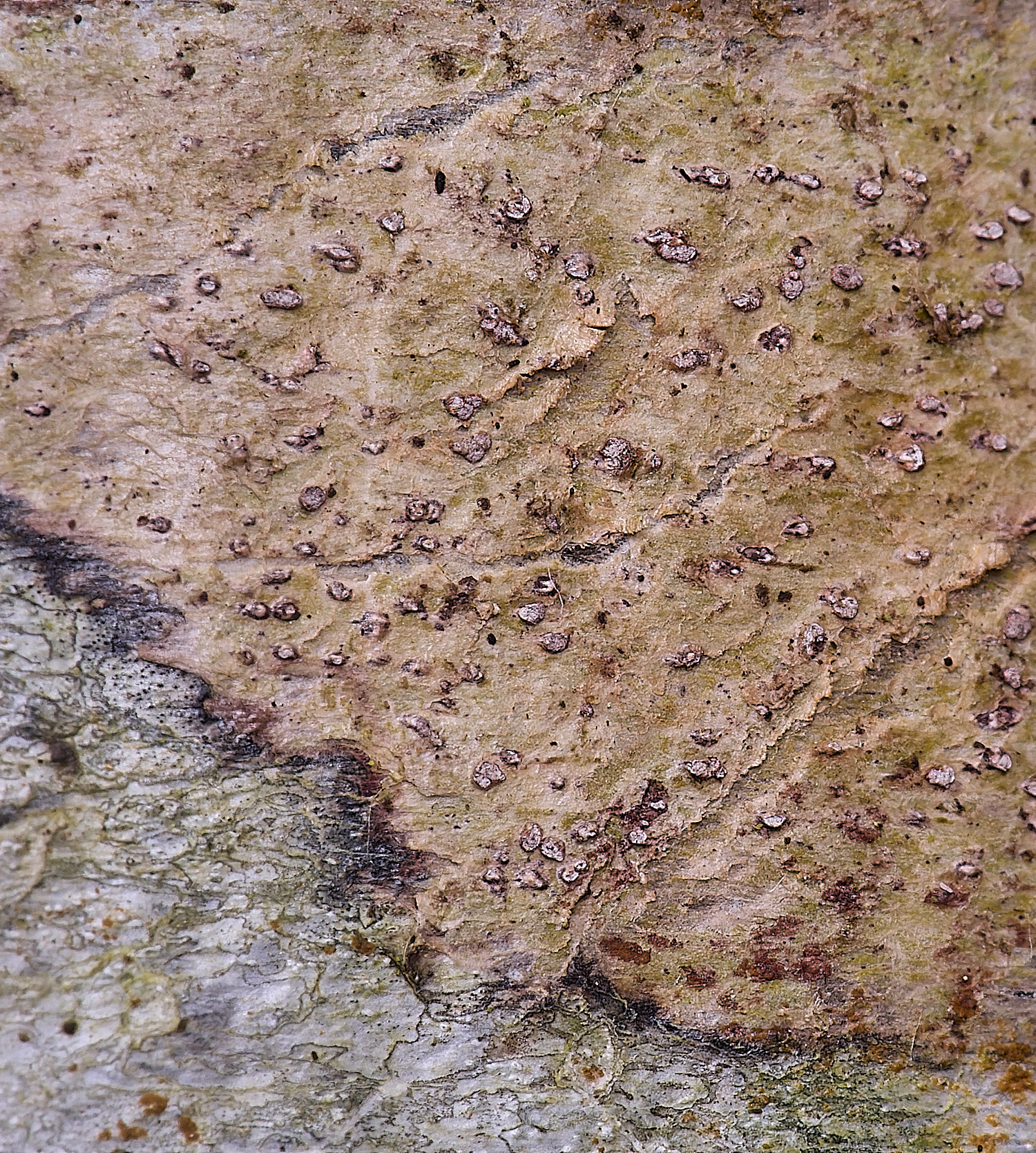
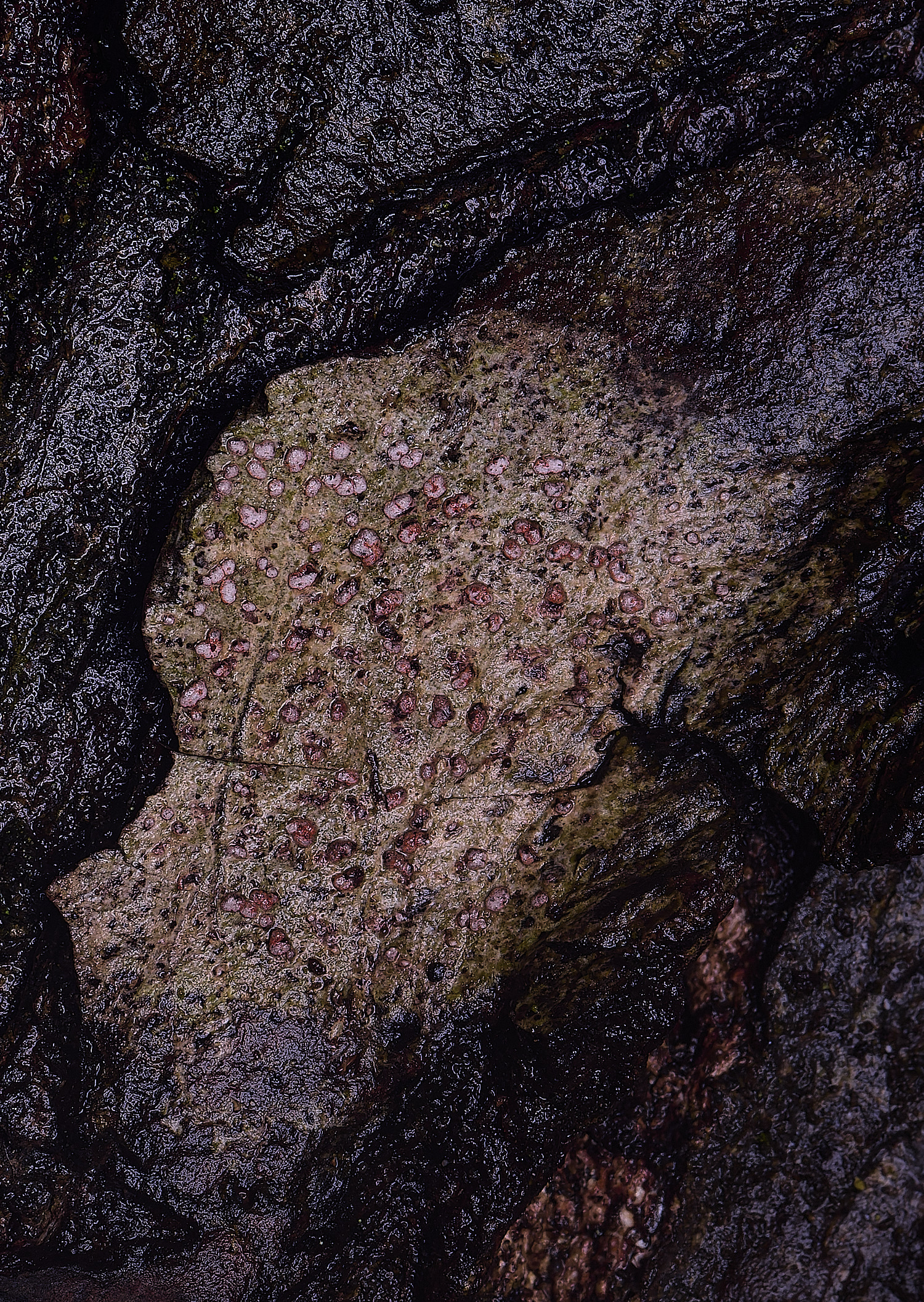
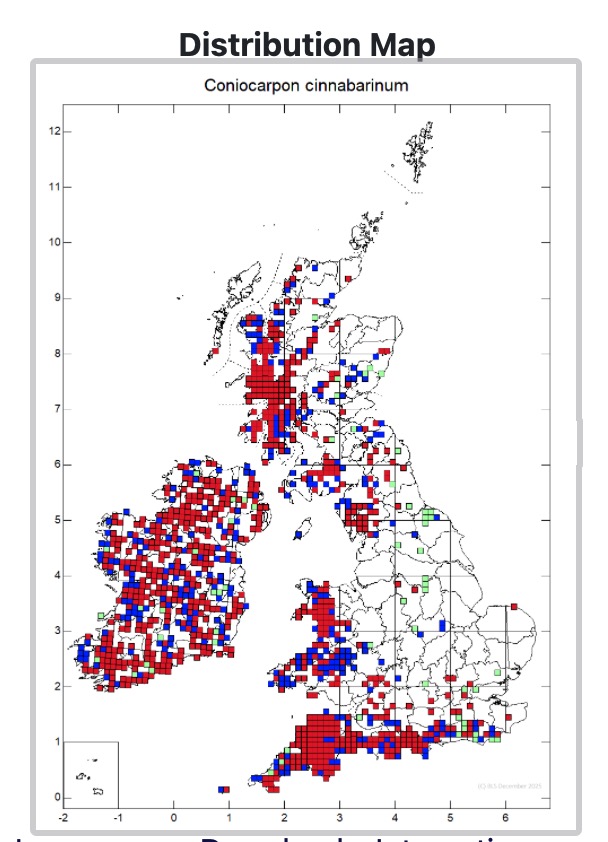
Coniocarpon cinnabarinum
BLS 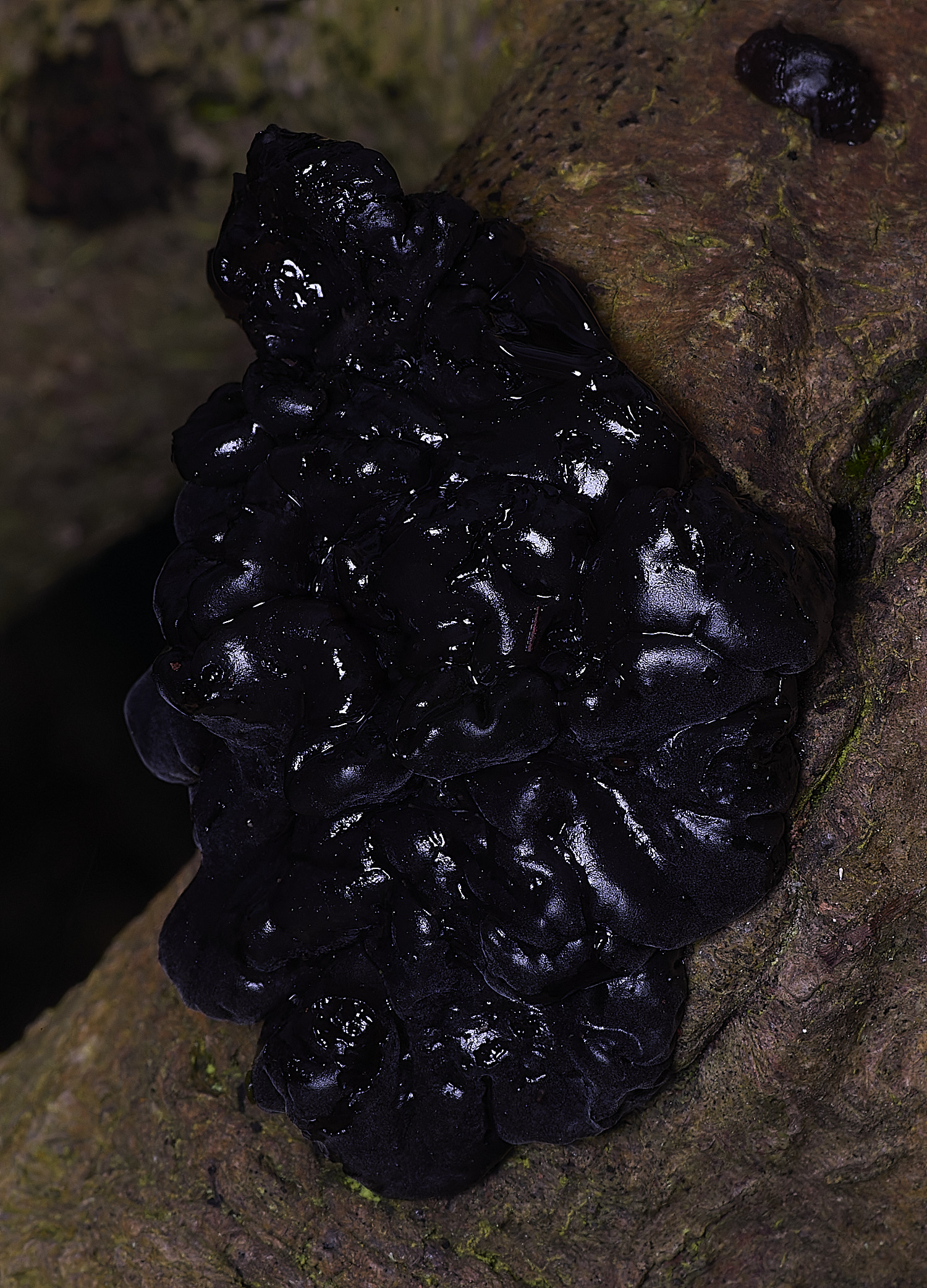
Exidia plana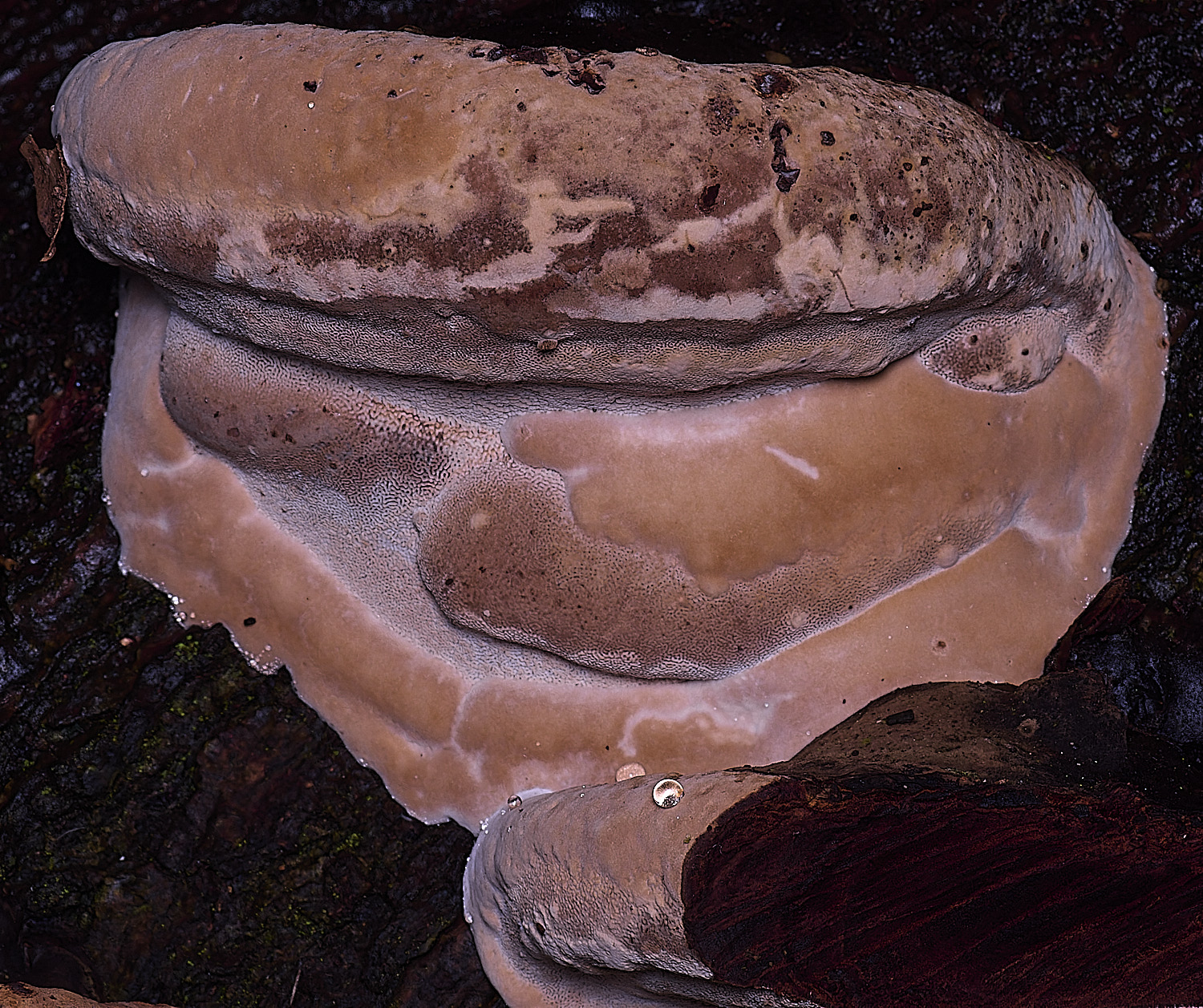
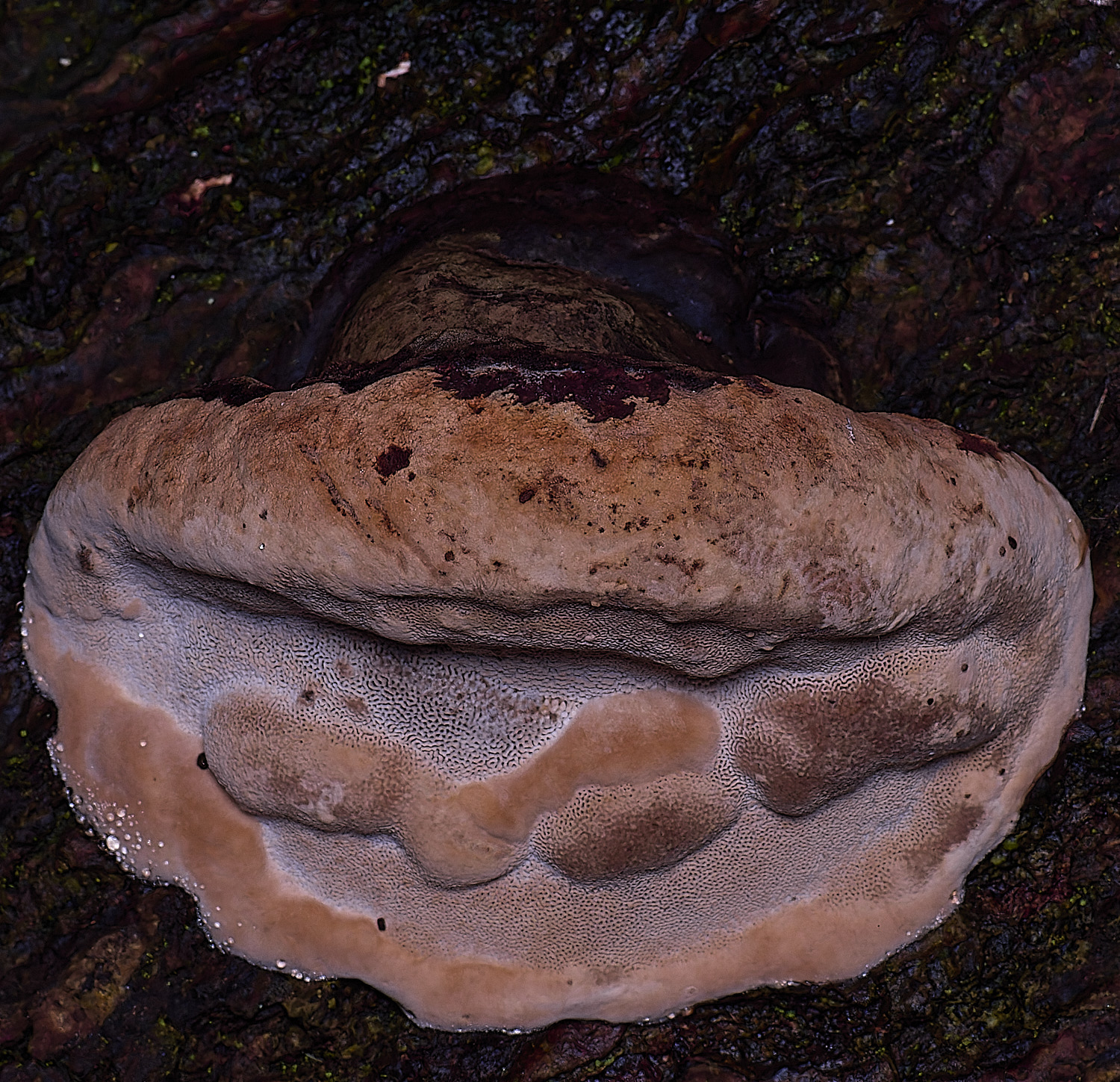
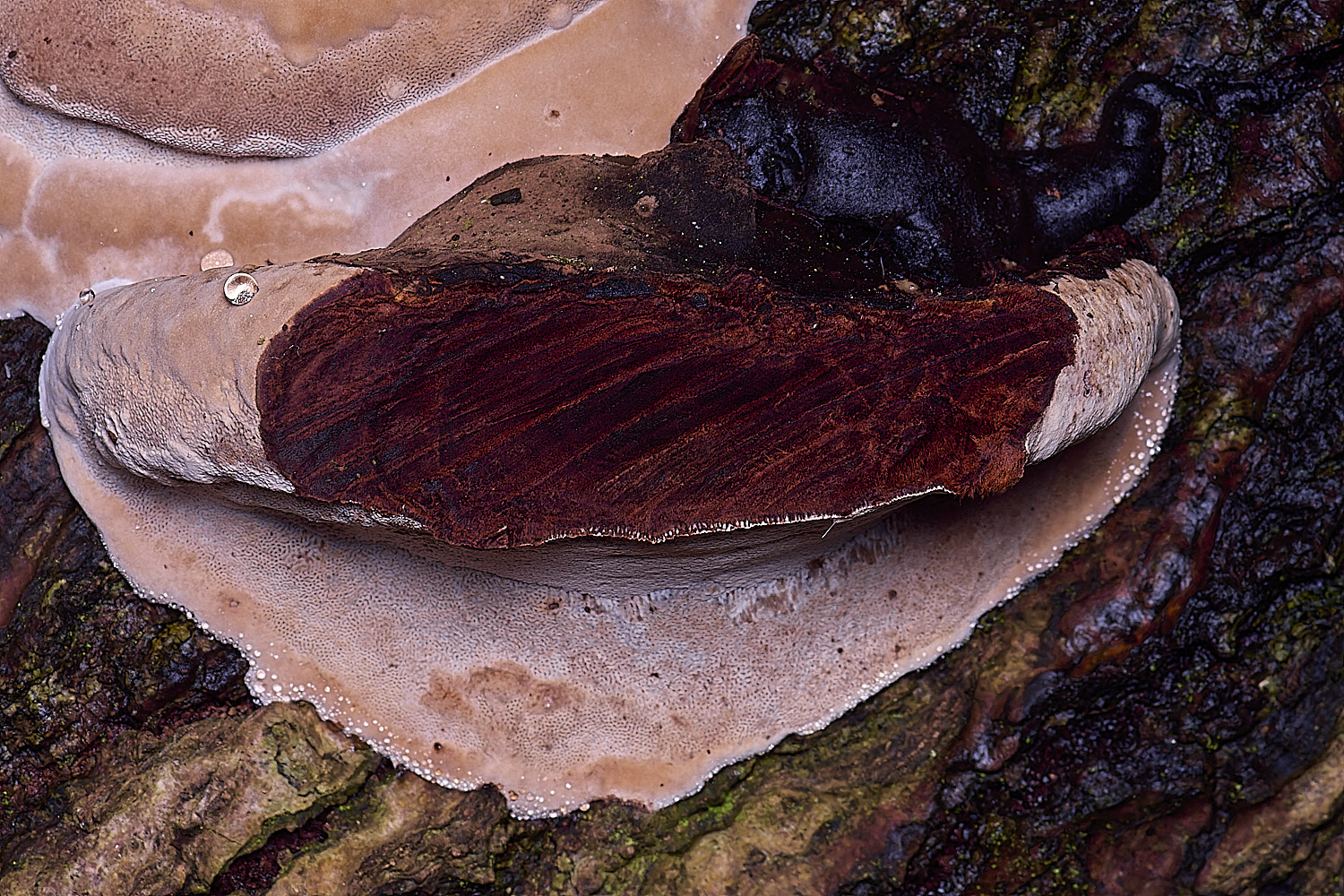
Ganoderma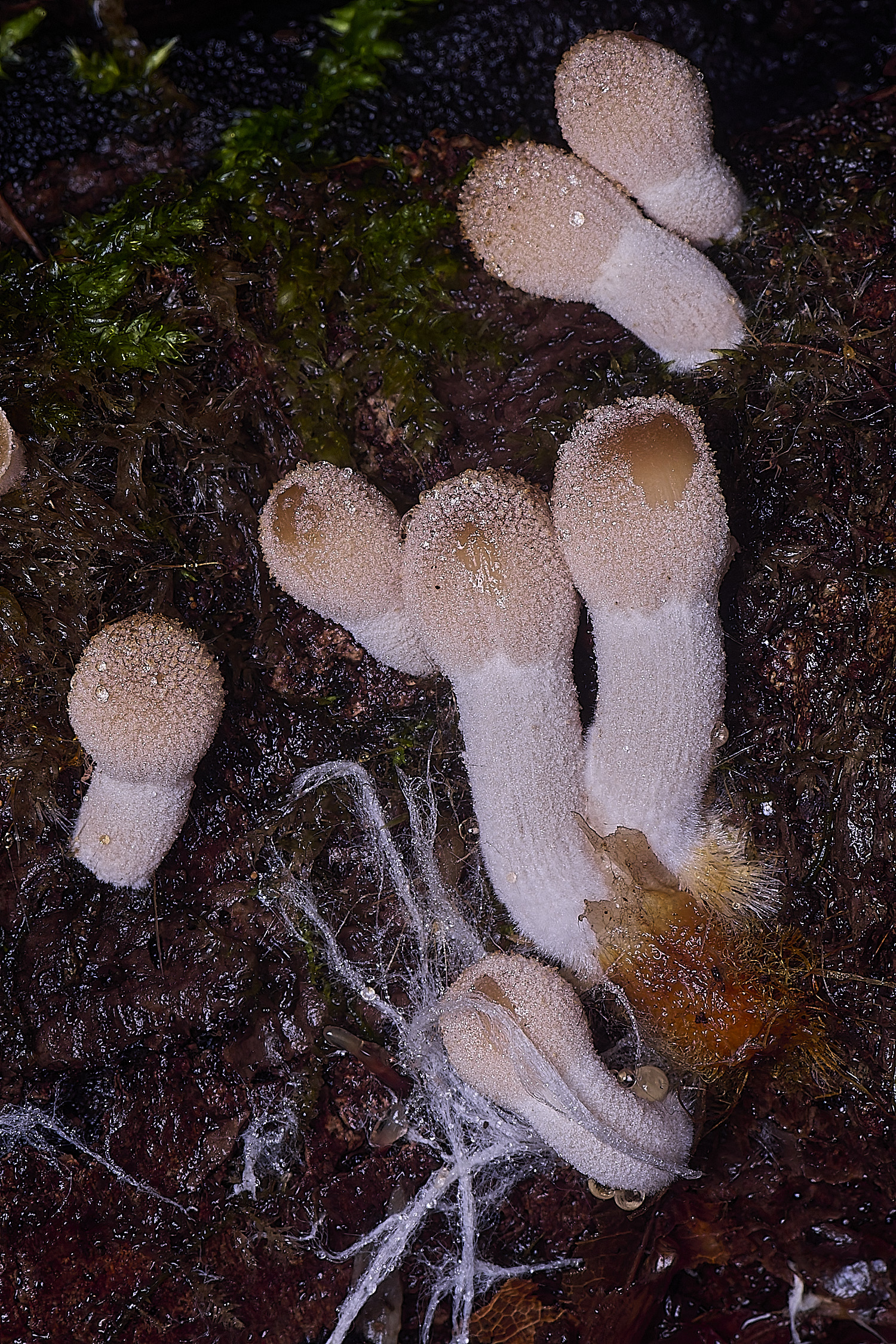
Probably Glistening Inkcap (Coprinellus micaceus)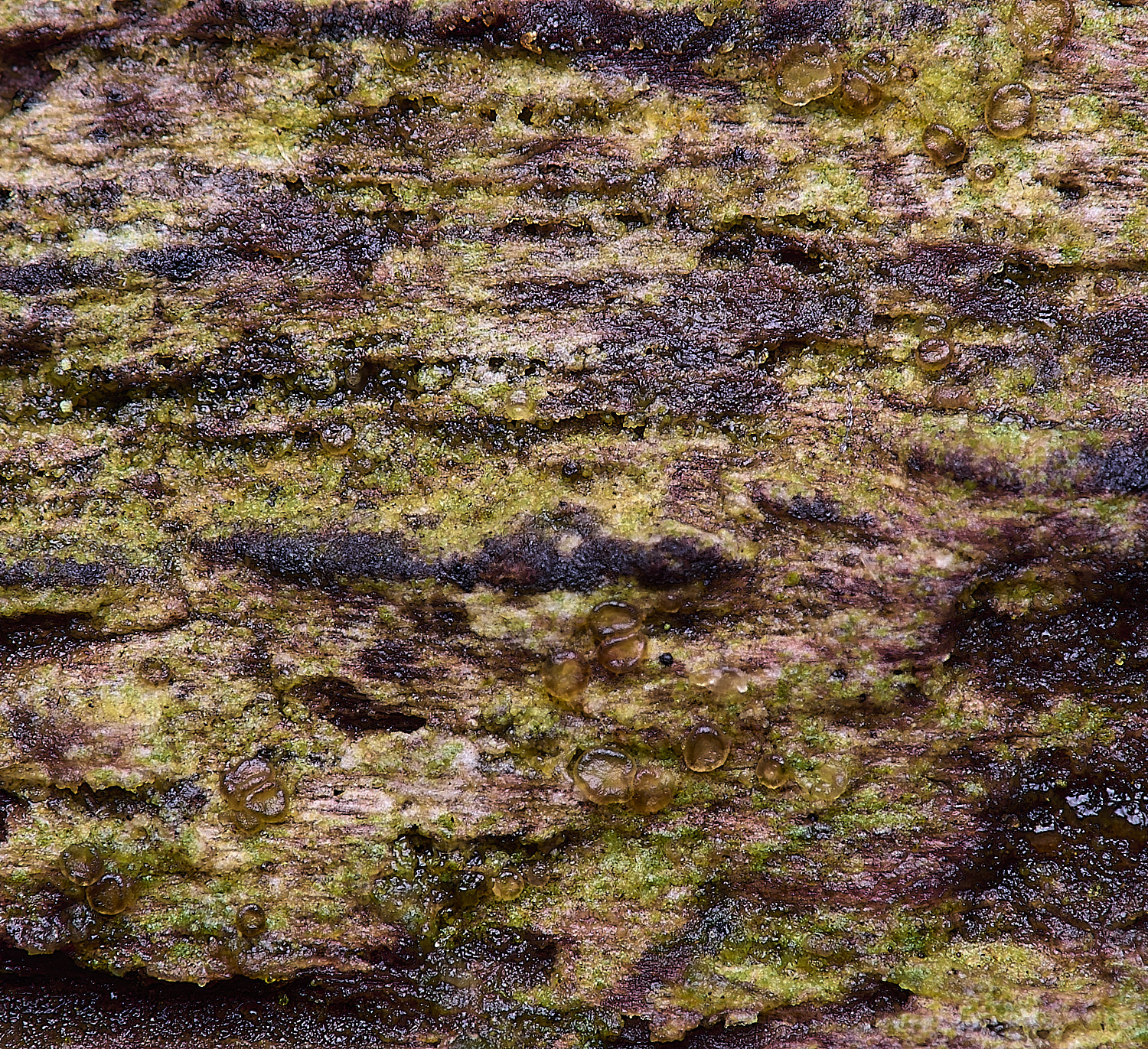
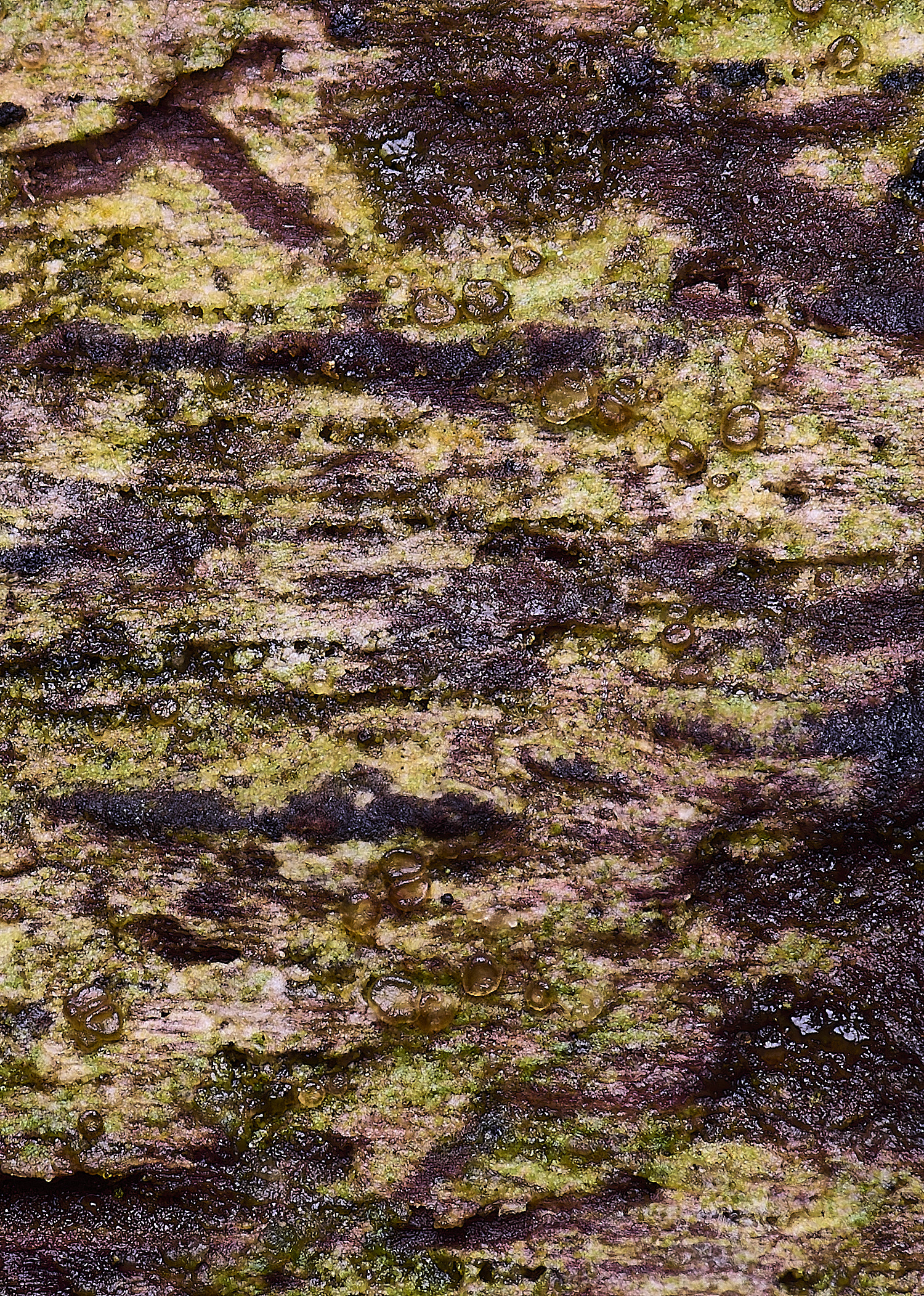
Fruitng Jamesiella anastomosans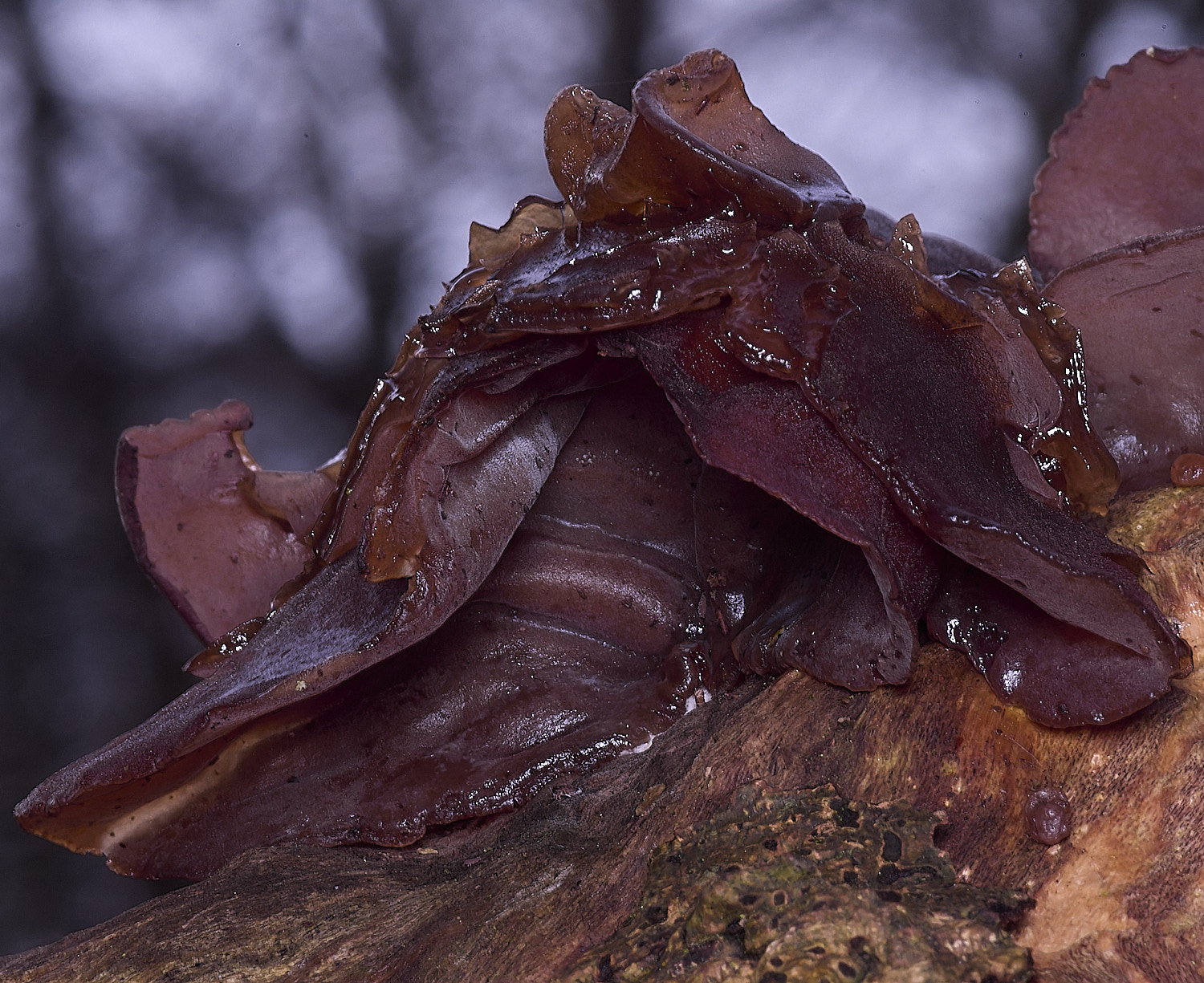
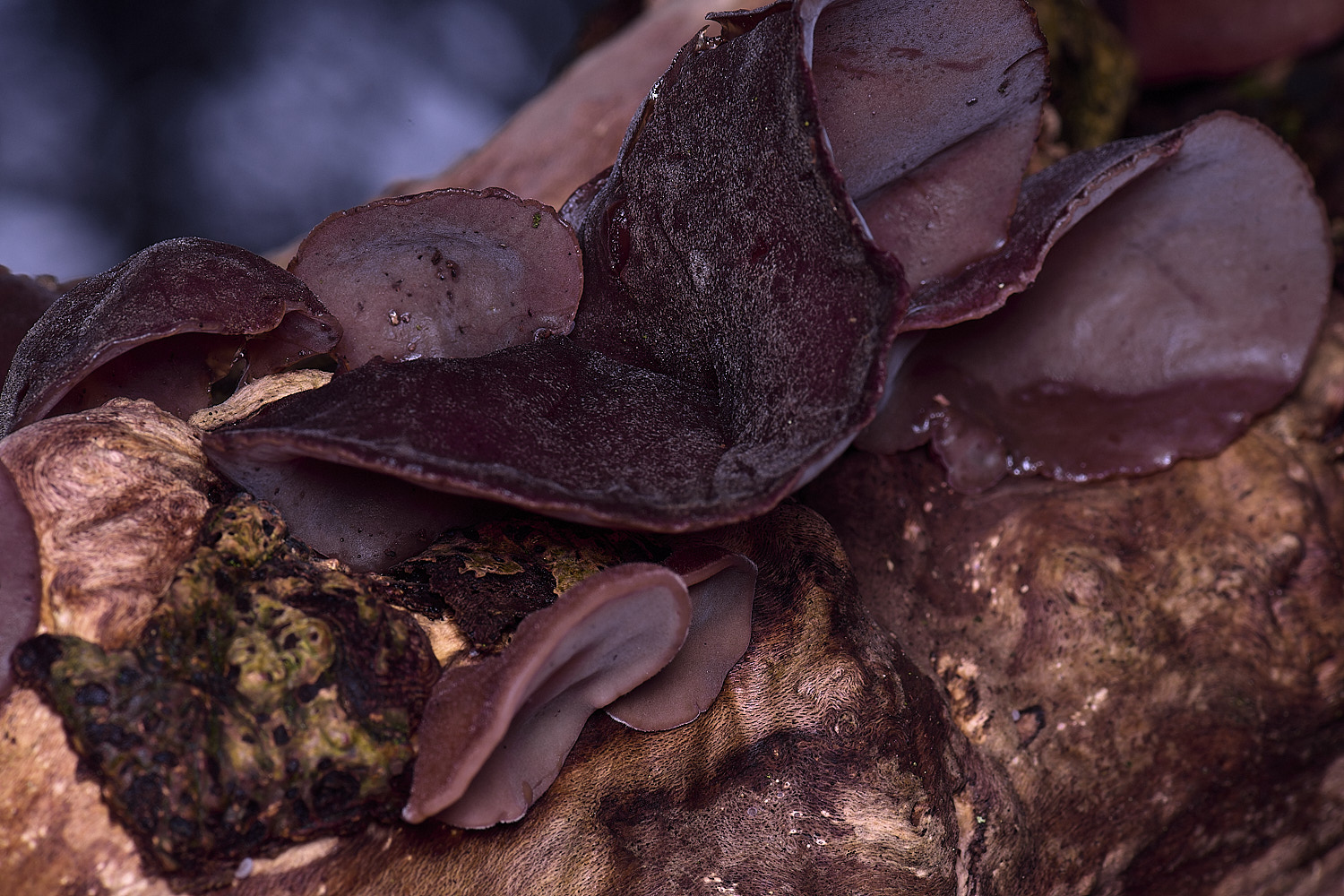
Jelly Ear (Auricularia auricula-judae)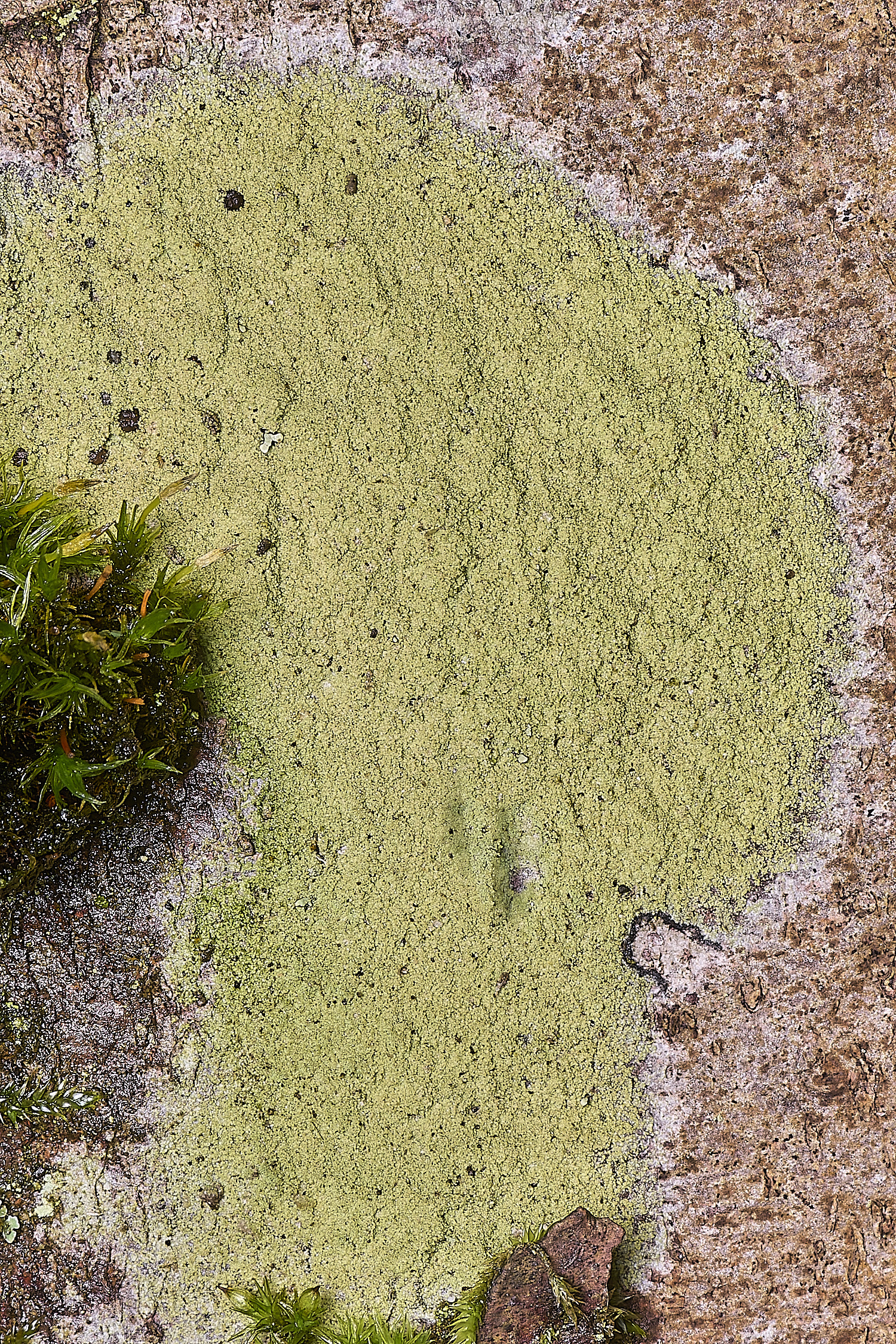
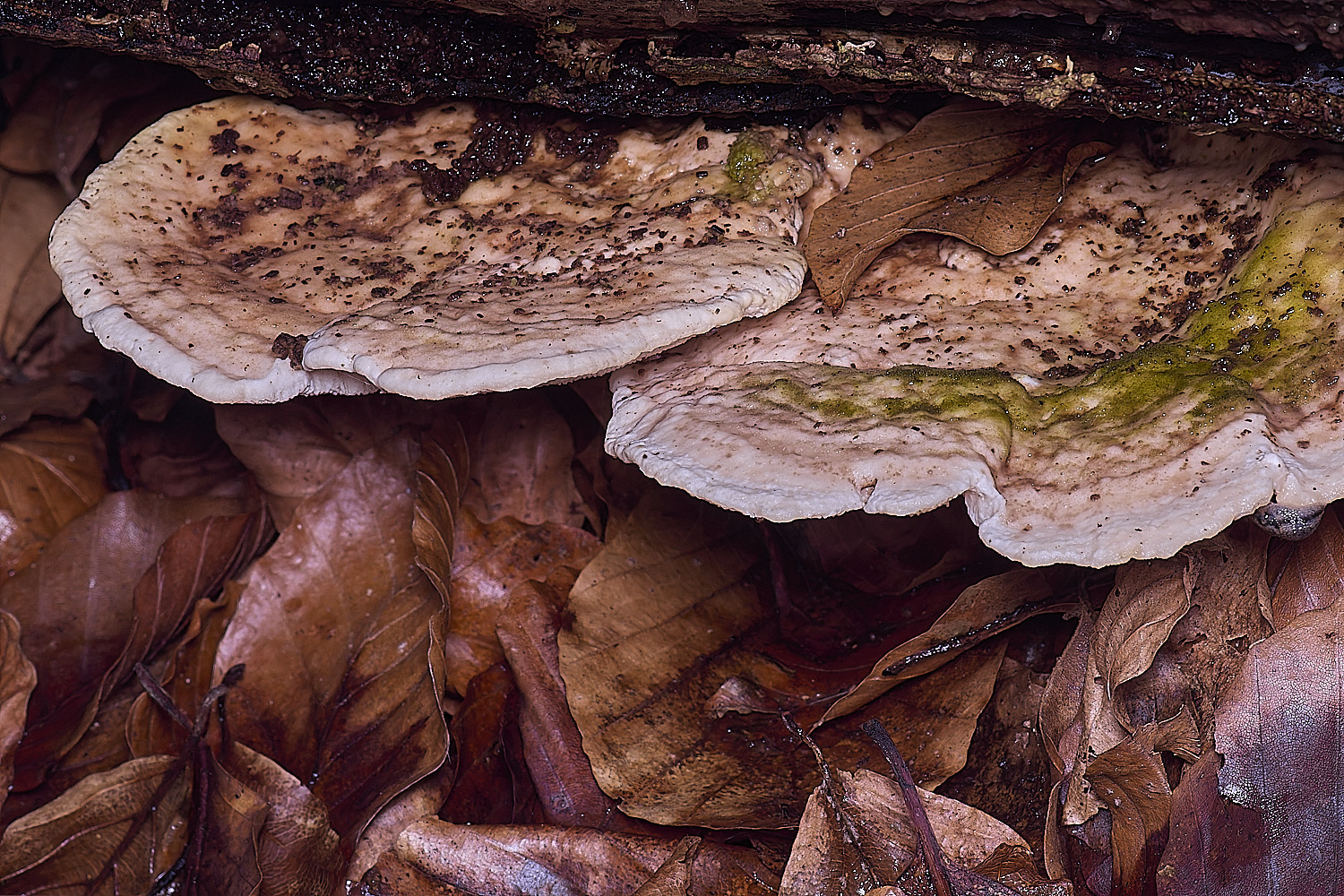
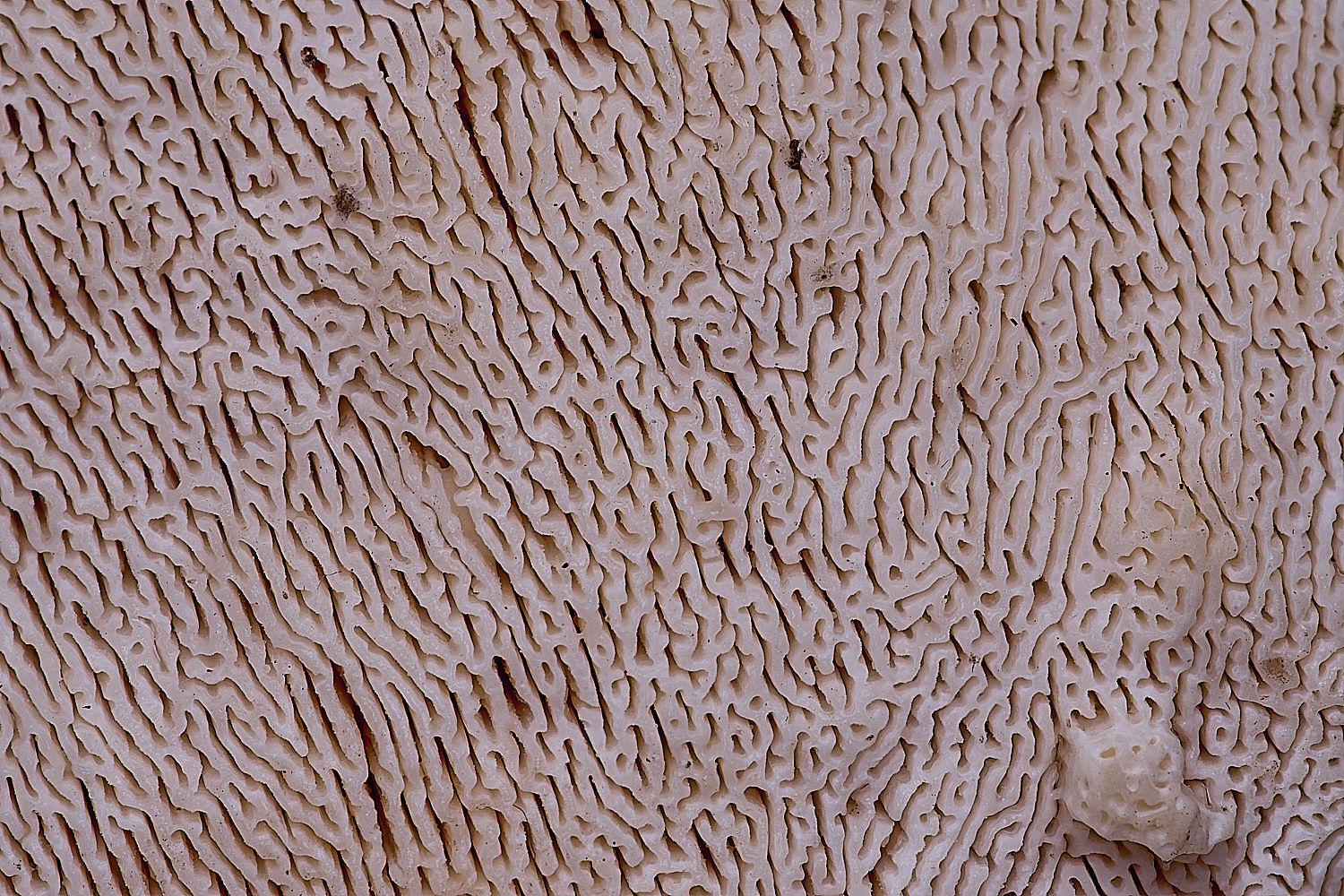
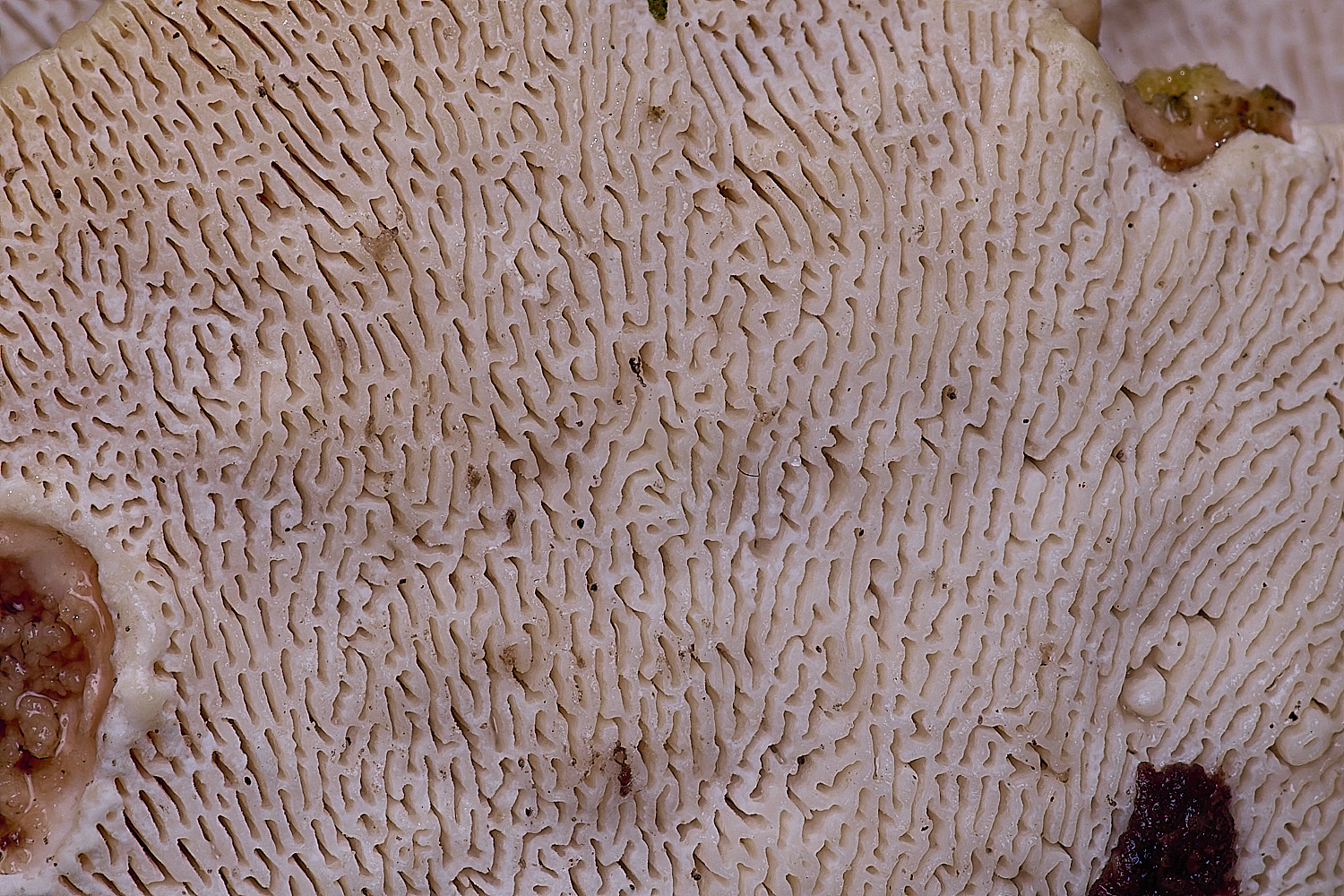
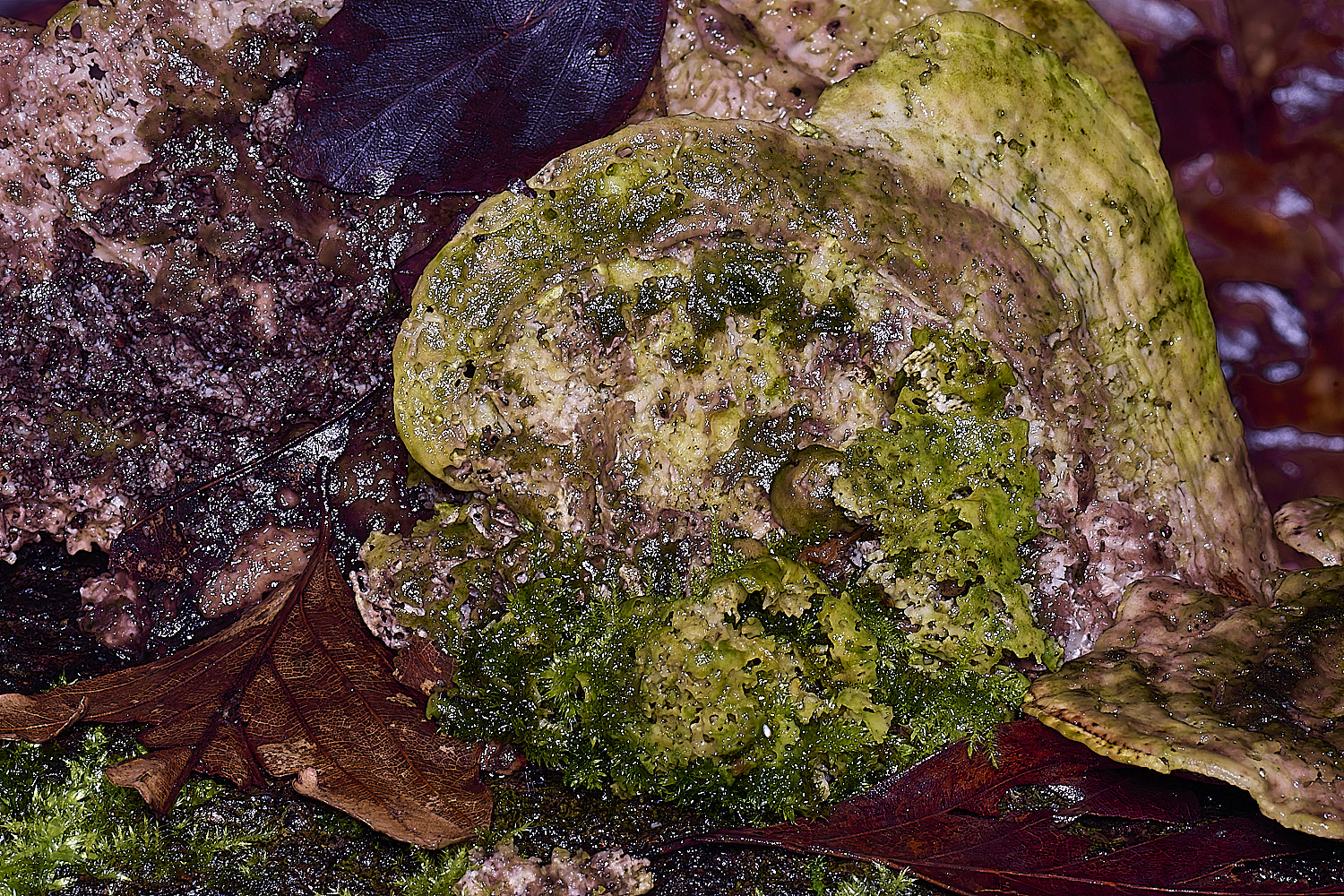
Lumpy Bracket (Trametes gibbosa)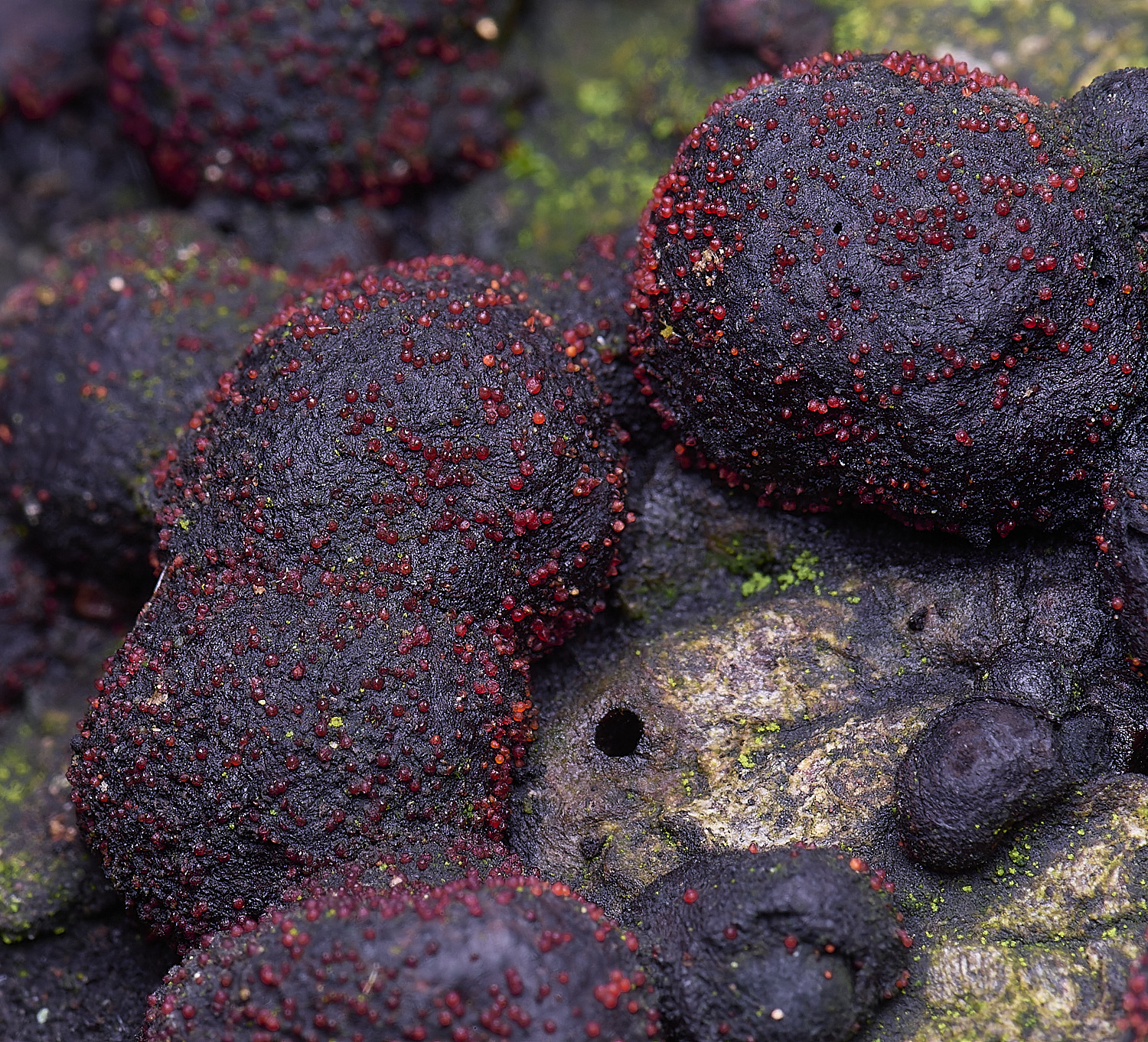
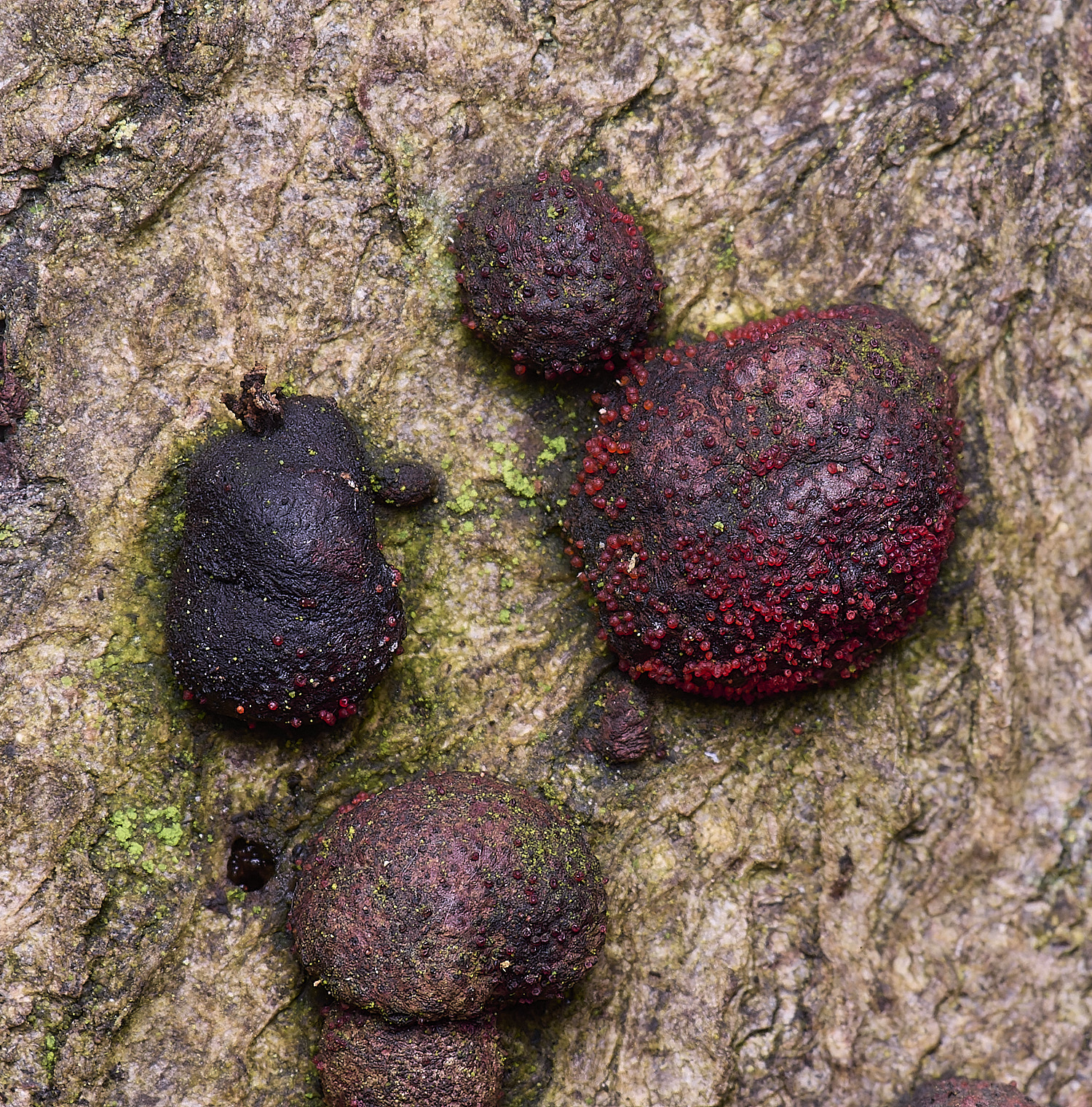
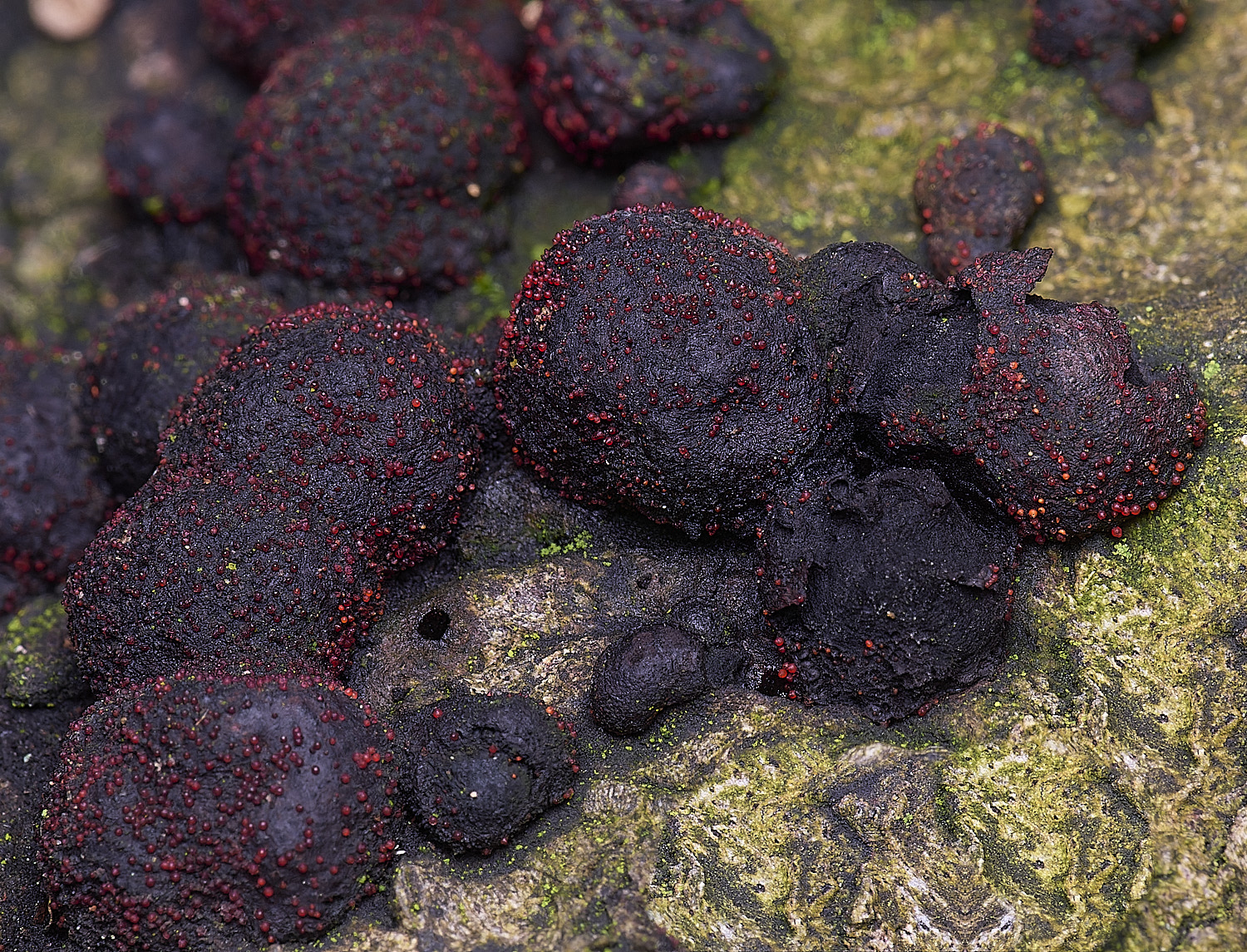
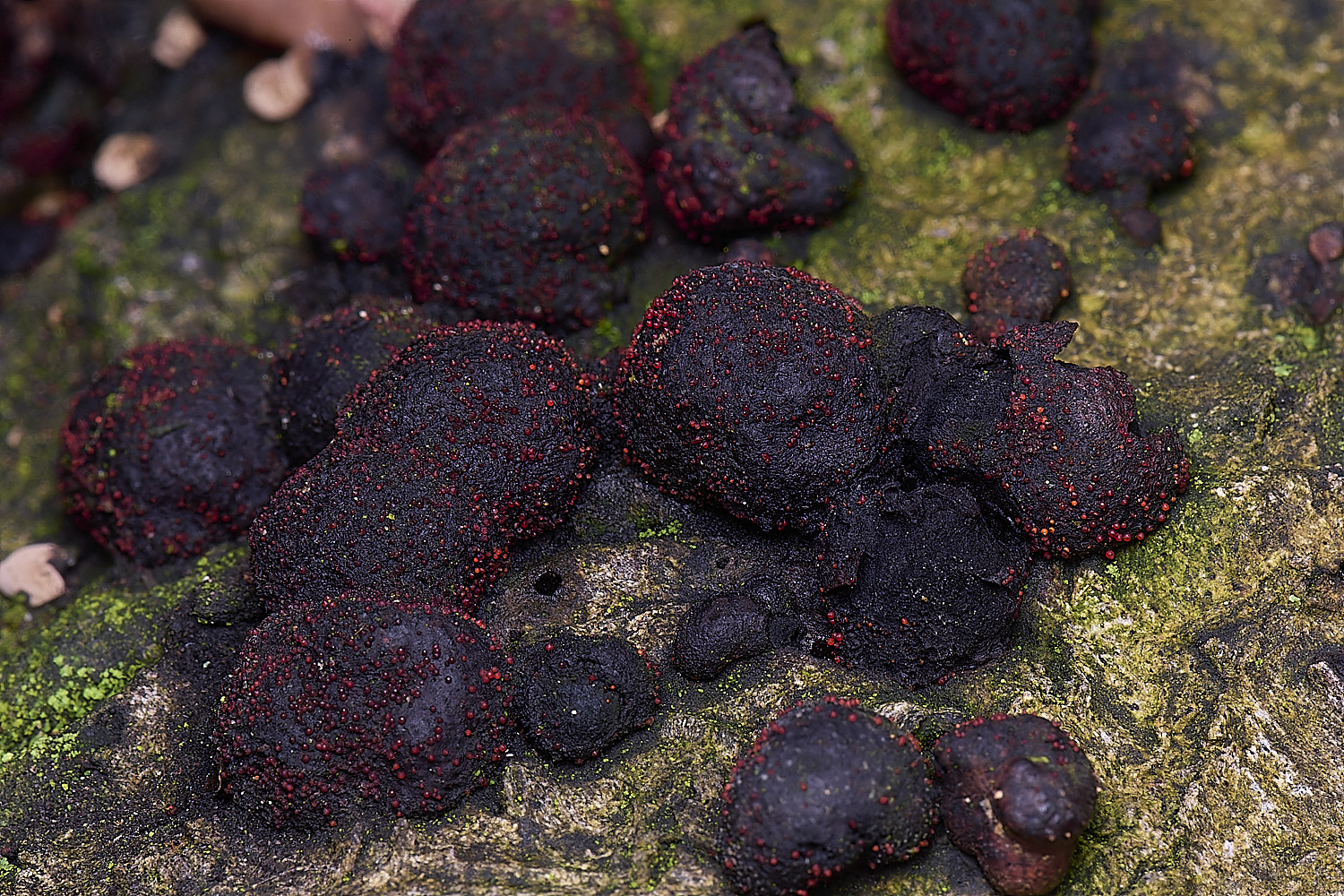
Cosmospora arxii on Beech Woodwart (Hypoxylon fragiforme)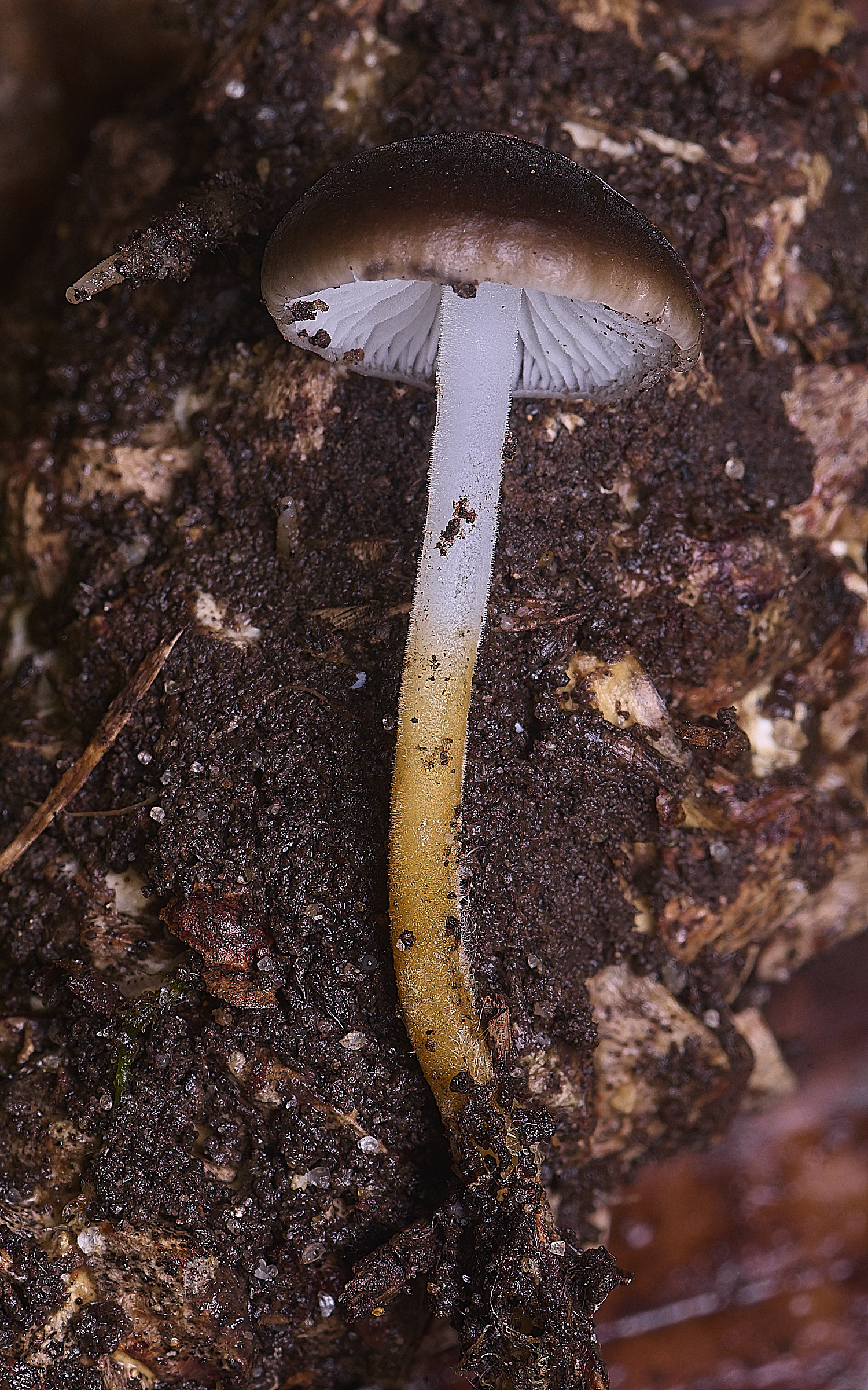
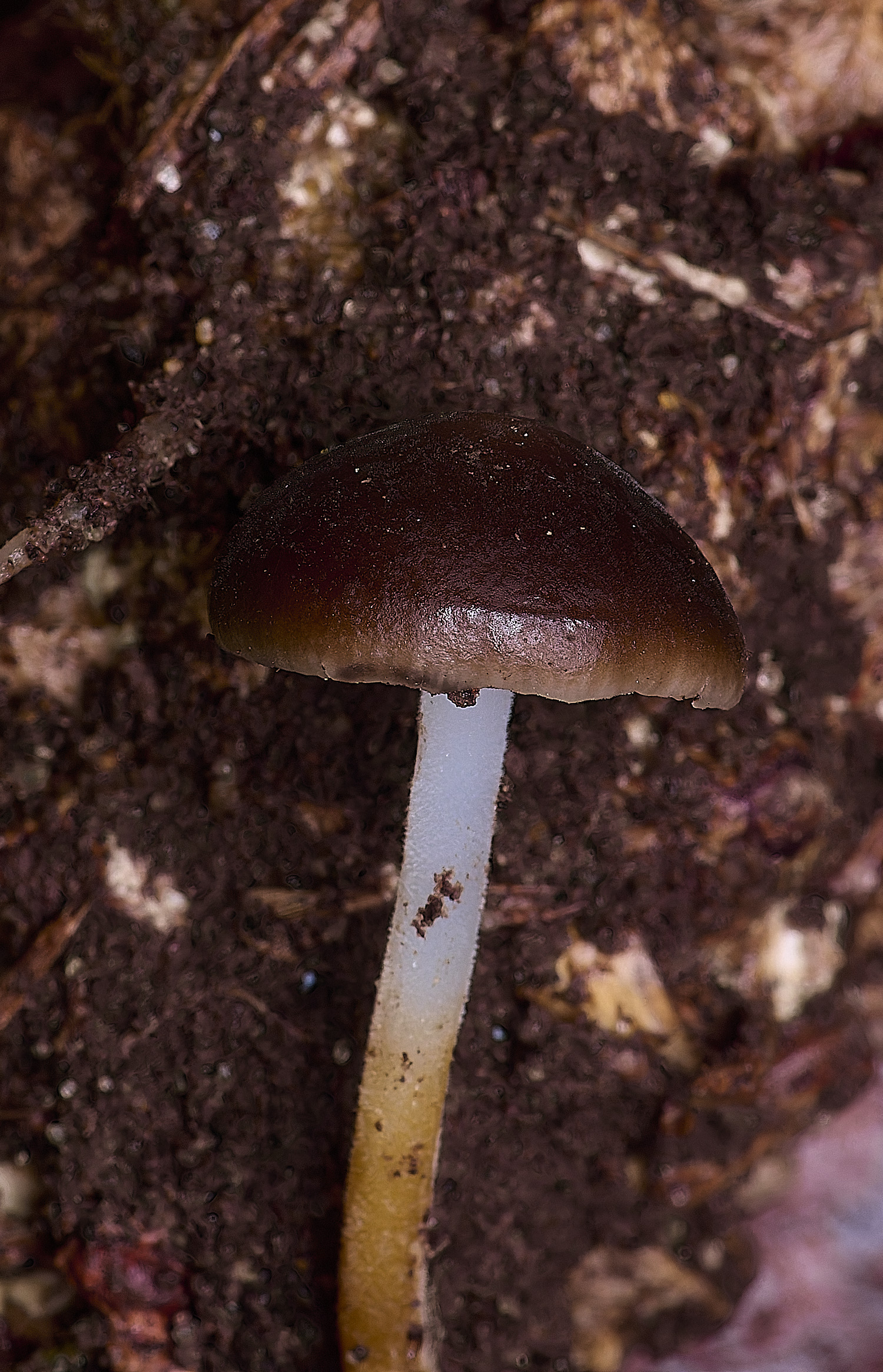
Pine Cone Cap (Strobilurus tenacellus)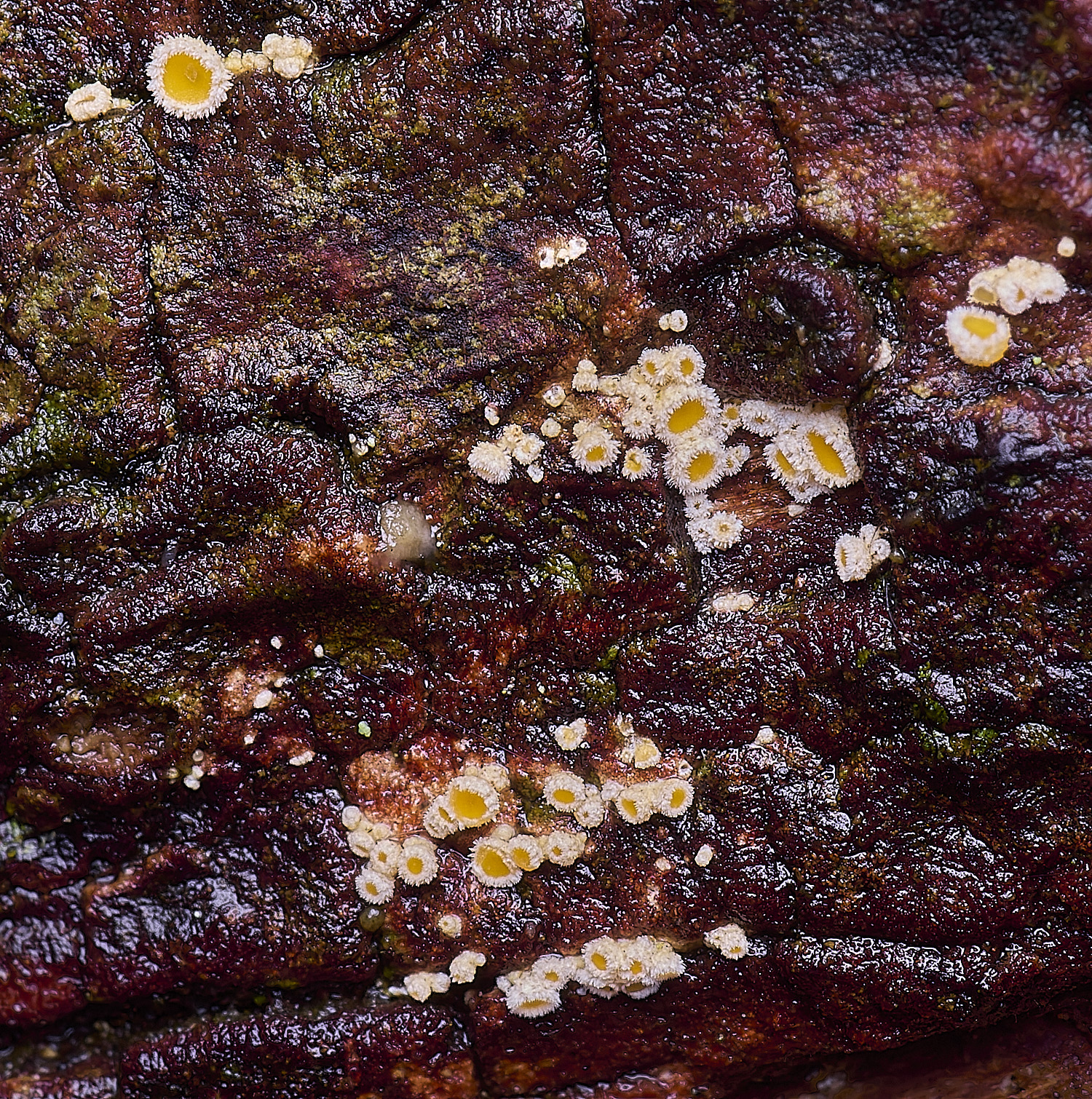
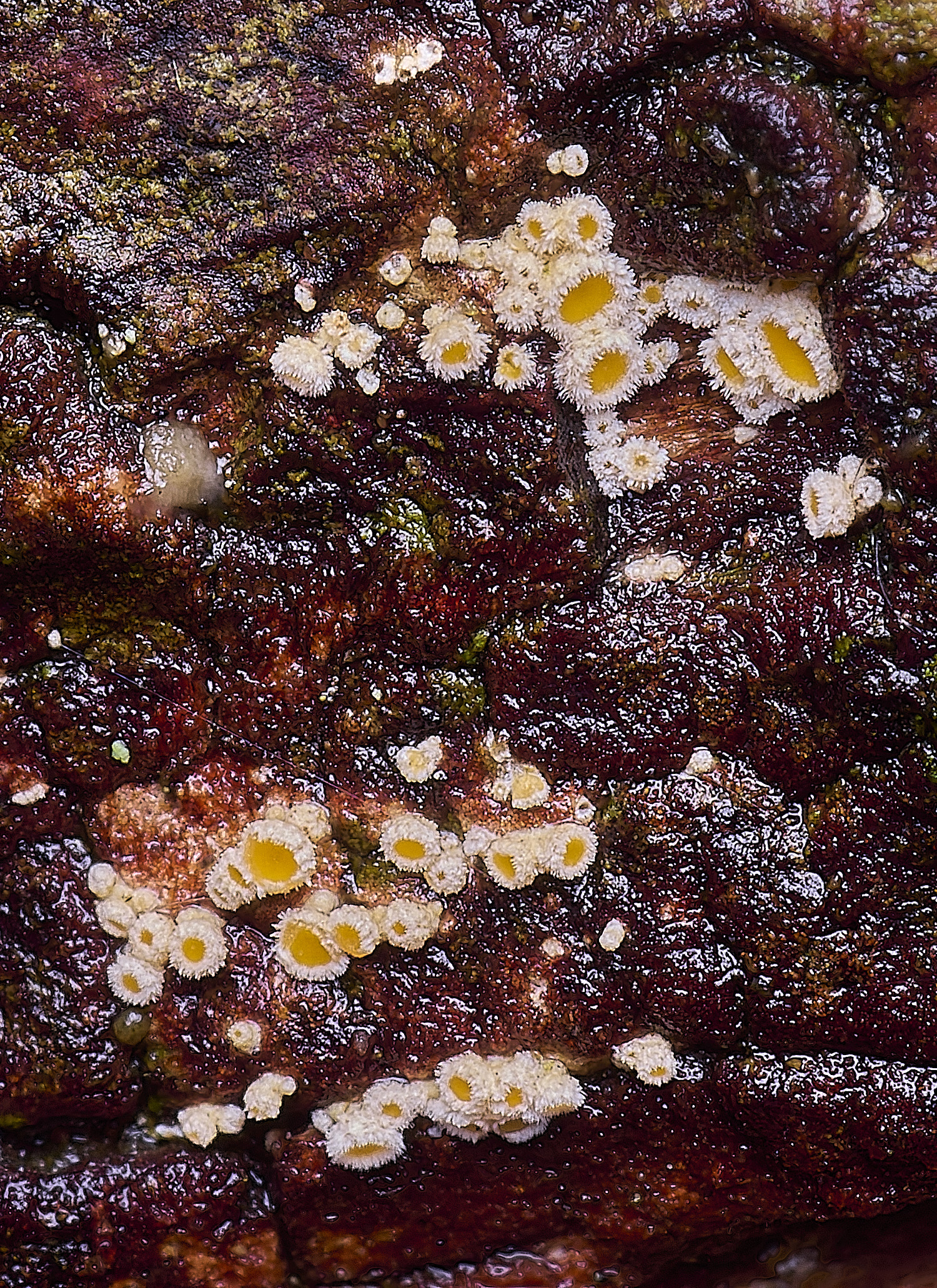
Conifer Disco (Lachnellula subtilissima) on Pine 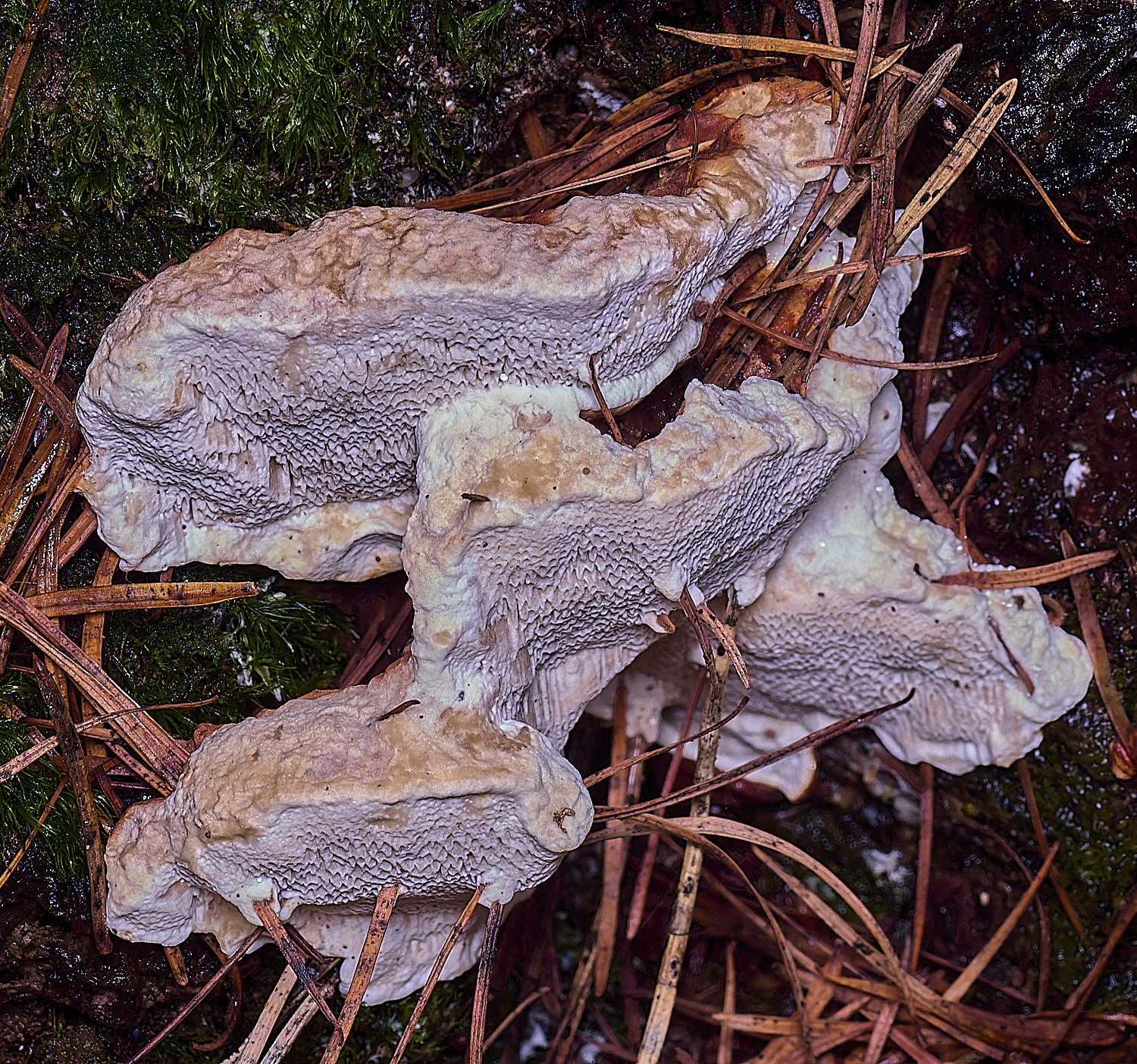
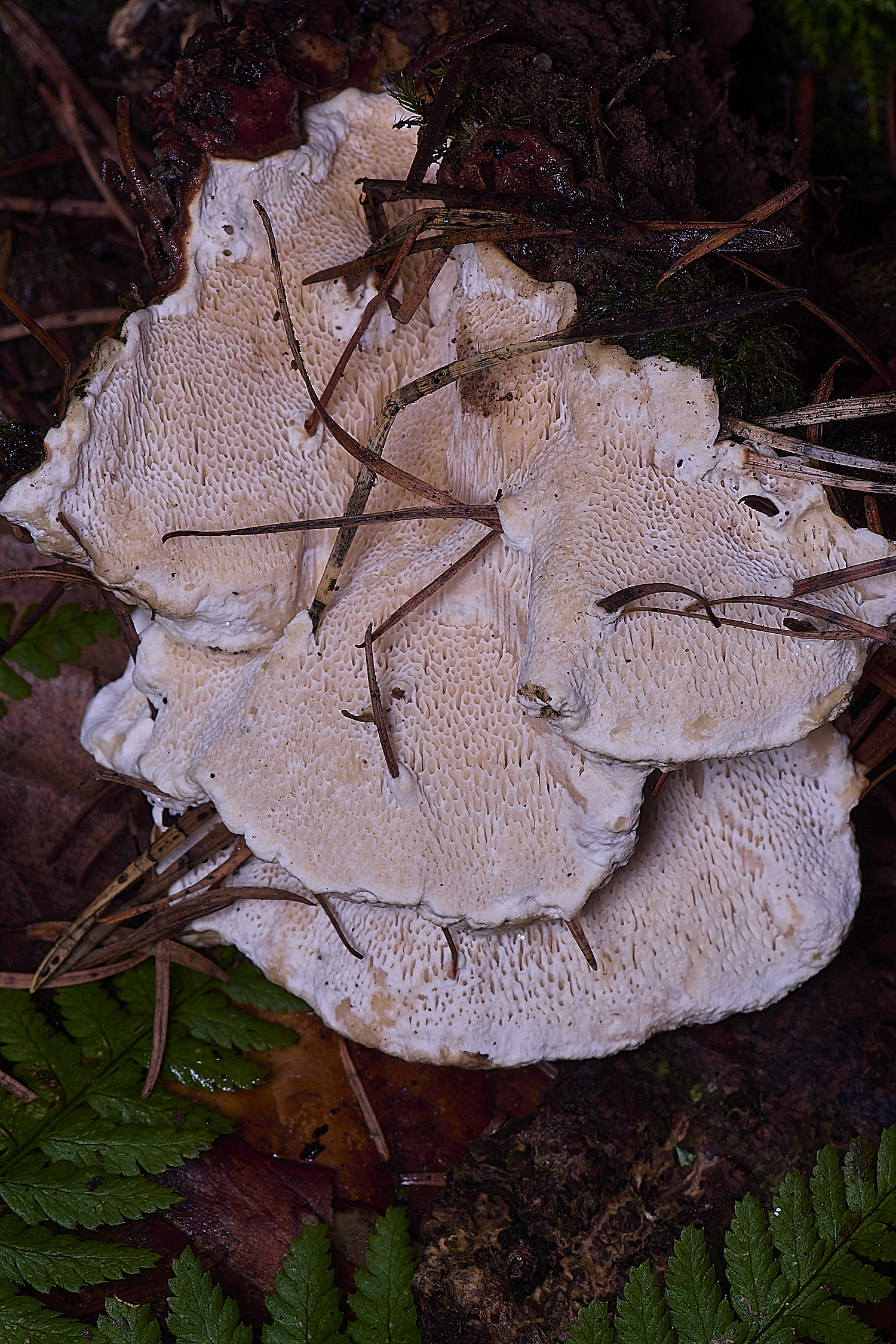
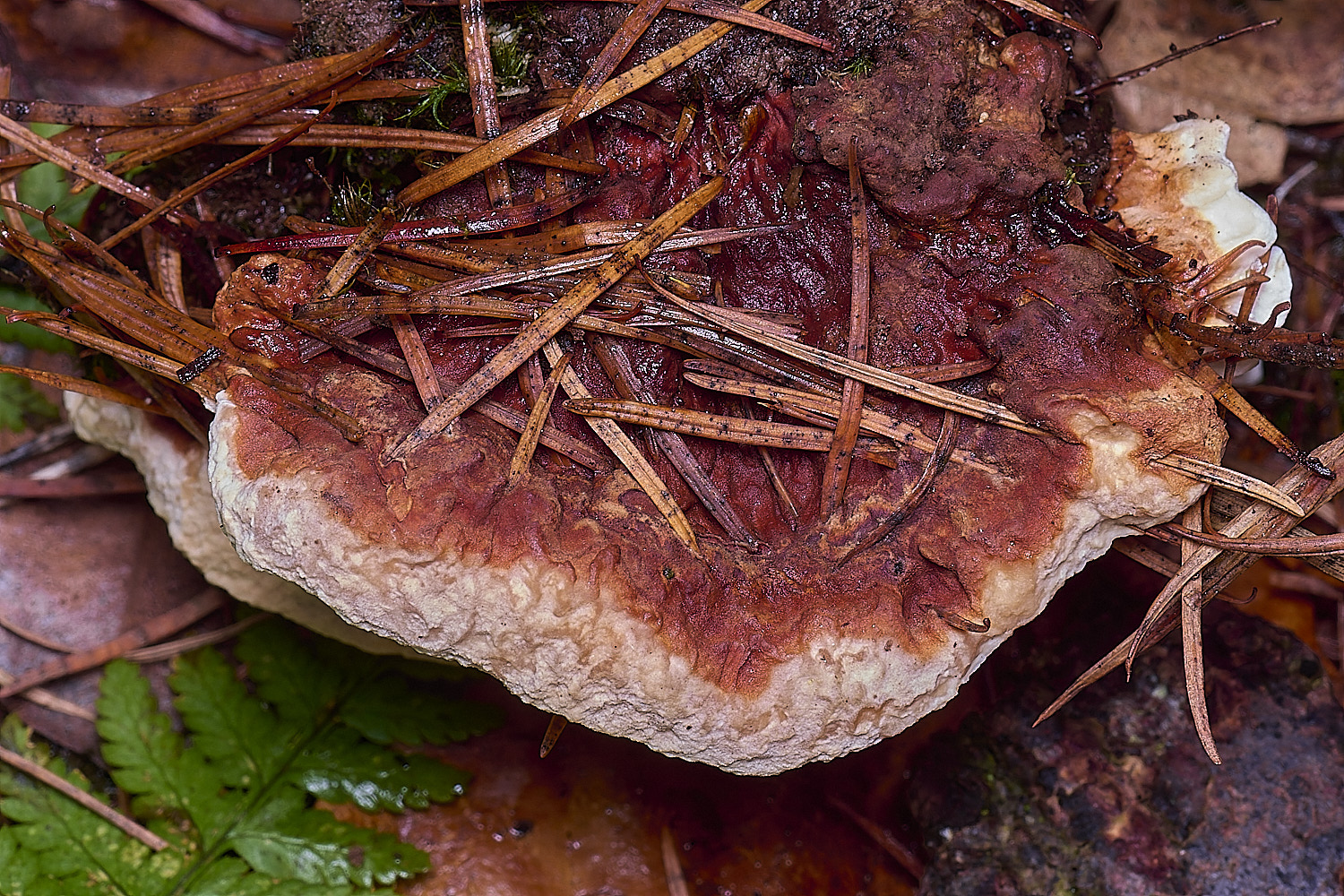
Heterobasidion annosum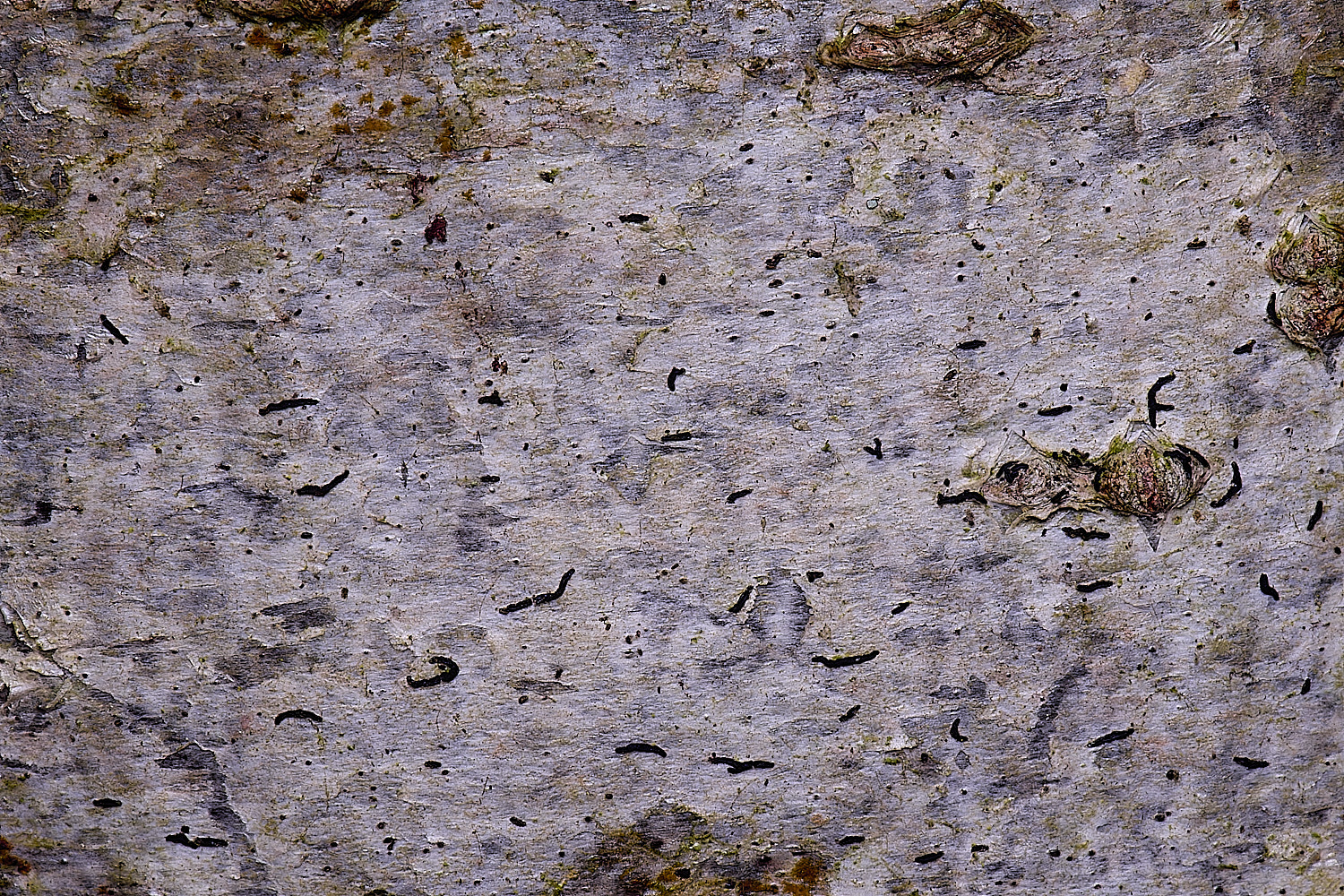
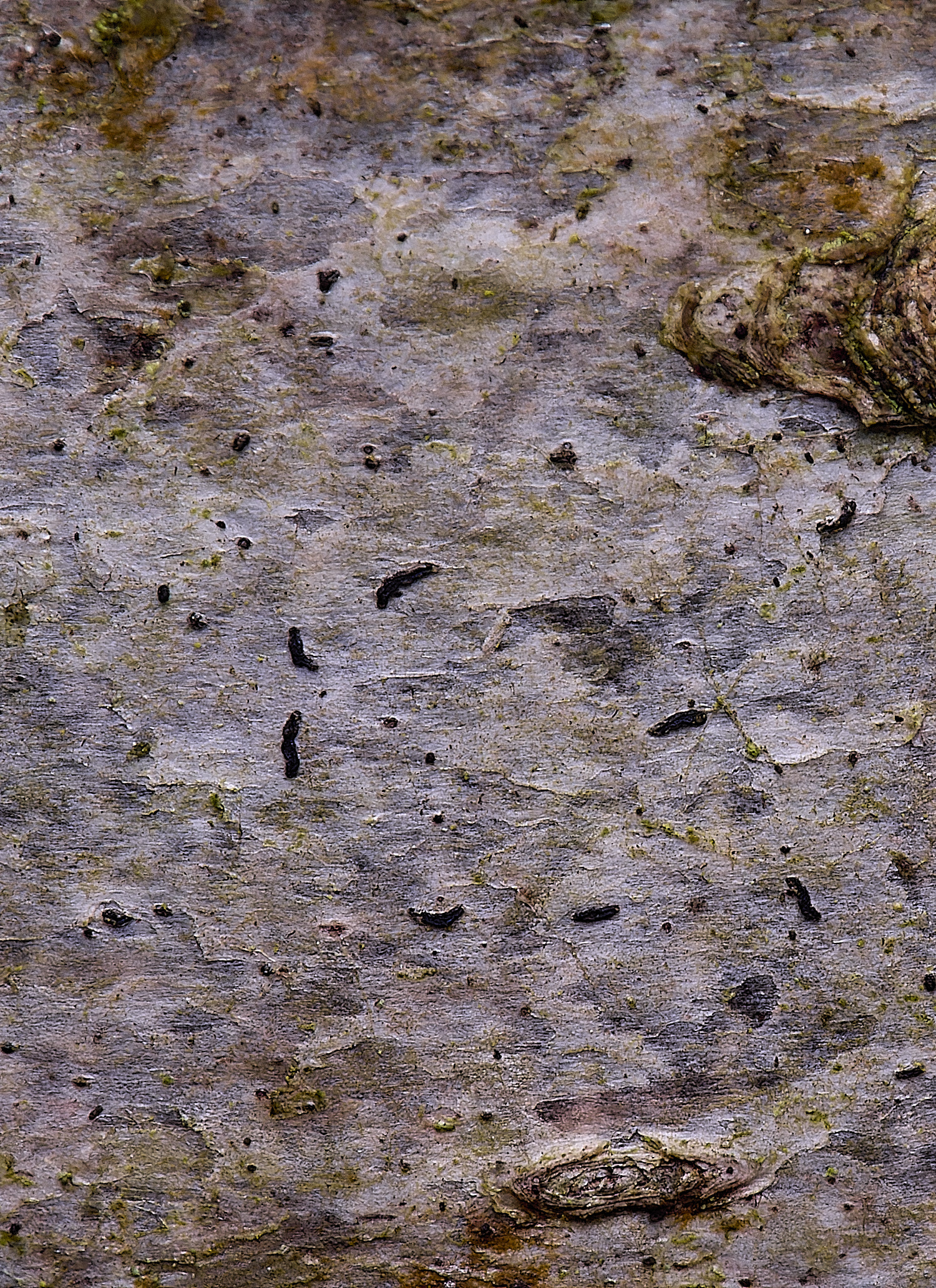
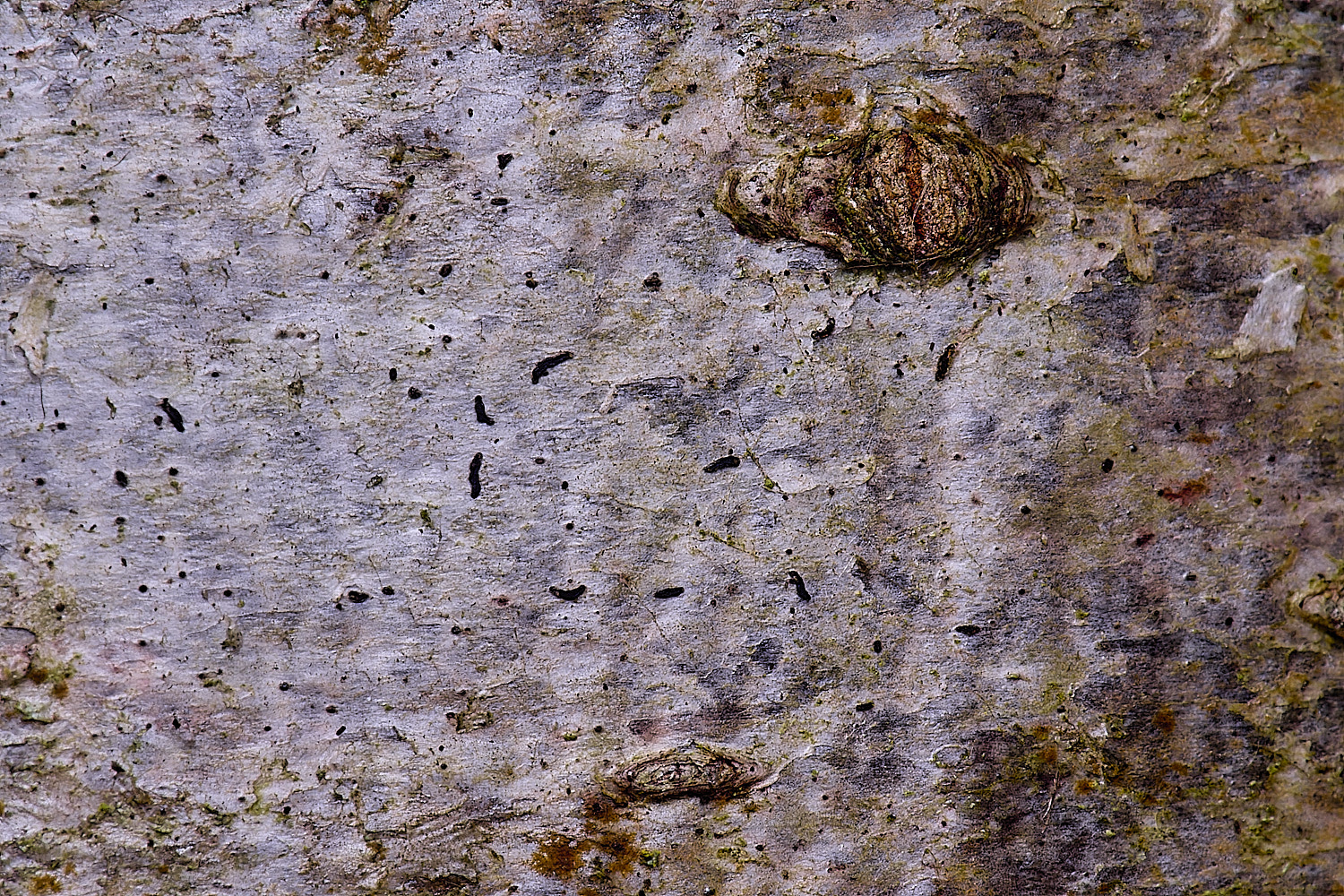
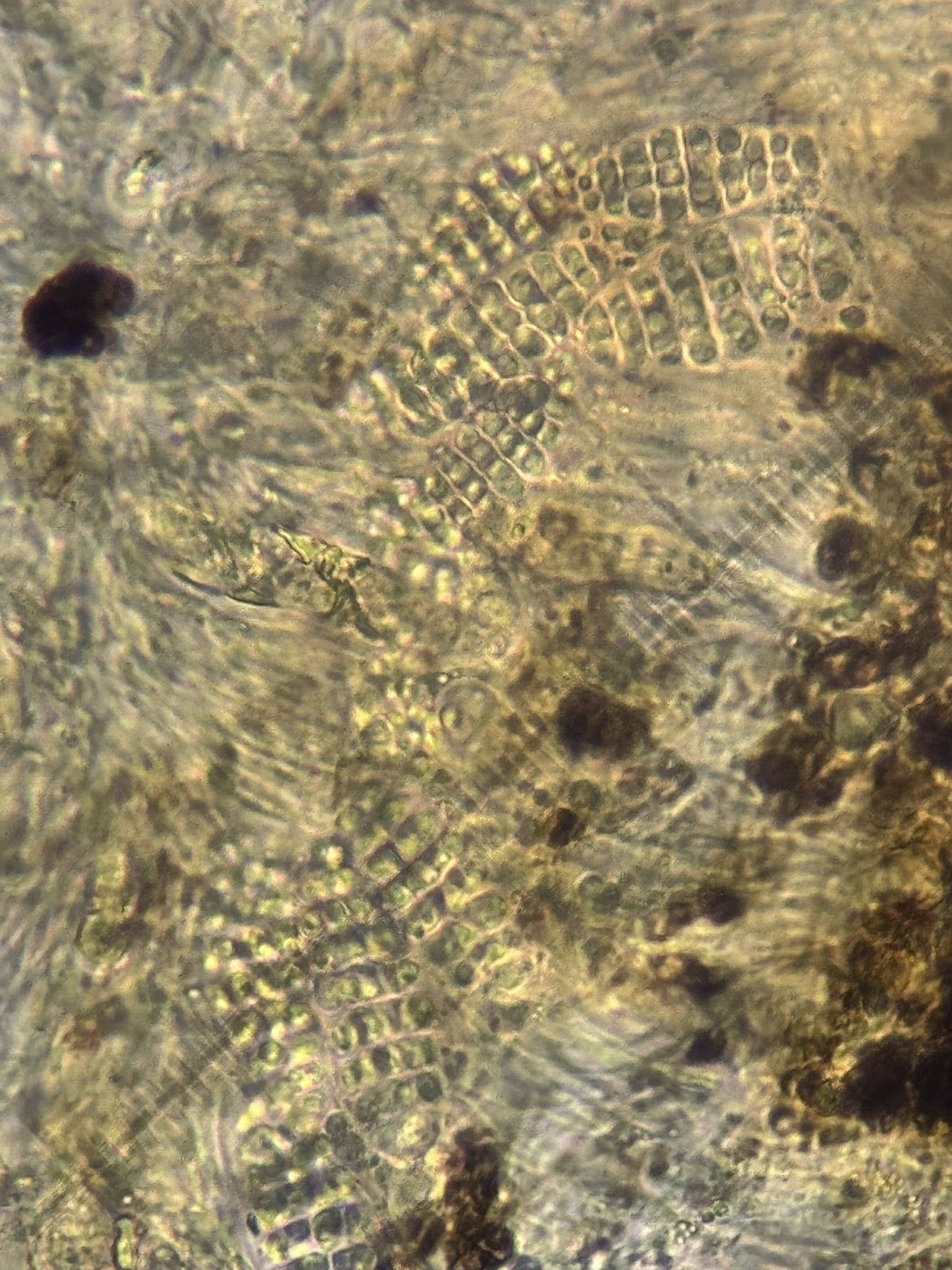
Grateful thanks to Norfolk Lichen recorder for the image above.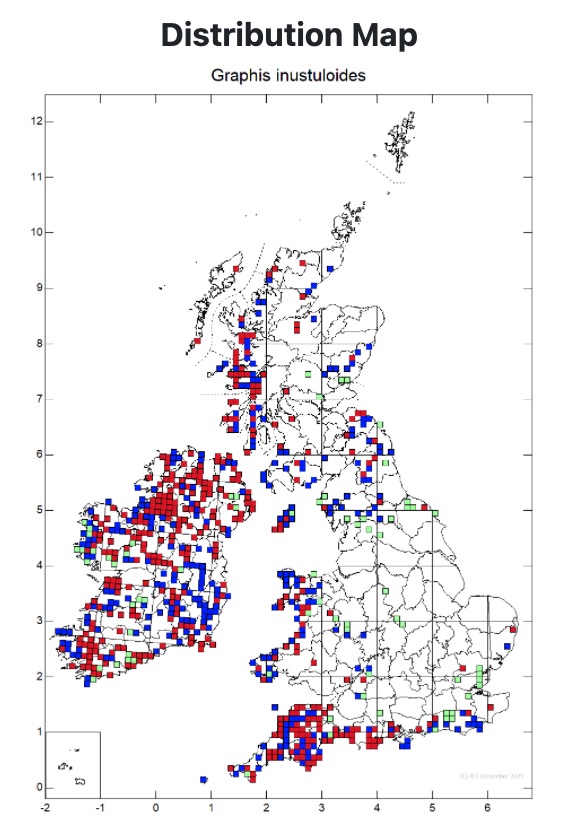
Graphis inustuloides
BLS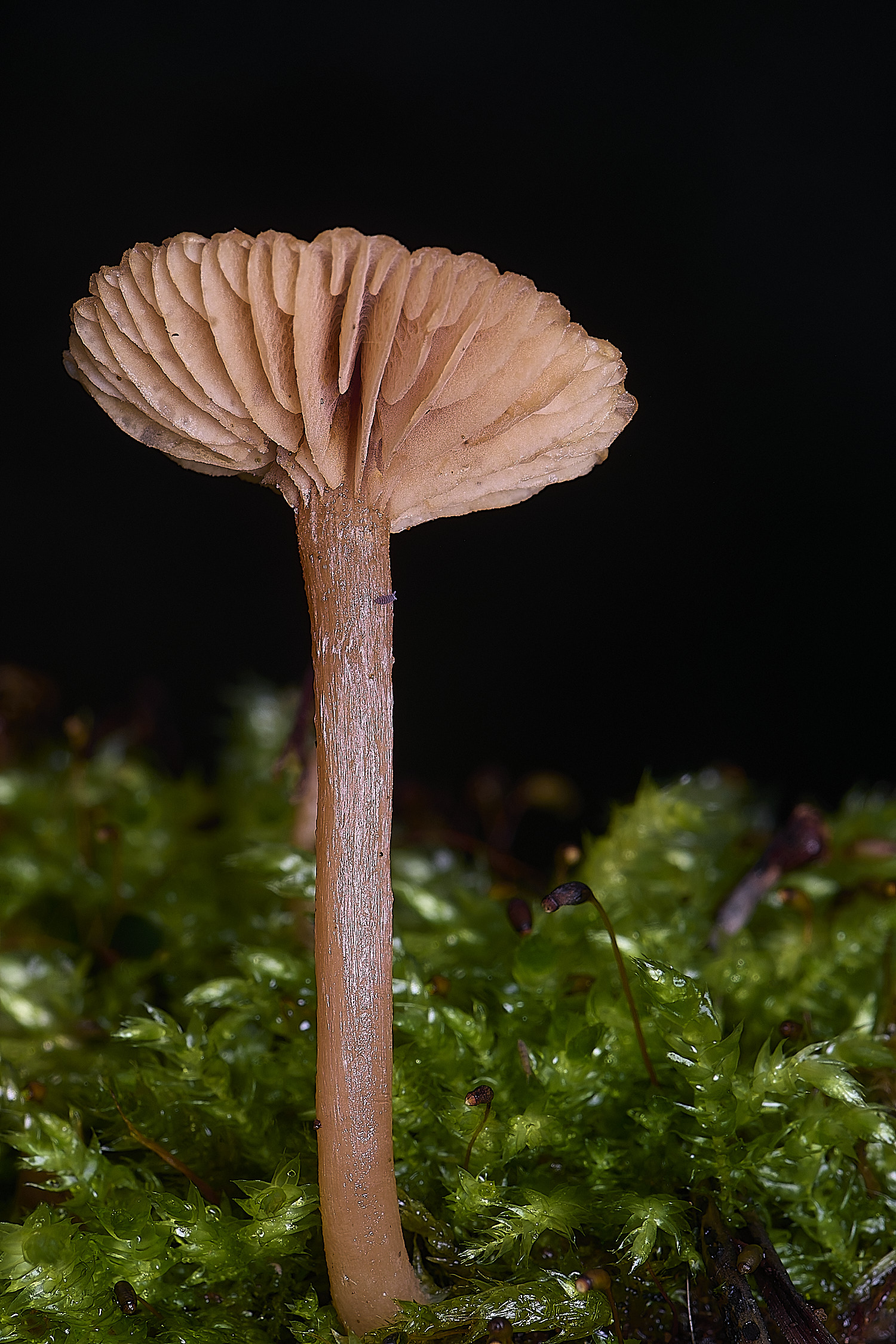
Scurfy Twiglet (Tubaria furfuracea)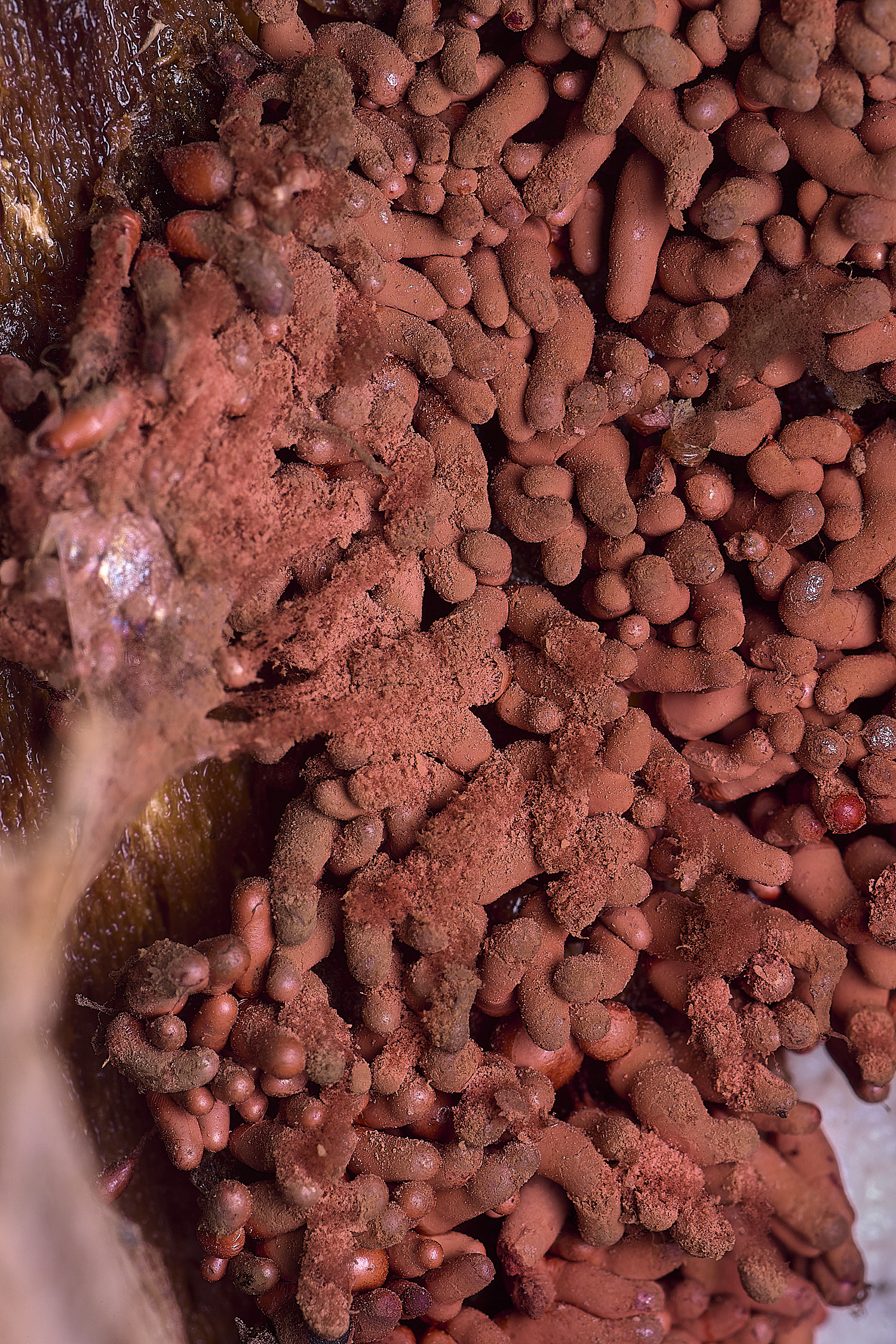
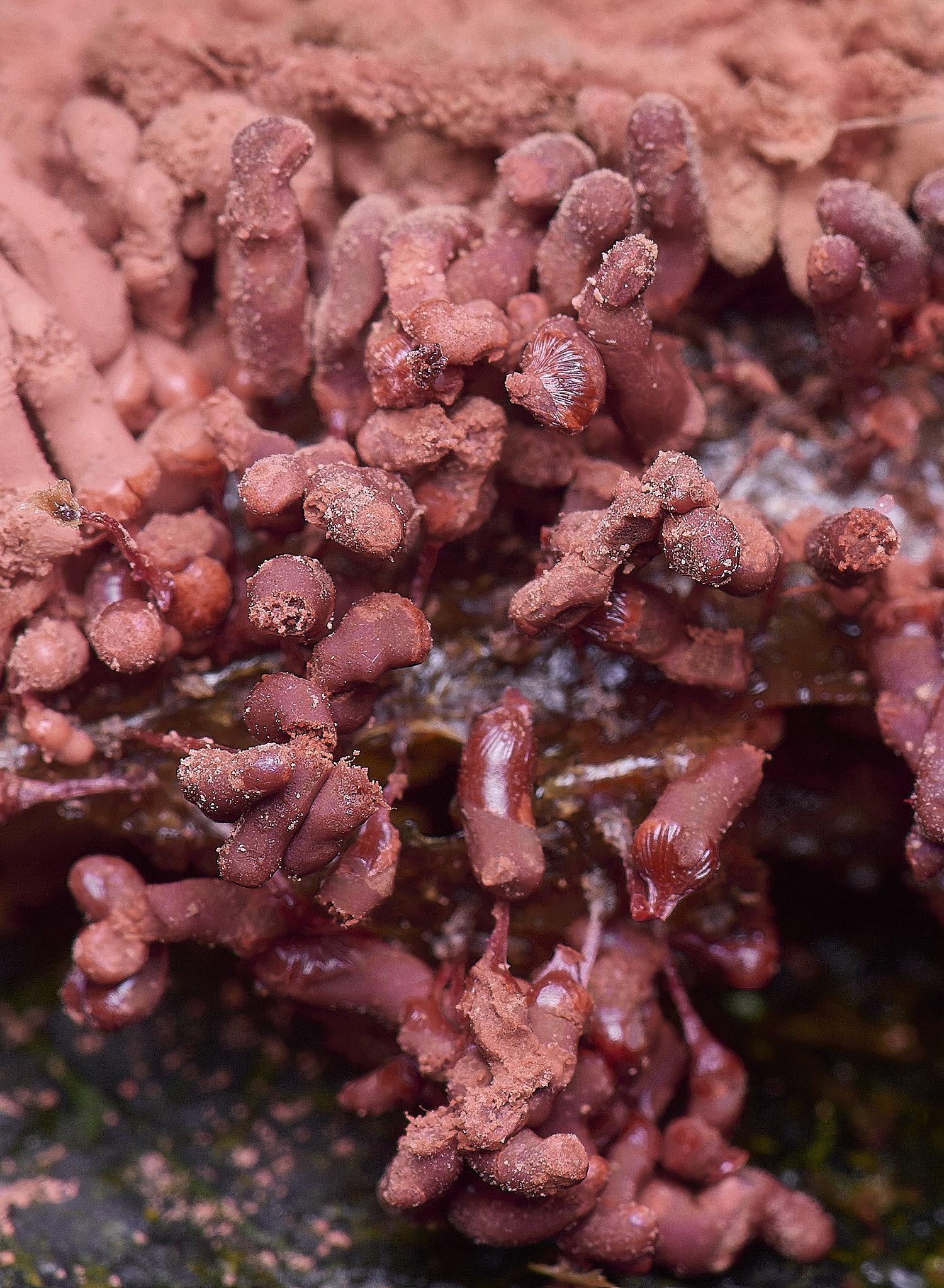
Arcerya denudata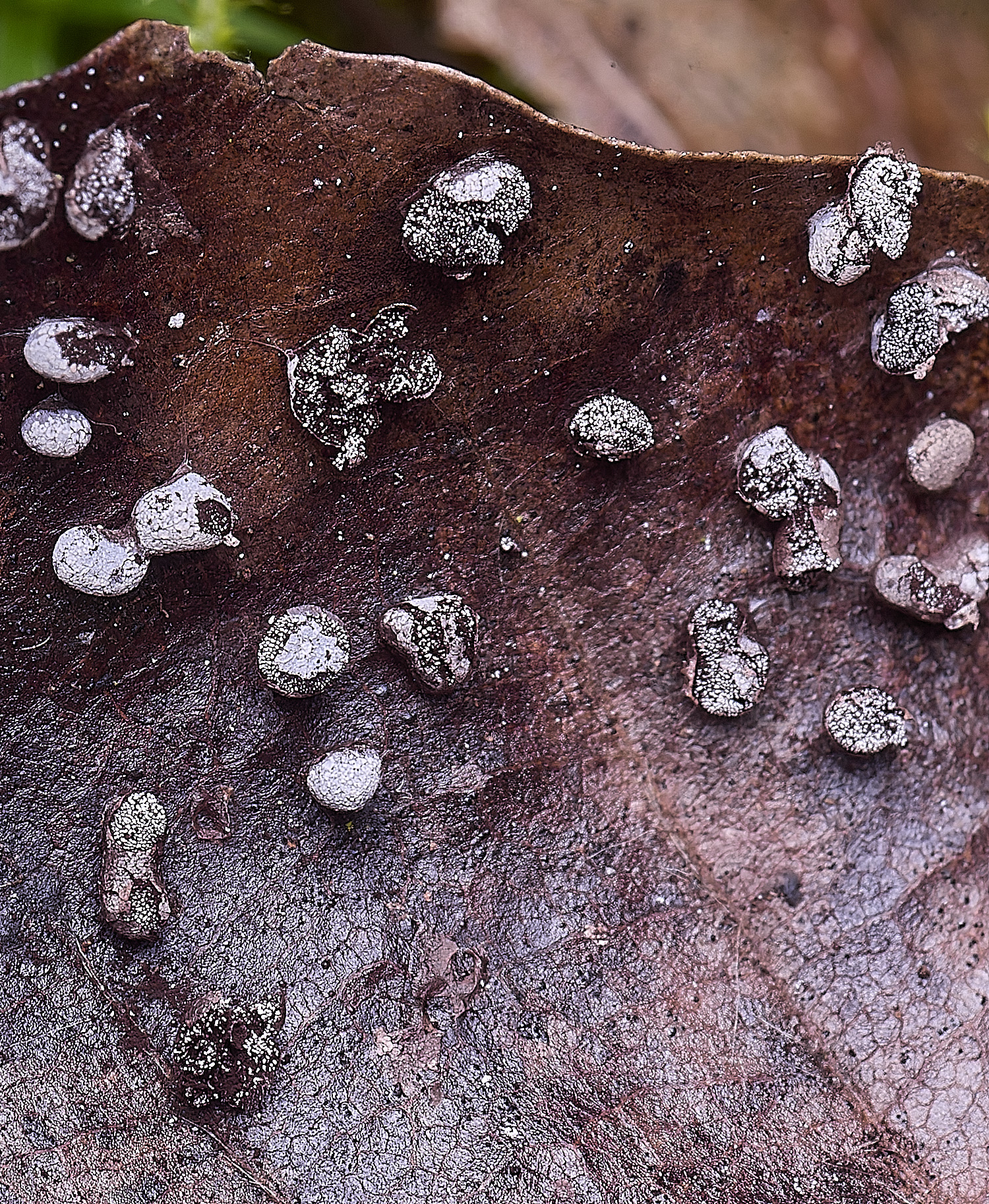
?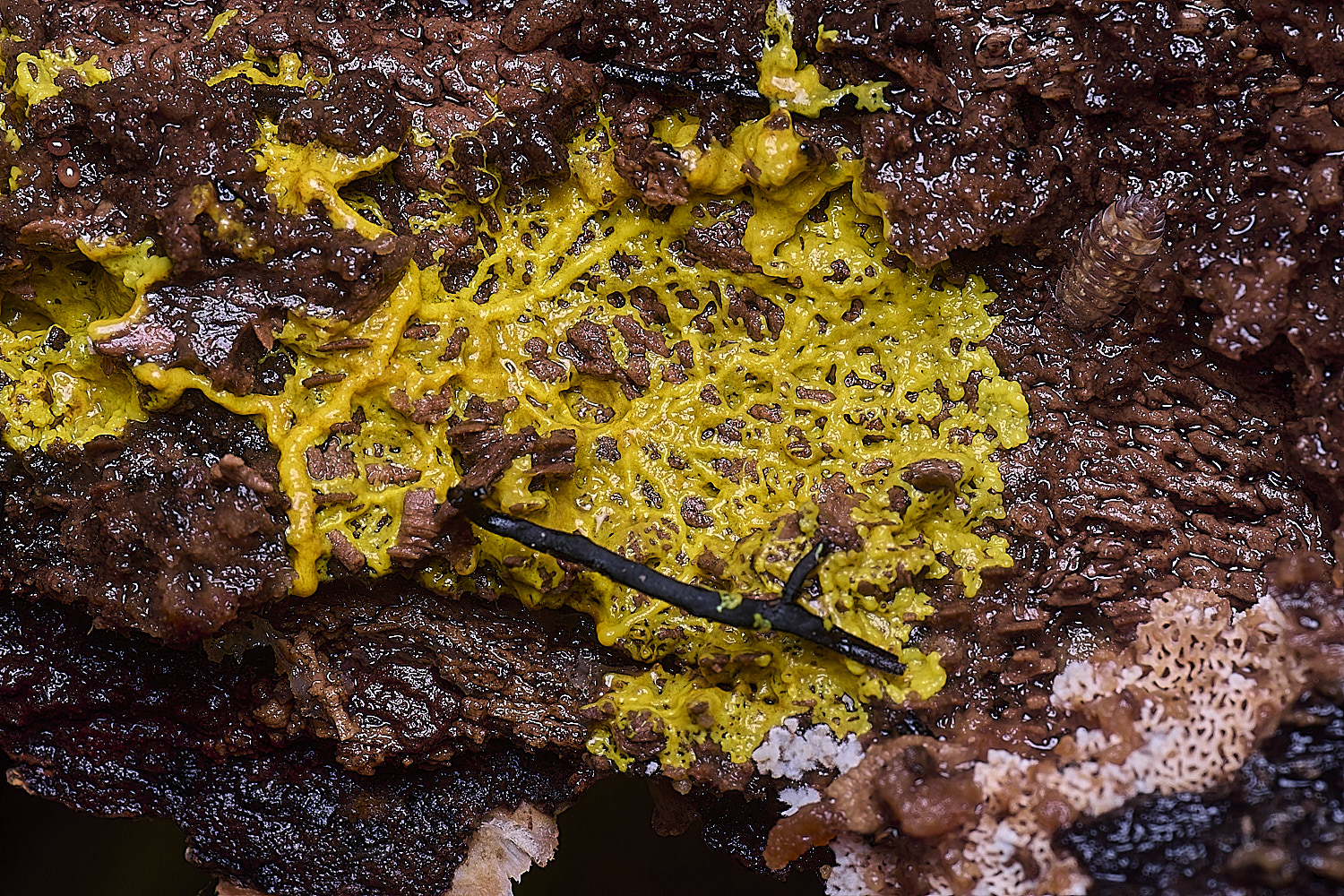
Slime Mold plasmodium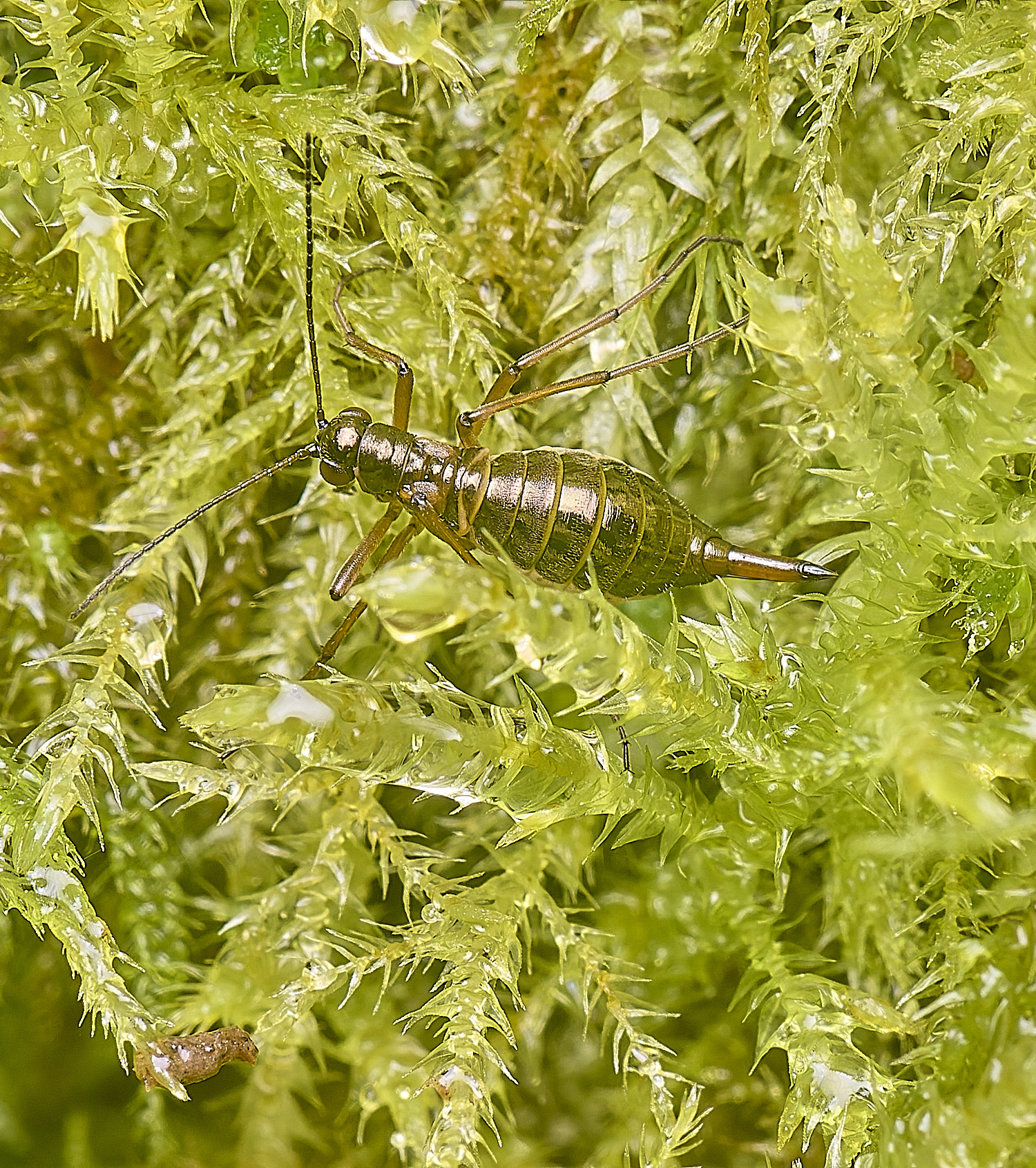
Female Snow Flea (Boreus hyemalis)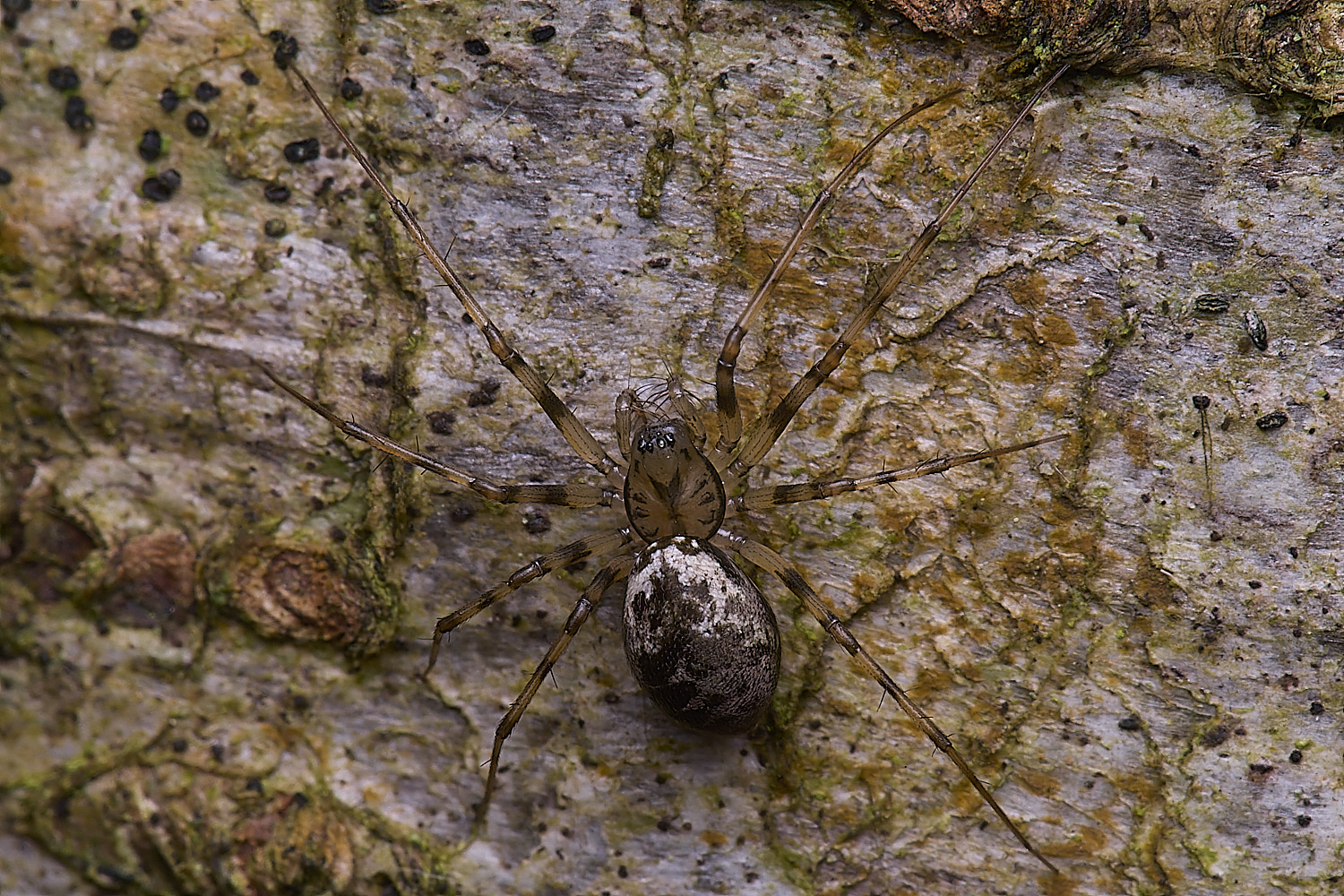
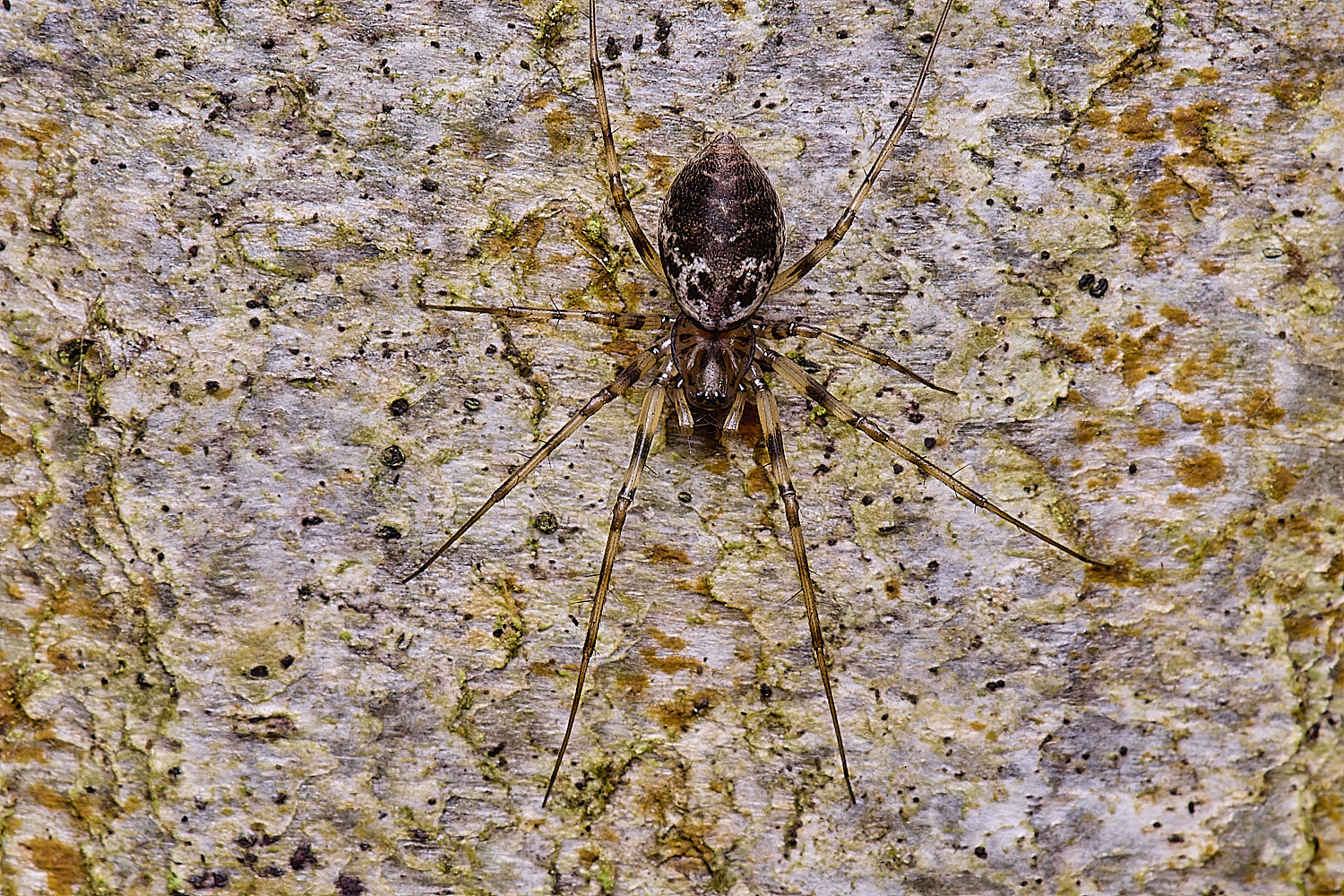
Sheet Weaver Spider
Drapetiscus socialis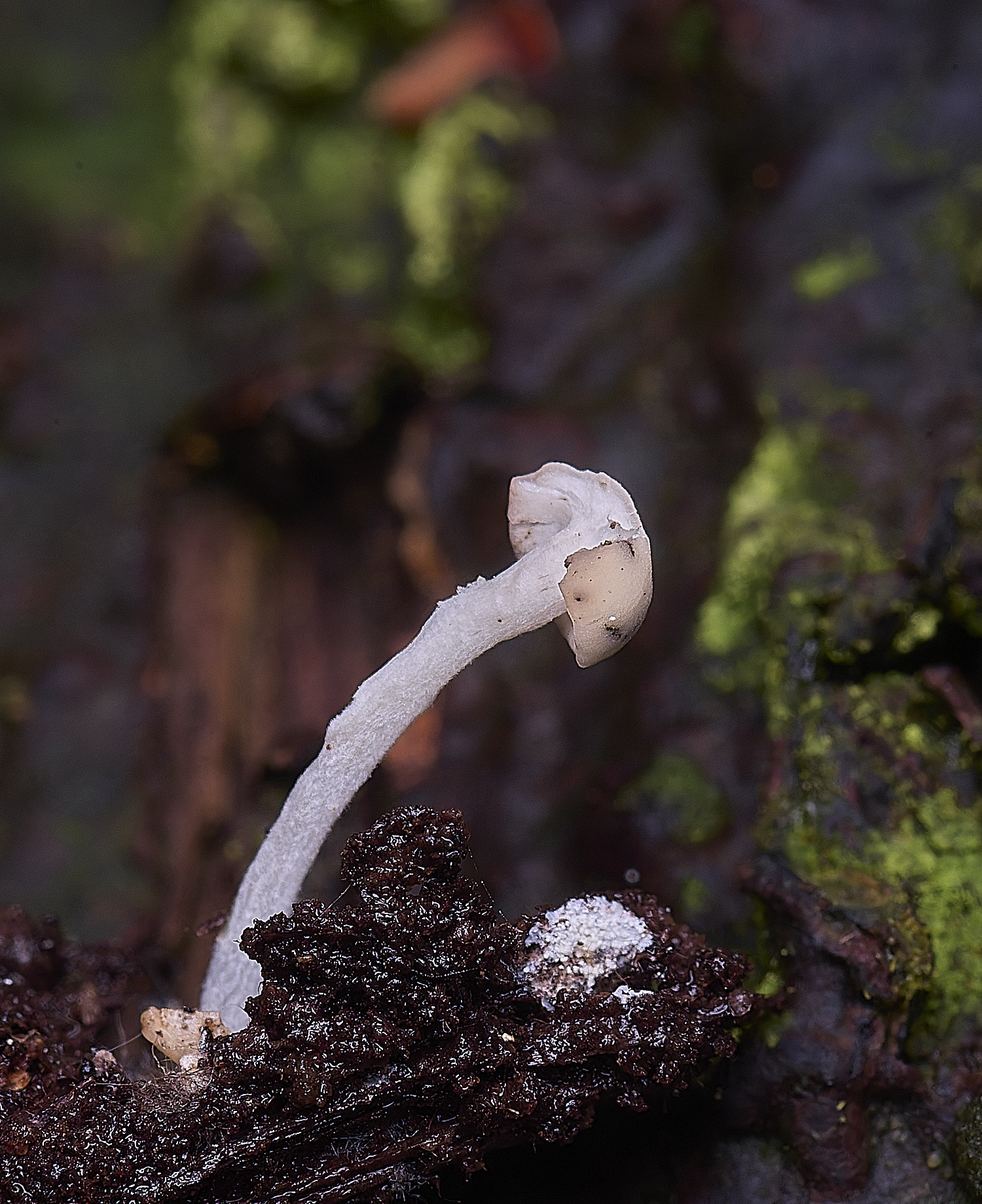
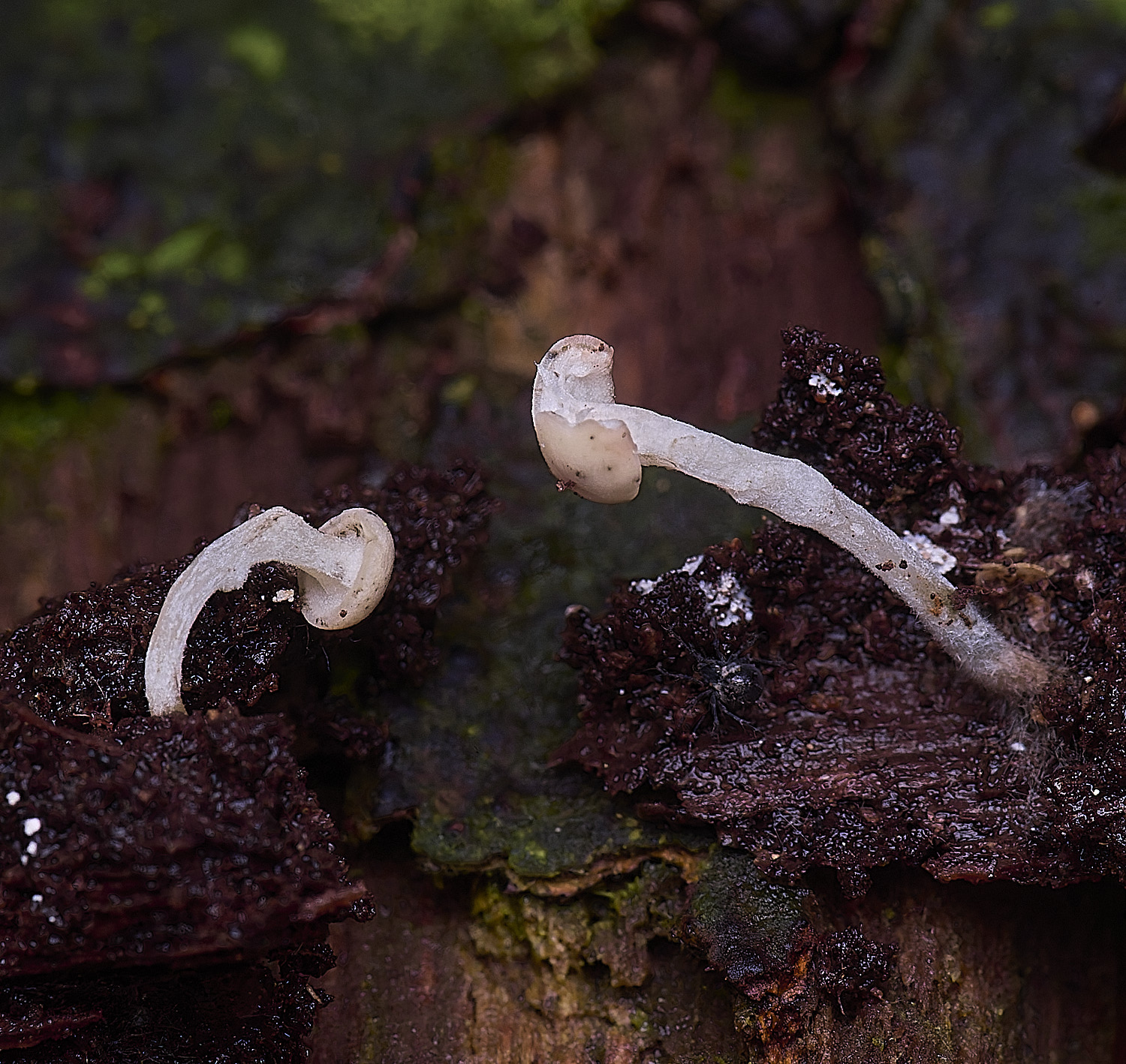
Spring Pin (Cudoniella clavus)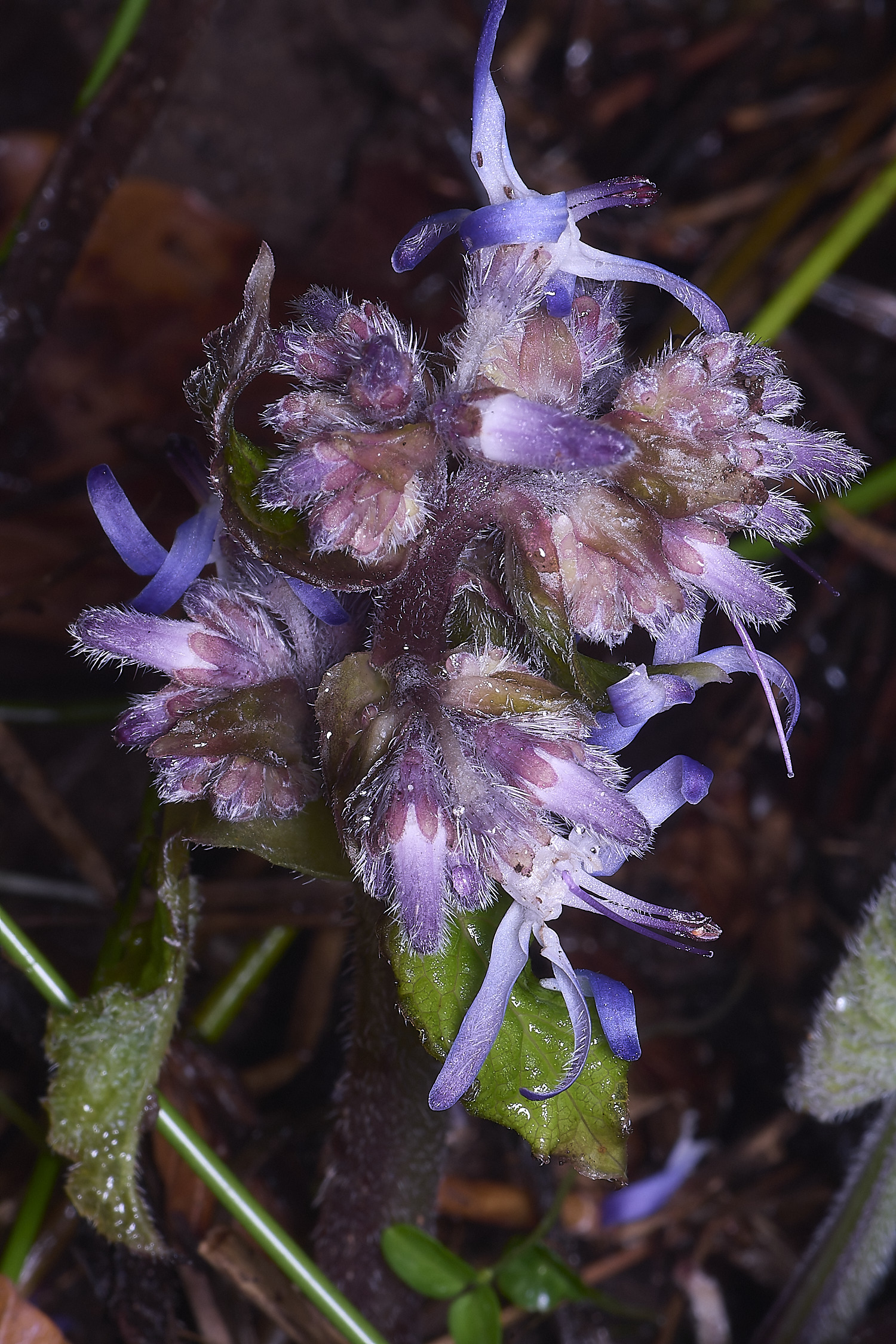
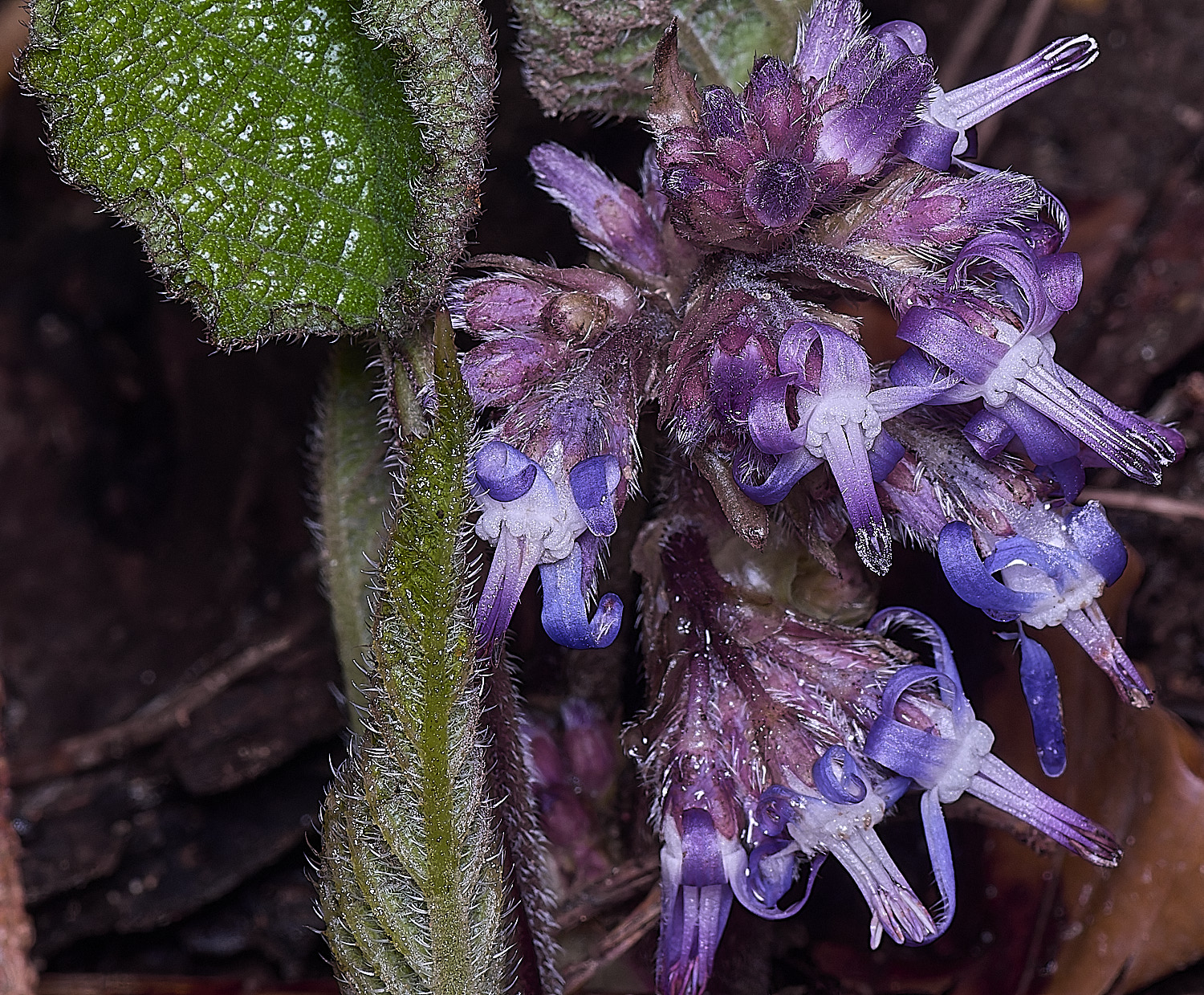
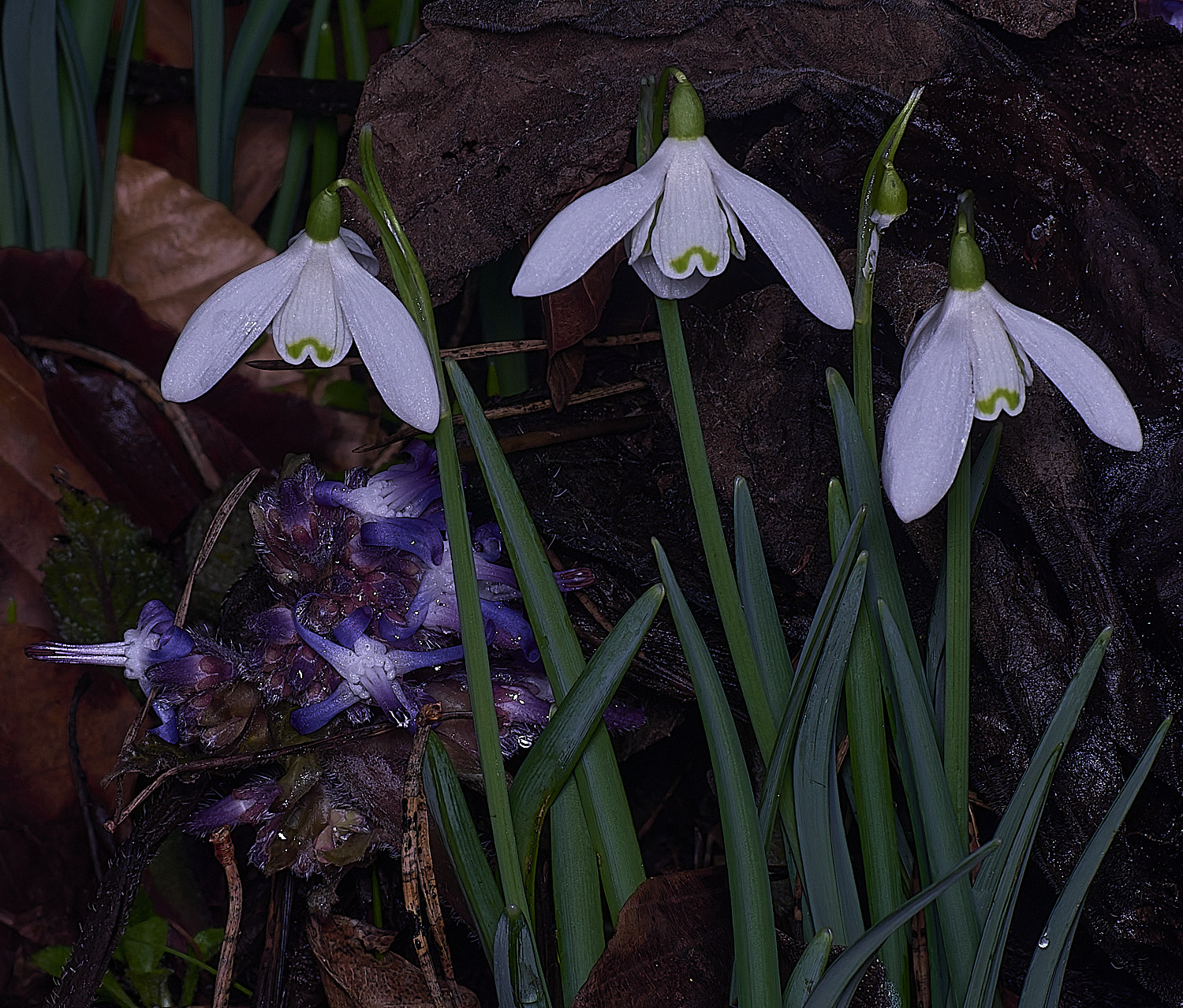
Early-flowering Borage Tracheystemon orientalis
Jeremy's Blog Post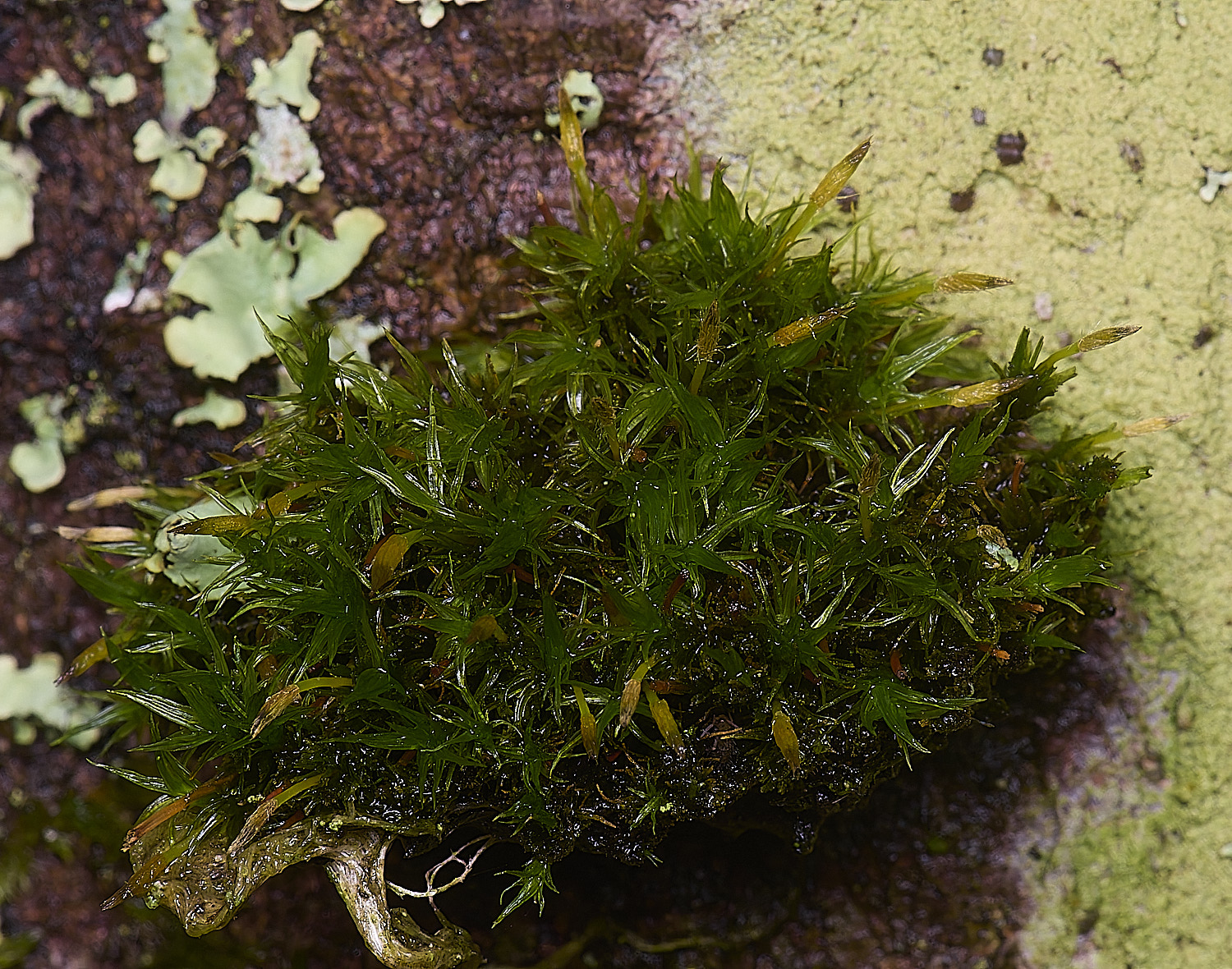
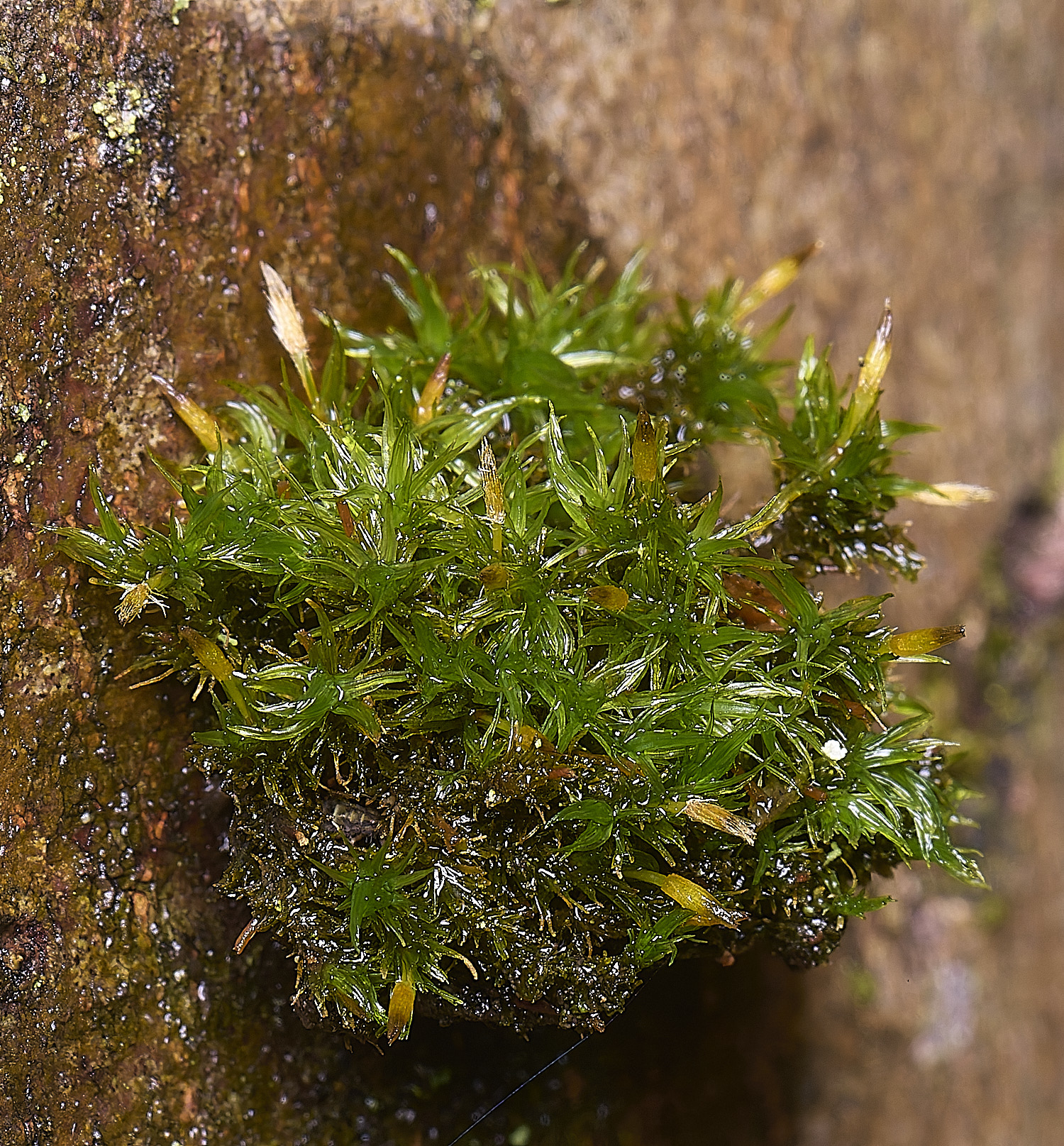
Ulotta crispa/bruchii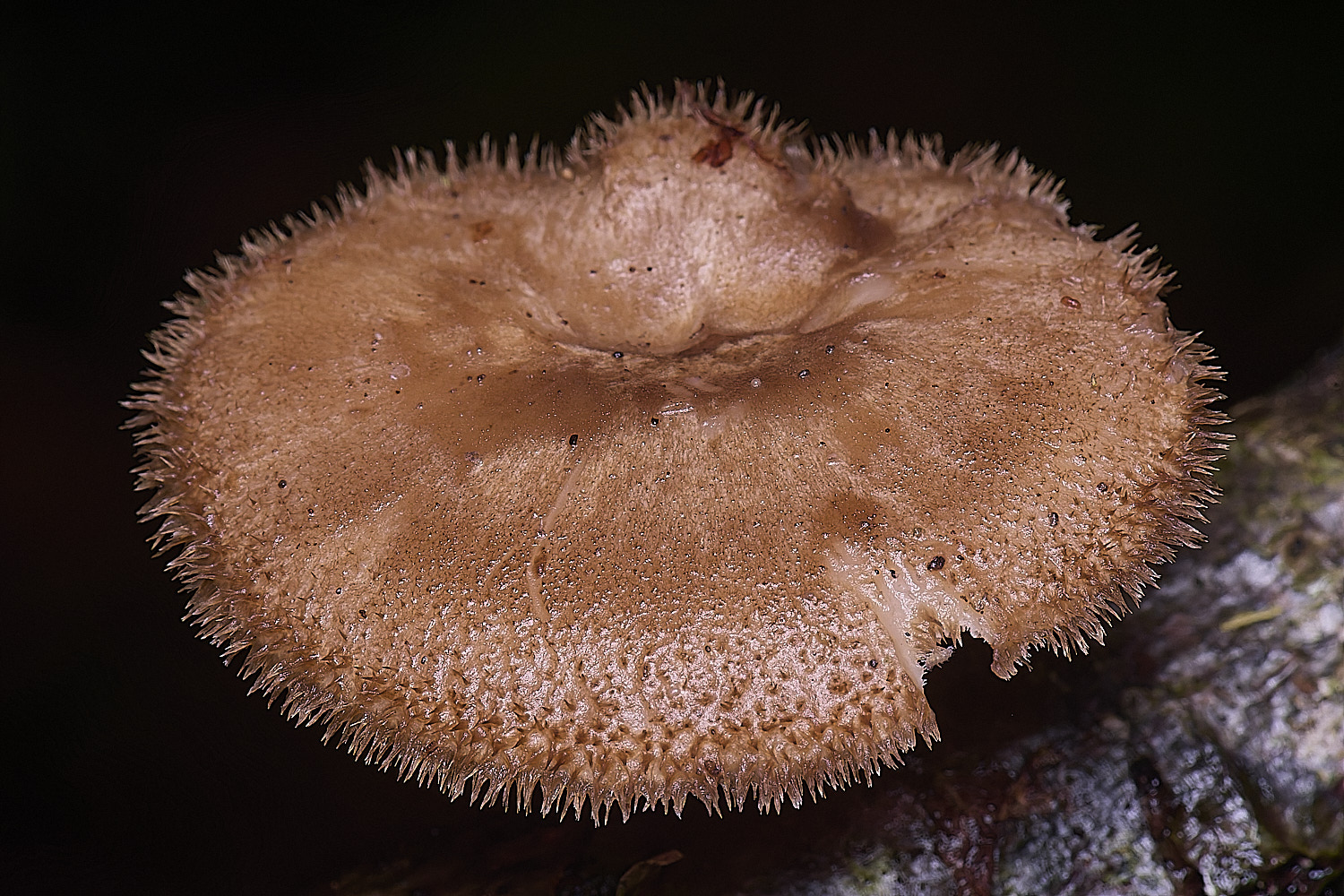
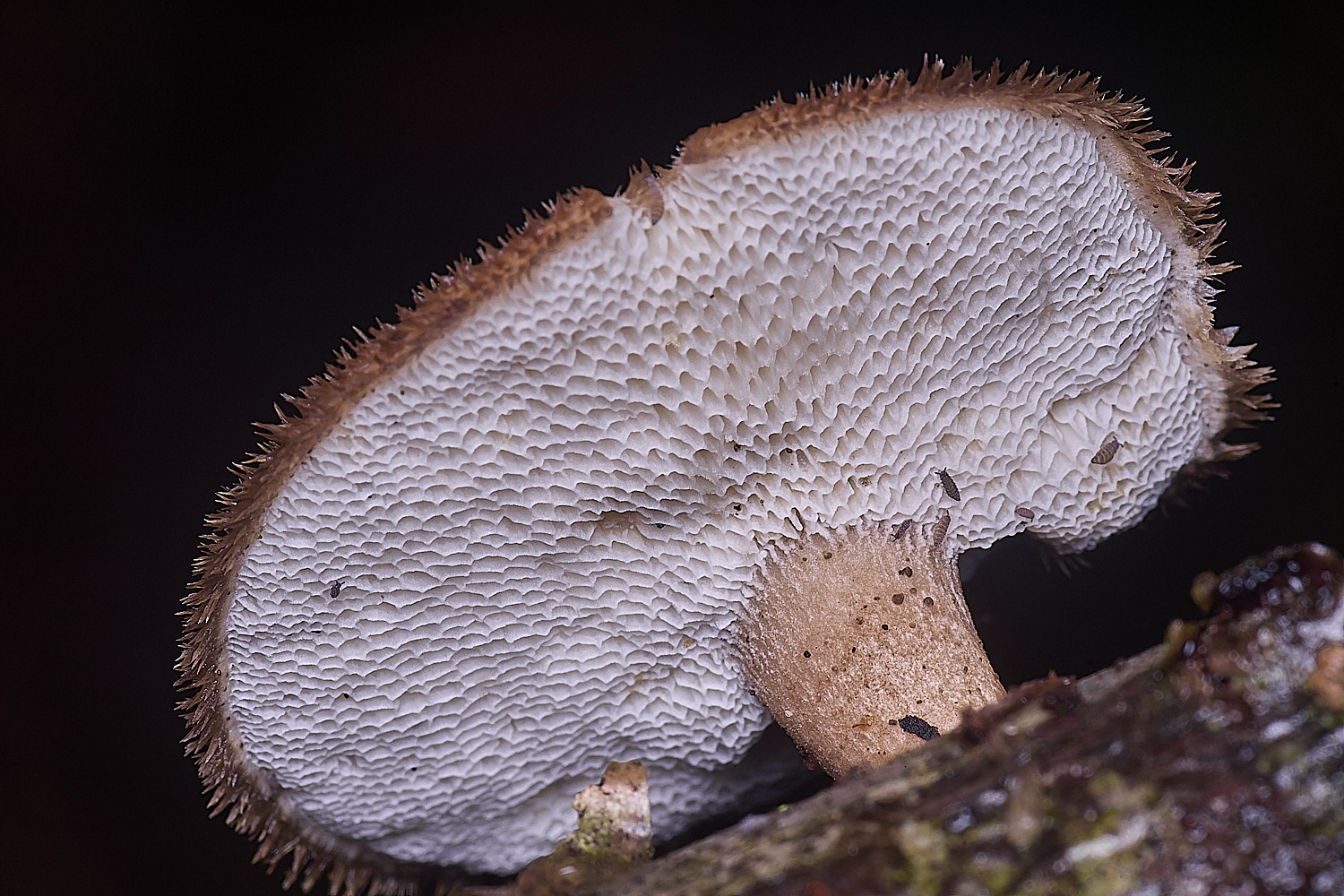
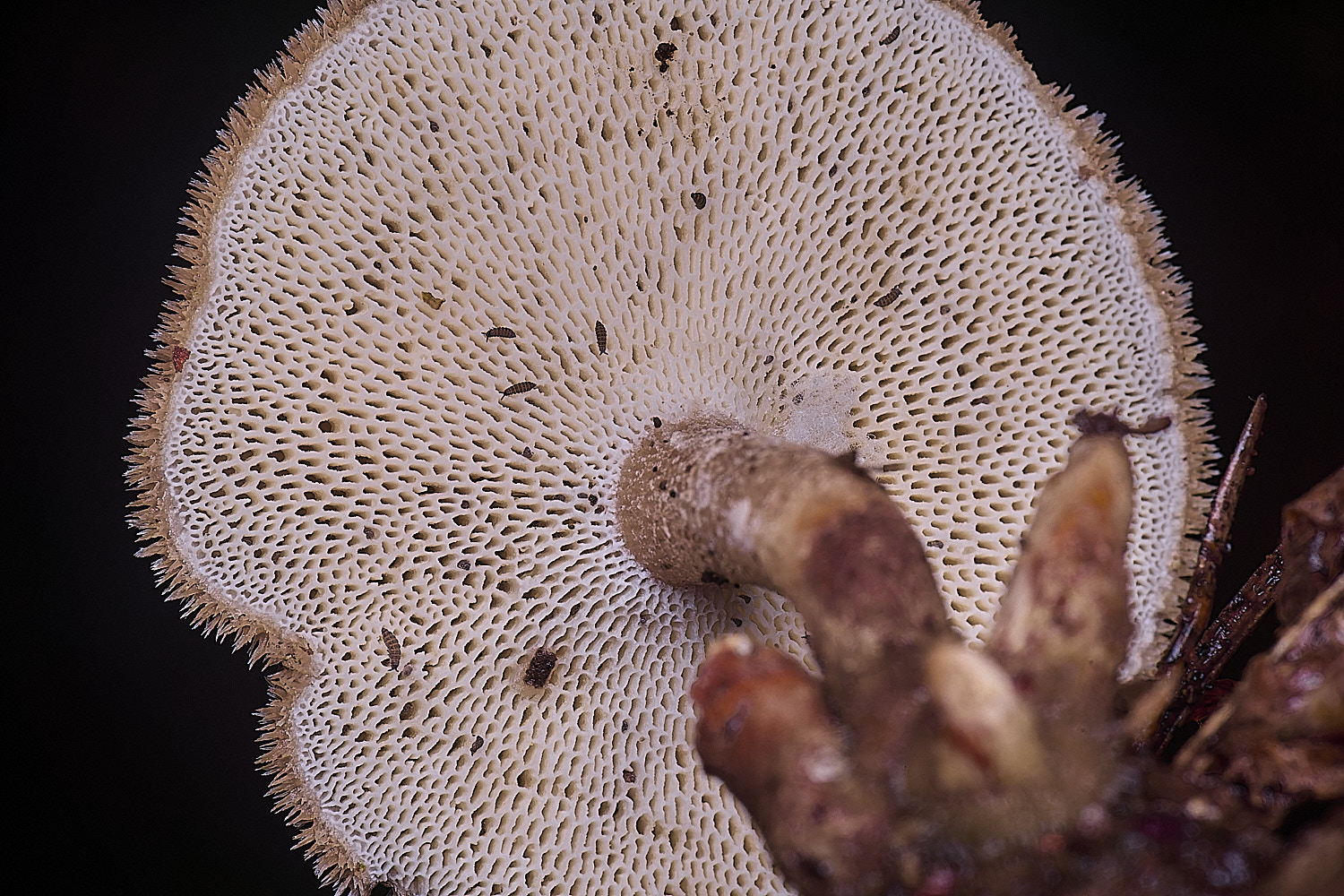
Winter Polypore (Polyporus brumalis)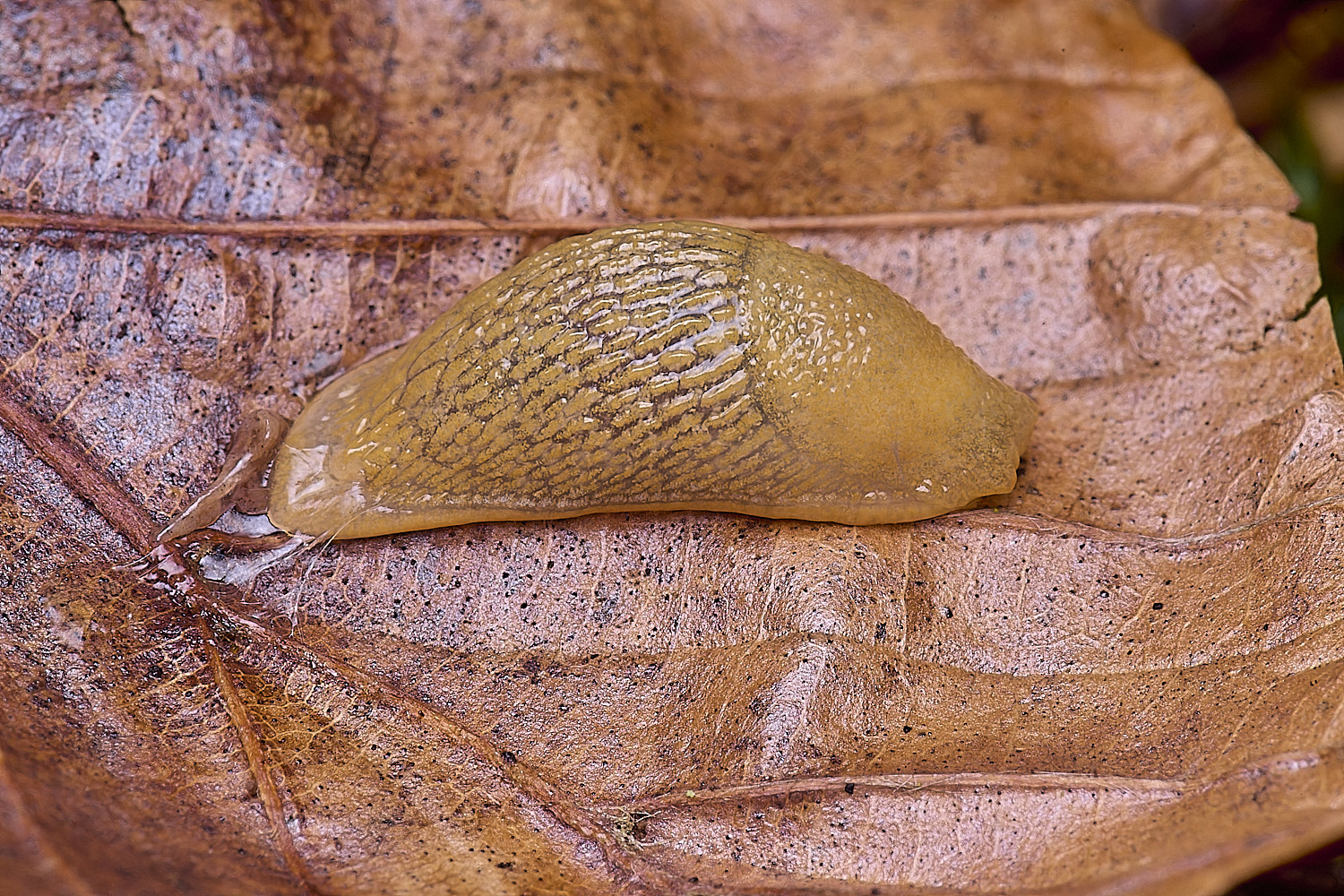
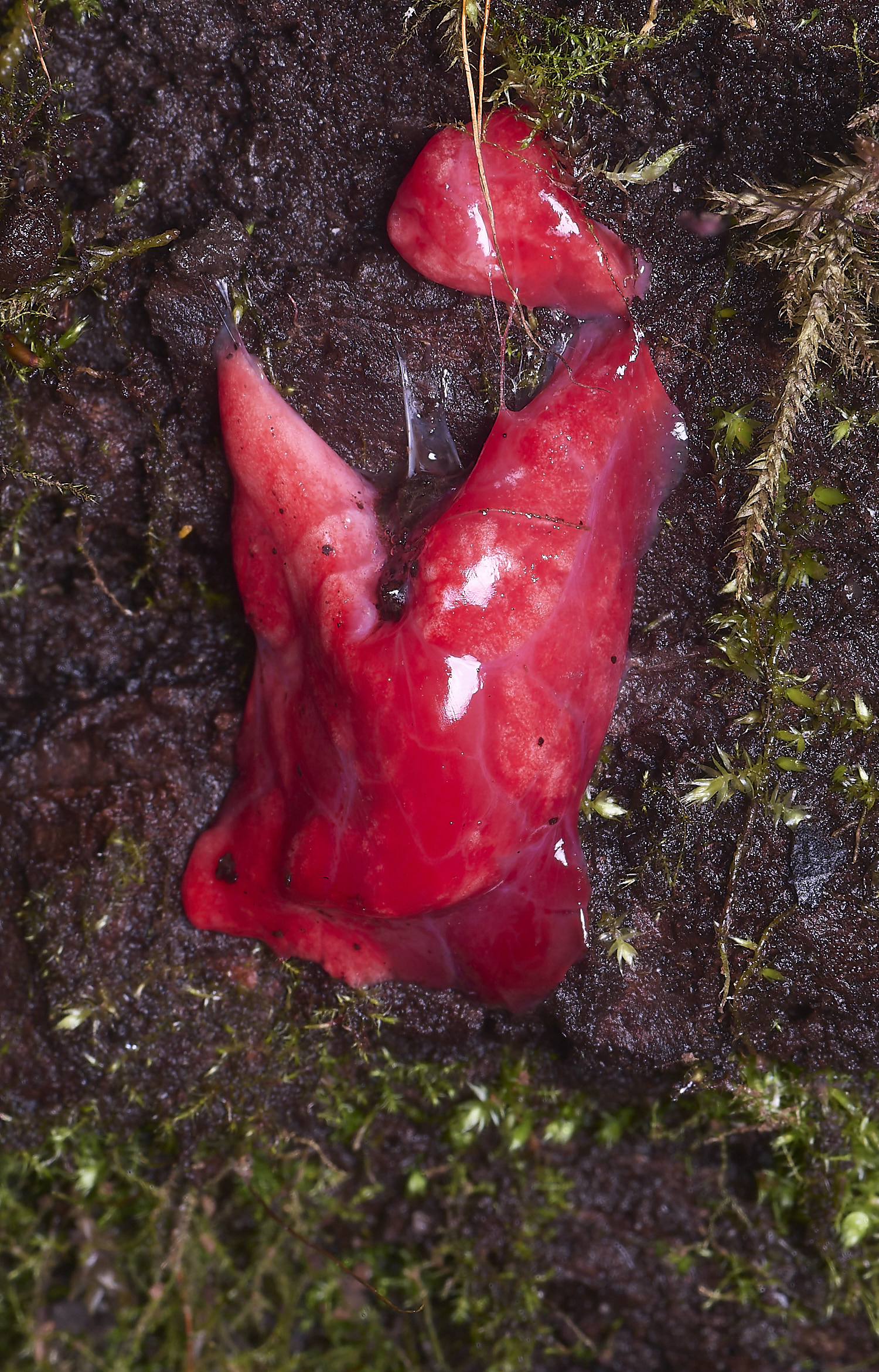
Slug Sp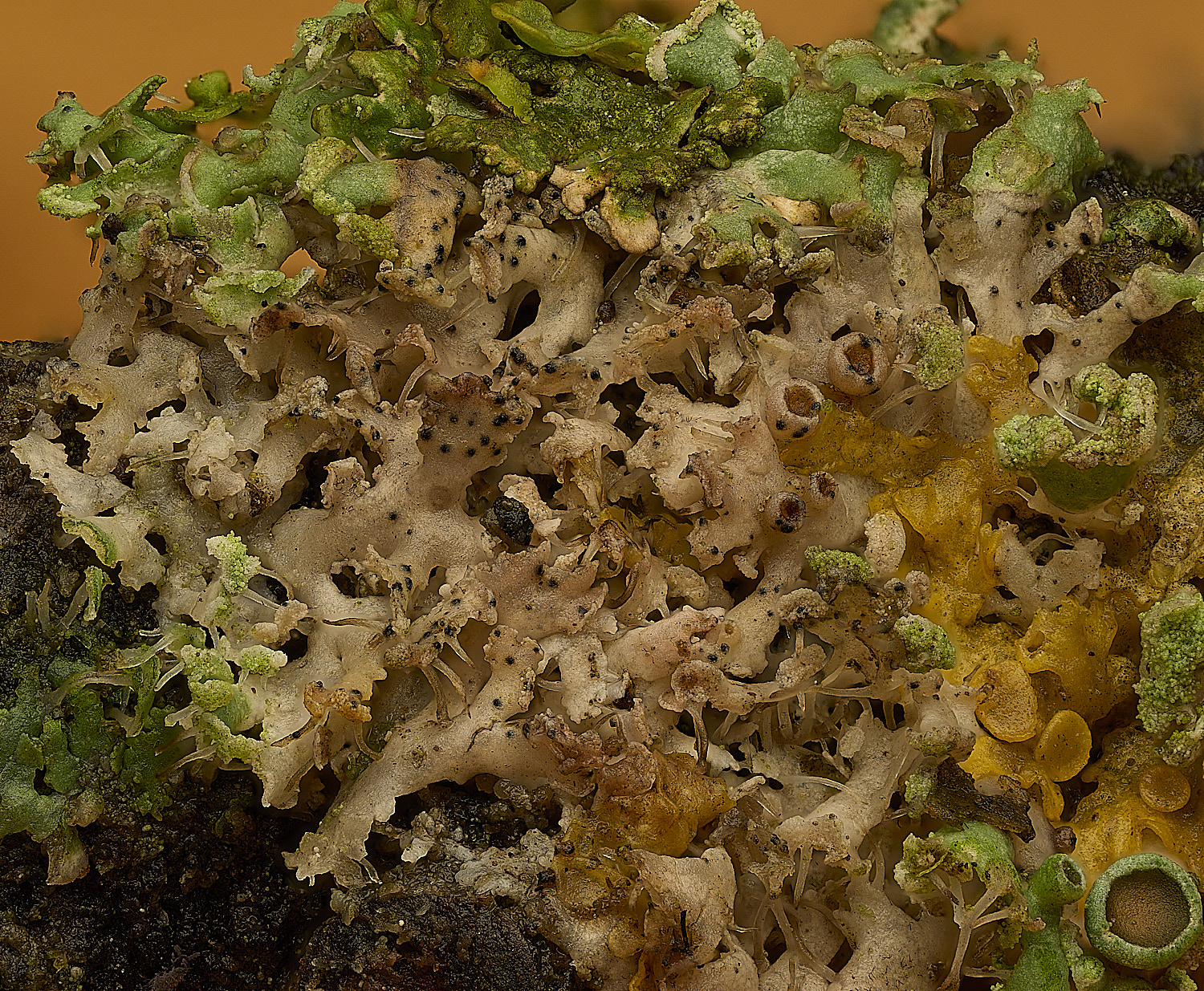
Lichenicolous Fungi on Physcia adscendens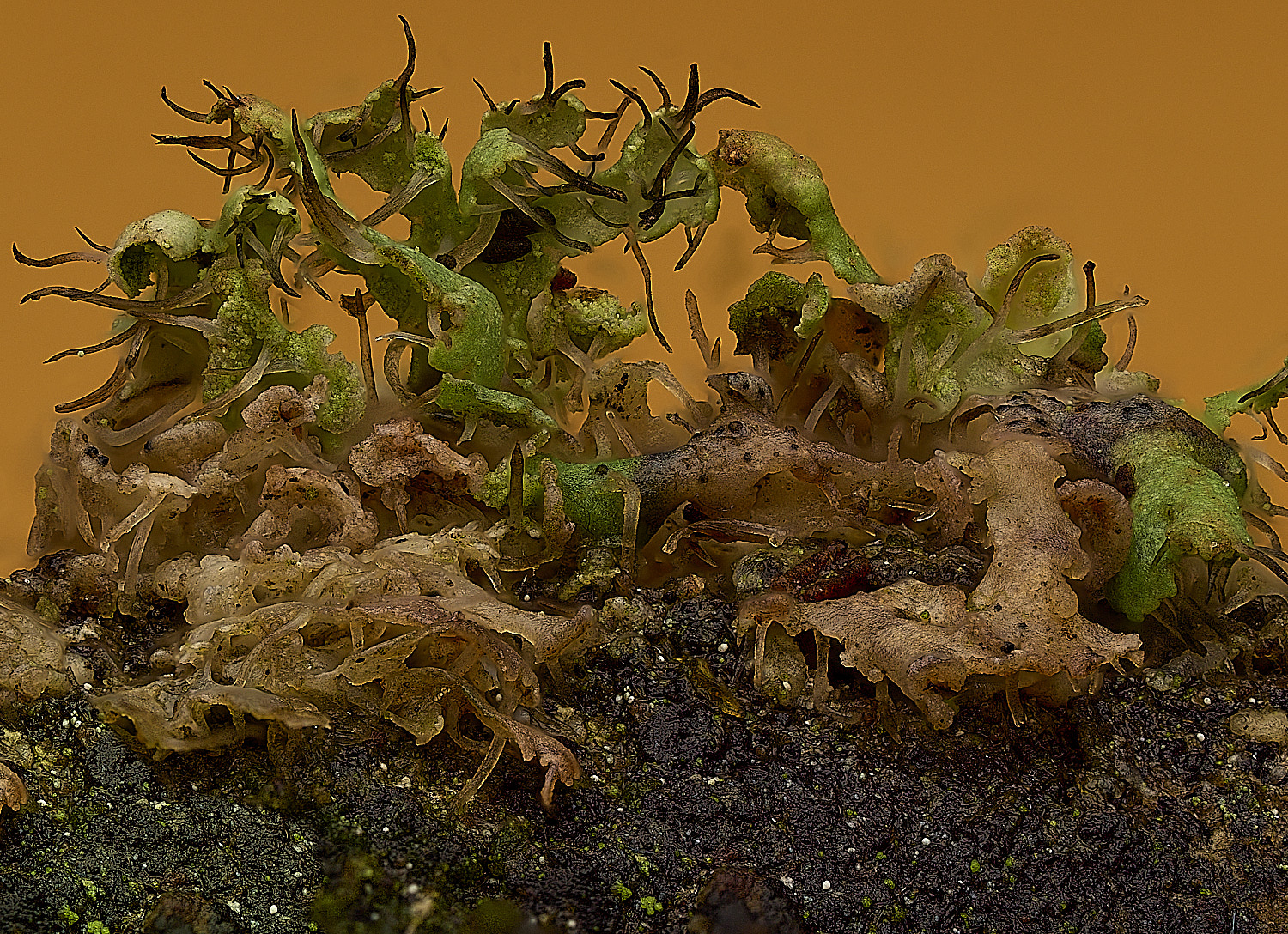
Lichenicolous Fungi on Physcia tenella
Revolute Beard-moss (Pseudocrossidium revolutum)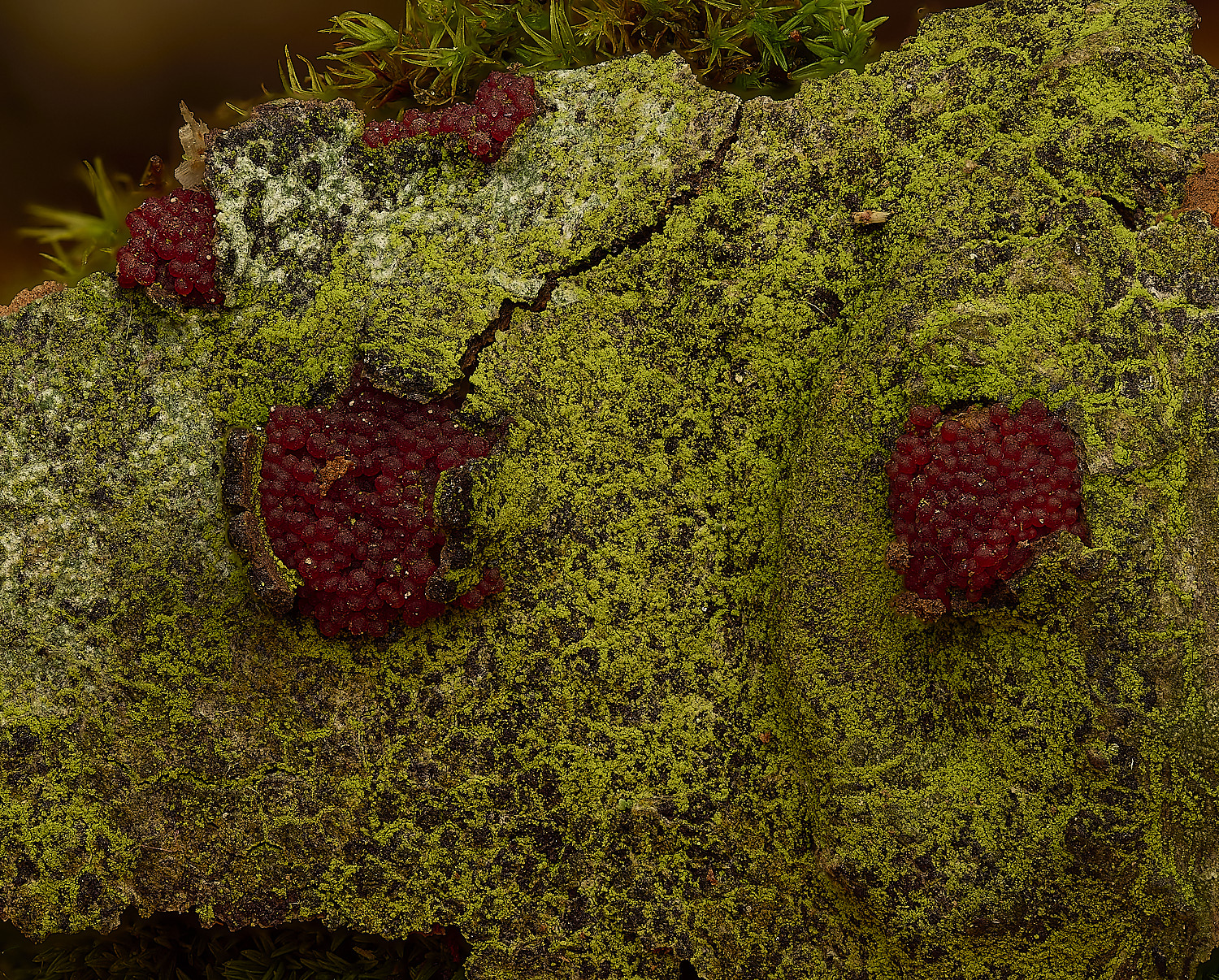
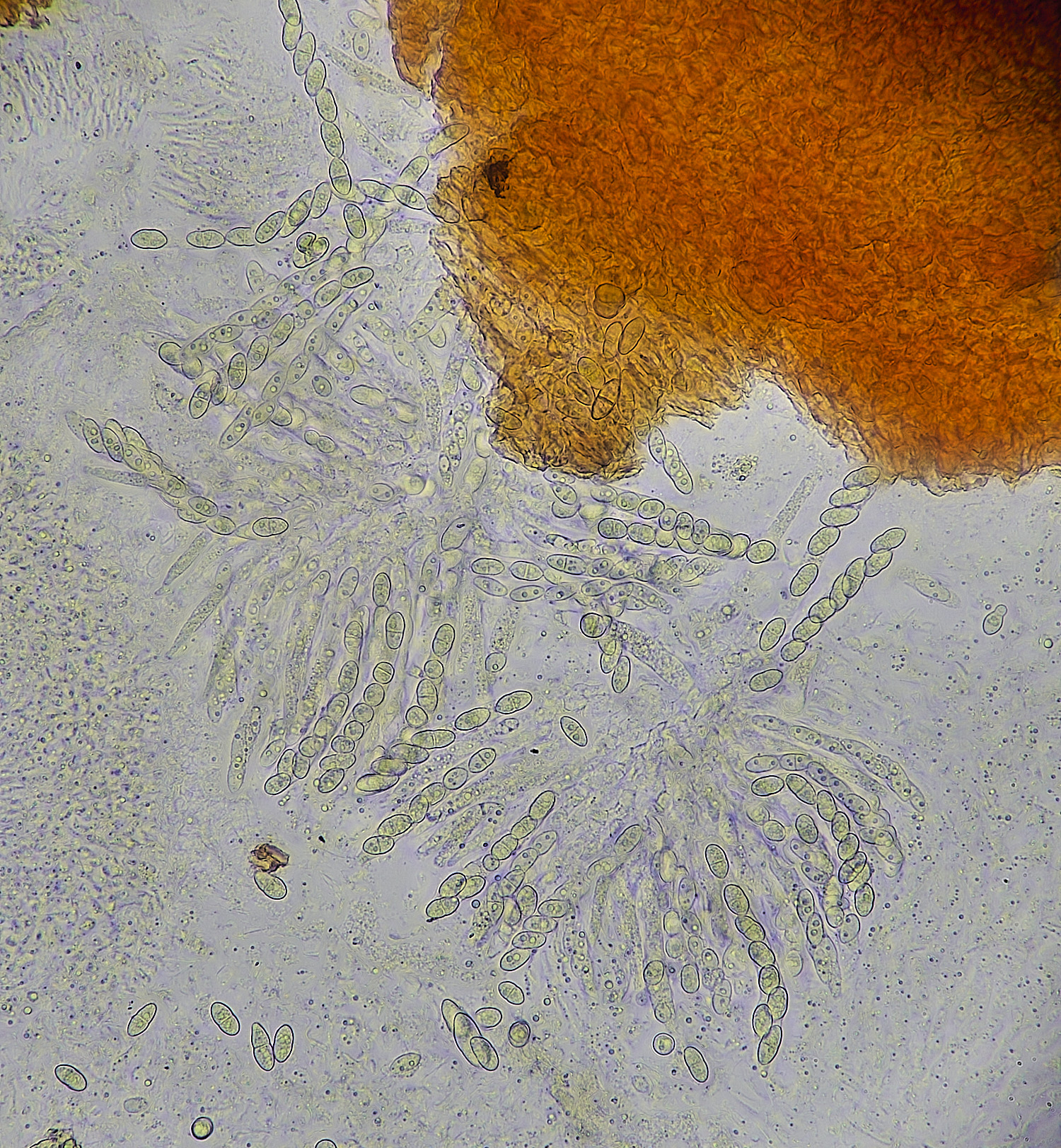
X400
Spores 10 µm x 5 µm
Neonectria coccinea
A fungal pathogen of Beech (Fagus sylvatica), which in severe cases can kill the tree.
Neonectria coccinea: The Red Fungus Threatening Beech Trees
from Paul's Back Garden Safari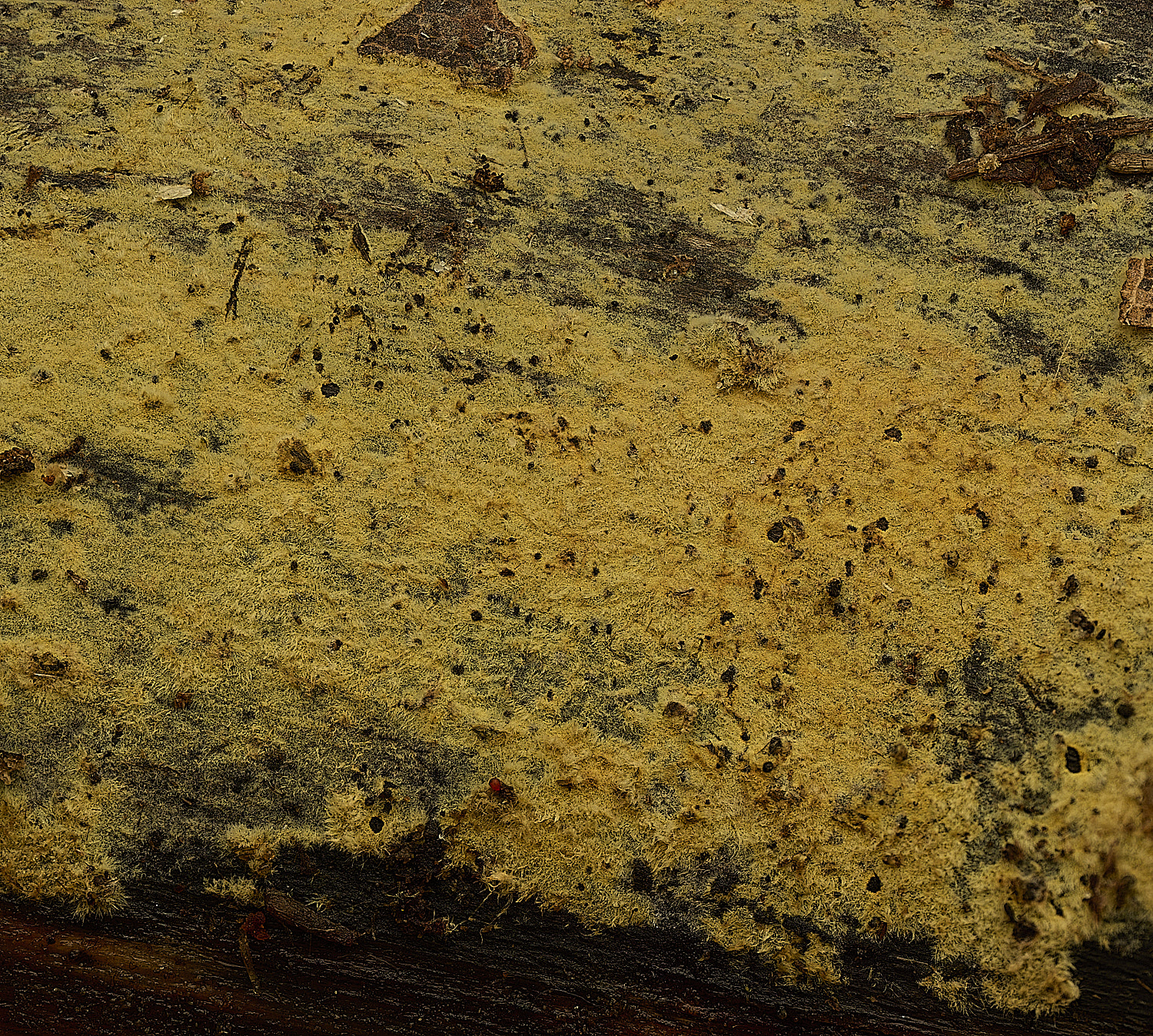
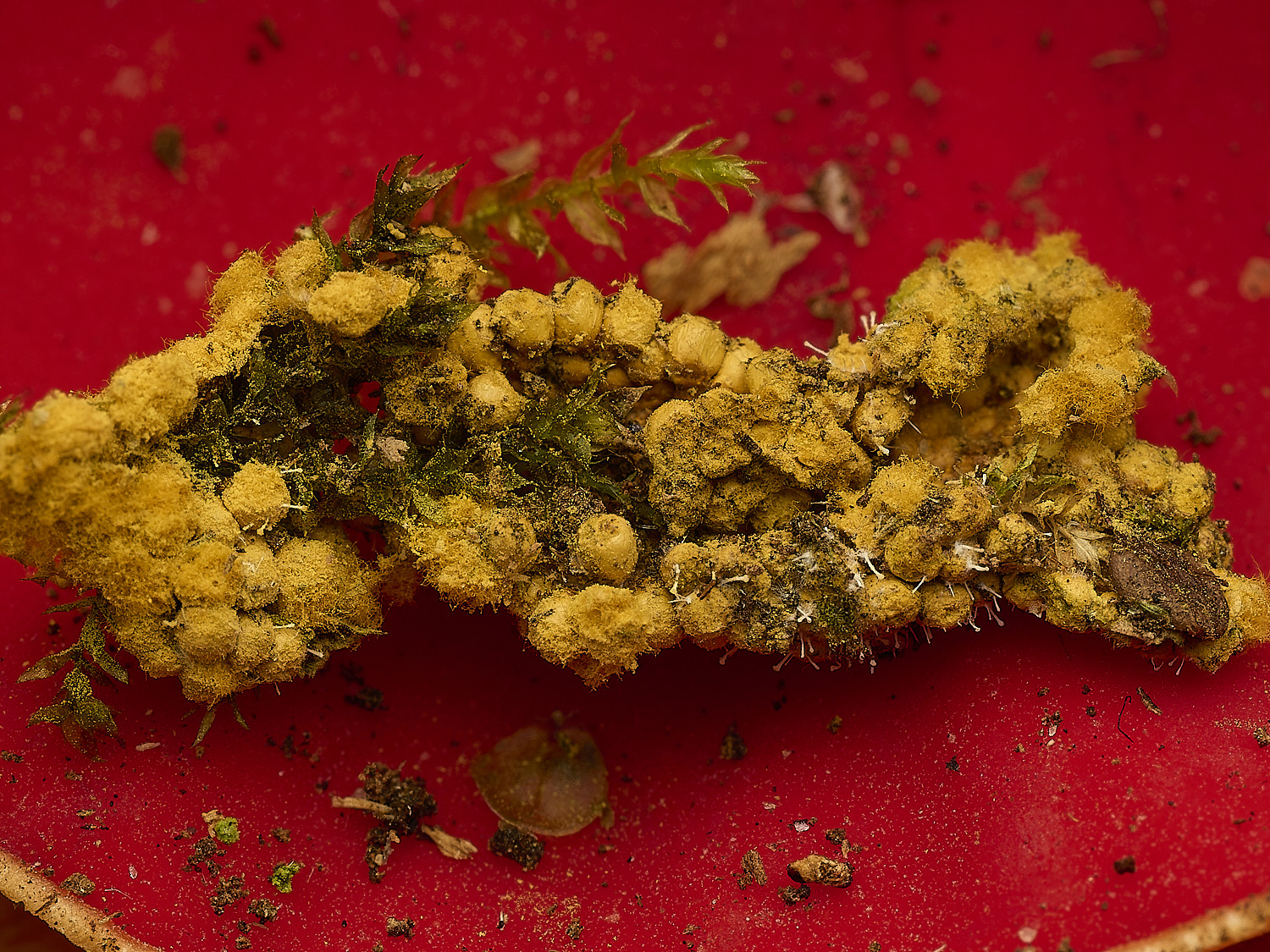
Yellow Fungus
From SW
I have keyed this out in Ellis & Ellis and arrived at
Mariannaea elegans
Colonies effuse, whitish to pale golden brown. Conidiophores hyaline, 200-750 x 10-14, vertically branched at the apex.
Conidia formed in slipped chains or slimy heads, hyaline, fusiform or angular, 4-6 x 2-3.5. On wood and bark.
From Plant Parasites of Europe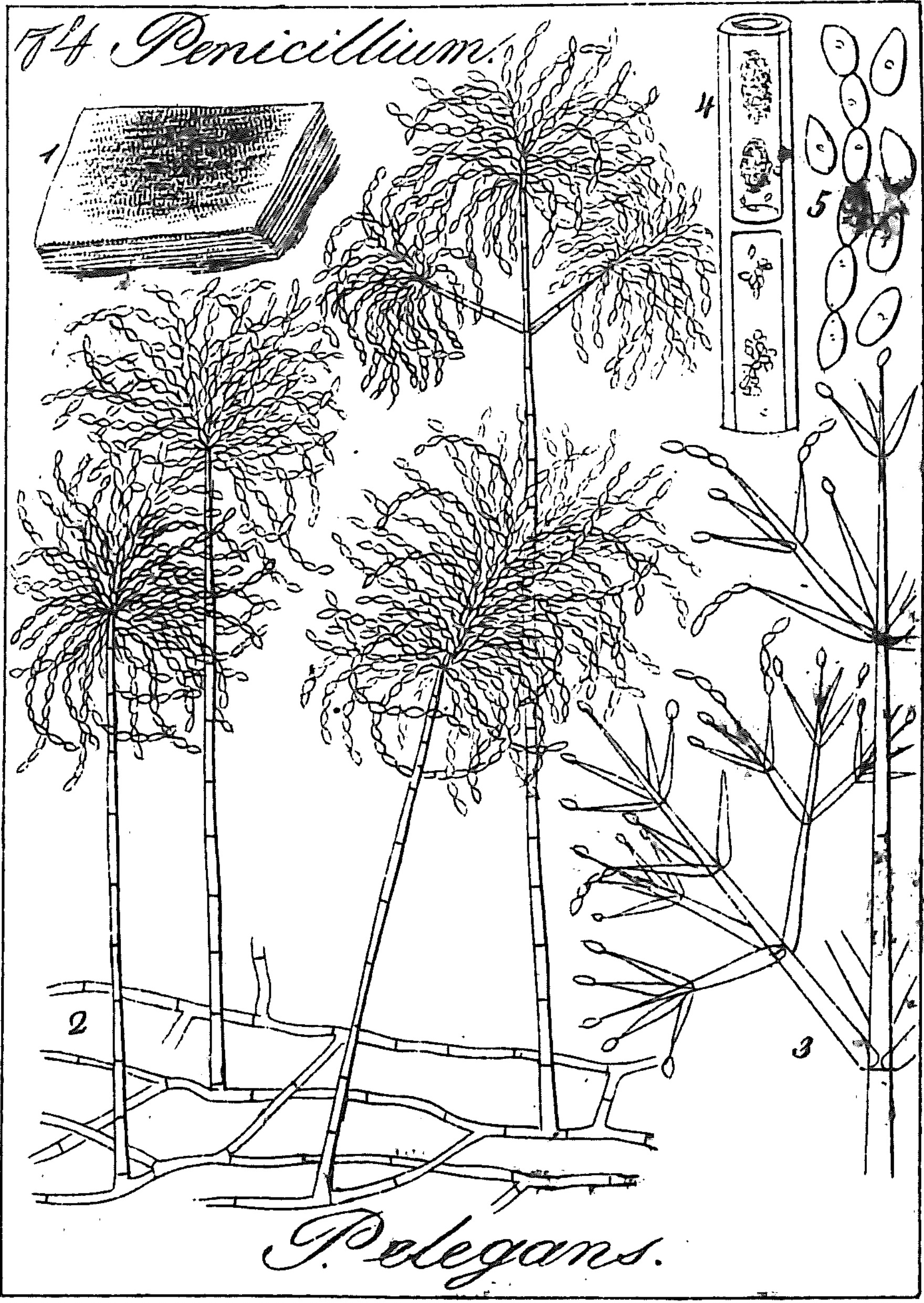
An original line drawing from 1838
A C J Corda, Public Domain, via Wikimedia Commons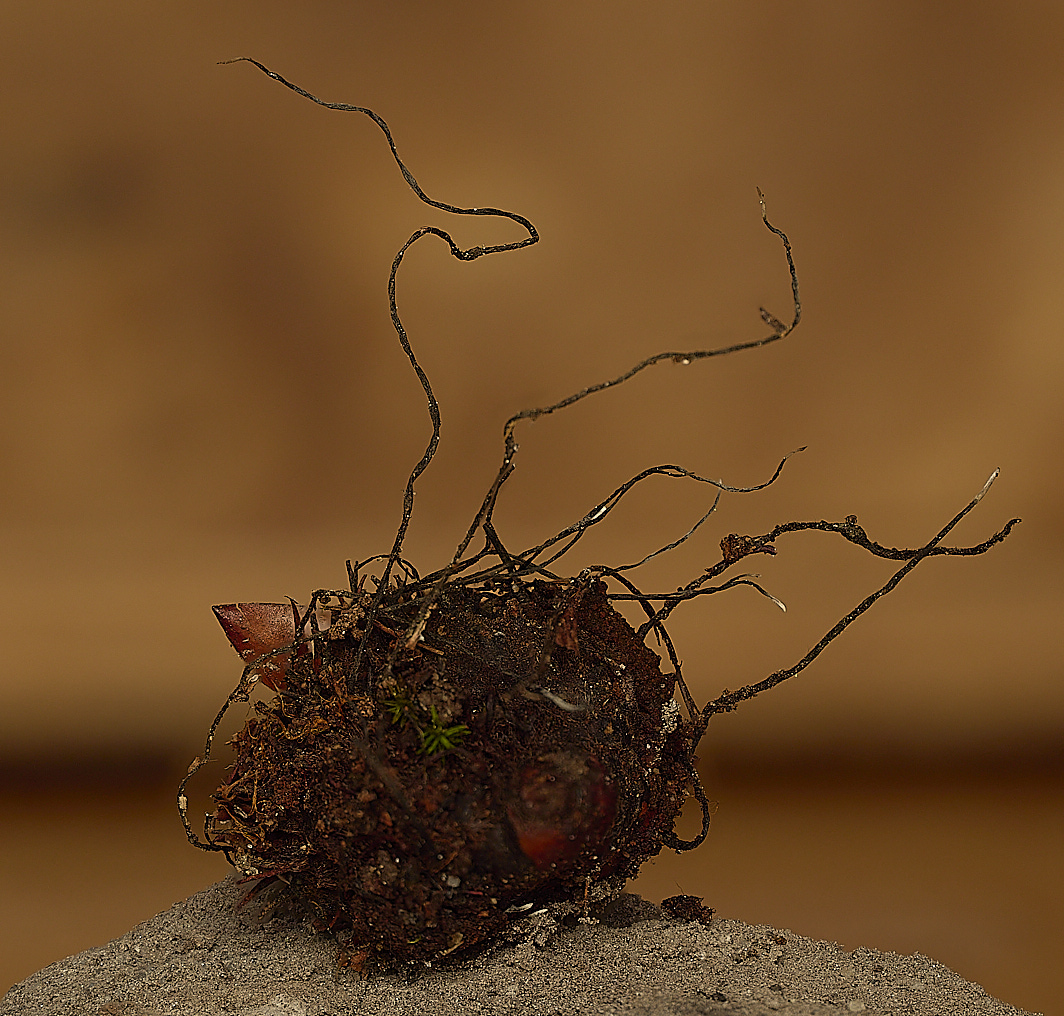
Beech Mast Candlesuff (Xylaria carpophila)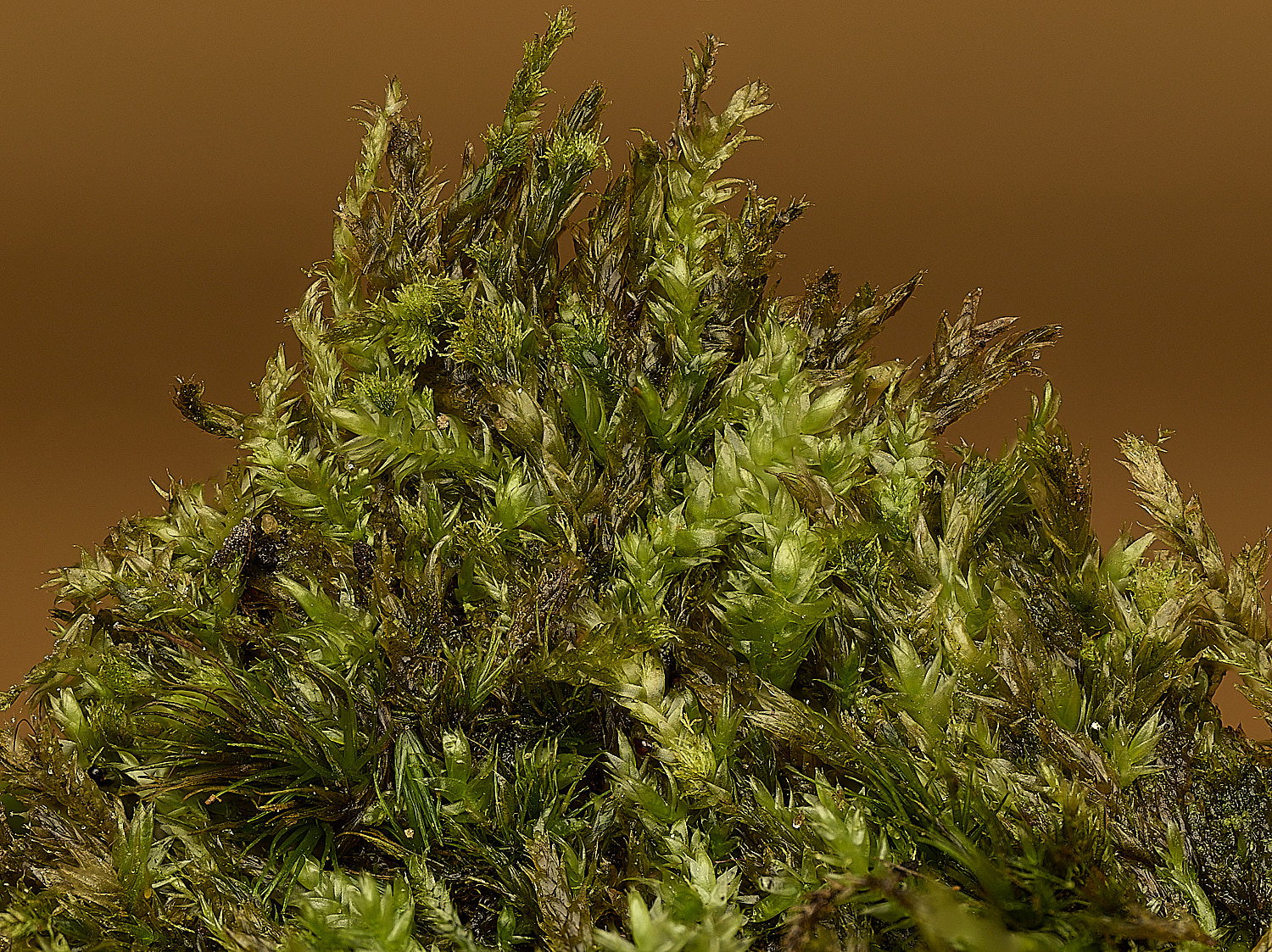
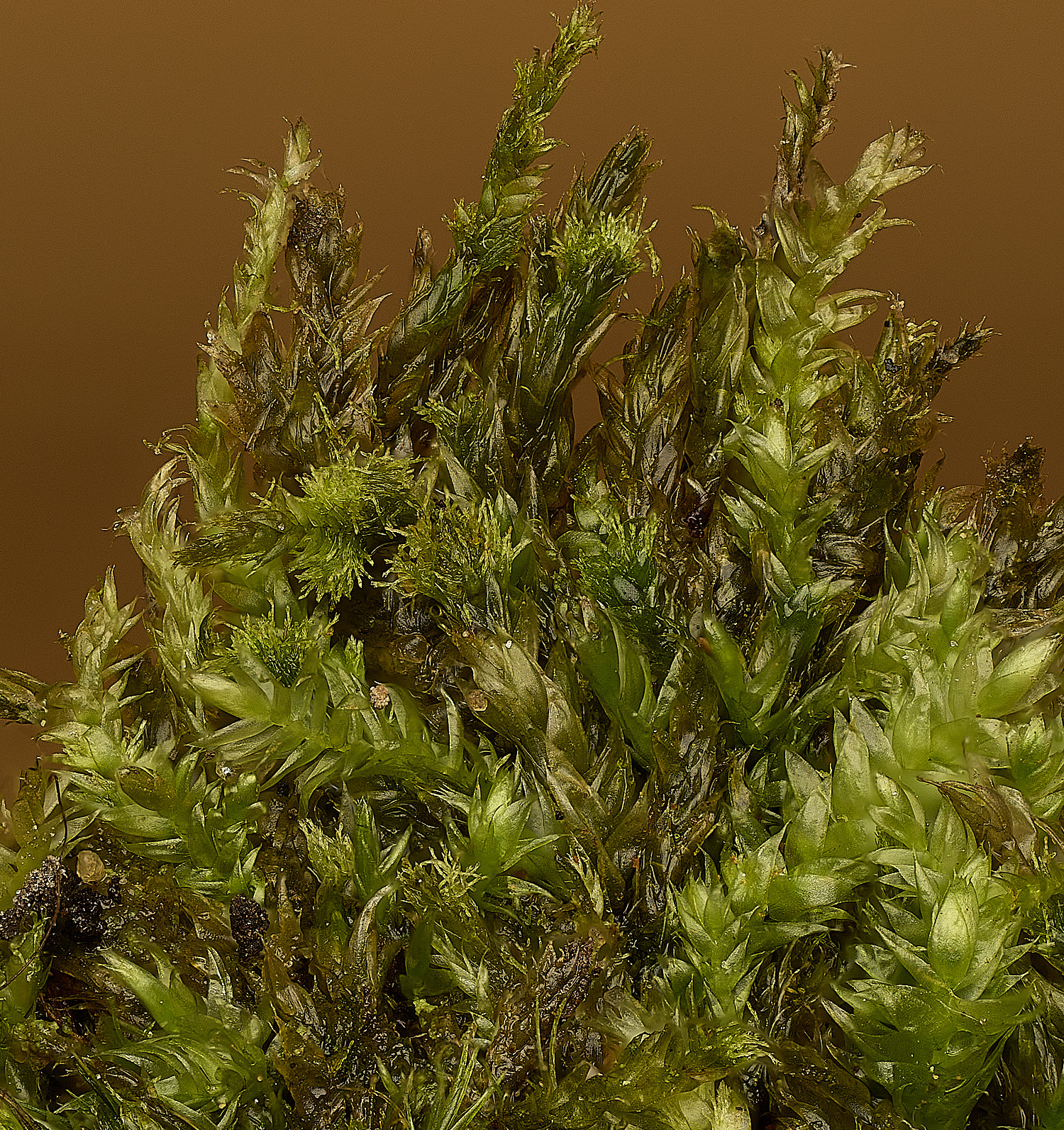
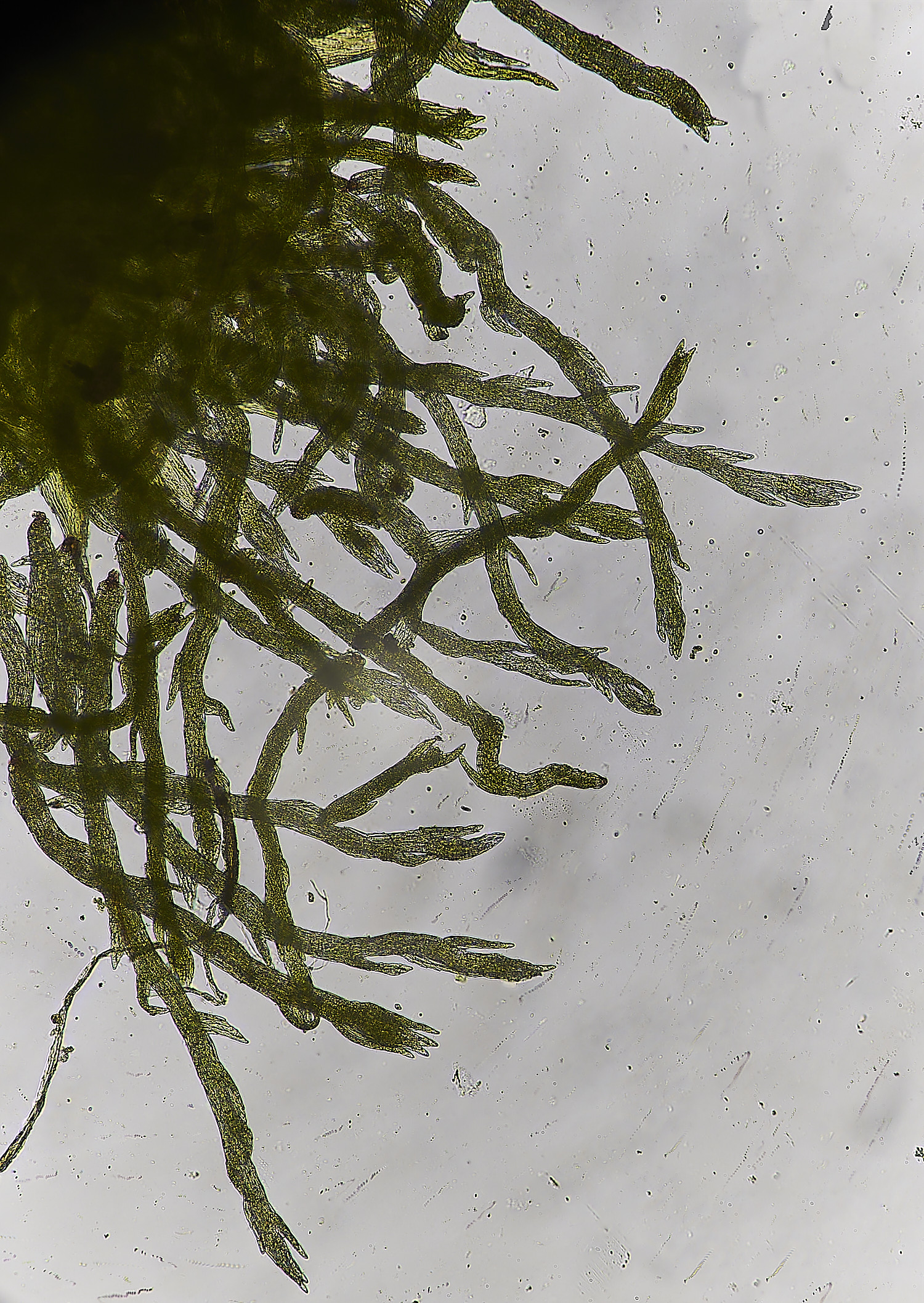
Tiny branchlets
X100
Elegant Silk-moss (Pseudotaxiphyllum elegans)
There are clusters of small branchlets visible on some of the shoots, characteristic of this species.