
Sustead

Blood Bee Sp
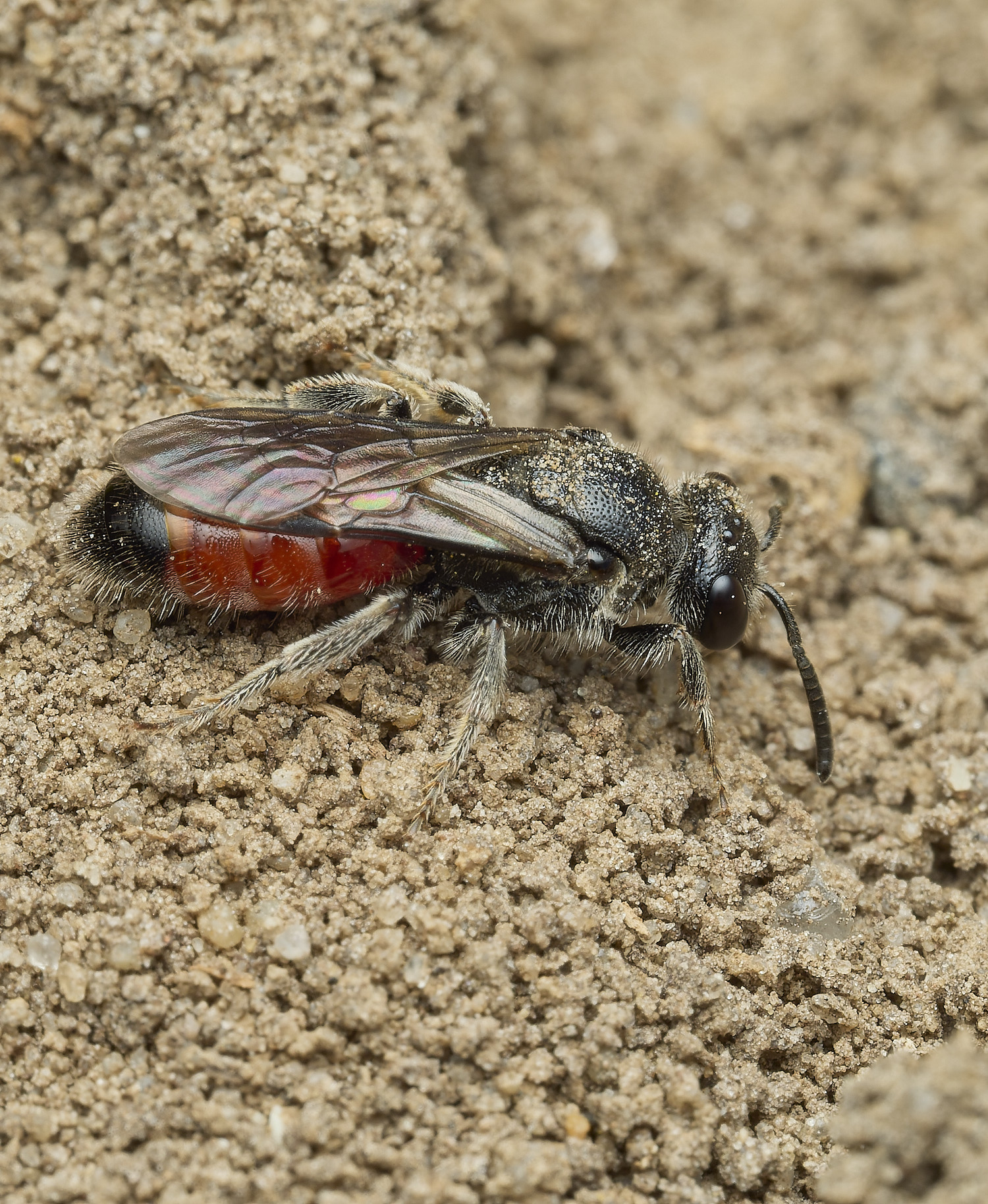
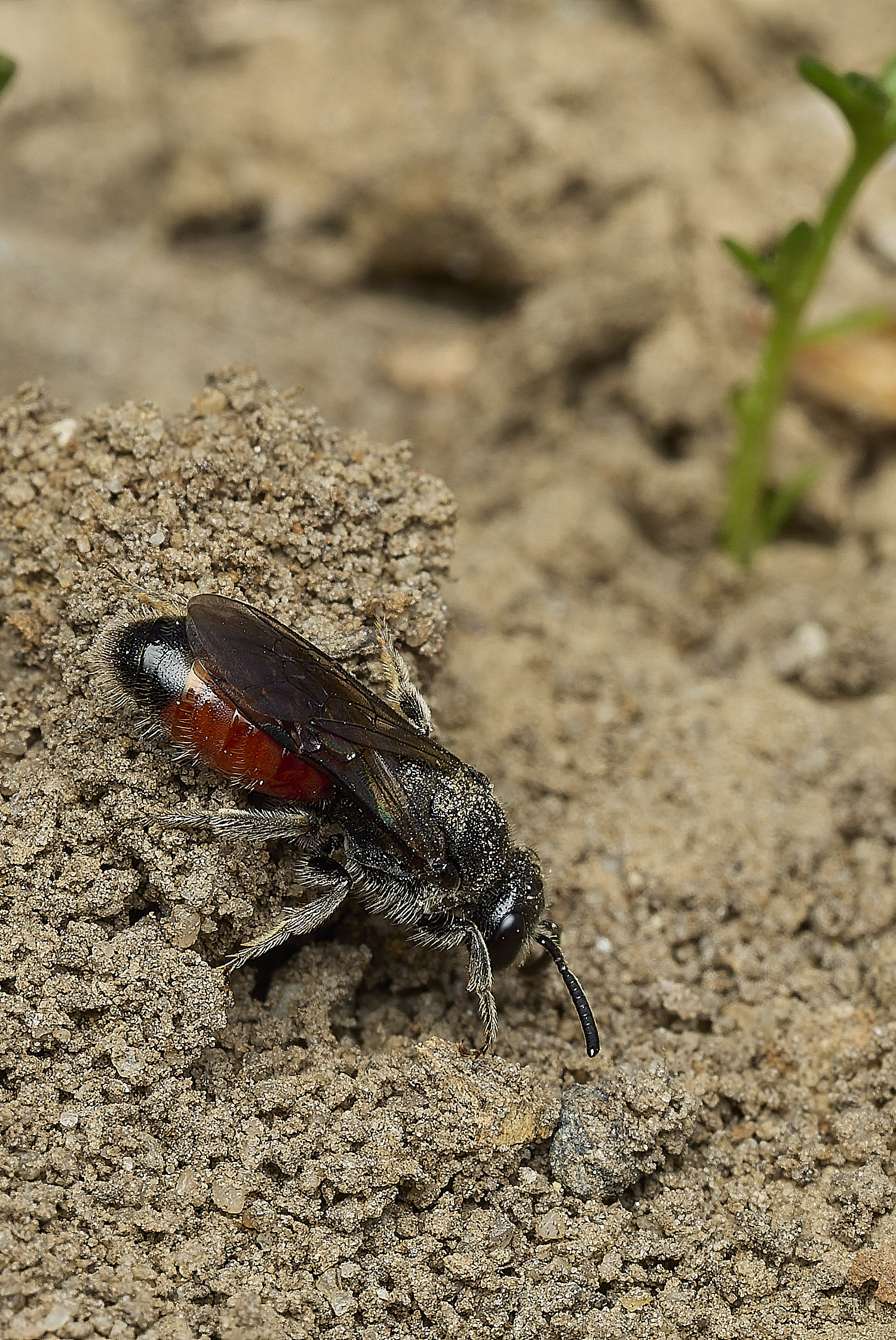
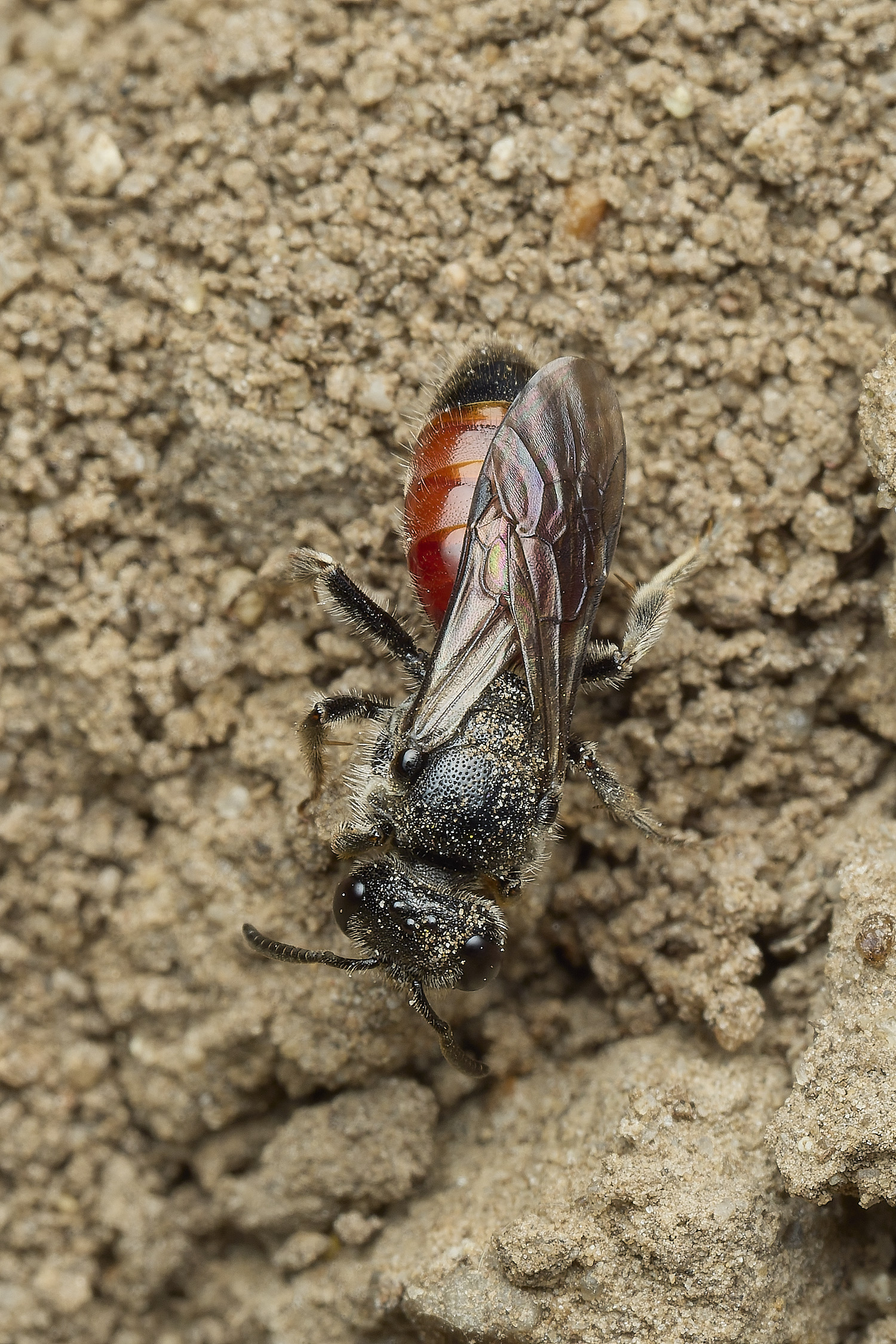
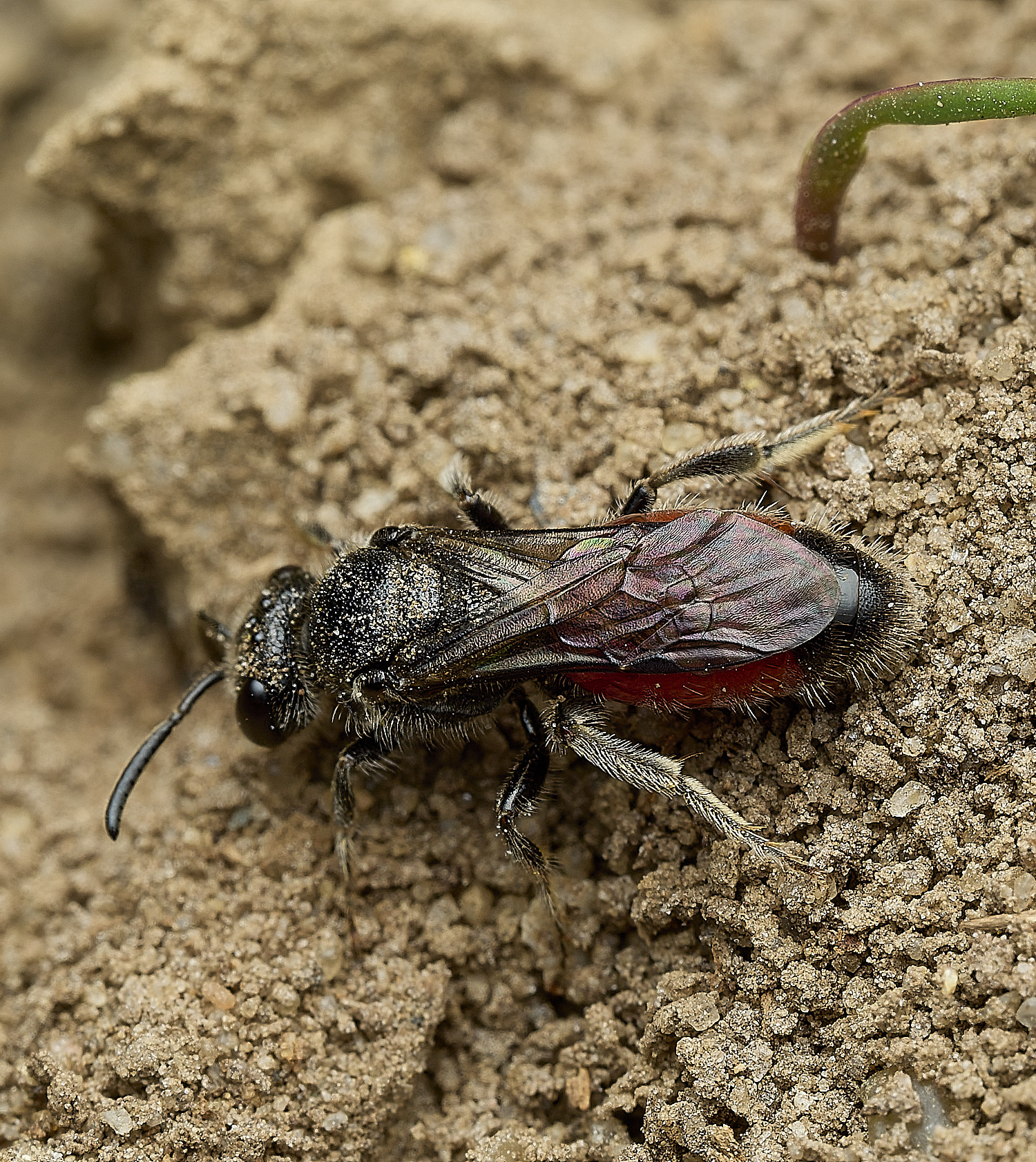
Possible Bare-saddled Blood Bee (Sphecodes ephippus)
A sample was taken of this species. Further photographs and the use of Stephen Falk's Sphecode Key will hopefully enable a correct identfication..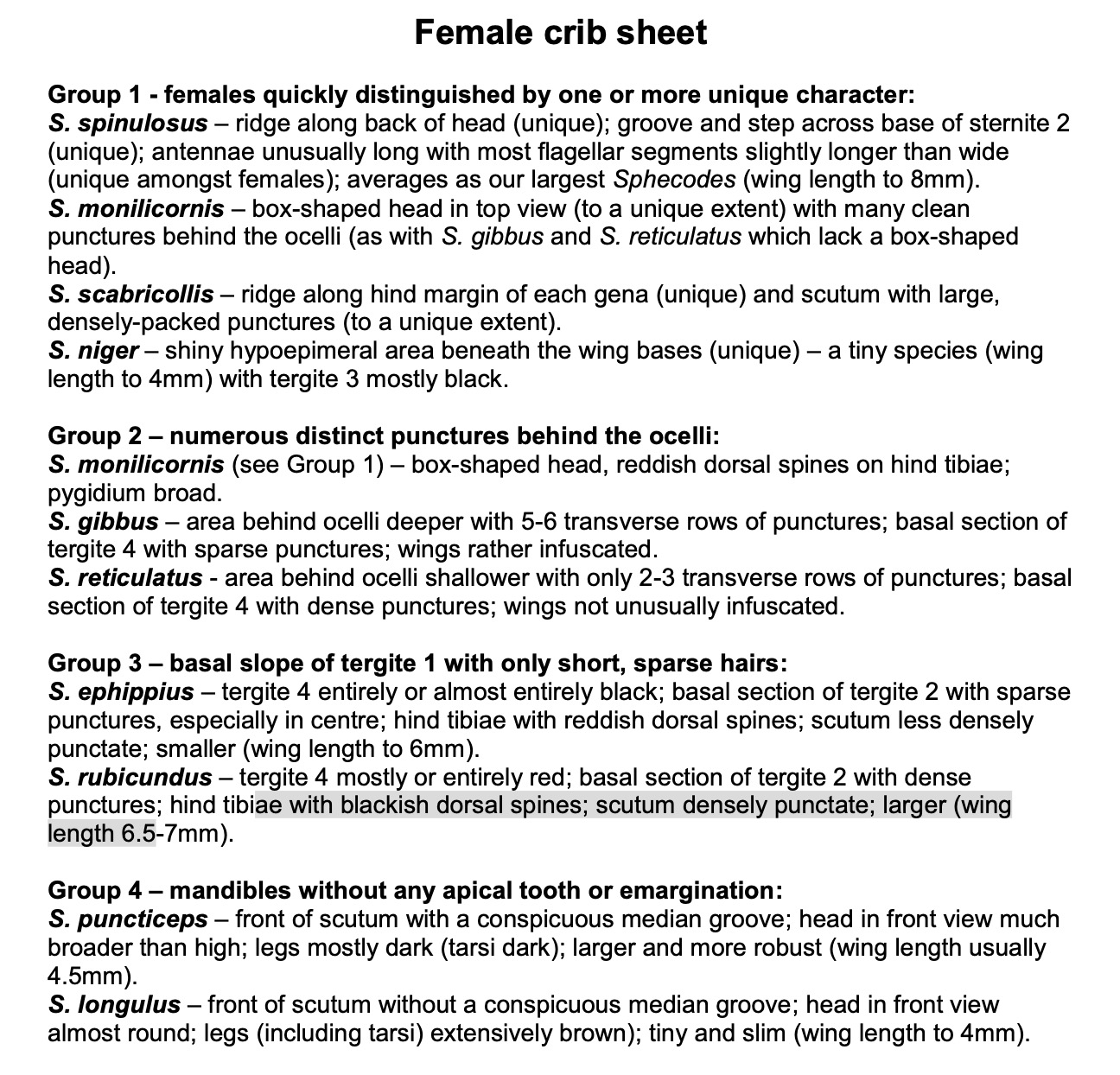
This was clearly a female both from its behaviour (looking down nest holes) and the female Blood Bee has 12 antennal segments, which can be seen in the original images.
Basal parts of a tergite (Anterior or front edge of the tergite closest to the point of attachment to the body) as opposed to the apical part of the tergite ( hind most part)
The first photograph below pointed towards Group 3 in the key.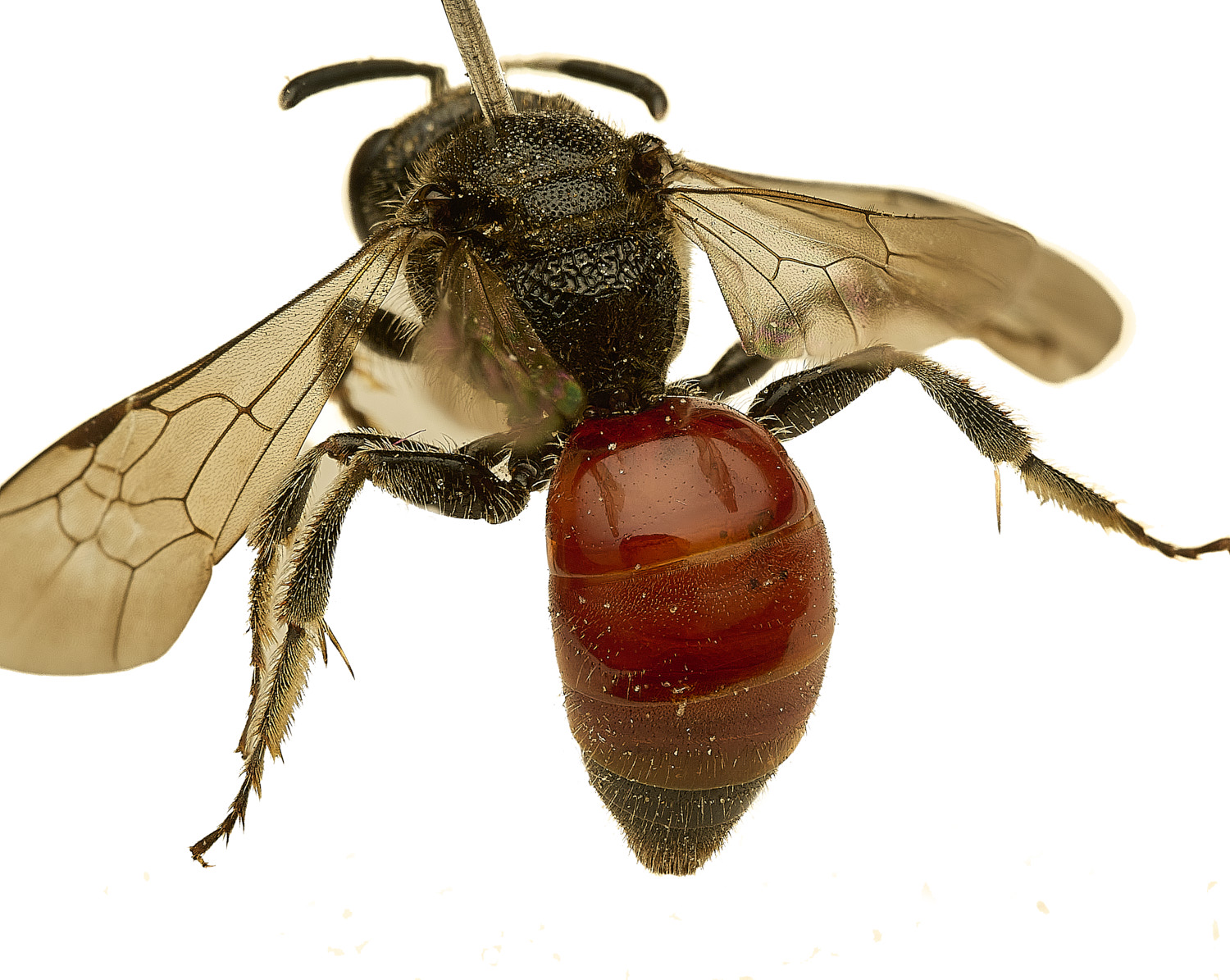
basal slope of tergite 1 with only short sparse hairs
tergite four entirely or almost entirely black
Also shows the basal slope of tergite 1 with only short sparse hairs
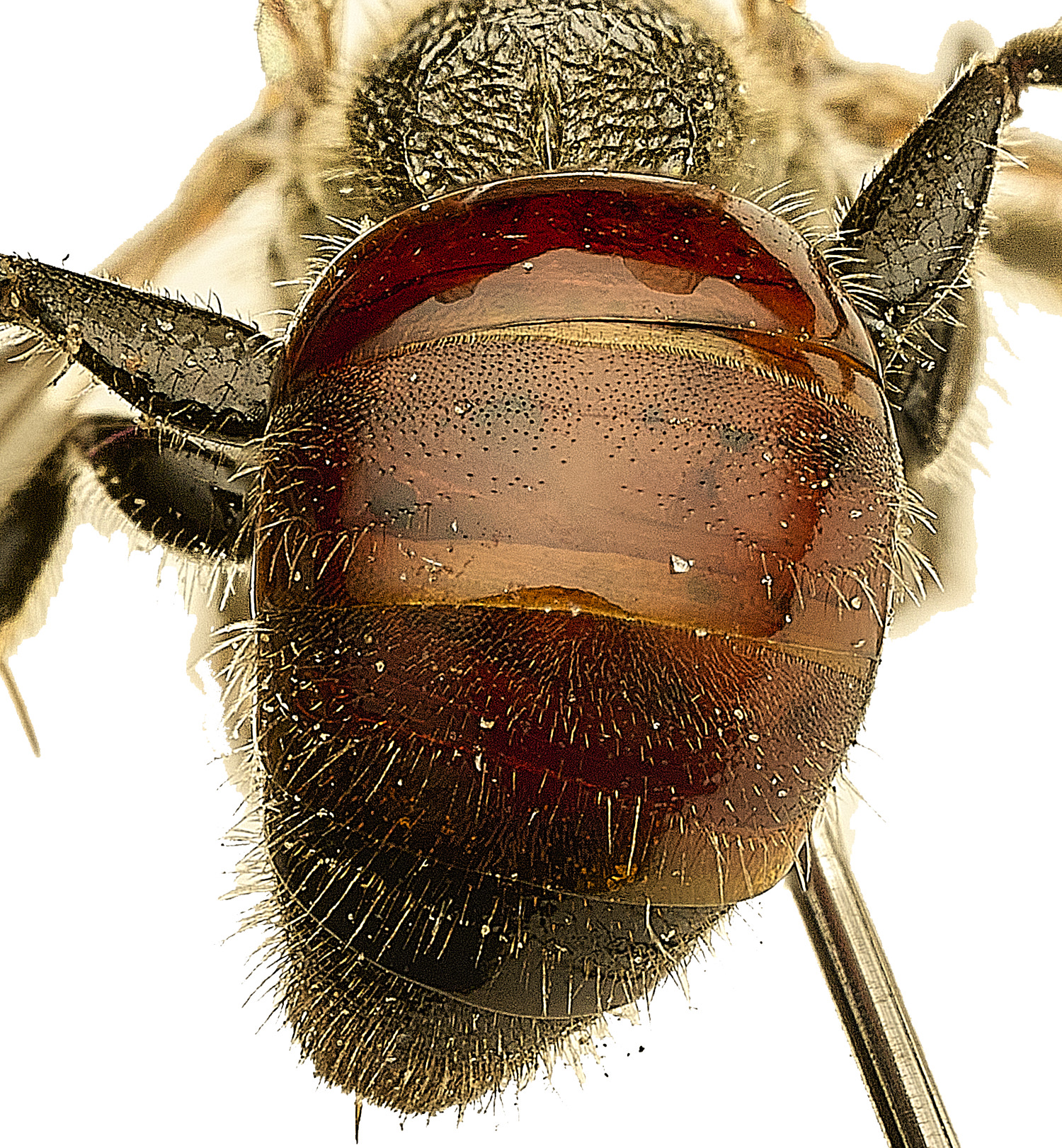
basal section of tergite 2 with sparse punctures, especially in centre
This feature I'm most unsure about. I think you can see there is a definite lack of punctures in the middle but I'm not sure the rest is 'sparse"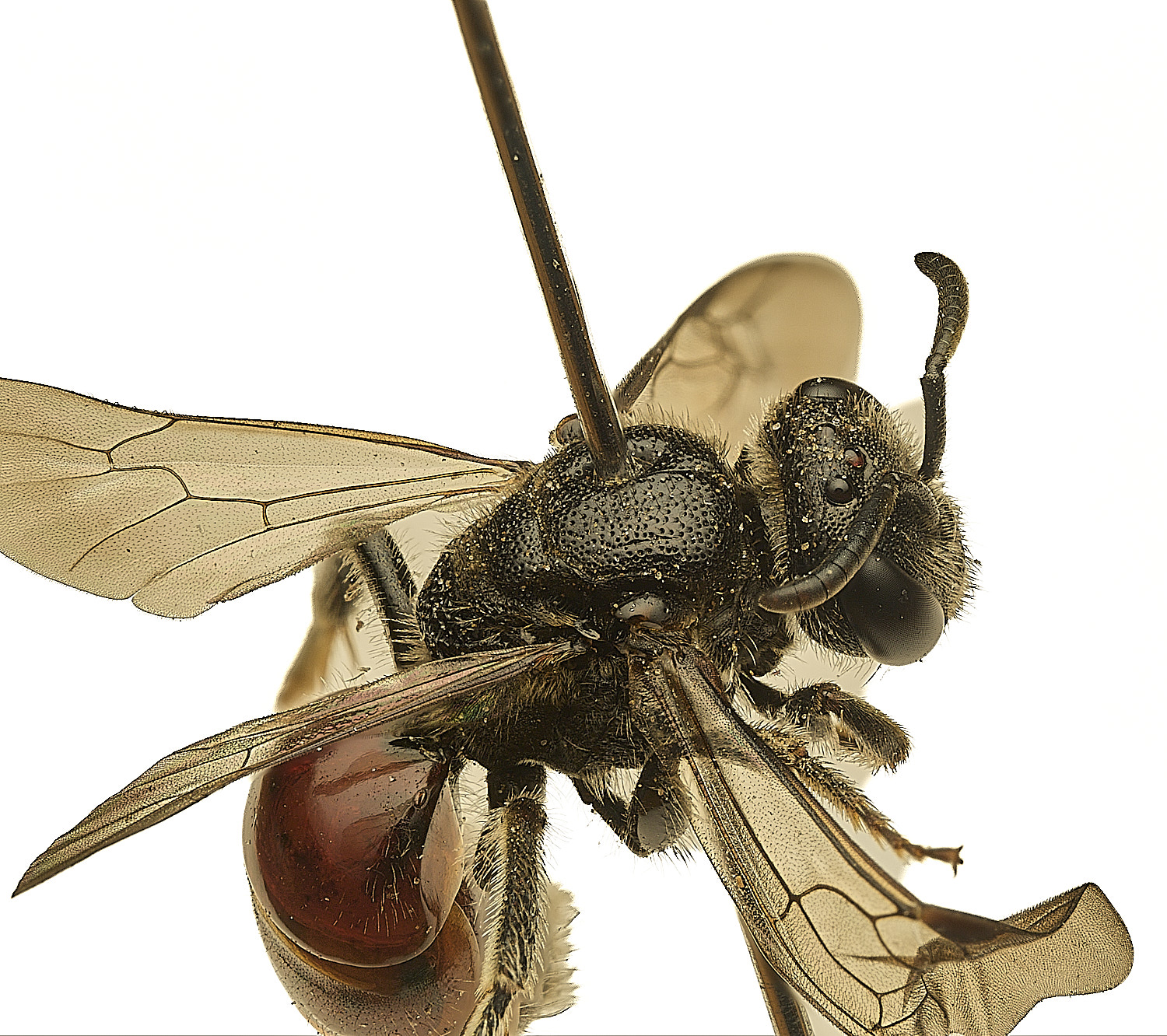
scutum punctate but not overly so
Not sure about the degree of punctuation as against the pther species in this group.
The wing length was measured - 6cm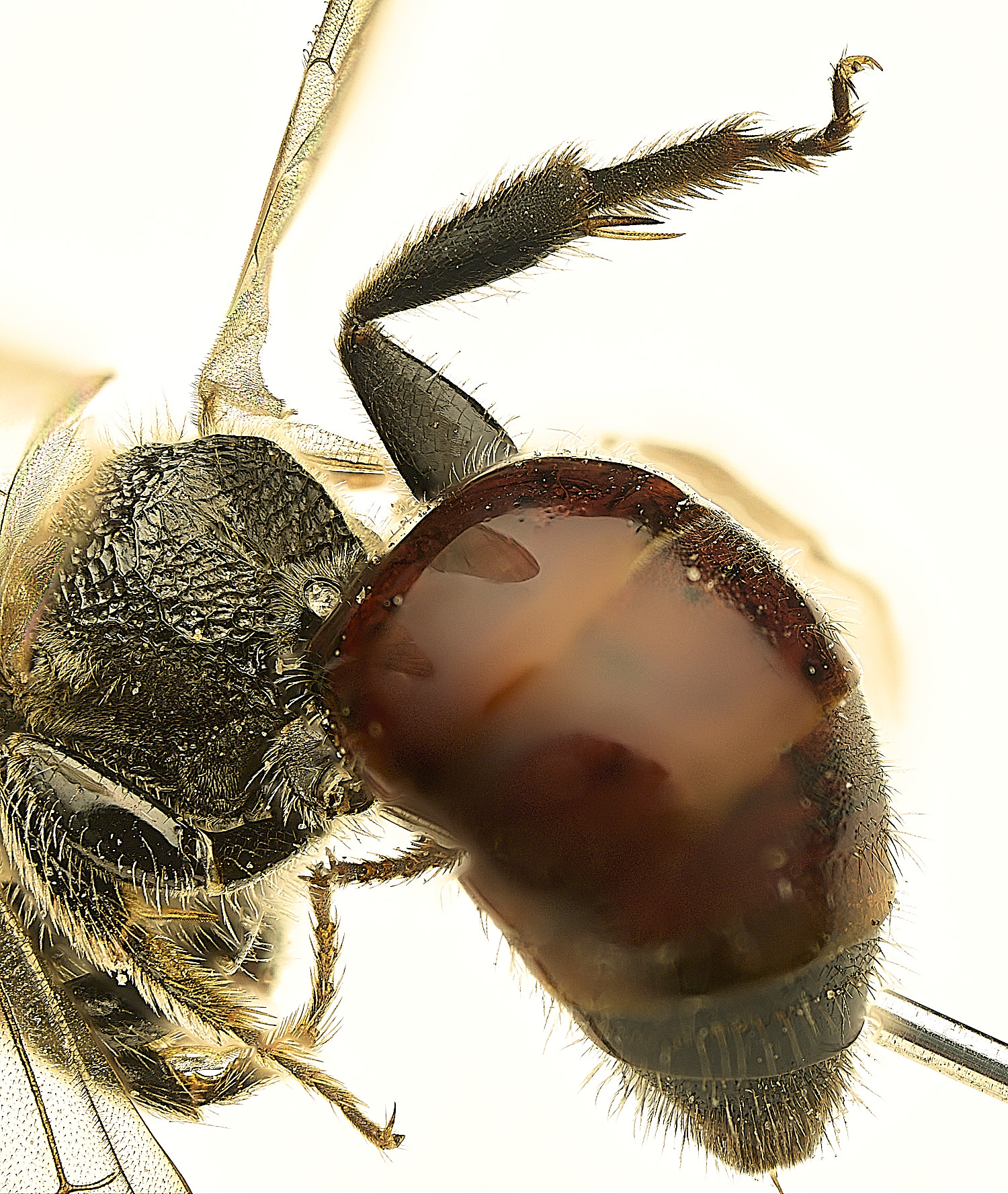
You can see the spines (0range/red) and the pale hairs on the dorsal surface of the hind tibia
It all seems to point towards S equippus?
Taken with an OM1 Mk2 + 90mm macro + Nikon 6T Filter . This camera (new to me) has the ability to focus stack when using flash.
All images stacked (100-160 shots) with Helicon Focus with further adjustments, particularly the background colour in Capture One.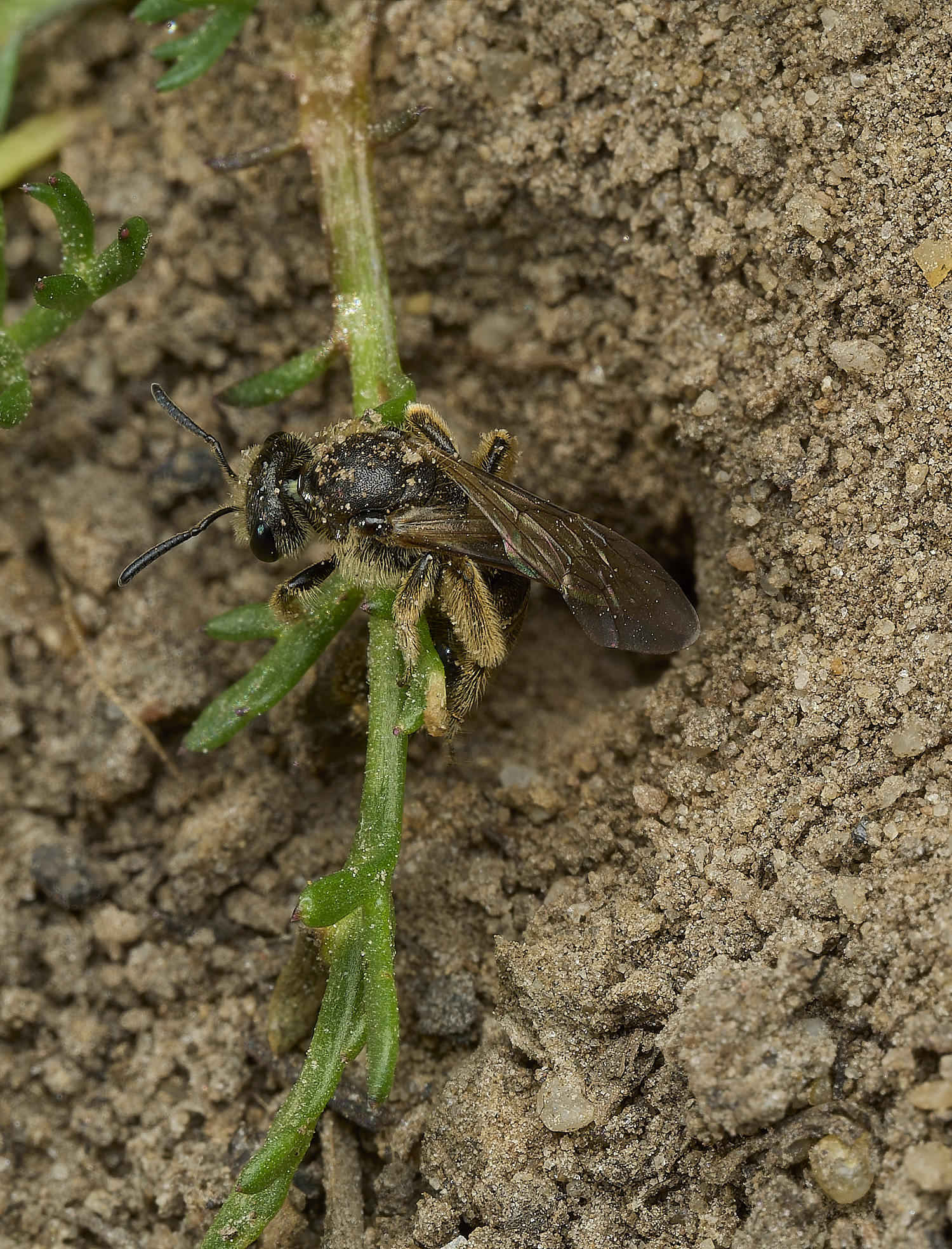
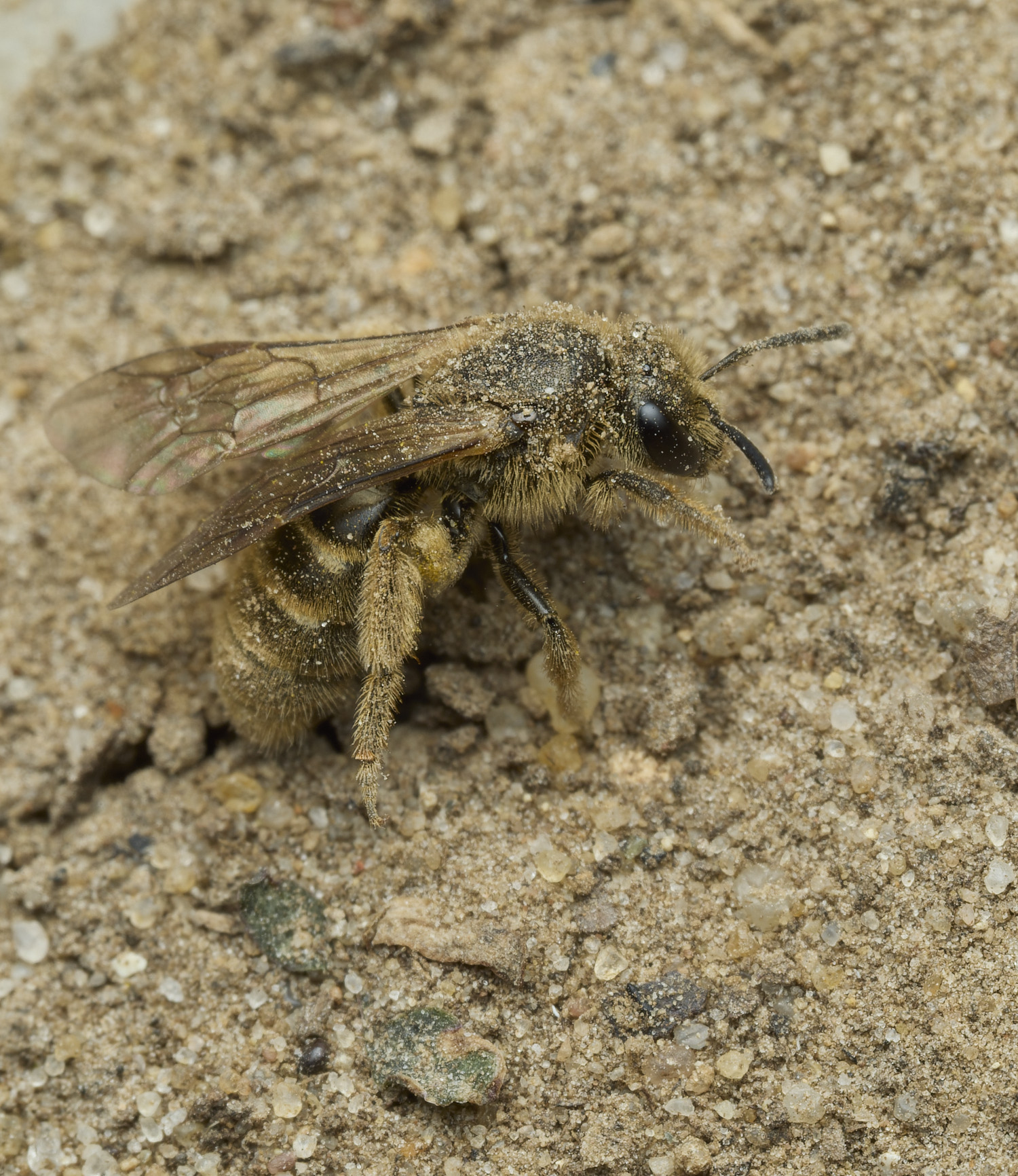
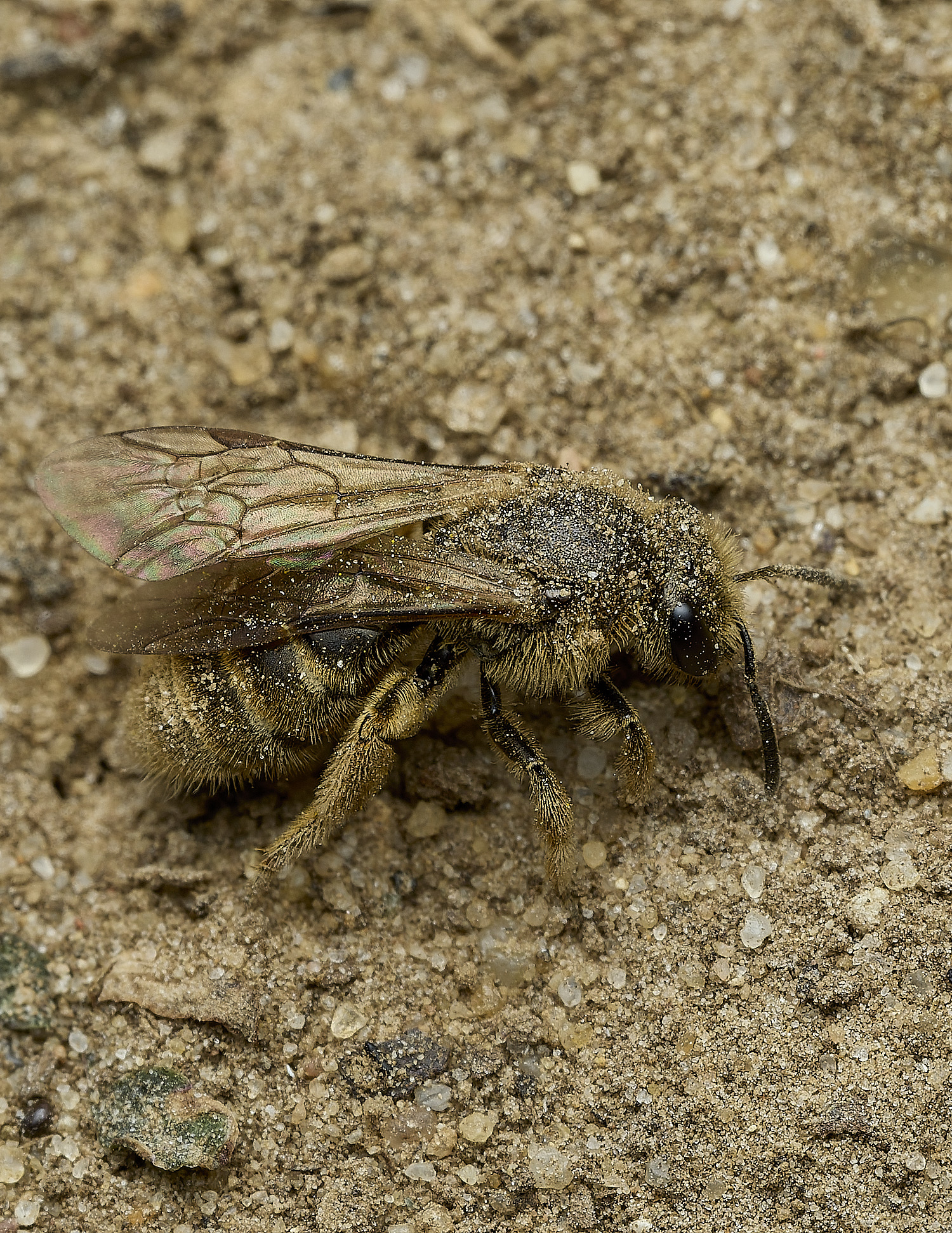
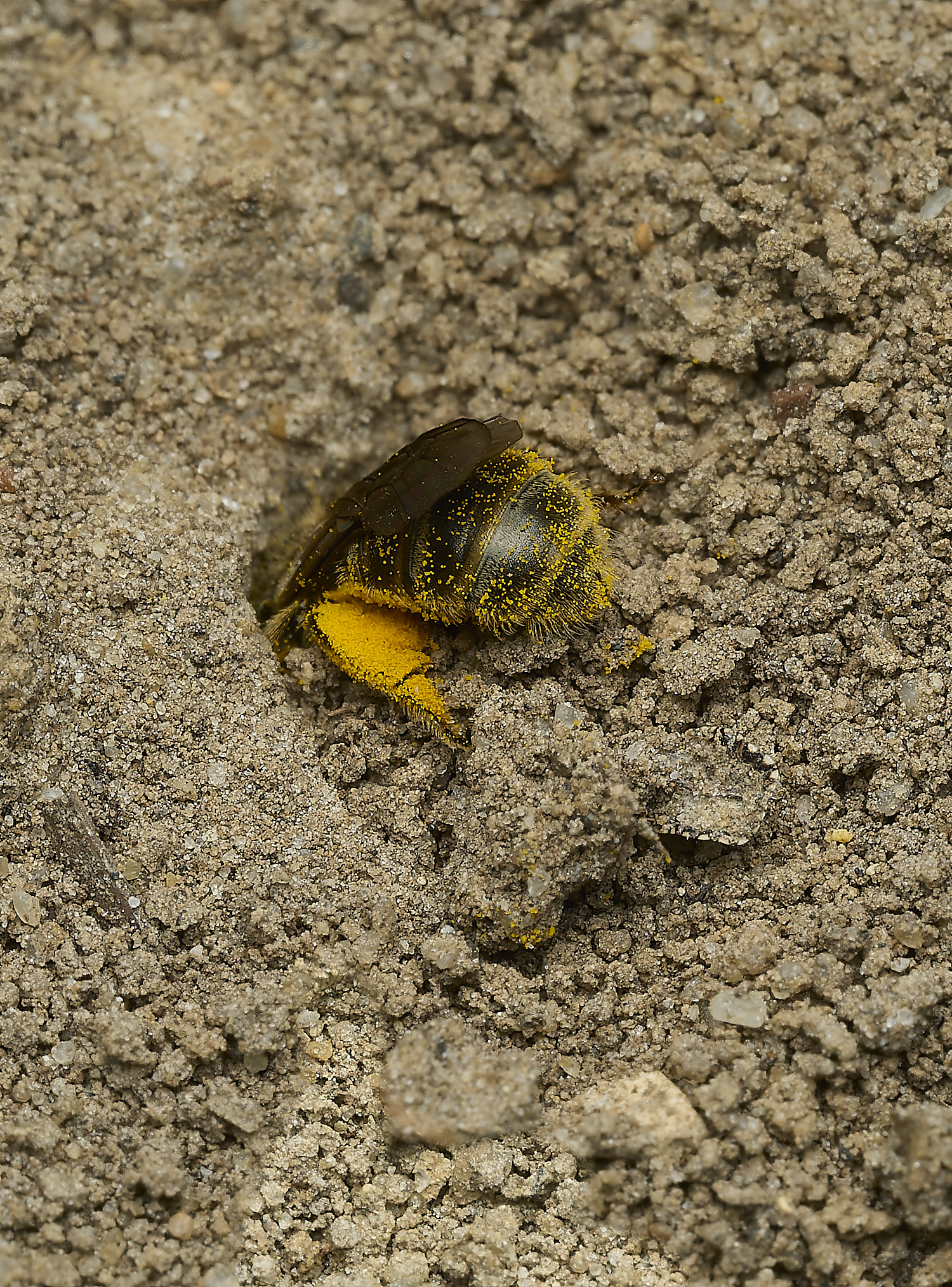

Lasioglossum Sp
Lasioglossum calceatum
Thanks to NO for id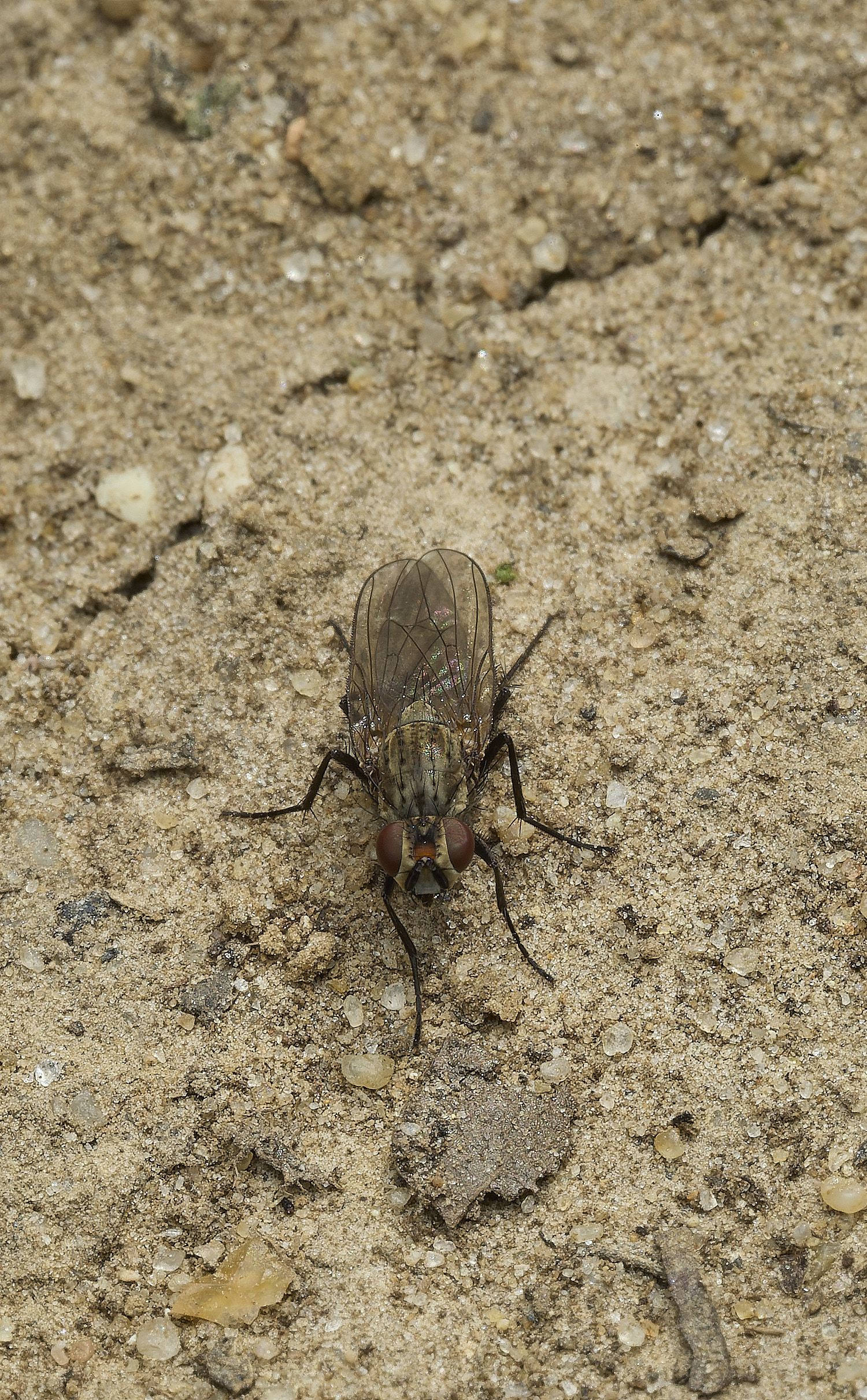
Satellite Fly?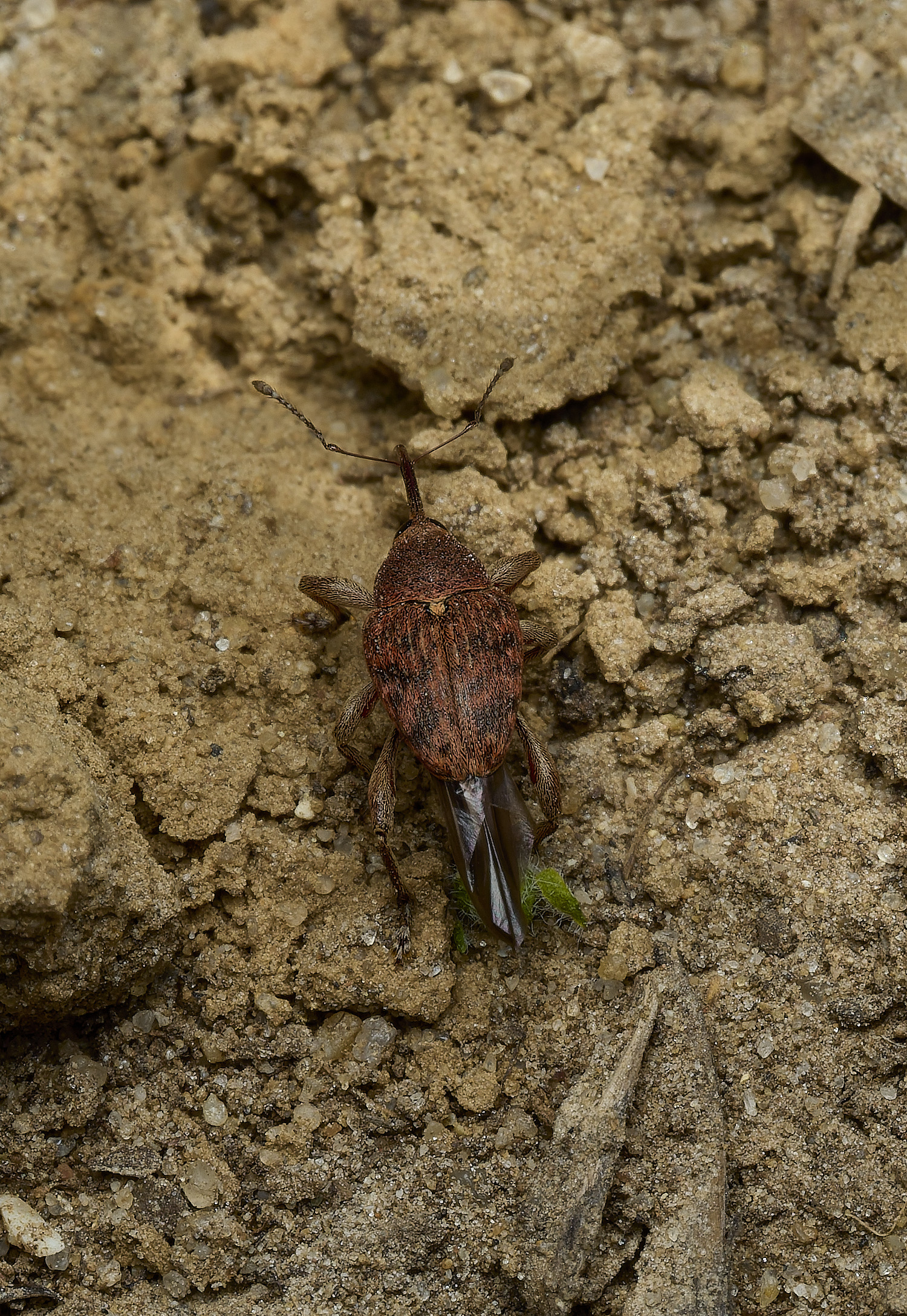
Curculio glandium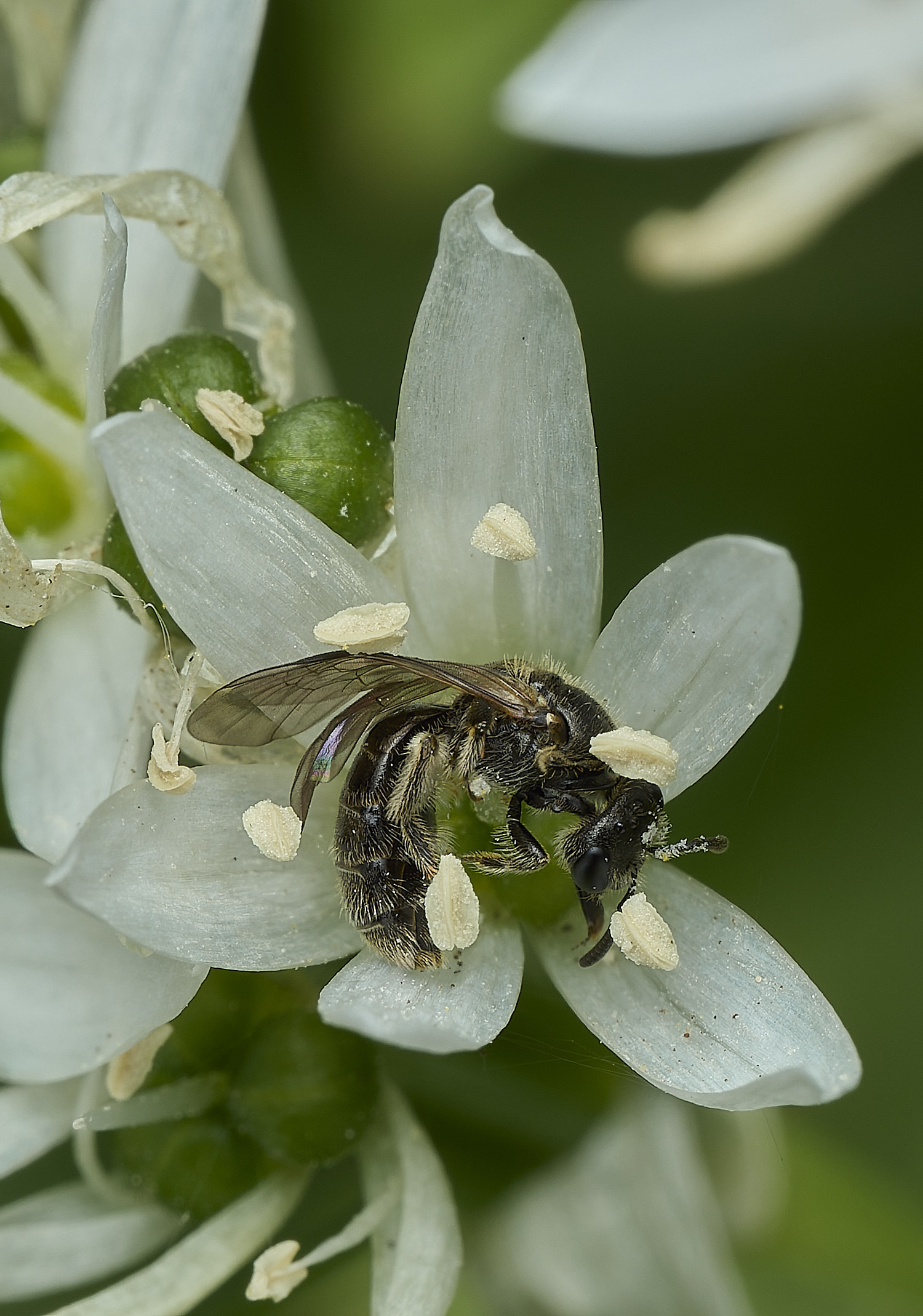
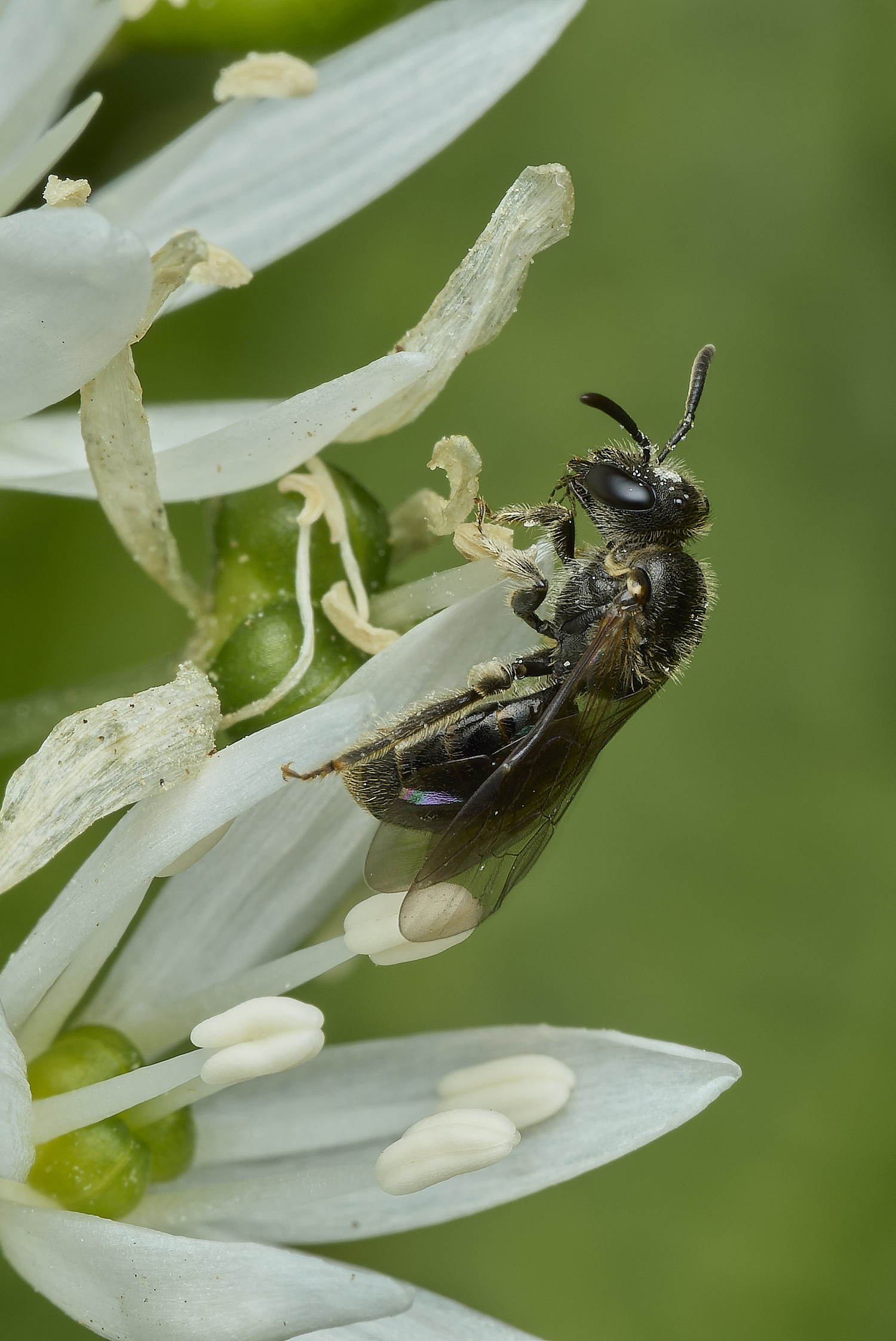
Lasioglossum Sp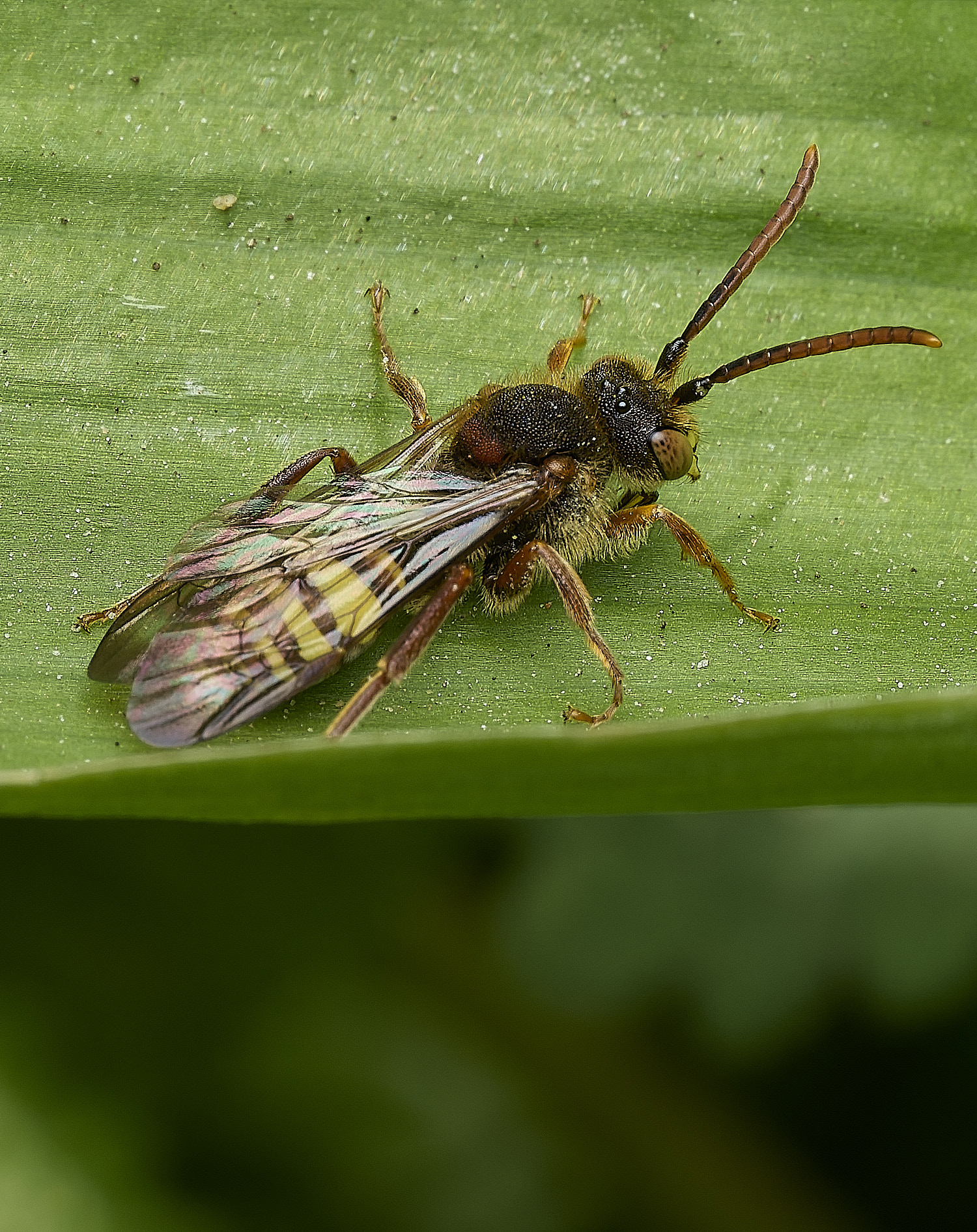
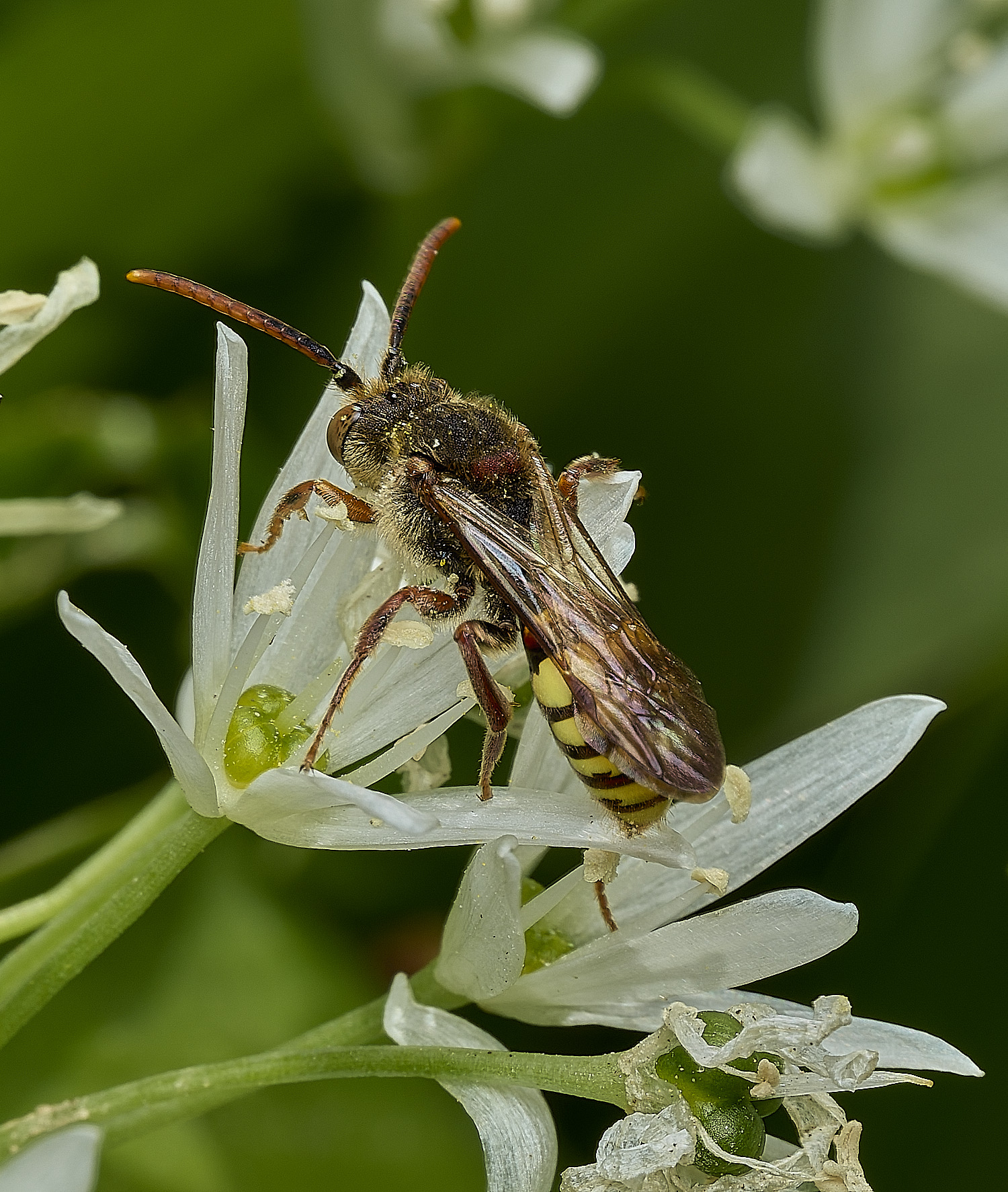
Nomad Sp?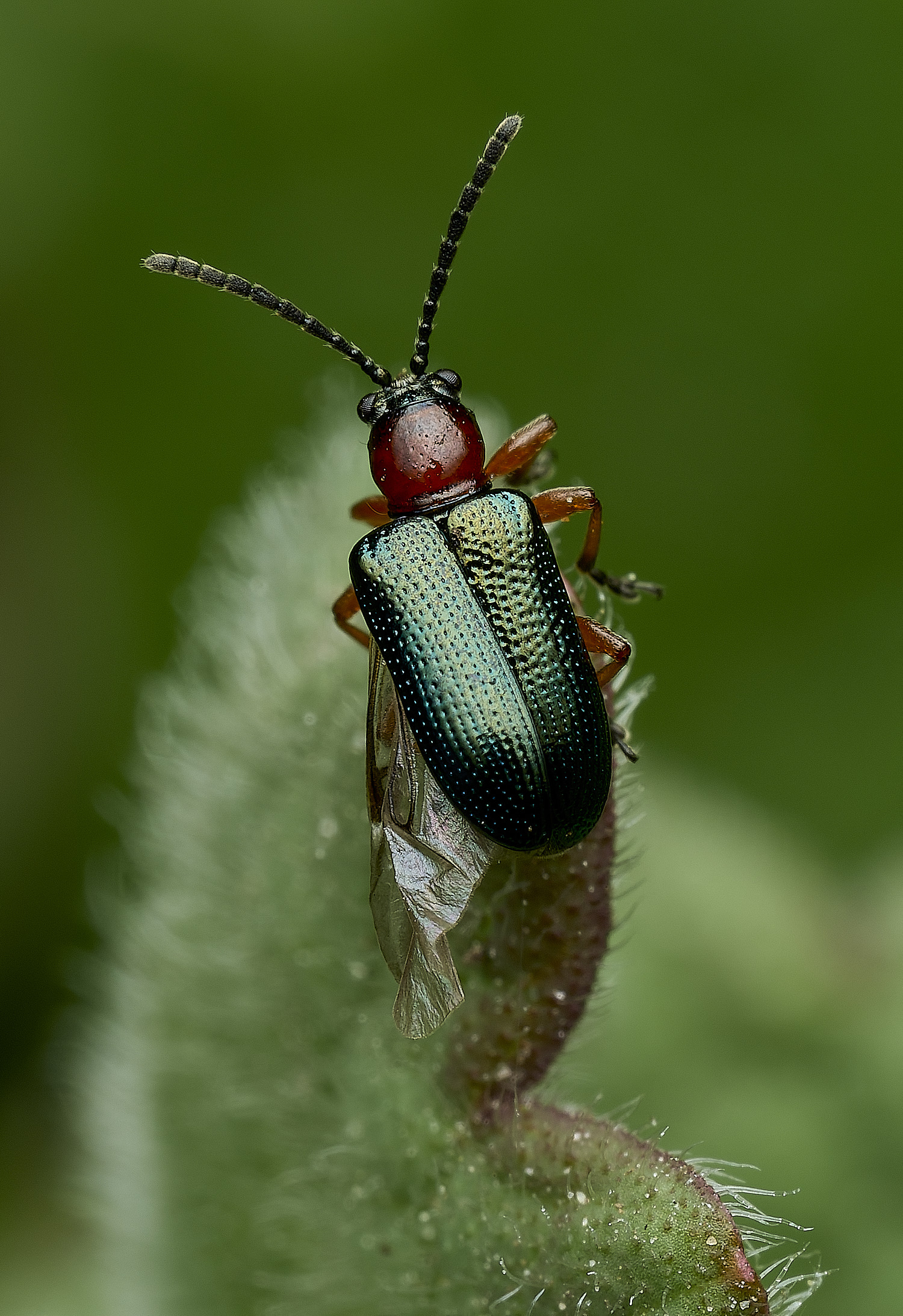
Beetle Sp?
Hairy Spring Bee Grabber (Myopa vicaria_
Nomad Sp?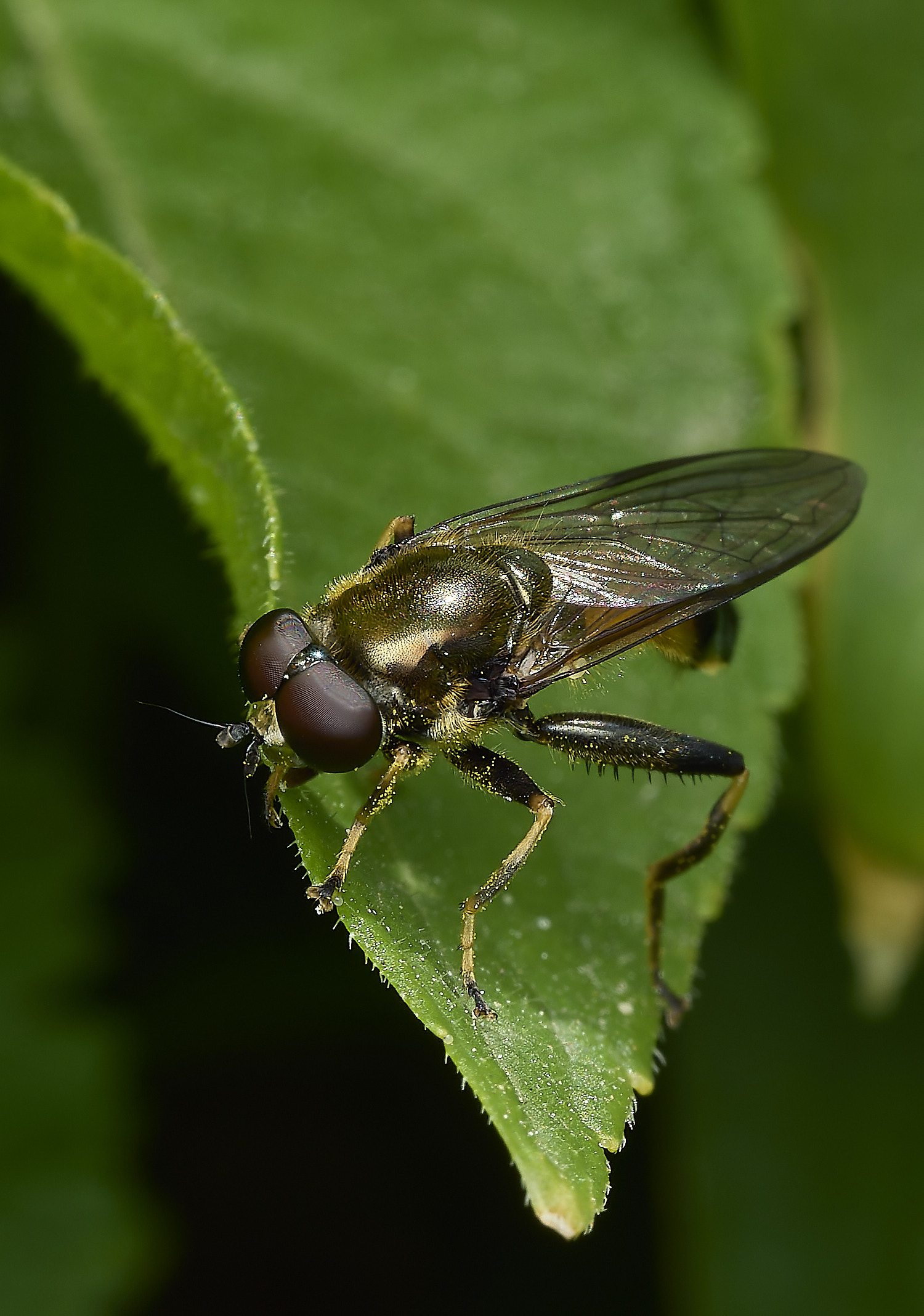
Xylota segnis